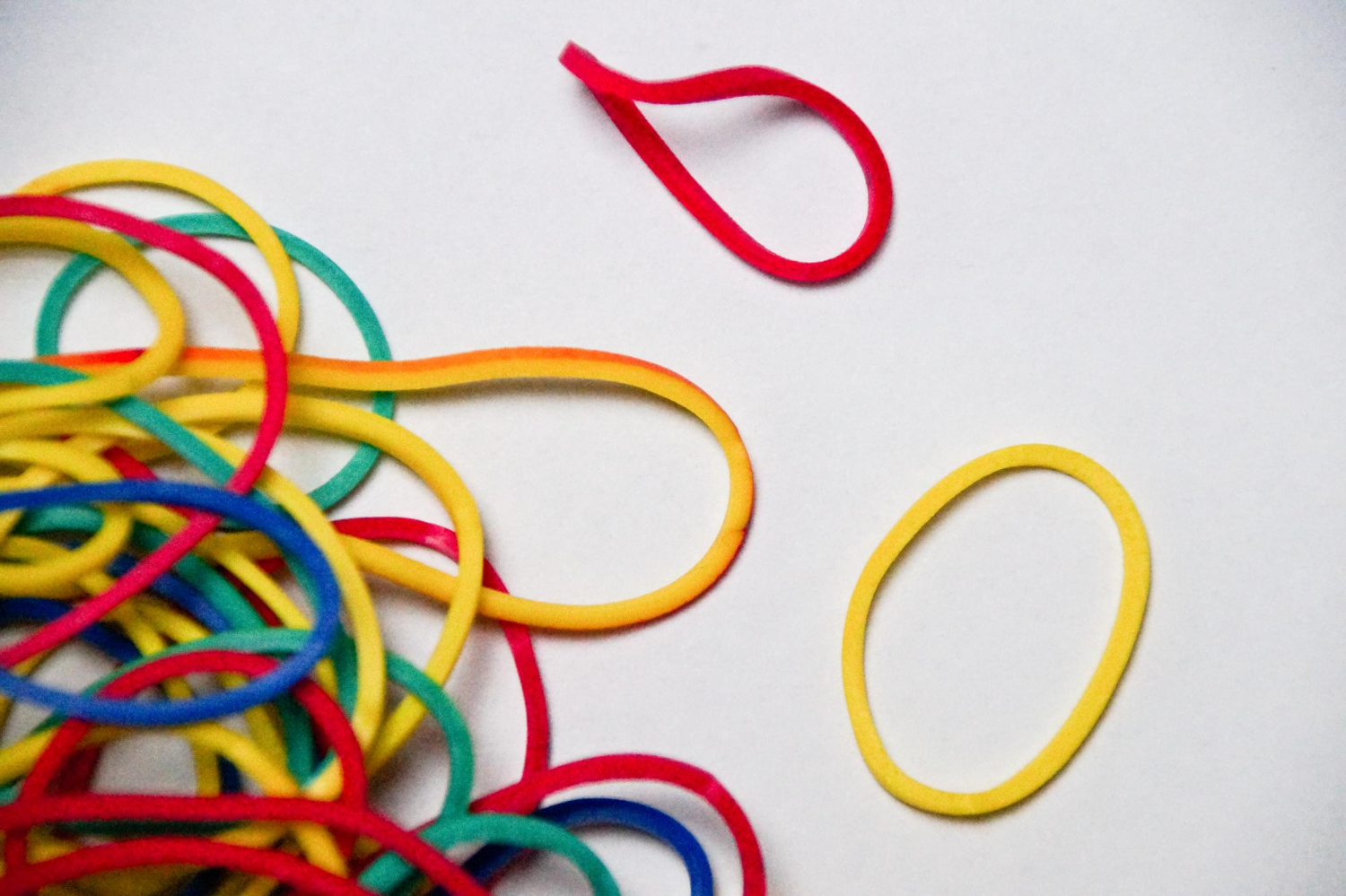
The useful distinction is between materials that store energy in their shape and materials that store it in their disorder. A spring does the first and rubber does the second, and almost every difference follows. Here are twelve.
1. Everything Is Elastic a Little
Steel, glass, stone and wood all deform under load and return when it is removed, provided the load stays small enough.
Elasticity is a general property rather than a special one. Universal elasticity is the fact that makes the limit rather than the property the interesting part.
Like our content? Follow us for more.
2. The Limit Is What Matters
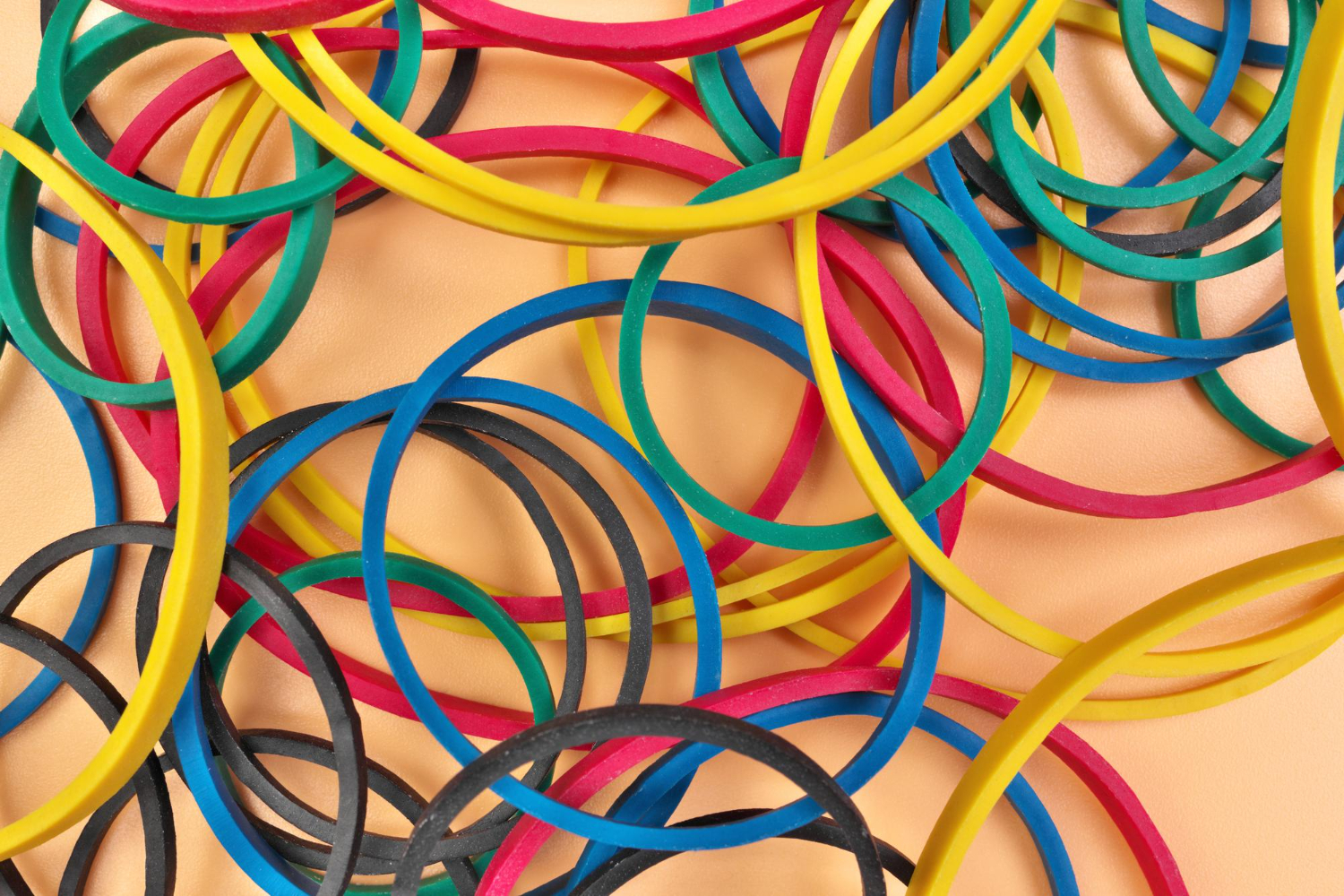
Beyond a certain deformation a material stops returning and stays bent, which is the boundary between something that recovers and something that has been damaged.
Where that boundary sits varies enormously between materials. The elastic limit is the property engineers actually design around.
3. A Spring Stores Energy in Its Shape
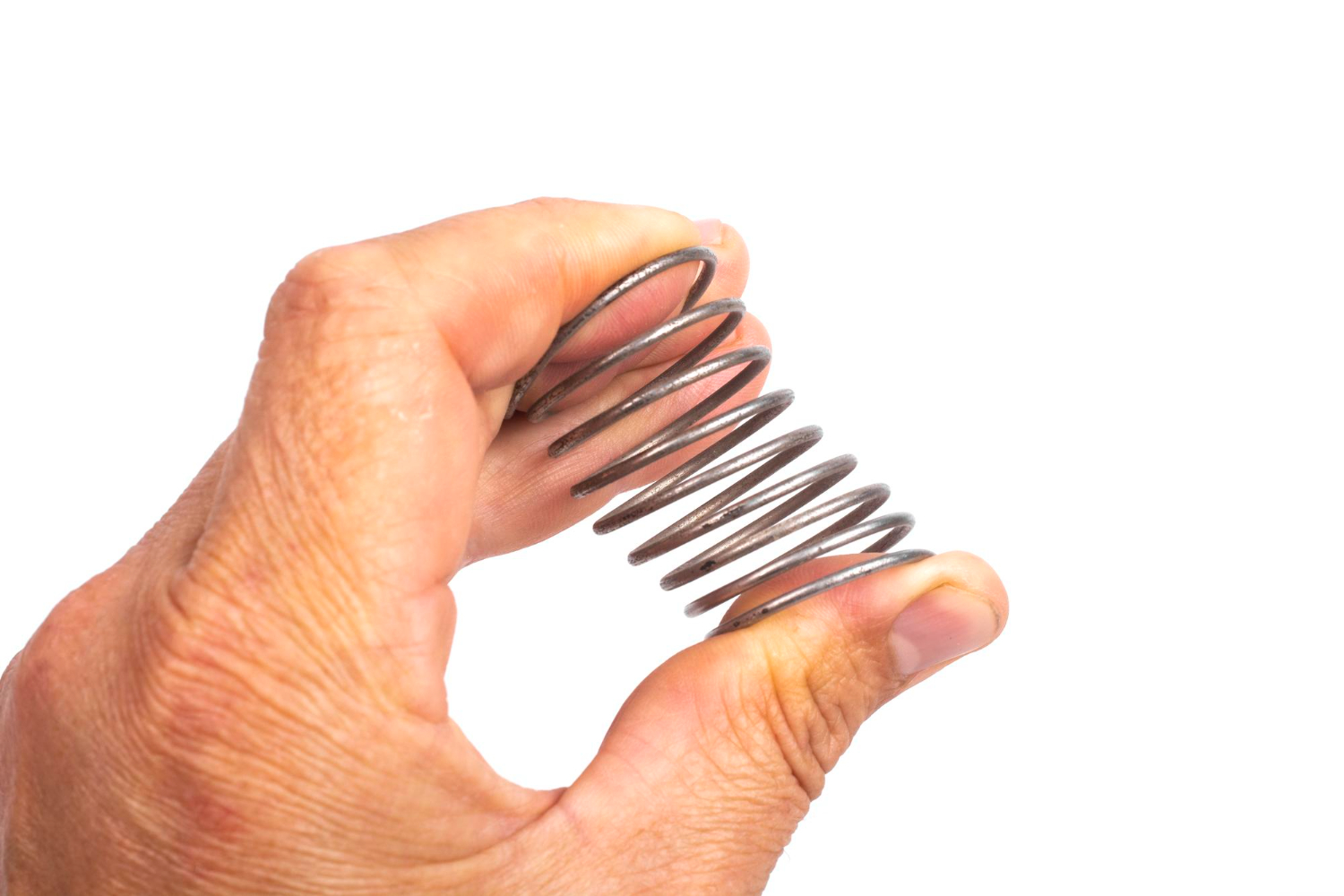
Coiling a stiff material means that bending the coil slightly bends the material a great deal along its length, so a spring is a stiff thing arranged to behave like a soft one.
The material itself barely deforms. Geometric compliance is what makes a spring out of something rigid.
4. Rubber Works Completely Differently
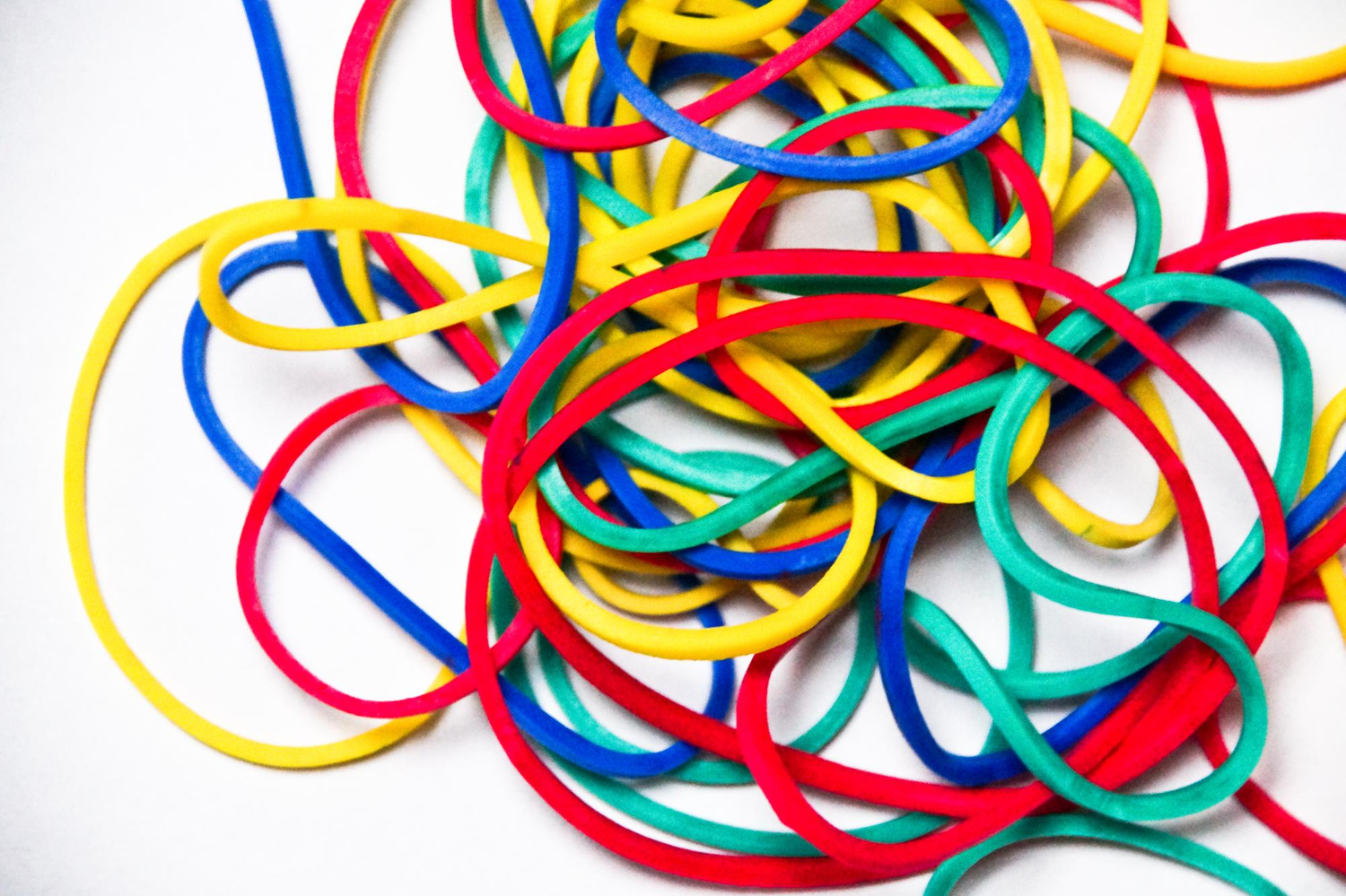
Rubber consists of very long molecular chains, tangled and coiled at rest, which straighten out when stretched and return to a tangled state when released.
Nothing is being bent; something is being unravelled. Chain uncoiling is the mechanism that makes rubber unlike every stiff material.
5. Which Is Why It Stretches So Far
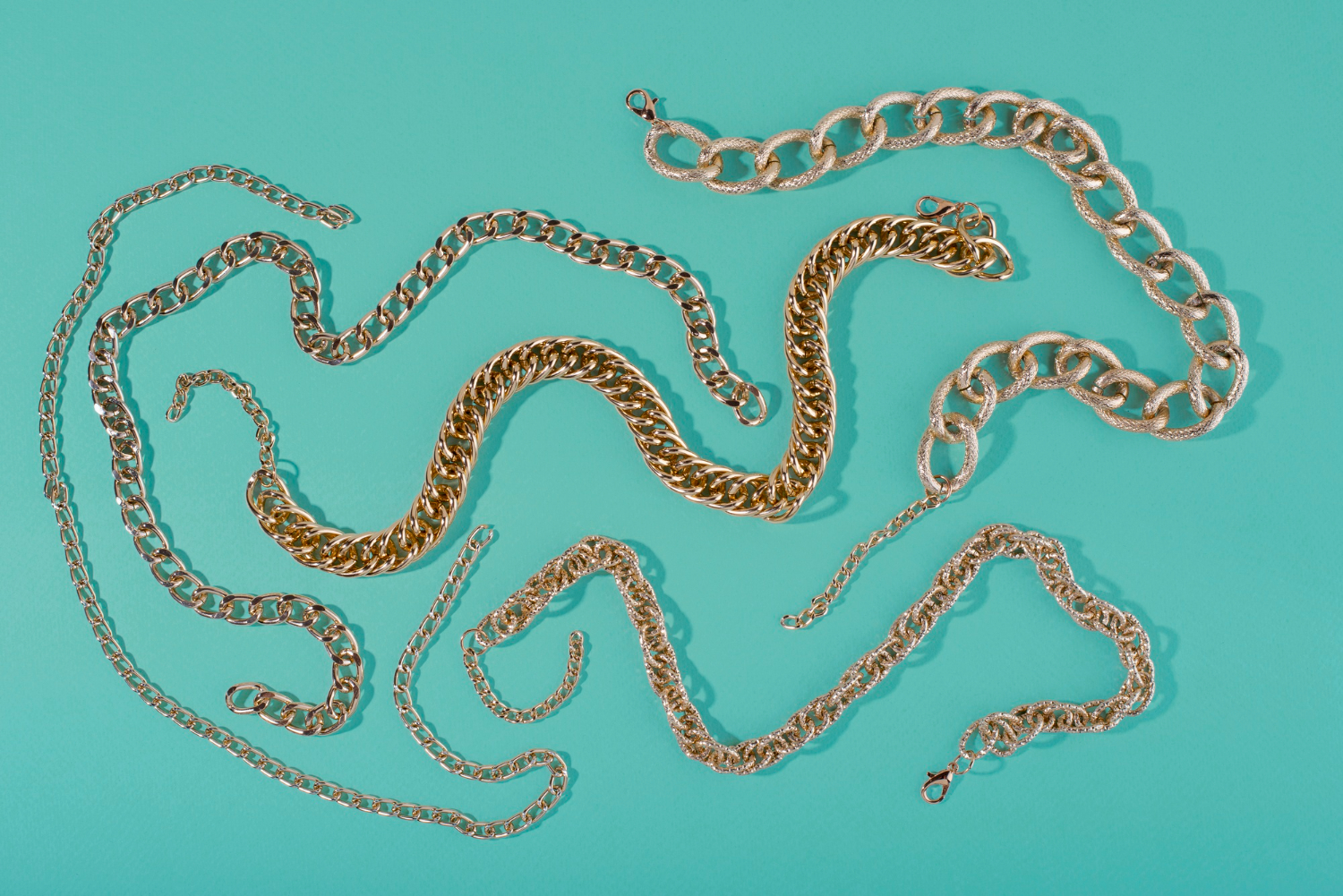
A coiled chain can extend to many times its resting length simply by straightening, which is why rubber tolerates deformation that would destroy a metal instantly.
The extension is available because the material was folded up. Enormous strain range is the direct consequence of the coiled structure.
6. Stretching It Makes It Warm
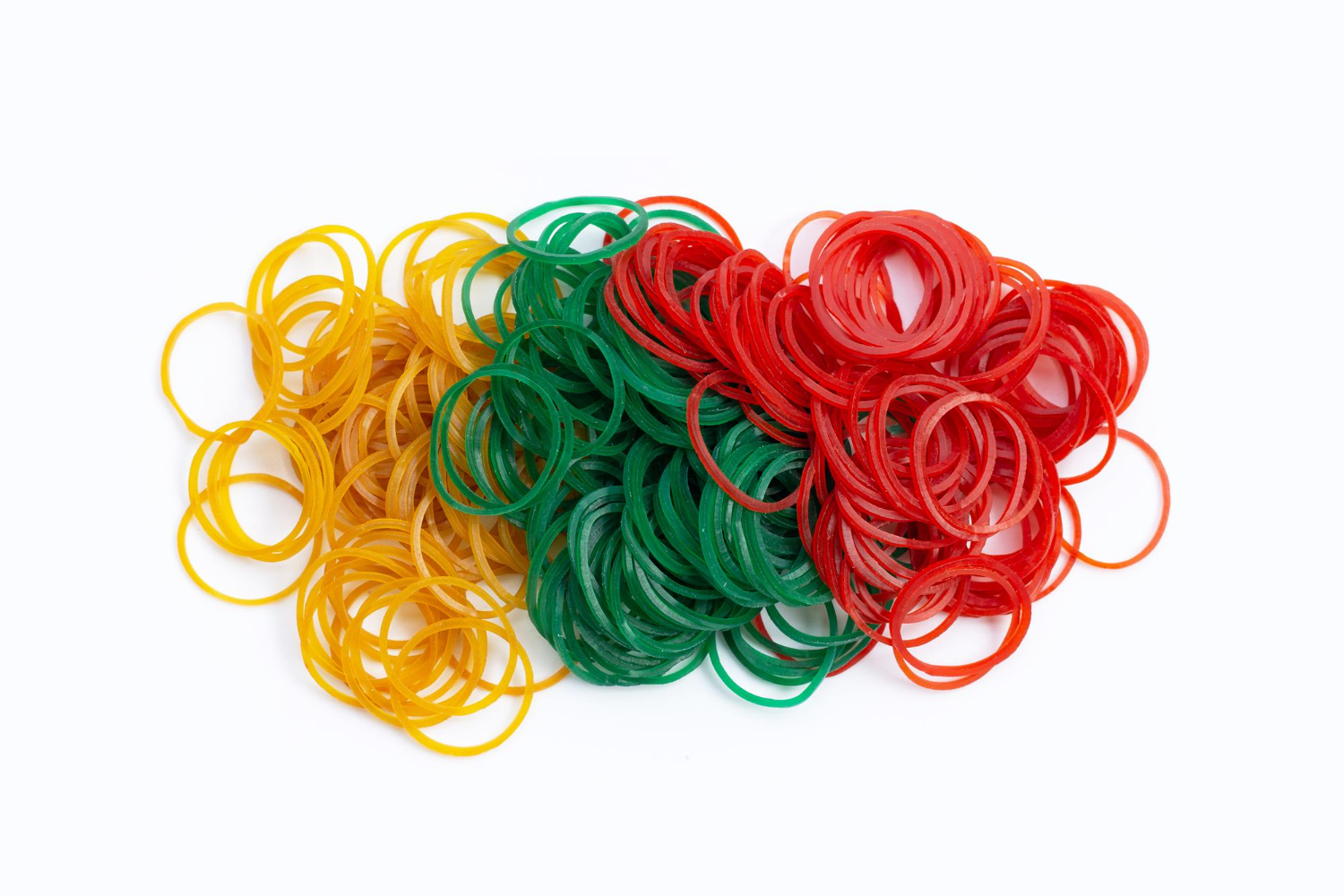
Pulling rubber releases heat and letting it relax absorbs heat, which is the opposite of most materials and is directly observable against the lip.
It happens because the chains are being ordered rather than compressed. Thermal reversal is the property that gives the mechanism away.
7. And Heating It Makes It Contract
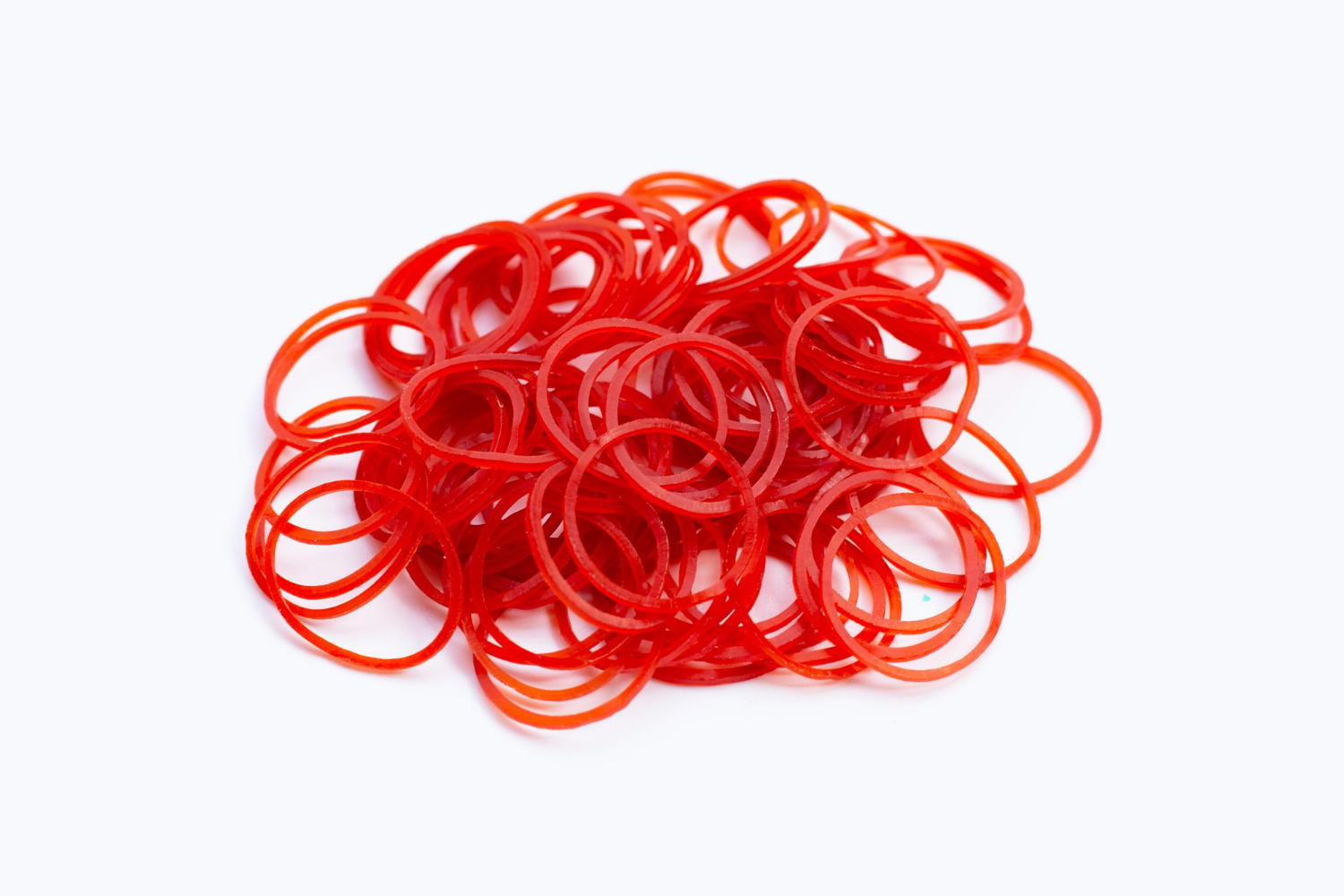
A stretched rubber band under constant load pulls tighter when warmed, rather than expanding as almost every other material does.
It is the same effect from another direction. Contraction on heating is the behaviour that looks like a mistake and is not.
8. Cold Makes It Brittle
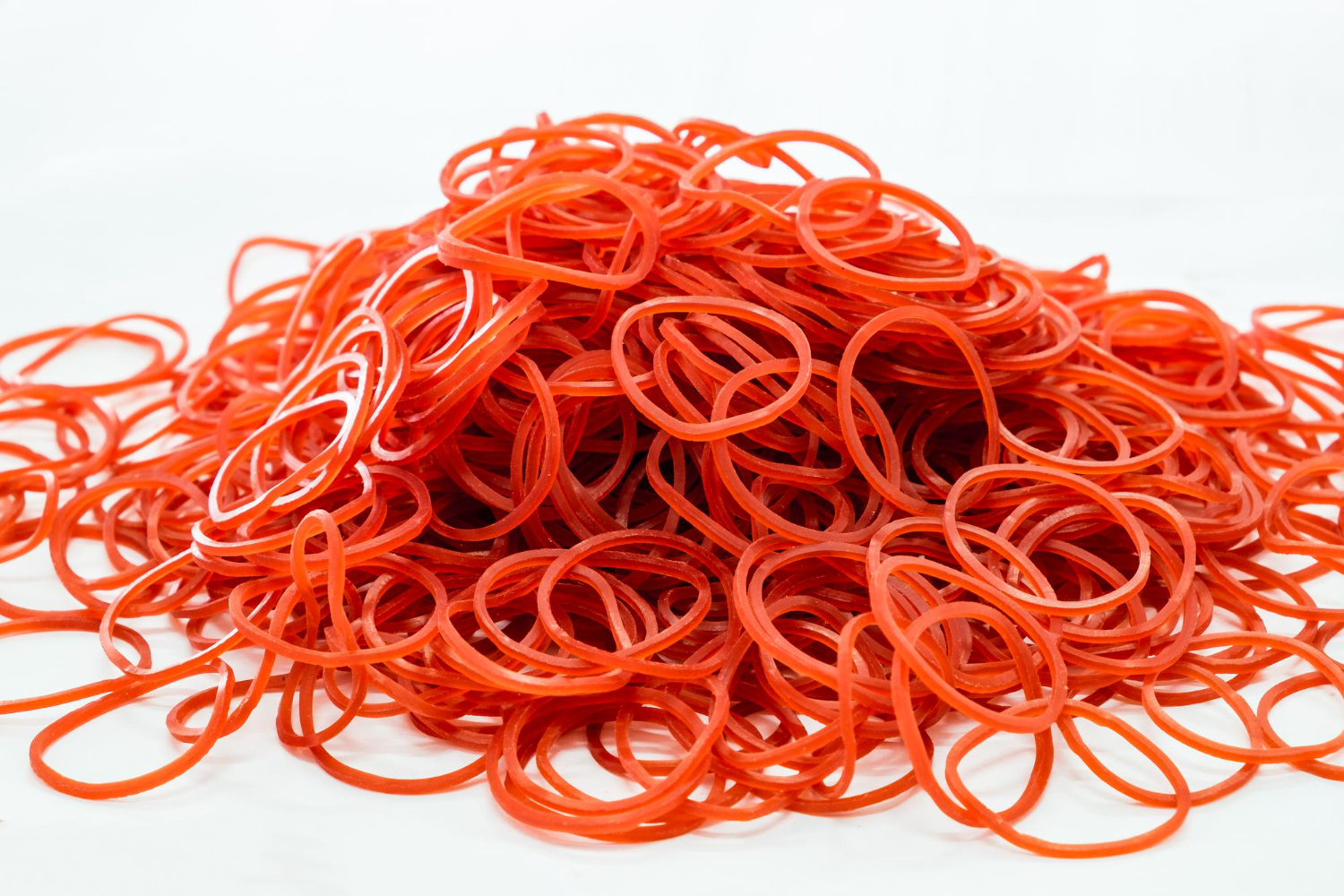
At low temperature the chains lose the freedom to move past one another, and rubber becomes stiff and eventually shatters rather than stretching.
The transition can be quite sudden. Low-temperature stiffening is the failure mode that catches out anything using rubber outdoors.
9. Cross-Linking Made It Usable
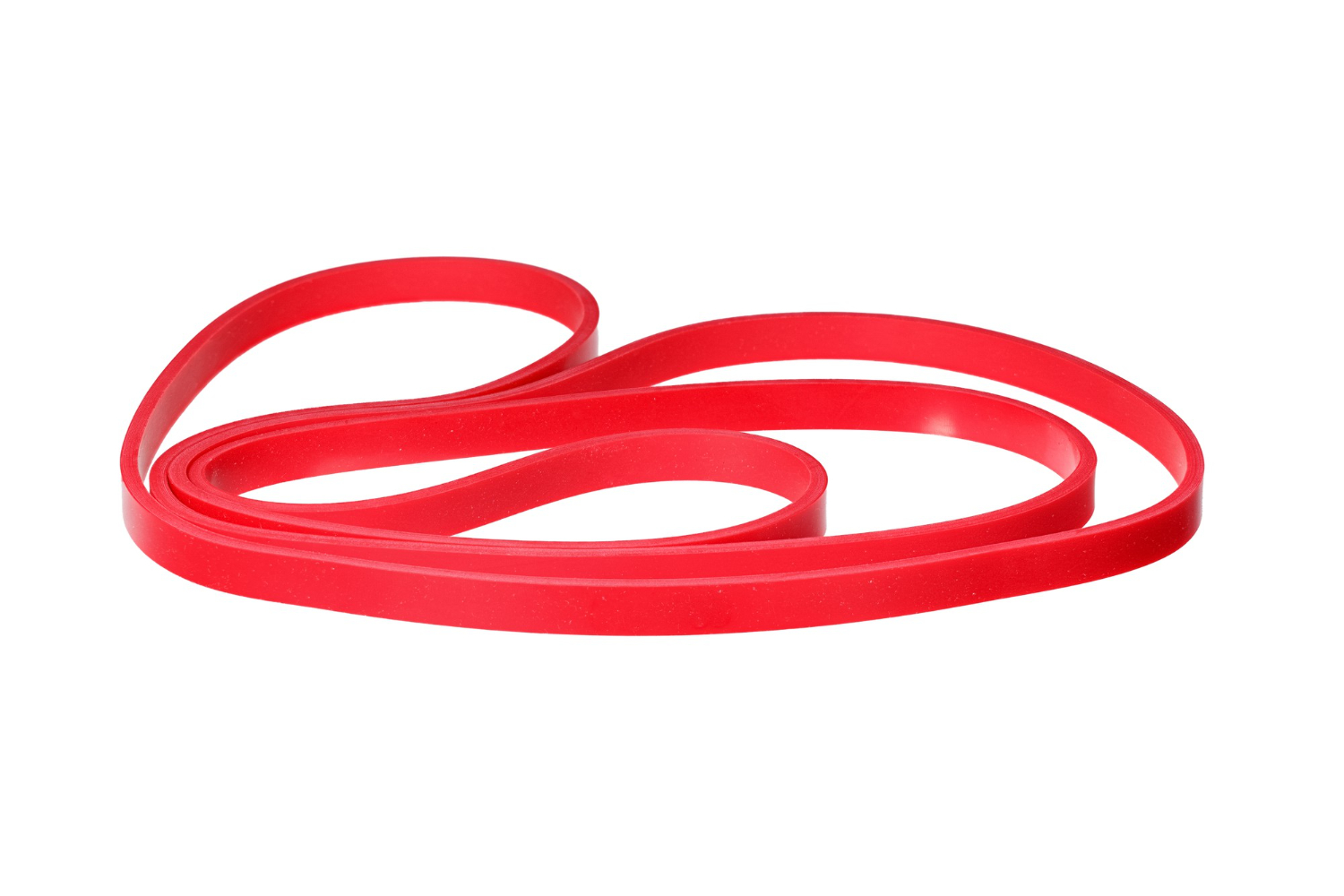
Raw rubber is soft, sticky and unstable. Introducing chemical bridges between the chains ties them into a network that recovers reliably and survives heat and time.
That single process converted a curiosity into an industrial material. Cross-linking is the treatment that made everything else possible.
10. It Wears Out From Being Used
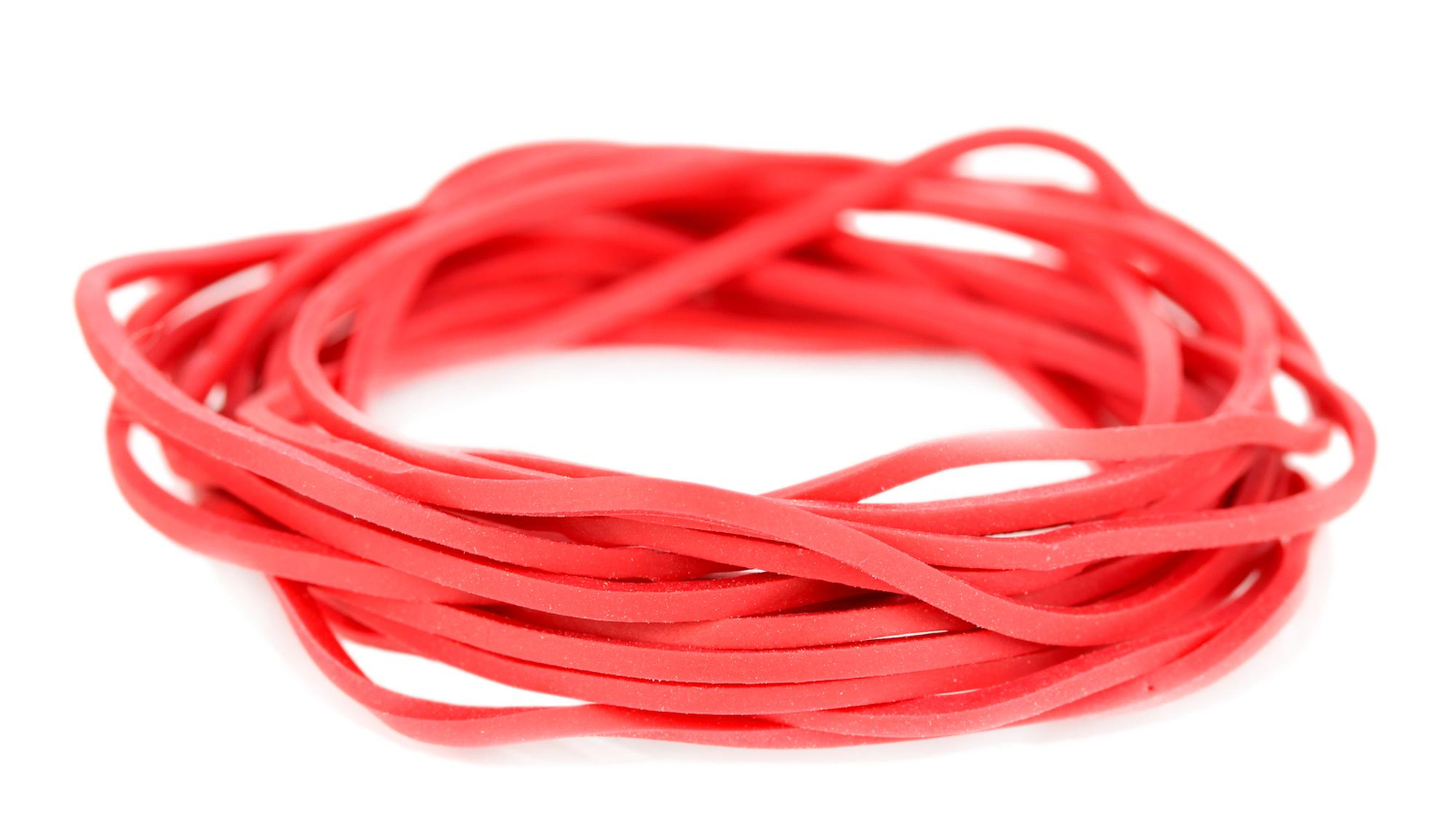
Repeated stretching progressively breaks bonds within the network, so an elastic material weakens with cycling and eventually fails at a load it tolerated before.
It also degrades from light and oxygen while doing nothing at all. Fatigue and ageing are the two clocks running on every elastic object.
11. Nothing Returns All the Energy

Some of the energy put into stretching is lost as heat rather than returned, which is why a dropped ball never regains its original height.
Perfect elasticity does not exist in any real material. Energy loss is the reason bouncing stops.
12. And Some Materials Lose It Deliberately
Where returning energy is unwanted, materials are chosen to absorb and dissipate it instead, which is how vibration is controlled and impacts are softened.
It is the same property tuned the opposite way. Deliberate damping is elasticity used for its inefficiency rather than despite it.
Shape Memory Versus Tangled Chains
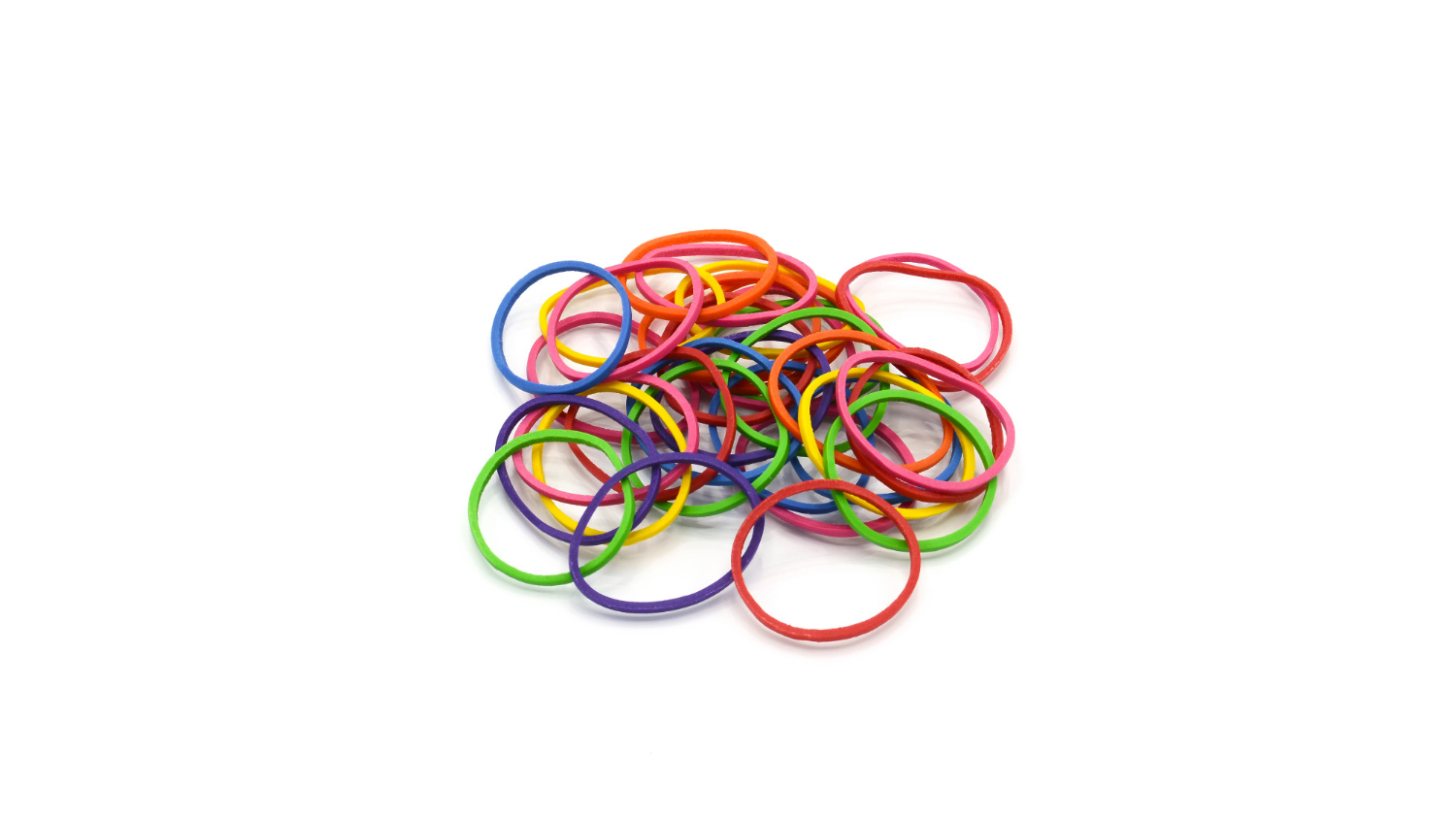
A spring recovers because a stiff material was bent and wants to unbend. Rubber recovers because tangled chains were straightened and disorder is where they would rather be – and that difference produces every unusual property on this list.
The item worth trying is the sixth. Stretch a rubber band quickly and hold it against your lip and it is warm; let it relax against your lip and it cools. That is a molecular mechanism directly detectable with no equipment at all, and it is the clearest available demonstration that rubber is not simply a very bendy solid.
Like our content? Follow us for more.