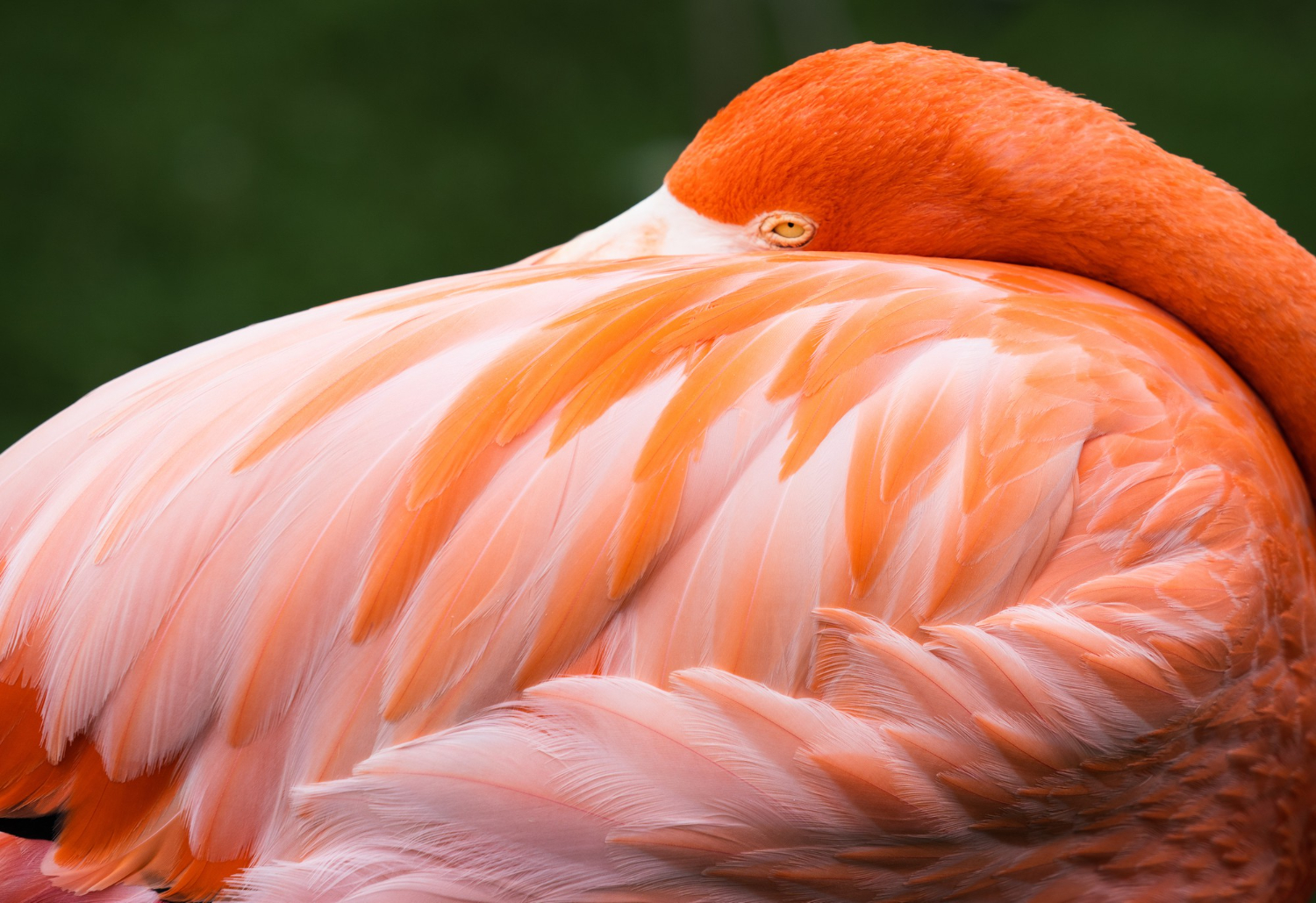
Most complicated biological structures are alive. They are supplied with blood, monitored by nerves, maintained continuously and repaired when damaged.
A feather is none of those things. Once grown, it is finished — dead keratin with no supply, no sensation and no capacity to heal. Everything it will ever be is determined before it is completed.
That constraint makes what a feather does substantially more impressive. It has to be light enough to fly with, strong enough to move air, flexible enough not to snap, and capable of maintaining an unbroken surface after being bent, twisted and pulled apart thousands of times — all without any repair mechanism whatsoever.
The engineering solutions are worth setting out, because most people have handled a feather and never looked at what is holding it together.
Branching Four Times
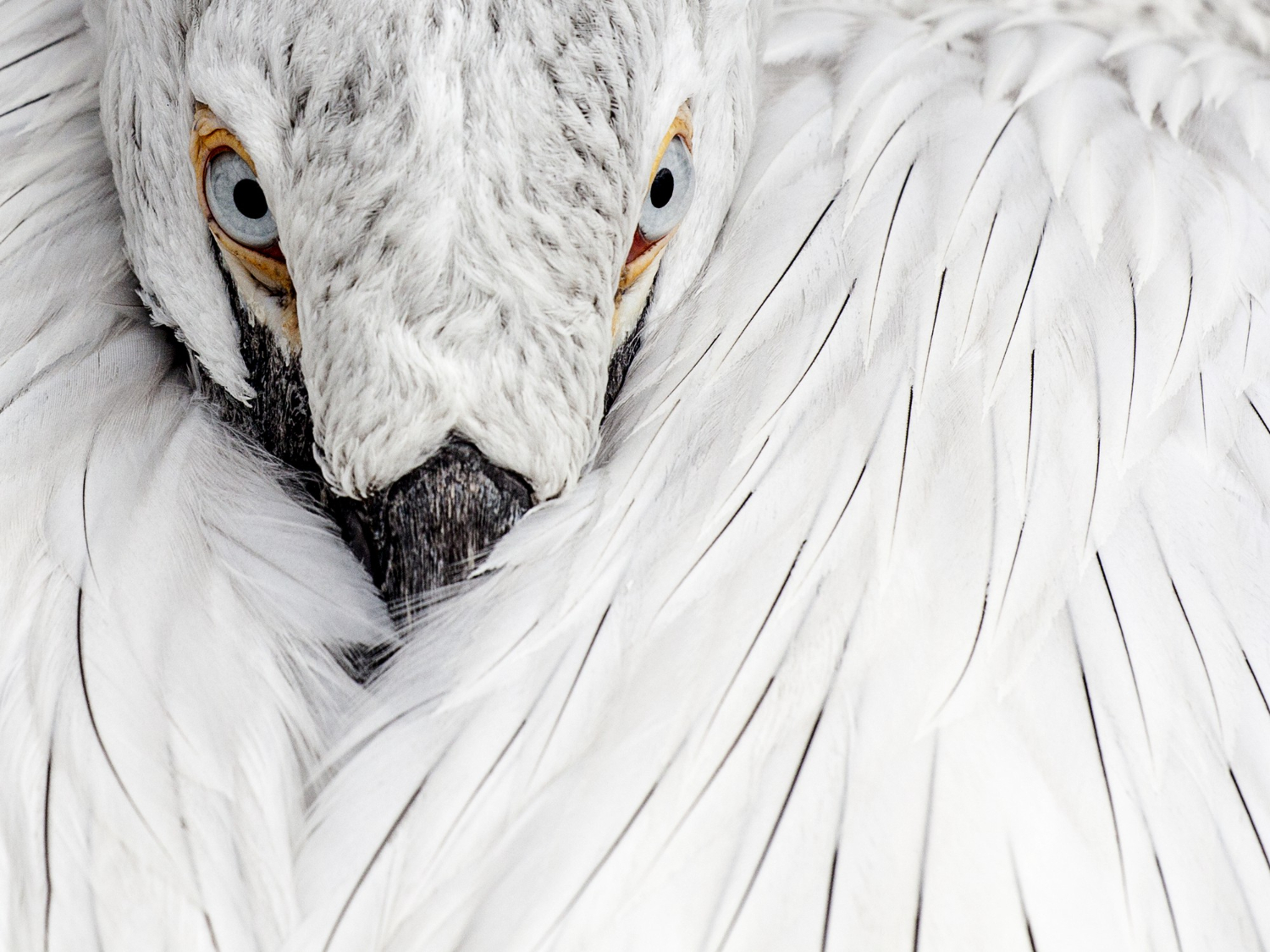
The structure is hierarchical, and the levels matter.
A central shaft runs the length of the feather, hollow and tapering, which supplies stiffness for minimal weight.
From that shaft, branches extend outward on both sides. These are what most people would identify as the individual fibres of a feather.
From each of those branches, smaller branches extend in turn — and these are the level at which the interesting work happens.
Those secondary branches carry, on one side, rows of microscopic hooks, and on the other side, a corresponding ridge. The hooks from one branch catch the ridge of the neighbouring branch, and repeating that across the whole feather locks the branches together into a continuous surface.
The numbers are the striking part. A single flight feather can carry several hundred thousand of these hooks.
That arrangement is what makes a feather a surface rather than a fringe. Without it the branches would hang separately and no air would be moved.
Like our content? Follow us for more.
Coming Apart on Purpose
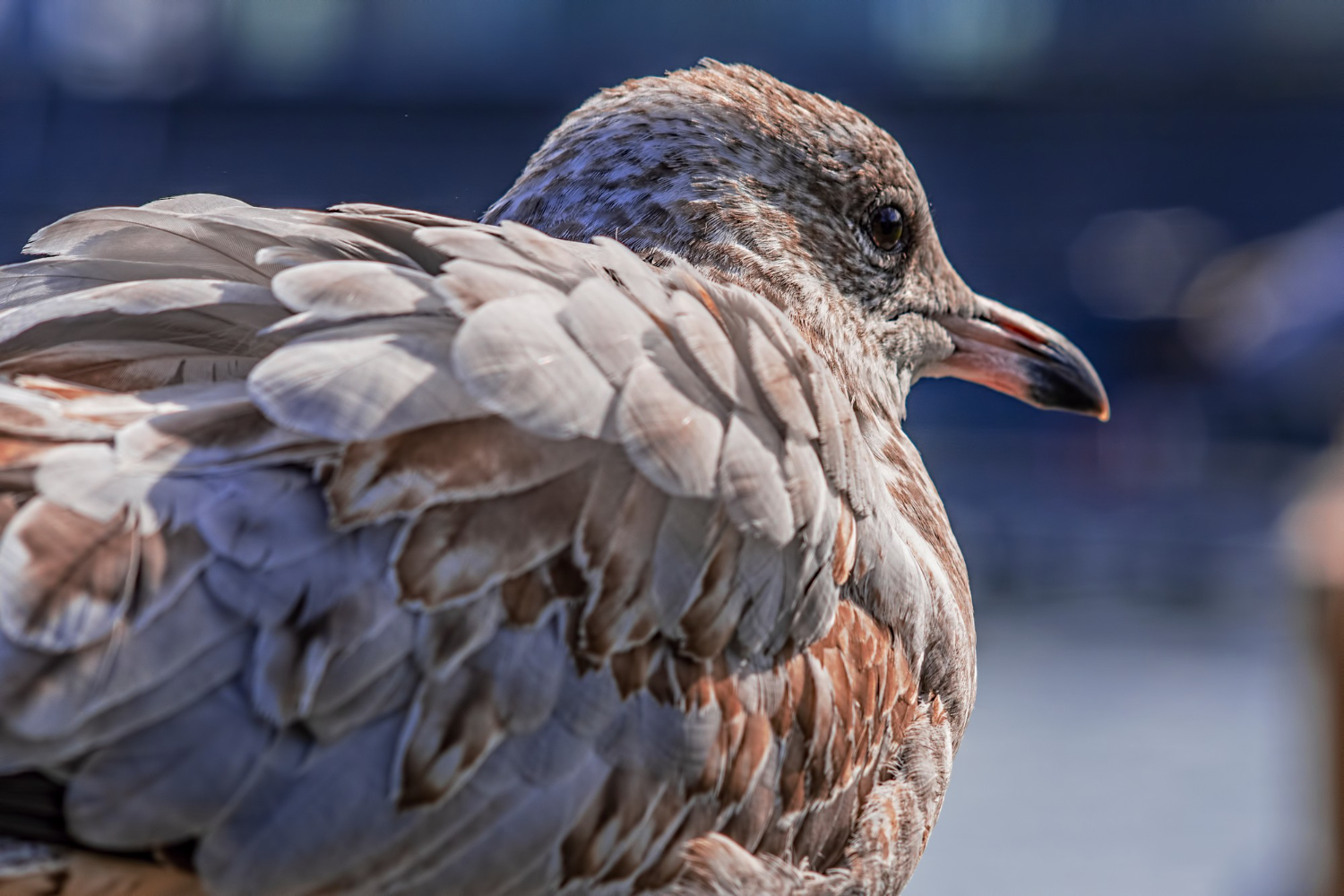
The reason for hooks rather than a solid membrane is the part that resolves the whole design.
A continuous sheet strong enough to move air would be either heavy or fragile, and once torn it would stay torn.
The hook arrangement fails differently. Force applied across the feather separates the branches — the hooks release, the surface splits, and nothing breaks.
And then it can be closed again. Drawing the branches back together re-engages the hooks and restores a continuous surface, which is exactly what a bird is doing when it runs a feather through its beak.
That is a truly elegant solution: a structure that comes apart under stress rather than breaking, and can be reassembled by hand in seconds, with no repair and no material replaced.
Preening is therefore not tidying. It is reassembly of the working surface, plus distribution of oil from a gland, and it occupies a substantial part of a bird’s day for functional reasons.
Why They Are Not Symmetrical
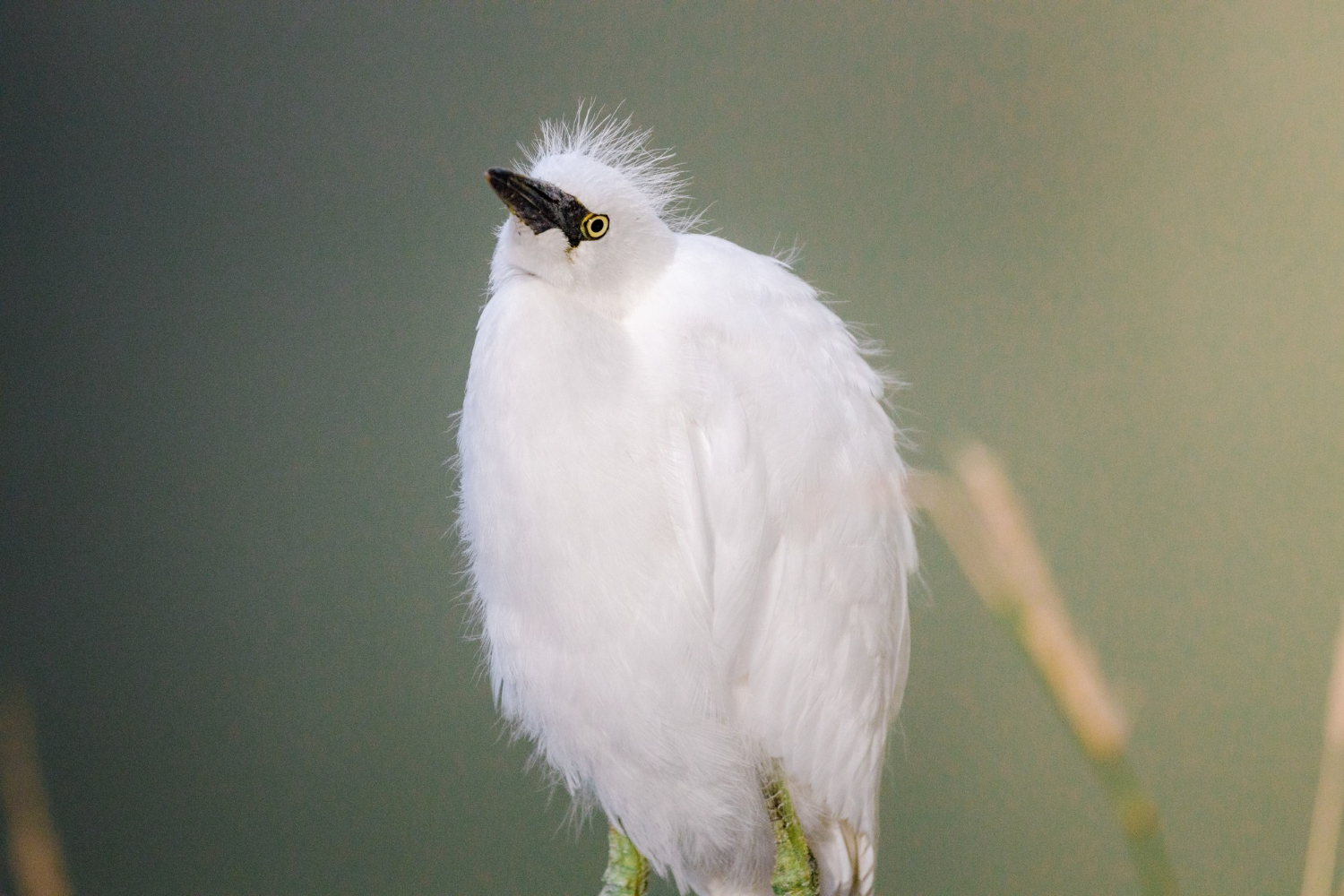
Flight feathers are asymmetrical about the shaft — narrower on the leading edge, wider on the trailing edge — and that asymmetry is diagnostic.
The shape produces an aerofoil section, generating lift as air passes over it, and the asymmetry keeps the feather stable rather than twisting under load.
Feathers that do not perform this function are symmetrical, and the distinction is reliable enough that asymmetry in a fossil feather is taken as evidence of flight capability.
There is a further refinement. In the feathers of some birds that hunt by sound, the leading edge carries a comb-like fringe that breaks up the airflow and substantially reduces noise — an adaptation that has been studied for application to machinery.
Feathers are not one thing, which is frequently missed.
The stiff flight feathers of the wing and tail are structural components, engineered for aerodynamic load.
Contour feathers cover the body, providing a smooth outer surface and shedding water.
Down feathers have no hooks at all. The branches are loose and unconnected specifically so they trap air rather than forming a surface, which is what makes them insulating — the insulation is the trapped air, not the feather.
And there are bristles, filaments used as sensors, and various specialised forms.
They are all the same basic structure, grown from the same follicles, developed in different directions for different jobs — which makes a bird’s plumage a set of different tools rather than a covering.
Several Different Objects Called by One Name
There is a further point about how the whole covering works together. Feathers overlap in a specific arrangement, each partly covering the one behind, which produces a continuous surface from discrete elements and allows the whole to flex without gaps opening.
That layering also creates the space where insulating air is trapped, which means the arrangement of feathers is doing work that no individual feather does.
Colour Without Pigment
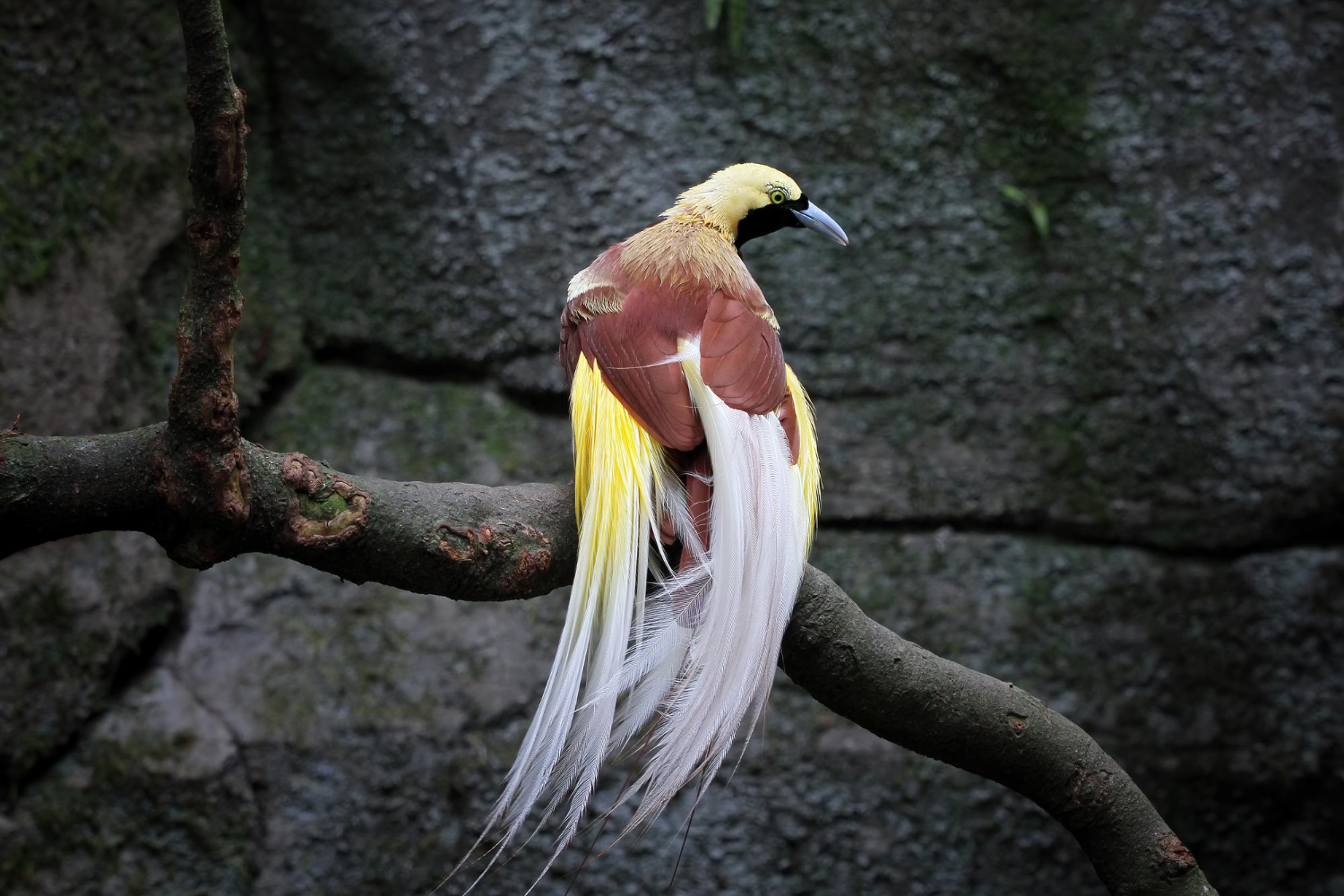
The colours involve two entirely different mechanisms, and the distinction explains something anybody can test.
Some colours come from pigments deposited during growth — the browns, blacks, reds and yellows.
Blues generally do not. Blue in feathers is usually produced by microscopic structure that scatters light, and there is a simple consequence: a blue feather ground up loses its colour entirely, while a red one does not.
Iridescence works similarly, produced by layered structures that interfere with light so the colour changes with viewing angle.
That means a substantial part of what a bird looks like is architecture rather than chemistry, built into a structure that is dead before it is used.
There is a growth detail worth mentioning, because it leaves permanent evidence. While a feather is developing it does have a blood supply, through a shaft that supplies the growing structure, and that supply is withdrawn once growth completes.
Interruptions during that period – a shortage of food, illness, stress – leave a visible mark across the feather, a line of weaker structure recording the interruption. Those marks can be read afterwards as a record of what the bird was experiencing on the day that section grew.
Replacing the Whole Thing
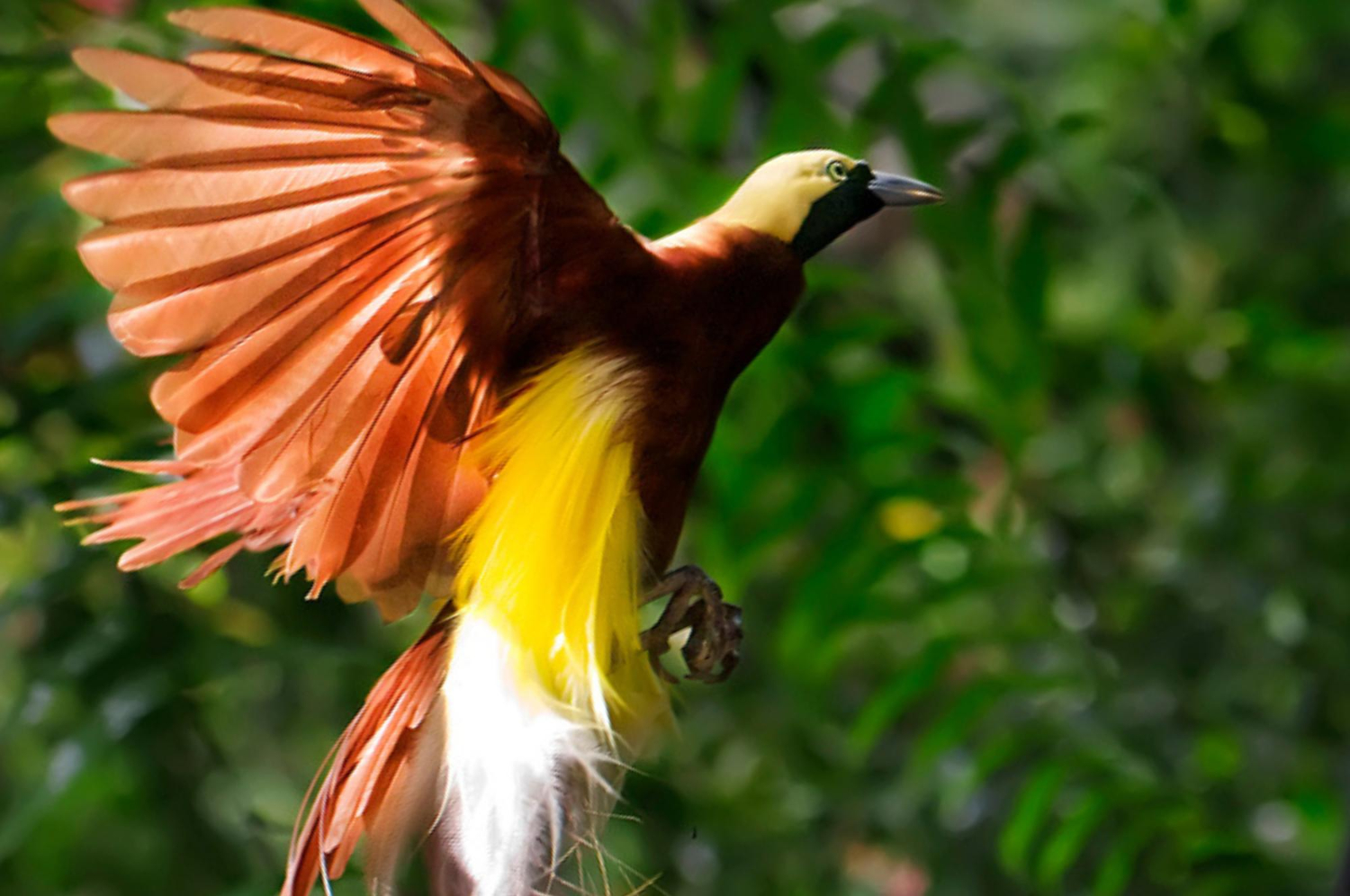
Because nothing can be repaired, the only response to wear is replacement, and that is a substantial undertaking.
Feathers are shed and regrown on a schedule, usually gradually and symmetrically so that flight capability is retained throughout.
Growing them is metabolically expensive, requiring protein and energy over an extended period, which is why moult is generally timed to avoid coinciding with breeding or migration.
Some birds do it differently, replacing everything at once and becoming flightless for a period — which is only viable where that is survivable.
The whole arrangement follows from the initial constraint. A structure that cannot be maintained must be periodically discarded, and an animal depending on such structures has to build a substantial part of its annual cycle around producing them.
The Waterproofing Question
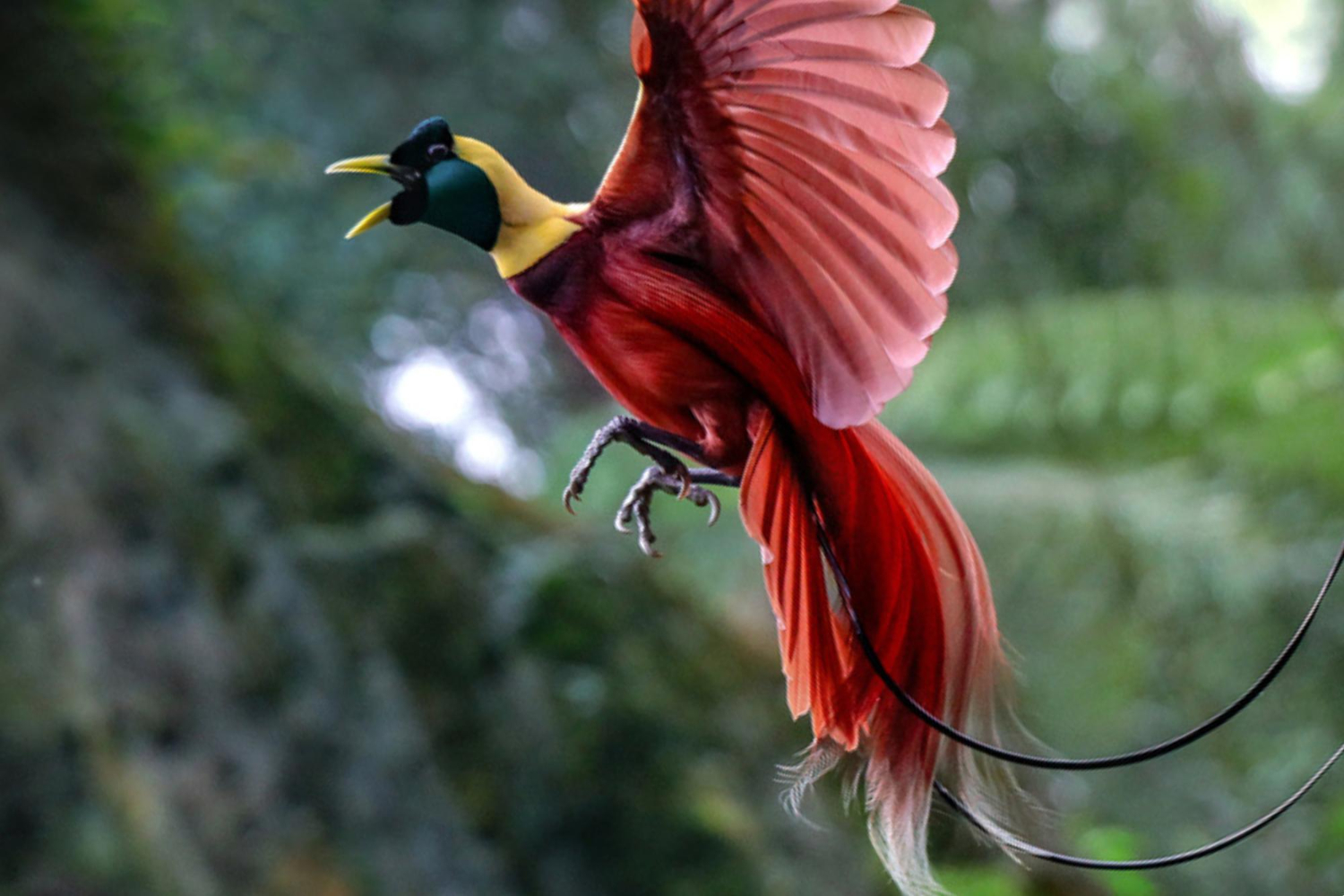
One widely repeated explanation deserves correcting, because it is more complicated than the version everybody has heard.
The standard account holds that water birds stay dry because they spread oil from a gland over their feathers, and that the oil repels water.
Oil is involved and it is not the main mechanism. The primary reason feathers shed water is structural: the spacing and geometry of the barbs and barbules produce a surface that water cannot readily penetrate, because the gaps are small enough that surface tension holds droplets out.
That is the same principle that keeps water sitting on top of certain leaves rather than soaking in — a matter of surface geometry rather than of any coating.
The preen oil contributes, principally by maintaining the condition and flexibility of the feather structure so that the geometry continues to work, and it has antimicrobial properties. But a bird whose feather structure has been disrupted gets wet regardless of how much oil is present.
That distinction explains something practical. Detergents and similar substances destroy water repellency not by dissolving oil but by reducing surface tension, which allows water through the structure that was holding it out.
It also explains why preening matters so much. Restoring the alignment of the barbs is restoring the waterproofing, which is not a coating that can be reapplied but a geometry that has to be maintained.
Dead Material, Precisely Shaped
What makes the feather worth understanding is the combination.
It is more complex structurally than almost anything else an animal grows, it is produced to specification, it is finished before use, and from that point it receives nothing — no blood, no nerves, no repair.
Everything it needs to do for months or years has to be built in at the start, including the capacity to come apart safely and be put back together by a beak.
Which is a considerable design brief, met by a structure that is technically no more alive than a fingernail, and which most people have picked up off the ground and turned over without noticing that it was doing any of it.
Like our content? Follow us for more.