Two separate things are happening: the cells lose their internal pressure, and the walls between them break down. The first is quick and the second is slow, and the difference between limp and falling apart is which stage you are at. Here are fifteen.
1. Crispness Is Water Pressure
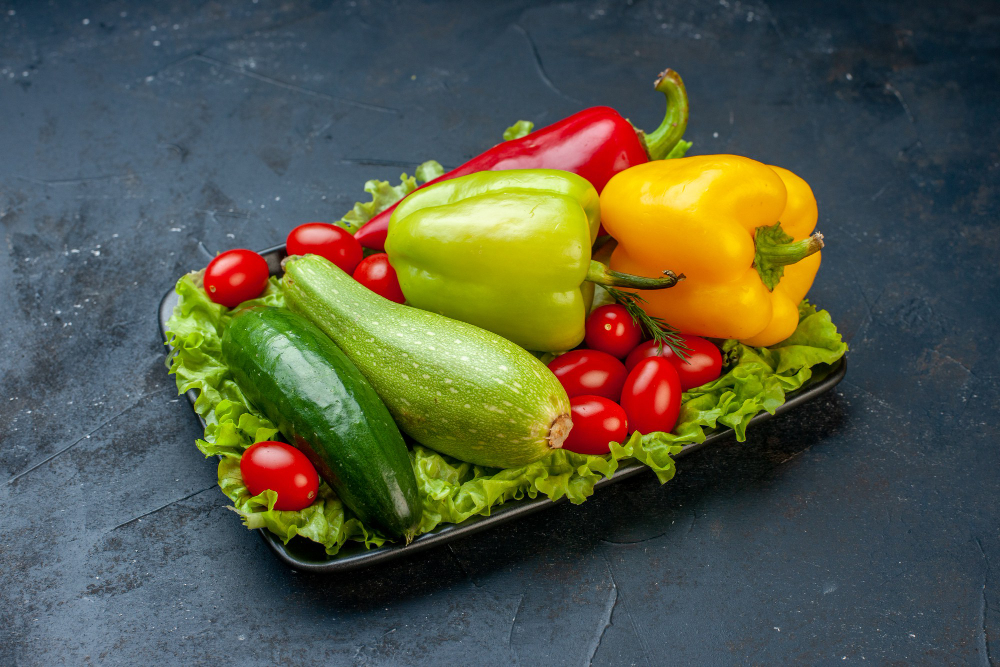
A raw vegetable is firm because each cell is full of water pressing outward against a rigid wall, in the same way that an inflated tyre is firm.
Nothing structural is holding it up. Internal pressure is what crispness physically consists of.
Like our content? Follow us for more.
2. Heat Destroys the Seal
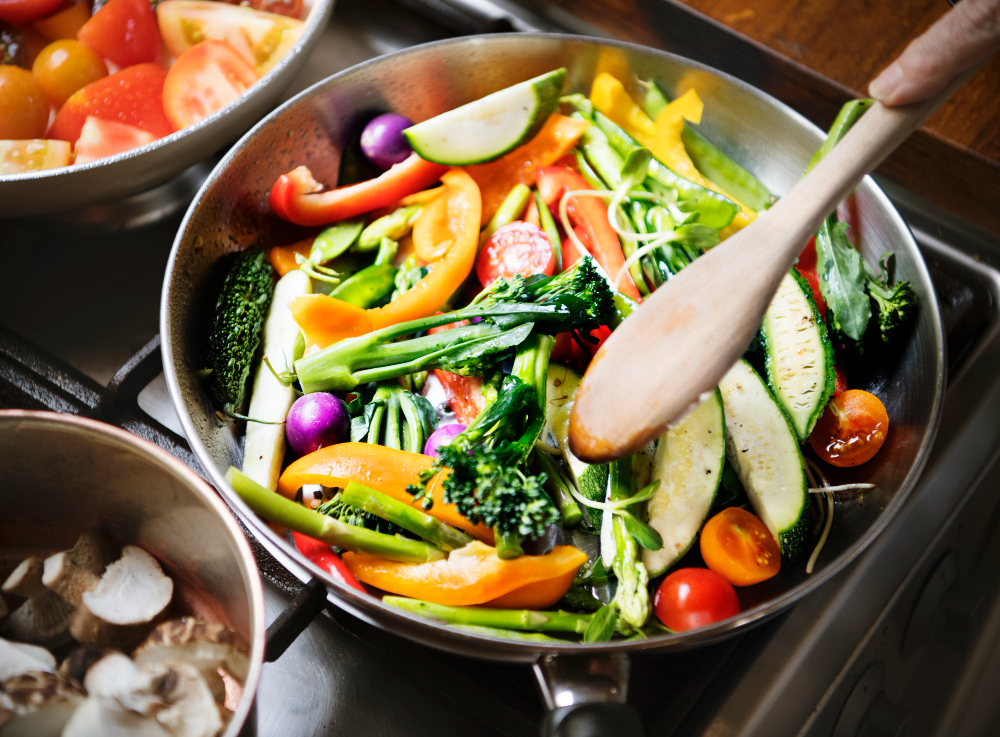
The membrane maintaining that pressure fails within a short time at cooking temperatures, water escapes into the spaces between cells, and the structure goes limp almost immediately.
That happens fast and early. Membrane failure is the first thing heat does and why vegetables wilt.
3. Then the Walls Start Dissolving
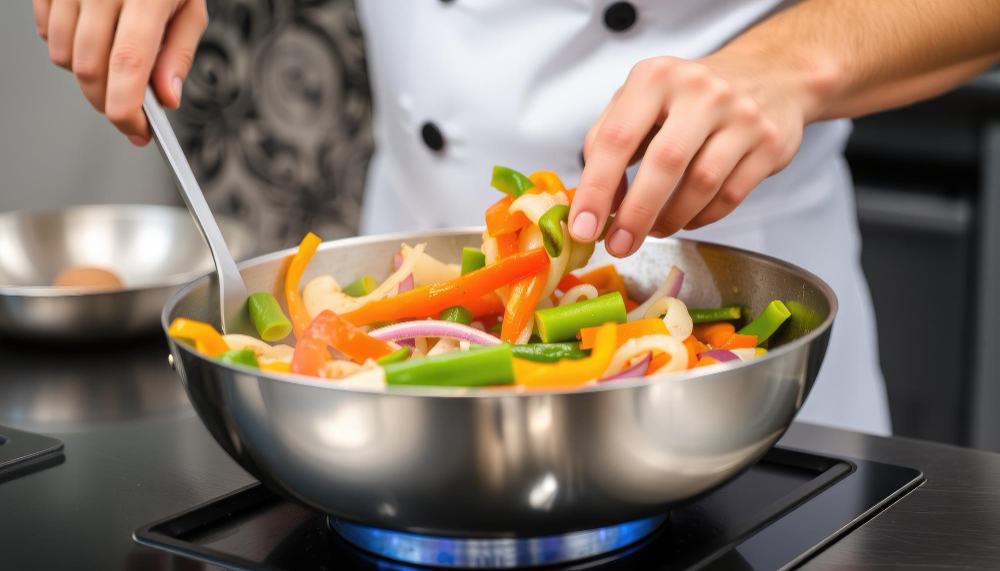
The cell walls are cemented together by pectin, which breaks down progressively with heat – and that is what turns limp into soft and eventually into collapsed.
This stage is slow and controllable. Pectin breakdown is the process that determines the final texture.
4. Acid Slows It Down
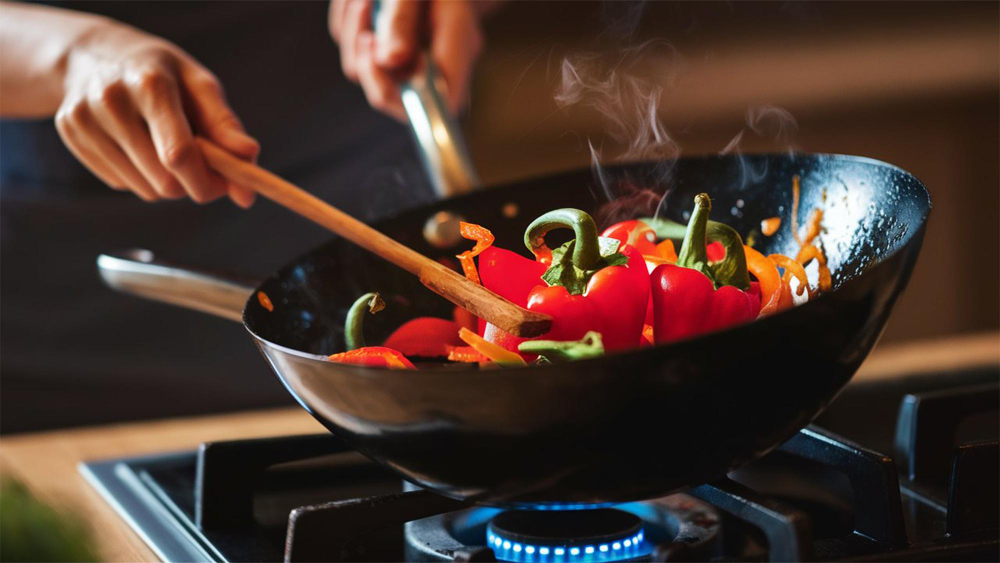
Acidic conditions make pectin far more resistant to breaking down, which is why vegetables cooked with acid stay firm much longer and sometimes refuse to soften at all.
Adding acid early can prevent softening entirely. Acid resistance is the effect that surprises people cooking with tomatoes.
5. And Alkaline Conditions Speed It Up
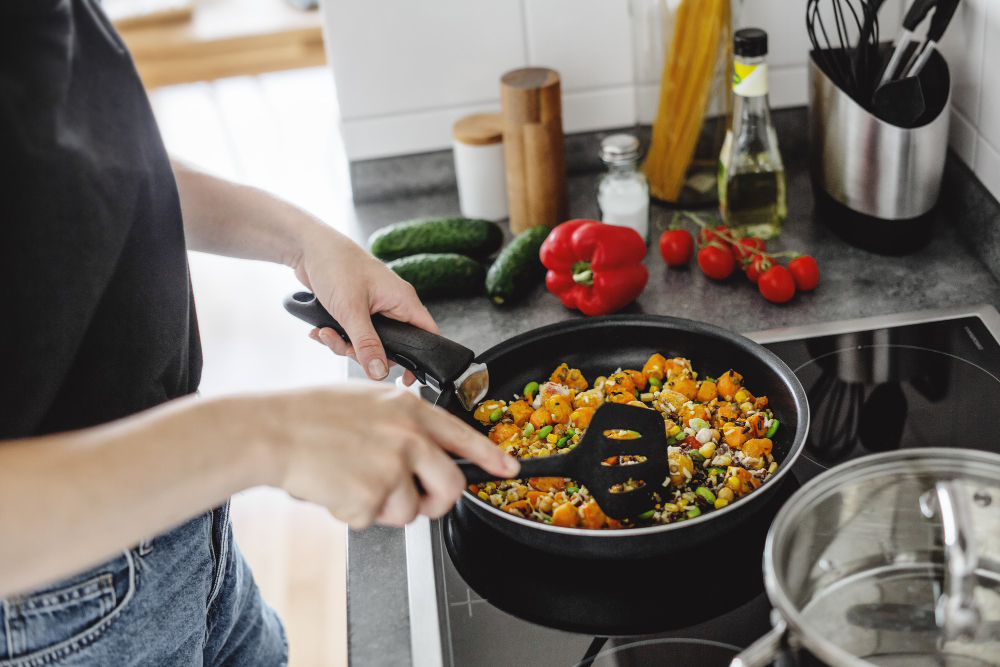
The reverse also holds, and alkaline water breaks pectin down rapidly, which softens vegetables quickly and makes them mushy.
It also damages colour and texture. Alkaline acceleration is the opposite effect from the same mechanism.
6. Boiling Moves Flavour Into the Water
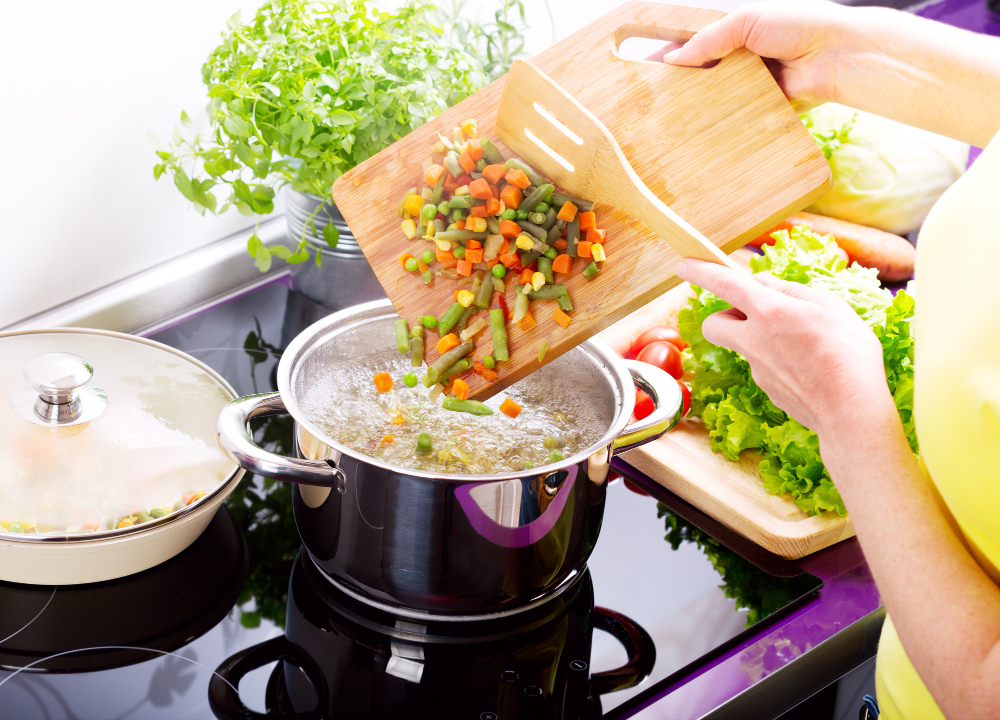
Water-soluble compounds pass out of the vegetable into the surrounding liquid, which means a boiled vegetable has given up some of its flavour to water that is generally poured away.
Using the liquid recovers it. Leaching is the transfer nobody accounts for.
7. Steaming Does Not
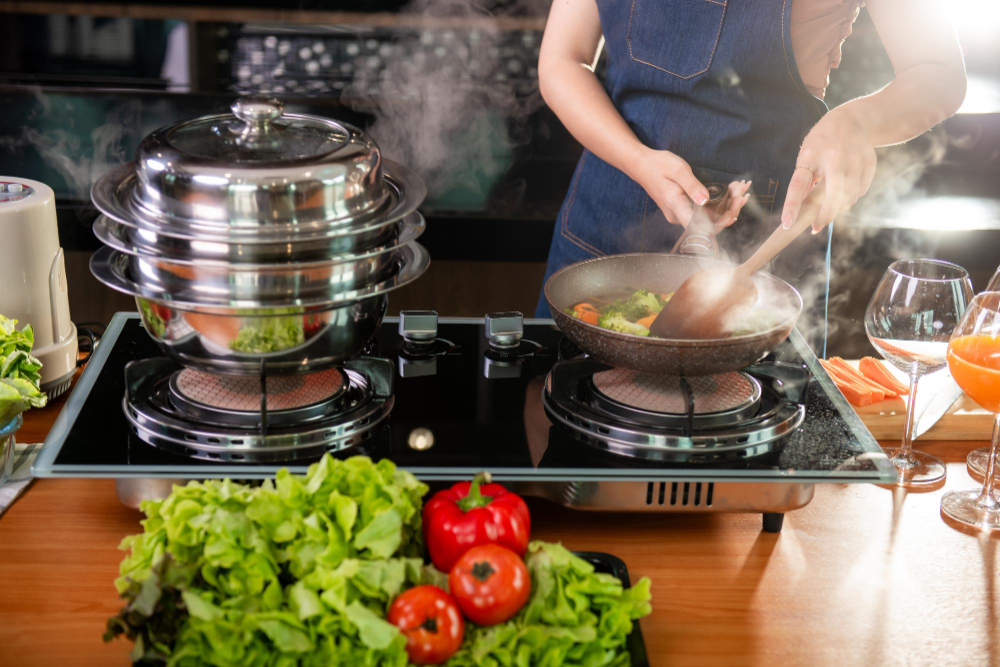
Cooking in vapour rather than liquid removes the medium the compounds would dissolve into, so nothing leaches out.
That is the main difference between the methods. Absence of contact water is why steaming tastes different.
8. Cut Size Matters More Than Anything
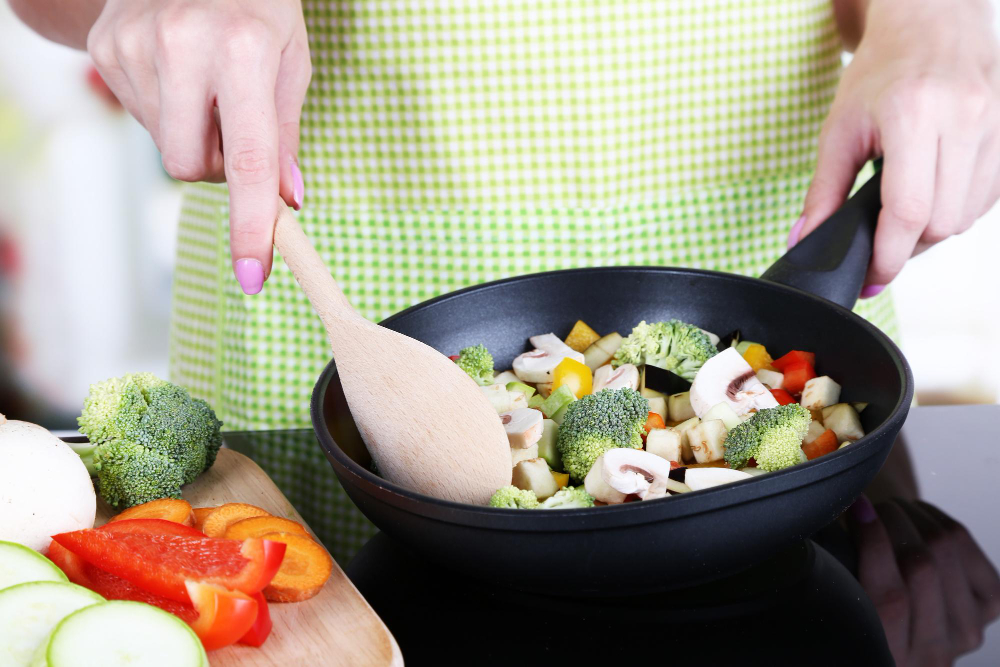
Heat has to travel from the surface to the centre, so the time required rises steeply with thickness – and halving the size of a piece reduces the time by far more than half.
It outweighs every other variable. Piece dimension is the control everybody underuses.
9. Which Is Why Uneven Pieces Fail
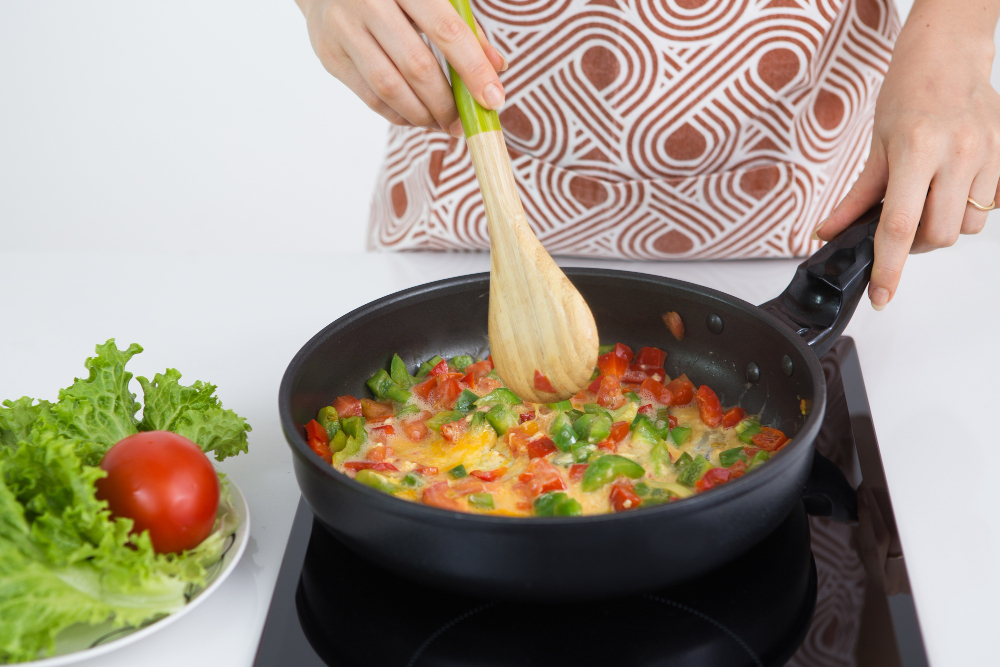
Mixed sizes in one pan means the small pieces collapse while the large ones are still hard, and no amount of adjustment fixes it once it has started.
Uniformity is the whole technique. Even cutting is what makes a single cooking time possible.
10. Green Gets Brighter Before It Gets Worse
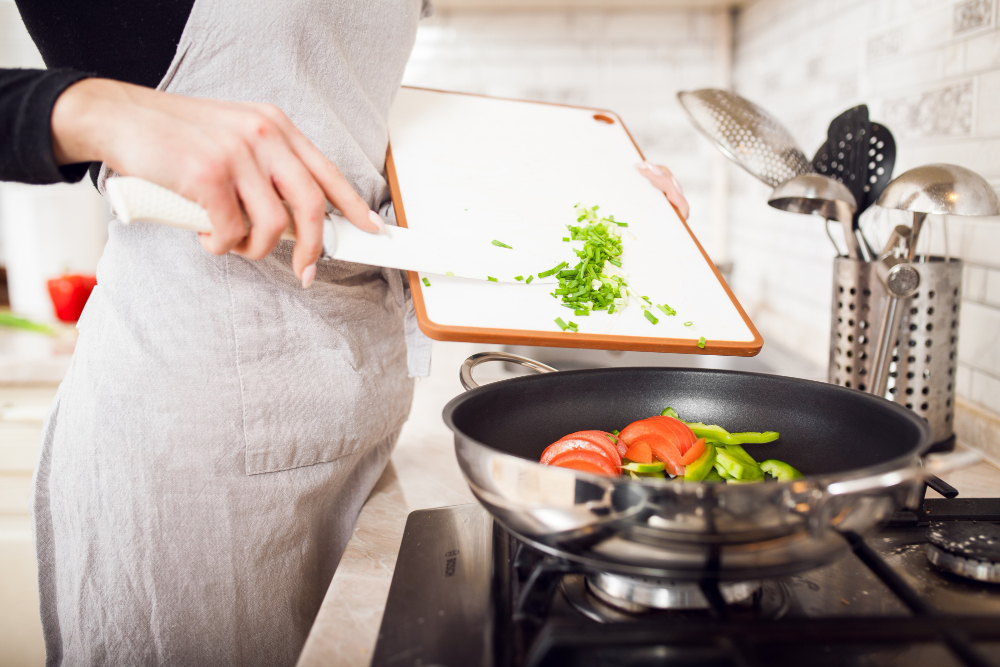
Brief heat expels air from the spaces between cells, and with the air gone the green pigment beneath shows more vividly – which is why vegetables brighten in the first minute.
It is an optical change rather than a chemical one. Air expulsion is the reason for the initial improvement.
11. And Then Turns Olive
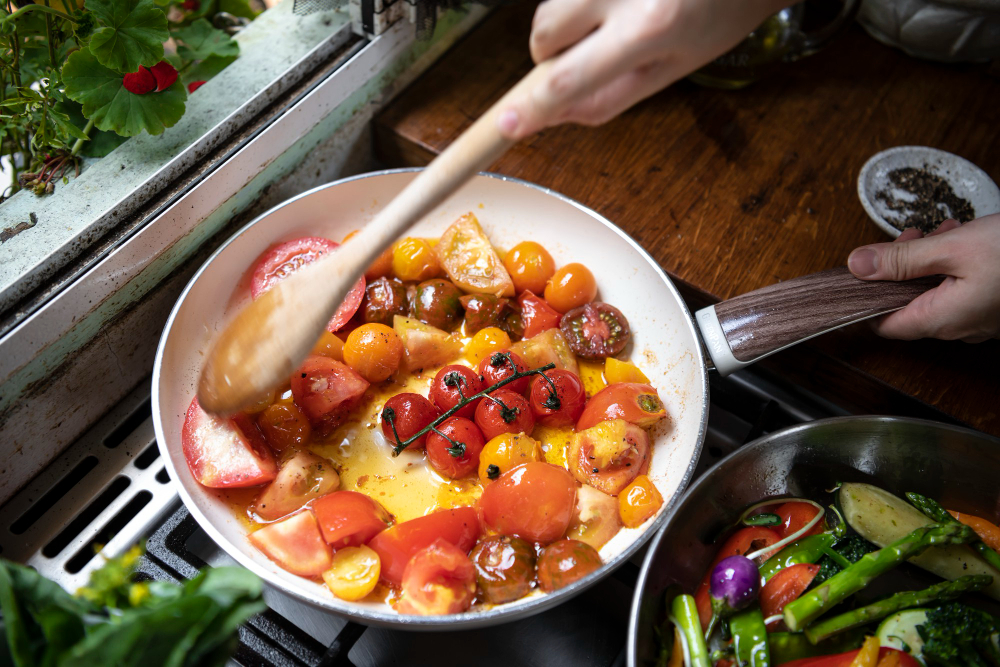
Prolonged heat and acid both destabilise the green pigment, converting it to a duller compound, which is why long-cooked or acidified greens lose their colour.
The change is irreversible. Pigment degradation is what the brightening is a prelude to.
12. Cold Water Stops the Process
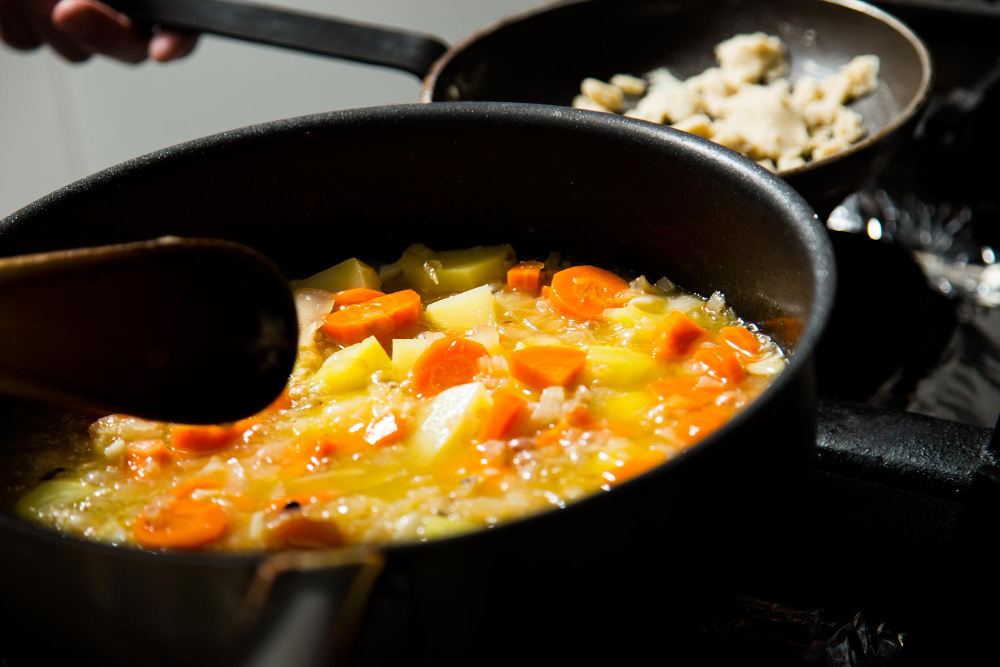
Transferring hot vegetables to cold water halts cooking immediately, which fixes the texture and the colour at the moment they were right rather than letting residual heat continue.
Residual heat is substantial in a hot mass. Rapid cooling is the technique that makes timing possible.
13. Starchy Vegetables Need the Opposite
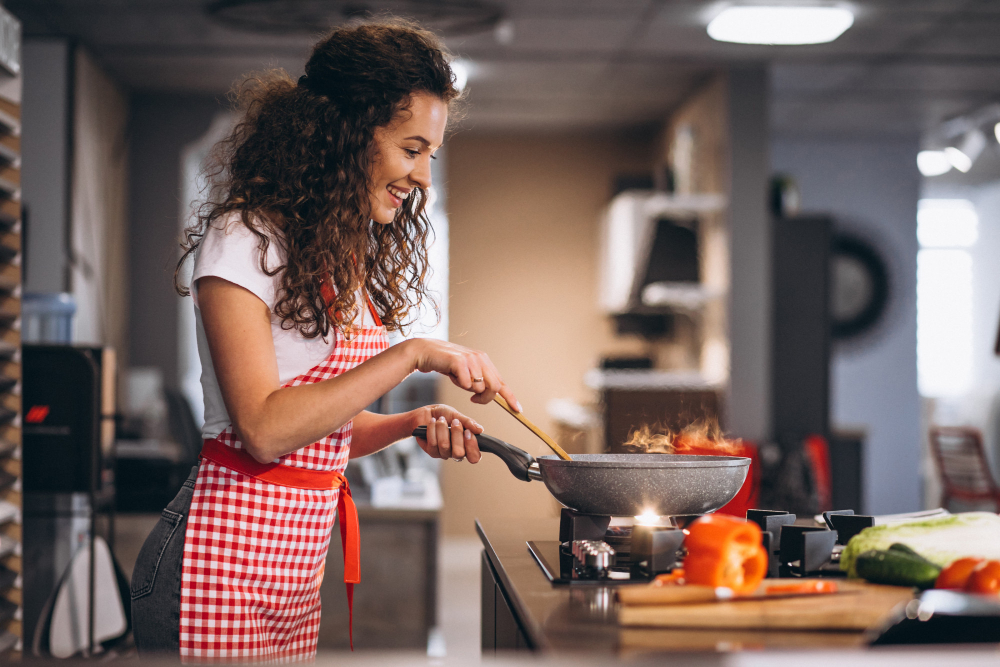
Where the flesh is starchy, the requirement is enough heat and time for the starch granules to absorb water and swell – which is a different process entirely from softening cell walls.
Undercooking leaves them unpleasantly granular. Starch gelatinisation is a second requirement in some vegetables and not others.
14. Salt in the Water Does Very Little
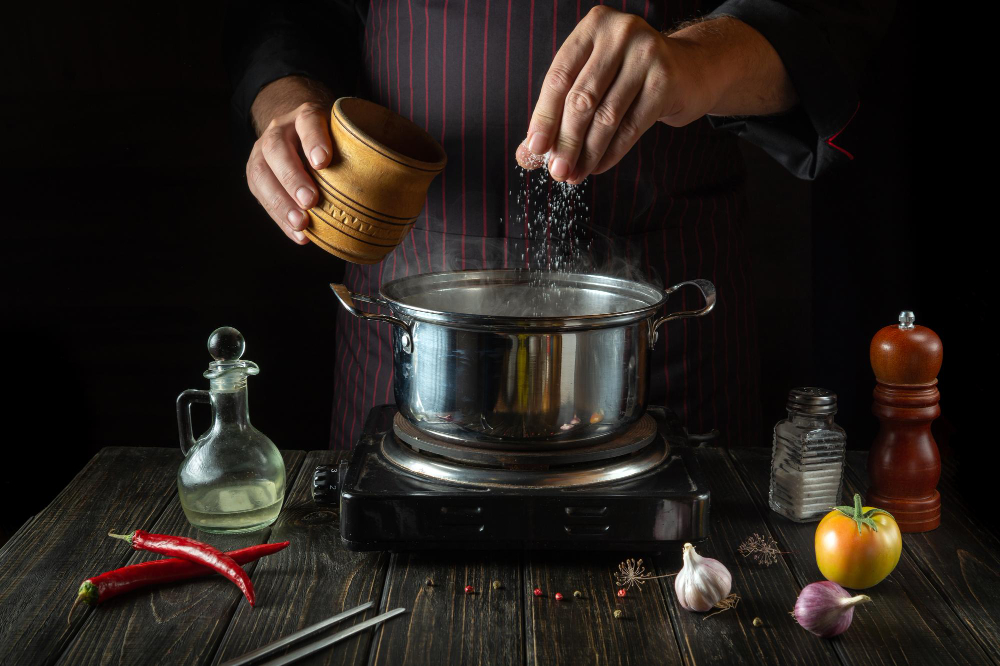
Adding salt to cooking water has negligible effect on temperature or cooking time at ordinary quantities, and its function is seasoning the vegetable from the outside.
The common explanations for it are mostly wrong. Salt seasoning is the actual purpose of salted water.
15. Hard Water Keeps Things Firm
Water containing dissolved minerals reacts with pectin in a way that strengthens it, so vegetables cooked in hard water stay firmer for longer than in soft.
It affects the same mechanism as acidity. Water composition is a variable nobody controls and everybody experiences.
Pressure Lost, Then Walls Dissolved
A membrane failing in seconds and a cement dissolving over minutes – one sets when a vegetable stops being crisp and the other sets when it stops holding together.
The item worth acting on is the eighth. Cutting size affects cooking time more than heat, method, timing or anything else on this list, and the commonest cause of a badly cooked pan of vegetables is pieces of different sizes rather than anything that happened afterwards.
Like our content? Follow us for more.