
The family game was one of very few occasions when everybody in a household sat round one table doing the same thing at the same time, which is why it produced such consistent and specific memories. Here are fourteen.
1. The Box Being Held Together With Tape

Every household had games in boxes whose corners had failed years earlier and been repaired with whatever was available, and the lid no longer fitted.
The repair was permanent. The taped box is the container every game arrived in.
Like our content? Follow us for more.
2. Pieces Missing and Substituted
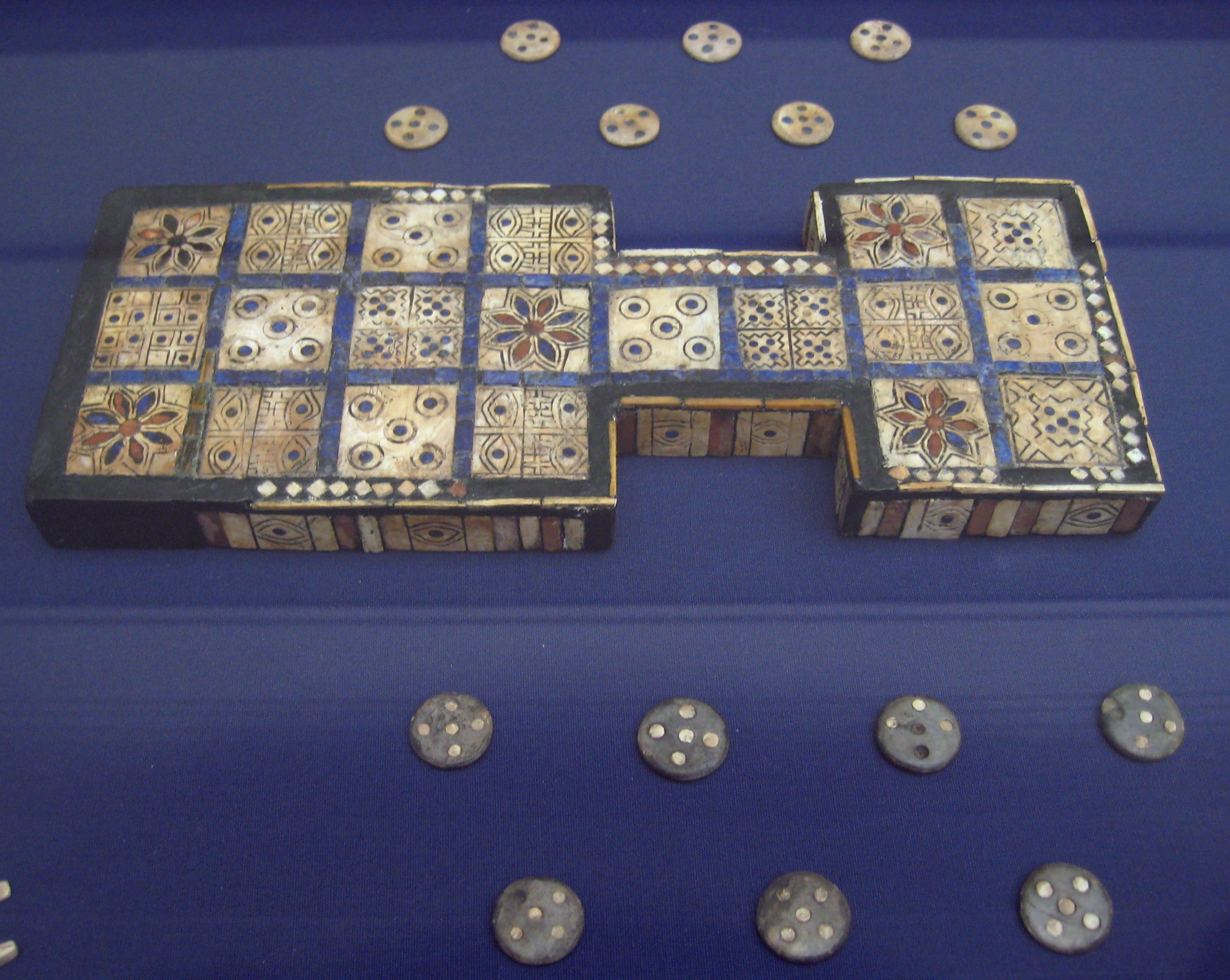
Something had been lost, and it had been replaced by a button, a coin, a piece from another game or an object designated for the purpose years earlier.
Everybody knew what stood for what. The substitute piece is the fixture no box came with.
3. The Cupboard They Lived In
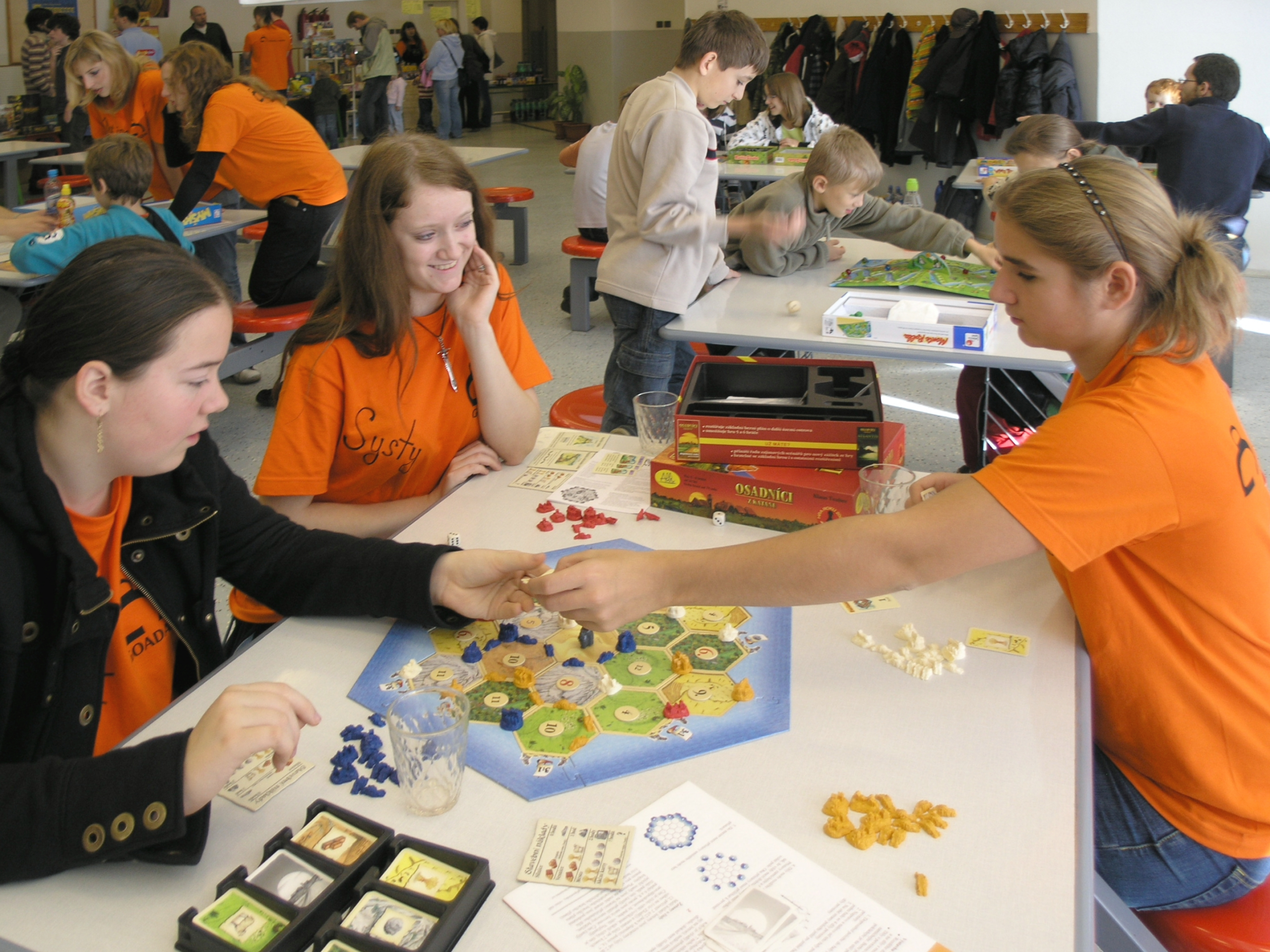
Games occupied a specific place – a cupboard, a sideboard, the bottom of a wardrobe – stacked in an order that had developed rather than been decided.
Getting one out disturbed the whole stack. The games cupboard is the location every household had.
4. An Argument About the Rules Before Starting
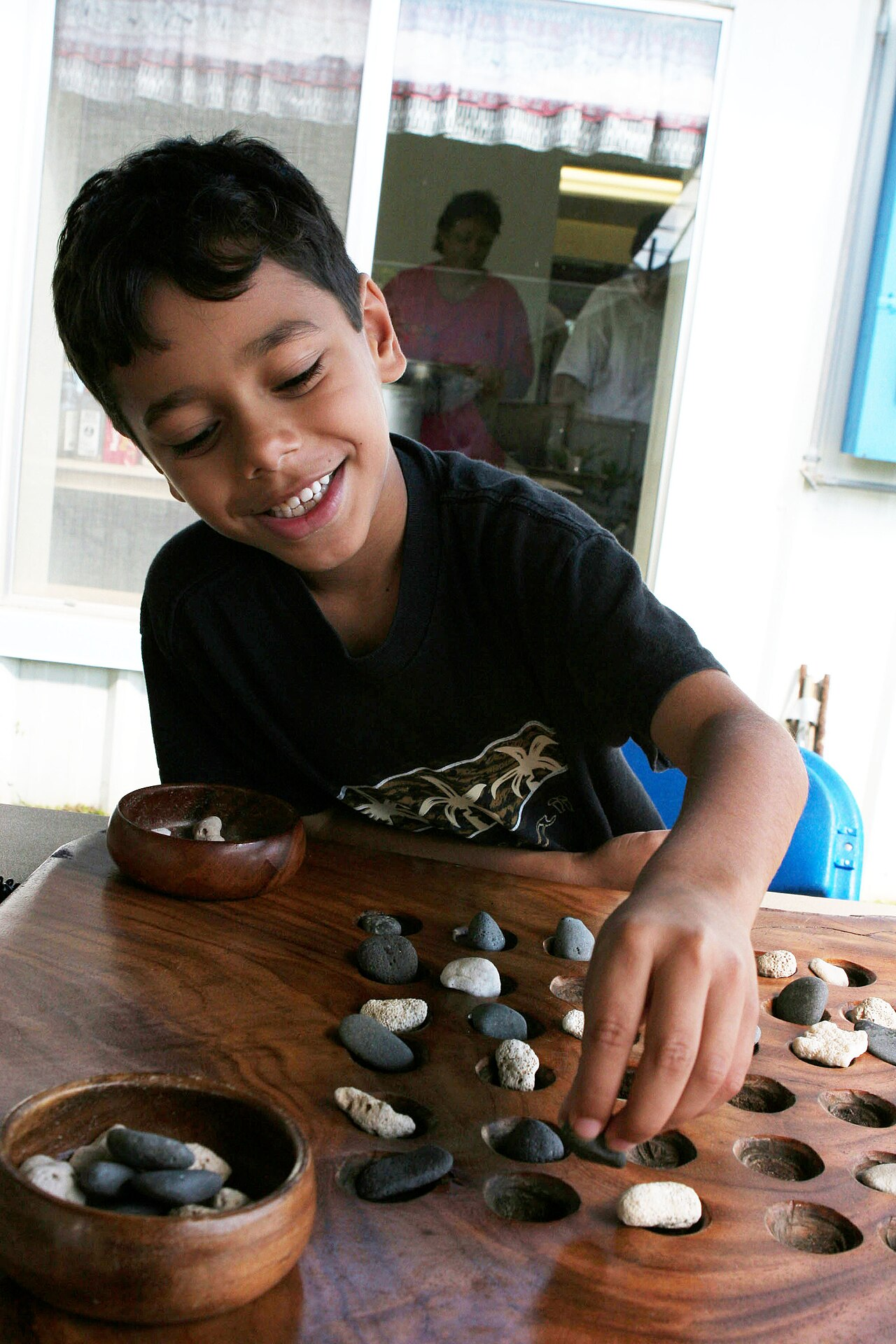
The printed rules and the household rules differed, the household version had been used for years, and somebody invariably wanted to consult the paper.
The paper was frequently missing. The rules dispute is the stage that preceded every game.
5. Nobody Being Able to Find the Instructions
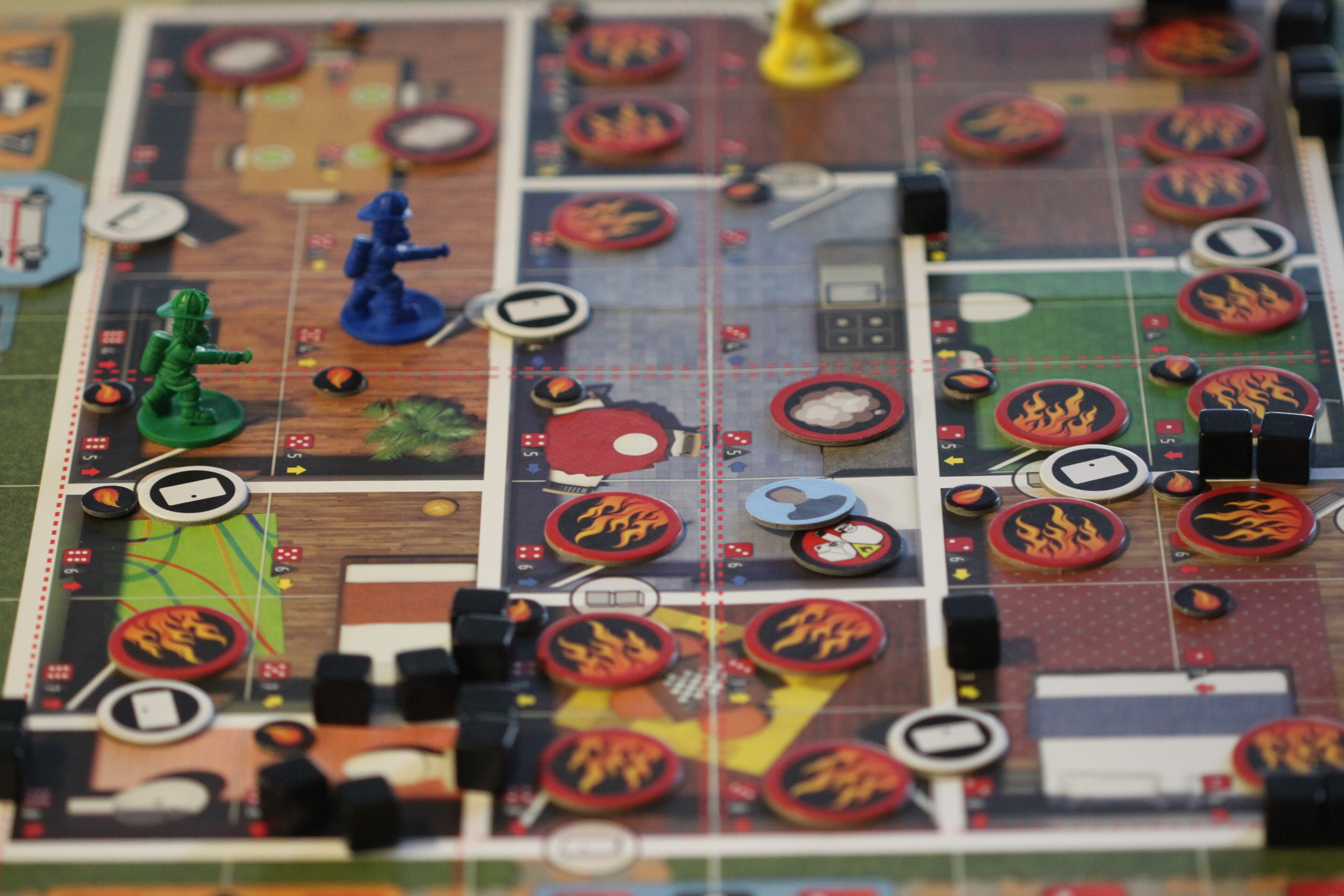
The sheet had been lost, torn or used for something else, which meant the rules existed only as an oral tradition passed down within the household.
Different households played the same game differently. The lost instructions are why no two families had the same rules.
6. Somebody Explaining It Badly
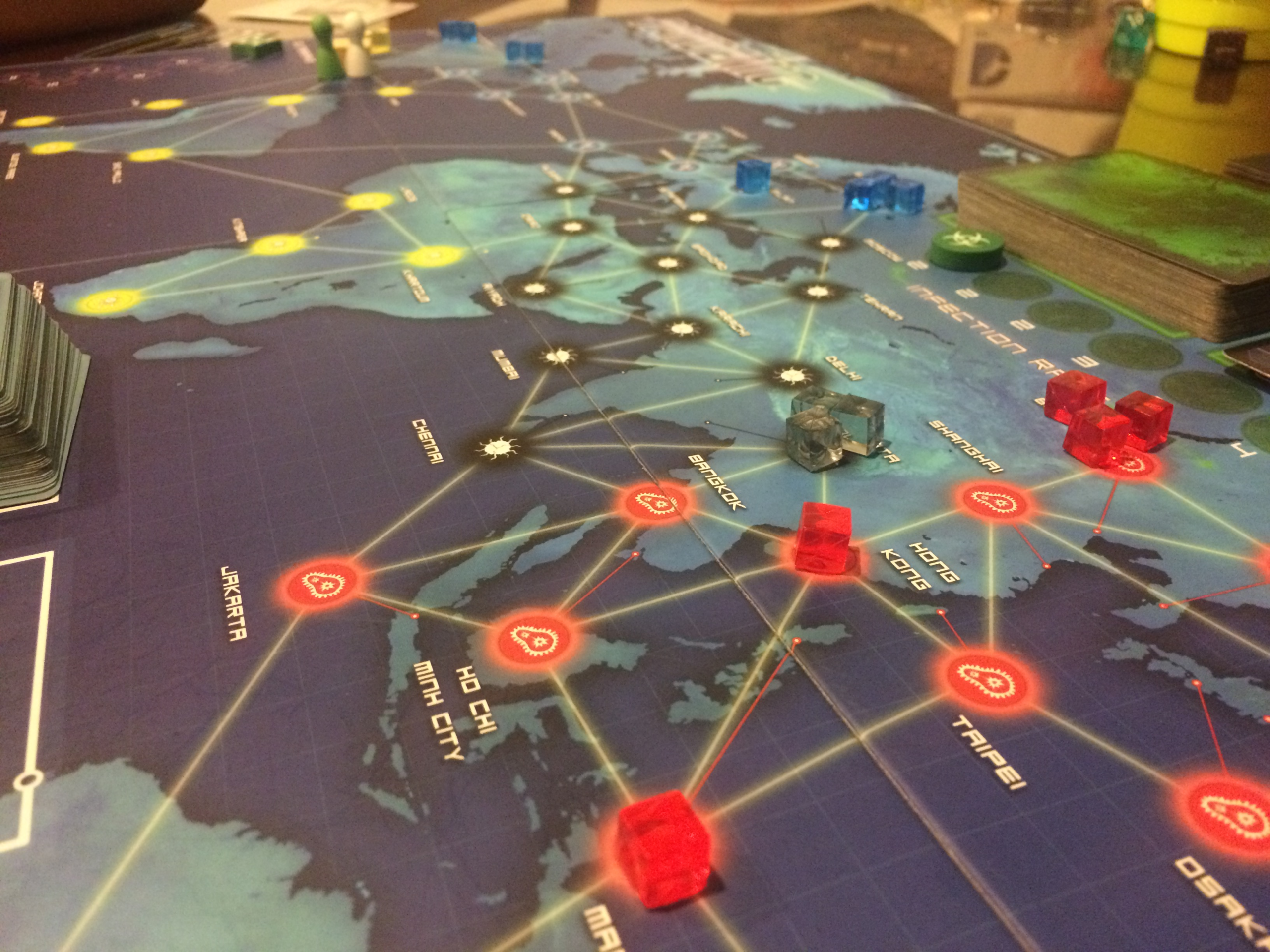
Whoever knew the game explained it to whoever did not, at length, incorrectly, and with important omissions that emerged only during play.
Clarifications continued throughout. The explanation is the part that never quite worked.
7. The Youngest Being Helped
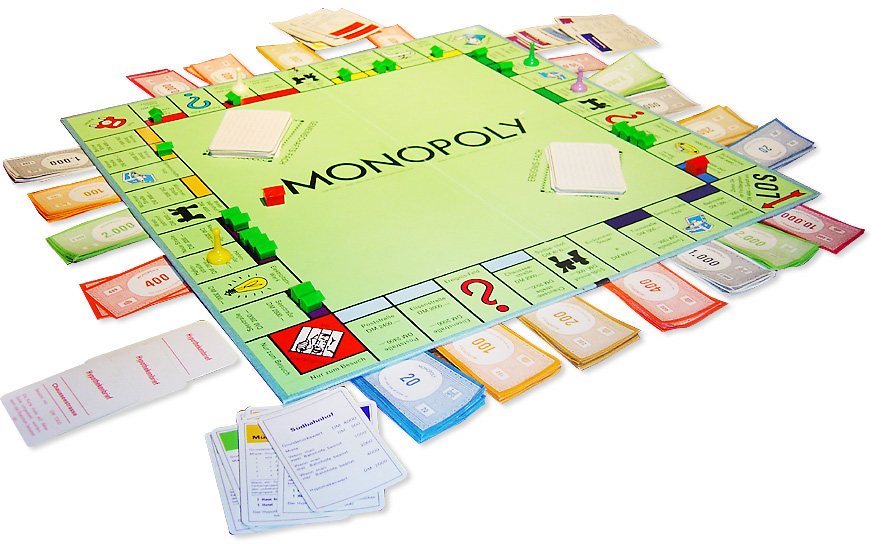
A younger player received assistance, advice and occasionally intervention, which was accepted by everybody and objected to by whoever was losing.
The help was not always subtle. The assisted player is the arrangement every mixed-age game required.
8. It Taking Far Longer Than Anticipated
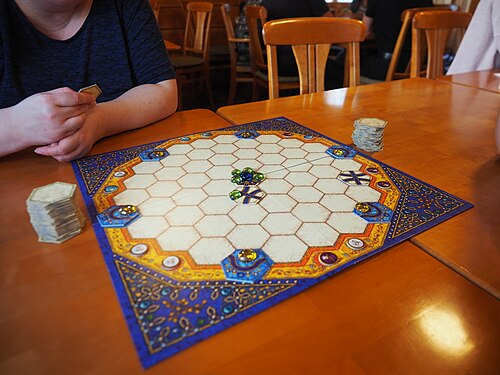
A game begun after lunch was still running at dusk, well past the point when anybody was enjoying it, with no obvious way to conclude.
Nobody had checked the expected duration. The overrun is the condition most games arrived at.
9. Somebody Losing Interest Entirely

At some stage a player disengaged, continued making moves without attention, and became a mechanical presence rather than a participant.
Everybody noticed and nobody said. The absent player is what a long game produced.
10. The Cat or the Dog on the Board
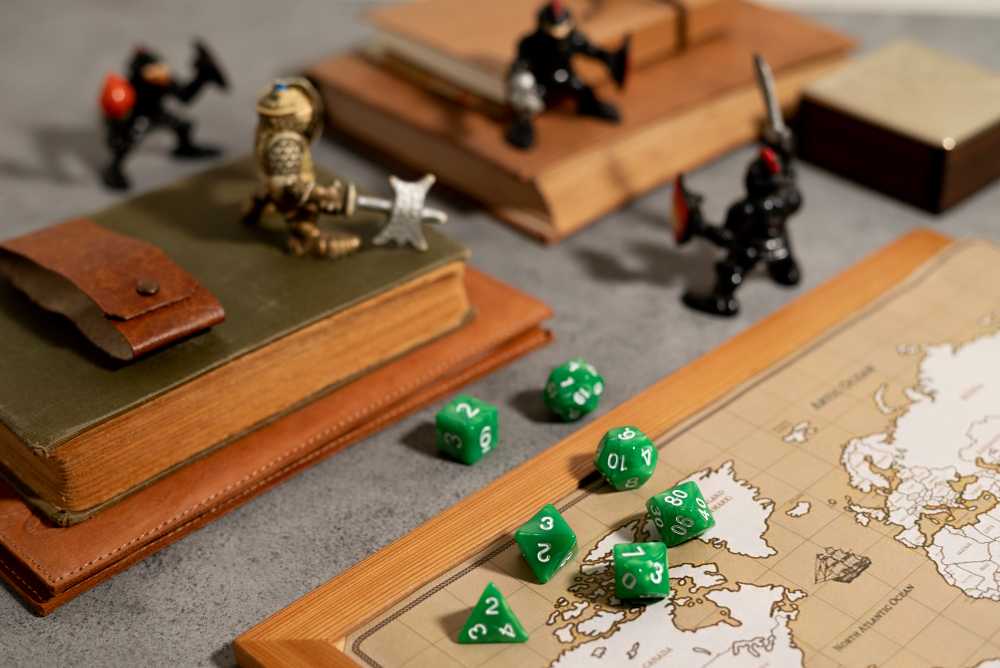
Any animal in the house arrived at the table at some point, walked across the playing area and disturbed the position irreparably.
Reconstruction was disputed. The animal intervention is the hazard every household faced.
11. The Accusation
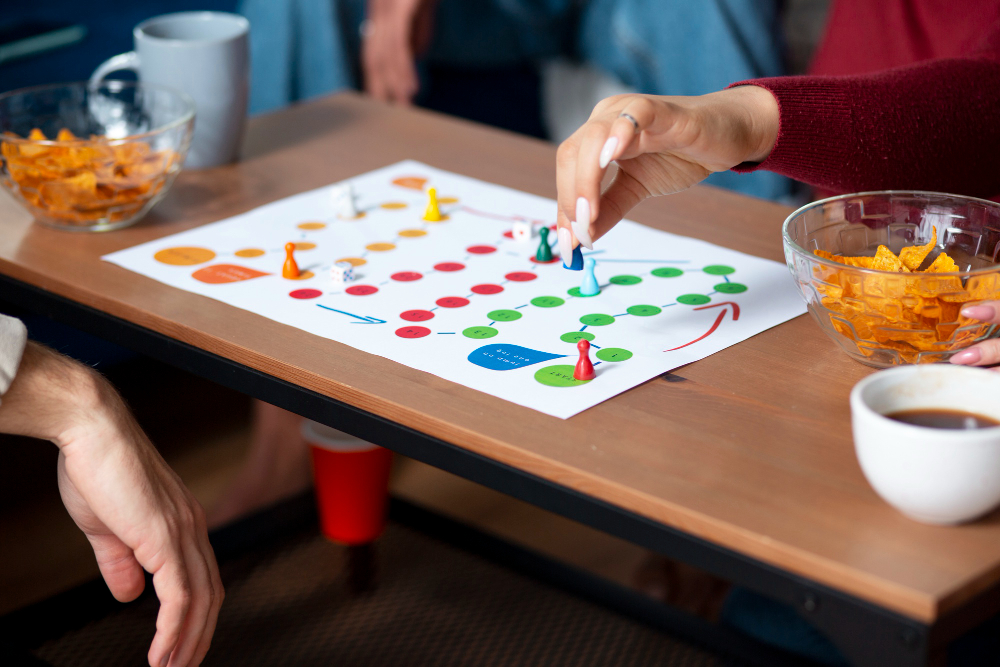
Somebody was suspected of something – a miscount, a move taken back, a rule applied selectively – and the resulting discussion occupied several minutes of play.
It was rarely resolved. The accusation is the dispute the format reliably generated.
12. The Game Ending Without Ending

A substantial proportion of games were abandoned rather than completed, by consensus, with the position left out or swept back into the box.
Nobody recorded a result. The unfinished game is how most of them actually concluded.
13. Putting It Away Being the Worst Part
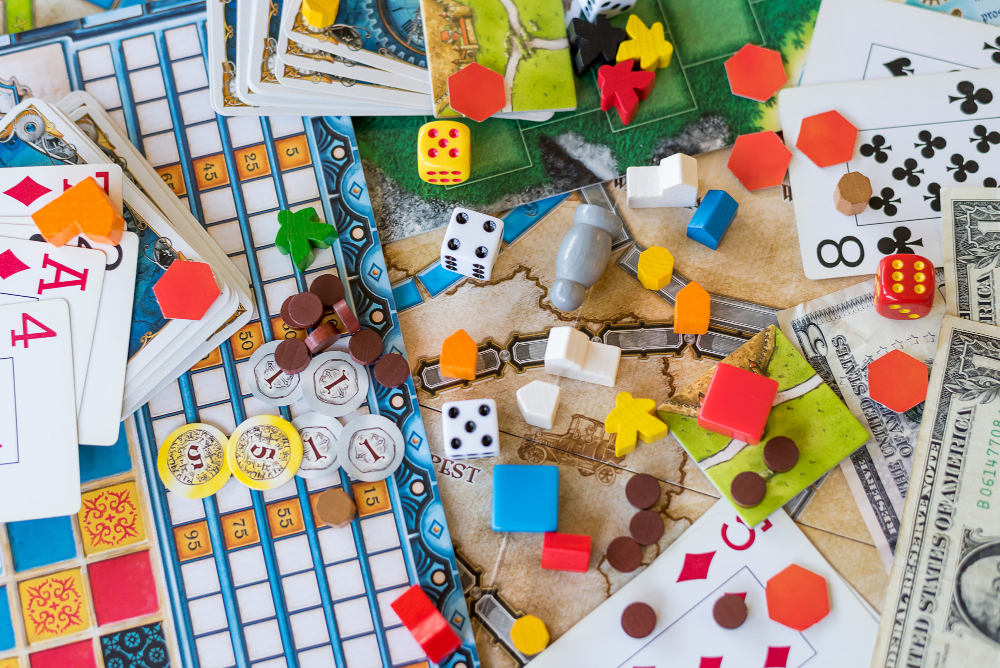
Sorting pieces, matching them to compartments, folding the board and closing a box that no longer shut fell to whoever was slowest to leave the table.
The sorting was never complete. The clearing up is the stage everybody avoided.
14. It Being Better Than Anybody Admitted
Everybody complained about the length, the rules and the disputes, and a great many people remember those afternoons as among the better times the household had.
The complaints were part of it. The retrospective verdict is substantially warmer than the contemporary one.
A Taped Box and a Disputed Rule

Missing pieces, household rules nobody could verify, a game that ran past dusk, an animal on the board and an ending that generally was not one.
The fifth item explains something people discover much later. The instructions were lost in almost every household, the rules survived only by being passed down verbally, and they drifted – which means a great many families spent years playing a game that nobody else played quite the same way, and only found out when they played it somewhere else.
Like our content? Follow us for more.