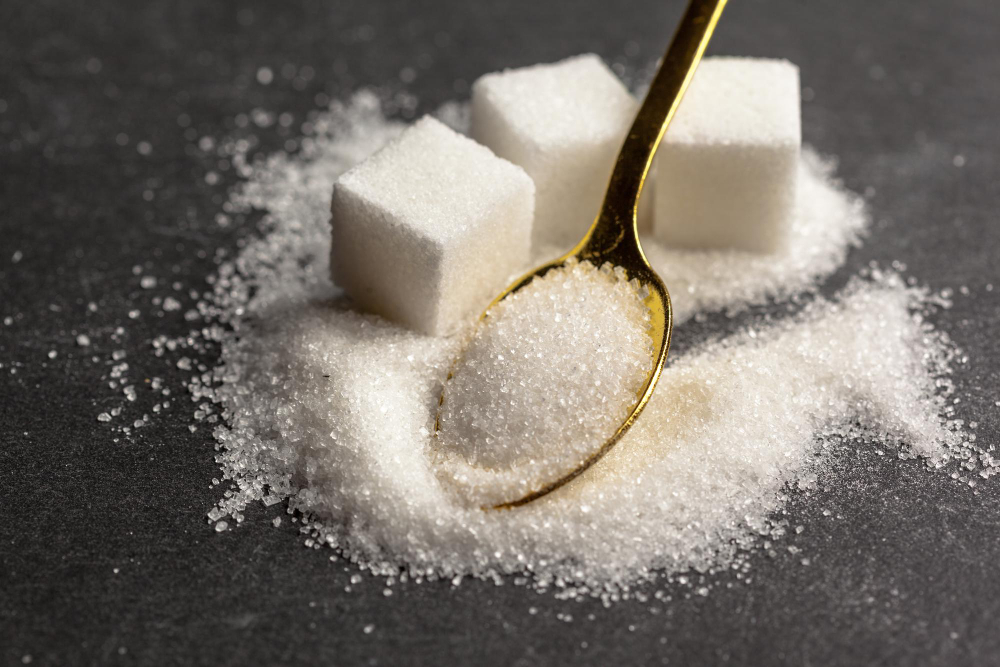
The single variable through most of this is how much water remains. Temperature rises as water leaves, so the temperature of a syrup is really a measurement of its concentration. Here are fifteen consequences.
1. Temperature Is Measuring the Water
A sugar syrup boils at a temperature determined by its concentration, and as water evaporates the concentration rises and so does the boiling point.
You are reading concentration rather than heat. Temperature as proxy is why the stages can be identified at all.
Like our content? Follow us for more.
2. The Stages Are Textures, Not Temperatures
The traditional stage names describe what the cooled syrup does – whether it threads, forms a soft ball, a firm one, or shatters – and the temperatures are simply the points where those behaviours occur.
The texture is the definition. Stage naming is a description of the result rather than of the process.
3. Each Stage Suits Different Things
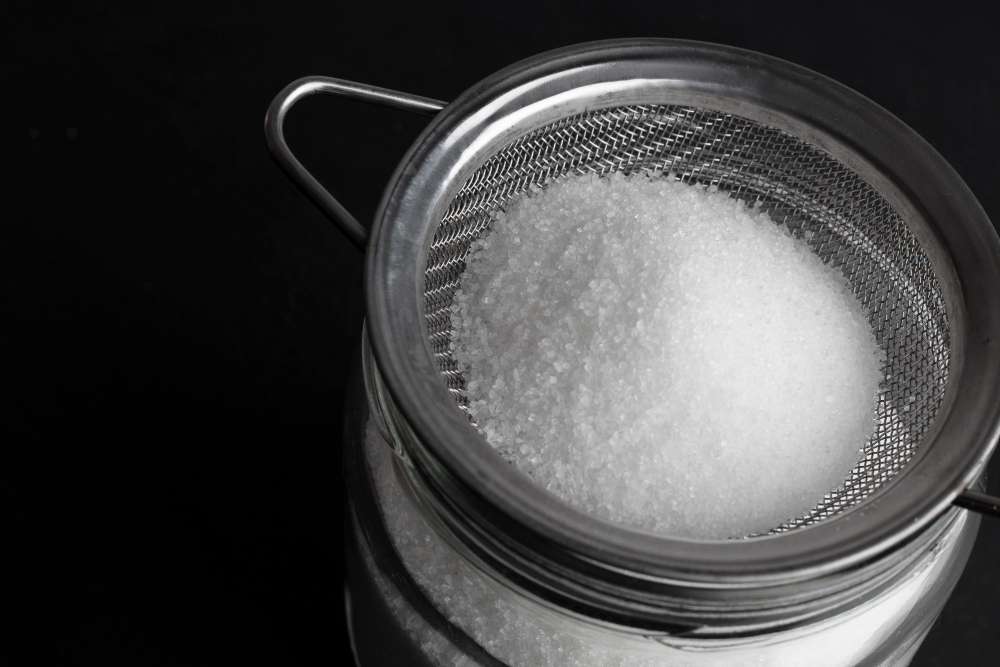
Softer stages give syrups and fillings that stay pliable; harder stages give sweets that snap; and the difference between adjacent stages is a matter of degrees.
A few degrees changes the product entirely. Narrow stage windows are why sugar work is exacting.
4. Past the Last Stage It Starts to Break Down
Beyond the point where all the water has gone, the sugar itself begins decomposing, changing colour and generating flavour compounds that were not present before.
That is a chemical change rather than a concentration one. Thermal decomposition is where the stages end and something else begins.
5. Caramelisation Needs Nothing but Sugar
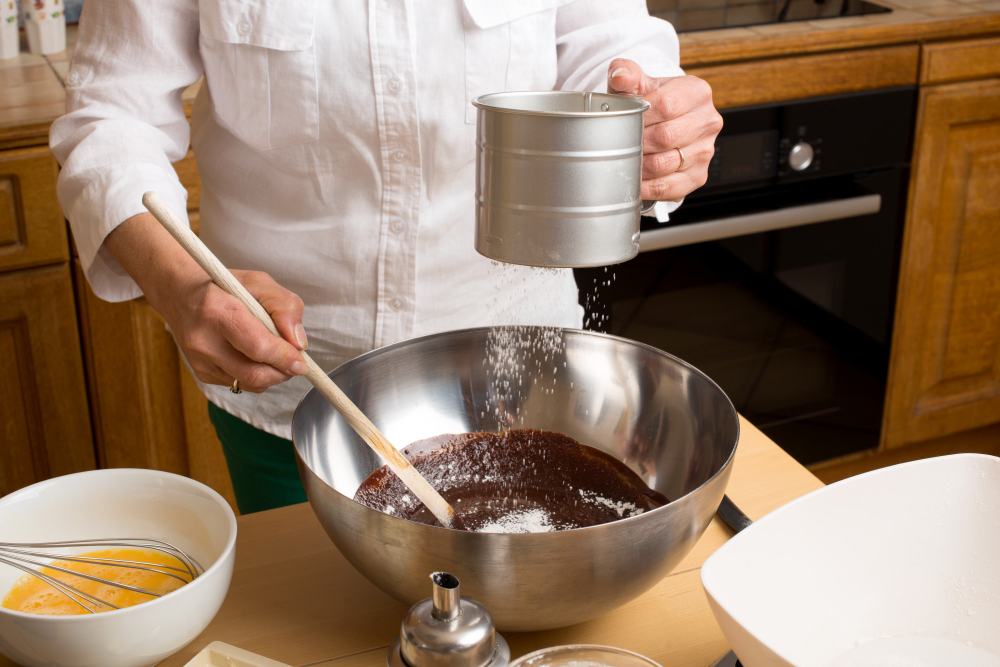
The breakdown produces several hundred distinct compounds from a single starting material, generating colour, bitterness and aroma with no other ingredient involved.
It happens to dry sugar as readily as wet. Sugar decomposition is a reaction the ingredient performs on itself.
6. Browning With Protein Is a Different Reaction
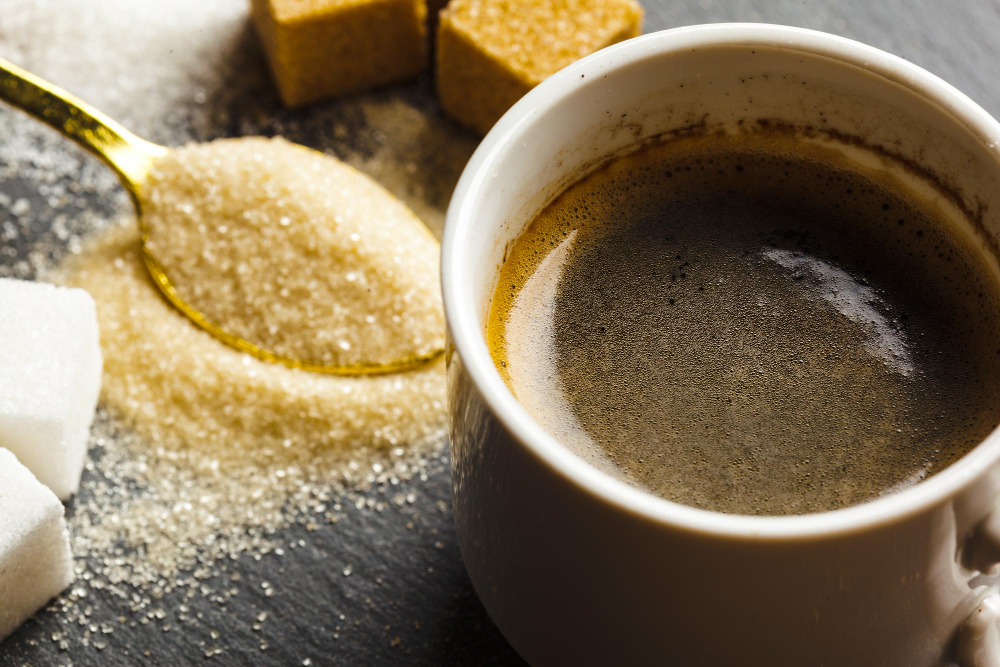
Where a protein source is present, a separate reaction between sugars and amino compounds produces browning and flavour by an entirely different route.
The two are frequently confused. Distinct browning reactions are why caramel and toasted milk taste different.
7. And Most Cooking Does Both at Once
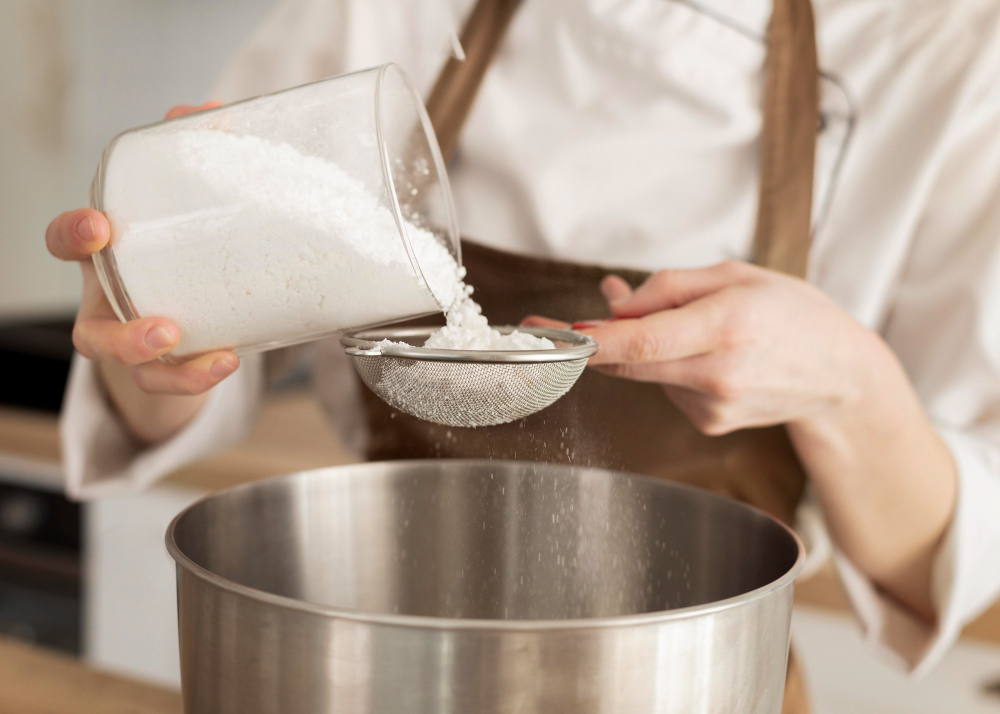
In anything containing both sugar and protein, both reactions proceed simultaneously at overlapping temperatures, which is why the flavour of browned food is so complex.
Separating them is a laboratory exercise. Simultaneous reactions are the ordinary case.
8. One Crystal Can Ruin Everything
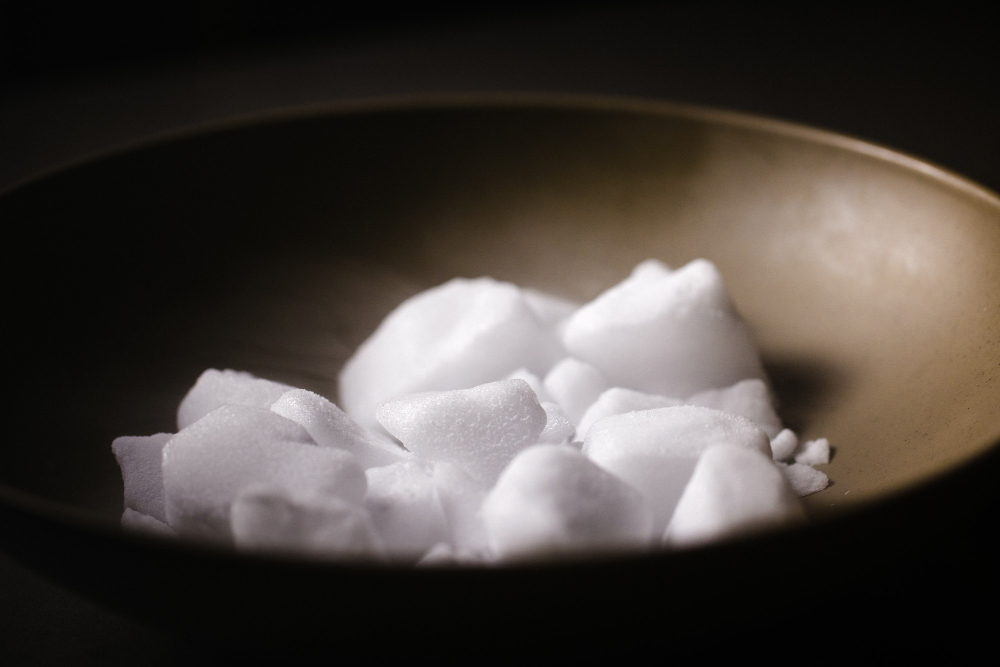
A concentrated syrup is unstable, and a single crystal – from an undissolved grain, a splash on the pan side, a stray particle – triggers the whole batch to crystallise.
The result turns grainy in seconds. Seed crystallisation is the failure that arrives without warning.
9. Which Is Why Stirring Is Dangerous
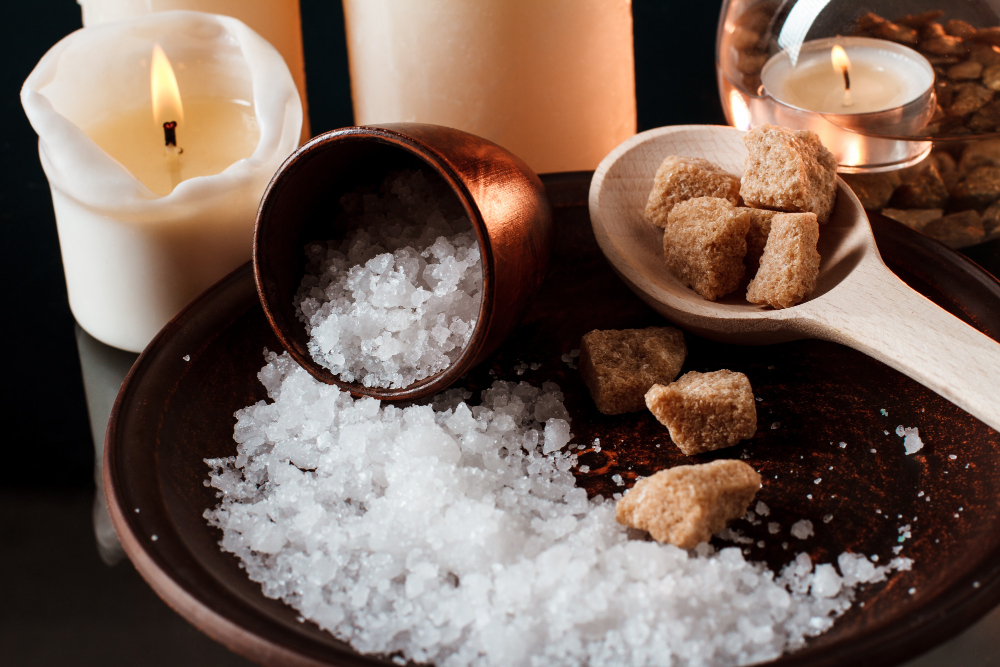
Agitation provides the disturbance that lets crystals form and grow, so a syrup past a certain point is generally left alone entirely.
The instruction not to stir is not superstition. Agitation sensitivity is the reason for a rule that sounds arbitrary.
10. And Why the Sides of the Pan Matter
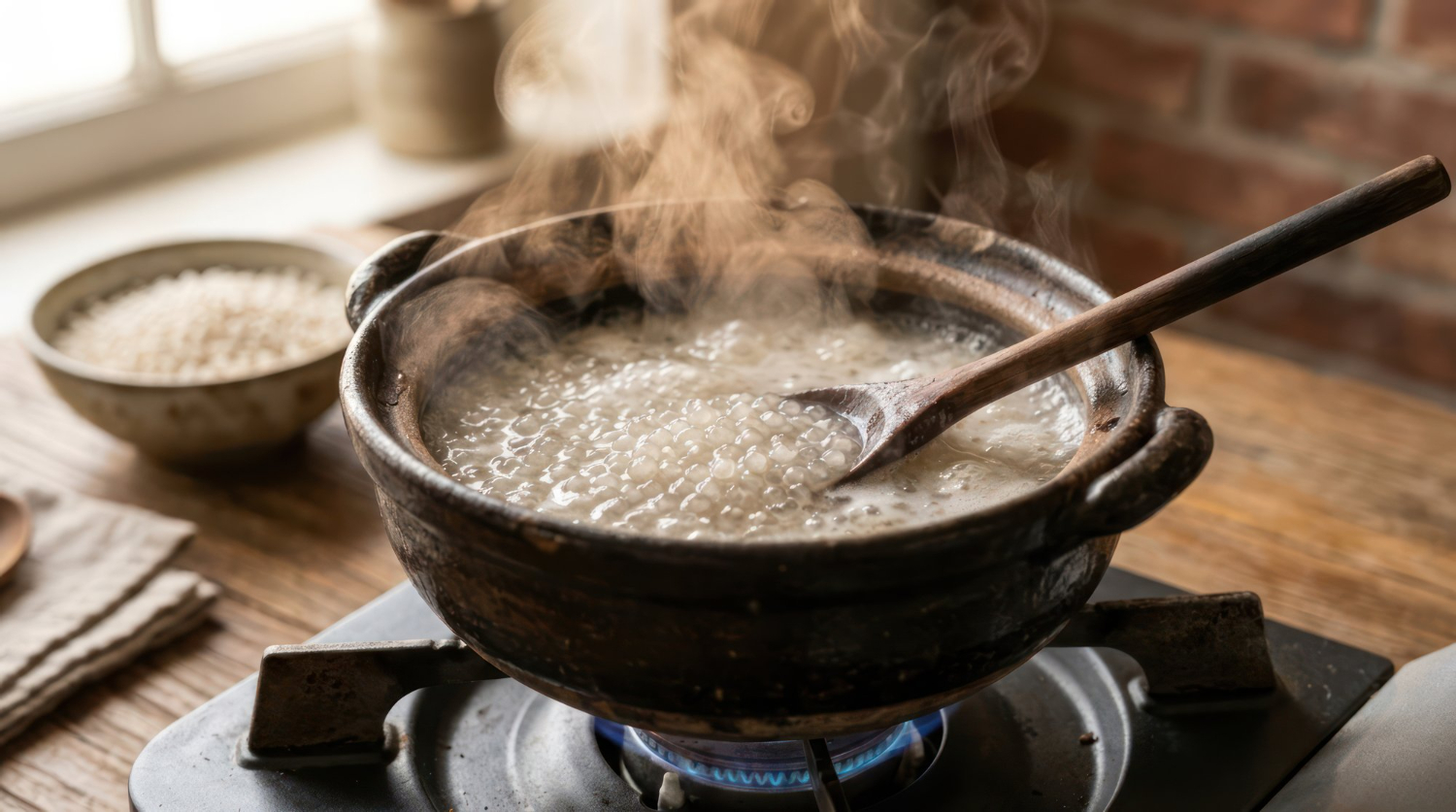
Syrup splashing up the sides evaporates, leaves crystals, and those fall back in – which is why the sides are washed down during boiling.
The problem starts above the liquid. Pan-side crystals are the most common source of an unexpected failure.
11. Acid Interrupts Crystal Formation
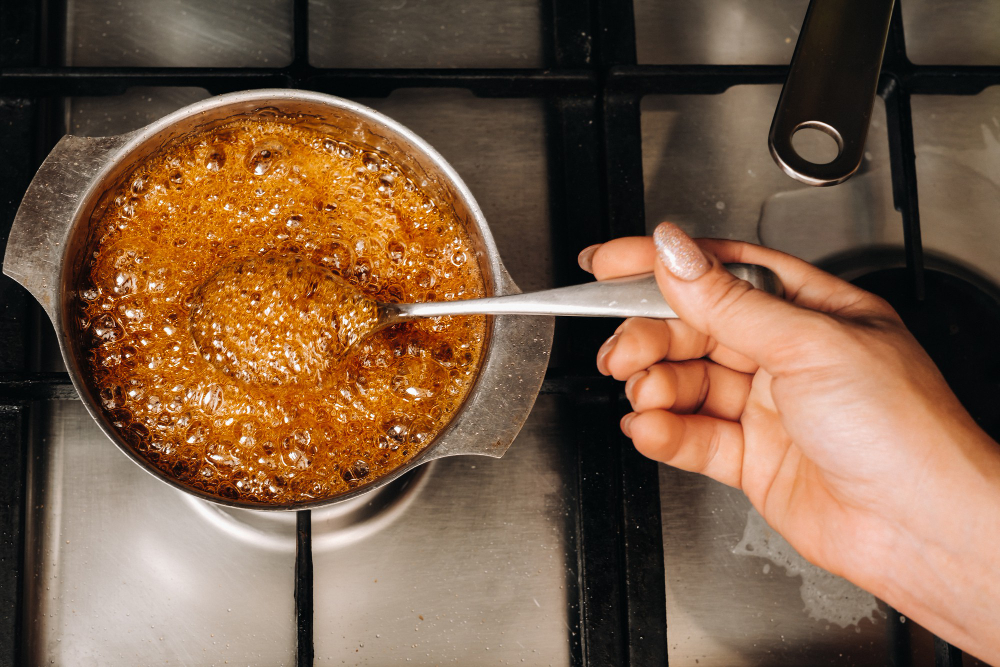
A small quantity of acid converts some of the sugar into two simpler sugars, which do not fit the crystal structure and physically obstruct it forming.
It is chemical interference rather than dilution. Inversion is why an acid addition prevents graininess.
12. So Does Adding a Different Sugar
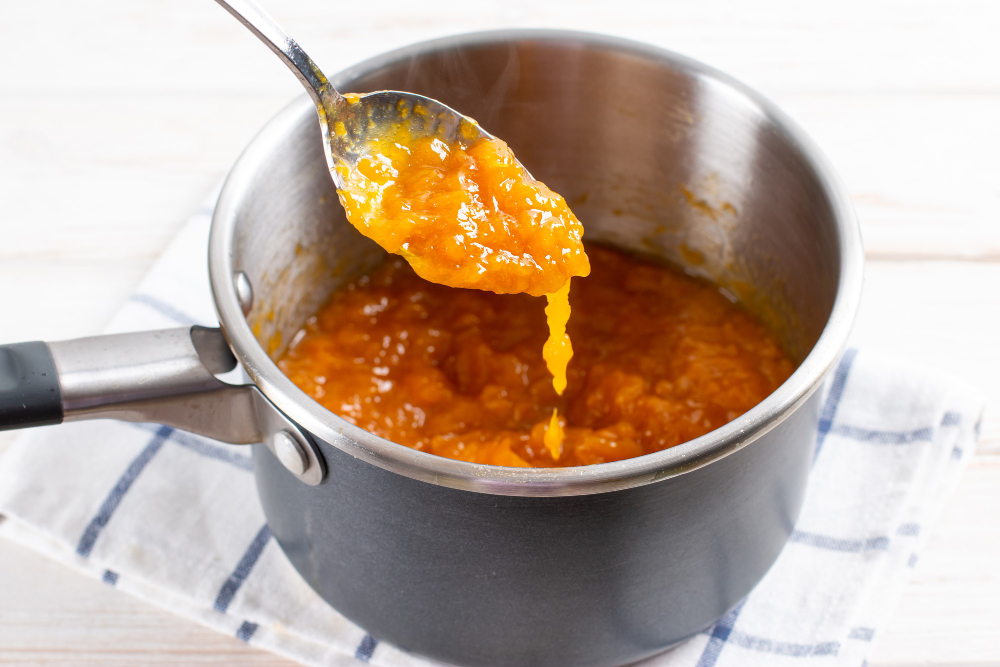
Introducing a syrup containing other sugars achieves the same obstruction, which is why such syrups appear in recipes where a smooth result matters.
Both approaches solve one problem. Mixed sugars are the alternative route to the same prevention.
13. Fat and Dairy Change the Whole Thing
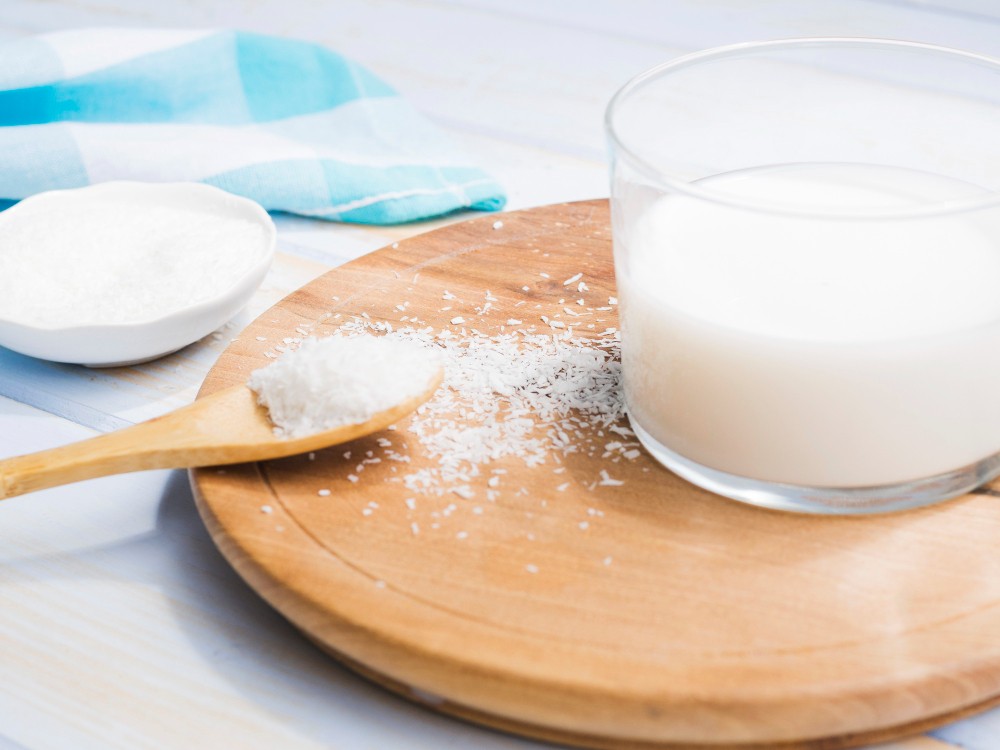
Adding cream or butter cools the mixture sharply, introduces water and protein, and converts a sugar reaction into something involving several processes at once.
The addition is violent and must be managed. Dairy introduction is the step that changes the chemistry entirely.
14. Cooled Sugar Is a Glass
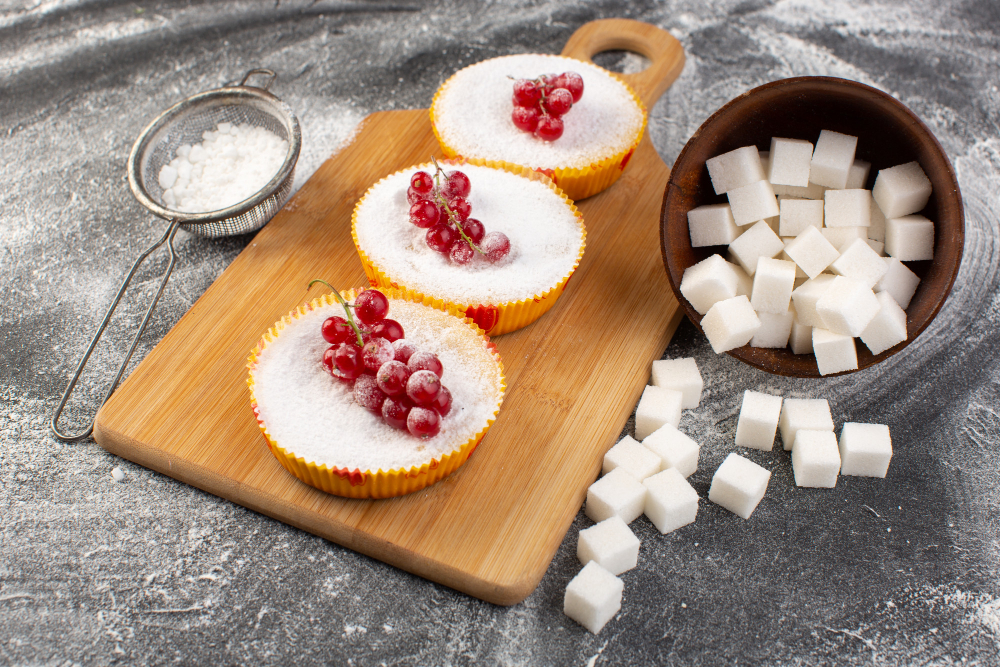
Sugar cooled quickly from a high stage does not crystallise but sets as an amorphous solid – the same structural category as window glass, which is why it is transparent and shatters.
It is a glass in the technical sense. Amorphous setting is what hard sweets physically are.
15. And It Absorbs Water From the Air
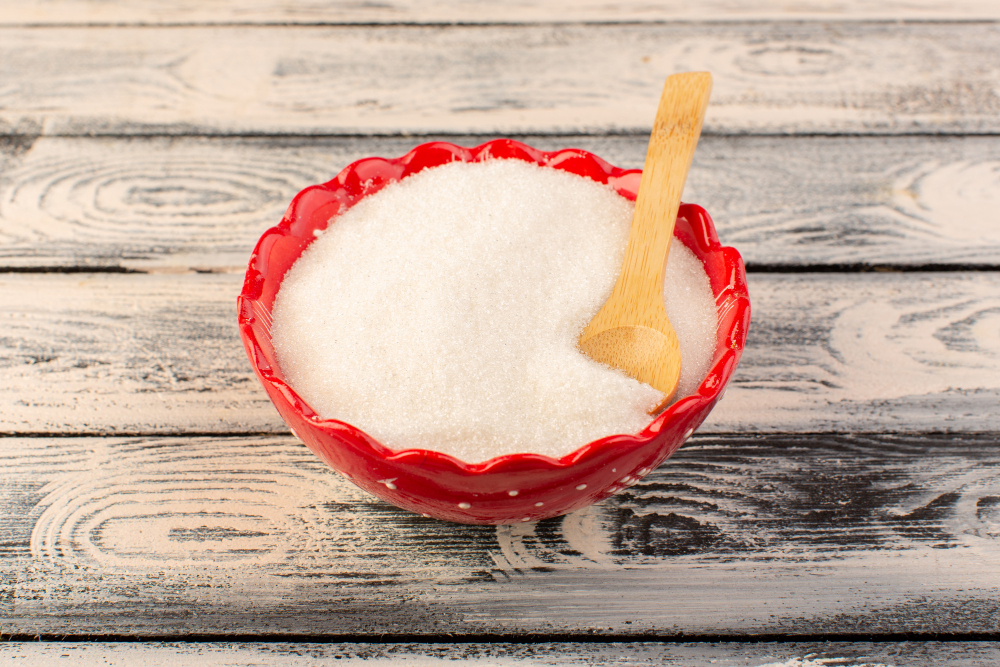
That glassy state is unstable, and sugar draws moisture from the atmosphere over time, which is why hard sweets become sticky and eventually soft in humid conditions.
Airtight storage is the only defence. Moisture absorption is why sugar work does not keep indefinitely.
Concentration, Then Decomposition
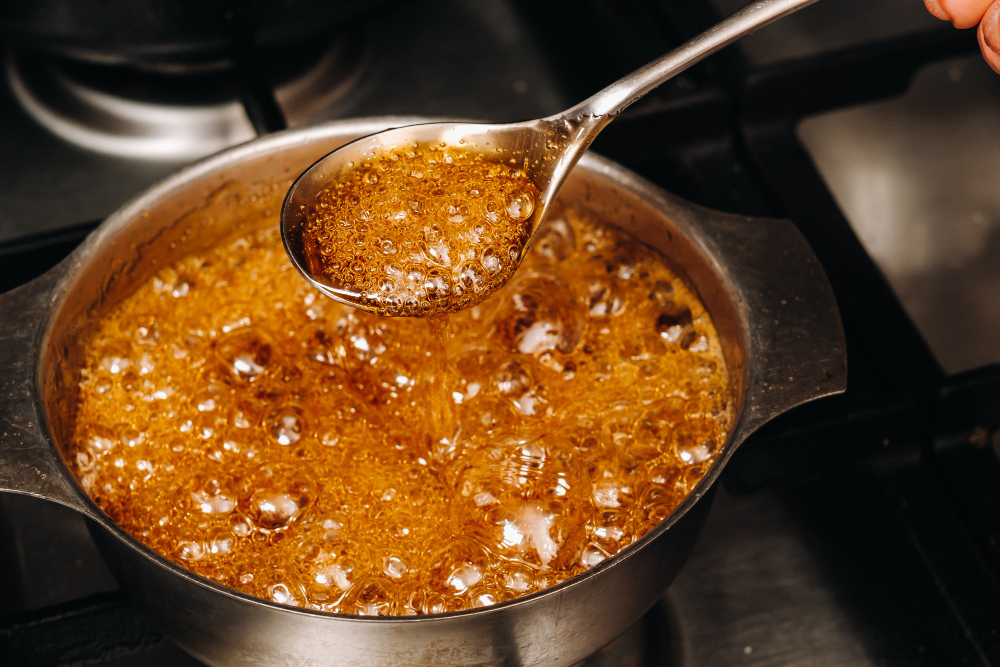
Water leaving until the temperature marks the stage, a texture for each concentration, and then a point where the sugar stops concentrating and starts becoming something else.
A serious note: sugar at these stages reaches temperatures far above boiling water, sticks to skin on contact and causes severe burns that are among the worst domestic kitchen injuries. Nothing above describes how to do any of it, deliberately. Anybody working with hot sugar should learn from proper instruction, and the equipment, the quantities and the handling matter as much as the chemistry.
Like our content? Follow us for more.