The family pantomime was the one theatrical event where the audience was a participant, the rules were absolute and nobody needed to be told them. Here are twelve.
1. It Being the Theatre Trip of the Year
For a great many families this was the one visit to a theatre annually, booked well ahead, anticipated for weeks and treated as a significant occasion.
Nothing else in the calendar resembled it. The annual outing is what made it an event.
Like our content? Follow us for more.
2. The Building Itself
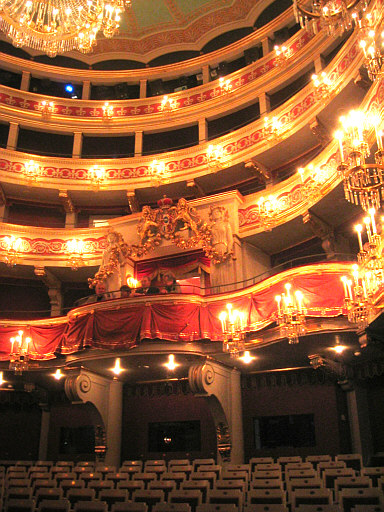
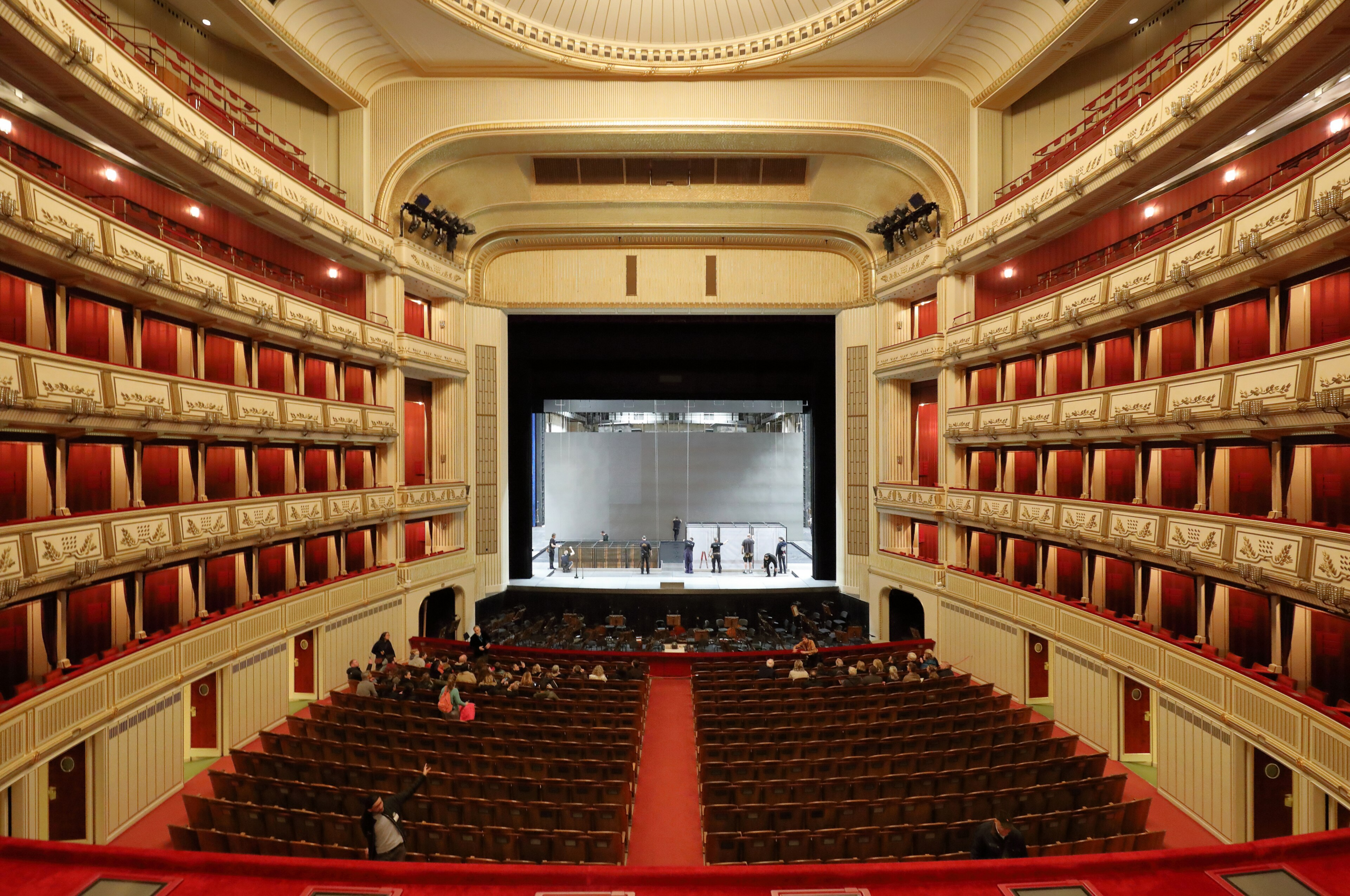
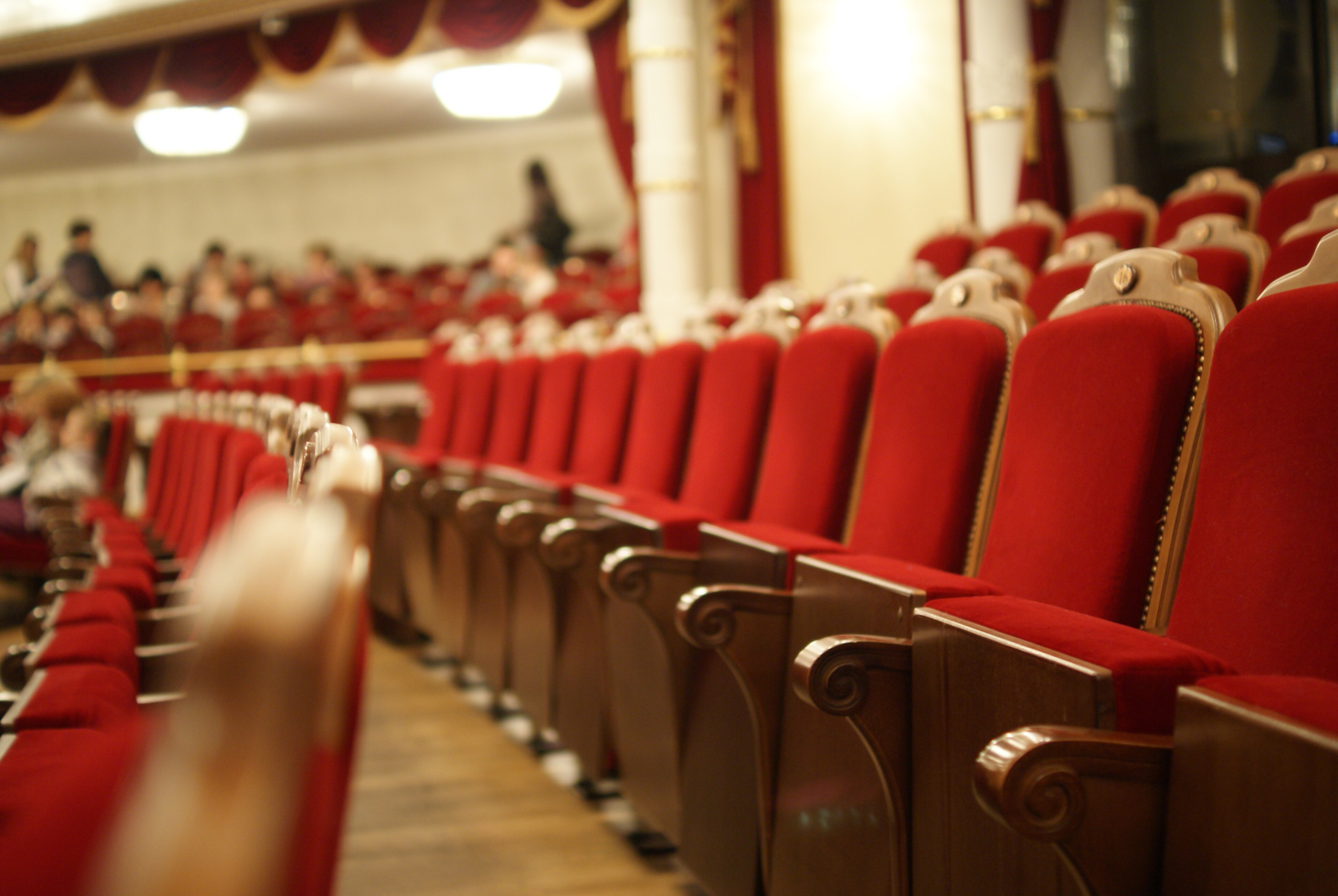
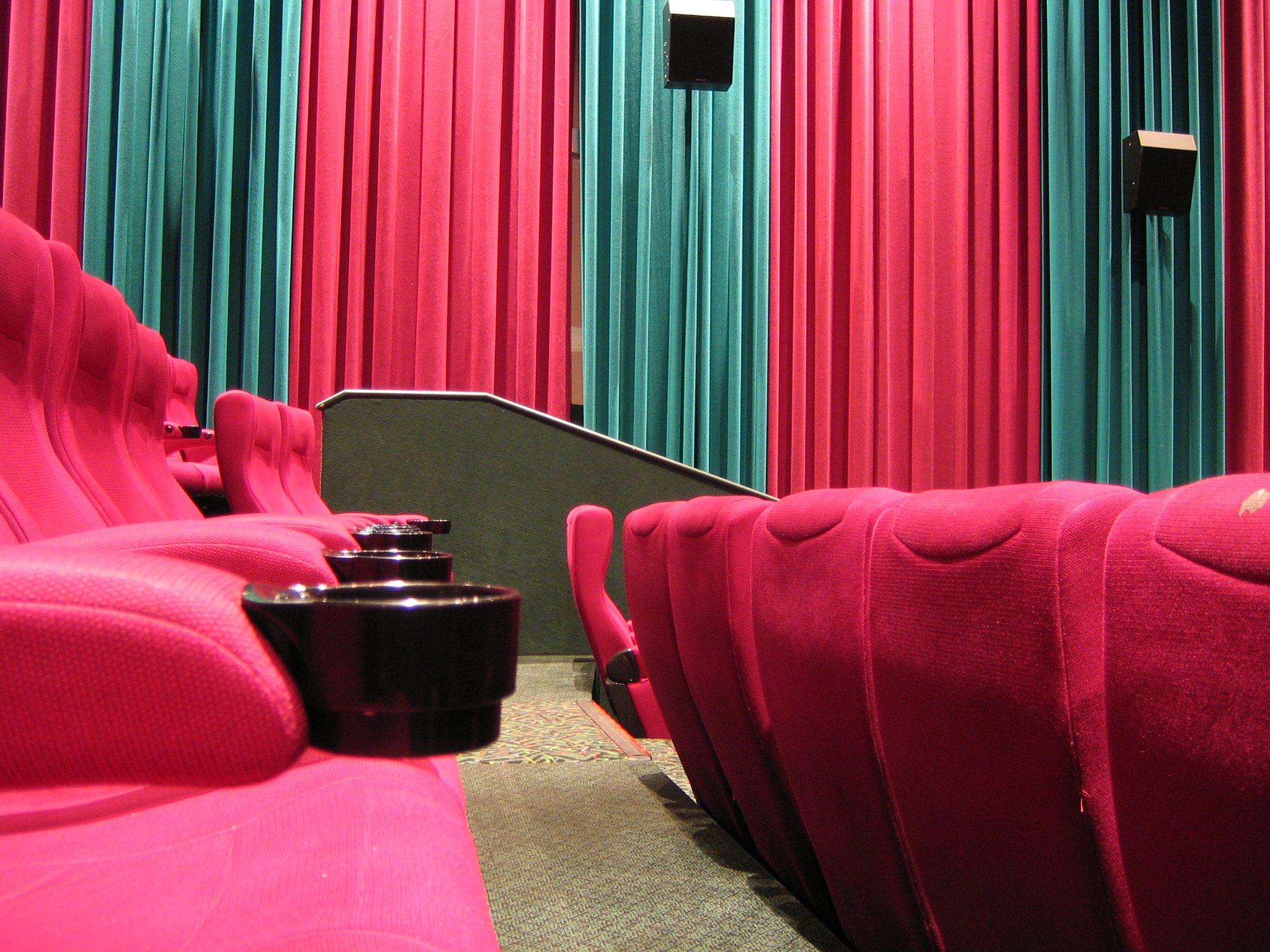
Red seats, gilded decoration, a curtain, balconies rising up the walls and a size that seemed enormous to a child – an interior unlike anywhere else visited all year.
The first look inside was the moment. The auditorium is what children remember first.
3. Knowing the Story Already
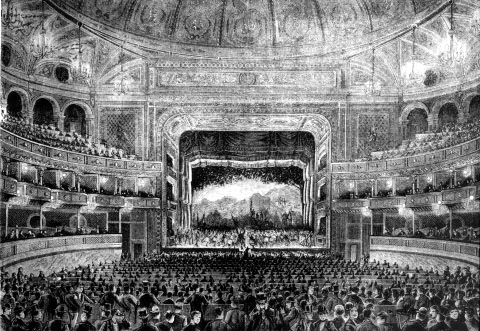
The plot was always a familiar tale, which meant nobody was following the story and everybody was watching for the moments they knew were coming.
Suspense was not the point. The familiar plot freed everybody to enjoy the conventions.
4. Being Told to Shout
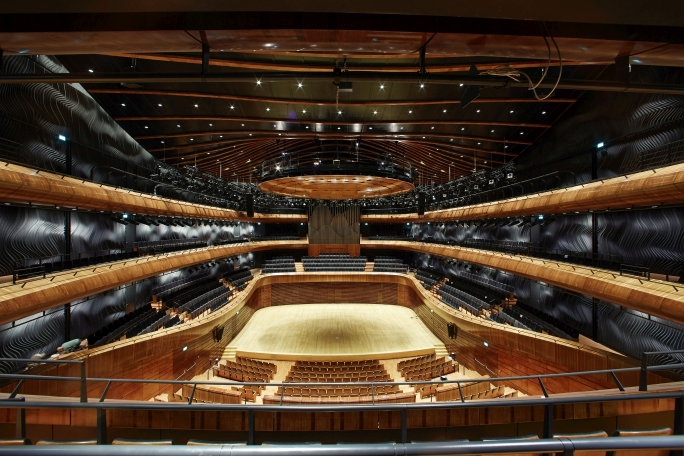
The audience was expected to respond aloud – warning, disagreeing, calling out – and children discovered that a theatre could be the one place where shouting was required.
It was licensed chaos. Audience participation is what made it unlike every other show.
5. The Warning Nobody Could Resist Giving
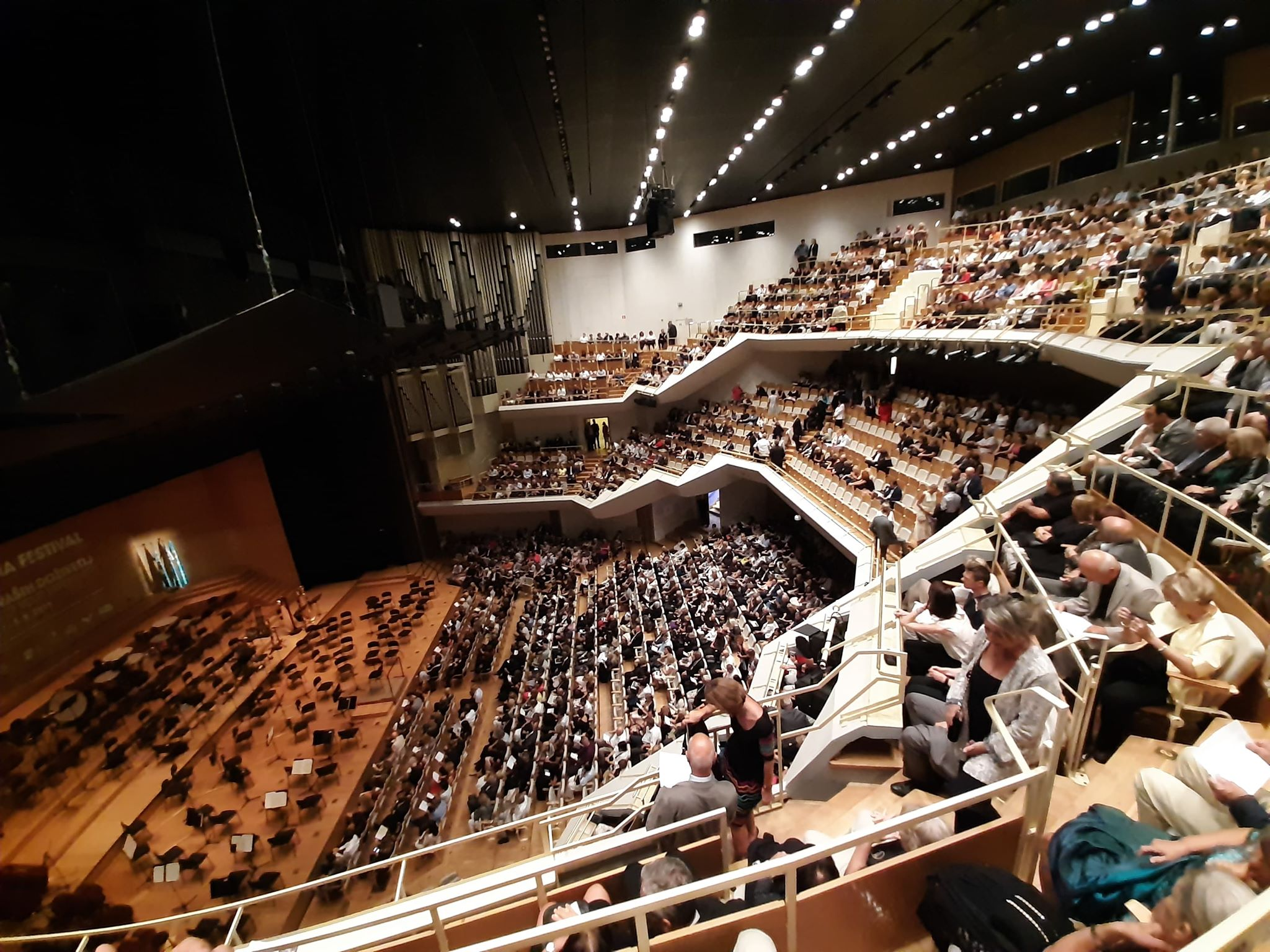
Somebody would appear behind a character who could not see them, and the entire audience would call out simultaneously, and the character would turn the wrong way every time.
The routine was repeated and never failed. The shouted warning is the moment everybody remembers.
6. The Casting Conventions
Certain roles were traditionally played by performers of the opposite sex, which was entirely normal within the form and was accepted by every child without question.
Nobody needed it explained. The conventions of the form were absorbed on the spot.
7. The Jokes Aimed Over Your Head
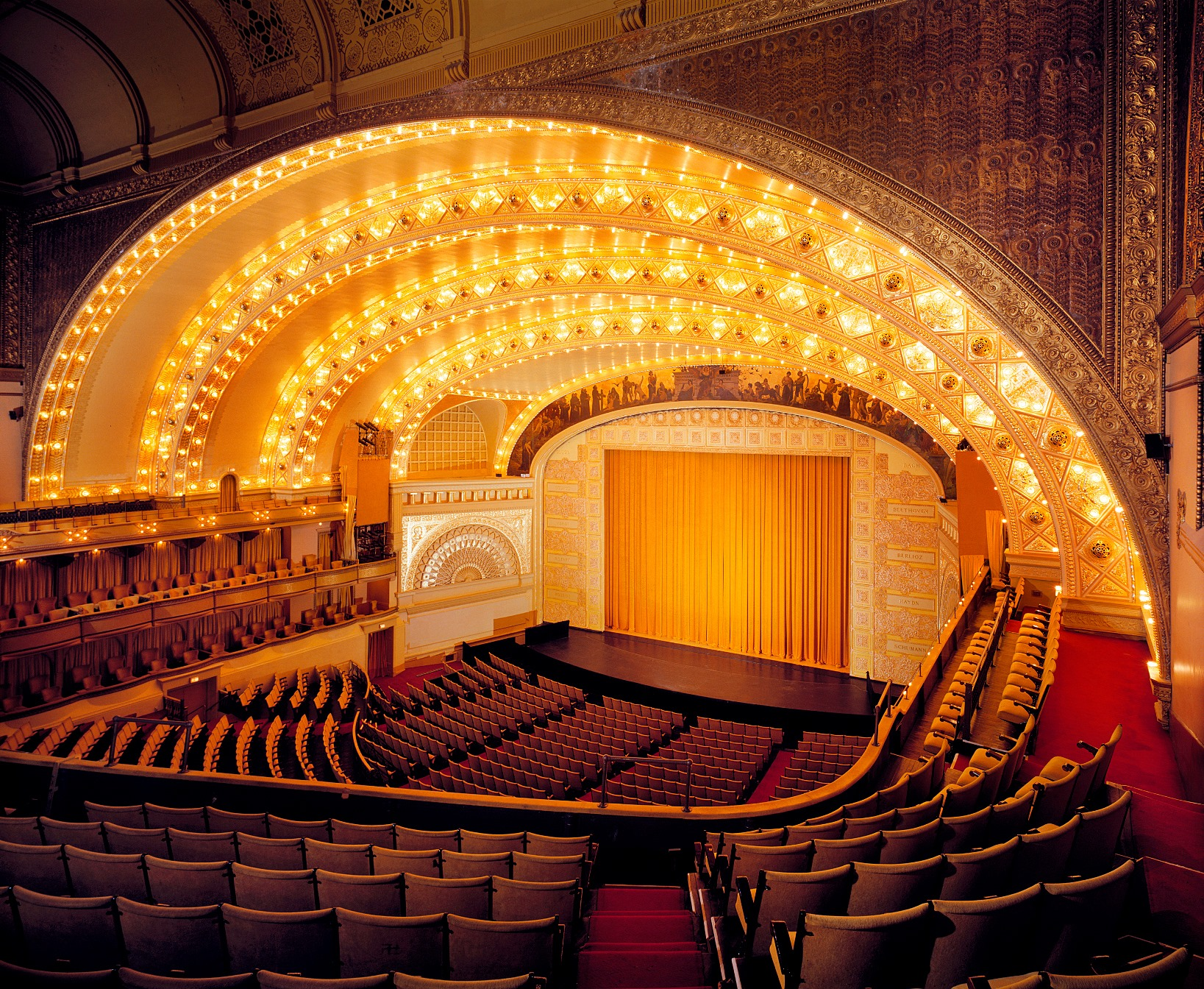
A layer of humour was clearly intended for the adults, and children noticed the adults laughing at things that made no sense and filed that away.
It was understood years later. The double-level comedy is what made it work for everybody.
8. The Villain Being Booed
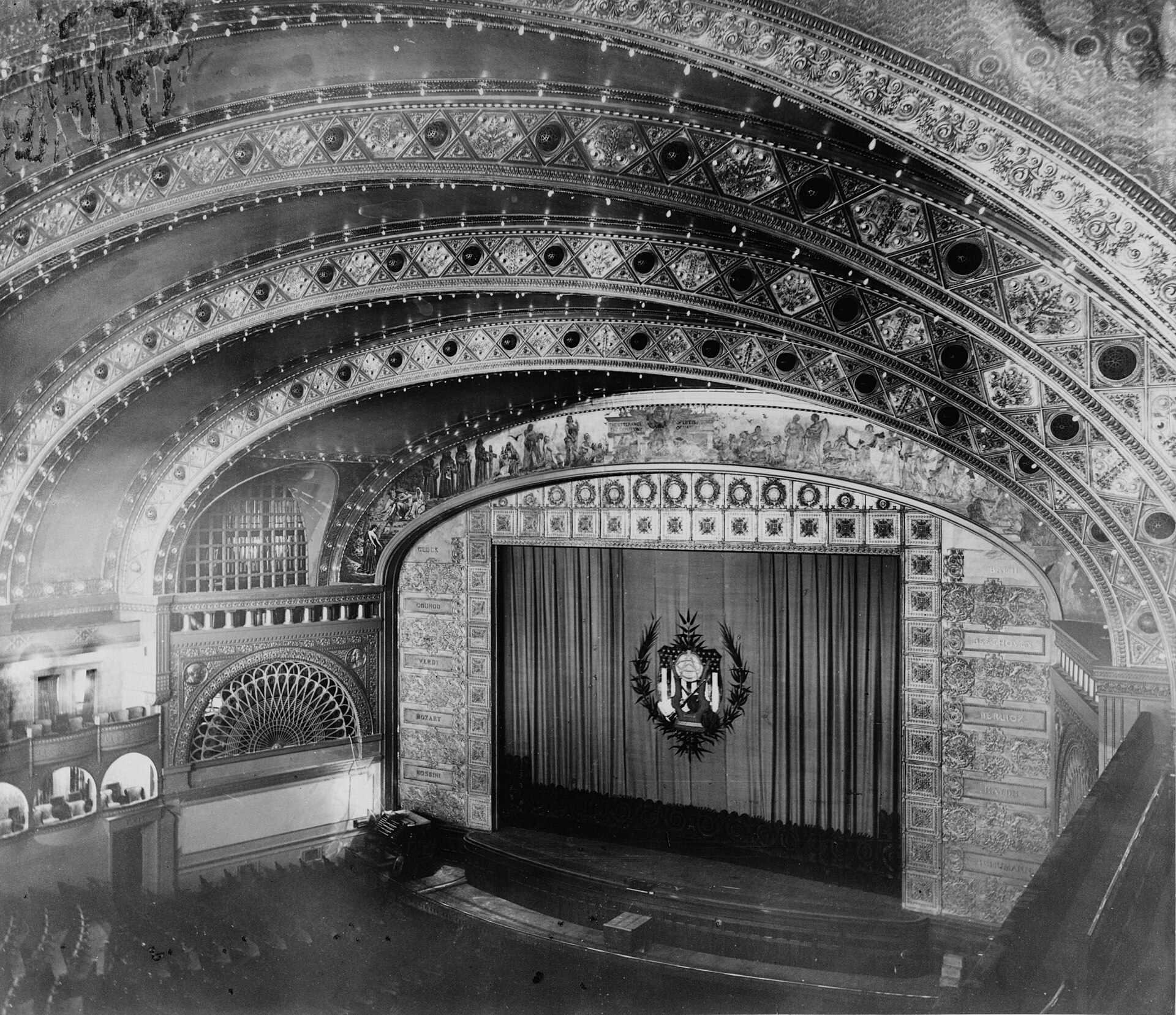
Every entrance of the antagonist was met with sustained disapproval from the whole house, which the performer encouraged and enjoyed.
It was the most satisfying thing a child could do in public. The booing is participation at full volume.
9. Sweets Being Thrown Into the Audience
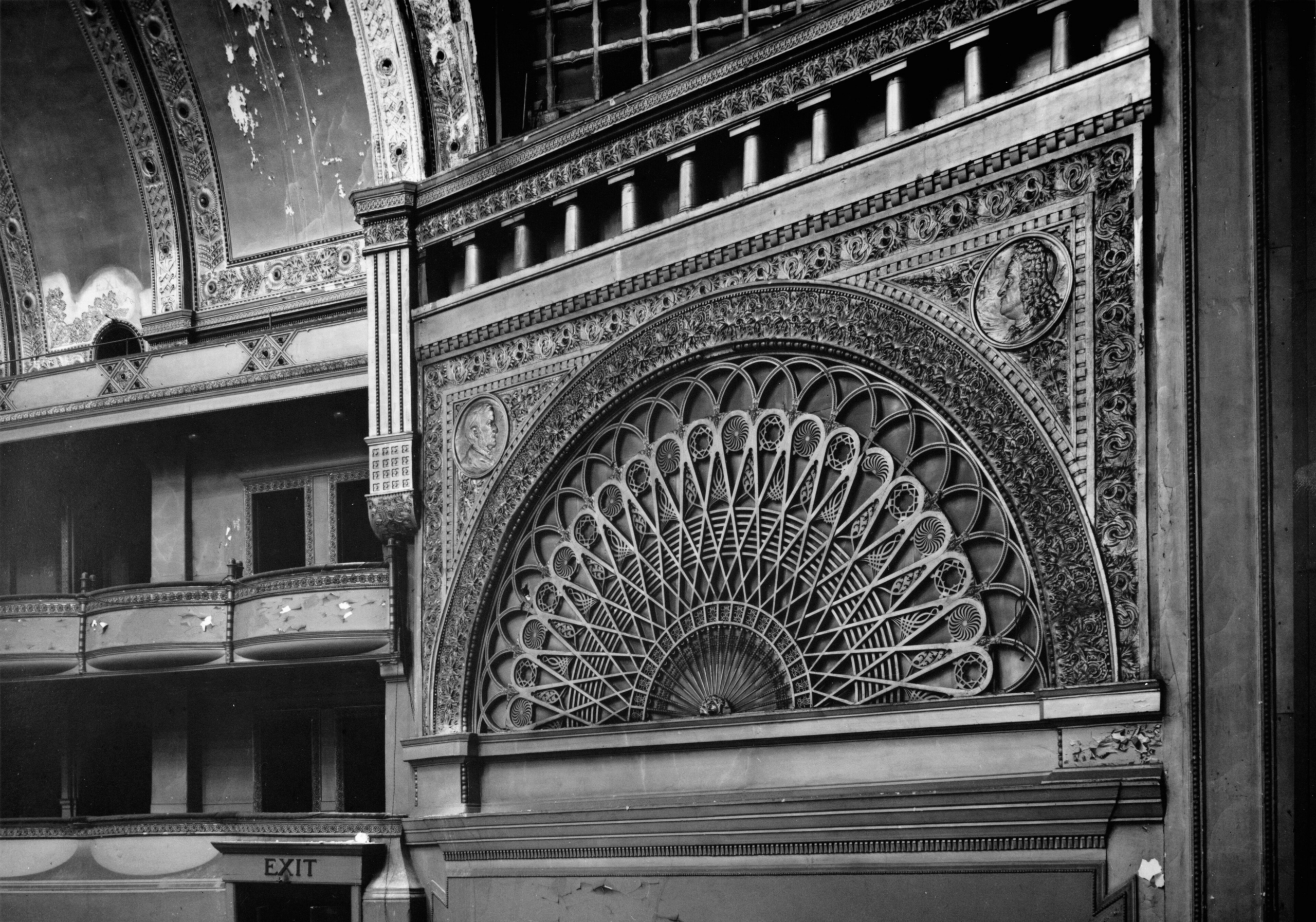
At some point something was thrown from the stage, which produced a scramble in the front rows and lasting envy everywhere else.
Nobody in the balcony ever caught anything. The thrown treats are the moment of maximum excitement.
10. The Song With the Words Lowered
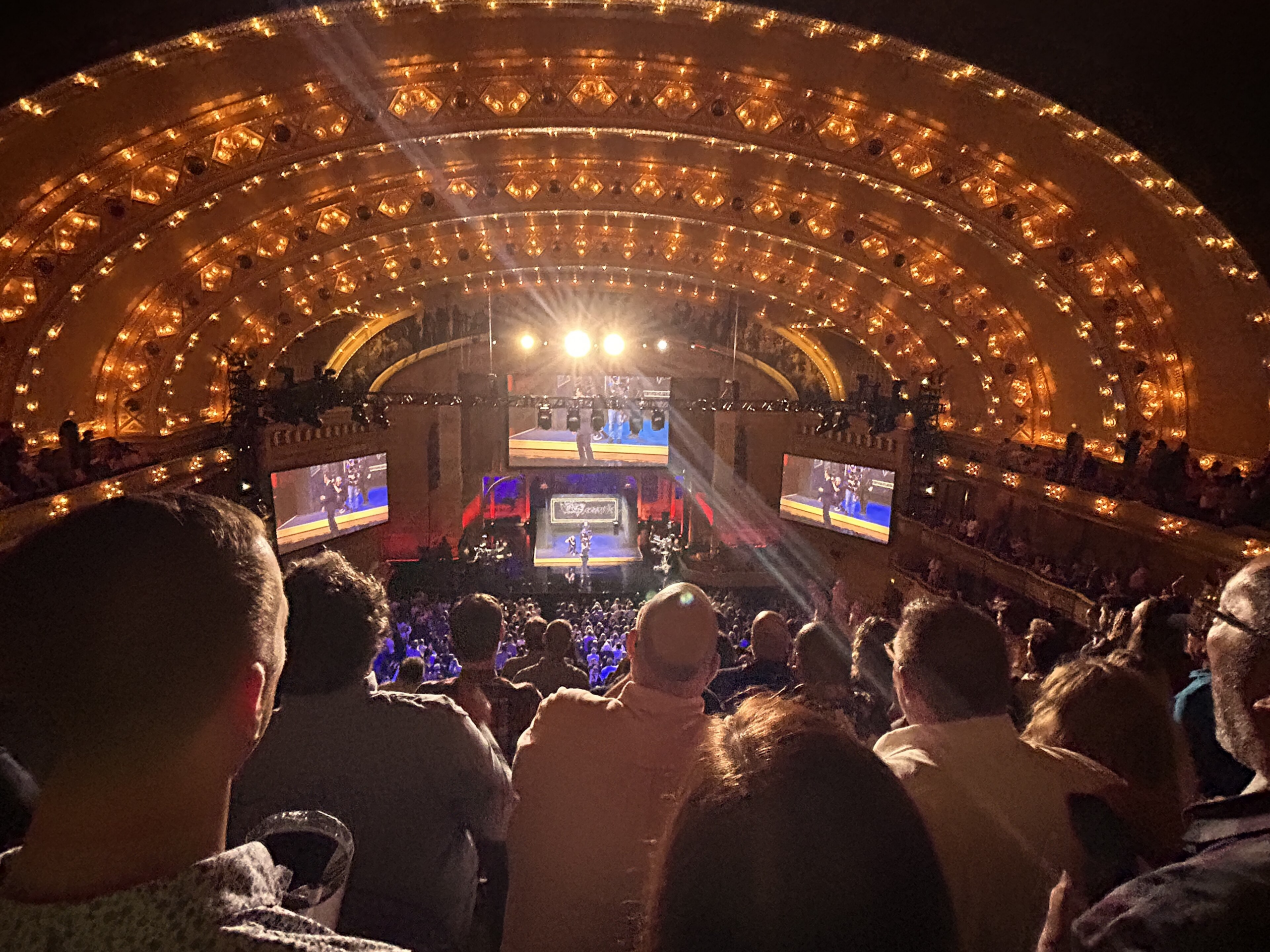
A song was taught to the audience, with the words displayed, and sections of the house were set against each other to see who could sing loudest.
It was always declared a draw. The singalong is what the whole show built toward.
11. Children Being Brought Up on Stage
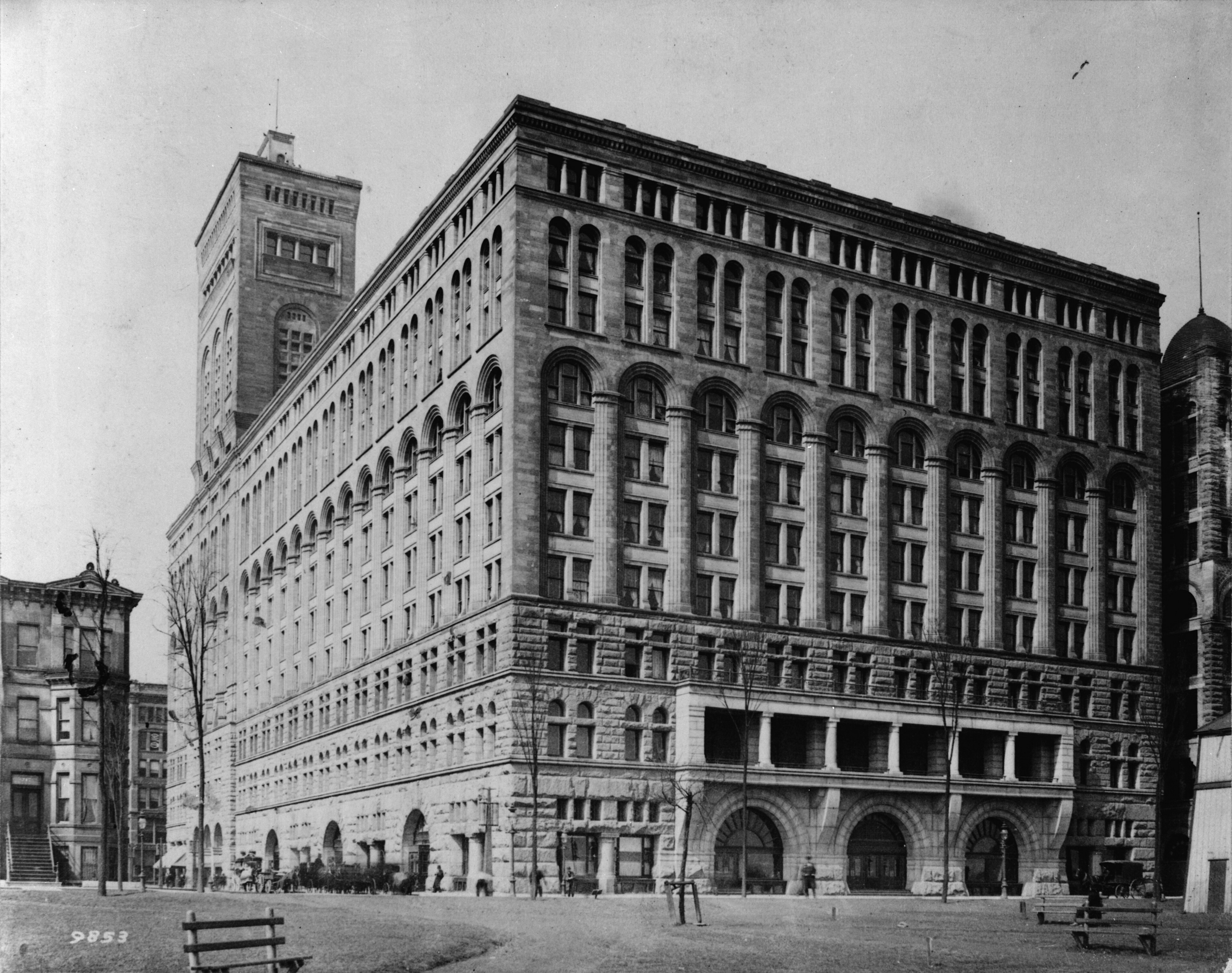
A small number were invited up, asked questions and given something, and those who went were envied by everybody who did not.
It was the most talked-about moment afterwards. The stage invitation is what every child hoped for.
12. Coming Out Into the Dark and Cold
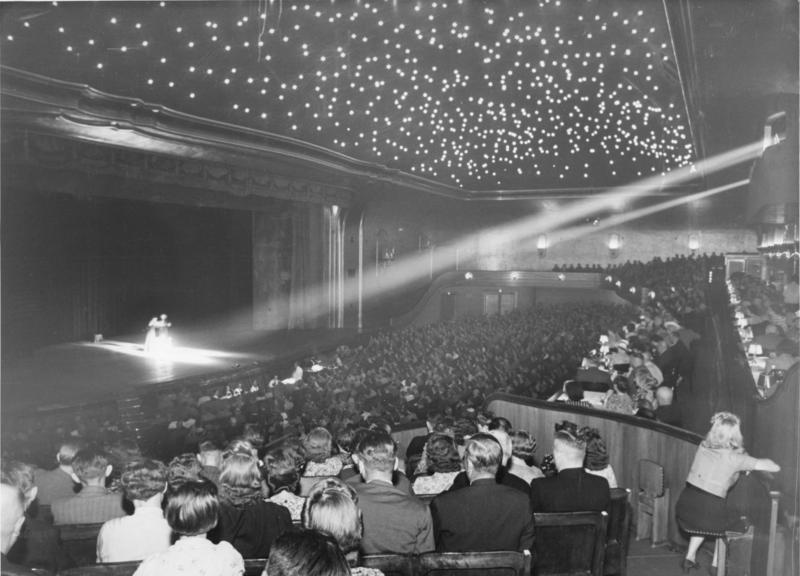
The show ended in winter darkness, and the transition from the warm bright theatre to a cold street was abrupt and memorable.
The contrast made the whole thing feel like somewhere else. The cold exit is how every visit ended.
The Show Where Shouting Was Required
A theatre visited once a year, a story everybody knew, a warning the whole house had to give, a villain to boo and a cold dark street waiting outside.
The fourth item is what made it different from anything else. Every other time a child sat in an audience, the rule was silence, and here the rule was the opposite – which is probably why the whole experience is remembered so much more vividly than anything watched steadily.
Like our content? Follow us for more.