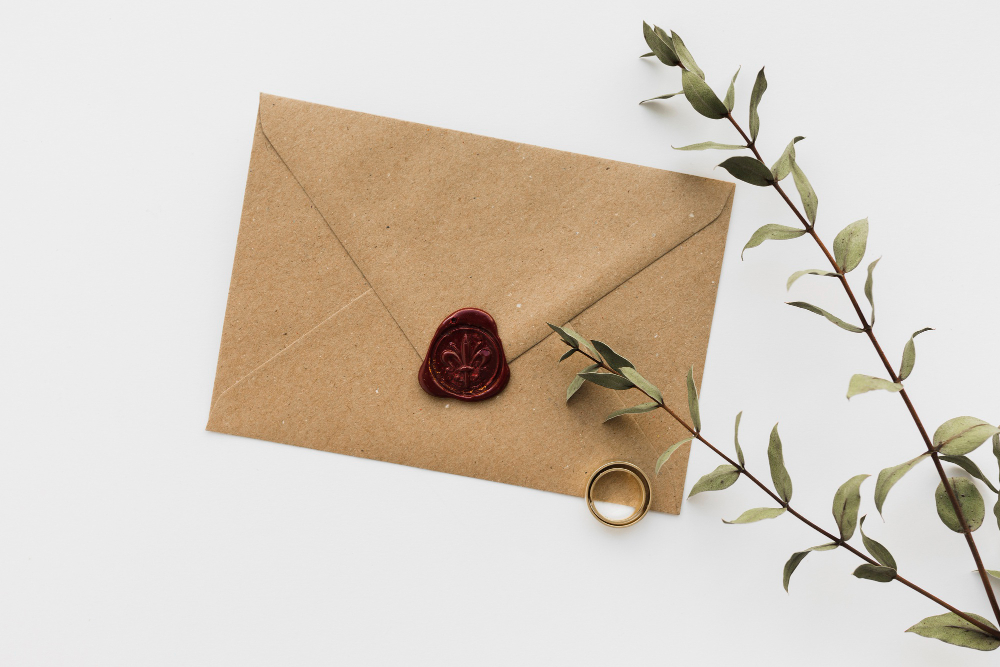
There is a common assumption that sealing a letter was about privacy, and it misses what the object was for.
A seal provides no privacy whatsoever. Anybody determined to read the contents simply breaks it, reads, and hands over a letter with a broken seal.
That is exactly the point. The seal cannot prevent interference; it makes interference visible. A letter arriving with an intact seal has demonstrably not been opened, and one arriving broken has.
Combined with an impression that identifies the sender, that makes a lump of wax do the work later performed by a signature, a letterhead, an envelope, a postmark and a tamper-evident closure — several separate functions in one operation.
There is a composition point worth adding. The material is not beeswax in the familiar sense but a resin-based mixture, which is why it behaves so differently from candle wax – harder, more brittle and far more retentive of fine detail.
Why It Had to Break
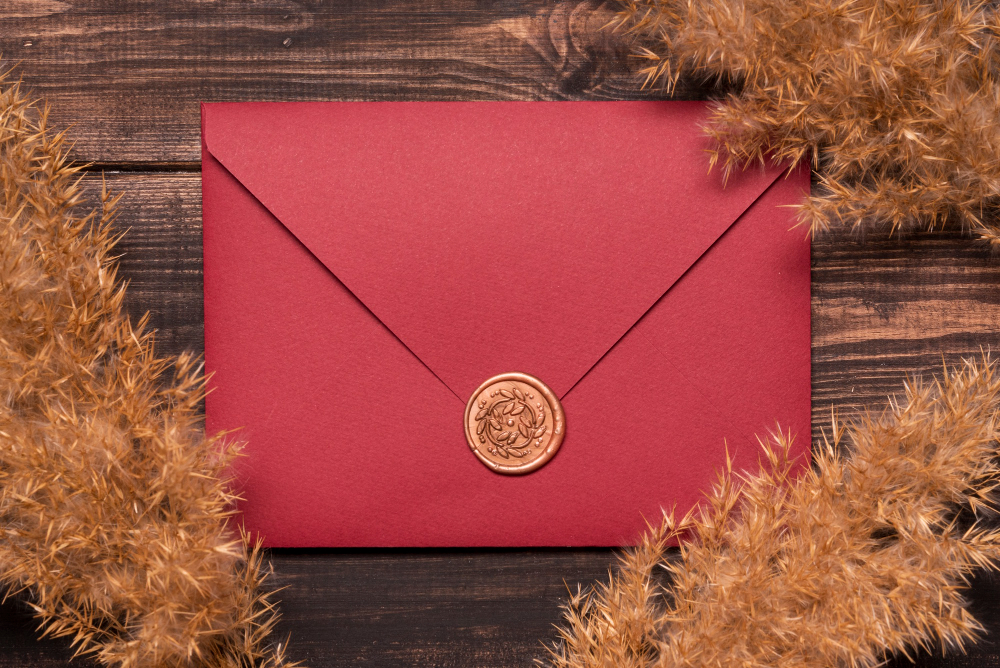
The material was chosen for a property most materials are chosen to avoid.
The wax used is hard and brittle when cold rather than soft, which is why an old seal cracks rather than deforming when the letter is flexed.
That brittleness is the security feature. A material that could be softened, lifted and replaced would defeat the purpose, and one that peeled cleanly would be useless.
It also had to bond to the paper or parchment, so that removing the seal takes fibres with it and leaves visible damage on the document itself.
And it had to take a crisp impression while molten and hold it permanently once set, which requires a material that goes from liquid to hard without a long soft stage.
Those requirements — brittle, adhesive, sharply detailed, quick-setting — are a narrow specification, and the formulations used changed over time as makers worked toward it.
There is a literacy point worth adding. In periods when few people could read, an impression identified a sender to anybody who recognised the device, which made it more widely legible than a written name.
That is one reason seals persisted long after writing was common.
Like our content? Follow us for more.
The Impression Is the Identity
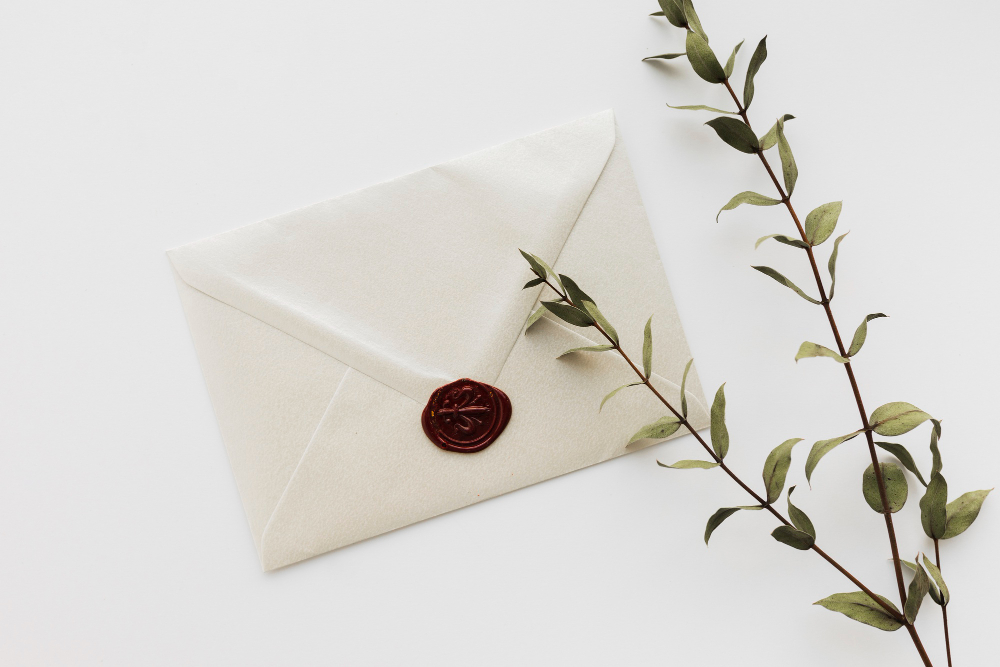
The mark pressed into the wax carried the weight of the whole system.
A seal matrix — the engraved stamp — was an individual object, cut by hand, and its impression was effectively impossible to reproduce exactly without it.
That made possession of the matrix equivalent to authority, which is why they were guarded, why loss of one was a serious matter, and why they were frequently destroyed on the death of the owner to prevent posthumous use.
For institutions, the matrix was kept by a designated officer, and the act of applying it was a formal step rather than a convenience — which is why phrases about affixing a seal survive in legal language long after the practice.
The design carried information as well: a device identifying the individual or body, frequently with lettering around the edge, so that the impression was both a signature and a statement of rank or office.
That combination of uniqueness and formality is why documents were sealed rather than signed for a very long period, in societies where writing was restricted and a recognisable mark was more useful than a name.
There is a survival point worth adding. Wax is fragile, and a very large proportion of seals attached to surviving documents are damaged, detached or lost entirely – which is why an intact impression is valued so highly by anybody studying them.
How It Was Actually Done
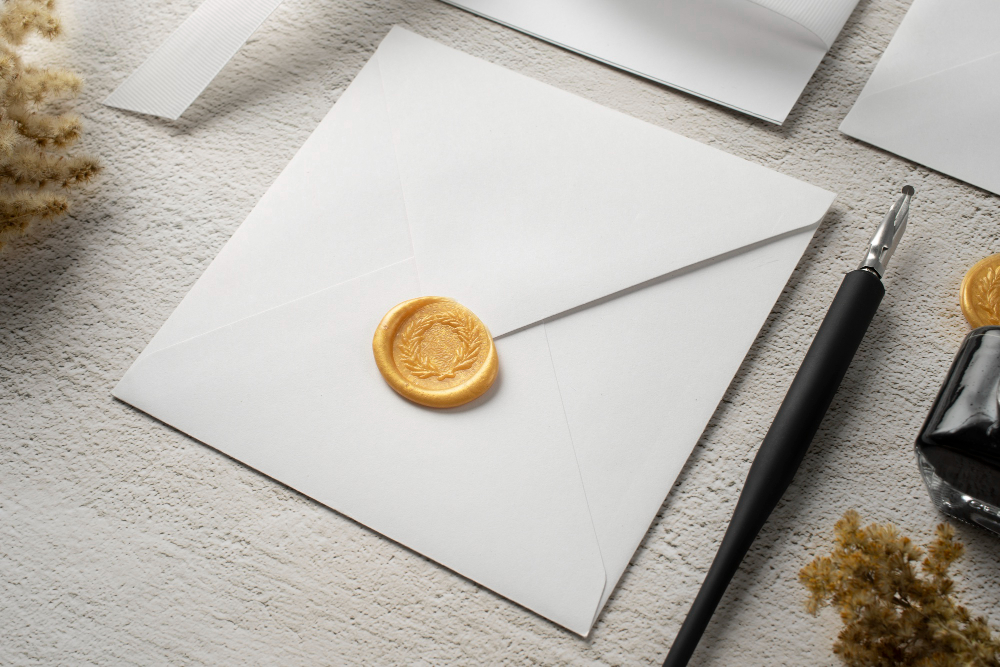
The practical sequence explains features of surviving examples.
The wax was heated until it flowed, either by holding a stick in a flame or by melting it in a spoon, and dripped onto the closure.
The matrix was pressed into it at the right moment — too hot and the wax runs and the detail smears, too cool and the impression is shallow and the wax cracks.
The matrix was frequently dampened, oiled or breathed on first, so that it would release cleanly rather than lifting the wax with it.
On documents rather than letters, the seal was frequently not applied to the surface at all but attached on a cord or strip of parchment threaded through the document, hanging free beneath it.
That arrangement protects the seal from being cracked by handling the document, allows a much larger and more elaborate impression, and permits several seals to hang side by side where more than one party was involved.
There is a language point worth noting. The vocabulary of sealing runs through formal English – sealed orders, a seal of approval, signed and sealed – long after the physical object stopped being used, which is how thoroughly the idea was embedded.
What Replaced It
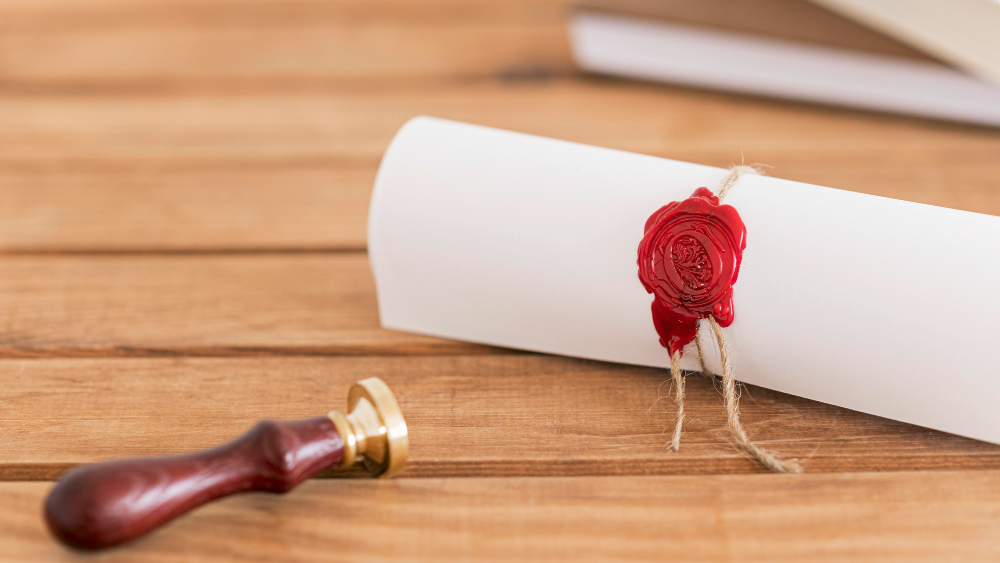
The functions were separated and handed to different mechanisms.
The envelope took over closure, and gummed flaps provided a closure that also shows damage when opened, though far less conclusively.
The postmark took over the record of handling, showing where and when an item entered the system.
The signature took over identification of the sender, once literacy was widespread enough for a signature to mean anything.
Printed letterheads took over the institutional identification that a seal device provided.
And formal authentication moved to registration, notarisation and later to cryptographic methods, which perform the same two functions — identity and tamper evidence — by entirely different means.
That separation is why no single modern object feels equivalent: the seal was doing several jobs, and each job now has its own solution.
The Idea Did Not Go Away
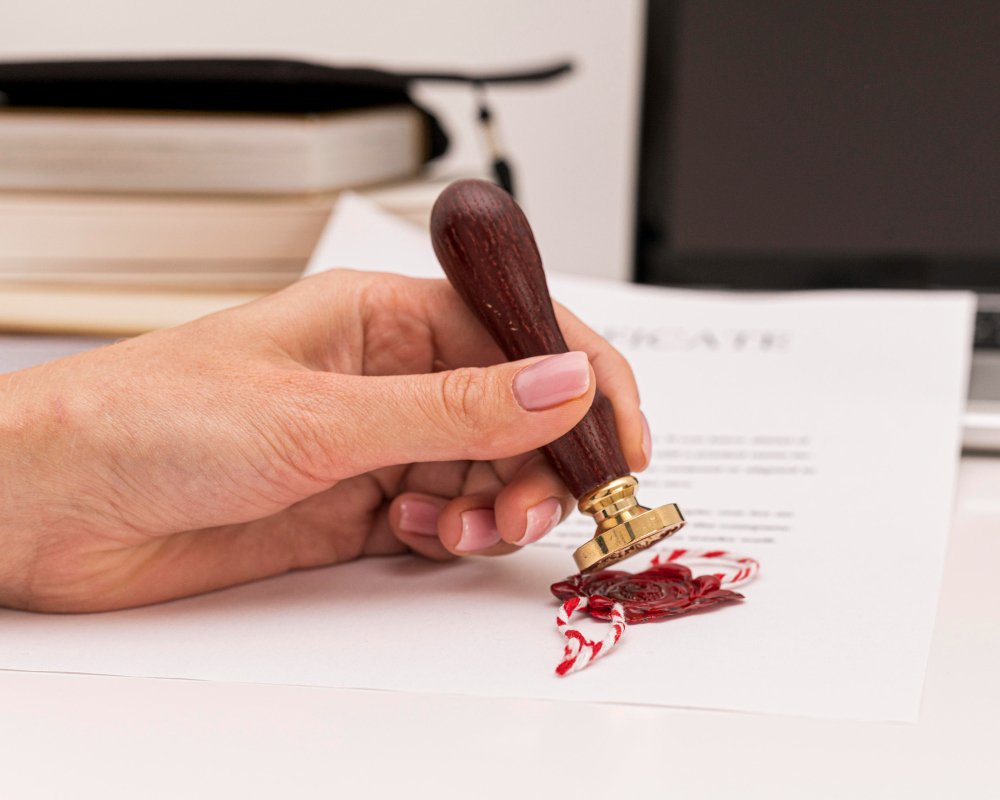
The underlying principle is in use everywhere, in forms nobody calls a seal.
A tamper-evident strip on a container, a perforated band on a lid, a security tape that leaves a mark when peeled — all of them do exactly what wax did, and none of them prevent opening.
Numbered security seals on containers, meters and equipment combine the same two functions: a unique identifier and visible evidence of interference.
Digital signatures are a direct translation of the concept. They do not conceal a message; they demonstrate who produced it and reveal whether it has been altered since.
The vocabulary followed the idea, which is why digital systems talk about signing and sealing at all.
And the reason the principle persists is that it was the right answer to the problem. Preventing interference is frequently impossible; making interference undeniable is achievable, and for most purposes it is enough.
Why Colour Mattered
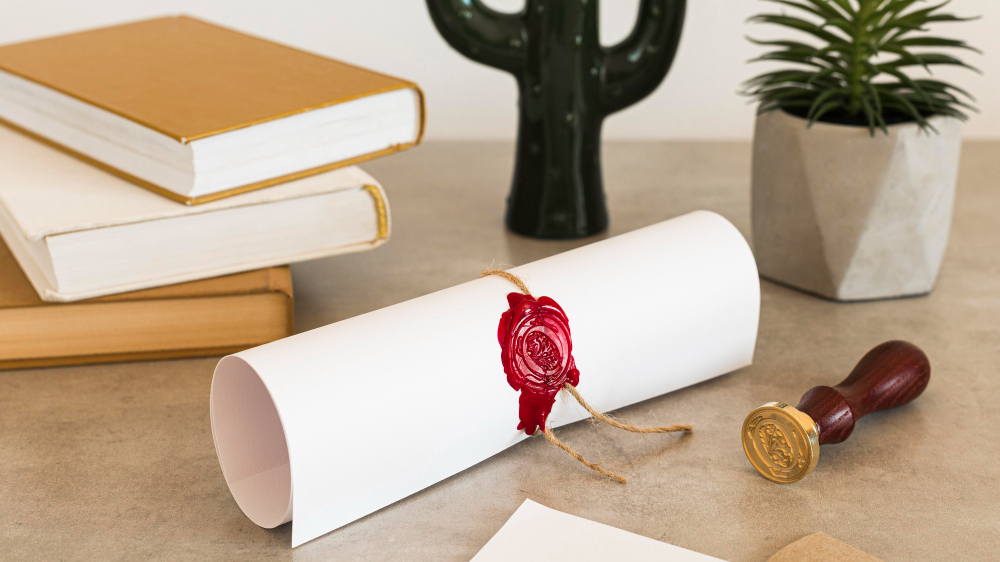
The colour of the wax carried meaning in several traditions, which is a detail that surprises people.
Particular colours were associated with particular kinds of document, with particular offices, or with the status of the sender, so the colour was information before the impression was even examined.
Conventions differed between places and changed over time, which means colour is useful for dating and attributing a document but only in combination with everything else about it.
Practical considerations also applied. Some pigments made the wax more brittle, some affected how sharply it took an impression, and cost varied substantially between them.
Black was used for particular circumstances in some traditions, which is why an unexpected colour on a document can itself be a piece of evidence about its purpose.
And the colour is one of the first things to be recorded when a seal is catalogued, alongside its size, shape, condition and the design of the impression.
That makes the visual appearance of a seal a compact record: colour, size, shape, device and inscription, all of which narrow down who applied it and why, before the document is read at all.
Why It Survives as an Object
The ceremonial afterlife is worth noting.
Wax seals remain in use for formal documents in some contexts, where the point is the seriousness of the act rather than any security it provides.
They persist decoratively on invitations and correspondence, valued for the impression of formality and effort.
And the matrices themselves are collected and studied, because an impression identifies a person, an office or an institution, and a collection of them can establish the history of a document or a family.
That last use is a real historical tool rather than an antiquarian hobby, since a seal can date and attribute a document where nothing else does.
Which is a fair outcome for a lump of resin pressed with a stamp. It was never going to keep a secret, and it was never meant to — it was there to make the truth about a document impossible to hide, which turned out to be the more useful property by a long way.
And the principle has outlived every material it was made from. Whatever the medium, the useful question was never how to stop somebody looking – it was how to make certain that anybody who did could not pretend otherwise.
Like our content? Follow us for more.