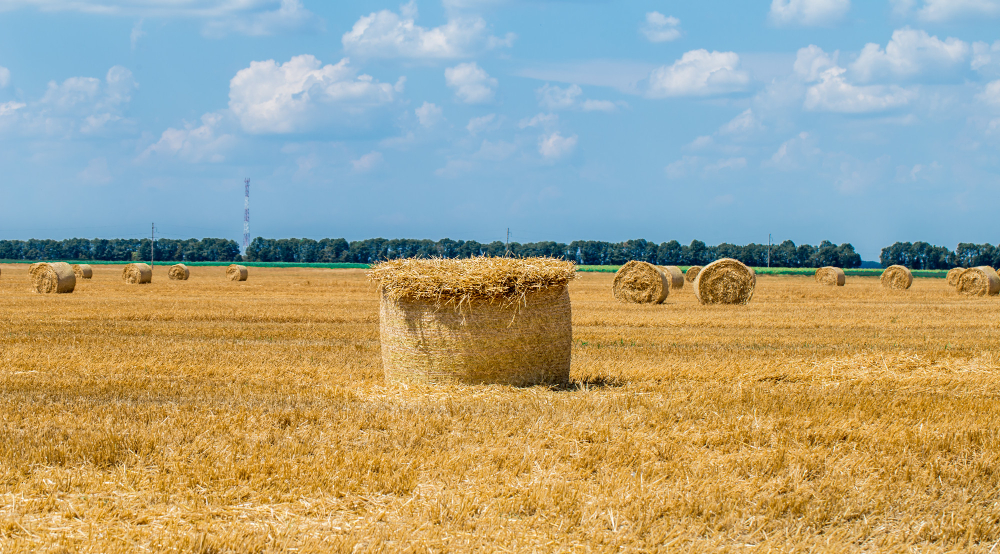
There is a reason haymaking dominated the rural year to the extent it did, and it is not simply that animals needed feeding.
The requirement was absolute. Livestock kept through winter need food, nothing grows in winter, and the only way to have winter feed was to preserve summer growth.
The method was drying. Remove enough water from cut grass and the organisms that would otherwise break it down cannot work, so it keeps until it is needed.
The difficulty was that drying happens outdoors, takes several days, depends entirely on the weather, and has to be completed before the crop is stacked — and a crop stacked insufficiently dry does not simply spoil.
Why Timing Mattered Twice
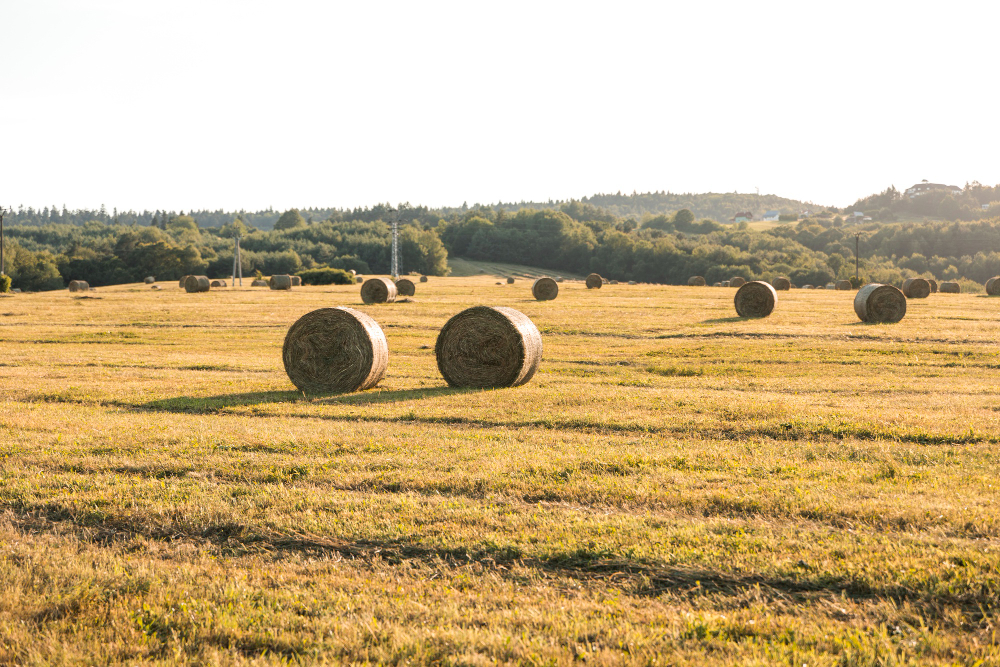
Two separate timing problems overlapped, and both were judgement calls.
The first was when to cut. Grass cut early is more nutritious and there is less of it; grass cut late is bulkier and coarser and worth less as feed.
The optimum is a narrow window as the grass reaches flowering, which is a judgement about a field rather than a date, and it differs between fields on the same farm.
The second was whether the weather would hold. Cutting commits the crop to lying in the field for days, and rain on cut grass leaches nutrients, encourages spoilage and extends the drying period substantially.
So the decision was made by reading the sky and the grass together, and being wrong in either direction was costly.
That is why weather lore was taken seriously in farming communities, and why the period of haymaking was one of sustained anxiety rather than simple hard work.
Like our content? Follow us for more.
Turning It Over
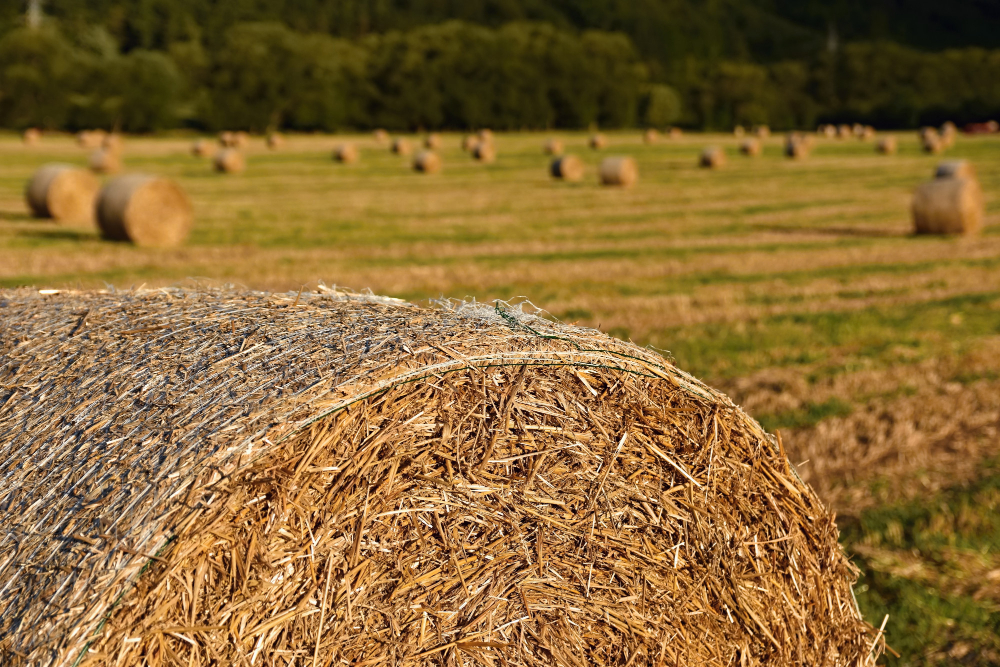
The drying process required constant intervention, which is where most of the labour went.
Cut grass lies in a swath, and the underside stays damp against the ground while the top dries in sun and wind.
It therefore has to be turned repeatedly so that every part is exposed, and spread out to increase the surface exposed to air.
Toward the end of the day it is gathered into rows or small heaps, which reduces the surface exposed to dew overnight, and spread again the next morning.
Each of those operations was done by hand with forks and rakes before machinery, across every field being made, for as long as the drying took.
The number of people involved was correspondingly large, which is why haymaking drew in everybody available, including those who did not normally work on the land.
There is a storage point worth adding. Hay was kept under cover where a building existed and in the open where it did not, and the decision about which affected how carefully it had to be built and how much was lost from the outside.
How Dry Is Dry Enough
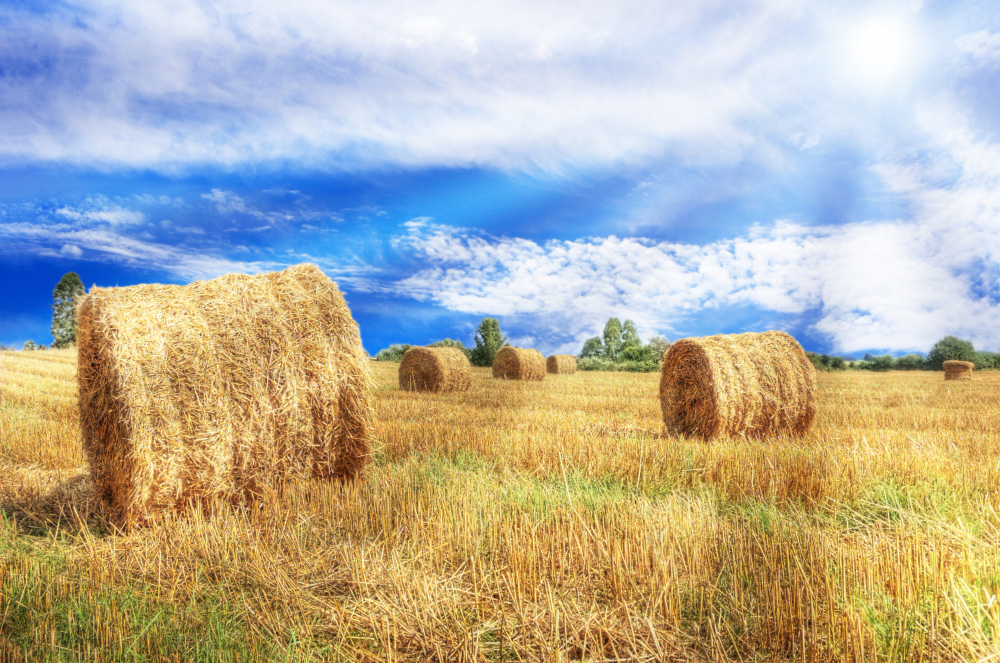
The judgement at the end is the critical one.
Grass as cut is mostly water. To keep, it must be reduced to a fraction of that, and the exact target is the difference between hay that stores and hay that does not.
The test was physical and sensory: the feel of the stems, whether they crackled or bent, the sound of a handful, the smell, and the temperature of a handful squeezed tight.
Too wet and the stack heats. Too dry and the leaves shatter and fall off during handling, which loses the most nutritious part of the crop.
Both errors cost, and the second is why hay was frequently gathered in the evening, when a little dew had softened the leaf enough to stop it breaking.
That detail — deliberately allowing slight dampness at the right moment to preserve the leaf — is the kind of judgement that separated a good hay year from a poor one.
There is a quality point worth adding. Hay that has heated moderately without igniting is darkened, altered in smell and reduced in feed value, so the damage from overheating is common and total loss is rare.
Farmers therefore judged a stack by its smell and colour as well as its temperature.
Why a Stack Can Catch Fire
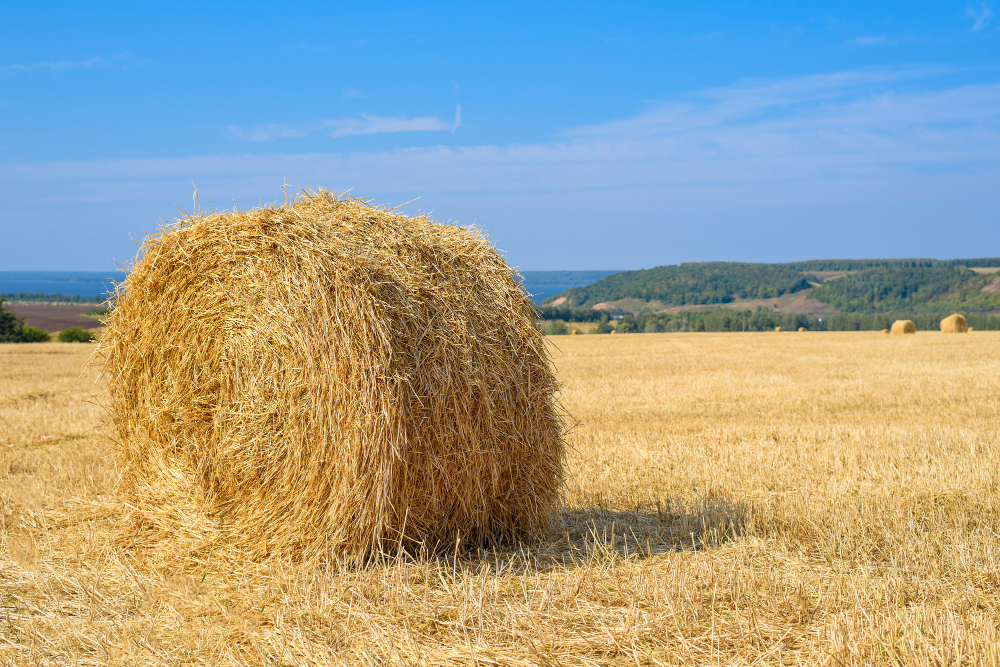
The failure mode deserves proper explanation because it sounds improbable.
Hay stacked with too much moisture supports microbial activity, and that activity generates heat.
In a large stack, that heat cannot escape, because hay is an excellent insulator and the stack is much bigger than its surface area allows it to cool through.
The temperature rises, which accelerates the activity, which generates more heat — a feedback that can continue well past the point where the organisms themselves die.
Beyond that, chemical reactions in the heated material can continue raising the temperature further, and in the worst cases the interior reaches ignition.
A fire starting this way begins deep inside the stack and may smoulder unseen before breaking out, which is what makes it dangerous.
That risk is the reason stacks were monitored after building, why temperature was checked by pushing a rod into the stack and feeling it, and why a stack heating badly was sometimes taken apart deliberately.
The same risk exists with modern baled hay, and it remains a recognised hazard rather than a historical curiosity.
The Stack Itself
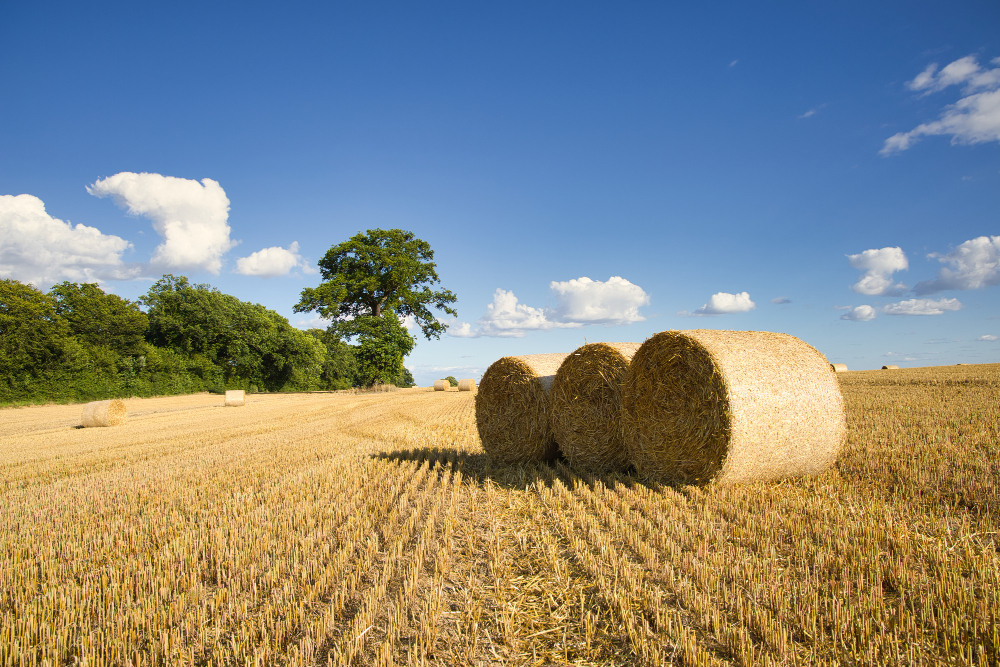
Building the stack was a skilled job with its own logic.
Material was laid in layers working from the outside inward, with the outer edges kept slightly higher so that the stack settled downward and outward, shedding water away from the centre.
The top was shaped to a ridge or a cone and frequently thatched, covered or weighted, because the top surface is what receives the rain.
A well-built stack sheds water off its outer layer while the interior stays dry, losing only a thin outer skin to spoilage.
A badly built one lets water in, which spoils material inside and in the worst case contributes to the heating problem.
The stack also settled substantially over the following weeks, which is why they were built with that in mind and why a newly built stack looks different from a settled one.
Why Everybody Was Involved
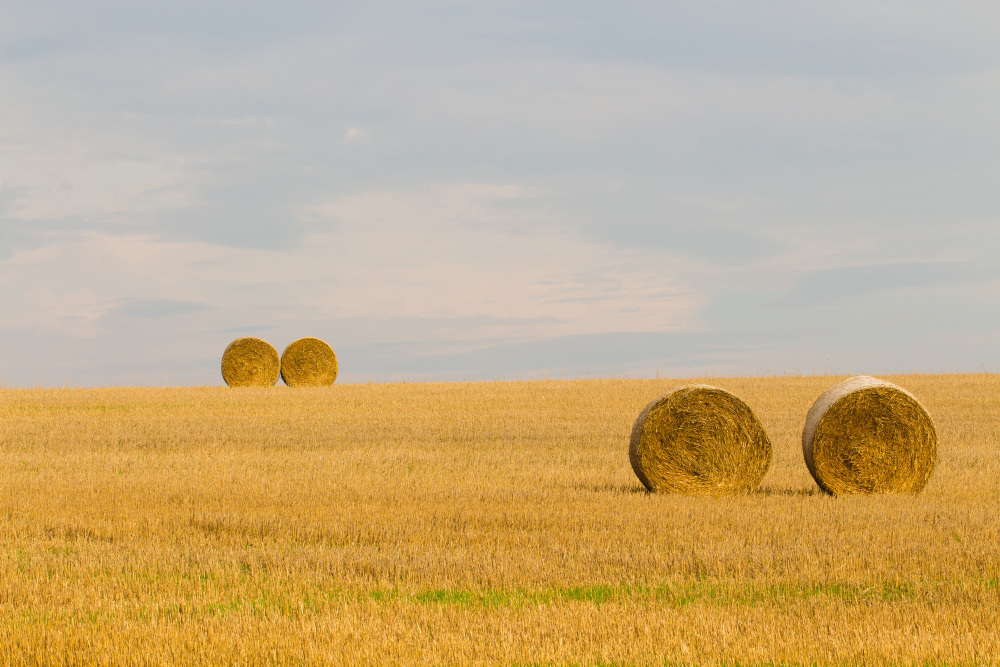
The social consequence of the labour requirement is worth stating, because it shaped the rural year.
Hay had to be made in a short weather window, which meant the work could not be spread out and had to be done by whoever was available at that moment.
That drew in people who did not normally work the land — households, children, neighbours, and in many places seasonal workers who travelled specifically for it.
Neighbours helped each other in rotation, because a field could be cleared far faster by a large group than by one household, and the favour was returned when their own crop was ready.
The days were long, since drying weather had to be used while it lasted, and work continued until the light went rather than to any fixed hour.
Meals were carried out to the field, because returning to a house cost working time that could not be spared.
And the end of it was marked, frequently with a gathering of some kind, because the successful completion of haymaking truly determined whether animals would be fed through the following winter.
That combination — intense shared labour under time pressure with a clear and important outcome — is why the haymaking season features so heavily in accounts of rural life.
What Changed
Mechanisation transformed the operation without removing the underlying problem.
Machines cut, turn, row and gather far faster than people, which shortened every stage and reduced the number of people needed enormously.
Baling replaced loose stacking, which made handling and storage far easier and made the density of the bale a new variable in the drying judgement.
Wrapping cut grass in sealed plastic rather than drying it removed the weather dependence almost entirely, by preserving through a different mechanism — controlled fermentation in the absence of air rather than drying.
That change is the significant one, because it broke the link between winter feed and a spell of fine weather in summer, which had constrained farming for as long as animals had been kept.
Hay is still made, because it suits some animals and some systems better, and the judgement about moisture is still the thing that decides whether it works.
Which is a reasonable thing to know looking at a field being cut. The operation looks unhurried and it is a race, the crop is being dried rather than gathered, and the person watching the sky is doing the most important part of the job.
And that is the thing worth taking from it. For most of history the difference between a comfortable winter and a hard one was a fortnight of weather in summer, which nobody could control and everybody had to read correctly.
Like our content? Follow us for more.