It looks like a covering and behaves like a factory. Here are seventeen jobs.
1. Replacing Its Own Outer Layer Continuously
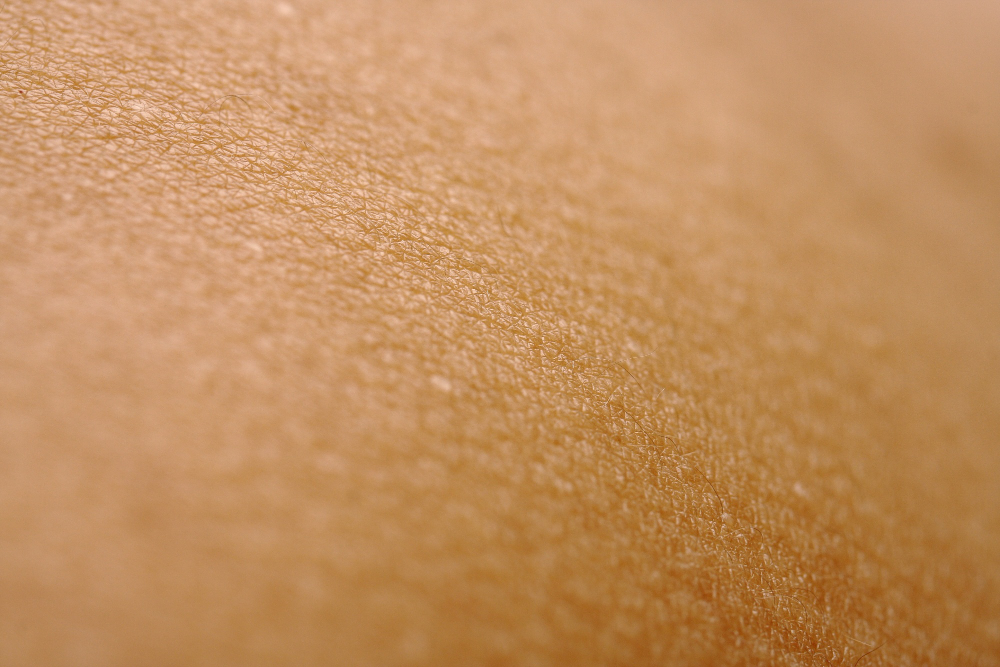
Cells are produced at the base of the outer layer, pushed upwards, flattened, filled with keratin and shed, on a cycle of roughly a month.
The surface you can touch is made entirely of dead cells, and that is the design.
Like our content? Follow us for more.
2. Keeping Water In
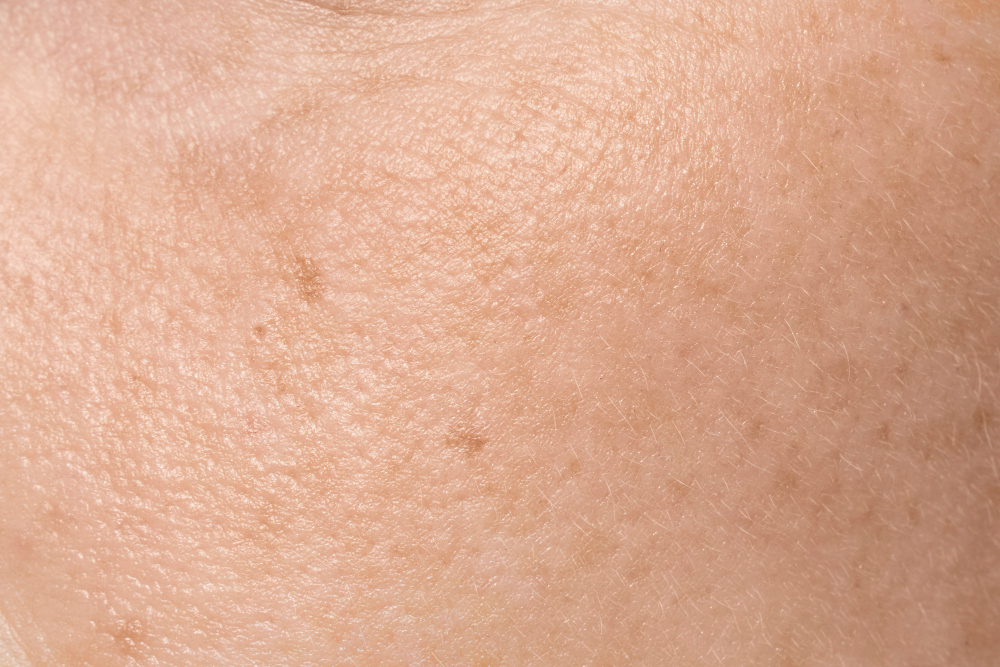
The main job of that dead outer layer is waterproofing, using flattened cells packed in a lipid matrix.
Damage it and water loss rises immediately, which is why cracked skin feels so bad.
3. Keeping Water Out Too
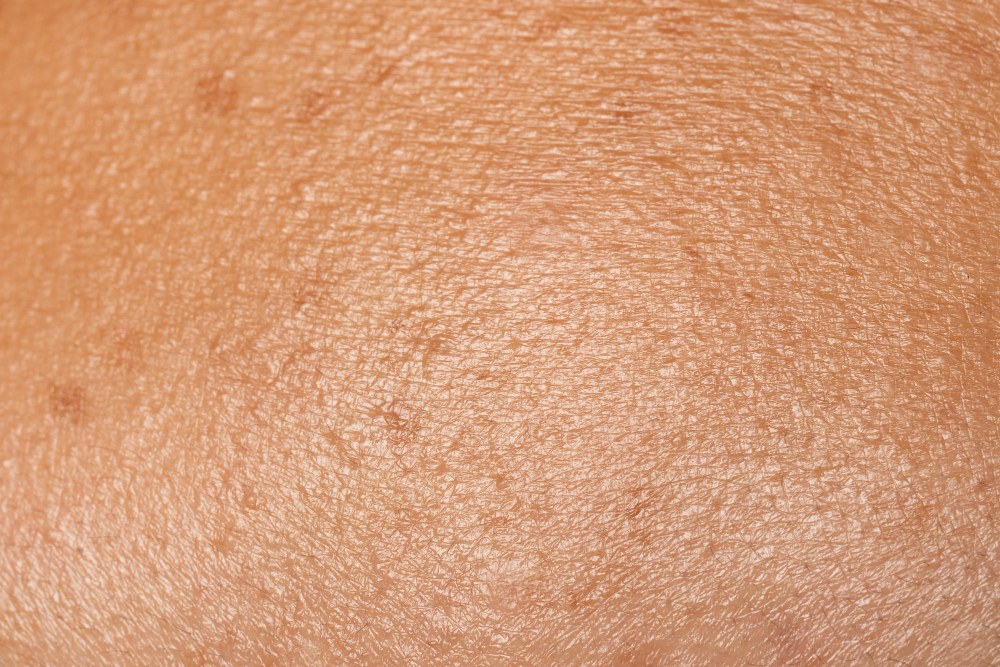
The same barrier stops the body absorbing water from outside, which is why an hour in a bath changes your body weight by almost nothing.
A membrane that only worked one way would be a much harder thing to build.
4. Maintaining an Acid Film
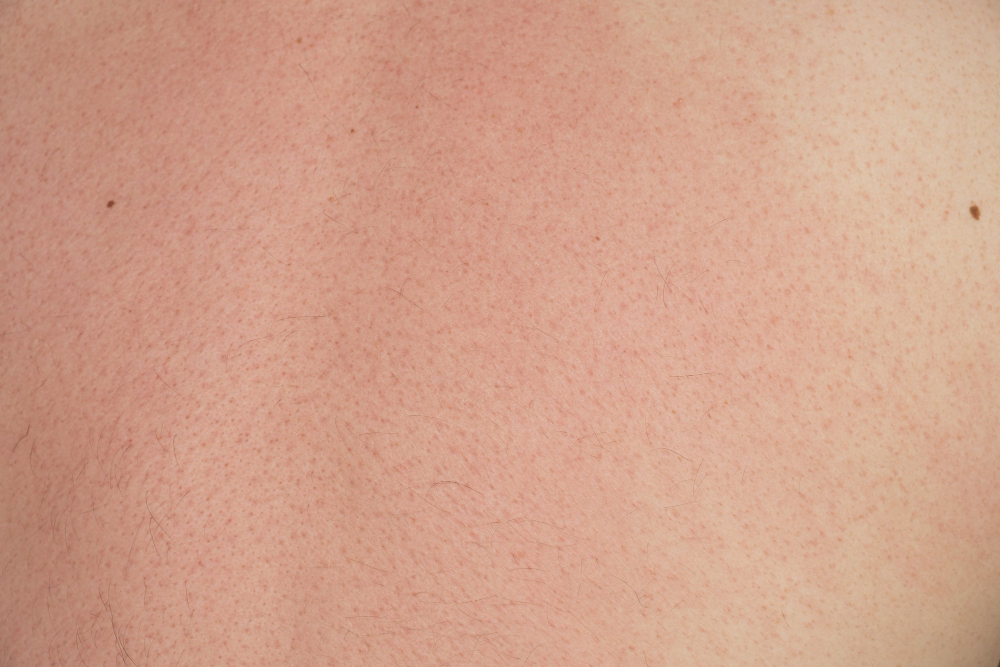
The surface sits at an acidic pH, produced by sweat, sebum and resident bacteria, and most harmful organisms do not like it.
Soap is alkaline, which is why skin takes a while to recover its own chemistry after washing.
5. Hosting a Population That Defends It
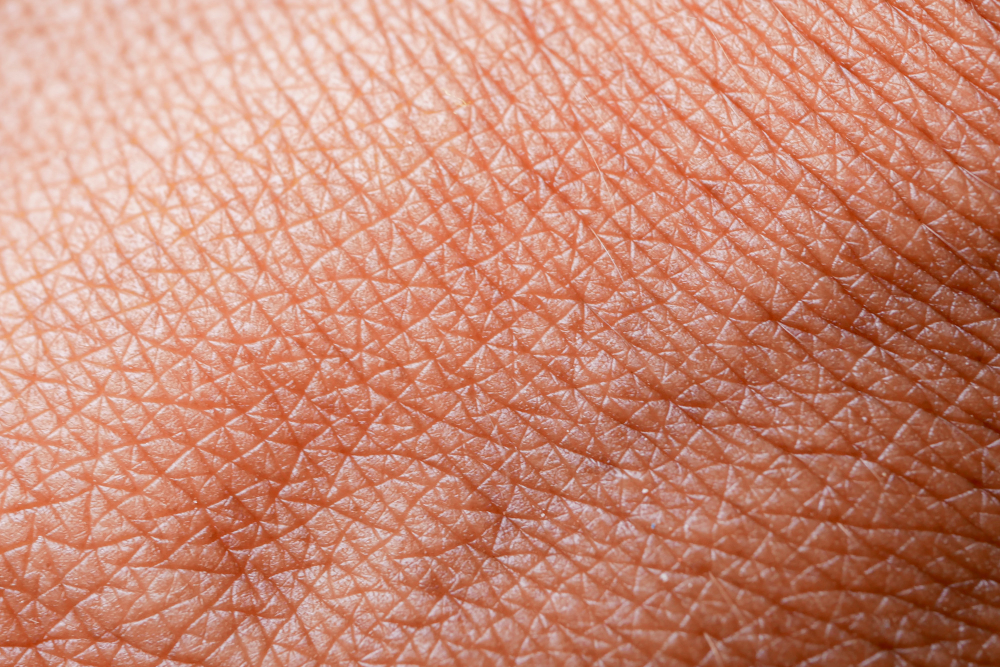
Skin carries an enormous resident community of bacteria and fungi that occupy the space and compete with anything arriving.
A defended surface is harder to colonise than a sterile one.
6. Running an Immune Outpost
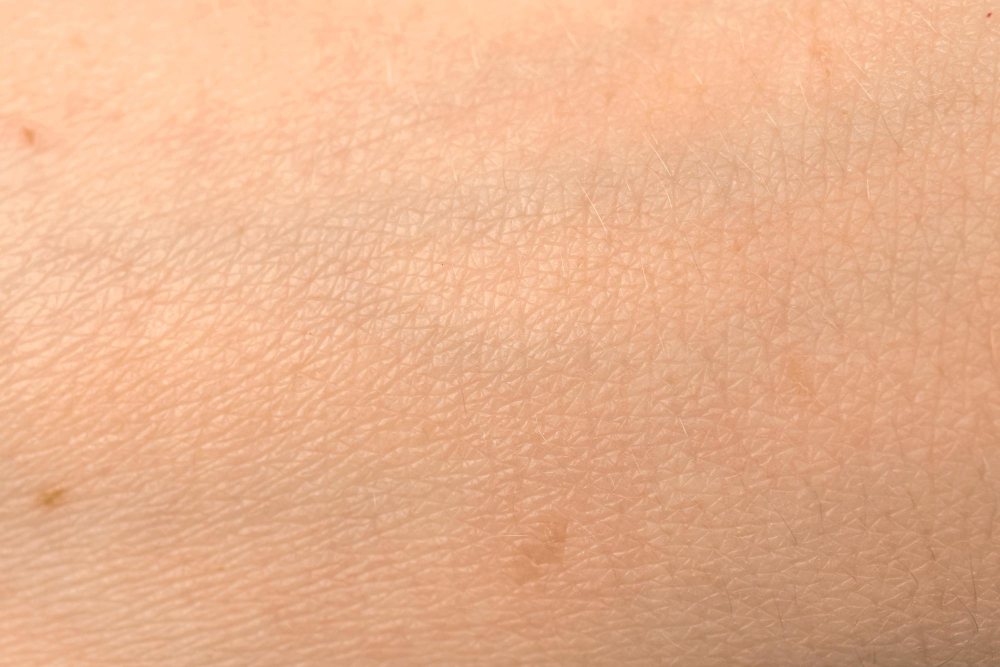
Specialised immune cells sit within the skin, sampling what arrives and triggering a response without waiting for instructions.
This is why a splinter produces a reaction within hours.
7. Manufacturing Vitamin D
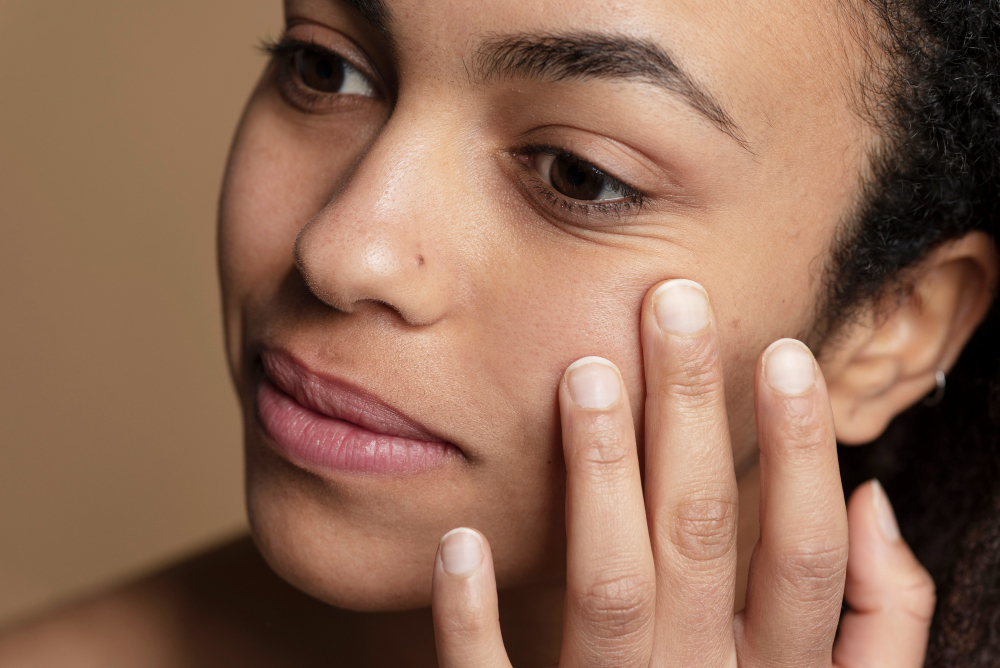
Ultraviolet light converts a cholesterol derivative in the skin into the precursor of vitamin D, which the liver and kidneys then finish.
It is the only vitamin a human body makes using sunlight.
8. Blocking Most of the Ultraviolet Anyway
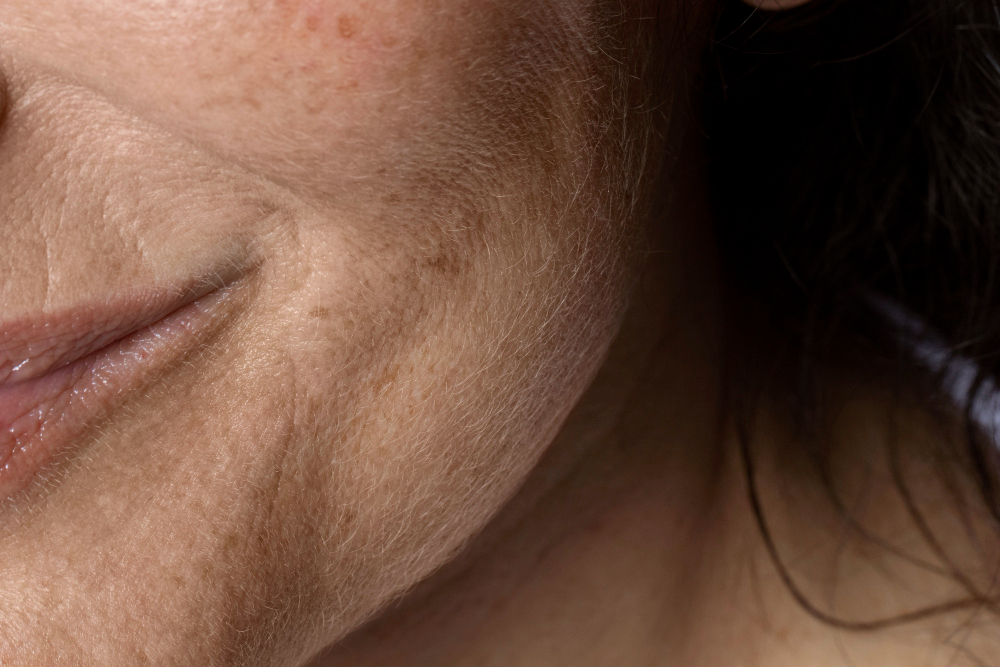
Melanin absorbs and scatters ultraviolet light, sitting above the cell nuclei like a parasol to shield the DNA underneath.
The two jobs are in direct tension, and skin pigmentation across populations reflects that trade.
9. Letting a Few Things Through on Purpose
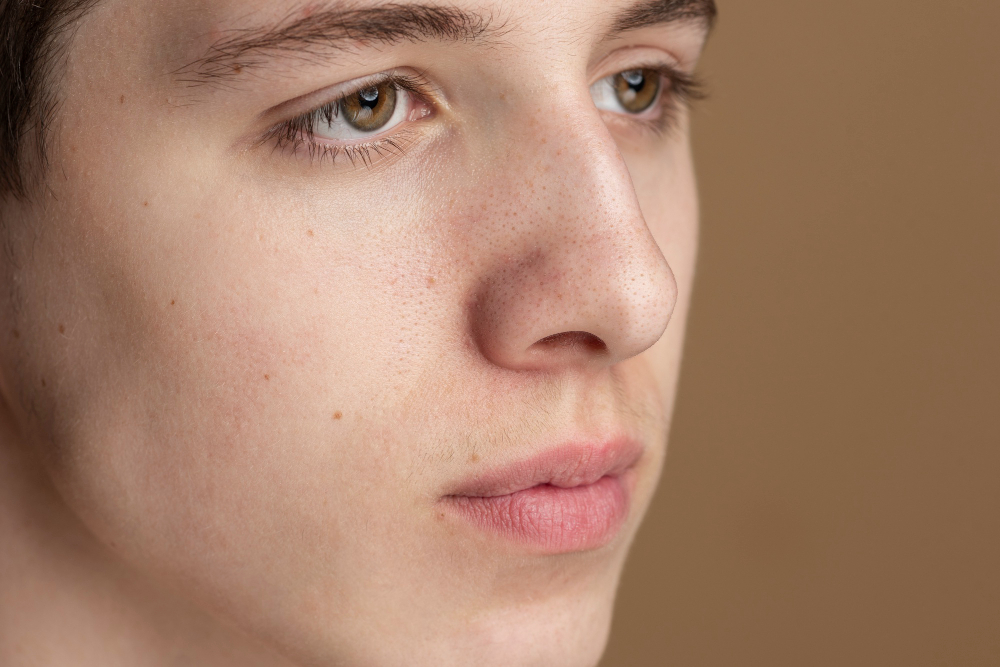
The barrier is built of lipids, so fat-soluble molecules cross it far more readily than water-soluble ones.
This is the entire reason an adhesive patch can deliver a drug and a glass of water on your arm cannot.
10. Controlling Heat Loss by Redirecting Blood
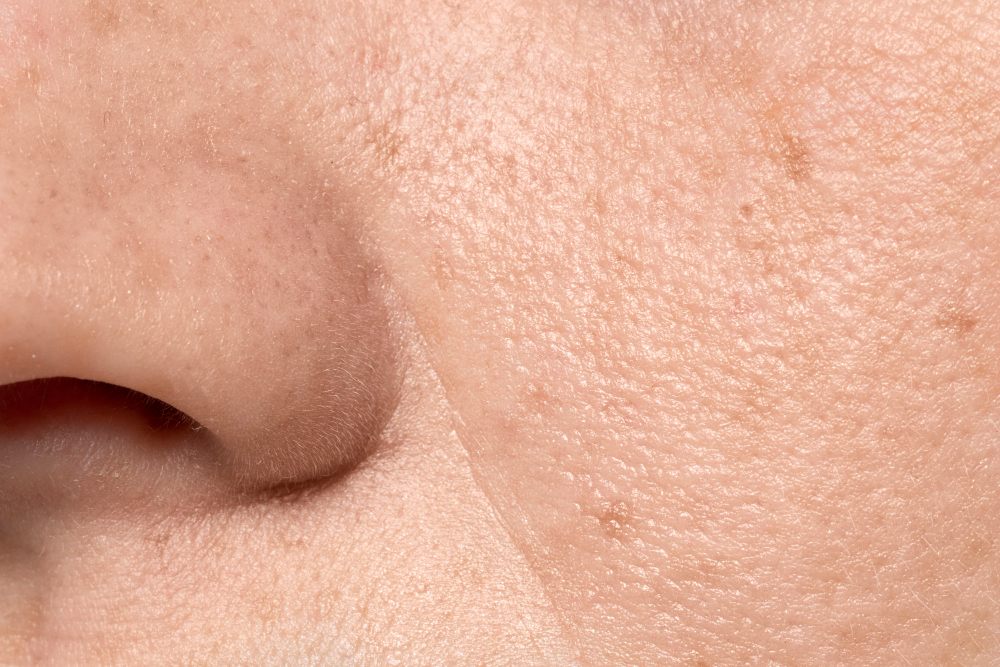
Small vessels in the skin widen to release heat and narrow to conserve it, changing how much warm blood reaches the surface.
This is why you flush when hot and go pale when cold, and it happens without any conscious input.
11. Reporting Four Different Things at Once
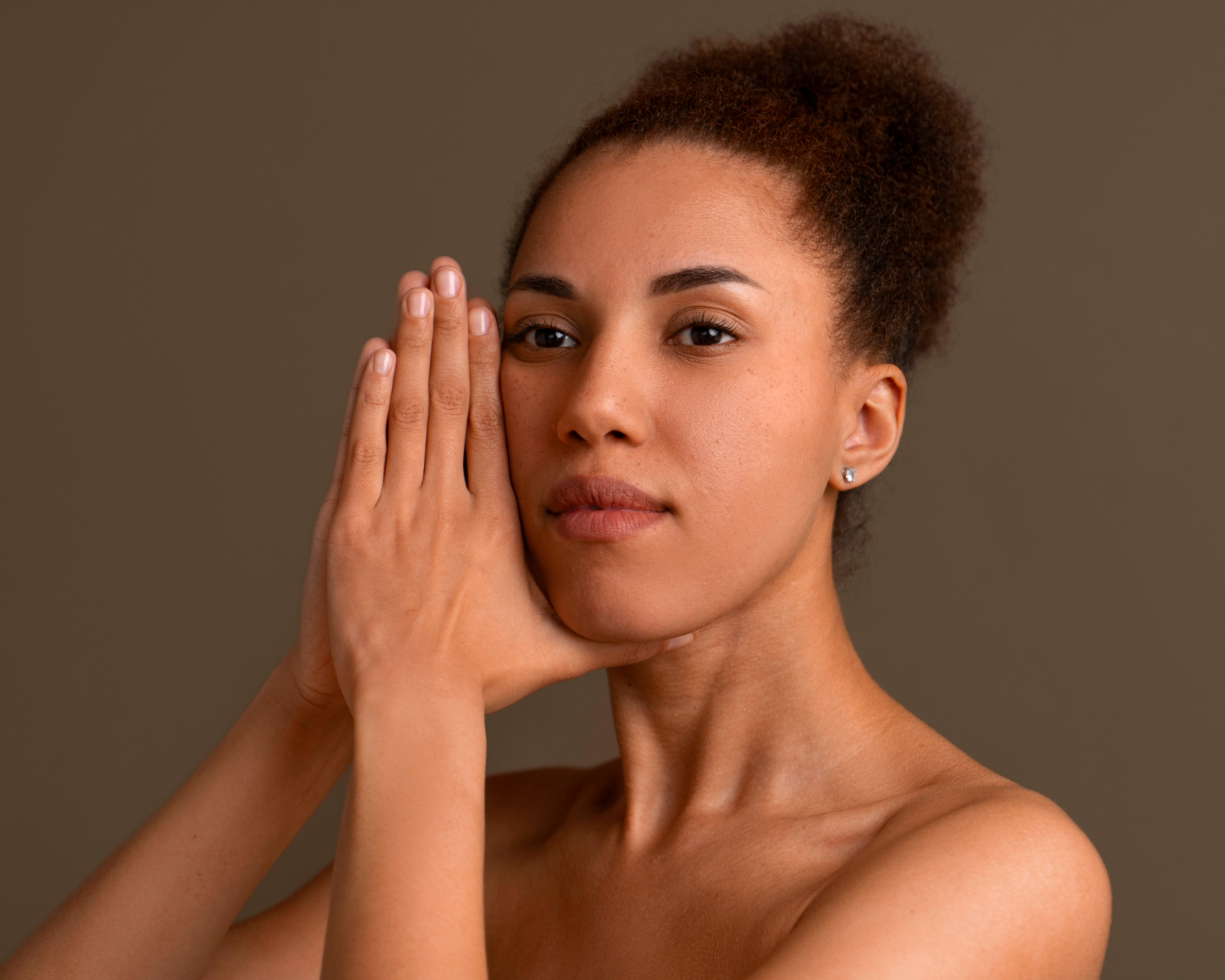
Separate receptor types handle light touch, pressure, vibration, temperature and damage, each with its own nerve pathway.
Touch is not one sense. It is several running in parallel and being combined.
12. Mapping Where Detail Is Needed
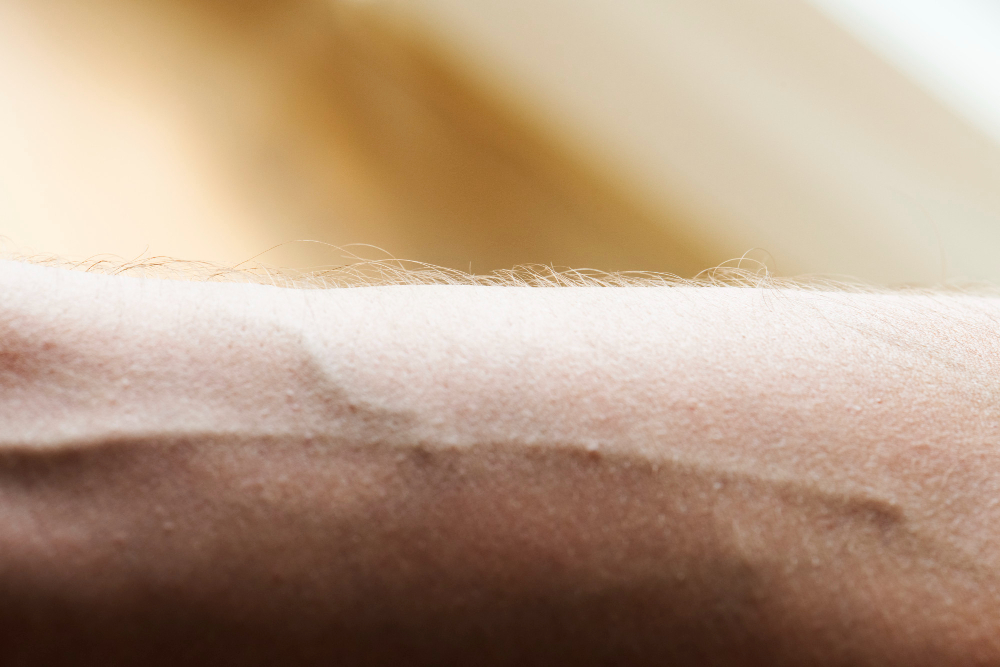
Receptor density varies enormously: fingertips and lips are packed with them while the middle of the back is sparse.
This is why two close points feel like one on your back and clearly like two on your hand.
13. Gripping Through Ridges and Sweat
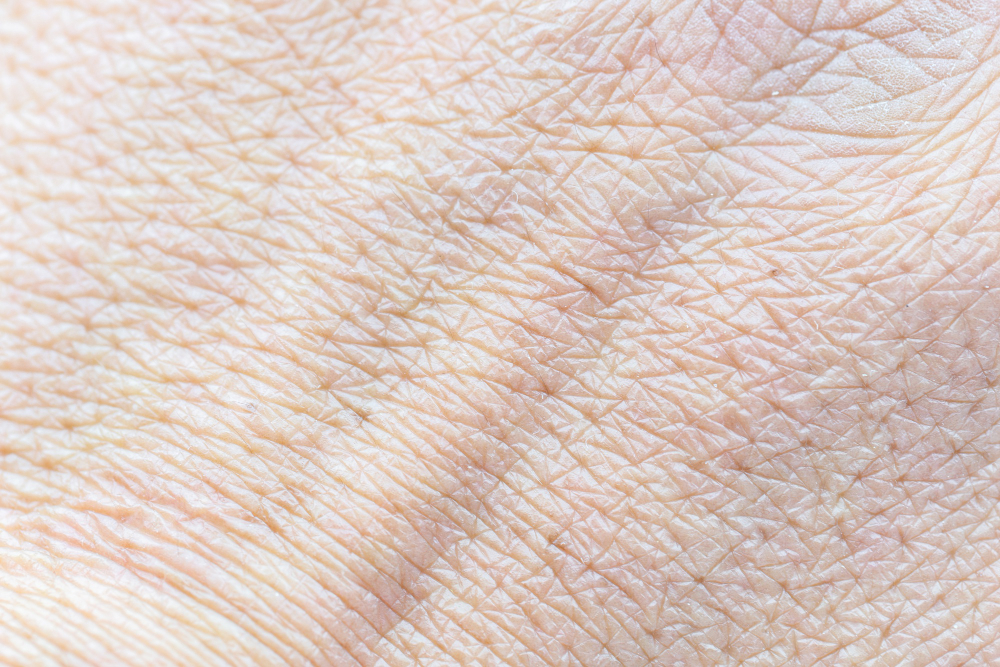
Fingerprint ridges increase friction and channel moisture, and a trace of sweat actually improves grip rather than reducing it.
Completely dry fingers are worse at holding things than slightly damp ones.
14. Thickening Wherever It Is Used Hard
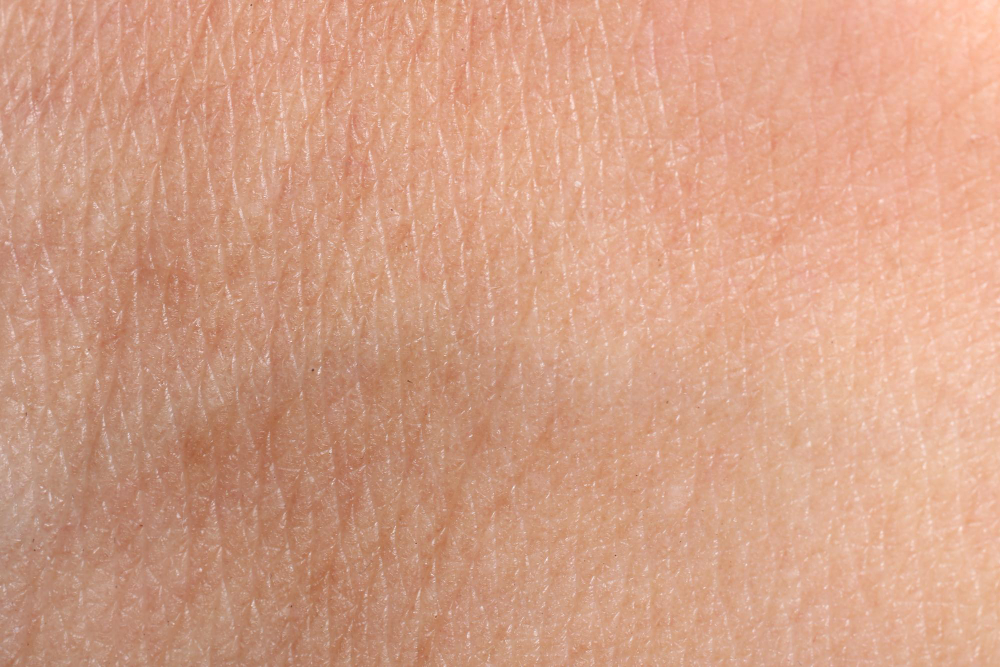
Repeated friction makes the outer layer build up into a callus, locally and specifically, wherever the pressure falls.
The skin measures its own use and responds to it.
15. Stretching a Long Way and Going Back
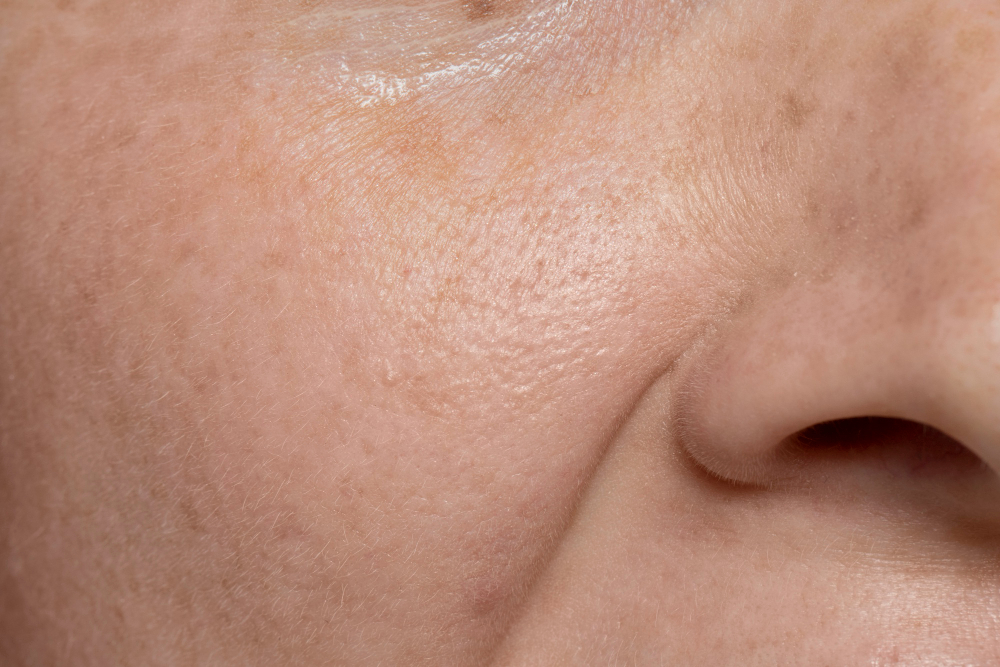
Elastic fibres woven through the dermis let skin deform over a moving joint and recover its shape afterwards, thousands of times a day.
Those fibres degrade with age and are barely replaced, which is most of what changes about skin over a lifetime.
16. Producing Its Own Oil
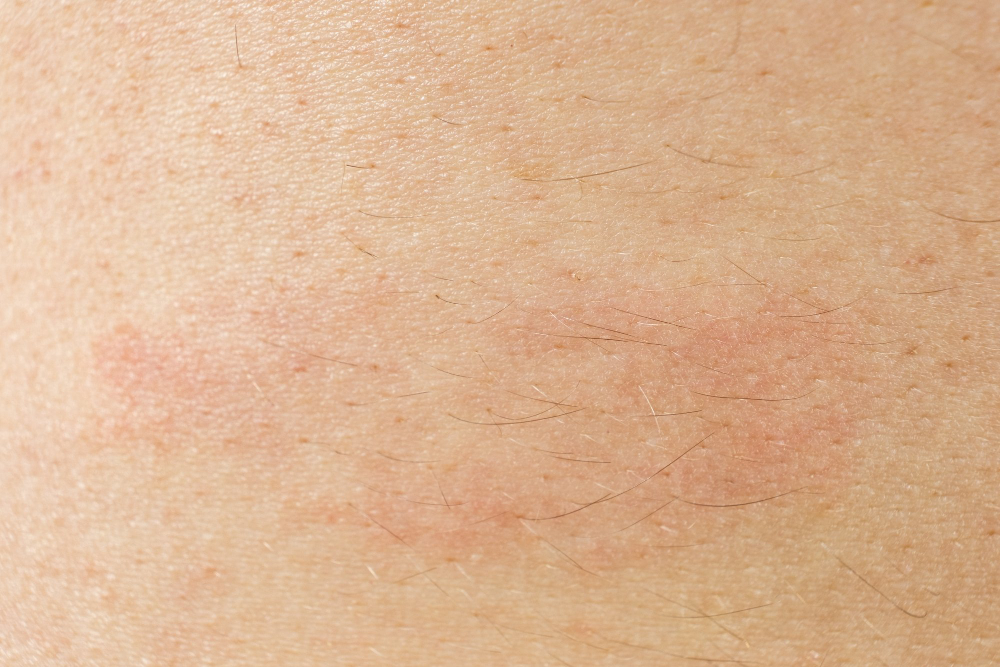
Sebaceous glands release an oily mixture that coats hair and surface, limiting water loss and adding antimicrobial compounds.
Its output changes with age and hormones, which is most of what happens to skin at puberty.
17. Storing and Excreting
Skin holds a substantial share of the body’s water and a reserve of fat, and it loses small amounts of salts and urea in sweat.
It is not a kidney, and it is doing a little of the same work.
One Organ, Seventeen Jobs, No Days Off
An outer layer rebuilt monthly, a barrier working in both directions, an acid film, a resident microbial population, vitamin manufacture set against ultraviolet shielding, a lipid gate that admits some molecules and not others, and a sensory map that varies by millimetre.
The seventh and eighth items are the interesting pair. Skin has to let ultraviolet light in to make vitamin D and keep ultraviolet light out to protect DNA, and those are directly opposed requirements – which is why human skin pigmentation varies as strongly as it does with how much ultraviolet the ancestral environment supplied.
Like our content? Follow us for more.