Cream is milk with most of the water taken out of the way, and the fat that remains behaves in ways the original liquid cannot. Here are fifteen.
1. It Is Concentrated Fat, Not a Different Substance
Cream is the fat portion of milk, separated because fat is lighter than the liquid around it and rises if left alone.
Nothing is added. Concentration is the entire difference.
Like our content? Follow us for more.
2. The Percentage Decides What It Can Do
Fat content determines whipping, resistance to splitting and behaviour under heat, which is why products are graded by it rather than by name alone.
It is a specification rather than a label. Fat proportion is the number that matters.
3. Whipping Is Damage, Not Addition
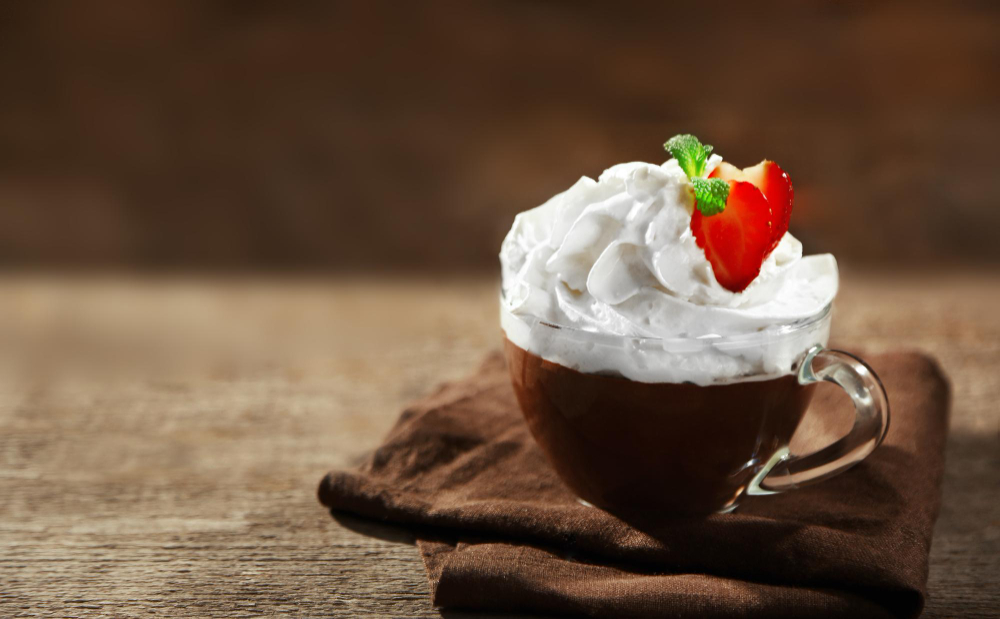
Agitation tears the membranes surrounding the fat droplets, exposing fat that then sticks to neighbouring droplets and builds a connected network.
Nothing is being mixed in except air. Membrane rupture is the mechanism.
4. The Network Traps the Air
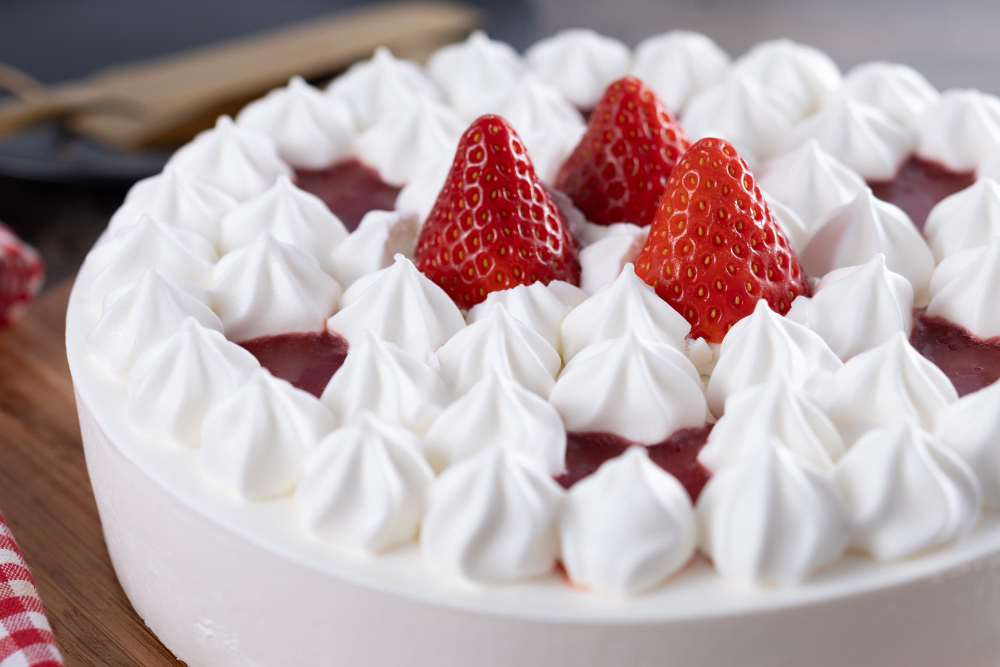
Air bubbles beaten in are held in place by that fat network, which is what makes whipped cream hold a shape rather than collapsing.
The fat is the scaffold. Structure formation is why it stands up.
5. Which Is Why It Has to Be Cold
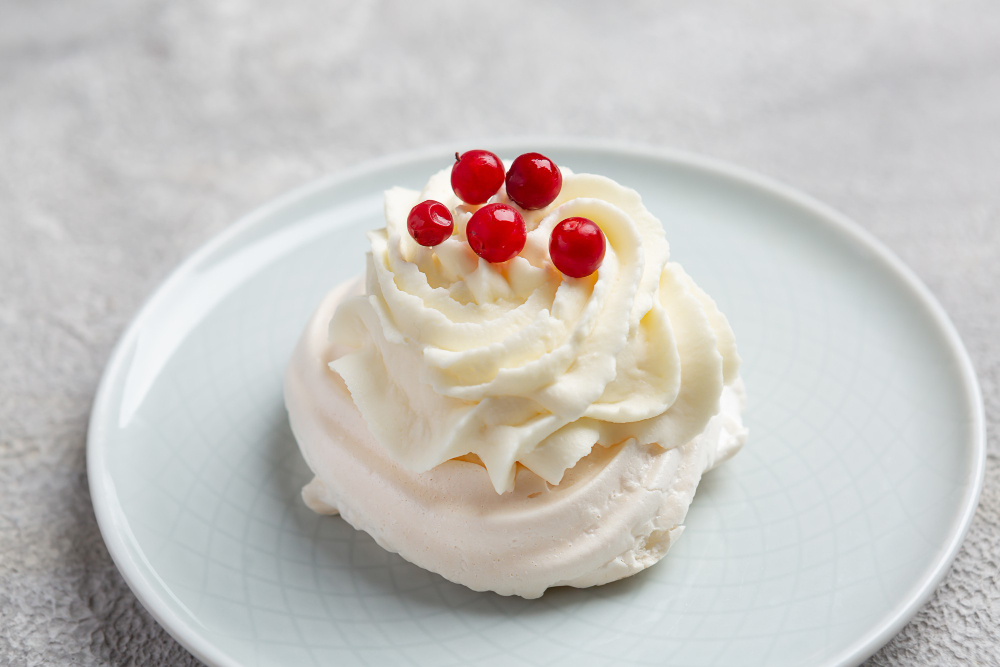
The fat must be partly solid to build a rigid network, so warm cream simply will not whip regardless of how long it is beaten.
Temperature is not optional. Solid fat is the requirement.
6. Keep Going and You Get Butter
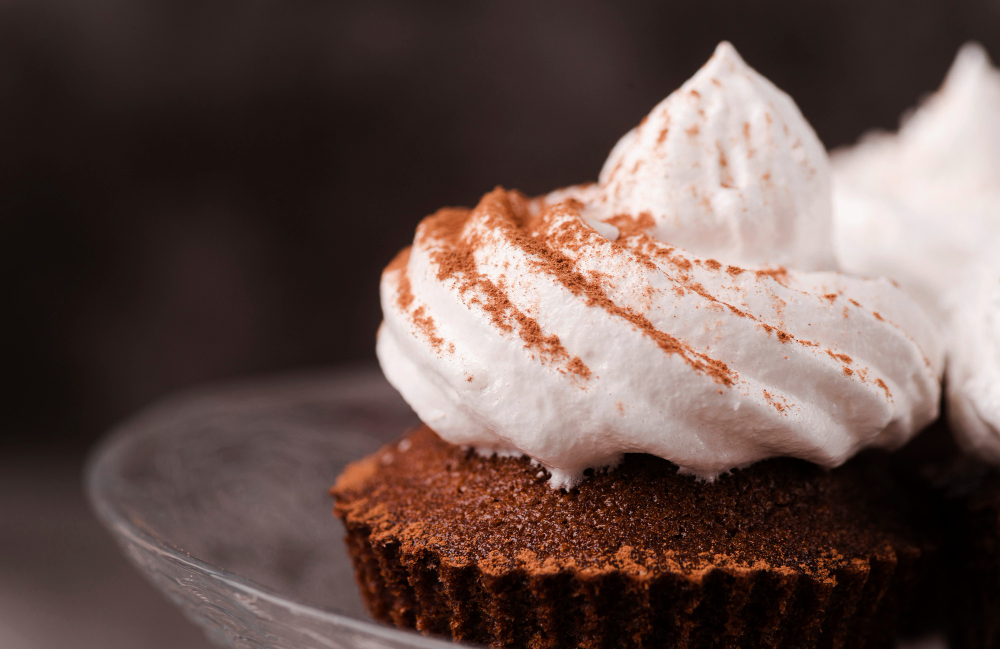
Continued beating drives the fat droplets together until they separate from the liquid entirely, producing a solid mass and a thin watery remainder.
It is the same process gone too far. Over-whipping is butter-making by accident.
7. Lower-Fat Cream Will Not Whip at All
Below a certain fat content there are too few droplets to form a connected network, so the cream thickens slightly and then stops.
No technique fixes it. Insufficient fat is a hard limit.
8. High-Fat Cream Resists Curdling
With less water-based protein present, there is less to coagulate when acid or heat arrives, so high-fat cream survives conditions that split lower-fat products.
It is dilution that causes the problem. Protein proportion is why recipes specify particular creams.
9. And It Can Be Boiled
The same property allows high-fat cream to be reduced and boiled without separating, which is what makes cream sauces possible.
Milk cannot do this. Heat stability is the practical consequence of fat content.
10. Fat Carries Flavour the Liquid Cannot
Many aroma compounds dissolve in fat rather than water, so cream holds and delivers flavours that a watery liquid simply loses.
It is a solvent as much as an ingredient. Fat solubility is why cream enriches rather than dilutes.
11. It Coats the Tongue
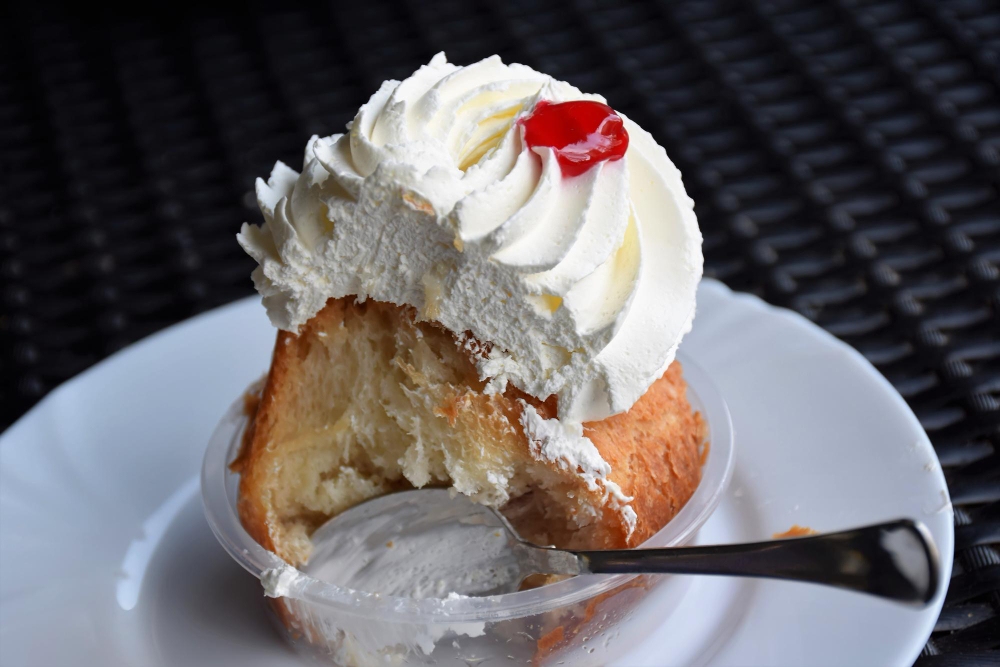
Fat spreads across the mouth and lingers, which changes how long flavours last and produces the sensation described as richness.
It is a physical effect. Mouth coating is what richness actually is.
12. Which Is Why It Calms Heat
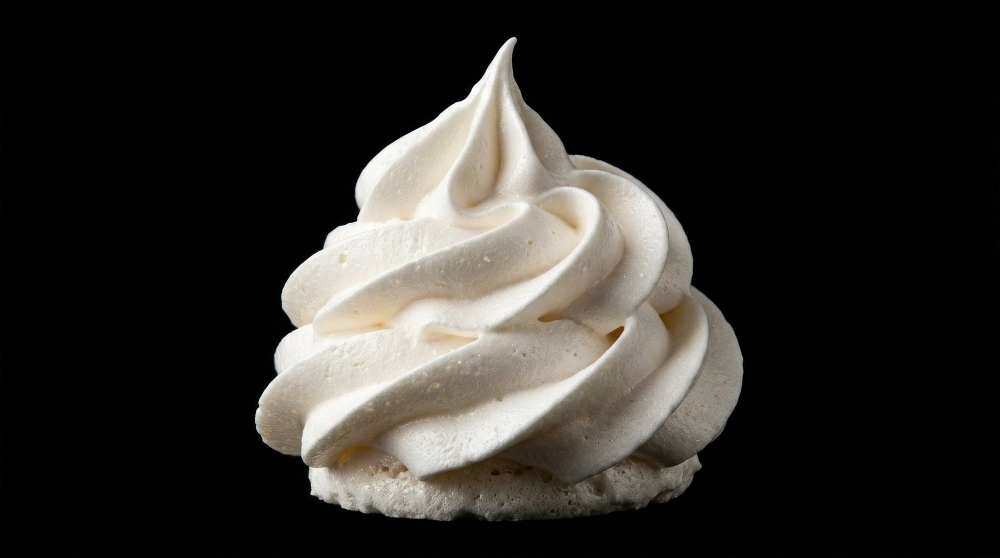
Pungent compounds dissolve in fat, so cream removes them from the receptors they were stimulating in a way water cannot.
Water spreads them around instead. Fat solubility is why dairy quiets a burn.
13. Homogenised Milk Has No Cream Line
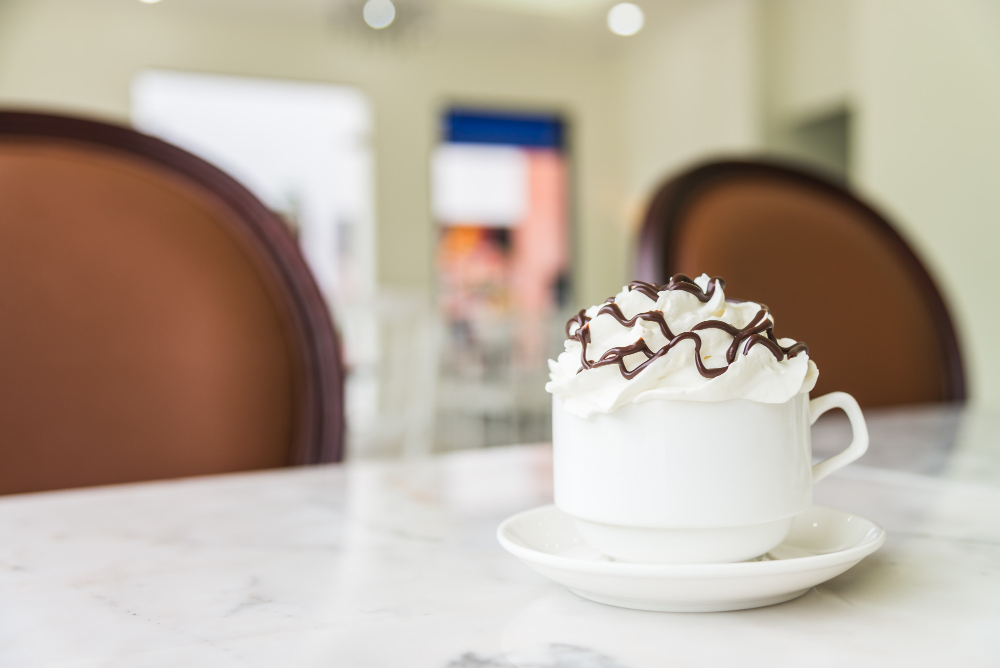
Forcing milk through fine openings breaks the fat globules small enough that they no longer rise, so no layer forms at the top.
The fat is still there. Globule size is why the line disappeared.
14. Long-Life Processing Changes It
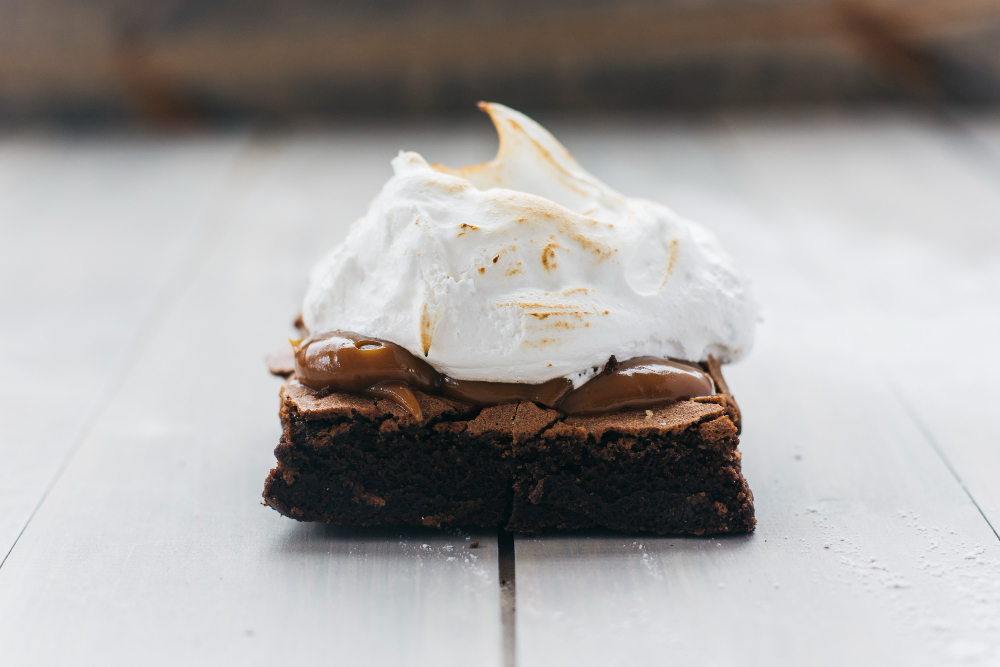
Higher-temperature treatment alters the proteins, which changes both the flavour and the way the cream behaves when whipped or heated.
It is a different ingredient in practice. Processing method affects performance, not only shelf life.
15. Souring Is a Different Route Entirely
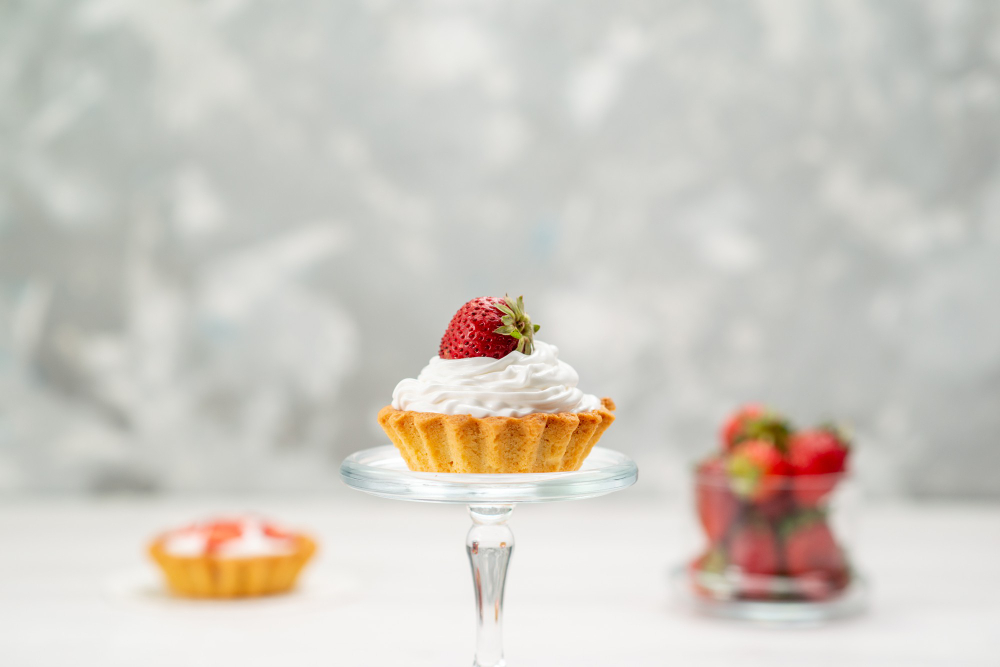
Cultured creams are thickened by bacteria producing acid, which makes the proteins set rather than relying on the fat network at all.
No whipping is involved. Acid setting is a separate mechanism with a separate result.
Fat Droplets, a Membrane and What Breaks It
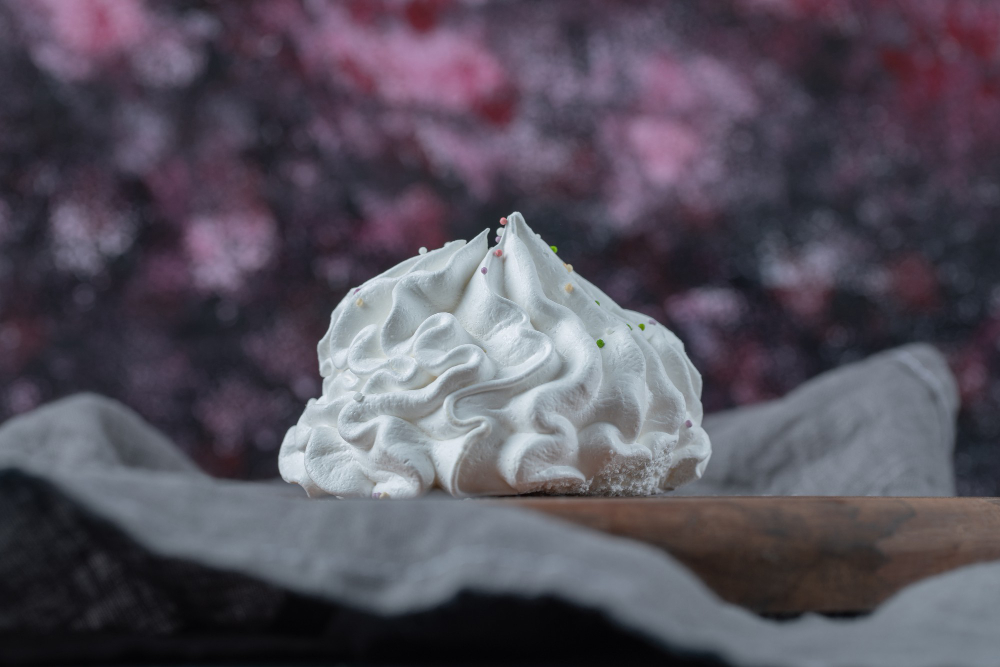
Fat concentrated rather than added, a percentage that decides everything, membranes torn by beating, a network that traps air, and the same process continued producing butter.
The sixth item is the one worth knowing in advance. Whipped cream and butter are the same process at two different points, which means over-beaten cream has not been ruined by a mistake – it has simply been taken past the stage you wanted and into the next one.
Like our content? Follow us for more.