Almost everything that makes a chair comfortable or unbearable was decided by a handful of measurements, and they interact. Here are fifteen.
1. Seat Height Decides Everything Else
The distance from the floor to the seat is the dimension that governs the rest, because it determines whether the feet rest flat and where the weight is carried.
Everything else adjusts around it. Seat height is the primary decision.
Like our content? Follow us for more.
2. And No Single Height Suits Everybody
Lower-leg length varies enormously between people, so any fixed height is a compromise that fits some and not others, which is why adjustability exists.
A chair cannot suit everyone. Fixed dimensions are always somebody compromise.
3. Too High Presses the Back of the Thigh
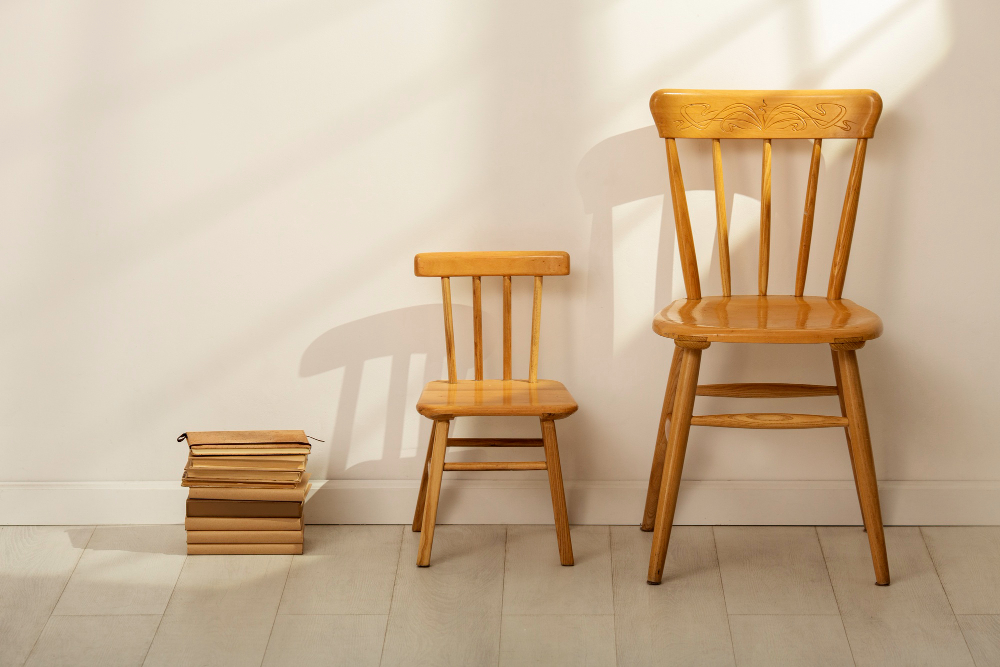
If the feet cannot rest flat, the weight of the legs hangs from the front edge of the seat and presses on the underside of the thigh.
The pressure builds slowly. Unsupported feet are the commonest fault in a high seat.
4. Too Low Puts the Load in the Wrong Place
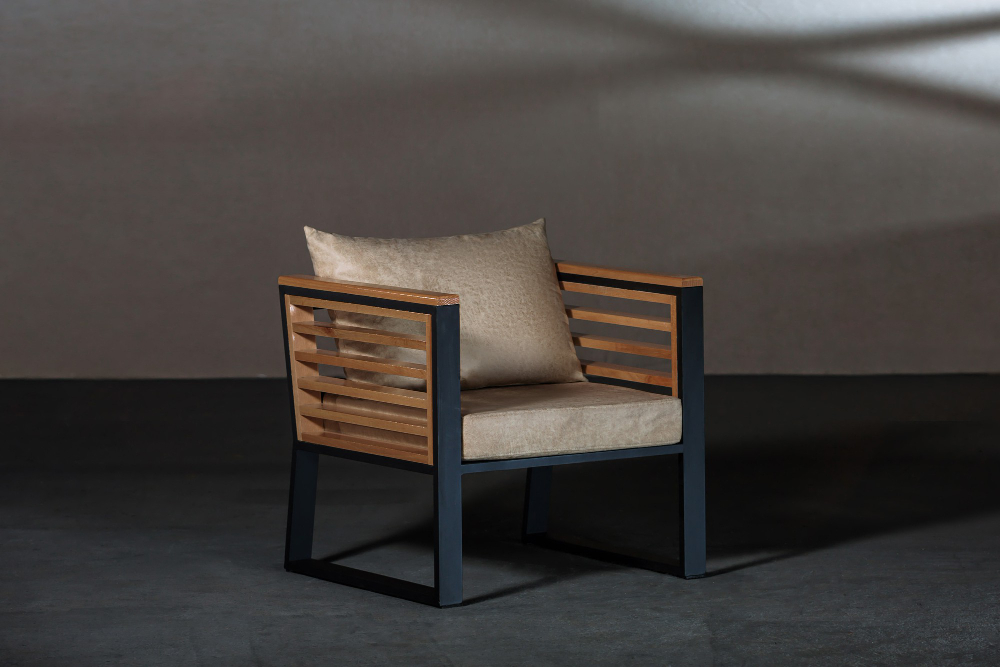
A low seat raises the knees above the hips, which rotates the pelvis backward and shifts weight onto the base of the spine rather than the sitting bones.
It feels fine briefly and not for long. Low seating is why soft sofas become uncomfortable.
5. Seat Depth Has to Be Shorter Than the Thigh

If the seat is too deep, reaching the backrest means the front edge presses behind the knee – so people sit forward instead and ignore the back entirely.
A deep seat wastes its own backrest. Depth mismatch is why people perch.
6. Which Is Why the Front Edge Is Rounded
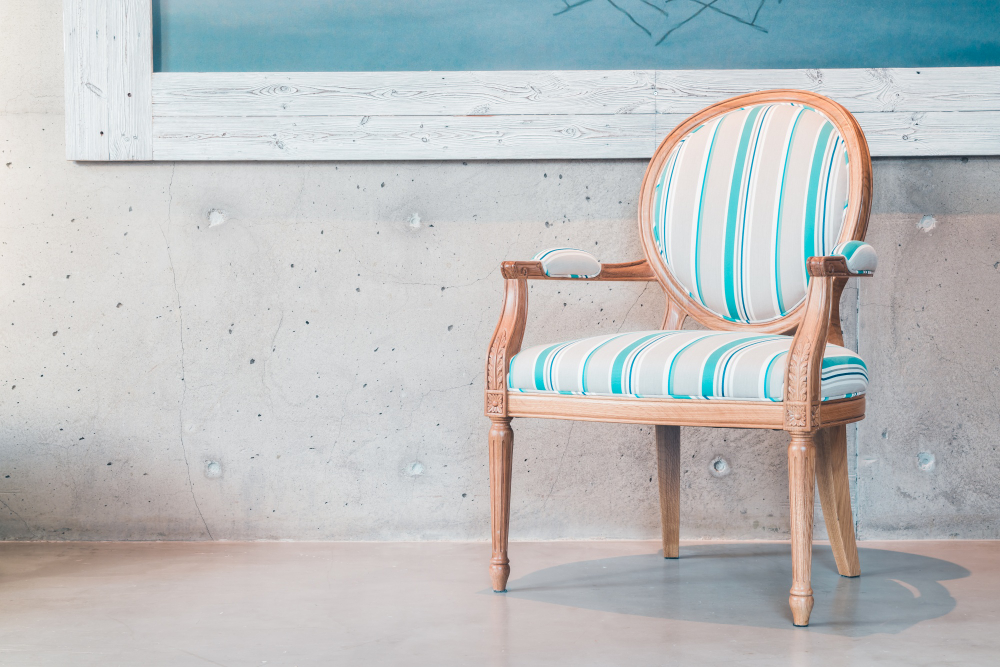
A rolled or curved front edge spreads the contact where the leg crosses it, instead of concentrating pressure along a line.
It is a small detail with a large effect. Edge profile is standard for a reason.
7. The Backrest Shape Matters More Than Its Height
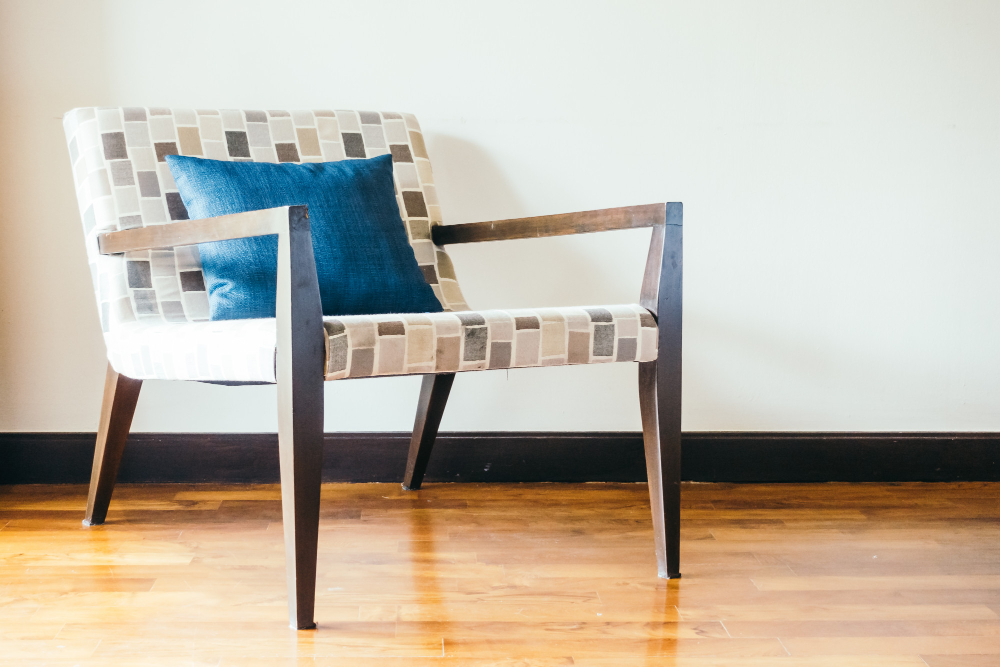
Support at the lower back, where the spine curves inward, does far more than a tall flat panel behind the shoulders.
Height is mostly about appearance. Lumbar shaping is the functional part.
8. Leaning Back Transfers the Load
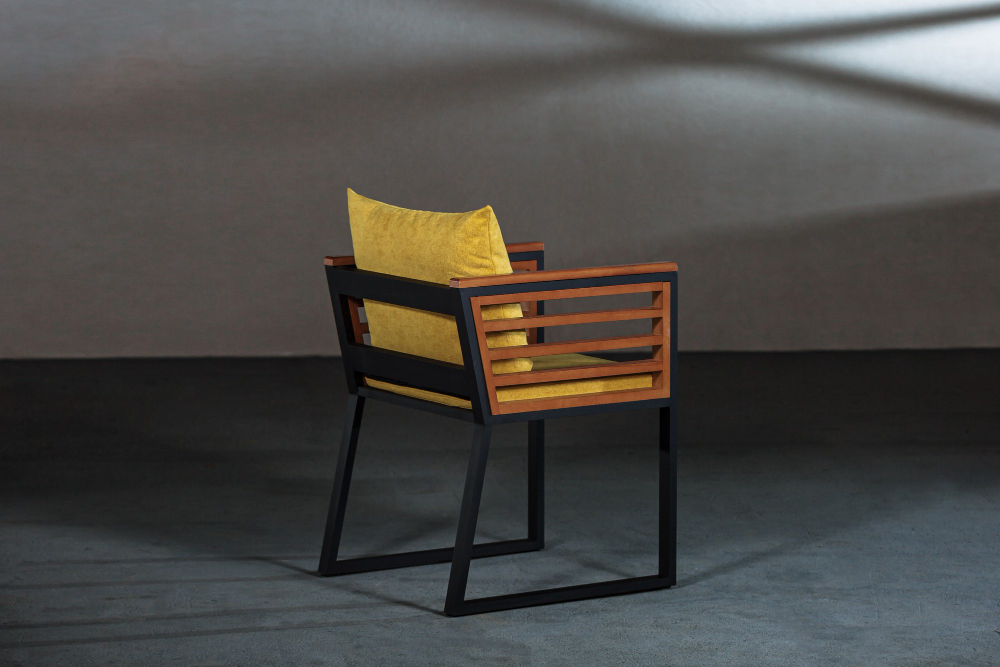
A reclined backrest takes a substantial share of the upper body weight off the base of the spine, which is why a reclined chair feels restful and an upright one does not.
The angle is doing real work. Recline is load transfer rather than laziness.
9. A Slight Backward Slope Stops You Sliding
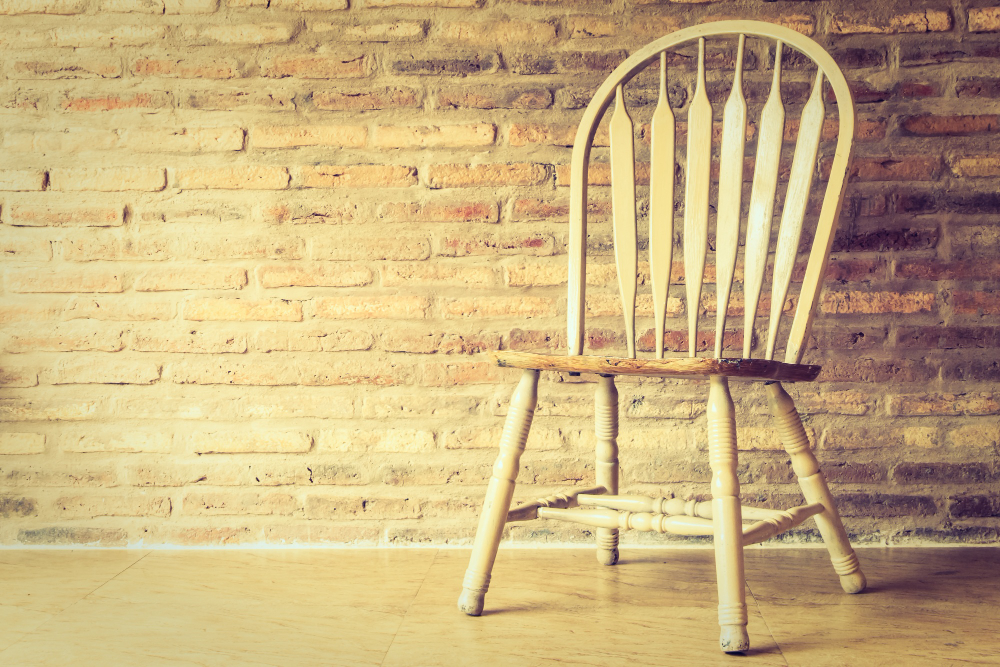
Tilting the seat back a few degrees keeps the sitter in the chair without any effort, where a flat or forward-sloping seat requires constant small corrections.
The correction is unconscious and tiring. Seat angle is why some chairs cannot be relaxed in.
10. Armrests Carry Real Weight
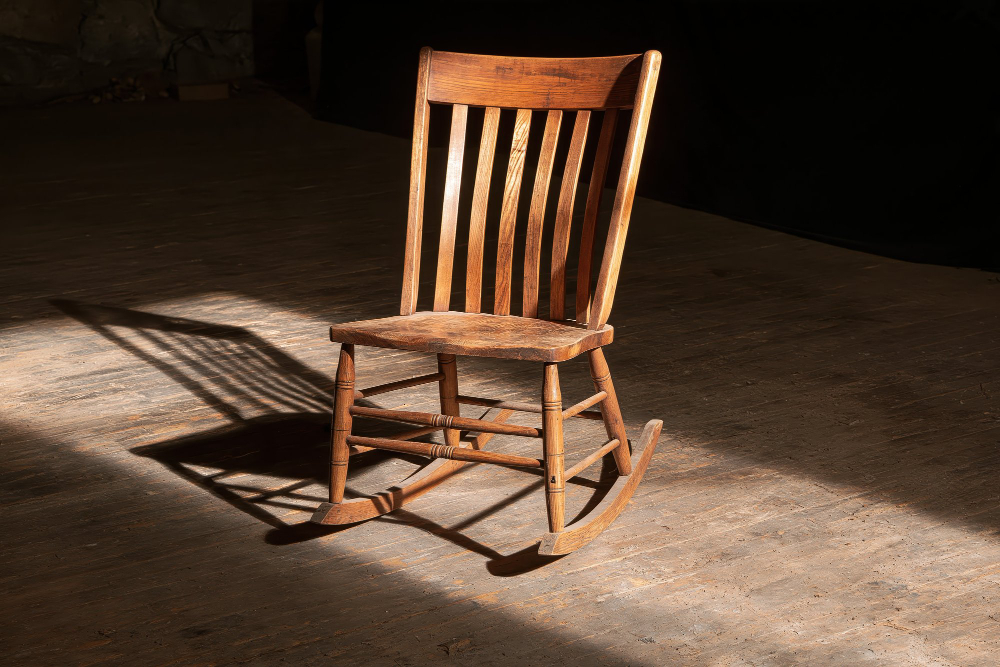
Arms are heavy, and supporting them removes a real load from the shoulders and neck – which is why their height matters and why the wrong height is worse than none.
Too high lifts the shoulders and too low leaves them unsupported. Armrest height is a real variable.
11. Hard Distributes Badly and Soft Bottoms Out
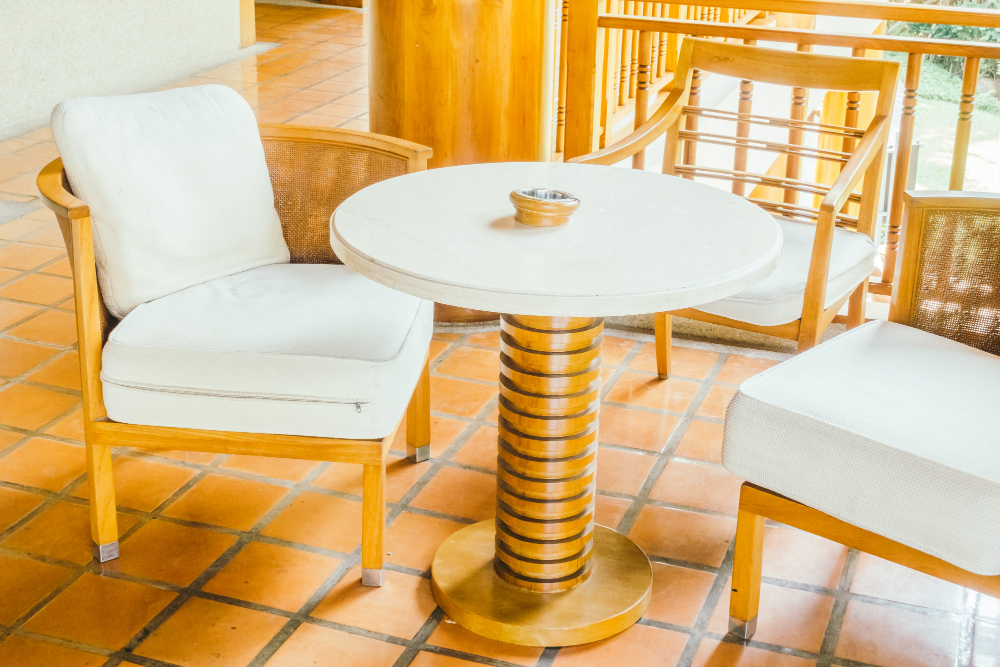
A hard flat seat concentrates pressure on two small areas, while a very soft one compresses until the sitter reaches the frame beneath.
Both ends fail. Cushion firmness is a compromise with a narrow optimum.
12. Movement Matters More Than Posture
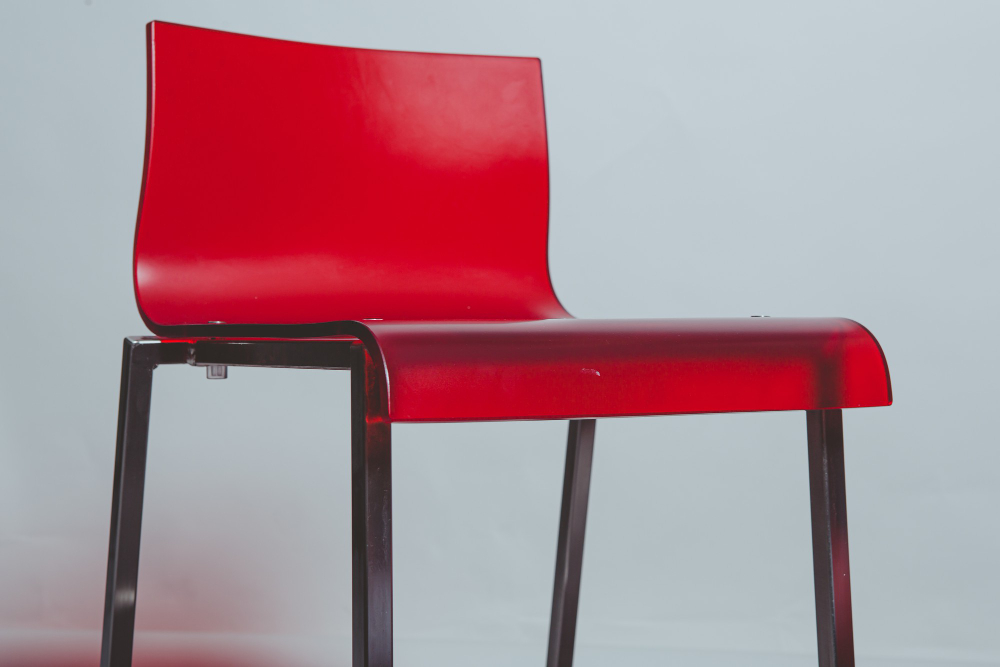
No position is comfortable indefinitely, and a chair that allows small shifts of position is more comfortable over hours than one that holds the body still.
Stillness is the problem rather than the position. Permitted movement is what sustains comfort.
13. Some Chairs Are Designed to Be Left

Seating in waiting areas and fast-turnover places is deliberately upright, shallow and firm, because comfort would defeat its purpose.
It is not a failure of design. Intentional discomfort is a legitimate specification.
14. Stacking and Folding Dominate Public Seating
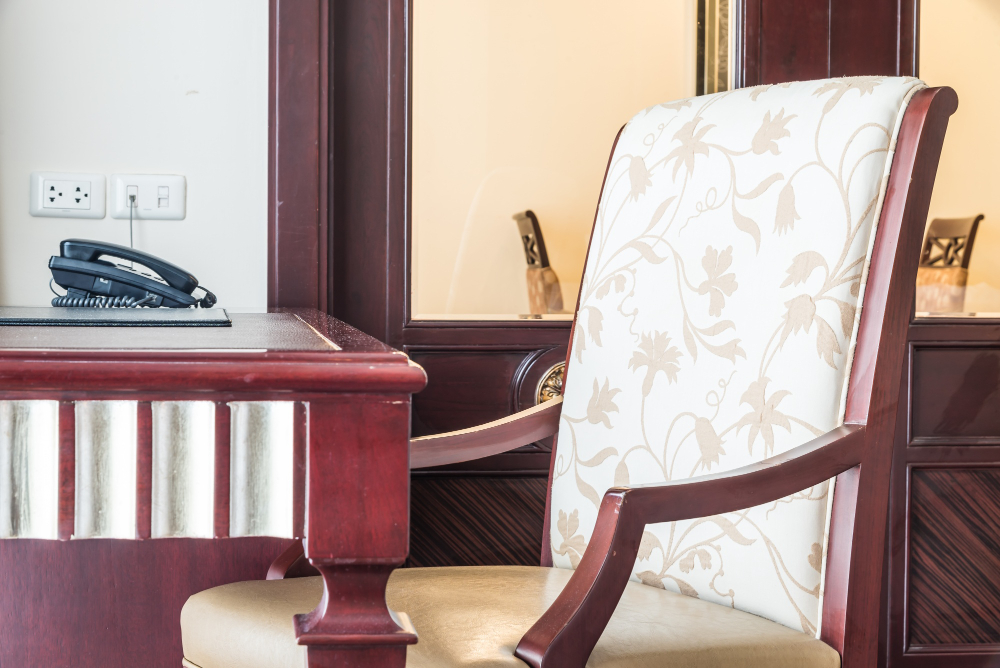
Chairs that must be moved, stored or stacked are shaped by those requirements first, and comfort is whatever survives them.
Storage wins over sitting. Handling constraints explain most hall chairs.
15. A Dining Chair Is Not a Work Chair
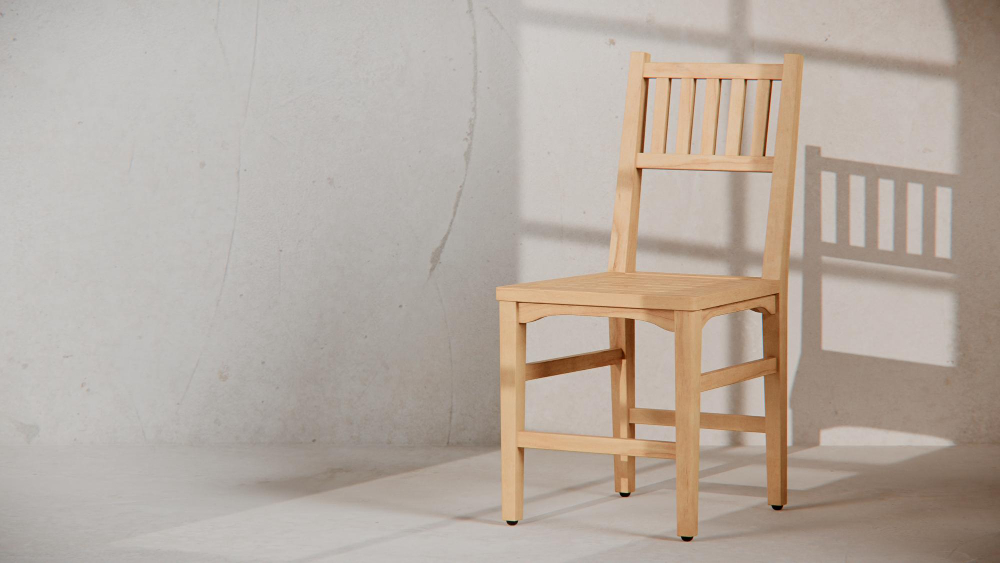
Sitting to eat, to work and to rest impose three different sets of requirements, which is why using one for another feels subtly wrong even when nothing is obviously bad.
They are three objects. Purpose mismatch is behind most vague discomfort.
Four Dimensions and the Length of a Leg
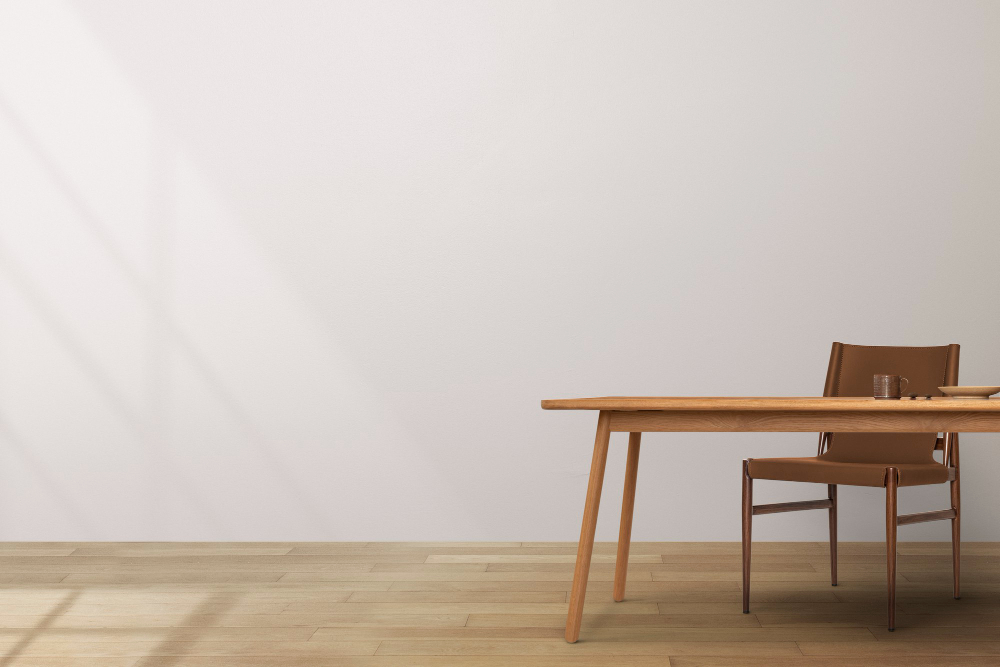
A seat height that governs the rest, a depth shorter than a thigh, a rounded front edge, support where the spine curves in, and a chair that lets you move.
The twelfth item is the one that upends most advice. No sitting position is comfortable for long, which means the useful question about a chair is not whether it holds you in the right posture but whether it lets you keep changing it.
Like our content? Follow us for more.