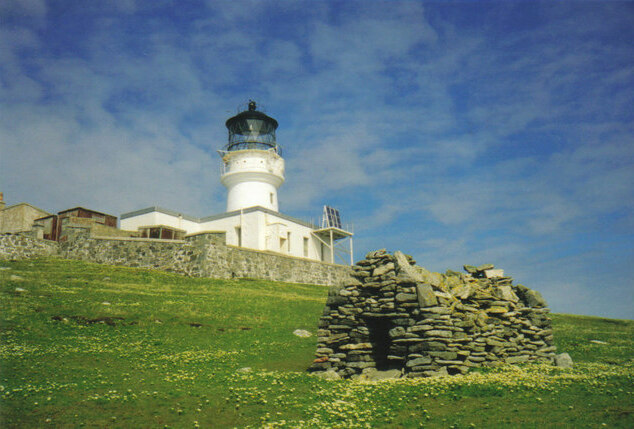
Off the northwestern coast of Scotland, in the wild waters of the Atlantic, lies a small cluster of remote, uninhabited islands known as the Flannan Isles. On the largest of them, a lighthouse was built to warn ships away from the treacherous rocks, and it was staffed, as lighthouses were in those days, by a small crew of keepers who lived on the isolated island to tend the light. In December 1900, all three of the keepers on duty there vanished without a trace, in one of the most enduring and haunting mysteries in the annals of the sea.
When a relief boat finally reached the island, the men were simply gone. The lighthouse stood empty and silent, with tantalizing and unsettling clues left behind but no sign of the three keepers, who were never seen again. What could have happened to them? How could three experienced men disappear from a small island in the middle of the ocean? The mystery has fascinated people for well over a century, inspiring poems, songs, films, and endless speculation, some of it wildly supernatural. But part of what has made the story so chilling turns out to have been embellished or invented after the fact, and the likeliest true explanation, while less spooky, is a sobering reminder of the raw power of the sea. Here is the real story of the Flannan Isles lighthouse mystery.
The Lighthouse at the Edge of the World
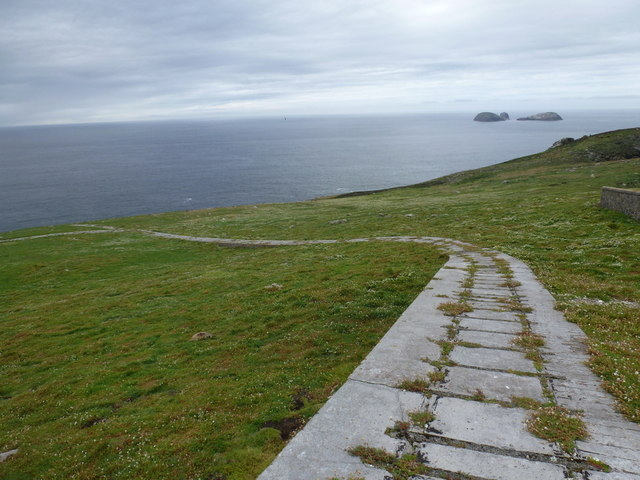
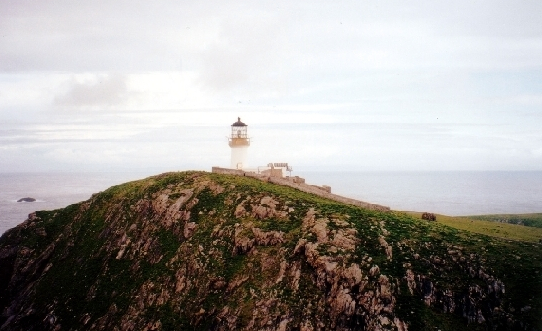
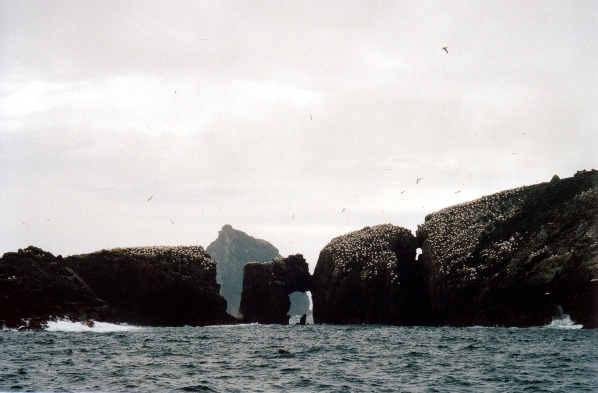
The Flannan Isles are a small group of rocky islets in the Atlantic Ocean, lying well off the coast of the Isle of Lewis in Scotland’s Outer Hebrides. Remote, windswept, and uninhabited, they are the kind of place where the elements rule and human presence is rare. The largest of the islands is home to little more than the ruins of an ancient chapel and, since the end of the nineteenth century, a lighthouse.
The lighthouse had been built only about a year before the events in question, erected to guide ships through the dangerous waters of the region. Tending such a light was demanding and isolating work. In that era, before lighthouses were automated, keepers had to live on-site, maintaining the lamp and its machinery, keeping watch, and enduring long stretches of solitude in one of the loneliest and most exposed places imaginable. The Flannan Isles lighthouse was staffed by a rotating crew, with keepers serving tours of duty on the island before being relieved. In December 1900, three keepers were stationed there: a principal keeper and two assistants, experienced men accustomed to the rigors and dangers of the job. They were about to become the central figures in a mystery that would outlast them by more than a century.
Like our content? Follow us for more.
The Alarm Is Raised
The first sign that something was wrong came from a passing ship. Around the middle of December 1900, a steamer traveling through the area noted that the Flannan Isles lighthouse was dark; its light, which should have been shining out to warn vessels away from the rocks, was not lit. This was a serious and worrying sign, but due to circumstances, the report of the unlit light did not immediately reach the authorities responsible for the lighthouse.
It was not until late December that a relief vessel made its scheduled trip to the island, bringing a relief keeper to take his turn and resupply the station. As the boat approached, the crew sensed that something was amiss: there was no sign of the keepers, none of the usual signals of welcome, no one waiting at the landing. The relief keeper went ashore and made his way up to the lighthouse, where he found the door closed and the interior empty. He searched the building and the island, but there was no sign of the three men. The lighthouse was deserted. Alarmed, he and the boat’s crew conducted a fuller search, but it was futile. The three keepers had vanished completely, leaving the relief party to confront the eerie, empty station and the dreadful question of what had become of the men who should have been there.
The Scene Inside
What the searchers found inside the lighthouse only deepened the mystery. The interior told a confusing and unsettling story. Some accounts describe the scene as one frozen in an ordinary moment: everyday objects in place, the beds, the equipment, and the daily apparatus of the keepers’ lives seemingly undisturbed in some respects, yet with signs that something had interrupted the normal routine.
Among the details reported were an unlit fire, suggesting the lighthouse had been empty for some days, and clocks that had stopped. There were indications that the men had left in a state that was hard to interpret. Crucially, an examination of the keepers’ weatherproof clothing suggested that two of the men had gone out into the elements while one may have left in a hurry without his protective gear. Outside, on one side of the island near a landing area, there were signs of severe storm damage: equipment had been disturbed or damaged, and there was evidence of the immense force of the sea having struck that part of the island. These physical clues, the abandoned lighthouse, the missing men, the storm damage, and the ambiguous signs within, formed the puzzle that investigators and, later, the wider public would try to solve. Something had happened on that island in the days before the relief boat arrived, something that had swept three men away and left only these fragmentary and haunting traces behind.
The Spooky Details That Weren’t True
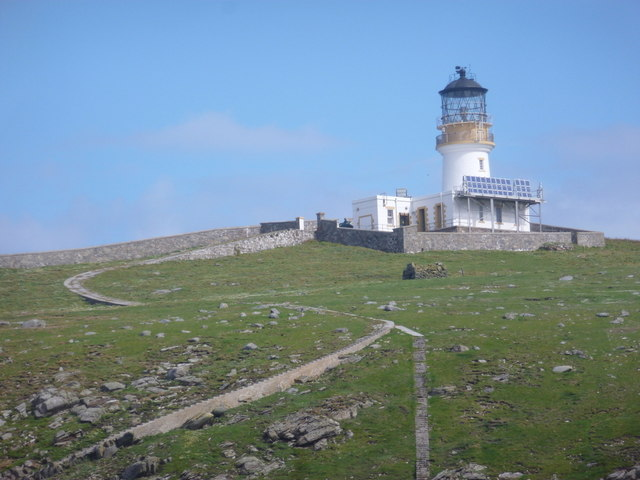
Over the years, the Flannan Isles mystery grew in the retelling, and some of the most famous and chilling elements of the story, the details that have most captured the public imagination, turn out to have been embellishments or outright inventions added after the fact. This is a crucial and often overlooked part of understanding the mystery.
Perhaps the most notorious of these embellishments concerns supposed entries in the lighthouse logbook. According to a widely repeated version of the story, the log contained strange and disturbing entries in the days before the disappearance, describing terrible storms, one of the keepers weeping, another falling silent, and the men praying, culminating in an eerie final entry. These dramatic log entries have been retold countless times as one of the spookiest aspects of the case. But investigations indicate that these entries were fabricated; there is no evidence that any such entries were ever actually written by the keepers, and they appear to have been invented later to make the story more sensational and mysterious. Similarly, tales of supernatural forces, curses, ghostly happenings, and outlandish explanations grew up around the mystery over the decades, none of them supported by evidence. The real mystery is compelling enough on its own, but it has been overlaid with a great deal of fiction, and separating the real facts from the invented spookiness is essential to understanding what likely happened. The eeriest “clues,” it turns out, were not clues at all, but stories.
The Likeliest Explanation
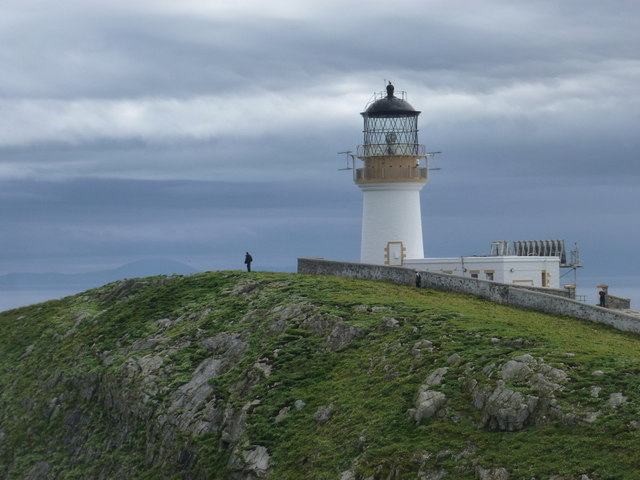
Stripped of the supernatural embellishments and the fabricated details, what does the evidence actually suggest happened to the three keepers? The official investigation at the time, and the assessment of most who have studied the case since, points to a tragic but entirely natural explanation rooted in the ferocious weather and seas of that exposed location.
The leading theory holds that the keepers were caught out by the sea. The evidence of severe storm damage near one of the island’s landing areas, combined with the finding that the men had gone outside, suggests that they had ventured down toward the landing, perhaps to secure equipment or check on damage threatening to be lost to the storm. There, it is thought, they were caught by an enormous, unexpected wave, a rogue wave or a sudden surge of the kind that can strike such exposed coasts with terrifying and lethal force, and were swept off the rocks and into the sea, drowning in the cold Atlantic waters. This would explain the abandoned lighthouse, the missing men, the absence of bodies (carried away by the sea), and the fact that one keeper may have rushed out without his weatherproof gear, perhaps hurrying to help his colleagues in an emergency. It is a mundane explanation in the sense that it involves no mystery beyond the deadly power of the ocean, but it is also a deeply sobering one, a reminder of the dangers faced by those who lived and worked in such remote and hostile places. Three men doing their duty on a lonely island were, in all likelihood, taken by the sea in a moment, leaving behind only silence and questions.
A Mystery That Endures
Even with a plausible explanation, the Flannan Isles lighthouse mystery retains its grip on the imagination, and the fate of the three keepers is likely never to be known with absolute certainty. The lack of witnesses, the lack of bodies, and the passage of well over a century mean that the exact sequence of events on that island in December 1900 remains, and will probably always remain, a matter of informed speculation rather than proven fact.
That enduring uncertainty, combined with the haunting image of the empty lighthouse and the vanished men, is what has kept the story alive for generations, inspiring works of art and endless fascination. It sits alongside the great maritime mysteries of history as a tale of people who disappeared into the unknown, leaving those who came after to wonder what happened. But perhaps the most important lesson of the Flannan Isles mystery is a quieter one, a reminder to be cautious about the sensational and supernatural stories that grow up around such events, and to look instead at the real evidence, which so often points to explanations that are natural, if tragic. Three lighthouse keepers were lost on a remote Scottish island more than a century ago, most likely to the merciless sea they had gone there to help others survive. Their disappearance remains a poignant and haunting story, a real mystery of the sea, and a memorial to the quiet dangers of a vanished way of life.
Like our content? Follow us for more.