

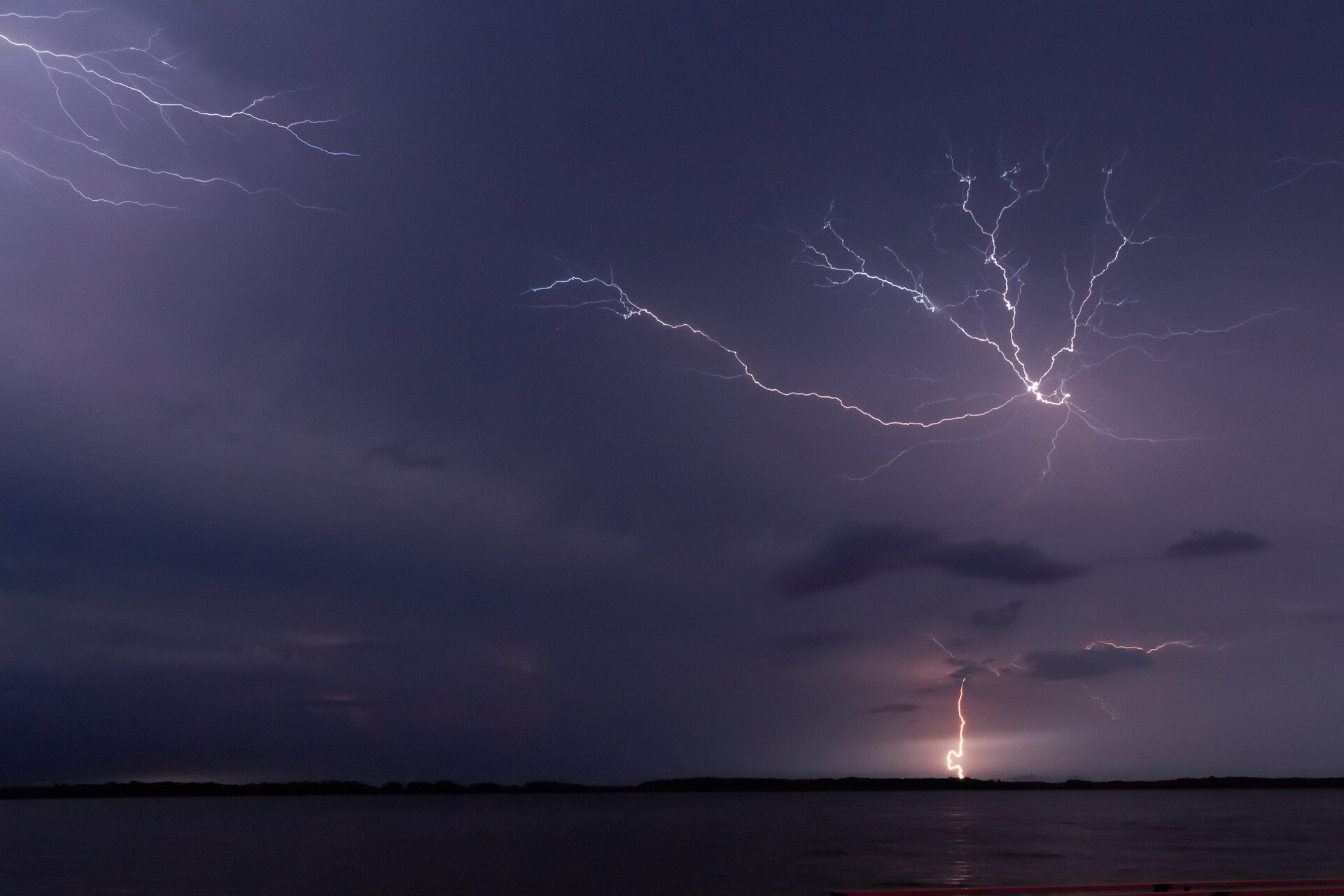
The old saying tells us that lightning never strikes the same place twice. But there is one place on Earth where lightning strikes the same place over and over and over again, night after night, in a display so relentless and spectacular that it seems to defy the natural order. In a specific corner of northwestern Venezuela, where a river empties into a great lake, the sky comes alive after dark with near-continuous lightning, an electrical storm so persistent that it has become one of the natural wonders of the world.
This phenomenon is known as the Catatumbo lightning, named for the river over whose mouth it occurs, and it has earned nicknames like the “everlasting storm” and the “Beacon of Maracaibo.” The statistics are staggering: the lightning appears on the great majority of nights each year, lasts for hours at a stretch, and produces an astonishing number of flashes, making this the most lightning-prone place on the entire planet. For centuries, this endless storm mystified and awed those who witnessed it, and it became woven into local history and legend. But modern science has now unraveled the mystery, explaining precisely why this one spot experiences such an extraordinary, near-perpetual lightning show. Here is the fascinating story of the everlasting storm.
The Everlasting Storm
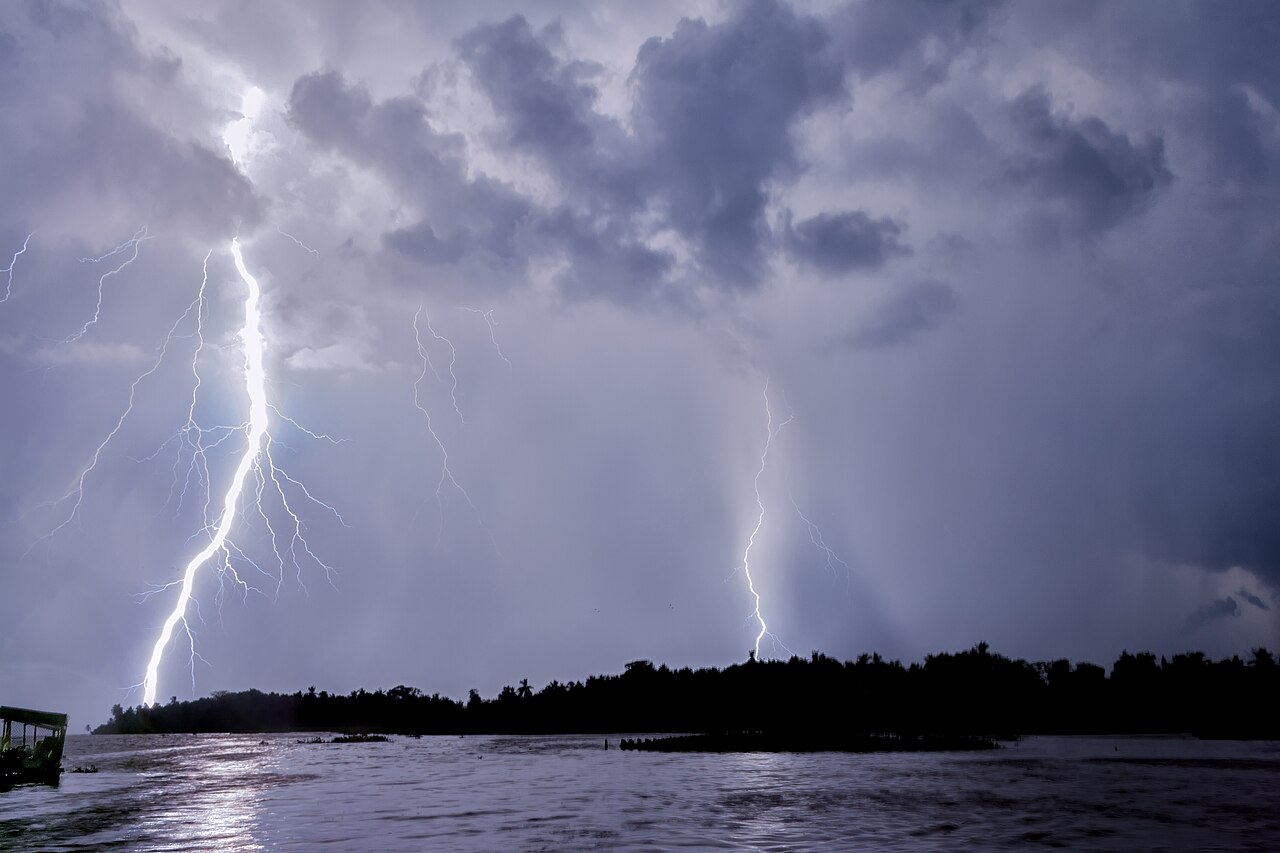
The Catatumbo lightning occurs over and around the spot where the Catatumbo River flows into Lake Maracaibo, a large body of water in northwestern Venezuela. What makes it so remarkable is not just its intensity but its astonishing consistency. This is not a storm that comes and goes with the weather; it is a near-nightly event, recurring with a reliability that no ordinary thunderstorm can match.
On a great many nights of the year, often cited as up to around 300, the lightning show begins in the hours after dusk and can continue for as long as nine or ten hours, blazing away into the small hours of the morning. During these displays, the frequency of the lightning is extraordinary, with flashes coming at a rate of dozens per minute during peak activity, illuminating the night sky in an almost strobe-like, continuous flicker. The sheer quantity of lightning is so great that the area has been recognized with a world record for having the highest concentration of lightning strikes anywhere on Earth. Locals and visitors describe how the near-constant flashes can light up the landscape, turning night into an eerie, flickering day. It is a spectacle of nature on a grand and relentless scale, an electrical storm that seems, for all practical purposes, never to end.
Like our content? Follow us for more.
A Natural Lighthouse
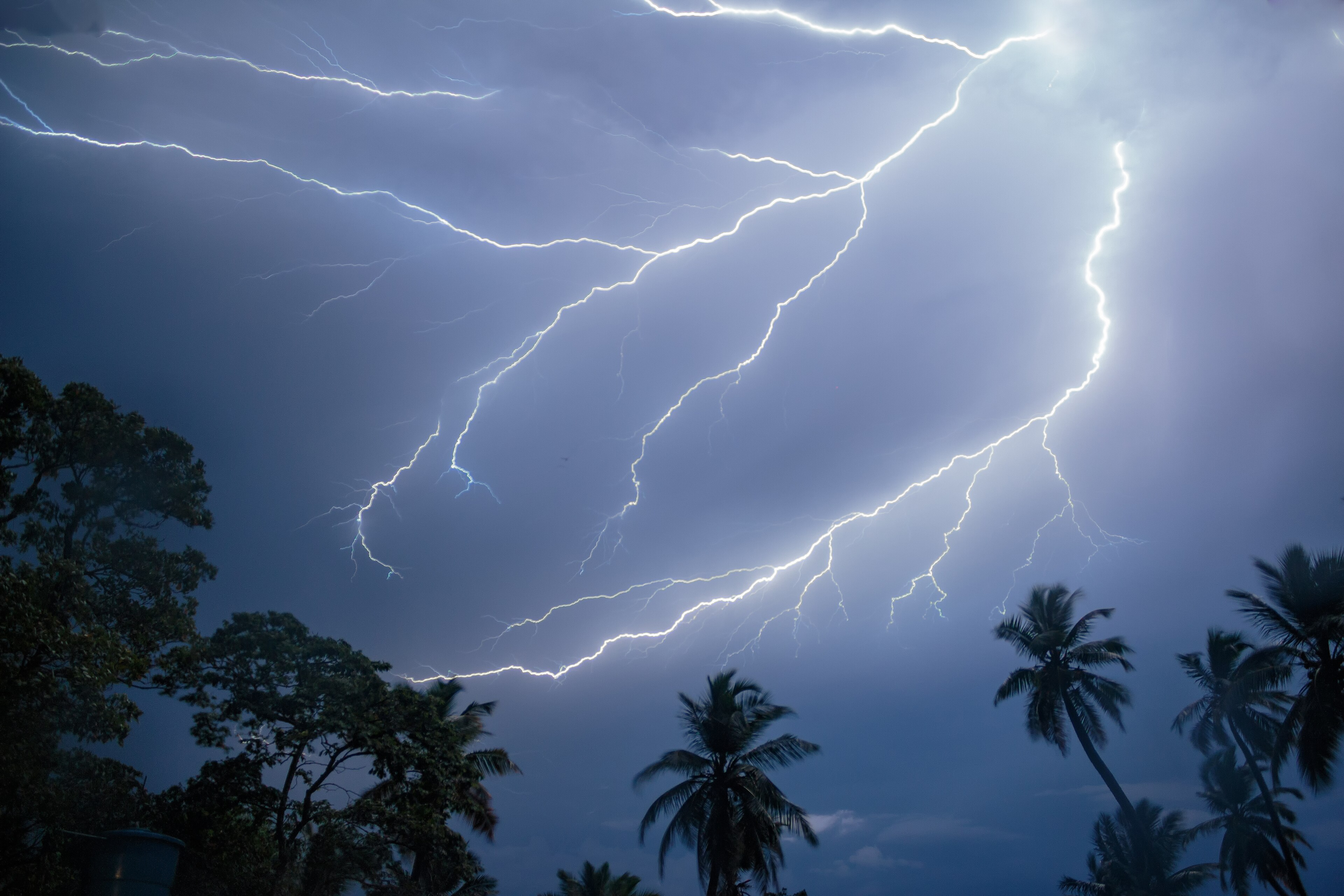
The reliability and brilliance of the Catatumbo lightning have made it far more than a spectacle; for centuries, it served a truly practical purpose. Because the lightning appears so consistently in the same place, night after night, and because it can be seen from a great distance, sailors and fishermen historically used it as a natural navigational aid, a beacon to guide them. This earned the phenomenon one of its most evocative nicknames: the “Beacon of Maracaibo” or the “Lighthouse of Maracaibo.”
Imagine navigating the waters near the lake at night in centuries past, with no modern instruments, and being able to steer by the reliable glow of lightning on the horizon, marking the location of the lake’s entrance as dependably as any lighthouse. The lightning’s role as a beacon even wove its way into the region’s history and folklore. According to a popular historical tale, the lightning once helped defend the area from a nighttime naval attack, its sudden illumination of the sky exposing the approaching enemy ships and foiling their attempt at a surprise assault. Whether every detail of such stories is strictly accurate, they capture the deep imprint the everlasting storm has left on the culture and identity of the region, where the lightning is a source of local pride, even appearing on regional symbols. Far from being merely a hazard, the Catatumbo lightning has long been a landmark, a guide, and an emblem of this corner of Venezuela.
Why It Happens Here
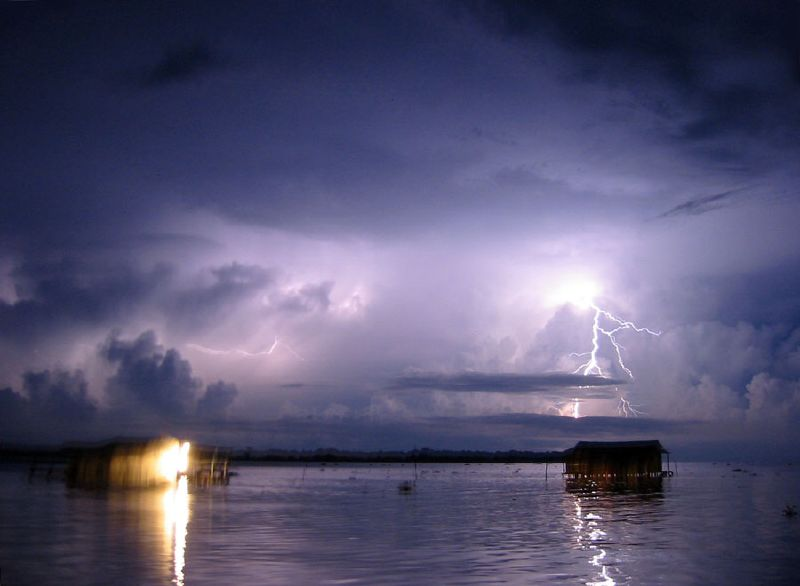
For a long time, the sheer persistence of the Catatumbo lightning must have seemed almost magical, an inexplicable quirk of nature confined to this one special place. But scientists have come to understand the phenomenon quite well, and the explanation lies in a remarkable combination of geography and climate that makes this particular spot a perfect engine for generating lightning.
The key is the unique landscape surrounding Lake Maracaibo. The lake sits in a basin that is ringed on several sides by tall mountains, including branches of the Andes. This creates a kind of natural trap for air and moisture. During the day, the warm tropical sun heats the waters of the lake and the surrounding wetlands, causing warm, extremely humid air to build up over the region. Then, at night, cooler air flows down from the surrounding mountains toward the lake. When this cool mountain air meets the warm, moisture-laden air that has accumulated over the lake, it forces that warm air to rise rapidly. As the warm, humid air surges upward and cools, its moisture condenses into towering storm clouds, and the vigorous upward movement of air within these clouds generates the electrical charges that produce lightning. Because the geography reliably sets up this same collision of air masses night after night, the result is a near-perpetual lightning factory, concentrated over the mouth of the Catatumbo River. It’s a case of the perfect storm being built, quite literally, into the landscape.
A Storm of Records
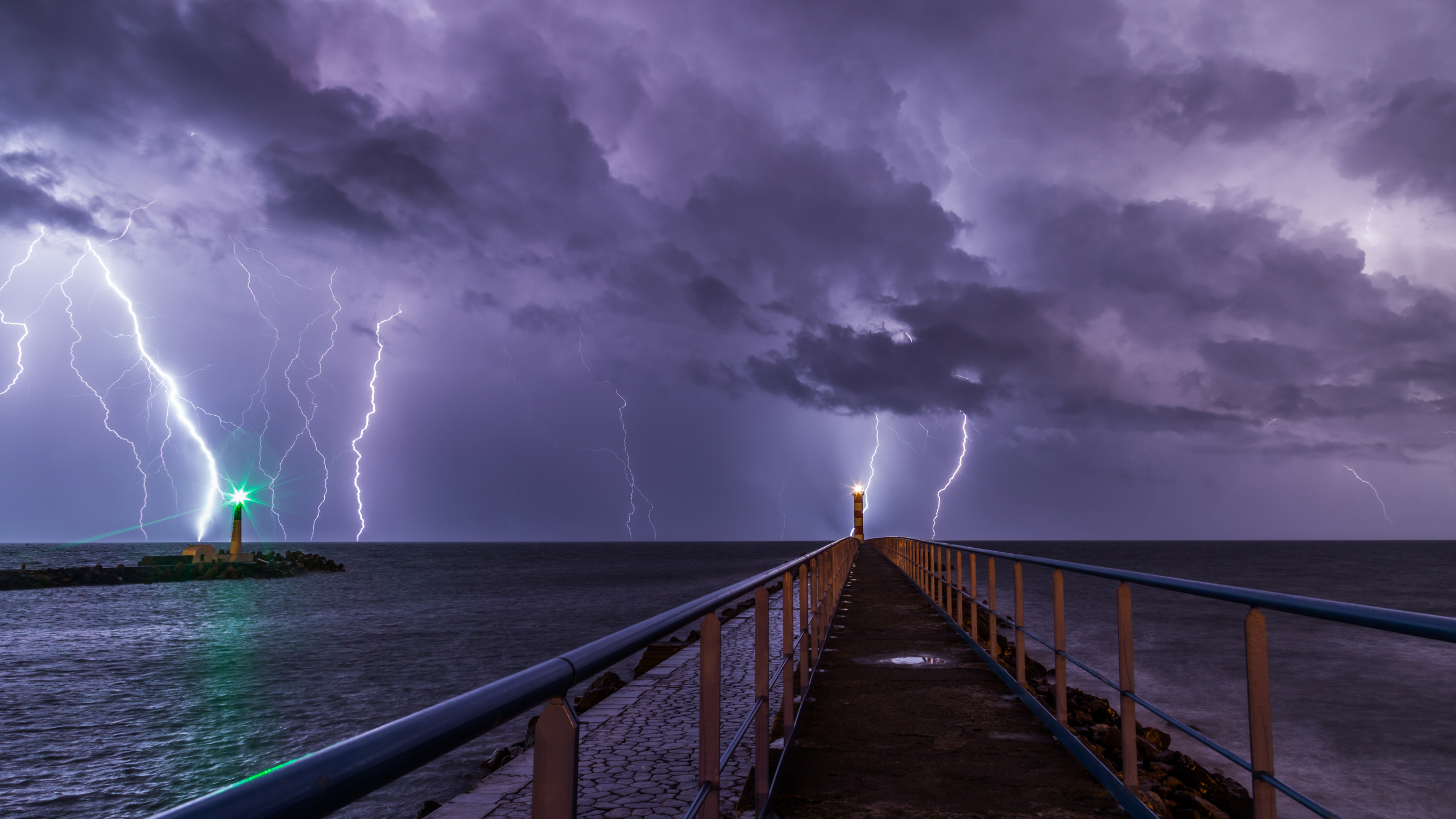
The extraordinary nature of the Catatumbo lightning has been formally recognized in the record books. Careful study and monitoring of the phenomenon established that this small area experiences a greater concentration of lightning than anywhere else on the planet, earning it official recognition as the world’s lightning capital. The numbers involved are difficult to comprehend, with the region racking up an enormous total of lightning flashes over the course of a year.
This concentration of lightning is a direct consequence of the reliable, nightly nature of the storms combined with their intensity. While other places on Earth may experience more violent individual storms on occasion, nowhere else combines such frequency and consistency in such a small area. The lightning is most active during certain times of the year, tied to the seasonal patterns of weather in the region, but it recurs throughout much of the year, making the area’s claim to the lightning record a robust one. This record status has helped draw attention to the Catatumbo lightning as one of the world’s great natural wonders, a phenomenon that showcases the raw electrical power of the atmosphere in a way found nowhere else. It stands as a reminder of just how extraordinary and varied our planet’s weather can be, capable of producing not just fleeting storms but a near-permanent festival of lightning in one favored spot.
When the Lightning Stopped
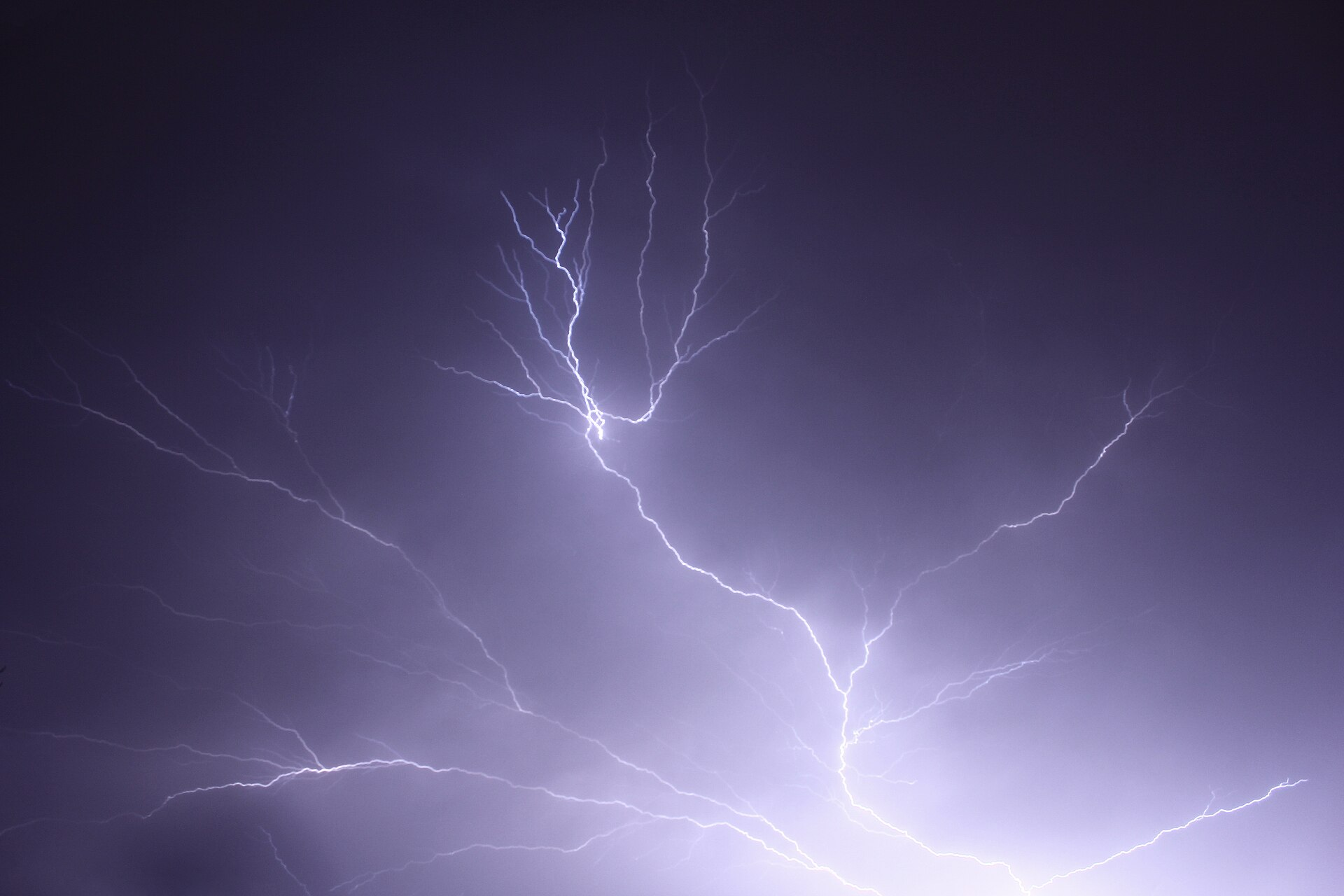
For all its reliability, the Catatumbo lightning is ultimately a natural phenomenon dependent on particular weather and climate conditions, and there was a striking demonstration of this fact in recent times. On one notable occasion, the lightning unexpectedly ceased for a period of weeks, falling silent in a way that alarmed those familiar with its constant presence. The everlasting storm had, for a time, come to an end.
The cause was attributed to unusual weather conditions, specifically a severe drought that disrupted the delicate balance of heat and moisture that normally fuels the nightly storms. Without the usual supply of warm, humid air rising off the lake and wetlands, the lightning engine sputtered and stopped. For a while, there were fears that the phenomenon might have been extinguished permanently, robbing the region of its famous natural beacon. But in time, as normal conditions returned, so did the lightning, resuming its nightly display as if it had never paused. This episode was a fascinating reminder that even the most seemingly permanent natural wonders depend on specific conditions, and that the everlasting storm, for all its remarkable consistency, is ultimately a product of a particular climate that could, in principle, change. For now, though, the Catatumbo lightning continues to blaze away over Lake Maracaibo, as it has for as long as anyone can remember.
Nature’s Grandest Light Show
The Catatumbo lightning endures as one of the most spectacular and unusual natural phenomena on Earth, a near-perpetual storm that transforms the night sky over a Venezuelan lake into a dazzling display of electrical power. What once must have seemed an inexplicable marvel has been revealed by science to be the product of a remarkable and specific combination of geography and climate, a landscape and weather system perfectly arranged to generate lightning almost without end.
There is something wonderful in knowing the explanation and losing none of the awe. Understanding that the everlasting storm arises from warm lake air colliding with cool mountain breezes, night after night, does not diminish the spectacle; if anything, it deepens our appreciation of how the Earth’s geography and atmosphere can conspire to create such an extraordinary and reliable wonder. The Catatumbo lightning has guided sailors, inspired legends, set world records, and awed everyone who has beheld it, and it continues to flash away in the night skies of Venezuela, a natural light show unlike any other on the planet. It is a vivid reminder that our world is full of astonishments, and that some of the greatest shows on Earth are put on, free of charge and night after night, by nature itself.
Like our content? Follow us for more.

