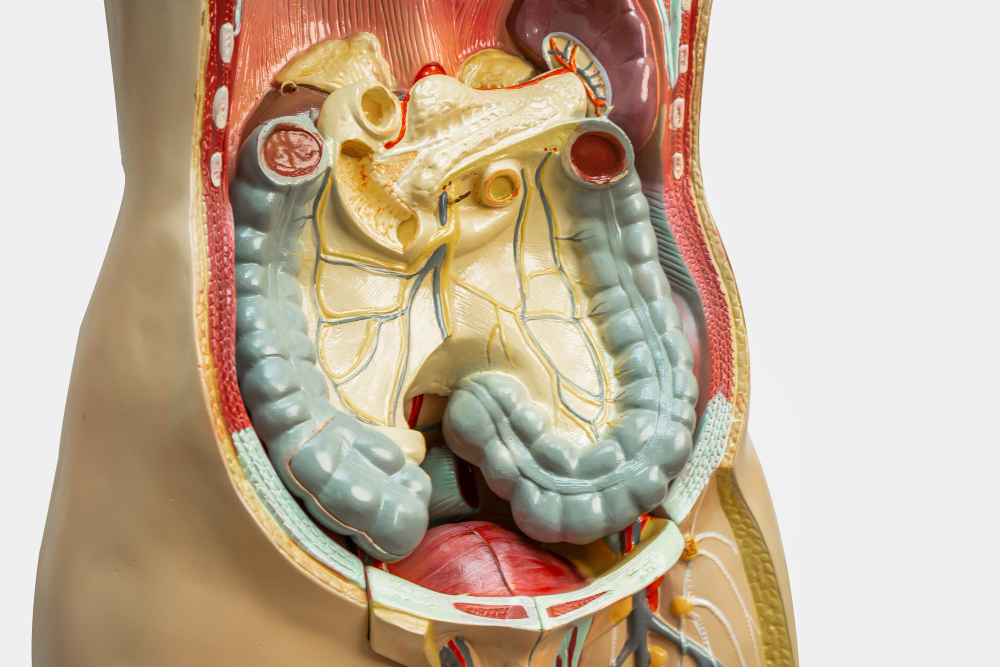
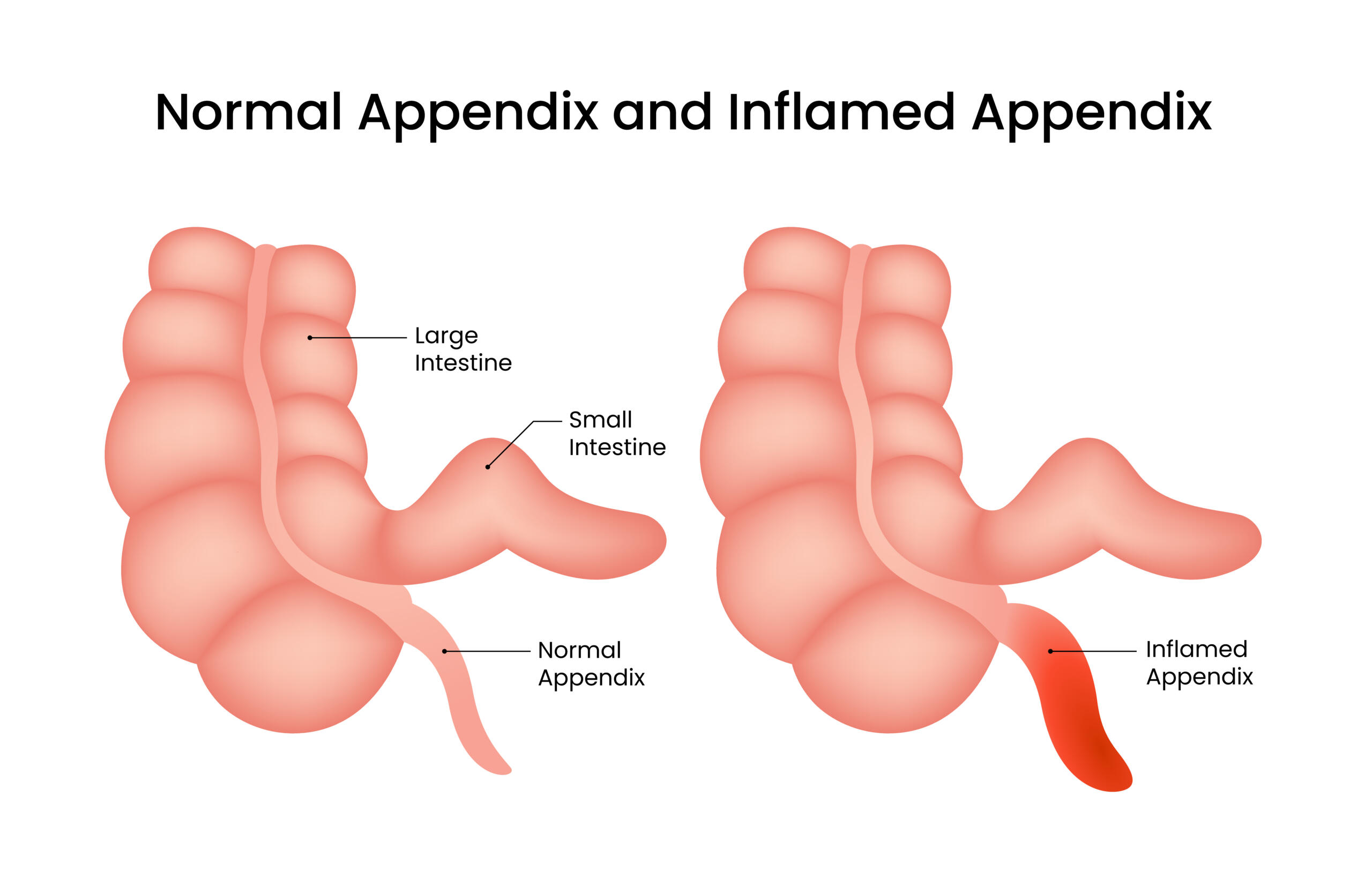
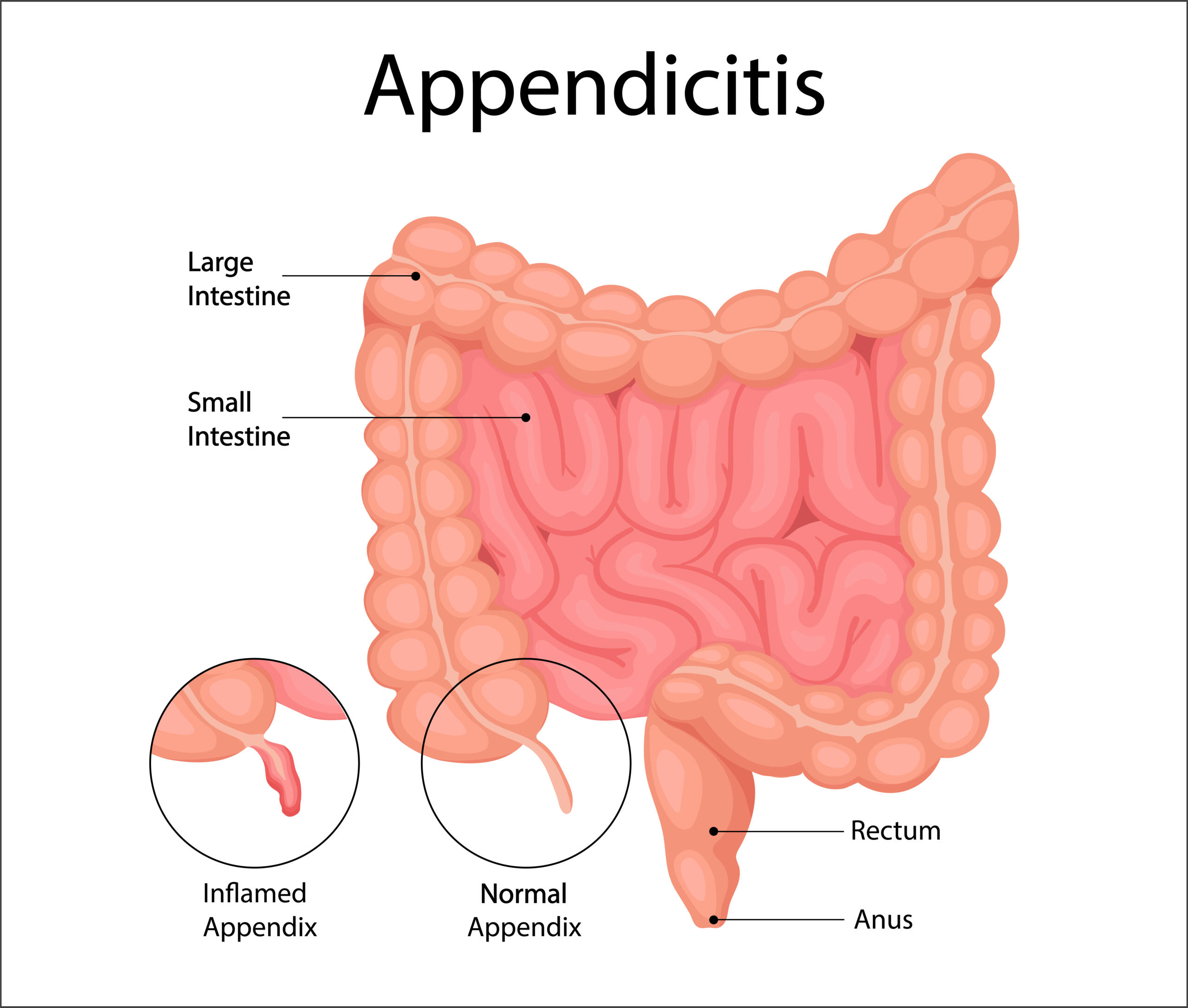
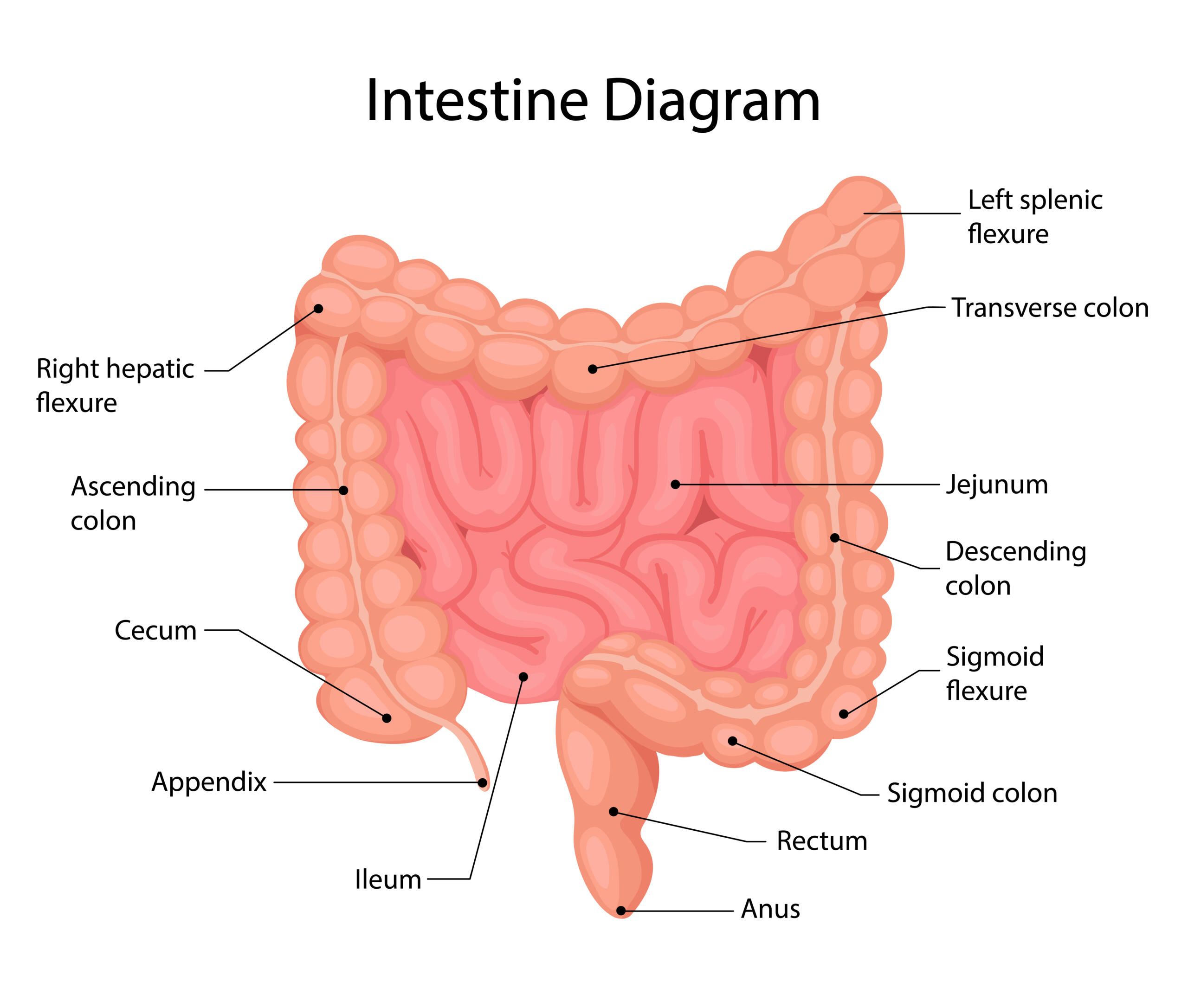
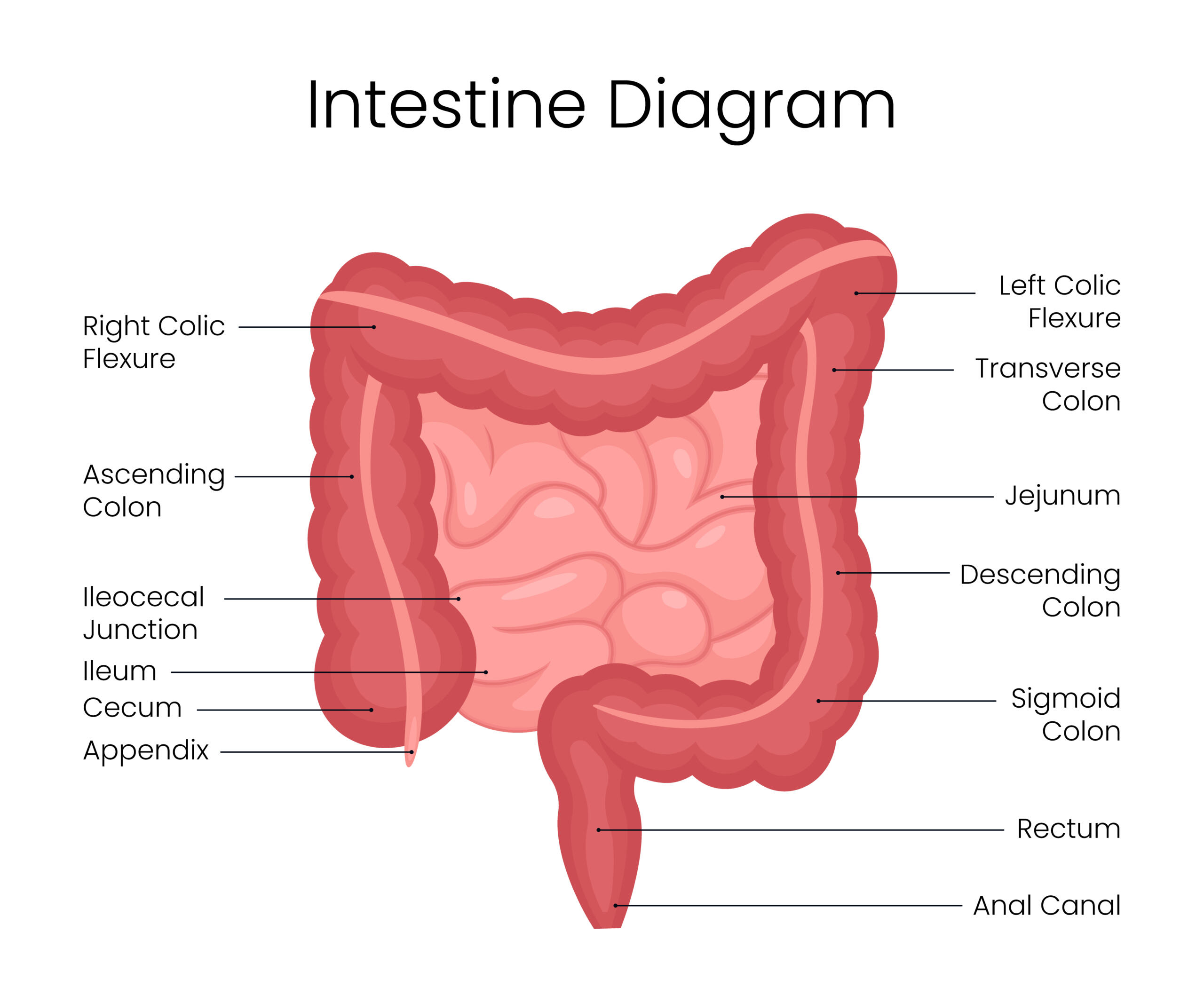
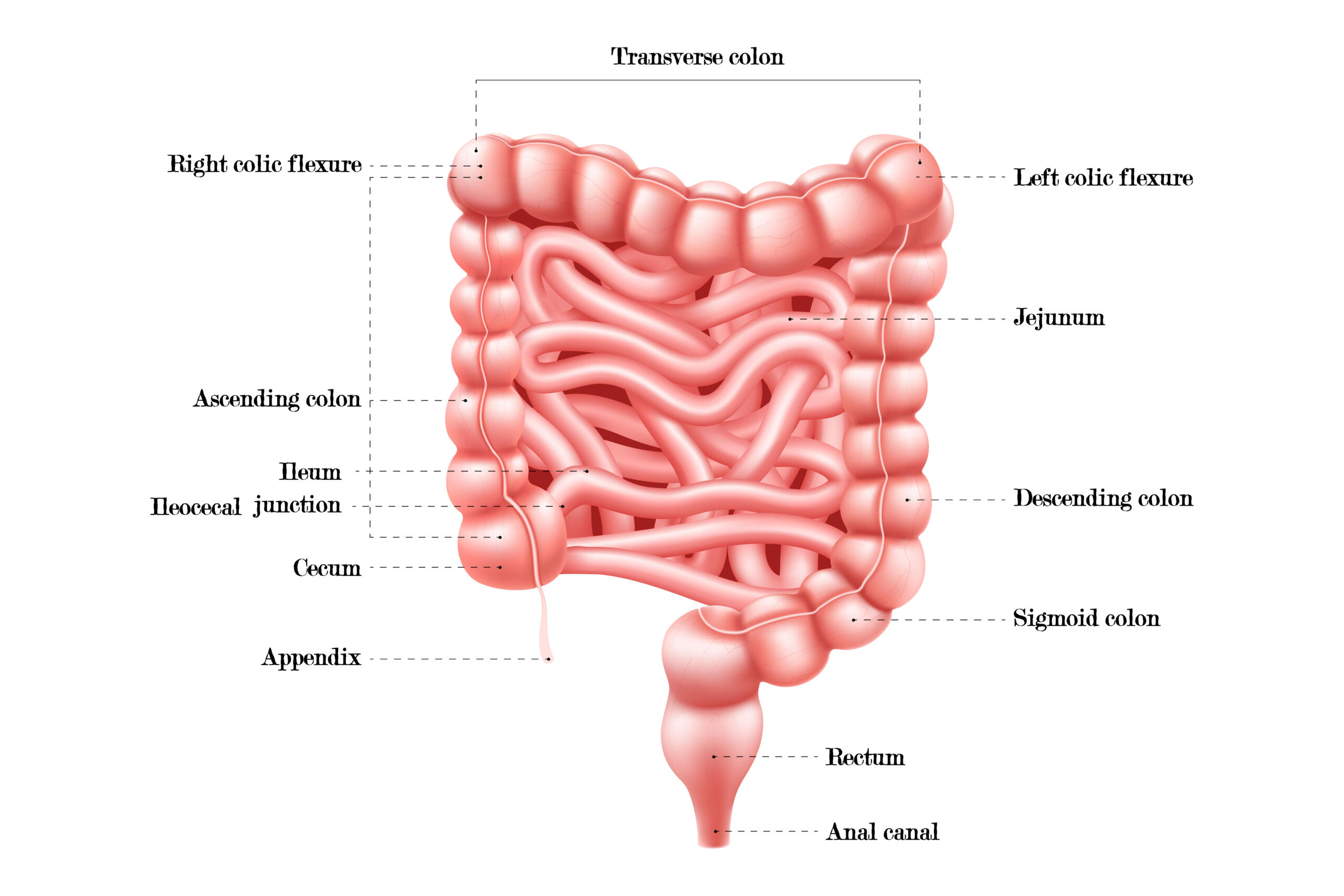
The appendix is the standard example of a vestigial organ, wheeled out in every discussion of evolutionary leftovers alongside wisdom teeth and the tailbone. It is a worm-shaped tube a few inches long, closed at one end, attached to the start of the large intestine, and it is famous for one thing only: occasionally becoming inflamed and requiring emergency removal. The trouble is that the useless-leftover account has a hole in it that has been getting harder to ignore.
The Argument That the Old Explanation Cannot Survive
Vestigial structures are real and common. Evolution does leave things behind, and a structure that has lost its purpose can persist for a long time if maintaining it costs nothing much.
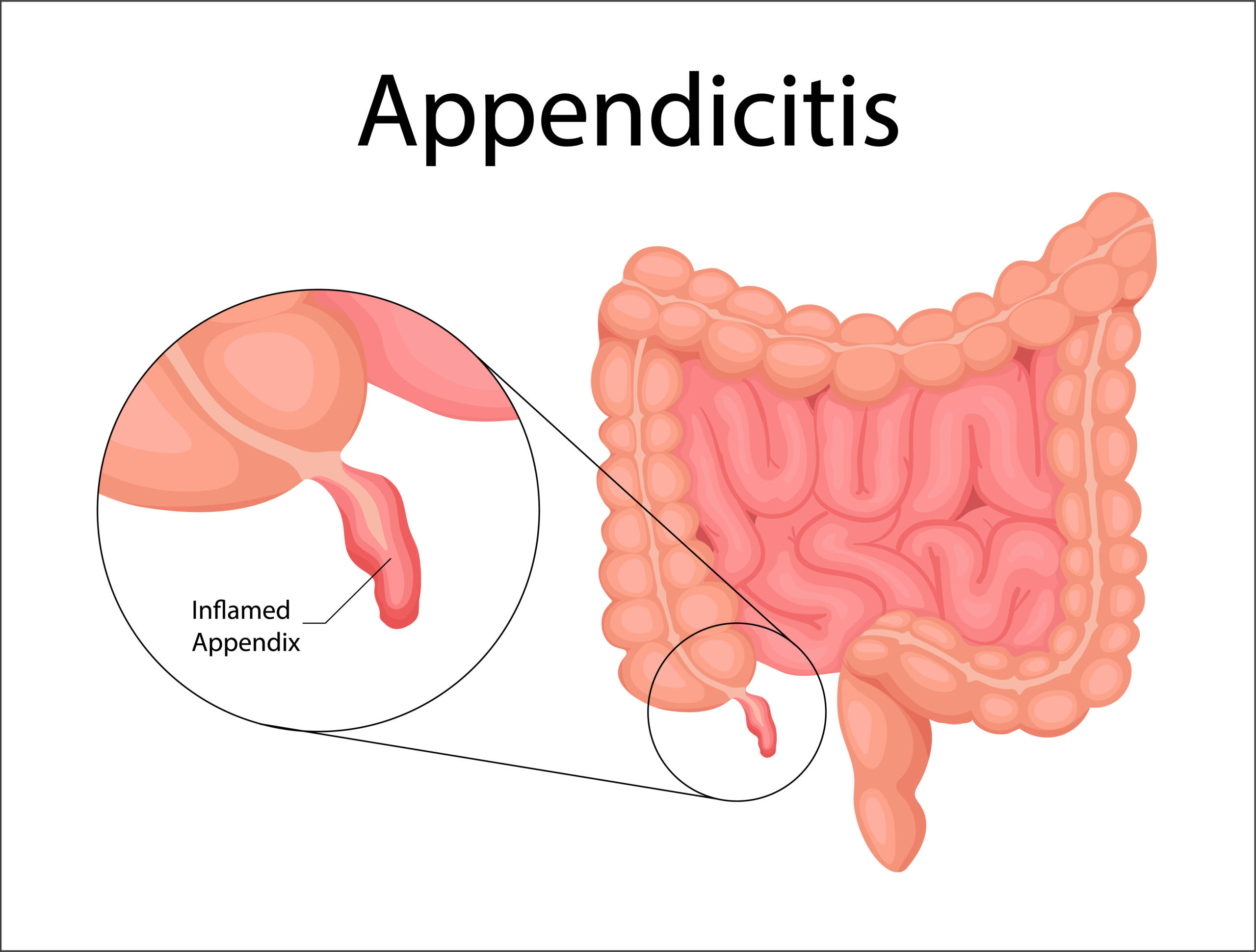
That last condition is where the appendix fails the test. Appendicitis is not a minor inconvenience. Before surgical removal became routine, a substantial proportion of cases were fatal, and in populations without access to surgery it remains dangerous. An organ with no benefit that kills a noticeable fraction of the people carrying it is under real selective pressure, and over the timescales involved it should have shrunk away to nothing.
Instead it has done the opposite. Comparative work across mammals has found that the appendix has arisen independently dozens of times in separate lineages, and that once a lineage has one it very rarely loses it again. That is not the signature of a leftover. A structure that keeps being reinvented and never discarded is behaving like something useful.
Like our content? Follow us for more.
What It Appears to Be For
The leading explanation is that the appendix is a refuge for the gut’s bacterial population.
The large intestine contains an enormous microbial community that is central to digestion and to the immune system. That community is vulnerable to being flushed out entirely, which is exactly what happens during severe diarrhoeal illness. Cholera and similar infections can empty the gut of its normal inhabitants in a day or two.
The appendix is structurally well suited to surviving that. It is a narrow, dead-ended tube branching off the main channel, so the torrent of material passing through the intestine does not scour it out. It is also densely populated with lymphoid tissue, the same kind found in tonsils, which supports and manages resident bacteria, and its inner surface carries biofilms – established bacterial communities adhering to the wall rather than floating free.
So the proposal is that when the main gut is emptied, the appendix still holds a viable sample of the normal population, which can then recolonise the intestine from a known-good source rather than from whatever happens to arrive next.
This is a hypothesis with supporting evidence rather than a settled fact, and it should be read that way. But it makes sense of the shape, the position, the immune tissue, the biofilms and the evolutionary pattern at once, which is more than the vestigial account manages.
Some Supporting Evidence, With Caveats
Several lines of work point the same way without being individually decisive.
People who have had their appendix removed appear to be more likely to suffer a recurrence of certain gut infections after treatment, which is consistent with a reservoir having been lost. The effect is reported repeatedly, though the studies are observational and confounding is difficult to rule out.
The appendix is unusually rich in lymphoid tissue for its size, particularly in the young, which is hard to explain if it does nothing. It is also one of the sites where the immune system appears to learn to tolerate harmless bacteria rather than attacking them.
And the comparative anatomy holds up under scrutiny: appendices appear in animals with very different diets and gut layouts, which argues against any explanation tied to a particular digestive strategy.
None of this proves the reservoir hypothesis. It does mean the burden of proof has shifted, and that describing the appendix as functionless is no longer the safe default position it was.
Why It Goes Wrong So Often
If the appendix is useful, its failure mode still needs explaining, and the geometry does that.
A narrow tube closed at one end has an obvious vulnerability: if the opening becomes blocked, nothing can get out. Secretions continue to be produced behind the blockage, pressure builds, the wall is stretched, its blood supply is compromised, and bacteria multiply in a space that can no longer drain. That sequence is appendicitis, and it is fast, which is why it is a surgical emergency rather than something to monitor.
The same narrowness that makes it a good refuge from the intestinal flow makes it a good place for a blockage to become catastrophic. The feature and the failure are the same structural property viewed from two directions.
There is also a plausible argument that the problem has become worse in modern conditions. Appendicitis rates rose sharply in industrialised countries from the nineteenth century and are lower in populations with high-fibre diets and heavier early-life exposure to infection. One suggestion is that a gut with a less varied microbial population, and an immune system with less early training, responds differently to a minor obstruction. This is not established, but it would explain a pattern that is otherwise odd.
Nothing here is medical guidance, and suspected appendicitis is an emergency that belongs in a hospital rather than in an article.
Removing It Is Not the Same as Never Having Had One
A reasonable objection to all of this is that vast numbers of people have had their appendix taken out and are visibly fine. That is true, and it does not settle the question.
The reservoir explanation is about resilience under conditions most people in wealthy countries no longer encounter. If the appendix is insurance against having the gut emptied by severe infectious diarrhoea, then in a population with clean water, treated sewage and rapid access to rehydration and antibiotics, the insurance is rarely called upon. You would not expect to see a difference in daily life, and you would not expect an individual to notice its absence.
That is also why the evidence is so hard to gather. Demonstrating the effect would mean comparing outcomes after serious gut infection between people with and without an appendix, in settings where such infections are common, and the confounds are severe – people who have had surgery differ from people who have not in a great many other ways.
It cuts the other way too. If the organ’s benefit only shows up under conditions that have largely disappeared, that is a decent account of why it remained useful for most of mammalian history and looks dispensable now, without either the old explanation or the new one being wrong about its own period.
It Is Not the Only Organ With a Revised Reputation
The appendix is part of a broader pattern, and the pattern is worth noticing because it suggests the original reasoning was weak.
Tonsils were removed in enormous numbers through the middle of the twentieth century on the assumption that they did little beyond getting infected. They are now understood as lymphoid tissue positioned at the entrance to the airway and gut, sampling what arrives, and removal is a narrower decision than it once was.
The spleen was regarded as expendable. It is now known to filter blood and to be important in defending against particular bacteria, and people without one are managed accordingly.
The thymus was long a puzzle, since it is large in children and shrinks in adults. It turned out to be where a whole class of immune cells is trained, and the shrinkage reflects a job largely completed rather than an organ decaying.
The common thread is that these are all immune structures, and immune function is easy to miss. An organ that does not visibly move anything, secrete anything obvious or process food is easy to classify as doing nothing, and several were.
What Vestigial Actually Means
It is worth being precise here, because the appendix story is often told as though vestigial organs were a myth. They are not.
A vestigial structure is one that has lost the function it evolved for. It does not have to be useless, and it may well have acquired another job. The human tailbone is vestigial as a tail and is not useless, since several muscles and ligaments attach to it. Flightless birds have vestigial wings that serve for balance, display or swimming.
The appendix can be described as vestigial in the narrow sense: in many herbivores the equivalent region is a large fermentation chamber, and in humans it is not. What is being questioned is not its evolutionary history but the leap from reduced to functionless.
That leap was the actual error, and it was made repeatedly. In the early twentieth century some anatomists listed over a hundred vestigial structures in the human body, most of which turned out to have functions nobody had identified yet. The list was not evidence of evolutionary leftovers so much as evidence of how much was not yet understood.
Which is the more useful lesson. The appendix was not misunderstood because the evidence pointed the wrong way. It was misunderstood because nobody had looked hard, an assumption filled the gap, and the assumption was repeated until it sounded like a finding.
Like our content? Follow us for more.