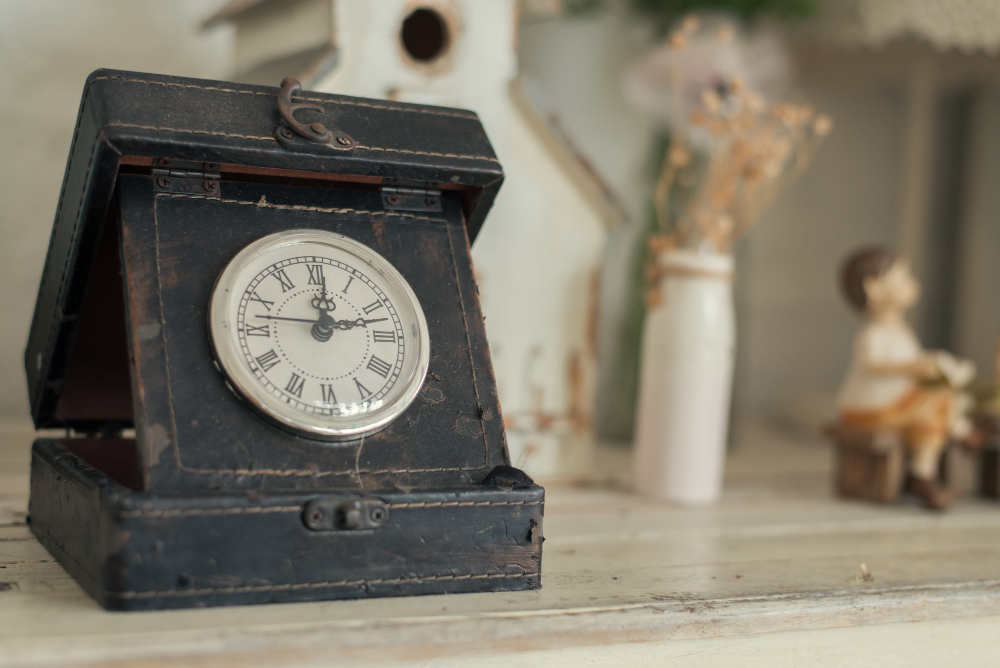
Three or four clocks, one person and a job that never finished. Here are twelve.
1. The Key Living Somewhere Specific

A small brass key kept inside the case, on the mantelpiece behind something, or in a drawer that was not for keys.
Losing it was a serious household event because no other key fitted.
Like our content? Follow us for more.
2. Sunday Being the Day
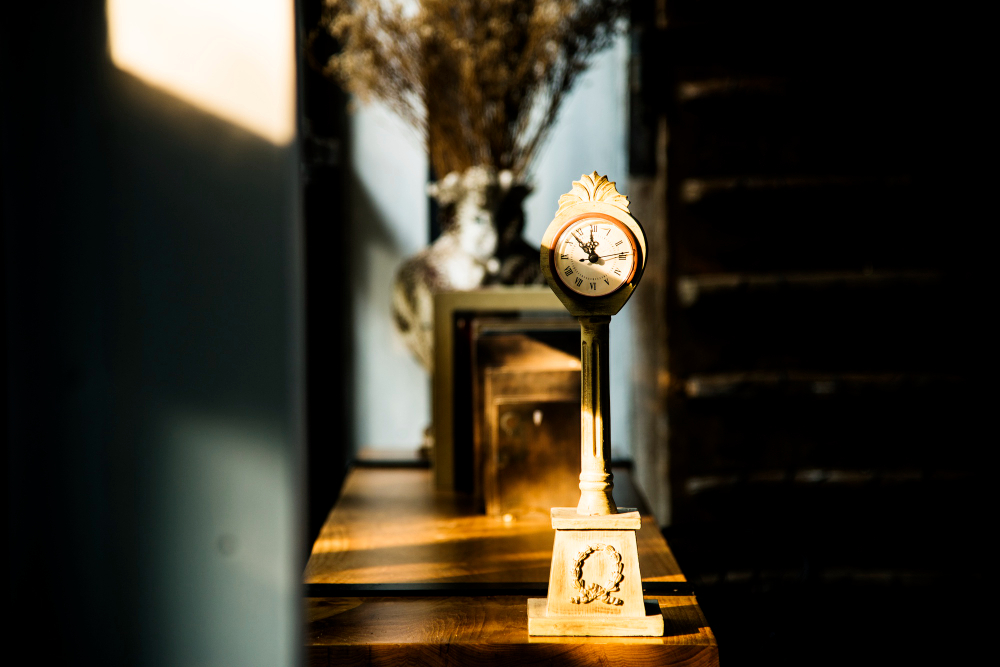
The winding happened on a fixed day, usually as part of a routine that included several other small jobs.
Nobody decided this and everybody knew it.
3. The Number of Turns Being Known
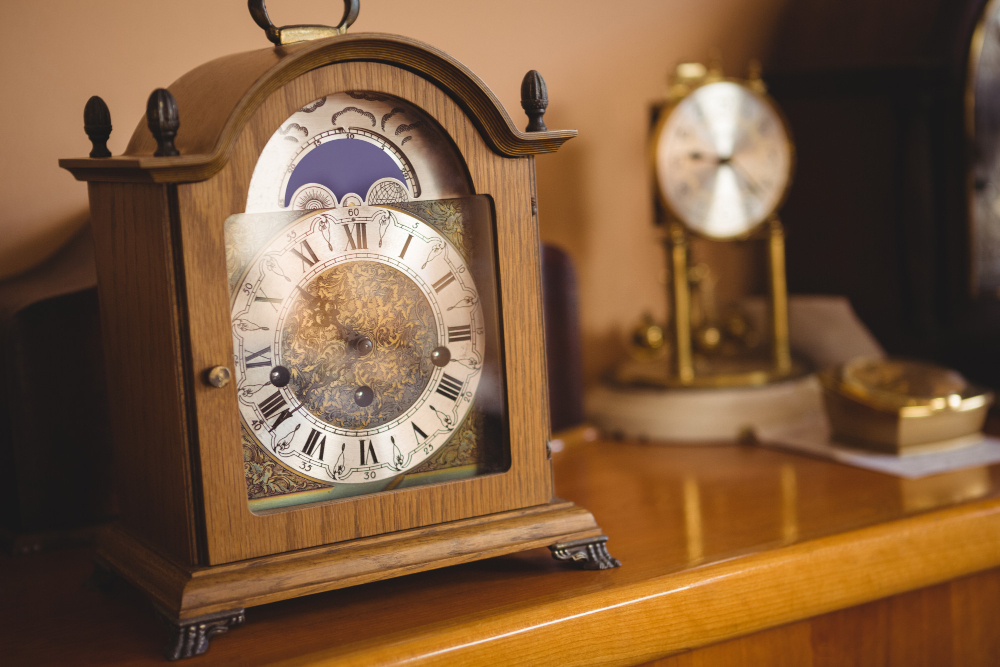
Wound until it stopped, or a counted number of turns, with a distinct change in resistance near the end.
Overwinding was spoken about as a real danger and it was mostly a myth.
4. Two Winding Holes and Only One Being the Time
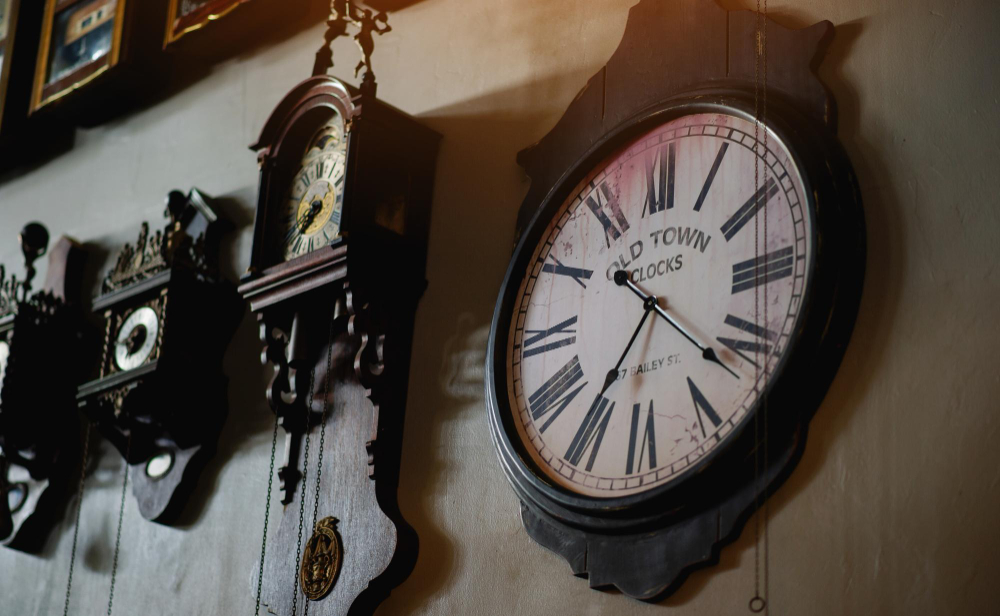
One drove the timekeeping and the other drove the chime, and they ran down at different rates.
Winding only one produced a clock that kept perfect time in silence.
5. Setting It by the Radio
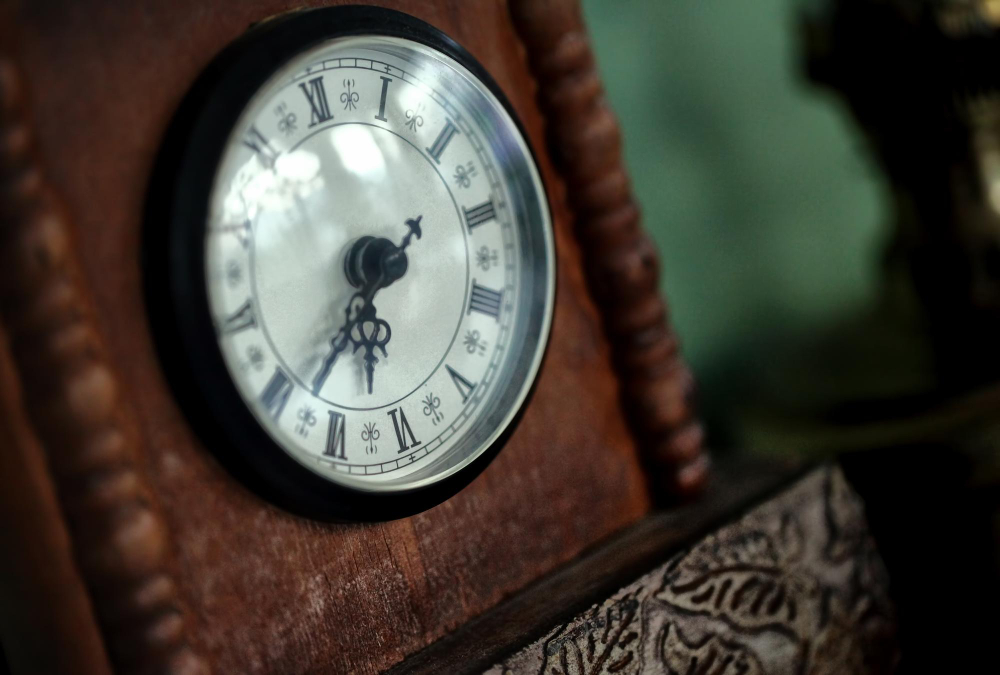
The correct time arrived once a day from somewhere official, and the clocks were adjusted against it.
Everybody in the house waited for the pips with a hand on the minute hand.
6. Never Moving the Hands Backwards
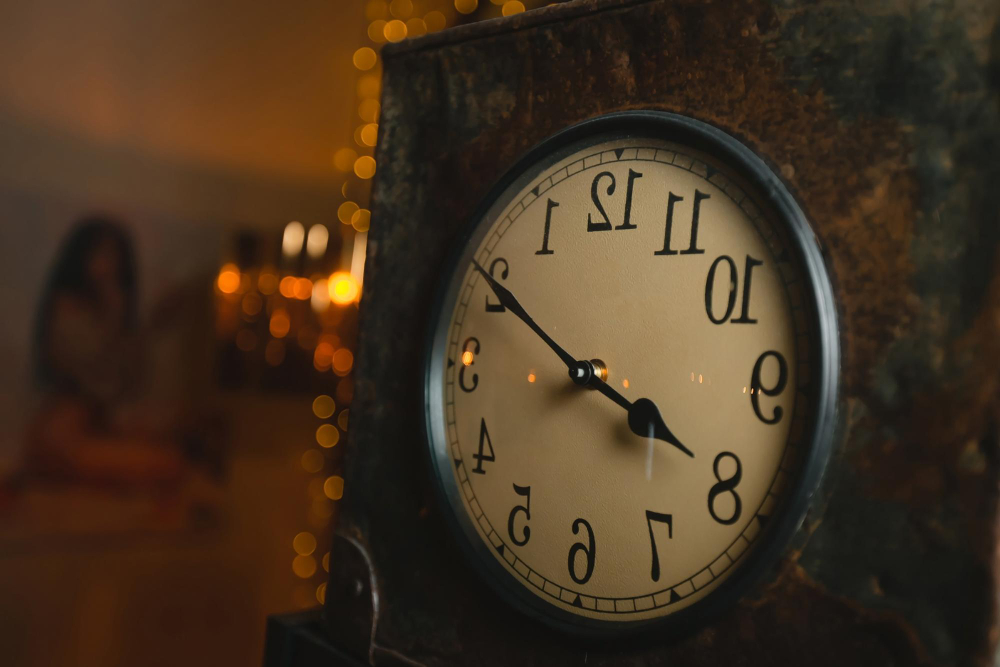
A rule stated firmly and repeatedly, because on a striking clock it could damage the mechanism.
Going forward eleven hours was considered preferable to going back one.
7. Waiting for the Chime to Finish
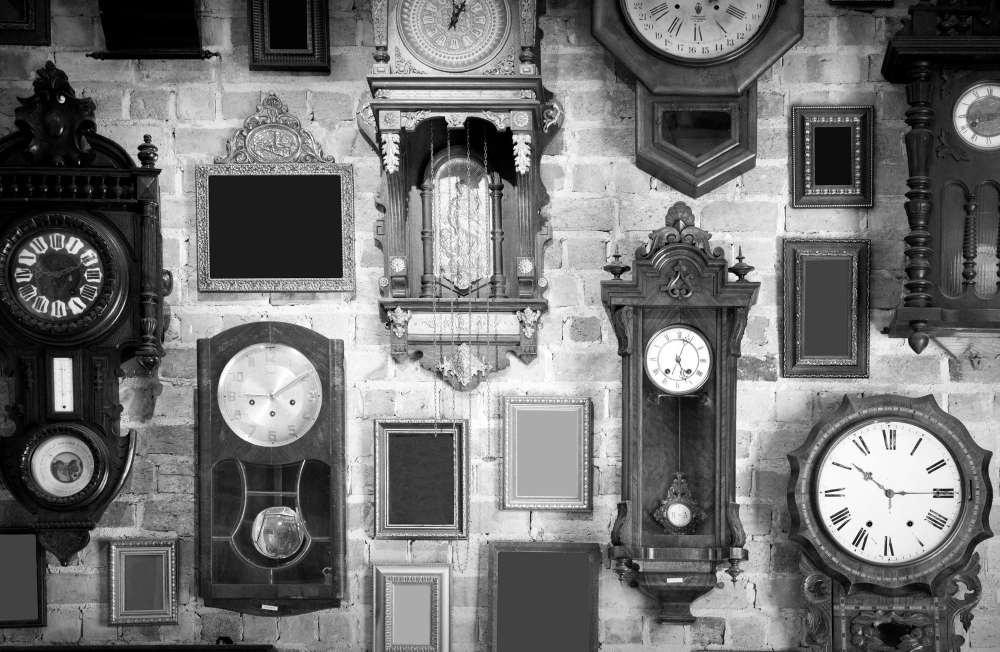
You could not move the hands past an hour without letting it strike, so setting it took several minutes.
The clock had to be allowed to say the wrong time out loud before it was permitted to say the right one.
8. It Being Ahead or Behind on Purpose
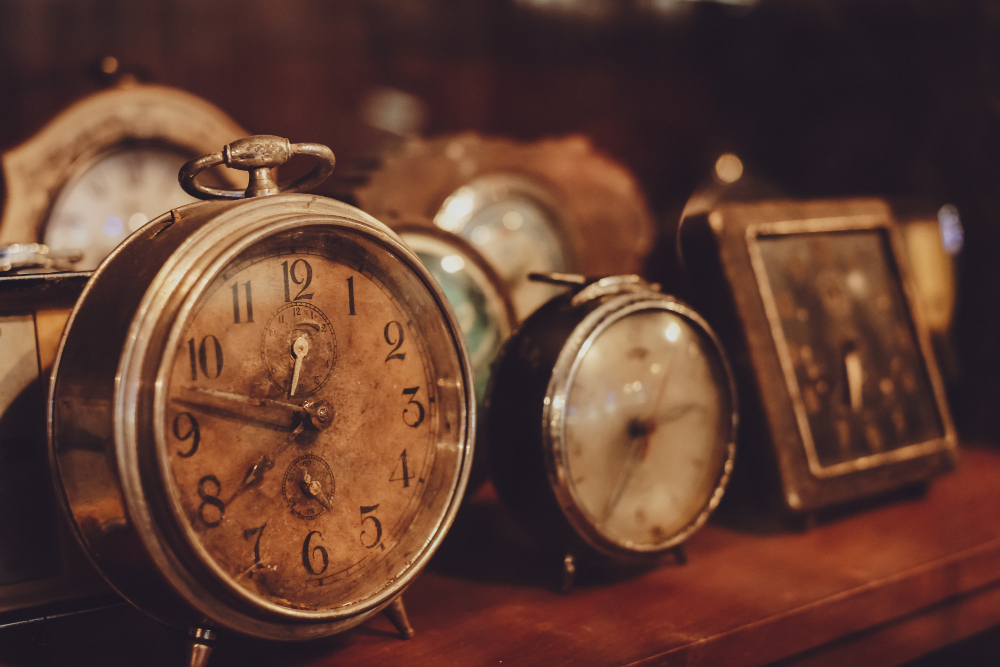
One clock in the house was deliberately set fast, by an amount everybody knew and applied automatically.
It worked, which is the strange part.
9. Nobody Else Being Allowed to Do It
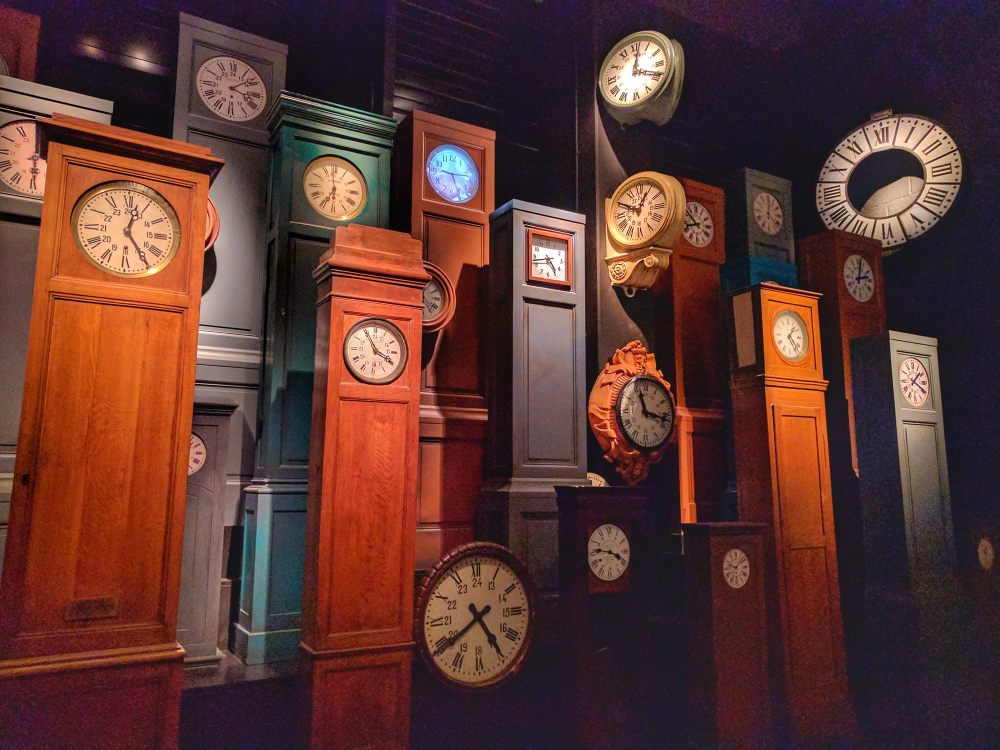
One person wound them, and offers of help were declined on the grounds that it required a particular touch.
They were probably right, and it was also plainly about something other than the clocks.
10. The One That Had to Be Level
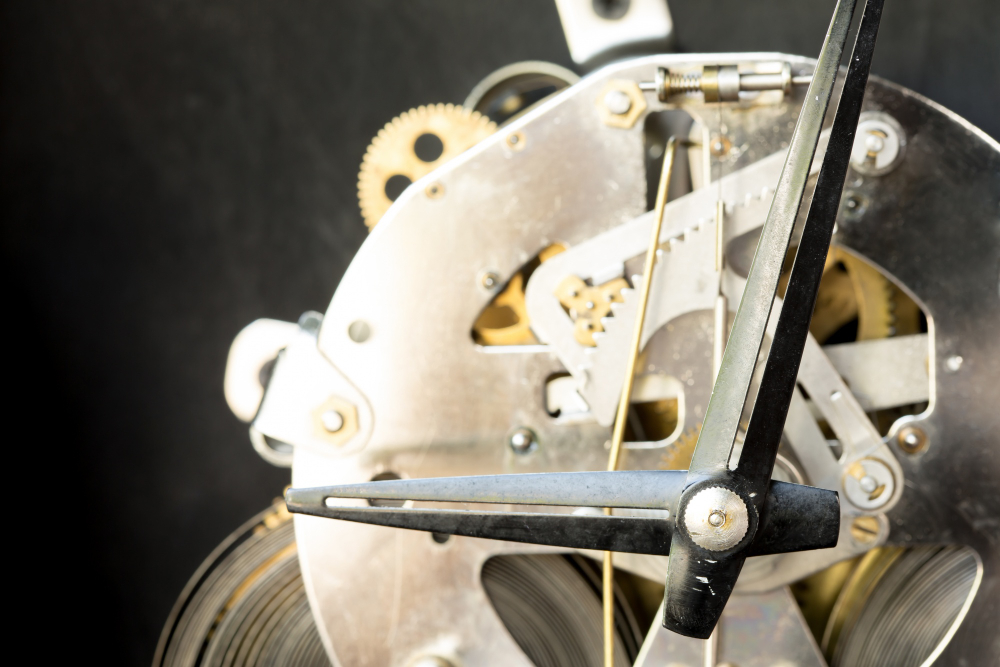
A long-case or wall clock that would not run unless it sat exactly right, adjusted with a folded card underneath.
Moving it even slightly meant an evening of getting it going again.
11. Something Being Written Inside the Case
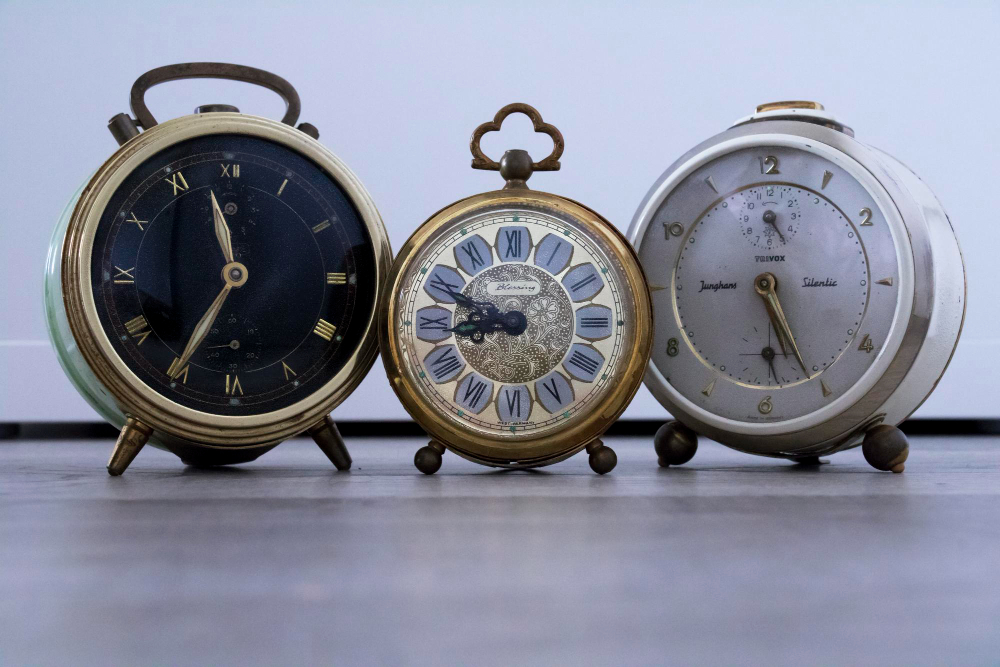
A pencilled note from a repairer with a date, sometimes several of them going back decades.
It was the only maintenance record the object had.
12. The Silence When It Stopped

Somebody went away, or forgot, and the clocks wound down one after another over several days.
Coming back to a house of stopped clocks was a specific and unsettling thing.
Three Clocks and One Person Who Wound Them
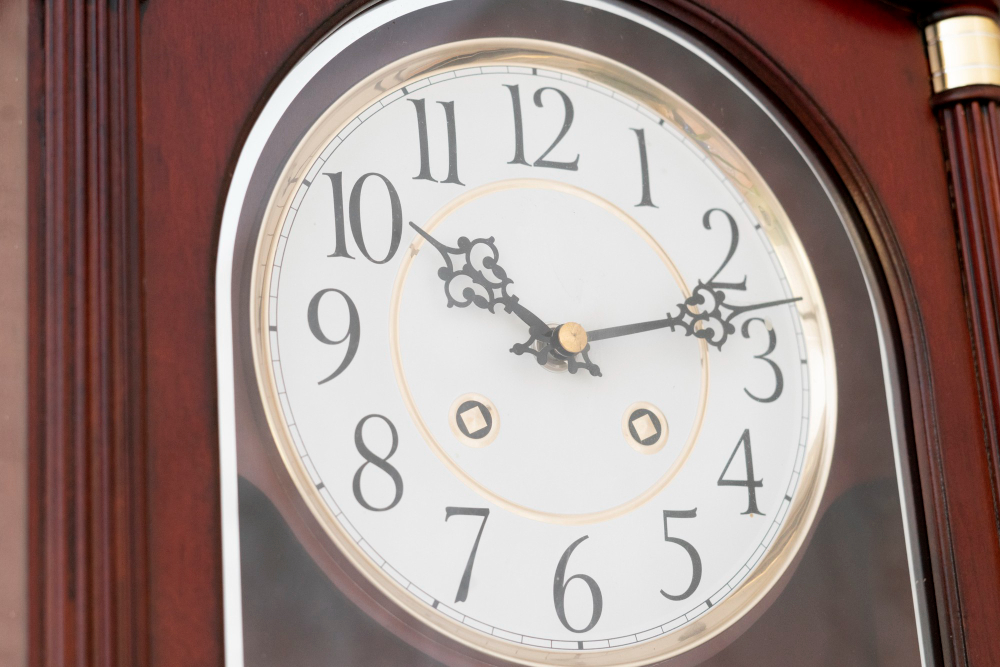
A key kept somewhere only one person knew, a fixed day for the job, two winding holes doing different things, waiting for a chime to finish before setting the hands and a house that went quiet when nobody was there.
The twelfth item is the one people describe most vividly. Returning to a house where every clock had wound down and stopped, each at a different time, is the clearest possible demonstration that a mechanical clock is not measuring time so much as being kept going by somebody.
Like our content? Follow us for more.