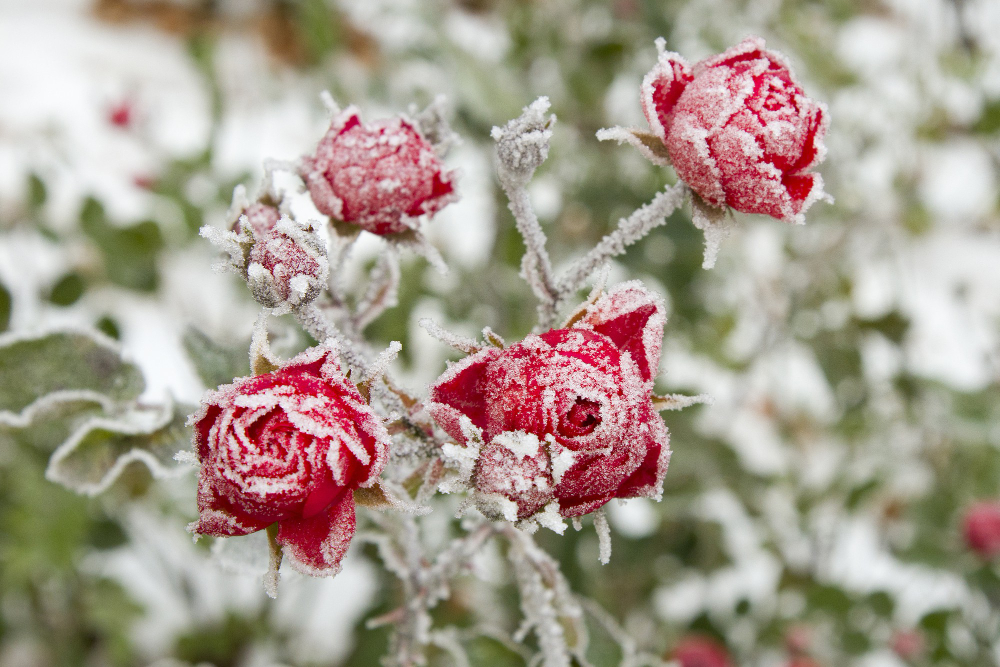
A few metres can be worth a couple of degrees and three weeks. Here are fourteen.
1. A Wall Facing the Sun Is a Storage Heater
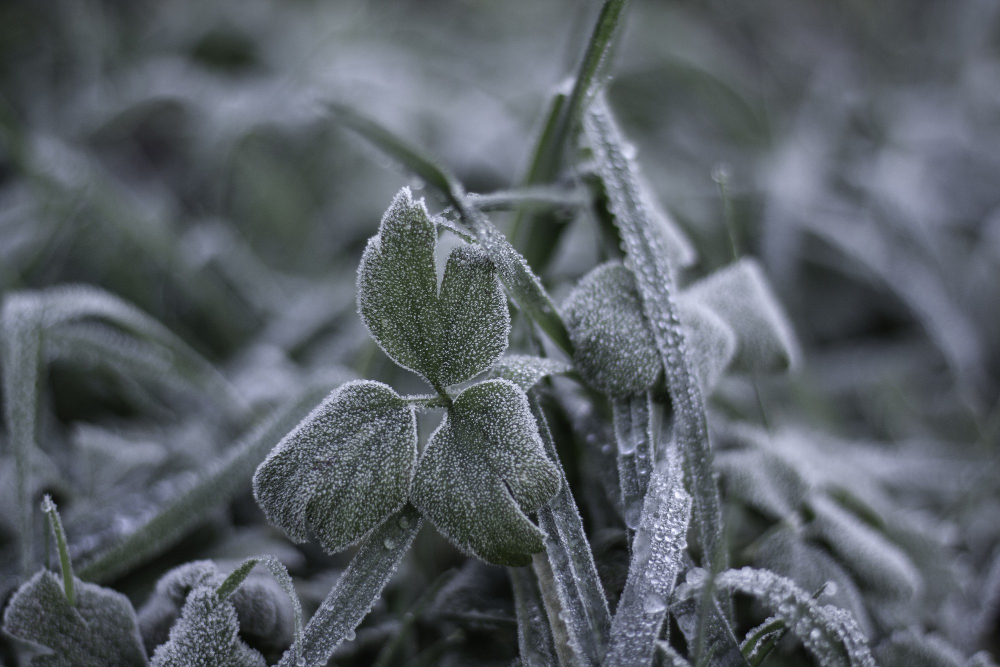
Masonry absorbs heat through the day and releases it slowly overnight, keeping the air beside it warmer for hours after dark.
The effect is largest on a dense wall and negligible on a fence.
Like our content? Follow us for more.
2. Which Is Why Fruit Was Always Grown Against One
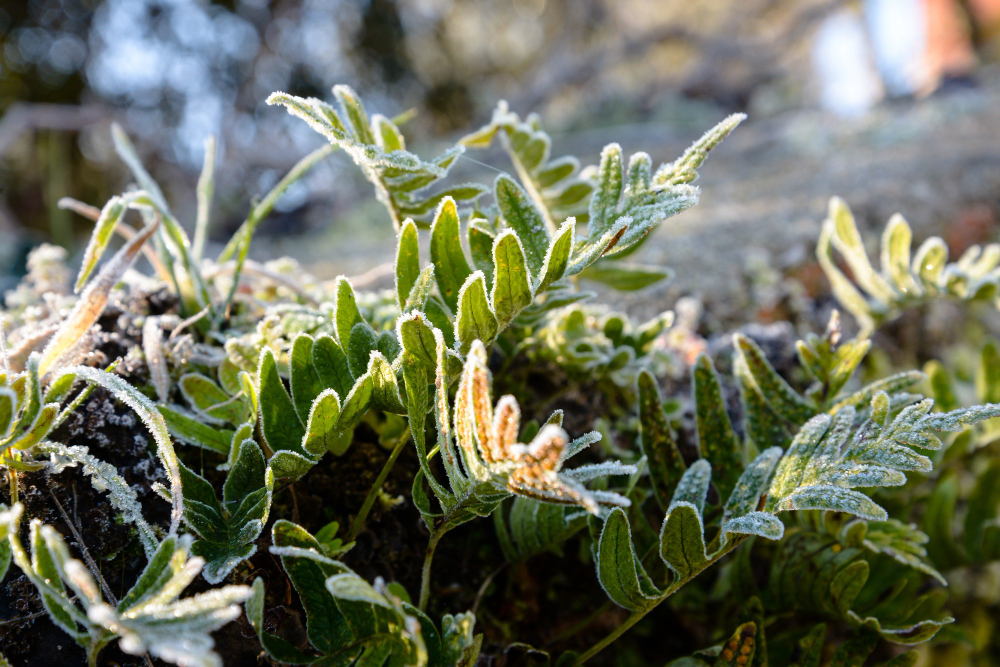
Trained fruit on a sun-facing wall gets the direct sun, the reflected light and the stored night heat at once.
Whole walled gardens were built to exploit exactly this.
3. Cold Air Flows Downhill Like Water
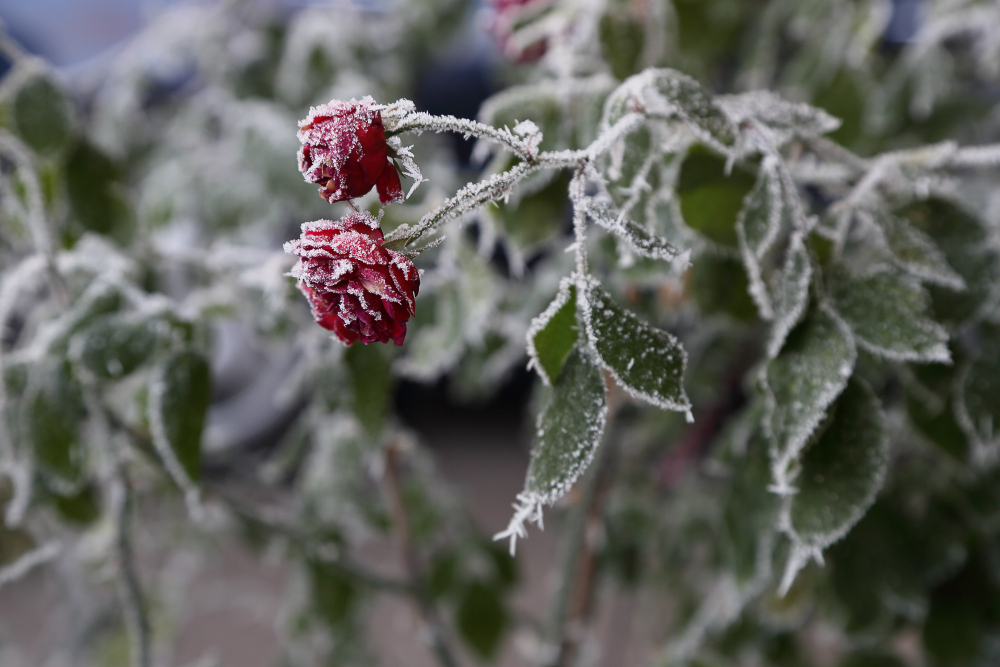
Air chilled by contact with the ground is denser and drains downslope overnight, collecting in the lowest place available.
This is drainage rather than wind, and it happens on still nights when nothing appears to be moving.
4. A Solid Fence Across a Slope Makes a Frost Pocket
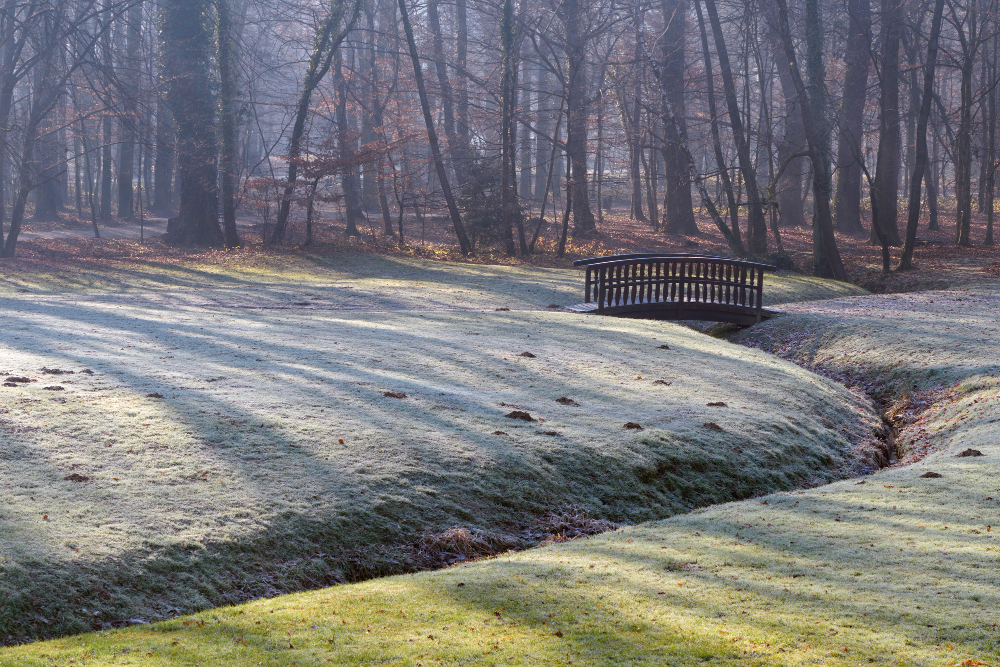
Anything that dams the downhill flow of cold air ponds it behind itself, and the ground there freezes first and hardest.
A hedge with a gap at the bottom lets it through; a close-boarded fence does not.
5. So the Bottom of a Garden Is Often the Coldest Part
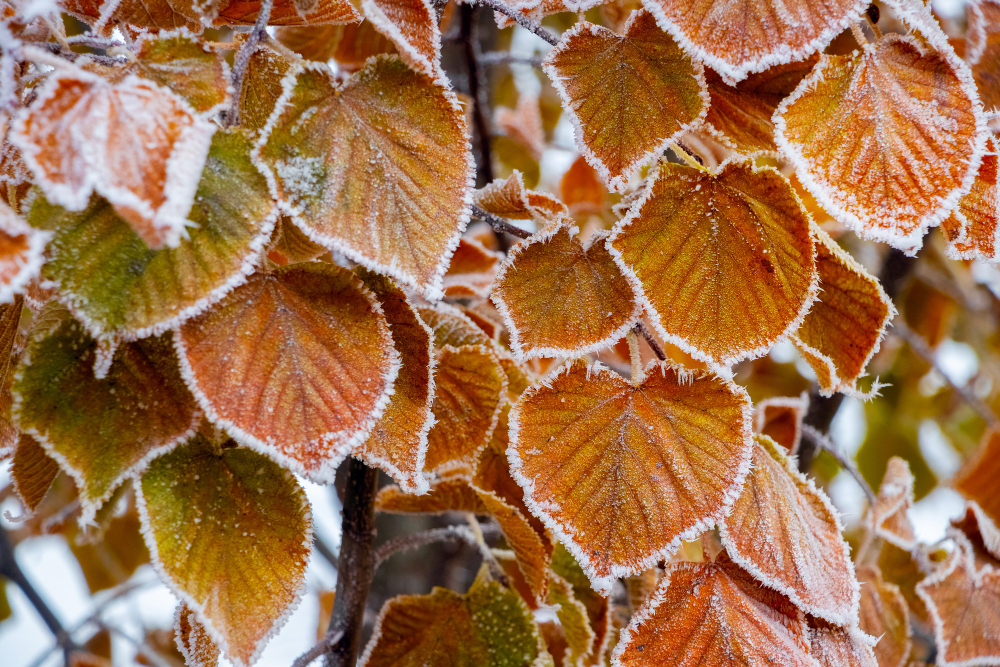
On a sloping plot the lowest corner regularly records the first and last frost of the year.
Two identical plants at the top and bottom of one garden can be a fortnight apart in spring.
6. Open Sky Overhead Is What Lets Frost Form
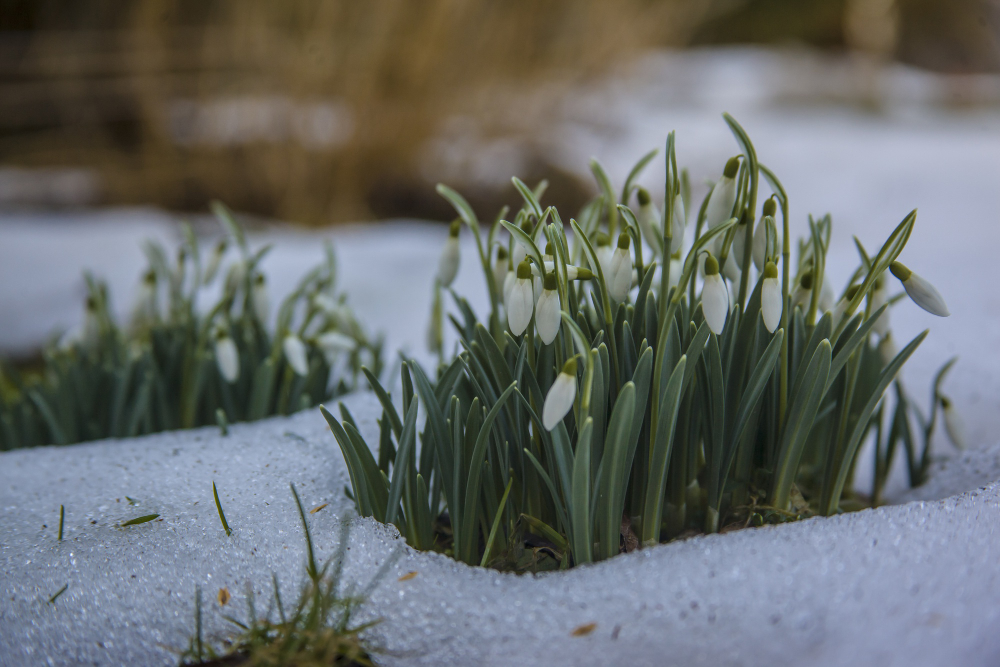
Ground loses heat overnight by radiating it straight out to the sky, and it can only do that where the sky is open.
A clear still night is a frost night for exactly this reason.
7. Which Is Why Nothing Under a Tree Gets Frosted
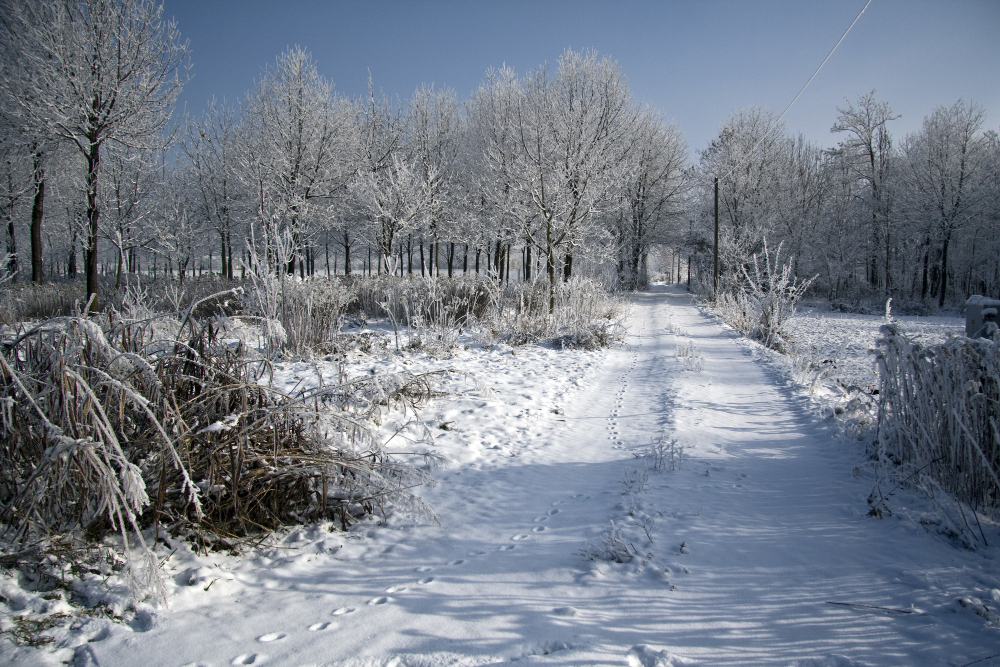
A canopy overhead intercepts that outgoing radiation and returns some of it, so the ground beneath stays warmer.
The unfrosted patch under a tree on a white morning is the clearest demonstration of the mechanism there is.
8. A Gap Between Buildings Is a Wind Tunnel
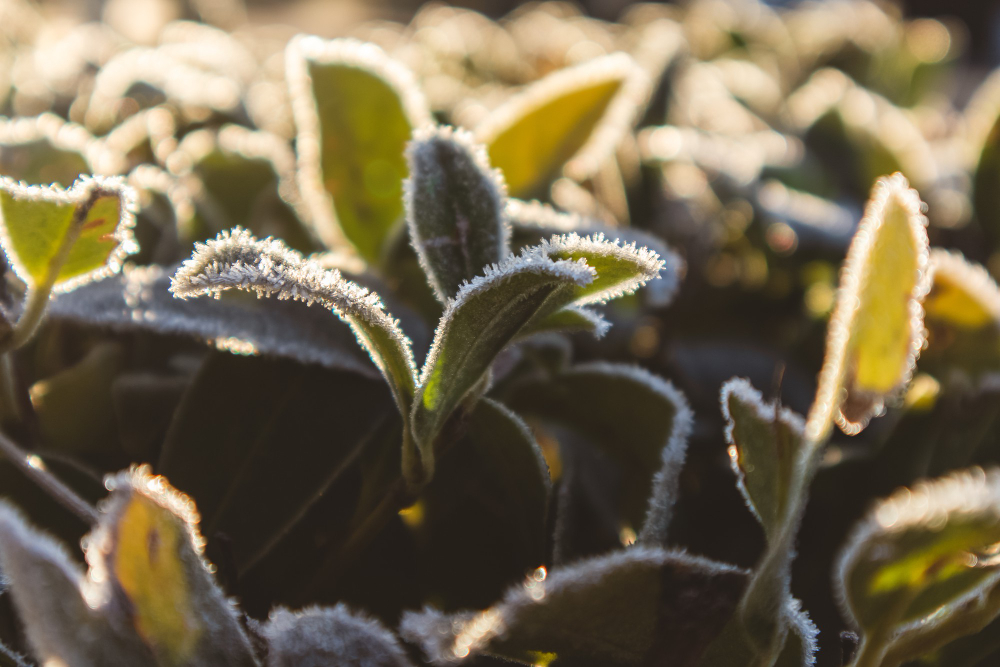
Air forced through a narrow opening between solid obstructions accelerates, sometimes well above the speed in the open.
Plants in that gap are dealing with wind nothing else in the garden experiences.
9. A Solid Barrier Makes Turbulence Rather Than Shelter
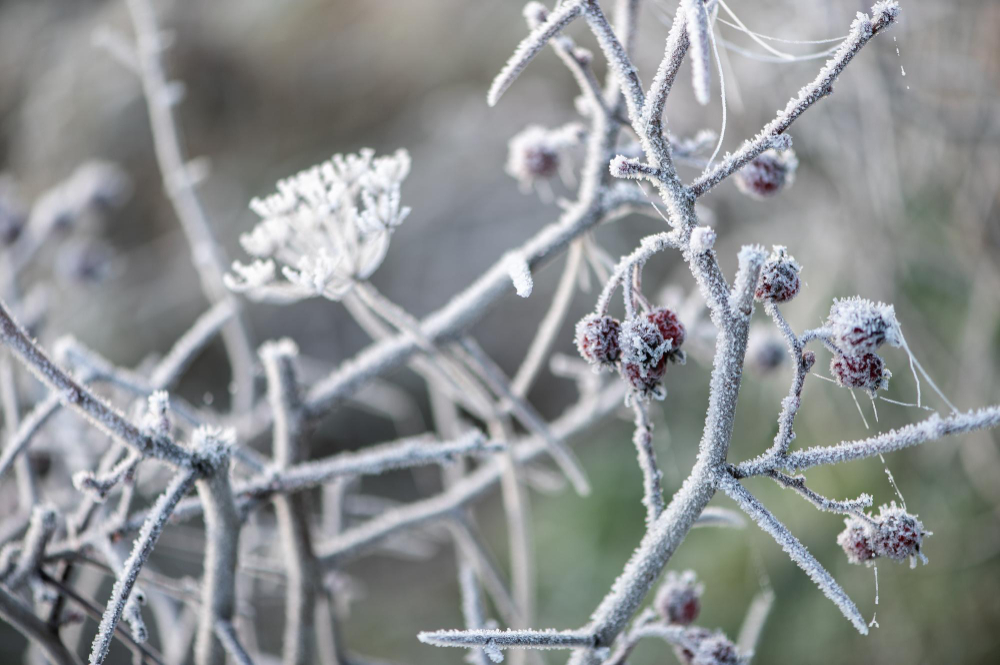
Wind hitting a solid fence lifts over it and crashes down behind, so the sheltered zone is short and unstable.
A permeable barrier that lets some air through gives calmer conditions over a much greater distance.
10. Paving Changes Both the Heat and the Water
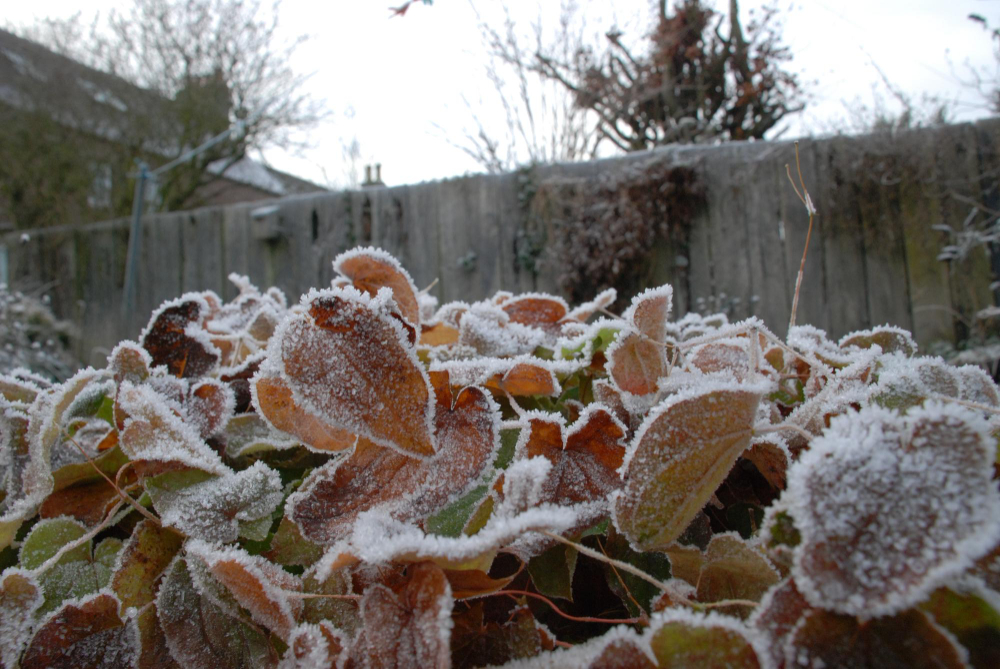
Hard surfaces store more heat than soil and shed rainfall instead of absorbing it, so the ground beside them is warmer and drier.
The strip along a path is a different growing environment from the middle of a bed.
11. A North-Facing Bed Is Not Just Darker
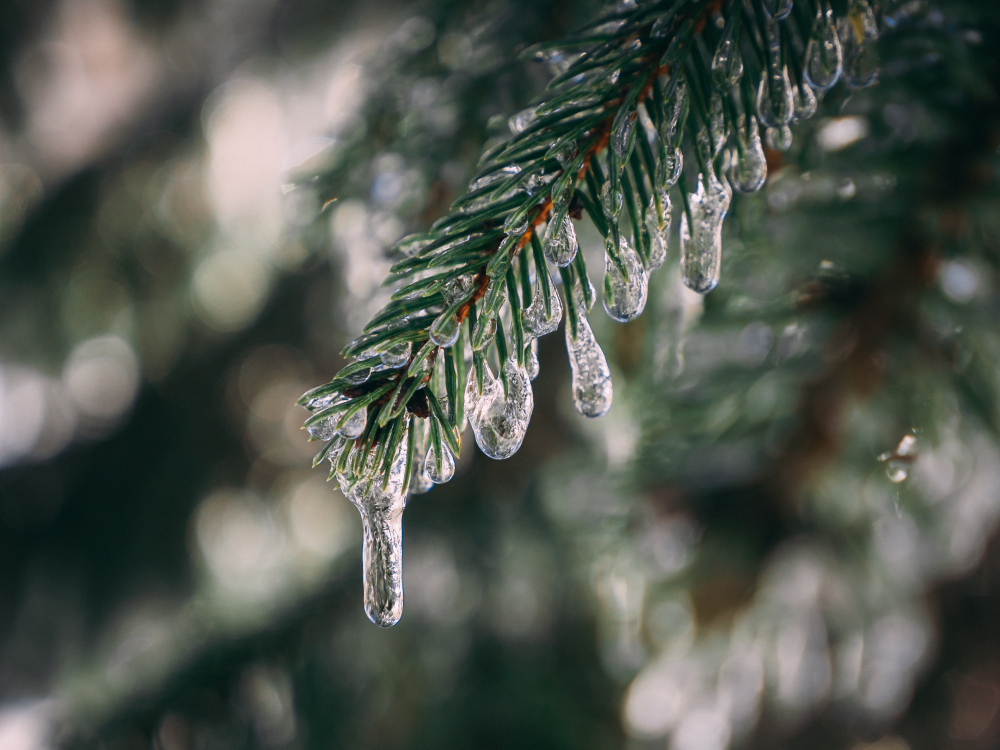
It receives less direct sun and warms more slowly in spring, so its whole season starts later and finishes earlier.
It is also more even, with less scorching and less drying, which suits a different set of plants entirely.
12. Shade Moves Through the Year, Not Just the Day
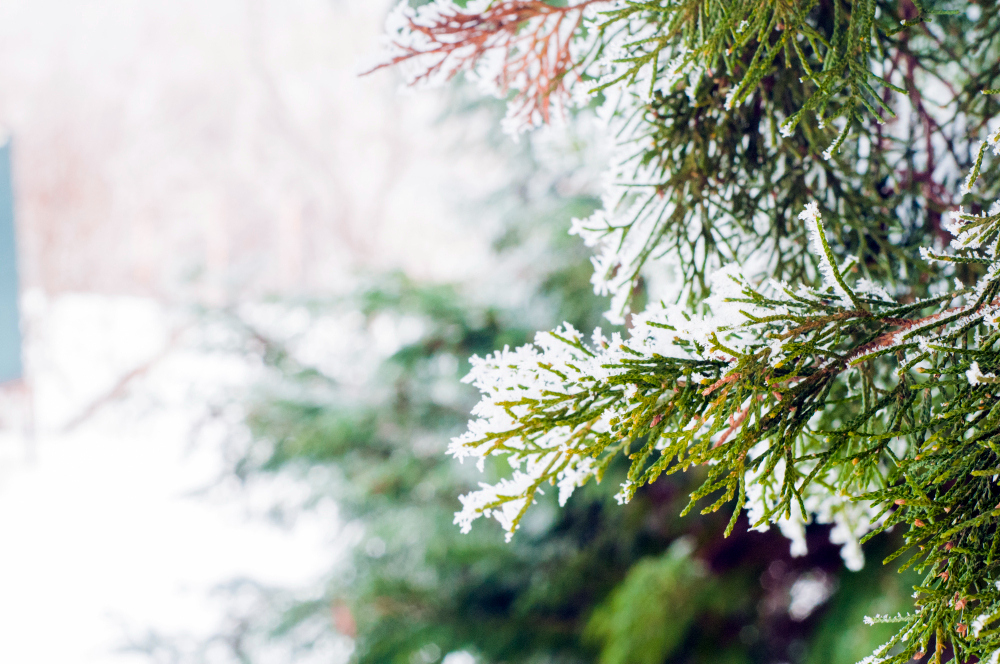
The sun’s altitude changes with the seasons, so a spot in full sun in July can be in permanent shadow in February.
Judging a position in midsummer gives you the wrong answer for half the year.
13. Wet Ground Runs Warmer at Night and Cooler by Day
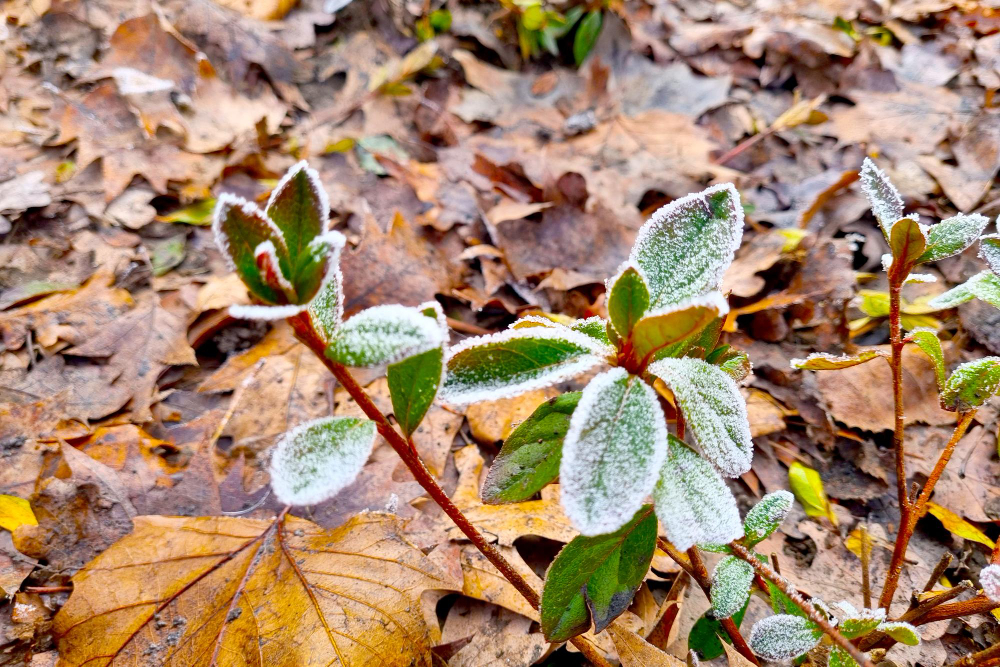
Water takes far more energy to change temperature than dry soil, so damp ground moderates both extremes.
A soil’s moisture is therefore part of its temperature behaviour, not a separate variable.
14. The Whole Garden Is Warmer If the Town Is
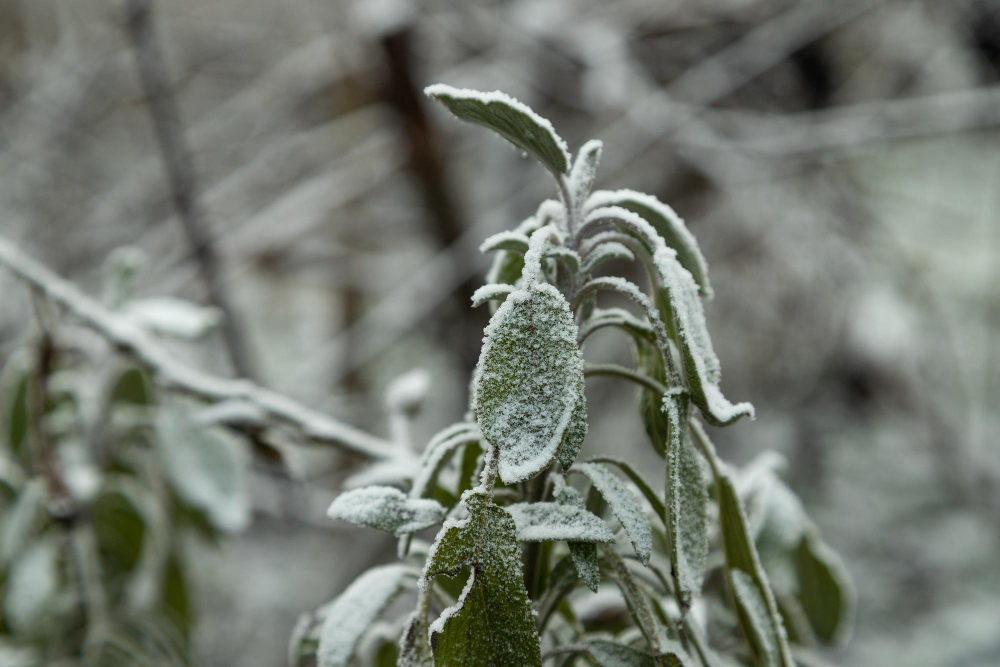
Built-up areas run measurably warmer than the countryside around them, by a margin largest on still nights.
An urban garden may be effectively a zone warmer than a rural one at the same latitude.
Several Degrees Across a Few Metres
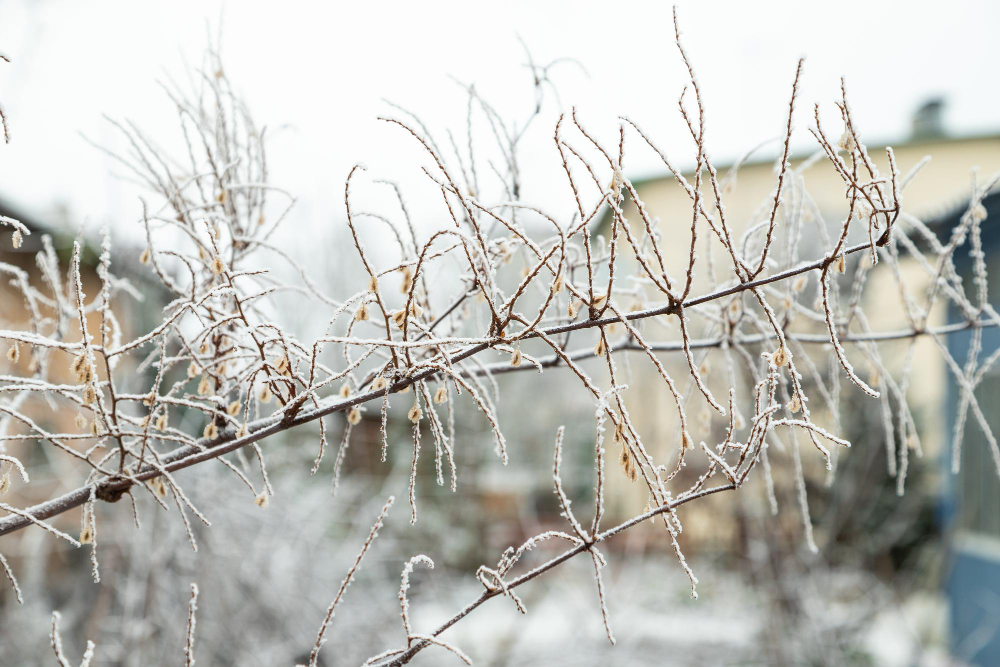
A sun-facing wall storing heat overnight, cold air draining downhill and ponding behind fences, frost forming only under open sky, permeable barriers sheltering further than solid ones and shade that moves with the season.
The sixth and seventh items together explain most frost damage in gardens. Ground freezes by radiating heat away to an open sky, so anything overhead prevents it – which is why a clear still night produces frost everywhere the sky can be seen, and a patch of green survives under a tree while everything around it turns white.
Like our content? Follow us for more.