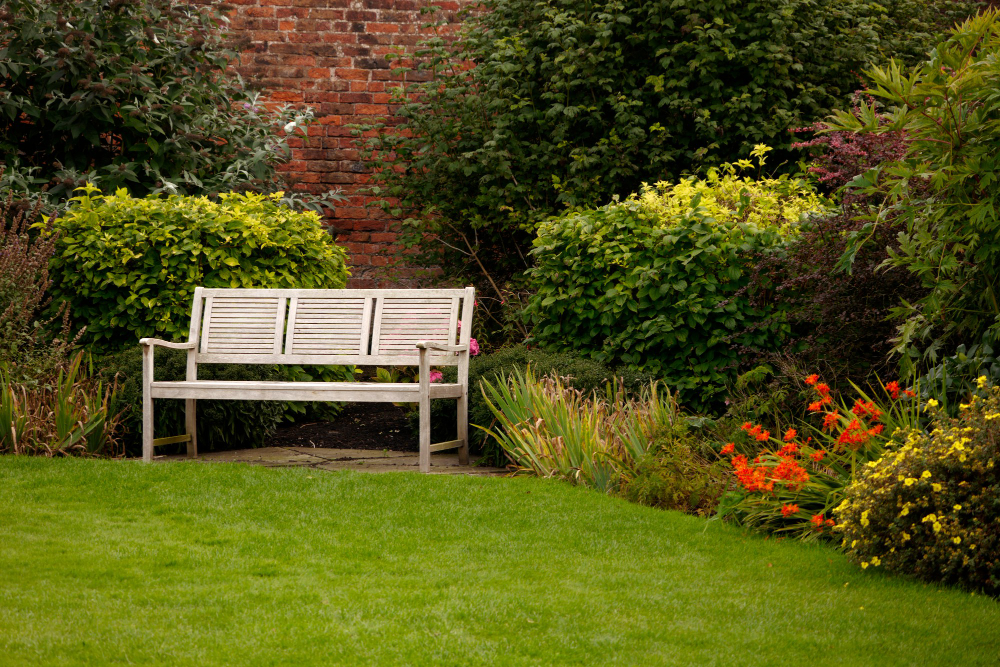
Maintained to a standard, planted facing outward, and sat in by nobody. Here are eleven.
1. It Was Not for the Household
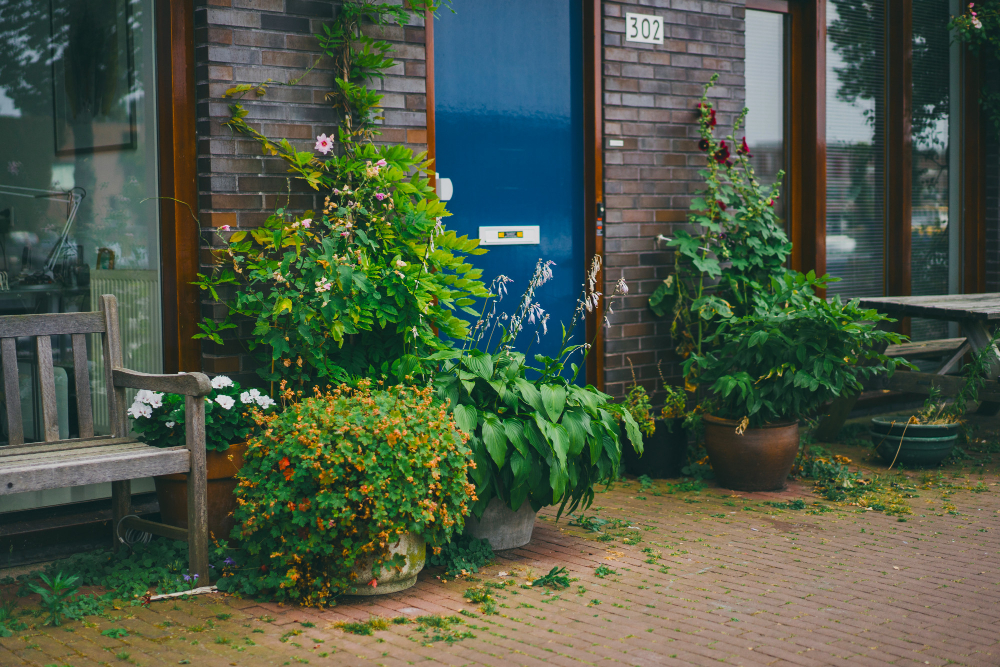
Everything in it faced outward. The flowers were positioned to be seen from the pavement, the edges were cut so they read as straight from the road, and the whole arrangement was composed from a viewpoint nobody in the house occupied.
It was the household’s public face, maintained at some cost in time, for an audience of passers-by and neighbours. The useful garden, if there was one, was round the back.
Like our content? Follow us for more.
2. The Gate Was Never Closed
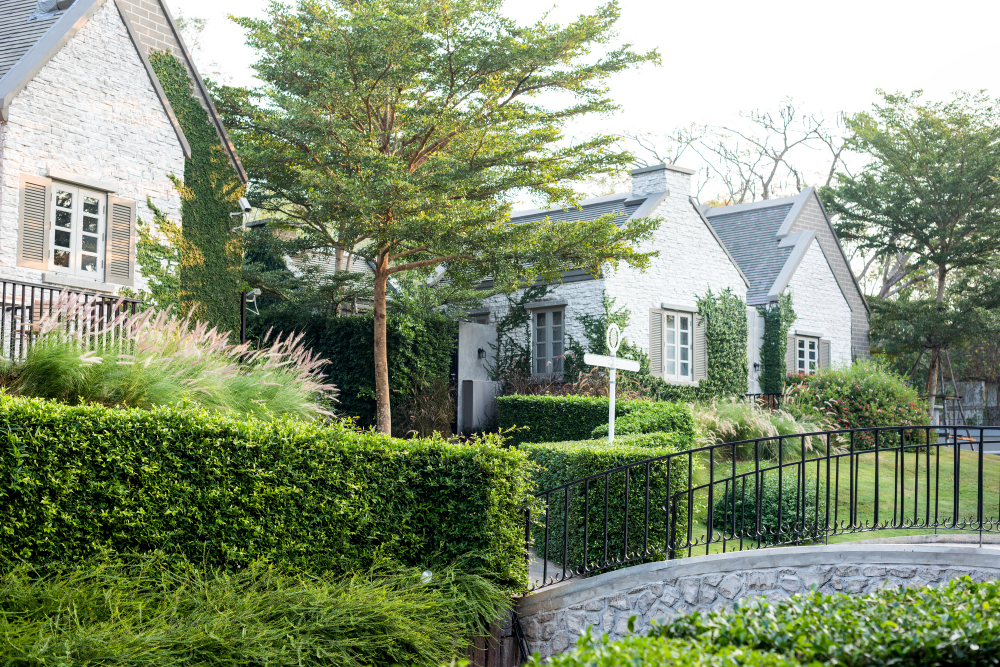
Almost every front garden had a gate, and almost every gate stood permanently open, pushed back against the wall and frequently rusted or seized in that position.
It existed to mark a boundary rather than to control movement. A gate that is visibly a gate does the work whether or not it is ever shut, which is why so many were never repaired when the catch broke.
3. The Wall Was Lower Than It Looked
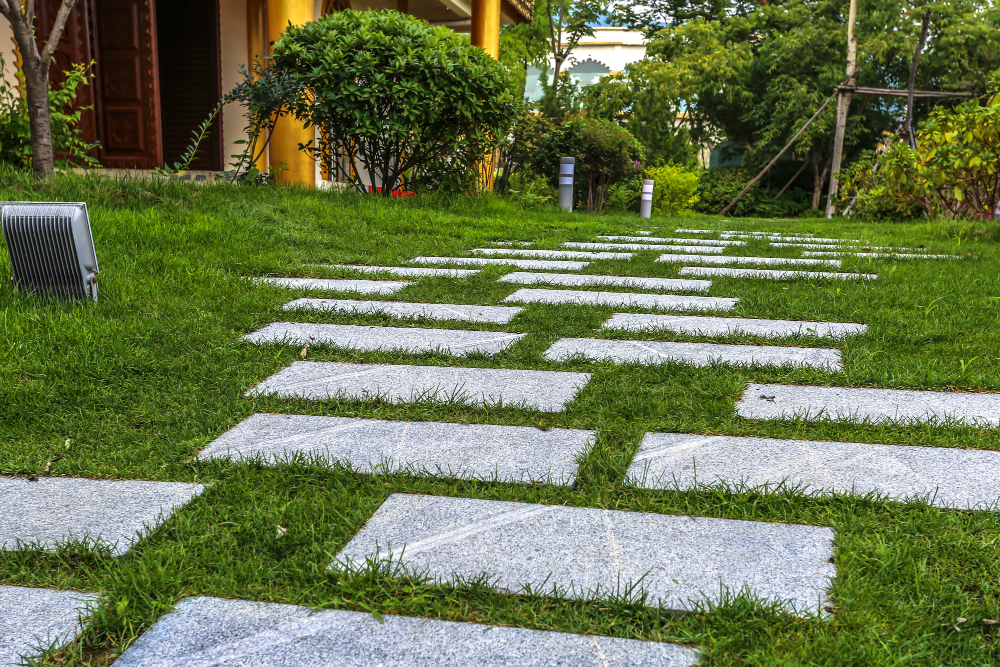
Typically knee-high to waist-high, in brick or stone, sometimes with a row of coping on top and a gap for the path, and no attempt whatsoever at security.
Many were taken down in the middle of the last century and never replaced, leaving only the low stub course and the gate posts, which is why you can still see where they were.
4. The Hedge Was Privet, and It Was Somebody’s Job
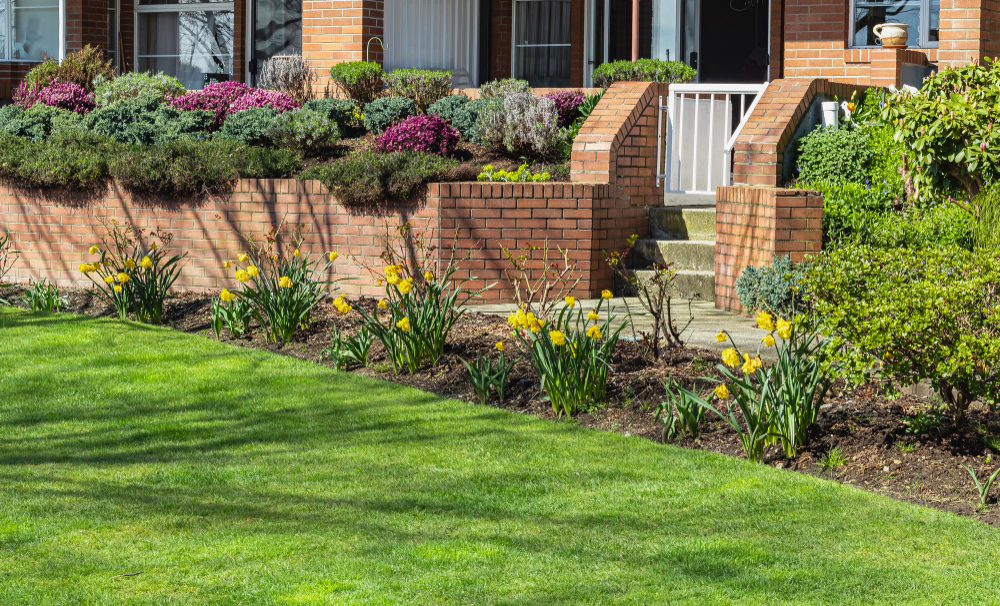
Dense, dark green, fast-growing, tolerant of pollution and of being cut into a rectangle, and present in front of a remarkable proportion of all houses.
It needed cutting several times a year, by somebody with shears and a plank laid across the top as a guide, and the job always belonged to one specific person in the household.
5. The Path Was the Only Part Used
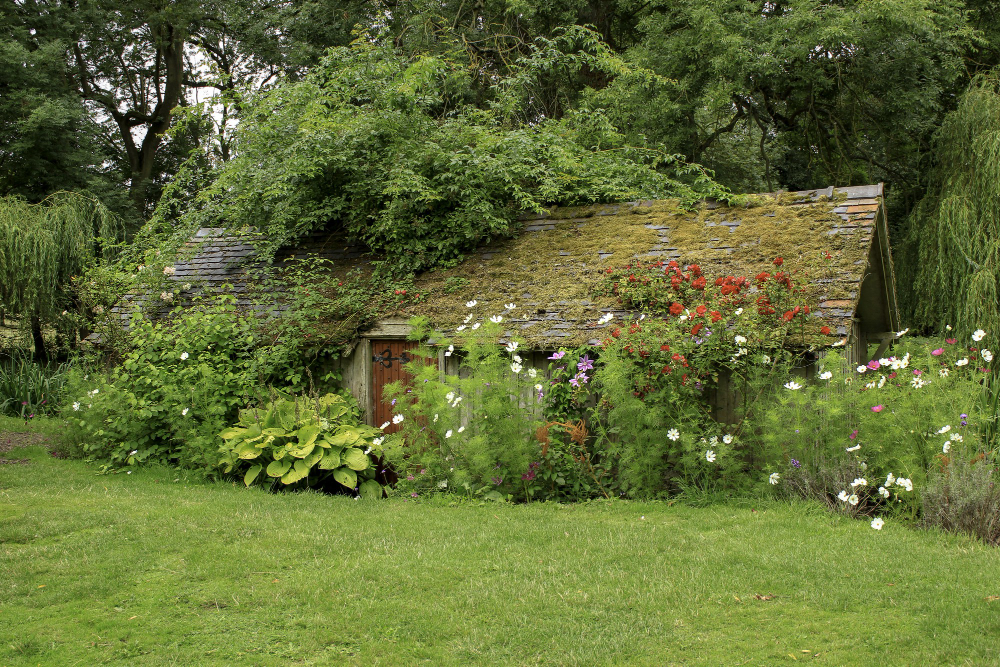
A strip from the gate to the door, three or four paces long, and the only part of the whole garden that anybody set foot on in a normal week.
Everything else was looked at. This is the most complete separation between function and maintenance anywhere in a house: the ground that was cared for most was the ground that was walked on least.
6. The Strip Under the Window Was a Separate Problem

Between the window and the hedge there was usually a narrow bed that got almost no sun, was rained on from the gutter, and grew nothing reliably.
It was the part everybody gave up on. It ended up with gravel, a shrub that survived everything, or a pot that was moved around in the hope of finding somewhere it would do better.
7. Net Curtains Were the Other Half of the Arrangement
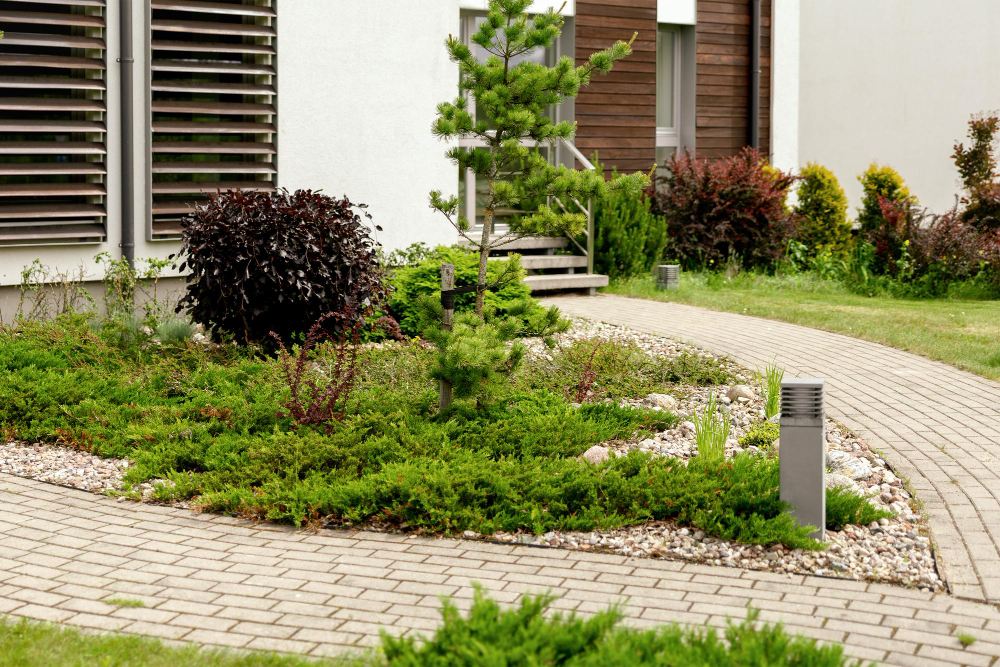
The front room looked out onto the street, which meant the street looked back in, and the resolution was a layer of netting across the window all day.
So the household maintained a garden it could not sit in, in front of a window it could not see out of. The two decisions were the same decision, made for the same reason.
8. The Hedge Was a Boundary Dispute Waiting to Happen
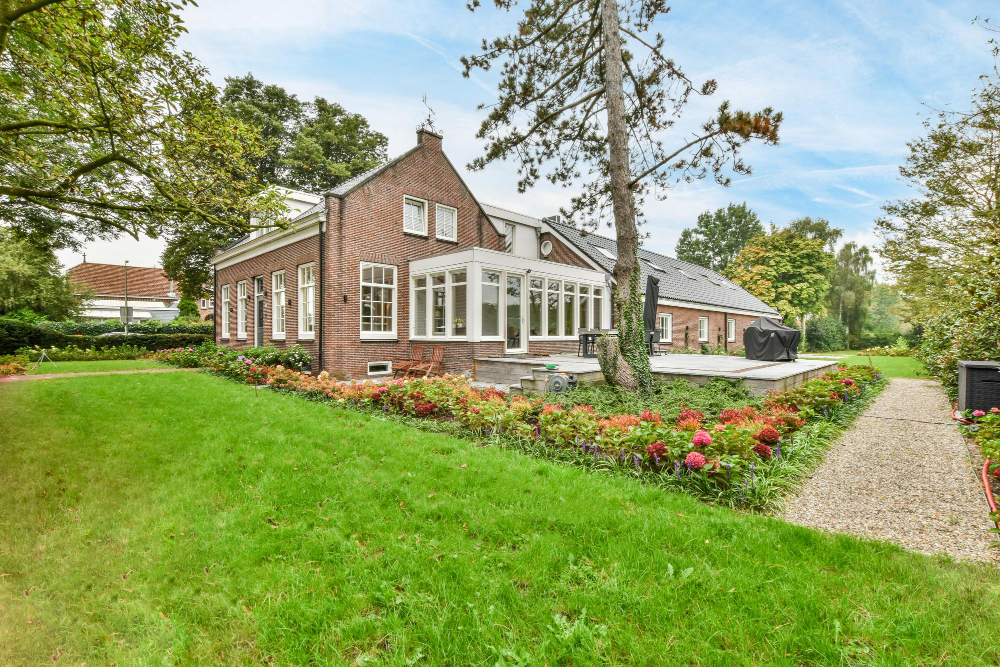
Where two front gardens met, the hedge belonged to one house and overhung the other, and the exact line was known precisely by both parties and discussed by neither.
The vast majority of these arrangements were entirely peaceful for decades. The ones that were not became the defining fact about living in that street.
9. Nobody Ever Sat in It
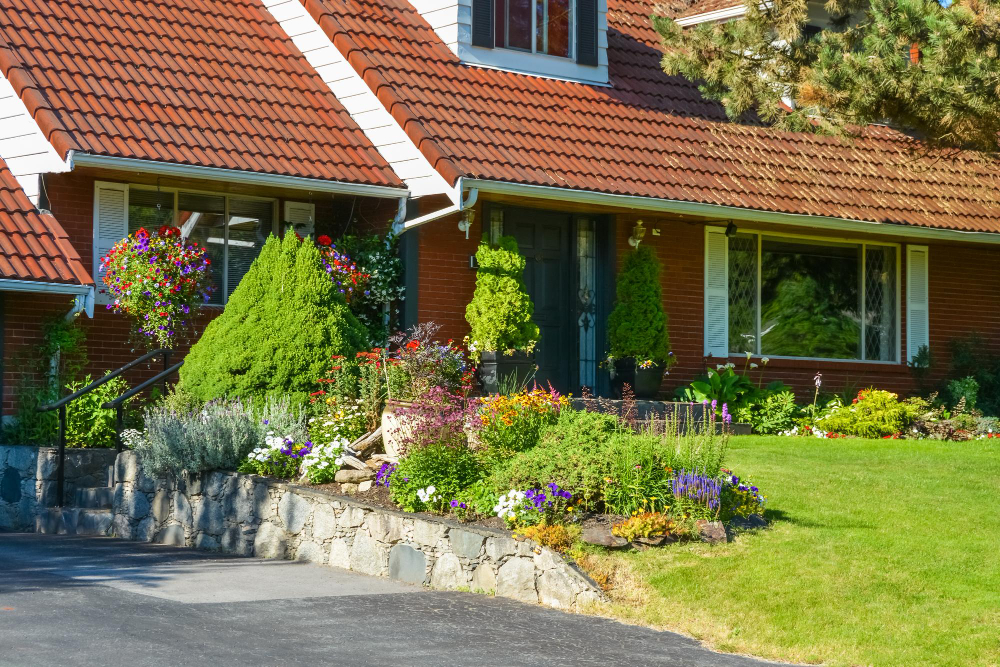
There were no chairs, no table and nowhere to put either, and the idea of sitting in the front would have struck most households as faintly indecent.
Sitting out happened at the back, out of sight. The front was for being seen walking through, briefly, on the way to somewhere else.
10. Then the Car Needed Somewhere to Go
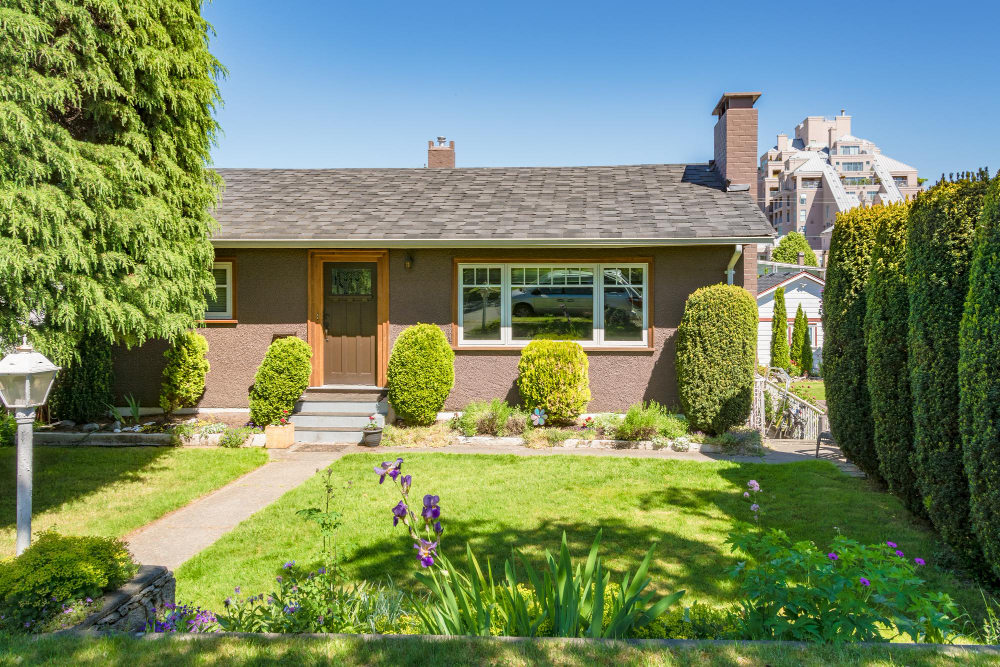
This is what ended most of them. One household paved the front, dropped the kerb and parked on it, and within a decade half the street had done the same.
The wall came out, the hedge came out, the gate went, and what had been a composed green rectangle became a hardstanding with a car on it. It was a rational decision made independently by everybody.
11. And Now It Is Where the Bins Live
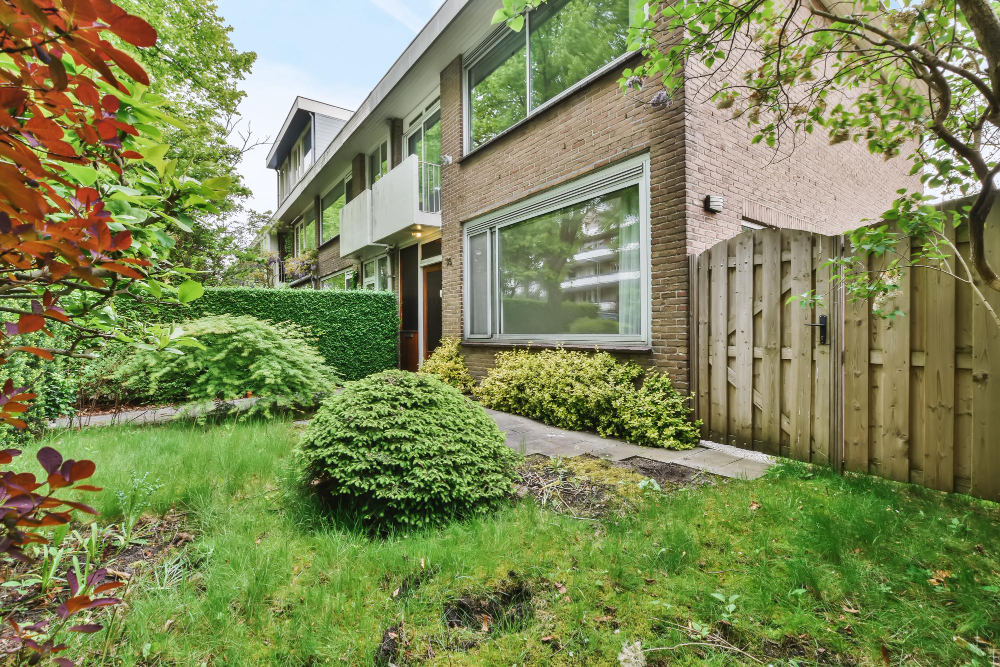
Whatever is left of a front garden is now, in a very large number of houses, the place where two or three wheeled containers stand permanently.
Which is a complete inversion. The piece of ground that existed purely to be looked at by the street is now occupied by the one category of object nobody wants looked at.
A Rectangle Addressed to the Pavement
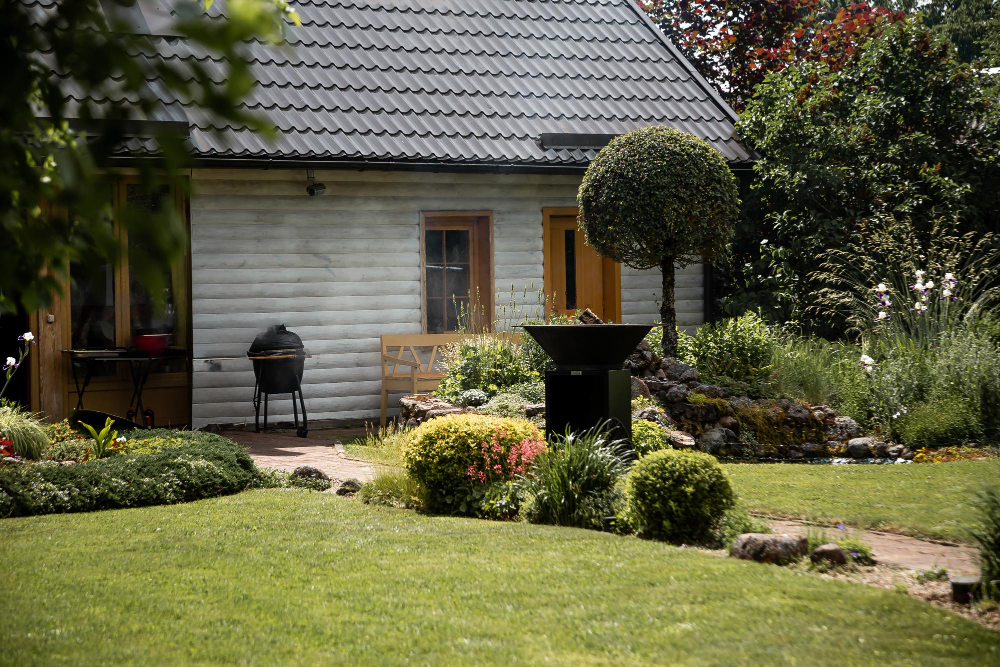
Planting composed for a viewpoint nobody in the house occupied, a gate that was never closed, a hedge that was somebody’s standing job, a path that was the only part used, and a window nobody could see out of.
The seventh item is the one that reframes the rest. The household maintained a garden it could not sit in, in front of a window it had to cover with netting all day – and both of those were the same decision, taken for the same reason, which is that the front of a house belonged to the street rather than to the people living in it.
Like our content? Follow us for more.