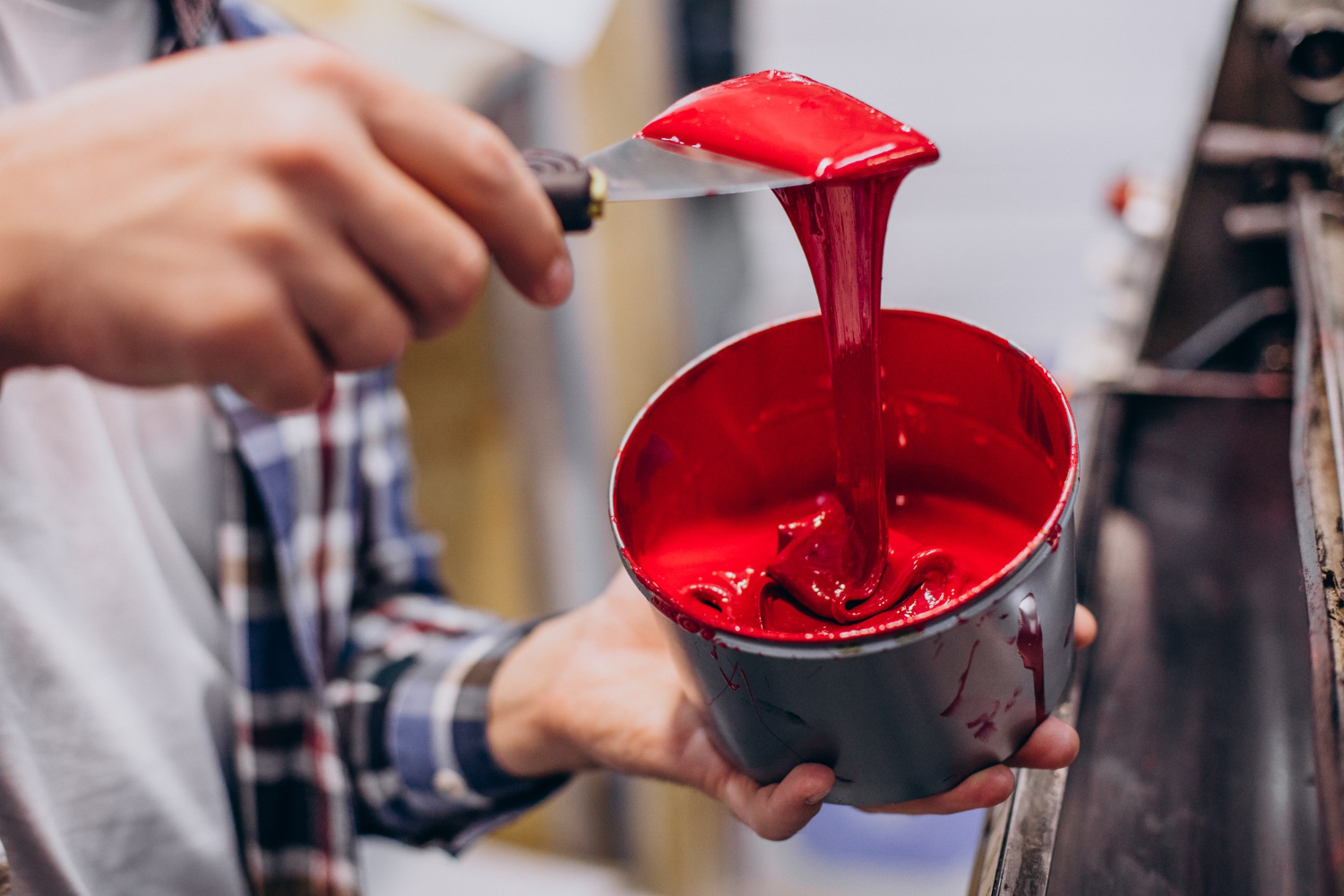
The useful way to think about paint is as a delivery system. The colour cannot stick to anything by itself, so the entire technology is about getting it onto a surface and keeping it there. Here are fourteen.
1. It Is Three Components, Not One
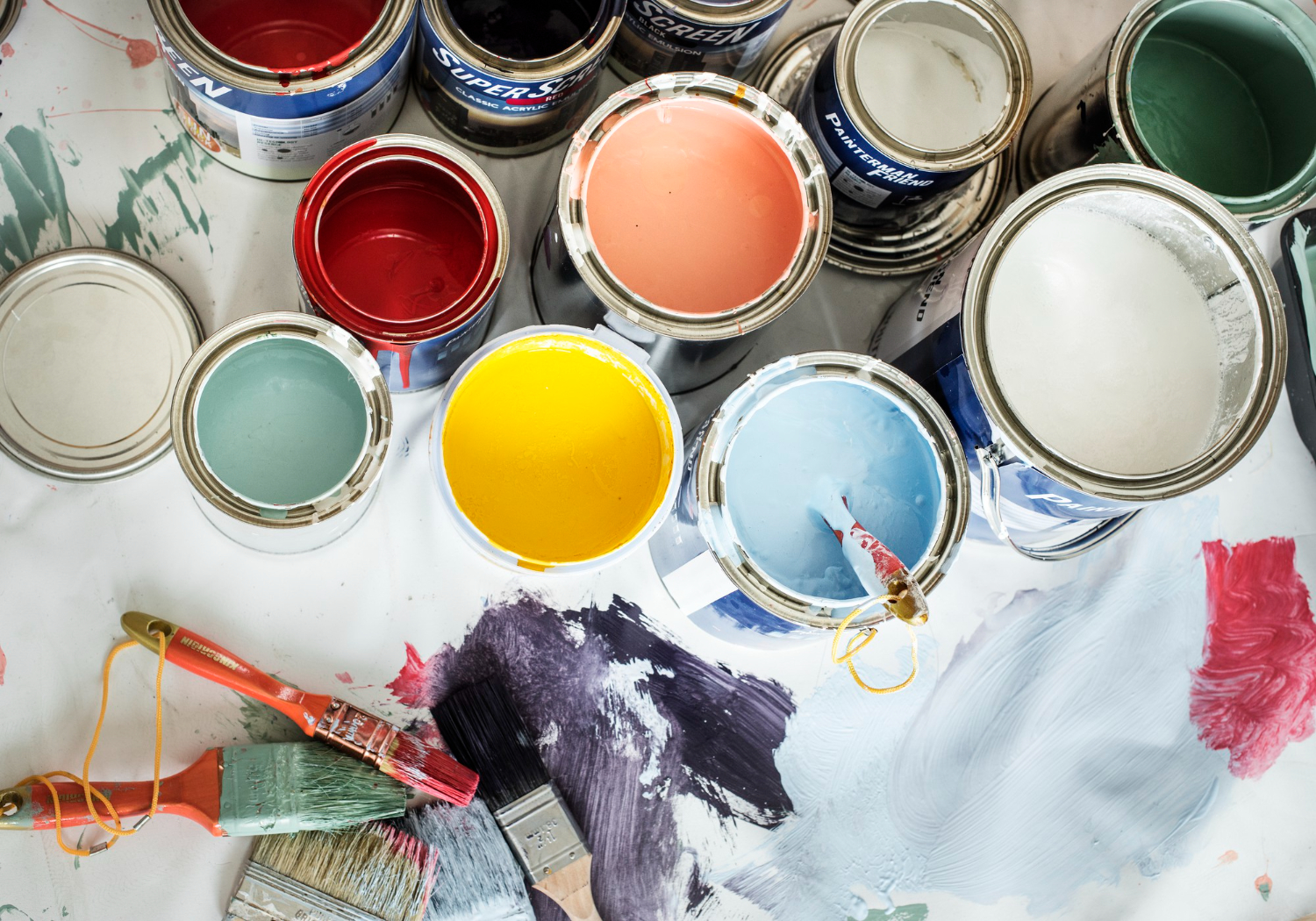
Pigment supplies the colour, a binder holds the particles together and to the surface, and a liquid makes the mixture spreadable before departing.
Change any one and you have a different paint. The three-part structure is the fact that organises everything else.
Like our content? Follow us for more.
2. The Binder Defines the Medium
What distinguishes the major painting materials from one another is almost entirely the binder – oil, gum, egg, acrylic polymer, lime – rather than the pigments, which are frequently identical.
The same blue appears across all of them behaving completely differently. The binder is the component that gives a medium its name and its character.
3. The Pigment Is Suspended, Not Dissolved
Pigment particles are solids held in the mixture rather than dissolved in it, which is why paint can be opaque and why it settles if left standing.
A dye dissolves; a pigment does not. Suspension is the property that separates paint from anything stained.
4. Some Pigments Cover and Some Do Not
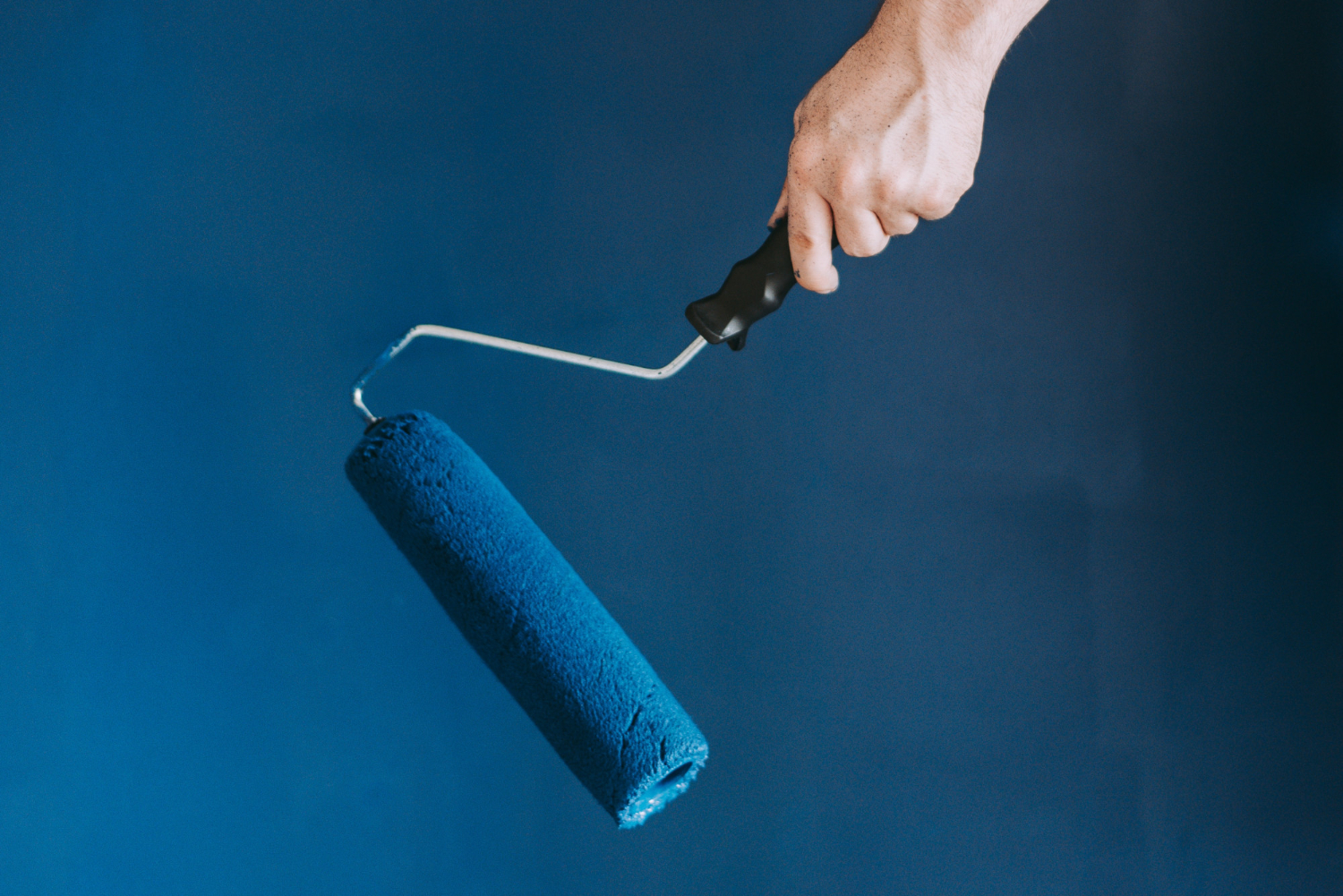
Opaque pigments hide what is underneath while transparent ones allow it through, which is why some colours are used for covering and others for glazing over what is already there.
That property is intrinsic to the pigment rather than a matter of thickness. Opacity is the characteristic that determines how a colour can be used.
5. Particle Size Changes the Colour
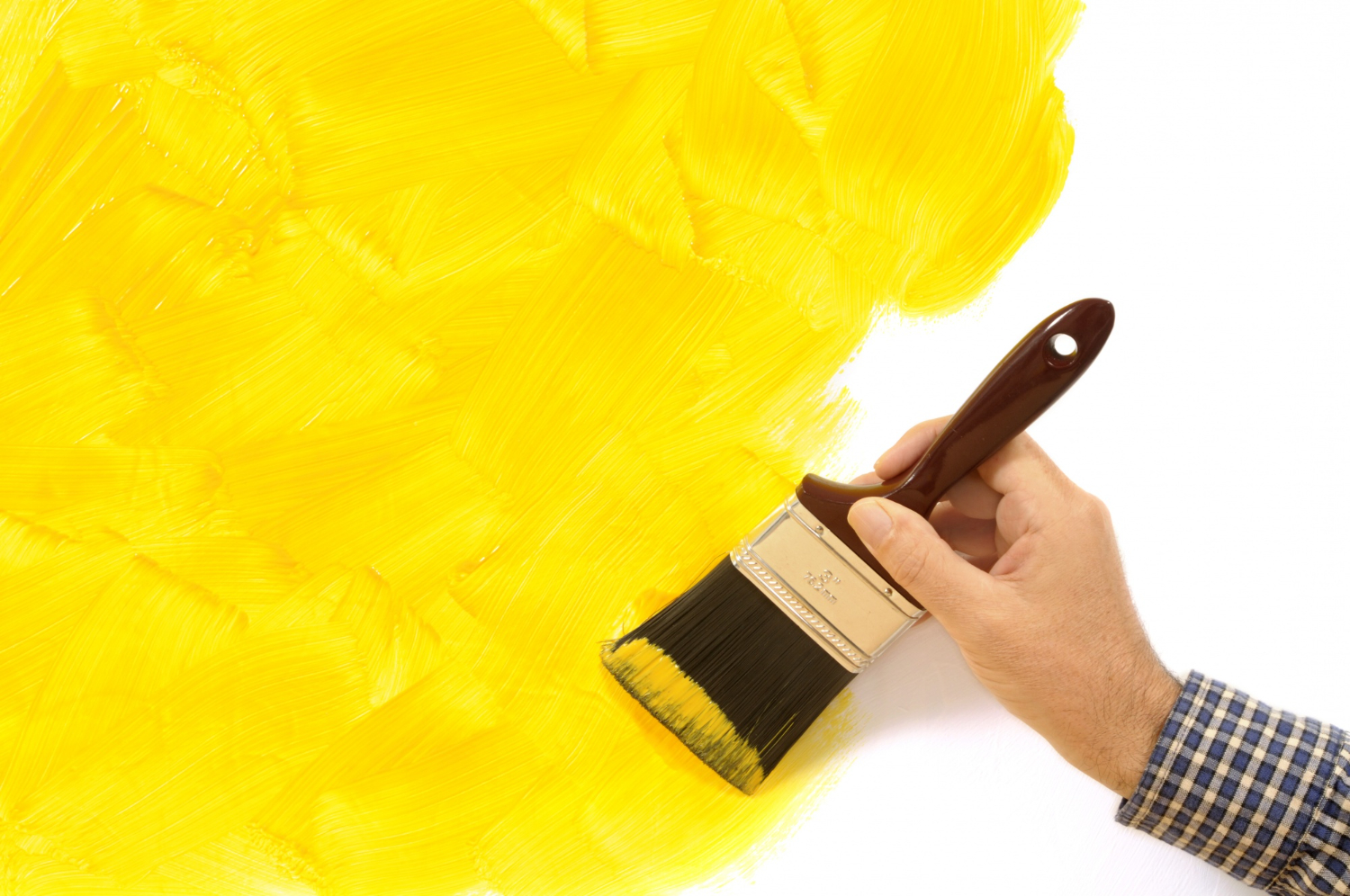
Grinding a pigment finer alters how it scatters light, so the same material can appear a different shade and a different texture depending purely on how far it was ground.
Historic grinding was done by hand and varied accordingly. Particle size is the variable that makes the same pigment two colours.
6. Drying and Curing Are Different Things
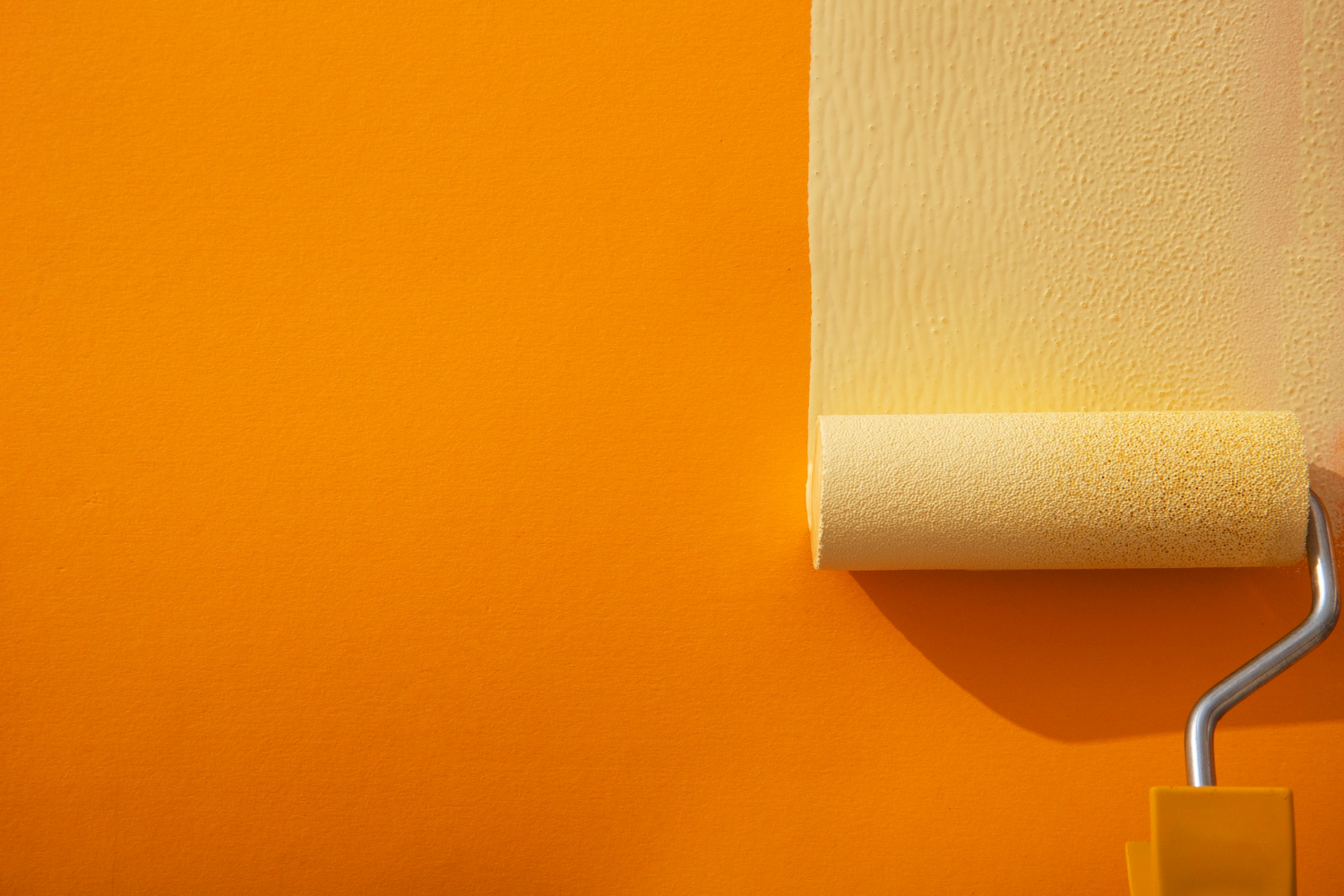
Some paints dry by losing their liquid and could in principle be redissolved; others undergo a chemical change and become something new that cannot be reversed.
That distinction determines whether a layer can be reworked. Drying versus curing is the difference that governs how a painting can be made.
7. Which Is Why Some Media Take Months

Binders that cure chemically continue changing long after the surface feels solid, so a layer can be touch-dry in a day and not fully cured for a year.
Painting over it too early causes problems later. Slow curing is the constraint that determines the pace of the work.
8. It Sticks by Two Mechanisms
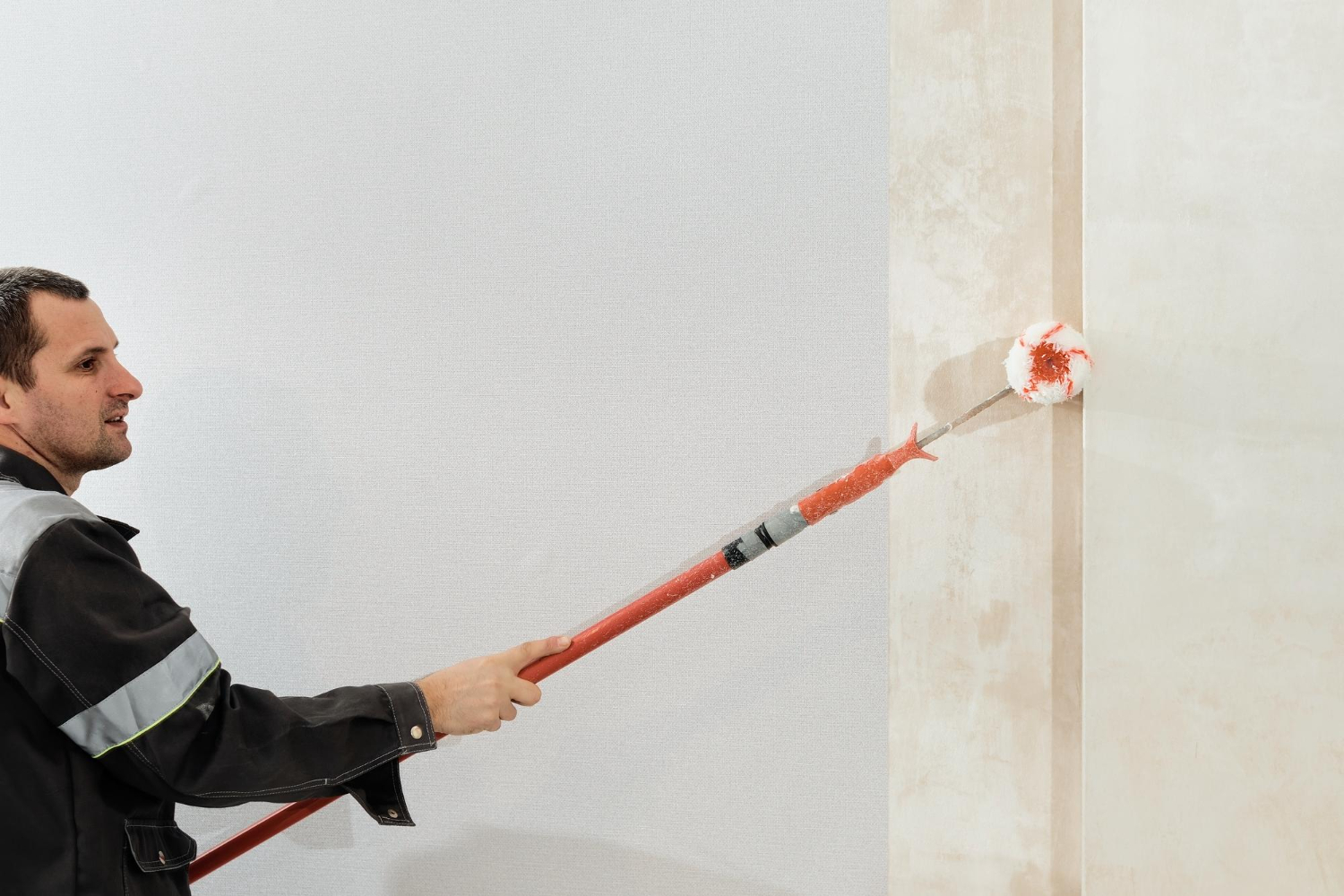
Paint adheres both by flowing into microscopic irregularities and setting there, and by molecular attraction between the binder and the surface.
Both require the surface to be clean and receptive. Dual adhesion is the reason preparation matters more than application.
9. Which Is Why Preparation Is Most of the Job
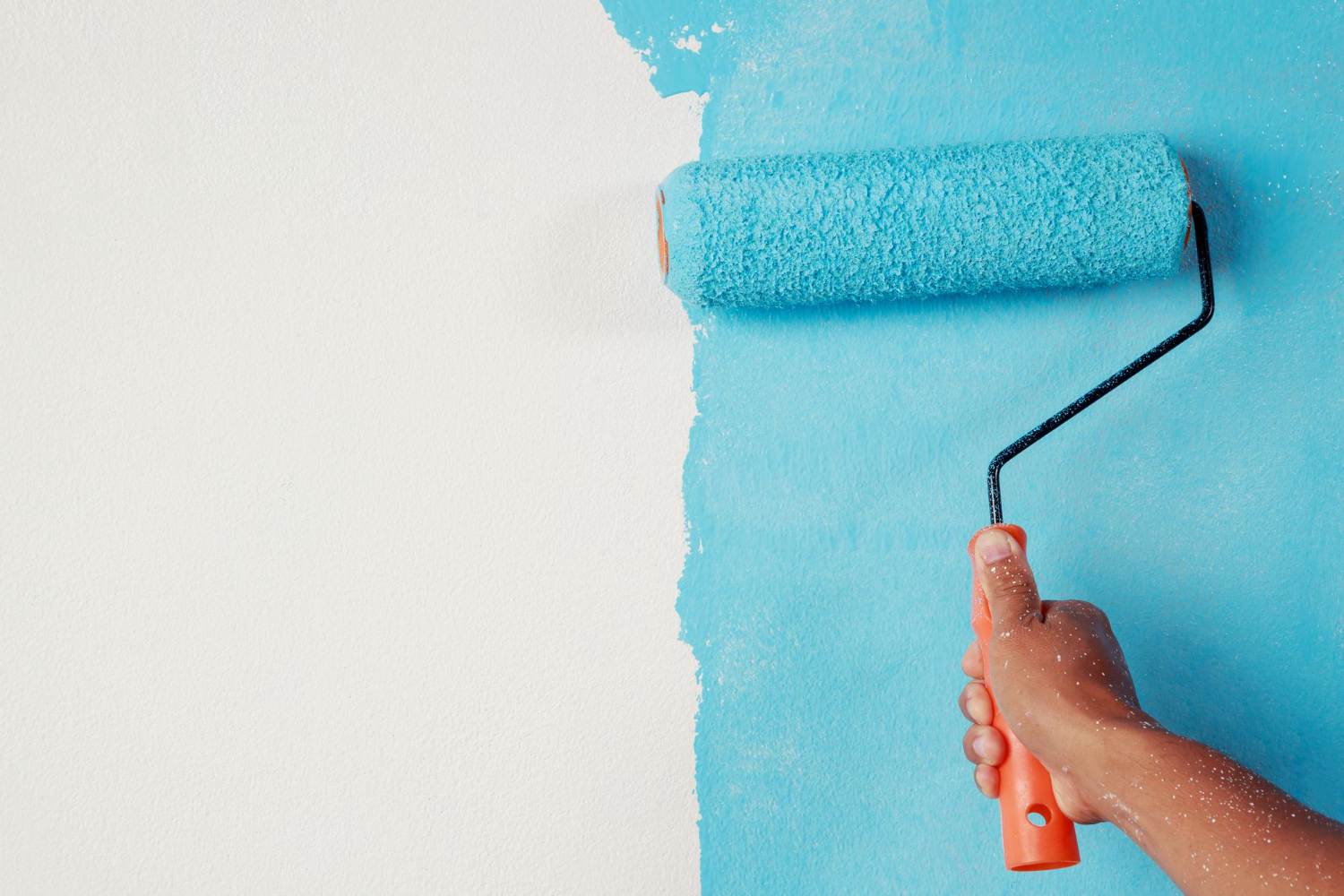
A paint film is only as durable as its bond to what it sits on, so contamination, moisture or a poorly keyed surface will cause failure regardless of the paint quality.
Nearly all early paint failure is a preparation failure. Surface preparation is the step that determines the lifespan.
10. The Pigment-to-Binder Ratio Sets the Finish
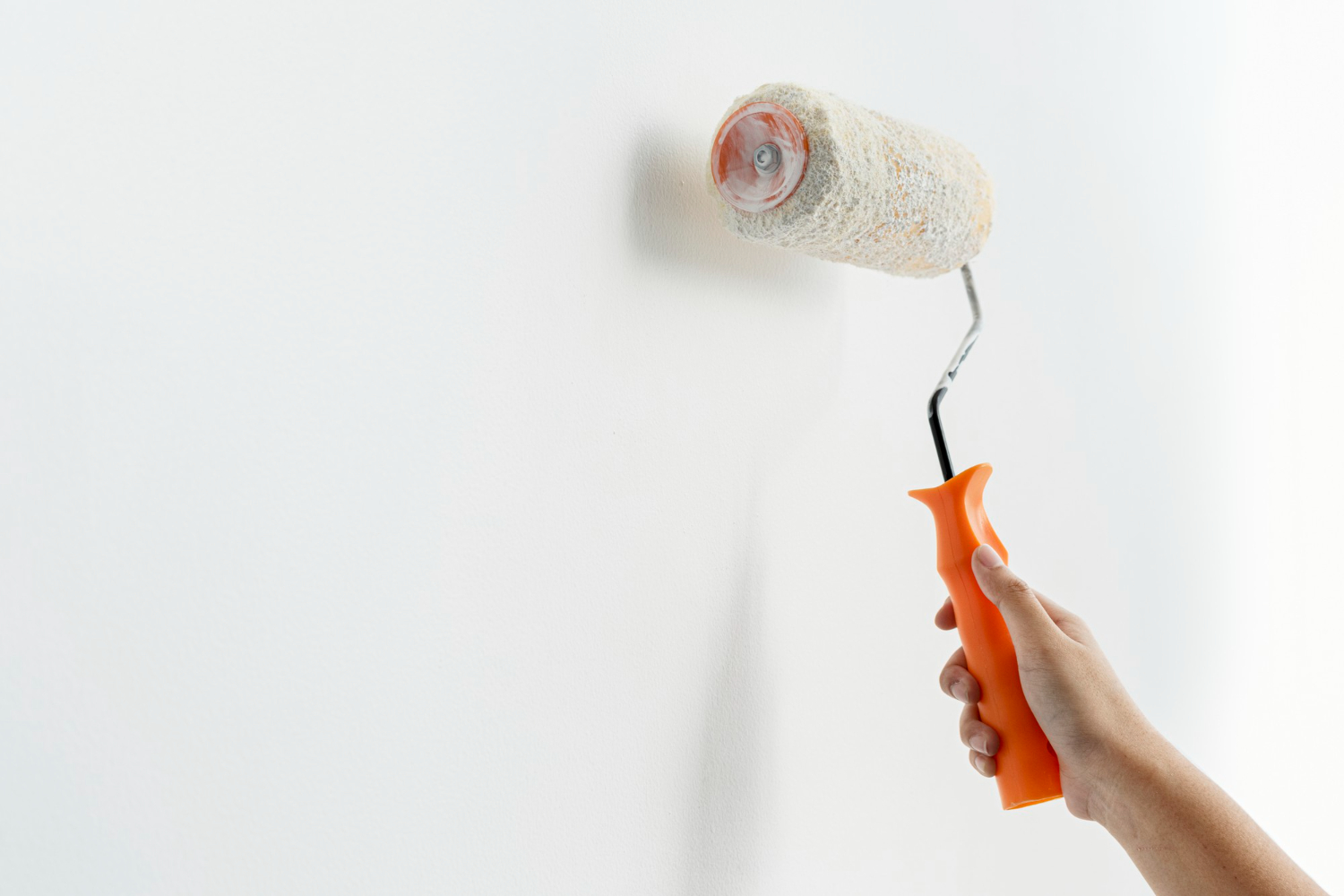
More binder relative to pigment produces a glossier film; more pigment produces a matt one, because the surface is rougher at a microscopic scale.
Gloss and matt are the same materials in different proportions. The ratio is the variable behind a property that looks like a separate product.
11. Some Colours Were Simply Not Available
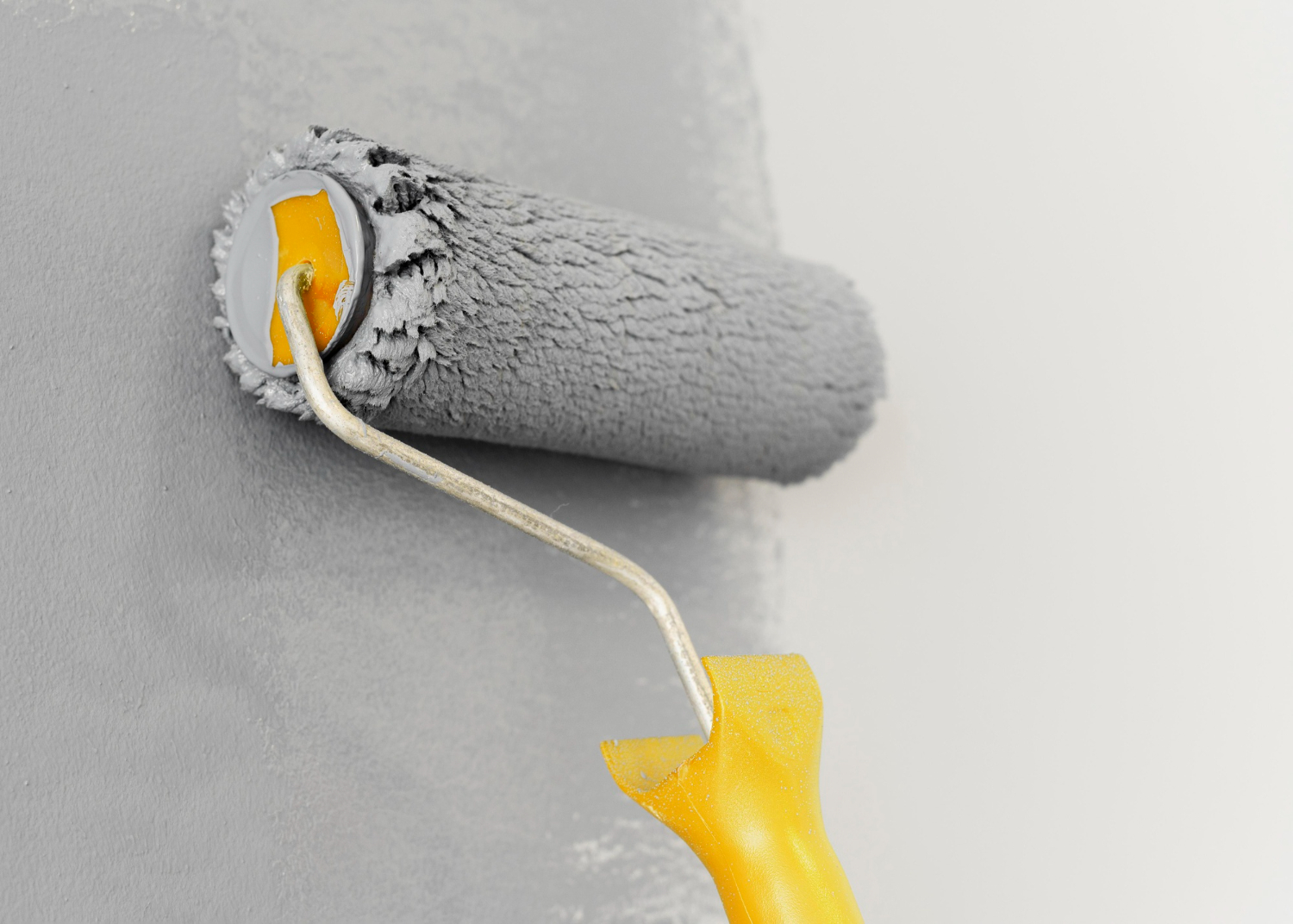
For most of history the palette was limited by what could be found or manufactured, and several colours were extremely expensive, unstable or unsafe to work with and are no longer used.
What could be painted was constrained by what could be obtained. Pigment availability is the factor that shaped the appearance of entire periods.
12. Not All Pigments Last
Some historic colours faded, darkened or changed hue within decades, which means a great many old works no longer look as they did when finished.
Some paintings have altered so much that the original balance is lost. Pigment instability is the reason old work is not a reliable record of itself.
13. The Surface Underneath Shows Through
Because many pigments are partly transparent, what a layer sits on affects how it appears, which is why grounds are prepared and why the same colour looks different on white and on dark.
That effect is used deliberately in most painting traditions. The ground is the component that is not paint and still determines the colour.
14. Thickness Changes Everything
A thin film behaves as a stain and a thick one as a solid layer, altering opacity, drying behaviour, texture and how the paint cracks as it ages.
Applied too thickly, almost anything eventually fails. Film thickness is the variable that affects the appearance now and the survival later.
Colour, Glue and Something That Leaves
Every property here comes from the same three components in different proportions. The pigment decides the colour, the binder decides the behaviour, and the liquid decides how it goes on before it disappears.
The idea worth taking away is the second one. People think of painting media as different kinds of colour, and they are almost entirely different kinds of glue – the same pigments, held down by different substances, behaving in ways that determine what can be made with them.
Like our content? Follow us for more.