Acid is the most under-used correction in home cooking, and most of what it does is invisible in the finished dish. Here are sixteen jobs it performs.
1. It Lifts Everything Else
Acidity makes other flavours more distinct and more immediate, which is why a dish that tastes dull frequently needs a squeeze of something rather than more seasoning.
The acid itself may not be detectable in the result. Flavour lifting is the job acid does most often and gets least credit for.
Like our content? Follow us for more.
2. It Cuts Through Fat
Richness coats the palate and dulls it, and acid clears that, which is why fatty dishes across every cuisine arrive with something sharp alongside.
The pairing recurs independently everywhere. Cutting richness is the reason acid appears next to almost every rich dish on Earth.
3. It Balances Sweetness
Sugar without acid is cloying, and acid without sugar is harsh, and nearly every successful sweet preparation manages the ratio between them deliberately.
Fruit does both simultaneously, which is why it works so well. Sweet-sour balance is the relationship that determines whether a dessert is finished.
4. Different Acids Taste Different
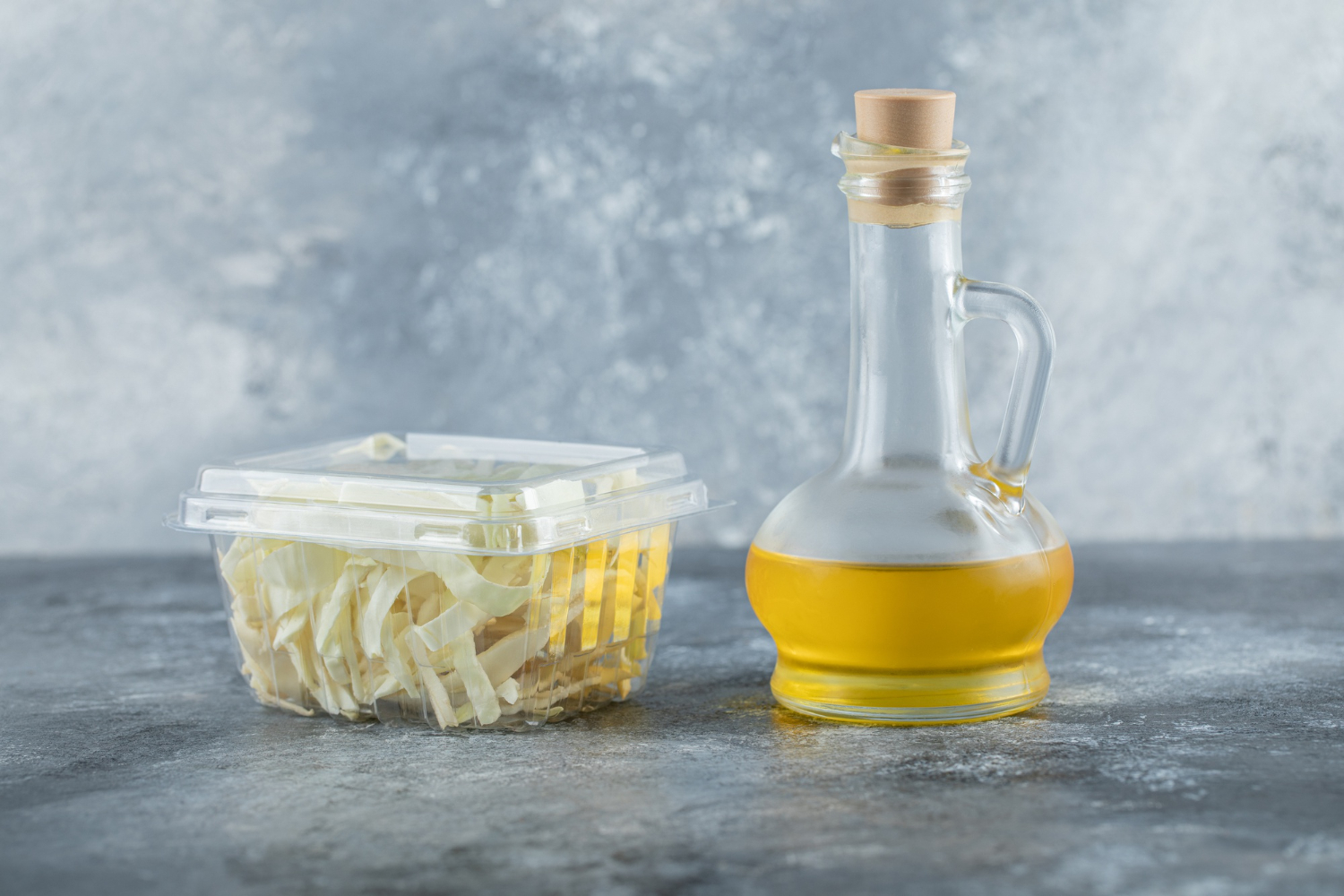
Citric, acetic, lactic, malic and tartaric acids are distinguishable, so a dish made with lemon does not taste like the same dish made with vinegar.
They are not interchangeable despite performing the same function. Acid choice is the decision that determines the character rather than the level.
5. It Cooks Without Heat
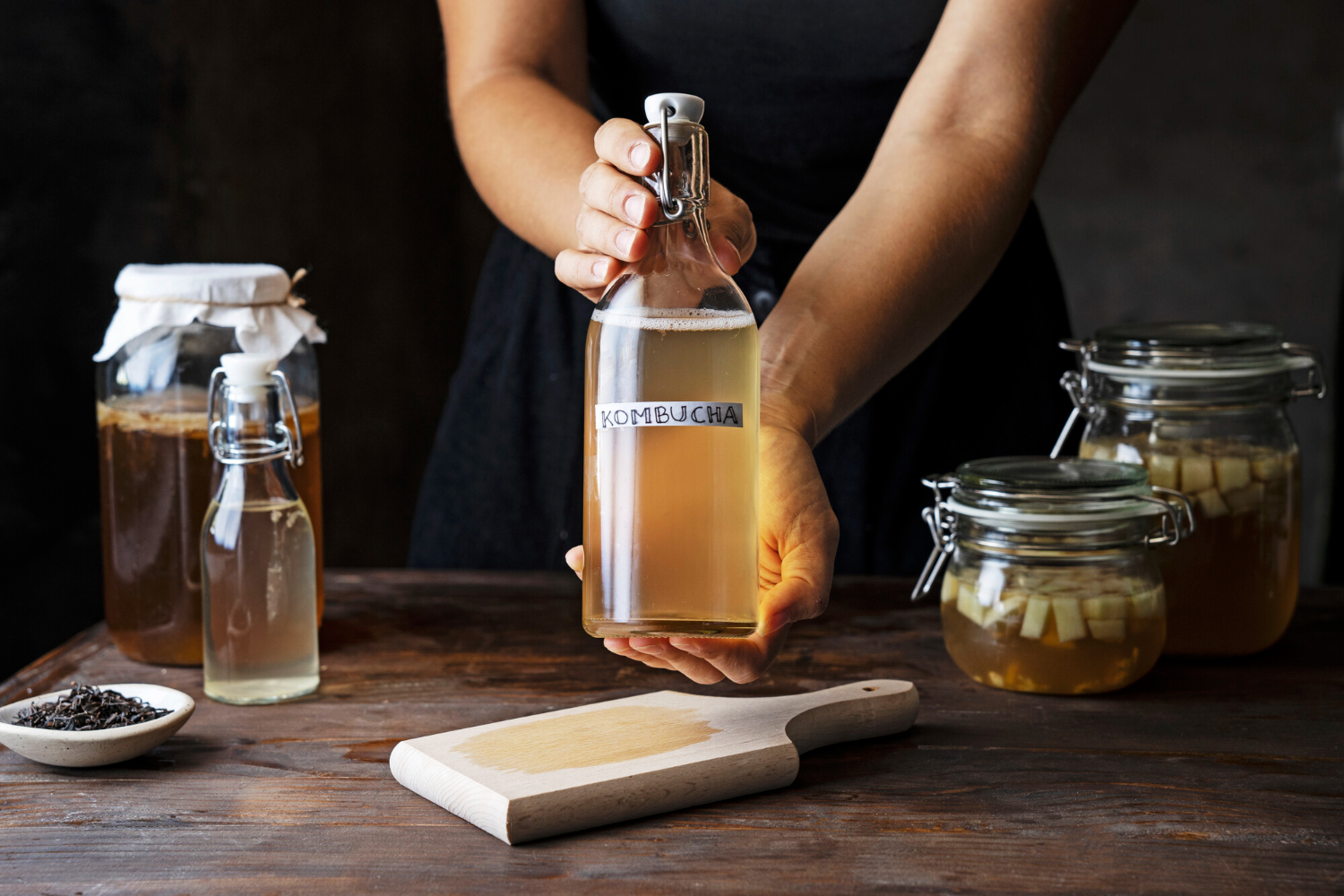
Acid changes the structure of proteins in a way that resembles cooking, firming and opacifying them, which several cuisines use to prepare dishes with no heat applied.
The transformation is chemical rather than thermal. Cold cooking is the effect that produces cooked texture from an unheated bowl.
6. It Stops Things Going Brown
Cut fruit and vegetables darken through an enzymatic reaction that acid inhibits, which is why acidulated water is used to hold prepared ingredients.
It is a preservation of appearance rather than of the food. Browning inhibition is the acid job performed before the cooking starts.
7. It Makes Things Rise
Acid reacting with an alkaline leavening agent produces gas, which is why so many batters and doughs specify an acidic liquid alongside the raising agent.
Remove the acid and the reaction does not proceed. Chemical leavening is the acid job that is entirely structural.
8. It Preserves
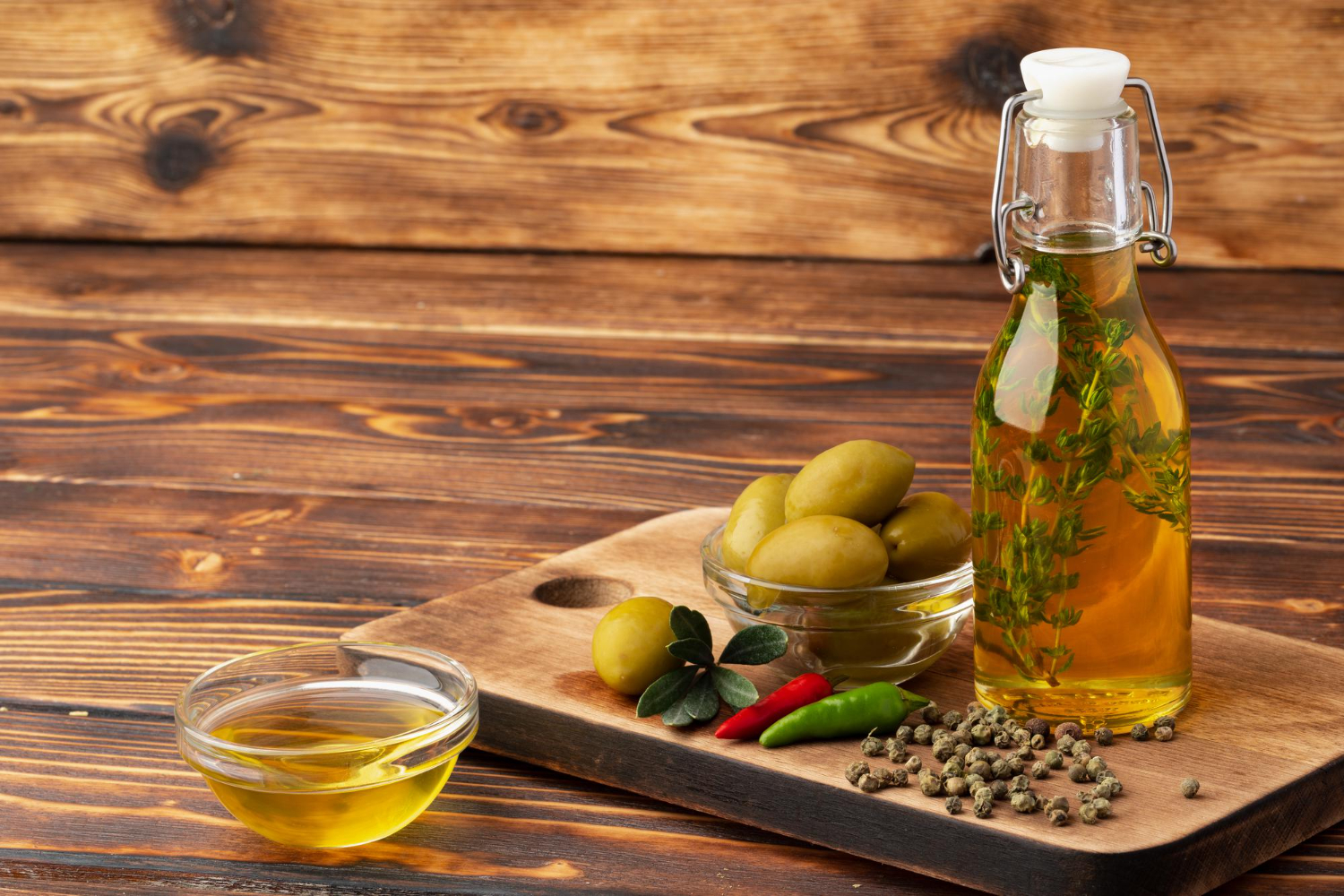
Most spoilage organisms cannot tolerate sufficiently acidic conditions, which is the basis of pickling and one reason fermented foods keep.
This is where accuracy matters most and guesswork is inappropriate. Acid preservation is the job with real safety consequences attached.
9. It Changes Colours
Some plant pigments shift colour with acidity, so the same ingredient can appear pink, purple or blue depending on what it was cooked with.
Cooks exploit this deliberately in several traditions. Colour shifting is the acid effect that is entirely visual.
10. It Slows Softening
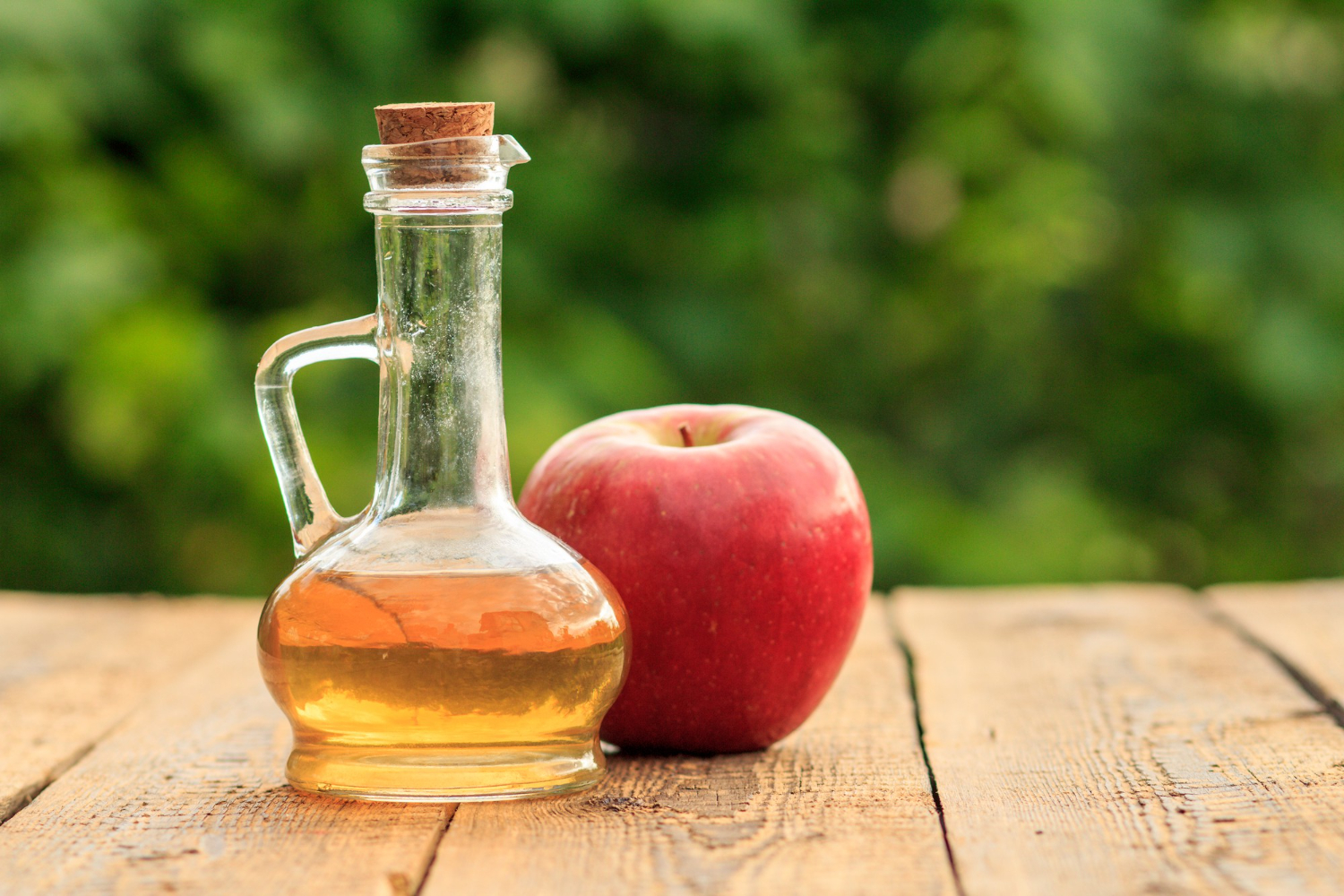
Adding acid early makes pulses and some vegetables take substantially longer to soften, which is why the order of assembly matters in a way it does not elsewhere.
Timing is the whole issue. Delayed softening is the acid effect that catches out experienced cooks.
11. It Tenderises Some Things and Toughens Others
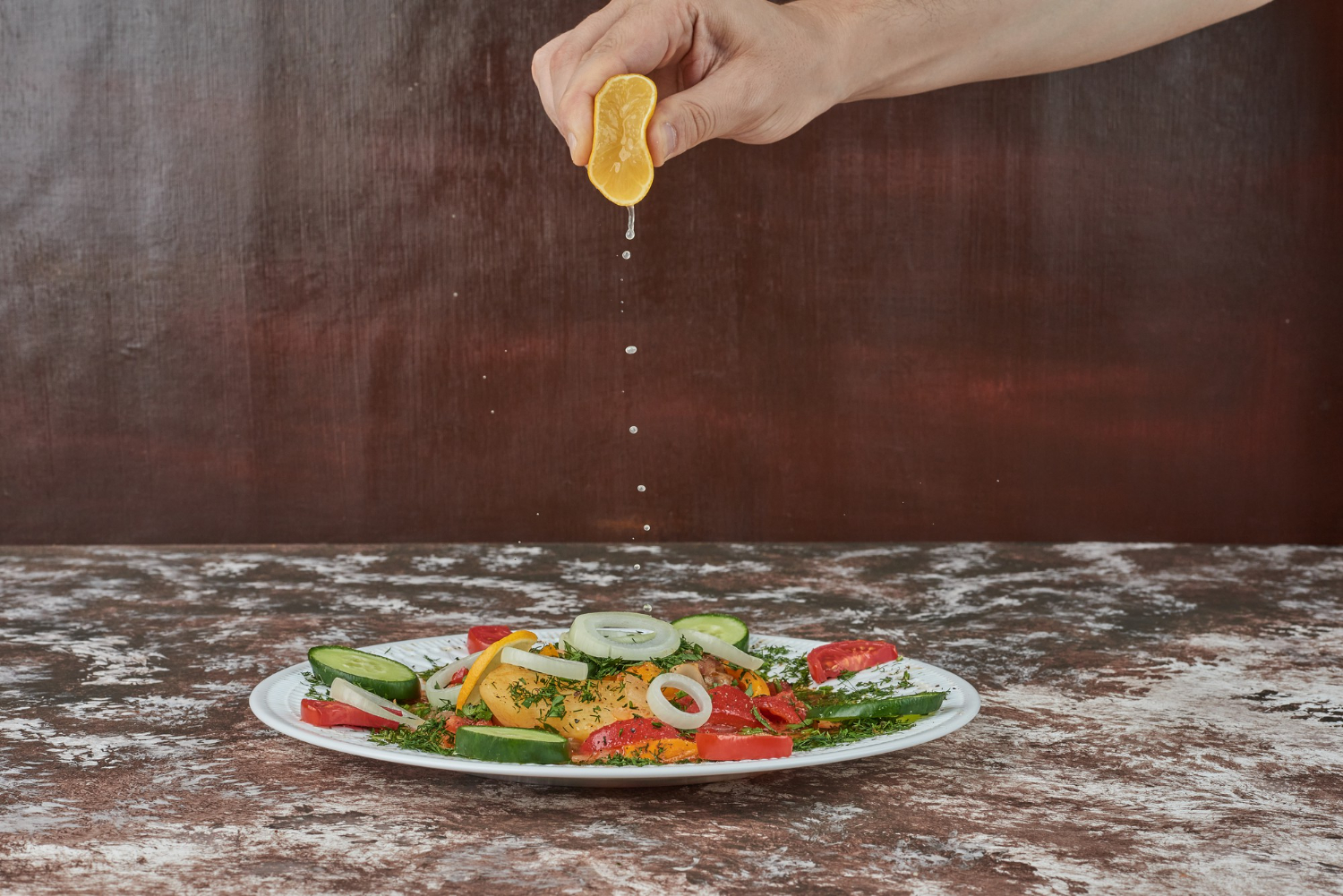
Acid breaks down connective tissue in some contexts and firms protein in others, and which happens depends on the material, the concentration and the duration.
Leaving something in acid too long produces a poor result. The tenderise-toughen boundary is the acid effect that requires judgement rather than a rule.
12. It Fades When Heated
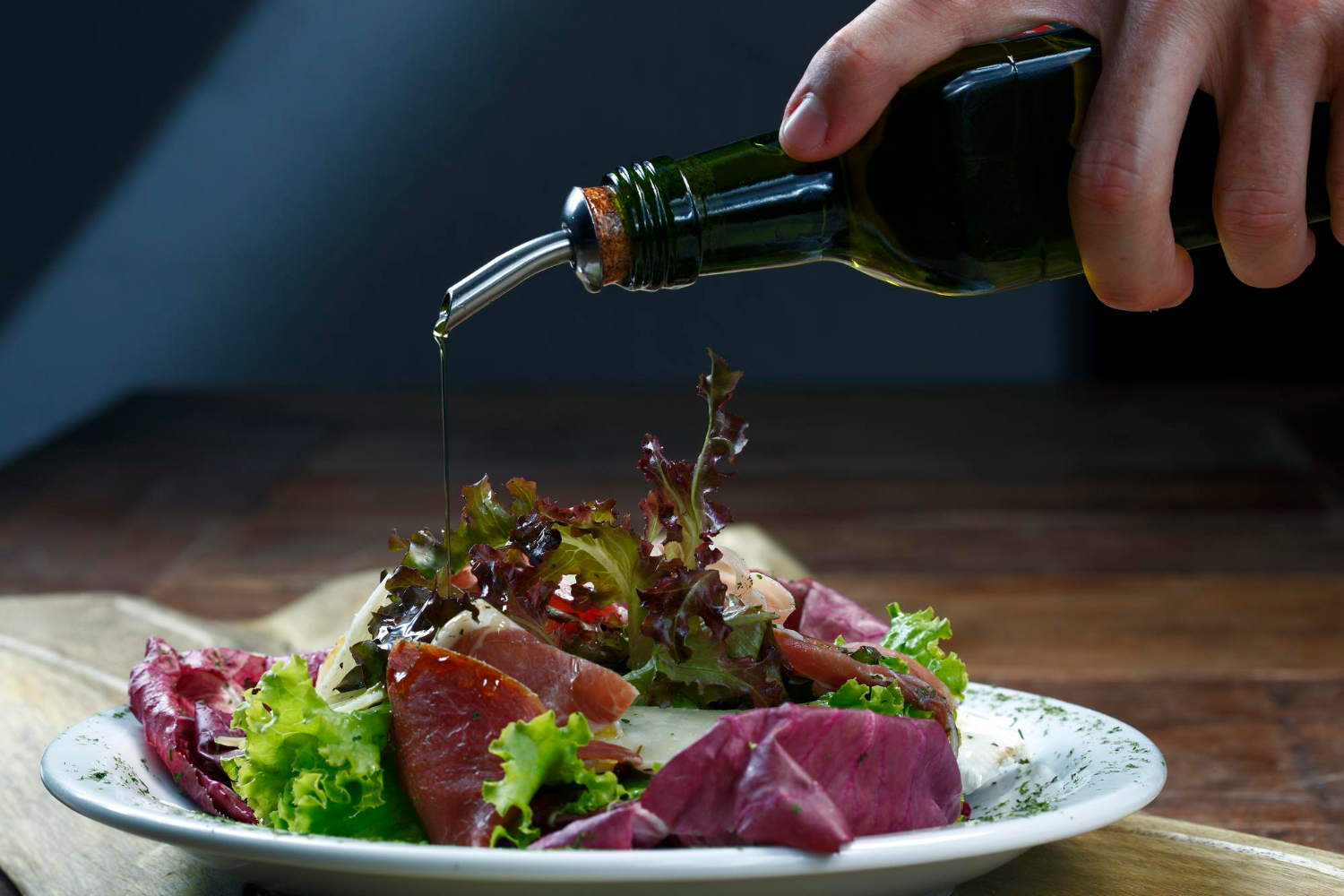
The volatile aromatic compounds carrying much of the character are driven off by heat, so acid added at the start contributes differently from acid added at the end.
Both are valid and produce different dishes. Timing the acid is the decision made in the final minute.
13. Fermentation Makes It Differently
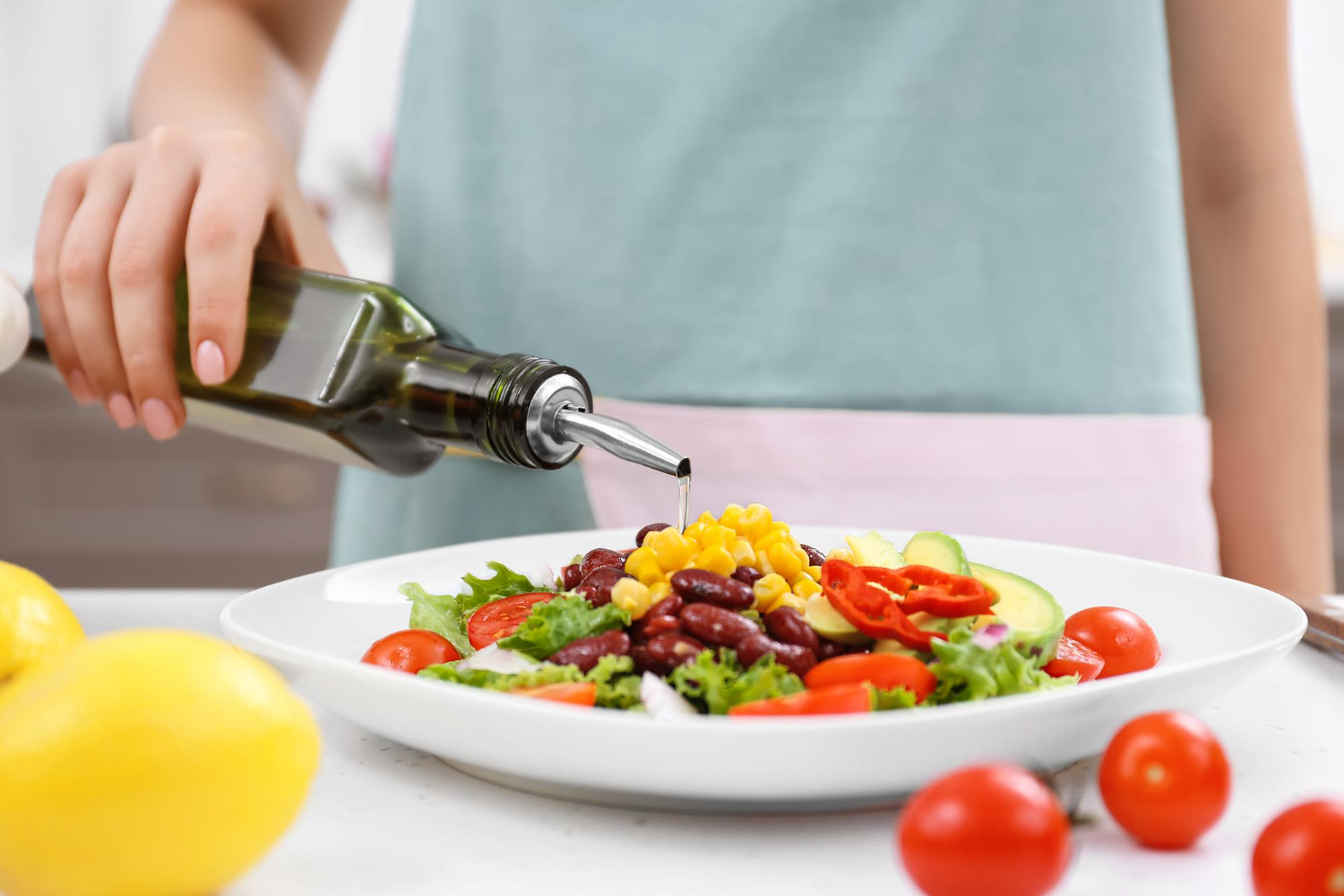
Acid produced biologically by fermentation has a rounder, more complex character than the same acid added directly, because other compounds are produced alongside it.
The two are not substitutes. Fermented acidity is the version that arrives with company.
14. Traditions Use Whatever Grew There
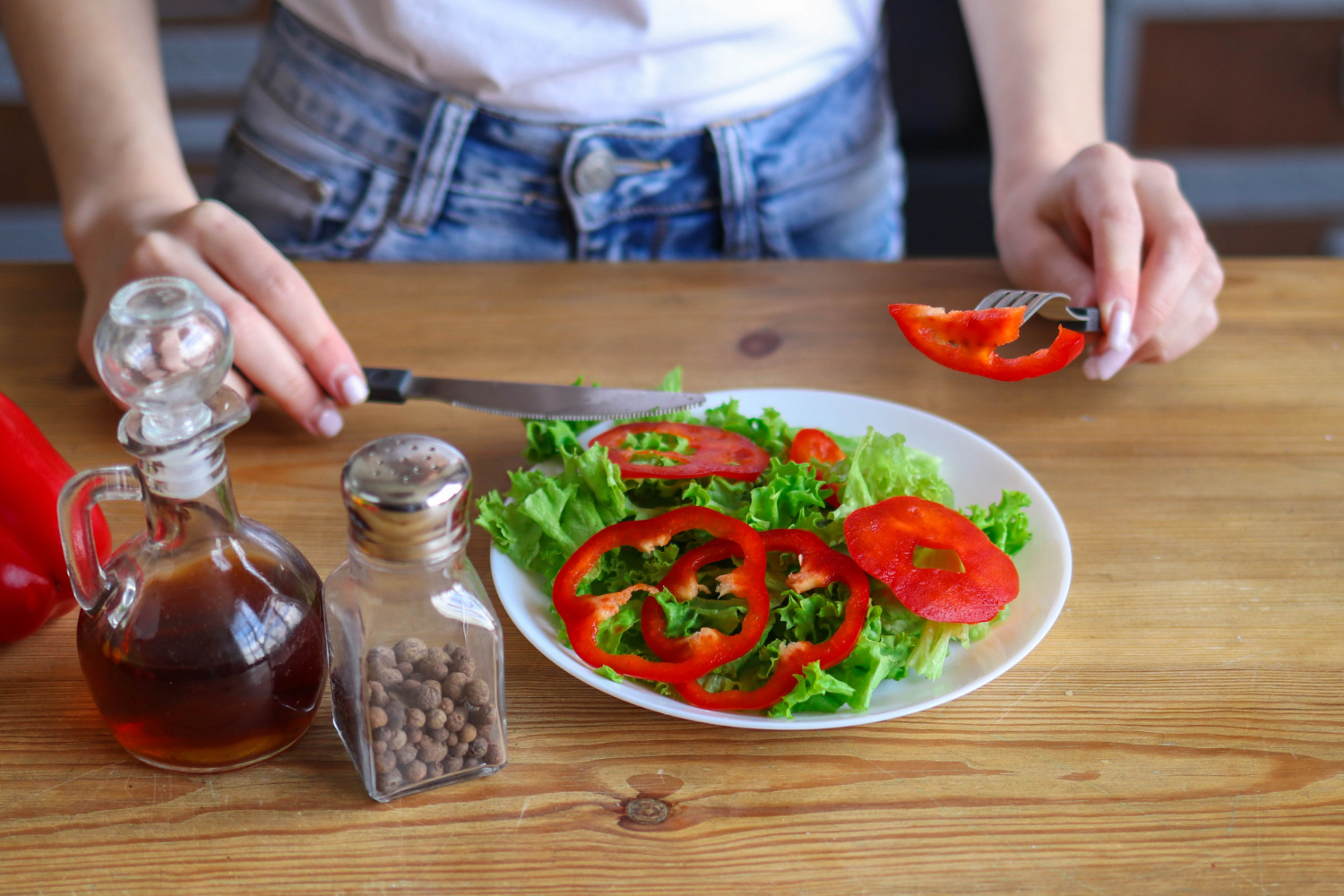
Acid sources differ regionally according to what was available – citrus, vinegar, soured dairy, tamarind, unripe fruit, fermented liquid – and each gives a cuisine its characteristic sharpness.
That choice is one of the strongest markers of a regional style. Local acid sources are the ingredient that makes cuisines identifiable.
15. It Balances Salt
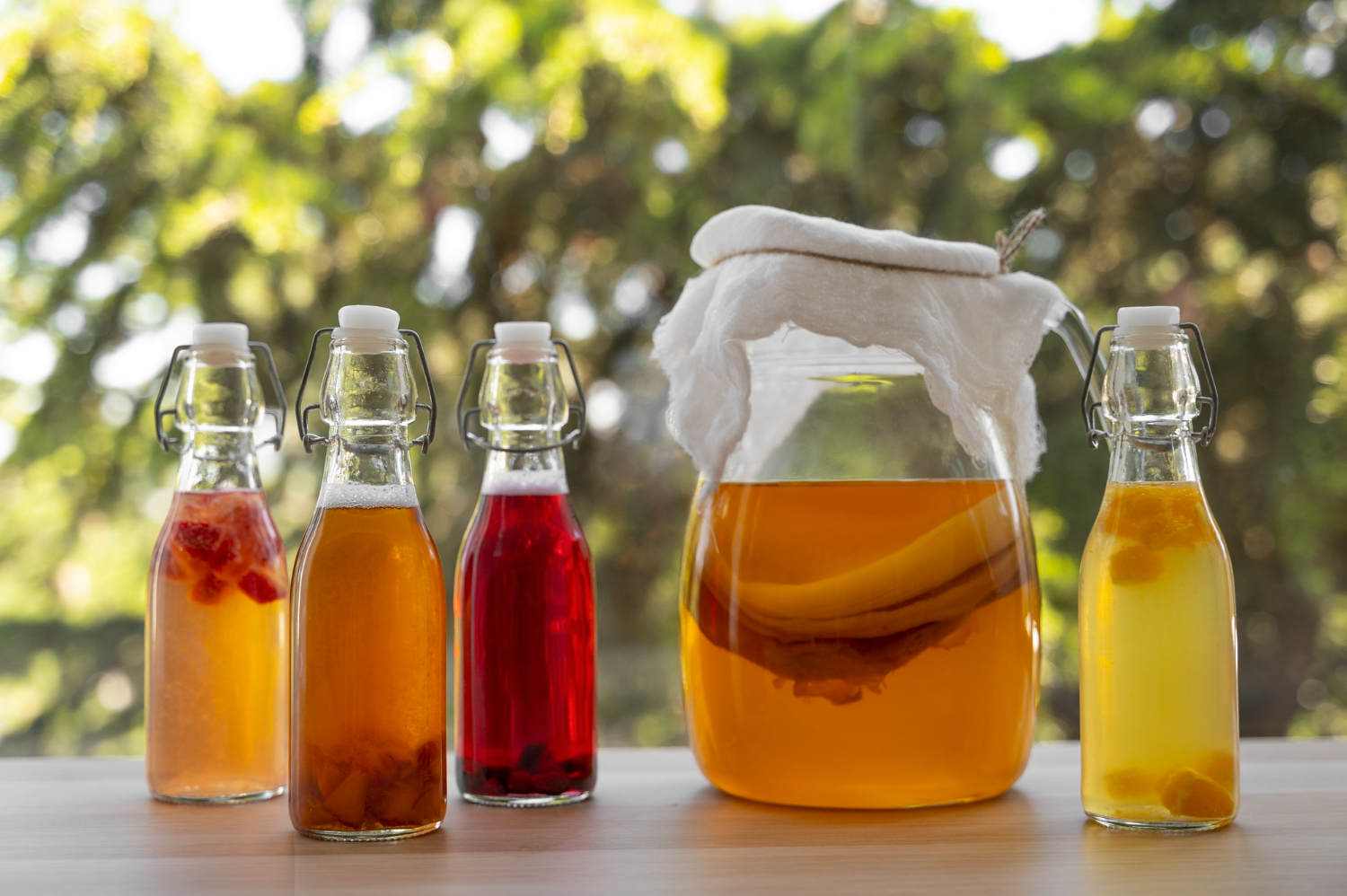
Acid and salt adjust each other, so a dish that seems over-salted can frequently be corrected with acid rather than with dilution.
They are two dials on the same system. The salt-acid relationship is the correction most home cooks never try.
16. Almost Nobody Adds Enough
The commonest failure in home cooking is under-acidification, because acid is added at the start where it fades and rarely reconsidered at the end.
Tasting for it before serving is the fix. Under-acidification is the diagnosis for a very large proportion of flat dishes.
The Correction Nobody Reaches For
Acid lifts, cuts, balances, sets, preserves, colours, raises and slows. Almost none of that registers as sourness in the finished dish, which is why it is so consistently overlooked.
The practical habit worth adopting is to taste for acid last, immediately before serving, and to ask whether the dish needs brightening rather than more salt. One important exception: where acidity is doing preservation work rather than flavour work, quantities truly matter and anybody preserving should follow a tested recipe from a recognised authority rather than adjusting by taste.
Like our content? Follow us for more.