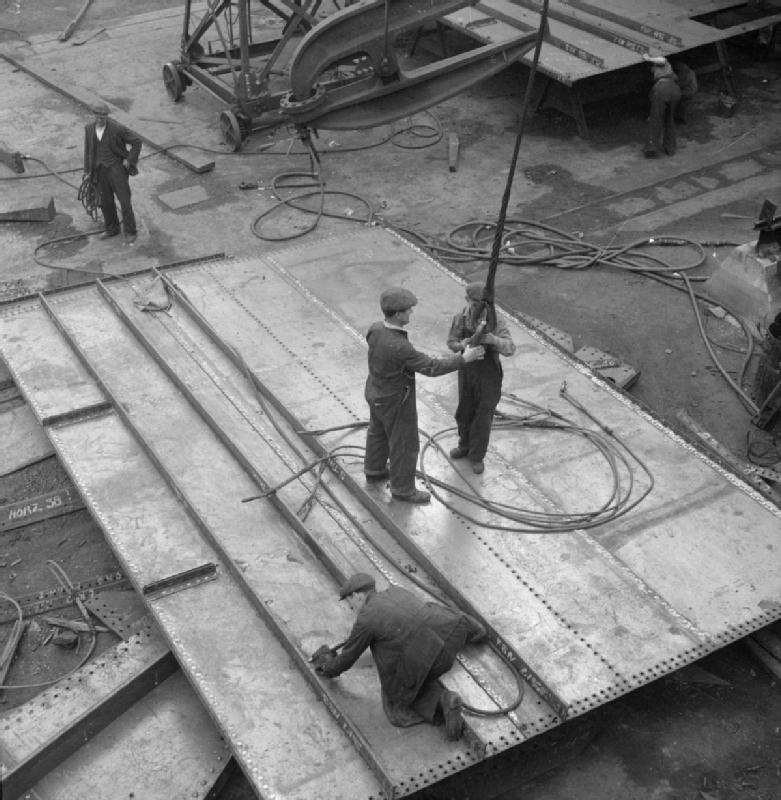
In 1965 a large shipyard employed thousands of people who mostly walked to work, assembled a hull outdoors plate by plate on an open berth, worked at eighty feet on planks lashed to scaffold poles with nothing to stop a fall, and were paid by how many rivets they drove.
The yards insulated ships with asbestos, stopped for rain without pay, and launched the finished hull down greased ways in front of the whole town.
Here are fourteen things that were ordinary in a yard in 1965, and what each one became.
1. Ships Were Built From Thousands of Separate Plates Riveted or Welded in Place
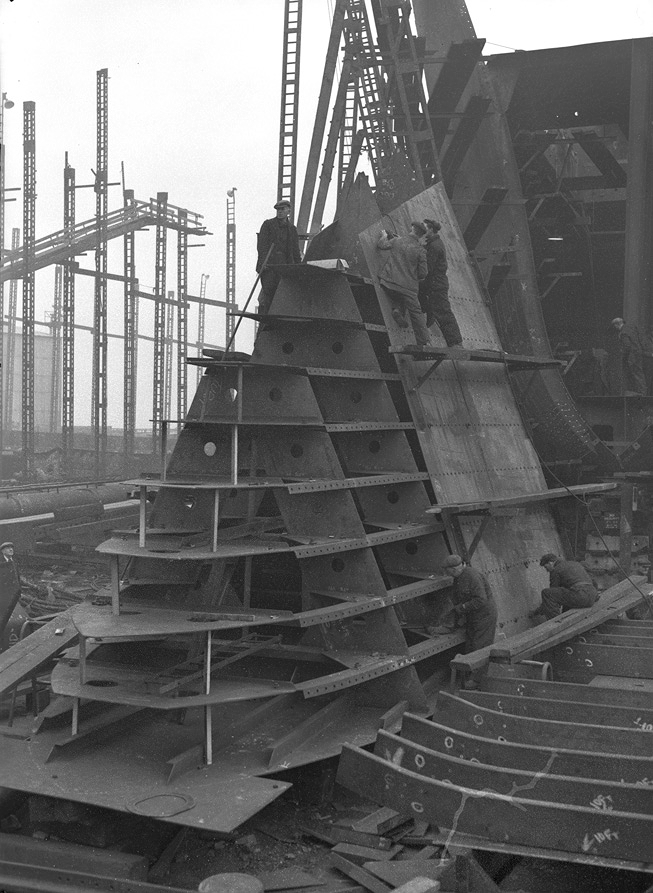
A hull was assembled on a sloping berth, plate by plate, with men working from staging inside and outside the shell. Riveting squads of four – heater, catcher, holder-up and riveter – drove hot rivets by hand or pneumatic hammer, and welding was taking over through the period.
Modern shipbuilding is modular. Large sections are built indoors under cover, fitted out with piping, cabling and machinery before they are joined, and lifted into place by gantry cranes to be welded together. A ship is now assembled from a few dozen blocks rather than from thousands of plates, which moved most of the work out of the weather and off the staging.
Like our content? Follow us for more.
2. The Noise Was Beyond Anything Measured Elsewhere
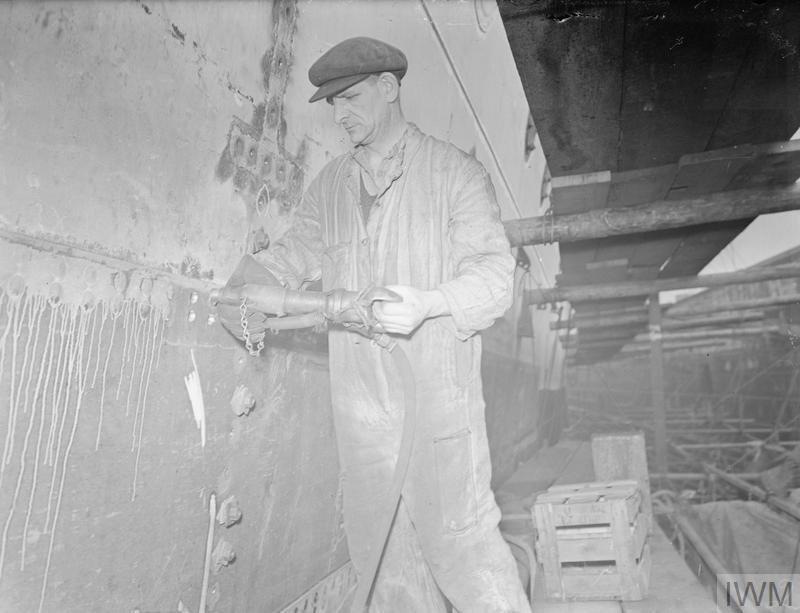
A riveting squad working inside a steel hull generates sound in an enclosed resonant chamber. Hundreds of squads worked at once across a yard. The condition was so characteristic that it had a name in shipbuilding towns long before anybody regulated it, and men were effectively deaf by their forties.
This is included as occupational history. Hearing conservation – measured exposure, provided and enforced protection, audiometric testing – arrived with the workplace regulation of the 1970s, and welding is inherently quieter than riveting. The generation that built ships by rivet lost their hearing almost without exception, and anybody with that exposure in their own history should raise it with a doctor rather than with an article.
3. Men Worked at Height on Planks With No Harness
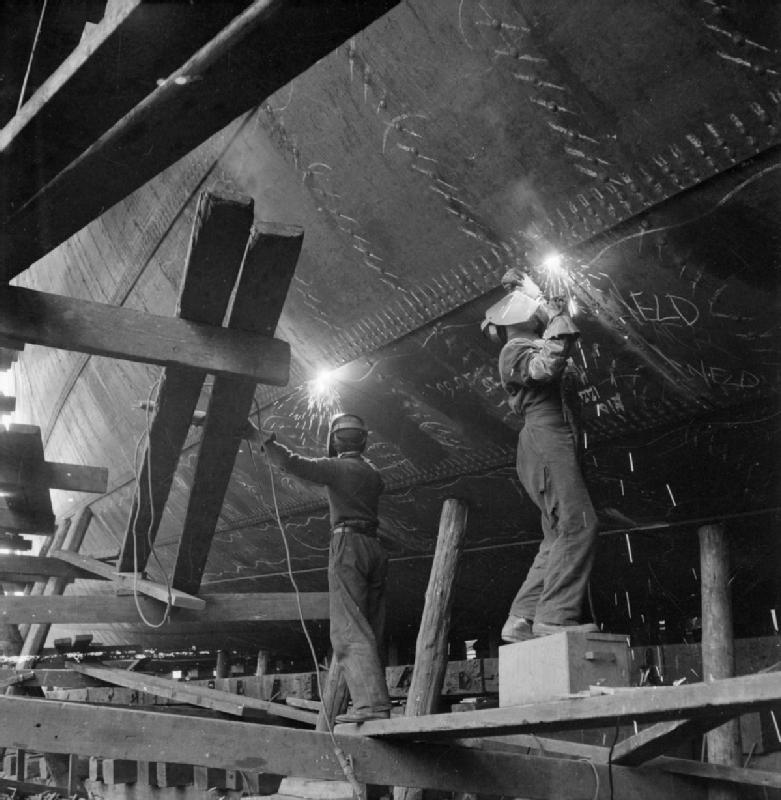
Staging was scaffold boards lashed to uprights, up the side of a hull eighty feet high, in rain and frost. There were no harnesses, no edge protection, no nets and no toe boards. Men crossed between stages on single planks carrying tools.
Falls were the largest single cause of death in the yards. Fall protection – harnesses, anchor points, guardrails, netting, managed access – is now the most heavily enforced area of construction and shipbuilding safety anywhere. The modular method helps independently, because most of the work that used to happen on staging now happens at floor level in a shed.
4. Asbestos Was Installed by the Ton and Sprayed as a Dust
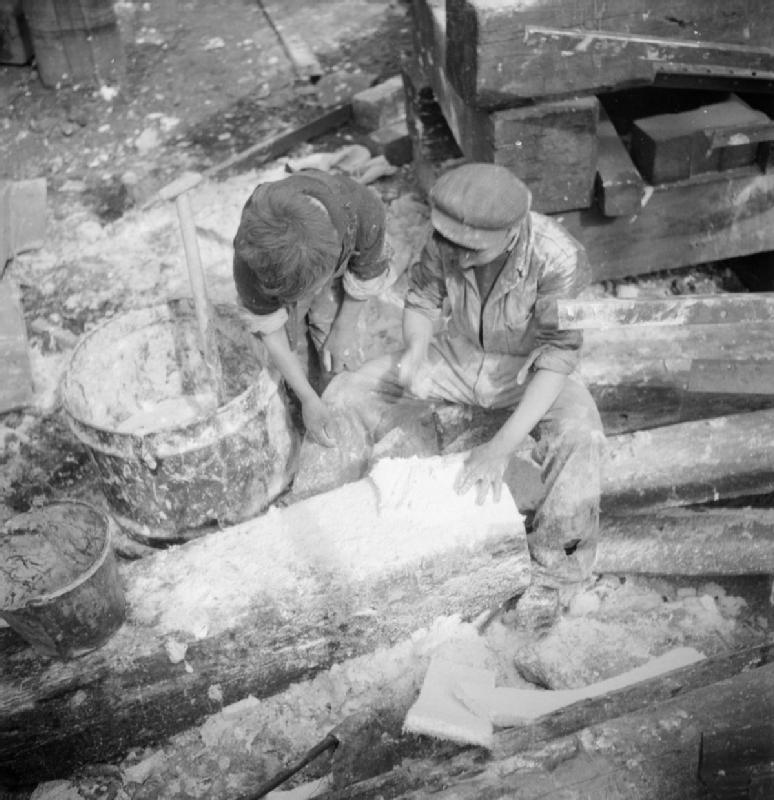
Ships were insulated with asbestos – lagging on pipes and boilers, sprayed coatings in engine rooms and accommodation, board in bulkheads. Laggers mixed it by hand in buckets, cut it, and worked in enclosed spaces while other trades worked alongside them in the same air.
This is treated strictly as industrial history. The health consequences for shipyard workers and for the trades working near them were severe and are extensively documented; the material was prohibited for new installation and removed from use over the 1970s and 1980s, and surviving workers are covered by medical surveillance and compensation arrangements in most shipbuilding countries. Anybody with that exposure should be discussing it with their own doctor.
5. Every Trade Guarded Its Boundary and Demarcation Stopped Work
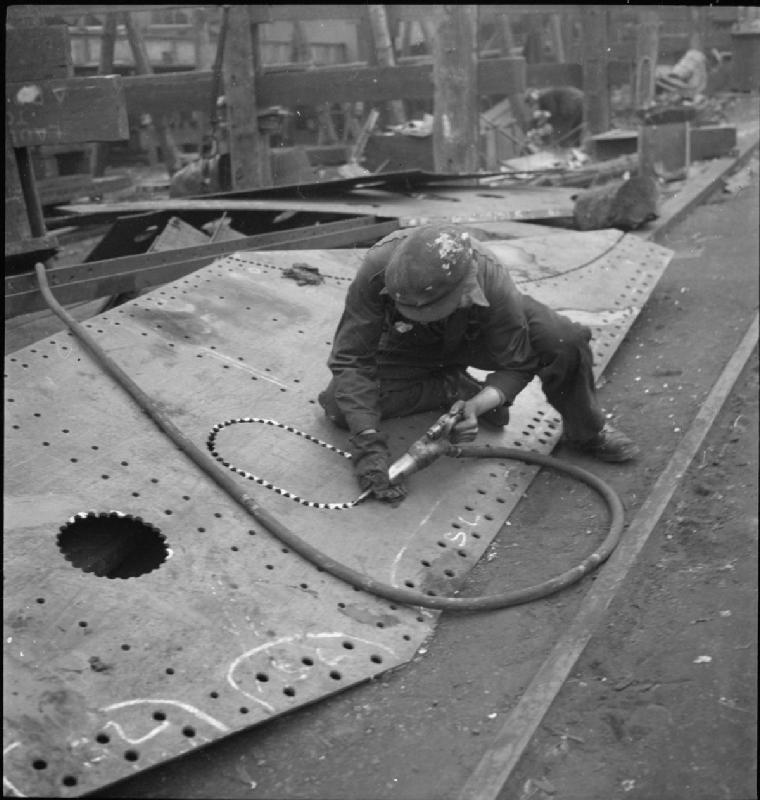
A yard contained dozens of distinct trades – platers, riveters, caulkers, welders, shipwrights, joiners, plumbers, electricians, laggers, painters – each with its own union, apprenticeship and jealously defended scope. Who was entitled to drill a particular hole could stop a ship.
Demarcation disputes were a genuine and self-inflicted wound in several national shipbuilding industries, and they were used by management and unions alike as weapons. Modern yards run on multi-skilled teams with far fewer job classifications, negotiated in most cases as part of the restructuring that followed near-total collapse. The apprenticeship system went with the demarcation, which is the part that is genuinely mourned.
6. The Apprenticeship Ran Five Years and the Town Depended on It
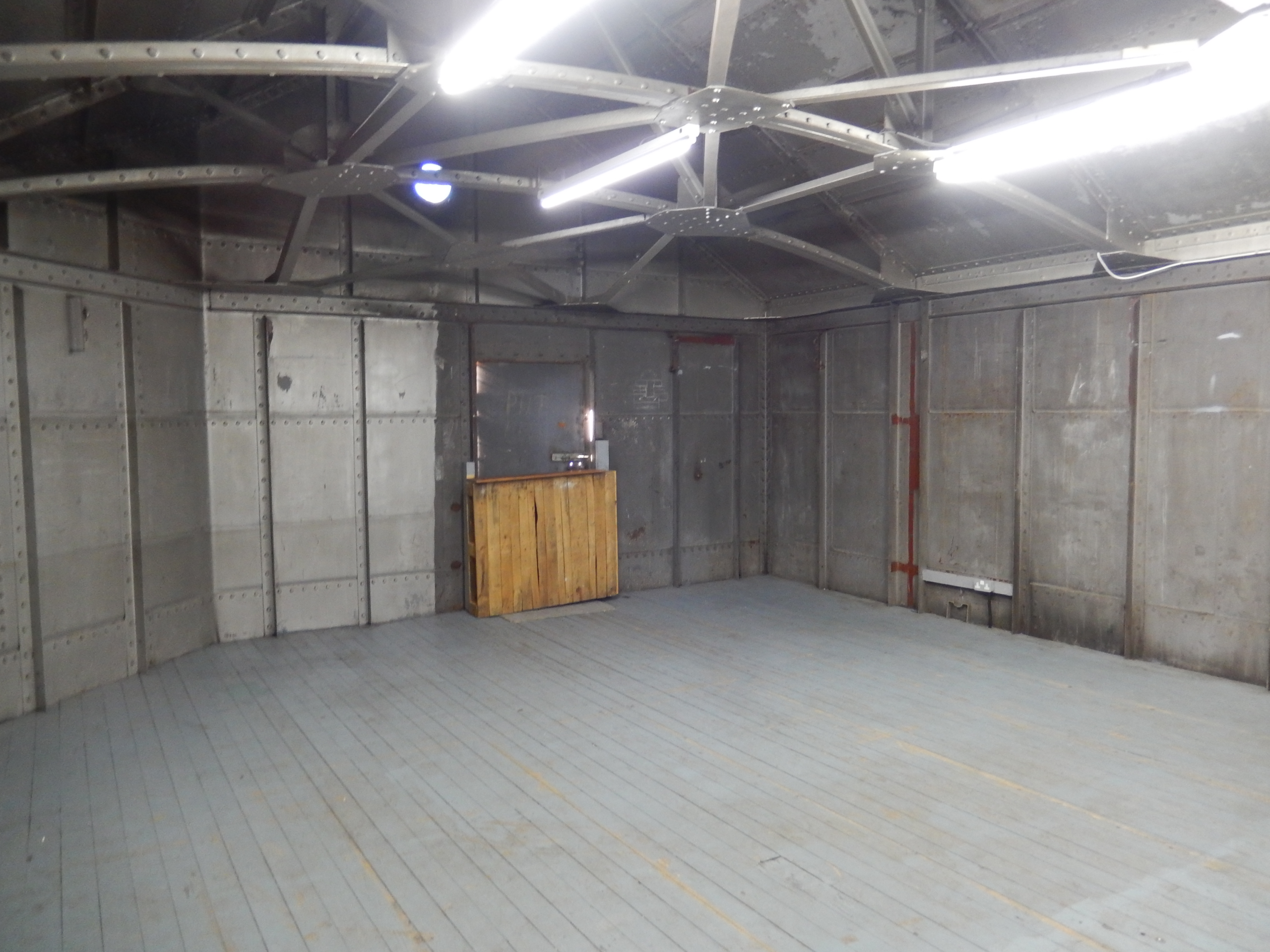
A boy left school at fifteen or sixteen and served five years, frequently in the same trade as his father, in the same yard. The indenture was a formal document. Completing it produced a tradesman whose qualification was recognised in any yard in the country.
When the yards closed, the apprenticeships went with them, and the loss of that training pipeline is one of the reasons the remaining yards and the wider engineering sector have struggled to recruit skilled labour ever since. Several countries have spent decades and considerable public money attempting to rebuild what the yards used to produce as a by-product of building ships.
7. The Launch Was a Public Event That Stopped the Town
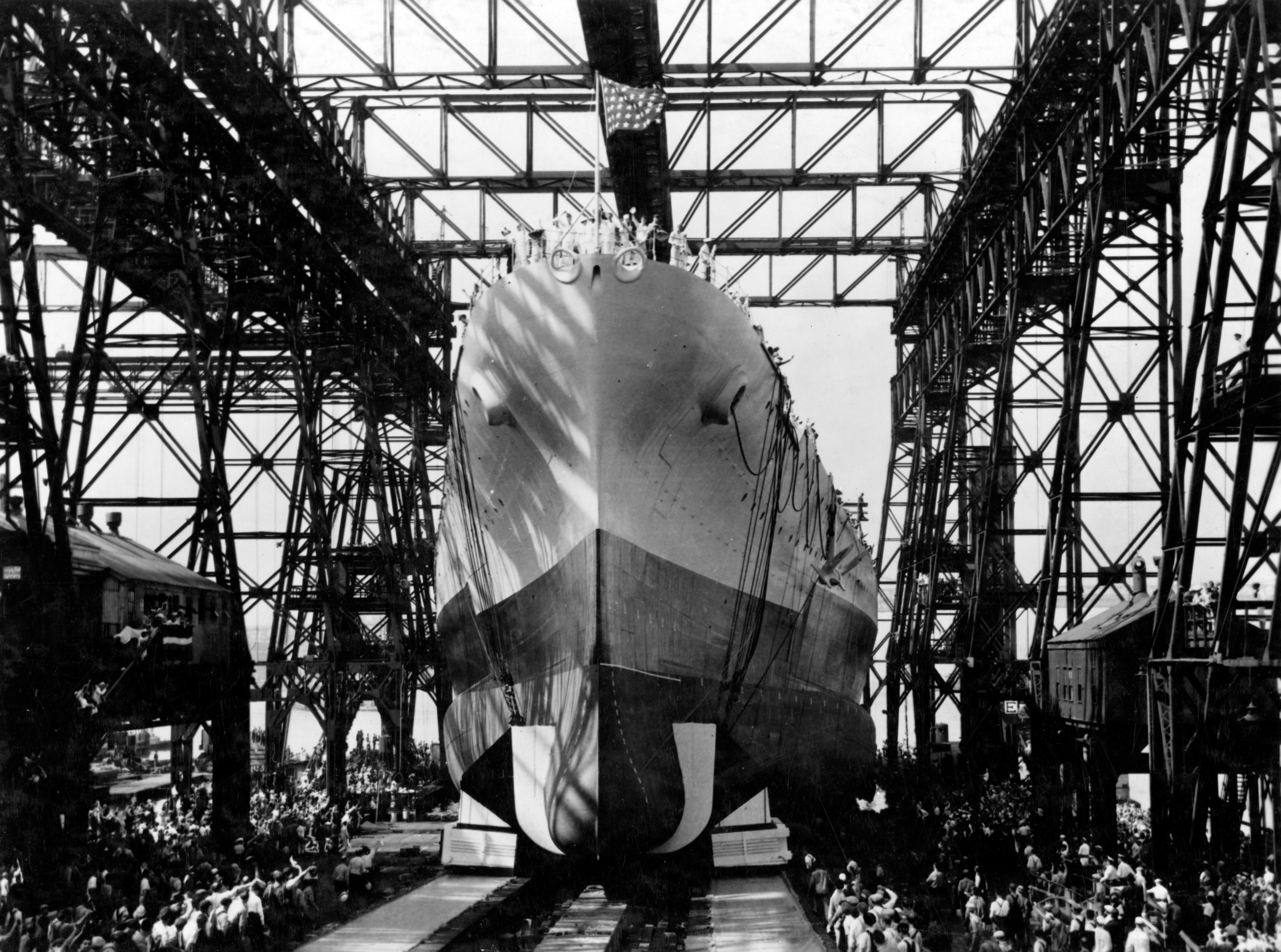
A ship was launched down greased ways into the water, sideways or stern-first, in front of thousands of people. Schools let children out. The yard’s whole workforce stood and watched. A bottle was broken and the hull went into the water under its own weight.
Most ships are now floated out of a building dock by flooding it, which is safer, cheaper, requires no ways and produces no spectacle whatever. The dynamic launch survives at a handful of yards. The loss is purely social, and it is the thing former shipyard towns mention first – a public, communal, genuinely dramatic event that marked the completion of two years of collective work.
8. Men Were Paid Piecework by the Squad and Argued About It Constantly
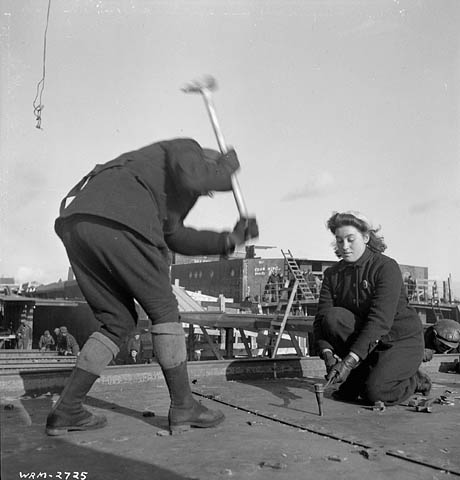
Riveters and platers were paid by output – so many rivets, so many plates – with the rate negotiated job by job. The squad shared the money. A hard job at a bad rate meant a poor week, and the negotiation over rates was continuous, local and adversarial.
Piecework in heavy engineering has largely given way to hourly and salaried pay with productivity agreements. The old system produced extraordinary output and a workforce in permanent low-level conflict with the rate-fixers, and it also meant that the fastest way to earn was to take risks with staging, lifting and the sequence of work.
9. Work Stopped for Weather and Nobody Was Paid for It
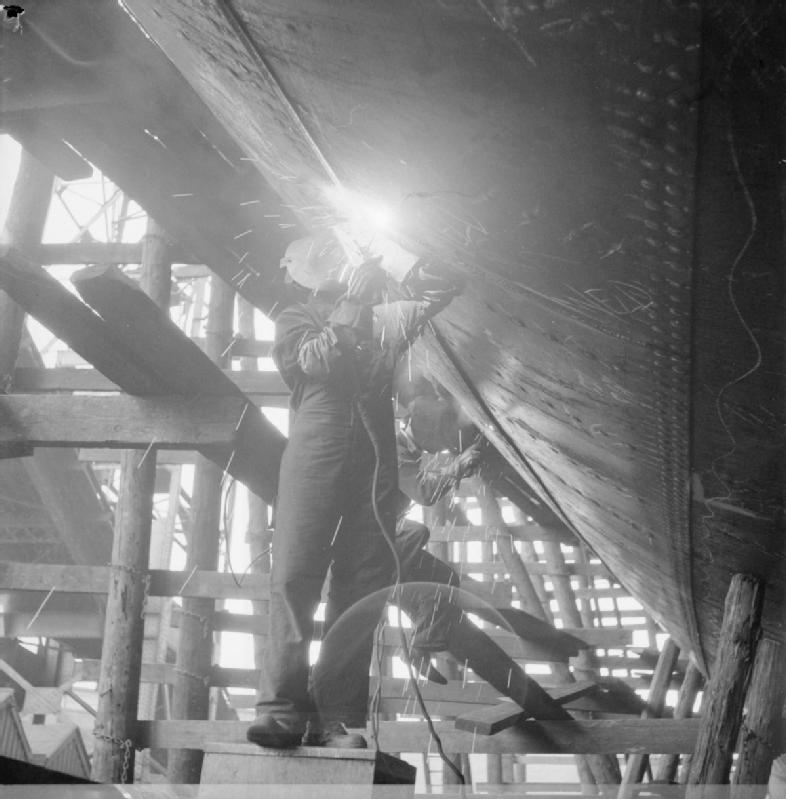
A yard was an open-air building site. Rain, ice, high wind or fog stopped riveting, welding and painting, and men were sent home or stood in a shed until it cleared. In many yards that time was unpaid.
Covered construction halls changed this fundamentally and are one of the principal reasons the industry moved to countries and yards that invested in them. A yard that can work three hundred days a year under cover will beat one that works two hundred in the open, regardless of wage rates, and several national industries lost on precisely that point.
10. The Fitting-Out Basin Was a Second City Inside the First
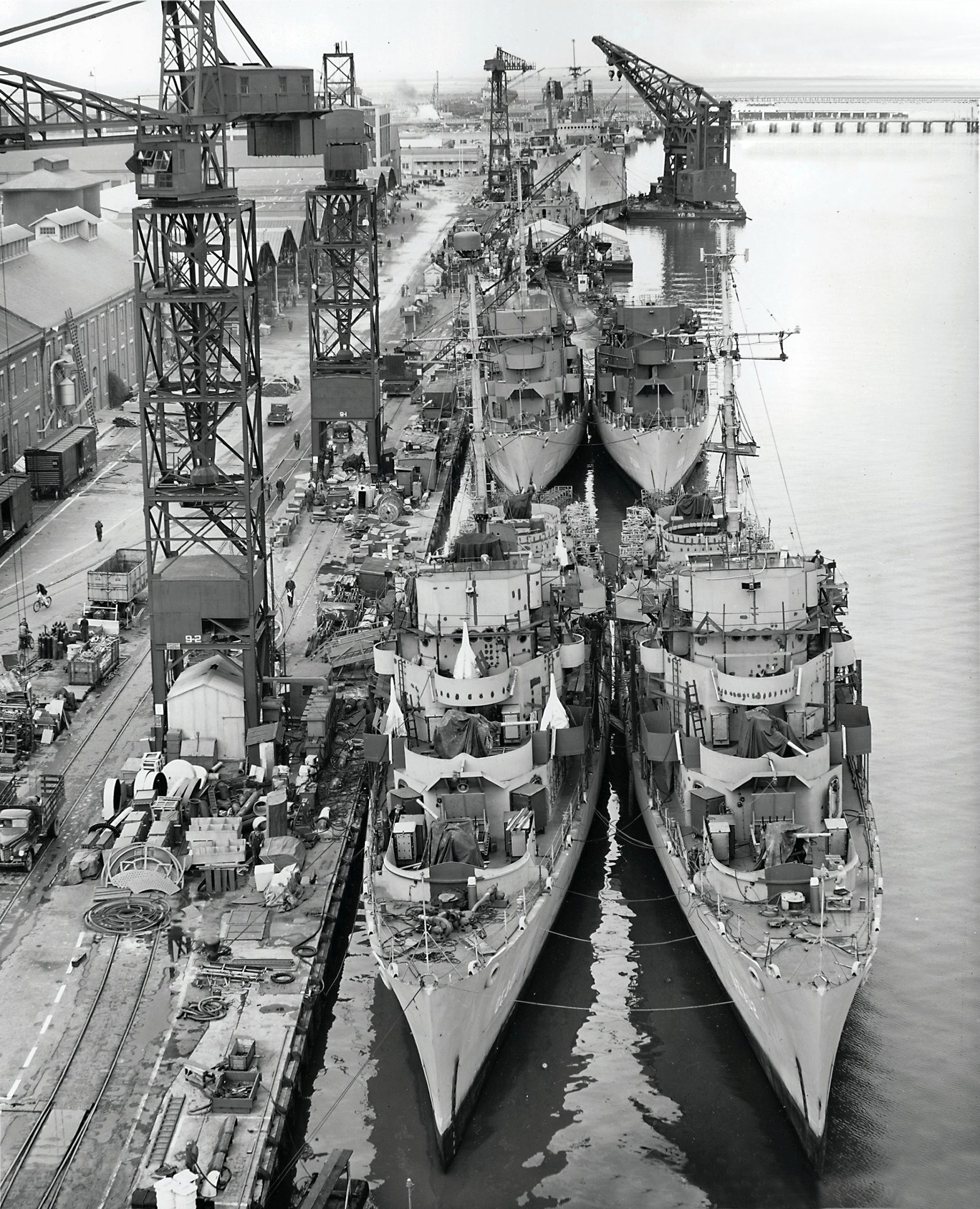
Once afloat, a hull moved to a fitting-out berth where joiners, electricians, plumbers and engineers installed everything inside it – cabins, galleys, machinery, wiring – working in confined spaces with no ventilation, poor light, and other trades above and below them in the same compartment.
Confined space entry is now a controlled procedure with permits, gas testing, ventilation and rescue arrangements. Pre-outfitting – fitting out blocks before they are joined, at ground level, in daylight – removed most of the confined work altogether. It is a better method on every measure and it is the single biggest productivity change in the industry.
11. The Yard Employed Thousands and They All Walked In
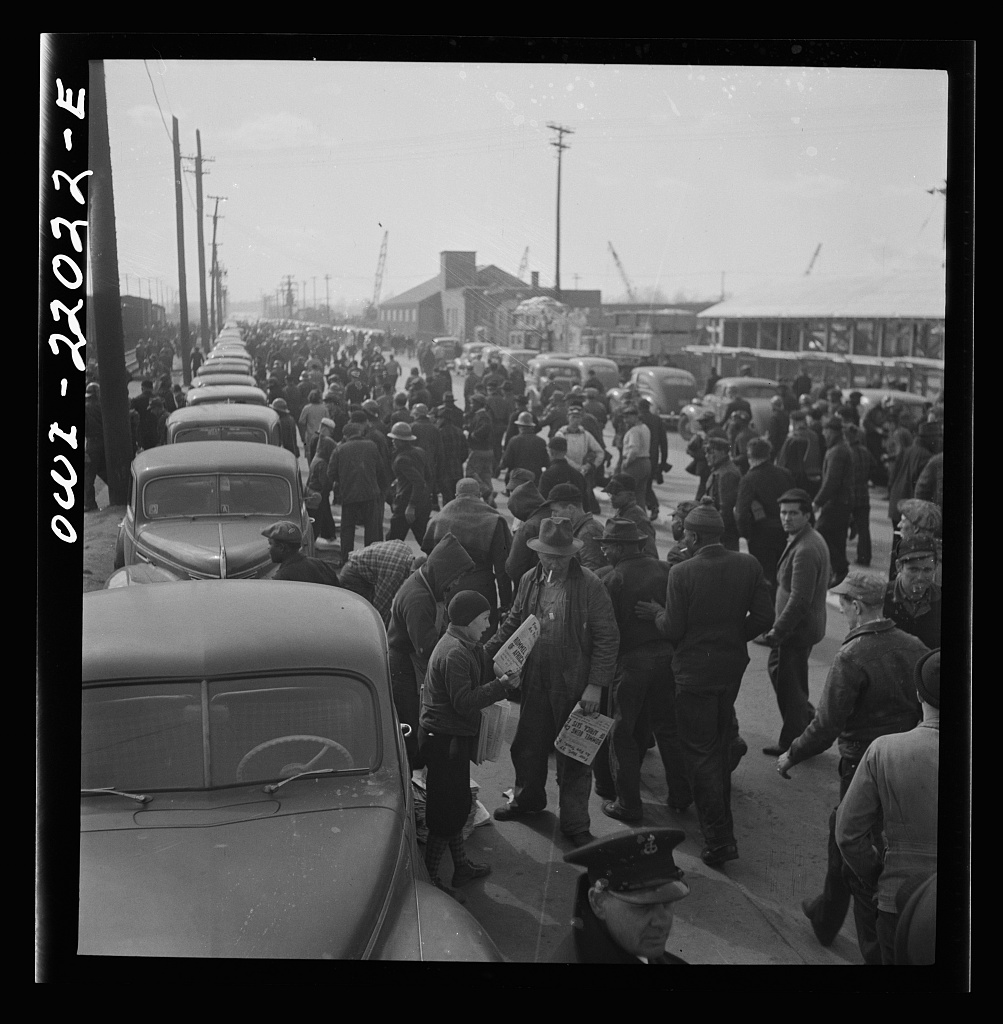
A large yard employed between five and twenty thousand people, almost all living within walking or short bus distance. The shift horn emptied streets. Photographs of a yard gate at knocking-off time show a crowd that looks like a football match.
Yard employment collapsed over the following decades in most of the traditional shipbuilding countries, through a combination of competition from yards with lower costs and newer methods, the shift to modular construction requiring far fewer workers per ship, and the loss of protected markets. The towns built around those gates are still dealing with it, and the walkable industrial town with one employer is the social form that went with it.
12. Lifting Was Done by Crane Drivers Working on Hand Signals Alone
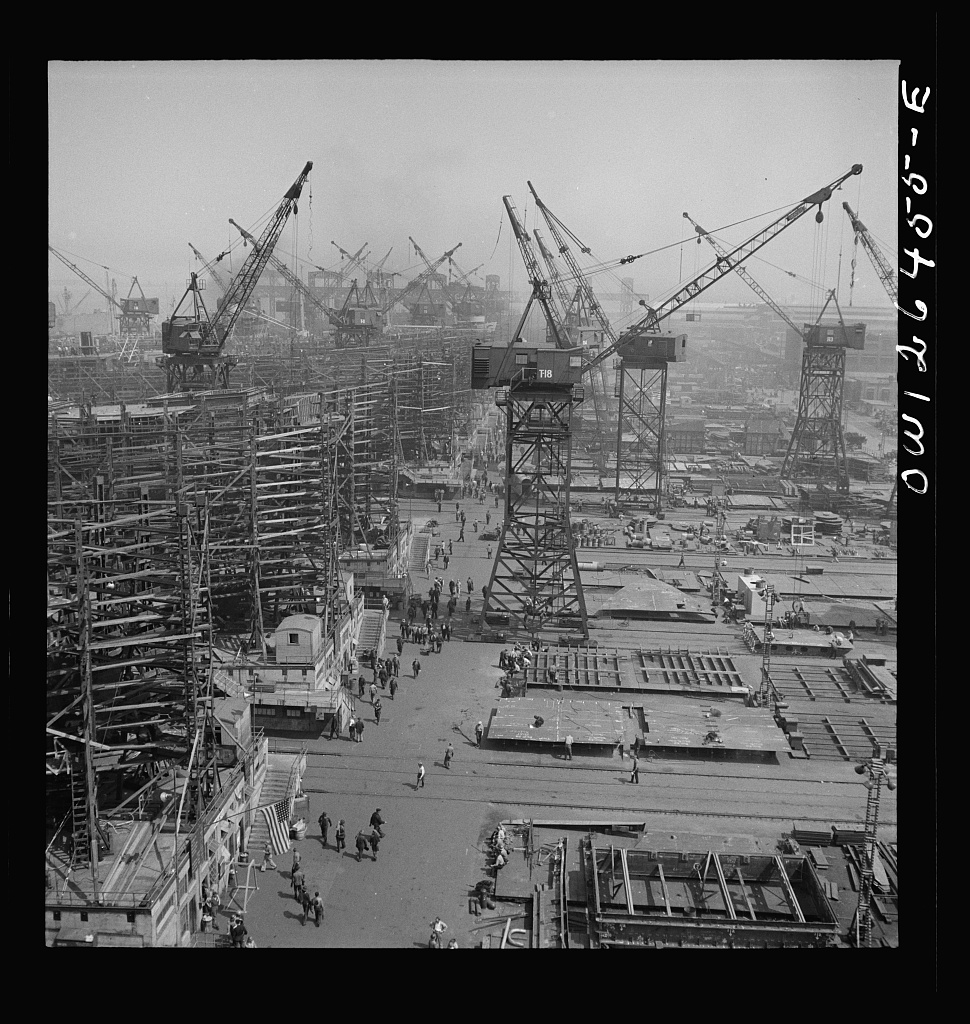
A hammerhead crane driver sat in a cab a hundred feet up, frequently unable to see the load’s destination, and worked entirely from flag or hand signals passed by a banksman on the ground. A plate weighing several tons swung across a yard full of men on the strength of that communication.
Lifting operations are now a planned activity with an appointed person, a documented plan, certified slings and shackles with recorded inspections, exclusion zones under the load and radio between the slinger and the driver. Dropped and swinging loads were a steady source of fatalities in the old yards, and almost every element of the modern regime exists because of a specific category of accident that used to happen regularly.
13. The Paint Was Applied by Hand in Enclosed Spaces With No Extraction
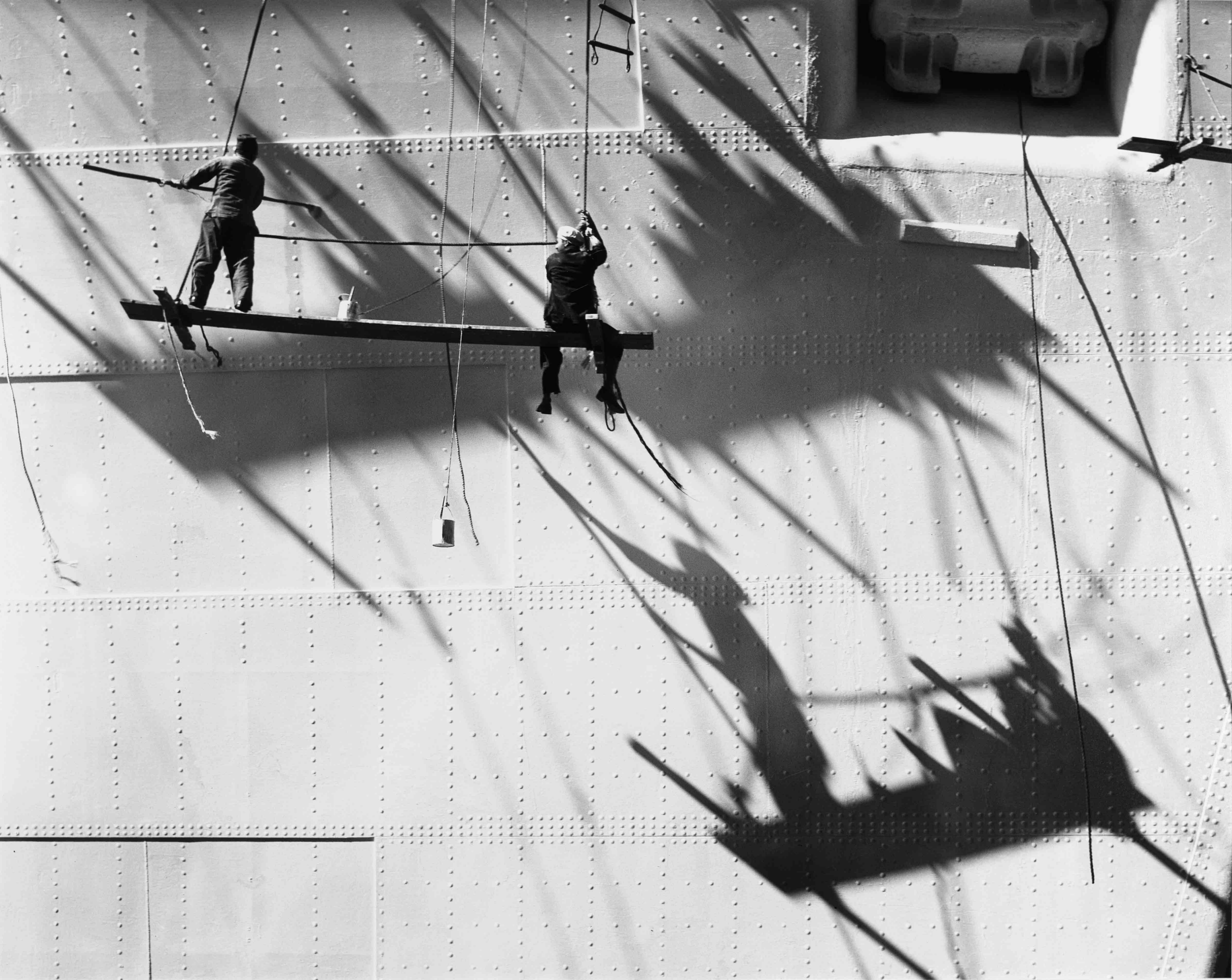
Red lead primer, coal tar coatings and solvent-based paints were brushed and sprayed inside tanks, double bottoms and cofferdams – the most enclosed spaces in the ship – by men working with a lamp and no ventilation beyond whatever reached them through an access hatch.
Solvent vapour in a confined space is both a toxic exposure and an explosion risk, and the lead in the primer was a further problem. Forced ventilation, gas monitoring, respiratory protection, permit systems and the reformulation of the coatings themselves have transformed this. The item is noted as industrial history; the painters of that era had a recognised set of occupational exposures and anybody with that history should take it to a doctor rather than to a list.
14. Nobody in the Yard Thought the Work Would Go Abroad
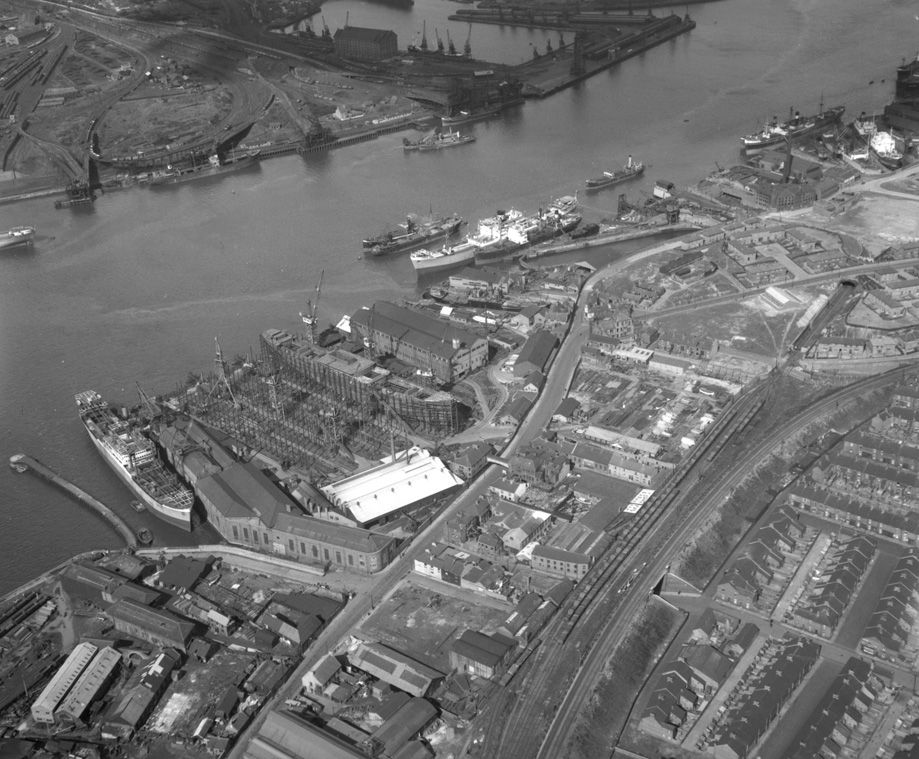
In 1965 the traditional shipbuilding nations still held a very large share of world output, and the industry was regarded as a permanent national asset. Investment decisions, training and town planning all assumed continuity.
Within about fifteen years the centre of world shipbuilding had moved decisively to East Asia, on the strength of large covered yards, modular construction, standardised designs, state support and lower costs. The older yards that survived did so by specialising – naval work, complex vessels, repair – rather than by competing on merchant tonnage. The speed of that transfer, inside a single working life, is the thing that the men who were apprenticed in 1965 still find hard to describe.
Why the Industry Moved
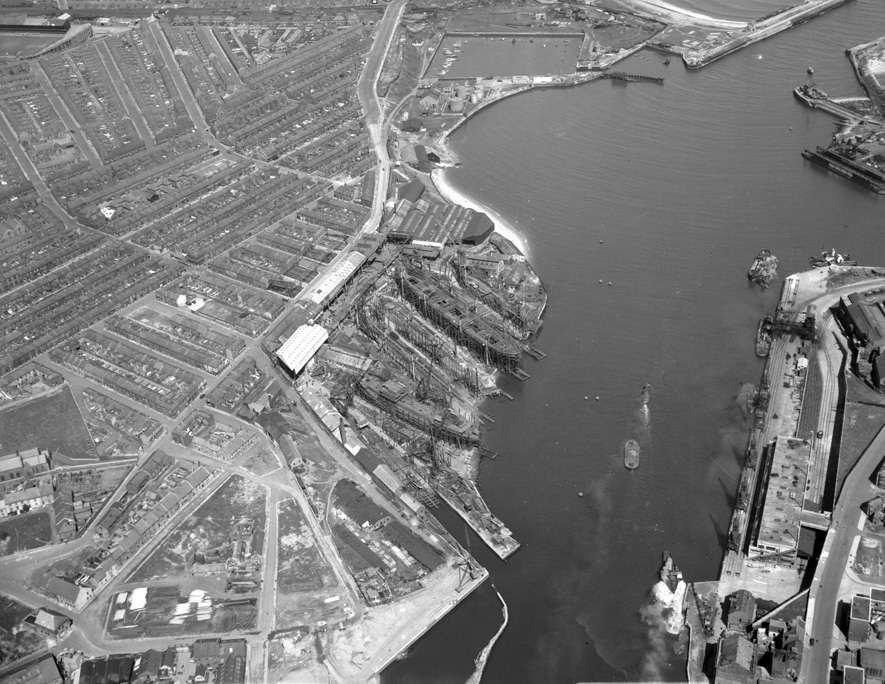
The usual explanations in the shipbuilding towns are cheap foreign labour and bad management, and both contain something. Neither is the main thing.
The main thing is that the method changed and the old yards could not adopt it. Modular construction – building large pre-outfitted blocks indoors and joining them in a dock – is faster, safer and dramatically more productive than assembling a hull plate by plate in the open air. It requires enormous covered halls, heavy gantry cranes and a flat site laid out for the flow of blocks.
Traditional yards were built on riverbanks, on narrow sites, around sloping berths designed for a launch. They could not be converted without being demolished and rebuilt, and in most cases that investment was never made, while competitors built new yards from scratch to the new method.
The demarcation disputes, the piecework arguments and the industrial relations history made it harder and are the part that gets remembered locally, because they were visible and because people took sides. But a yard working outdoors on a sloping berth was going to lose to a yard working indoors on blocks regardless of who was in charge of it.
What went with the industry was not just the ships. It was five-year apprenticeships, a dozen skilled trades, and a town where everybody walked to the same gate.
If your family worked in a yard, the launch is almost certainly the thing you were taken to see.
Which yard, which trade, and what was the last ship they built there?
Like our content? Follow us for more.