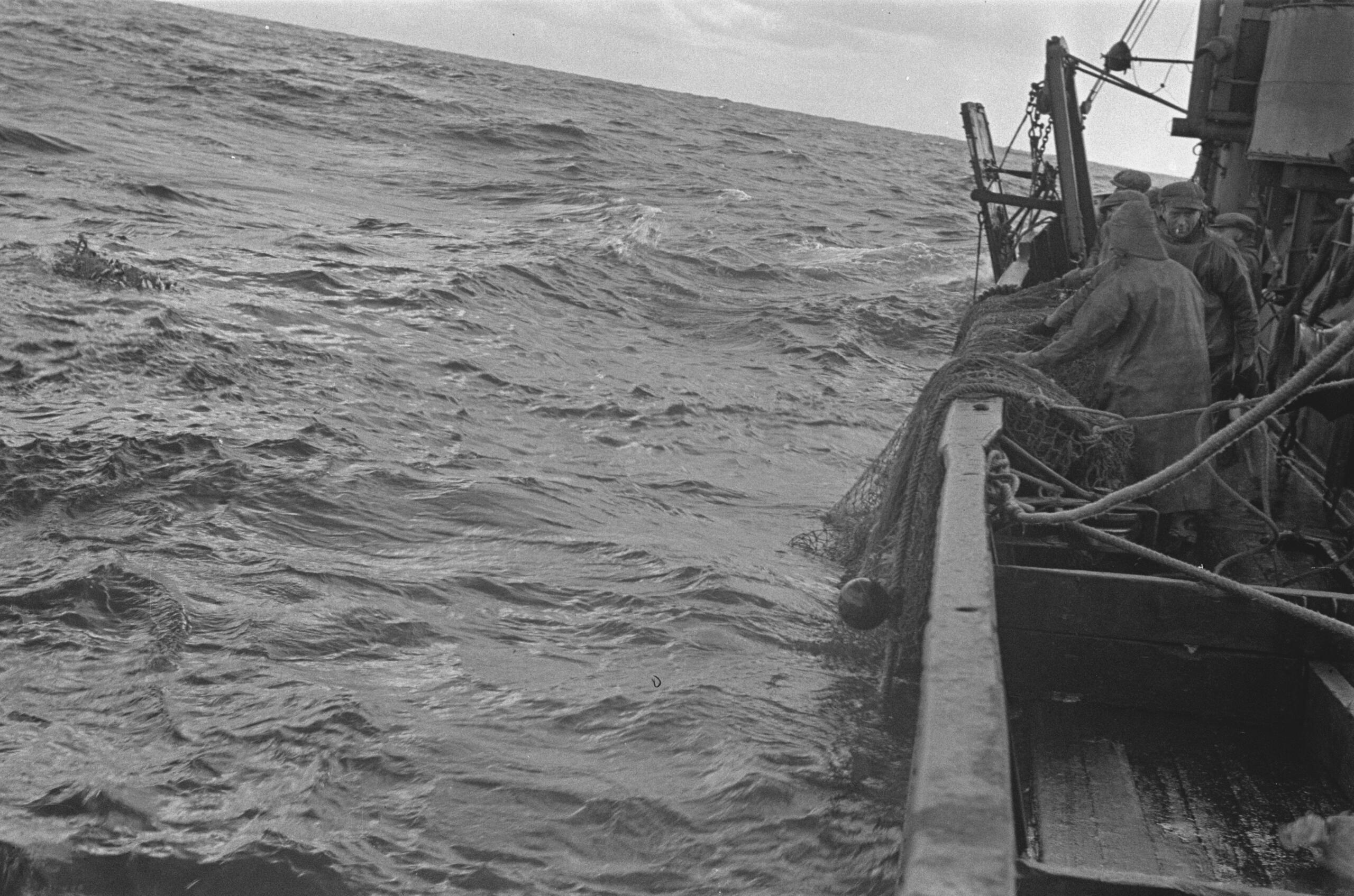
In 1965 a commercial fishing crew went to sea in a wooden boat, paid by a share of whatever they caught, with no survival suits, no catch limit, no satellite position and a weather forecast that was hours old and usually general.
They stayed out until the hold was full, worked the deck through the night among unguarded machinery and ropes under lethal tension, and came home to a port where every other trade in the town depended on what they landed.
Here are fifteen things that were ordinary aboard in 1965, and what each one became.
1. The Crew Were Paid a Share of the Catch, Not a Wage
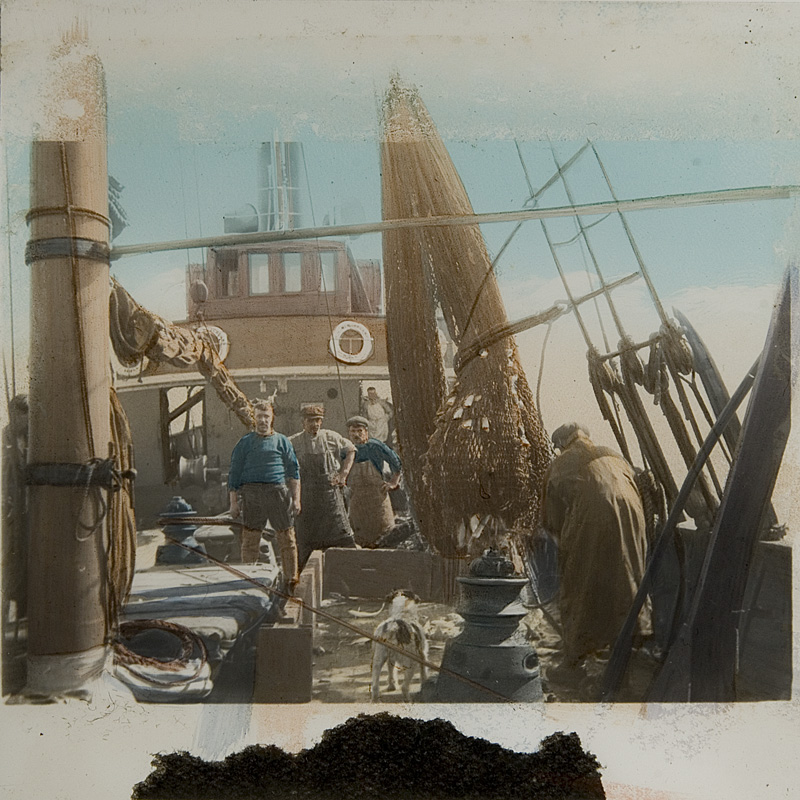
Commercial fishing ran on the share system. The boat took a portion for fuel, gear, grub and the owner, and what remained was divided among the crew by position – the skipper taking the largest share, the engineer and mate next, the deckhands least. A bad trip paid nothing at all.
The share system is ancient, it persists in much of the industry, and it has one enormous consequence: the crew carry the business risk alongside the owner. It also puts a direct financial penalty on turning back, which is the mechanism behind most of the rest of this list. Modern fisheries management, quota systems and insurance requirements have modified it in places; the basic structure is still there.
Like our content? Follow us for more.
2. You Fished in Weather That Would Now Stop the Boat
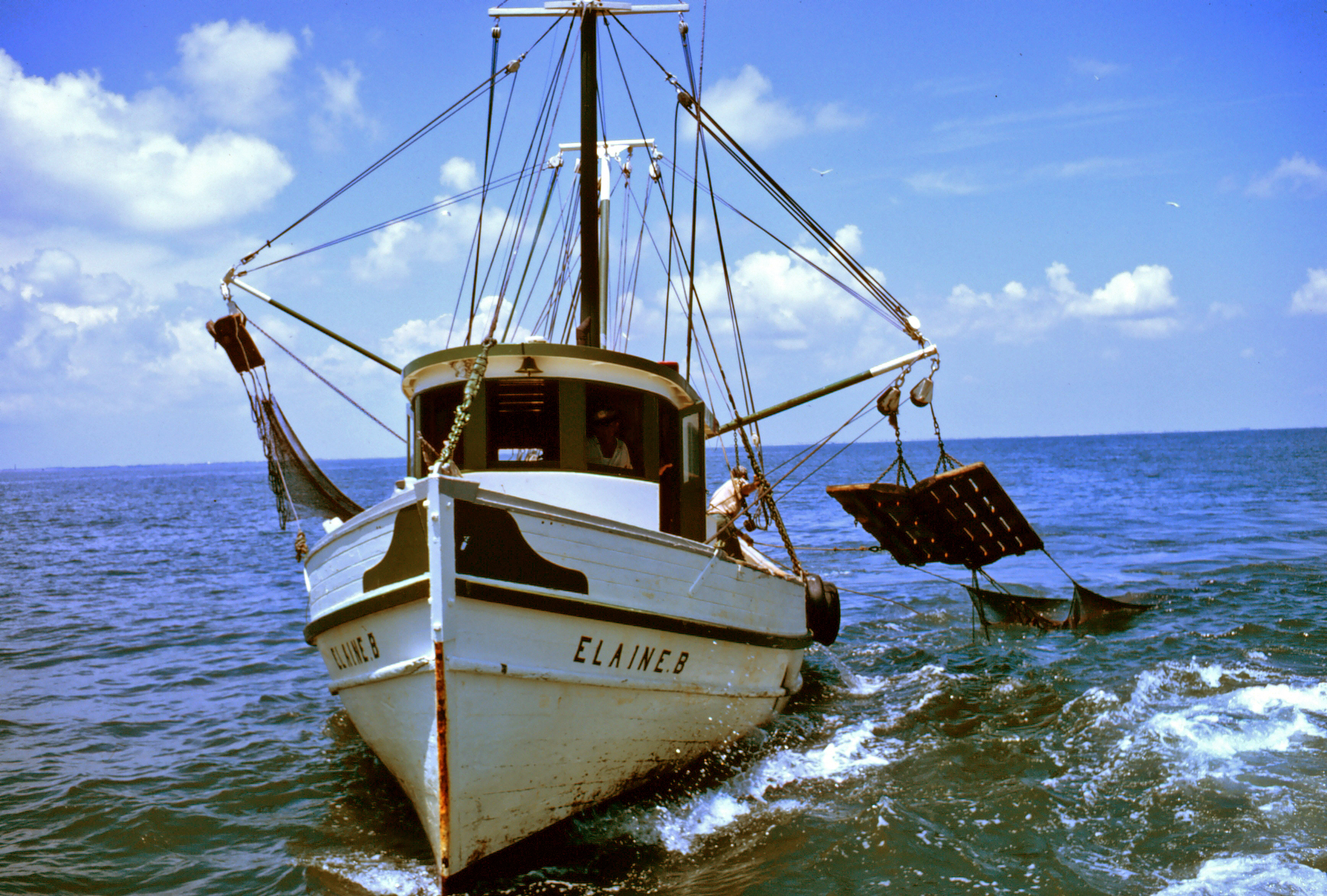
The decision to sail was the skipper’s alone, and it was made against a forecast that was general, hours old and frequently wrong. Once out, the decision to keep fishing rather than run for shelter was also his, and the share system meant that every hour hove to was money nobody earned.
Marine forecasting has been transformed by satellite data, numerical modelling and continuous updates to the wheelhouse. Vessel stability standards, loading limits and in some fisheries hard weather restrictions now constrain the decision. Commercial fishing nonetheless remains one of the most dangerous occupations by fatality rate in most countries that measure it, which is the plainest possible statement of how much of the risk is structural rather than careless.
3. There Were No Survival Suits and Frequently No Lifejacket
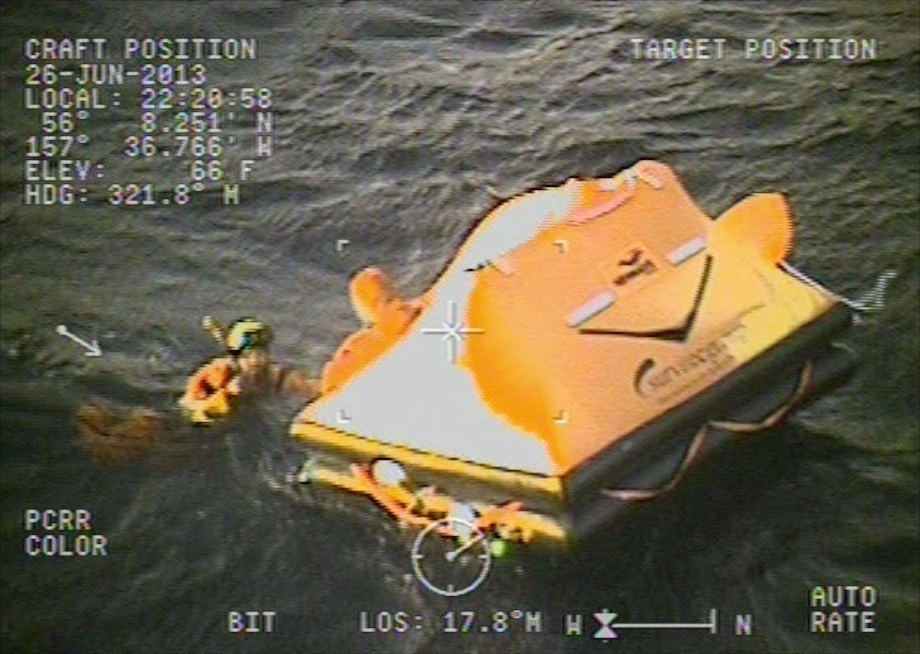
Immersion suits were not standard equipment in 1965. A man who went over the side in cold water had minutes. Lifejackets existed, were bulky, interfered with work on a moving deck, and were widely not worn – a point every fisherman of that generation will concede immediately.
Immersion suits, inflatable personal flotation devices that do not impede work, liferafts with hydrostatic release, and emergency beacons that transmit a position automatically became requirements through the following decades. Survival rates after a sinking changed accordingly. The beacon in particular converted an unsurvivable situation into a search with coordinates, which is the single largest improvement in the safety of the work.
4. The Deck Was a Moving Surface Covered in Machinery and Rope
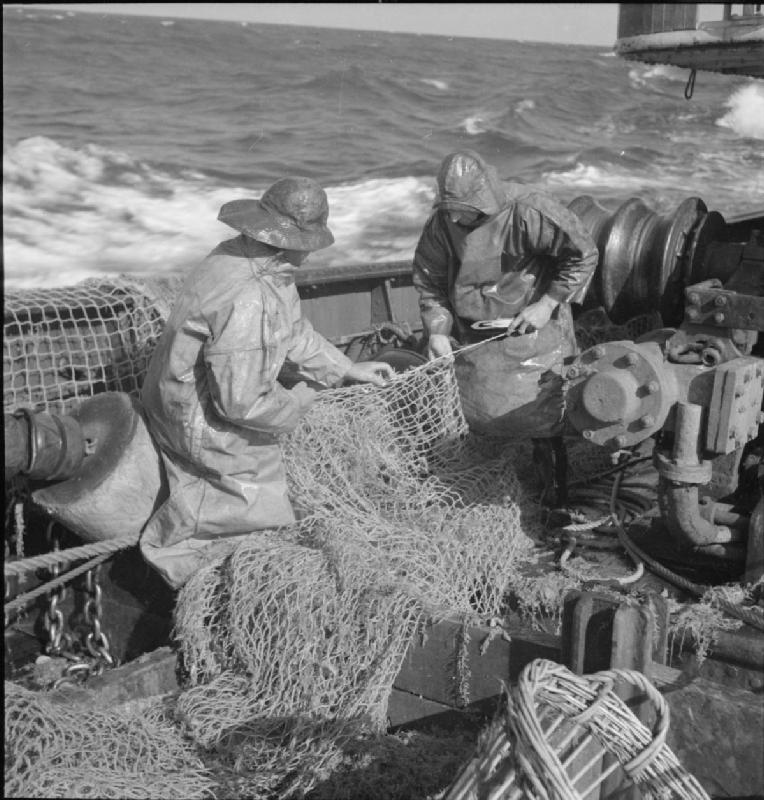
Winches, warps under enormous tension, a trawl door weighing hundreds of pounds swinging on a pitching deck, coils of line that could take a leg, and no guarding on any of it. The most common serious injuries were crushing, entanglement and being struck.
A parted warp under tension recoils with lethal force, and everybody aboard knew where not to stand. Guarding, emergency stops within reach, deck layout standards and formal safety training have reduced the exposure substantially. What cannot be engineered away is that the workplace is a wet steel platform moving in three dimensions, which is why the injury rate remains high even now.
5. Trips Ran Until the Hold Was Full, However Long That Took

A boat stayed out until it had a load worth landing. That might be two days or two weeks. Crews worked watches of six hours on and six off, and in heavy fishing worked through – twenty, thirty, occasionally more hours on deck with brief breaks.
Fatigue is now recognised as a leading contributory factor in marine casualties, and work and rest hour requirements apply to many vessels, though enforcement in small-boat fisheries is genuinely difficult. Quota management also changed the incentive: when the catch is limited by allocation rather than by how long you can stay out, there is less reason to fish a crew to exhaustion.
6. Navigation Was a Compass, a Chart and a Paper Logbook of Marks
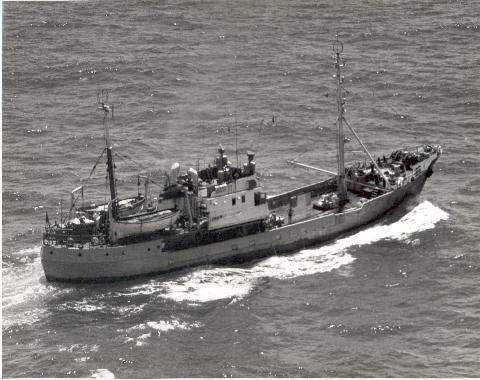
Position was kept by dead reckoning – course, speed and time – corrected by landmarks, soundings and, on better-equipped boats, radio direction finding or early electronic positioning. The productive grounds were recorded as personal marks and were the skipper’s private property, written in a book he did not show anybody.
Satellite positioning made the marks worthless as a trade secret and made finding a spot trivially repeatable. Plotters, colour sounders and net monitoring turned a skill accumulated over thirty years into a purchasable capability. Older skippers are consistent about what this did: it removed the advantage of experience and made the fishing itself more efficient, which is part of why stocks came under the pressure they did.
7. The Fish Was Kept on Ice and the Clock Started Immediately
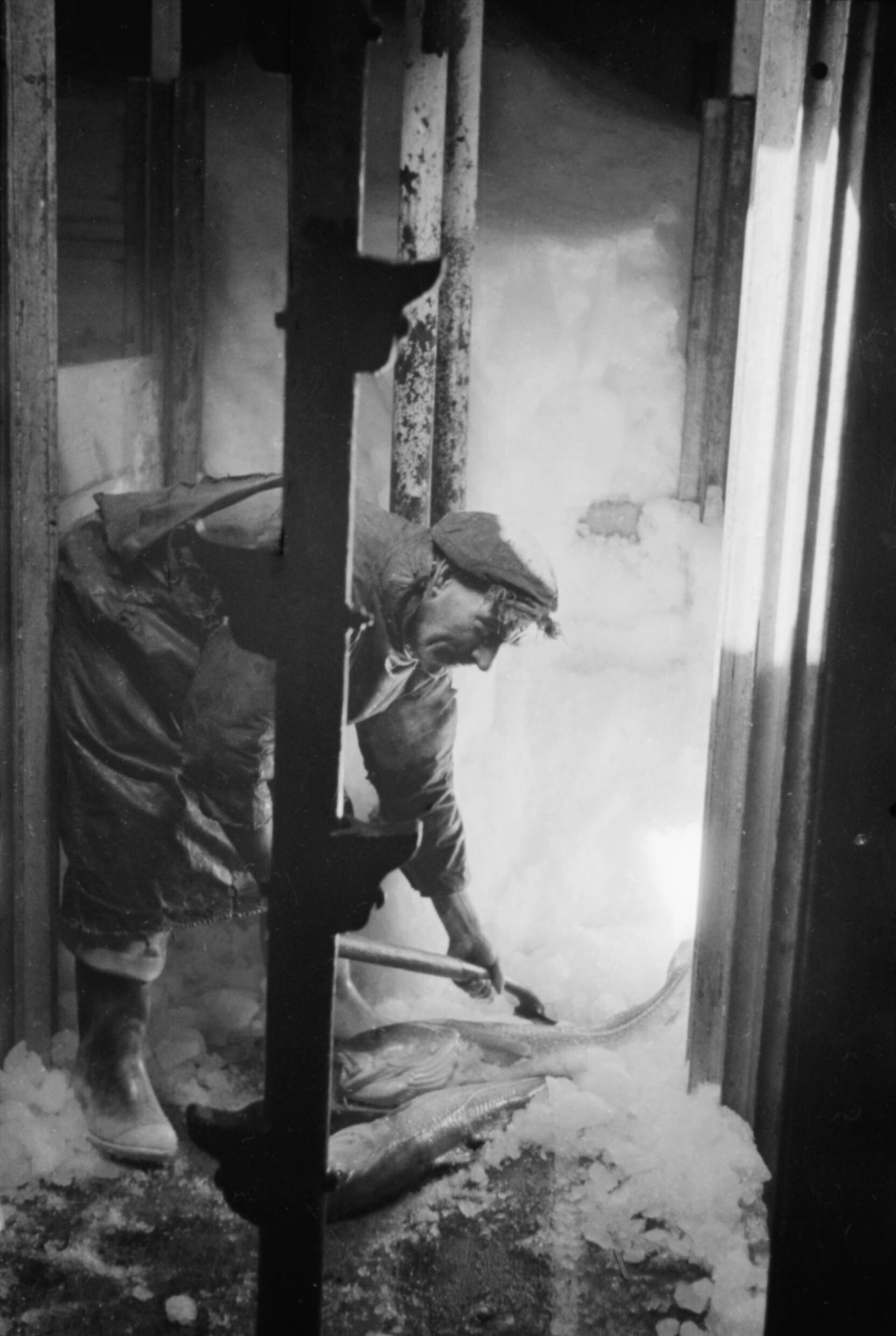
Ice in the hold, shovelled over the catch, was the whole of the preservation technology on most boats. The quality of the landing depended on how fast the trip was finished and how well the fish had been handled, and the first fish caught was always the worst by the time it was landed.
Refrigerated seawater systems, onboard freezing, and chilling at sea transformed both quality and the length of trip that was commercially viable. For the crew it meant that the race to get home before the catch deteriorated – which pushed boats to sail in weather they should not have – lost much of its force.
8. There Was No Limit on What You Could Catch
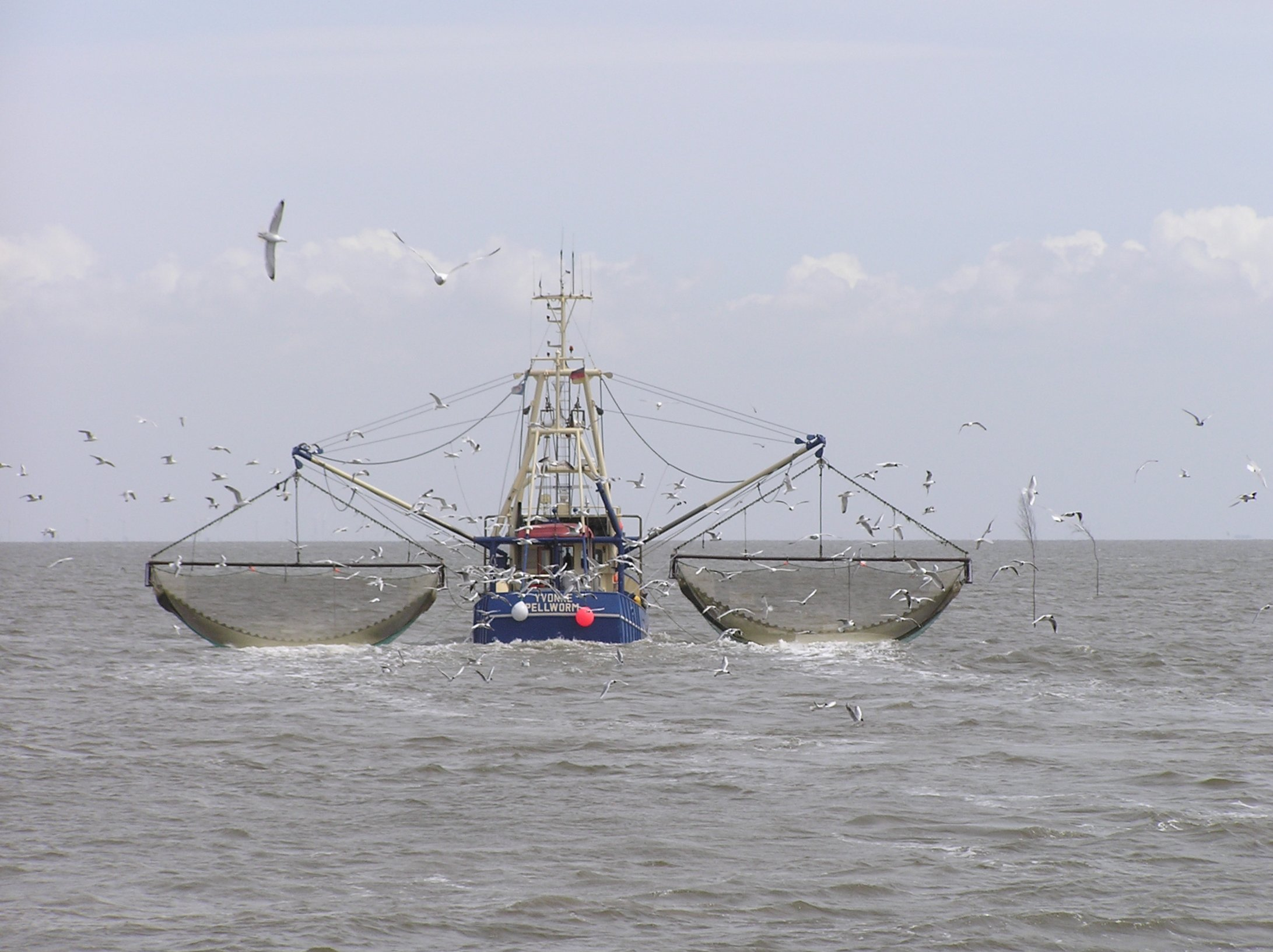
In 1965 most fisheries operated without catch quotas. The constraint was what the boat could find, hold and sell. Larger and more capable vessels, better electronics and bigger nets were understood straightforwardly as progress.
The collapse of several major fisheries over the following decades changed this completely. Quota systems, licence limitation, gear restrictions, closed areas, seasons and minimum landing sizes are now the framework everywhere, and the political argument about them has been running for fifty years. The 1965 position – that the sea was effectively inexhaustible if you worked hard enough – was sincerely held by almost everybody in the industry and was wrong.
9. Bycatch Went Over the Side and Nobody Counted It
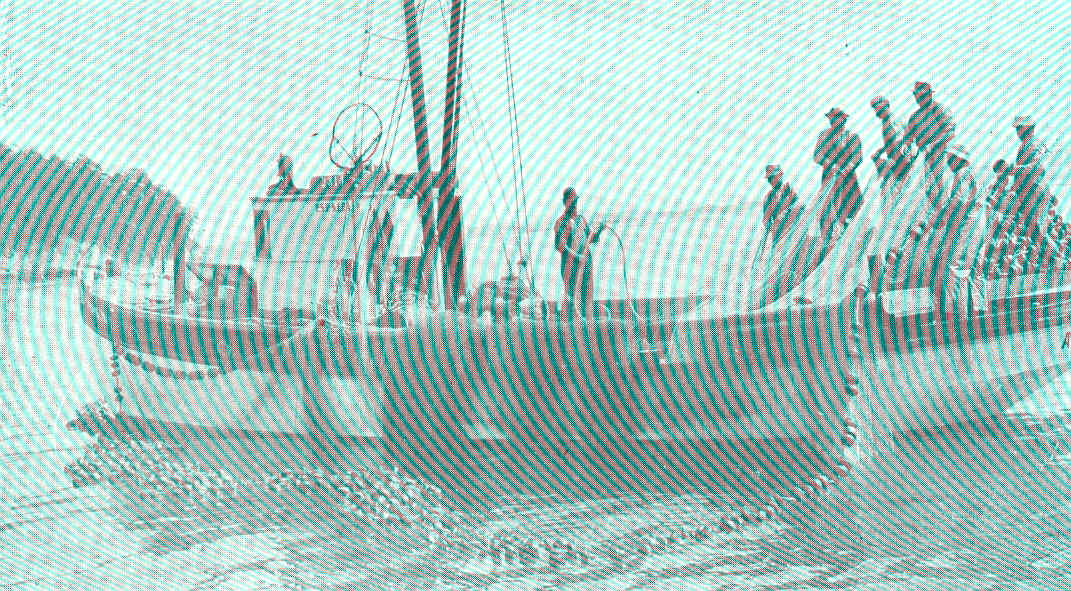
Whatever came up in the net that was not wanted – undersized fish, the wrong species, seabirds, turtles and marine mammals in some fisheries – was shovelled back, mostly dead. It was not recorded, not regulated and not regarded as a problem worth naming.
Bycatch reduction devices, turtle excluders, escape panels, seabird-scaring lines, observer programmes, electronic monitoring and landing obligations have each addressed parts of it. The problem is far from solved and is one of the most contested areas in fisheries policy. What changed first was simply measurement: once somebody counted it, it became impossible to describe as nothing.
10. The Boat Was Wooden, and the Man Who Built It Lived Nearby
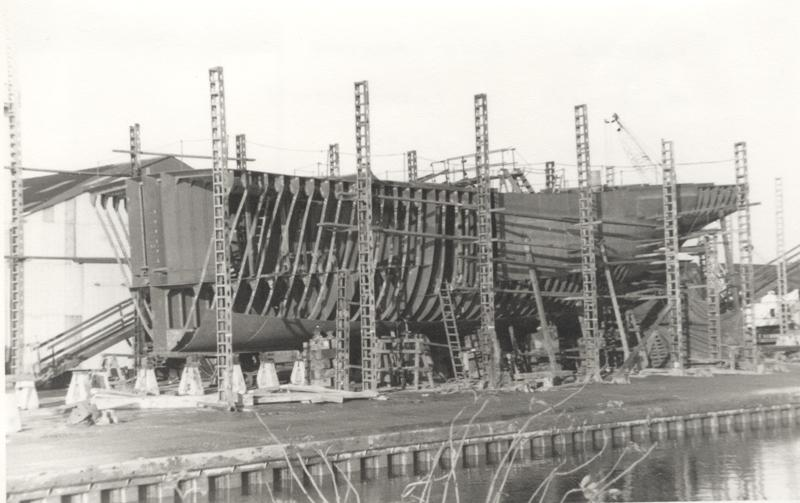
A great many working boats in 1965 were wooden, built in a local yard by shipwrights who knew the grounds the boat would fish and shaped the hull accordingly. Repairs were made by the same yard. A boat was expected to last decades and to be rebuilt rather than replaced.
Steel and then fibreglass displaced wood for most new construction, offering lower maintenance, longer life and the ability to build to a standard design. The local yard went with it, and so did a body of regional hull knowledge – the specific shape that worked in a particular stretch of water, developed over generations and never written down.
11. The Whole Town Was in the Industry
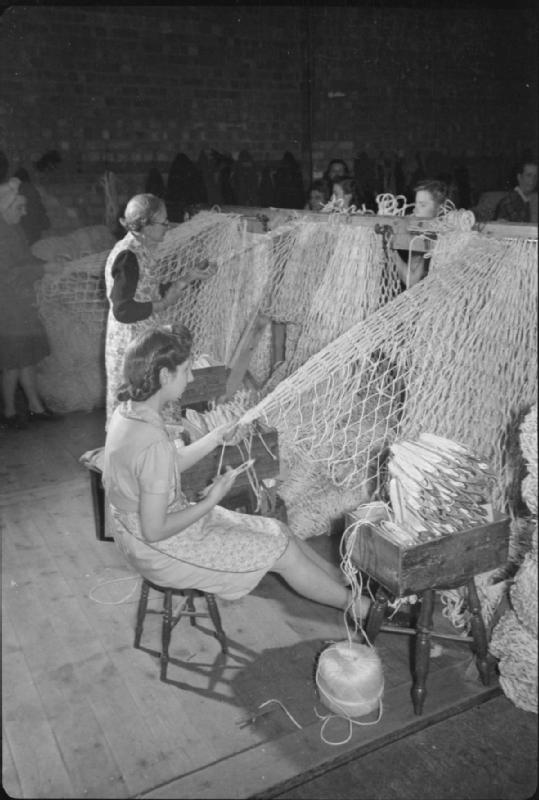
A fishing port supported net makers, ice plants, box makers, coopers, fuel merchants, chandlers, engineers, lumpers to unload, auctioneers, processors and the market itself. The boat was the visible part of an employment structure several times its size.
Consolidation of processing, container transport, imported fish and the contraction of fleets under quota took most of those trades. The ports that remain working are generally those that found a second function – leisure, tourism, aquaculture, offshore energy support – and the ones that did not are among the most economically depressed places in their countries.
12. Women Worked the Shore and Were Not Counted as the Industry
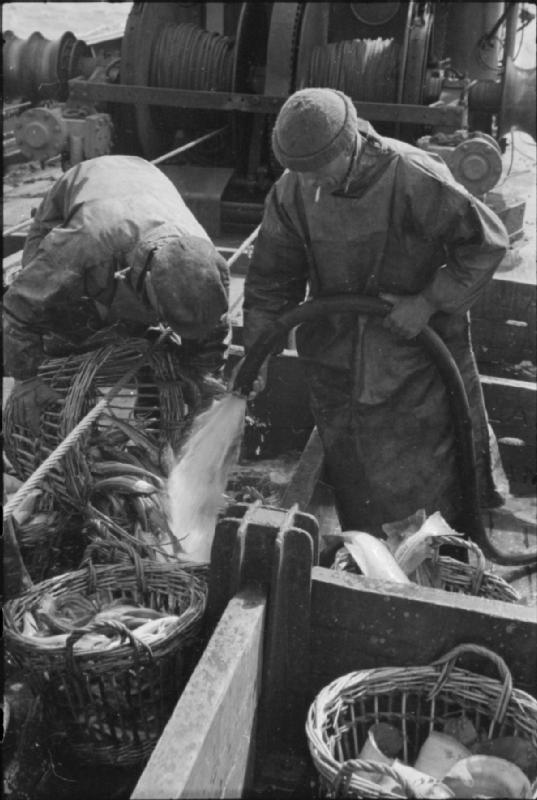
Net braiding and mending, gutting and filleting, packing, running the books, managing the household on an irregular and unpredictable income, and organising the response when a boat was lost. In most official accounts of the industry none of this appeared.
Processing work remains substantially female and is now waged and regulated rather than piecework at a quayside. The unpaid administrative and emotional work of running a fishing household has been documented by researchers only relatively recently. Women also now go to sea in commercial fisheries, in small but no longer negligible numbers, which in 1965 was essentially unheard of and in many ports regarded as unlucky.
13. Losses Were Expected and the Town Absorbed Them
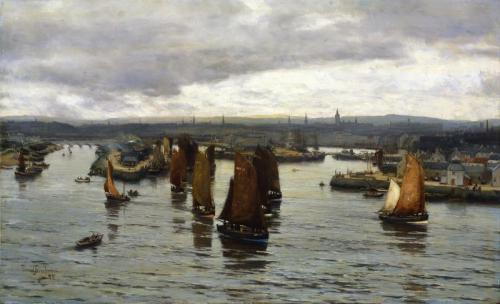
Every fishing community had a memorial and a list of names, and the list got longer. A boat overdue produced a vigil at the harbour. There was frequently no insurance for the crew’s families and no systematic support beyond what the town itself raised.
Search and rescue is now a coordinated service with helicopters, lifeboats and coastguard coordination responding to an automatic distress position. Compensation schemes, insurance requirements and welfare charities specific to fishing exist in most countries. The losses have not stopped, and the memorials are still being added to, which is why nobody in the industry regards the safety improvements as finished.
14. Contact With Shore Was a Radio Schedule Twice a Day
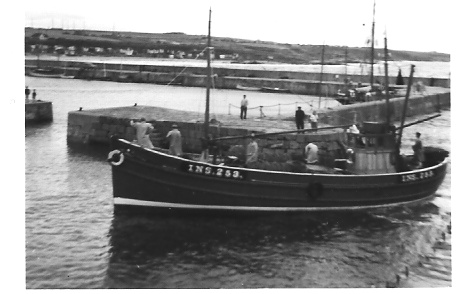
The set was single sideband or medium frequency radio, and the boat kept a schedule – a fixed time, morning and evening, when the skipper spoke to the owner, the agent or his wife. Outside those windows a boat at sea was effectively unreachable, and a family ashore learned nothing until the next call.
Skippers also talked to each other on the schedule, in a guarded code, because telling the fleet where the fish were was giving away the trip. Satellite telephony, electronic reporting and position monitoring have made a boat continuously contactable and continuously tracked, which has ended both the isolation and the secrecy. The wives of that generation describe the two daily silences as the defining feature of the life, and they are not describing the sea.
15. Nobody Believed the Fish Would Run Out
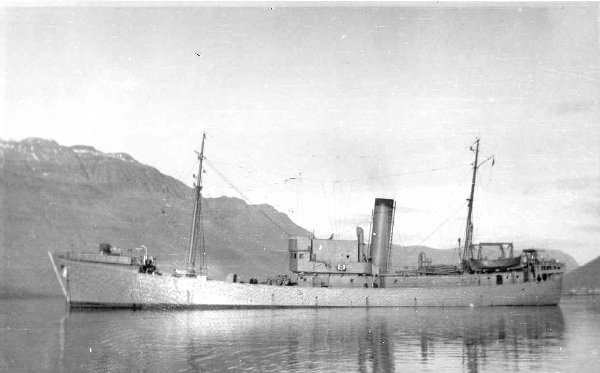
The prevailing view in 1965, held by fishermen, by processors and by a good deal of official science, was that the sea’s productivity was effectively limitless and that catches were constrained by effort rather than by the stock. Investment, subsidy and boat-building policy all followed from that belief.
Several major fisheries collapsed outright over the following three decades, with consequences for the towns that depended on them that are still visible. Fisheries science shifted decisively towards stock assessment and precautionary limits, and management moved from maximising catch to constraining it. The fishermen who were on deck in 1965 watched the entire logic of their industry be reversed inside one working life, and the argument about who should have known what, and when, has never finished.
What the Share System Explains
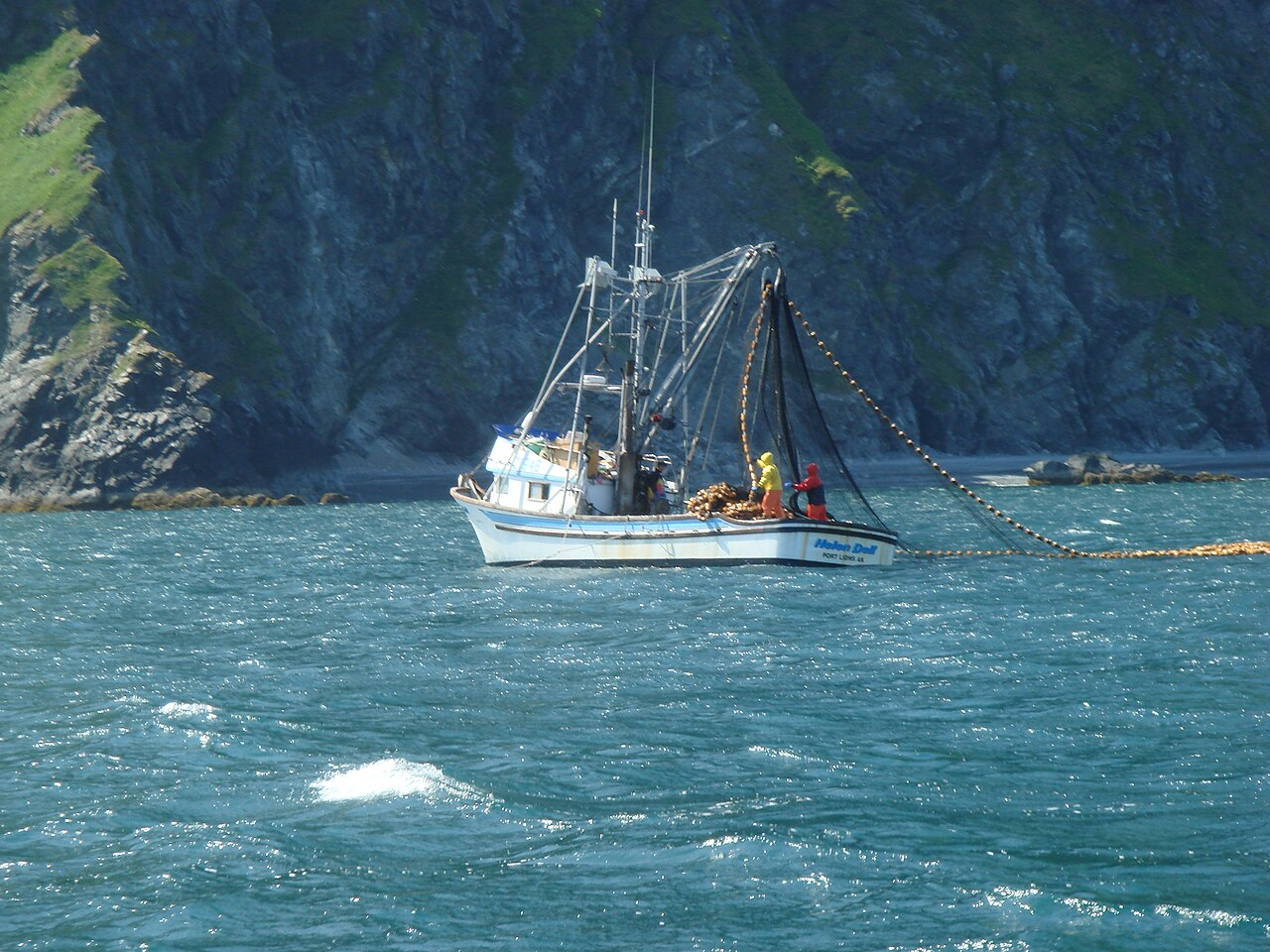
Almost everything dangerous about the old fishery traces back to one arrangement, and it is worth saying plainly.
A crew paid a share of the catch has no income from a trip that is cut short. Not reduced income – none. That turns every safety decision into a financial one taken by men who are already at sea, already tired, and watching the weather with the knowledge that going home early means going home with nothing.
So they sailed in marginal conditions, fished longer than was sensible, worked without flotation that got in the way, and raced the deterioration of the catch back to port. None of that was recklessness in the way the word is usually used. It was a rational response to how they were paid.
What changed the fatality figures was not telling fishermen to be careful. It was the emergency beacon that gives a position, the immersion suit that buys an hour, the liferaft that deploys itself, the forecast that is right, and the quota that removes the reason to race. Each of those altered the arithmetic rather than the attitude.
The share system is still there, the work is still among the most dangerous there is, and every port that still has a fleet still has a memorial with space left on it.
If your family fished, the item that lands is usually the share system or the overdue boat.
Which port, what were they after, and is the boat still afloat?
Like our content? Follow us for more.