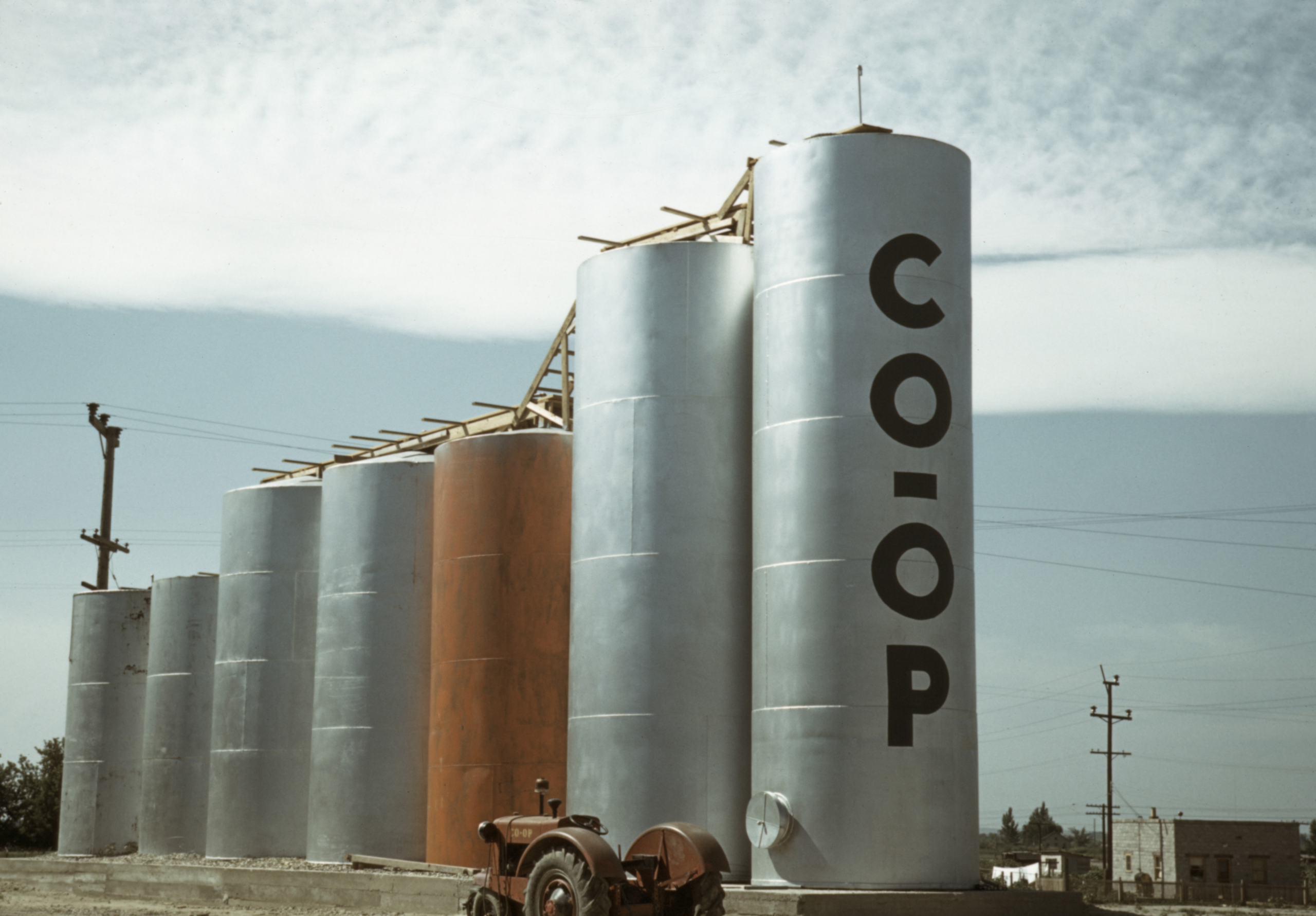
In 1960 the grain elevator beside the railway was the tallest building for thirty miles, the only buyer a farmer could reach, and the reason a great many towns existed at all.
It was built of stacked timber, full of explosive dust nobody wore a mask against, climbed by ladder in the dark, and cleared by men walking down into bins of flowing grain.
Here are twelve things that were ordinary at a country elevator in 1960, and what each one became.
1. The Elevator Was the Tallest Thing for Thirty Miles and the Town Was Named After It
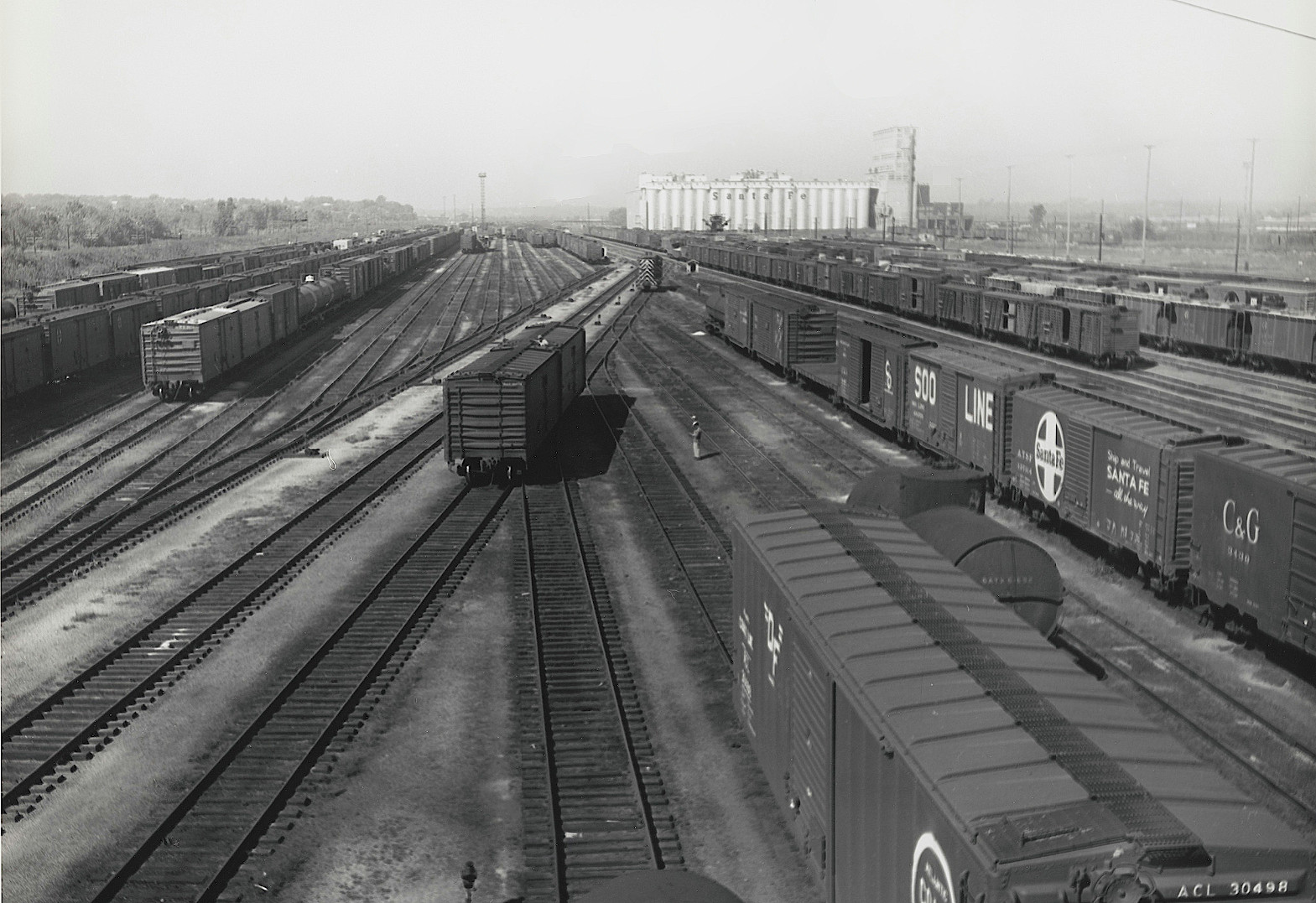
A grain elevator stood beside the railway track, visible from every road into town, and in a great many places the settlement existed because the elevator did – the railway put in a siding, the elevator went up beside it, and the town assembled around both.
Consolidation changed the geography completely. Country elevators serving a few miles of farmland were replaced by large terminal facilities serving a far wider area, reachable by truck on improved roads and loading unit trains of a hundred cars at a time. Thousands of small elevators closed, and a great many of the towns that grew around them have been losing population ever since.
Like our content? Follow us for more.
2. Grain Dust Filled the Air and Everybody Breathed It
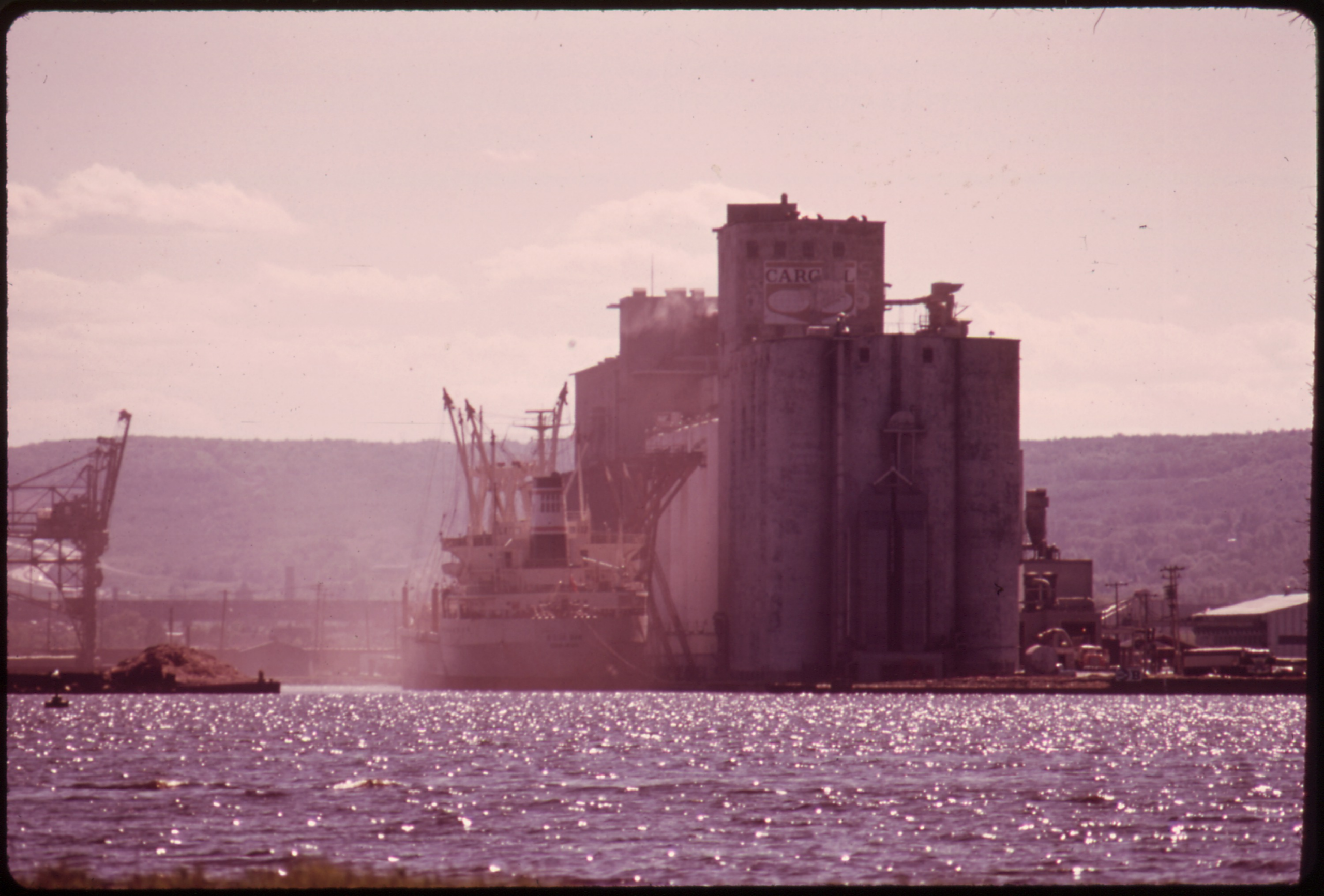
Handling grain generates enormous quantities of fine dust – from the grain itself, from the husk, from soil, from mould. Inside a working elevator during a busy harvest the air was visibly thick with it, and the men worked in it without respirators.
This is included as occupational history. Respiratory conditions associated with grain dust exposure are well documented, dust control through ventilation, aspiration systems and enclosure is now standard, and respiratory protection is required where exposure remains. Anybody with that work history should raise it with their own doctor rather than with an article.
3. The Dust Was Also Explosive and Everybody Knew It
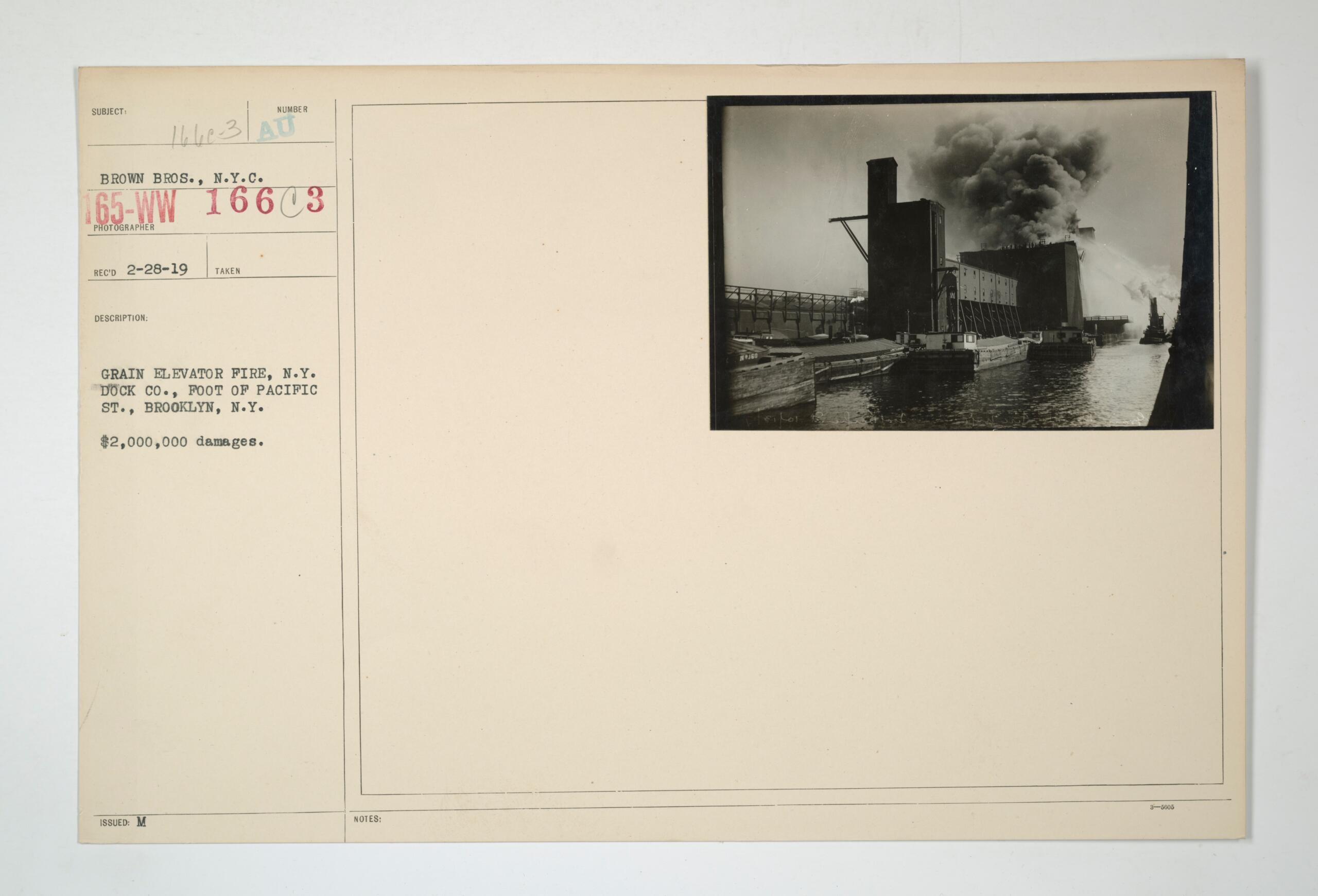
Finely divided organic dust suspended in air, in a confined vertical space, with ignition sources present, is an explosion hazard of the first order. Grain elevator explosions destroyed facilities and killed people regularly through the twentieth century.
The engineering response was substantial: dust control at every transfer point, explosion venting and suppression, bonding and grounding, controls on hot work, and housekeeping requirements that treat accumulated dust as the hazard it is. Standards introduced after a particularly bad series of explosions in the late 1970s transformed the industry, and the frequency of major incidents fell dramatically. The hazard is managed rather than eliminated, and it is still taken extremely seriously.
4. Men Walked Down Into Bins Full of Grain
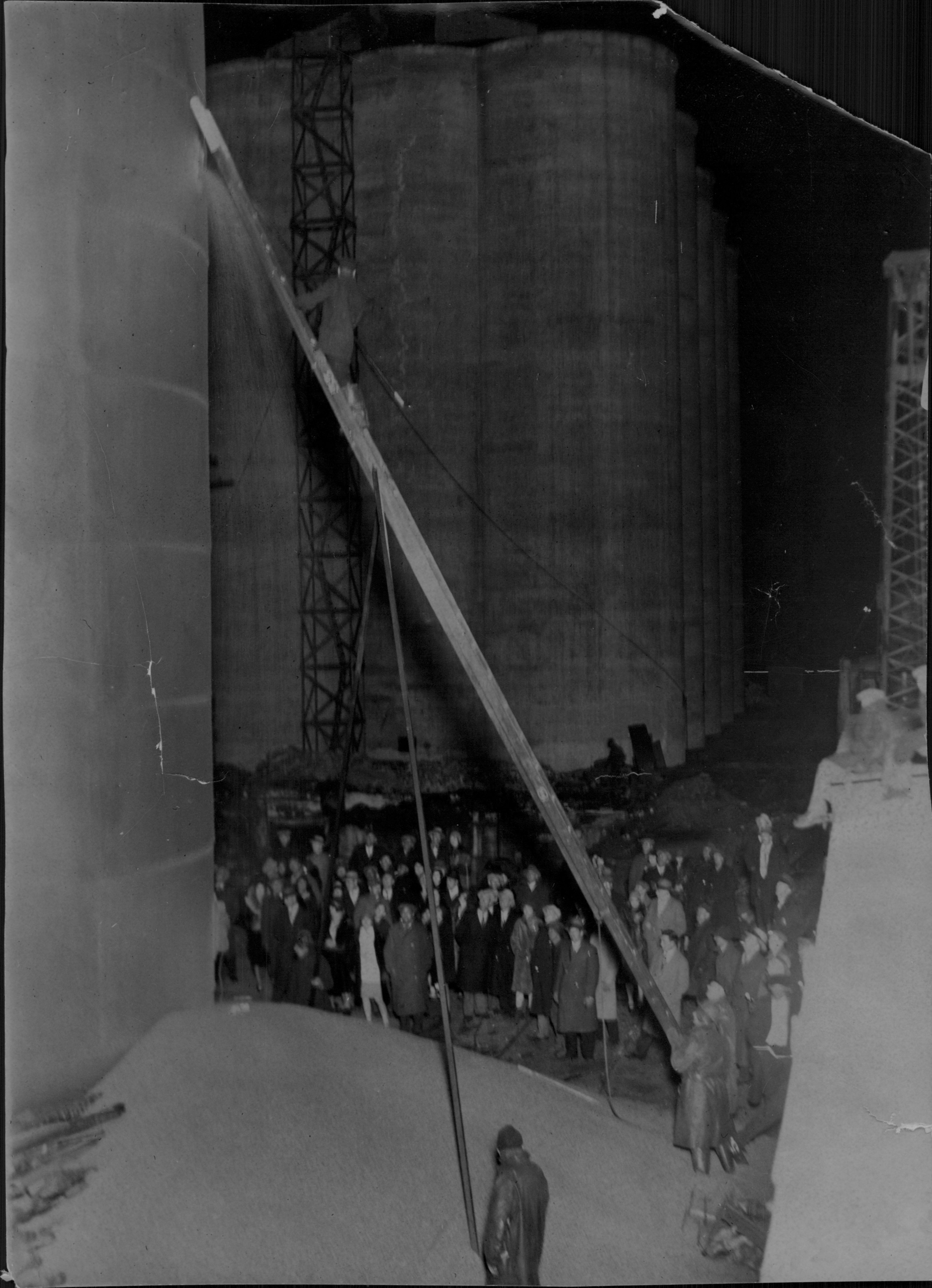
Clearing a bridged or crusted bin, or one that had stopped flowing, meant somebody going in with a pole or a shovel. Flowing grain behaves like a liquid that does not let go – a person standing on it as it is drawn from below is pulled under in seconds and cannot be extracted by pulling.
Grain entrapment is one of the most lethal hazards in agriculture and remains a cause of deaths every year, including of teenagers working on farms. Permit-required confined space entry, lockout of the unloading equipment, body harnesses and lifelines, trained observers and bin entry prohibitions where the equipment is running are now the framework at commercial facilities. Farm bins, which are outside much of that framework in many jurisdictions, remain where most of the deaths occur.
5. You Climbed the Leg Inside the Building on a Ladder in the Dark
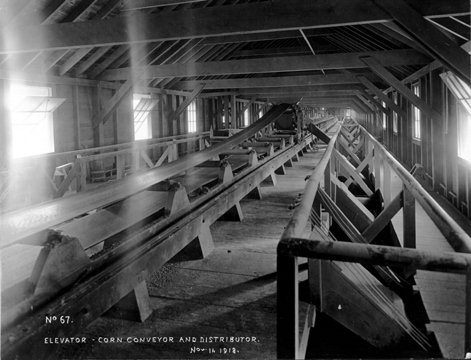
The bucket elevator leg running the full height of the structure was reached by a vertical ladder inside a dusty shaft, climbed with no fall protection, to clear a jam, change a belt or free a bucket. The headhouse at the top was reached the same way.
Caged ladders, fall arrest systems, man-lifts and in modern facilities enclosed stairs replaced the climb. Fall protection and confined space rules now govern access to every level. The old arrangement combined three of the industry’s worst hazards – height, confinement and dust – in a single routine task done alone, which is why it appears in accident records so consistently.
6. Weighing and Grading Were Done by One Man With a Probe
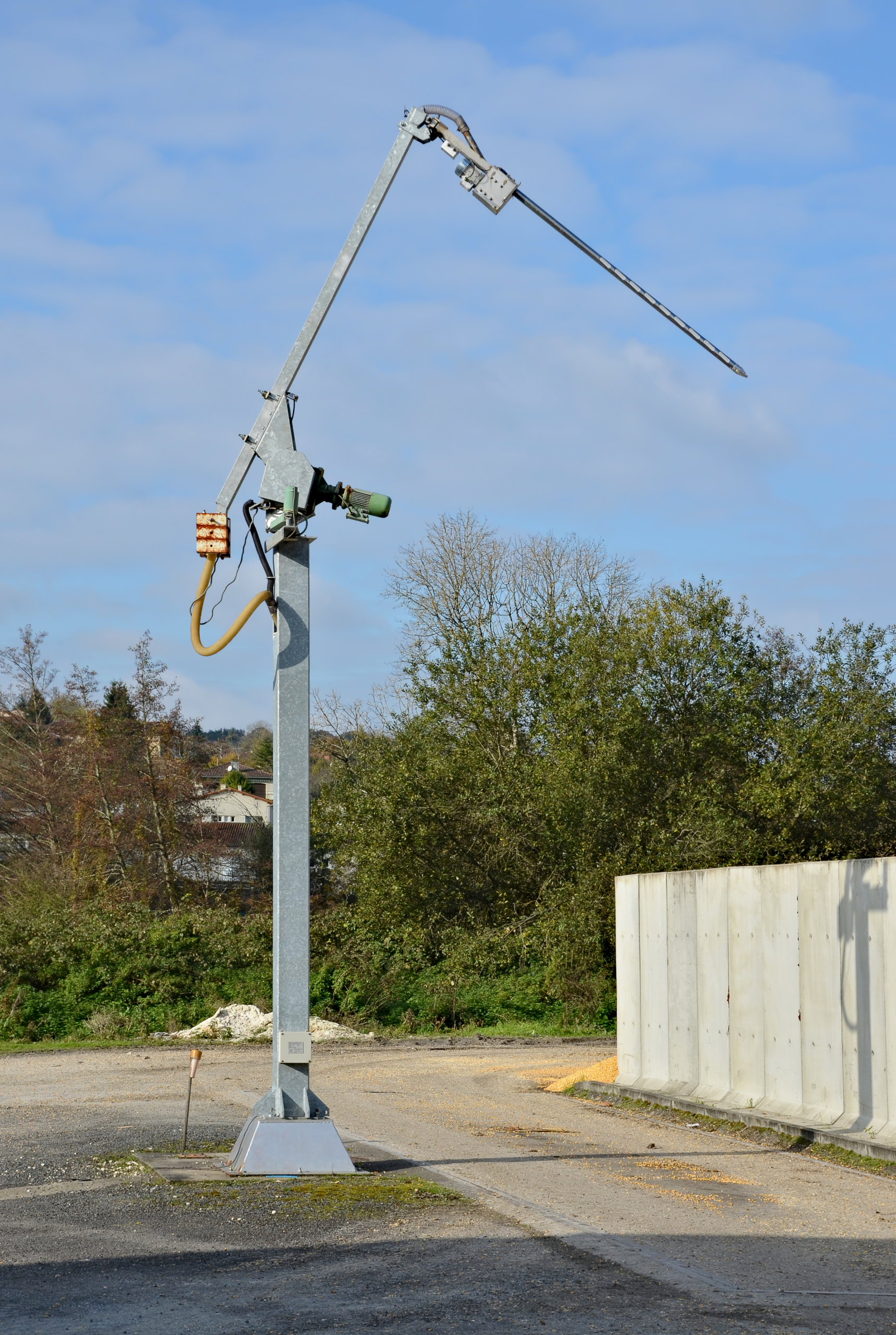
A sample was drawn from the load with a long hollow probe, assessed by the elevator operator for moisture, test weight, damage, foreign material and smell, and a grade was assigned on the spot. That grade set the price the farmer was paid.
Automated samplers, electronic moisture meters, near-infrared analysers and third-party inspection have replaced individual judgement, and grading standards are published and enforceable. The change removed a genuine power imbalance – the farmer had hauled the load in, could not easily take it elsewhere, and had no way to dispute an assessment made by the only buyer within reach.
7. The Elevator Operator Set the Price and Knew Everybody’s Business
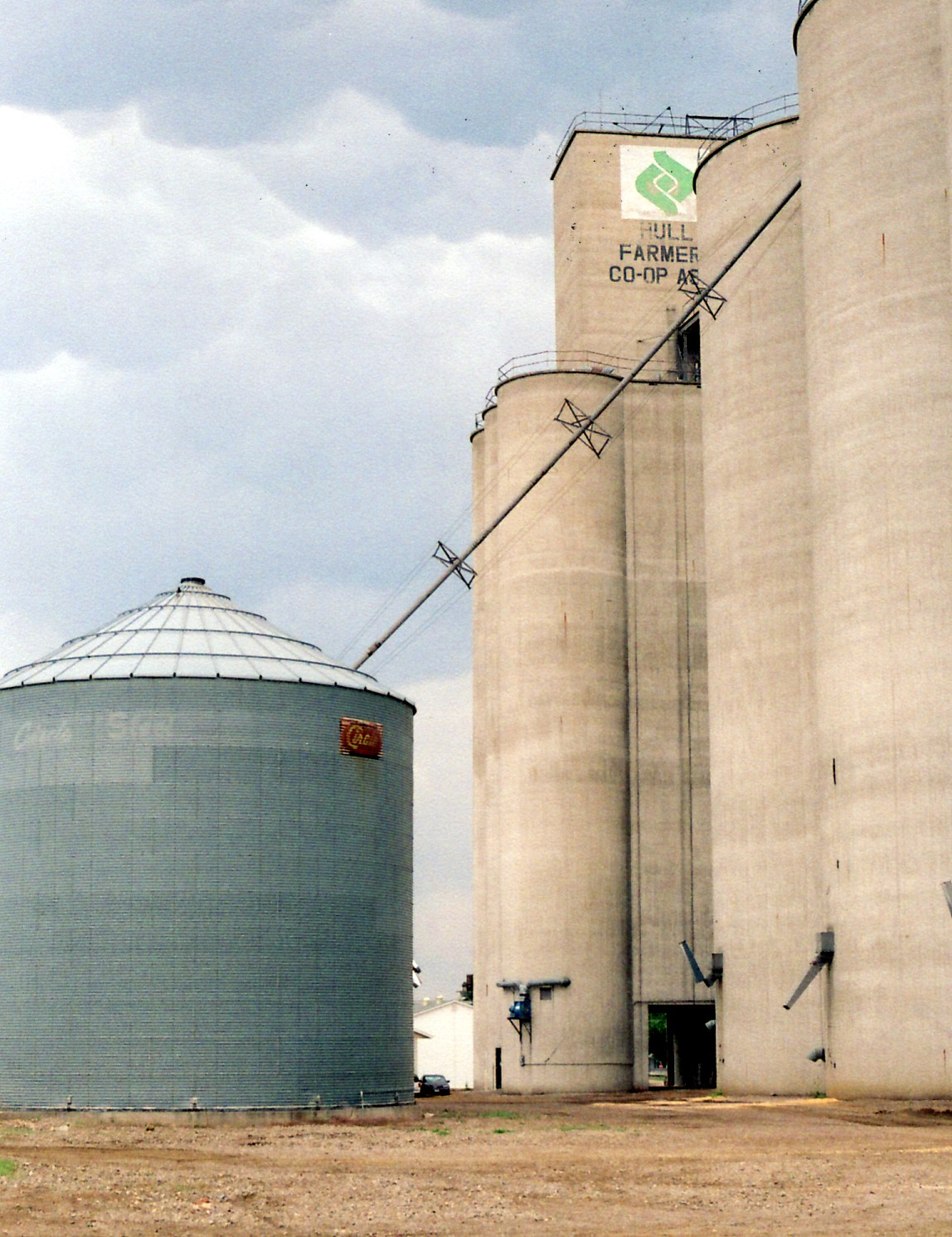
The country elevator was frequently the only buyer a farmer could reach economically, and the man who ran it knew who was in debt, who had a poor crop, and who needed to sell this week. That information was commercially useful to him.
Futures markets accessible to individual farmers, published cash prices, on-farm storage allowing a grower to hold grain and sell later, and road transport that puts several buyers in range have all shifted the balance. Co-operative elevators, many of them established precisely to escape this problem, were a large part of how farmers responded at the time.
8. Harvest Meant Lorries Queuing Down the Road for a Day
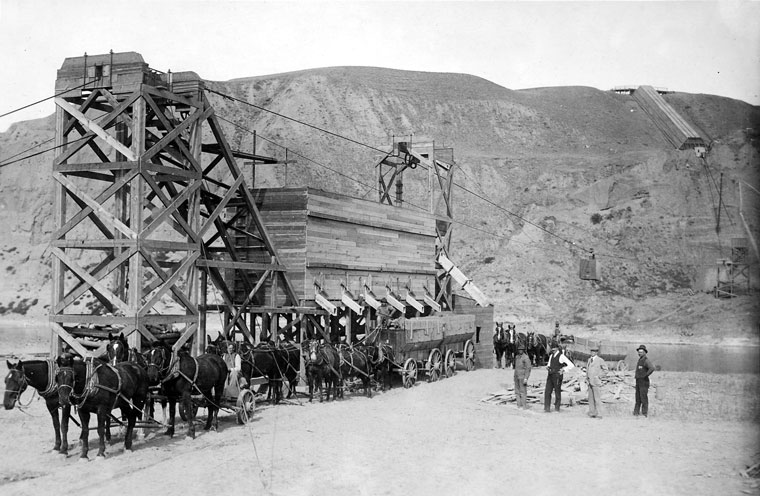
Everything arrived at once, because everybody was cutting at once. The queue backed up onto the highway, drivers waited hours, and the elevator ran continuously because stopping meant a longer queue tomorrow.
Capacity, speed of unloading and on-farm storage have changed the pattern, but the queue is still the defining image of harvest at any facility, and the economics are the same: the crop comes off in a two-week window and everything has to absorb it. What has gone is the small elevator’s inability to cope, which is one of the main reasons farmers wanted larger facilities even as they regretted losing the local one.
9. The Whole Structure Was Built of Wood
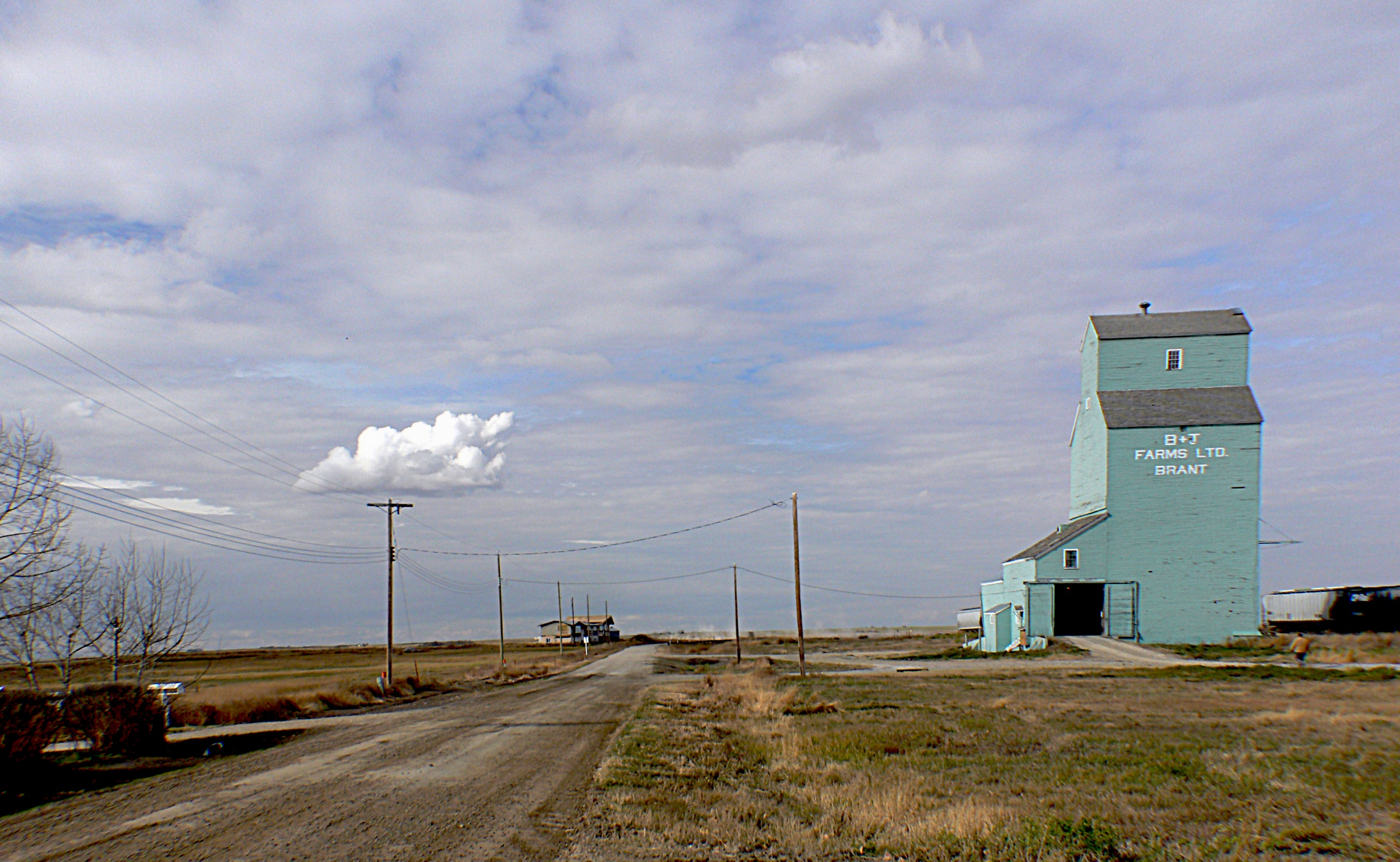
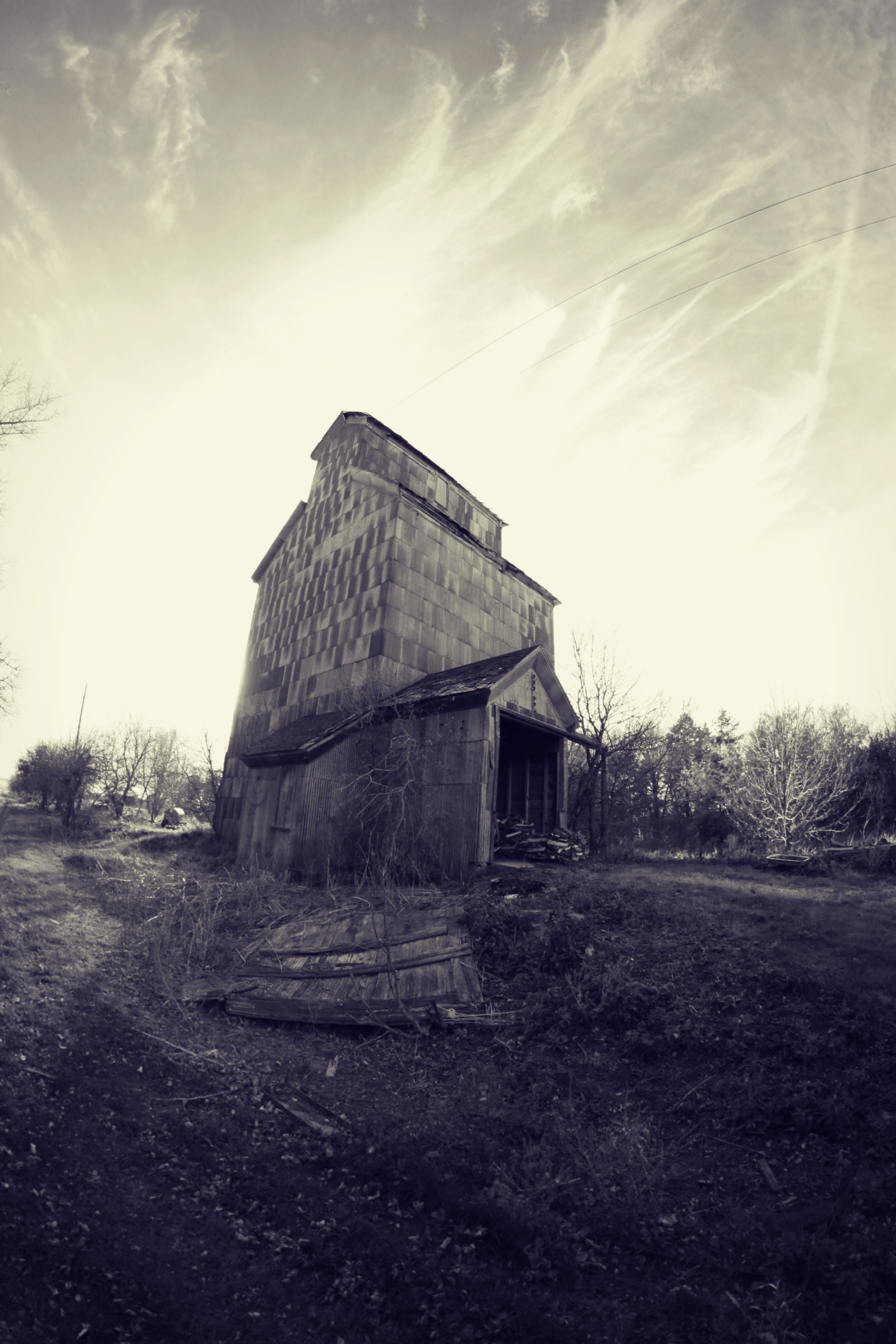
Country elevators were timber cribbed construction – walls built up from stacked planks spiked together, immensely strong in compression and entirely combustible. A wooden elevator full of grain dust was a fire that could not be put out, only watched.
Concrete slip-formed silos and then steel bins replaced timber for new construction, and the surviving wooden elevators are increasingly rare and increasingly photographed. Their loss is a genuine architectural one – they are among the most distinctive vernacular industrial buildings anywhere, and they were built by crews who put them up in a few weeks without drawings.
10. Rats, Pigeons and Insects Were Part of the Operation

A building containing thousands of tonnes of grain attracts everything that eats grain. Control meant cats, traps, shotguns and fumigation with whatever was available, applied by the elevator staff.
Integrated pest management, sealed structures, monitored temperature and moisture to prevent infestation developing, licensed fumigators and strict controls on the compounds used have replaced the old approach. Fumigants are among the most hazardous substances handled in agriculture and their application is now a licensed specialist activity, which it was not when it was something the elevator man did on a Sunday.
11. Boys Worked There in the Summer and Did Everything
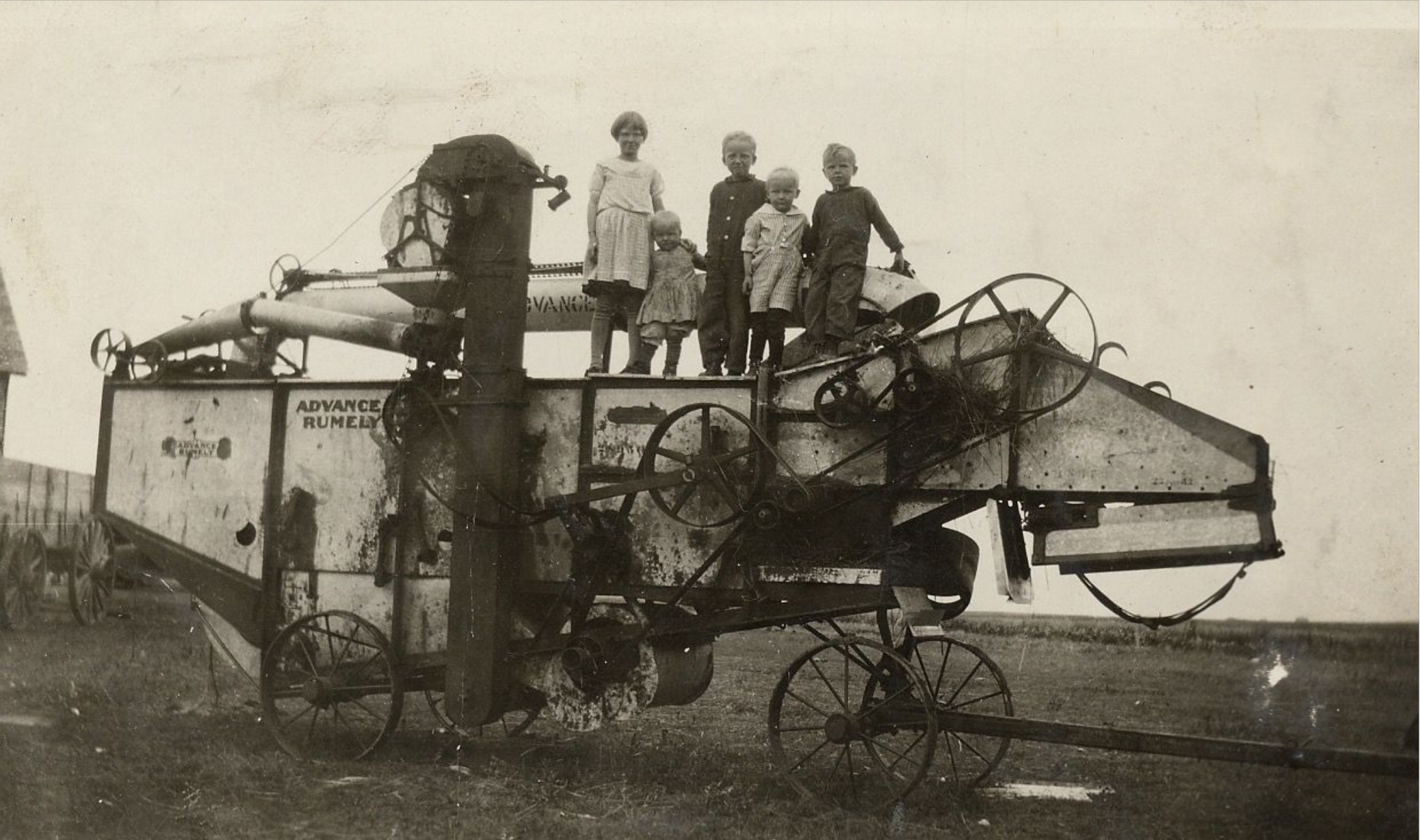
Teenagers were hired for harvest and did the shovelling, the sweeping, the bin cleaning and the climbing – the dirtiest and most hazardous tasks in the facility, because they were cheap and because nobody thought about it.
Agricultural employment of minors remains subject to exemptions that are far broader than in other industries in many jurisdictions, and this is one of the genuinely unresolved issues in the sector. Grain handling and confined space work are generally prohibited for under-eighteens at commercial facilities, and the deaths that still occur are concentrated in farm operations where the rules do not reach.
12. Nobody Expected the Local Elevator to Close
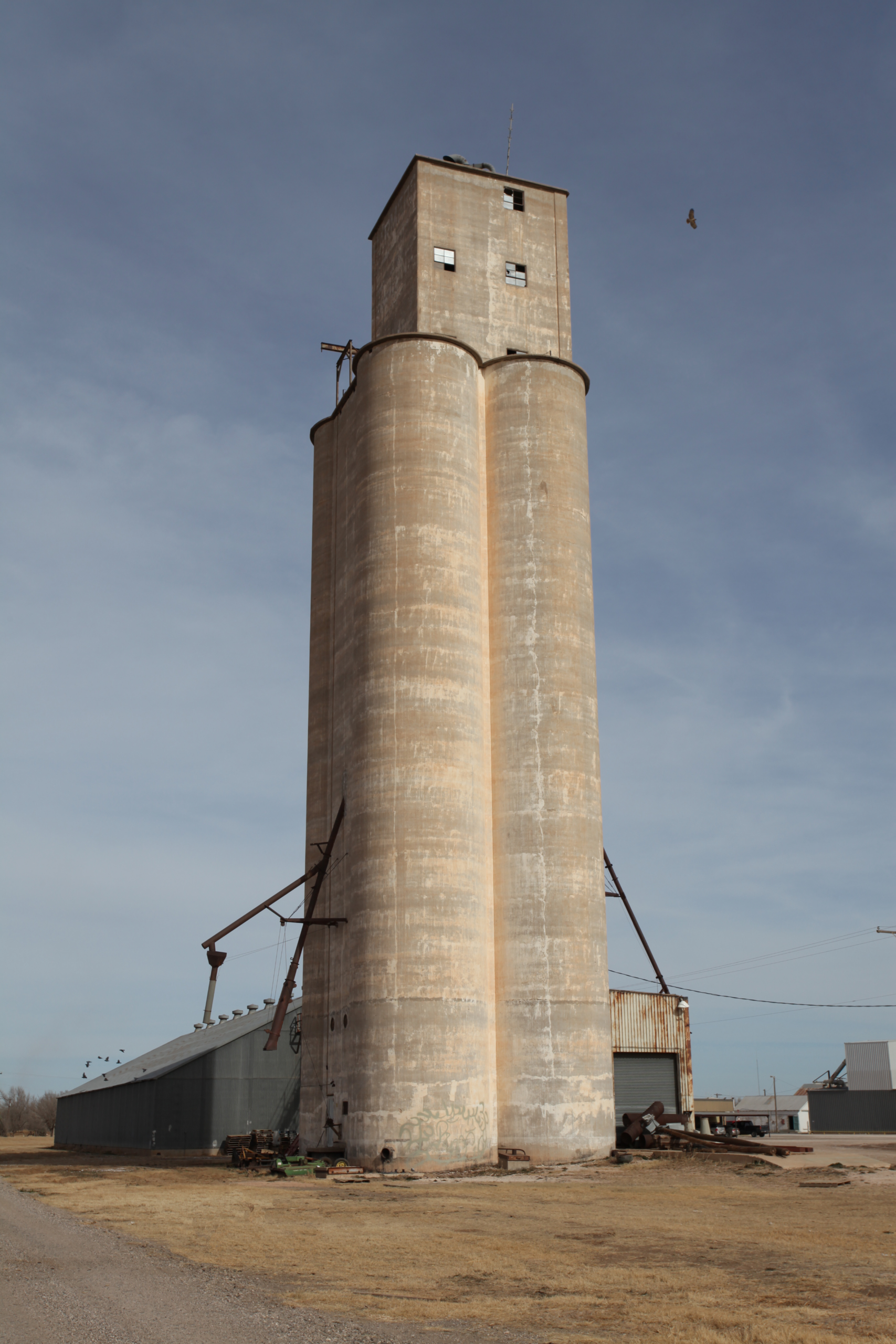
In 1960 the country elevator beside the track was a permanent fixture of agricultural life, and a town without one was not a functioning farming community.
The combination of larger farms, bigger trucks, better roads, unit-train loading economics and the deregulation of rail freight made the small facility uncompetitive, and they closed in very large numbers from the 1970s onward. Many still stand empty beside abandoned track. The grain still moves, in far greater volume, through far fewer places – and the building that used to be the tallest thing for thirty miles is now the thing people photograph on the way past.
The Hazards Were Solved and the Buildings Closed Anyway
The safety story here is a genuine success. Dust control, explosion venting, confined space permits, lockout of unloading equipment, fall protection and licensed fumigation between them transformed an industry that used to kill people in groups. Major grain dust explosions, which were a recurring national event, became rare.
The buildings closed for entirely separate reasons, and it is worth not confusing the two.
What closed the country elevator was logistics. A railway that wants to move grain efficiently wants to load a hundred identical cars at one place rather than four cars at twenty-five places. That requires a facility with the storage and the speed to fill a unit train, and a catchment wide enough to supply it – which requires farmers with big trucks on good roads, which is exactly what arrived.
So the small elevator was outcompeted by arithmetic rather than regulated out of existence. The grain moves in greater volume than ever, more safely, through far fewer buildings, and the ones left standing beside closed track are the clearest physical record anywhere of what consolidation does to a landscape.
They are also, for anybody who grew up near one, the thing that tells you how far you are from home.
If you grew up in grain country, the elevator was the first thing you saw coming home and the last thing you saw leaving.
Which town, and is the building still standing beside the track?
Like our content? Follow us for more.