

Combustion is a push. Everything in an engine exists to convert a series of pushes into smooth rotation, at speed, repeatedly, while managing the heat and friction that produces. Here are seventeen problems and their answers.
1. A Push Is Not a Turn
Burning gas expands and drives a piston down a cylinder in a straight line, which is not rotation – and something must convert one into the other.
That conversion is the founding problem. Reciprocating to rotary is what an engine fundamentally does.
Like our content? Follow us for more.
2. The Crank Does the Converting
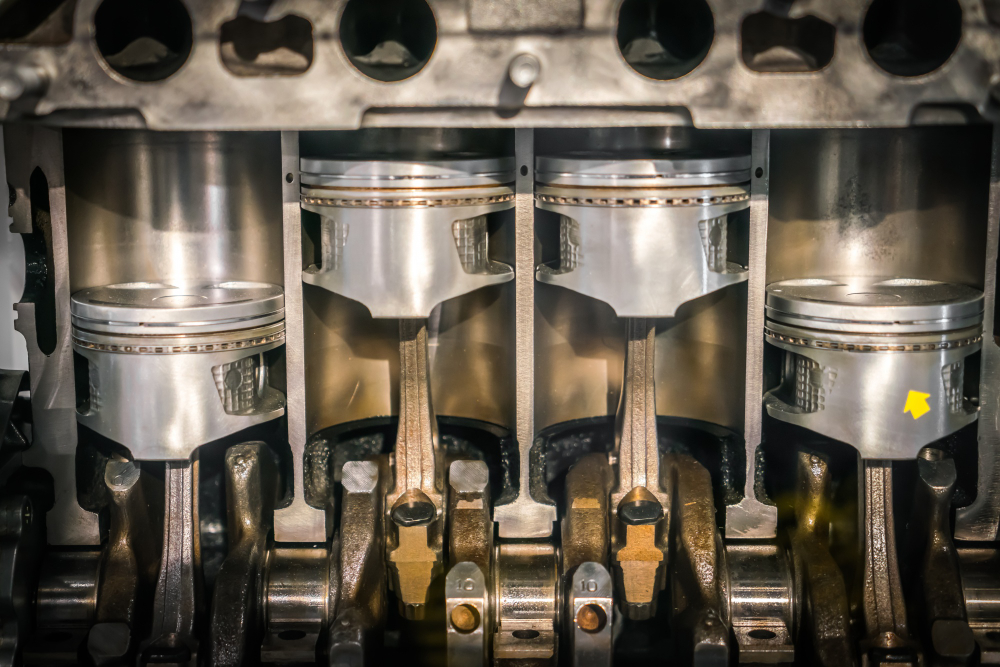
An offset section of the shaft, connected to the piston by a rod, is pushed sideways as the piston descends, which turns the shaft.
It is the same principle as a bicycle pedal. The crank is the component the whole layout is arranged around.
3. Only One Stroke in Four Produces Power
A four-stroke cycle draws in mixture, compresses it, burns it and expels the products – and only the third of those pushes anything.
Three strokes cost energy rather than producing it. The unpowered majority is why the next several items exist.
4. So Something Must Carry It Through
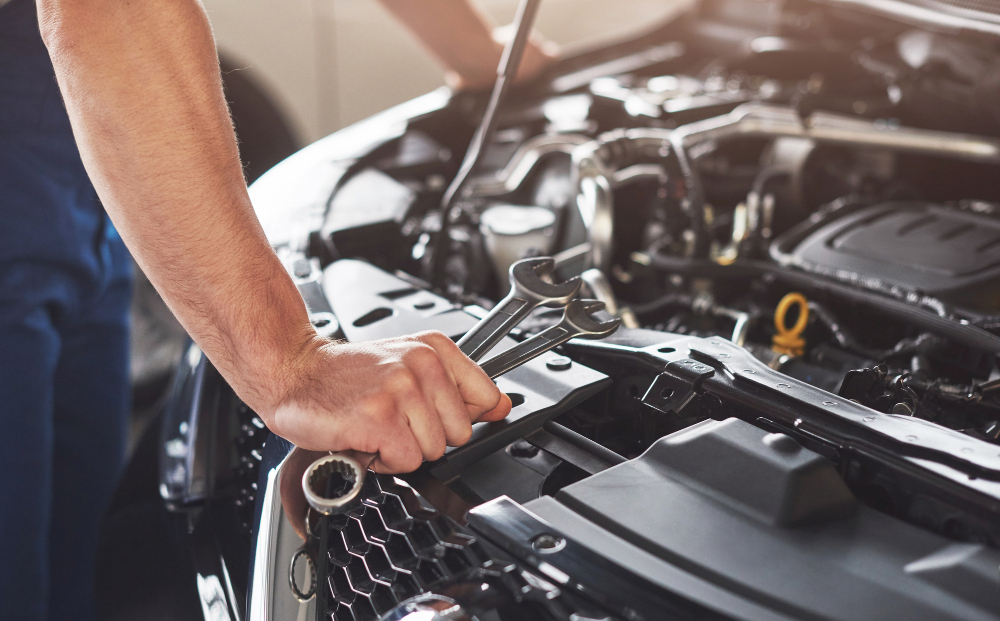
A heavy rotating mass stores energy from the power stroke and releases it during the other three, keeping the shaft turning between pushes.
Without it the engine stops after every firing. The flywheel is what makes intermittent combustion into continuous rotation.
5. And More Cylinders Overlap the Pushes
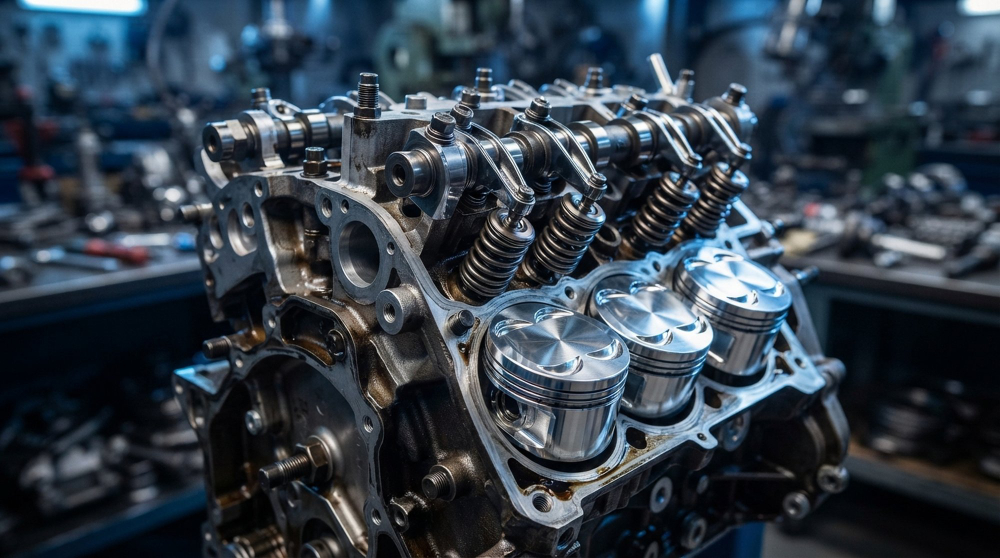
Arranging several cylinders to fire at intervals means one is always producing power, which smooths the output far more than a flywheel alone can.
Smoothness rises with cylinder count. Staggered firing is why engines have more than one.
6. Compressing First Extracts Far More
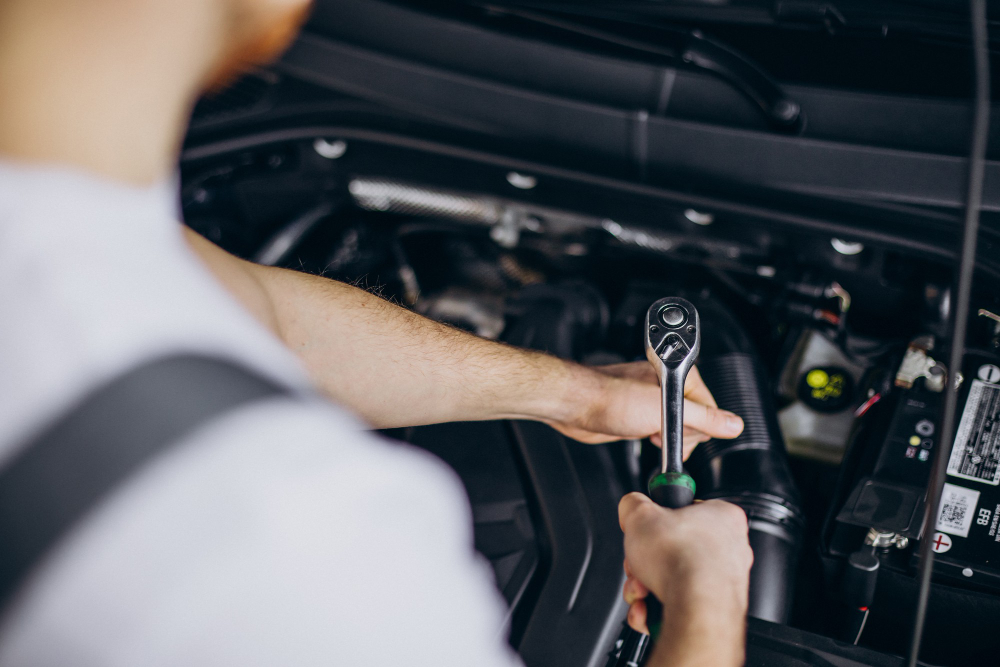
Squeezing the mixture before burning raises its temperature and pressure, which makes the combustion substantially more energetic and the engine more efficient.
It costs energy on one stroke and returns more on another. Compression is the largest single efficiency gain available.
7. But Too Much Compression Ignites It Early
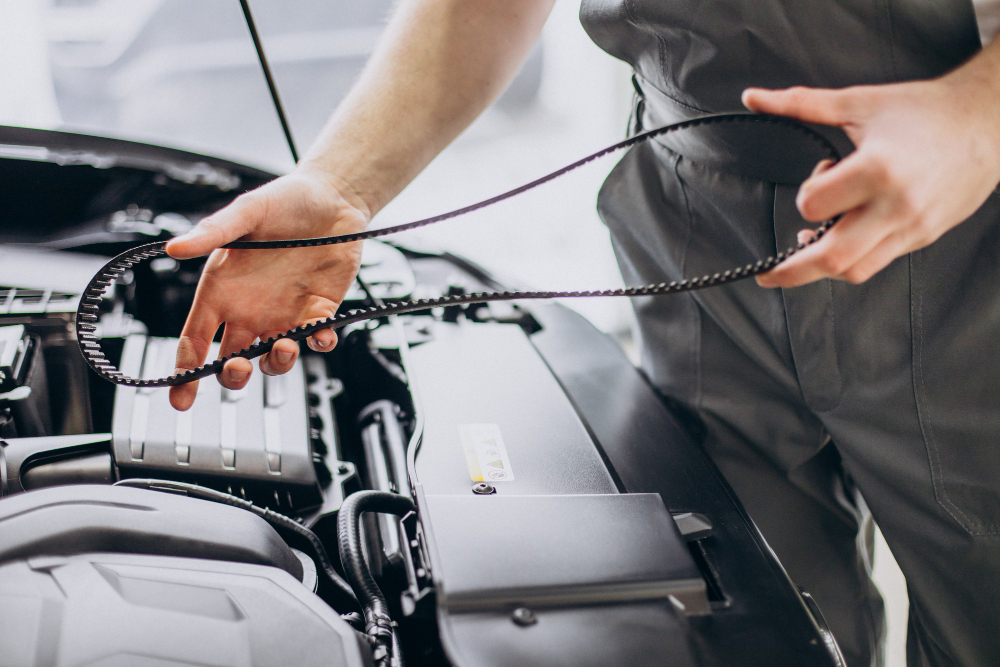
Compressing a fuel and air mixture heats it, and beyond a point it ignites before it is supposed to, which produces a violent pressure spike against a rising piston.
That limits how far it can be compressed. The knock limit is the ceiling on compression in a spark engine.
8. Unless You Do That Deliberately
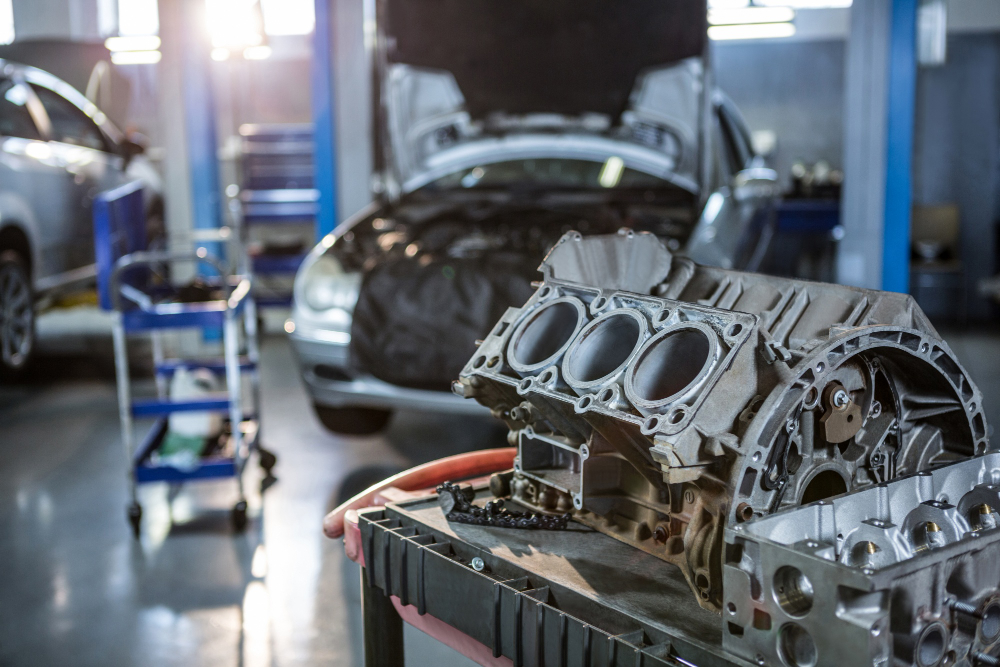
A compression-ignition engine compresses air alone, far harder, until it is hot enough to ignite fuel the instant it is injected – which removes the spark entirely and permits much higher compression.
The fuel arrives after the compression. Injection timing replaces ignition timing in that design.
9. The Valves Must Open in Time
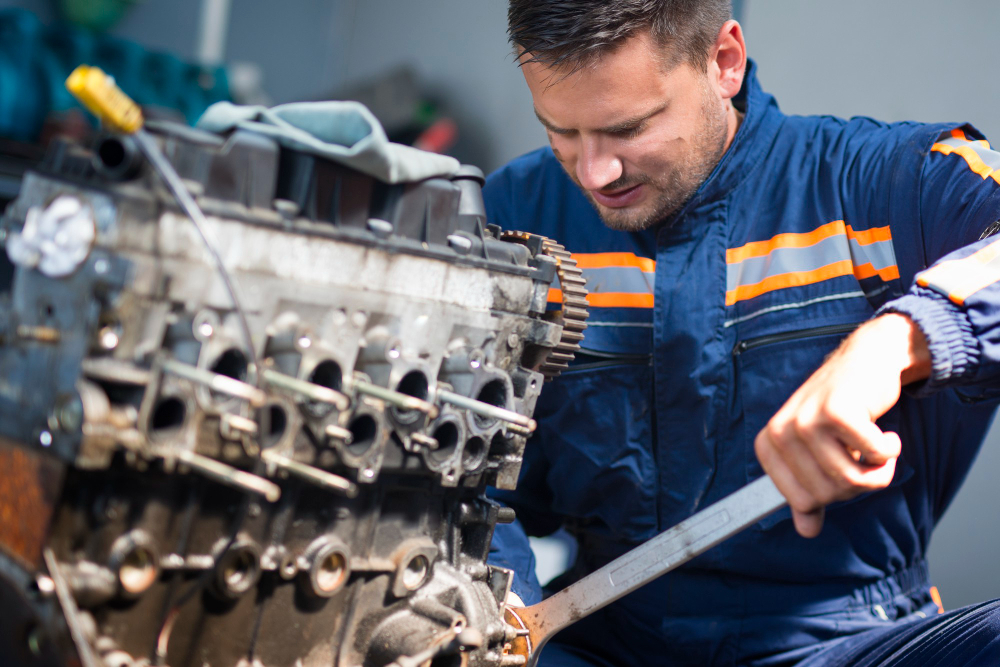
Gas enters and leaves through valves that must open and close at precise points in the cycle, which means they have to be driven in fixed relationship to the crank.
Timing is mechanical rather than electronic in principle. Valve synchronisation is what ties the whole cycle together.
10. And at Half the Crank Speed
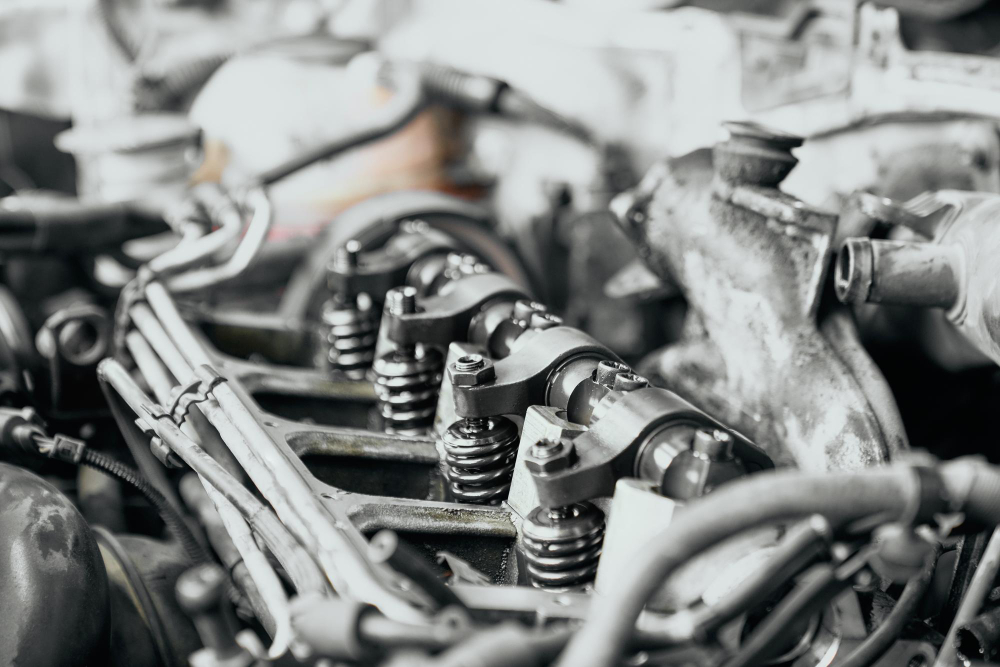
A four-stroke cycle takes two full crank revolutions, so the valve mechanism must run at exactly half crank speed – which is why a fixed gear ratio connects them.
The ratio is not adjustable. Half-speed drive is a direct consequence of the four-stroke cycle.
11. The Spark Has to Come Early
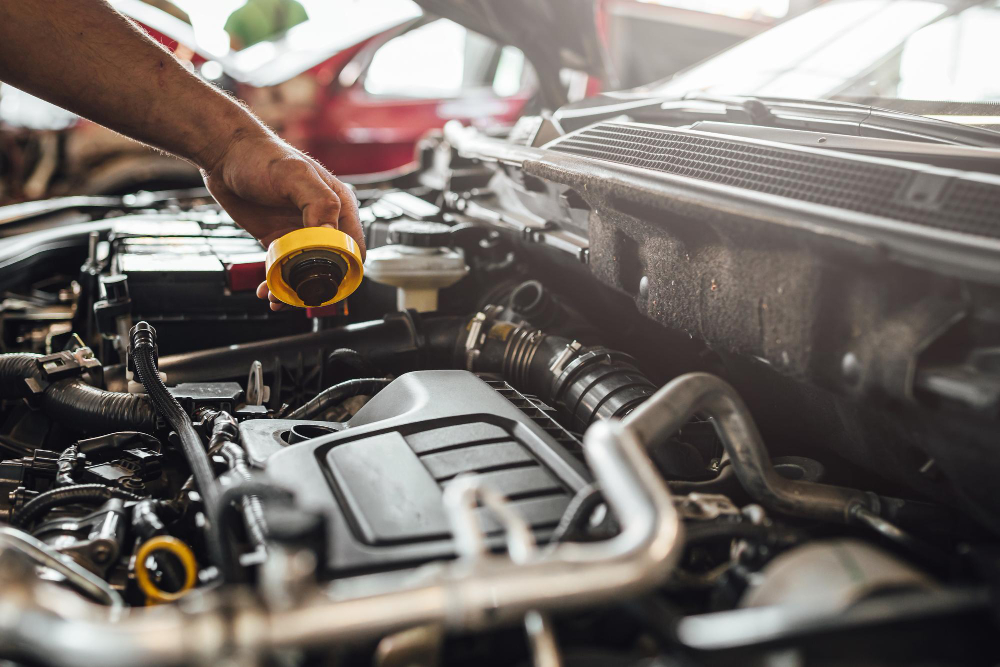
Burning takes time, so ignition occurs before the piston reaches the top, allowing the pressure to peak just after it starts down.
Firing at the top would waste most of the expansion. Advance timing is combustion speed being accounted for.
12. And Earlier Still at Higher Speed
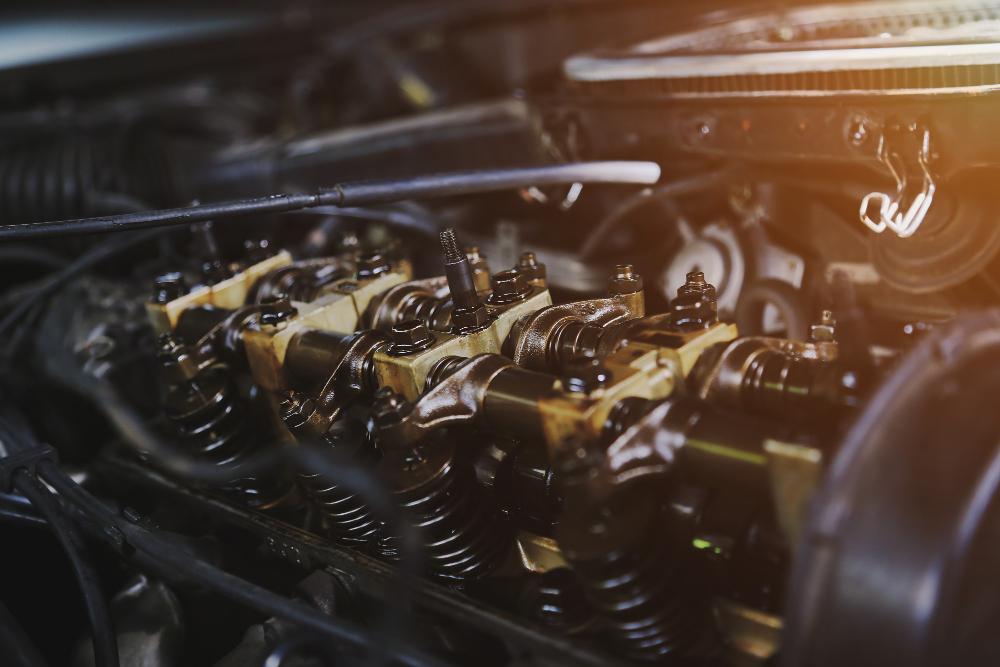
The burn takes roughly the same time regardless of engine speed, so at higher speed the piston travels further during it – which means the spark must occur progressively earlier.
The adjustment is continuous. Variable advance is the correction for a fixed burn duration.
13. Most of the Energy Becomes Heat
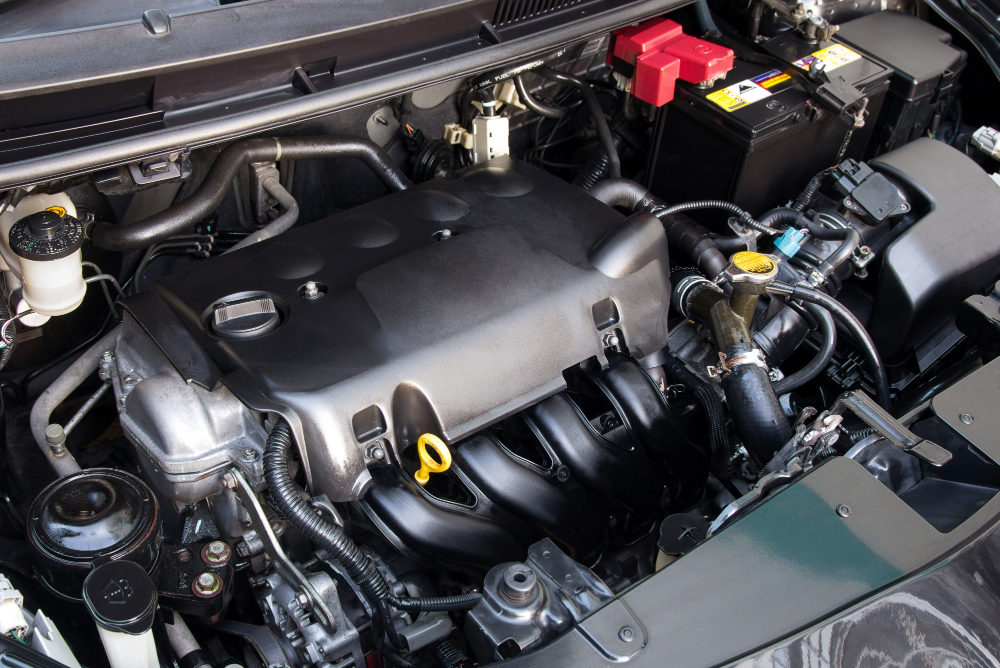
A substantial majority of the energy in the fuel does not become motion, and that heat must be removed or the engine destroys itself within minutes.
Cooling is not an accessory. Heat rejection is a primary function rather than a support system.
14. And It Must Not Be Removed Too Fast

An engine running cold is inefficient, wears faster and burns fuel incompletely, so the cooling system must hold a temperature rather than minimise it.
It is regulated rather than maximised. Controlled temperature is the actual objective of cooling.
15. Metal Sliding on Metal Needs Separating
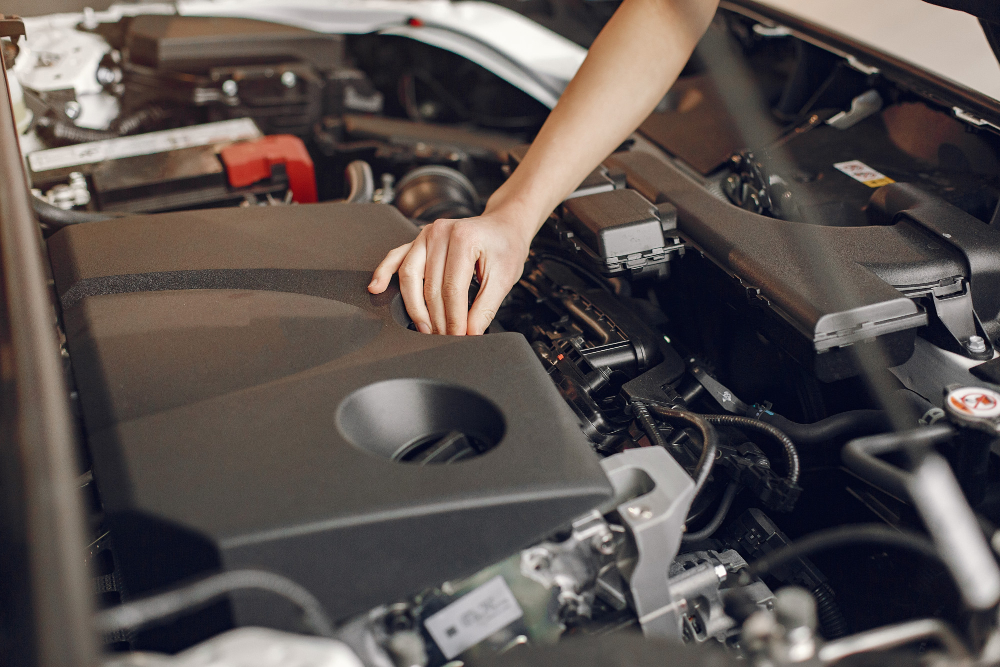
Pistons, bearings and valve gear slide against each other at high speed under load, and direct contact would seize them almost immediately.
A film of oil keeps the surfaces apart. Lubrication is what makes the speeds survivable.
16. The Oil Is Also Doing Other Jobs
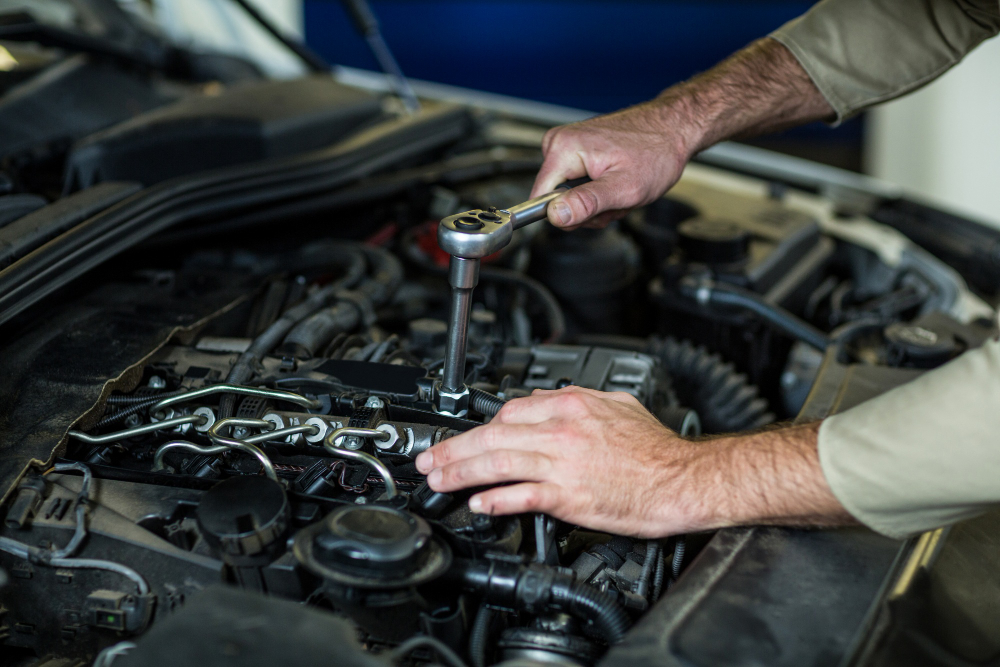
Beyond reducing friction, it carries heat away from the hottest components, holds contaminants in suspension and helps seal the gap between piston and cylinder.
It is a working fluid rather than a coating. Multiple oil functions are why its condition matters so much.
17. Everything Must Be Balanced
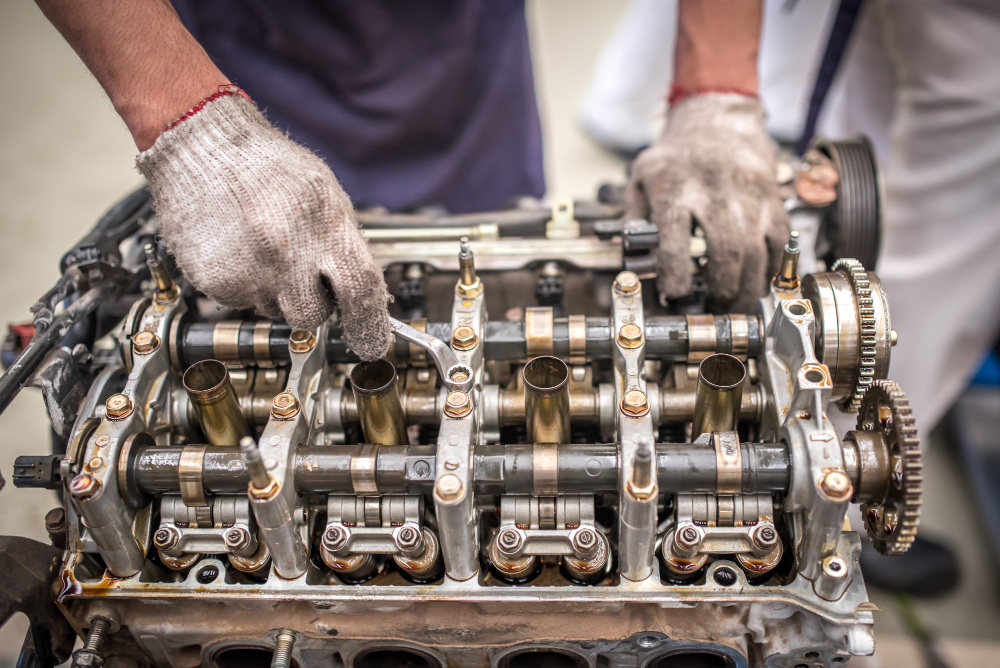
Pistons accelerate and decelerate thousands of times a minute, and those forces would shake the engine apart unless the layout and counterweights cancel them.
Cylinder arrangement is chosen partly for this. Balance is why engines have the configurations they do.
Turning a Series of Pushes Into Rotation
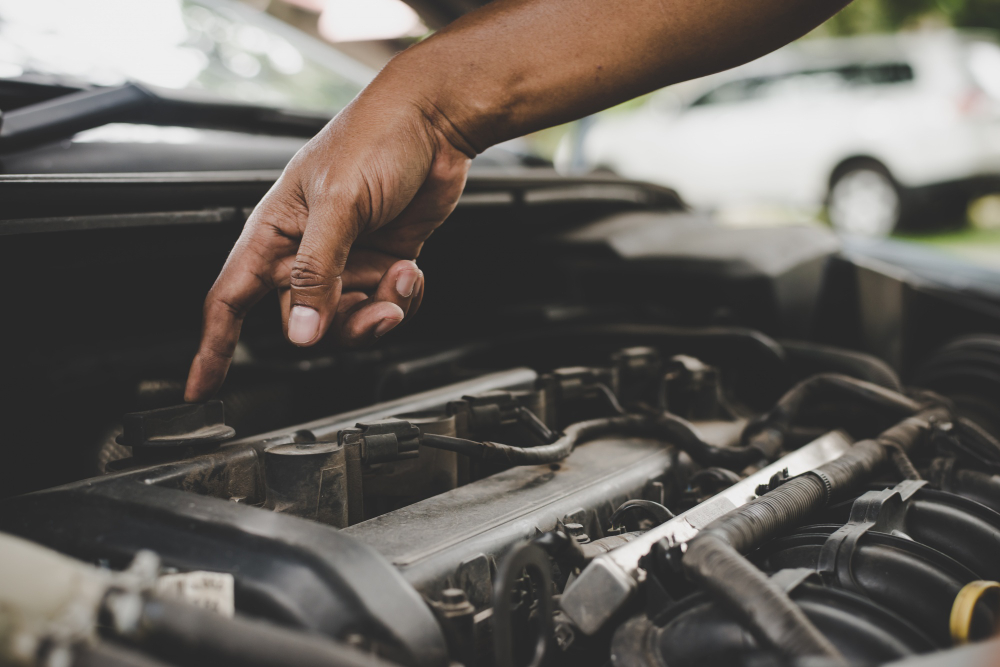
A crank converting straight-line movement, a flywheel and extra cylinders covering the unpowered strokes, valves and spark tied to the crank, and a great deal of heat and friction to manage.
The third item explains most of the rest. Only one stroke in four produces anything, which means an engine spends three quarters of its time being driven rather than driving – and the flywheel, the multiple cylinders and the whole question of balance are all consequences of that single arithmetic fact.
Like our content? Follow us for more.
