

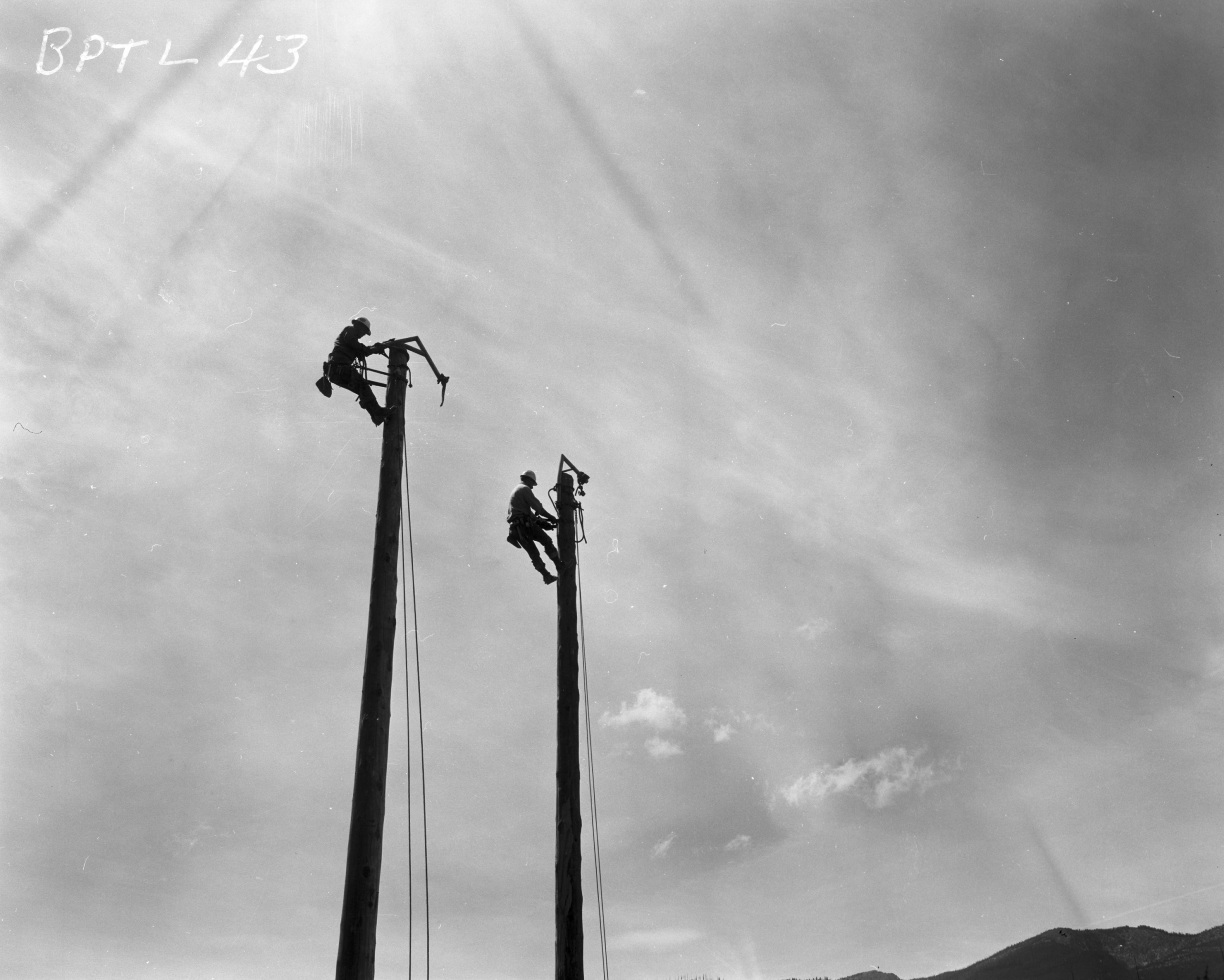
In 1960 the man who kept the telephone and electricity lines working climbed a wooden pole on steel spikes strapped to his legs, leaned back against a leather belt that would not catch him if he fell, worked live conductors in rubber gloves, and did almost all of it alone.
He carried the layout of his territory in his head, soldered every splice by hand in whatever weather there was, and after a storm worked until it was finished.
Here are fifteen things that were ordinary for a lineman in 1960, and what each one became.
1. He Climbed the Pole on Spikes Strapped to His Legs
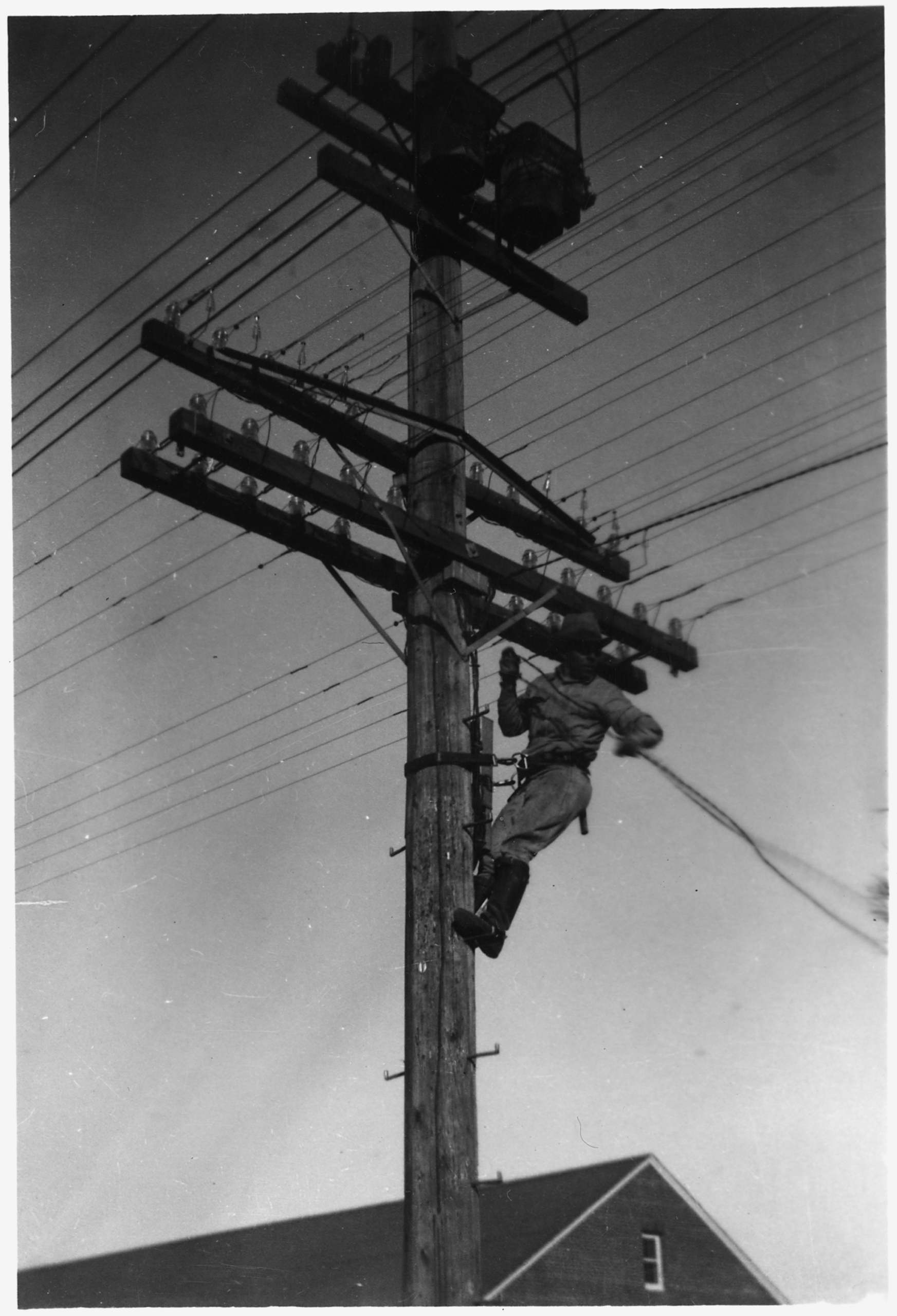
Climbing irons – steel shanks with a sharp gaff that bit into the wood – were strapped to the boot and the calf, and the lineman walked up the pole by driving each gaff into the timber in turn, held in by a leather belt looped round the pole behind him.
It is a genuine skill and it takes months to learn. The characteristic failure is a cut-out, where a gaff fails to set and the climber slides down the pole with his arms around it, which strips the skin off forearms and chest. Bucket trucks replaced climbing for most routine work from the 1960s onward, and modern climbing is done with a fall-arrest system that catches you rather than a belt that only holds you in place.
Like our content? Follow us for more.
2. The Belt Held Him In Place but Would Not Catch Him
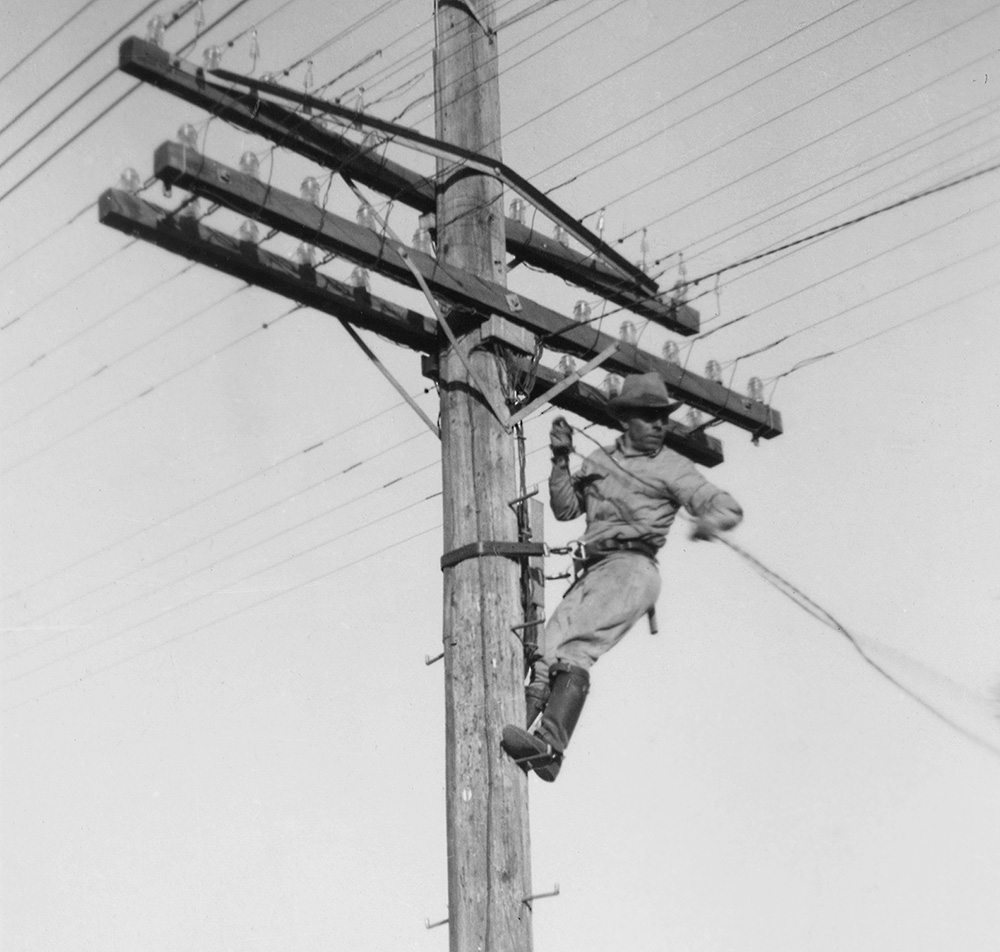
The traditional body belt and pole strap kept the lineman leaning back against the pole so he could work with both hands. It was a positioning device. If the gaffs let go, the strap did not arrest the fall – it simply followed him down.
Fall arrest is now a separate system with a harness, a shock-absorbing lanyard and a device that grips the pole, and positioning and arrest are understood as two different functions requiring two different pieces of equipment. The distinction looks obvious written down and took decades to become standard, which is the usual pattern.
3. Live Work Was Done With Rubber Gloves and Judgement
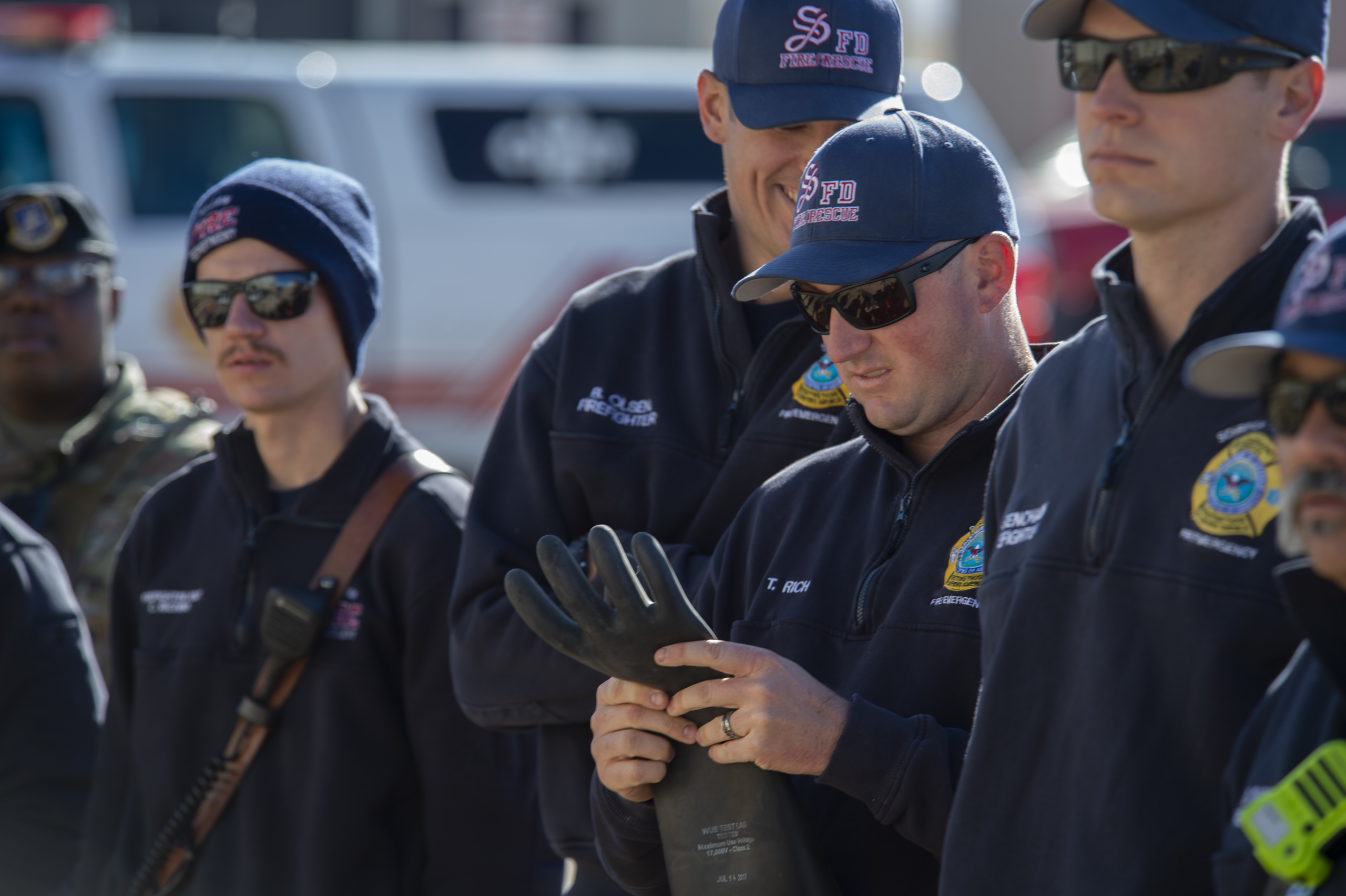
Working on energised conductors meant insulating gloves, sleeves, line hose and blankets, and a very precise understanding of what was energised, what was grounded, and what his body was touching at any moment. A great deal depended on the man’s own discipline.
Modern live-line work is a controlled procedure with tested and date-stamped gloves, documented approach distances by voltage, insulated aerial devices, cover-up protocols and in many cases a second qualified person. Electrical contact and arc flash remain the leading causes of death in the trade, which is why the procedures are as detailed as they are. This is occupational history and not instruction – nothing here describes how any of that work is performed.
4. One Man Was Frequently Up There Alone
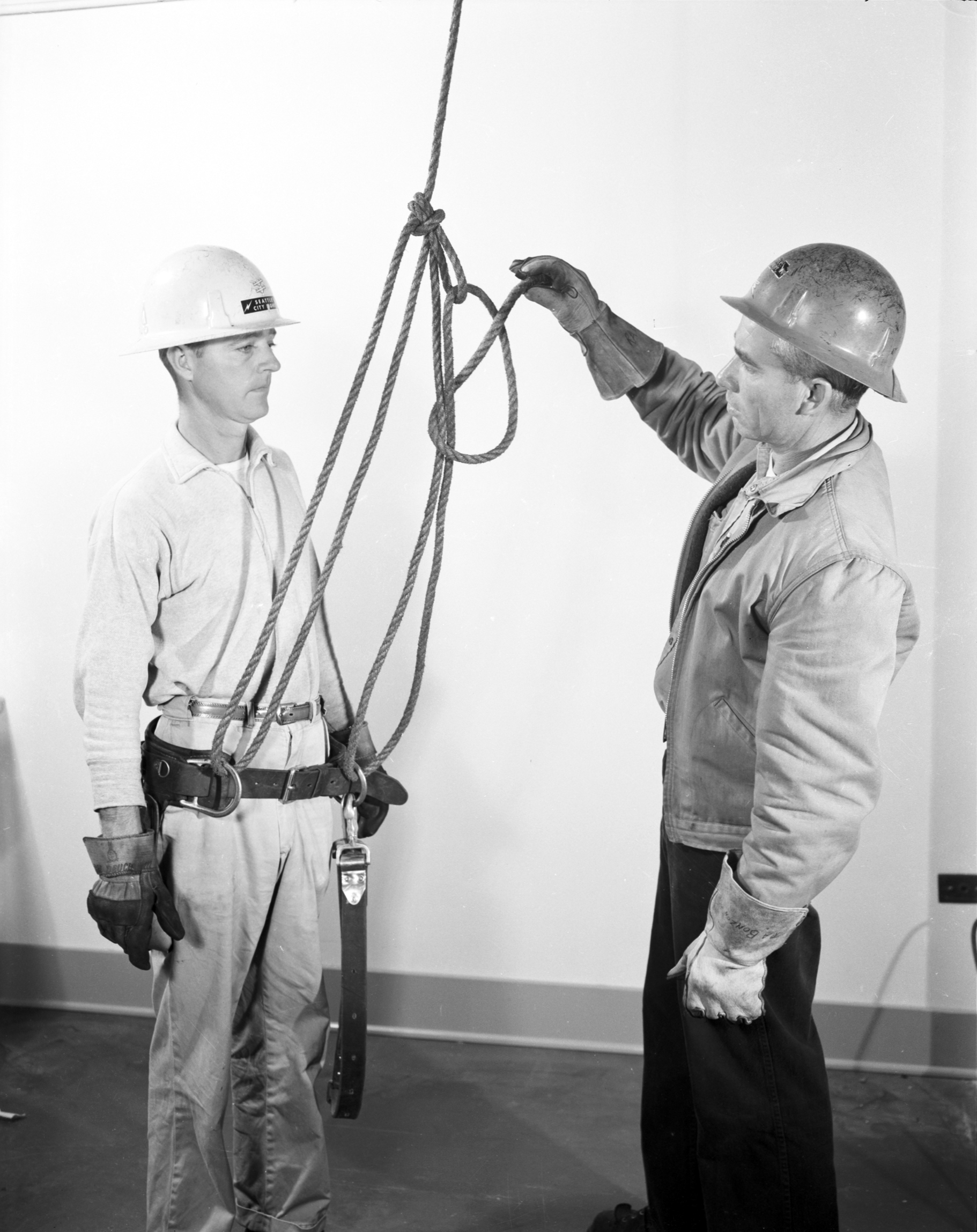
A lineman was dispatched to a fault on his own, drove out, climbed, worked and came down with nobody at the base of the pole. If something happened to him at the top, nobody knew until he failed to report.
Two-person crews for energised work, pole-top rescue as a trained and annually practised skill, radio and now GPS-tracked vehicles have ended lone working on anything hazardous. Pole-top rescue in particular is a specific drill – getting an unconscious man down from forty feet quickly – that every crew practises and almost none ever has to use.
5. The Poles Were Treated With Creosote and He Was Against Them All Day
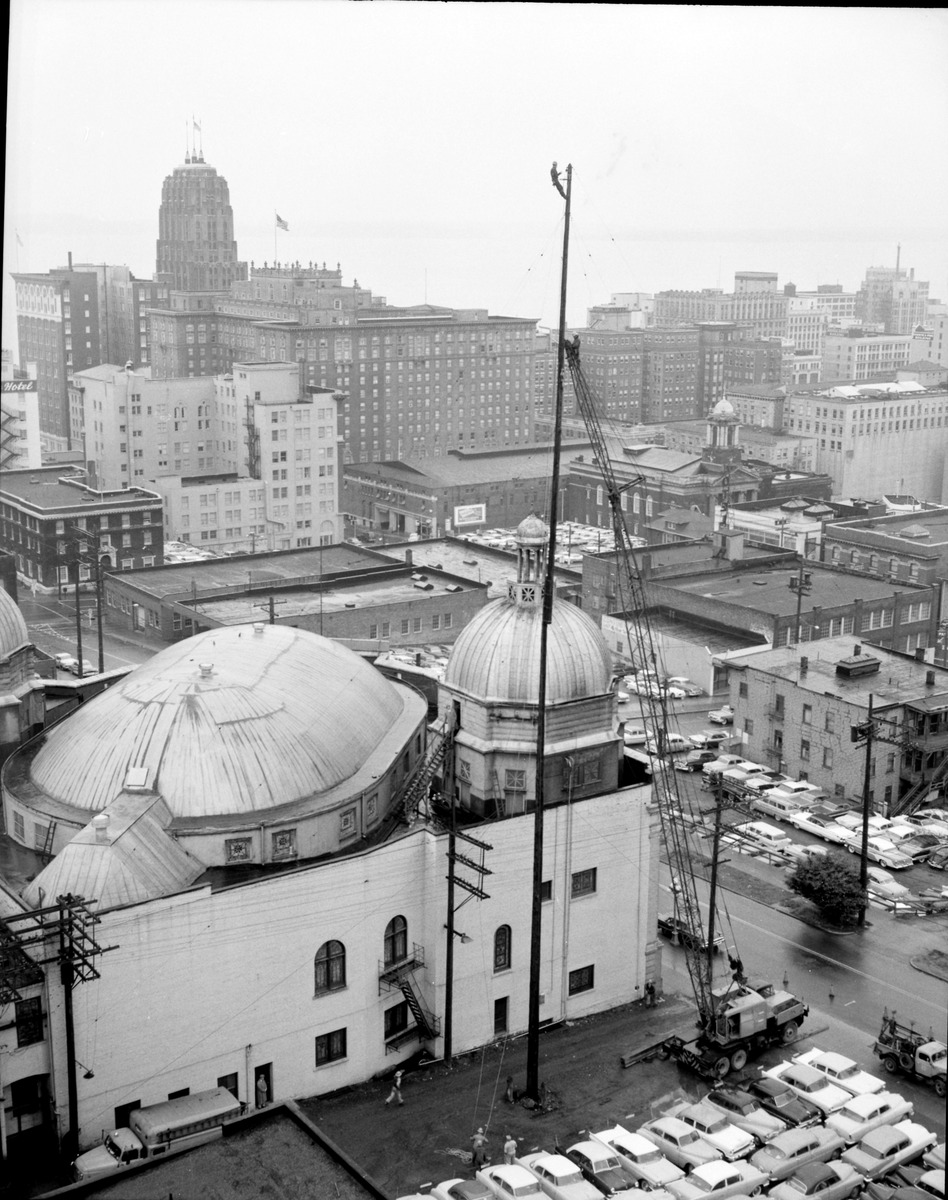
Timber poles were preserved with creosote or, later, other wood preservatives. A lineman climbed them, leaned against them, and worked with his face and forearms in contact with treated wood in the sun, when the preservative is most mobile.
This is included as occupational history. The preservatives used on utility poles have been progressively restricted and the handling requirements tightened substantially, with protective clothing and washing facilities now standard. Anybody with that work history should raise it with their own doctor rather than with an article.
6. Storm Work Ran Until It Was Finished
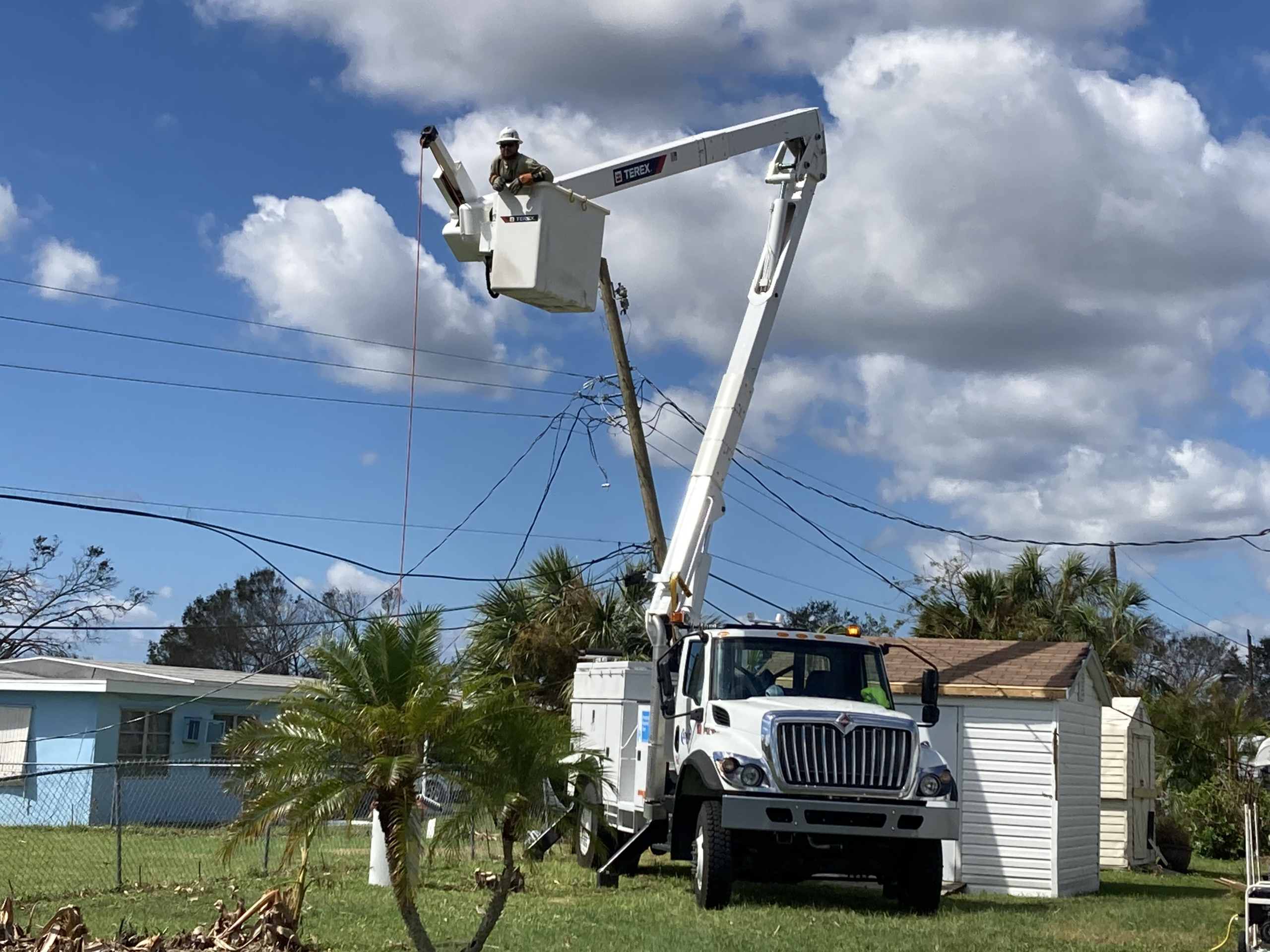
After a major storm crews worked extended shifts for days, slept in trucks and church halls, and were fed by whoever organised it locally. Hours were not counted in any meaningful way and crews came in from other regions to help, which is one of the oldest forms of mutual aid in any industry.
Mutual aid is still how large outages are restored and it remains one of the genuinely impressive things utilities do. What has changed is that fatigue is now managed with defined maximum shifts and mandatory rest, because the accident rate in the second and third day of storm work was demonstrably worse and the industry eventually counted it.
7. Every Connection Was Made by Hand and Soldered or Wrapped
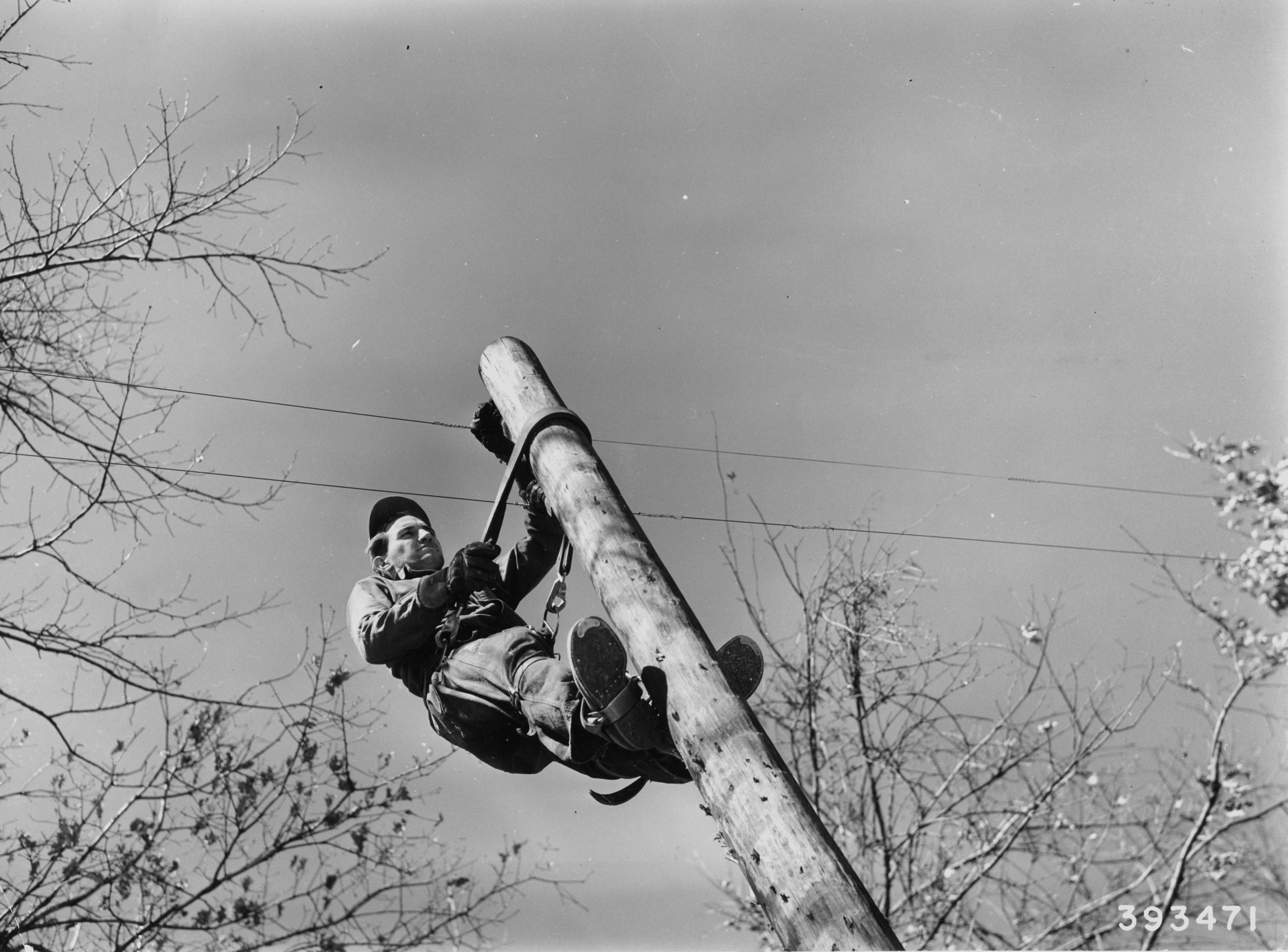
Splices were twisted, soldered, taped and weatherproofed on the pole, in whatever conditions existed. A bad splice made in the rain at two in the morning was a fault that would come back in six months, and the man who made it knew that.
Compression connectors, pre-formed splices and standardised fittings removed most of the variability and most of the time. The quality of a line is now far less dependent on the state of mind of one tired man at the top of a pole, which is a change the trade describes as the single biggest improvement in reliability.
8. He Carried the Whole Network in His Head
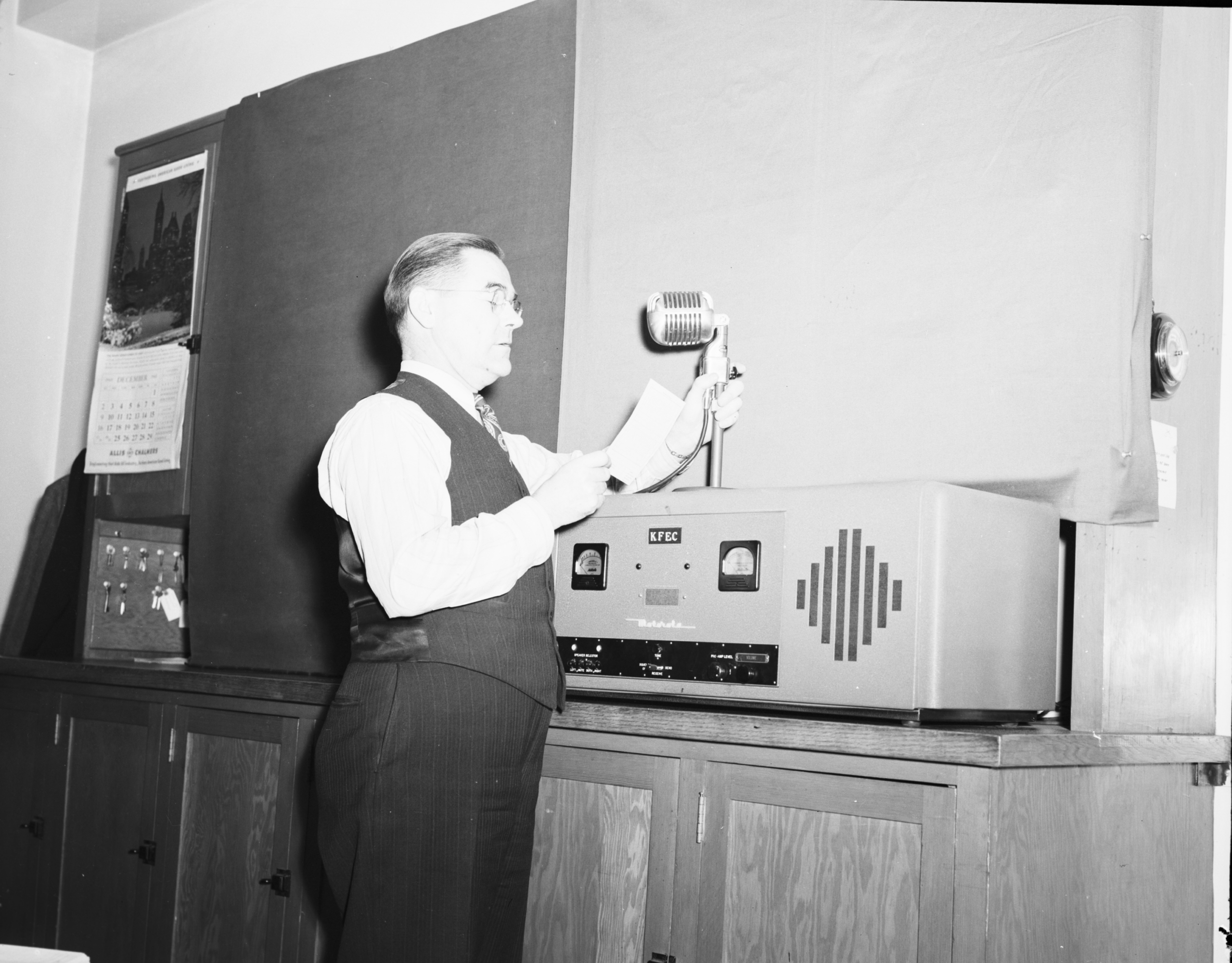
Circuit layouts, which pole fed which, where the switches were, which line went to the hospital – a lineman accumulated a map of his territory over years, and when a fault came in he knew roughly where to look before he left the yard.
Geographic information systems, outage management software and smart meters that report their own loss of supply have replaced that knowledge with data that any crew can read. The system locates faults faster and does not retire. What the trade says it lost is the man who could tell you that the fault was probably at the third pole past the creek because it always was.
9. Telephone and Power Shared the Pole and Barely Spoke
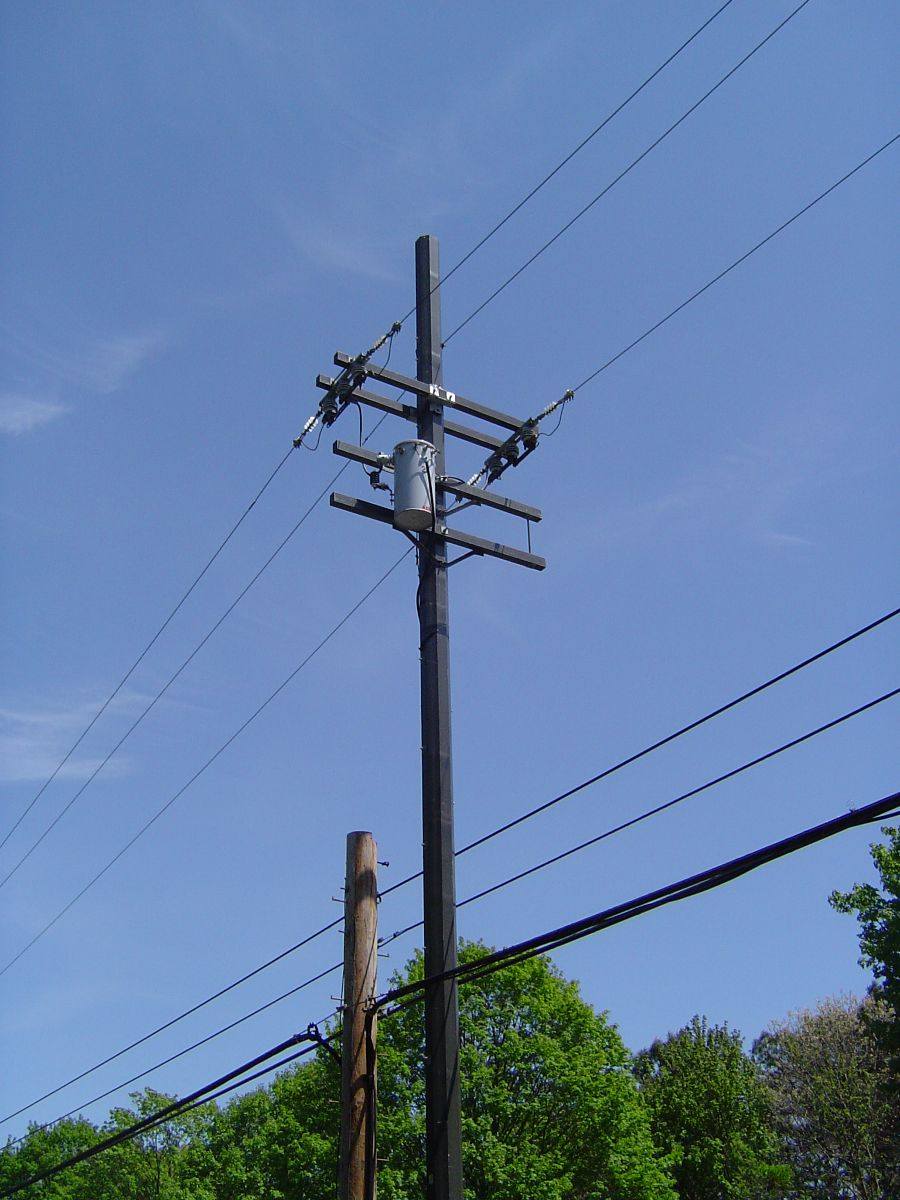
A single pole carried electrical distribution at the top and telephone and later cable below, owned by different companies with different crews, different rules and a defined separation between them. Co-ordination was informal and frequently poor.
Joint use agreements, formal clearance standards and make-ready engineering now govern who attaches what and where, with the separation distances written down and enforced. The arrangement still produces disputes – attachment fees and make-ready costs are a long-running regulatory argument – but the physical rules are no longer a matter of two crews working it out at the pole.
10. The Equipment Went Up on a Rope Over His Shoulder
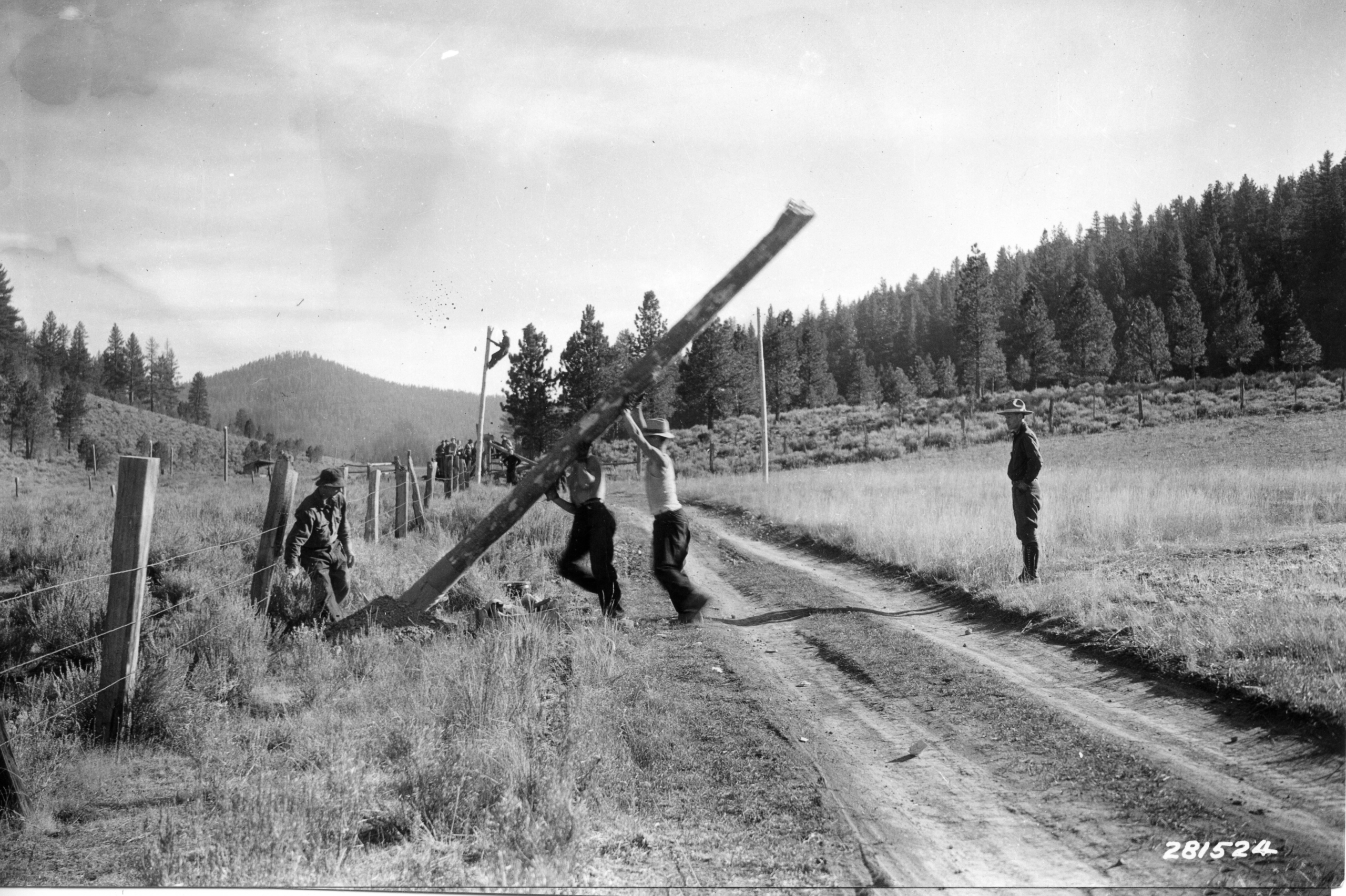
A hand line thrown over the crossarm was how everything reached the top: tools, hardware, transformers of a size one man could manage, and the lineman’s own bag. Anything heavier was a problem to be solved with a gin pole, a block and tackle, and more men.
Hydraulic boom trucks, material handlers and diggers transformed this and removed an enormous amount of manual lifting and a corresponding number of back injuries and dropped objects. The hand line is still used, and every apprentice still learns to throw one, because a bucket cannot reach everywhere.
11. Women Were Not in the Trade and Were Not Expected to Be

Line work in 1960 was entirely male, and the barriers were a combination of formal exclusion, a physical entry test designed around the work as then performed, and a culture that made it unworkable for the few who tried.
Women now work as linepersons in small but growing numbers, and the change came partly from equal employment law and partly from the work itself changing – a bucket truck and hydraulic tooling made upper-body strength less decisive than it had been. The trade remains heavily male and the utilities recruit actively against that, largely because they have a workforce shortage rather than because anybody changed their mind first.
12. The Apprenticeship Was Years and It Still Is
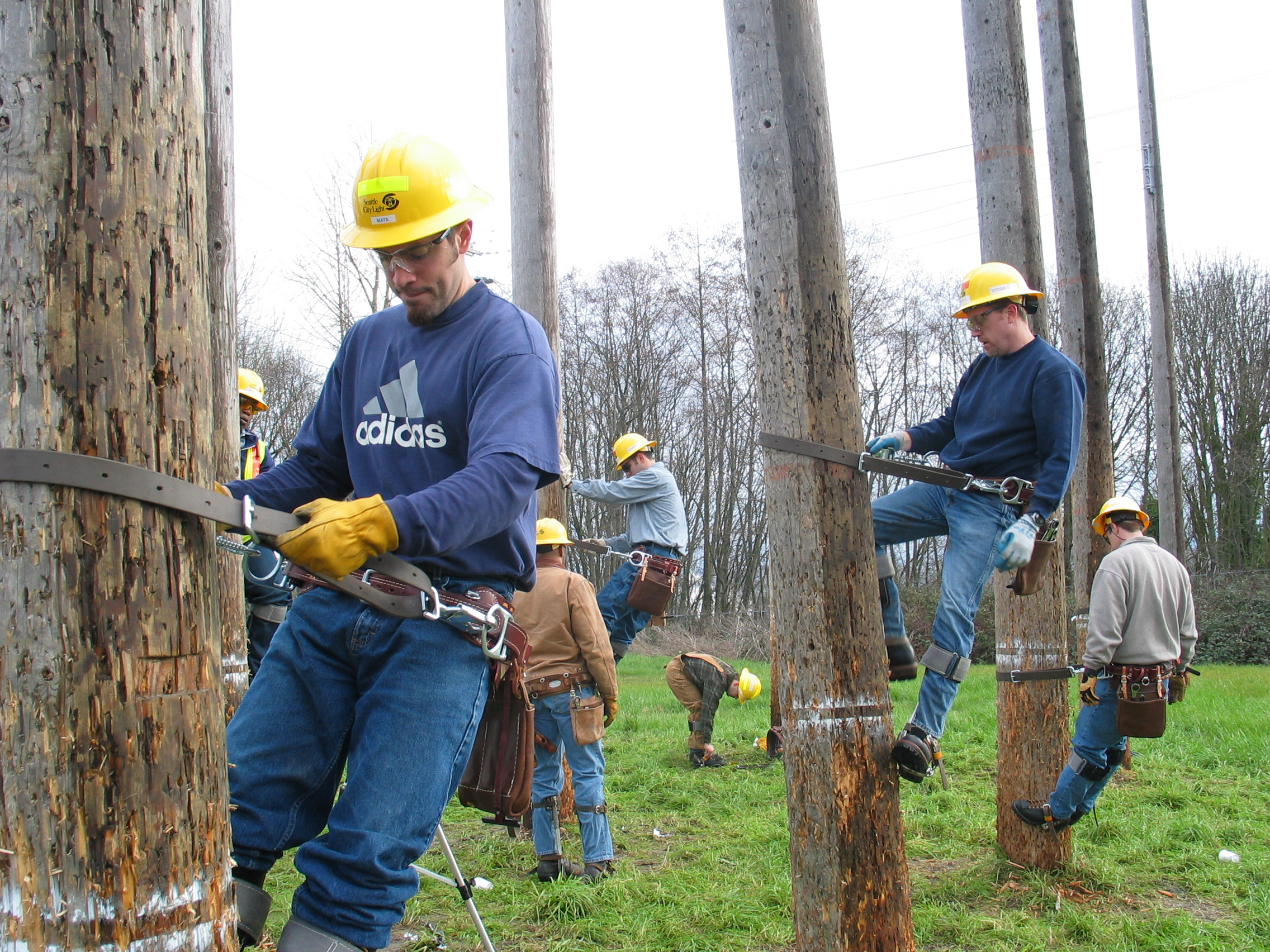
Becoming a journeyman lineman took a multi-year apprenticeship combining classroom work and supervised field hours, and it was taken seriously because the consequences of an unqualified person on an energised line are immediate and fatal.
This is the rare item on these lists where the old structure survived intact and is now a selling point. Line apprenticeships remain long, paid, competitive and oversubscribed, and the trade is among the better-paid skilled occupations available without a degree. It survived because the hazard never went away – automation can locate a fault but somebody still has to go and touch it.
13. The Work Was Admired in a Way It No Longer Quite Is
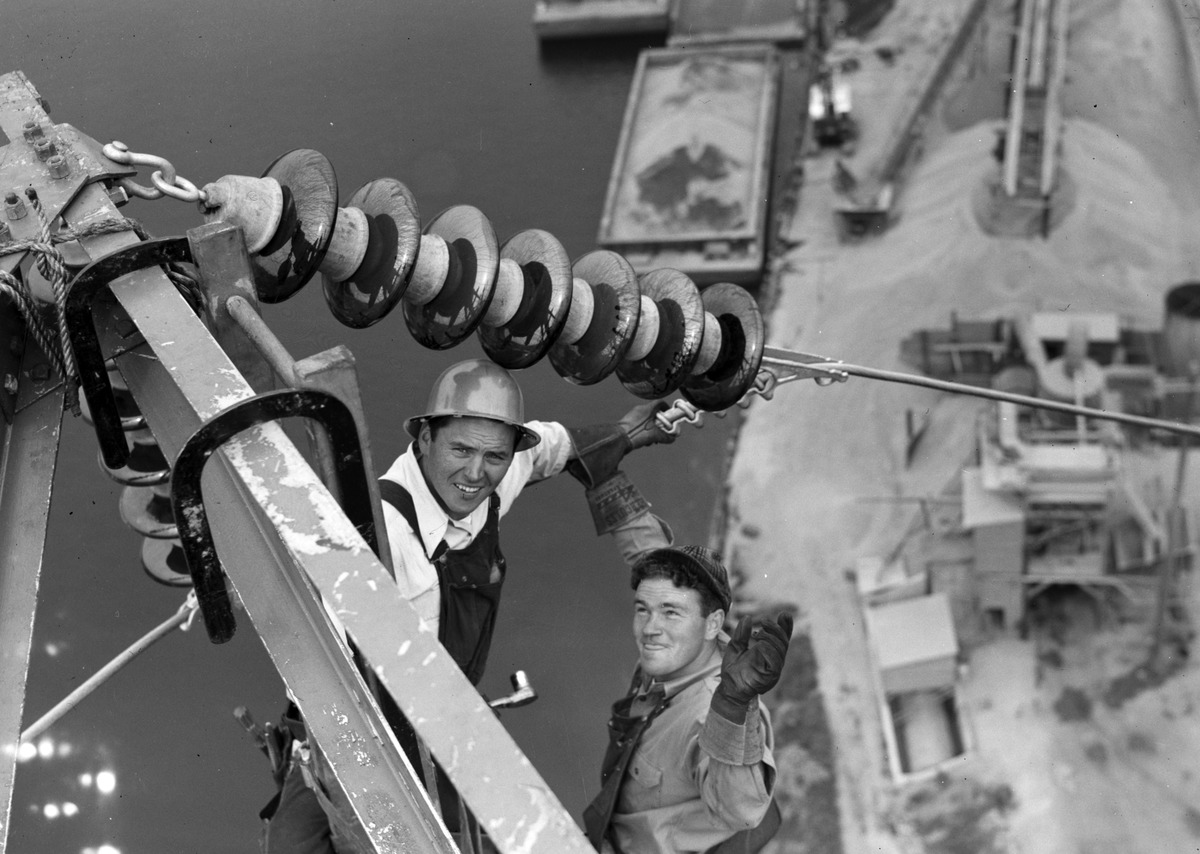
The lineman was a visible figure in the landscape, the man who came after the storm, and the trade carried genuine public standing – there are songs about it, and photographs of linemen were a staple of utility advertising.
The visibility faded as the network matured and outages became rarer, which is a success rather than a loss. The standing persists inside the trade and within the communities that still lose power regularly. What has gone is the general public’s sense of the electricity supply as something maintained by identifiable people, which is what every utility means when it says its workforce is invisible until something breaks.
14. Nobody Expected the Grid to Stop Growing
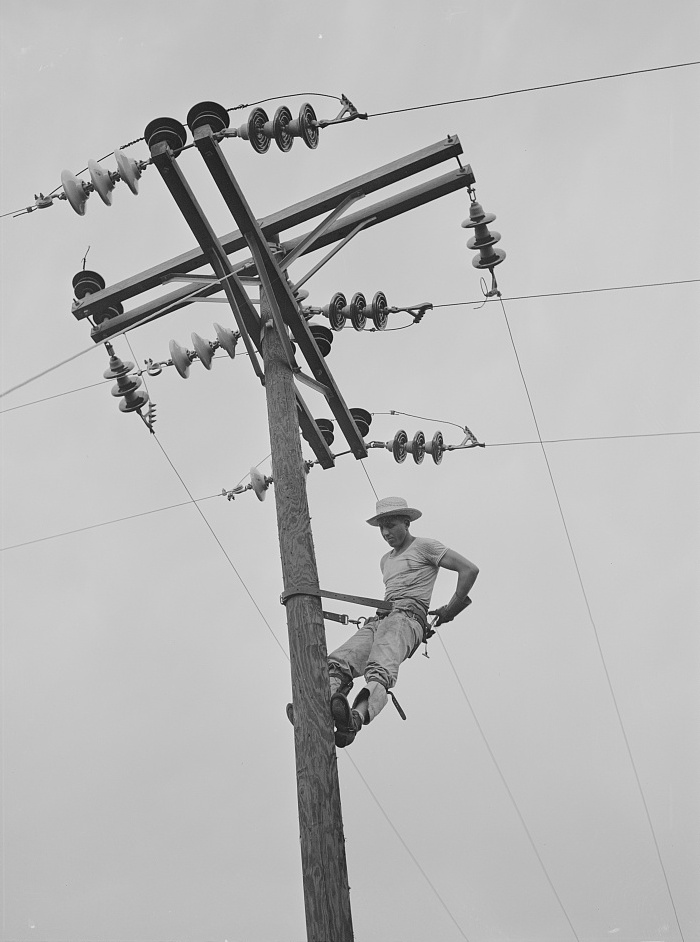
In 1960 electrification was still expanding, rural lines were being extended, and the trade was building new network constantly. The assumption was continuous growth and continuous hiring.
Construction of new distribution slowed enormously once coverage was essentially complete, and the trade shifted from building to maintaining and replacing – much of the network now being replaced was built in exactly this period and is reaching the end of its design life at the same time. That, plus a wave of retirements from the generation hired during the build-out, is why the shortage of qualified linemen is now one of the most frequently cited workforce problems in the utility sector.
15. The Tools Have Changed and the Pole Has Not
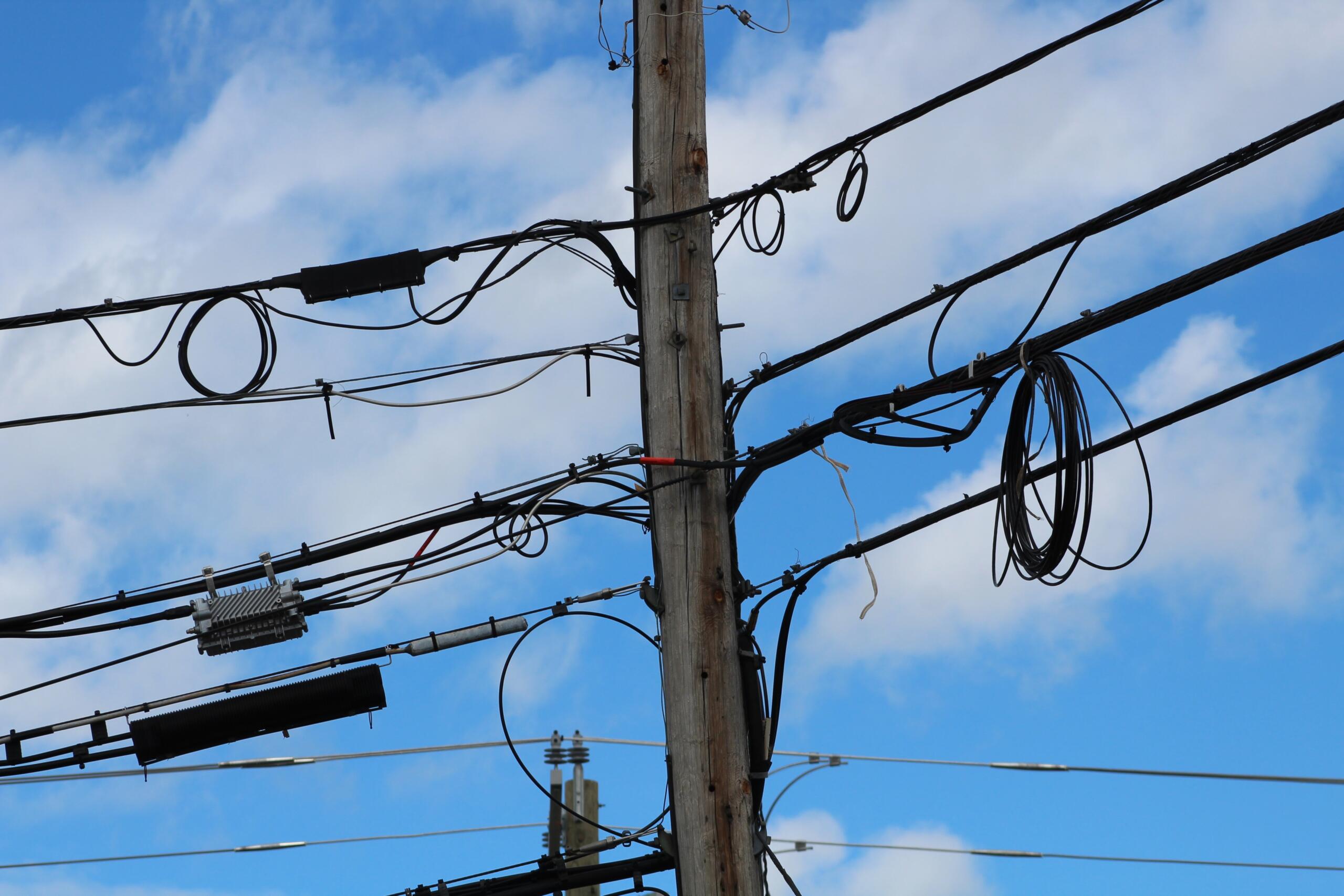
A wooden pole with a crossarm, insulators and conductors above a street is recognisably the same object in 1960 and today, which is remarkable given that almost everything attached to it, carried on it and done to it has been replaced.
Underground distribution is standard in new development and is enormously more expensive to install and to repair, which is why overhead lines persist everywhere they already exist. The timber pole survives because it is cheap, available, climbable, repairable, and fails in a way that is survivable – and because replacing several hundred million of them with anything else has never made economic sense to anybody.
Why This Trade Reformed Itself Differently
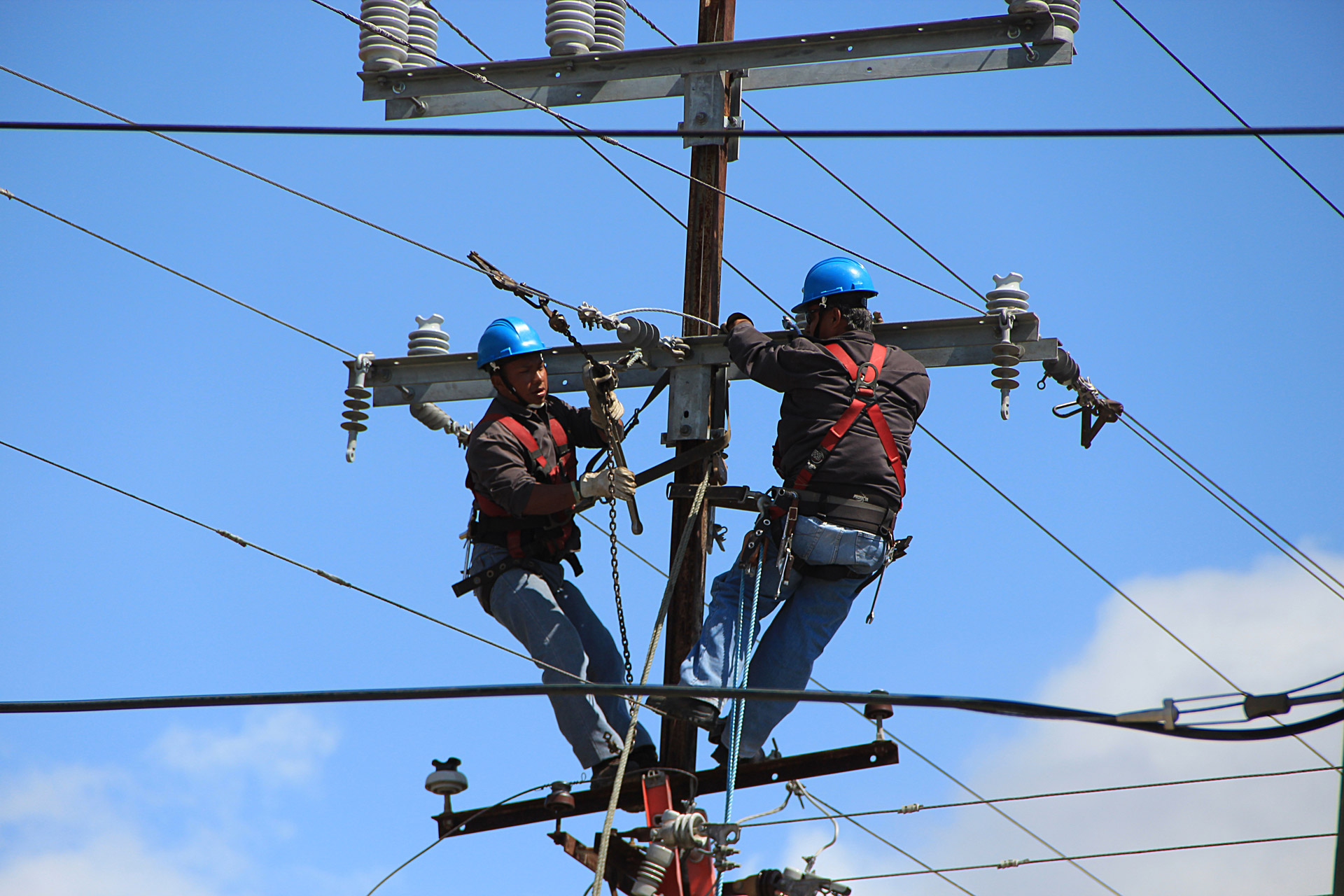
Most of the occupations in this series were reformed by regulation imposed from outside after something went badly wrong in public. Line work is partly that and partly something else.
The hazard here is unusually unforgiving and unusually immediate. There is no cumulative exposure to argue about and no long latency – a mistake with an energised conductor kills somebody that afternoon, in front of the crew, and everybody present knows exactly what happened and why. That produced an internal safety culture earlier and more thoroughly than in trades where the harm arrived decades later.
It also produced a trade that protected its apprenticeship rather than losing it. The shipyard, the machine shop, the cooperage and the projection booth all let their training systems lapse when the work contracted. Line work could not, because an unqualified person on a live line is not merely less productive – and so the multi-year apprenticeship survived every wave of cost-cutting that removed the others.
The result is one of the few jobs on any of these lists that is better paid, better trained, safer and more in demand than it was in 1960, doing recognisably the same work on recognisably the same pole.
If somebody in your family did this work, the climbing irons and the storm weeks are what they talked about.
Which utility, and did he ever tell you about a cut-out?
Like our content? Follow us for more.
