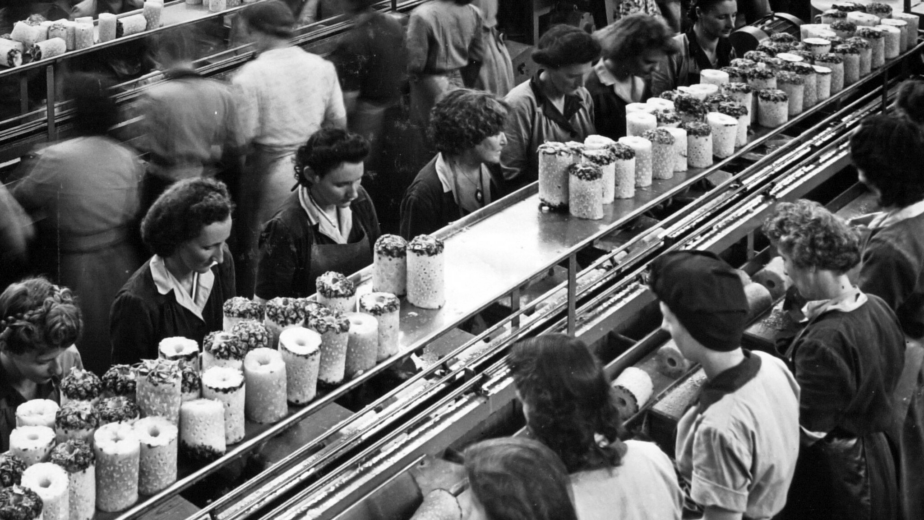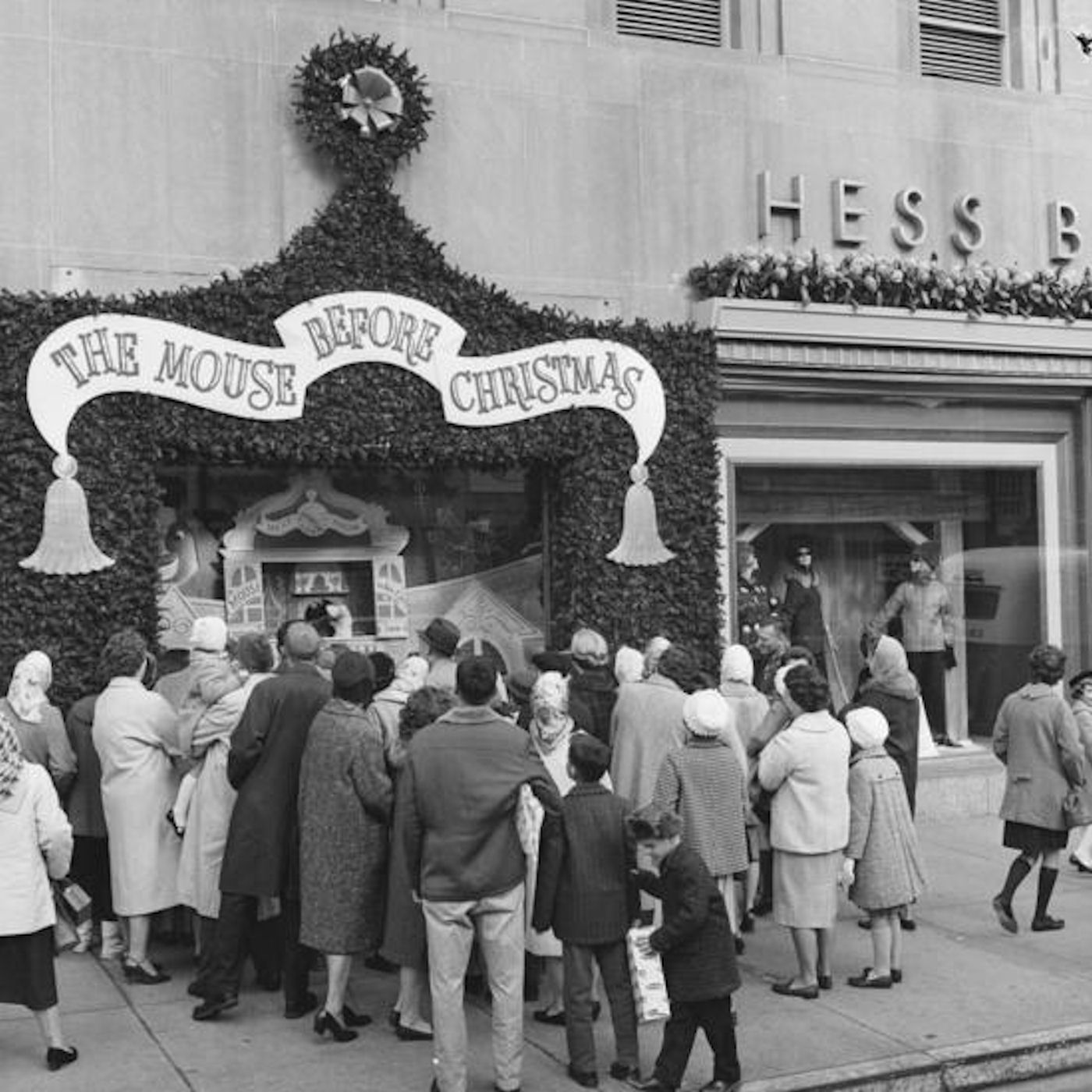
In 1965 a large department store employed a full-time display department that began work on the Christmas windows in the spring – carving figures, engineering cam-driven mechanisms, painting backdrops and building the whole thing behind papered-over glass.
The unveiling had a date and a crowd. Local papers reviewed it. Families came into town to look, and the windows were the best free entertainment on a winter evening.
Here are sixteen things the window dresser did in 1965, and what each one became.
1. The Christmas Windows Were Built Over Six Months by a Full-Time Department
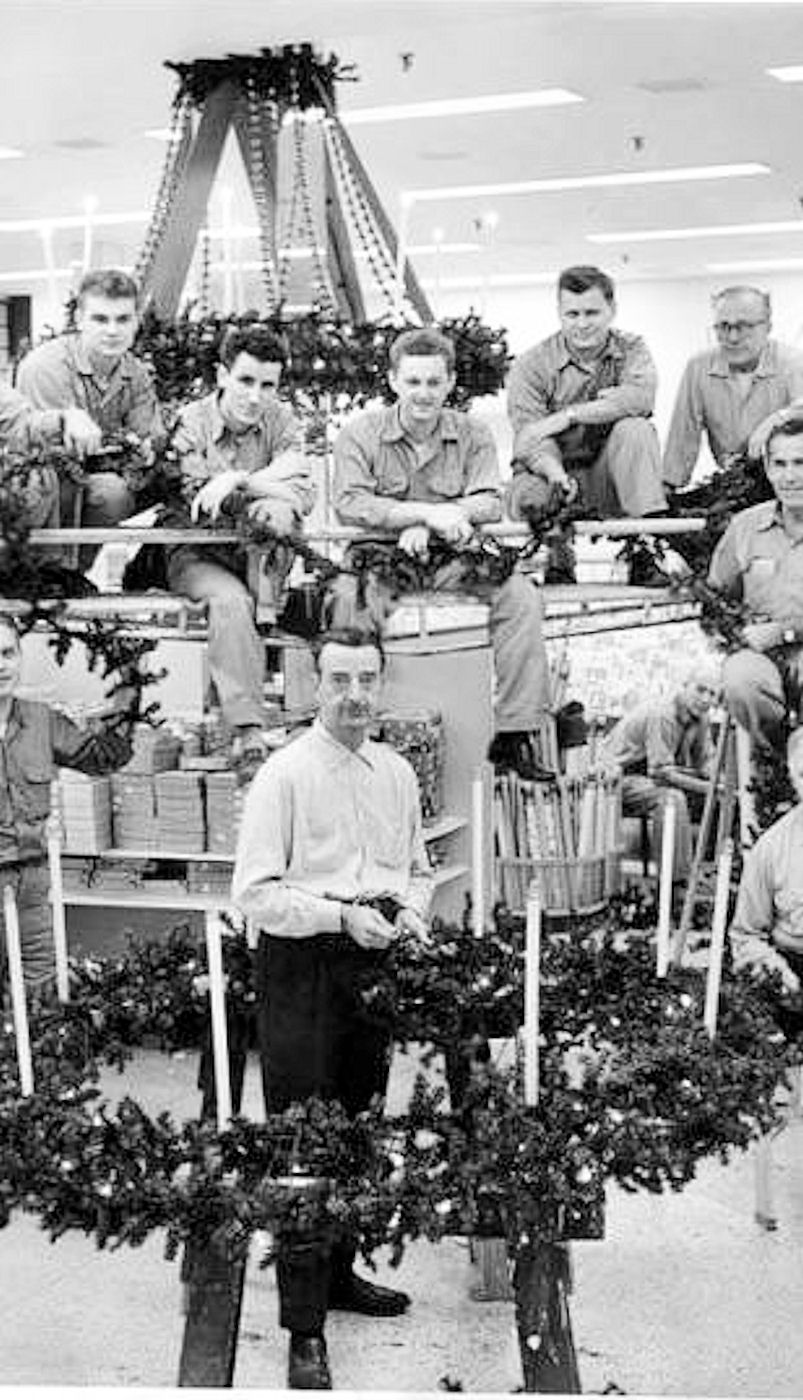
A large store employed a display department year-round – designers, carpenters, painters, electricians, sculptors and seamstresses – and the Christmas scheme was begun in spring. Mechanisms were engineered, figures were carved and costumed, backdrops were painted, and the whole thing was assembled in secret.
Visual merchandising is still a profession and the surviving flagship windows are still extraordinary, but the in-house workshop with its own trades has largely gone to specialist contractors who build schemes for several retailers. The number of stores attempting it at all has collapsed, because the audience that walked past has moved and the buildings they walked past are no longer where people shop.
Like our content? Follow us for more.
2. The Windows Were Papered Over for the Reveal
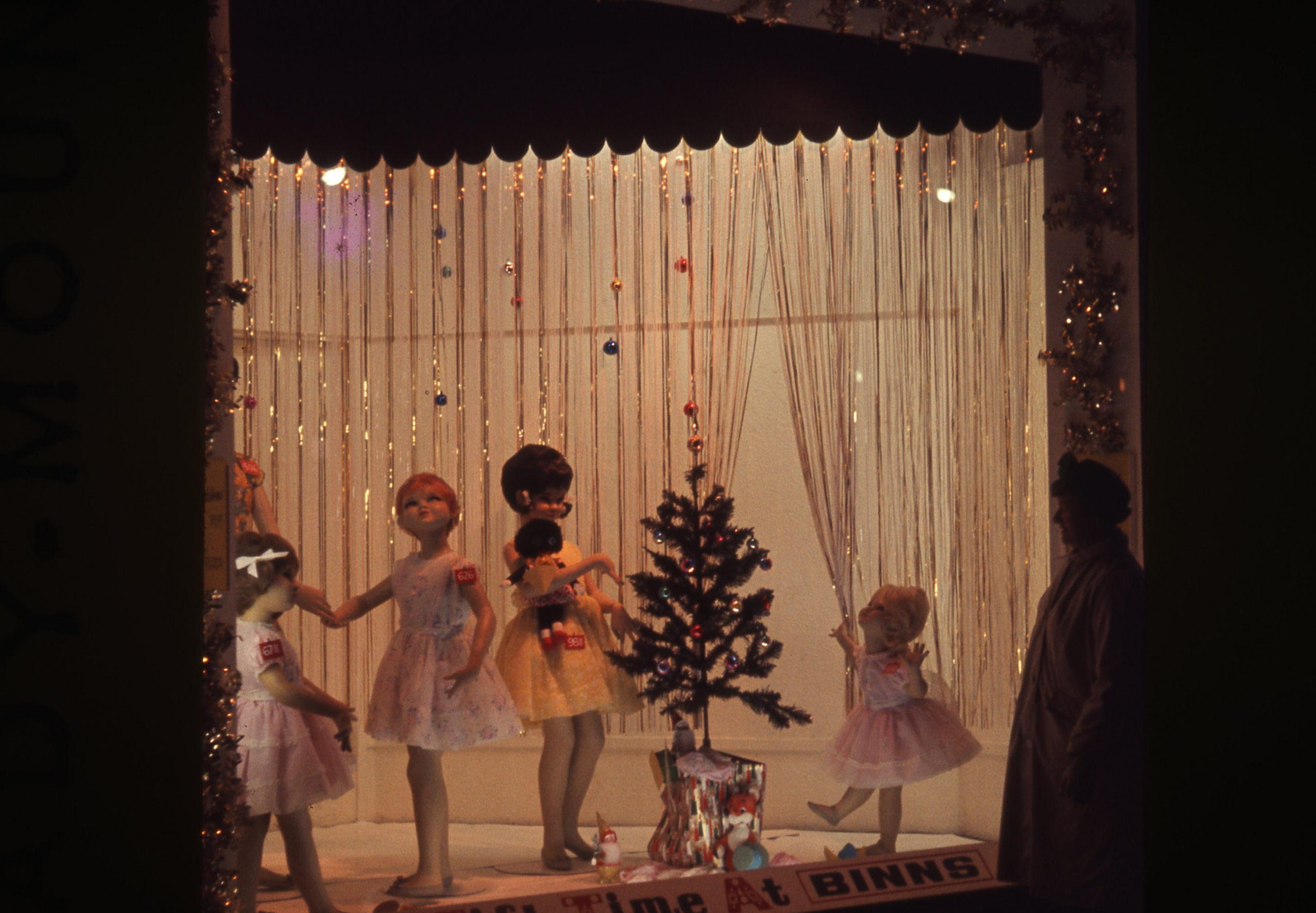
The glass was covered for the week before, and the unveiling was an event with a date, a crowd, and frequently a civic figure to pull the cord. Local papers printed the time. Families came into town specifically for it.
The reveal survives at a handful of stores and has become a marketing moment designed for photographs and video rather than for the crowd on the pavement. What has gone is the premise – that a window was news, that it was worth travelling to see, and that it could not be seen any other way until you stood in front of it.
3. Mannequins Were Plaster and Broke Constantly
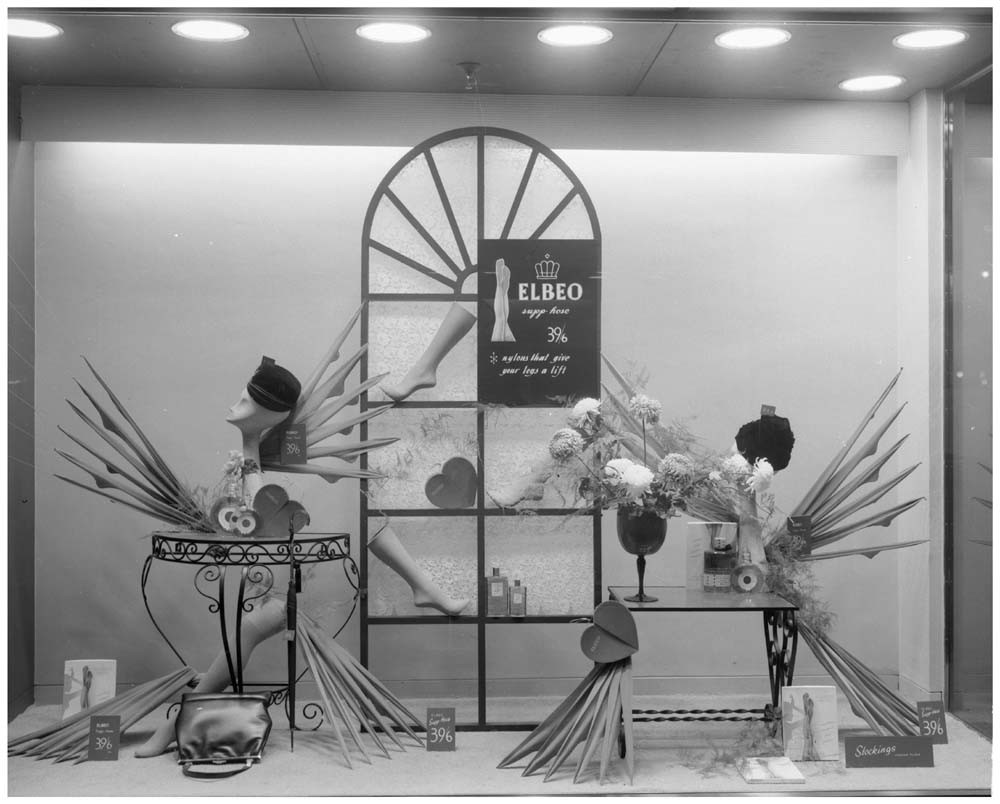
Figures were plaster over a form, heavy, fragile, and realistic in a way that required a sculptor. They chipped at the fingers and noses, were repainted repeatedly, and a dropped one was destroyed rather than damaged.
Fibreglass and later plastics made mannequins light, durable and cheap, and the abstract headless form took over much of the market because it dates slowly and costs less. The plaster figures that survive are collected. They are also a precise record of what the period considered a normal body, which is the uncomfortable part of looking at them now.
4. The Dresser Worked in the Window While the Street Watched
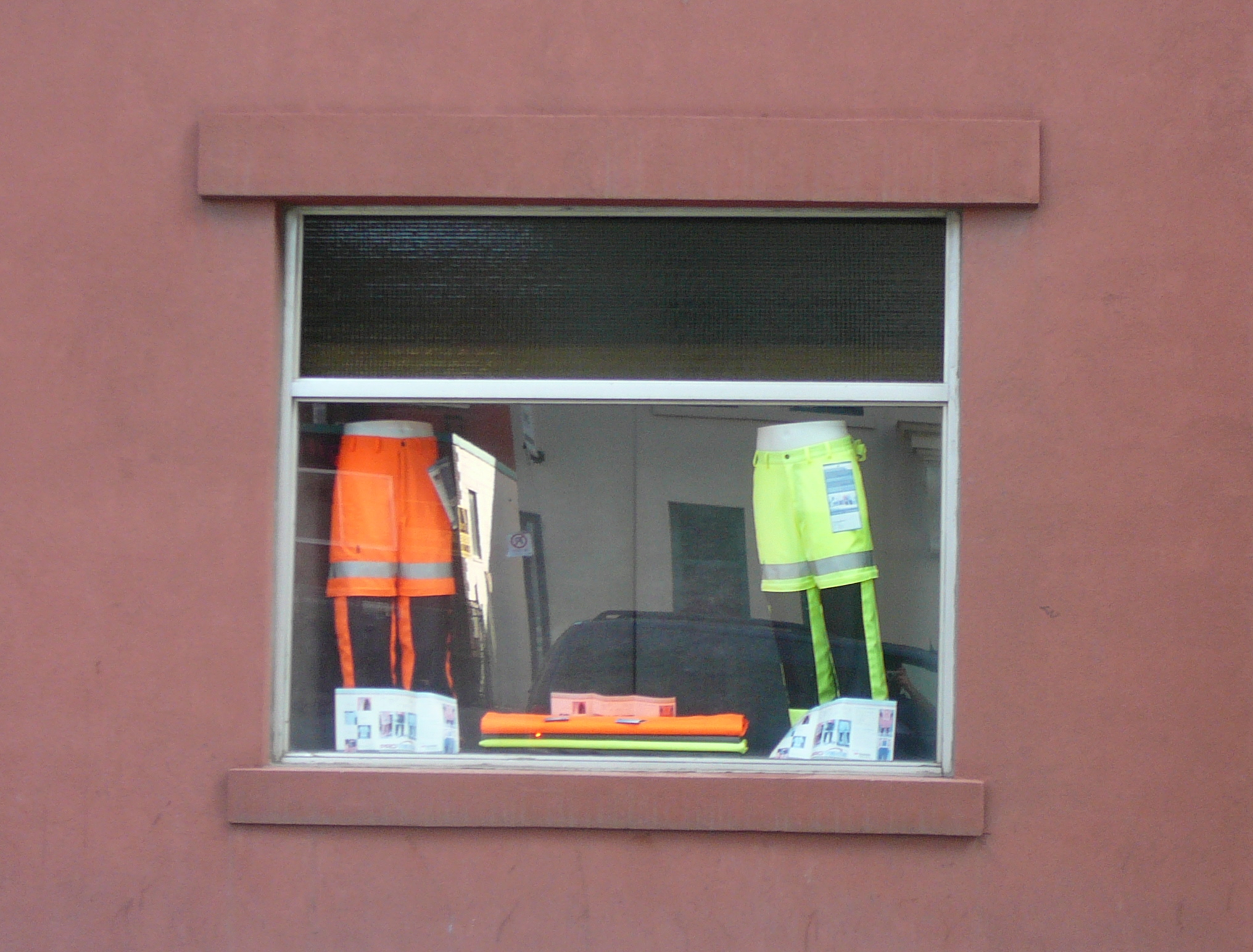
Changing a window meant climbing into it and working in full view of the pavement, sometimes with a screen and frequently without. Dressers learned to work with an audience, and the audience watched – it was a recognised small entertainment of a town centre.
Screens, overnight working and off-site build have mostly ended it, partly for the practical reason that a half-built window is bad advertising and partly because dressing a figure in a window in front of strangers is an uncomfortable position to put somebody in. Several stores now treat the build as content and film it deliberately, which is the same thing turned inside out.
5. Everything Was Lit With Hot Filament Lamps

Window lighting was incandescent and in quantity – spotlights, floods and festoon – which produced heat sufficient to be a genuine problem. Windows had ventilation, fabrics faded, waxwork and plastic elements deformed, and the dresser worked in the heat.
Fluorescent and then light-emitting diode lighting removed almost all of the heat and most of the electricity. The change in what is possible is substantial: colour can now be changed instantly, fittings can be tiny and hidden, and lighting can be programmed to move through a sequence. The heat limitation that shaped window design for fifty years simply vanished.
6. The Animated Figures Were Driven by Cams, Belts and Motors
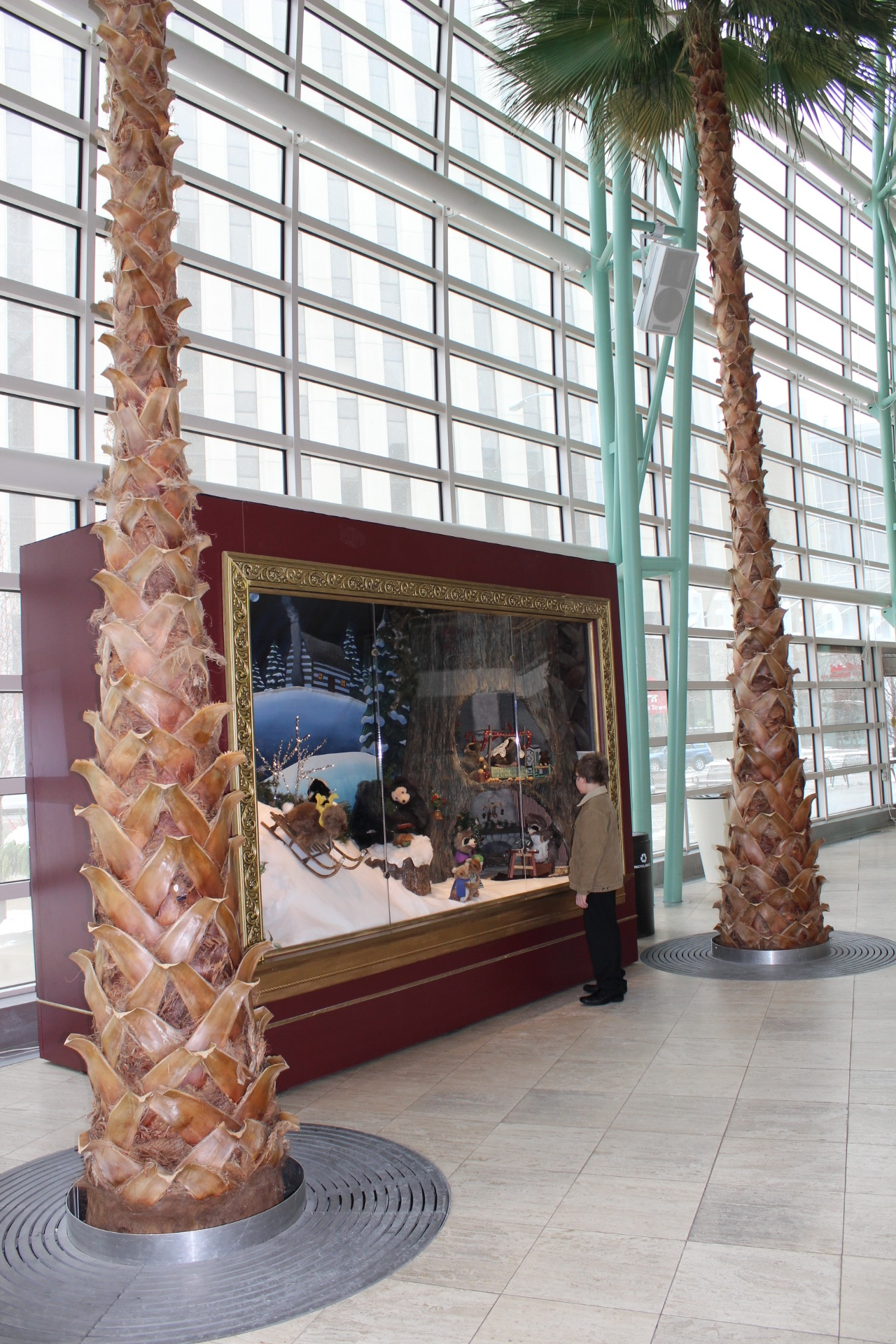
Movement came from electric motors turning cam shafts, with rods and linkages producing a nodding head, a waving arm, a hammer rising and falling. Each movement was designed mechanically and built by hand, and the whole assembly ran continuously for six weeks.
The mechanisms are genuinely impressive engineering, built to run unattended for hundreds of hours in a hot window, and the surviving ones are restored and exhibited. Modern animation uses servos and programmable controllers, which are more flexible and far less durable. Collectors of the old mechanisms will tell you that something built from cams does exactly the same thing every time for forty years, which is not true of anything with software in it.
7. The Store Had a Grotto and a Queue That Went Round the Floor
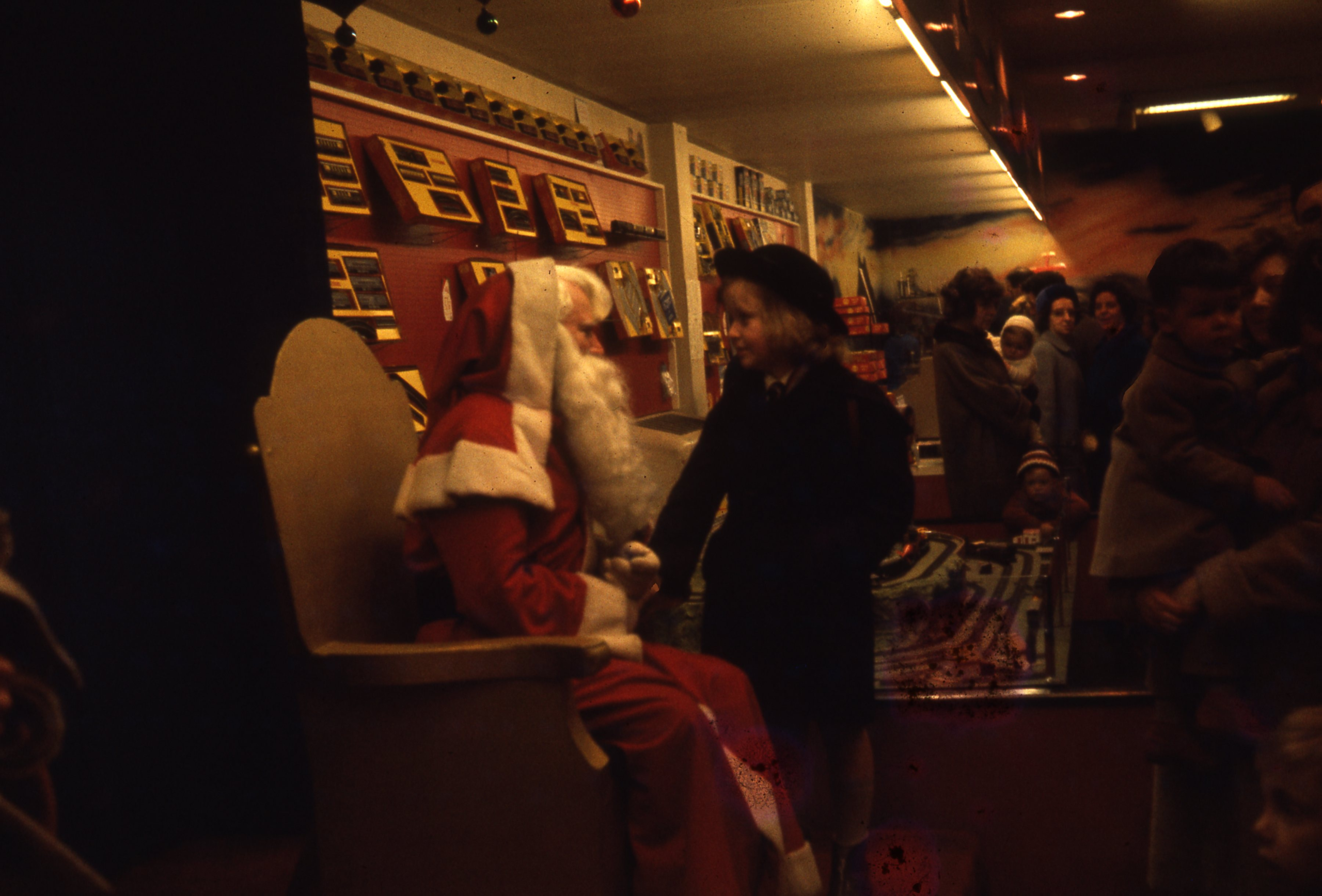
Christmas at a large store meant a grotto on an upper floor, reached through a themed walk, with a queue managed by staff and a gift at the end. Getting the family up there was the reason for the trip and the selling happened on the way.
Grottos continue and are frequently now timed-ticket, pre-booked and run by specialist operators, which has removed the queue and a good deal of the chaos. The underlying retail logic is unchanged and is the oldest trick in the trade – put the thing people came for at the top of the building and make them walk through everything else to reach it.
8. Every Department Had Its Own Display and Its Own Rules
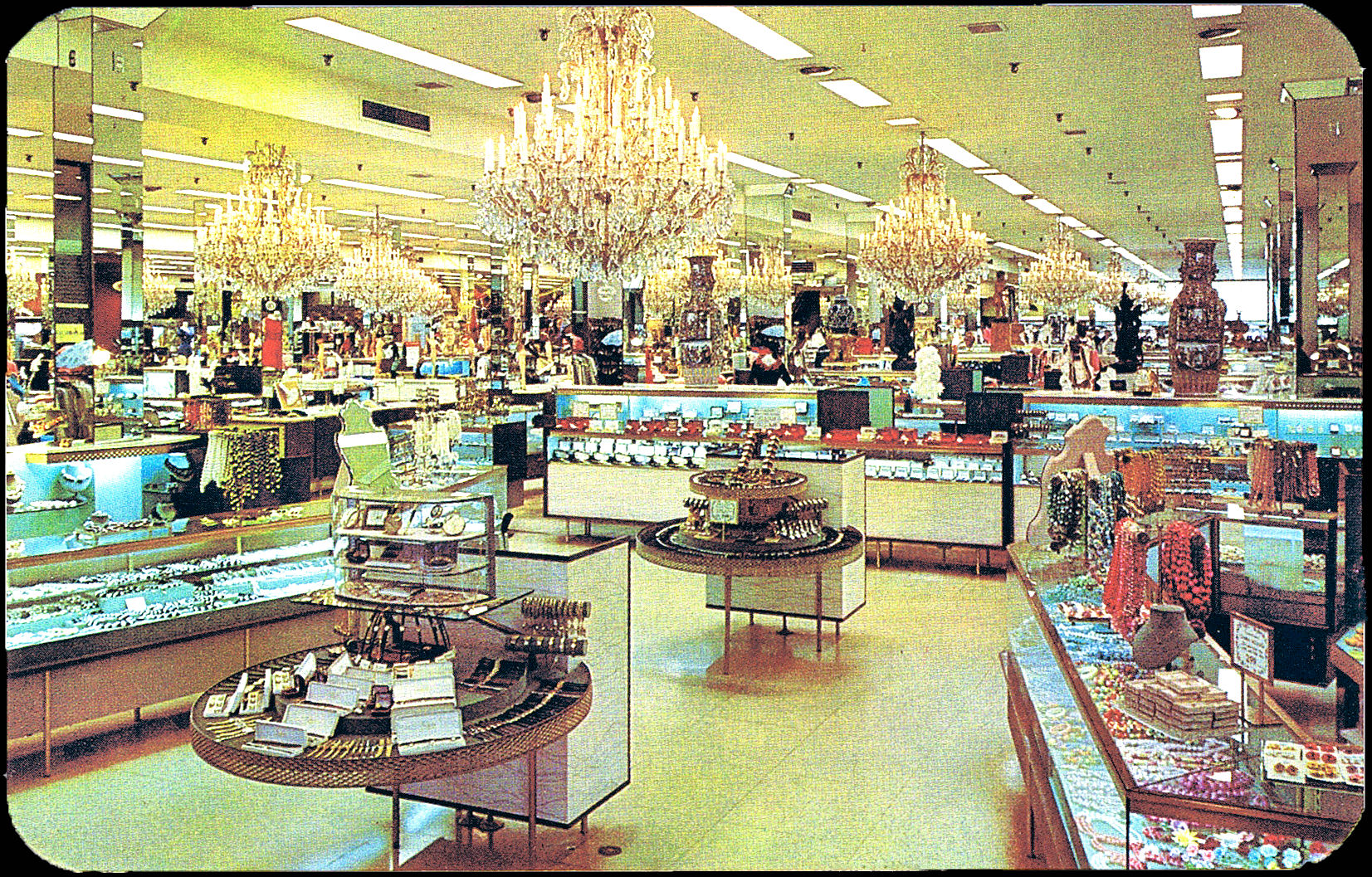
Beyond the windows, the interior was dressed department by department, and each had conventions – how haberdashery was presented, how a hat was stood, how a table of shirts was built, what could and could not be put next to what. A dresser learned them from somebody who knew them.
Planograms and centrally issued display guides replaced local judgement, and a chain now looks the same in every town because that is the point. The gain is consistency and measurable performance. The loss is that a store’s display no longer reflects anybody who works in that building, which is also why the displays in independent shops still look different.
9. Prices Were Not Shown in the Window
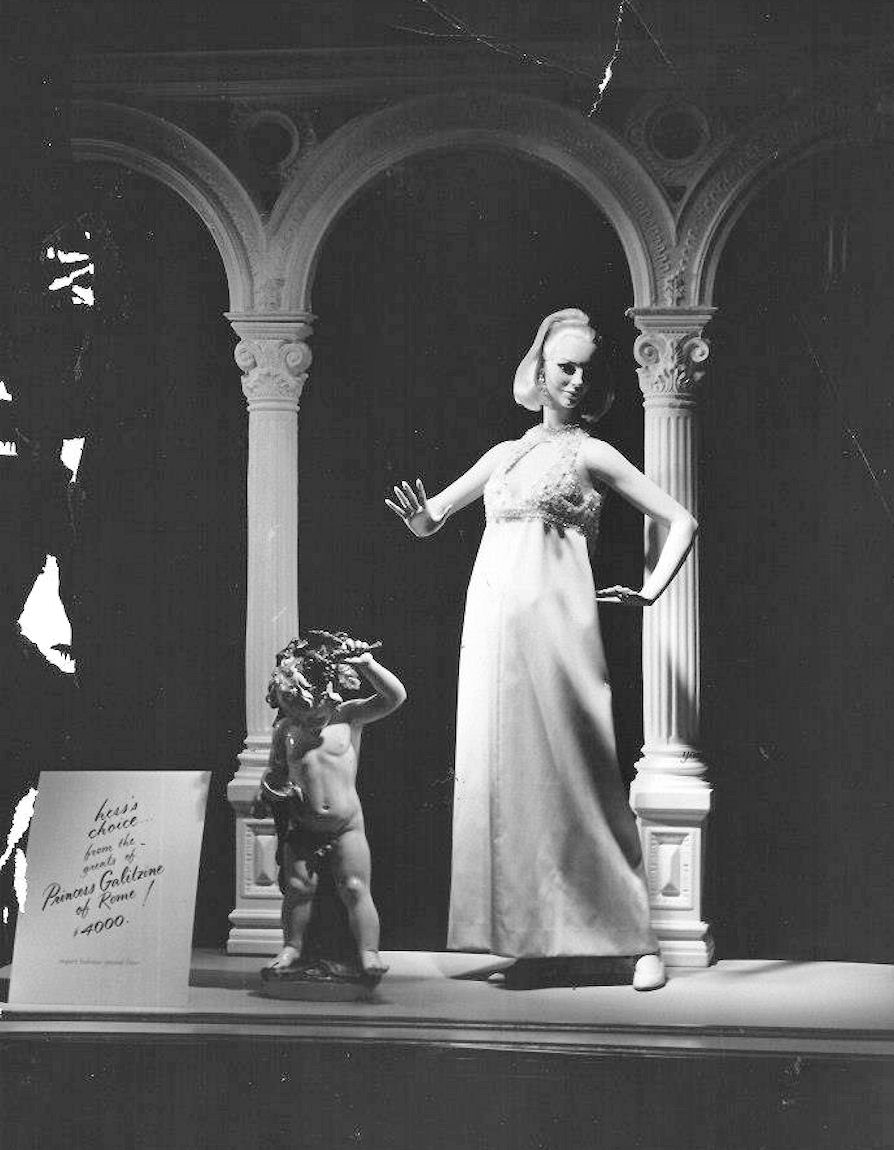
Many high-end windows carried no prices at all, on the reasoning that the display was about aspiration and that anybody who had to ask could not afford it. Where prices appeared they were hand-lettered by a ticket writer employed for that purpose.
Price transparency became both a consumer expectation and in places a legal requirement, and the hand-lettered ticket gave way to printed and then digital labels. The ticket writer with a brush and a bottle of ink was a real job in every large store, with an apprenticeship behind it, and the lettering styles they used are now revived mostly as a deliberate retro signal.
10. The Window Was the Only Way to See the Stock
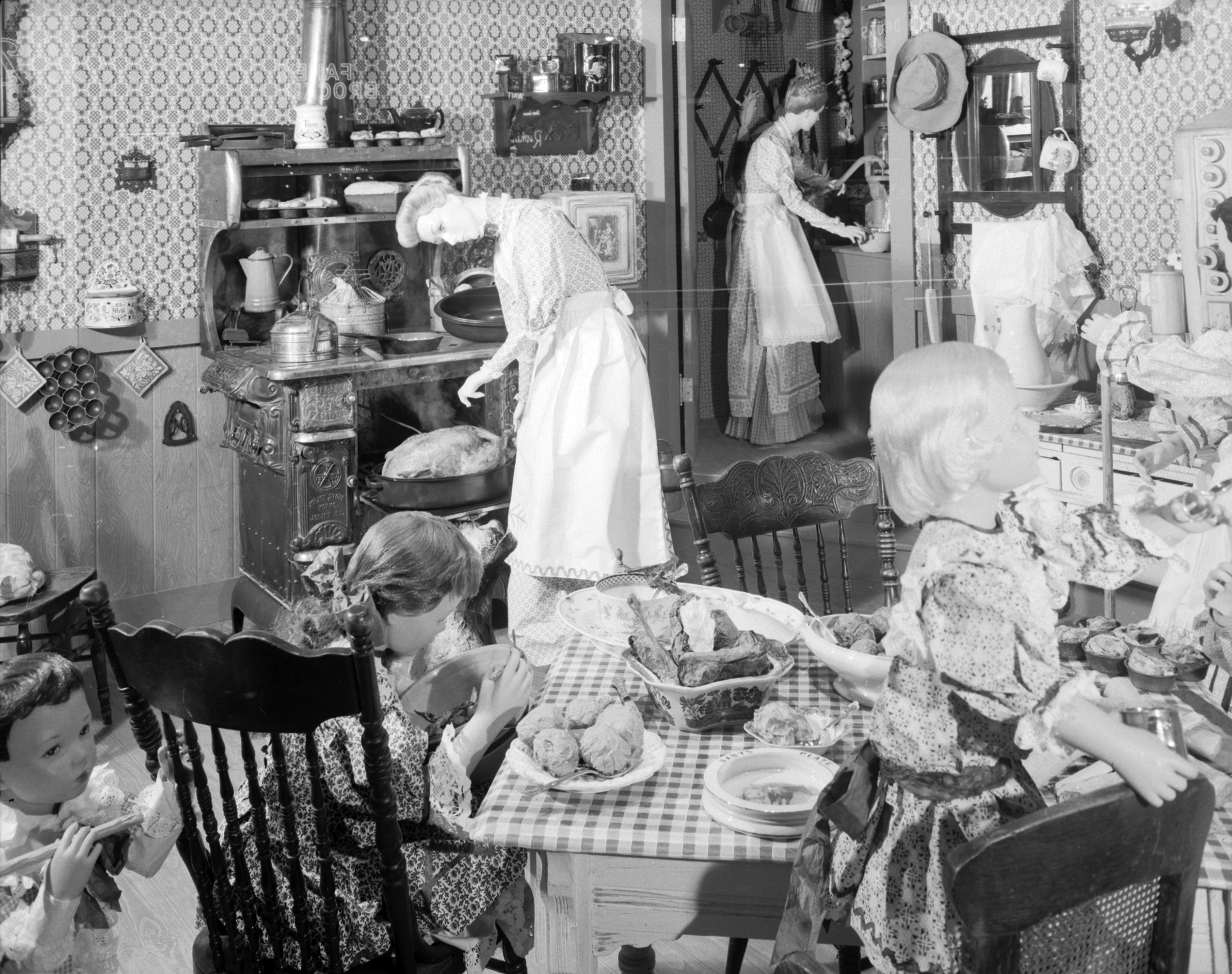
Before a store had a catalogue in every home, a website or an app, the window was how a shopper found out what was available. It carried the season’s goods, the new lines and the prices where they were shown, and people genuinely went to look.
This is the change underneath all the others. The window’s job was information, and that job has been completely taken over by a screen. What a window does now is brand and theatre, which is a narrower function and justifies far less investment – except at the handful of stores where the window has become a destination in its own right, which is precisely the ones still spending on it.
11. Sunday Closing and Early Closing Shaped the Whole Thing
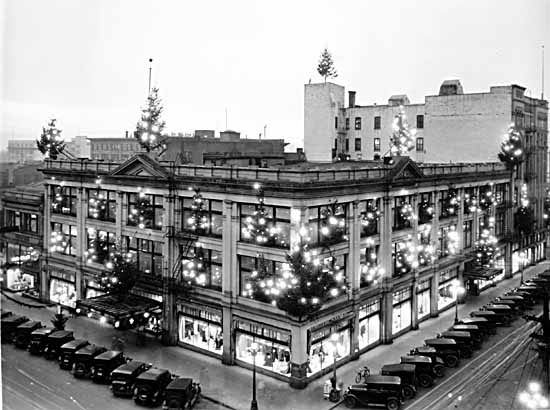
Shops shut on Sundays and frequently had an early closing day in the week, which meant the window did its work while the store was shut. A lit window on a Sunday evening was deliberate – selling to people who could not come in yet.
Extended and Sunday trading removed the closed-shop window as a selling tool, and online removed the idea of a shop being shut at all. The lit window on an empty street was one of the characteristic sights of a twentieth-century town centre, and it existed because of a legal restriction that has largely gone.
12. Town Centres Were Where Everybody Already Was
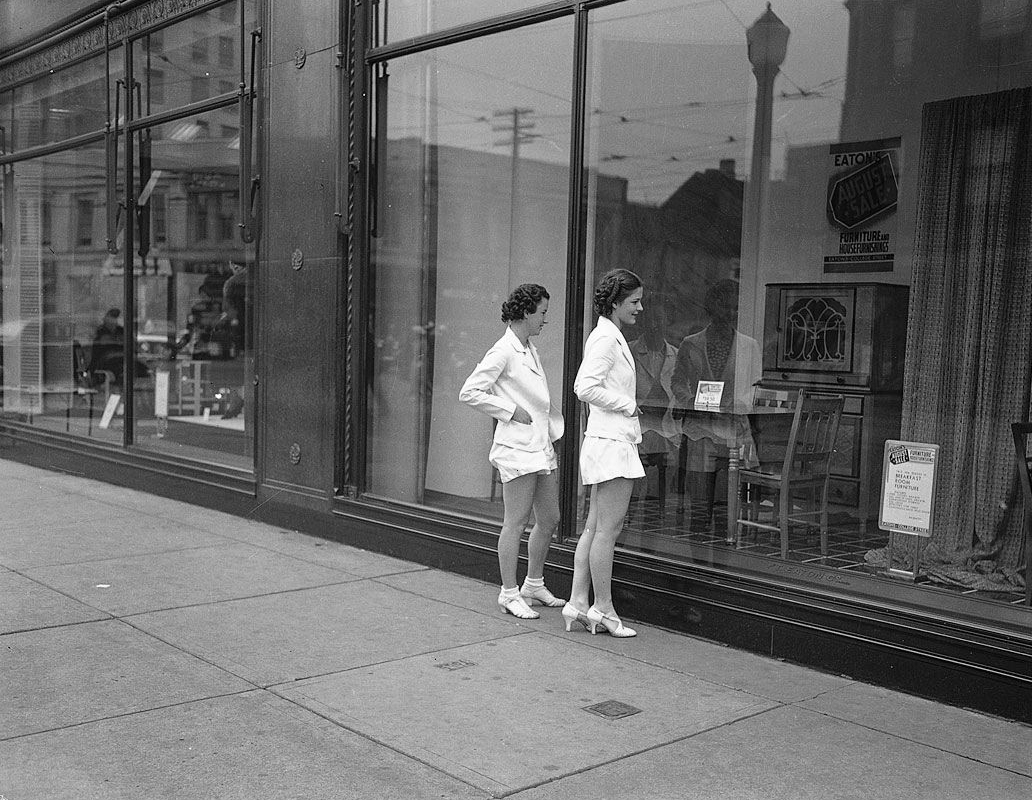
The store’s windows worked because the pavement outside them carried the whole town – people walking between the bus station, the market, the bank, the cinema and work. Display was advertising to a captive audience that had no choice but to pass.
Out-of-town retail, the car park replacing the bus stop, and then online shopping each removed a slice of that footfall. A window on a quiet street is an expensive thing shown to very few people, and that arithmetic, rather than any change in taste, is what closed most display departments.
13. The Whole Trade Had an Apprenticeship and a Craft Tradition
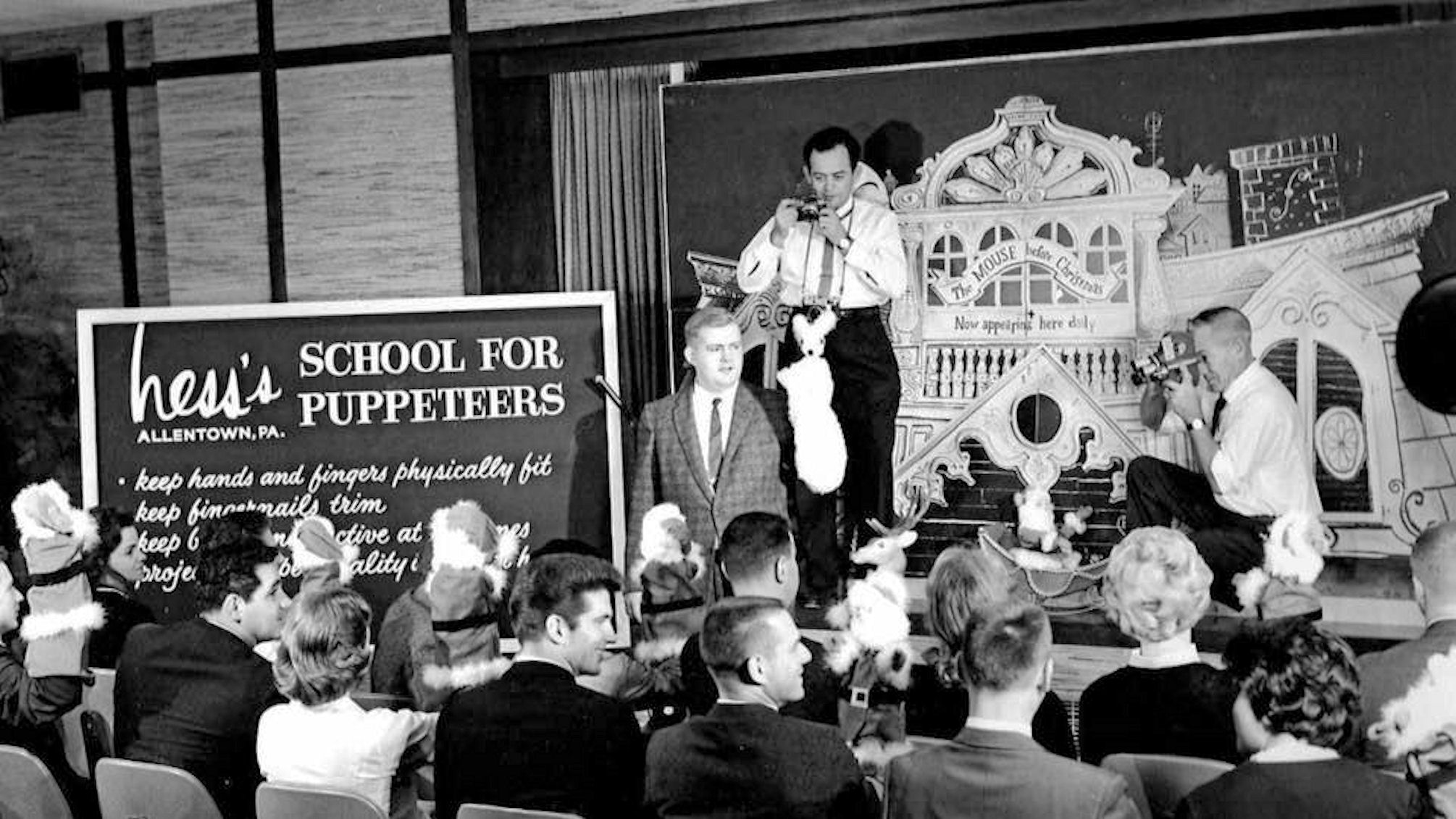
Window dressing was learned over years – composition, lighting, colour, the handling of fabric, sign writing, basic carpentry and the specific trick of designing for a viewer standing two feet from the glass and moving past at walking pace.
Visual merchandising is now a studied discipline with qualifications, which is in most ways an improvement. What ended was the in-store apprenticeship under one head of display, and with it a body of practical knowledge about materials and mechanisms that was never written down because it was taught by standing next to somebody.
14. A Great Window Was Reviewed, Argued About and Remembered
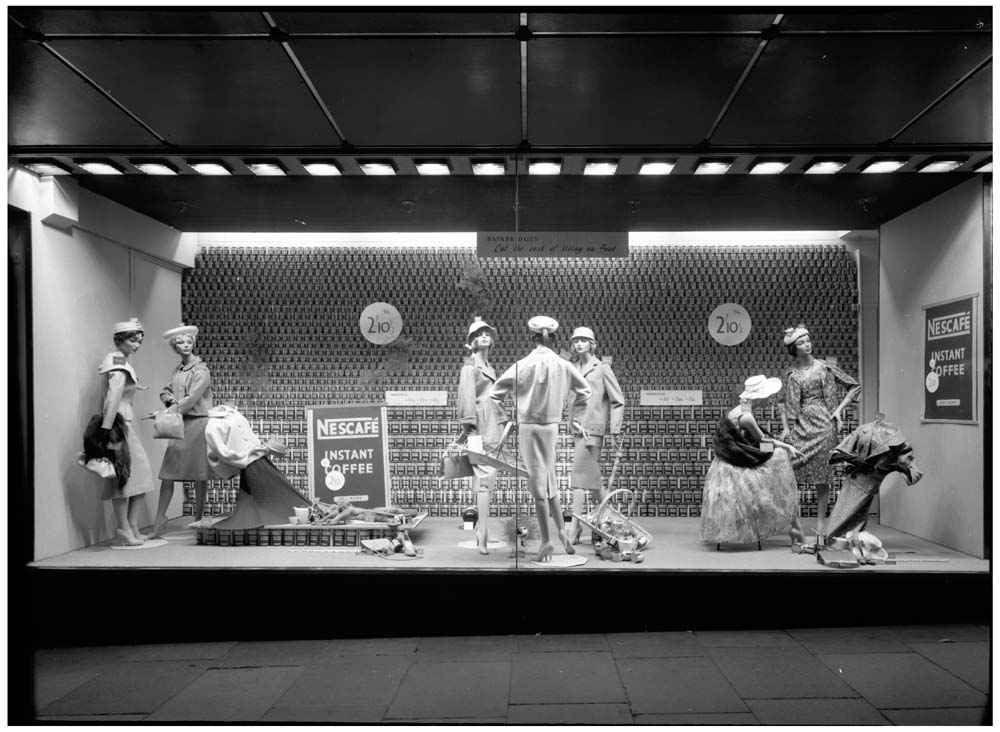
Local newspapers reviewed the Christmas windows. Stores competed openly. People had opinions about which store’s was best that year and remembered particular ones for decades.
That level of public attention to a commercial display seems strange now and was entirely normal. It worked because the windows were genuinely the best free entertainment on a winter evening in a town with one cinema. The competition still exists between a small number of international flagships, reported globally and seen mostly in photographs, which is a different thing from a town arguing about its own two department stores.
15. Nobody Thought the Department Store Itself Was at Risk
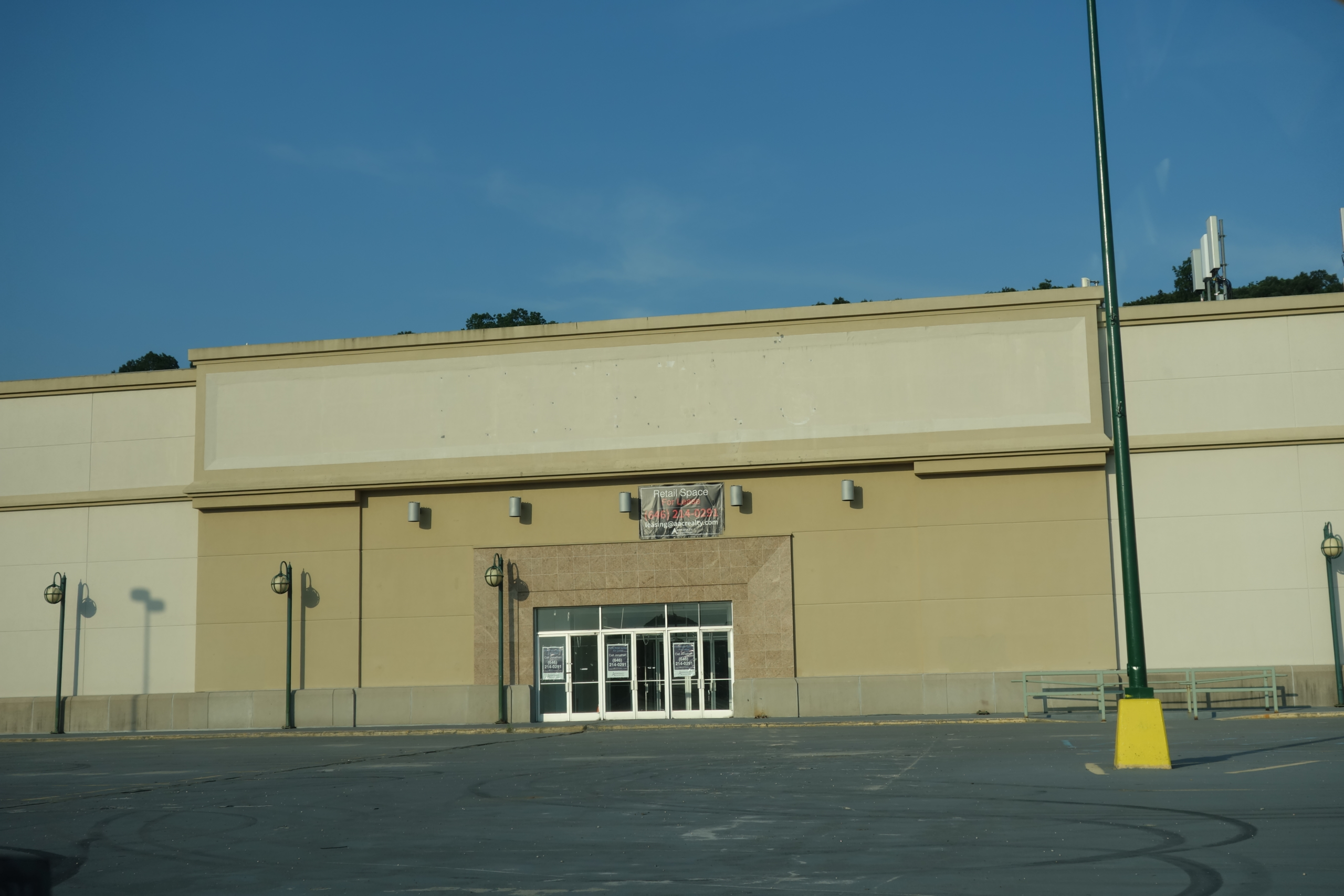
In 1965 the department store was the anchor of the town centre, the largest shop most people ever entered, and an institution with restaurants, hairdressers, delivery vans and account customers.
The format has contracted severely almost everywhere, through out-of-town competition, the unbundling of its departments into specialists, changes in how clothing is bought, and finally online retail. A great many of the buildings are gone or converted. The windows went first, because they were the most visible discretionary cost in a business under pressure, which is why so many town centres had unlit glass for years before the store behind it closed.
16. The Ones That Survived Did It by Becoming the Attraction
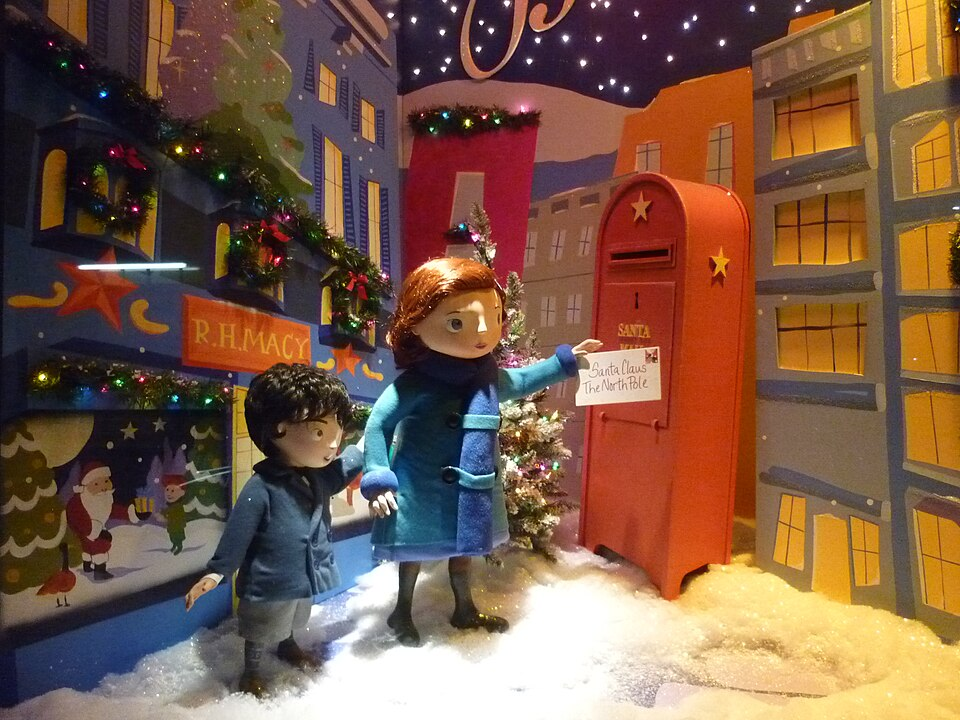
A small number of stores kept spending on display through every one of those pressures, and the reason is that their windows stopped being advertising and became a reason to visit the city.
That is the model that works now and it is a narrow one. A flagship window scheme is a piece of public art funded by a retailer, photographed by a very large number of people, and distributed globally at no further cost – which makes the arithmetic work again at a scale it never could for a store serving one town. It is the same solution local radio and local television arrived at: the survivors are the ones that became a destination rather than a convenience.
What the Window Was Actually For
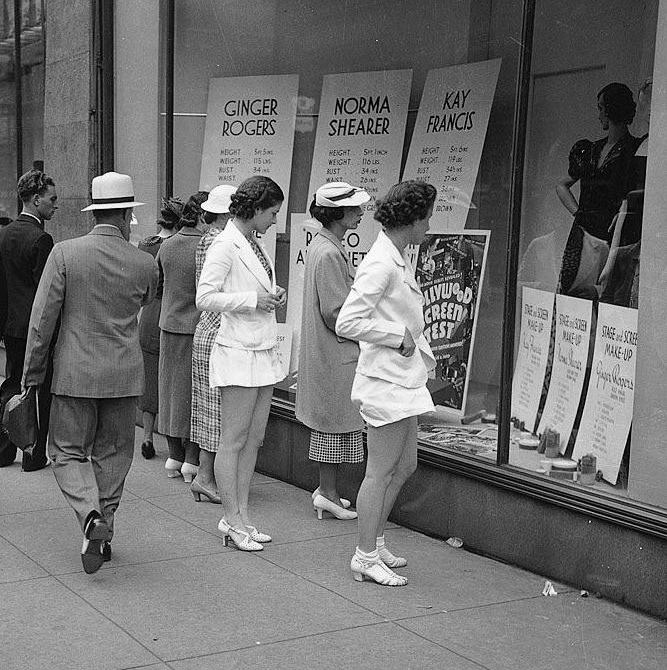
The romance of the Christmas window obscures what the window was doing the rest of the year, which was carrying information.
Before catalogues reached every home, before television advertising saturated, and long before a screen could show anybody the entire stock of every shop in the country, the window was how a person found out what was for sale. It showed the season’s goods, the new lines, the price where it was shown, and it did so to a pavement carrying the whole town between the bus station and the market.
Every element on this list follows from that. The investment made sense because the audience was large and had no alternative source of the information. The craft existed because the job mattered. The competition between stores was real because the windows genuinely moved trade.
Then the information function moved to a screen, and the footfall moved out of town and then online, and what was left was theatre – which is lovely, and which almost nobody can justify paying for.
The handful of stores still doing it properly are not selling what is in the window. They are selling a reason to come to that street, which is a different business, and it is the only version of the job that still supports a department of carpenters and sculptors starting work in the spring.
If you were taken into town to see the windows, that is a memory most people keep in detail.
Which store, which town, and is the building still standing?
Like our content? Follow us for more.