

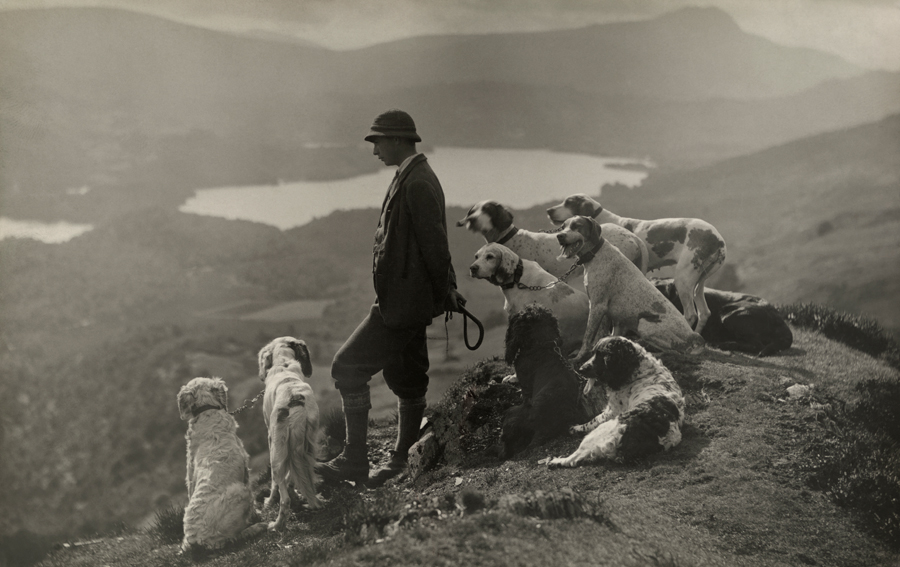
In 1960 a gamekeeper lived in a cottage out on the ground, answered to one person, and had no external scrutiny of any kind over how he did the job.
He used traps that are now illegal, killed birds of prey as a matter of routine, laid poison baits in the open, reared chicks under broody hens, and went out alone at night to confront poachers in person.
Here are fourteen things the gamekeeper did in 1960, and what each one became.
1. He Lived in a Cottage on the Estate and the Job Came With the House
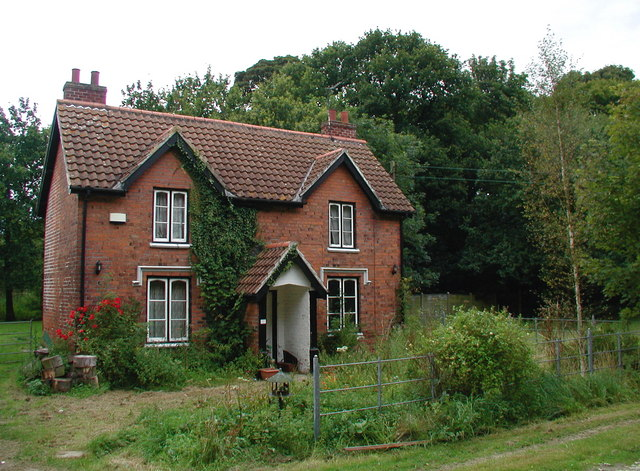
A keeper’s cottage sat out on the ground he looked after, deliberately remote, and the house was part of the wage. He was on the estate at all hours because he lived in the middle of it, and leaving the job meant leaving the house.
Tied cottages persist in estate employment and are a continuing subject of difficulty – an employee whose home depends on the job has very little ability to argue about either. The remoteness was the point in 1960 and is now frequently a recruitment problem, because a keeper’s family needs schools, broadband and a second income within reach.
Like our content? Follow us for more.
2. The Pole Trap, the Gin Trap and the Snare Were All in the Bag
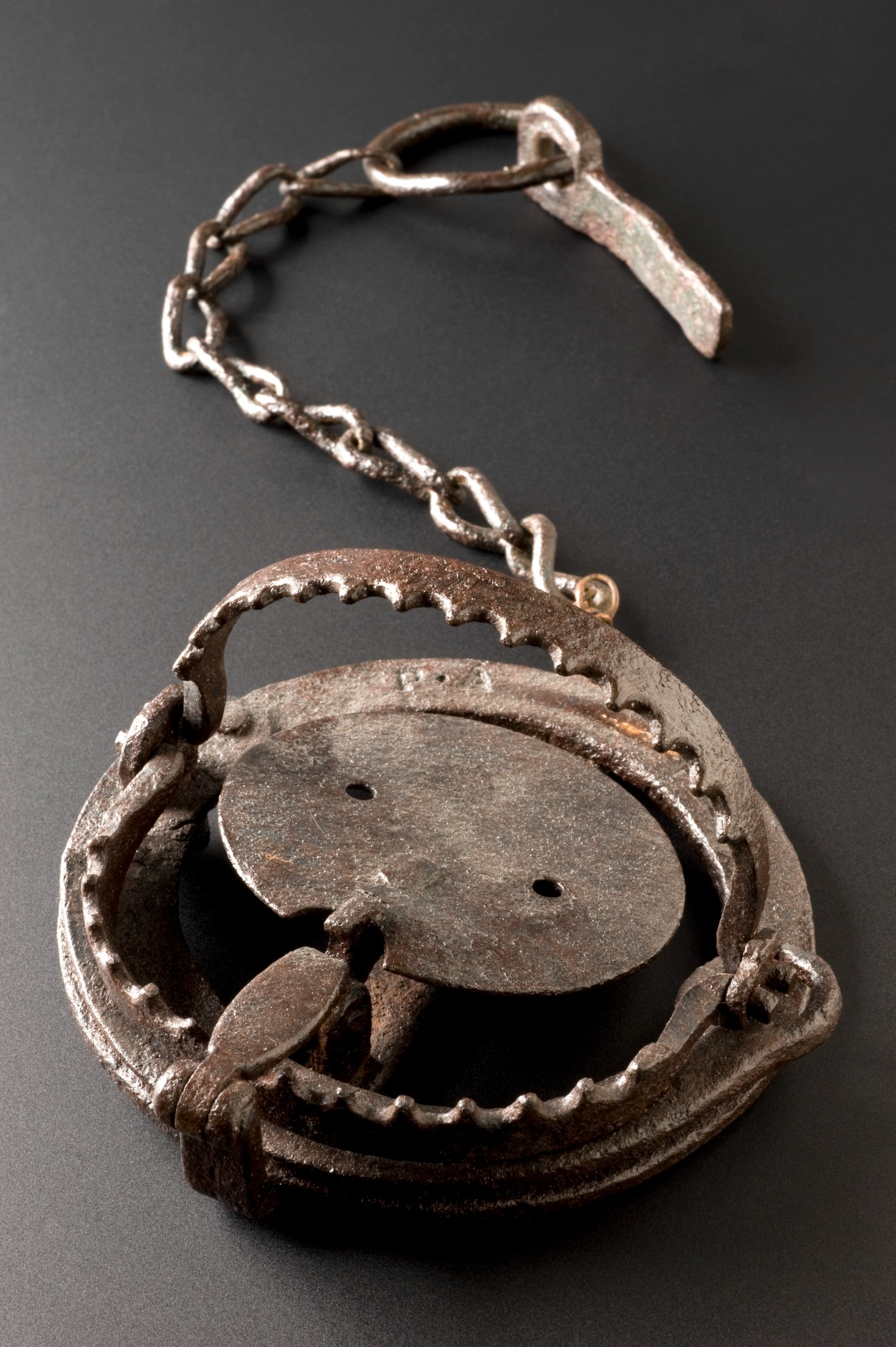
Predator control used a range of traps that are now illegal. The gin trap, a toothed spring jaw that caught an animal by the leg, was in general use. Pole traps set on posts caught birds of prey. Snares were set widely and checked when convenient.
The gin trap was prohibited, pole traps were outlawed long before that and their use became a serious offence, and snaring is now tightly restricted or banned depending on jurisdiction, with legal snares required to have stops and swivels and to be checked daily. Trap approval schemes now specify which devices may be used for which species. This is stated as legal and historical fact; no trapping method is described in any usable detail here.
3. Birds of Prey Were Killed as a Matter of Routine
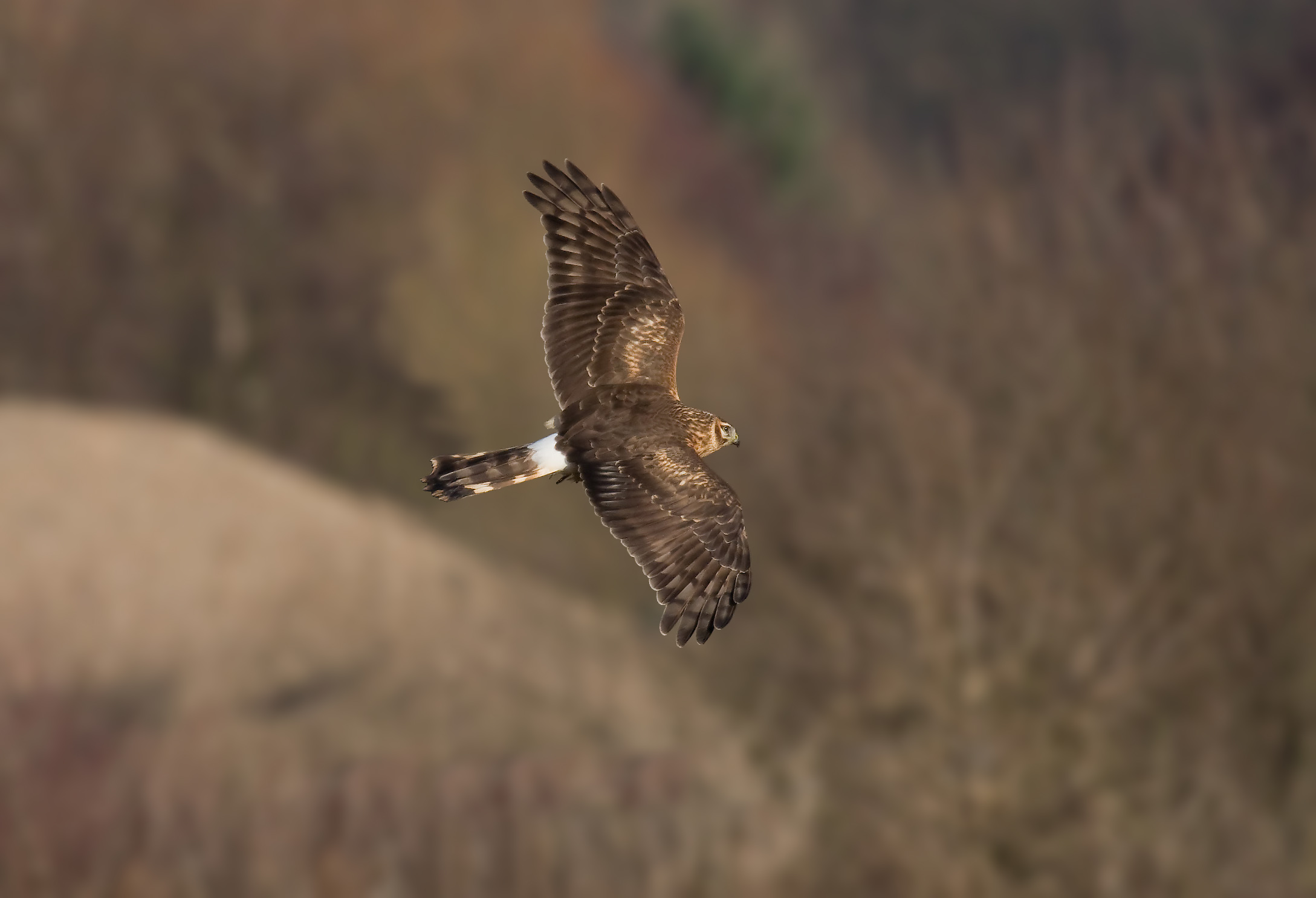
Raptors took game birds, so keepers killed them. Buzzards, hen harriers, goshawks, peregrines, kites and owls were shot, trapped and poisoned across estates as a normal part of the work, and populations of several species were reduced to fragments.
All of those species are now legally protected and killing them is a criminal offence carrying serious penalties. Several have recovered substantially, and some remain suppressed in parts of their range – raptor persecution is an active enforcement issue rather than a historical one, it is the central controversy in game management, and the industry’s representative bodies and conservation organisations are in open and continuing conflict about its extent.
4. He Reared Chicks Under Broody Hens in Coops
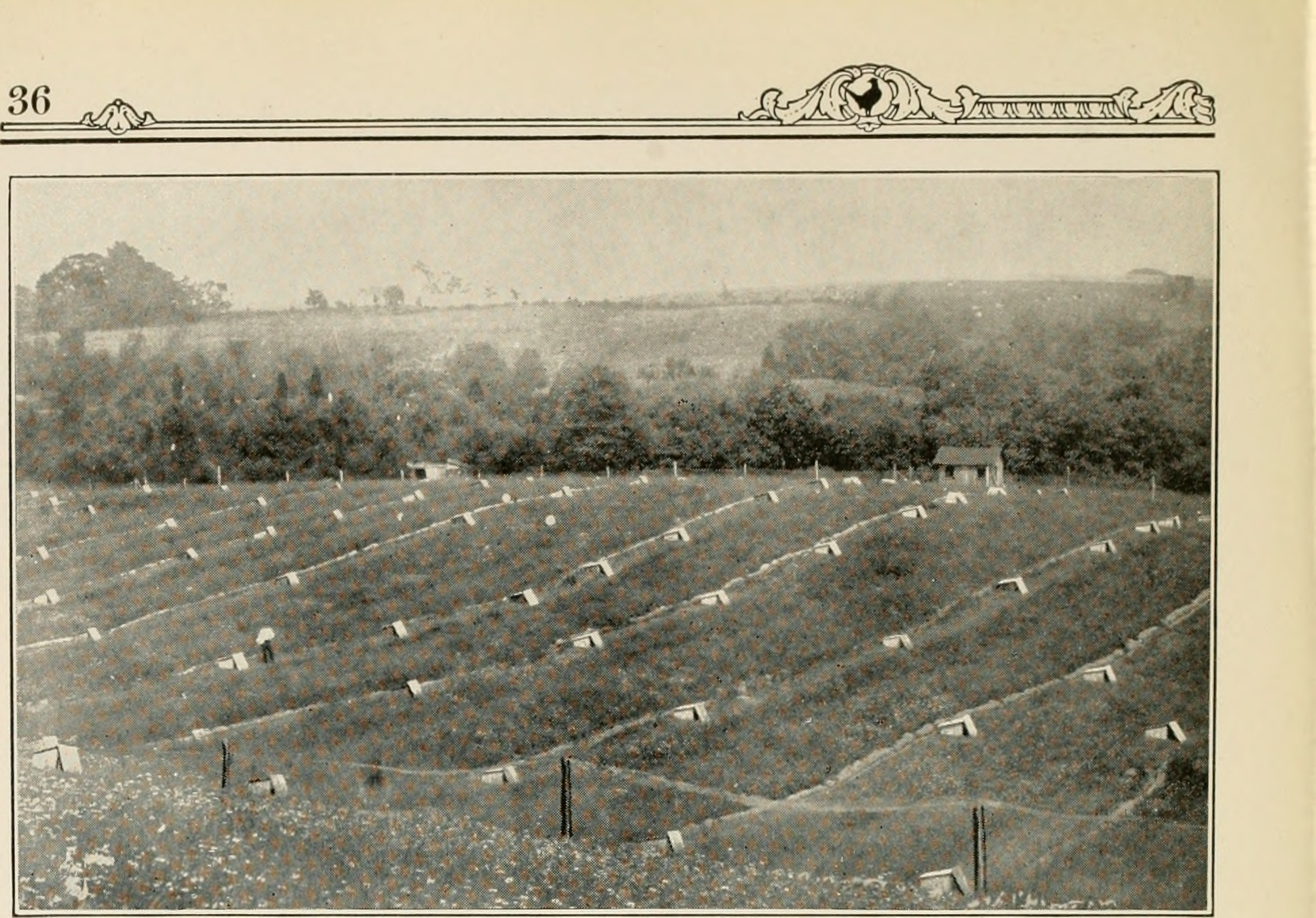
Before large-scale incubation, game chicks were reared under broody hens in coops on the rearing field, moved daily onto clean ground, fed by hand and watched for weather and predators. It was labour-intensive and skilled.
Incubators, controlled-environment rearing sheds and release pens at a scale unimaginable in 1960 replaced it, and the number of birds reared and released annually rose enormously. That scale is itself now the subject of argument – about disease, about the ecological effect of releasing very large numbers of birds, and about whether the activity it supports resembles what it replaced.
5. Poaching Was Confronted in Person, at Night, Alone
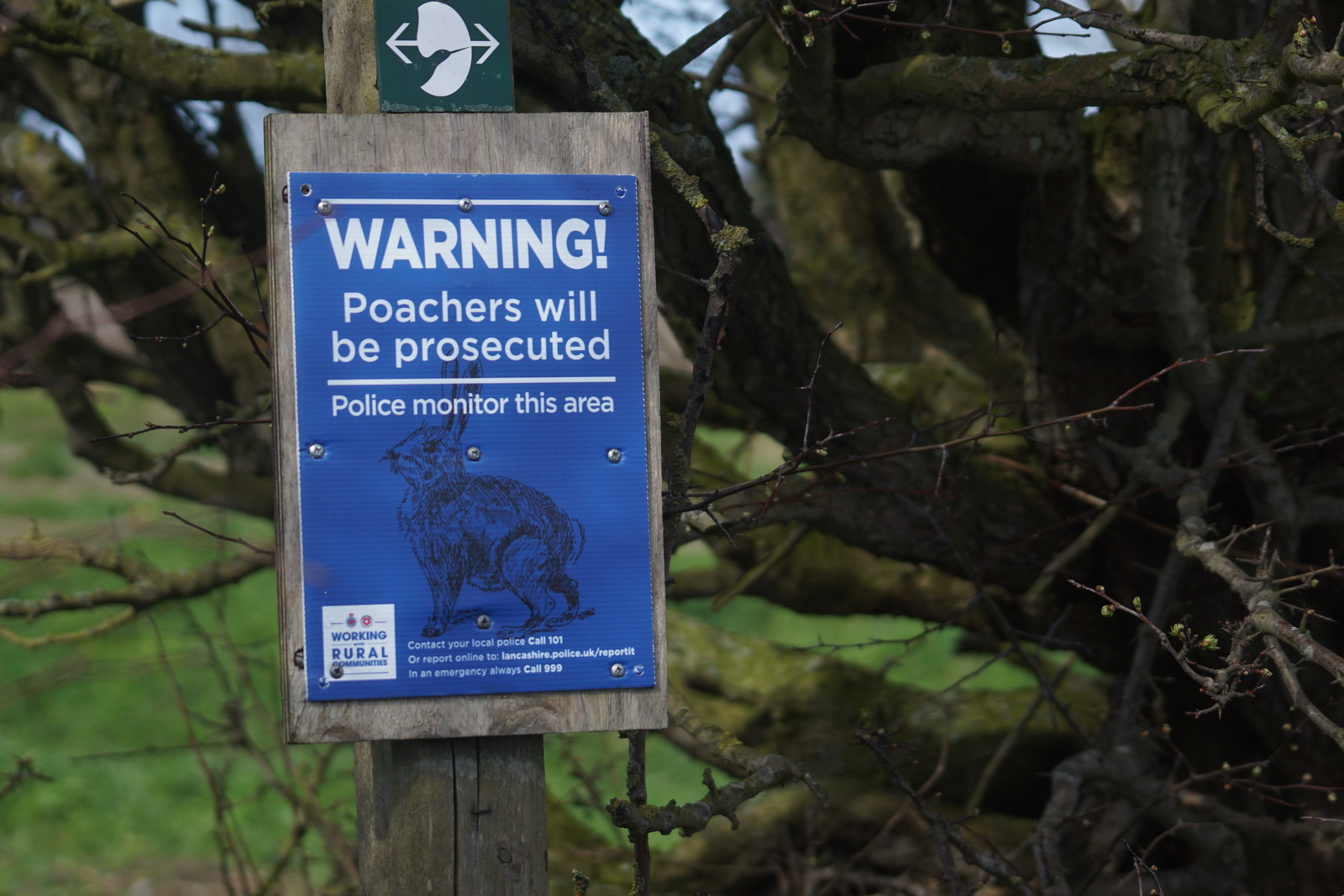
A keeper went out at night to meet poachers himself, frequently alone and some distance from help, with no radio and no means of calling anybody. Confrontations were physical and occasionally extremely serious.
Police wildlife crime officers, radios, mobile telephones, cameras, vehicle tracking and a clear instruction not to confront have changed the approach entirely. The modern advice to a keeper finding poachers is to record and report rather than intervene, because the historical alternative got people badly hurt on both sides – and the courts now treat organised poaching as the serious offence it is.
6. He Was the Estate’s Pest Controller, Forester and Fence Mender
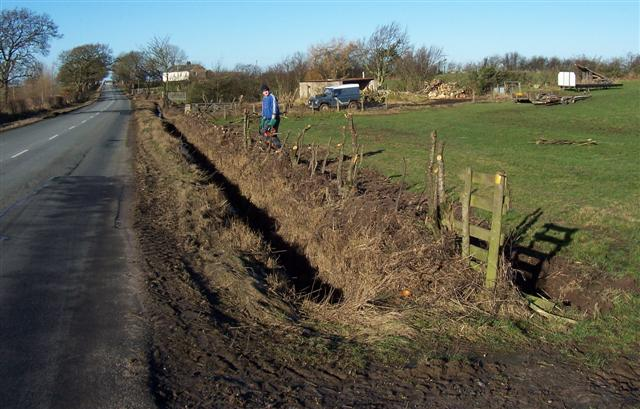
Beyond game, a keeper controlled rabbits, rats, grey squirrels and deer, maintained woodland rides, repaired fences and gates, cut back cover, kept tracks passable and reported anything happening on the ground.
Those functions still make up most of the job, and the modern keeper’s work is increasingly described in habitat terms – managing cover, hedgerows, wild bird seed crops and woodland structure. A substantial part of what a keeper does produces habitat that benefits a wide range of species, which is the strongest argument the activity has and is accepted even by many of its critics.
7. Poison Was Used Openly and Is the Reason the Law Changed

Poisoned baits were laid for predators, and the practice was widespread and largely unregulated. It is indiscriminate by nature – it kills whatever eats the bait, including protected species, pets and scavengers.
Laying poison baits in the open is now a serious criminal offence in most jurisdictions, the substances concerned are controlled, and detection through post-mortem testing of found birds is a routine part of wildlife crime investigation. This is included as the legal history of the trade. No substance is named and nothing here describes any method; anybody finding a suspected poisoned animal should report it to the police or the relevant wildlife authority rather than handling it.
8. The Shoot Day Ran on a Small Army of Local People
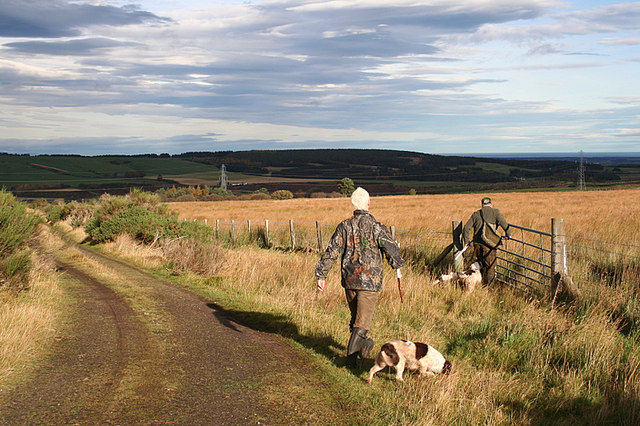
A driven shoot required beaters to walk the cover, pickers-up with dogs to collect, loaders, and people to handle the game afterwards – frequently fifteen or twenty people recruited locally for the day and paid in cash and lunch.
The structure is essentially unchanged and is a genuine source of rural seasonal income. What has changed around it is paperwork – employment status, insurance, firearms certification, safety briefings, and the recording of what is shot – and the recognition that a line of people walking towards a line of people with guns requires rather more organisation than it used to receive.
9. Guns Were Handled With Nothing but Convention

Firearms safety on a shoot in 1960 rested on etiquette and on everybody having been taught the same conventions. Formal safety briefings were unusual, ear and eye protection were not worn, and certification requirements were considerably lighter than now.
Firearms licensing, mandatory briefings, defined arcs of fire, marked pegs, hearing protection as standard and a general culture of stopping a shoot if anything is unsafe have all arrived. Hearing loss among that generation of shooting men and keepers is severe and was entirely preventable, which is the same sentence that appears in the mill, the shipyard and the orchestra pit.
10. The Game Was Sold and Eaten Rather Than Being a Problem

Shot game went into the human food chain through dealers at a price that made a real contribution to the cost of the shoot, and rural households ate a great deal of it.
The economics inverted as the numbers rose and domestic demand for game fell. Game is now sometimes close to valueless by volume, which has created a genuine problem about what happens to it and has been the subject of serious criticism. There has been a sustained effort to rebuild a market, and separately a shift away from lead shot for food safety reasons, which has changed what dealers will accept.
11. He Answered to One Person and That Was the Whole Governance
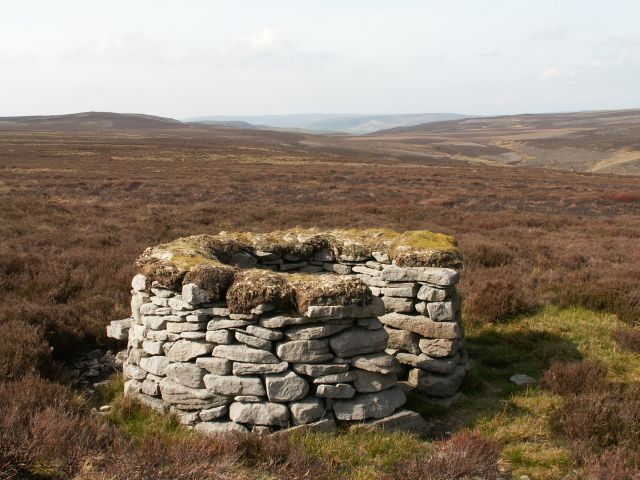
A keeper answered to the landowner or the agent. There was no inspection, no code, no reporting and no external scrutiny of how the ground was managed or how predators were controlled.
Wildlife law, licensing, assurance schemes, agri-environment agreements with conditions attached, and in some jurisdictions licensing of shoots themselves have introduced external accountability. The adequacy and enforcement of all of it is exactly what the argument is about, and stating that oversight now exists is not the same as saying it is sufficient – the people on both sides of this would say it is not, for opposite reasons.
12. Nobody Called Any of It Conservation
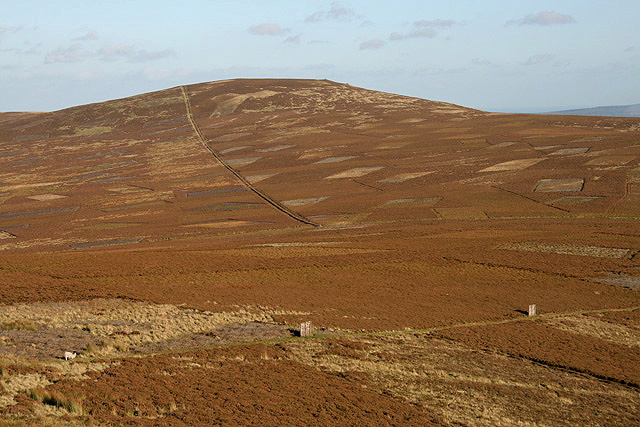
In 1960 the job was producing game and killing anything that threatened it. The habitat consequences, good and bad, were incidental and unexamined.
Game management is now routinely described in conservation terms by its practitioners, and the evidence genuinely cuts both ways: managed cover, hedgerows and woodland structure benefit many declining species, while predator control, large-scale releases, heather burning and raptor persecution are each the subject of substantial criticism and, in places, of research showing real harm. It is one of the most polarised arguments in land management, the serious evidence does not resolve cleanly in either direction, and anybody claiming it does is overstating their case.
13. The Knowledge Was Entirely Local and Unwritten

A keeper knew his ground – where birds sheltered, where foxes crossed, which fields held, how the wind moved through a wood, where water stood in a wet year. It took years to acquire and belonged to that ground only.
Formal qualifications in gamekeeping and wildlife management now exist at colleges, which has opened the trade to people without a family connection and given it a theoretical grounding it never had. The local knowledge still has to be learned on the ground from whoever has it, which is the same conclusion every craft in this series arrives at.
14. Nobody Expected the Public to Have an Opinion
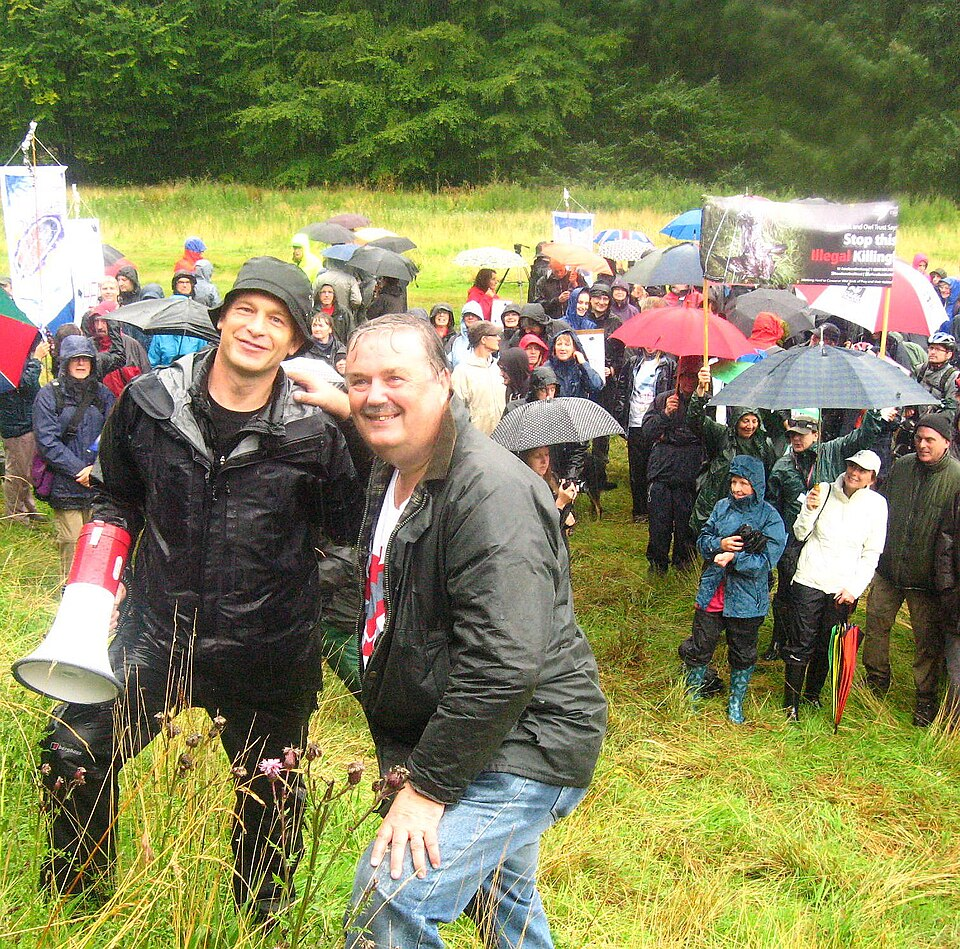
In 1960 what happened on a private estate was essentially private, and the wider public neither knew nor cared how game was produced.
It is now one of the most visible and contested areas of land use, driven by access, by investigative journalism, by camera traps and satellite tagging that produce evidence where there was none, and by organised campaigning on both sides. Several practices have been restricted or banned as a result, several are under review, and the trade operates under a level of public attention that a keeper in 1960 would have found incomprehensible.
The Most Contested Entry in This Series

Almost every subject in these lists has an uncomplicated arc: a dangerous or wasteful practice, a reform, and a better arrangement that nobody argues about.
This one does not, and it would be dishonest to present it that way.
Some of it is settled. The gin trap, the pole trap, open poisoning and the routine killing of protected raptors were made criminal because they are indiscriminate, cruel or ecologically destructive, and essentially nobody in the trade defends them now.
Some of it is genuinely good and is accepted by people otherwise critical of the activity. Managed cover, hedgerows, woodland structure and winter feeding benefit a long list of declining farmland and woodland species, and a great deal of habitat exists because somebody wanted game on it.
And some of it is unresolved and bitterly argued: the scale of modern releases, the ecological effects of that scale, predator control, moorland burning, the continuing illegal persecution of raptors in parts of the range, and whether the conservation benefits outweigh the costs. The serious research on these questions does not land cleanly on either side, and both camps routinely cite the parts that suit them.
What can be said without taking a side is that a keeper in 1960 operated with no law worth the name, no oversight and no public attention, and that almost every constraint he now works under exists because of something that was done then.
If you grew up on or near an estate, the keeper was somebody everybody knew and most children were slightly afraid of.
Which estate, and is there still a keeper on it?
Like our content? Follow us for more.

