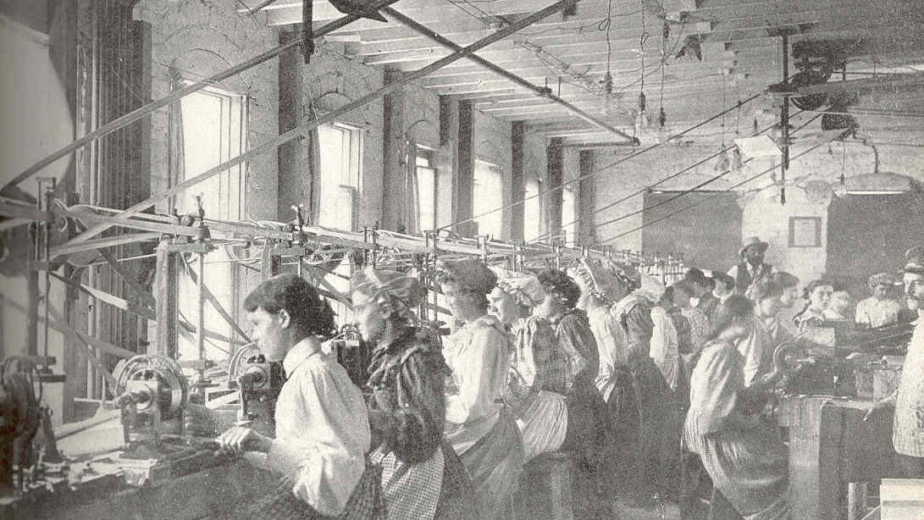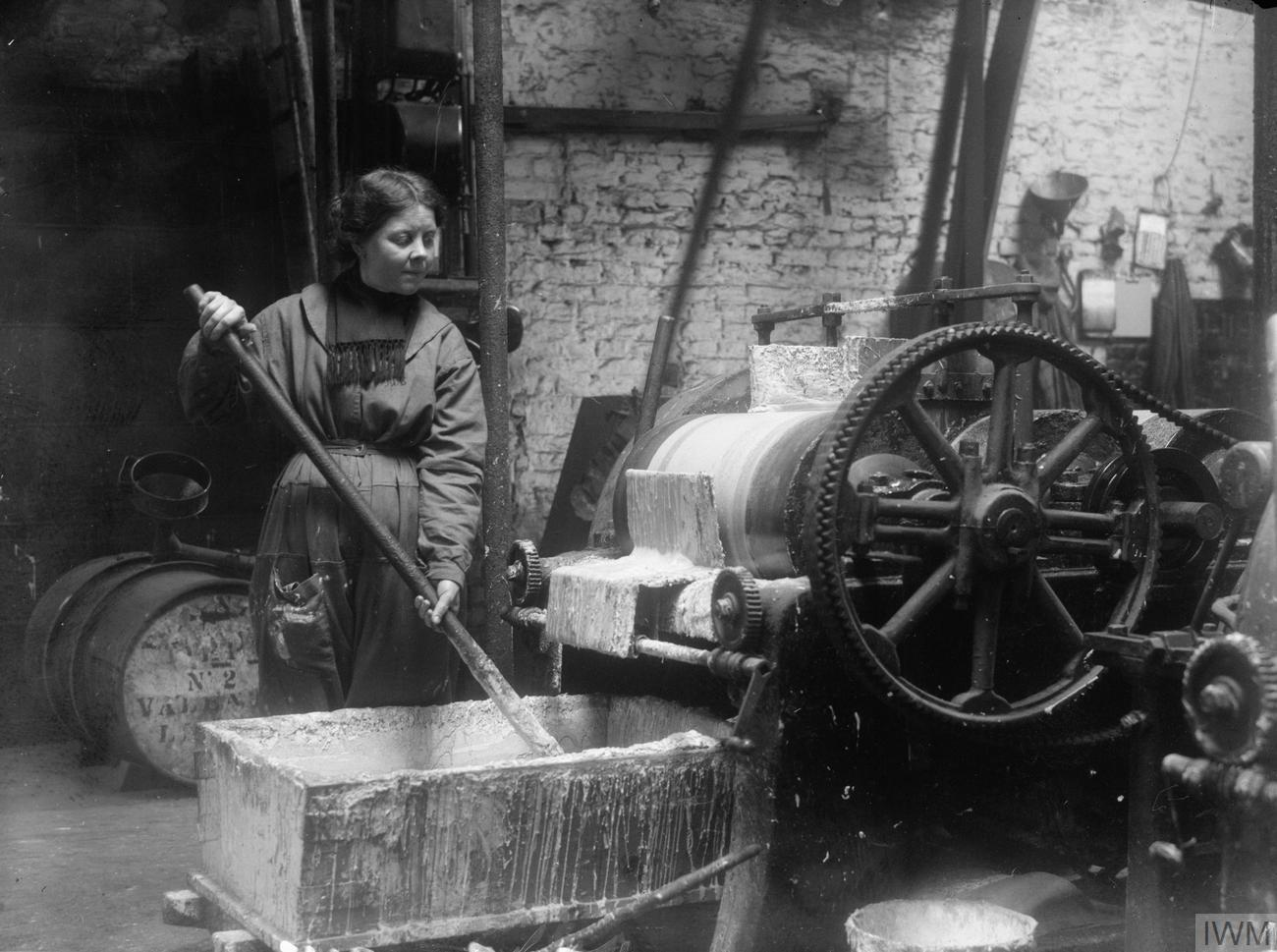
In 1960 white paint was made with lead, the solvents evaporated into the workroom, and the whole site was a fire risk managed mainly by hoping.
The pigment was ground on mills by men judging fineness by eye. Colour was matched by a man at a window adding tinters a little at a time. The tins were filled and lidded by hand with everything open to the room. And the washings went down the drain.
Here are eleven things that were ordinary in a paint works in 1960, and what became of each one.
1. White Paint Was Made With Lead and Everybody Knew What Lead Was
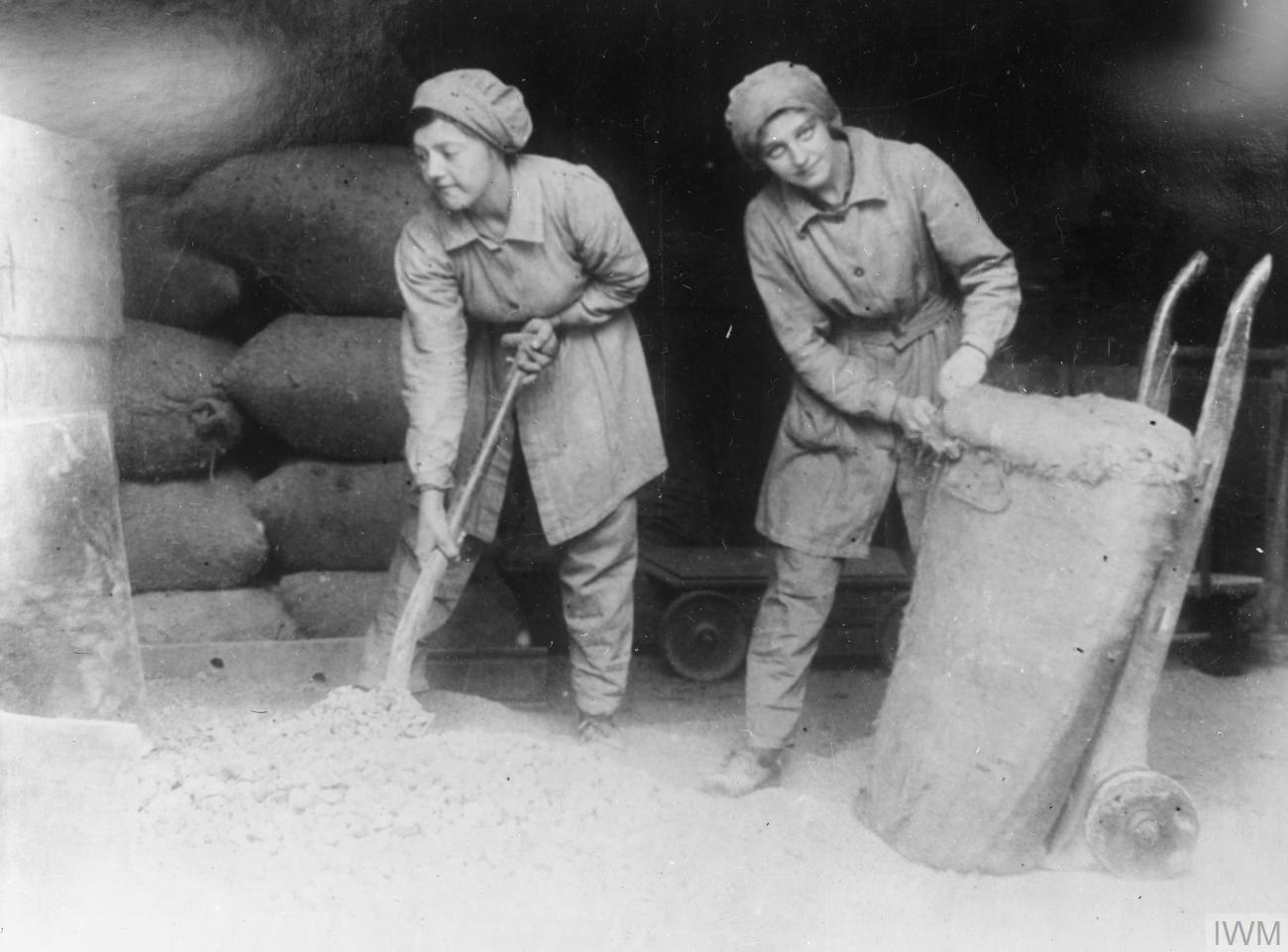
Lead compounds were used as white pigment and as driers in paint, and had been for centuries, with their effects on the people who handled them documented since antiquity.
Lead pigment in decorative paint was prohibited, titanium dioxide replaced it, and remaining lead paint in older buildings is treated as a controlled hazard during renovation. This is the series’ most striking case of a known hazard persisting commercially long after the evidence existed. Stated as history; anybody with a concern about their own exposure or about an older property should seek advice from their doctor or from a qualified professional rather than from an article.
Like our content? Follow us for more.
2. The Solvents Evaporated Into the Room and the Men Breathed Them
Paint of the period was overwhelmingly solvent-based, and mixing, thinning, filling and cleaning all released solvent vapour continuously into workrooms with limited extraction.
Local exhaust ventilation, enclosed mixing, exposure limits, monitoring and the shift to water-based formulations transformed the atmosphere of a paint works. Included here as occupational history only. Anybody with that work history should raise it with their own doctor rather than with an article.
3. The Whole Site Was an Enormous Fire Risk
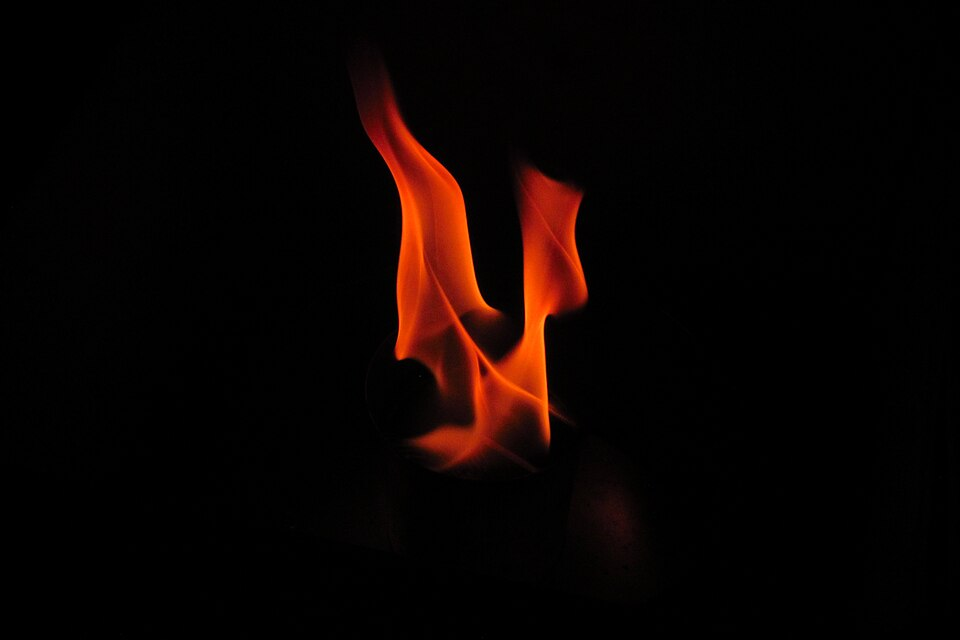
Bulk solvent storage, solvent vapour, fine pigment dust and a building full of combustible material produced a hazard that was understood and was managed mainly by hoping.
Hazardous area classification, intrinsically safe electrical equipment, bonding and earthing to prevent static discharge, vapour detection, bunded storage and automatic suppression now govern these sites. Paint works fires were spectacular, were not rare, and the regulatory framework for flammable liquids owes a good deal to them.
4. Pigment Was Ground on Mills by Men Who Judged It by Feel
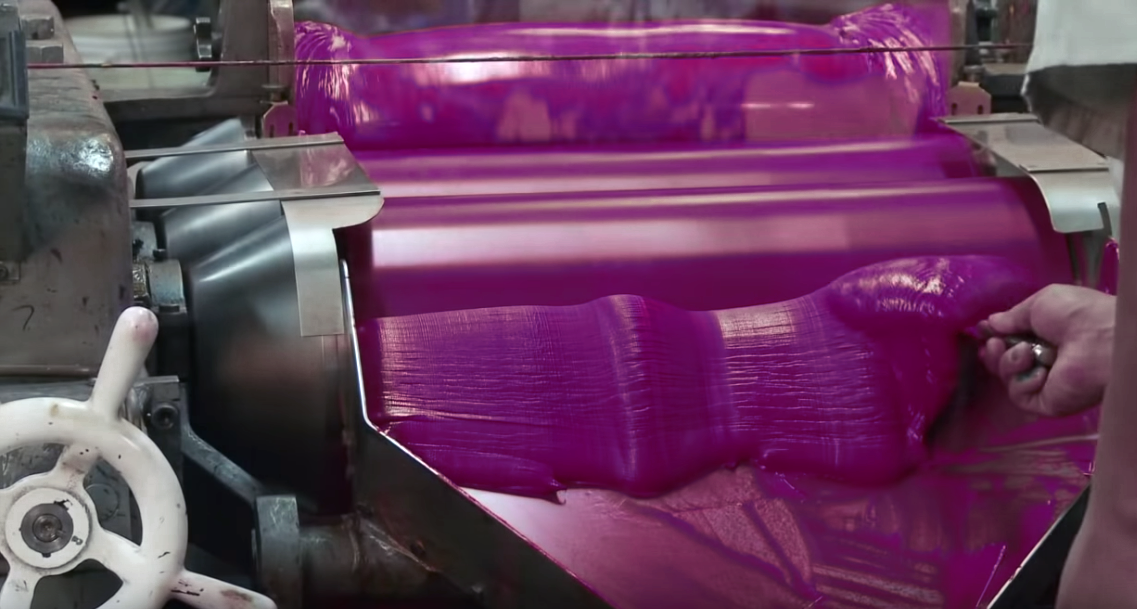
Dispersing pigment into the medium was done on roller mills, and the operator judged fineness by drawing the paste out and looking at it, adjusting the roller gap by hand.
Bead mills, particle size measurement and automated dispersion replaced the judgement. Grinding is what determines colour strength and finish – an under-dispersed paint looks weak and streaky – and the gauge used to check it by eye is still in use as a quick check.
5. Colour Matching Was a Man at a Window With a Palette Knife
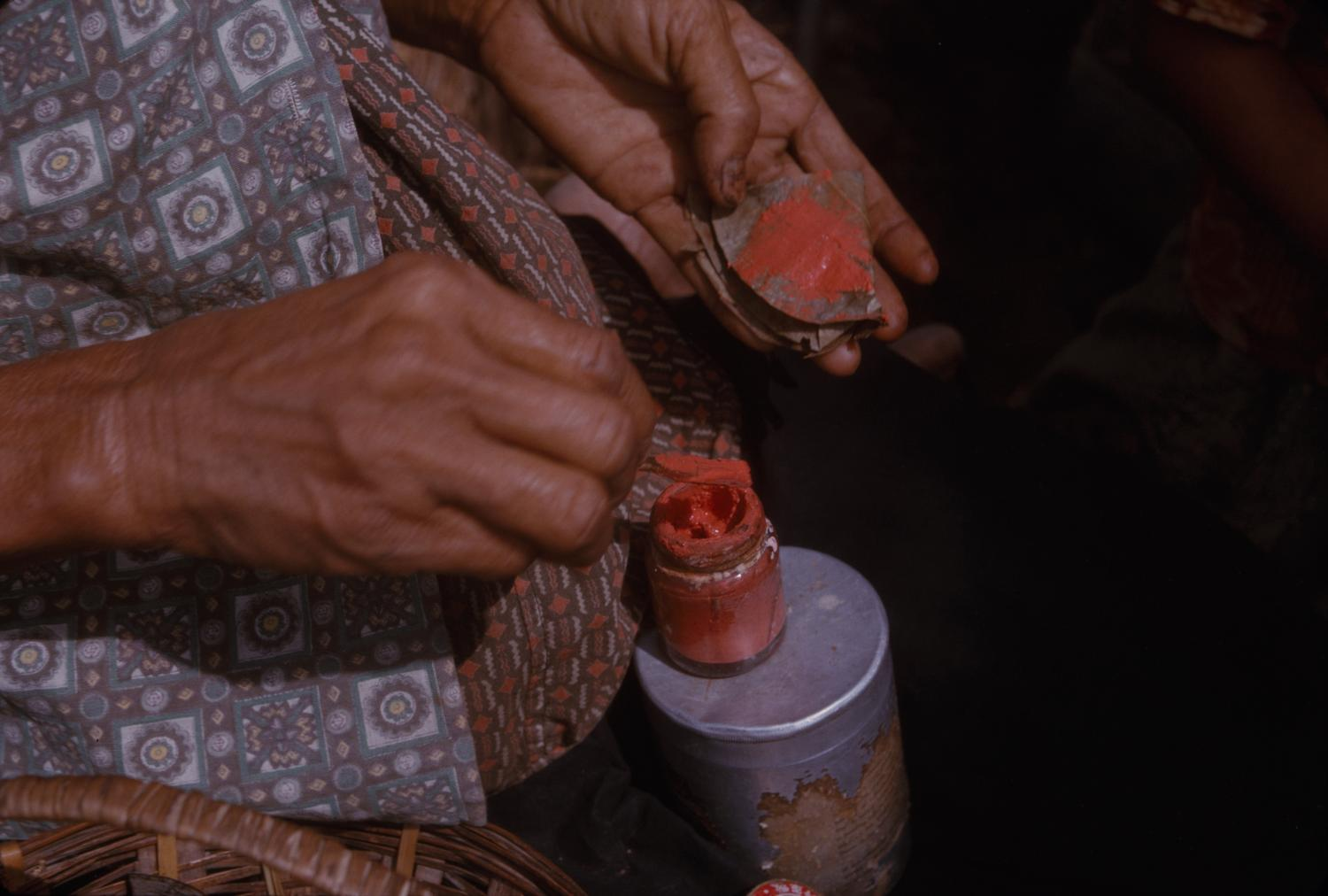
Matching a colour meant adding tinters to a batch a little at a time, drawing out a sample, drying it, comparing it to a standard in daylight, and repeating – because paint changes colour as it dries.
Spectrophotometric matching and computer-dispensed tinting replaced it, and in-store tinting machines moved the operation to the point of sale entirely. The colourist was the most skilled person in a paint works and his judgement decided whether an entire batch was sellable, and the skill is essentially extinct.
6. Every Batch Was Different and the Customer Was Told to Mix Them
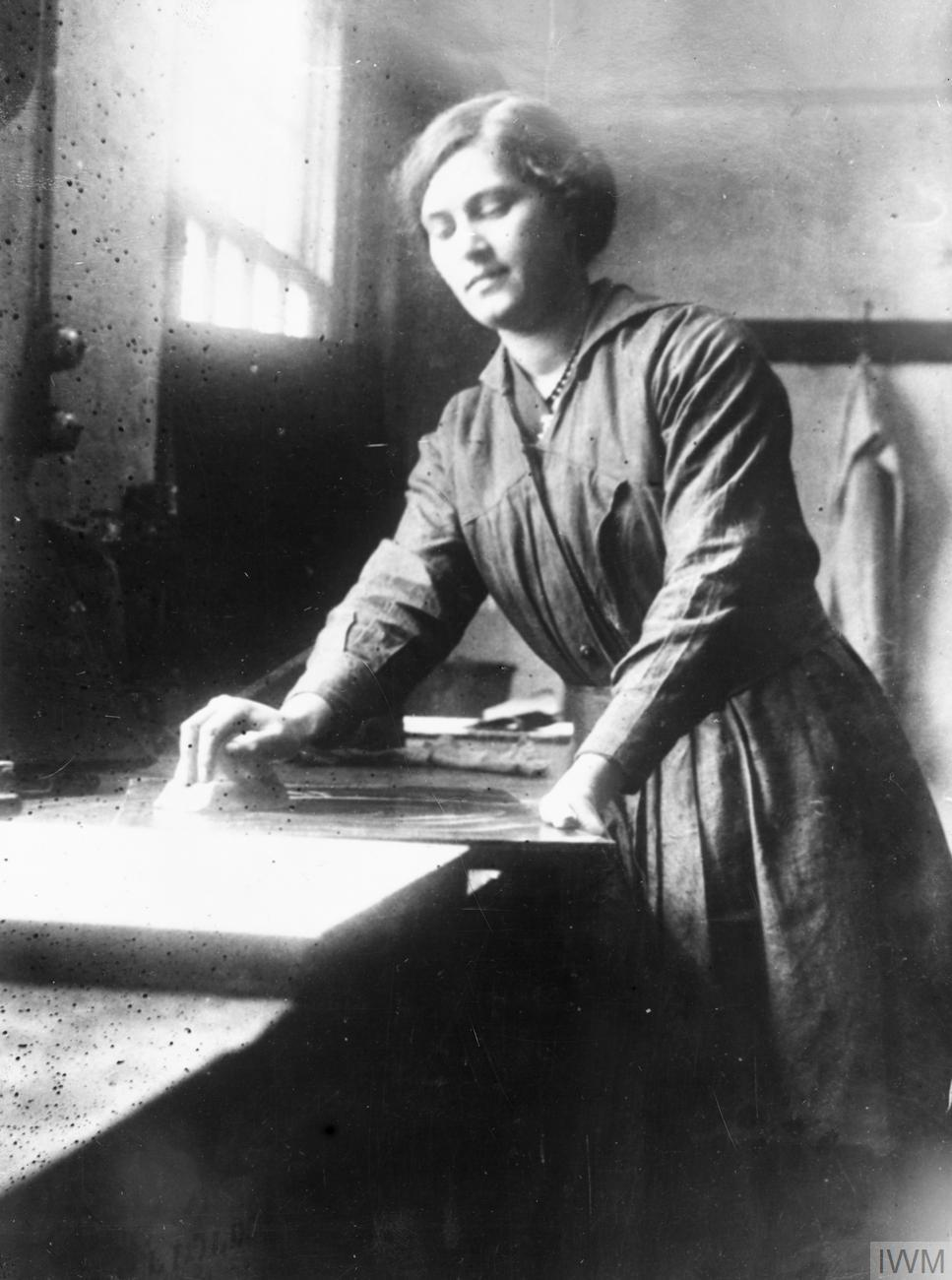
Batch-to-batch colour variation was unavoidable, which is why paint was sold with an instruction to box the tins together before use – combining them so that any variation was averaged across the whole job rather than appearing as a line on a wall.
Computer tinting from a standard base produces consistency a 1960 works could not approach, and the boxing instruction survives on tins because batch variation has been reduced rather than eliminated. It is a rare example of an instruction that most people ignore and that was once genuinely essential.
7. Tins Were Filled, Lidded and Labelled by Hand
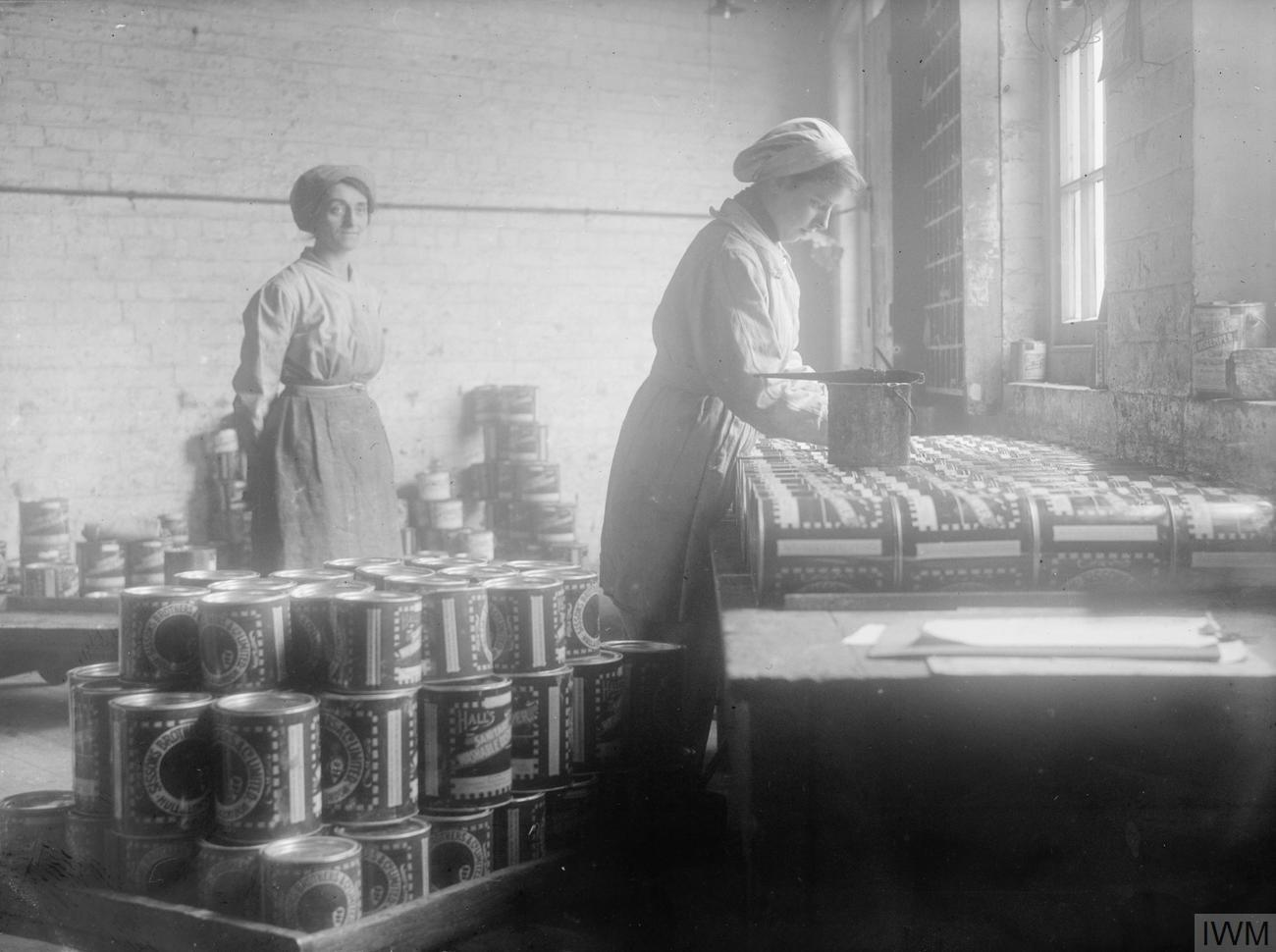
Paint was dispensed into tins, lids pressed on, labels applied and the tins packed, by people standing at a line, with the product and its solvent open to the room throughout.
Automated filling and enclosed lines handle it. Open filling of solvent-based products was the single largest source of vapour exposure in the building and was done by the lowest-paid people in it.
8. Nobody Was Treating What Went Down the Drain
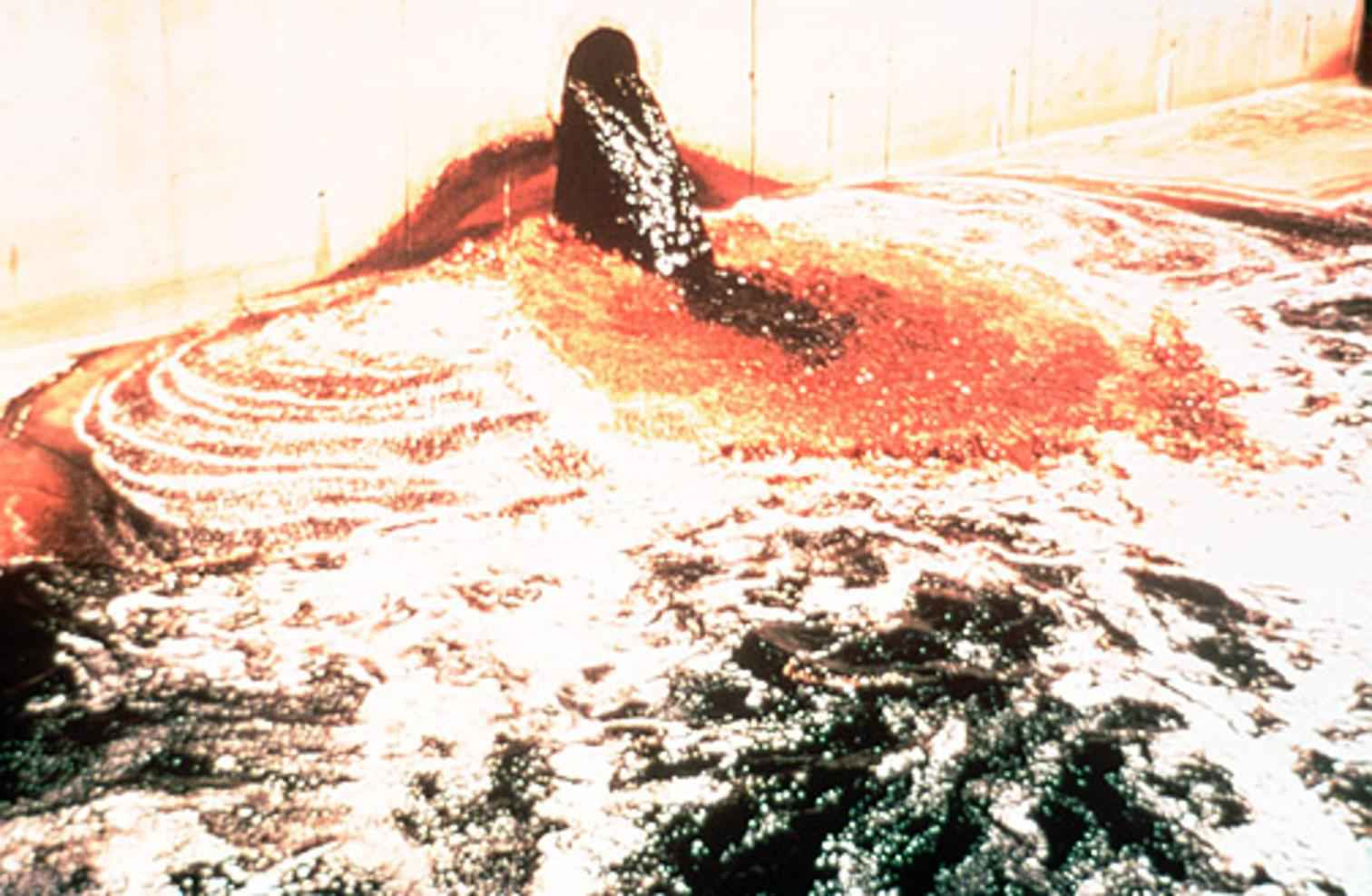
Washings from vessels, mills and equipment carried pigment, solvent and resin, and went into the drainage system with minimal treatment.
Effluent treatment, solvent recovery, closed-loop cleaning and discharge consents transformed it, and former paint works sites are frequently found to be contaminated during redevelopment. The cleaning of equipment between colours generated a continuous stream of material that was genuinely difficult to deal with and was therefore not dealt with.
9. Paint Was Expected to Be Thinned, Mixed and Managed by the User
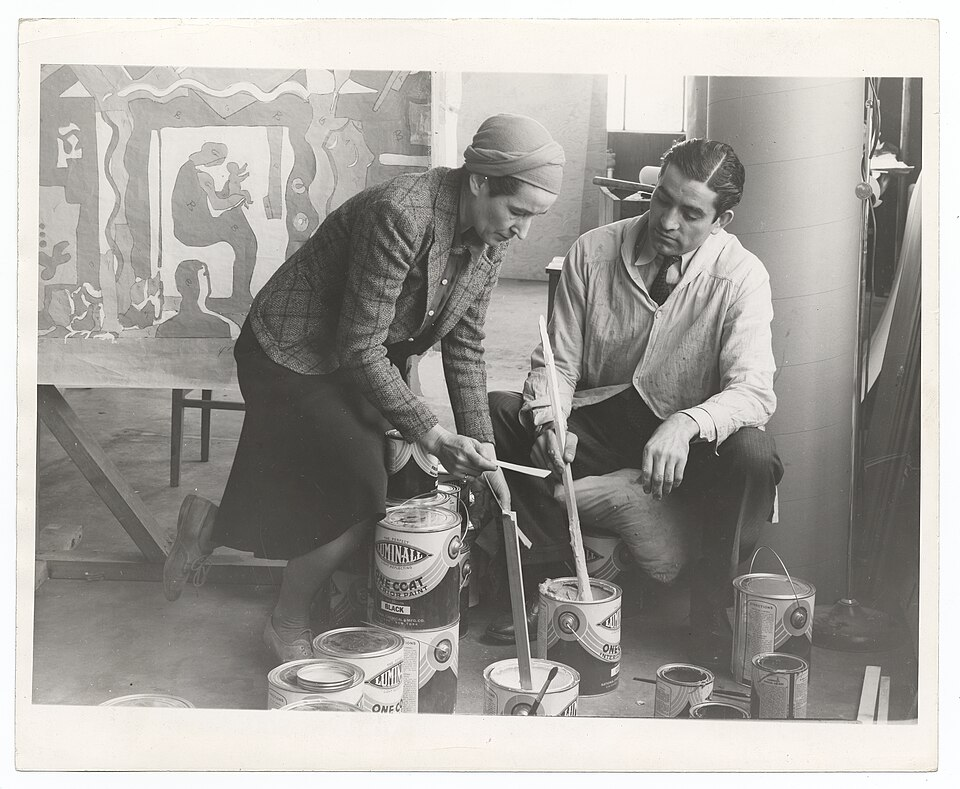
A tin of paint was a concentrate requiring stirring, frequently thinning, sometimes a separate primer and undercoat system, and a working knowledge of what to use where.
Ready-mixed, self-priming, one-coat and specialised products moved that knowledge from the user into the formulation. The trade regarded the old arrangement as normal and the modern products as compromises, and both positions have something to them – the formulations really are better, and the user really has lost the ability to adjust anything.
10. The Smell of a Freshly Painted Room Was Just What Paint Was
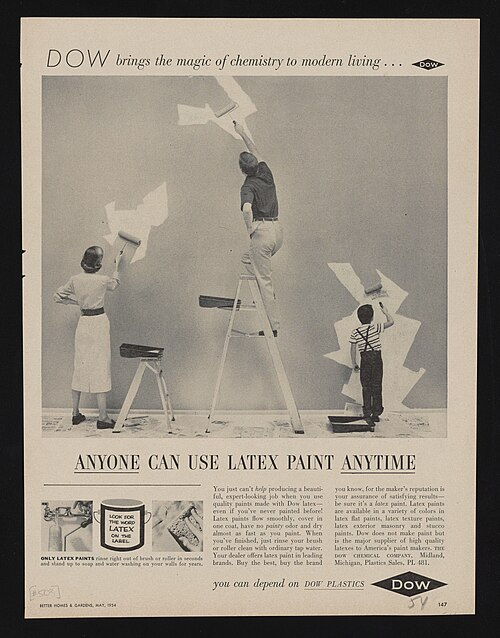
Solvent odour during and after painting was simply the expected experience, strong enough to require open windows for days, and it was not regarded as a hazard in a domestic setting.
Water-based formulations and limits on volatile organic compounds in decorative paint have cut domestic solvent exposure enormously, and ventilation while painting is now standard advice. The smell is one of the most evocative in this entire series and one of the few that genuinely should have gone.
11. Nobody Thought the Trade Would Buy Colour by Number
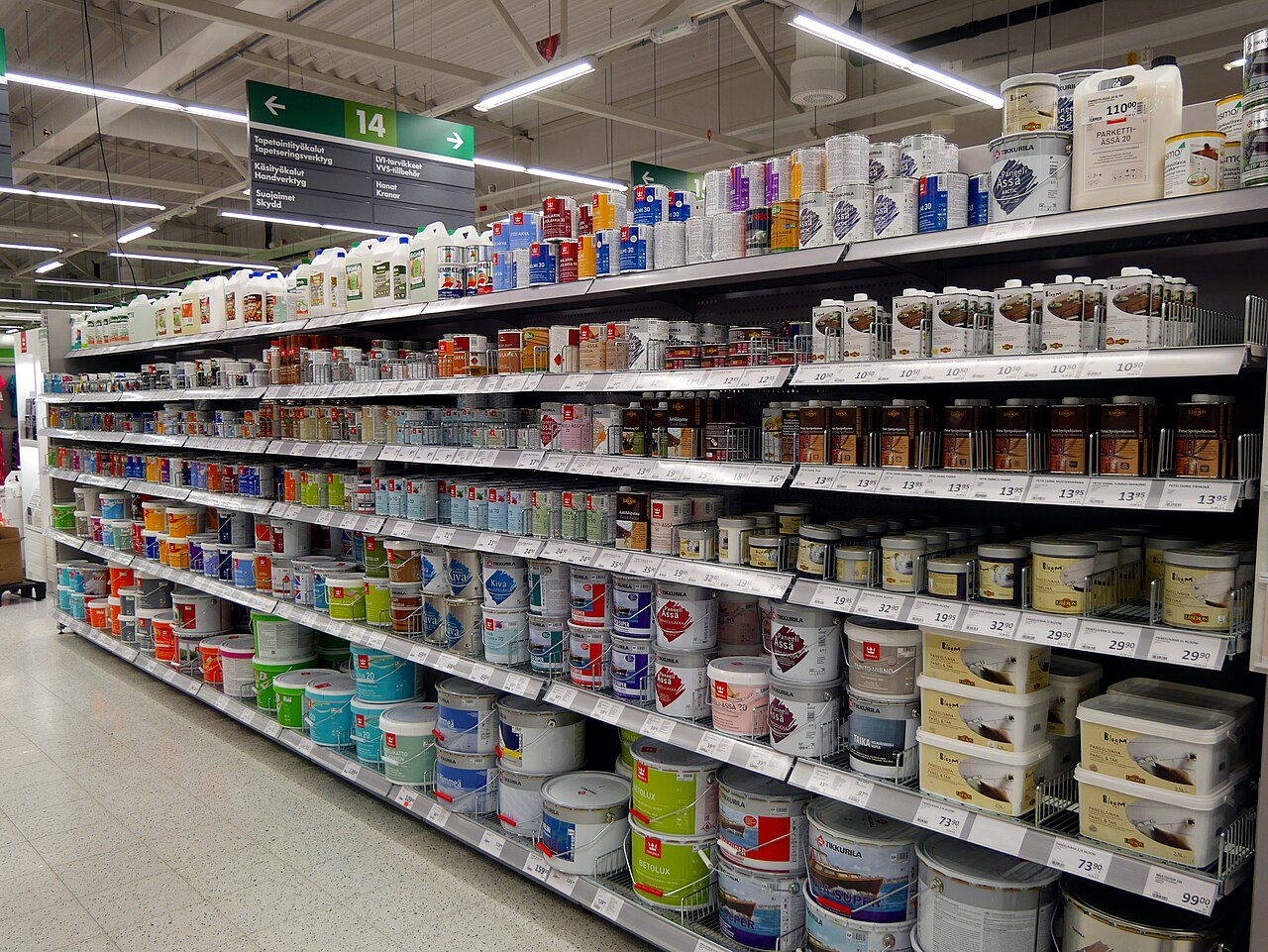
A works made a range of ready-mixed colours and the shop stocked tins of each, with the available palette limited by what could be manufactured, stocked and sold.
In-store tinting from a small number of bases turned an inventory problem into a dispensing problem and made effectively unlimited colour available immediately. It transformed the retail side completely, removed the need for a manufacturer to guess which colours would sell, and is the reason a shop with a few dozen tins can now offer thousands of shades.
The Shop Took Over the Hardest Job in the Factory
The change that reshaped this industry is not a safety measure. It is in-store tinting, and it moved the most skilled operation in the building out to the point of sale.
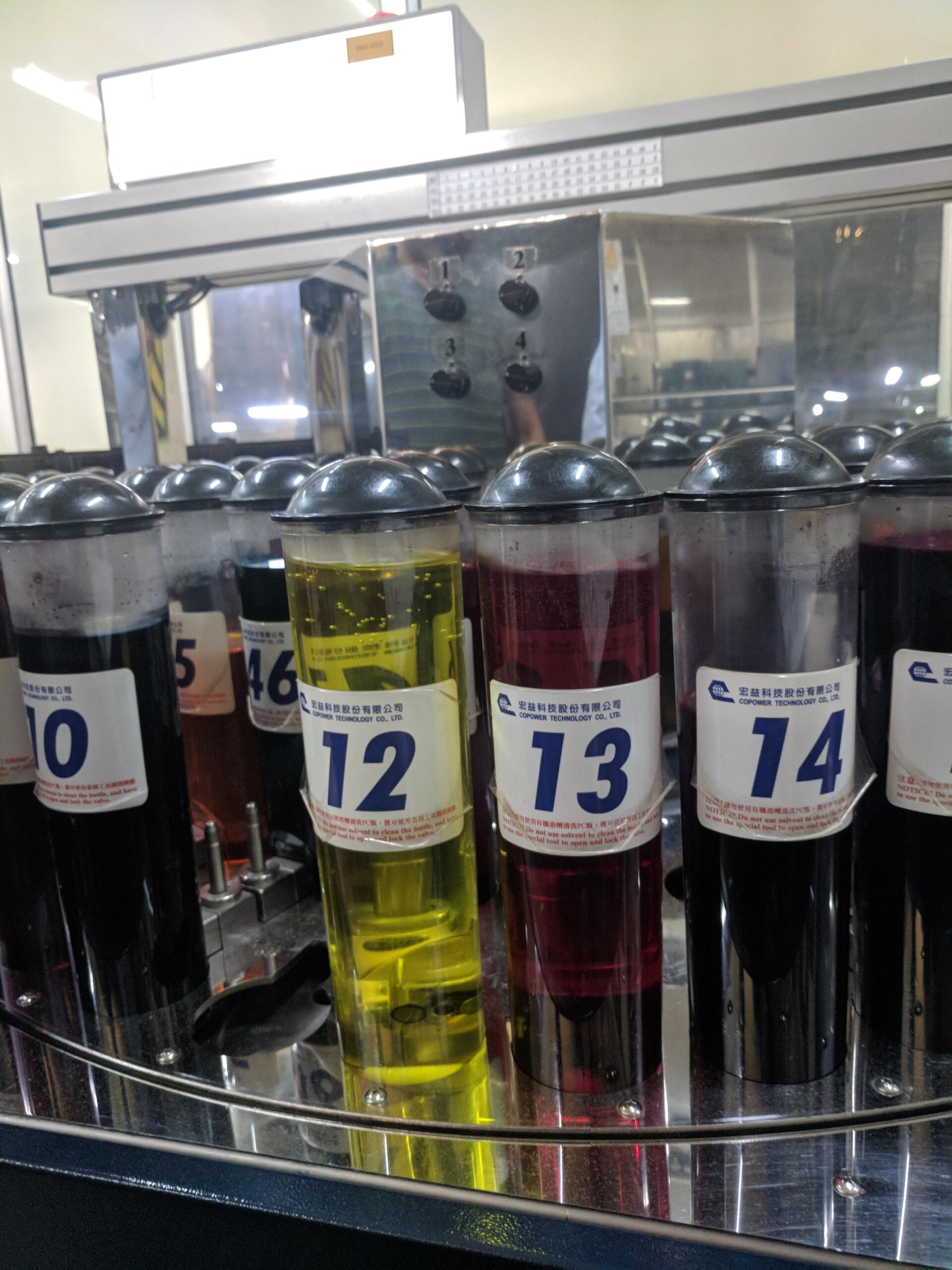
In 1960 a manufacturer had to decide which colours to make. Each one was a separate batch, a separate stock item, a separate risk – make too much of a shade nobody wants and it sits in a warehouse; make too little of a popular one and the shop runs out. The available palette was therefore limited by what could be manufactured, stocked and sold rather than by what anybody could imagine, and matching a batch to the previous one was a skilled job performed by a colourist with a palette knife and a window.
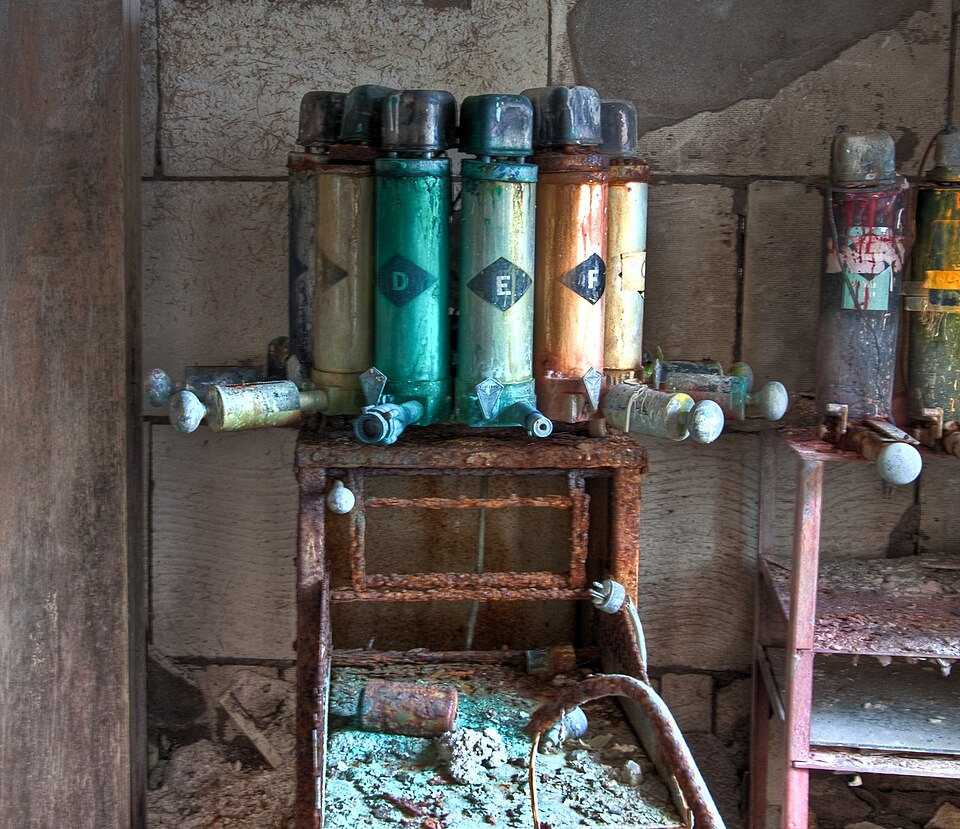
In-store tinting dissolves all of that. The factory makes a small number of bases and a set of colorants. The shop holds those, and a machine dispenses a precisely measured quantity of each into a base according to a formula, mixes it, and produces whatever shade was asked for, consistently, in a couple of minutes.
The consequences cascade. The manufacturer no longer guesses which colours will sell. The retailer holds a fraction of the stock and offers a hundred times the range. Batch variation between tins largely disappears, because the formula rather than the batch defines the colour. And the colourist’s judgement – years of skill in the most valued job in the works – is replaced by a dispensing machine operated by whoever is on the counter.
It is the clearest case in this series of a skill being eliminated not by automating the task but by relocating it. The job did not get easier. It got moved somewhere it could be done by a machine, several thousand times a day, in front of the customer.
If you worked in a paint works you will know what the mill room smelled like and who the colourist was.
And the next time a tin tells you to box it with the others, that instruction is sixty years old and was once essential.
Like our content? Follow us for more.