In 1960 drinking water was filtered through deep beds of sand whose actual treatment was performed by a layer of living organisms on the surface, cleaned by men scraping the top off with shovels, and disinfected at a dose an operator set by hand after running a test.
Bacteriological results arrived the next day. A good deal of treated water sat in open reservoirs before delivery. And nobody had a reliable record of where all the pipes were.
Here are twelve things that were ordinary at a waterworks in 1960, and what became of each one.
1. The Water Was Filtered Through a Bed of Sand With Living Slime on Top
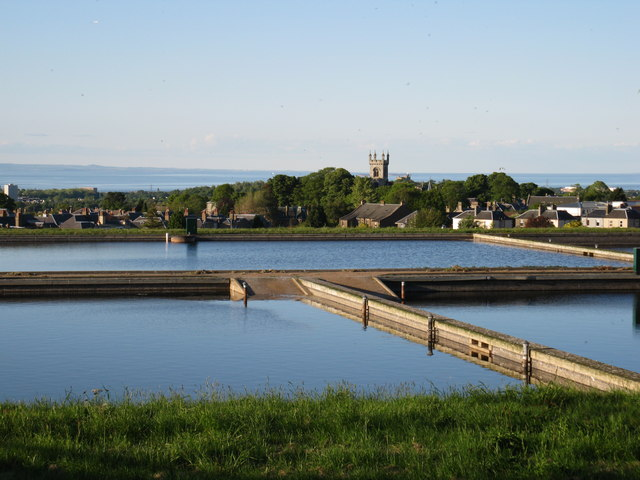
Slow sand filtration passes water through a deep bed of fine sand at a very low rate. The actual treatment is done by a biological layer that develops on the surface of the sand and consumes the organic material and organisms in the water.
Rapid filtration, membranes and advanced treatment handle most modern supply, and slow sand filters are still in use and still excellent. The method was adopted before anybody understood why it worked – the biological mechanism was identified long afterwards, and the filters were installed on the strength of the results.
Like our content? Follow us for more.
2. Cleaning a Filter Meant Men With Shovels Scraping the Top Off
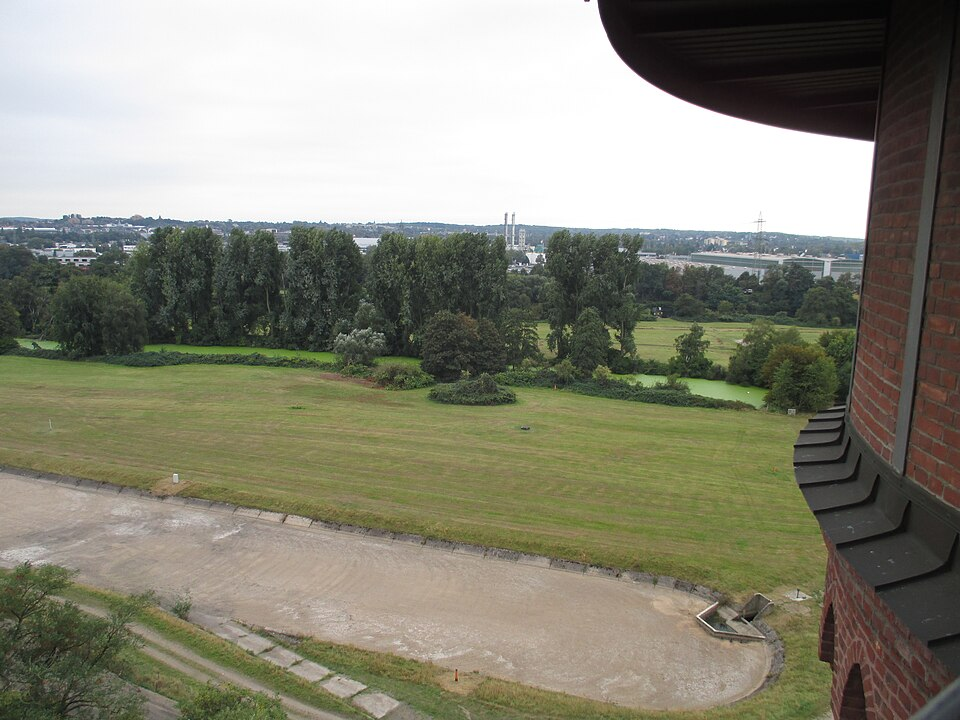
When the biological layer clogged, the filter was drained and the top inch or two of sand was scraped off by hand, carted away, washed, and eventually returned, with the bed out of service for days.
Mechanical scrapers, backwashing designs and automated cleaning replaced the shovels. Scraping a filter bed was heavy outdoor work done in an enormous shallow tank, and a works with several beds rotated them so supply continued while one was down.
3. Chlorination Was Judged and Adjusted by Hand
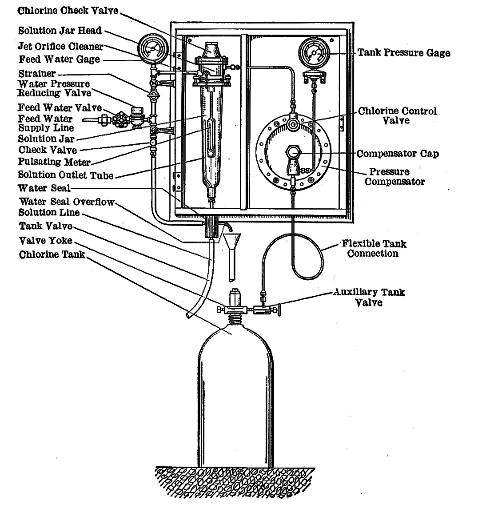
Disinfection dose was set by an operator taking samples, running a test, and adjusting a valve, on a cycle through the day, with the correct dose depending on how much organic material the water carried.
Continuous online monitoring with automatic dosing control and alarms replaced manual adjustment. Chlorination is the single intervention that did most to end waterborne epidemic disease, and in 1960 the margin between adequate and inadequate rested on somebody remembering to check.
4. The Laboratory Result Arrived the Next Day
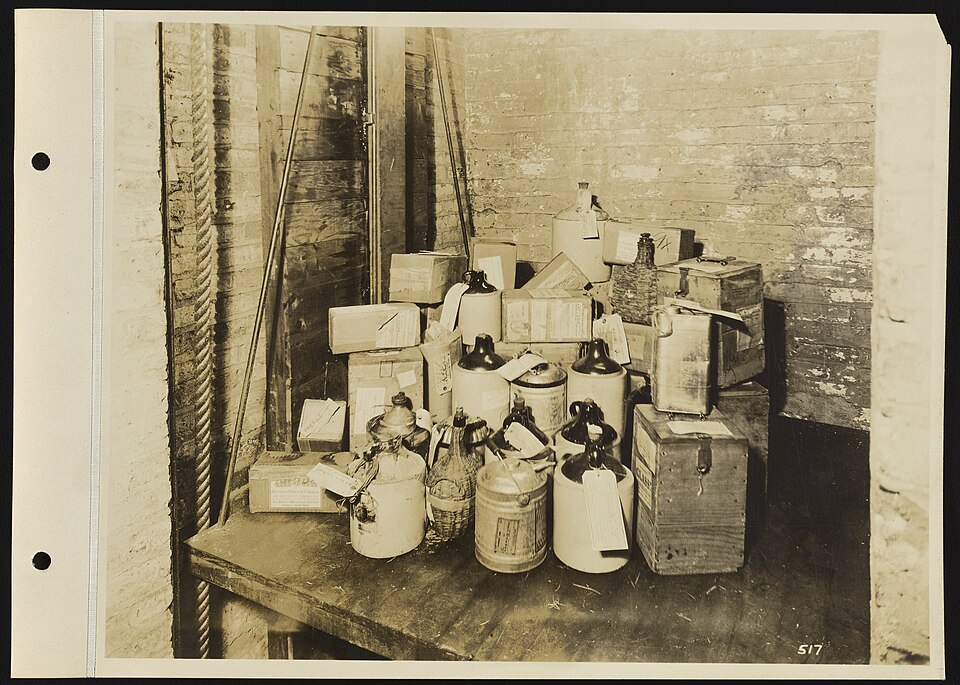
Bacteriological testing required culturing a sample, which takes time. A problem detected on Tuesday was a problem that had been in the supply since Monday.
Rapid methods, continuous online instrumentation for indicators and far denser sampling have compressed the delay without eliminating it entirely. Operating a supply on information that is a day old is the fundamental constraint the whole system was designed around, which is why the barriers were built in series – if you cannot detect quickly, you build so that one failure is not enough.
5. The Reservoirs Were Open and Things Got Into Them
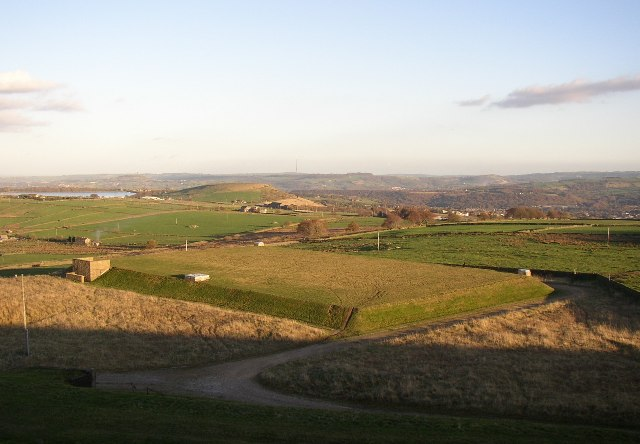
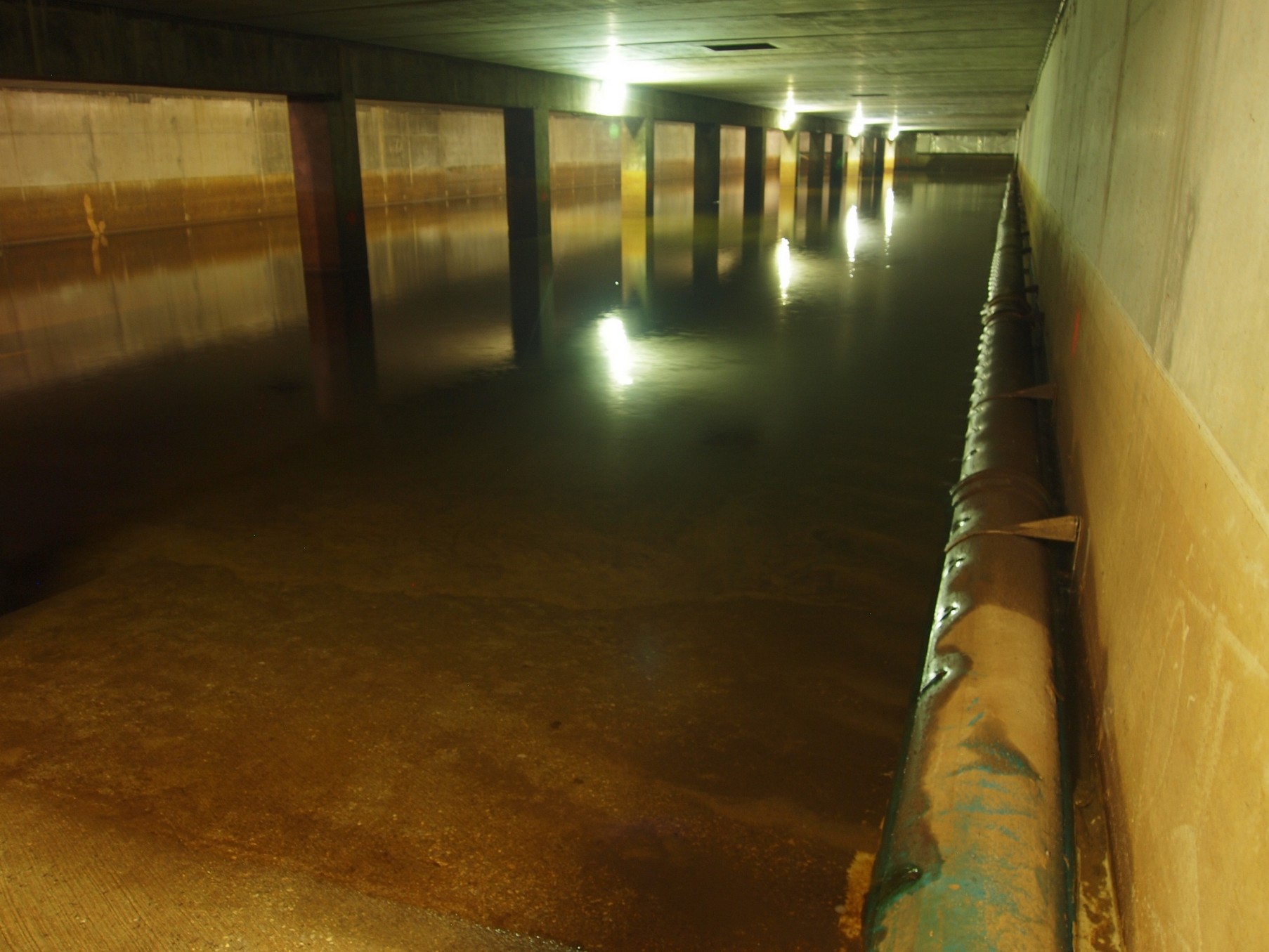
Service reservoirs holding treated water were frequently open to the sky, which allowed birds, animals, debris and surface runoff access to water that had already been treated and was about to be supplied.
Covering of treated water storage is now universal in regulated supplies and was a major capital programme. It is the clearest example of a barrier being undone at the last stage – treating water thoroughly and then leaving it open for a week before delivering it.
6. The Mains Were Iron and Nobody Knew Where All of Them Were
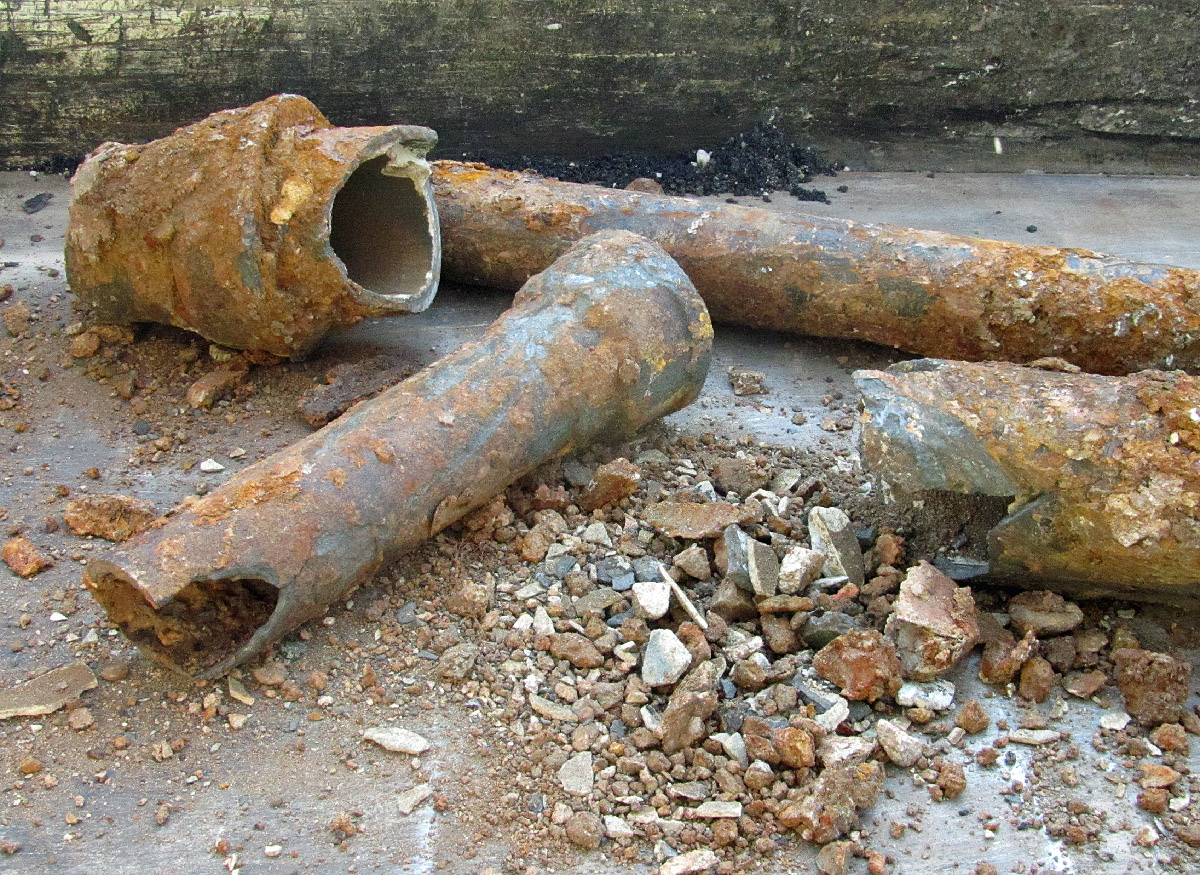
Distribution ran on cast iron mains laid over the preceding century, recorded on paper plans of varying accuracy, with connections and alterations frequently unrecorded.
Digital asset records, leak detection, pressure management and systematic replacement with plastic have improved it, and the legacy of unmapped and ageing pipework remains substantial everywhere. A great deal of what any water company owns is underground, was laid before anybody now working was born, and is located approximately.
7. Lead Pipes Were Still Being Connected to Houses
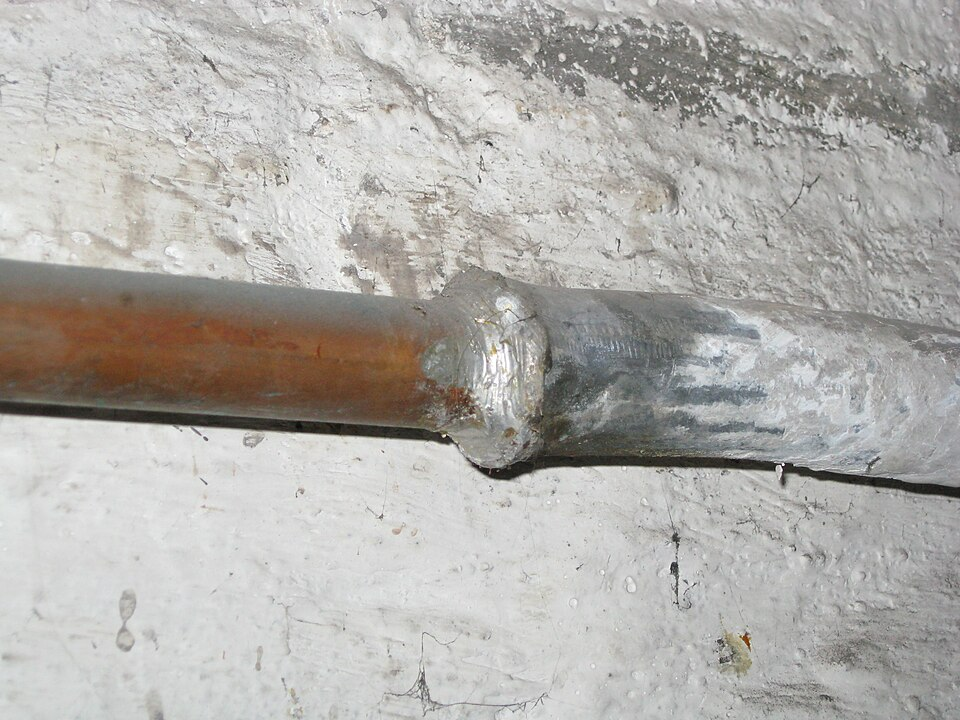
Lead service pipes and lead plumbing were common and were still being installed in some places into this period, because lead is easy to work and lasts.
Lead is prohibited in new plumbing, extensive replacement programmes have run for decades, and supplies are commonly treated to reduce how much is taken up from remaining pipework. A very large number of older properties still have lead somewhere in the supply. This is stated as infrastructure history; anybody with a question about their own property should contact their water supplier, who will advise on checking and on what can be done.
8. Leakage Was Enormous and Nobody Measured It
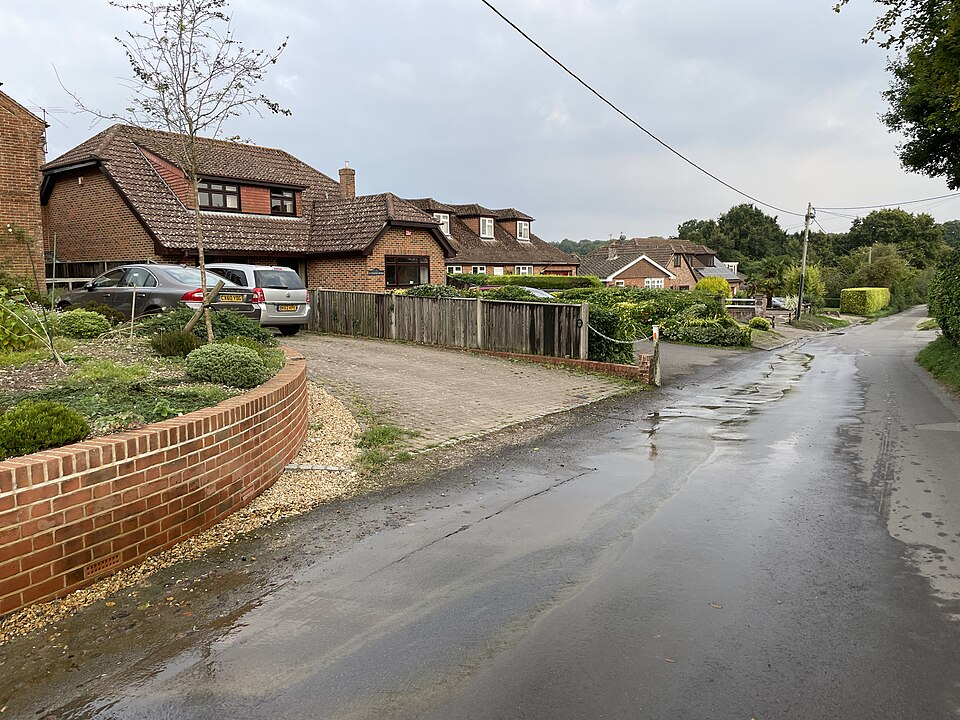
A substantial fraction of treated water never reached a customer, and there was no systematic measurement of how much or where it went.
District metering, acoustic and satellite leak detection, pressure management and targets have reduced it considerably, and it remains high everywhere and is a continuing subject of public criticism. Treating water to drinking standard and then losing it through a hole is the most straightforwardly wasteful thing in the sector and the hardest to fix, because the pipes are buried.
9. The Works Was Staffed Around the Clock by People Who Lived There
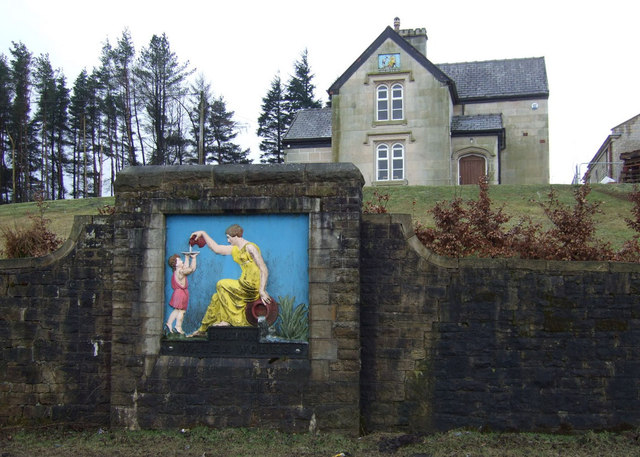
A treatment works ran continuously, and the staff frequently lived in houses on the site, so somebody competent was always a few minutes away.
Remote monitoring, automated control and centralised operations centres mean a works may have nobody on site for much of the time. The resident operator knew the plant by sound and could tell something was wrong before an instrument did, which is a real loss and is outweighed by having every parameter logged continuously.
10. Fluoridation Arrived and the Argument Started Immediately
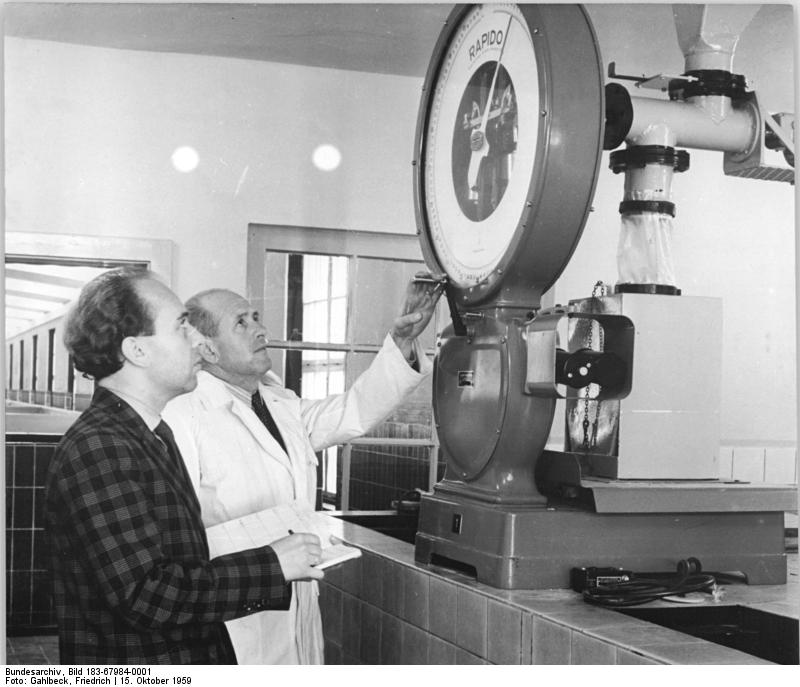
Adding fluoride to supplies to reduce tooth decay began to be adopted in this period, and it was contested from the start.
It remains in place in some supplies and not others, and it remains contested. The dental benefit is supported by a substantial body of evidence; the objections include questions of consent to a population-wide intervention and disagreement about the margin between benefit and excess, and those are not purely scientific questions. The honest position is that this is a policy disagreement with a scientific component rather than a scientific question with an obvious answer, and it is decided differently in different places for that reason.
11. Nobody Was Looking for Most of What Is Measured Now
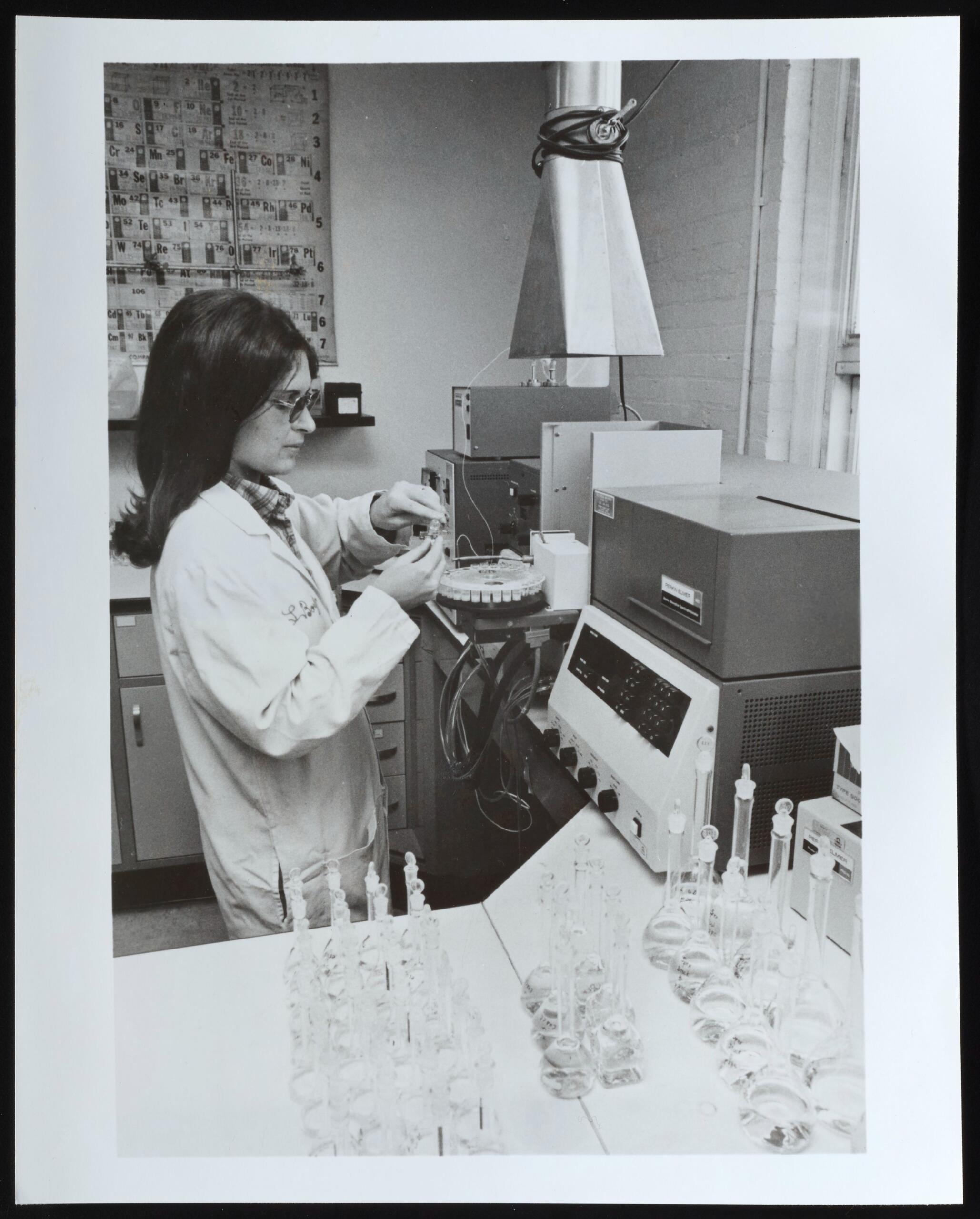
Testing covered bacteriology, turbidity, a handful of chemical parameters and taste. Pesticides, solvents, metals at trace levels and pharmaceutical residues were neither looked for nor detectable at the concentrations now routinely measured.
Analytical chemistry improved by orders of magnitude, and the parameter list expanded accordingly. An important and frequently missed point: much of what is now detected was present in 1960 and nobody could see it, so improved measurement makes water appear to get worse while actually making it safer.
12. The Thing It Achieved Is Almost Impossible to See
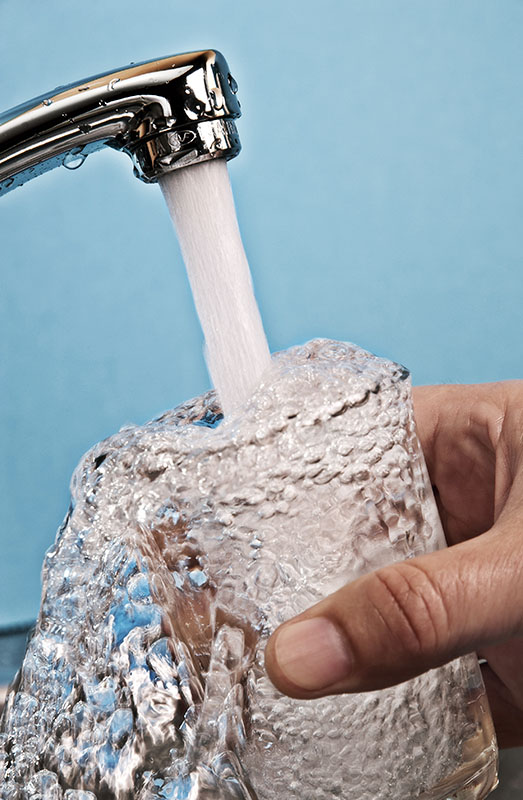
The entire apparatus exists to prevent waterborne disease, and the measure of its success is the complete absence of something that used to kill people regularly.
Still true and still invisible. Treated piped water is reasonably argued to have saved more lives than any other intervention in public health, it is delivered by an industry almost nobody thinks about, and the clearest sign that it works is that most people in supplied areas have never once considered whether the water is safe before drinking it.
Barriers in Series, Because Nothing Is Reliable Alone
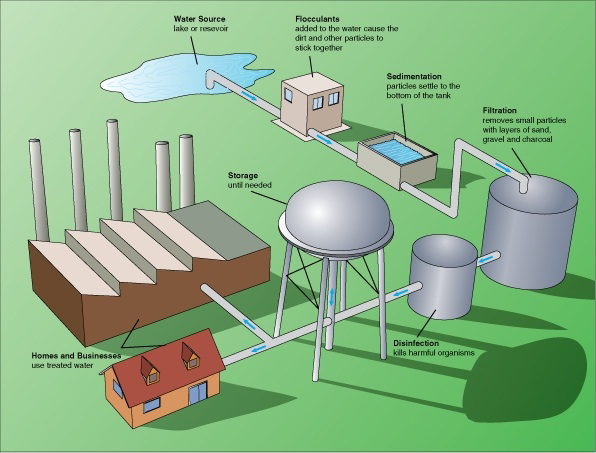
The design principle behind all of this is worth stating, because it is the reason piped water works and it applies well beyond water.
No single stage of treatment is trusted. Not the source protection, not the settling, not the filtration, not the disinfection, not the covered storage, not the maintained pressure in the mains. Each one removes or inactivates a proportion of what is in the water, each one can fail, and none is relied upon by itself.
They are arranged in series deliberately, so that a failure at any one stage is caught by the ones after it. That is the whole concept, and it is why the industry speaks in terms of multiple barriers rather than of treatment.
The reason it was built that way is the laboratory delay. If you cannot find out for a day whether the water was safe, you cannot operate a system where one stage working correctly is the difference between safe and unsafe, because by the time you know, people have drunk it.
So the response to slow detection was not faster detection – that was not available – but redundancy. Build enough independent barriers that no single failure, and preferably no two, can reach a tap.
Detection is now vastly faster and the multiple barrier principle has not been relaxed at all, because the arithmetic that justified it has not changed. The consequence of getting this wrong is measured in a whole population at once, and that remains the case however good the monitoring gets.
It is one of the better pieces of engineering philosophy in common use, it was arrived at by people who had watched cholera move through cities, and almost nobody drinking a glass of water has any idea it is there.
If you worked at a works you will know whether yours had slow sand beds and who scraped them.
And if you have drunk water from a tap today without thinking about it, that was the entire point.
Like our content? Follow us for more.