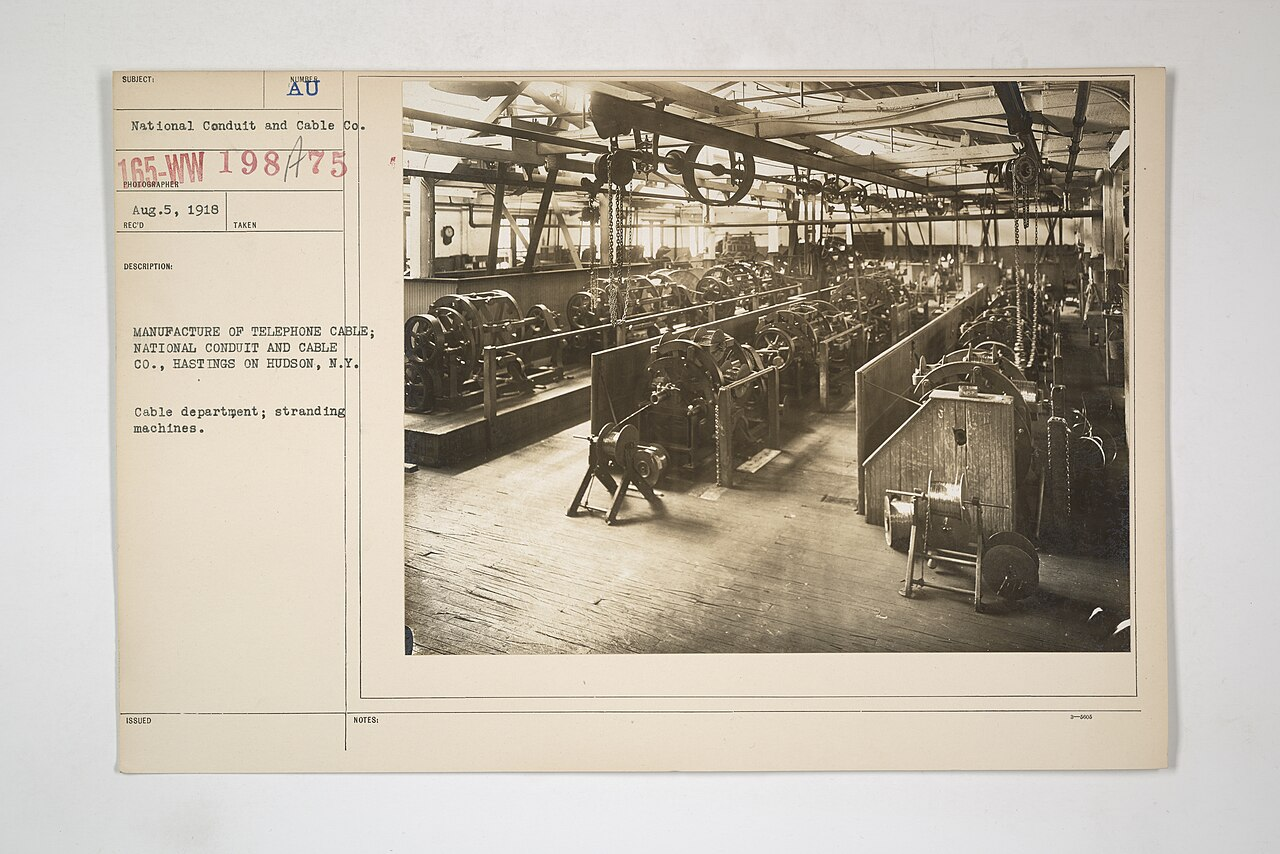
In 1960 wire rope was made on machines carrying dozens of heavy bobbins spinning around a central axis, in buildings that transmitted the vibration through the floor, with broken wires whipping out of the work at speed.
The wire was drawn down from rod on site. The lubricants and the galvanising were handled bare-handed. Eyes and joins were spliced by hand with spikes. And the rope was certified by pulling a sample until it broke.
Here are ten things that were ordinary in a wire rope works in 1960, and what became of each one.
1. The Machines Were Enormous and They Spun the Whole Building
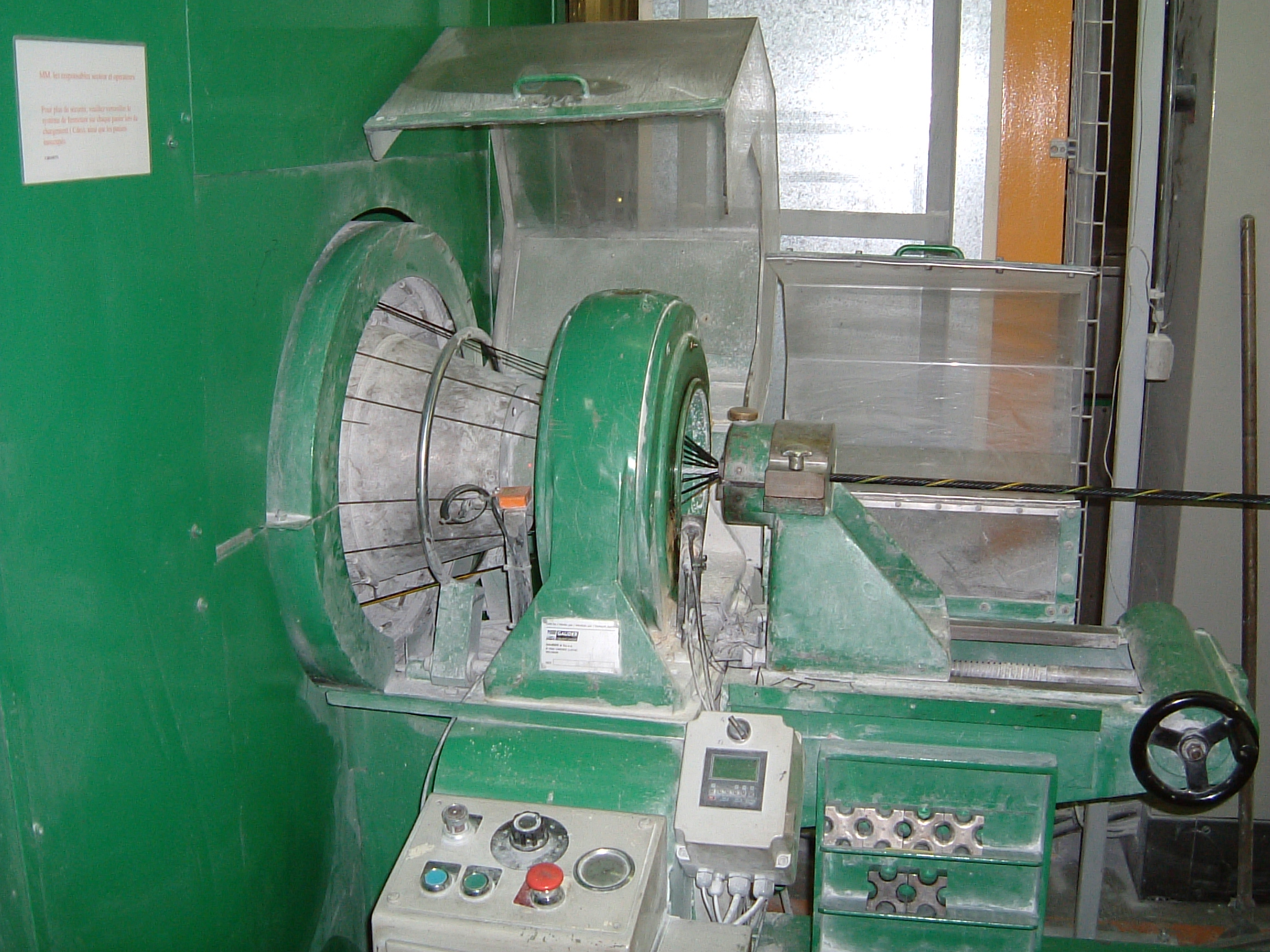
Wire rope is made by laying many individual wires into strands and then laying strands into a rope, on machines carrying dozens of rotating bobbins that spin around a central axis while the rope is drawn through the middle.
Still the process, with modern machines running faster, enclosed and automatically controlled. A stranding machine in full motion is among the more impressive things in any factory – a large rotating assembly carrying heavy bobbins, turning fast, in a building that transmits the vibration through the floor.
Like our content? Follow us for more.
2. A Broken Wire Whipped and Everybody Knew It
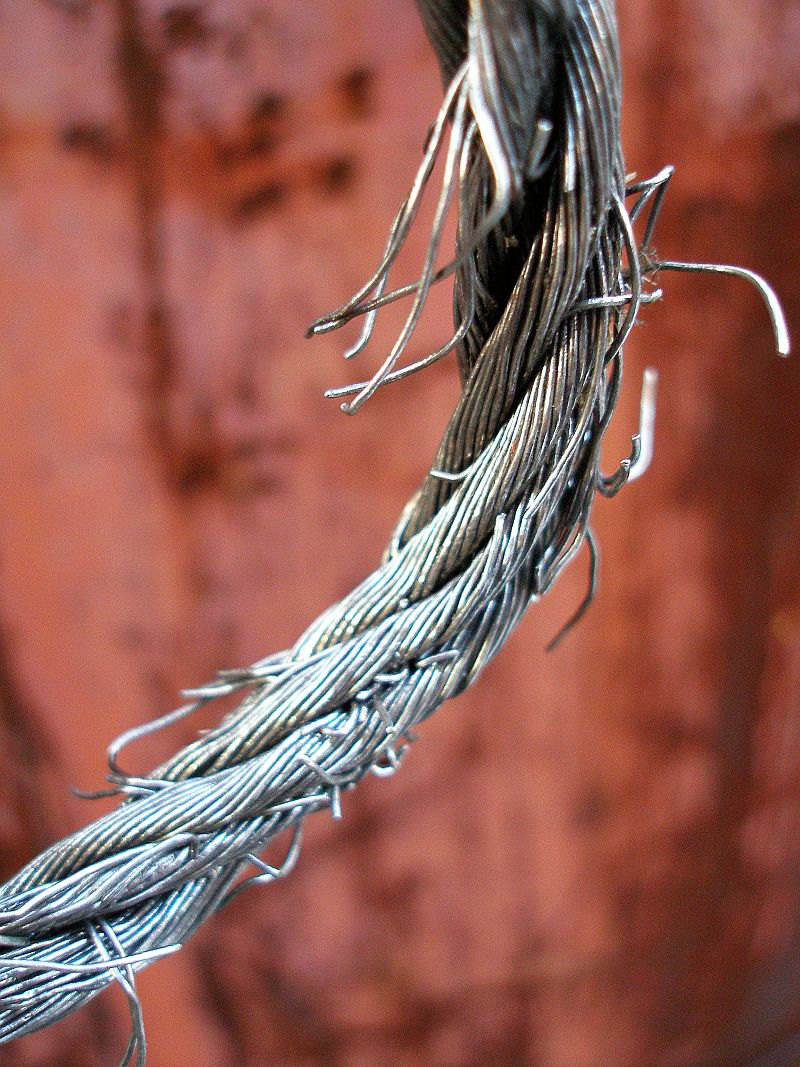
Individual wires under tension, breaking in a machine running at speed, release that tension violently. The wire ends travel, and they are sharp.
Full enclosure of rotating machinery, interlocked guarding, tension monitoring and automatic stops transformed it. Lacerations were the characteristic injury of the trade and were regarded as unavoidable, and the guarding that eliminated them is relatively recent in the industry’s history.
3. The Wire Arrived as Rod and Was Drawn Down on Site
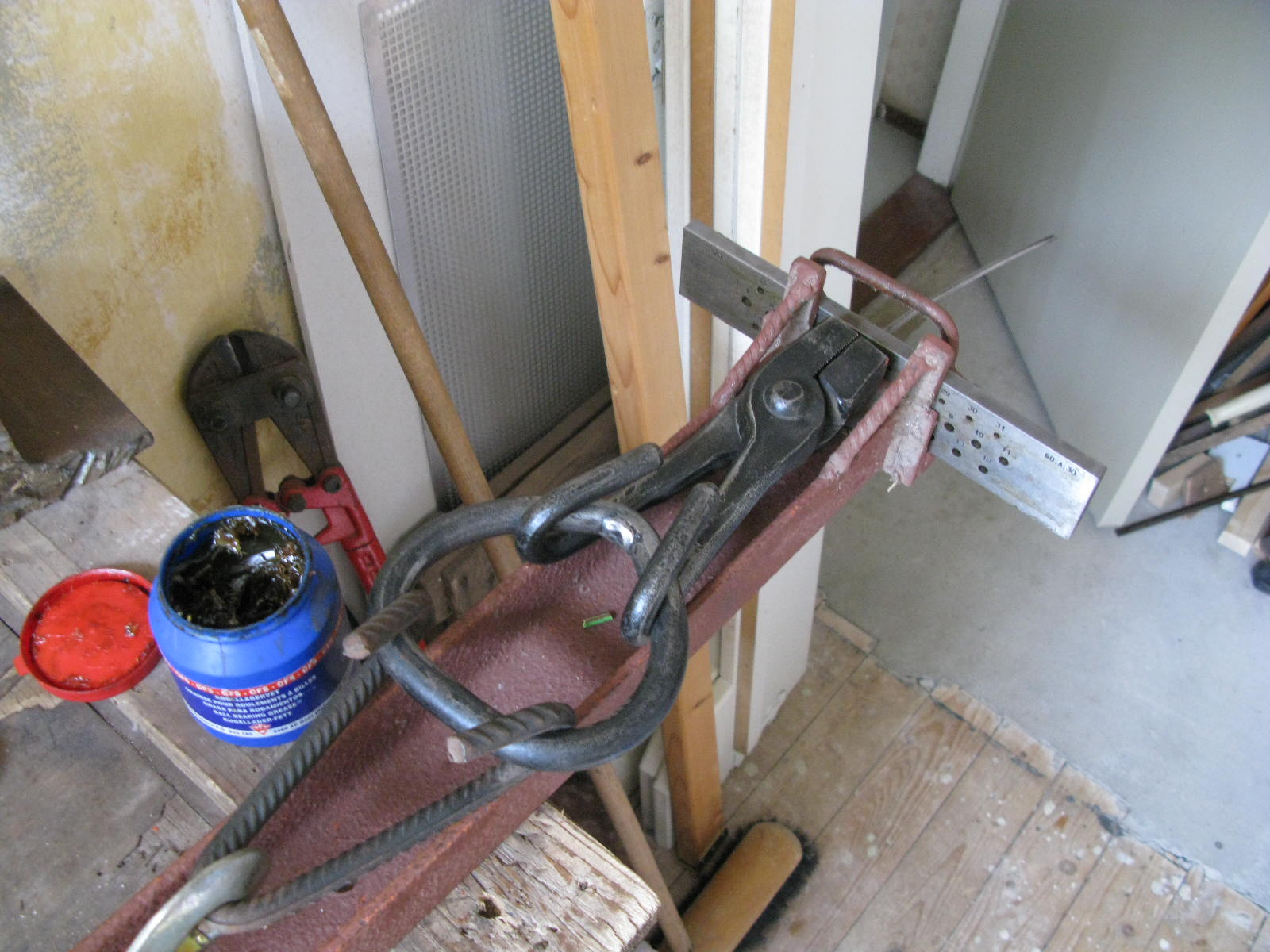
Steel rod was pulled through a series of progressively smaller dies to reduce it to wire, with lubricant, in a process that work-hardens the steel and requires annealing between stages.
Still fundamentally the same, now continuous, instrumented and far faster. Drawing is one of the oldest metalworking processes and one of the least changed in principle: pull metal through a hole smaller than itself, repeatedly, and it gets longer and thinner and stronger.
4. The Lubricants and Coatings Were Handled With Bare Hands
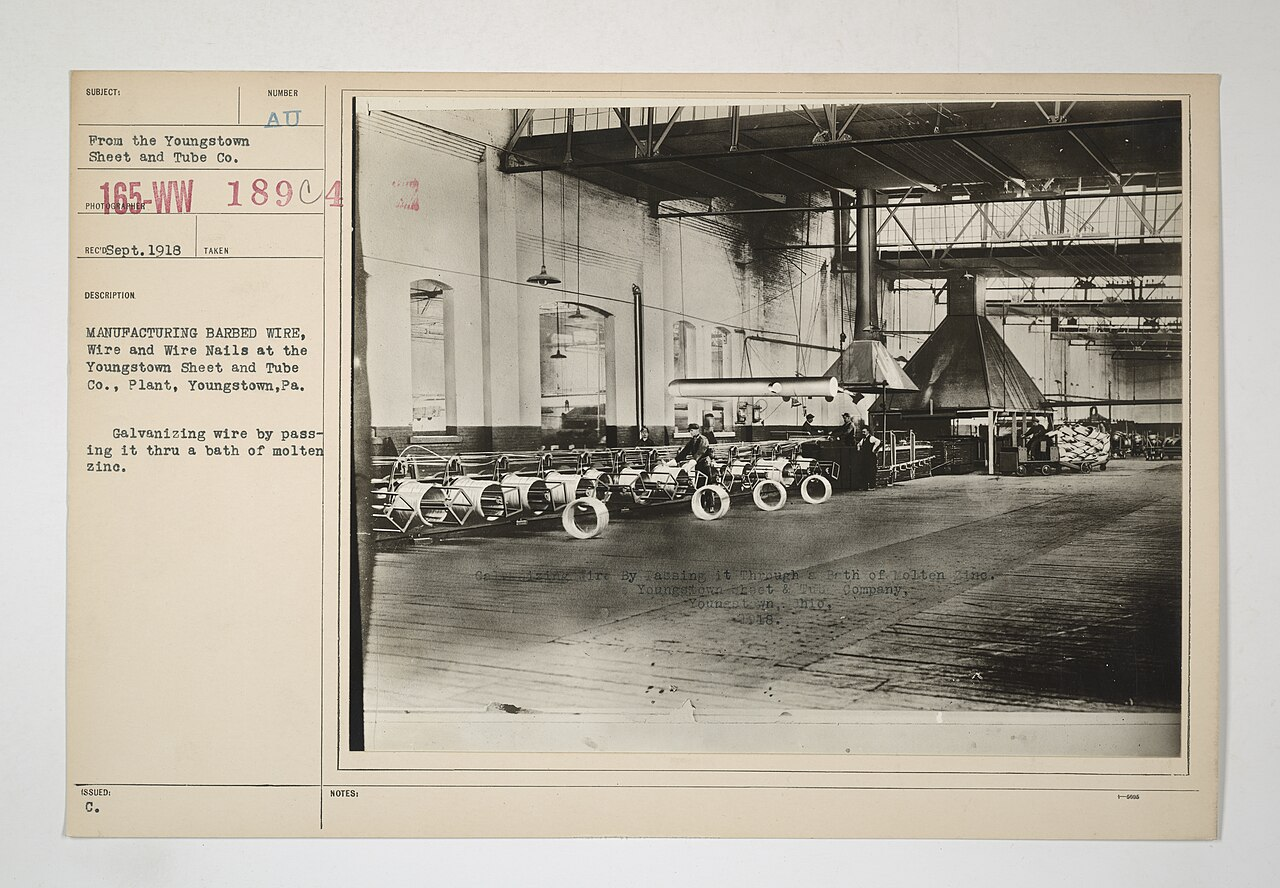
Drawing lubricants, rust-preventive compounds and the hot-dip galvanising used to coat wire were all handled directly, in open tanks and pots, with no protection.
Enclosed systems, extraction, substitution and protective equipment are now standard, and the galvanising bath is a controlled operation. Stated here as occupational history only. Anybody with that work history should raise it with their own doctor rather than with an article.
5. The Core of the Rope Was Frequently Natural Fibre Soaked in Grease
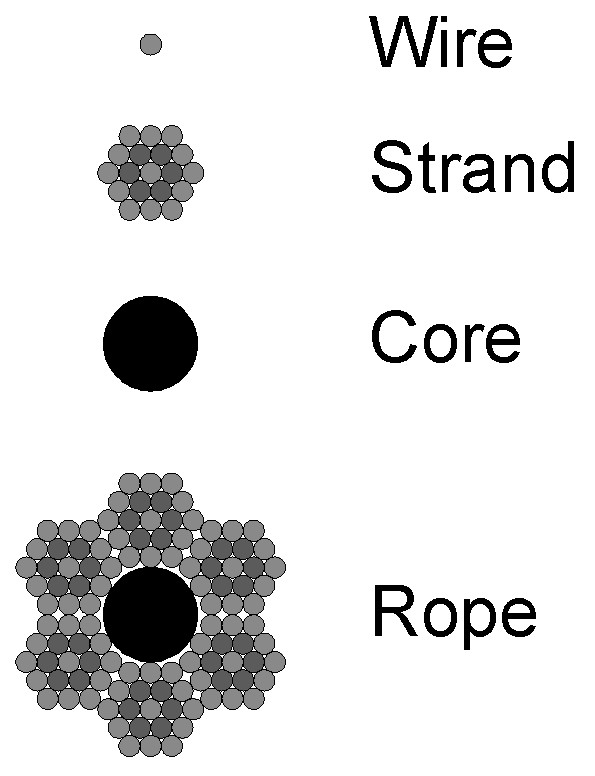
Many ropes were built around a fibre core impregnated with lubricant, which fed grease outward between the strands as the rope flexed and kept the interior from corroding and wearing.
Steel cores and modern lubrication systems dominate for high-performance applications, and fibre cores remain in use where flexibility matters. The self-lubricating fibre core is an elegant solution to an awkward problem – the inside of a rope is where it fails and the one place you cannot inspect or grease.
6. Testing Meant Pulling a Sample Until It Broke
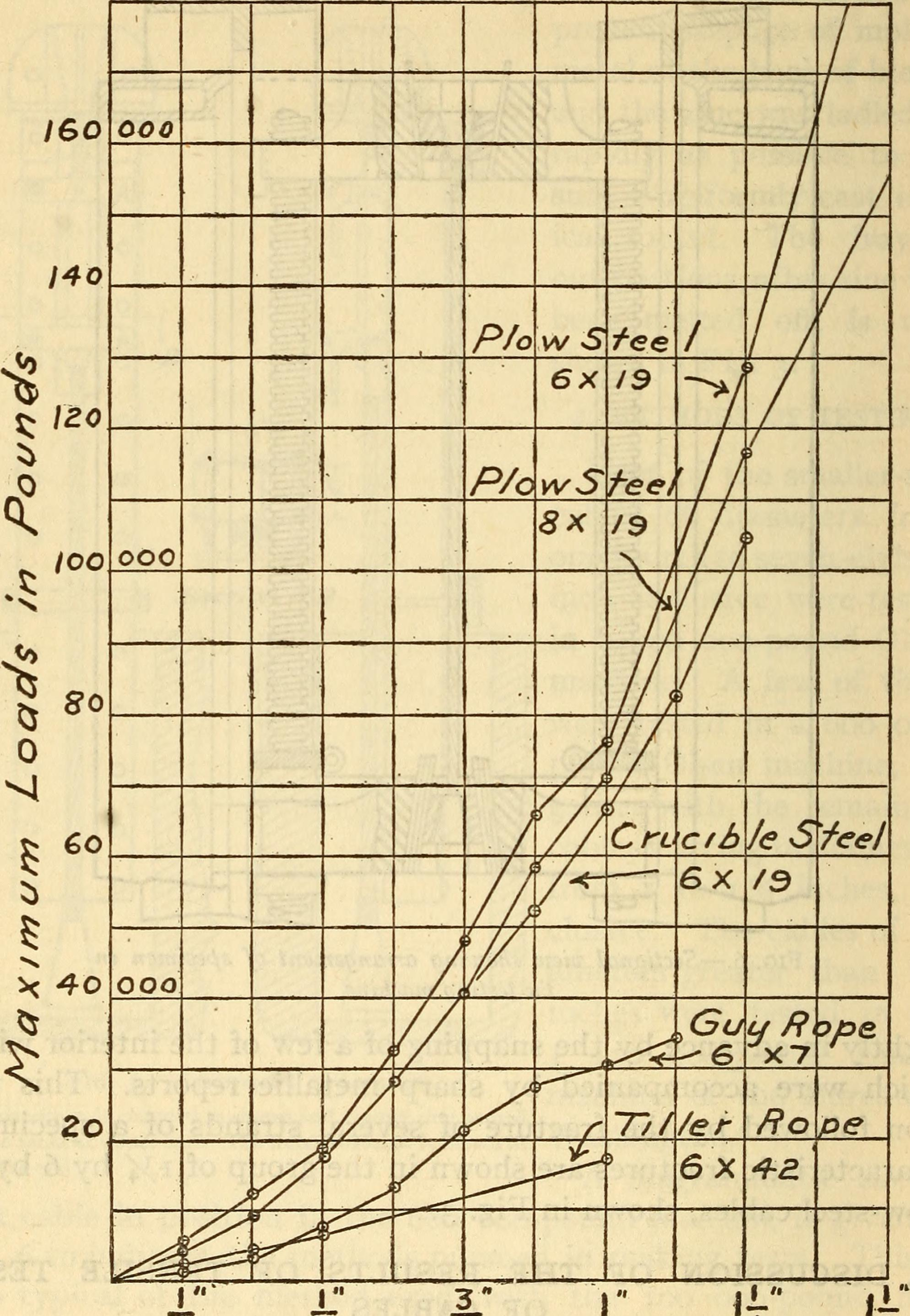
Verification was destructive: take a length, put it in a testing machine, pull until it parts, record the load. The rope sold was certified on the strength of a sample from the same production.
Destructive sample testing remains the basis of certification, now supplemented by non-destructive examination of ropes in service using magnetic methods that detect broken wires inside the rope without taking it apart. The in-service inspection is the significant addition, because a rope’s condition changes with use and the certificate describes only the day it was made.
7. The Splicing Was Done by Hand and It Was a Separate Trade
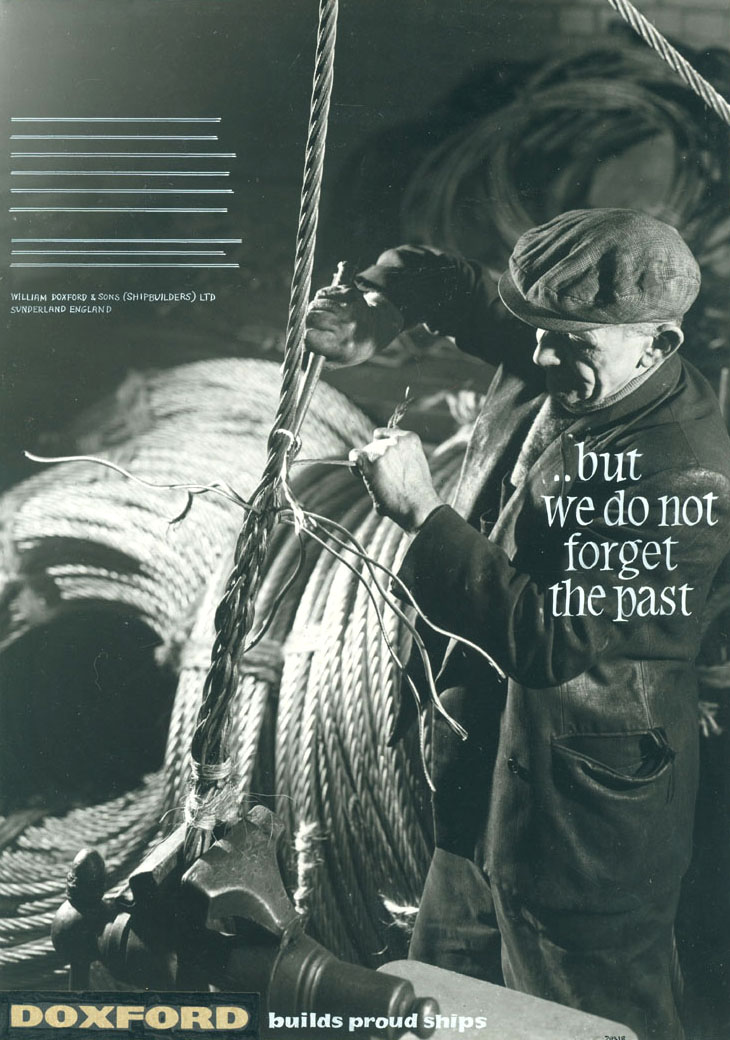
Joining a wire rope or forming an eye in one meant unlaying the strands and tucking them back through the rope in a defined sequence – heavy, exact work done with spikes and considerable force.
Swaged and mechanical terminations, pressed ferrules and resin sockets replaced hand splicing for most purposes. A correctly made hand splice retains most of the rope’s strength and takes a long time; a pressed termination is quicker, more consistent and testable, which is what decided it.
8. Rope Was Made for Jobs That No Longer Exist
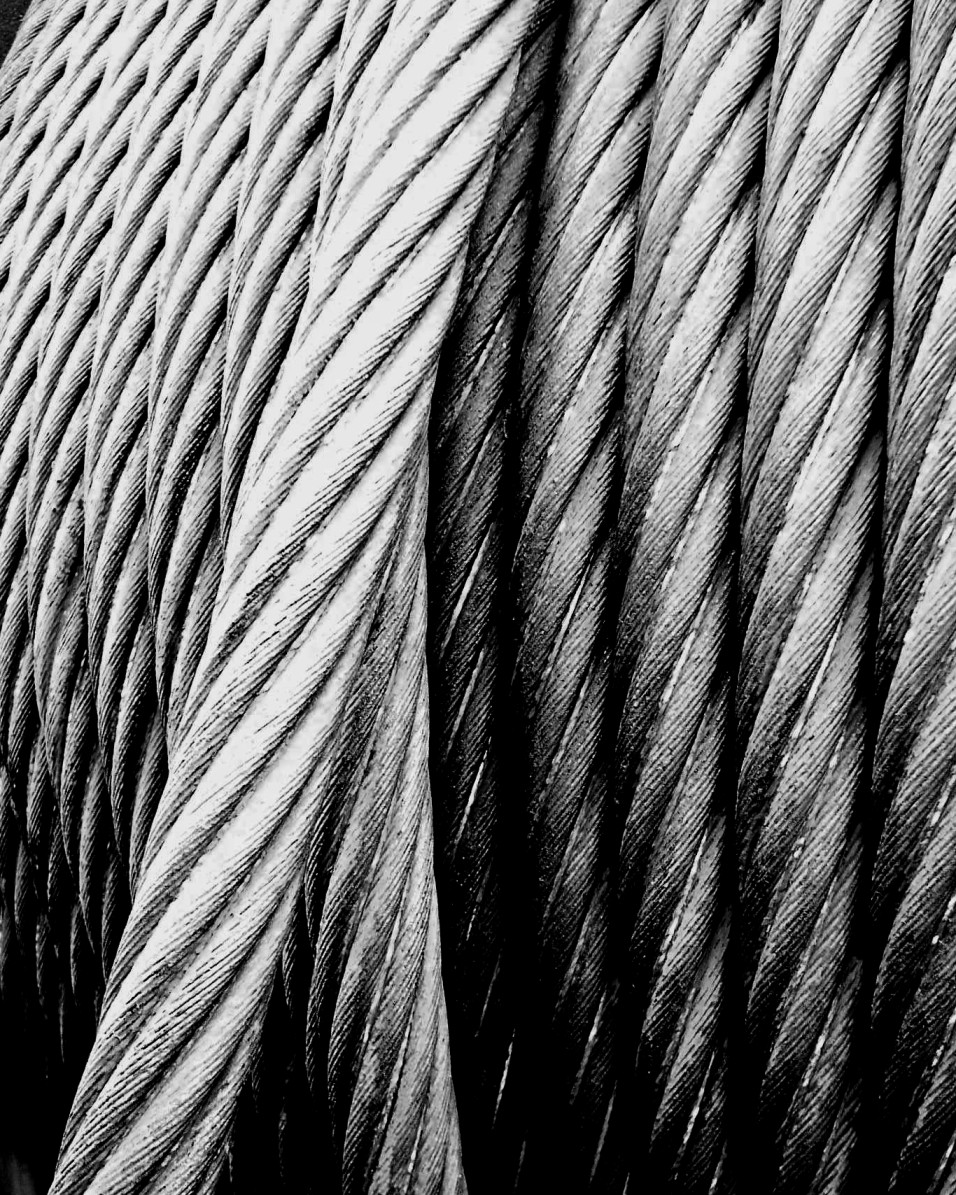
The output went to collieries, to ropeways, to mill drives, to ships rigged with standing wire, and to industries that have largely disappeared.
Demand shifted to cranes, lifts, bridges, offshore, mining elsewhere and increasingly to structural applications in architecture. The product did not become obsolete – its customers did, and the works that survived were the ones that followed the demand rather than the ones that made the best rope.
9. Nobody Could See Inside the Rope and That Was the Whole Problem
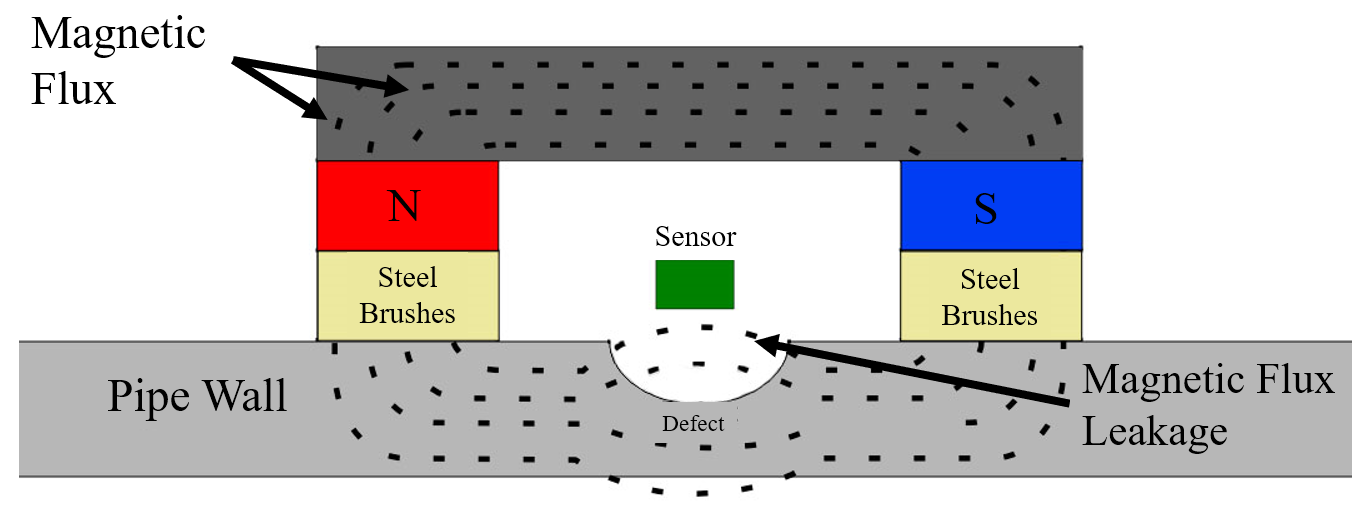
A wire rope degrades from the inside, where the strands rub against each other and where corrosion sits. External inspection shows the outside, which is frequently the part in the best condition.
Magnetic rope testing, which detects loss of metallic area and broken wires through the full cross-section, changed inspection fundamentally and is now routine for lifting and conveyance ropes. The discard criteria for a rope are specified in standards and are based on what the testing finds, not on how it looks.
10. The Rope in the Lift Shaft Is Doing the Same Job It Did Then
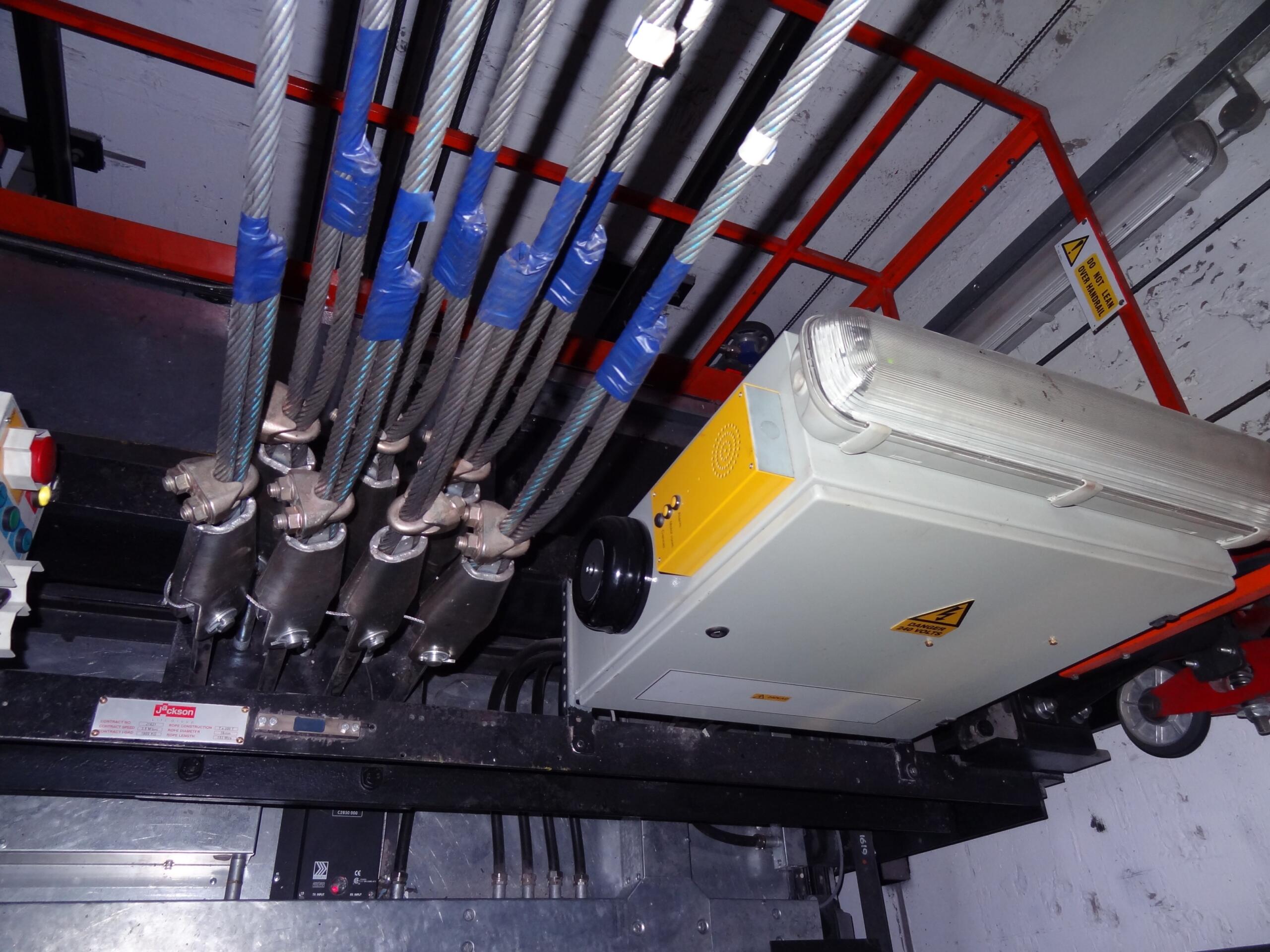
Of everything described here, the application that touches most people daily is the one nobody thinks about: the ropes carrying lifts in buildings, inspected on a schedule and replaced long before they need to be.
Unchanged in principle and enormously changed in assurance. The ropes are the same kind of object made the same way, and the difference is that their condition is now measured through their full thickness on a schedule by people following written discard criteria – which is the entire distinction between a rope you hope is fine and a rope you know is.
The Certificate Describes the Day It Was Made
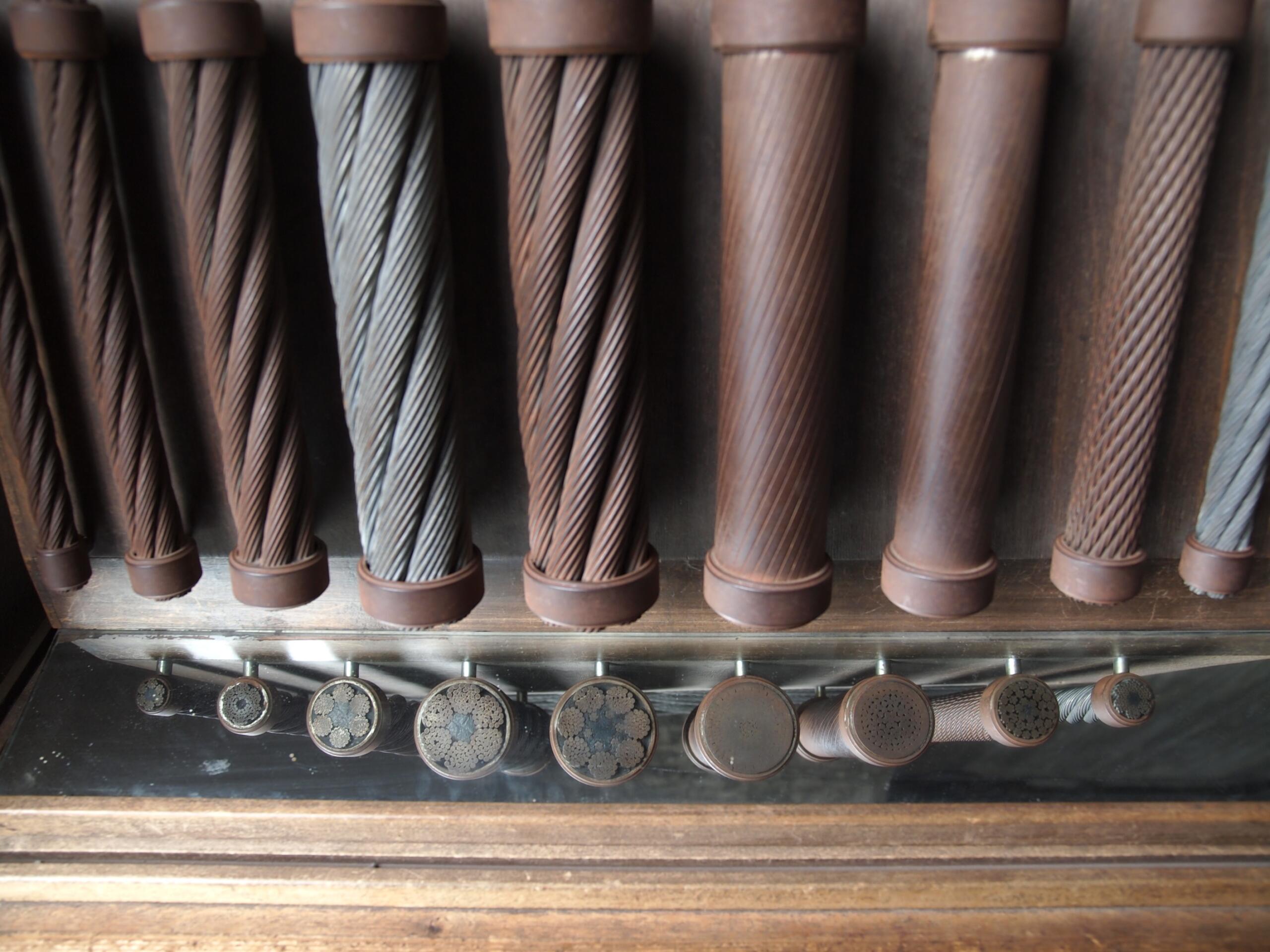
The change that matters most in this trade is not in how rope is manufactured. It is in what happens to it afterwards.
A wire rope leaves the works with a certificate based on a destructive test of a sample from the same production. That certificate is accurate and it describes one thing: the strength of that rope when it was new.
A rope in service then starts changing. The wires rub against each other every time it bends around a sheave, and that wear happens between the strands, on the inside. Corrosion collects there too, because it is where water sits and where grease runs out. Individual wires break internally and the broken ends stay in place, held by the lay of the rope, invisible.
Meanwhile the outside of the rope frequently looks fine – and can genuinely be fine – because the outer wires are the ones getting lubricated, inspected and, on many ropes, the least loaded.
So for most of the history of wire rope, the condition of the part that fails was unobservable. Inspection meant looking at the exterior and counting visible broken wires, which is better than nothing and is measuring the wrong place.
Magnetic testing changed that. Passing a sensor along a rope detects loss of metallic cross-sectional area and localised faults through the full thickness, which means the interior condition becomes a number rather than an assumption, and discard criteria can be written against it.
That is the whole difference between the 1960 position and now, and it is worth stating plainly: the rope is made much the same way, by much the same process, to much the same design. What changed is that somebody can now see inside it – and every lift, crane and conveyance that people use without thinking depends on that one capability.
If you worked in a rope works, you will remember the noise of a stranding machine and what a broken wire did.
And the next lift you get into is hanging on exactly this – several ropes rather than one, each individually capable of holding the car, inspected to a schedule and replaced on a measurement rather than on an opinion. It is one of the quieter pieces of engineering assurance that people use dozens of times a week without ever once wondering whether it is true.
Like our content? Follow us for more.