

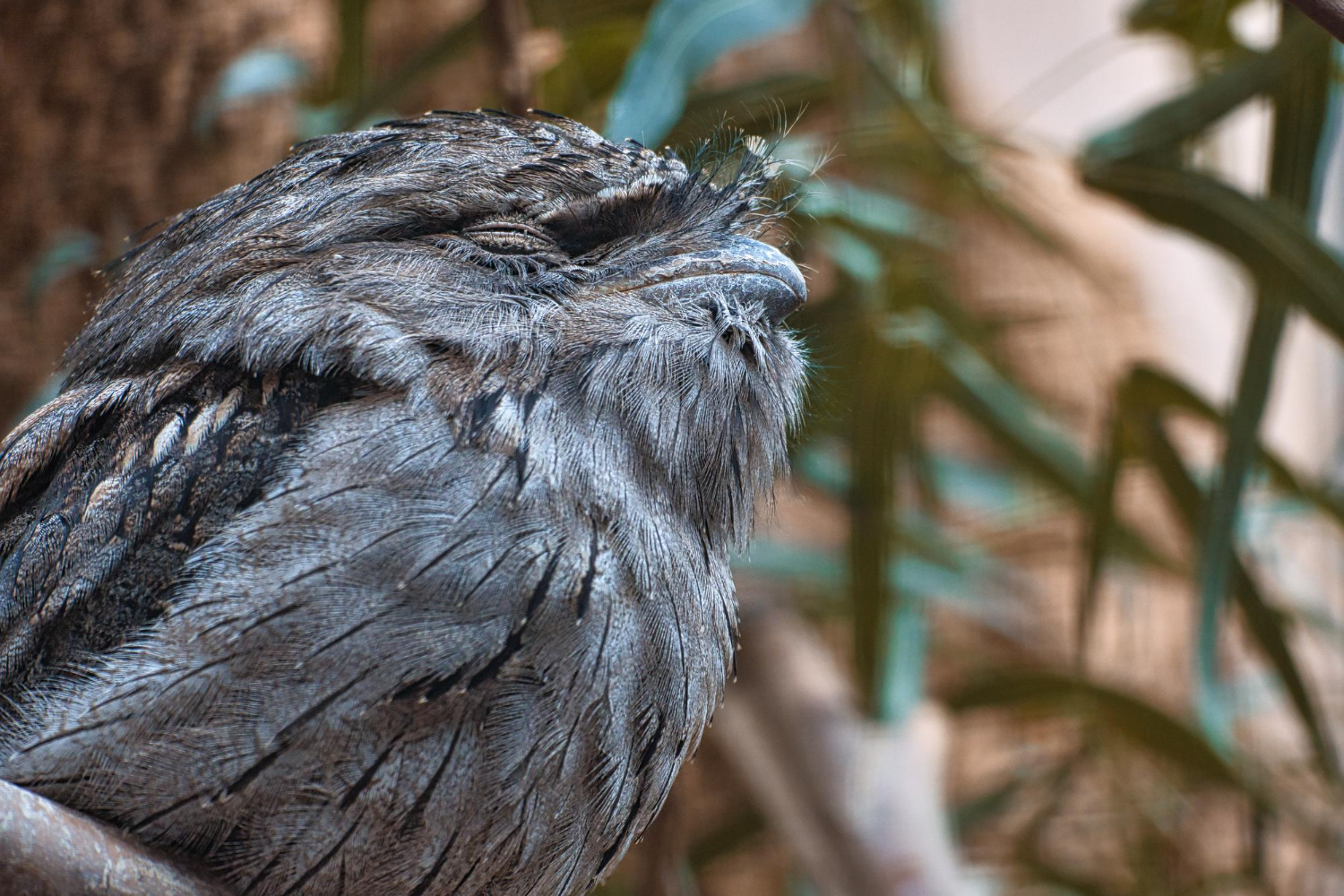
The recurring problem is the same everywhere: sleep appears to be necessary, and being asleep is dangerous. Almost every solution below is a compromise between those two facts. Here are fifteen.
1. Sleeping With Half the Brain
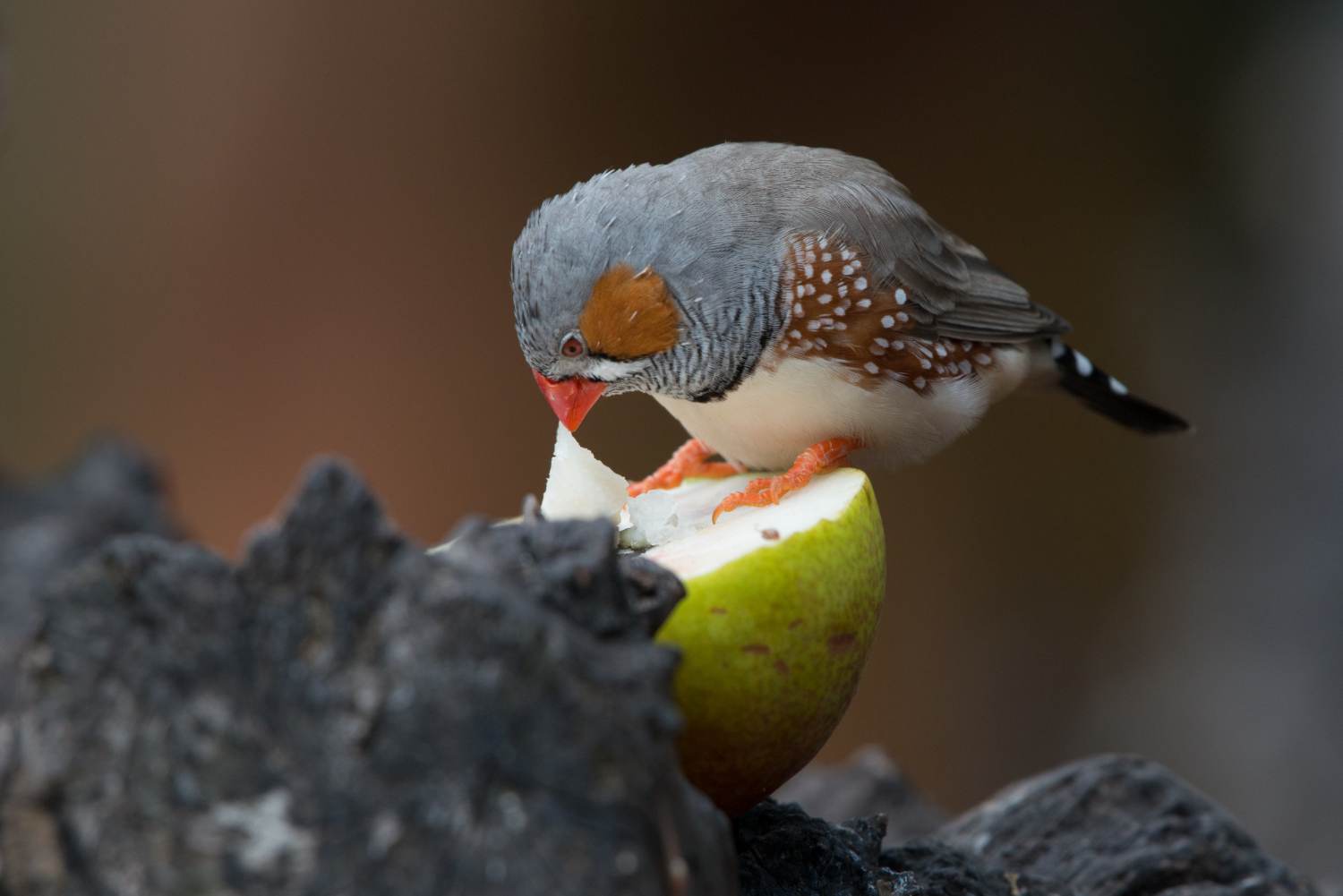
Some birds and aquatic mammals rest one cerebral hemisphere at a time while the other stays active, with the eye connected to the waking half remaining open.
It allows continuous surfacing to breathe, or continuous watchfulness, without giving up rest entirely. Half-brain sleep is the arrangement that solves the problem of not being able to stop.
Like our content? Follow us for more.
2. One Eye Open at the Edge of the Group
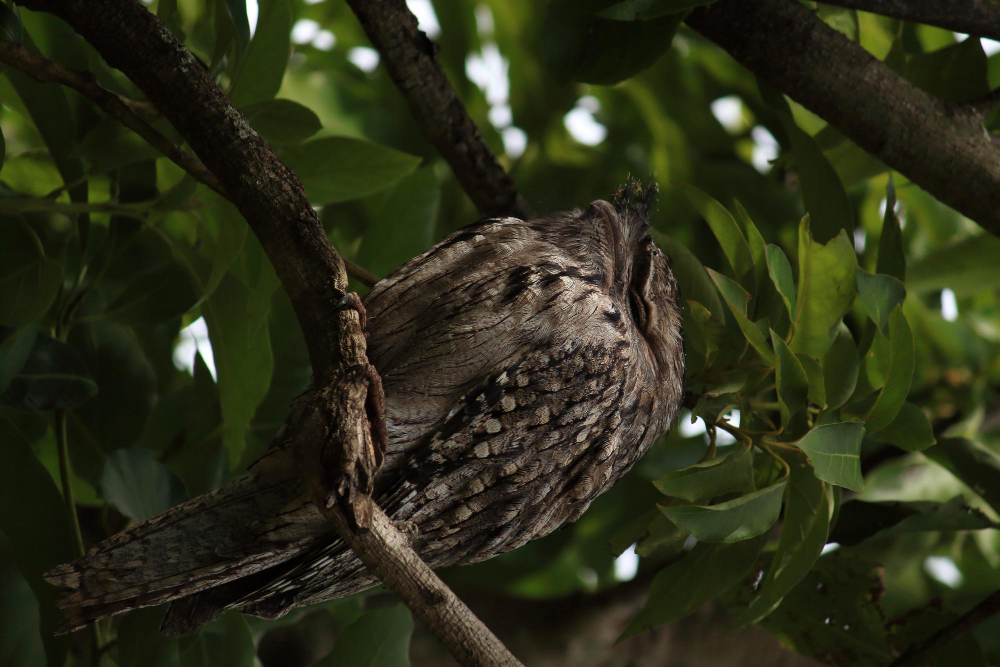
Birds roosting in a row will keep the outward-facing eye open at the ends of the line and both eyes closed in the middle, swapping positions over time.
The open eye corresponds directly to the hemisphere that is staying awake. The bird at the edge is the animal doing sentry duty with half its brain.
3. Sleeping While Flying
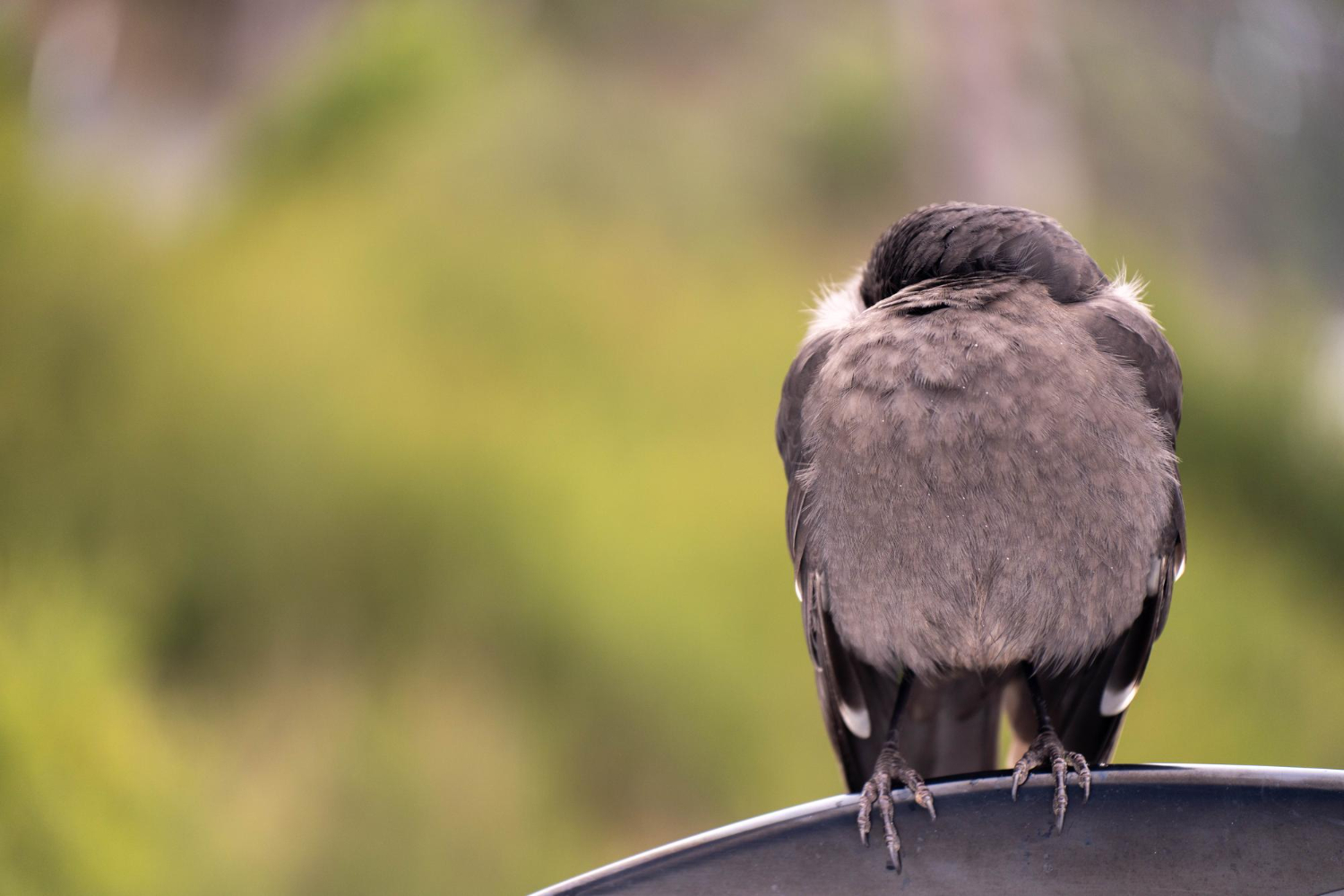
Some seabirds have been recorded sleeping in flight during long journeys over open ocean, in very short bursts and for far less total time than they sleep on land.
How widespread this is among migratory birds is still being established. Sleeping in flight is the behaviour that was suspected for decades before anyone measured it.
4. Standing Up, With the Legs Locked
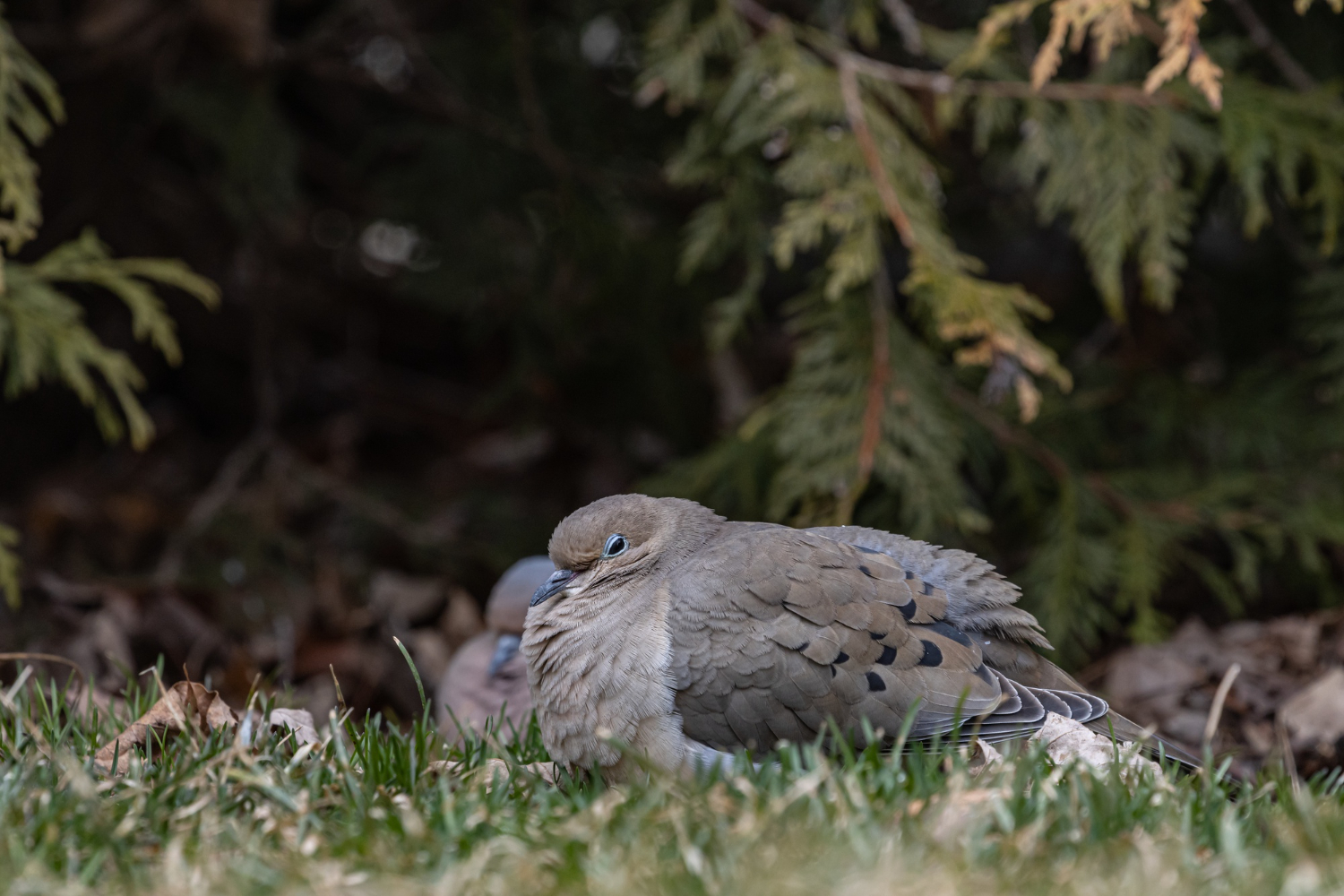
Horses and several other hoofed animals can doze standing, using an arrangement in the limbs that holds the joints in place without muscular effort.
They still lie down for the deepest sleep, which they cannot achieve upright. Standing sleep is the compromise that keeps an animal ready to run.
5. Sleeping Very Little Indeed
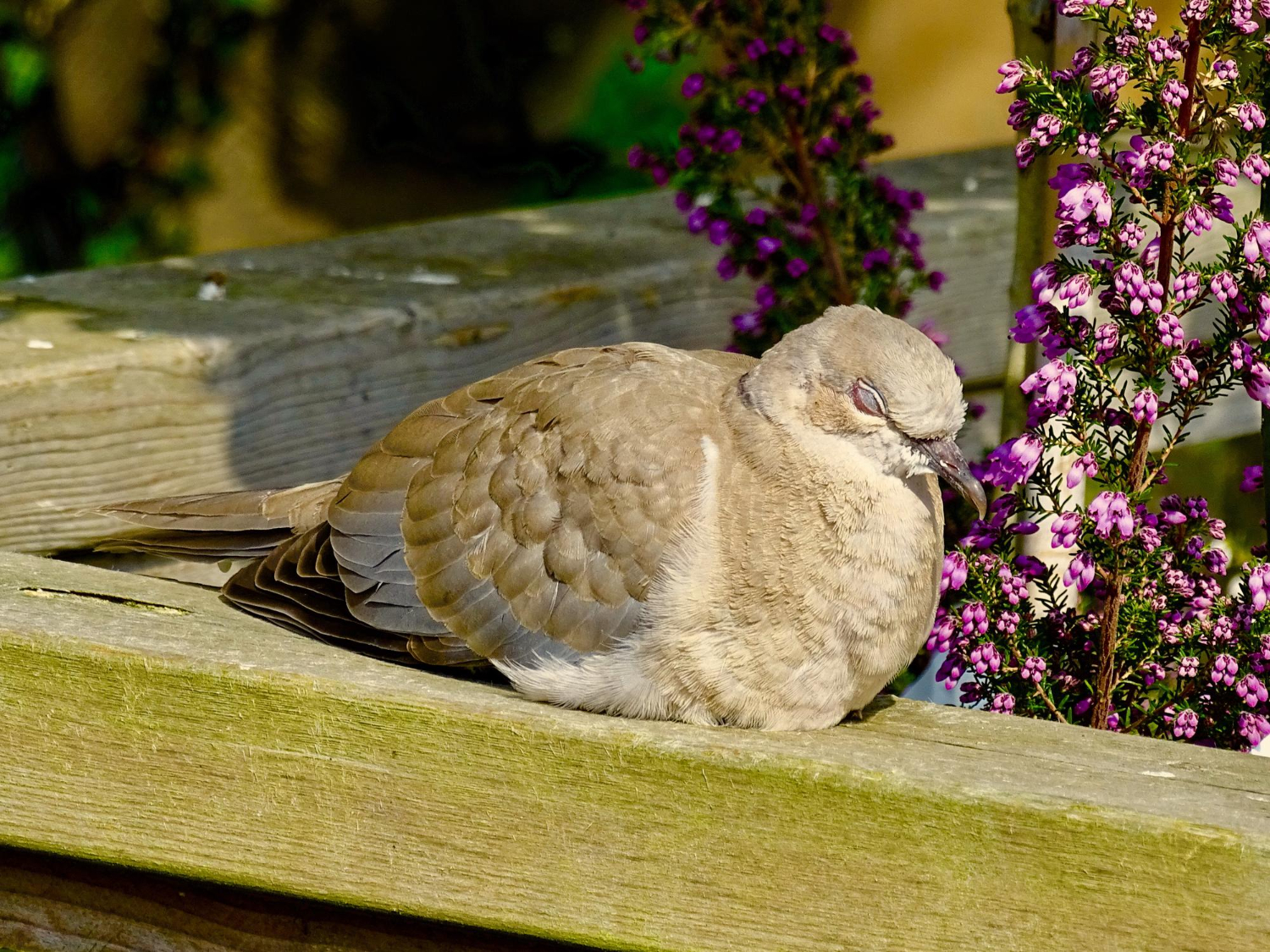
Elephants sleep remarkably little, particularly in the wild, with recorded figures far below what an animal of that size might be expected to need.
Large grazing animals generally sleep less than small ones, which runs opposite to intuition. Sleeping very little is the pattern that scales with body size in the wrong direction.
6. Sleeping Almost All Day
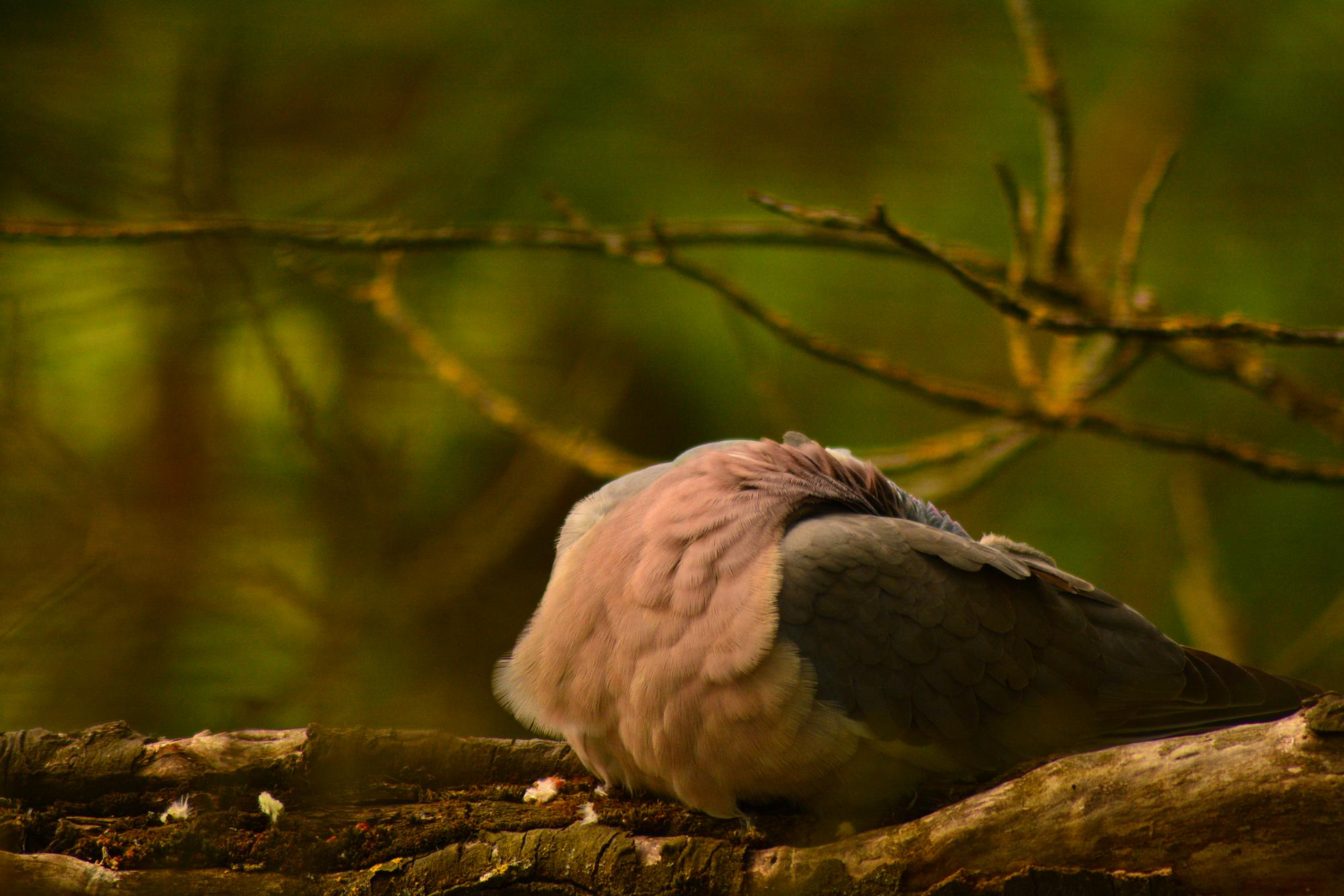
Some small bats spend the large majority of each day asleep, and several other small mammals are comparable.
The relationship between metabolic rate, body size and sleep duration is real but not fully explained. Sleeping almost all day is the opposite end of a spectrum nobody can entirely account for.
7. Anchoring Yourself First
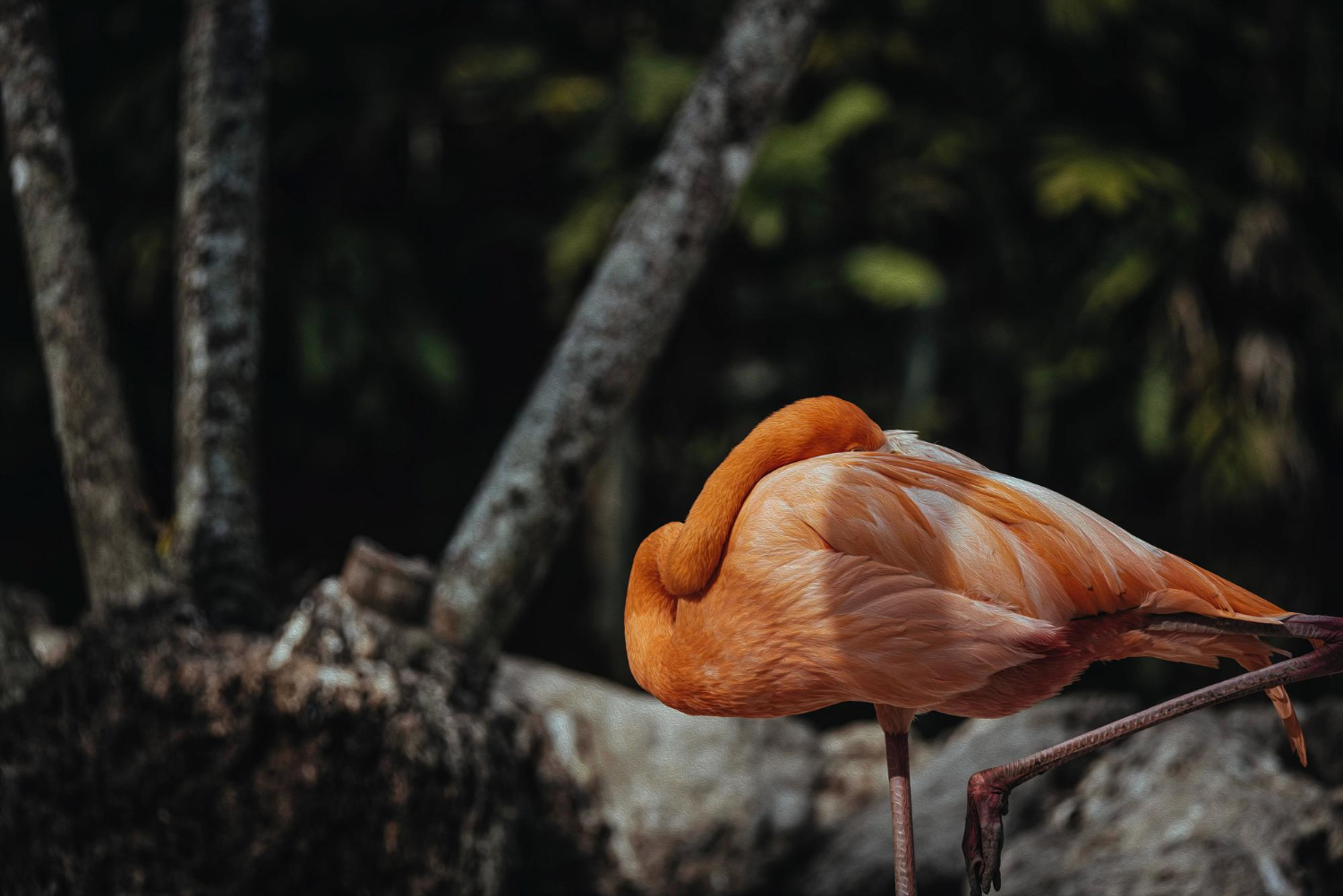
Sea otters rest at the surface and have been documented wrapping themselves in kelp so they do not drift away while unresponsive.
Holding paws is also observed and serves the same purpose. Anchoring before sleeping is the behaviour that treats drifting as the main risk.
8. Staying Awake for Extended Periods
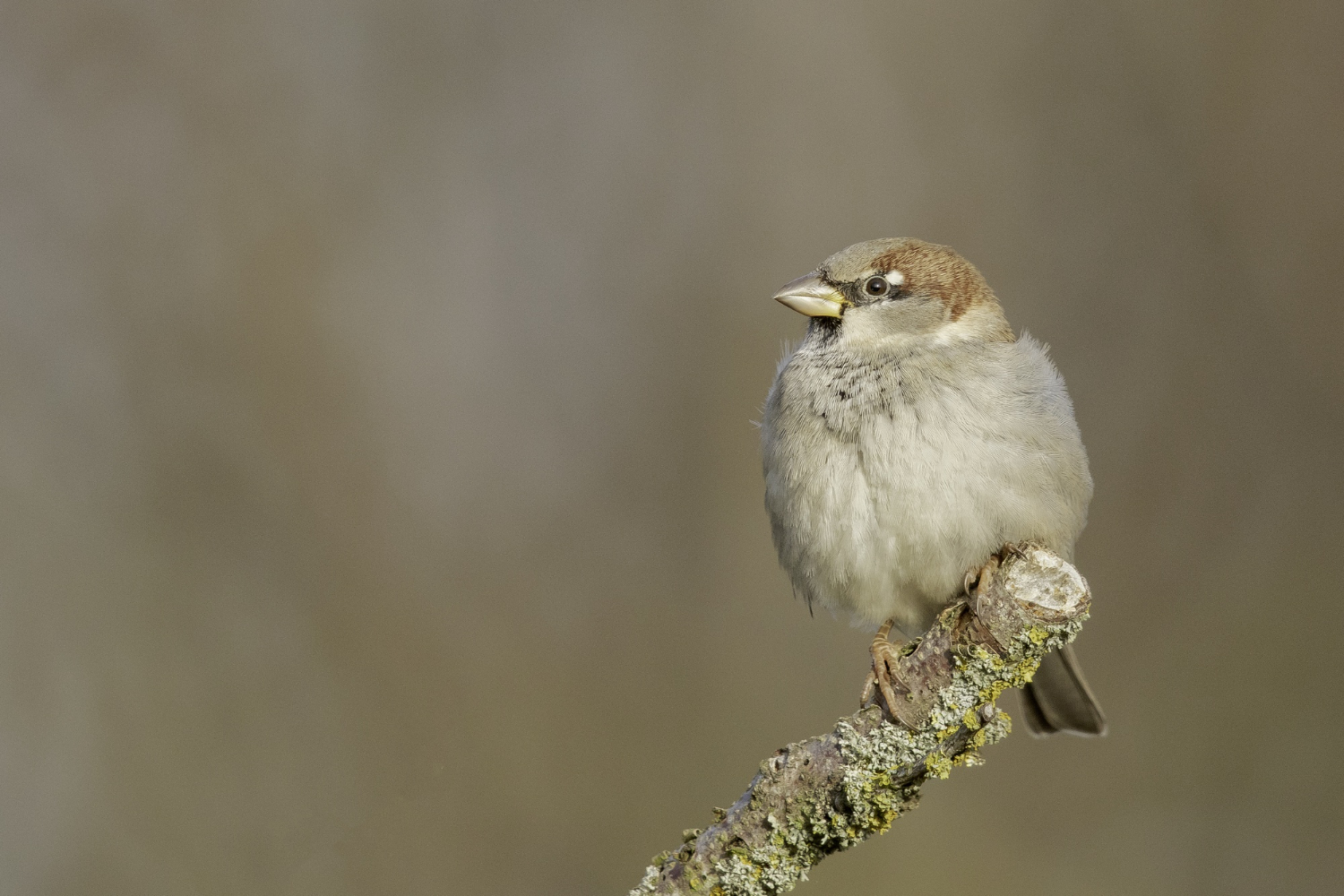
Walruses have been recorded remaining active for very long stretches and then sleeping heavily afterwards, in patterns quite unlike a daily cycle.
Some birds show comparable flexibility during migration. Extended wakefulness is the strategy of animals whose schedule is set by something other than the sun.
9. Sleeping Underwater and Surfacing Automatically
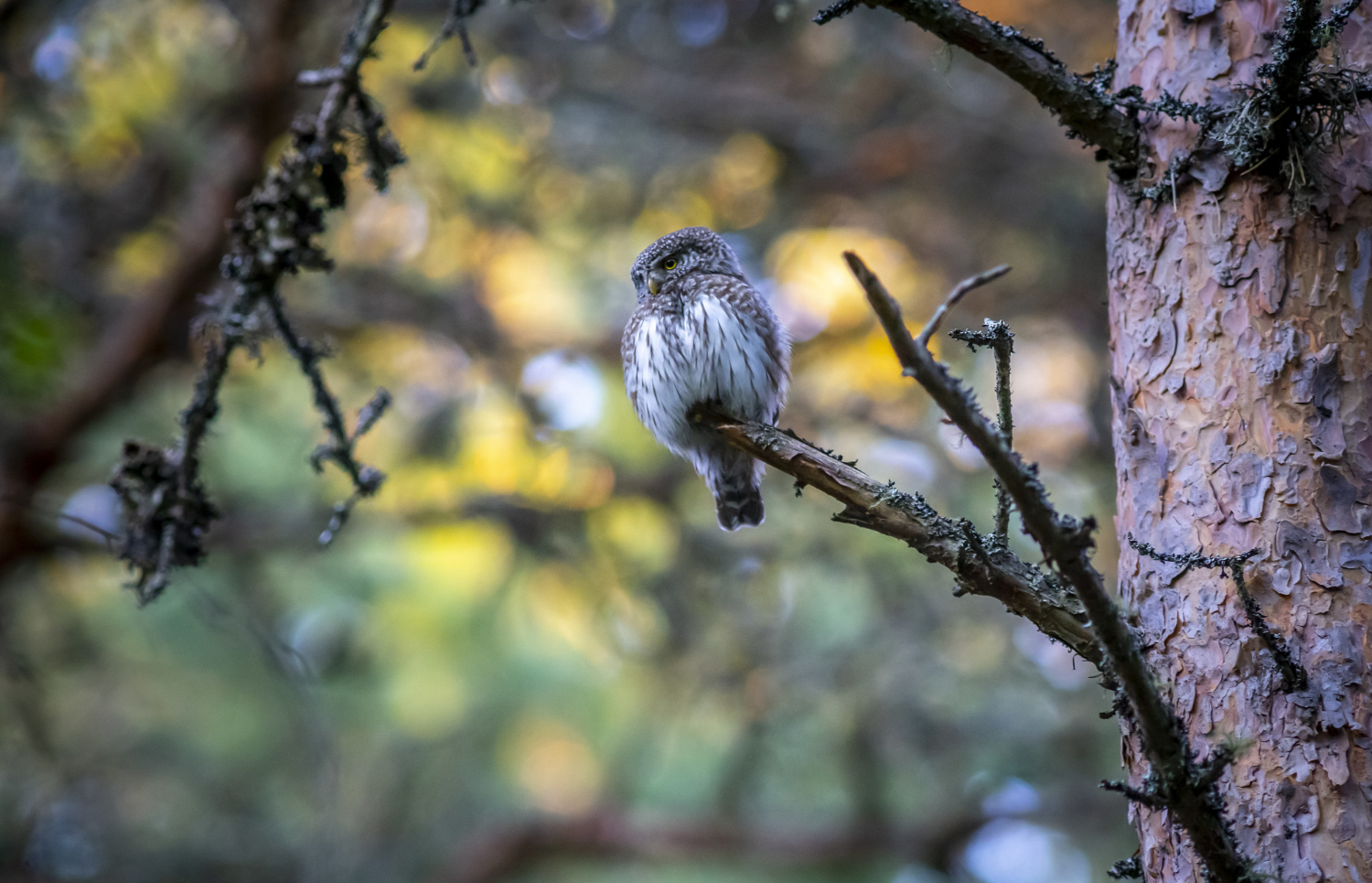
Aquatic mammals that must breathe voluntarily cannot afford to become fully unresponsive, so surfacing continues during rest.
This is the practical reason half-brain sleep evolved in these lineages. Automatic surfacing is the requirement that shaped how an entire group of animals rests.
10. Sleeping Vertically
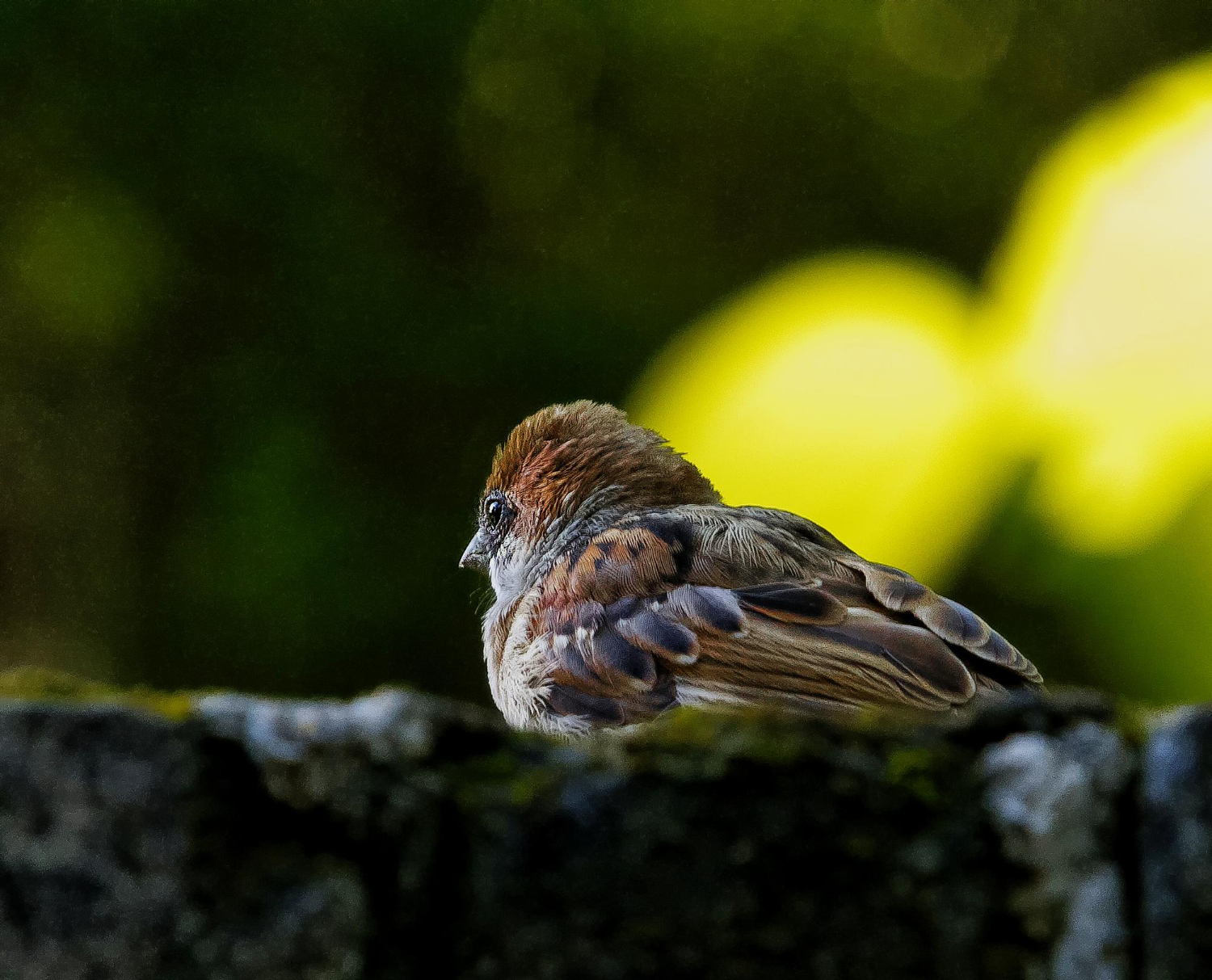
Some animals rest hanging, propped or upright rather than lying down, using grip or body position to stay in place with minimal effort.
Bats are the obvious case and the grip is largely passive. Vertical sleep is the arrangement where staying put requires no ongoing work.
11. Torpor, Which Is Not the Same as Sleep
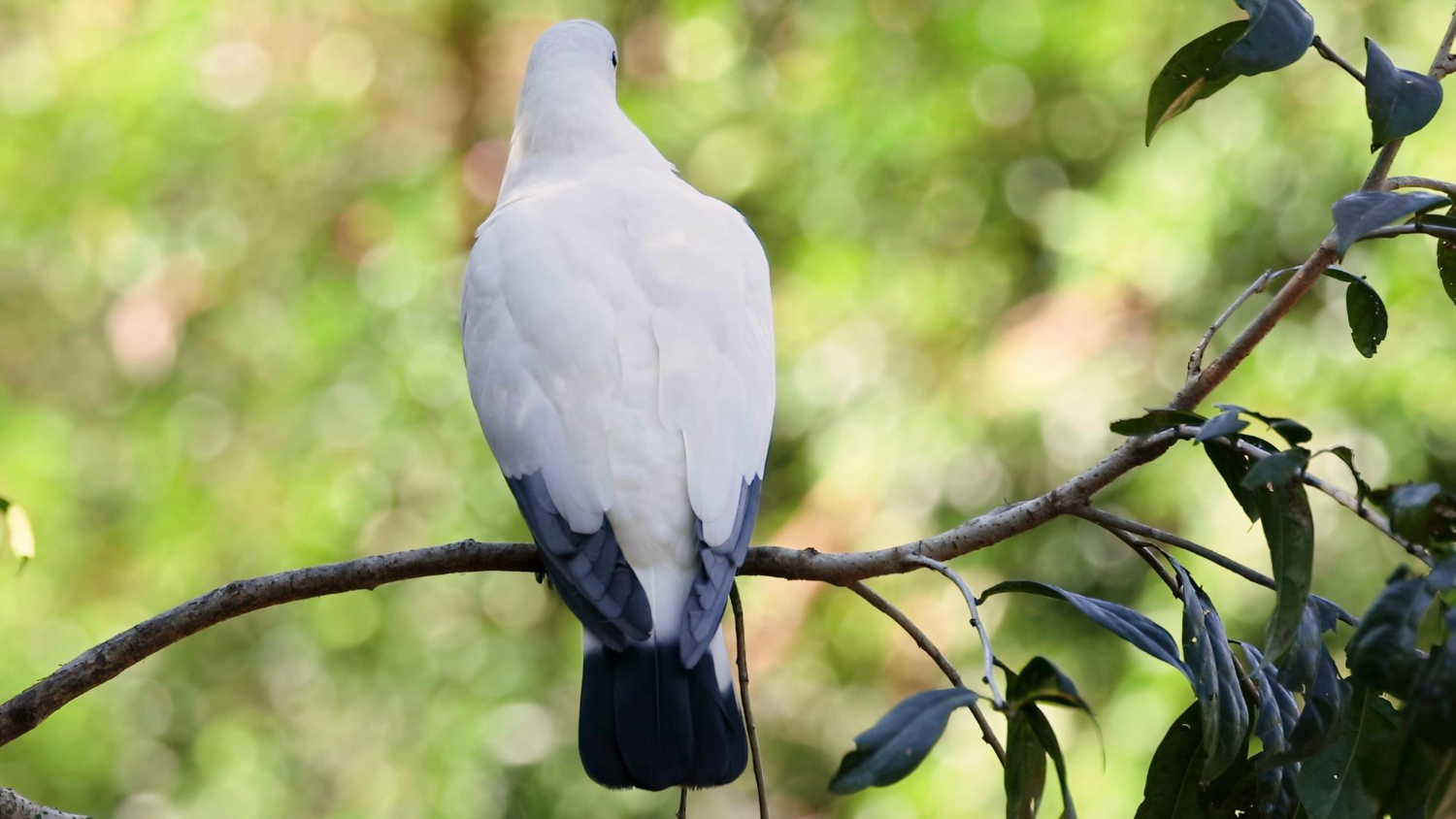
Many small animals enter a state of much-reduced body temperature and metabolic rate to save energy, and this is physiologically distinct from ordinary sleep.
Animals frequently need to sleep after a period of torpor, which is a good indication they are different things. Torpor is the state most easily mistaken for sleep and clearly is not it.
12. Sleep-Like States Without a Brain
Jellyfish have been shown to enter states with reduced activity and reduced responsiveness that recover afterward, despite having no centralised brain.
It suggests sleep is more fundamental than brains are, which is a truly significant finding. Sleep without a brain is the result that reframed the question.
14. Rest States in Fish and Insects
Fish, flies and a great many invertebrates show reduced activity, reduced responsiveness, and increased rest after being kept awake – the working definition of sleep.
Whether it is the same phenomenon as mammalian sleep is unresolved and depends on how the term is defined. Rest states in small animals are where the definition of sleep starts to strain.
15. Whether Any of Them Dream
Sleep in mammals and birds includes phases with brain activity resembling waking, and comparable phases have been reported in some other groups.
What if anything is experienced during those phases is not established and may not be establishable. Dreaming is the animal sleep question where honest researchers stop.
Necessary, and Extremely Inconvenient
The pattern across all of these is that sleep appears to be non-negotiable while the manner of it is entirely negotiable – and the more dangerous an animal position, the more elaborate the workaround.
The truly interesting question underneath this list is why sleep is compulsory at all. Something about it is clearly essential, since animals will compromise safety, breathing and flight to get it rather than skip it, and several will do it with half a brain sooner than not do it. What that essential thing is remains one of the better open questions in biology.
Like our content? Follow us for more.
