

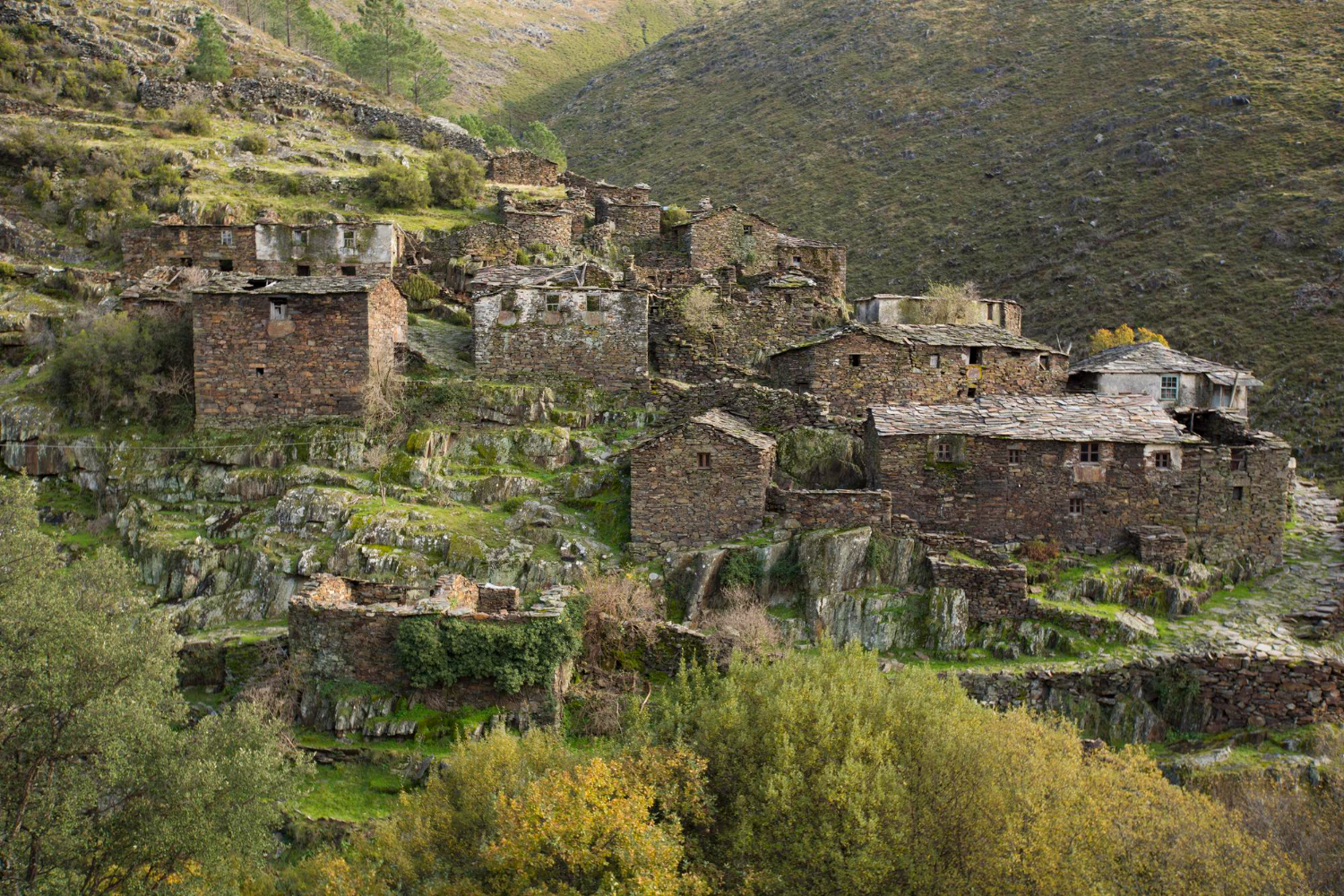
The logic is consistent wherever it appears. Put the settlement on ground that is hard to attack, above the bad air of the valley floor, and on rock that would be useless for growing anything. Here are seventeen.
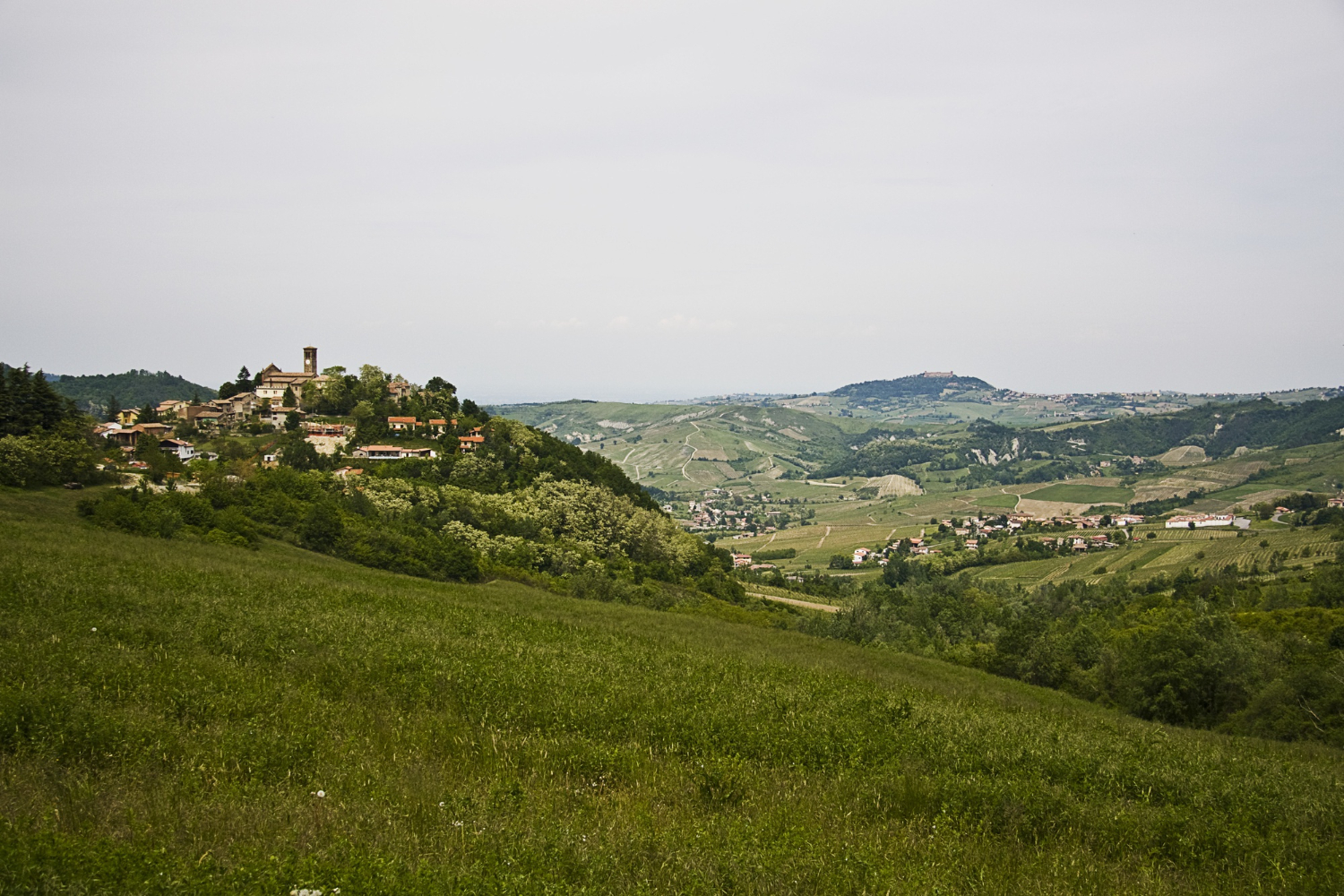
1. The Hill Towns of Tuscany and Umbria, Italy
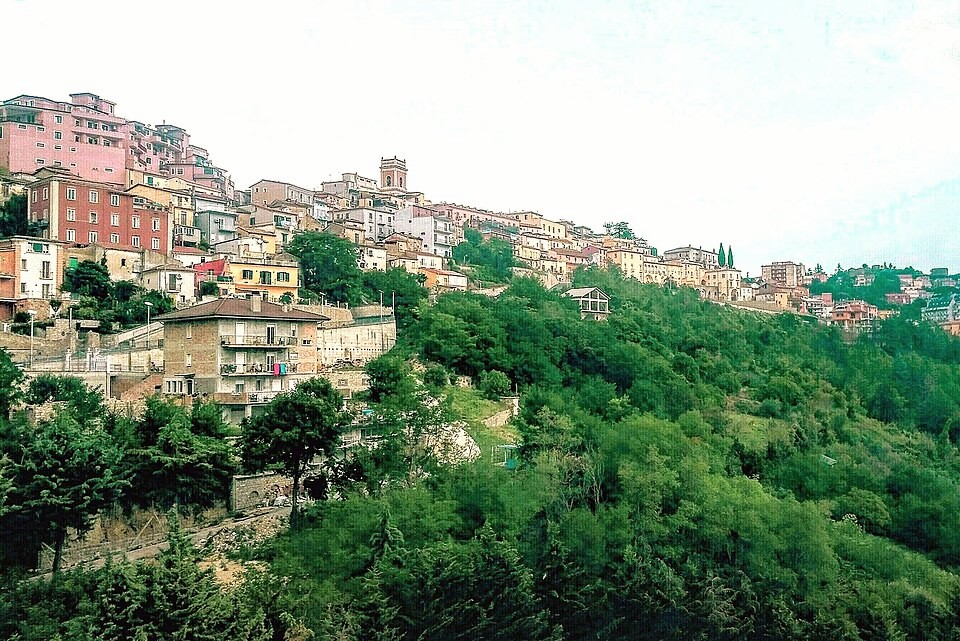
Walled settlements on hilltops with the farmland spread out below, close enough together that several are visible from any one of them.
The valley floor was for crops and the hill was for people. The Italian hill towns are the settlements that put the houses on the useless ground.
Like our content? Follow us for more.
2. Civita di Bagnoregio, Italy
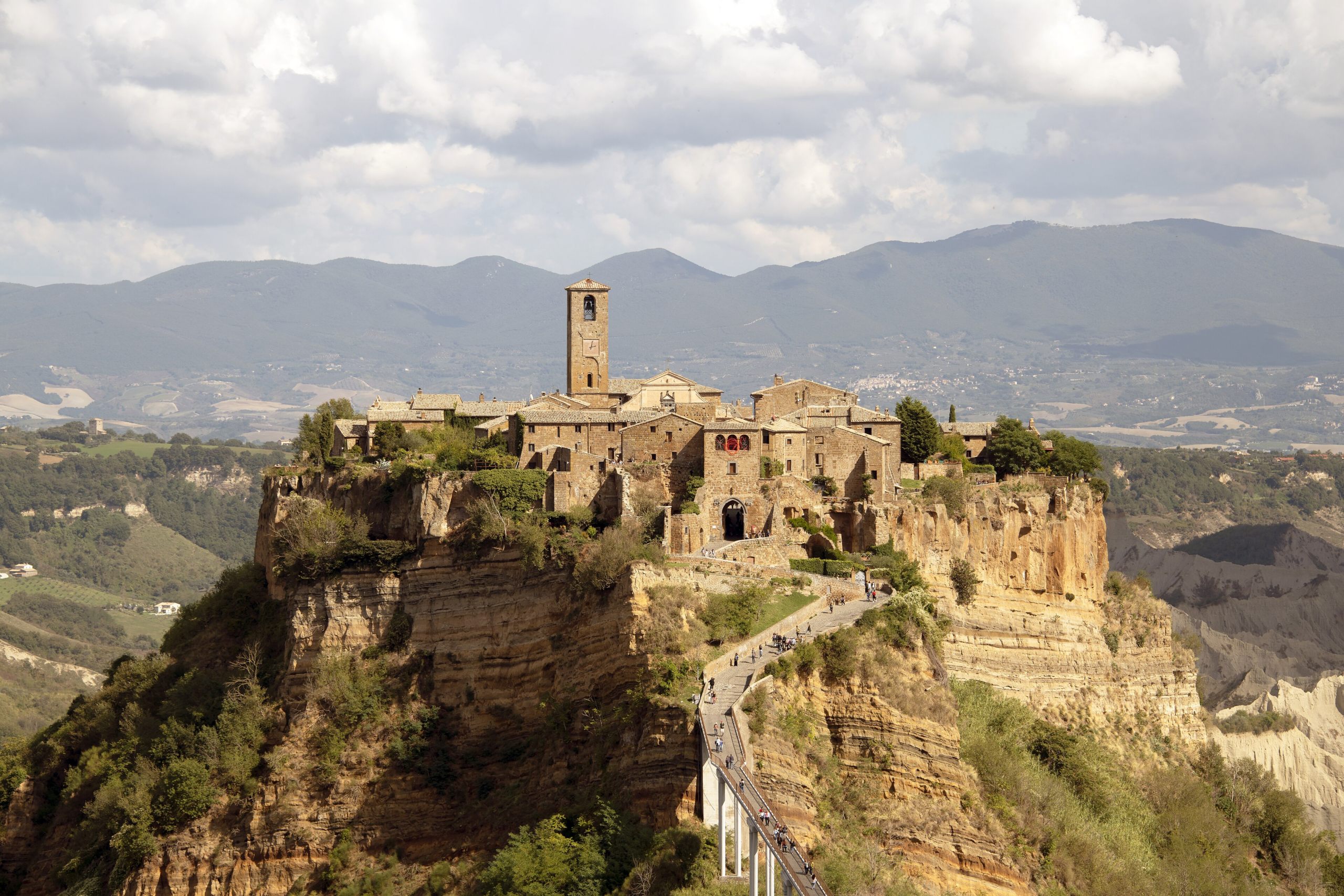
A village on an isolated pillar of soft volcanic rock, reached by a long footbridge, with the surrounding ground continuously eroding away beneath it.
The population is very small and the geology is not on its side. Civita is the hill town slowly losing the hill.
3. Ronda, Spain
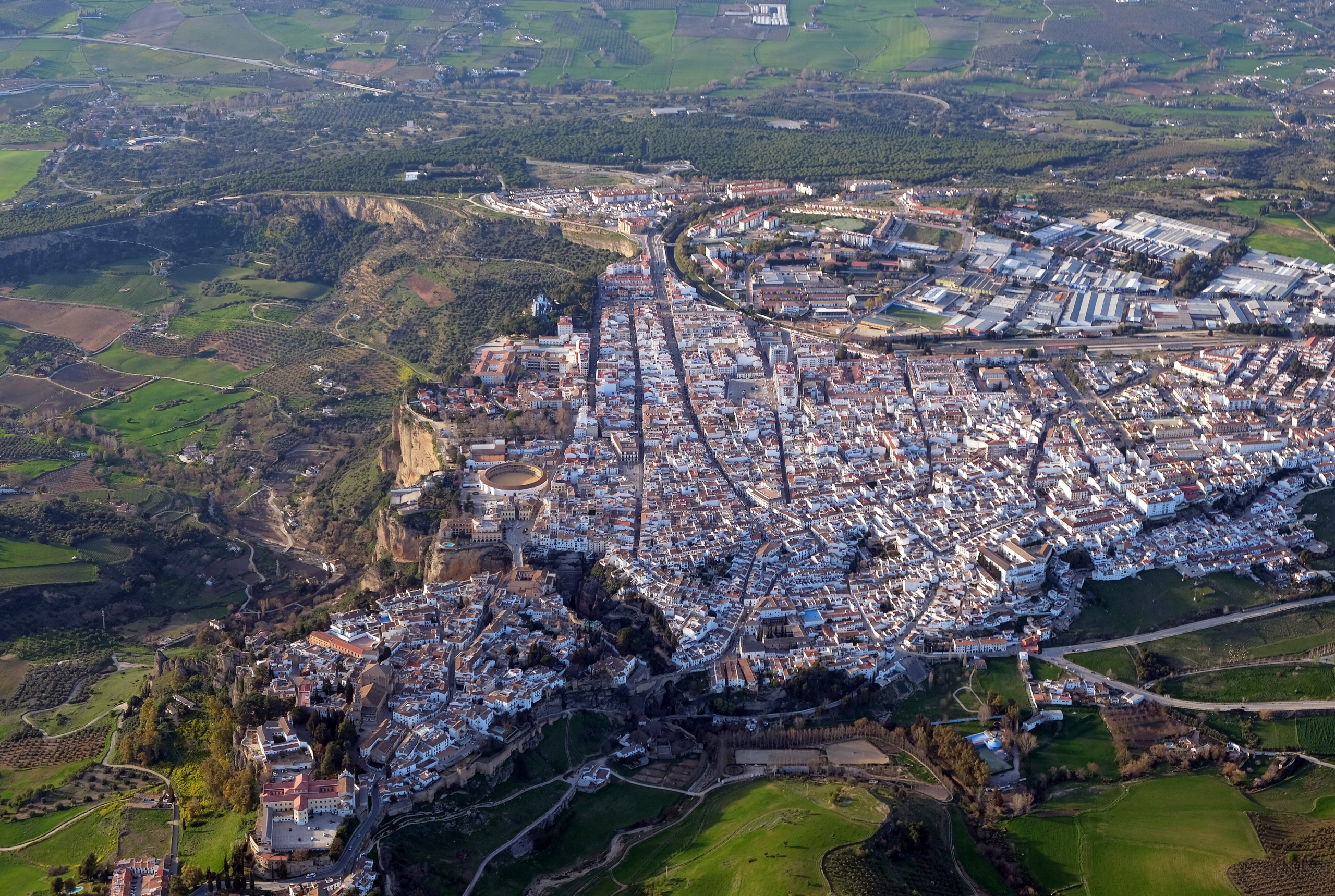
A town split by a deep gorge with a bridge across it, buildings standing directly at the cliff edge on both sides.
The defensive logic is immediately obvious from any approach. Ronda is the hill town with a canyon running through the middle of it.
4. The Monasteries of Meteora, Greece
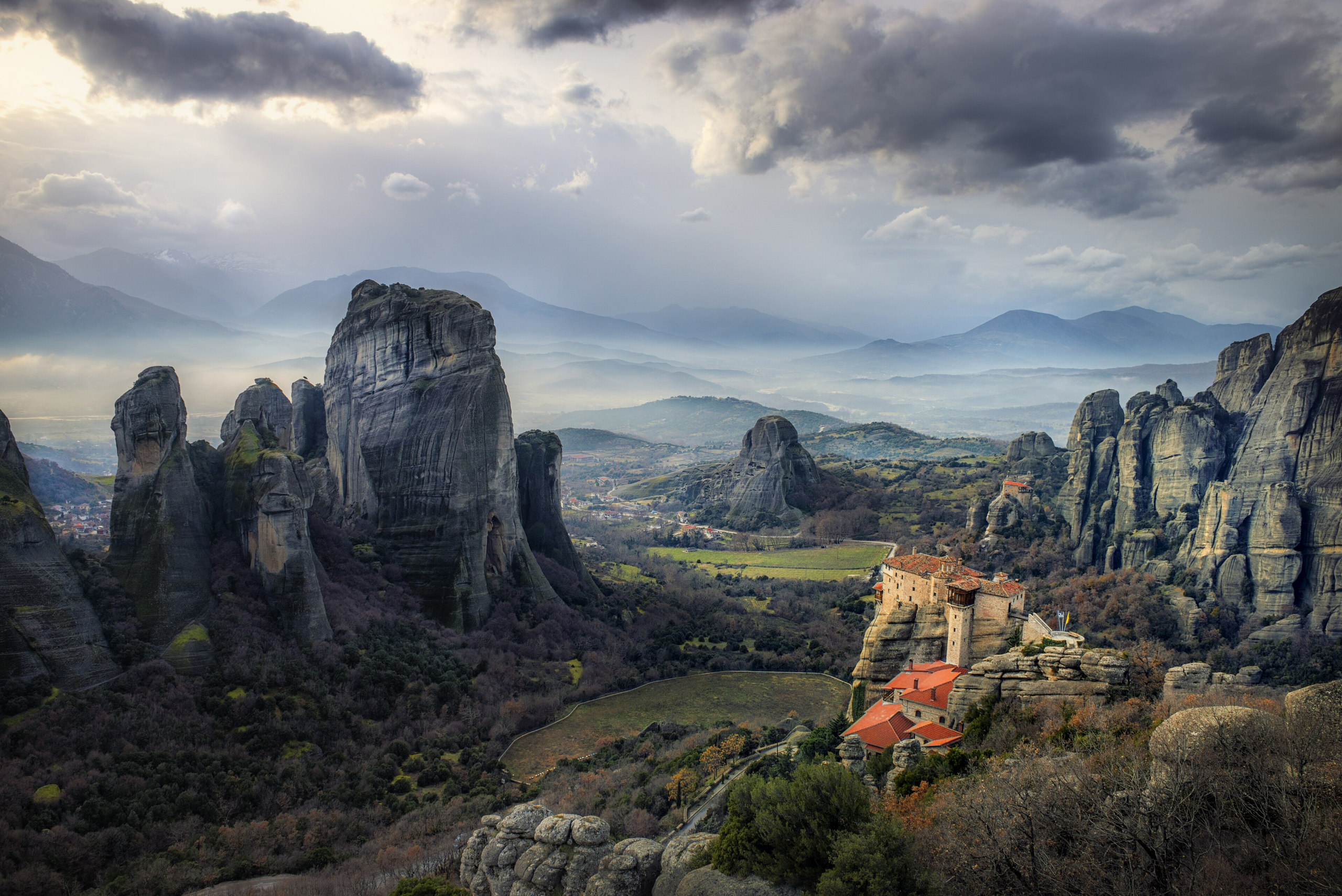
Buildings constructed on top of sheer rock pillars, originally accessible only by ladders and by nets hauled up from below.
Steps were cut much later. Meteora is the settlement where the access problem was solved by rope for centuries.
5. Bonifacio, Corsica, France
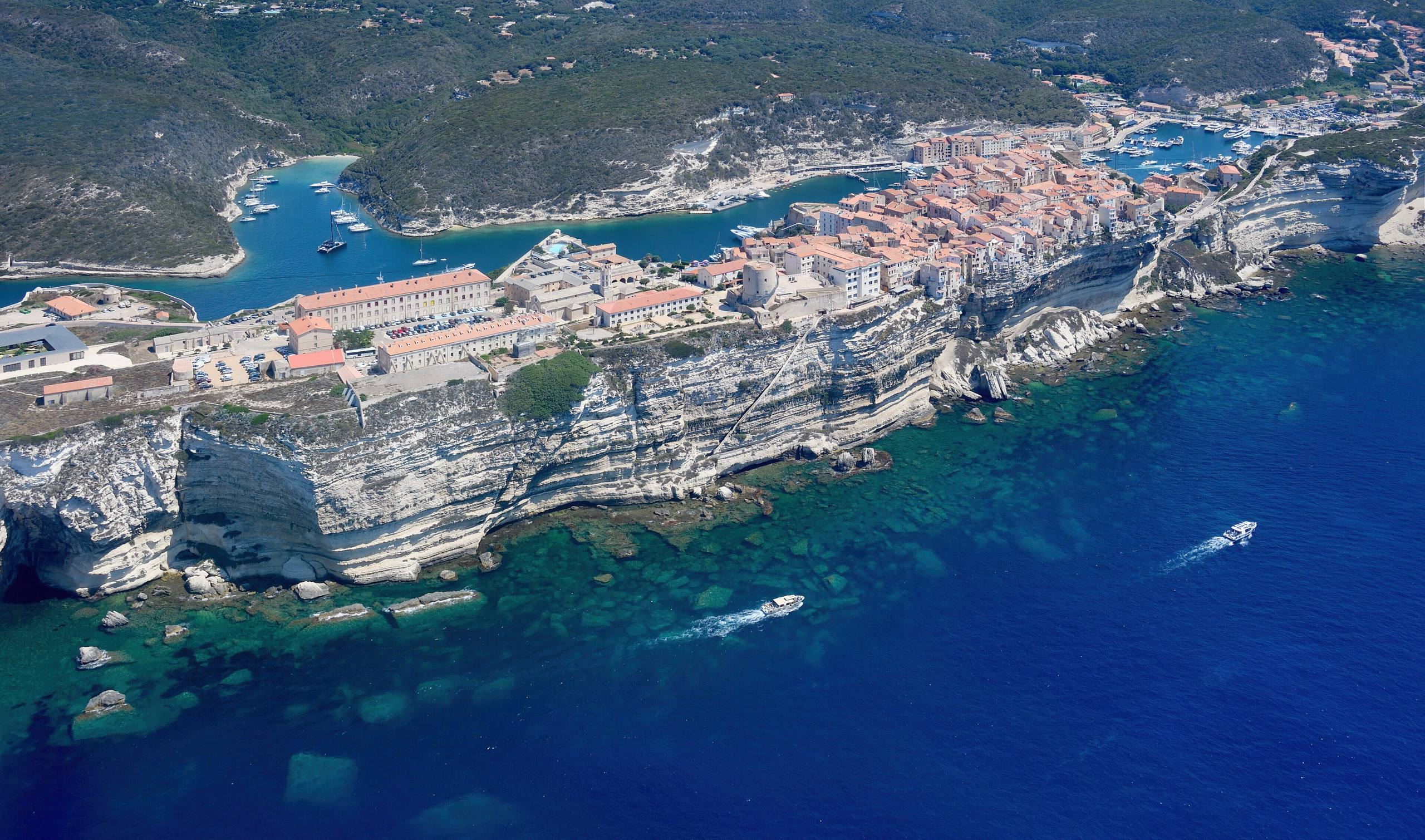
A town on white limestone cliffs above the Mediterranean, with houses built out to the very edge and the rock undercut by the sea beneath them.
Erosion is an active concern. Bonifacio is the hill town built on ground the sea is removing.
6. The Caldera Villages of Santorini, Greece

Whitewashed buildings stacked down the inside of a volcanic crater rim, connected by stepped lanes with no vehicle access.
Everything arrives on foot or by mule. The caldera villages are the settlements built down a crater wall.
7. The Cliffside Monasteries of Bhutan
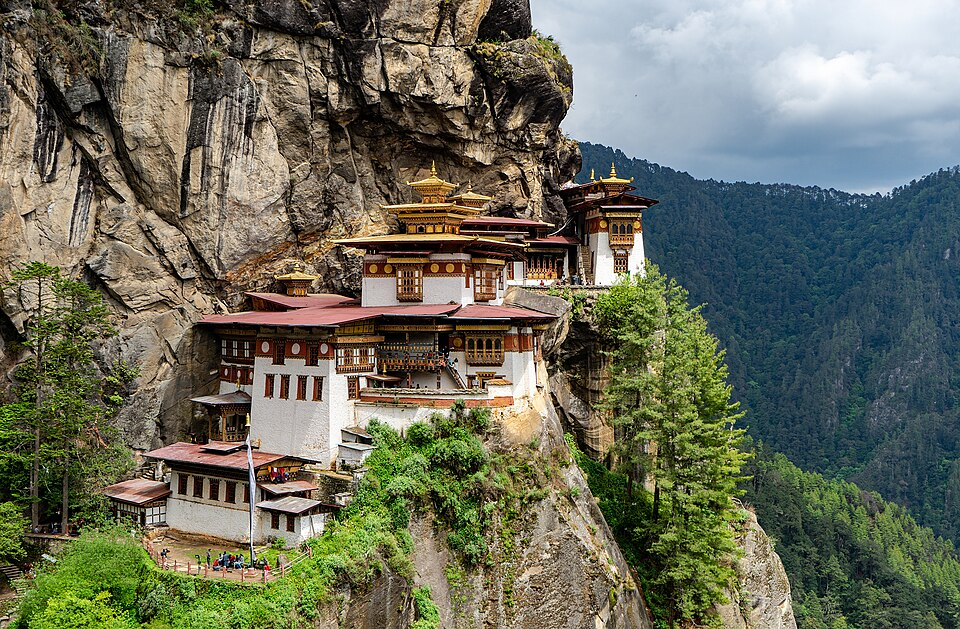
Buildings clinging to a rock face high above a valley, reached by a long and steep climb, in a position chosen precisely for its inaccessibility.
Dress and behaviour expectations apply and should be observed. The Bhutanese cliff monasteries are the settlements where the difficulty of arriving is the point.
8. The Tower Villages of Yemen
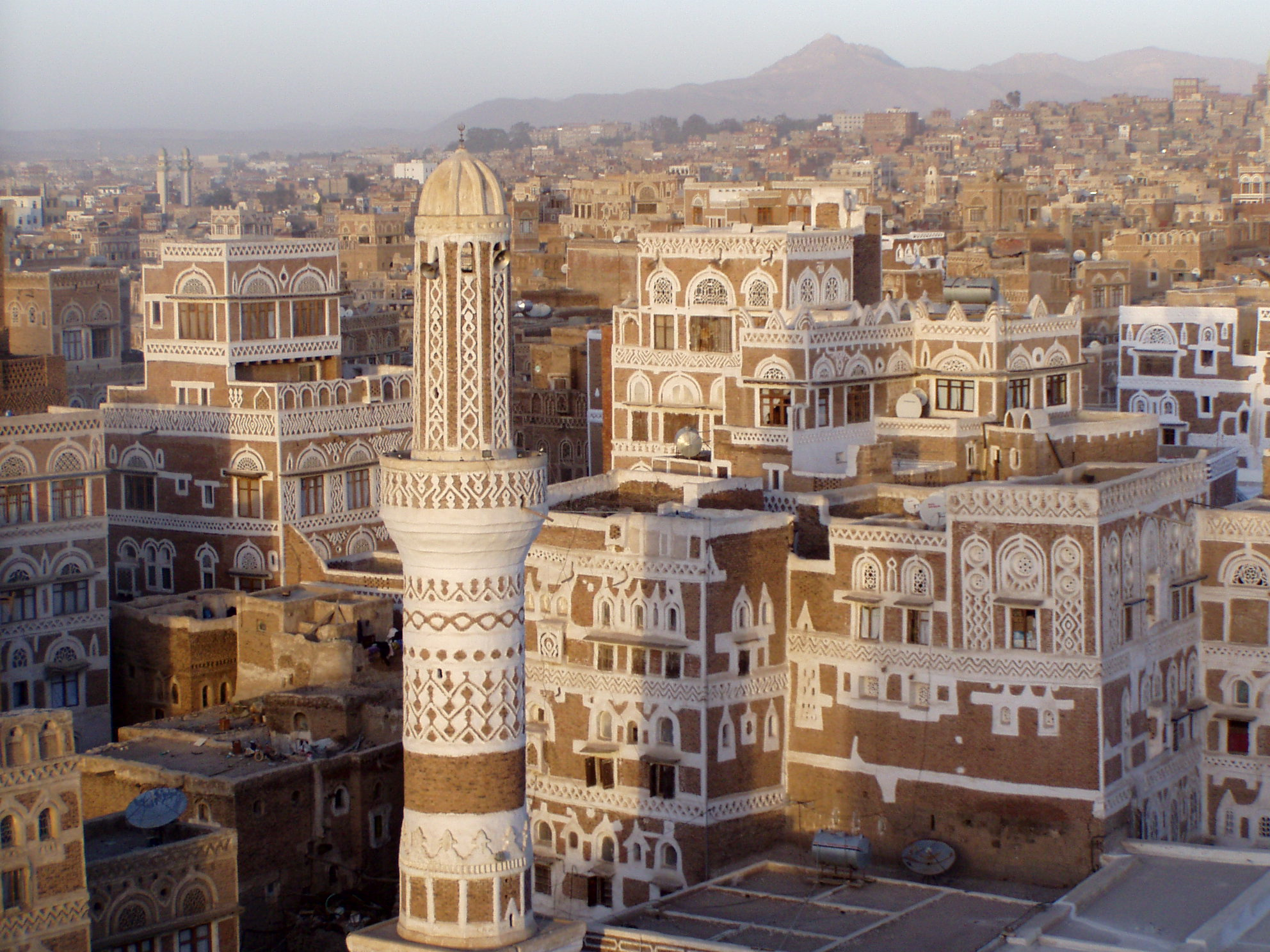
Stone tower houses built into mountainsides and on rock outcrops, several storeys tall and constructed from the material immediately around them.
Current travel advice for the region should be checked carefully before considering any visit. The Yemeni tower villages are among the most striking and least accessible settlements anywhere.
9. Castelmezzano and the Lucanian Dolomites, Italy
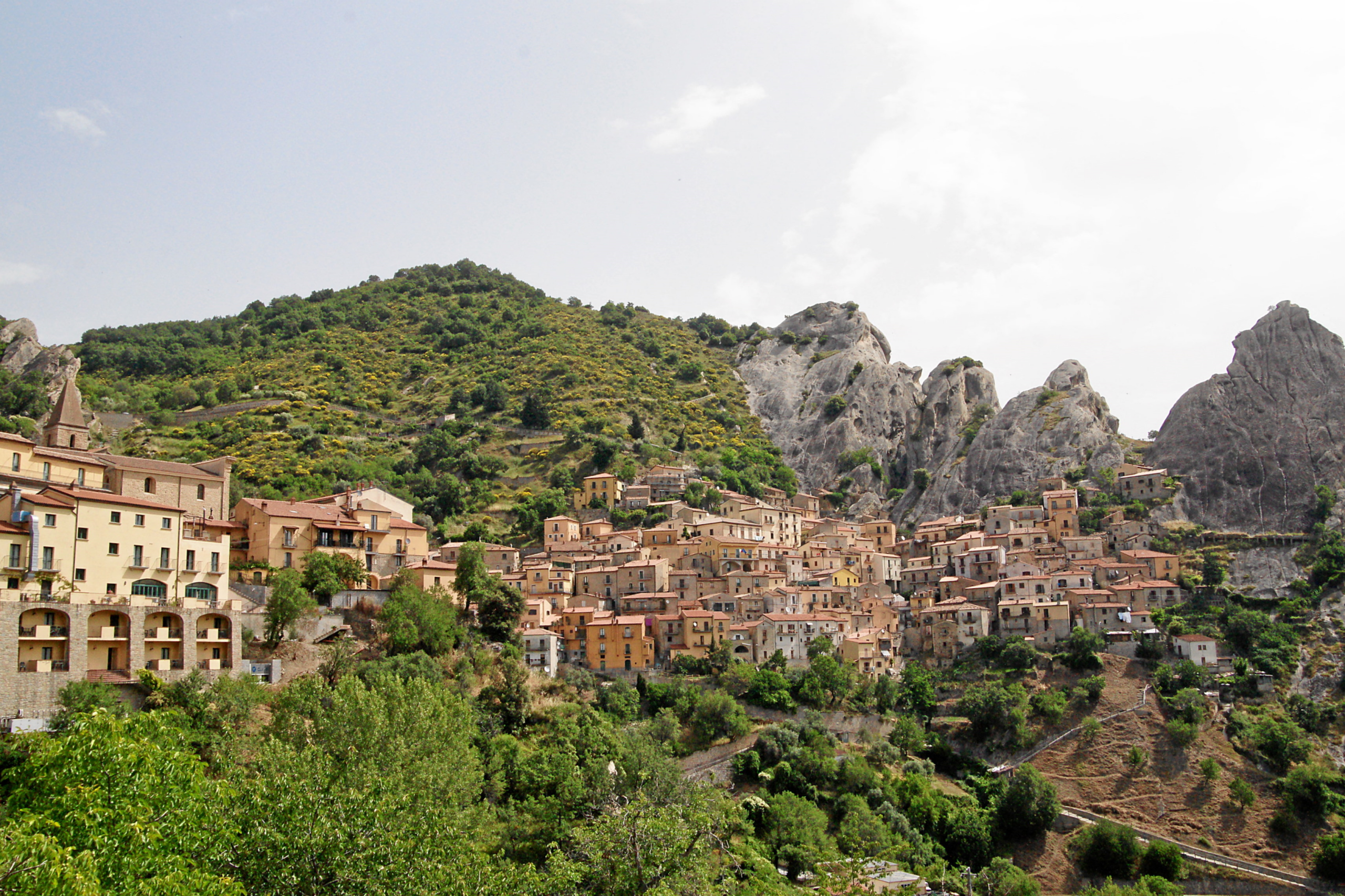
Villages wedged into gaps between jagged rock spires in a remote southern range, with houses built hard against the stone on every side.
The rock formations enclose the settlements so completely that they are invisible until the final approach. Castelmezzano is the hill town you cannot see until you are almost inside it.
10. The Cinque Terre, Italy
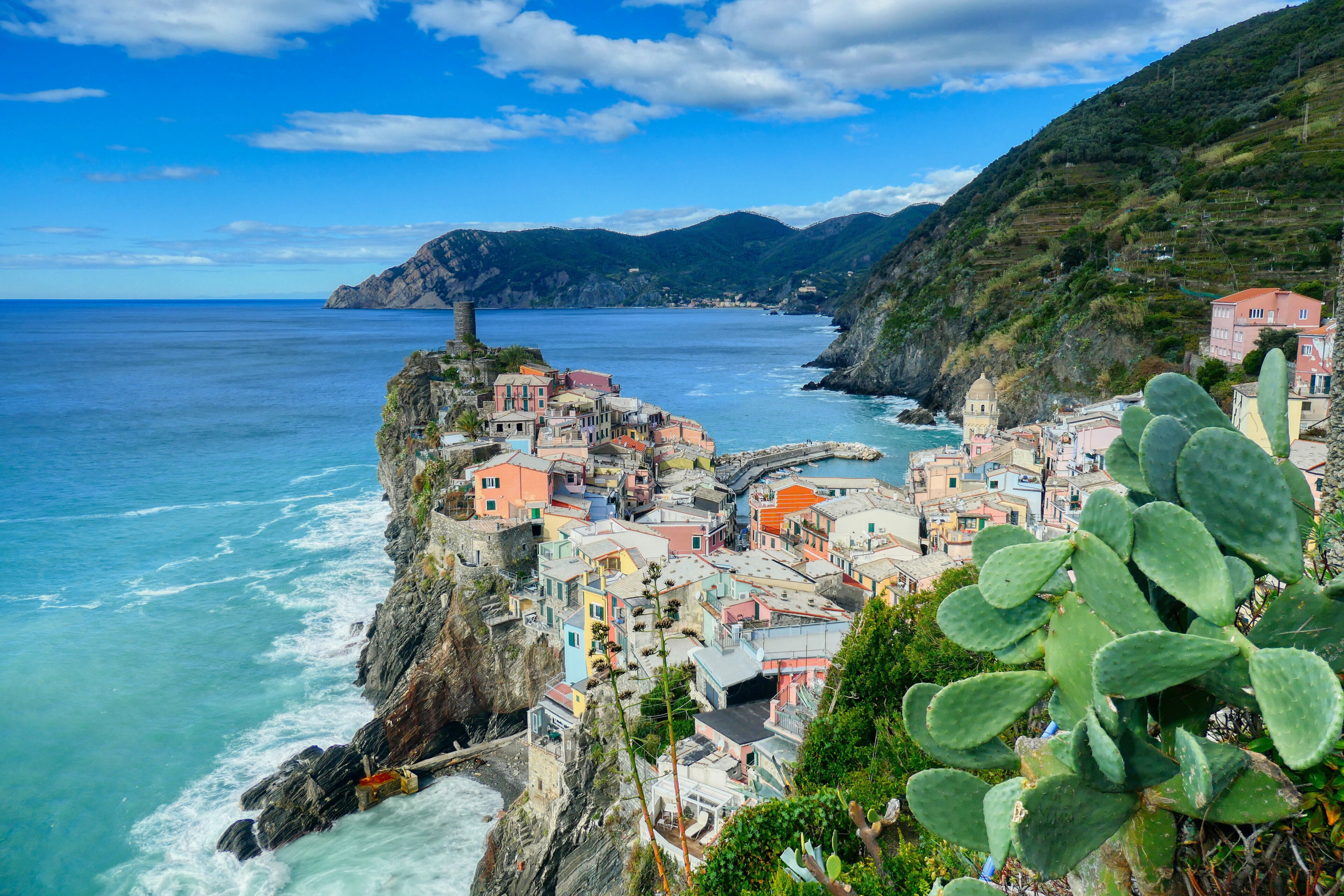
Five coastal villages on terraced slopes, historically connected by footpaths and boats rather than roads, with vineyards cut into the hillsides.
The terracing represents an enormous amount of accumulated labour. The Cinque Terre are the hill settlements where the farmland had to be built as well as the houses.
11. The Perched Villages of Provence, France
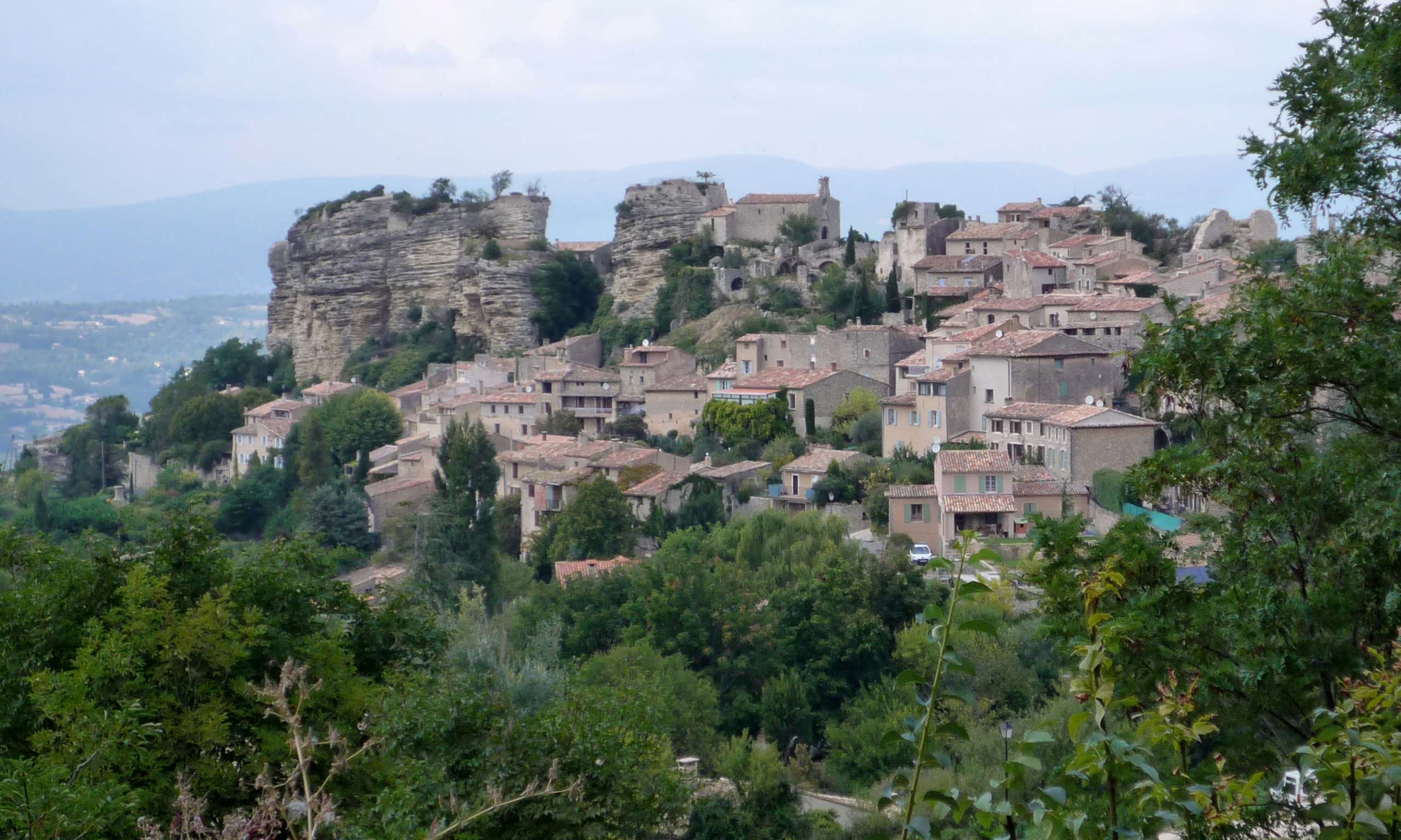
Dry-stone settlements on rock outcrops above the plain, built from the stone they stand on and visible for a considerable distance.
The construction material and the site are the same thing. The Provencal perched villages are the settlements quarried out of their own foundations.
12. Berat, Albania
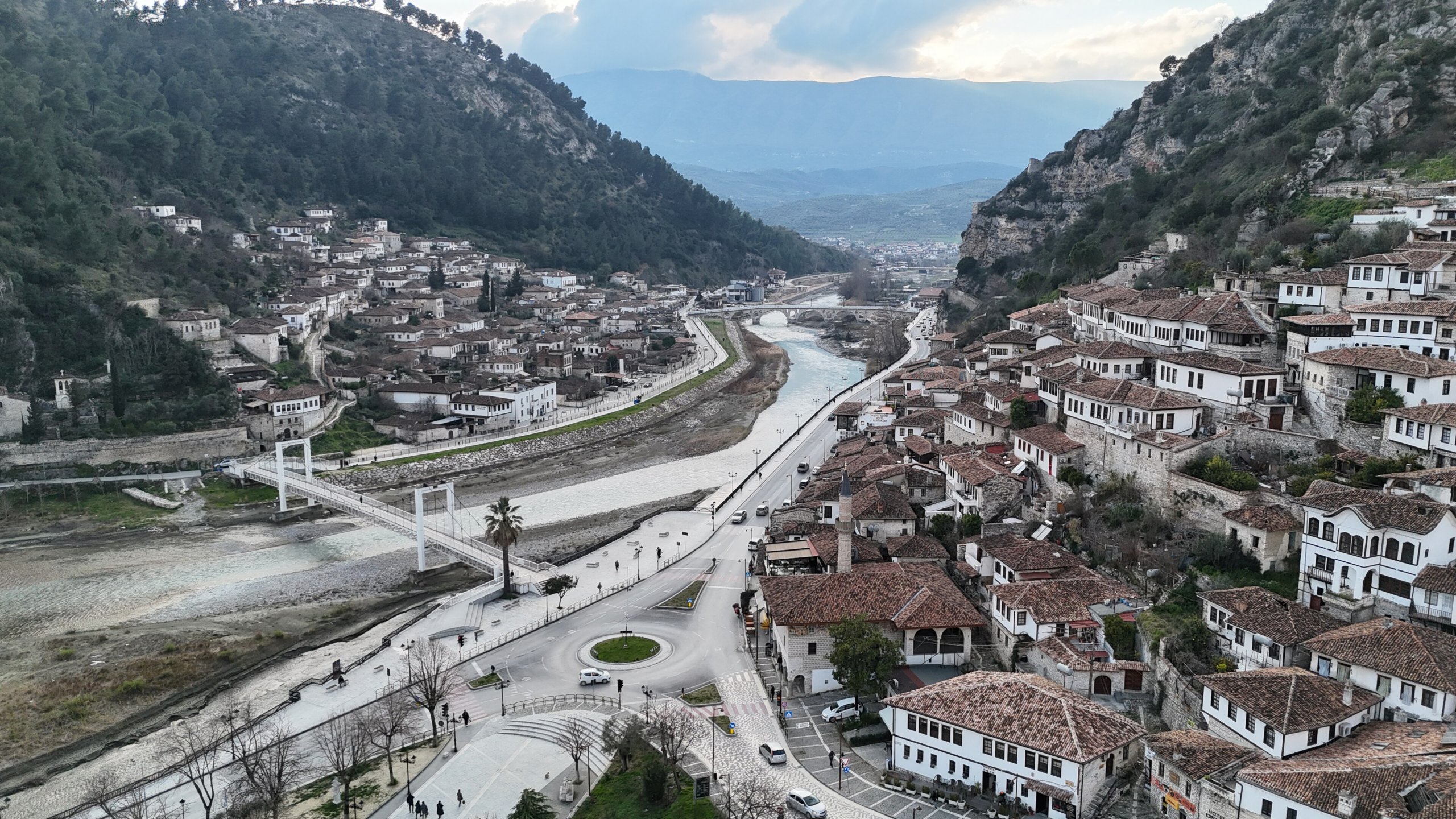
A hillside town of stacked houses with very large windows facing the valley, arranged so that each row looks over the roofs of the one below.
The arrangement is deliberate and gives the town its character. Berat is the hill town designed so that nothing blocks anyone view.
14. Positano and the Amalfi Settlements, Italy
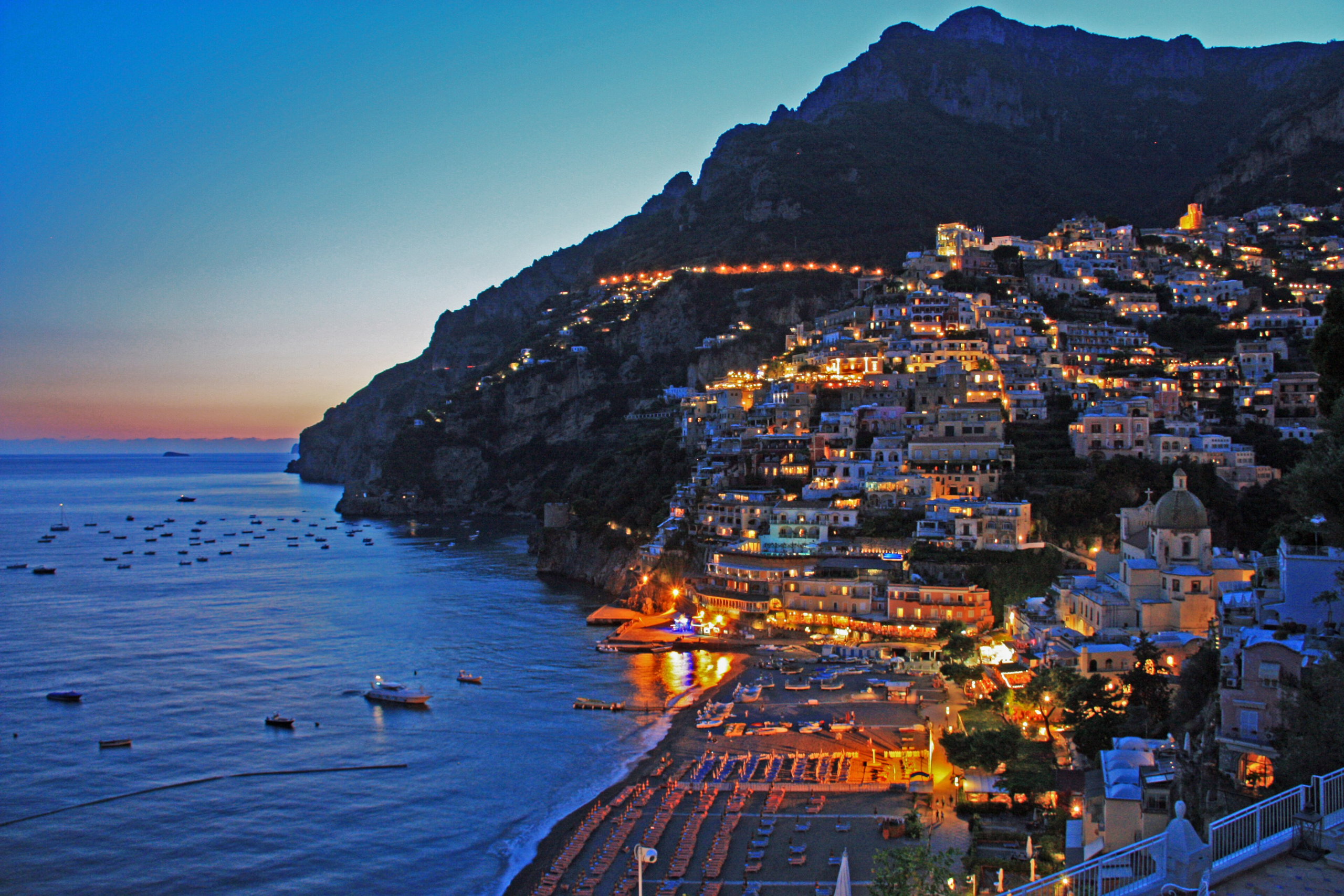
Villages arranged vertically on cliffs above the sea, where the main street is frequently a staircase and deliveries are a real logistical problem.
Nothing is level anywhere. The Amalfi settlements are the hill towns where the streets go up rather than along.
15. Matera, Italy
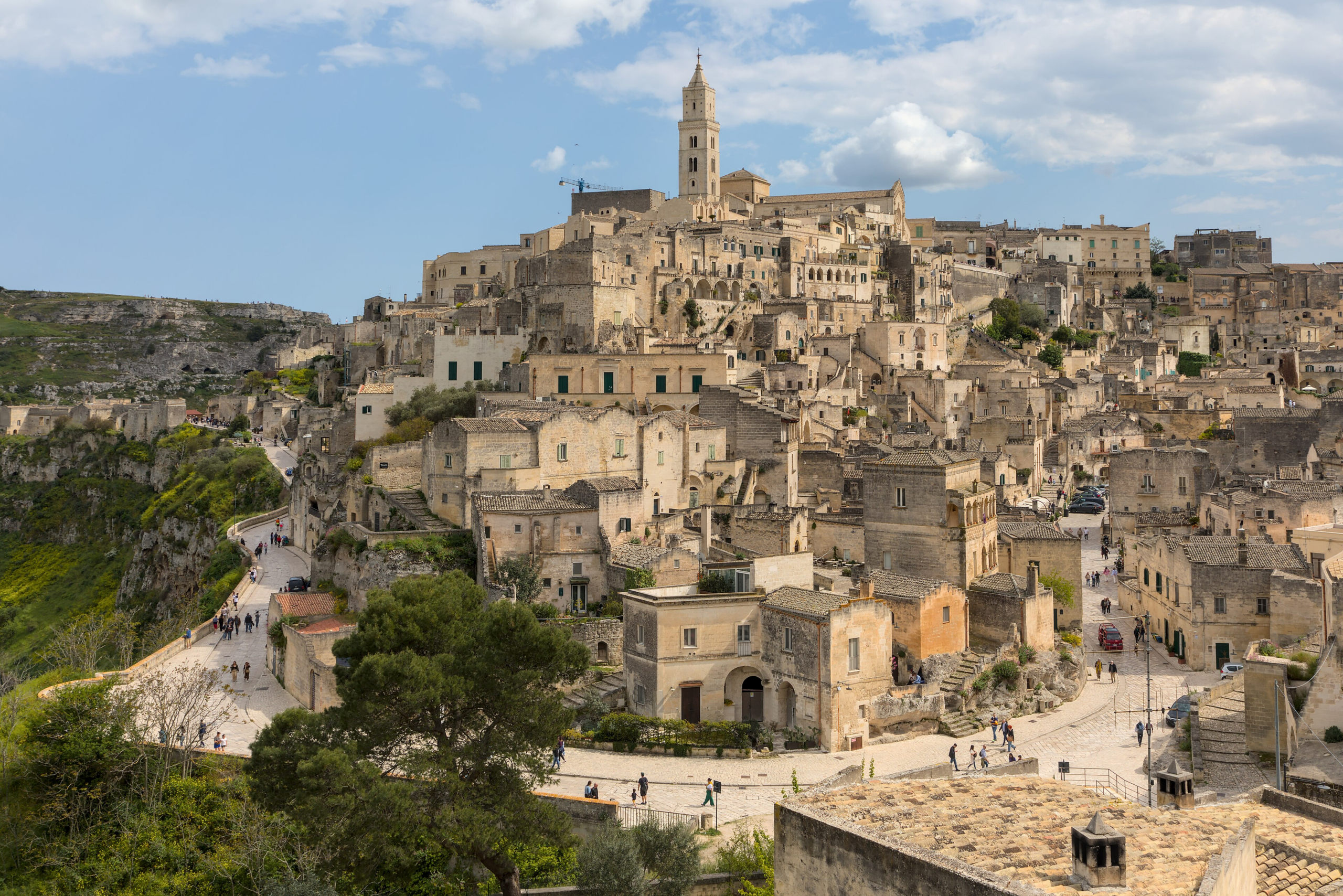
A town built into and out of a ravine, with dwellings cut into the rock and built structures layered over them so the two are difficult to separate.
It was largely abandoned and has been substantially reoccupied. Matera is the hill settlement where the buildings and the cliff are the same fabric.
16. The Terraced Settlements of the Andes
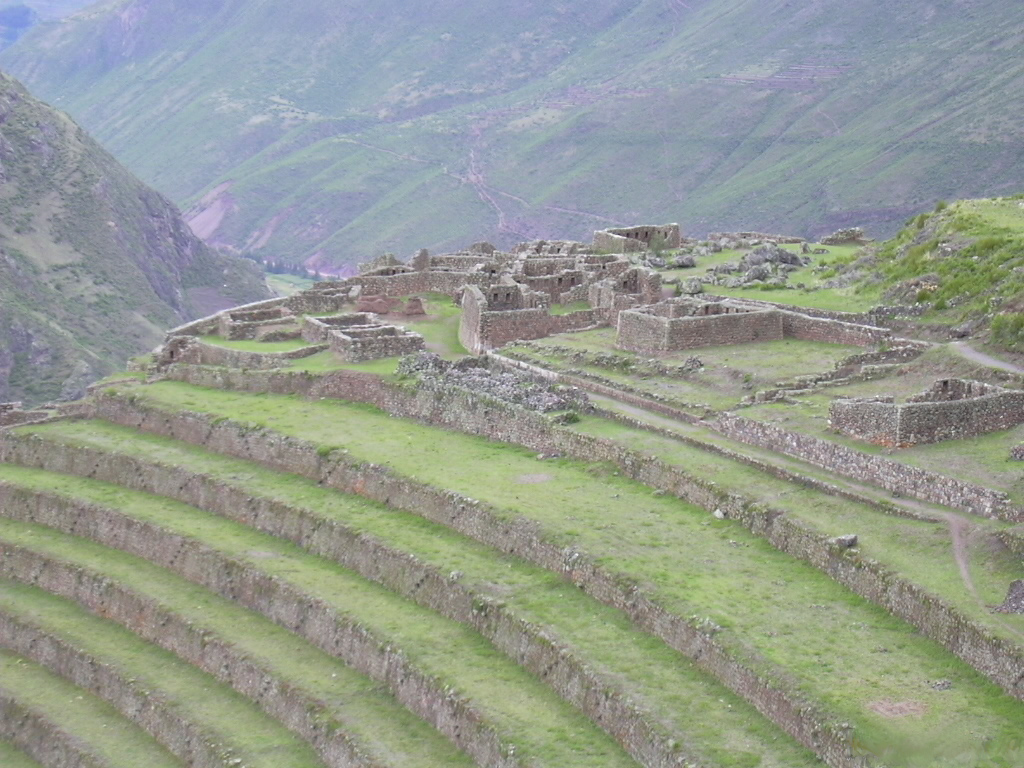
Communities on very steep ground with agricultural terraces cut into the slopes, built at altitudes that make every task harder.
The terracing solved farming, erosion and water management simultaneously. The Andean terraced settlements are the hill towns where the fields are also the engineering.
17. The Conical Stone Dwellings of Southern Italy
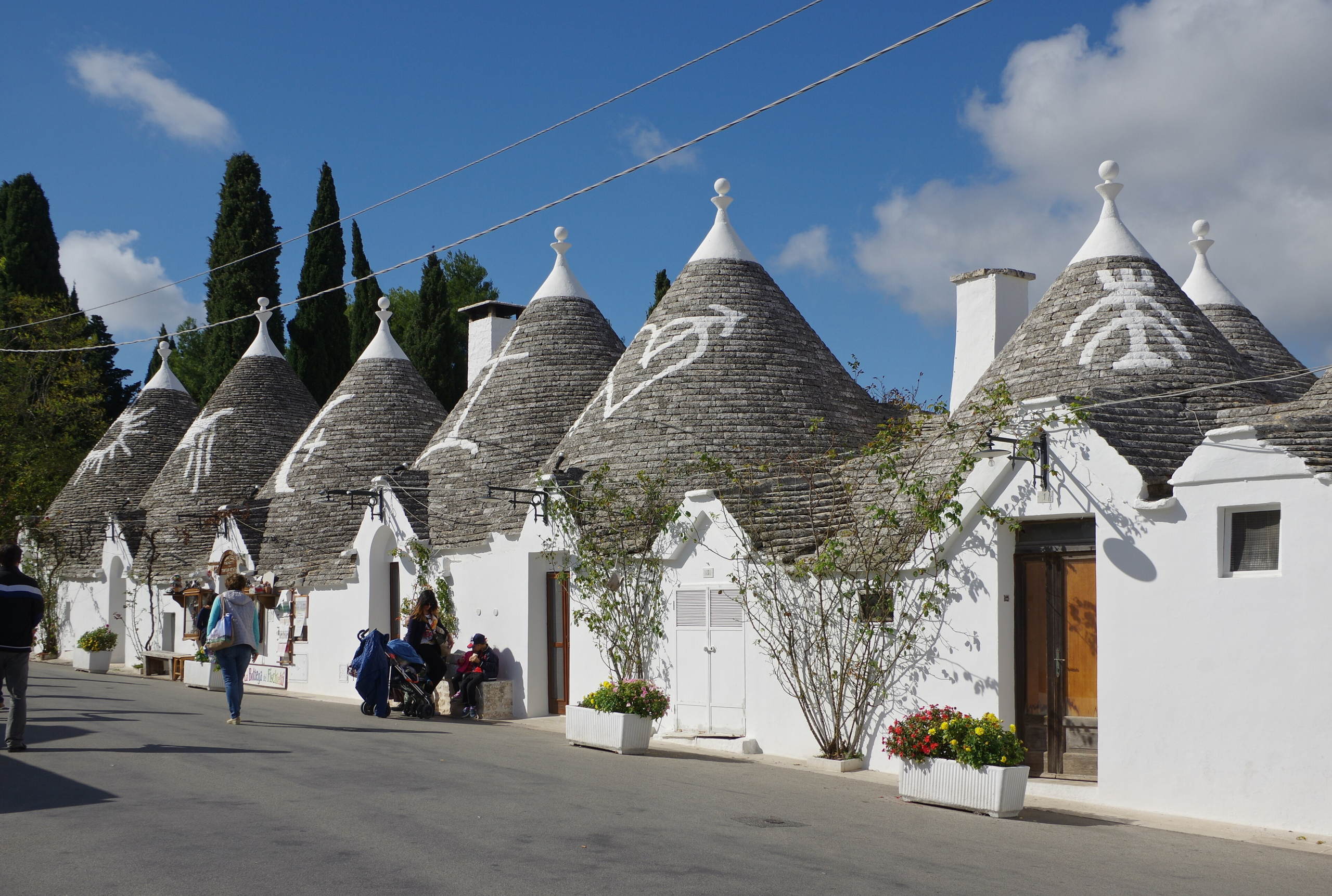
Whitewashed houses with dry-stone conical roofs built without mortar, clustered in towns across a limestone region.
The construction technique is specific to the local stone. The conical stone towns are the settlements whose roofs were built from what the fields produced when cleared.
Difficult Ground, Chosen Deliberately
Every settlement here represents a decision that the inconvenience of the site was worth what it bought – safety, healthier air, or the preservation of the only ground worth farming.
Practical notes worth taking seriously: most of these have stepped lanes rather than streets, many have no vehicle access at all, luggage is a real problem, and summer heat on exposed stone is substantial. Check how you actually reach your accommodation before booking it, travel light, and accept that everything involves stairs.
Like our content? Follow us for more.
