

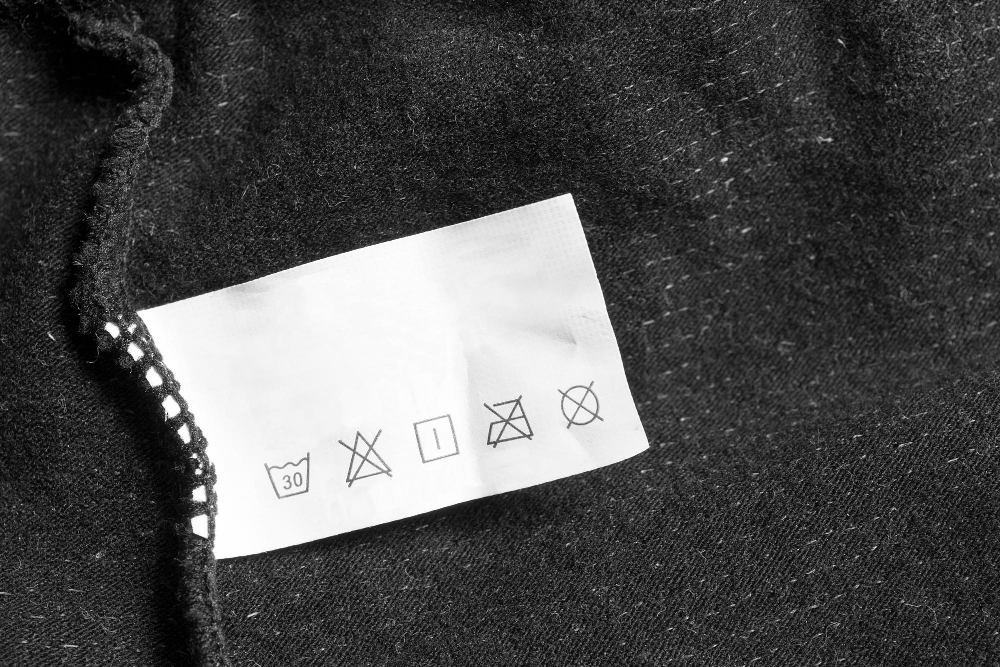
Every garment carries a row of small symbols on a label, and most people read exactly one of them – the number in the tub – and ignore the rest.
The system is not arbitrary and it is not large. There are five basic shapes, each one standing for a process, and everything else is a modifier applied to those shapes. Learn the five and the row becomes a sentence rather than a line of hieroglyphs.
The Five Shapes
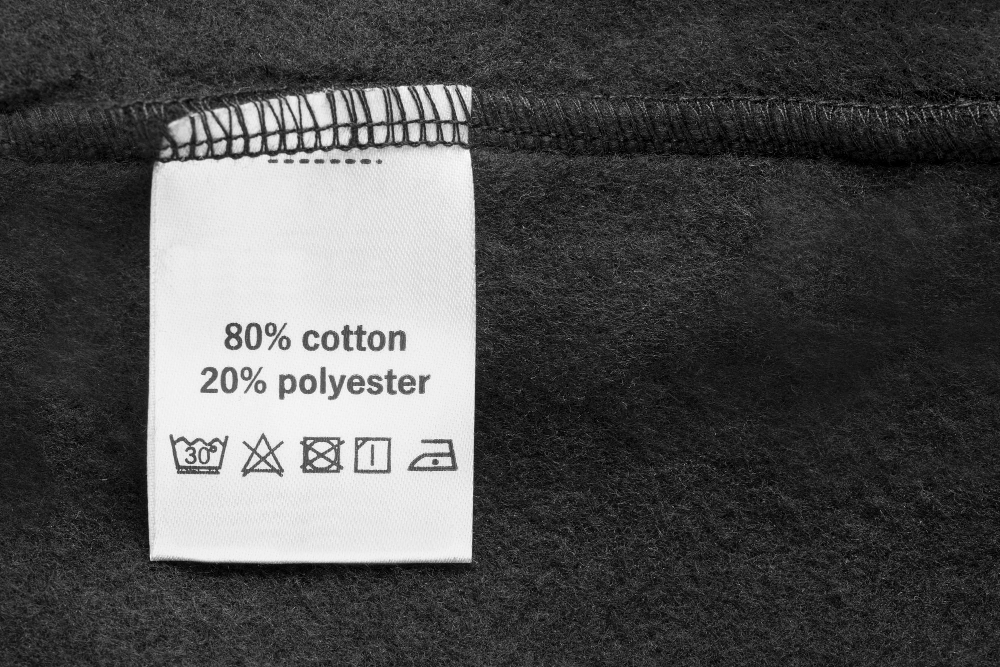
Each symbol describes one treatment, and they always appear in the same order.
A tub of water means washing. A triangle means bleaching. A square means drying. An iron shape means ironing. A circle means professional cleaning – dry cleaning or professional wet cleaning.
That is the whole vocabulary. Washing, bleaching, drying, ironing, professional cleaning, in that order, left to right.
Once you know that a triangle is about bleach and a square is about drying, you can read any label in the world well enough to avoid ruining something, because the shapes are the same across the systems in use internationally even where the details differ.
Like our content? Follow us for more.
The Three Modifiers
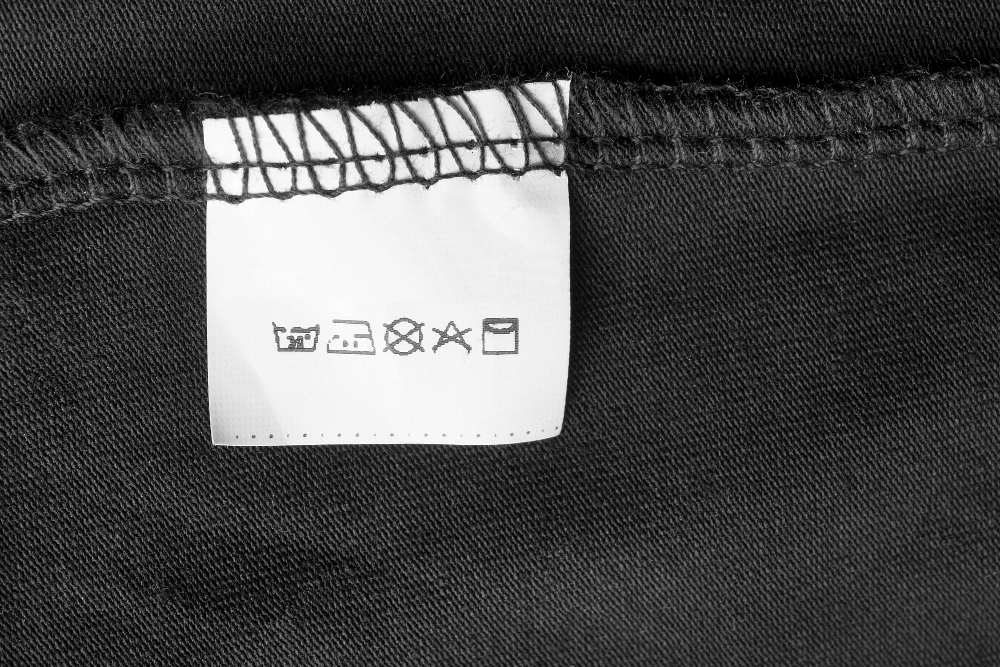
Each shape is then modified in a small number of consistent ways.
A number inside the tub is the maximum temperature in degrees Celsius. Dots instead of a number mean the same thing on a scale, with more dots meaning hotter – and dots are used on the iron symbol as well, where one dot is the coolest setting and three the hottest.
A bar underneath a symbol means reduce the mechanical action – a gentler cycle, less agitation, a shorter spin. Two bars mean reduce it considerably. This is the modifier people most often miss, and it is the one that matters for anything knitted or delicate, because it is the agitation rather than the temperature that felts wool and distorts knitwear.
A cross through any symbol means do not do this at all. A crossed tub means do not wash. A crossed triangle means do not bleach. A crossed square with a circle inside means do not tumble dry, which is the single most expensive instruction to ignore.
Temperature, mechanical action, and prohibition. Three modifiers, applied to five shapes.
The Ones Worth Knowing Individually
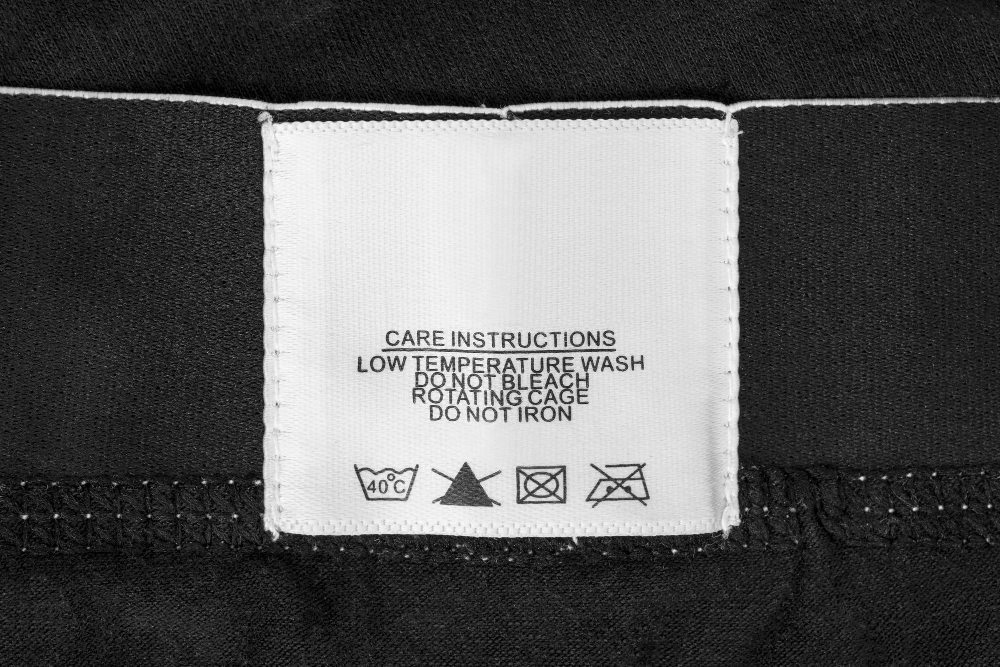
A handful of symbols carry information that is not obvious from the system and are worth recognising on sight.
A circle inside the square is tumble drying, and the dots inside it indicate heat. Lines inside the square rather than a circle indicate natural drying – a vertical line for line drying, a horizontal line for drying flat, and a diagonal line in the corner for drying in shade. Drying flat is the instruction that prevents a heavy wet knitted garment stretching itself out of shape under its own weight on a line, and it is routinely ignored.
A letter inside the professional cleaning circle tells the cleaner which solvent system to use. It is not addressed to you and there is nothing to do with it except hand the garment over with the label intact.
And an empty symbol with no modifier at all means the process is permitted with no restriction – which is information, and is frequently read as the label having nothing to say.
The Order Is the Part That Makes It Readable
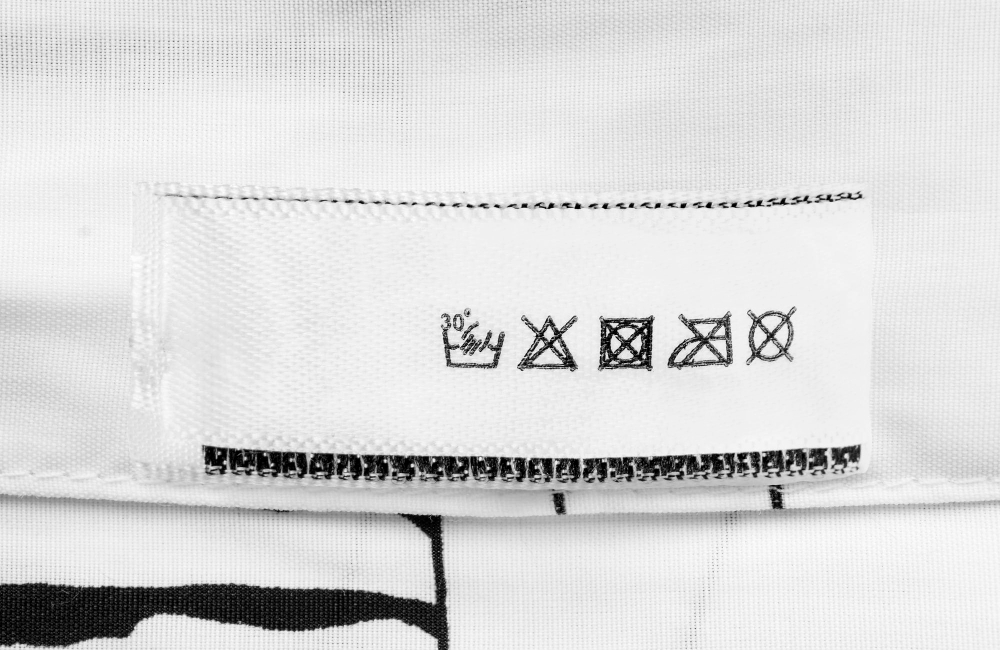
The feature of the system that does most of the work, and that nobody mentions, is that the symbols always appear in the same sequence.
Washing, bleaching, drying, ironing, professional cleaning – and that order is not arbitrary. It is the order in which the processes would actually happen to the garment. You wash it, you might bleach it, you dry it, you iron it, and the professional option sits at the end as the alternative to the whole sequence.
That means position alone carries information. The first symbol on a label is about washing whatever it looks like. The last is about professional cleaning. If a label has only three symbols, you can tell which three processes they refer to by their shapes, and you can tell immediately that the omitted ones have no instruction attached.
It also means a label can be read at a glance by somebody who has learned nothing except the order. See a cross on the fourth symbol and you know, without identifying the shape, that something about ironing is prohibited.
Fixed sequence is a quiet and powerful design decision. It is the same principle that makes a traffic signal readable by position when the colours cannot be distinguished, and it is why the row of symbols is a sentence rather than a set.
Why It Is Symbols and Not Words
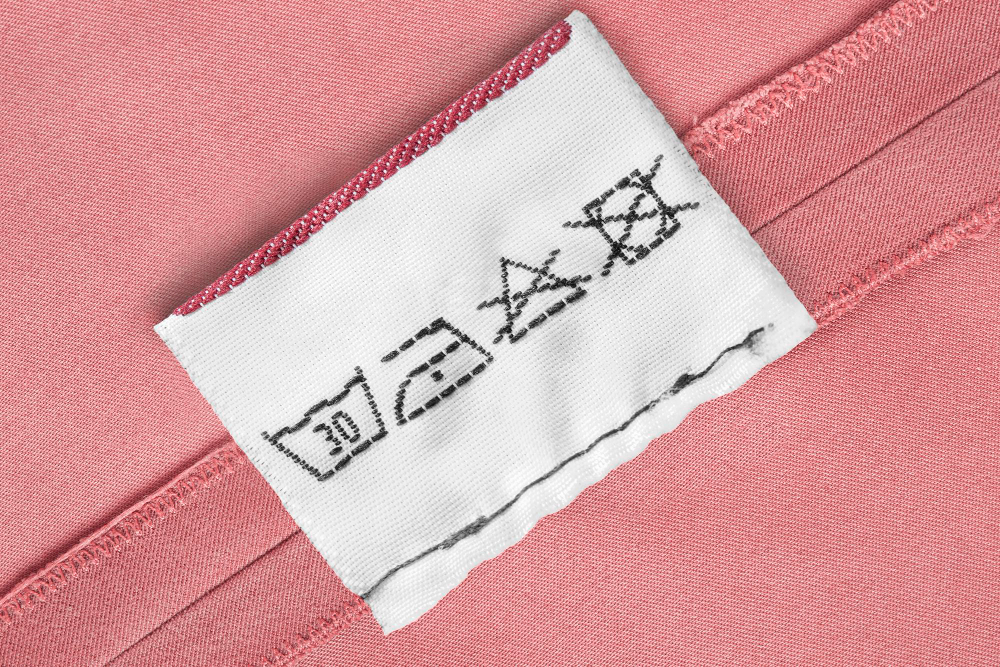
The obvious objection is that words would be clearer, and the reason they are not used is straightforward.
A garment made in one country is sold in many, and a label is small. Printing care instructions in the languages of every market a garment might reach is not possible on a label a person will tolerate inside a collar, and printing them in one language makes the garment unsellable elsewhere.
Symbols solve that completely, at the cost of requiring the reader to learn them – and the system’s designers evidently assumed that learning would happen, through schooling or through the information being provided somewhere.
It mostly did not. The system is excellent and the teaching of it essentially never occurred, which leaves a universal international standard that almost nobody can read, printed on several billion garments a year.
There is a secondary consequence worth noting: because the symbols are not understood, manufacturers hedge. A garment that would be perfectly fine in a normal wash is frequently labelled with a conservative temperature and a gentle cycle, because the cost to the manufacturer of a damaged-garment complaint is high and the cost of over-cautious labelling is zero. The labels are therefore not a statement of what the fabric can survive – they are a statement of what the manufacturer is prepared to guarantee.
Where the System Disagrees With Itself
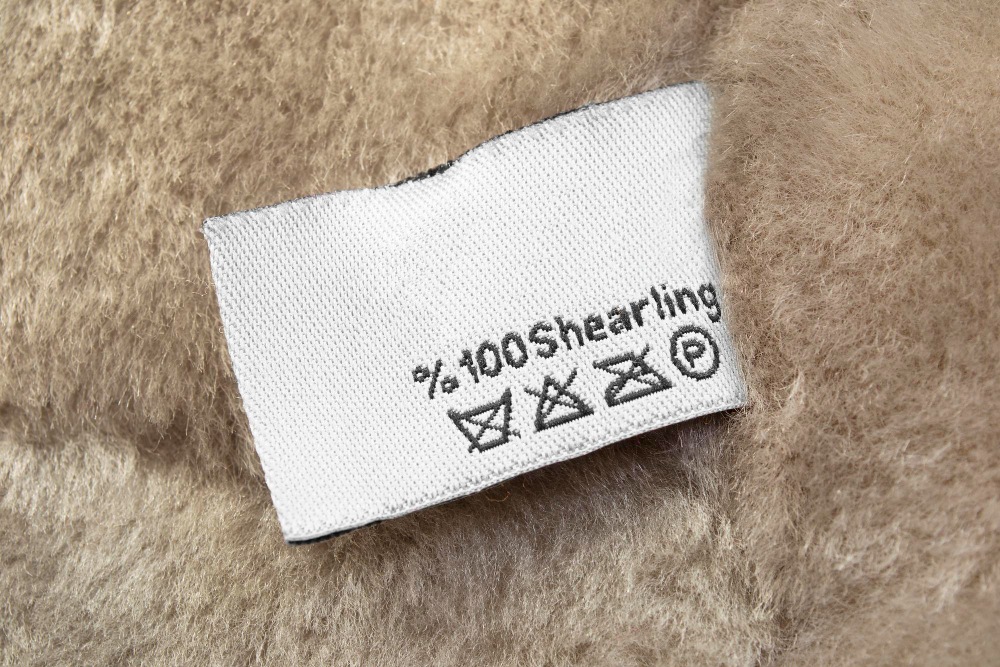
The complication, and the reason a chart from one source will not always match a label in your hand, is that there is more than one system.
The symbol sets used in different parts of the world share the five basic shapes and diverge in the details. The drying symbol is the clearest case: in some systems the square with a circle covers tumble drying and natural drying is shown with lines in the square, and in others natural drying is indicated differently or omitted. The iron and the triangle are the most consistent across systems. The tub is consistent in shape but not always in whether temperature appears as a number or as dots.
There is also a historical layer. Older garments carry symbols from superseded versions of these systems, including a wash tub with a hand in it for hand washing, which is still widely understood and still appears, and older bleach symbols using letters inside the triangle.
None of this makes the labels unreadable. The five shapes and the cross-means-no rule are universal, and between them they prevent essentially every expensive mistake. The divergence is in the fine detail of the modifiers, and the practical consequence is only that you should trust the shape and the cross absolutely, and treat an unfamiliar modifier as a reason to be careful rather than a reason to guess.
What the Label Does Not Tell You
Two things the symbols cannot express, both of which cause more damage than anything on the label.
The first is that the instruction applies to the garment as a whole, including its weakest component. A sturdy cotton shirt with a decorative trim will be labelled for the trim. A lined jacket is labelled for whichever of the two fabrics is less tolerant. This is why apparently hard-wearing items carry surprisingly delicate instructions, and why the instruction is frequently about a part of the garment you are not thinking about.
The second is that the symbols say nothing about what the garment is washed with. Colour transfer, abrasion from zips and fastenings, and damage from overloading are all functions of the load rather than the garment, and no label can address them.
Which is the honest summary of the system: it is a precise, compact, international description of what a garment can tolerate, it is readable in about two minutes of learning, it is routinely more cautious than it needs to be, and it is silent on the things most likely to actually ruin your clothes.
Five shapes: tub, triangle, square, iron, circle. Washing, bleaching, drying, ironing, professional cleaning.
Check a label now. You will find you can already read most of it.
And if you only remember one thing from this, make it the bar underneath the symbol. The temperature is the part everybody looks at and the agitation is the part that does the damage, which is why a woollen jumper washed at the right temperature on the wrong cycle comes out of the machine several sizes smaller and beyond recovery. The number is advice. The bar is the warning.
Like our content? Follow us for more.
