

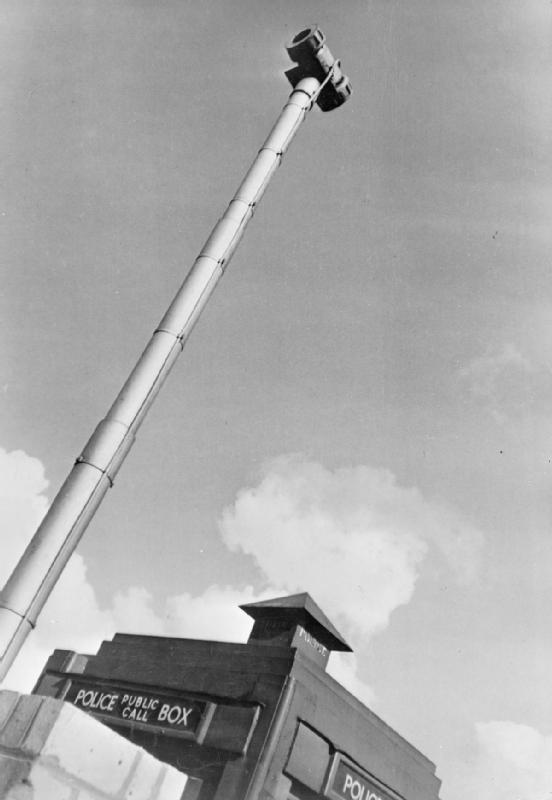
In 1960 an officer walked a fixed route alone for a whole shift, with no radio, contactable only at a locked post on the street with a lamp on top that the station flashed when it wanted him.
What he saw went into a pocket notebook in ink. Interviews were not recorded. Fingerprints were searched by hand through filing cabinets. And the station sergeant decided almost everything.
Here are seventeen things that were ordinary in a police station in 1960, and what became of each one.
1. The Job Was Done on Foot and the Beat Was Walked Alone
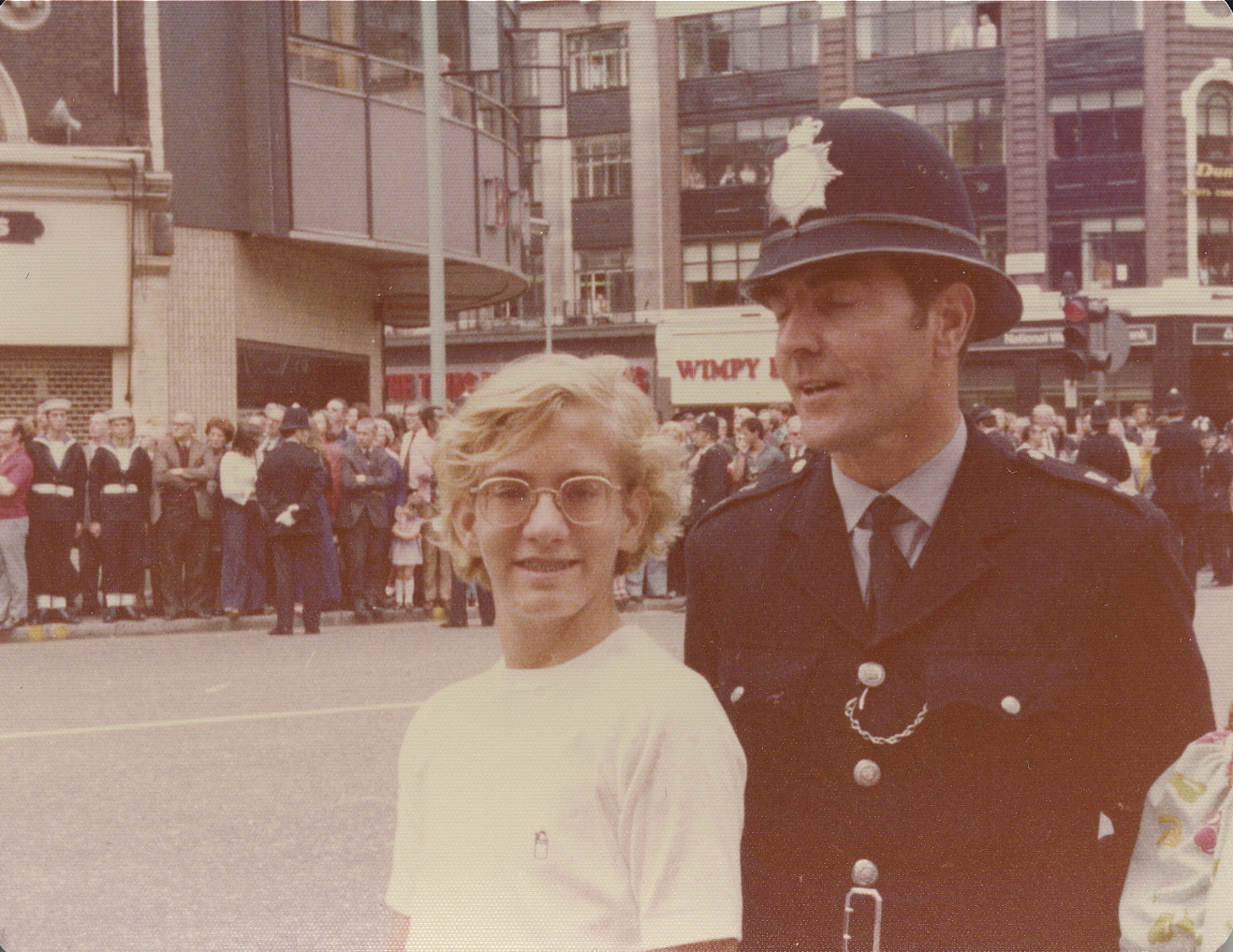
An officer was given a route and walked it, for an entire shift, alone, with no way of calling anybody. The beat was designed so that he passed fixed points at predictable times, which is how the station knew where he was.
Vehicles, personal radios and now location-aware dispatch replaced the walked beat as the primary method, though foot patrol has returned in various forms because something was lost with it. The officer on a fixed route was knowable – people learned when he passed and what he looked like – and that familiarity was the whole basis of how the job worked.
Like our content? Follow us for more.
2. There Was No Radio, So There Were Boxes on the Street
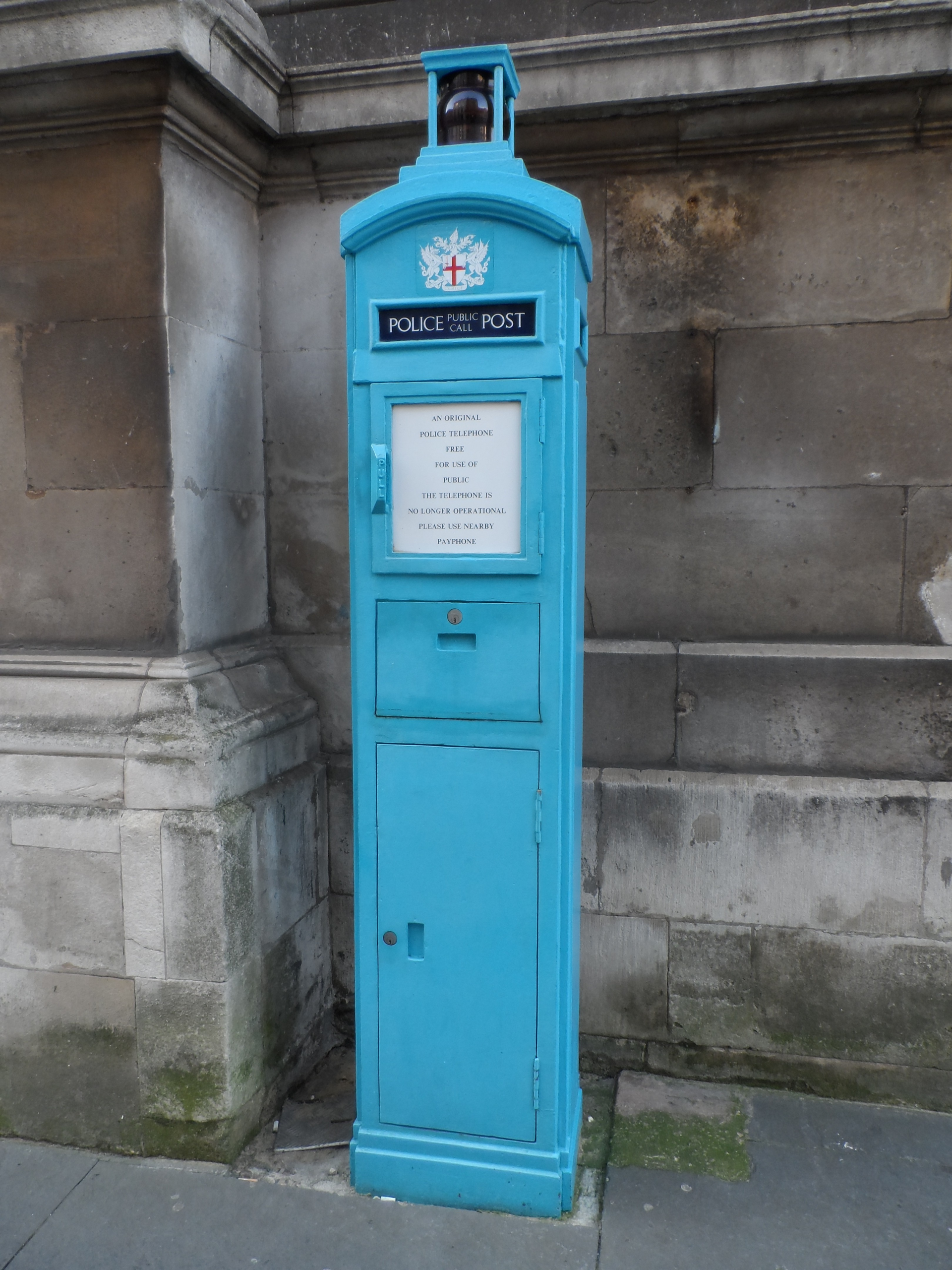
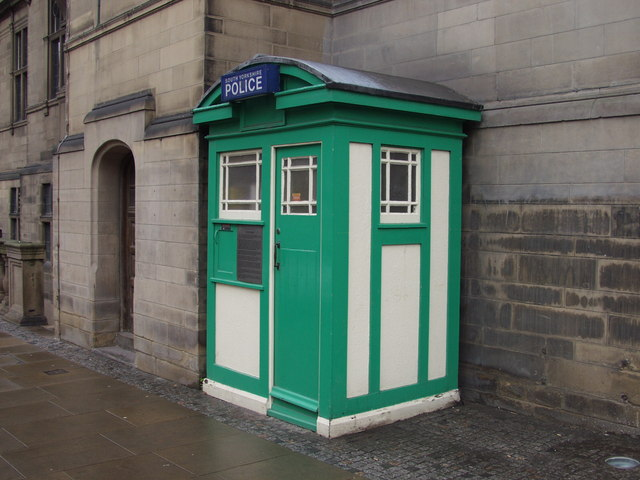
Communication was by police box or pillar – a locked post on the street containing a telephone to the station, with a light on top that the station could flash to signal that an officer should ring in.
Personal radios from the 1960s onwards made the boxes redundant within about a decade and they were removed almost everywhere. The system meant an officer was contactable only at intervals and only where a box existed, so for most of any shift nobody knew what was happening to him.
3. Everything Was Written in a Notebook in Pen and That Was the Evidence
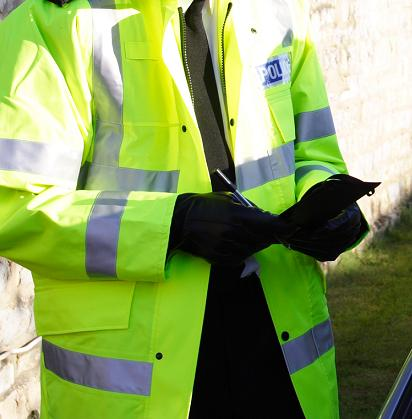
An officer recorded what he saw and did in a pocket notebook, in ink, contemporaneously, and that notebook was what he gave evidence from in court, sometimes years later.
Body-worn video, digital recording, structured incident reporting and disclosure requirements have transformed what counts as a record. The notebook system placed enormous weight on one person’s handwriting and honesty, with very little to check it against, and the problems that created were a significant driver of everything that followed.
4. Interviews Were Not Recorded and the Record Was Written Afterwards
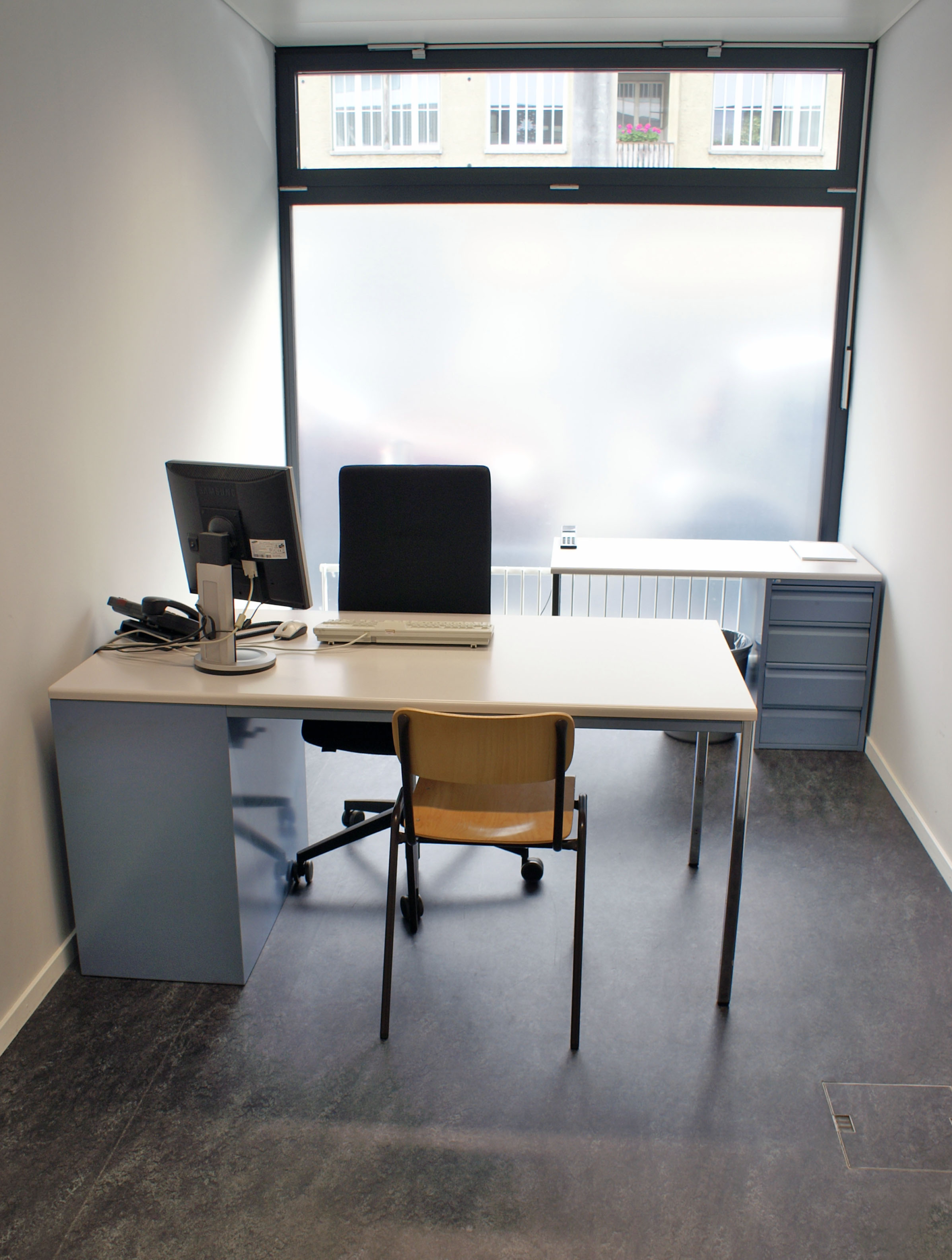
Questioning took place without any recording, and the account of what was said was written up afterwards by the officers present, then put to the person to sign.
Mandatory audio and video recording of interviews, access to legal advice, defined rules for questioning and independent oversight were introduced in most places from the 1980s onwards. The reforms came after a series of convictions were overturned, and the current framework exists specifically because the unrecorded interview proved unsafe as a method. This is stated as institutional history and no interviewing technique is described.
5. The Cells Were Basic and Supervision Was a Man Looking Through a Flap
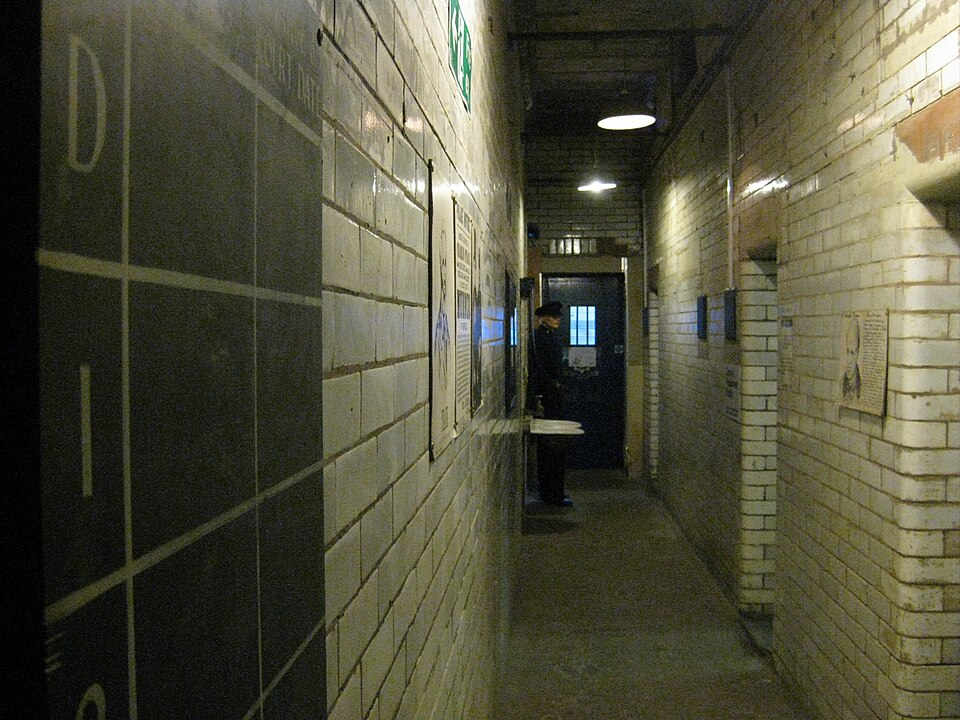
Custody meant a cell with a bench, a blanket and a bucket or basic sanitation, checked periodically by an officer looking through a hatch, with no formal record of who was in custody for how long or what condition they were in.
Custody now operates under defined responsibilities, documented detention records, time limits, medical assessment, CCTV and independent inspection. Deaths and serious harm in custody drove each of those requirements, and the custody record exists because without one there was no way to establish what had happened.
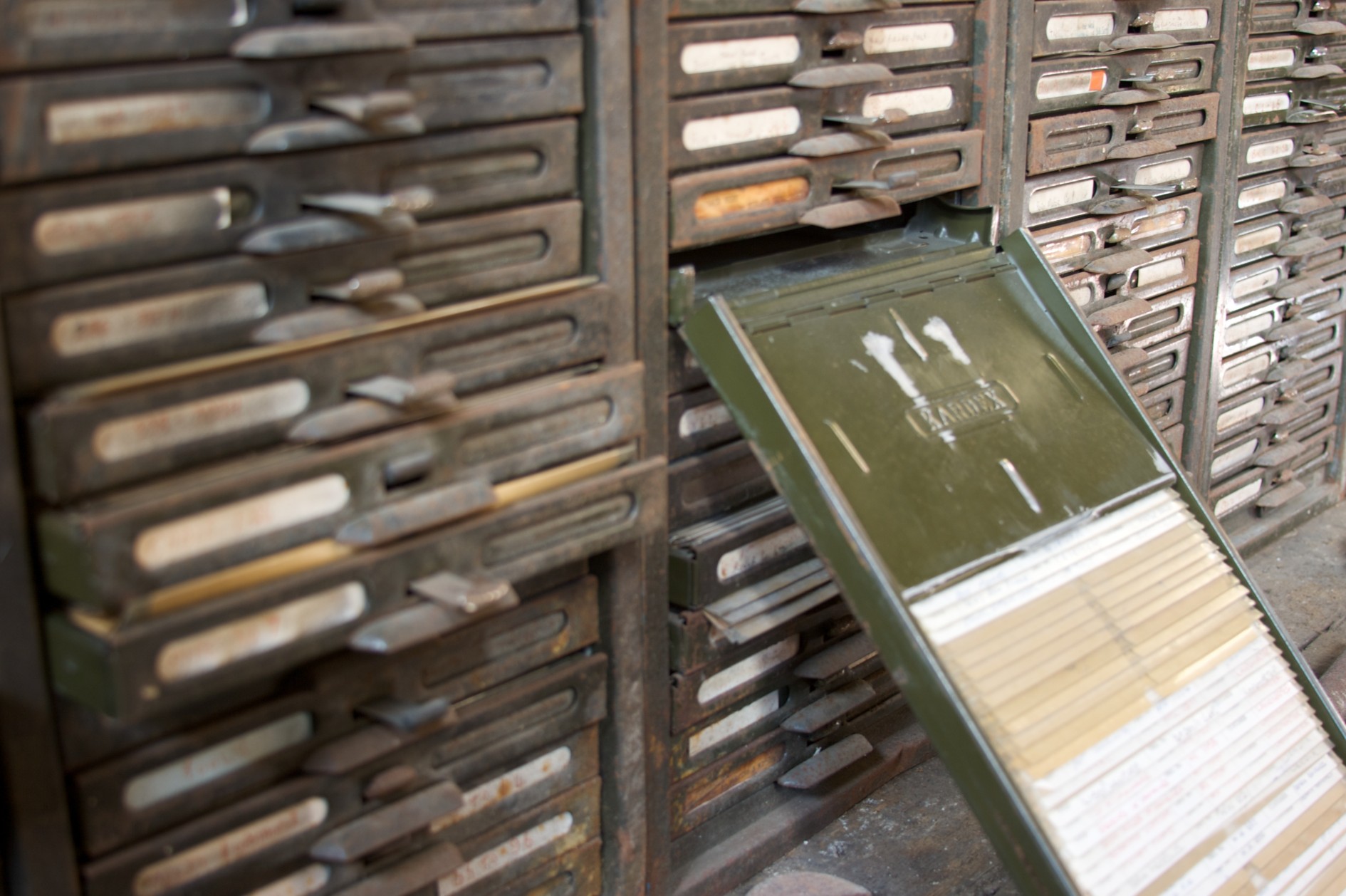
6. Fingerprints Were Searched by Hand Through Filing Cabinets
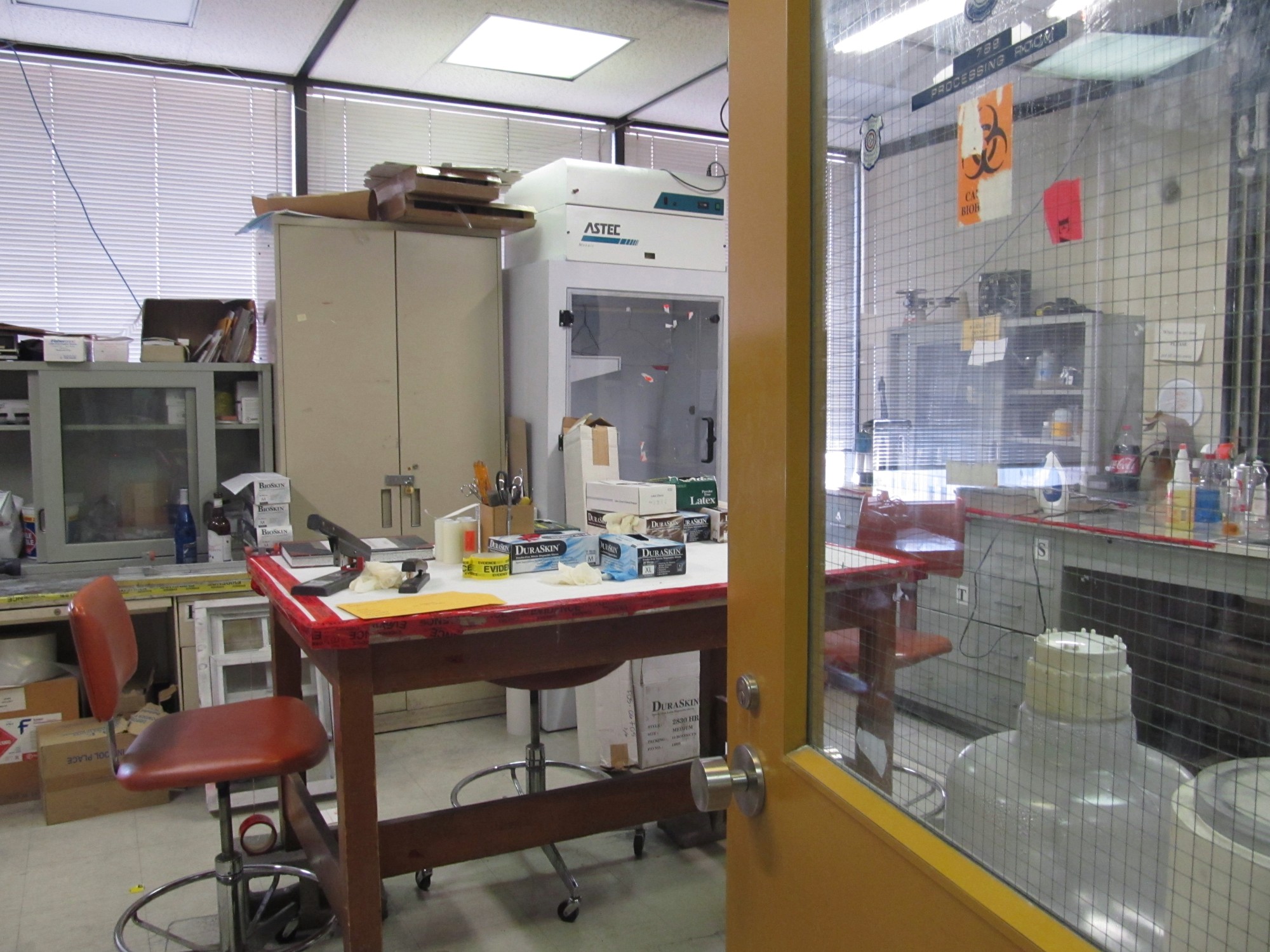
Identification depended on paper fingerprint records, classified by pattern and searched manually by specialists who had memorised the classification system, across cabinets holding hundreds of thousands of cards.
Automated fingerprint identification, and later DNA databases, changed detection fundamentally. A manual search could take days and could only be attempted when the number of candidate records was small enough, which meant that most prints recovered were never searched at all.
7. The Station Sergeant Ran Everything and Answered to Almost Nobody
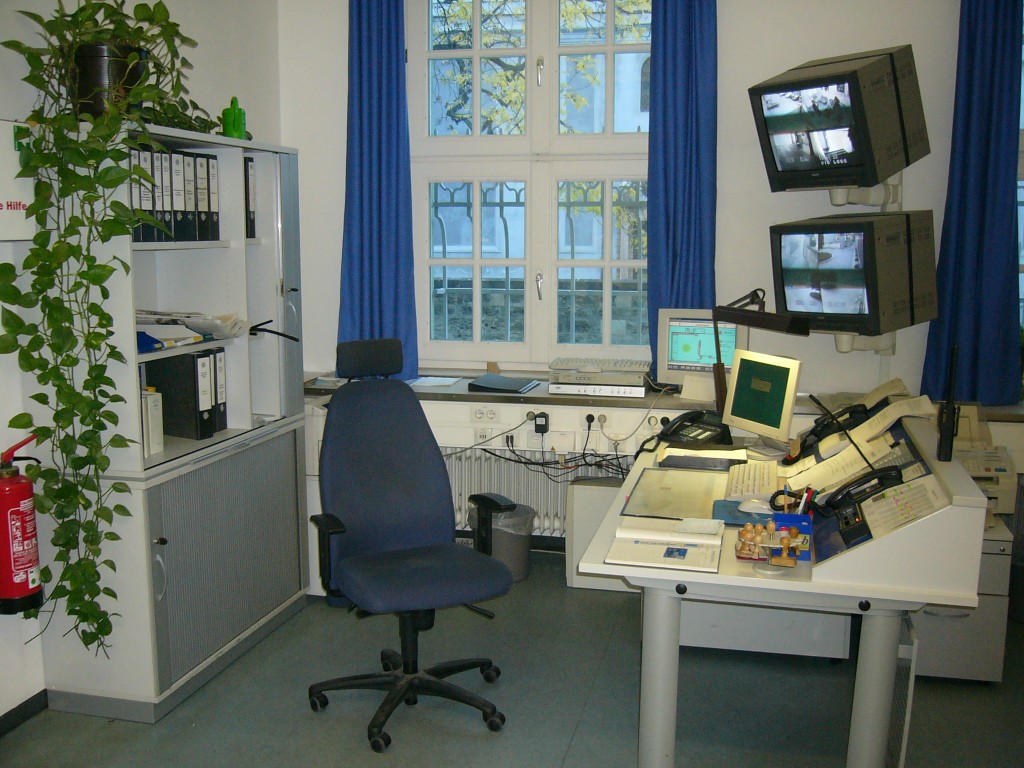
The sergeant controlled the station – who was charged, who was released, who was believed, how a complaint was handled – with wide discretion and very little written procedure governing any of it.
Codified procedure, custody officer roles with defined statutory duties, supervision requirements and independent complaint handling replaced the discretion. The old system worked well where the sergeant was good and had almost no safeguard where he was not, which is the structural problem with discretion generally.
8. Officers Were Recruited on Height and Trained for a Few Weeks
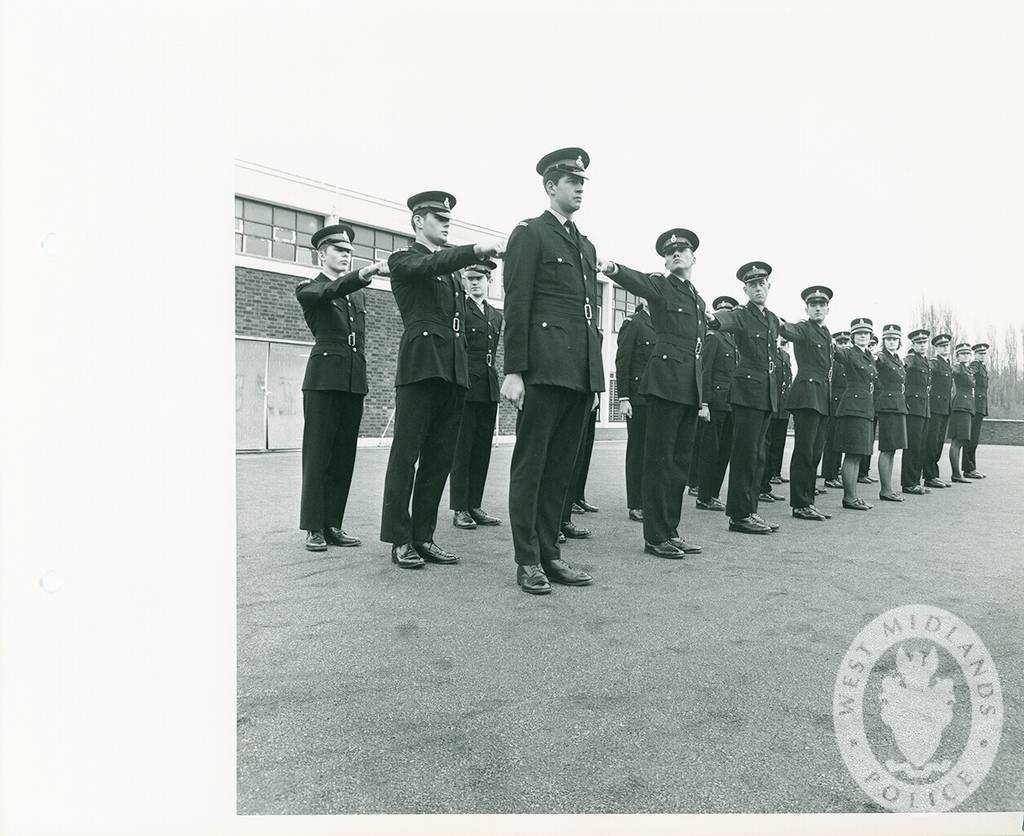
Entry requirements centred on physical standards – a minimum height in particular – with modest educational requirements and an initial training course measured in weeks before an officer was on the street.
Height requirements were abolished as indirectly discriminatory, educational and vetting requirements rose substantially, and initial training is now far longer with extended supervised practice. Recruiting primarily for physical presence shaped who the organisation contained for generations, which is the part that took longest to undo.
9. Women Officers Were a Separate Department With Separate Work
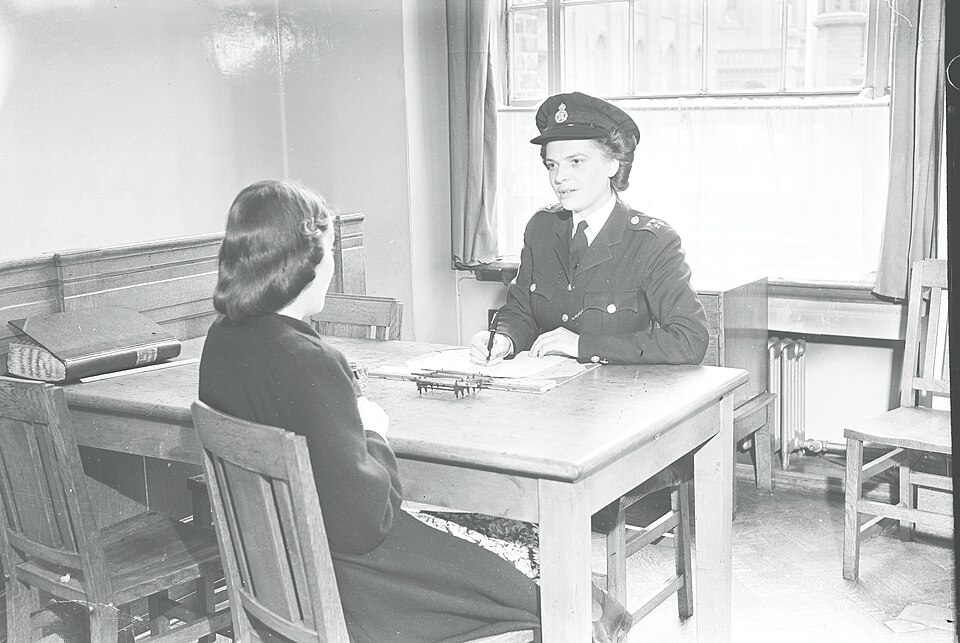
Women police were organised separately, with their own ranks and hierarchy, and were allocated to work involving women and children rather than general patrol, frequently on different pay.
Integration of women into mainstream policing on equal terms followed equal pay and sex discrimination legislation, and the separate departments were disbanded. The separation was justified at the time as protective and functioned as a limit on what half the potential workforce could do.
10. Complaints Were Investigated by the Same Station
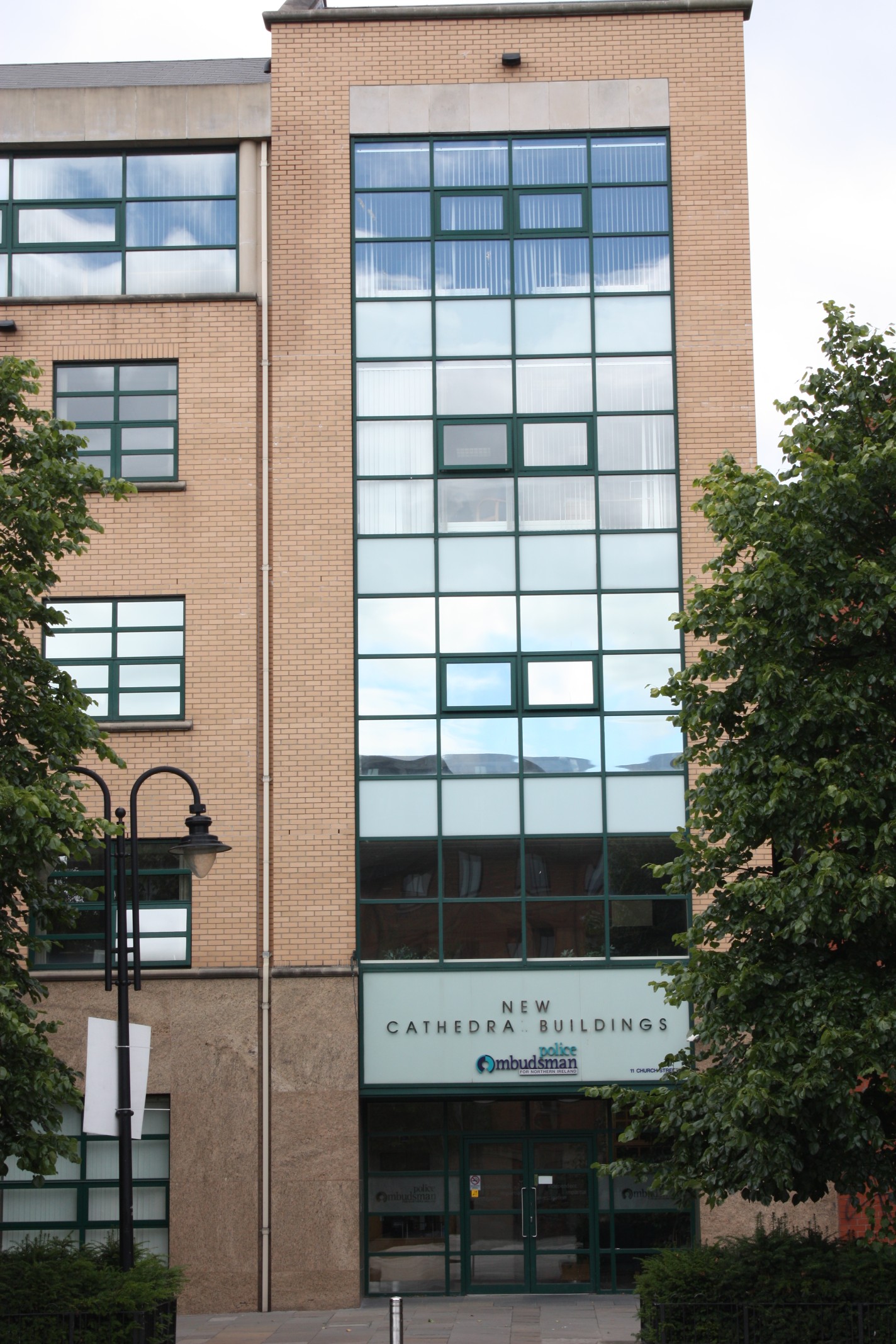
A complaint about an officer was handled internally, frequently by somebody in the same building who knew the person complained about.
Independent complaint bodies with their own investigators and powers now handle serious cases. Internal investigation of internal conduct is a structure that produces predictable results regardless of the integrity of the individuals involved, and the reform followed sustained public pressure rather than internal initiative.
11. The Officer Lived in a Police House in the Area He Policed
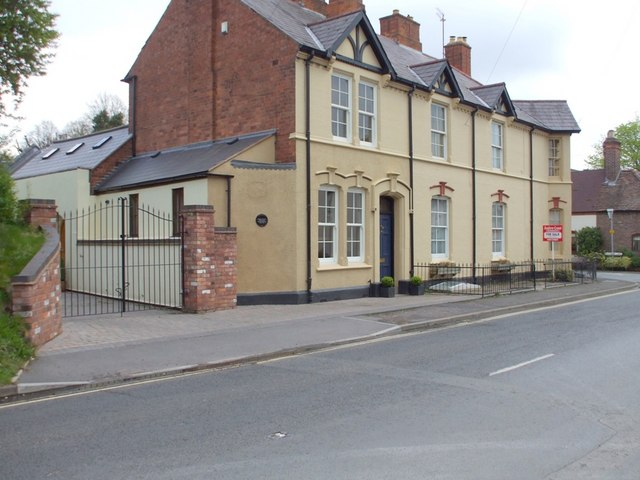
Many officers, particularly in smaller towns and villages, were housed by the force in a police house in the community, frequently with the station office in the front room and the officer’s family upstairs.
Officers now live where they choose and stations have consolidated into fewer, larger buildings. The resident officer had unmatched local knowledge and absolutely no separation between work and private life – his family answered the door to callers at any hour, which is why the arrangement ended.
12. A Great Deal Was Settled Without Any Formal Process at All
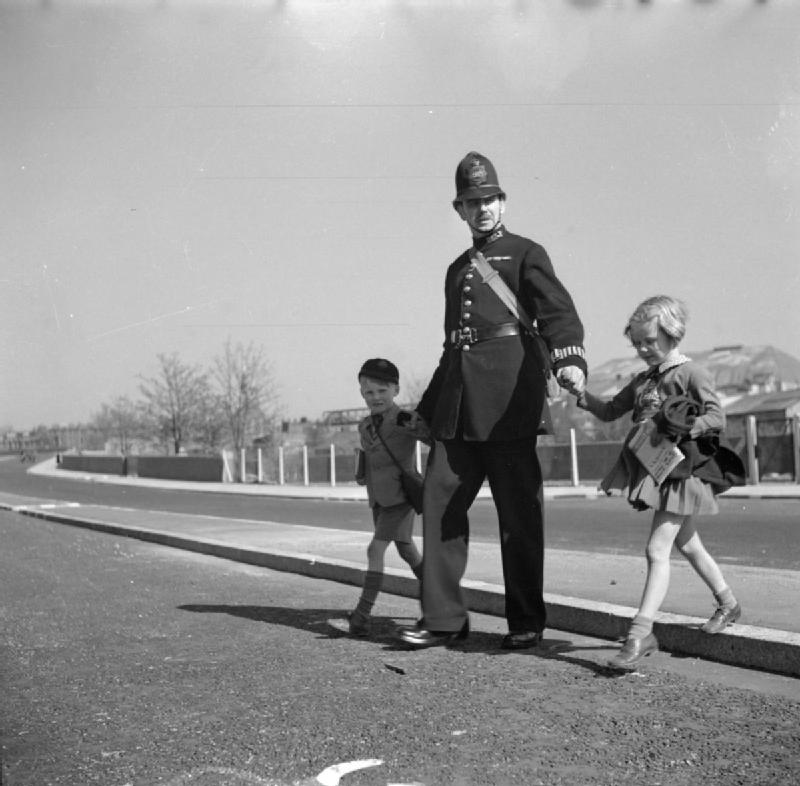
Minor matters were frequently dealt with by a warning, a word with a parent, or being taken home – with no record created and no entry in any system.
Recorded outcomes, disposal frameworks and data requirements mean that interactions are now logged. This is the item that generates the most nostalgia and the most disagreement: the informal approach kept a great many people out of a system they did not need to enter, and it also meant that patterns of behaviour were invisible and that whether you were dealt with informally depended entirely on how the officer saw you.
13. The Public Telephone Was How Anybody Reported Anything
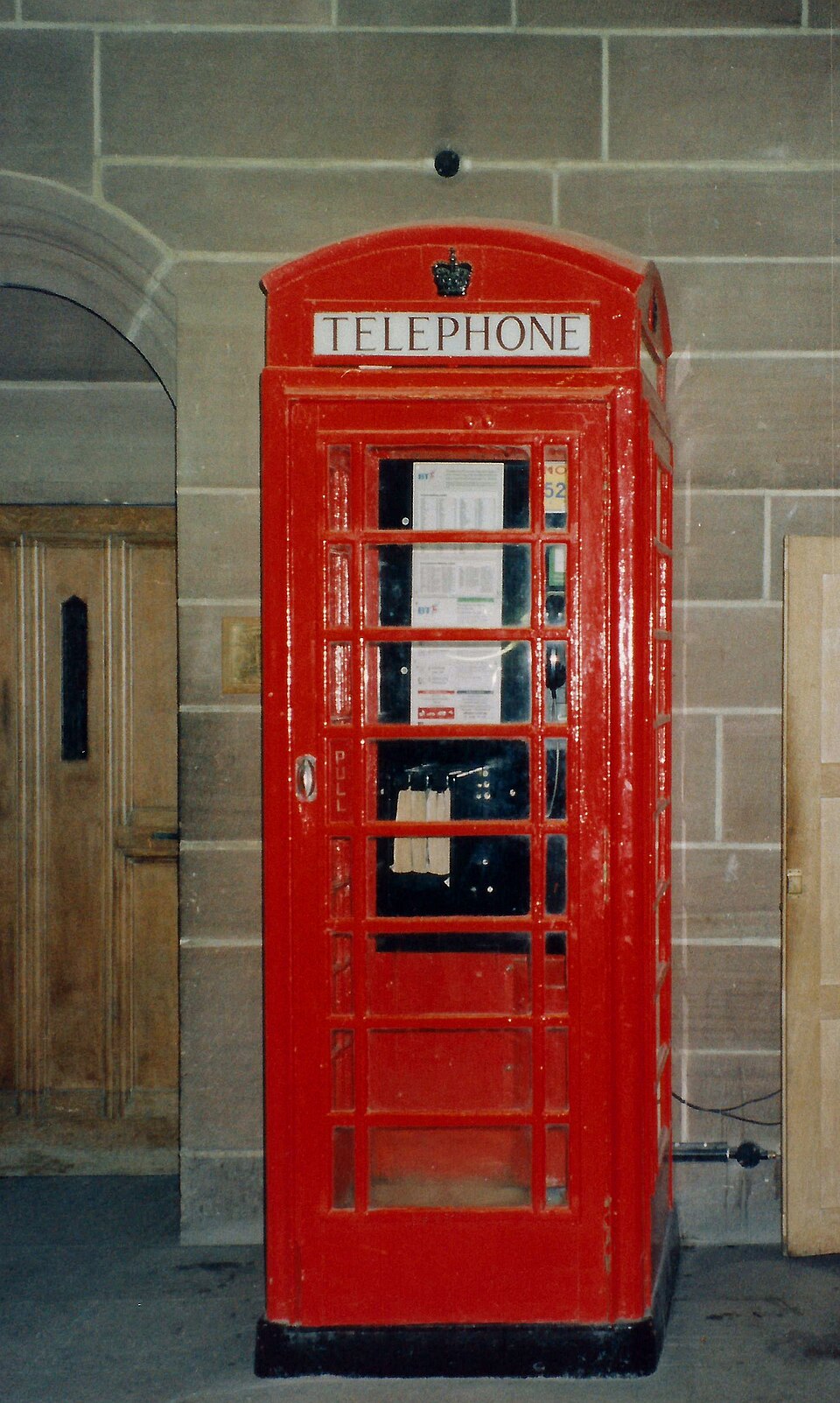
Members of the public reported crimes by finding a telephone box, or by going to the station, or by stopping an officer in the street. Emergency numbers existed but a telephone did not.
Near-universal personal telephones transformed reporting volumes, which is a substantial part of why recorded crime figures from before and after that transition cannot be compared directly. A great deal of what looks like a rise in crime in the statistical record is a rise in the ability to report it.
14. Traffic Was Directed by an Officer Standing in the Road
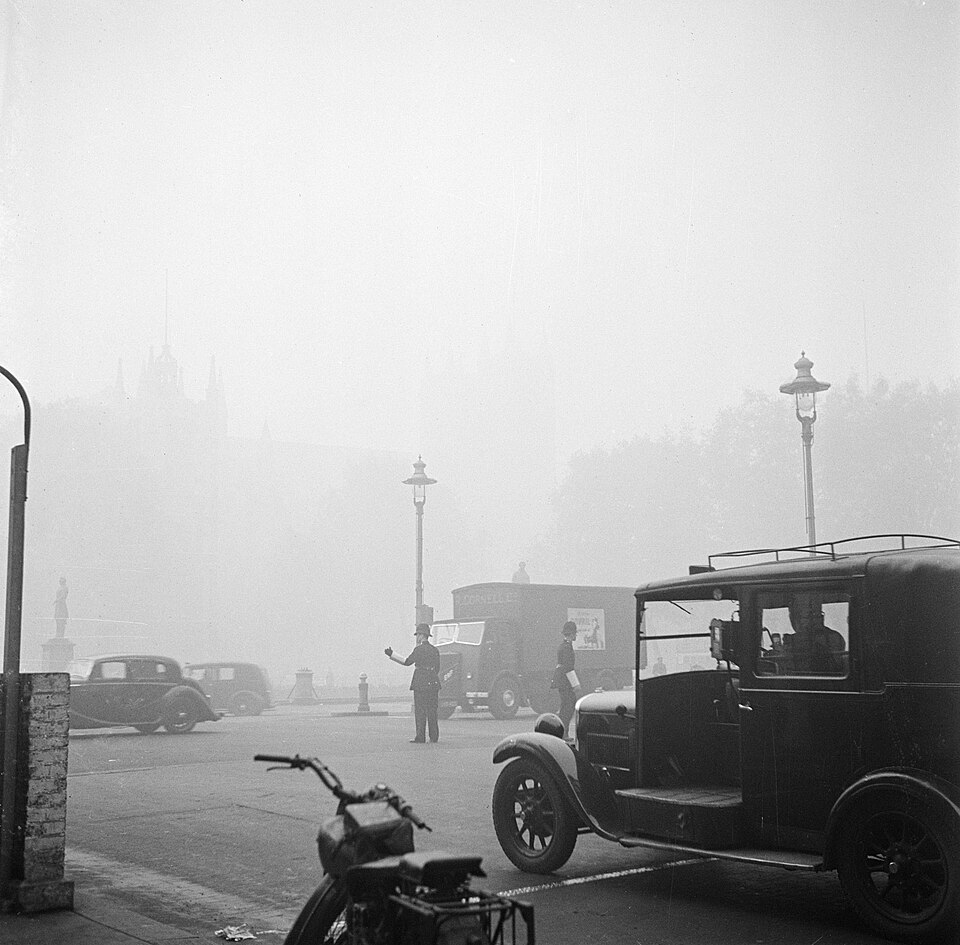
Point duty – an officer standing at a junction directing traffic by hand, in all weather – was routine daily work in every town, and a recognised skill with its own training and its own local celebrities.
Automatic signals, roundabouts and traffic management systems removed it except for emergencies and failures. Point duty was physically demanding, genuinely skilled, and performed in the middle of moving traffic with nothing but a white coat and a pair of gloves for visibility.
15. Forensic Science Was a Laboratory You Posted Things To
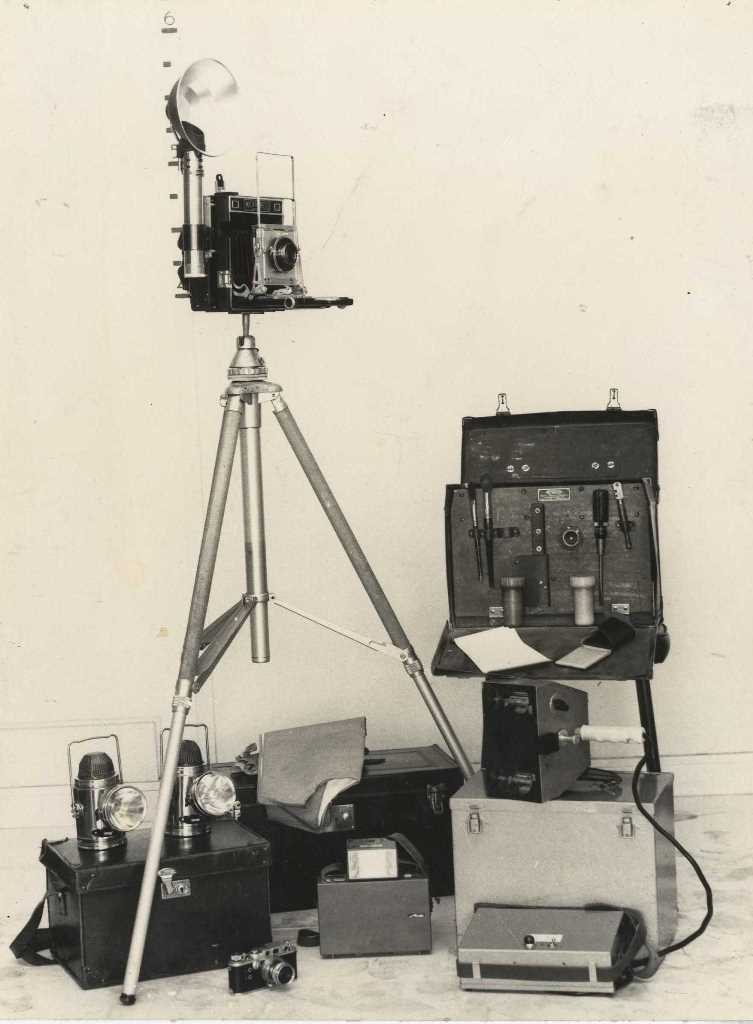
Physical evidence was packaged and sent to a laboratory, results came back by post weeks later, and the range of tests available was narrow.
Rapid testing, DNA profiling, digital forensics and scene examination as a trained discipline have changed what can be recovered and how quickly. It has also changed what counts as a crime scene: in 1960 a scene was walked through freely by whoever arrived, and the concept of contamination was not part of the job.
16. Nobody Expected the Job to Become Mostly Administrative
In 1960 policing was overwhelmingly a matter of being present in a place. Paperwork existed and was minor relative to the time spent outside.
Recording requirements, disclosure obligations, risk assessment and case file preparation now occupy a very large share of an officer’s time, and this is the change serving officers complain about most. Each individual requirement exists for a defensible reason, almost all of them introduced after something went wrong, and the cumulative effect is a job that looks nothing like the one on this list.
17. The Boxes Are Gone and So Is Most of the Rest
Of everything described here, almost nothing survives: not the boxes, not the beat system, not the notebooks as primary evidence, not the unrecorded interview, not the separate women’s department, not the police house.
What survives is the argument about the trade. Nearly every reform listed here was introduced because the previous arrangement had failed in a documented and frequently serious way, and nearly every one of them added time, cost and distance between an officer and the street. Both of those statements are true at once, and the disagreement about how to balance them is live, unresolved, and not settled by nostalgia in either direction.
Every Rule Was Written After Something Went Wrong
The thing to take from this list is the direction the changes run in.
Recorded interviews were not introduced because somebody preferred tape. They were introduced because convictions were overturned after it became clear that unrecorded questioning could not be relied on, and because there was no way to establish afterwards what had actually been said.
Custody records were not introduced to generate paperwork. They exist because people were harmed in custody and there was no document establishing who had been responsible for them or when anybody had last looked.
Independent complaint investigation replaced internal handling because internal handling produced a predictable pattern of outcomes, whatever the integrity of the individuals doing it.
This is the general shape of the whole field. Almost every procedural requirement that officers find burdensome was written in response to a specific documented failure, frequently a serious one, and the requirement is a direct attempt to make that particular failure impossible to repeat.
Which does not settle the argument. The accumulated weight of all those requirements genuinely has changed the job, genuinely does consume a large share of the available time, and genuinely does put distance between an officer and the street that the 1960 beat system did not have. People who did the job then are not wrong that something was lost.
They are describing a real cost. The reforms are a response to real harm. Both are true, and anybody arguing one side without acknowledging the other is leaving out half the picture.
If you or your family served, you will know whether yours was a police house and what the front room was used for.
And if you remember the boxes, you will remember where the nearest one stood.
Like our content? Follow us for more.
