

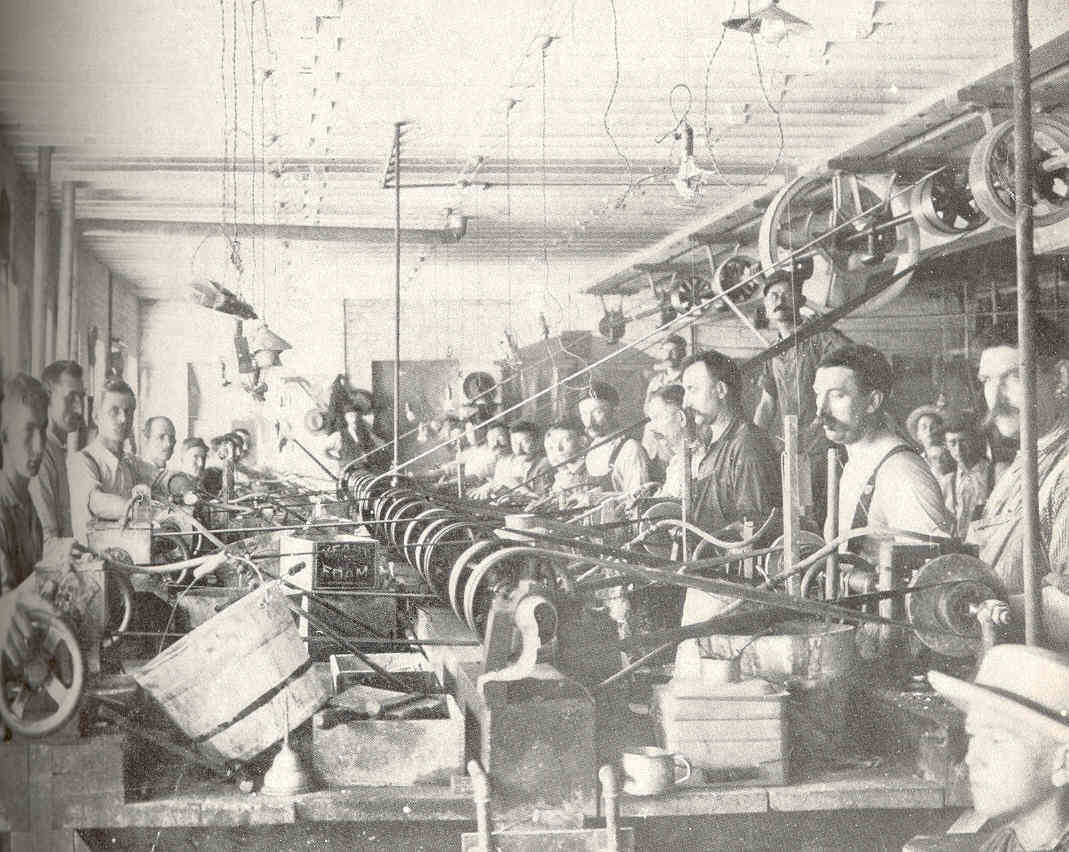
In 1960 a great many buttons were cut out of freshwater mussel shell with a hollow drill under water, then ground, drilled, polished and sorted by hand into matching sets by women working at tables.
Others were made from horn, bone, turned wood, a palm seed hard enough to be worked like ivory, and a plastic made out of milk. They were counted in gross and stitched onto printed cards by hand.
Here are ten things that were ordinary in a button factory in 1960, and what became of each one.
1. Buttons Were Cut Out of Shells Dredged Out of Rivers
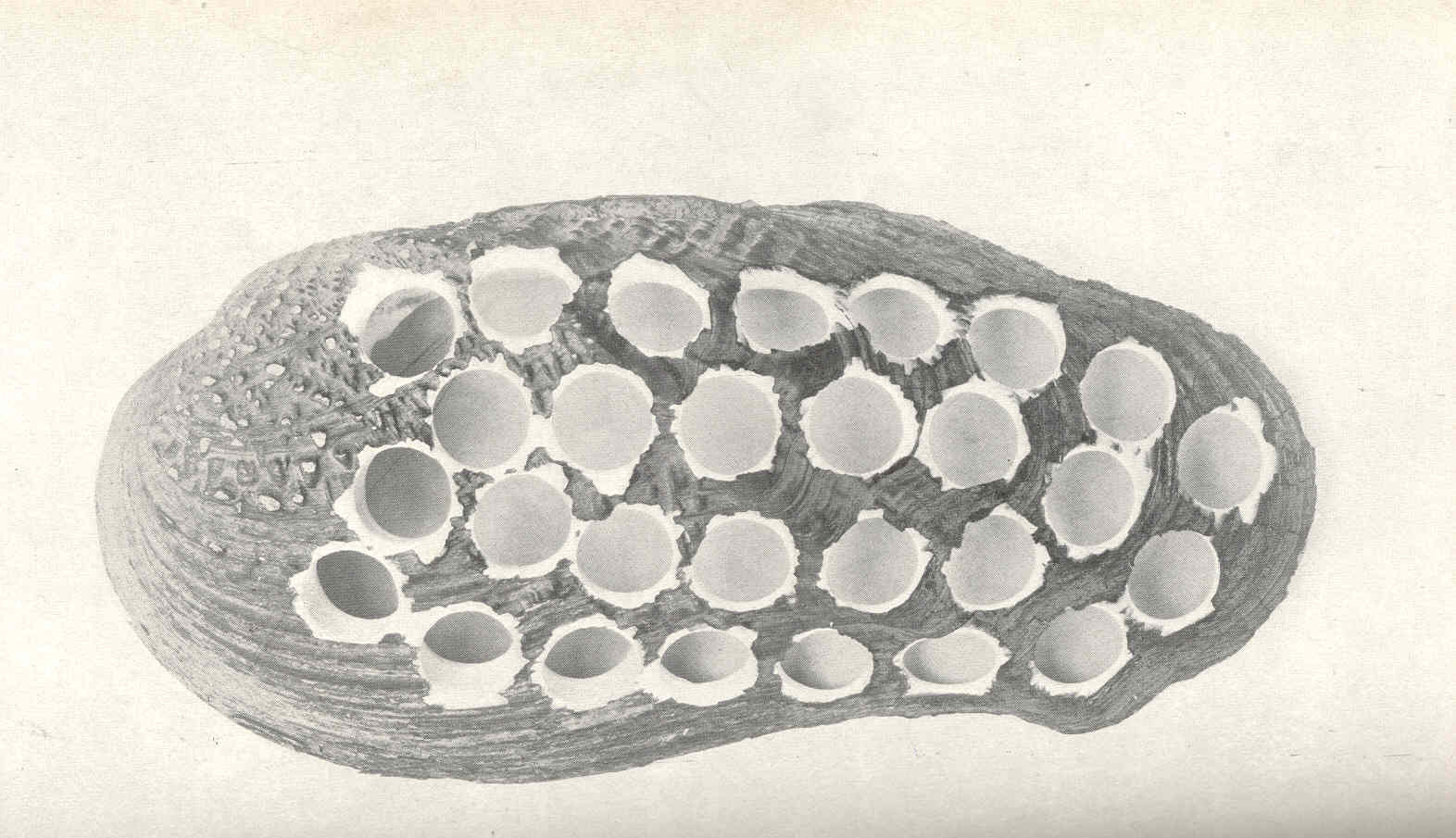
A large part of the button trade worked in freshwater mussel shell, cut into blanks with a hollow drill, then ground, drilled, polished and sorted – with the shell dredged from rivers in enormous quantities.
Plastics displaced shell almost entirely, and the river mussel populations that supported the trade were depleted to the point of collapse in several places and in some cases have never recovered. It is one of the clearer cases of an industry exhausting its own raw material, and the material was alive.
Like our content? Follow us for more.
2. The Blanks Were Cut Wet and the Dust Was the Problem
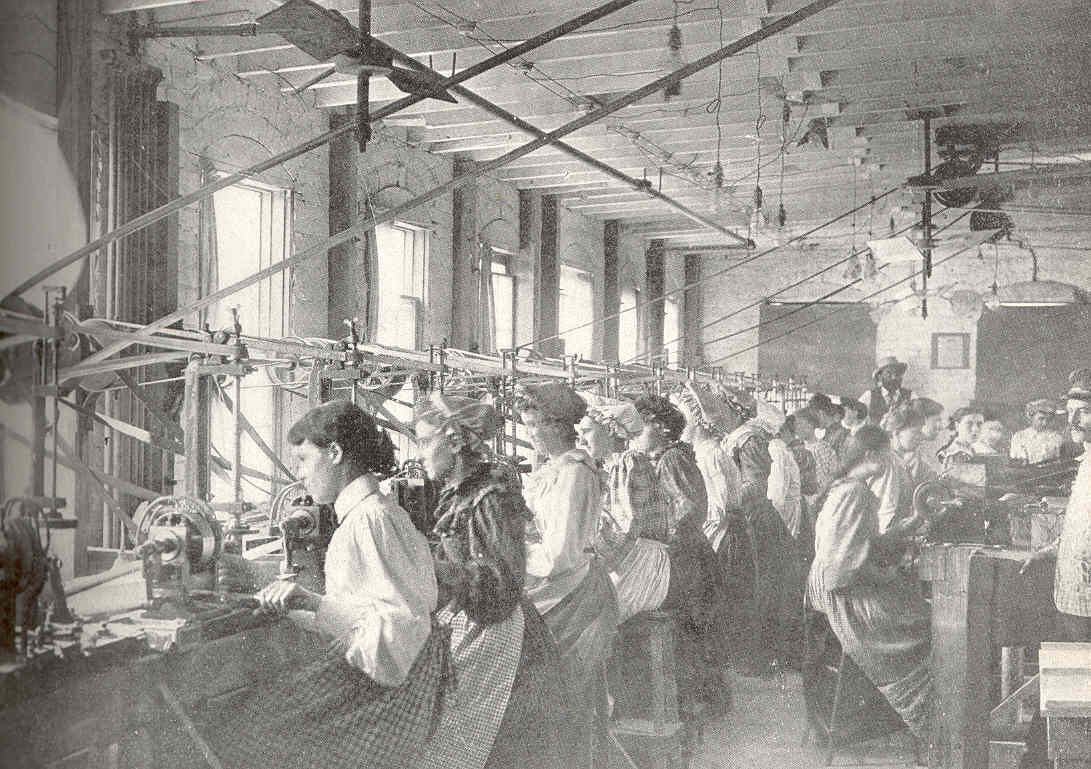
Shell was cut under water to keep it from shattering and to suppress dust, because dry shell cutting produces a fine particulate that the trade knew to be harmful.
Wet processes, extraction and respiratory protection are standard where any such cutting is done, and the material itself has largely gone. This is stated as occupational history only. Anybody with that work history should raise it with their own doctor rather than with an article.
3. Horn, Bone, Vegetable Ivory and Wood Were All Ordinary Materials
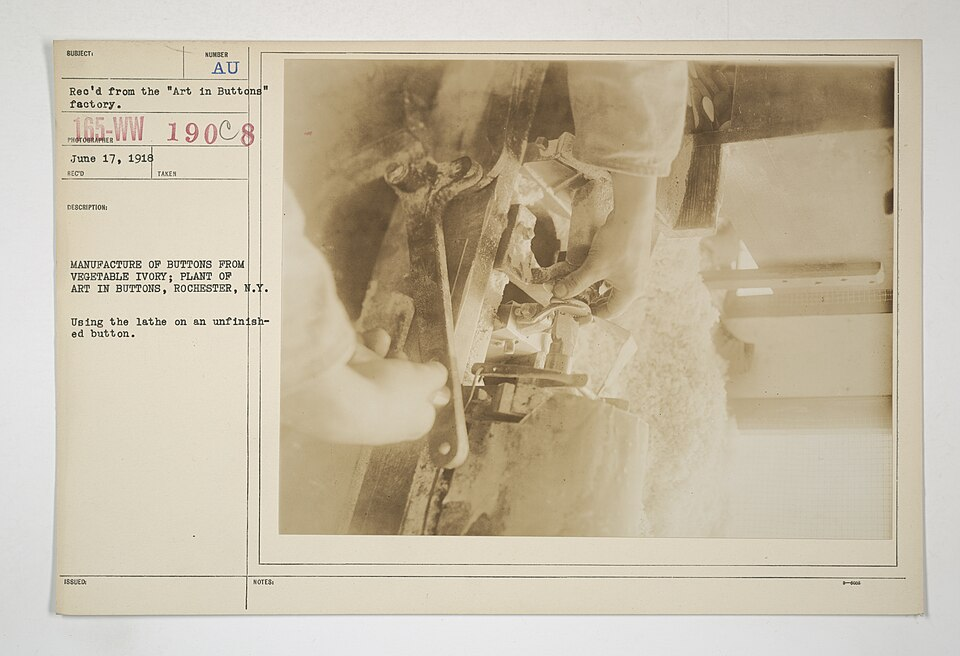
Buttons were made from cattle horn and hoof, bone, corozo nut – a palm seed hard enough to be worked like ivory – and turned wood, each with its own machinery and its own specialists.
Moulded plastics replaced essentially all of them on cost and consistency. Corozo is still used for good clothing and is having a modest revival on environmental grounds, which is a reasonable outcome for a material that is a seed, grows on a tree and takes dye beautifully.
4. Casein Buttons Were Made From Milk
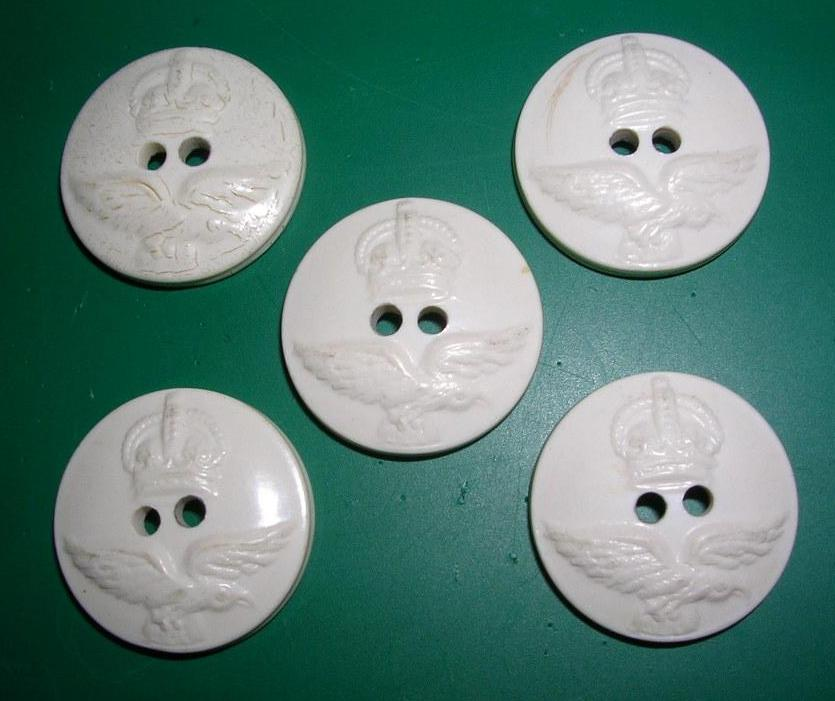
A widely used early plastic was made from milk protein hardened with formaldehyde, producing a material that could be coloured, cut and polished and that behaved remarkably like horn.
Synthetic polymers displaced it. Casein buttons are a genuine curiosity – a thermoset plastic made from a dairy by-product, in enormous quantities, for decades – and they are still found on old clothing, where they can be identified because they are notably heavier than modern plastic and smell faintly of milk if warmed.
5. Everything Was Sorted by Hand by Women at Tables
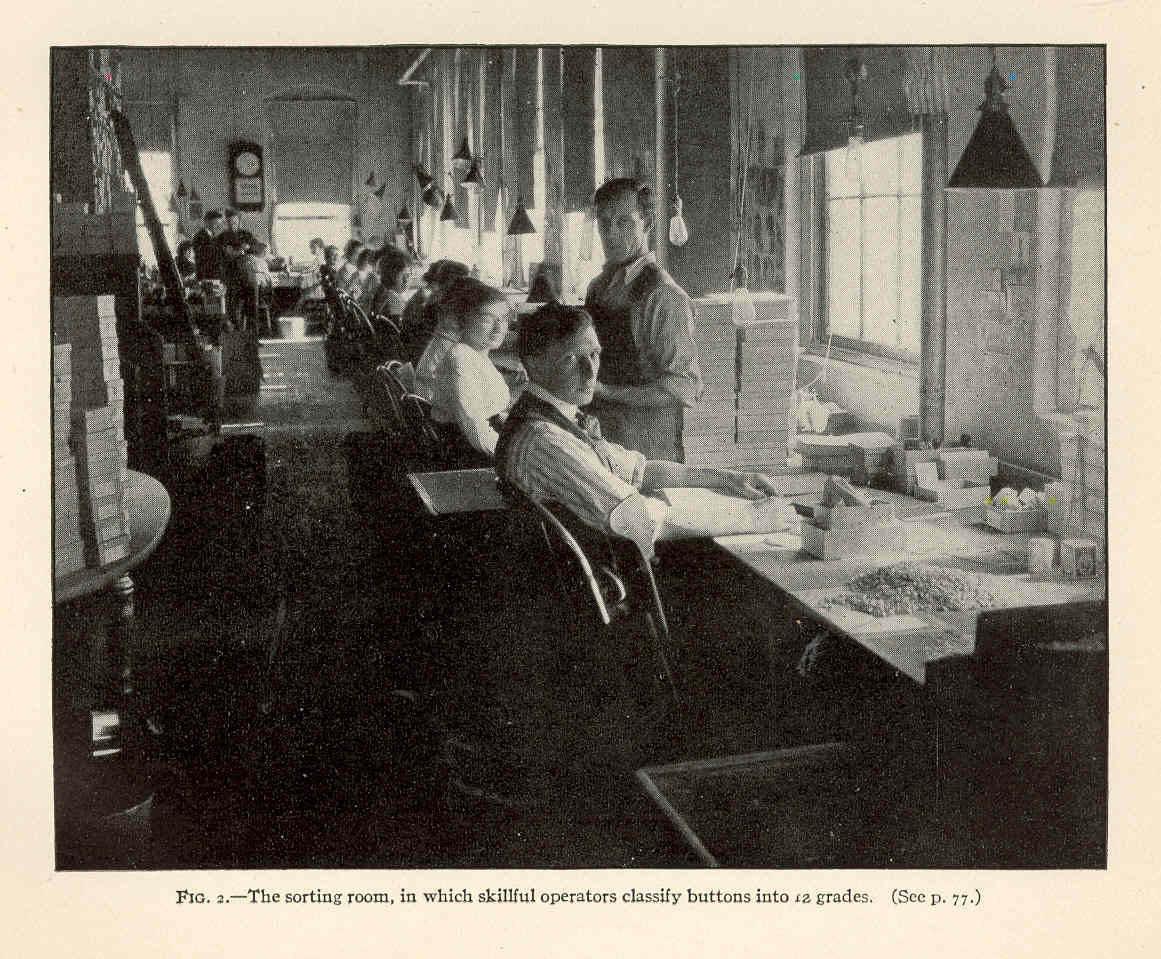
Buttons came off the machines with variation in colour, figure and finish, and were graded, matched into sets and counted by women sitting at tables doing nothing else.
Optical sorting and consistent moulded output removed the need. Matching a set of buttons from natural material requires the sorter to hold a standard in their head and work through thousands of pieces against it, and the output of a day’s sorting was measured in gross rather than in units.
6. They Were Sold by the Gross and Counted by Board
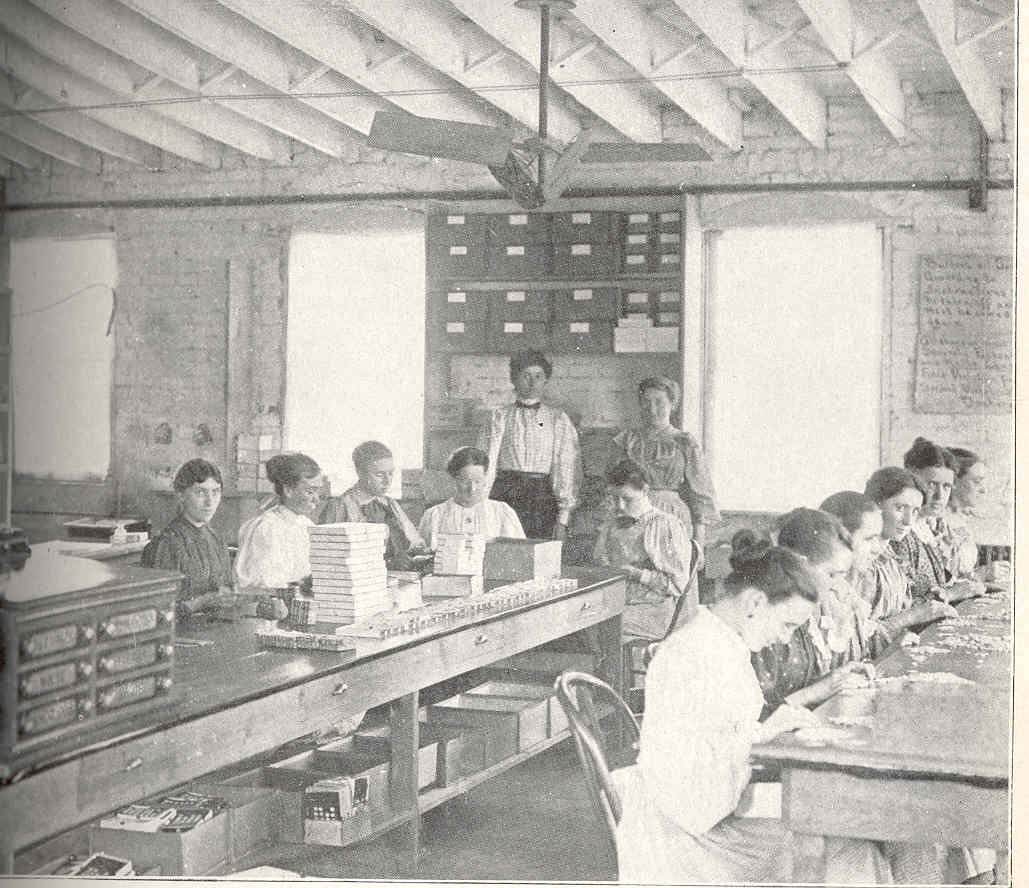
The trade counted in gross – a dozen dozen – and buttons were presented on carded boards, stitched on by hand, for display and sale.
Bulk packaging, blister packs and the collapse of the haberdashery trade changed it. Carding buttons by hand onto printed boards was piecework, frequently outwork done at home, and the boards themselves are now collected.
7. The Holes Were Drilled One Button at a Time
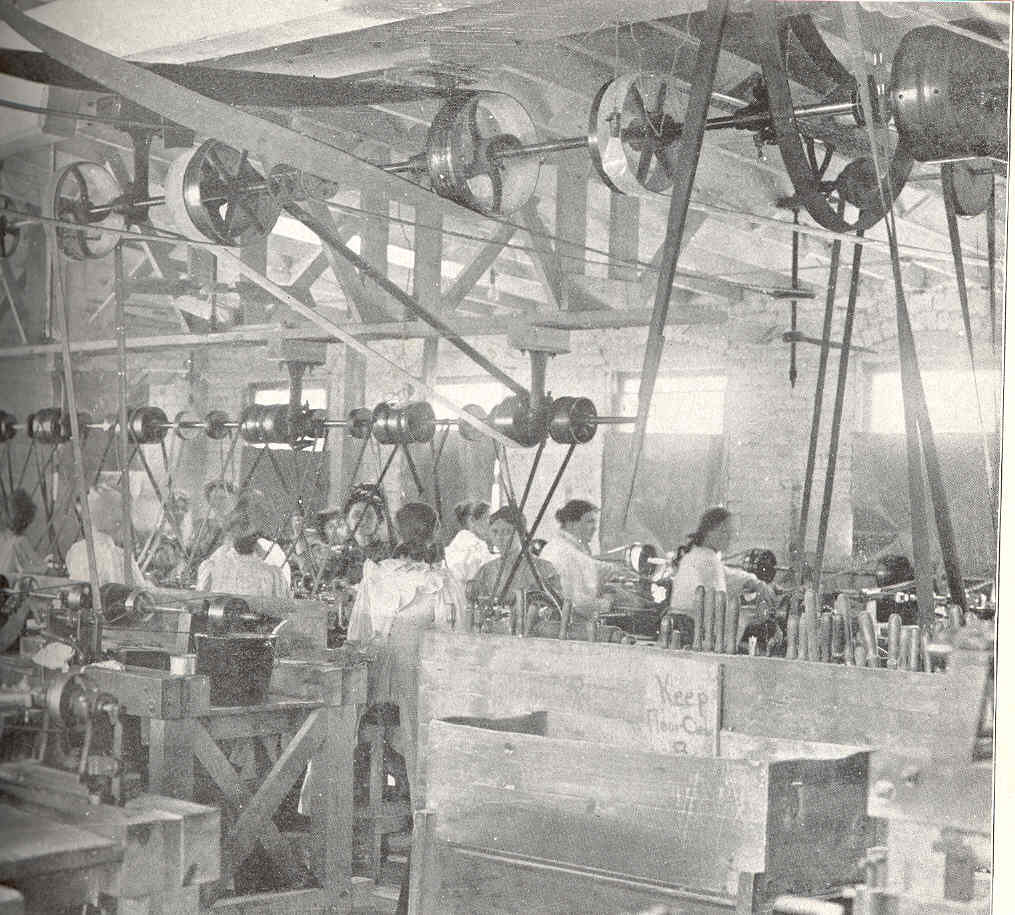
Two or four holes were drilled in each button on a small machine, by an operator positioning each piece by hand, thousands of times a shift.
Multi-spindle automatic machines and moulded-in holes removed the operation. The reason a button has two or four holes rather than three is simply the drilling head – a symmetrical arrangement is easier to jig, drill and inspect, and the thread pattern it allows is a happy consequence rather than a design intent.
8. The Shank Button Was a Different Trade Entirely
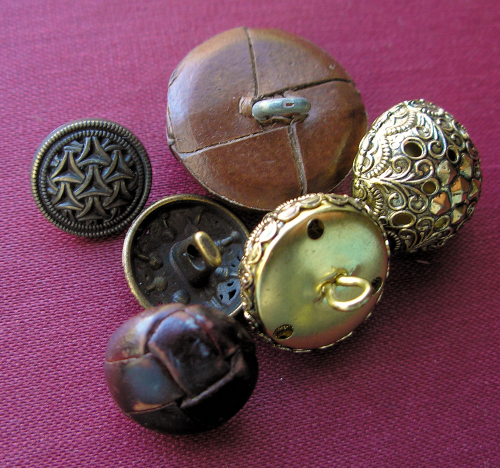
Buttons with a loop on the back rather than holes through the face were made by separate specialists, with metal, fabric-covered and moulded shanks each requiring different equipment.
Covered buttons in particular survive as a specialist service, and the machinery for covering a button in matching fabric is still made. A shank lifts the button clear of the garment so thick cloth can close properly, which is a functional distinction most people have never noticed on a coat.
9. The Trade Was Concentrated in a Few Towns and Was Invisible
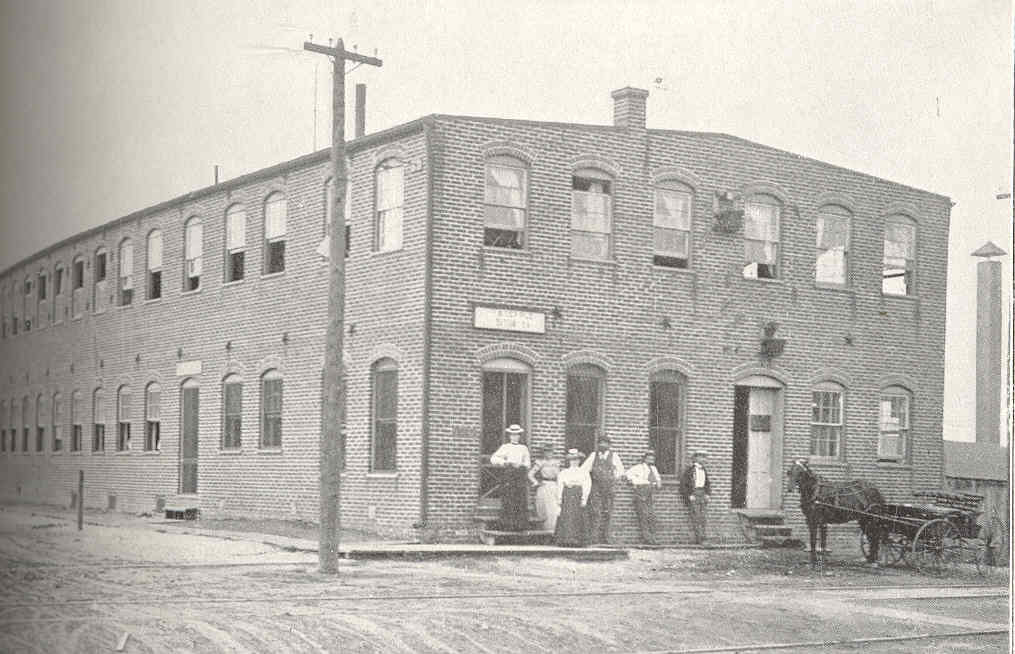
Button manufacture clustered geographically like every other trade in this series, with the cutters, drillers, polishers, dyers and carders operating within a small area.
Imports and plastic ended it, and because the product is tiny and anonymous the collapse attracted no attention whatsoever. A town can lose an industry entirely without anybody outside it noticing, provided the product is small enough and nobody has ever wondered where it comes from.
10. Nobody Thinks About Them at All, Which Is the Achievement
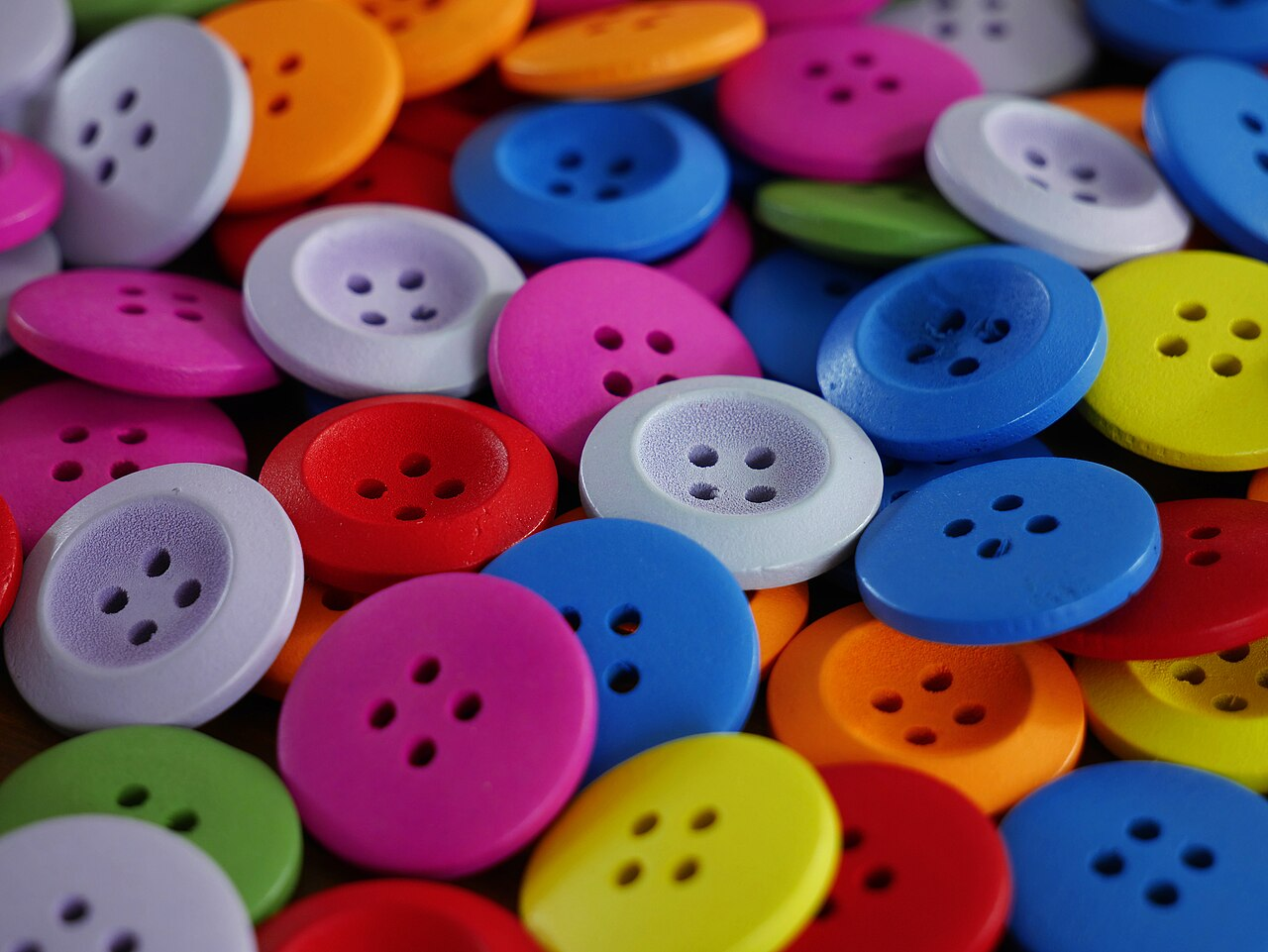
A button is a fastening that has been essentially unchanged for centuries, that works with no mechanism, no power and no maintenance, and that nobody has ever had to be taught to use.
Zips, hooks, press studs and hook-and-loop have all taken applications from it, and none has displaced it, because a button is flat, repairable, costs almost nothing, survives washing indefinitely and can be replaced with a needle and thread by anybody. It is one of the most completely successful objects ever designed, and the measure of that success is that an entire industry making them could disappear without anybody noticing.
The Best Designed Thing in Your Wardrobe
It is worth finishing this series of industrial pieces on a button, because it is the most quietly successful object any of these trades ever made.
Consider what it does. It fastens two pieces of cloth securely, releases instantly when wanted, holds in any position along its row, survives being washed hundreds of times at temperature, works wet, works cold, works with gloves on, makes no noise, has no mechanism to jam, requires no power, costs a fraction of a penny, lies flat enough to be sat on and ironed over, and can be replaced by anybody with a needle and a few minutes.
Nothing has beaten it. The zip is faster and fails catastrophically and cannot be repaired by hand. Press studs wear out and pull through fabric. Hook-and-loop collects lint, wears out, snags everything in the wash and is noisy. Magnetic closures are expensive and interfere with things. Each has taken applications where its particular advantage matters, and the button has lost nothing it was good at.
It has also required no development. A button from two hundred years ago works perfectly in a modern buttonhole. There is no compatibility problem, no standard to argue about, no version number.
And the entire industry that made them – the shell cutters, the horn pressers, the casein moulders, the sorters, the carders – disappeared almost completely, in towns that were built on it, without anybody outside those towns registering that anything had happened.
That is the pattern this whole series has been describing, compressed into an object that is probably within three feet of you right now and that you have never once thought about.
Have a look at the buttons on something old in your wardrobe. If one is heavier than it looks and slightly uneven, it is probably not plastic.
And if it smells faintly of milk when you warm it in your hand, it is casein – a button made out of a dairy by-product by a factory that has not existed for fifty years, still fastening a coat, still doing exactly what it was made to do, with nothing about it worn out.
Of all the things these industries produced, the buttons may be the most numerous survivors. They outlasted the garments they were sewn onto, got cut off and kept in tins, and moved between households for generations. There is almost certainly a jar of them somewhere in your family, and most of what is in it was made by hand in a town that no longer makes anything.
Like our content? Follow us for more.

