In 1965 your photographs went away in a paper envelope and came back a week or more later, and until they did you had no idea whether any of them had worked.
They were spliced into a roll with hundreds of other people’s films, processed in the dark in chemistry held to within a degree, and printed by an operator who looked at every frame and decided by eye what colour it should be.
Here are fourteen things that were ordinary at a processing laboratory in 1965, and what became of each one.
1. Your Film Went Away in an Envelope and You Had No Idea What Was on It
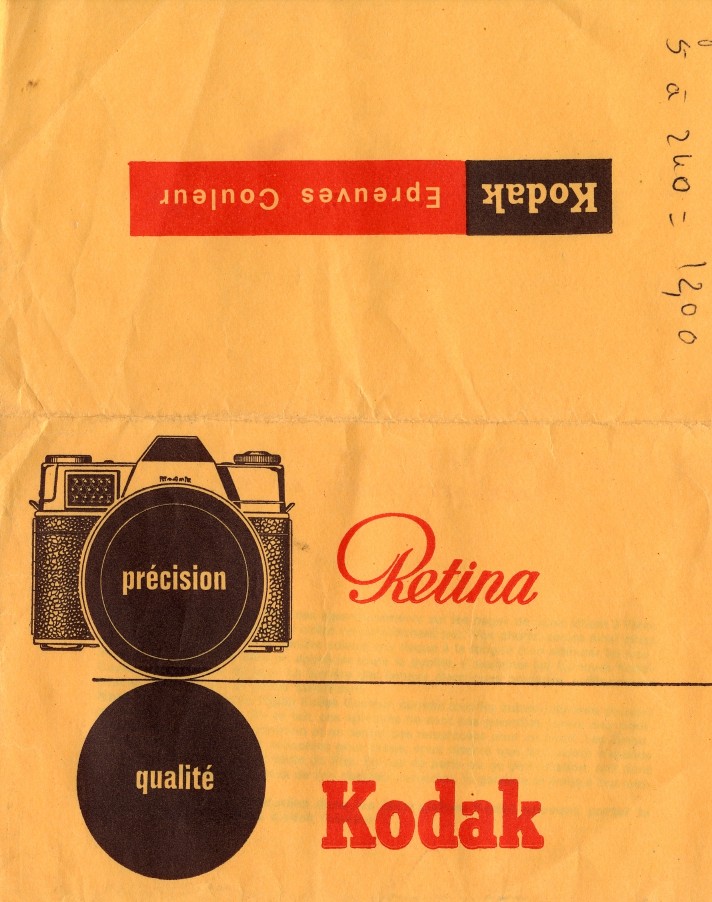
A finished film went into a paper wallet, was handed over a counter or posted, and travelled to a central laboratory. The customer had seen nothing and would not see anything for a week or more.
Instant review on a screen removed the gap entirely. The interval between taking a photograph and seeing it was the defining fact of amateur photography for a century, and everything about how people took pictures followed from it – you took few, you took them carefully, and you found out later whether any of them worked.
Like our content? Follow us for more.
2. The Whole Operation Ran in the Dark
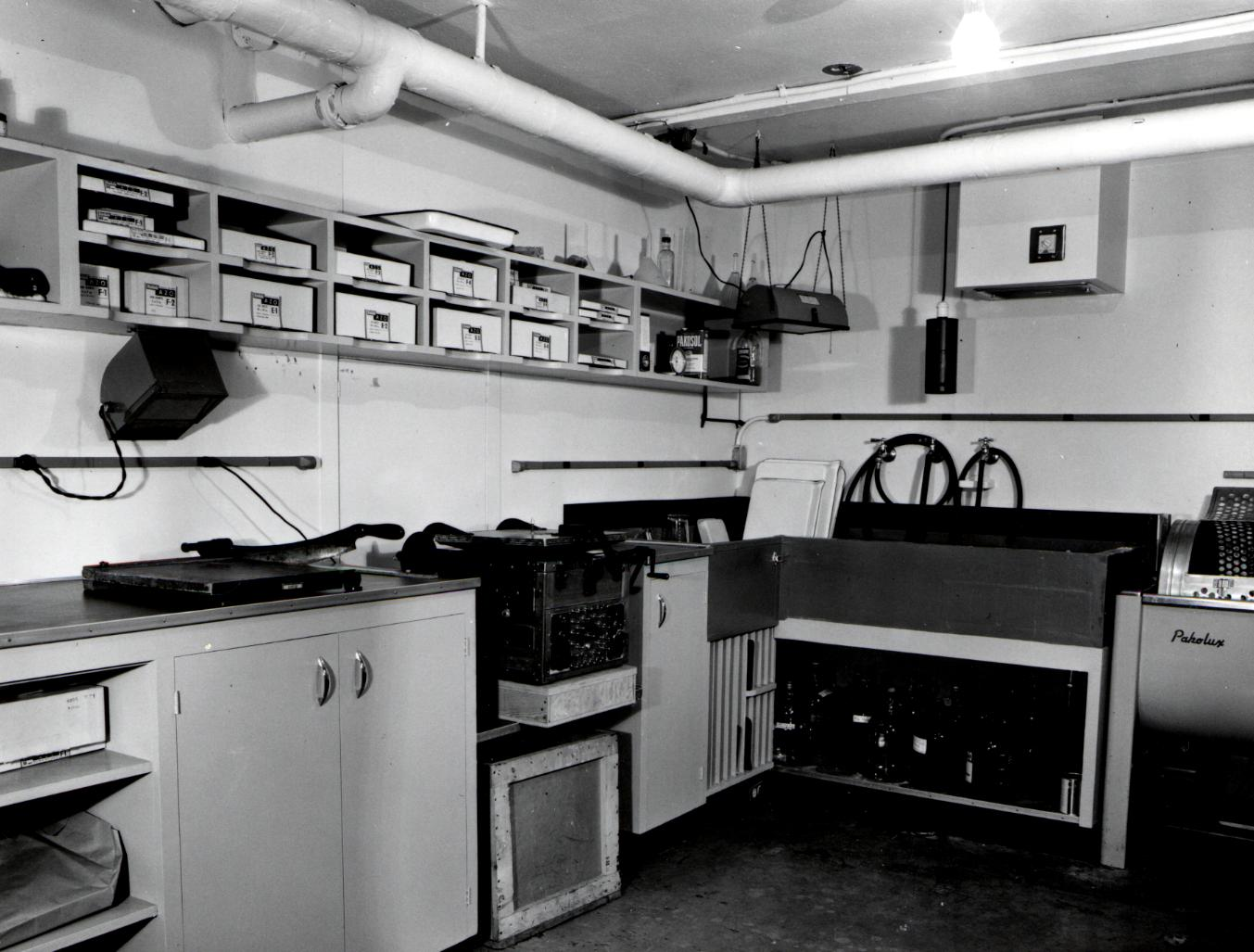
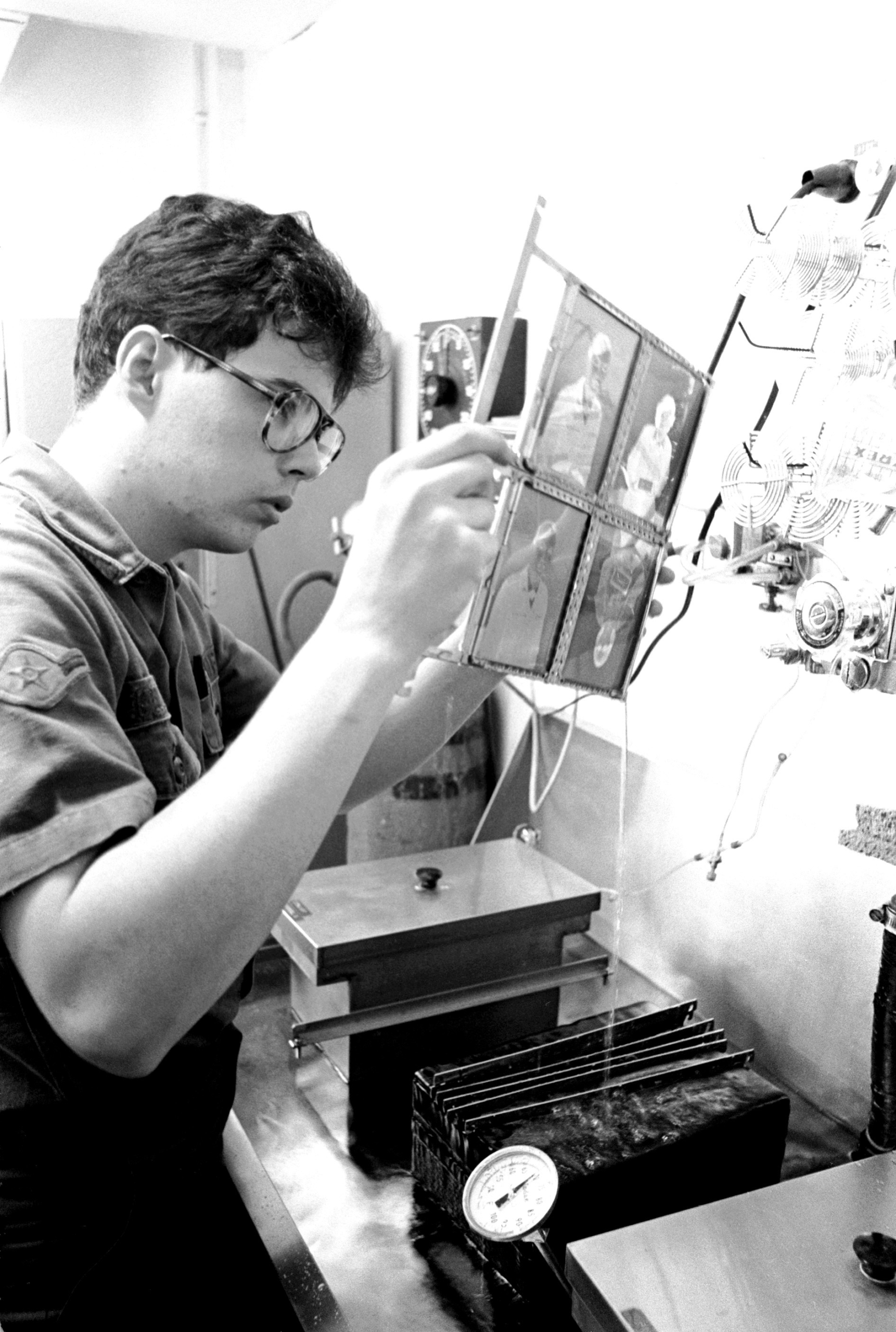
Film is sensitive to light, so loading, splicing and processing happened in darkness or under a safelight, by people who worked by touch and had learned to do precise tasks without seeing their hands.
Daylight-loading systems, enclosed processors and then digital removed the darkroom. Working in complete darkness is a genuine skill that took weeks to acquire, and the operators describe becoming able to do by feel things they could not have done by sight.
3. Everybody’s Films Were Spliced Into One Enormous Roll
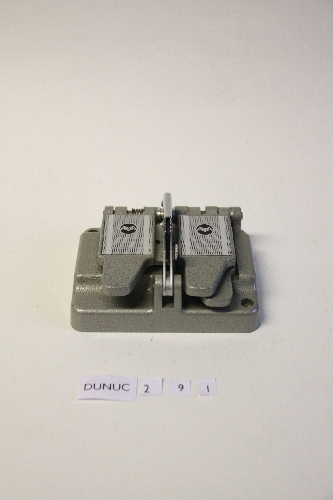
Individual customer films were joined end to end into a continuous roll hundreds of feet long, run through the processing machine as one piece, and separated afterwards.
Still broadly how volume processing works where it survives. The splice points and the paper tags identifying each customer’s order were the entire basis of not mixing up people’s photographs, and the consequences of a tag coming adrift were exactly what you would expect.
4. The Chemistry Was Mixed on Site and Had to Be Kept at Temperature
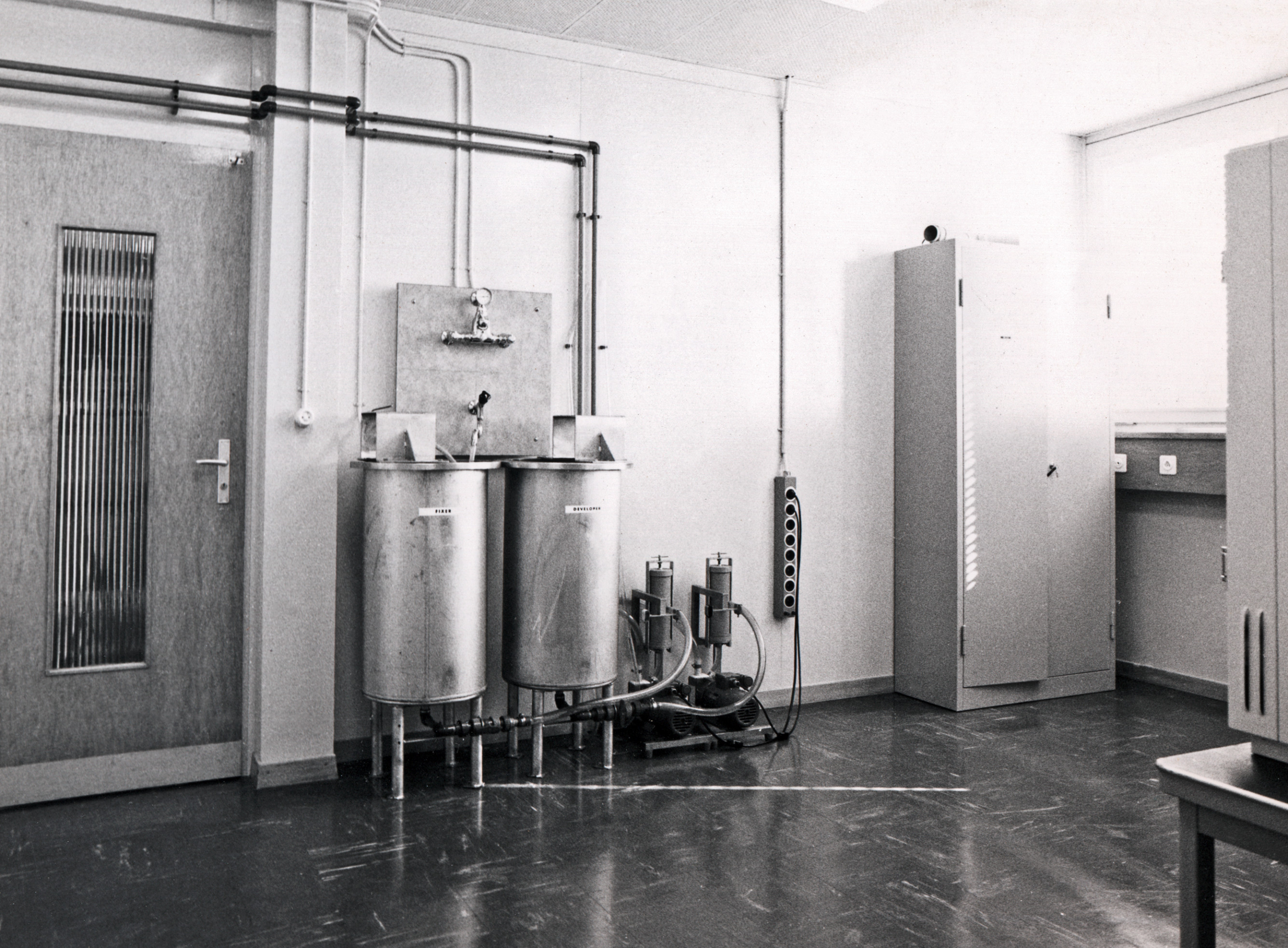
Developer, bleach, fixer and stabiliser were mixed from concentrates and held within a narrow temperature band, continuously, because a degree or two of drift visibly changed the colour of every print coming off the machine.
Automated replenishment, precise temperature control and standardised chemistry made the process far more stable. Colour processing is genuinely unforgiving, the window is narrow, and a laboratory that drifted produced an entire day’s work with a colour cast that nobody noticed until the complaints arrived.
5. Staff Handled the Chemicals Directly All Day
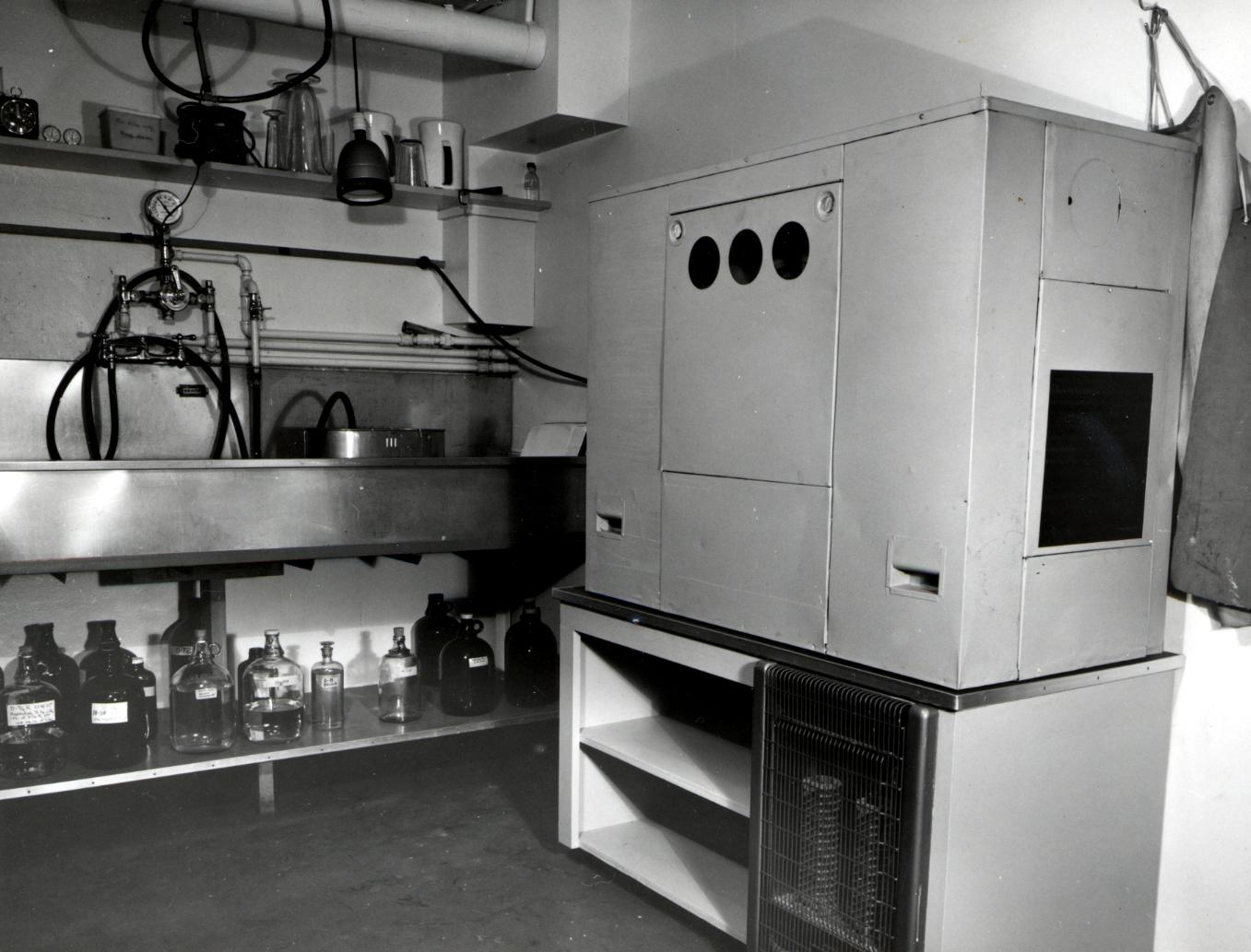
Mixing, replenishing and cleaning meant contact with processing chemicals, in rooms that were warm and humid by necessity, frequently with limited ventilation and minimal protection.
Enclosed systems, automatic mixing, extraction, protective equipment and substitution of the more hazardous constituents transformed it. Stated here as occupational history only. Anybody with that work history should raise it with their own doctor rather than with an article.
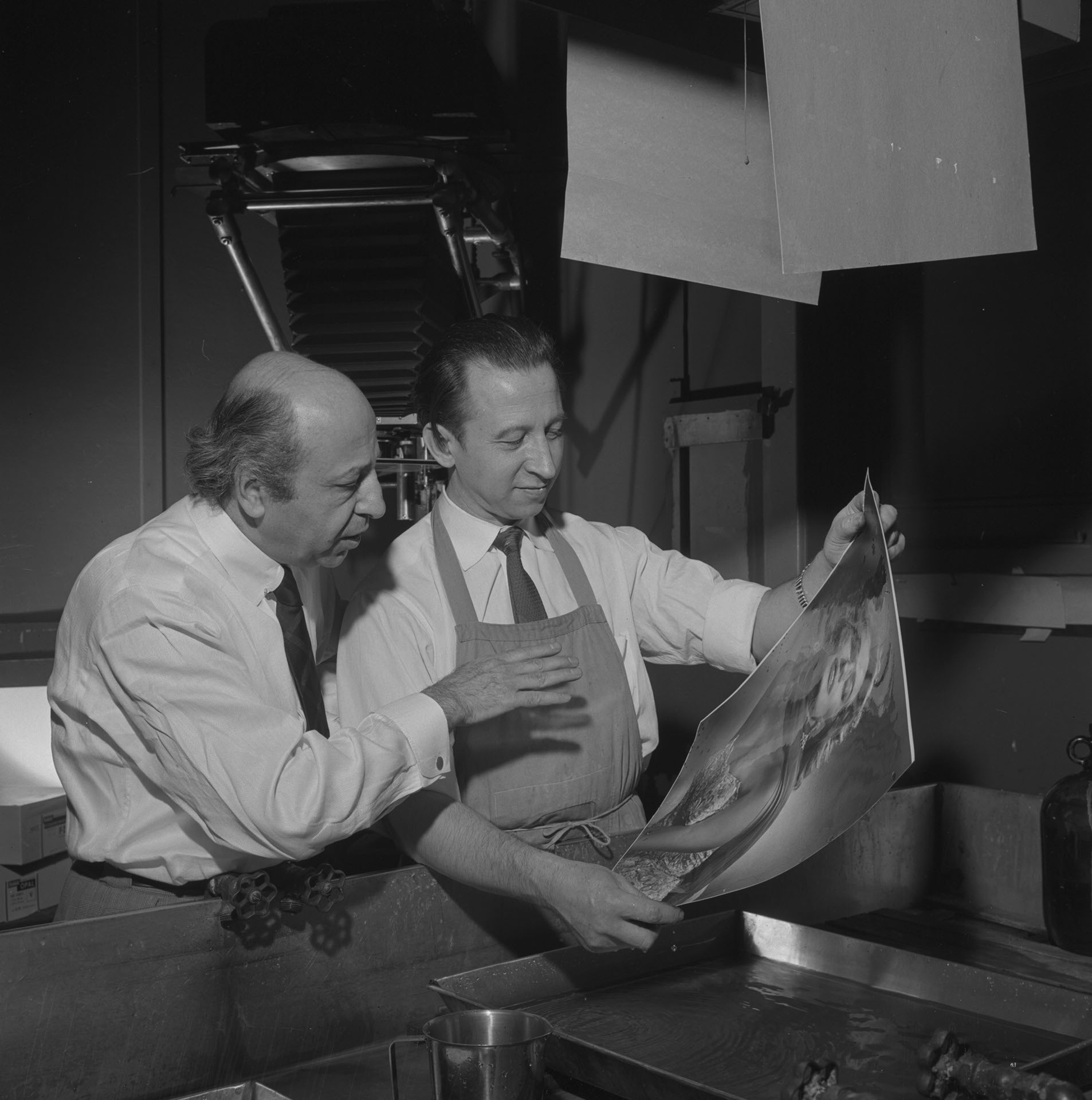
6. Somebody Looked at Every Single Frame and Decided the Colour
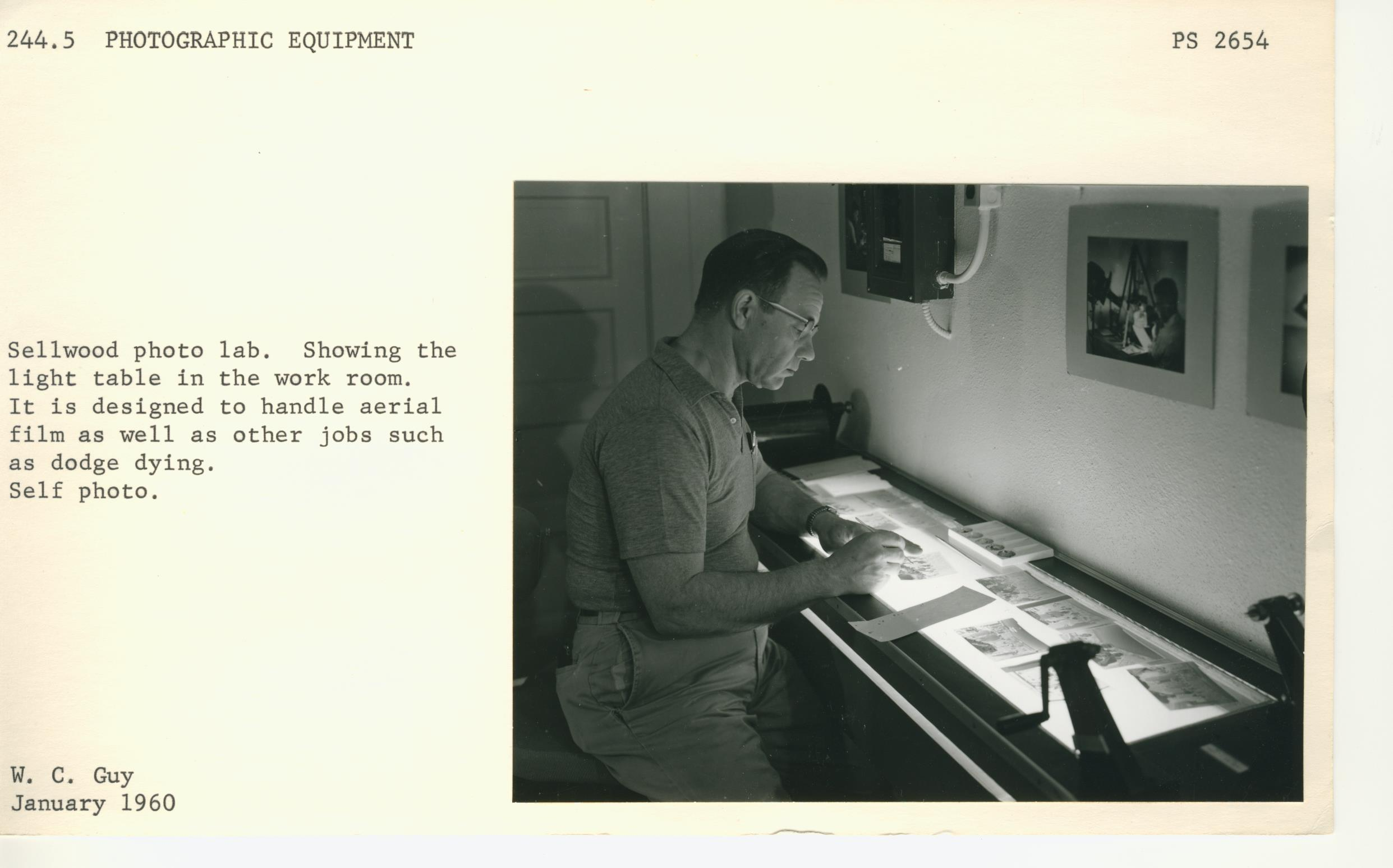
Printing was not automatic. An operator viewed each negative and set the exposure and colour balance for it, frame by frame, at speed, judging by eye what the print should look like.
Automatic scene analysis took over the routine decisions and digital removed the problem. The printer operator was making an aesthetic judgement about a stranger’s photograph several thousand times a day, which means a substantial proportion of everybody’s family photographs were colour-graded by an anonymous person working at speed.
7. The Machine Guessed and the Guess Was Built Into the Film
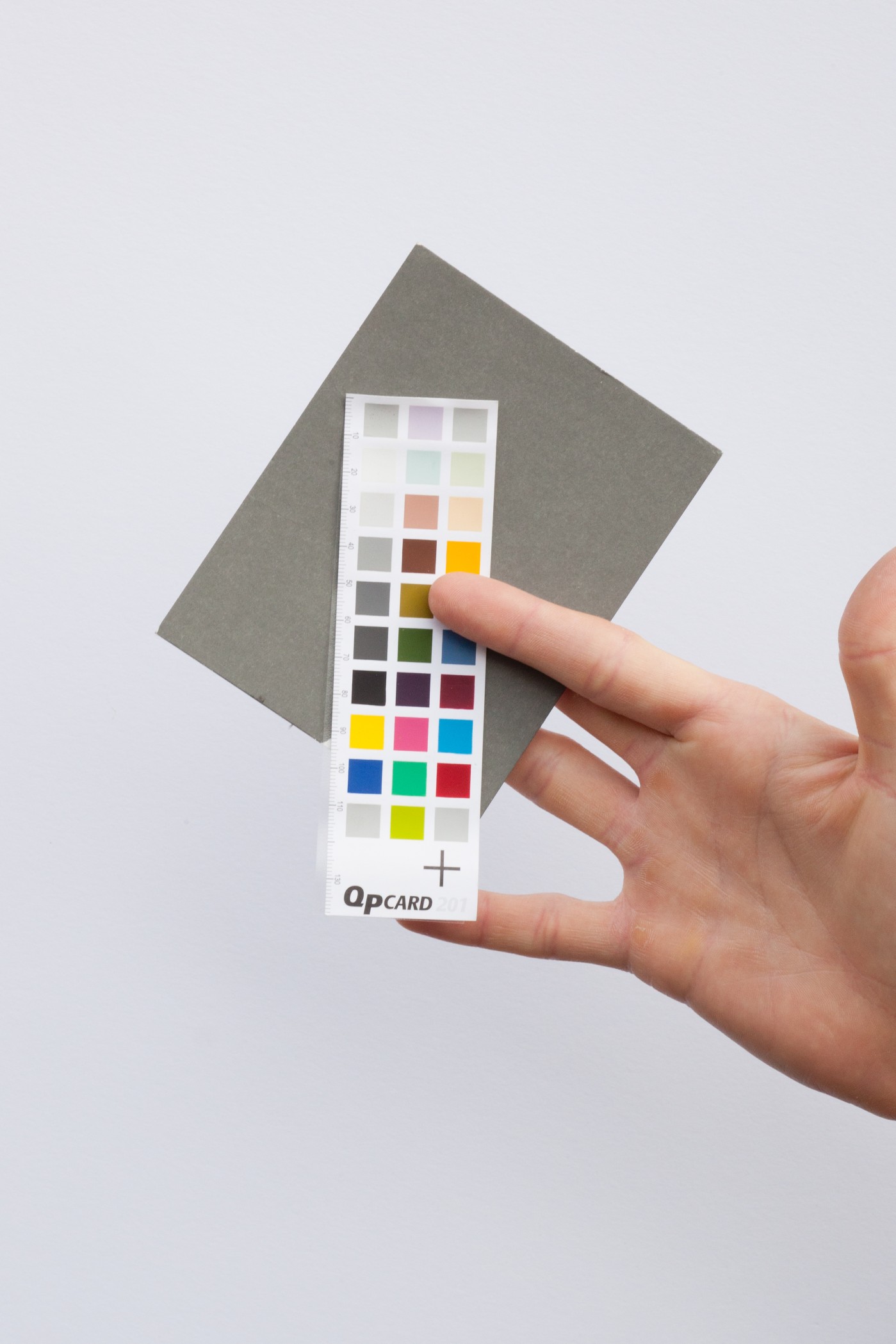
Automatic printing assumed an average scene averages out to a mid grey. A photograph dominated by snow, sand or a white wall fooled it, and came back grey and underexposed.
Scene recognition and digital processing handle it. This single assumption is why a great many holiday photographs from this period look dull and why pictures of snow came back looking like mud – the system was working exactly as designed on an image it was never designed for.
8. Prints Came Back With a Standard Border and a Standard Size and No Choice
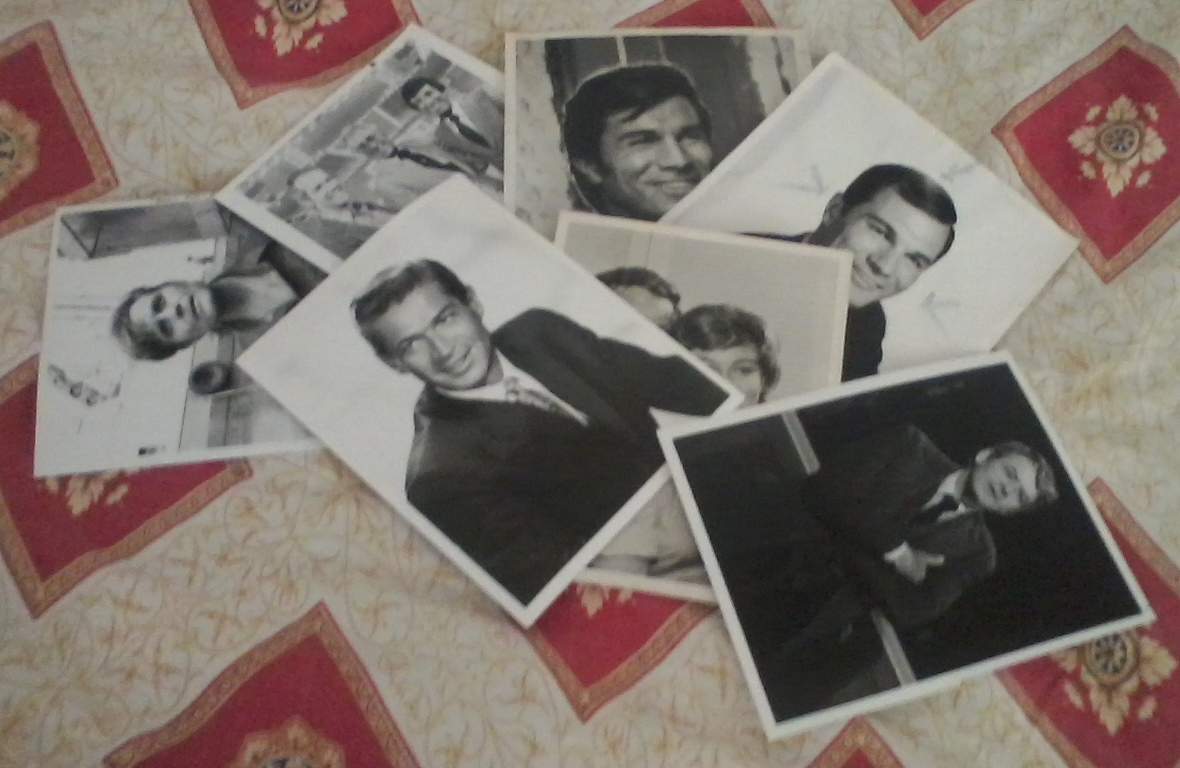
Everything was printed at one size, on one paper, with one finish, with a white border and a date or frame number on the back, unless you paid for something different.
Choice of size, finish, cropping and bulk digital printing replaced it. Uniformity was what made the economics work – a laboratory processing enormous volume could not accommodate individual preferences, so a photograph was whatever the standard product was.
9. The Negatives Came Back and Were Then Lost by Everybody
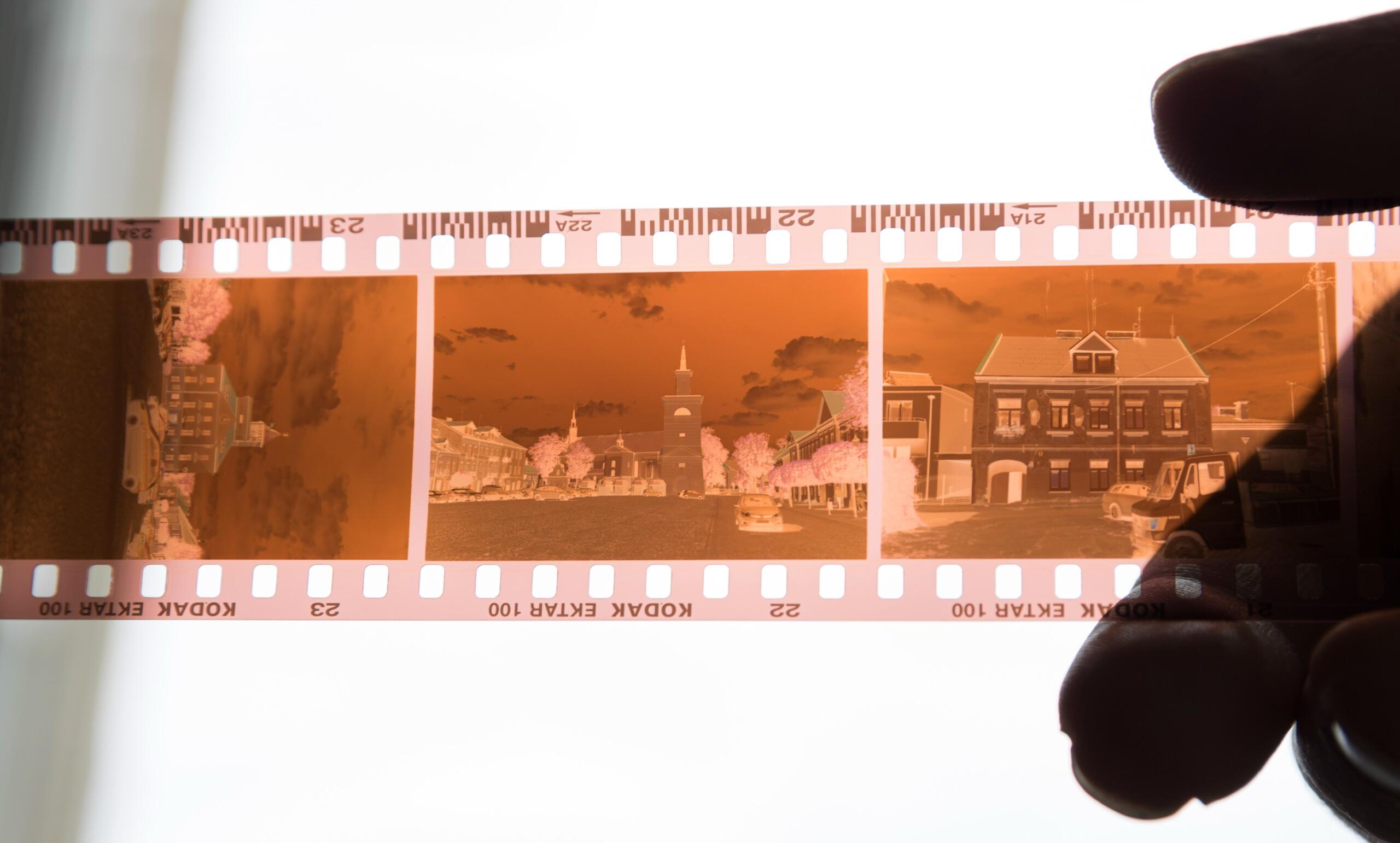
Negatives were returned with the prints, in a strip, in the wallet, and were the actual original – far better quality than the print and the only source for a reprint.
Scanning and digital files replaced them. The negatives were the valuable item and were universally treated as packaging, which is why so many family photographic records exist only as faded prints when a far better original was in the same envelope and went in a drawer or a bin.
10. Reprints Were a Separate Transaction Taking Another Week
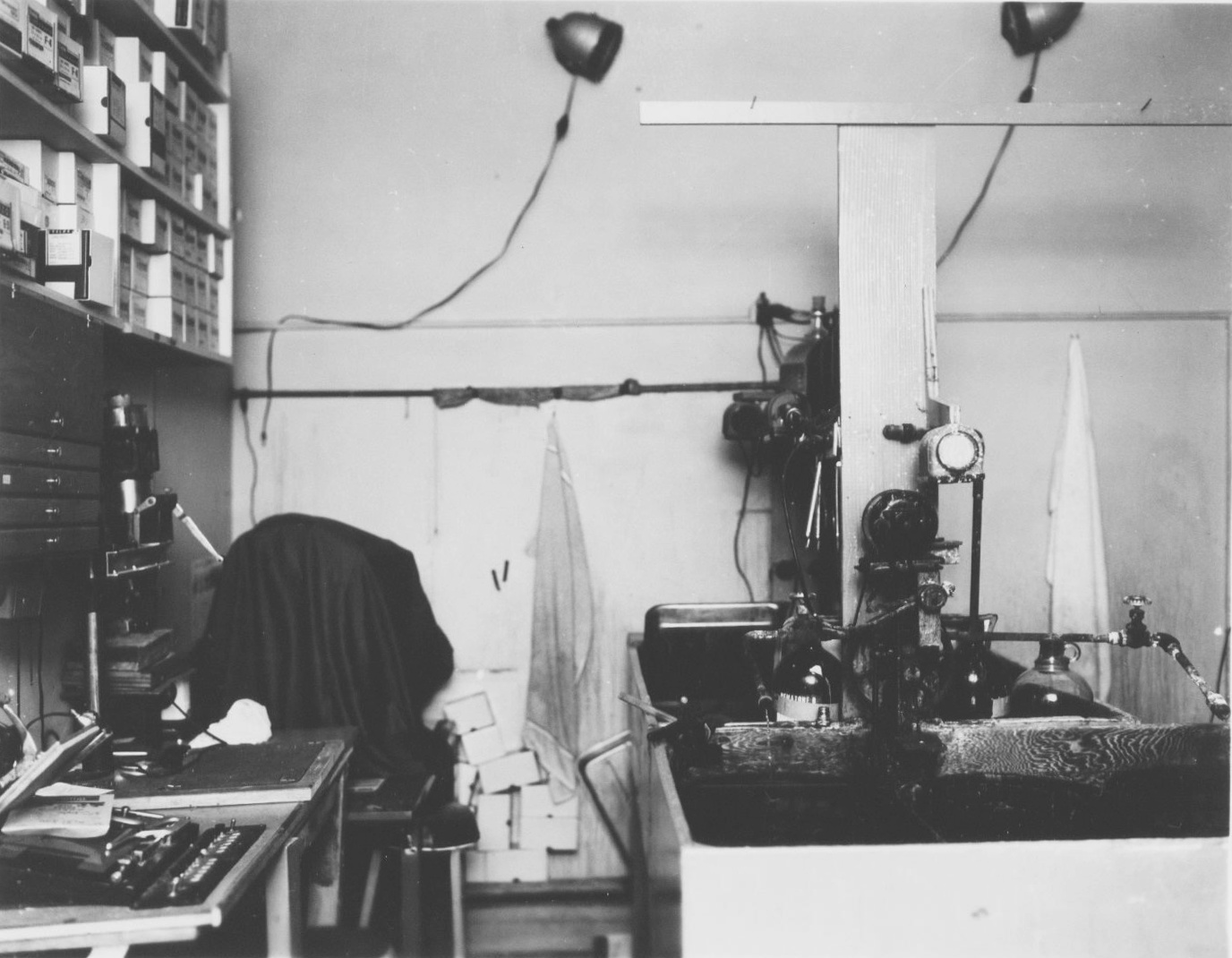
Wanting a second copy meant sending the negative back, waiting again, and paying again, which is why people ordered extra prints speculatively and why the second copy frequently went straight into an envelope for a relative.
Instant duplication removed the friction entirely. The expense and delay of a reprint is the reason photographs were shared physically and posted, and it is a substantial part of why there are family photographs in several households rather than one.
11. Anything Unacceptable Was Not Printed and Was Reported
Laboratories inspected what passed through them, and staff were instructed to refer material that appeared to show certain offences to the authorities rather than print it.
Digital photography removed the intermediary entirely, and with it the only point at which anybody outside a household routinely saw its photographs. This is a genuine and underdiscussed consequence of the change, and it cuts both ways – the laboratory was an accidental safeguarding mechanism and also a stranger looking through your pictures with no process and no oversight.
12. The Turnaround Fell From Weeks to an Hour and That Killed the Big Labs
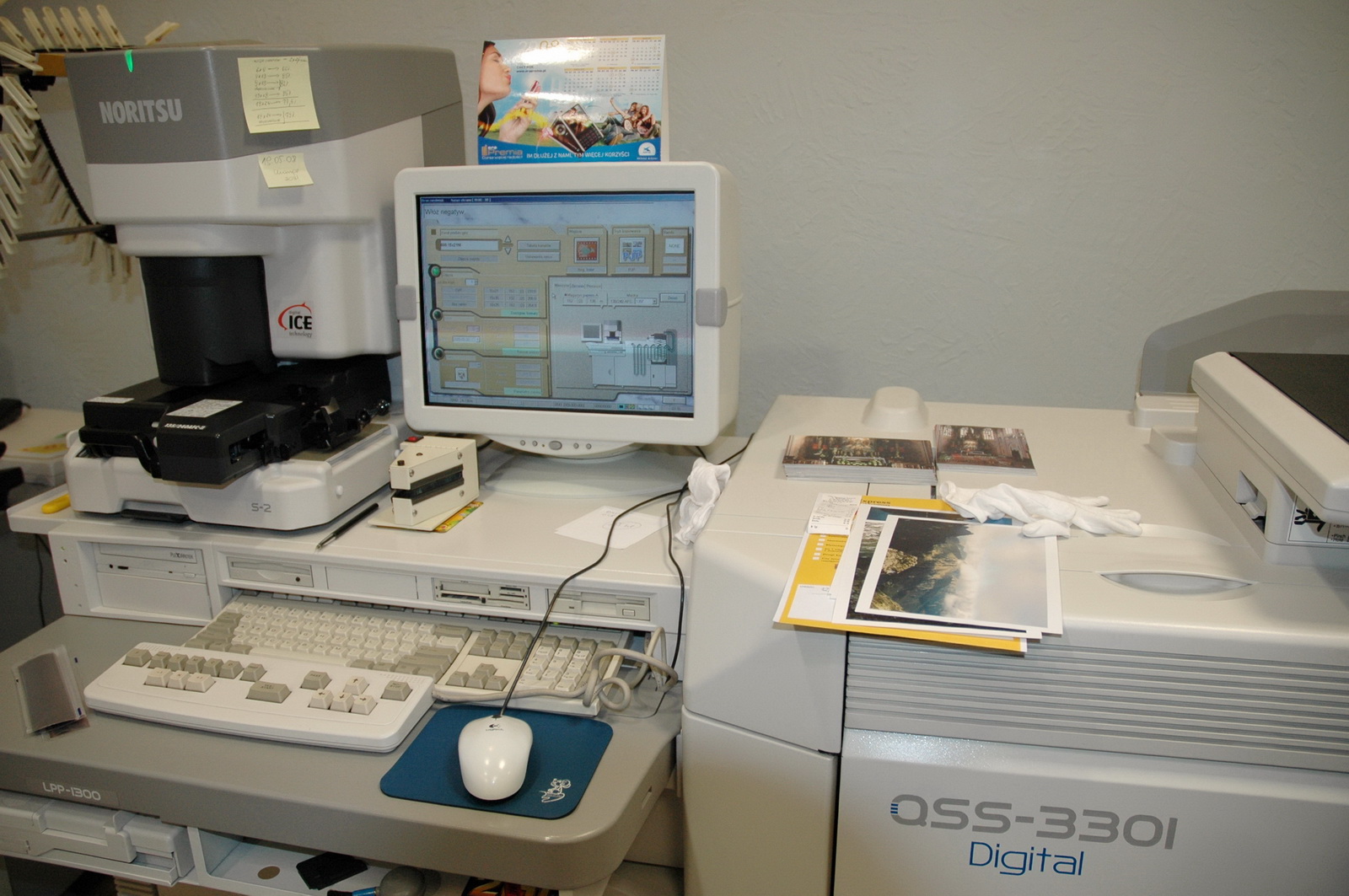
Central laboratories depended on volume, and volume depended on everybody posting their films to one place.
Compact processing machines placed in shops and supermarkets offered same-day and then one-hour service, and customers took convenience over quality immediately. The large laboratories closed, the small machines proliferated, and then digital removed both within about a decade – two complete industry structures destroyed in quick succession by the same underlying demand for immediacy.
13. Nobody Thought People Would Take Thousands of Pictures
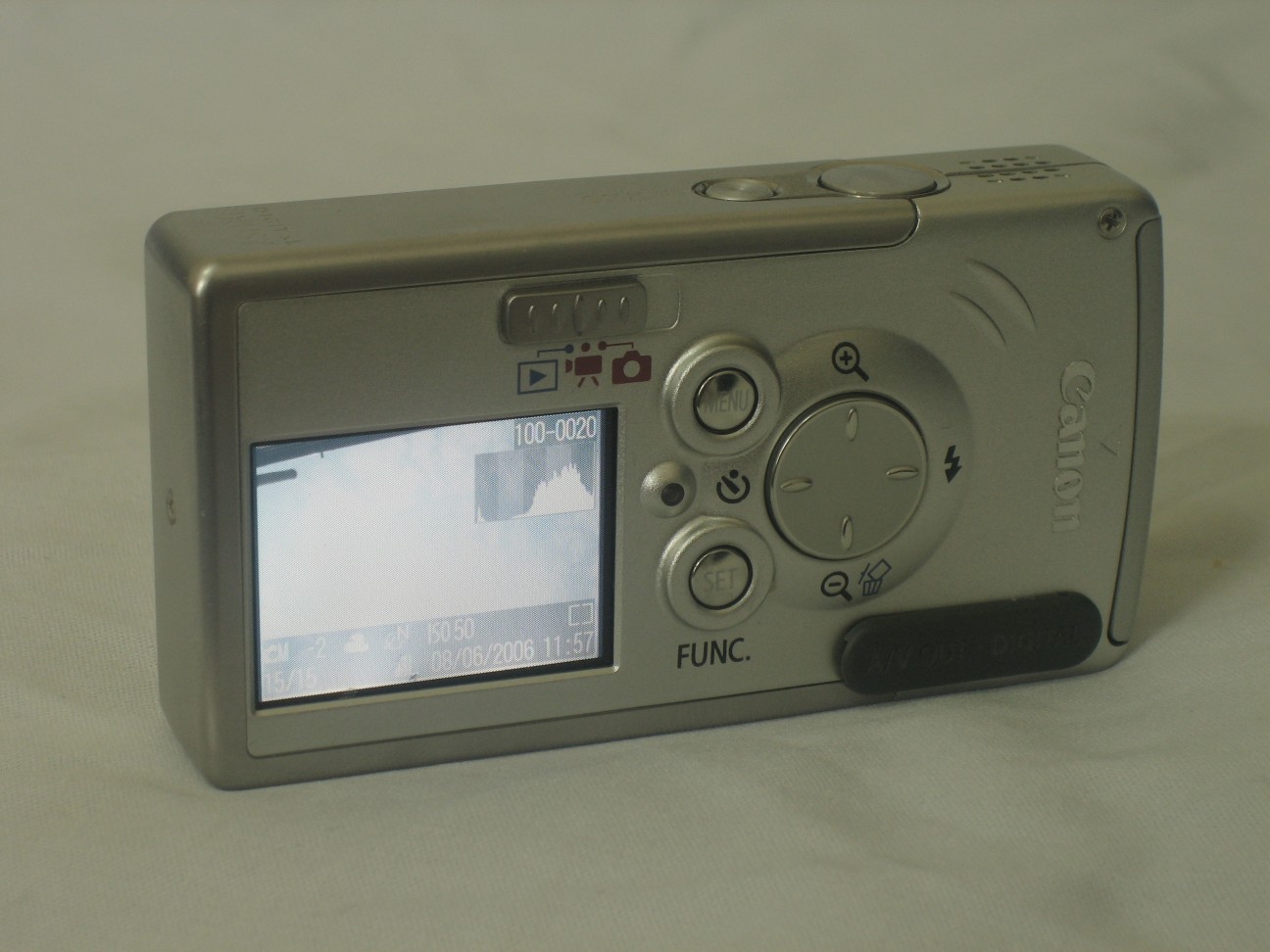
Film cost money per frame, processing cost money per film, and that economic fact limited everybody to a few dozen photographs of any event.
Marginal cost of zero changed behaviour more than any other aspect of the transition. The constraint produced deliberation, and its removal produced volume – and the honest assessment is that the volume contains far more good photographs and far fewer that anybody ever looks at twice.
14. The Photographs Survived Better Than the Files That Replaced Them
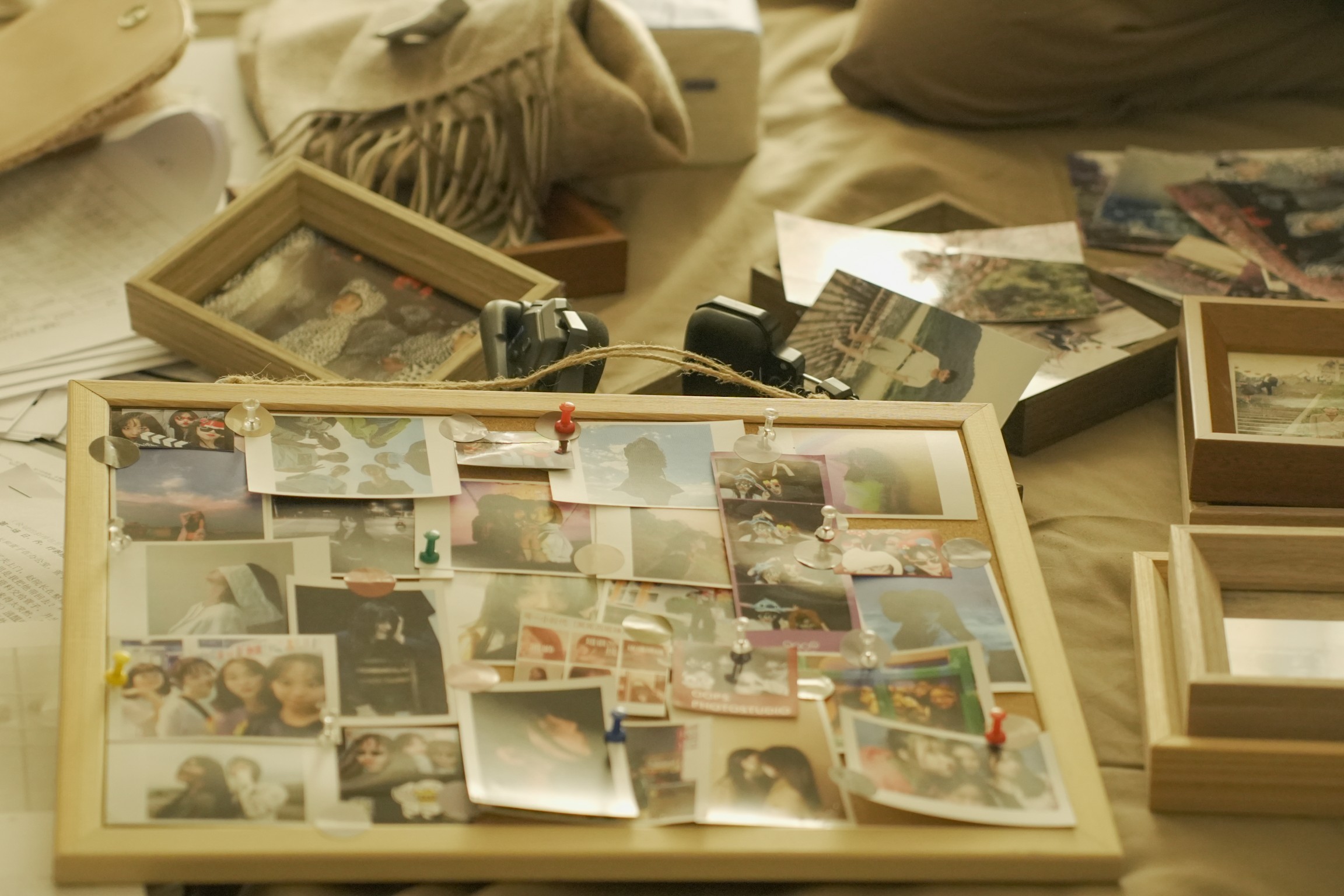
Prints and negatives from this period are in boxes, albums and lofts, and most of them are still readable.
Digital photographs from twenty years ago are frequently on media nobody can read, in formats nobody supports, on services that closed, or on a drive that failed. A shoebox of prints requires no equipment, no format, no account and no subscription, and the generation that complained about the cost and the waiting produced the archive that survived.
The Negatives Were the Thing and Nobody Realised
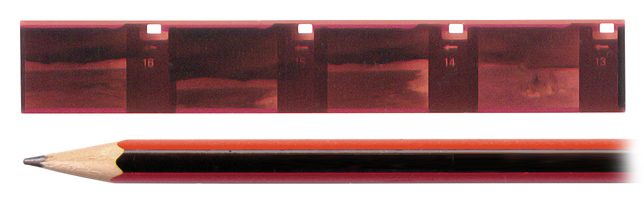
The detail from this list with real present-day consequences is what people did with their negatives.
A negative is the original. It holds substantially more detail and more colour information than any print made from it, it was produced by the camera, and it was the only thing from which a better copy could ever be made. The print is a derived object, made at speed, by a machine, at one size, with somebody’s quick judgement about colour applied to it.
The laboratory returned both, in the same wallet. People kept the prints and put the negatives in a drawer, a biscuit tin, the back of a cupboard, or the bin.
So an enormous proportion of the family photographic record of the second half of the twentieth century now exists only as the inferior copy. The prints have faded, because colour print dyes of that period were not stable and a photograph on a sunny wall for forty years has visibly shifted. Meanwhile the negatives, where they survive, have frequently kept far better – they were in the dark, in a drawer, exactly as it happens the correct storage conditions.
Which is the actionable thing here, and the reason it is worth saying rather than just observing. If there are negatives anywhere in your family – in a tin, in an envelope, in a box of papers after somebody died – they are the originals, they are almost certainly better than the prints you know, and they can be scanned at a quality the prints never had.
A great many people have spent money carefully scanning faded prints while a better source sat unrecognised in the same house.
If you worked in a lab you will know what the safelight did to your eyes and how fast the printing operators worked.
And if there is a tin of negatives in your family, that is the good copy.
Like our content? Follow us for more.