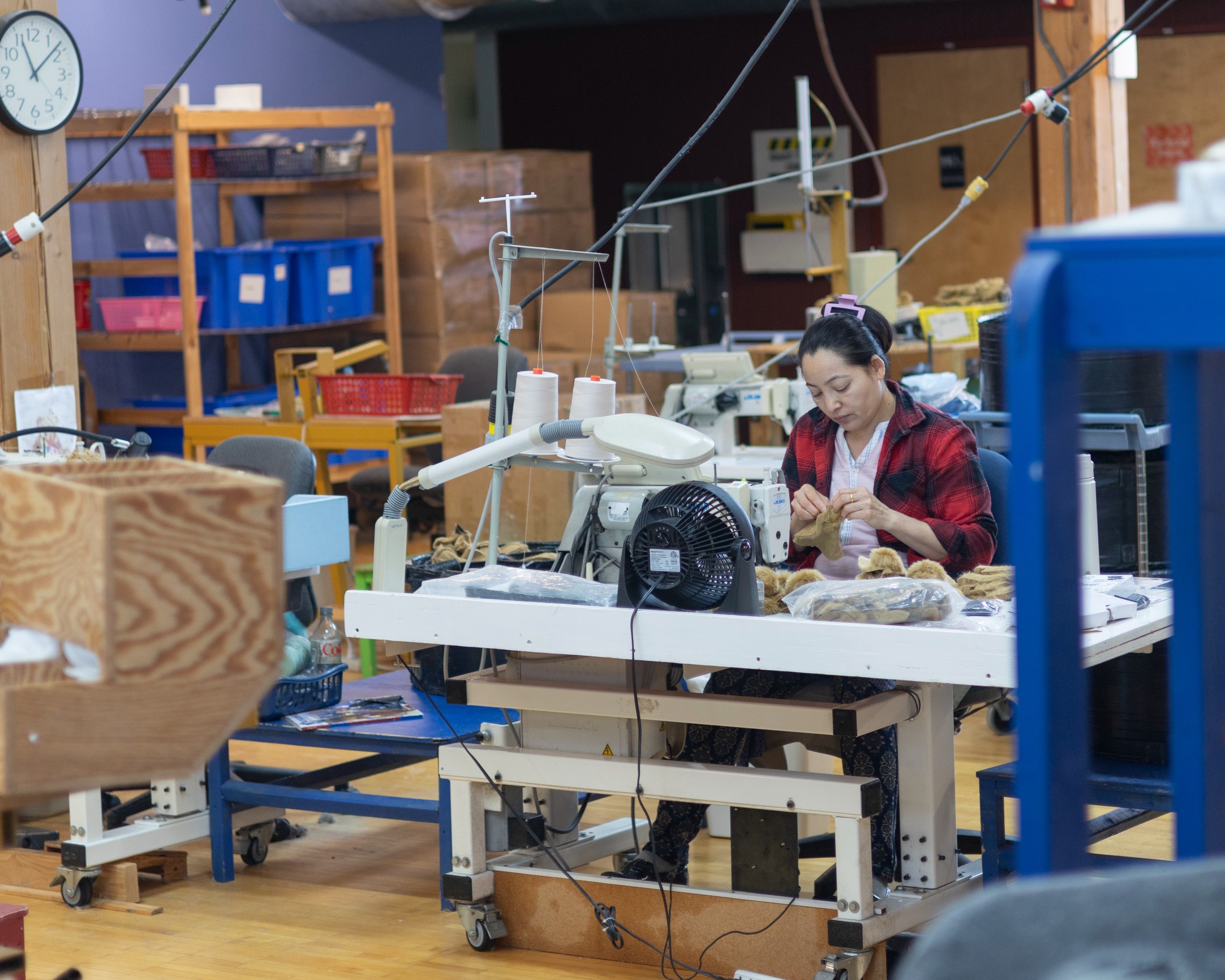
In 1960 toys were painted with finishes that contained lead, pressed from tinplate with cut edges left exposed, moulded on machines the operator reached into, and sold with no age grading, no warnings and no requirement that any part be too large to swallow.
A great deal of the finishing was done at kitchen tables by women and children paid by the piece. And the entire year’s business depended on about six weeks in December.
Here are fifteen things that were ordinary in a toy factory in 1960, and what became of each one.
1. The Paint Contained Lead and the Toys Were Designed to Be Chewed
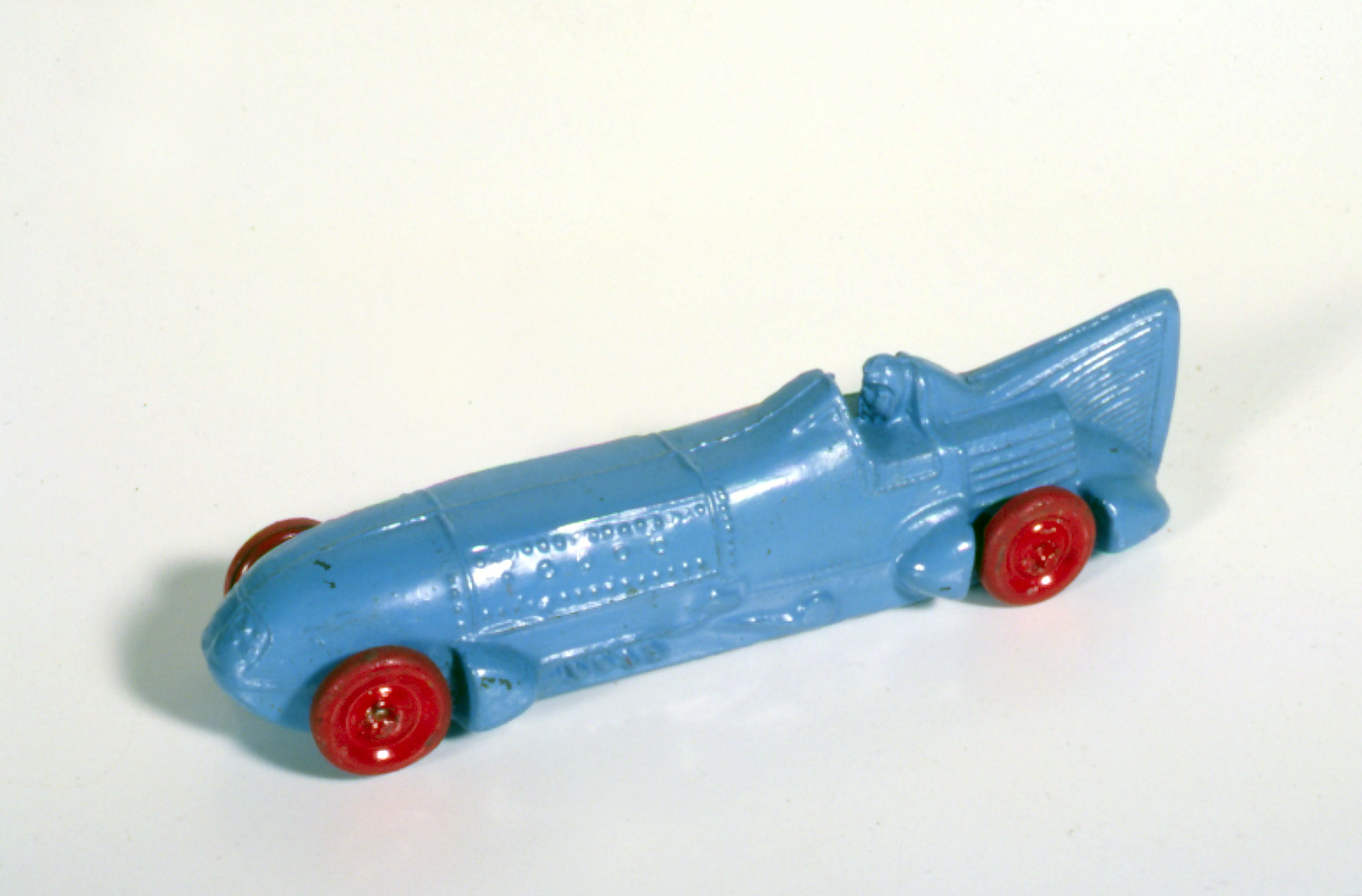
Decorative paints and enamels of the period commonly contained lead compounds for colour and durability, applied to objects intended for small children who put everything in their mouths.
Lead in toy finishes was prohibited and testing of surface coatings for heavy metals is now a basic requirement enforced by border inspection and market surveillance. This is the single clearest case in the whole series of a hazard that was obvious in retrospect, known in principle at the time, and permitted because the connection had not been made in the specific context of toys. Stated as history; anybody with concerns about their own exposure should raise them with their own doctor.
Like our content? Follow us for more.
2. Tinplate Toys Had Edges That Could Open a Hand
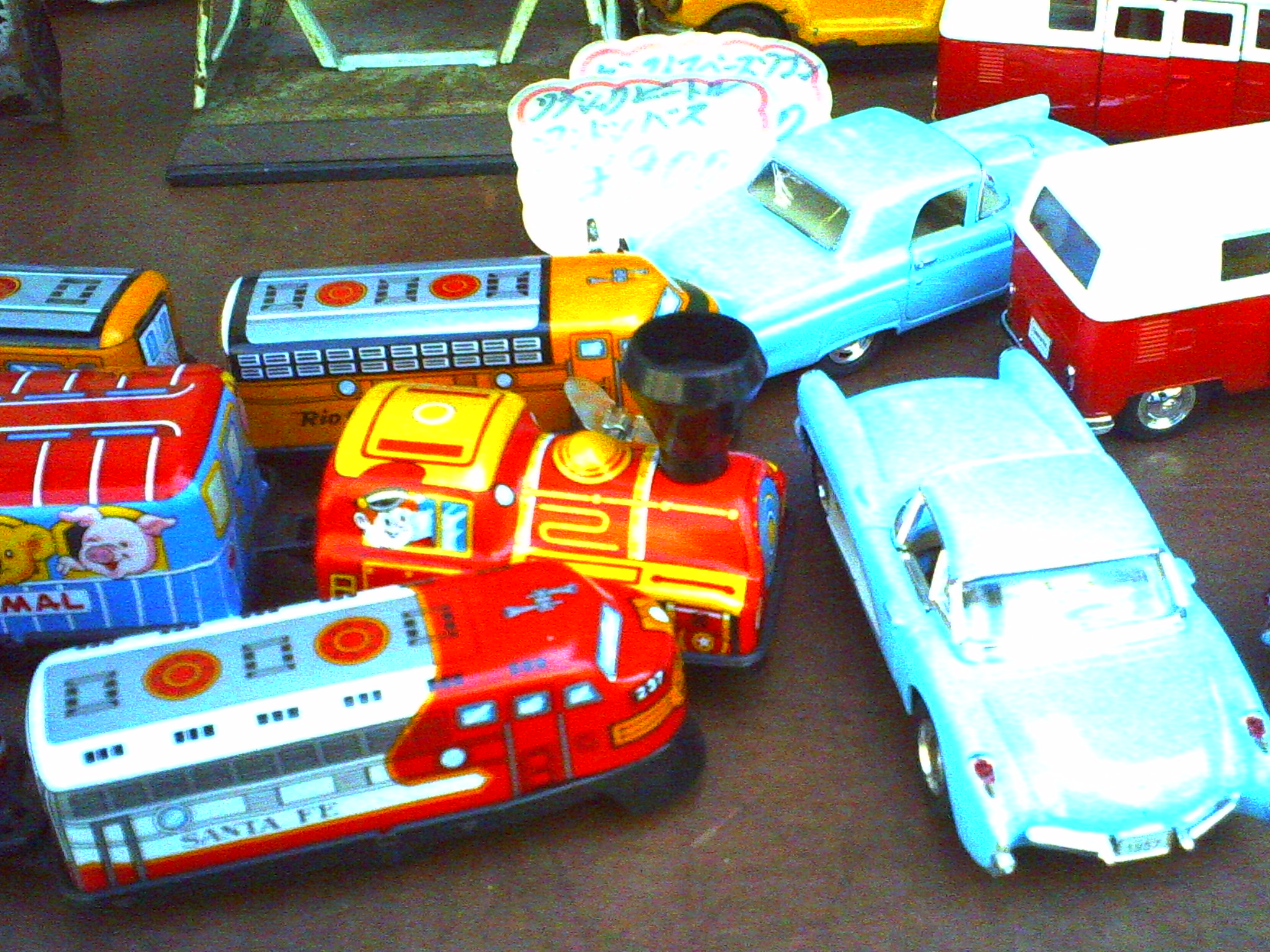
Pressed tinplate was cut, formed and tabbed together, and the resulting toys frequently had exposed cut edges, sharp tabs and spring mechanisms with pinch points, with no requirement to address any of it.
Standards now specify maximum sharpness of accessible edges and points, require rolled or protected edges, and test for pinch and shear hazards. Tinplate construction largely disappeared anyway with the move to moulded plastic, which solved the edge problem as a side effect of a change made for cost reasons.
3. Small Parts Were Not Regarded as a Problem
Detachable wheels, eyes, pellets and fittings were used freely on toys given to very young children, with no size requirement and no age guidance on the packaging.
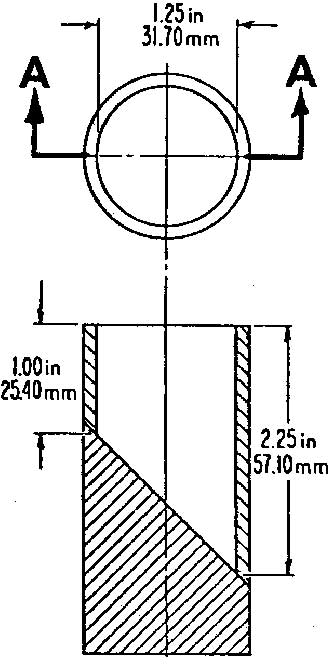
Minimum size requirements based on a cylinder approximating a young child’s throat, mandatory age grading and warnings, and torque and tension testing to establish whether a part can be detached by a child are all now standard. The test cylinder is a specified physical object, and anything that fits inside it cannot be sold for the youngest age group.
4. Celluloid Toys Burned Extremely Readily
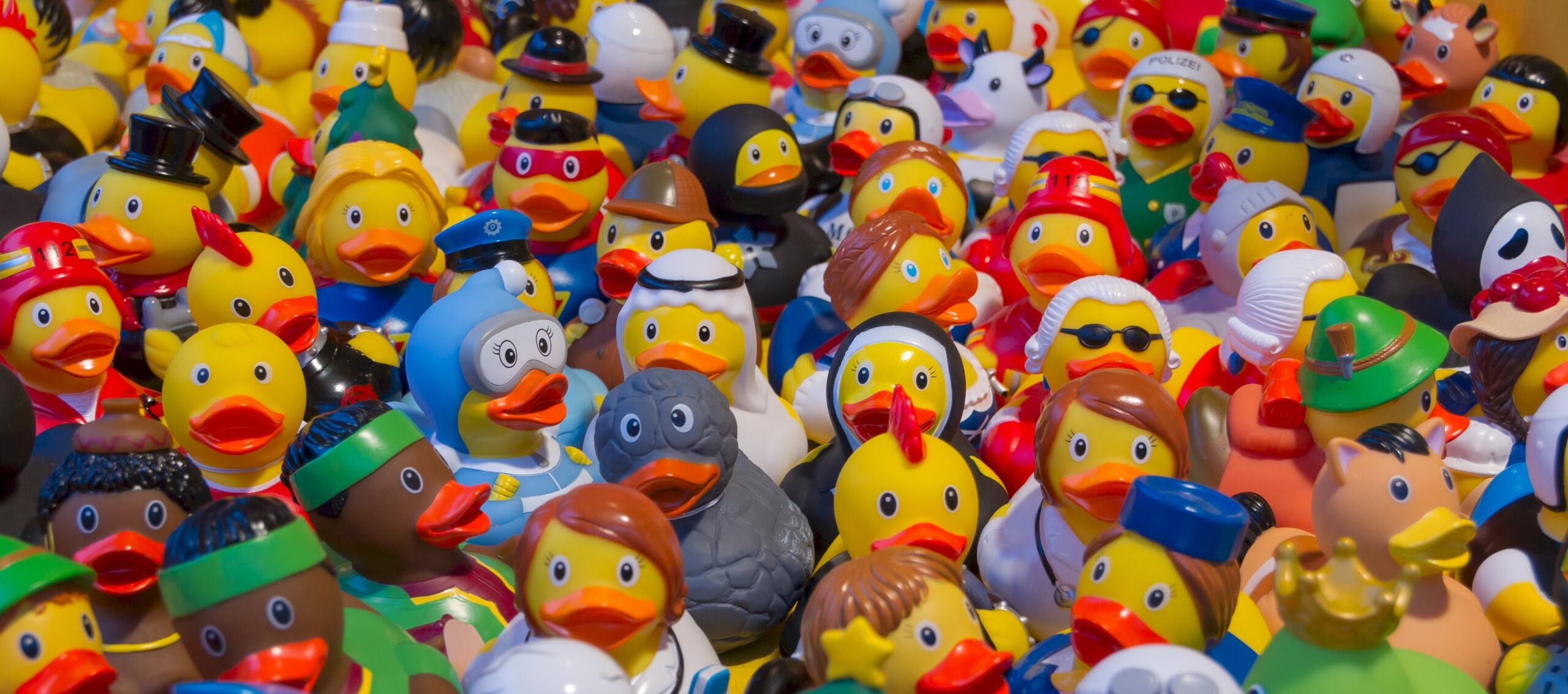
Celluloid was widely used for dolls, rattles and small figures, and it is highly flammable – a celluloid toy near a fire or a heater did not merely melt.
Flammability requirements for toy materials, and the substitution of celluloid by safer plastics, removed it. The hazard was well known for decades before it was addressed, and celluloid persisted because it was cheap, easy to form and took colour beautifully.
5. The Moulding Shop Was Hot and the Machines Were Unguarded
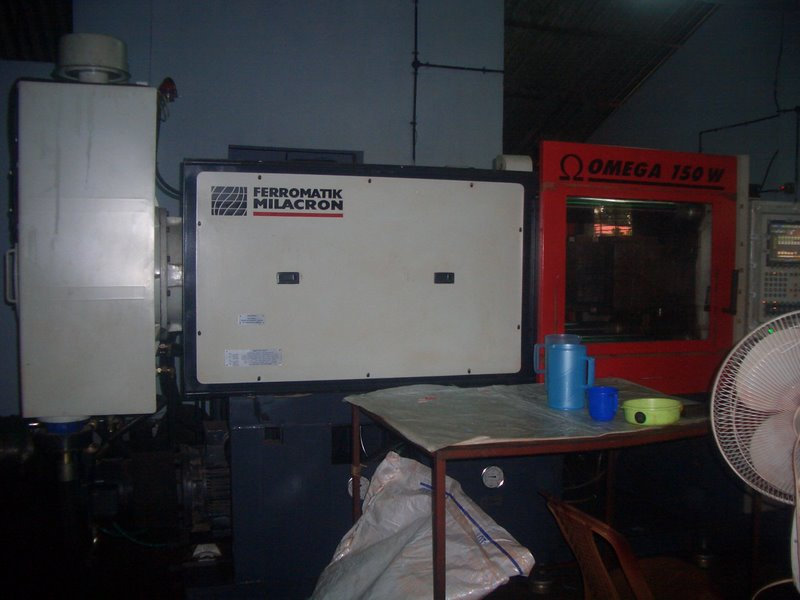
Injection moulding machines close with enormous force, and in 1960 the operator placed inserts and removed parts by reaching into the tool area with limited guarding and no interlocks.
Interlocked guards that physically prevent the tool closing while the gate is open, two-hand controls, light curtains and automated part removal transformed it. Moulding machine injuries were severe and characteristic, and the guarding requirements for power presses and moulding tools come directly from them.
6. Everything Was Finished, Assembled and Boxed by Hand
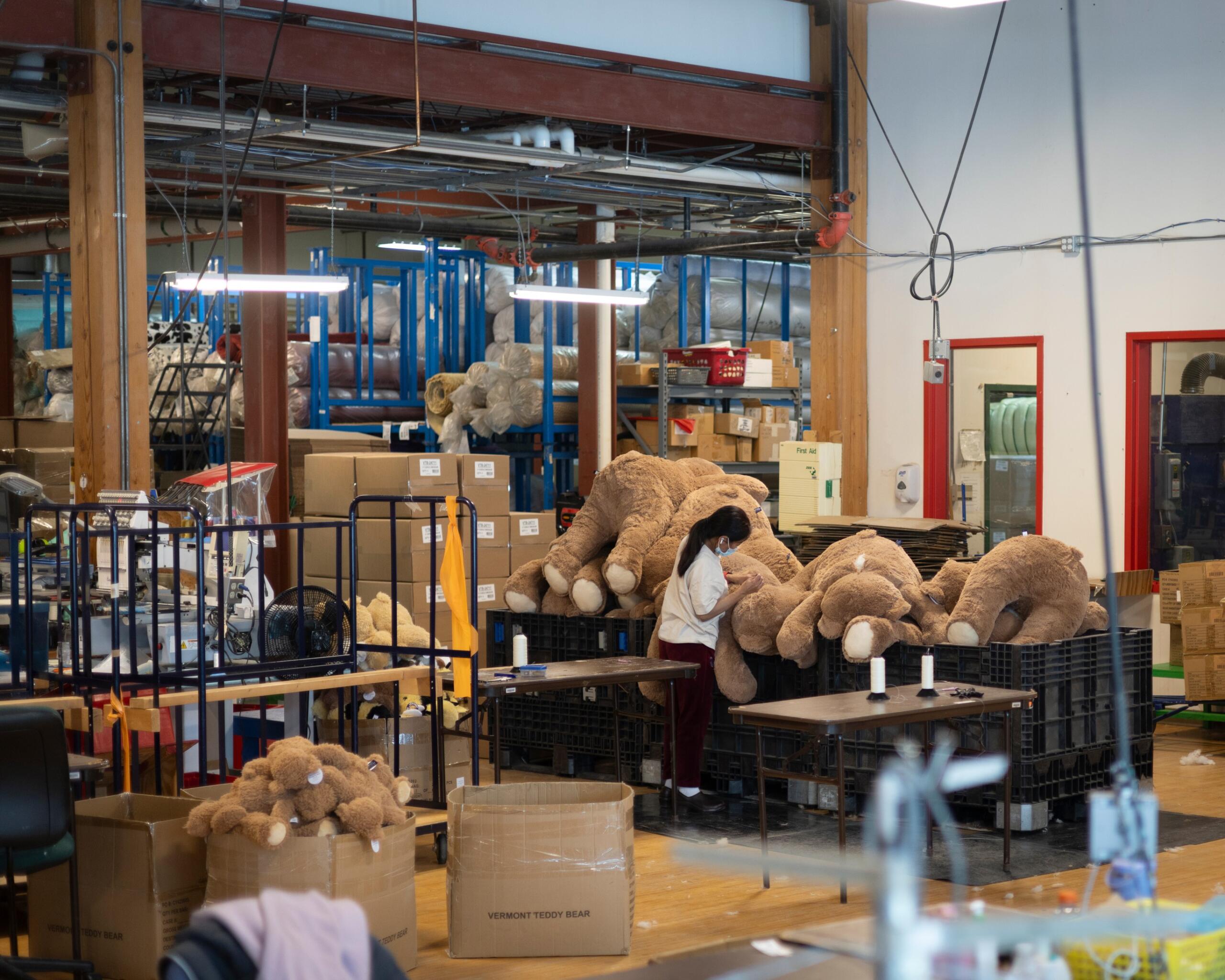
Painting detail, fitting eyes, stuffing, sewing, assembling mechanisms and packing were done by hand at benches, overwhelmingly by women, frequently on piecework.
Automated assembly handles some of it and much of the rest moved to lower-cost manufacturing. Hand finishing is why toys of this period have the slight individual variation that collectors value, and it is the same variation that was treated at the time as a quality problem to be eliminated.
7. A Great Deal of the Work Went Out to People’s Homes
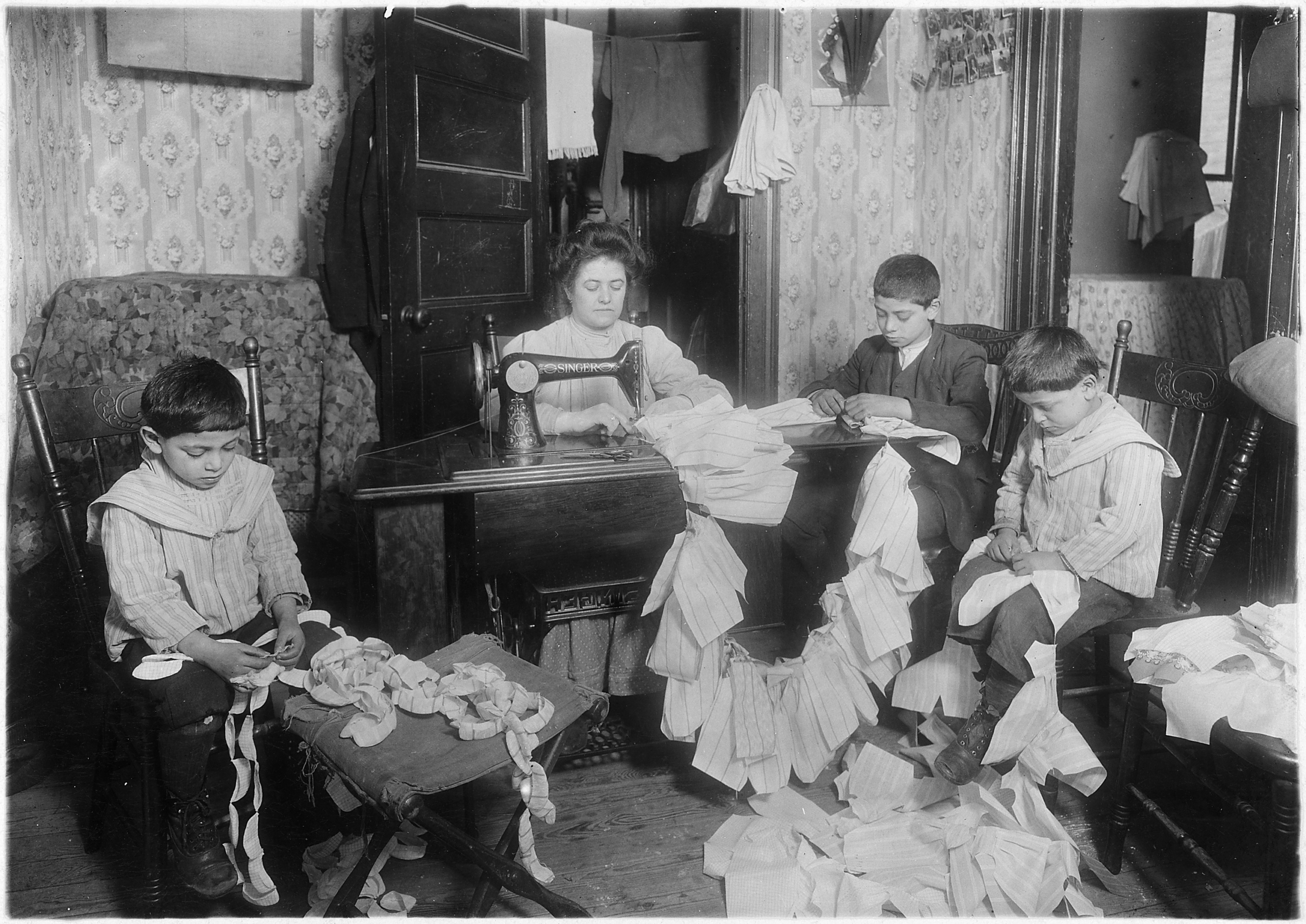
Outwork was standard: components were delivered to households, assembled or finished at kitchen tables by women and children, collected, and paid by the piece.
Homeworking in manufacturing declined sharply with regulation of pay, conditions and child labour, and with the move to factory and then overseas production. The arrangement had the same structure as the chain and nail trade – materials supplied, output bought by weight or count, no security and no separation between home and work.
8. The Entire Year Depended on About Six Weeks
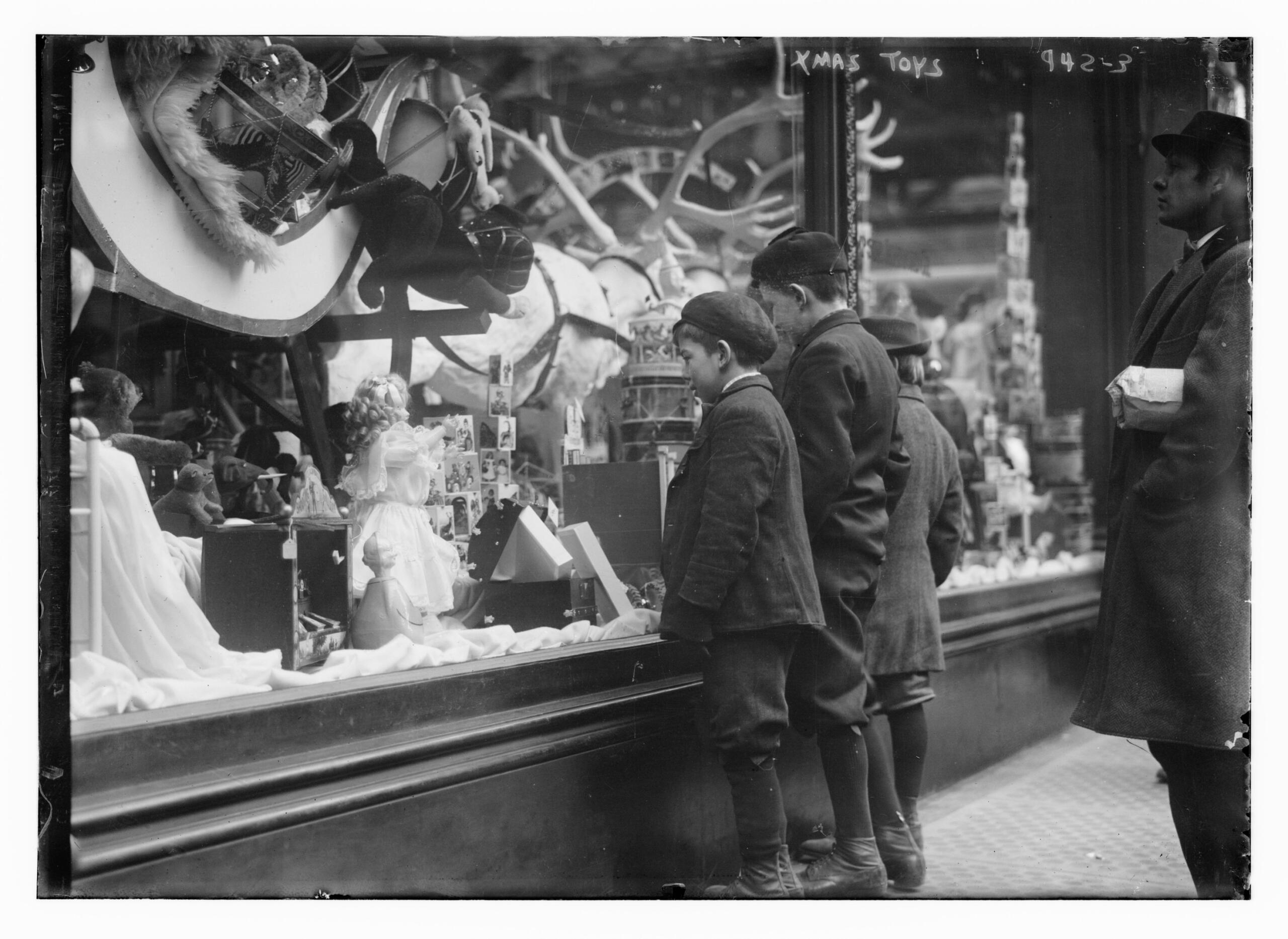
Toy manufacture is extraordinarily seasonal. The year’s production built stock for Christmas, the order book was committed months ahead, and a misjudgement could not be corrected.
Still true and still the industry’s defining problem, now managed with faster supply chains and better forecasting. A factory that guessed wrong about a season’s demand had a year’s output in a warehouse and no second chance, which is why toy companies have always failed in a particular dramatic way.
9. The Products Copied Each Other Shamelessly
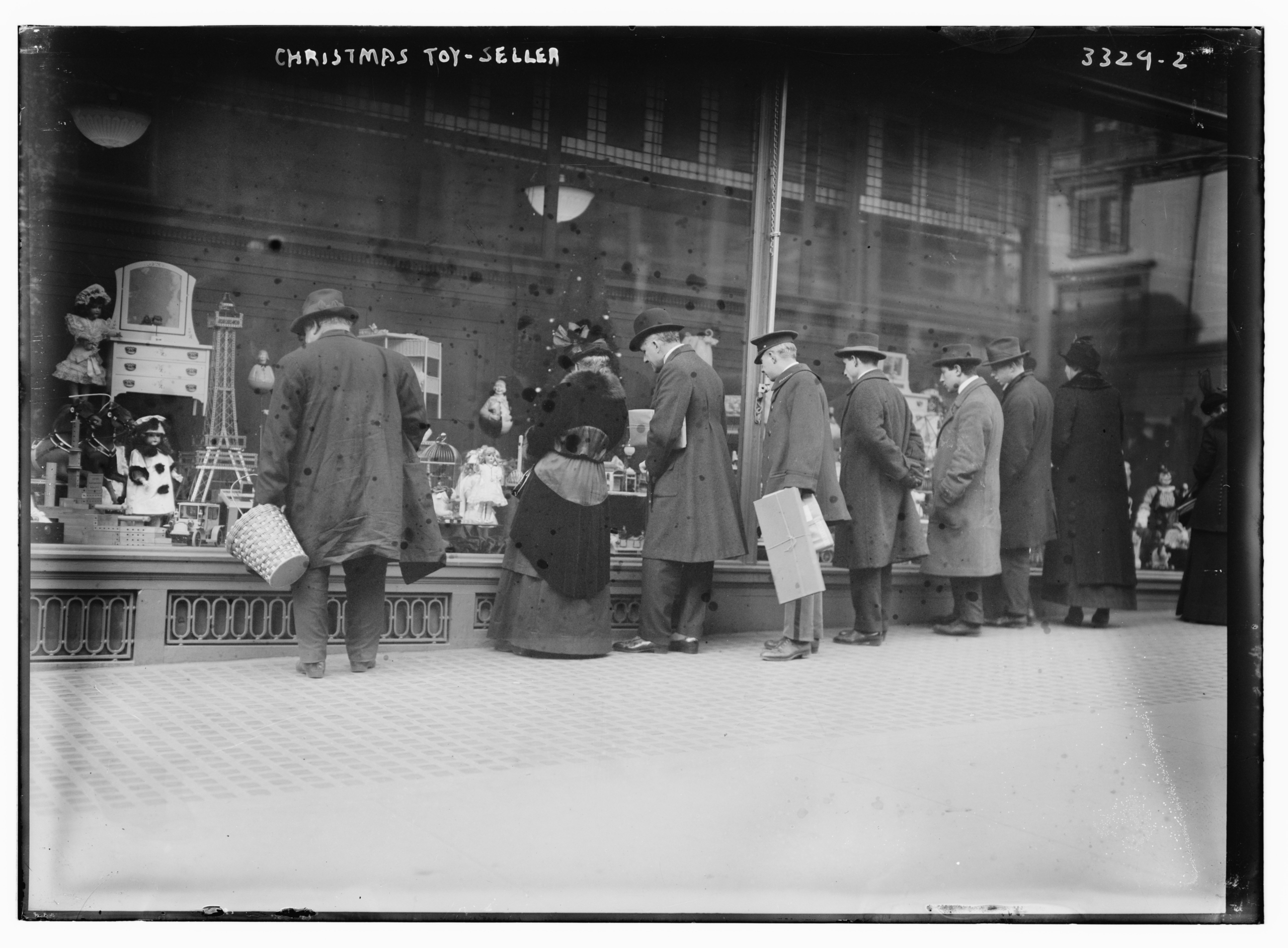
A successful toy was copied immediately and extensively, with design protection weak, slow and expensive to enforce against a product with a commercial life of one season.
Design registration, trade mark enforcement and customs seizure powers have improved the position without solving it. The economics are unchanged: by the time an action concludes, the season is over and the copies have sold, which is why the industry relies on speed and brand rather than on law.
10. The Catalogue Was the Whole Marketing Operation
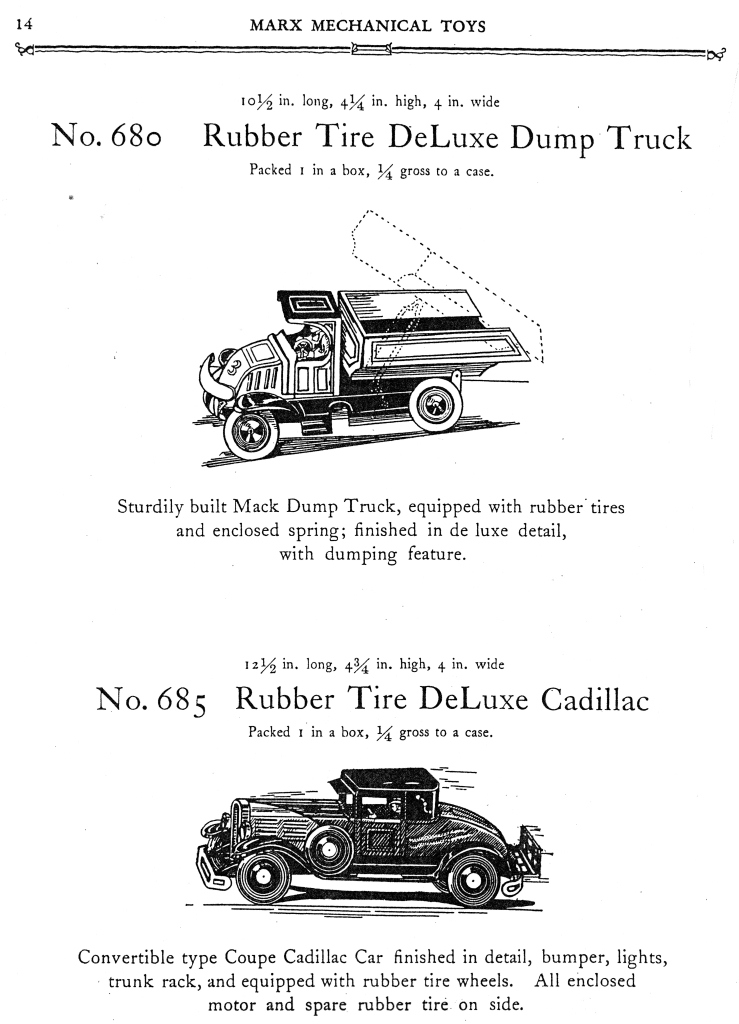
Toys were sold to shops through a trade catalogue and to children through a mail-order catalogue that arrived in autumn and was read to destruction.
Television advertising, which was arriving at exactly this period, changed it completely and shifted power towards whoever could afford a campaign. The catalogue was replaced by the advertisement, which is the moment the industry stopped being about what shopkeepers would stock and started being about what children would ask for.
11. Dolls Were Made of Whatever Was Cheap and Available
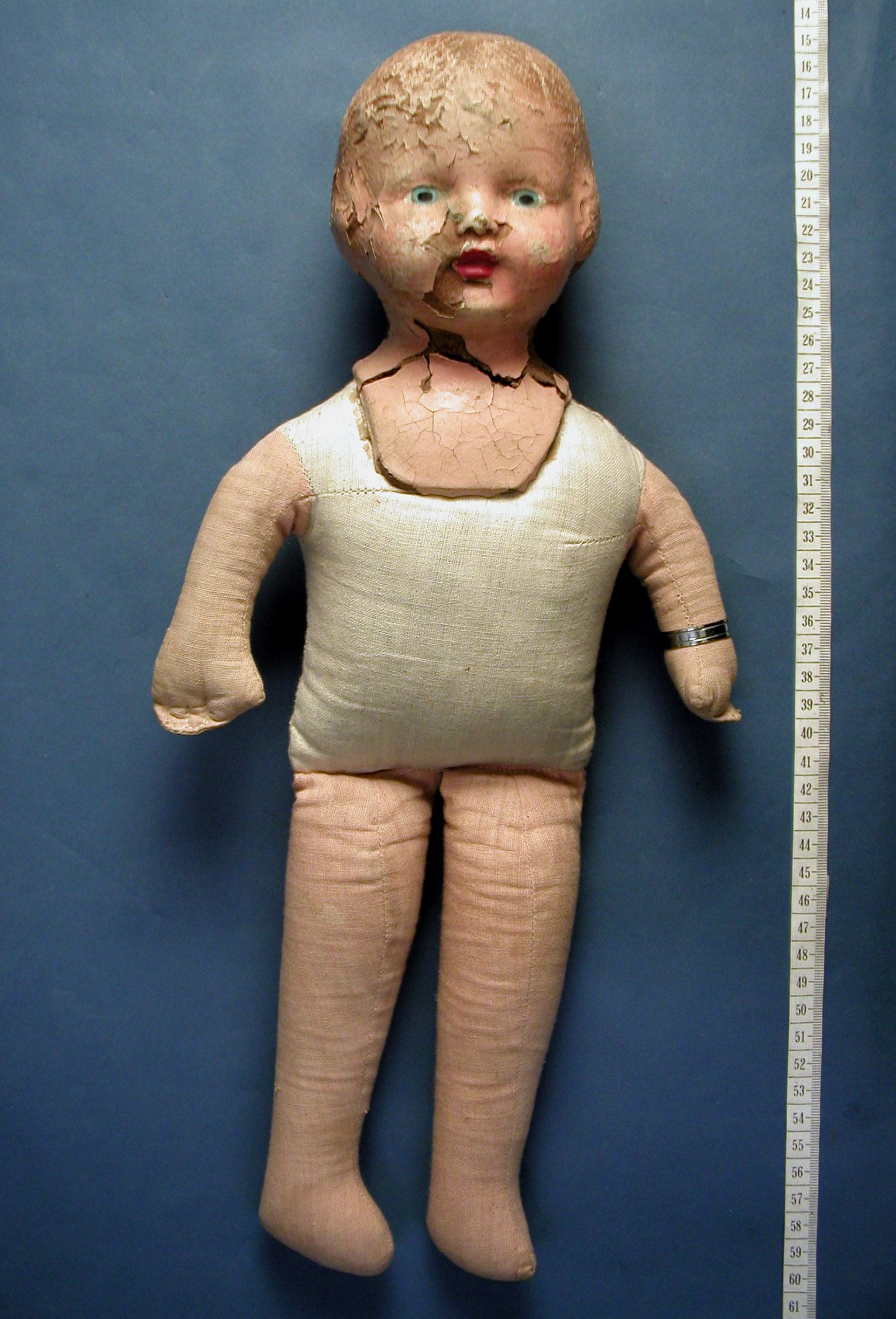
Composition, celluloid, early plastics, rubber, cloth and sawdust stuffing all appeared, with material chosen on cost and availability rather than on durability or safety.
Material specification, flammability testing, chemical migration limits and durability requirements now govern it. Many surviving dolls from this period have degraded badly in ways that reveal what they were made of, and some are genuinely unpleasant objects now in a way that is entirely about the chemistry.
12. Nobody Was Thinking About Whether the Toy Was Any Good for the Child
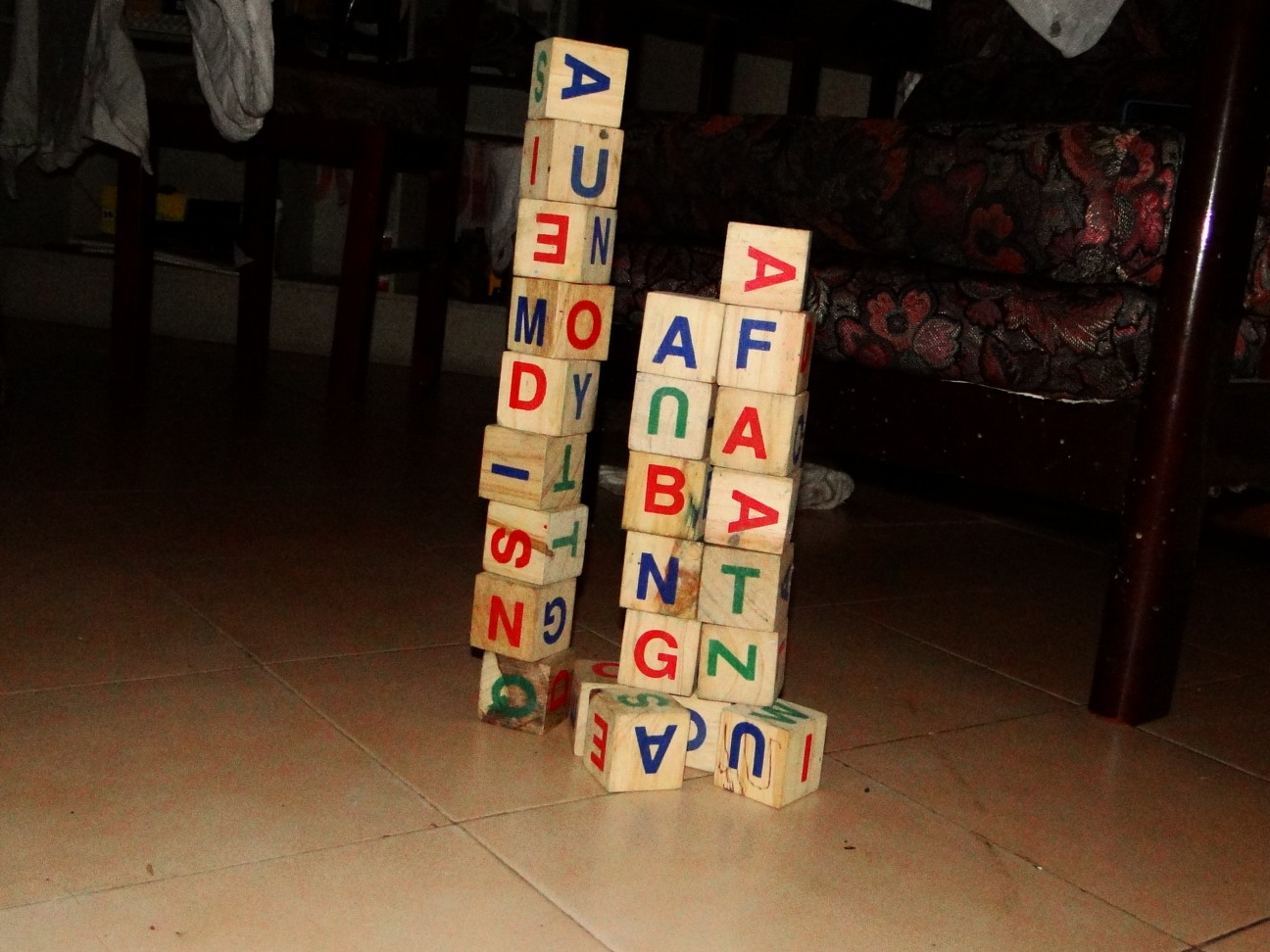
Design was driven by what would sell, what could be made cheaply and what looked striking in a catalogue illustration, with developmental value a matter of opinion rather than an input.
Age grading, developmental claims, educational product categories and considerable research now inform design, with the usual caveat that a great deal of marketed developmental benefit is not well supported. The honest position is that the industry now takes the question seriously and that the evidence base behind many specific claims remains thin.
13. The Factory Made Its Own Tools and That Was the Real Asset
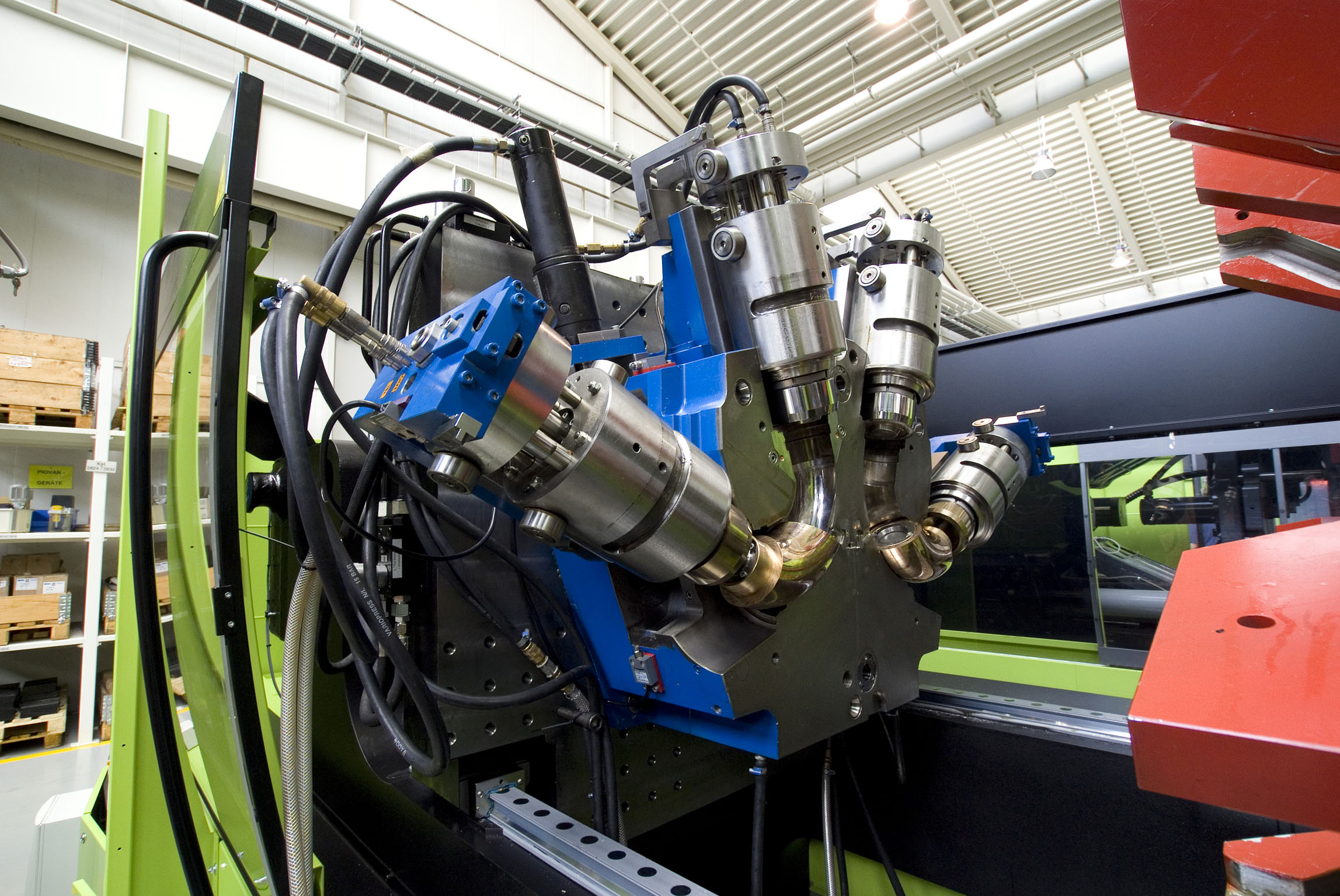
The moulds and press tools were cut in the factory’s own toolroom by toolmakers, and a mould represented an enormous investment that had to be amortised over a long production run.
Tooling is now frequently bought in or made where the moulding happens. The toolroom was the most skilled part of a toy factory, it was the barrier to entry that protected established manufacturers, and the collapse of domestic toolmaking removed that protection permanently.
14. Nobody Expected the Whole Industry to Move
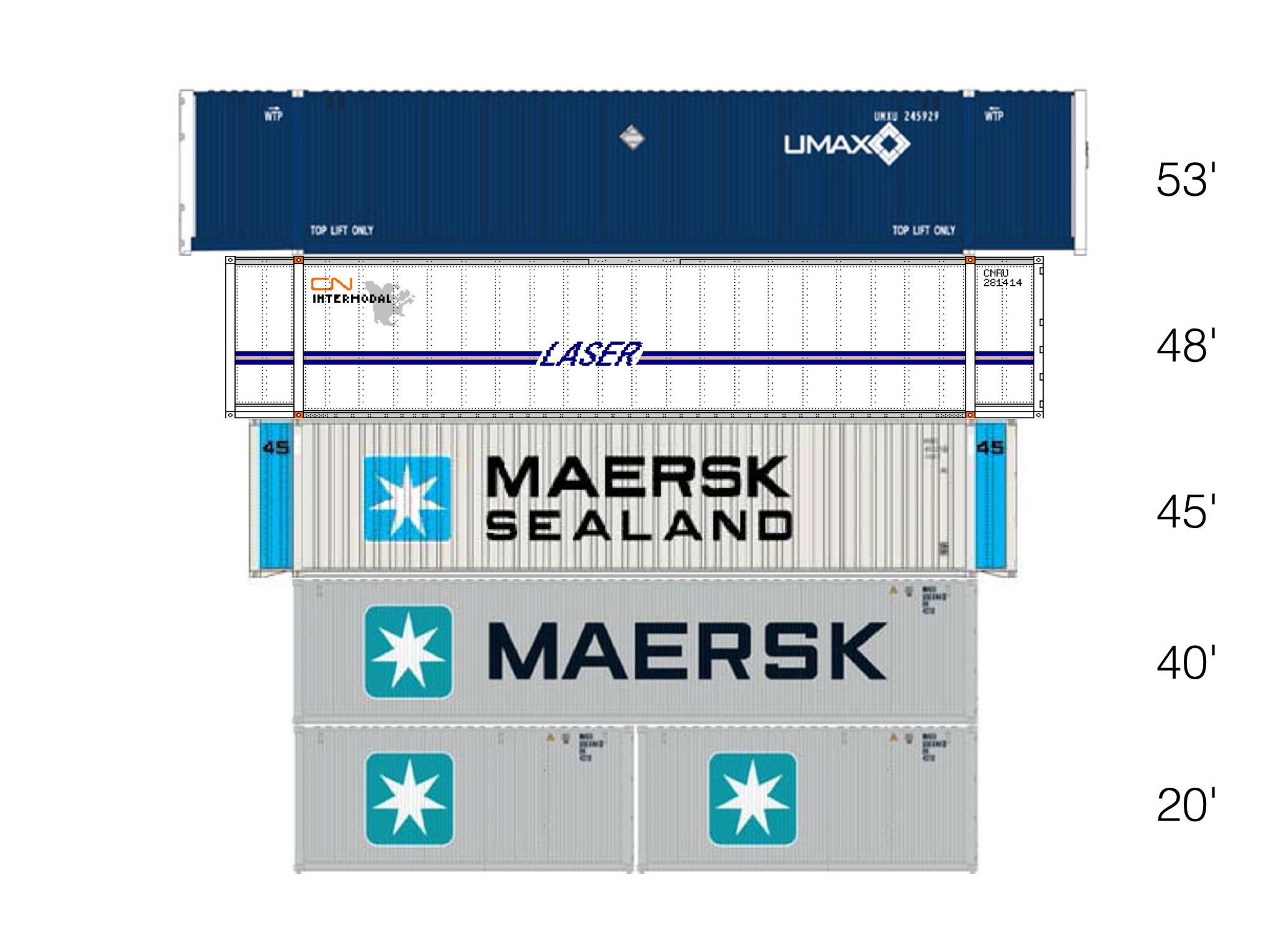
In 1960 toys were made close to where they were sold, because they are bulky, seasonal and change constantly – all of which seemed to require local manufacture.
Containerised shipping handled the bulk, air freight handled the urgent, and faster communication handled the design turnaround, and production moved almost entirely within about two decades. Every reason local manufacture seemed necessary was dissolved by logistics rather than by anything about toys.
15. The Survivors Are Worth More Than They Ever Cost
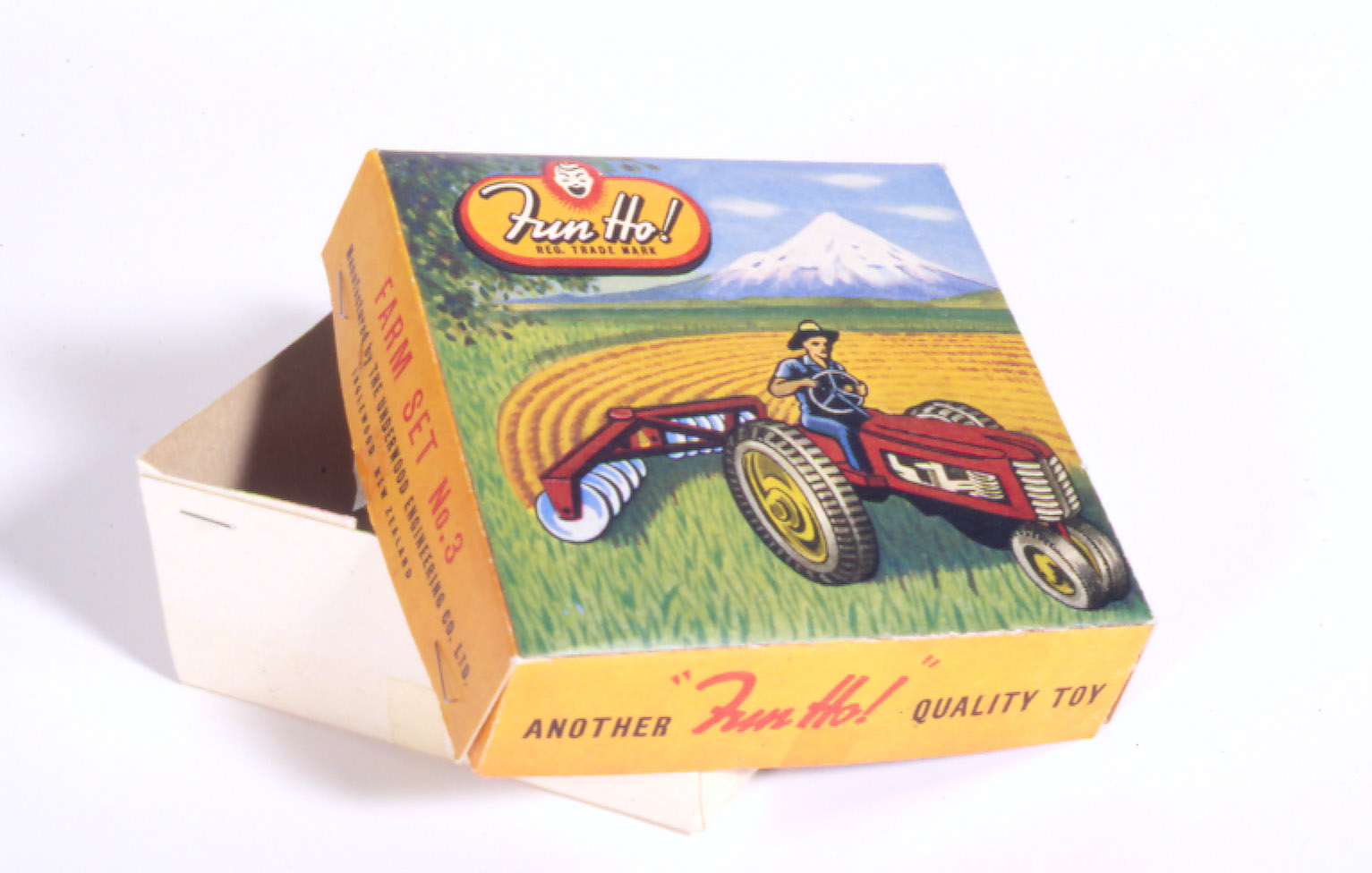
Toys were used, broken, outgrown and thrown away, and the survival rate of any particular item is low – especially boxed, complete and undamaged.
Which is why the collectors’ market exists and why a tinplate toy that cost very little is now worth a great deal. The value is created entirely by the thing having been treated as disposable, and the examples that survive are disproportionately the ones that were never played with – which is a slightly melancholy way for a toy to end up valuable.
The Standards Are Written as Physical Objects
The most interesting thing about toy safety is how the rules are expressed, and it is worth knowing because it is unusually sensible.
A regulation could say that parts must not present a choking hazard. That is unenforceable – it requires a judgement, the judgement varies, and a manufacturer and an inspector can disagree indefinitely.
Instead the requirement is a physical test. There is a specified cylinder, of specified dimensions, approximating the throat of a young child. A part either fits inside it or it does not. That is not a matter of opinion and two people with the same cylinder get the same answer.
The same approach runs through the whole framework. Sharpness is assessed with a defined test device. Whether a part can be pulled off is determined by applying a specified force for a specified time. Flammability is a defined ignition test. Small parts, sharp points, pinch hazards, cord lengths, noise levels – each one has a procedure and an apparatus rather than a description.
This matters because it converts a safety question into a measurement, which can be performed by a laboratory anywhere, repeated by a customs officer, demanded by a retailer and audited by anybody. A manufacturer in one country and an inspector in another can disagree about almost everything and still agree about whether the wheel came off under a specified pull.
It is an underappreciated piece of regulatory design, it is the reason toy safety actually works reasonably well across international supply chains where enforcement is otherwise difficult, and it exists because the alternative – trusting everybody’s judgement about what seems dangerous – was tried, for a very long time, with the results described above.
If you worked in toys you will know whether your factory had its own toolroom and what happened to it.
And if you still have something from this period in a box, that box is most of what it is worth.
Like our content? Follow us for more.