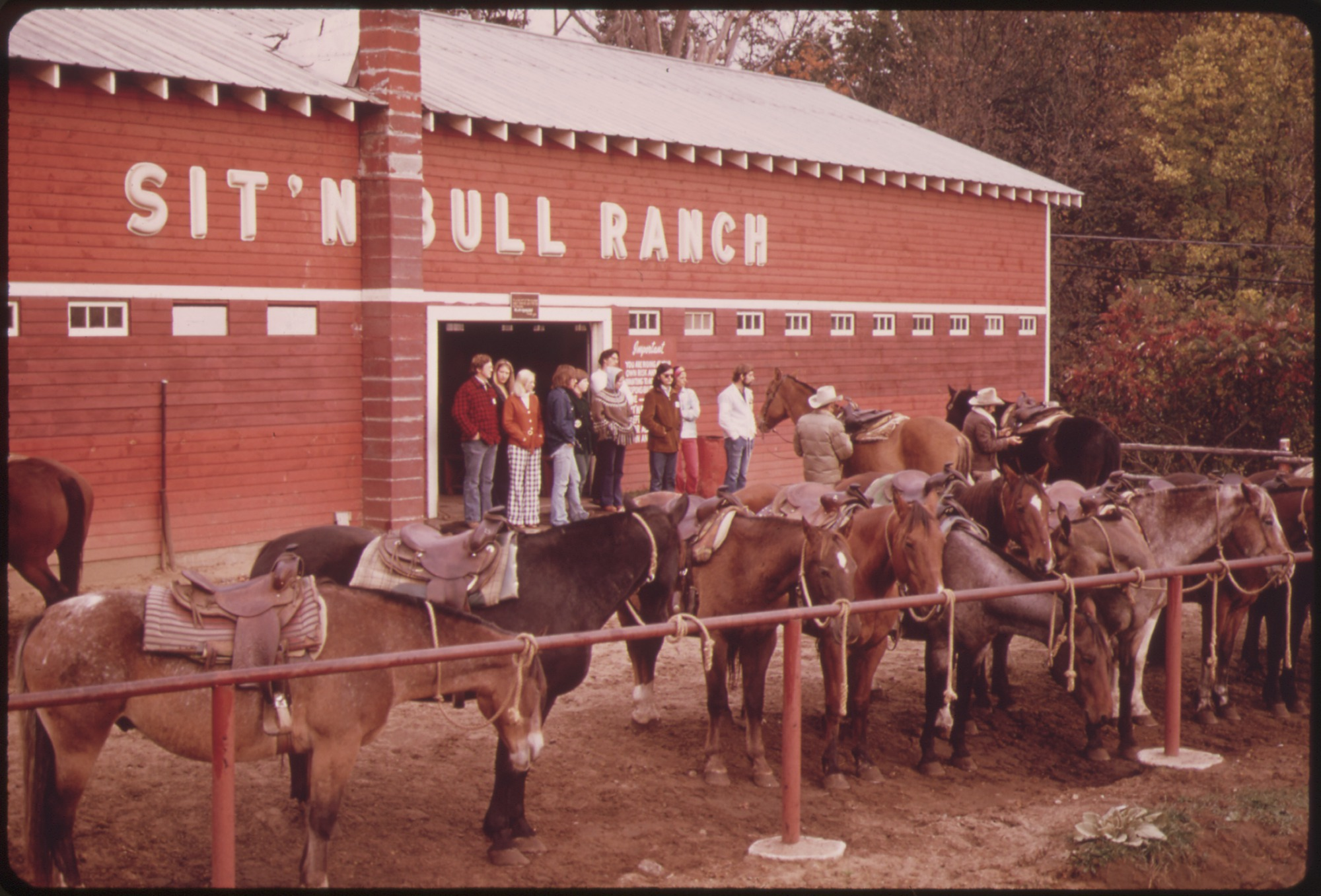
The dude ranch was one of the great American holiday inventions: a working or semi-working ranch in the West that took paying guests for a week or two, put them on horses, fed them enormously, and sold them a version of a life that was already disappearing when the first of them opened.
By 1968 it was a mature industry with a loyal clientele, and it was operating on assumptions about risk, instruction and supervision that the modern guest ranch – which is a real and thriving business – has had to replace completely.
Here are fourteen things every American dude ranch did in 1968 that nobody would attempt now.
1. You Were Put on a Horse the First Morning
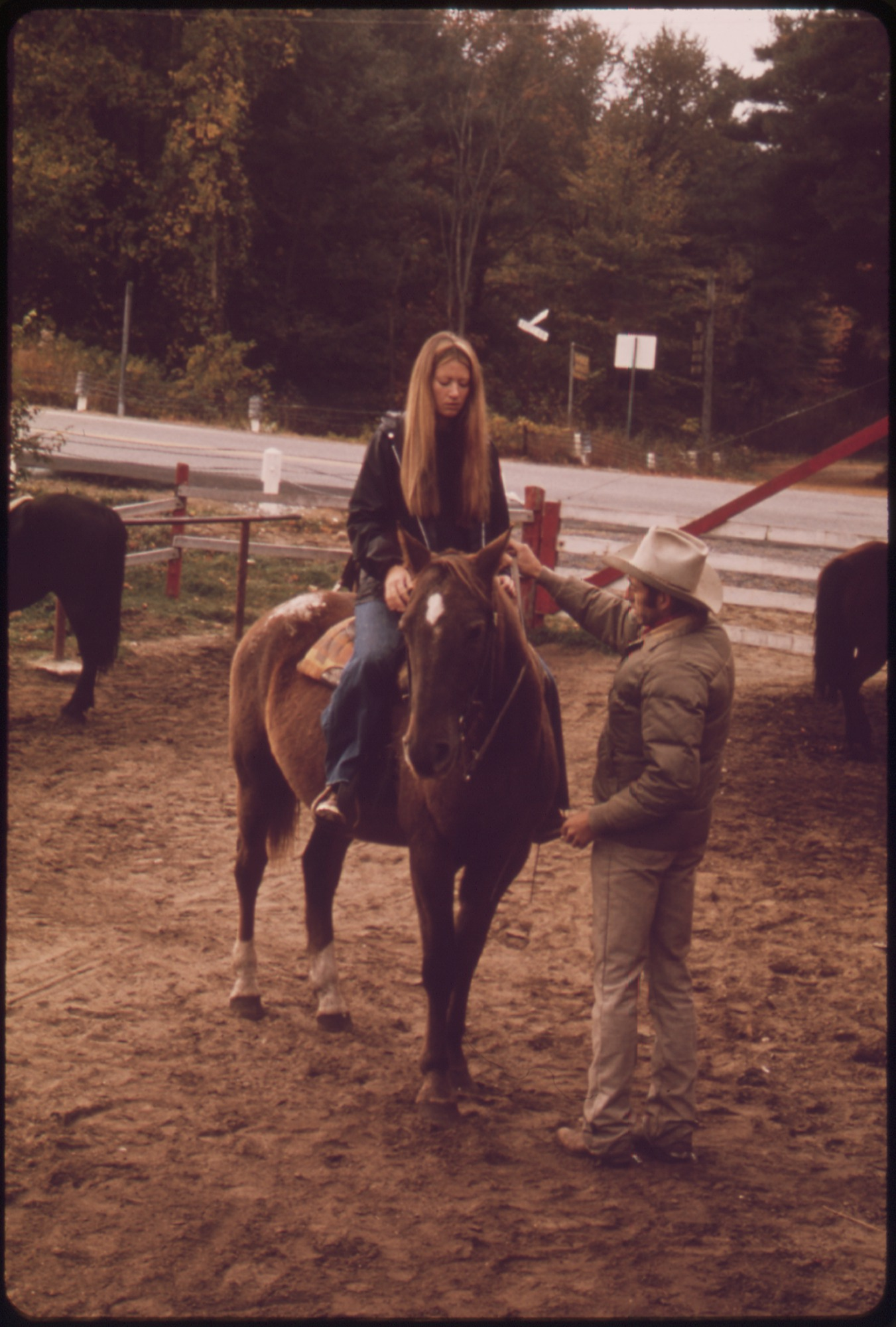
A guest arriving on a Sunday was riding on Monday. The assessment was a conversation at the corral – have you ridden before, how much – and the horse was chosen on the strength of the answer.
A guest who overstated their experience got a horse they could not handle, and a guest who understated it got one so placid they spent the week bored. Modern guest ranches assess riding ability by observation in an arena before anybody leaves the property, which is both a safety requirement and an insurance condition.
Like our content? Follow us for more.
2. Nobody Wore a Helmet
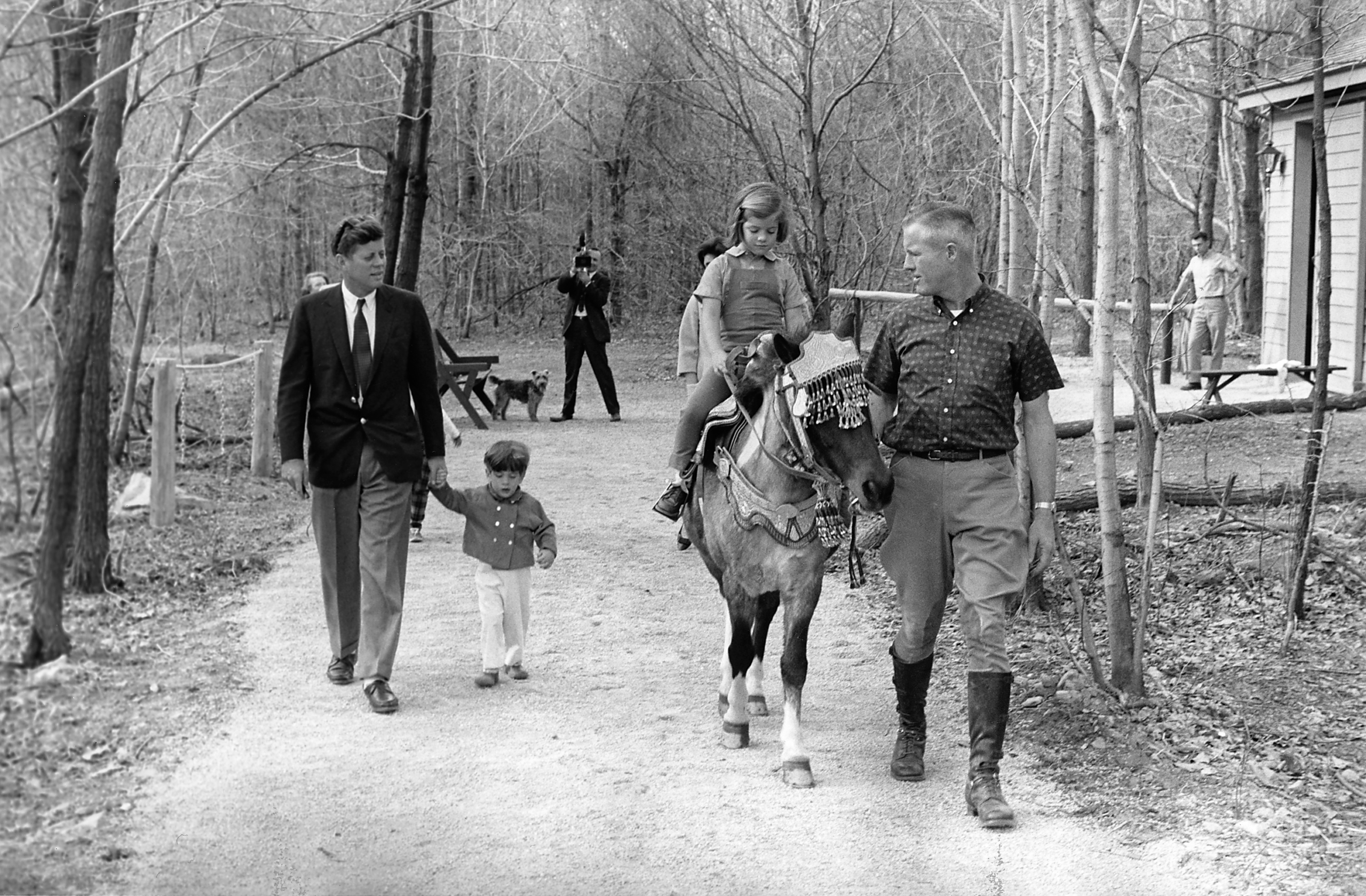
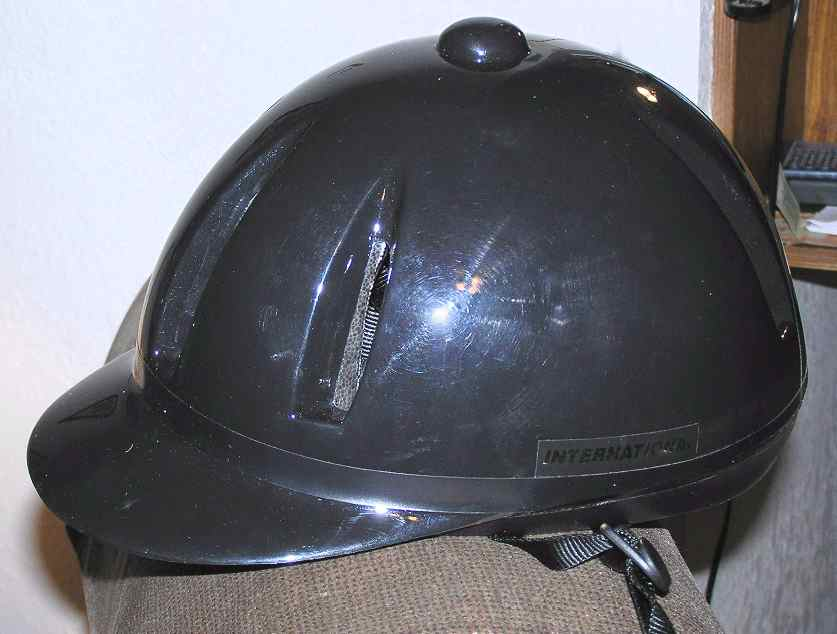
Riding helmets were essentially absent. Guests rode in whatever hat they had bought in town, which was chosen entirely for how it looked.
Head injury is the serious risk in riding and has always been. Helmets are now required for guests at the great majority of American guest ranches and for children at effectively all of them, and the broad-brimmed hat has become something worn in photographs and swapped for a helmet before mounting.
3. The Instruction Was About Ten Minutes
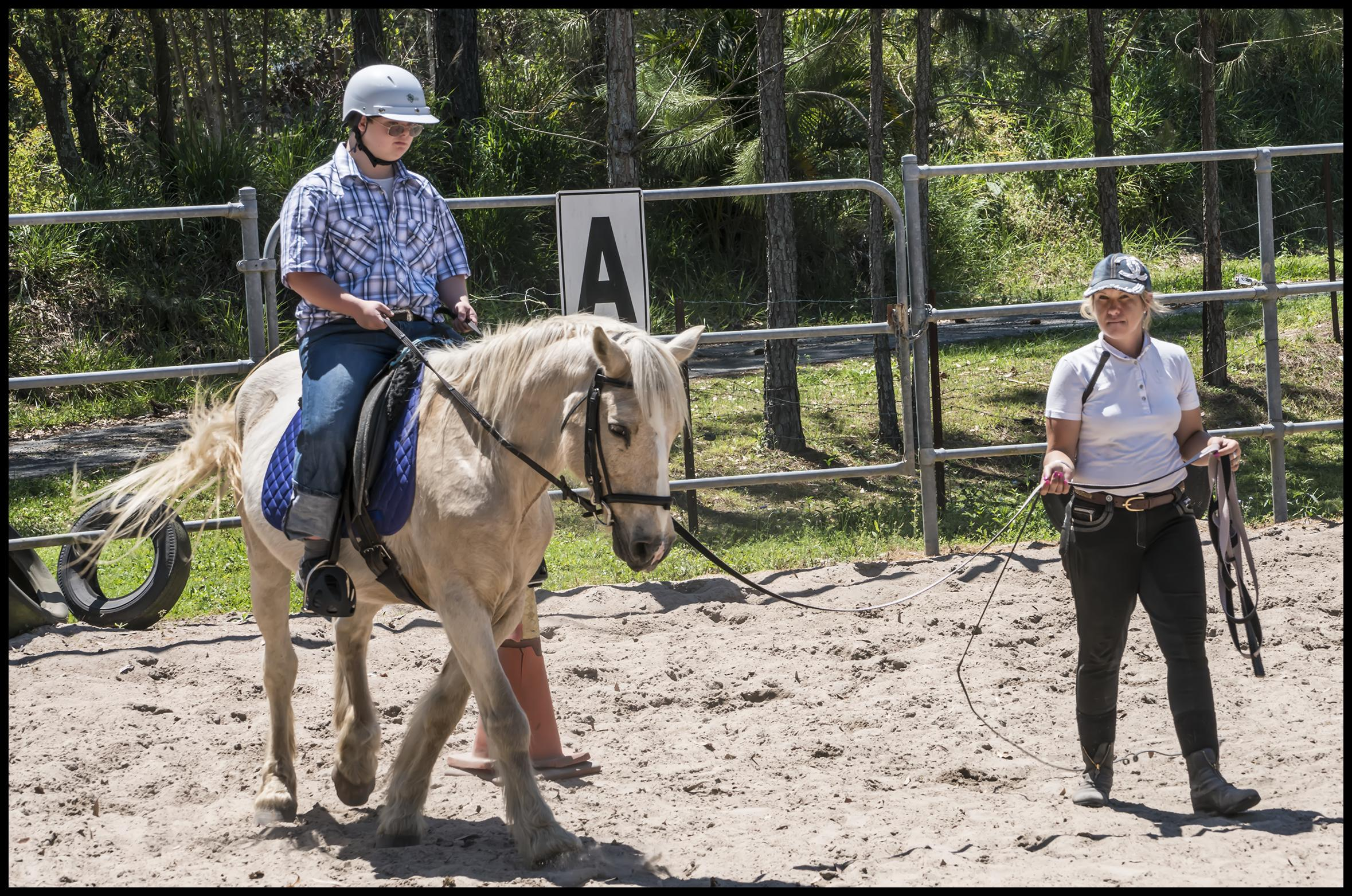
Teaching consisted of how to hold the reins, how to stop, how to turn and how to get on. Then the group left.
The approach worked because the horses were extremely well chosen – a good dude string is made of animals selected over years for tolerance – and it failed when anything unexpected happened. Modern programmes teach in stages on the property before going out, which is slower and considerably less exciting.
4. There Was No Waiver and No Insurance Conversation
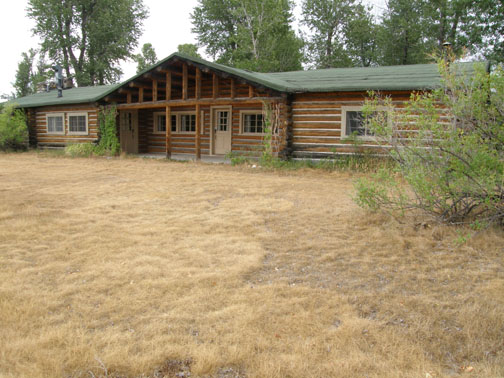
Guests signed nothing. The legal position if somebody was hurt was unsettled, the ranch’s insurance was minimal or absent, and the assumption on both sides was that riding horses is obviously dangerous and everybody knows it.
Every American state with a significant equine industry has since passed an equine activity liability statute, which sets out that inherent risks are assumed by the participant, requires specific warning signage and written acknowledgements, and imposes duties on the operator in exchange – and a ranch operating without those documents today would be uninsurable.
5. Children Rode With the Adults and Were Treated the Same
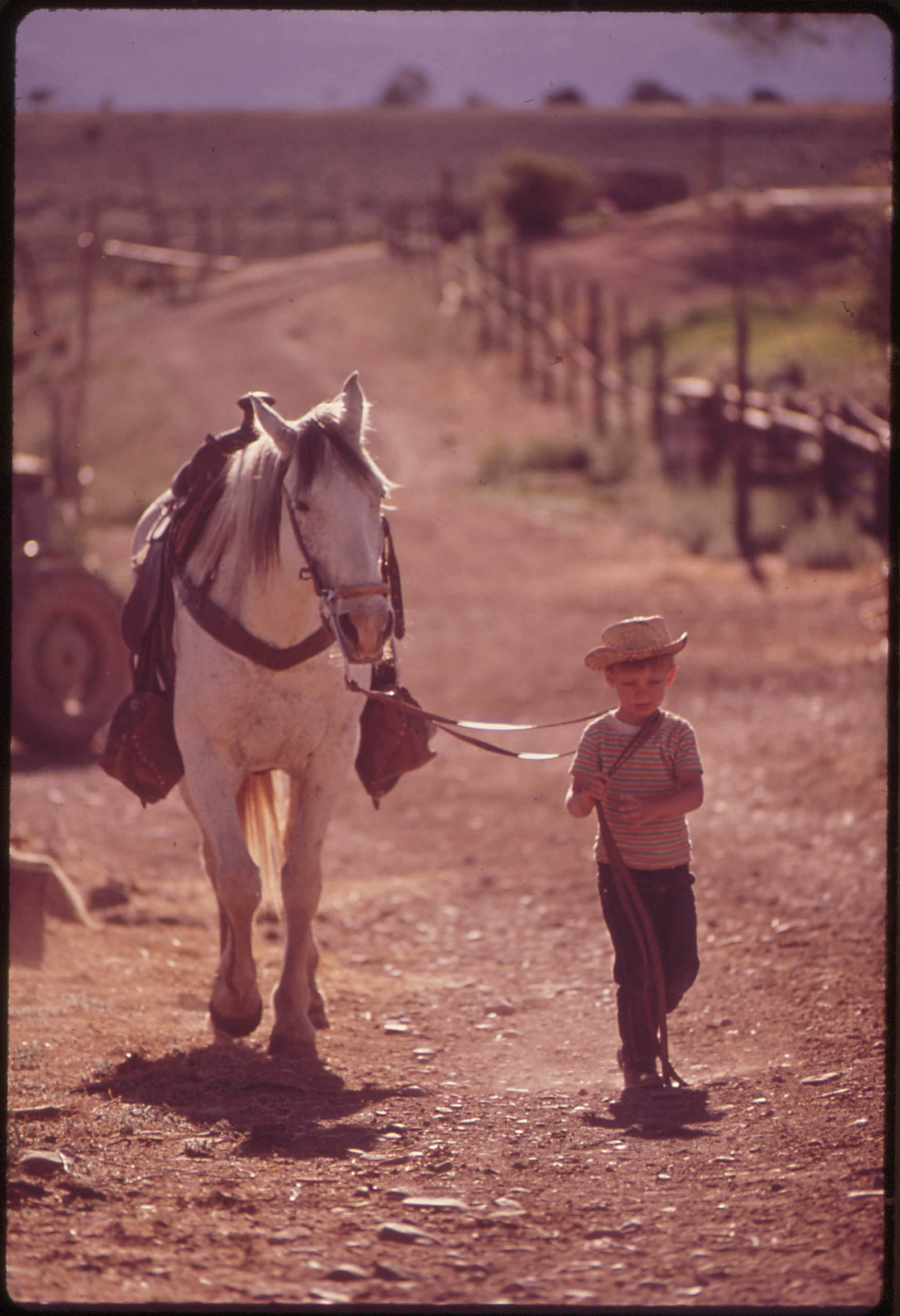
A family’s children went out with the group on the same rides, over the same ground, with the same ten minutes of instruction, and were expected to keep up.
There was no separate children’s programme and no graduated progression. Age minimums for trail riding, separate children’s instruction, pony programmes and supervision ratios are now standard at American guest ranches, and putting a seven-year-old on an all-day ride with adults is not something any operator would do.
6. You Were Taken Out Into Country With No Way of Calling Anybody
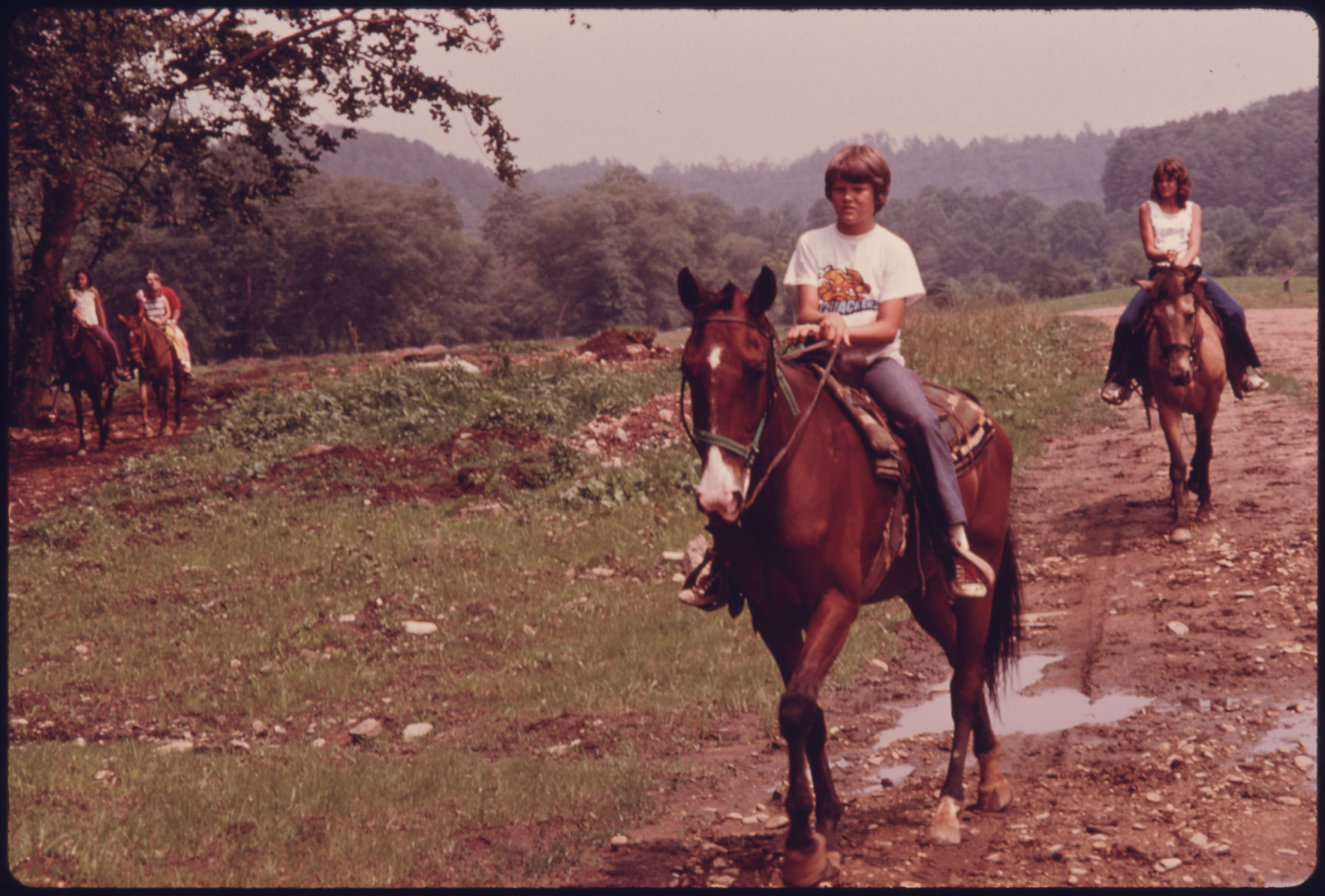
A day ride went into open terrain hours from the ranch, with no radio, no telephone and no means of summoning help. A fall meant somebody riding back.
The time to care was long and everybody involved understood it without discussing it. Communication capability, documented emergency plans and first-aid qualification among staff are now basic requirements, and remoteness is managed rather than accepted.
7. The Wranglers Were Young, Underpaid and Unqualified
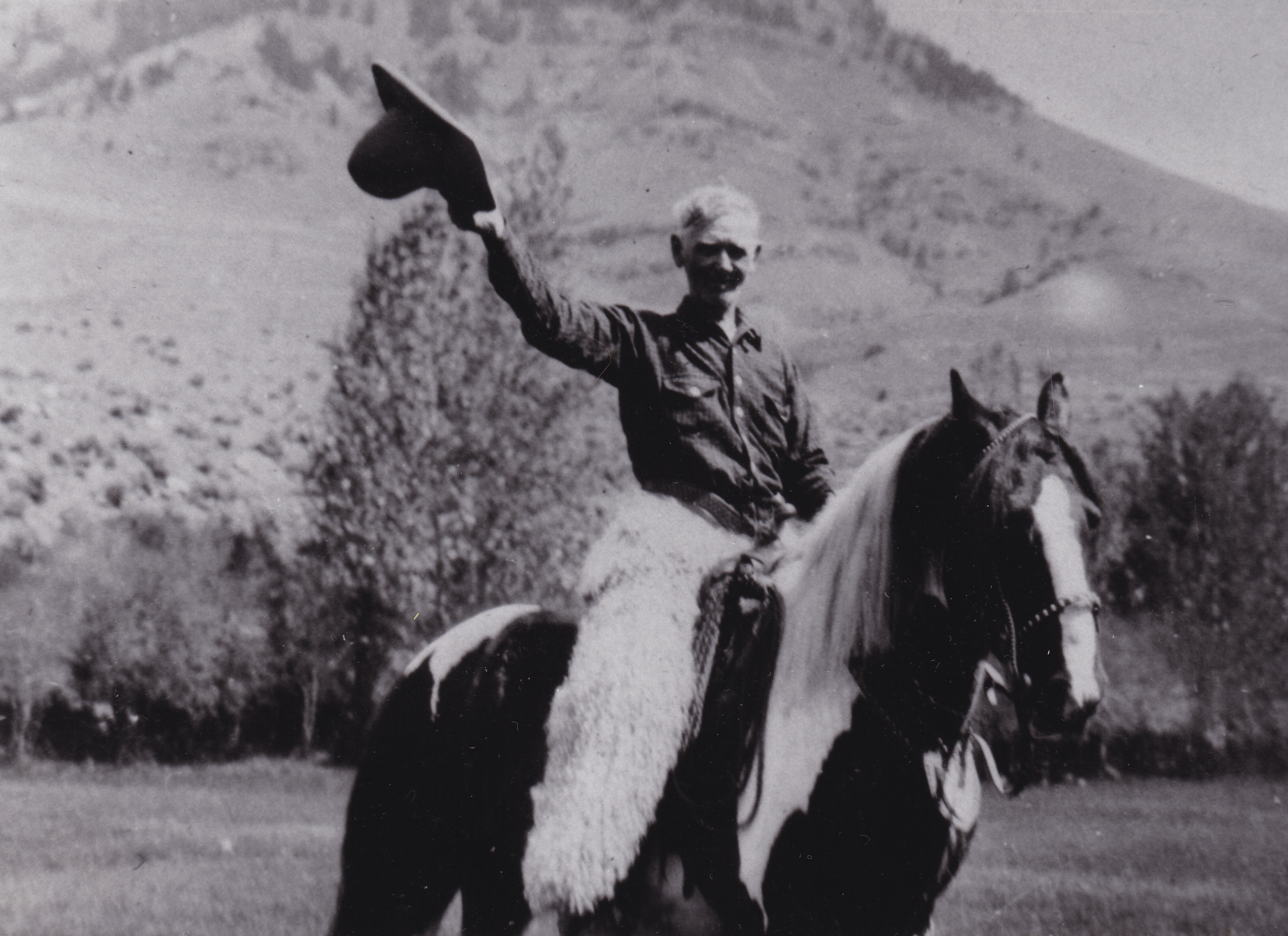
Staff were young people who could ride, hired for the season, paid very little plus room and board, working long days with responsibility for guests’ safety and no formal training or certification of any kind.
They were frequently excellent, because people who can ride well have usually ridden a great deal. But the competence was personal rather than systematic. Instructor certification, documented training and first-aid qualification are now normal in the American sector.
8. The Cattle Work Was Real and the Guests Joined In
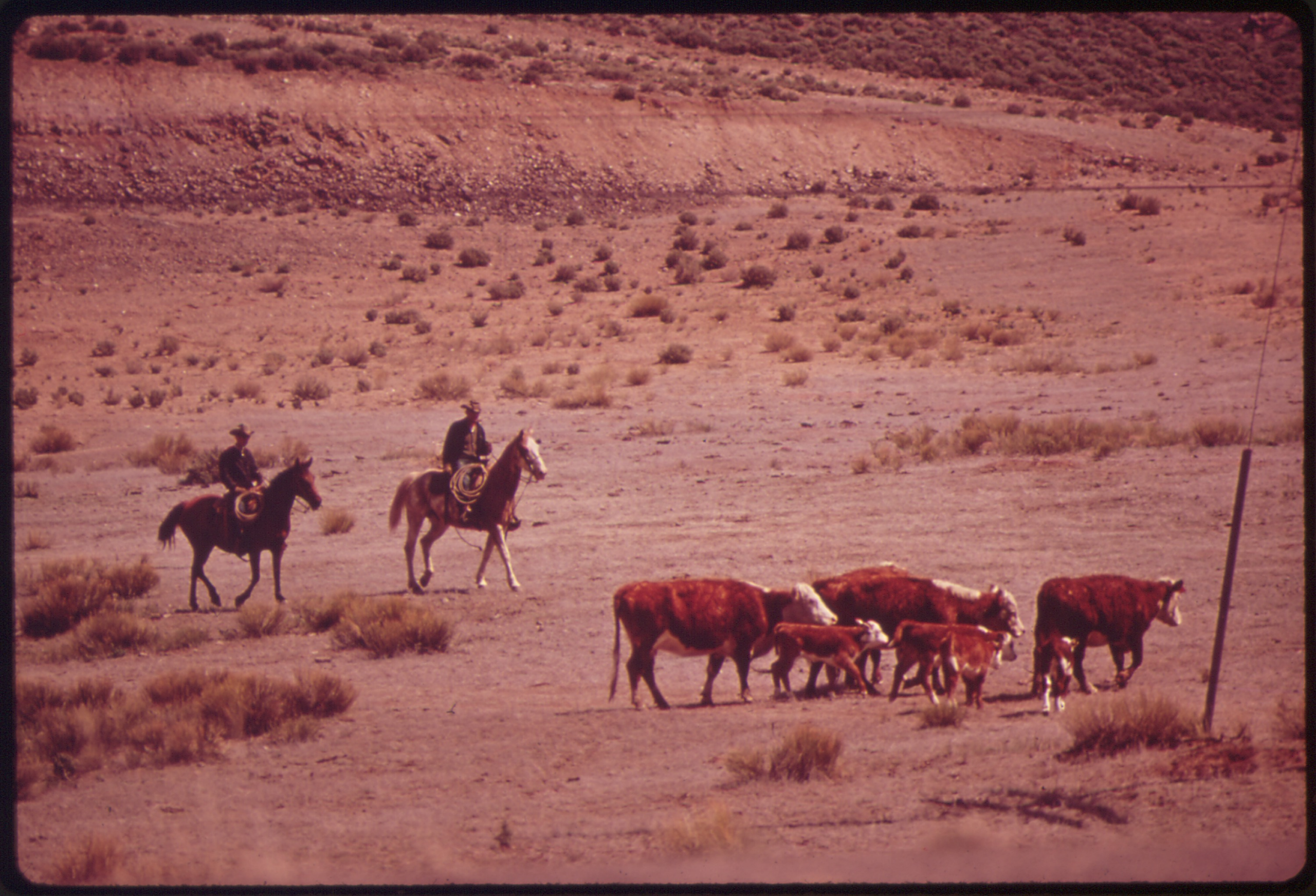
On a working ranch taking guests, visitors participated in actual operations – moving cattle, gathering, sorting and branding – alongside people doing it as a job.
An inexperienced rider in a cattle operation is a hazard to themselves, to the stock and to everybody working. Guest participation in real stock work continues but is now structured, limited and supervised, and a great deal of what is offered is a demonstration rather than a job.
9. The Alcohol Was Substantial and Nobody Connected It to the Horses
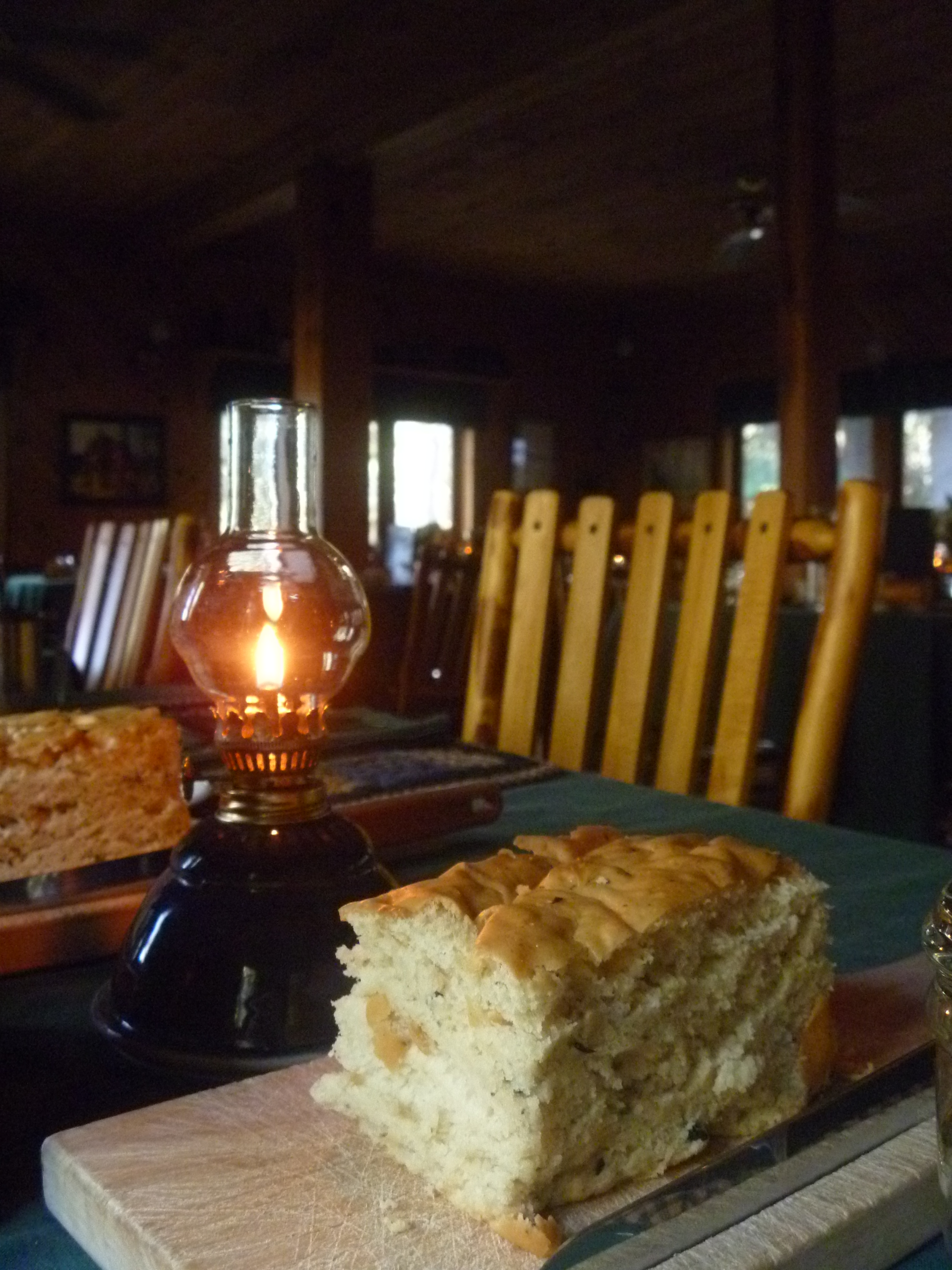
The evening was a central part of the product – a bar, a long dinner, drinking late – and the ride left early the next morning.
Nobody asked the question and no policy existed. Alcohol policies tied to riding, and refusal of mounts to guests who have been drinking, are now standard, and the modern operator treats the connection as obvious.
10. The Food Was Enormous and the Chuckwagon Was Part of the Show
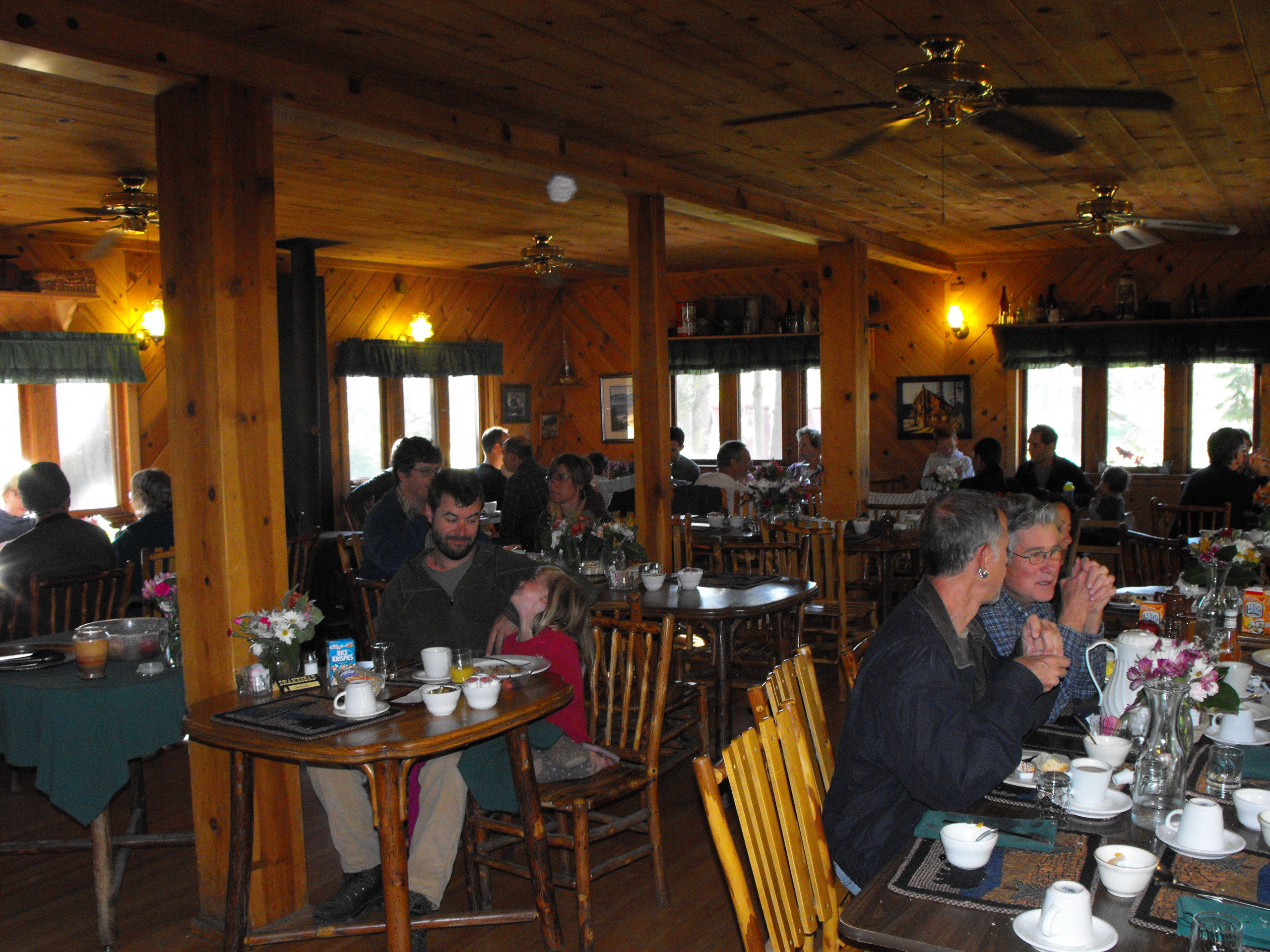
Meals were vast, served family-style at long tables, with a cookout or chuckwagon dinner as a set piece. Food was a substantial part of what guests came for and ranches competed on it.
This has survived better than anything else on the list, and the modern ranch kitchen is considerably better. The communal table is still the thing guests describe when they explain why they went back.
11. Nobody Mentioned Altitude, Sun or Water
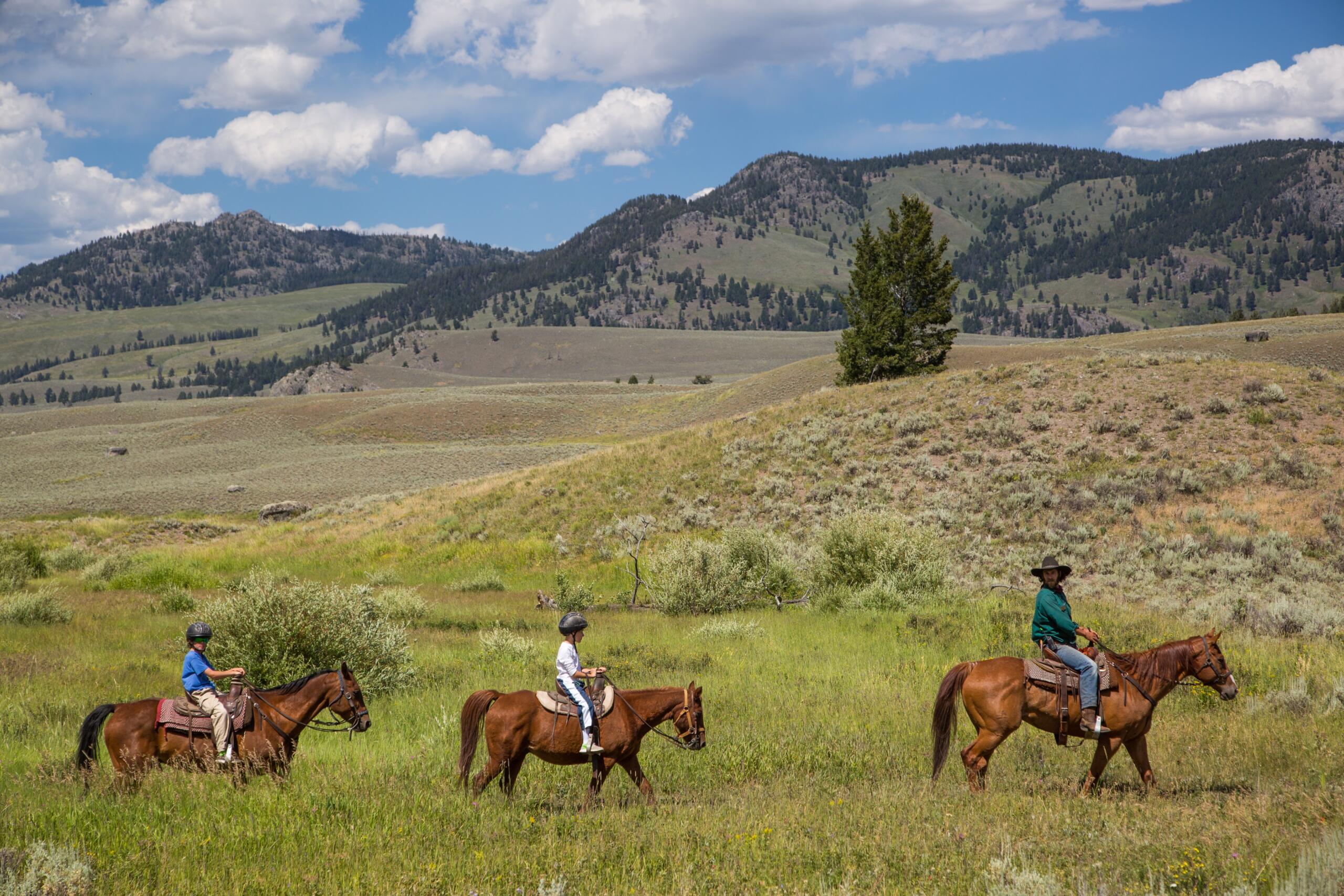
A great many American guest ranches sit well above sea level. Guests arrived from near sea level and were riding all day within twenty-four hours, in strong sun, frequently without drinking much.
Altitude effects, sun exposure and dehydration were simply not discussed. Modern operators brief on all three as a matter of course, and the arrival-day pacing that most now use exists specifically for this.
12. The Horses Worked Very Hard and Were Managed by Eye
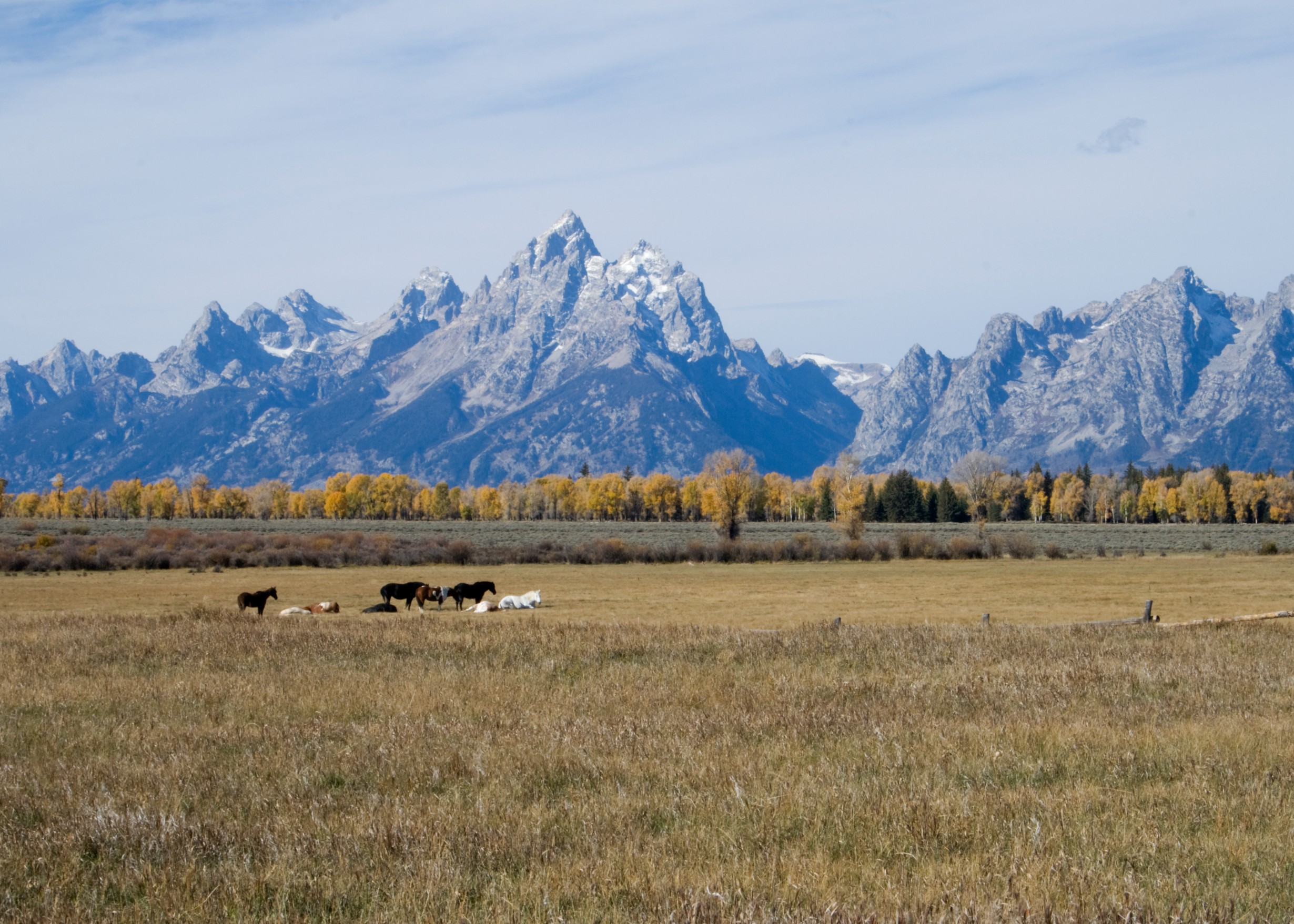
A dude string carried inexperienced riders all season. Horse welfare, load limits, rest rotation and soundness were managed by a wrangler’s judgement with no formal weight policy and no documented rotation.
Good outfits managed it well and the horses were valuable assets, so there was every incentive. Rider weight limits, documented rotation, veterinary programmes and soundness checks are now explicit at American ranches, which protects the horses and the guests simultaneously.
13. The Whole Thing Was Sold as Authenticity and Was Partly a Performance
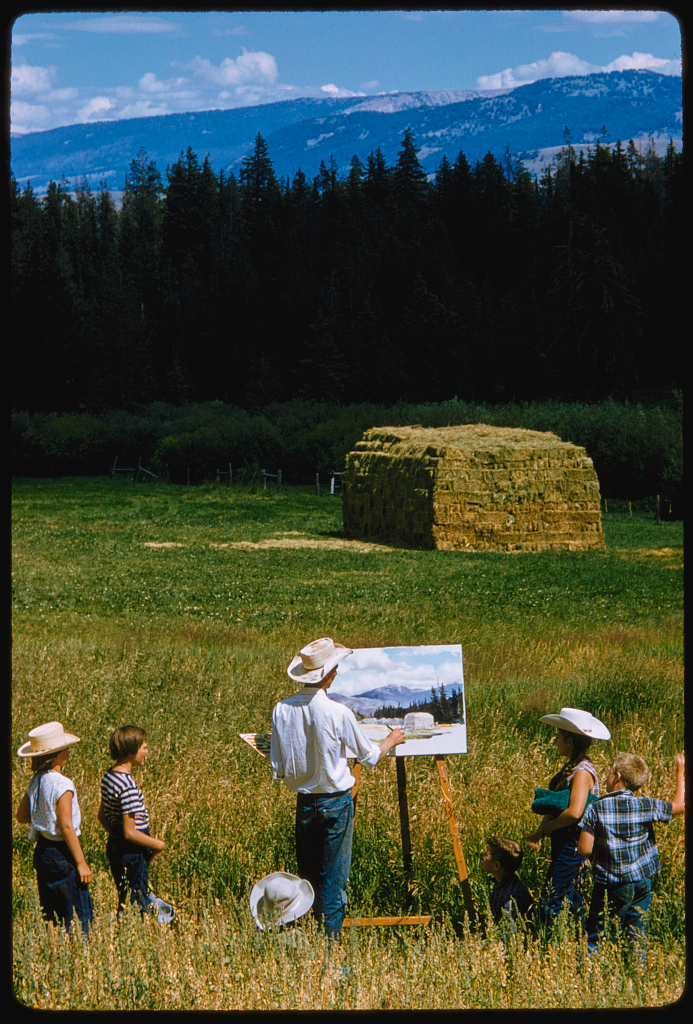
Guests came for the real West, and ranches supplied it – but the costume, the vocabulary, the campfire singing, the staged elements and the cowboy character presented to visitors were a product being delivered.
This was understood by the staff and mostly not by the guests. It is the honest tension inside the whole industry, it was true in 1968 and it is true now, and the best modern operators are considerably more upfront that a guest ranch is hospitality built on a working tradition rather than the tradition itself.
14. And Then Liability Law, Insurance and the Rise of the Family Resort Rebuilt It
Three changes arrived together. State equine liability statutes through the nineteen-eighties and nineties created a framework of warnings, acknowledgements and operator duties that formalised the whole relationship. Insurance became the binding constraint and imported assessment, helmets, ratios, qualifications and documentation faster than any regulator. And the market shifted toward families, which required children’s programmes, graduated instruction and a great deal more supervision than a 1968 ranch had ever provided.
The modern American guest ranch is safer, better run, far more welcoming to people who have never ridden, and genuinely good at what it does. It is also considerably more managed, and the particular quality of being handed a horse and taken into empty country by somebody barely older than you – which is what people who went in 1968 actually remember – is not on offer anywhere.
Why Insurance Did More Than Any Regulator
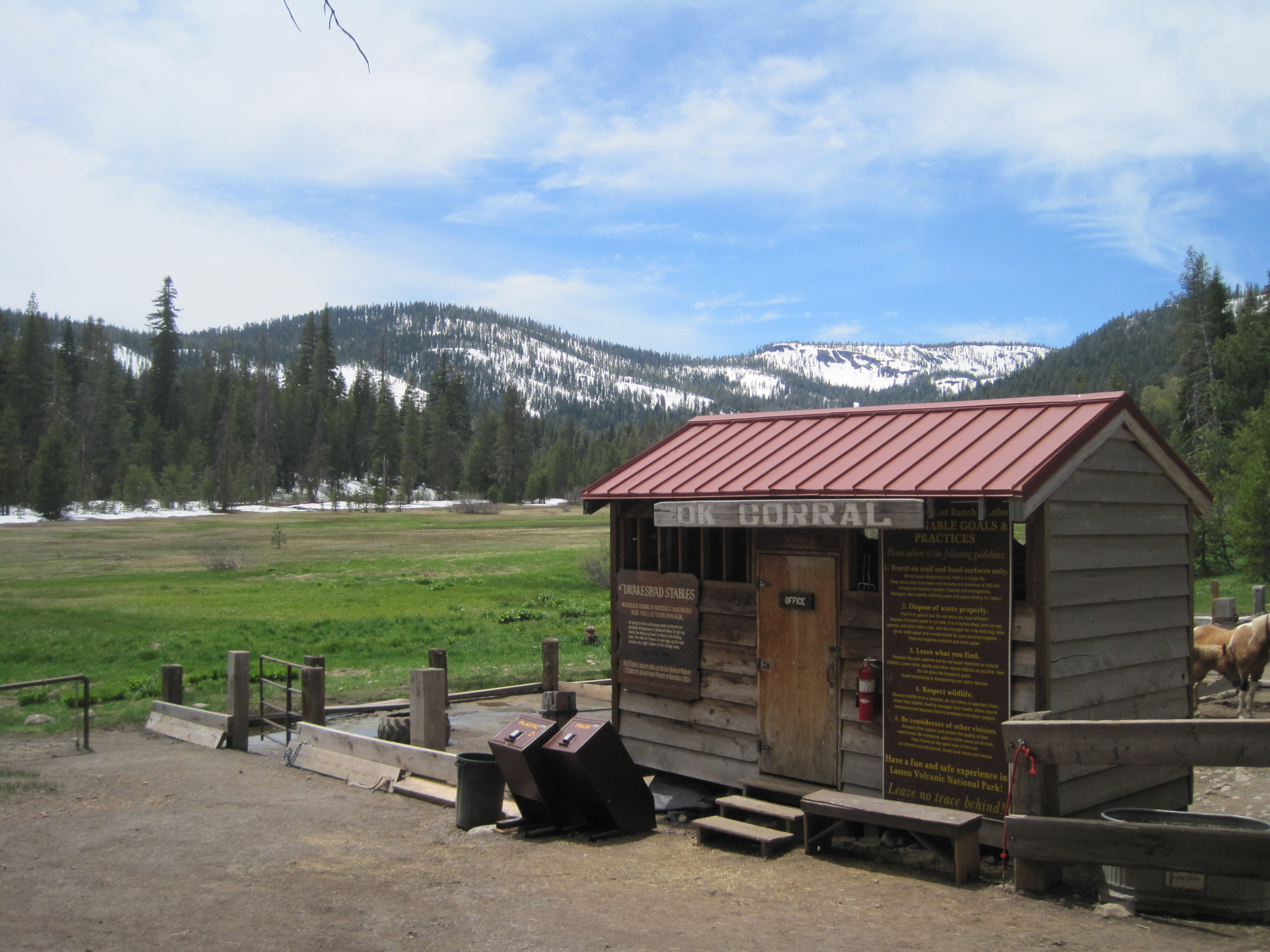
Five of these would stop a modern operation: putting an unassessed guest on a horse, riding without helmets, taking guests into remote country with no communication or emergency plan, running the operation with no waiver or liability framework, and putting young children on adult all-day rides.
Almost none of that came from a government. There is no federal guest ranch regulator and there is no licensing regime for taking paying visitors riding.
What there is instead is a two-part mechanism. State equine activity liability statutes, passed across most of the American West and beyond from the nineteen-eighties onward, set the terms: inherent equine risks are assumed by the participant, specific warning language must be posted and signed, and in exchange the operator takes on defined duties including reasonable assessment of a rider’s ability and the suitability of the animal.
And insurance enforced it. Cover became impossible to obtain without assessment, helmets, qualified staff, ratios, documented emergency plans and signed acknowledgements, and an uninsurable ranch is not a business. The insurer, not a regulator, is why a modern guest arrives to find an arena session before they are allowed near a trail.
People who went in the sixties describe the same thing, and it is not the scenery. It is being treated as competent. You said you could ride, somebody believed you, and by Tuesday you were four hours from the ranch with a group of strangers and a twenty-two-year-old who knew the country.
The reason that is not on offer any more is that a certain number of those guests came off, a long way from help, with nothing on their heads and nobody able to call anybody. The modern ranch asks you to ride round an arena first because it would rather find out there, and that is a straightforwardly better arrangement that has cost something real.
Like our content? Follow us for more.