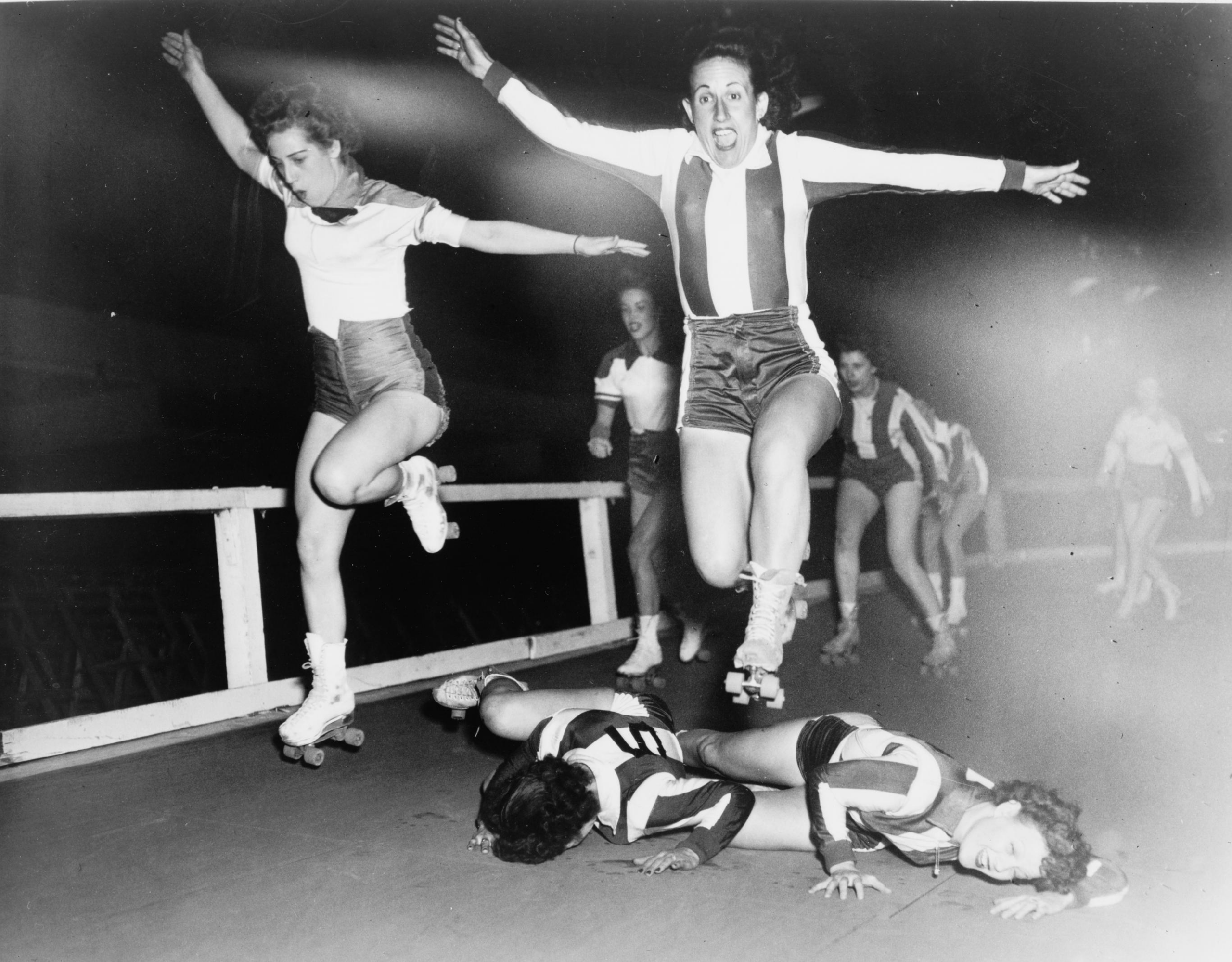
For about thirty years roller derby was a fixture of American television and arenas, and then it disappeared so completely that when it came back decades later almost nobody remembered how the original had worked.
The thing people get wrong about it is the assumption that it was simply wrestling on skates. Parts of it were, and the people involved were open about that. But the skating was real, the speed was real, the injuries were emphatically real, and the athletes doing it were among the most durable people in American sport.
Here are twelve things about American roller derby in 1972 that sound invented now.
1. Men and Women Skated for the Same Team
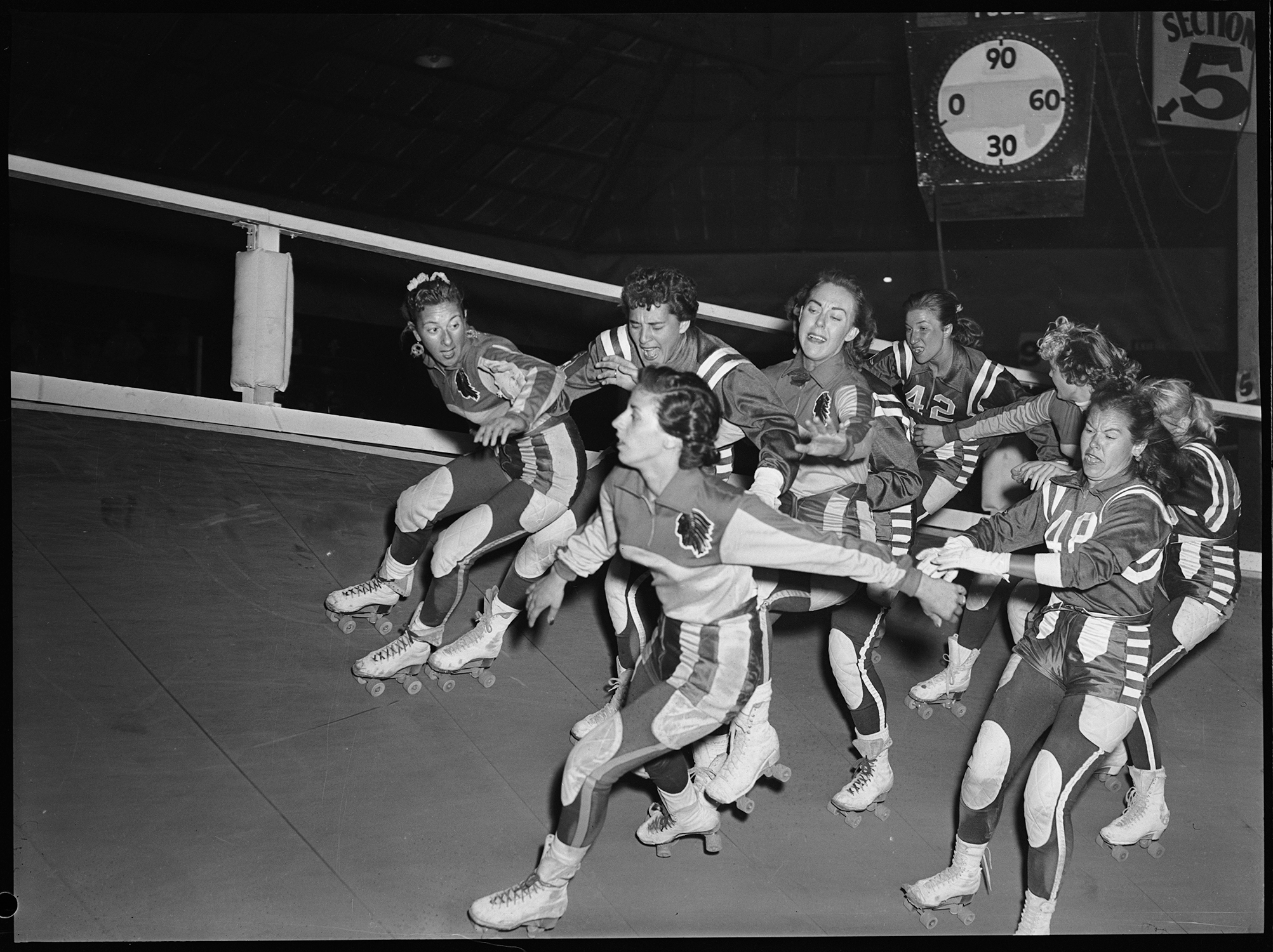
A derby team was one roster of men and women who alternated periods, with the women’s and men’s segments both counting toward a single team score. Both halves had to win for the team to win.
This is the structural fact that makes derby unlike anything else in American sport of the period. Women were not a supporting attraction or a separate league – they were half the team, with equal billing, equal travel and the same contracts, at a time when essentially no other professional American sport offered women anything at all.
Like our content? Follow us for more.
2. The Women Were the Bigger Draw
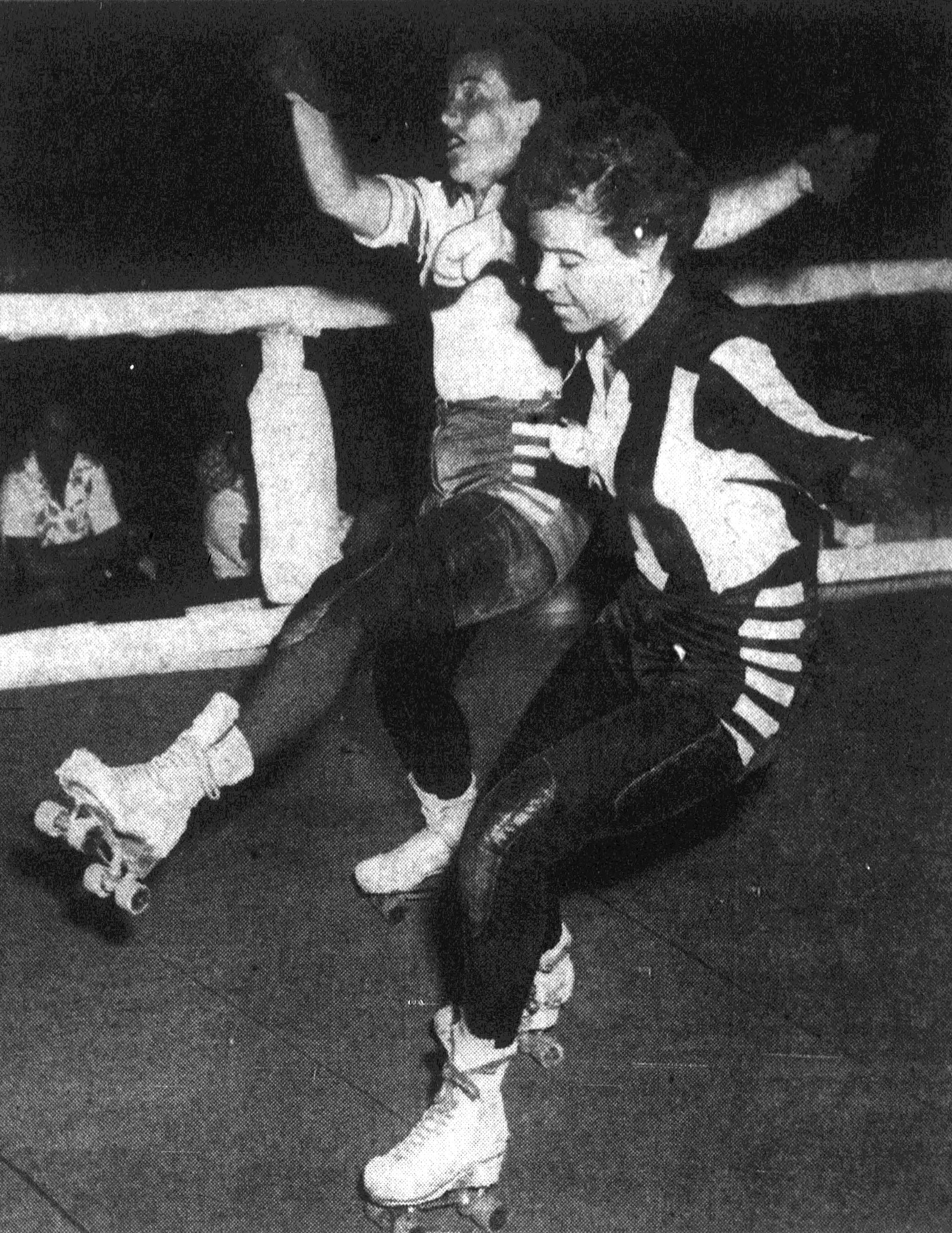
In a great many markets the women’s periods were the ones the crowd came for, and the biggest names in the sport were women who were genuine national celebrities with recognised rivalries and merchandise.
This is the part that gets lost when derby is remembered as a novelty. For several decades it was the only American professional sport in which women were stars on a national stage with mass audiences, and it was that for a long time before anything else was.
3. The Track Was Banked, Wooden and Portable
The surface was a steeply banked oval, built of timber in sections, assembled and dismantled at each venue by the touring crew, who were frequently the skaters themselves.
Building a banked track is a substantial job and skaters did it after driving overnight and before competing. A fall on a steep bank sends a skater up and over the rail, which is the specific derby injury and the reason the modern revival overwhelmingly chose flat tracks – they need no construction and no crew.
4. The Rules Were a Real Sport Underneath
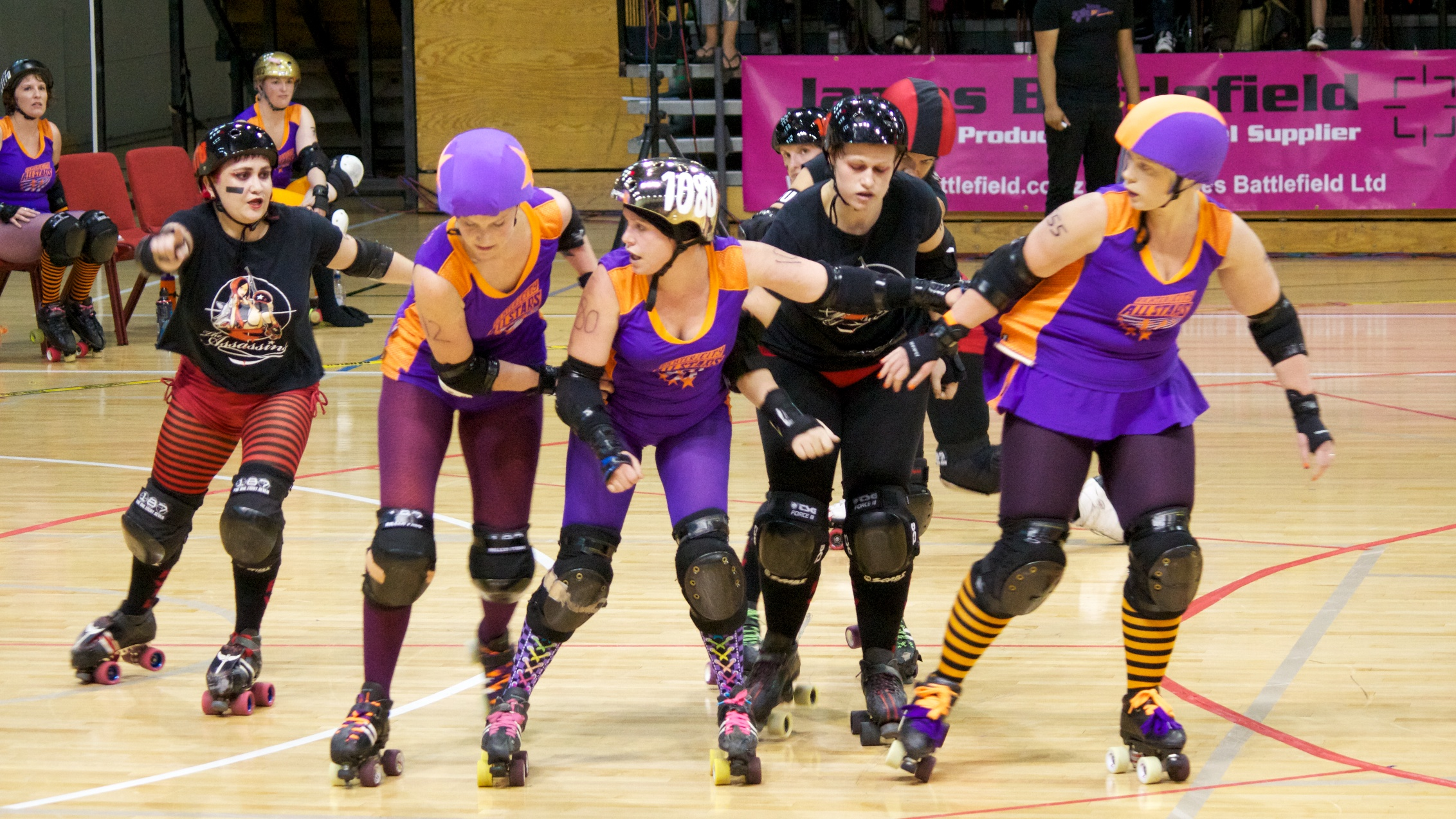
Scoring was genuinely structured: a designated scoring skater had to break through the pack, lap it, and pass opposing skaters to score, within a timed period, while blockers prevented them.
Anybody who assumes it was all performance is surprised by this. The scoring mechanism is a real competitive problem and it is substantially the same mechanism the modern sport uses, which is the strongest evidence that something durable was underneath the presentation.
5. And the Feuds Were Scripted
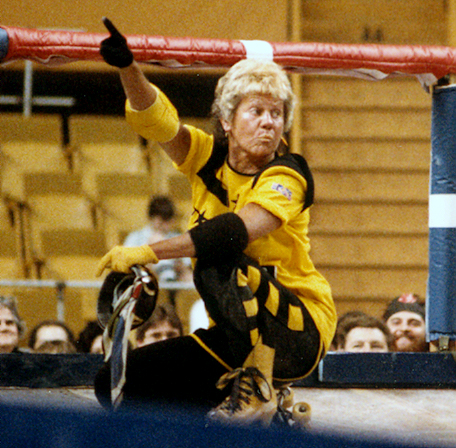
The fights, the grudges, the villains, the storylines running across a season and the dramatic conclusions were arranged. Athletes understood their role and the audience largely understood it too.
Honesty about this is the only way to describe derby accurately. It was a real sport with a worked presentation layered over it, which is an unusual hybrid, and the people who skated it have generally been straightforward about the distinction in later interviews.
6. The Injuries Were Not Scripted at All
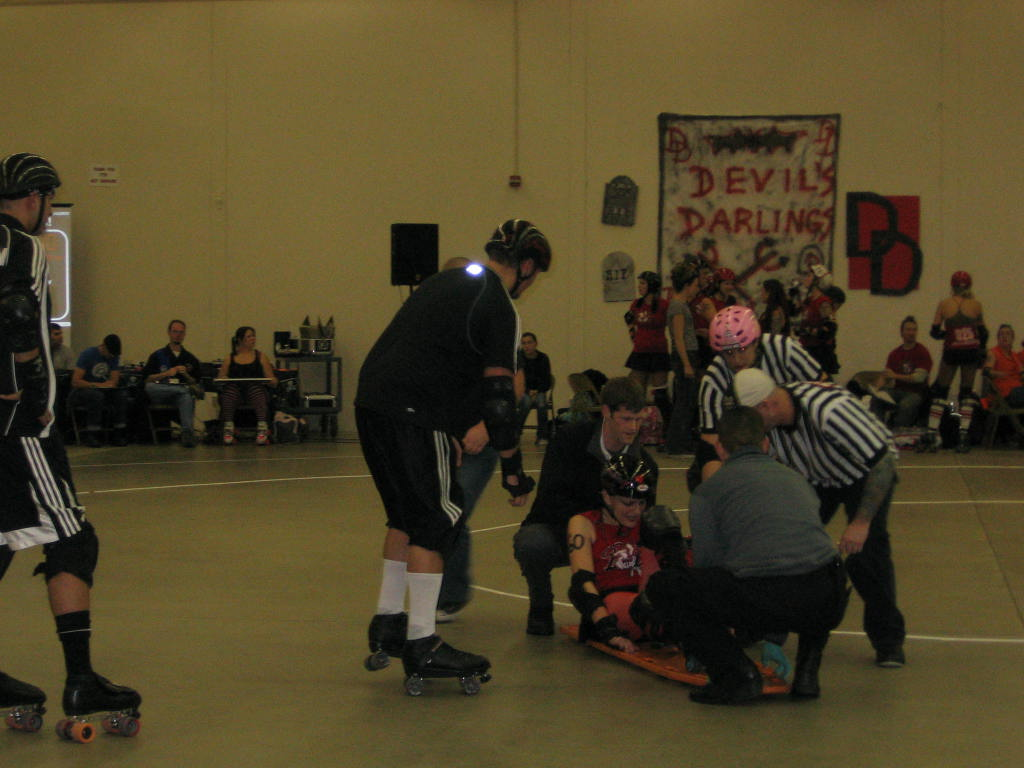
Broken bones, concussion, dislocations and serious falls were routine. Skaters competed injured because not competing meant not being paid, and the careers of a great many derby athletes ended abruptly.
There was no medical provision worth the name, no concussion protocol, no insurance in most arrangements and no rehabilitation support. This is the single largest gap between the period sport and anything that would be permitted now.
7. The Pay Was Terrible and the Travel Was Worse
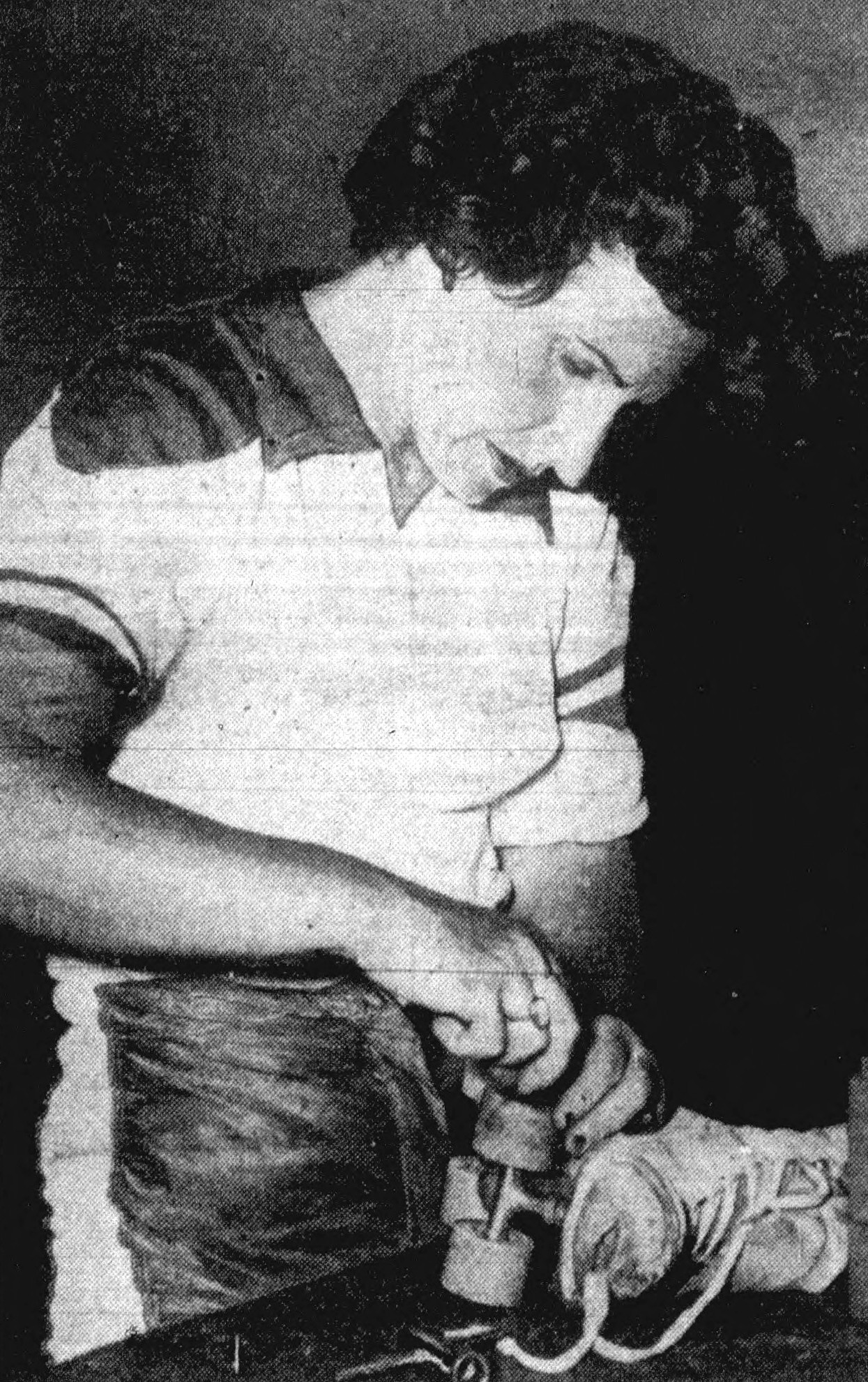
Skaters were paid very little, travelled by bus between arenas on relentless schedules, built the track, performed, dismantled it and drove on.
The economics were the economics of a touring show rather than of a league, and the athletes bore all of the compression. The affection former skaters express for the life coexists with a clear-eyed account of what it paid.
8. It Was on Television Constantly and Cheaply
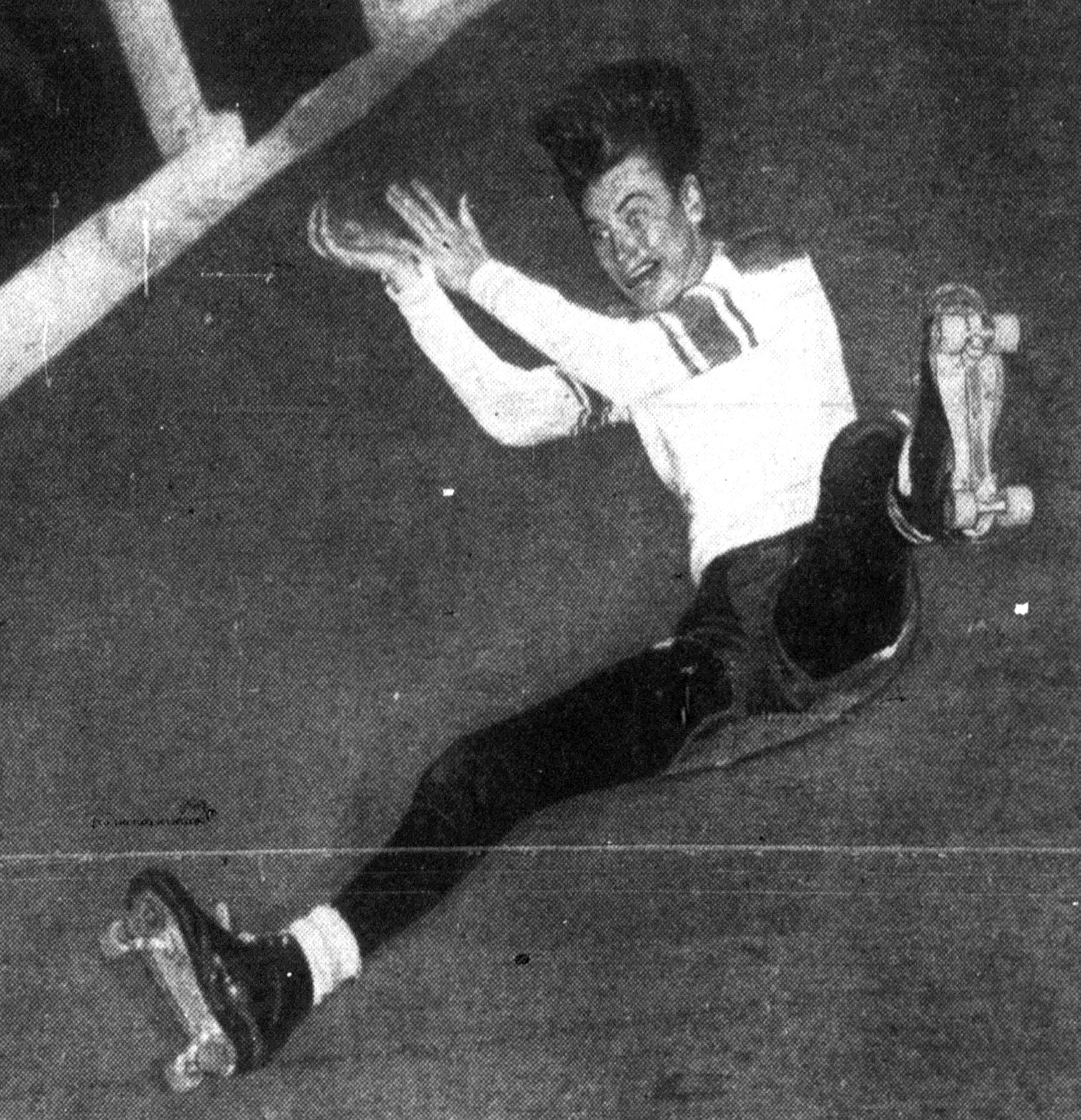
Derby was an ideal product for the period’s television economics: it was visually self-explanatory, it generated conflict reliably, and it could be recorded in bulk and syndicated to stations needing inexpensive content.
Television made the sport national and it made the stars. It also made the sport entirely dependent on a distribution arrangement it did not control, which turned out to matter enormously.
9. The Skates Were Leather Boots on Metal Plates
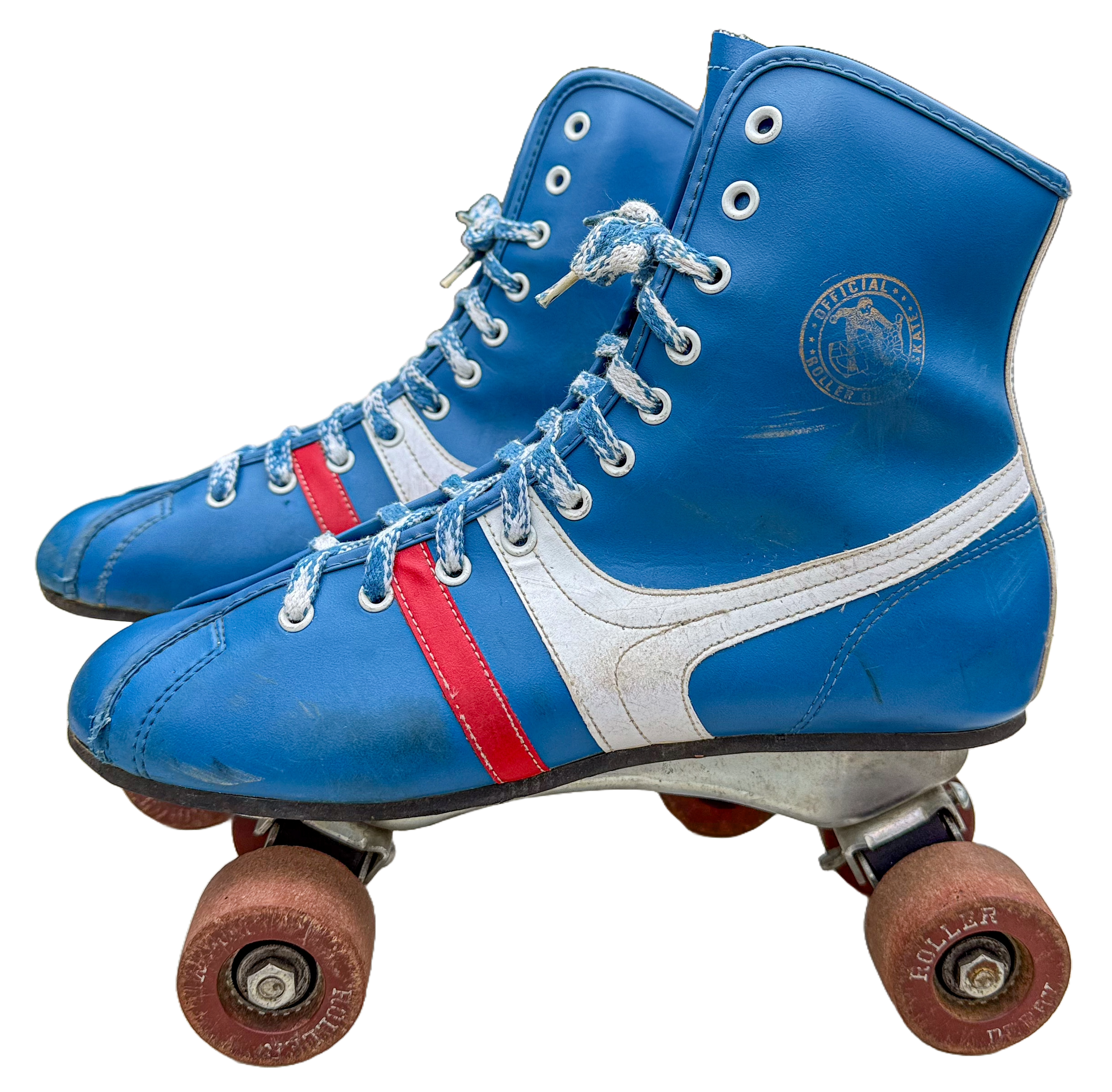
Equipment was a leather boot on a metal plate with four wheels, minimal padding, helmets of inconsistent quality, and essentially no wrist, knee or elbow protection of the kind now standard.
Wheel and bearing technology, boot construction and protective equipment have all advanced enormously, and the modern skater is far better protected and considerably faster. The period skater was doing it on equipment that would now be considered unsuitable for a beginner.
10. Nobody Owned the Sport and Several People Thought They Did
Derby’s commercial history is a sequence of competing organisations, breakaway leagues, disputed rights to the name and format, and family ownership arrangements that produced litigation.
A sport without a settled governing body cannot regulate itself, negotiate collectively or stabilise its finances. This is the structural weakness underneath the collapse, and it is the thing the modern revival addressed first by building a skater-owned governance structure deliberately.
11. Then It Collapsed in About a Year
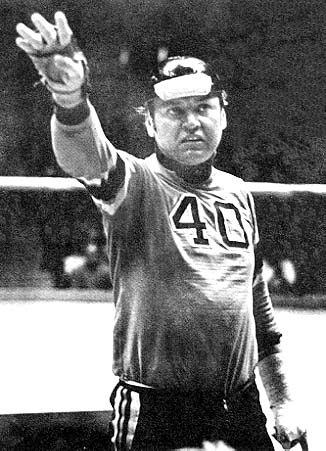
The main American operation folded in the mid-seventies, very fast. The causes were cumulative: fuel costs made the touring model unaffordable almost overnight, television syndication arrangements fell away, the organisation was overextended, and the dependence on a single commercial structure left nothing underneath when it failed.
Thousands of skaters lost their livelihood with very little notice and most never skated competitively again. For a sport that had filled arenas and run on national television, the disappearance was almost total within a couple of years.
12. And the Revival Rebuilt It From the Opposite End
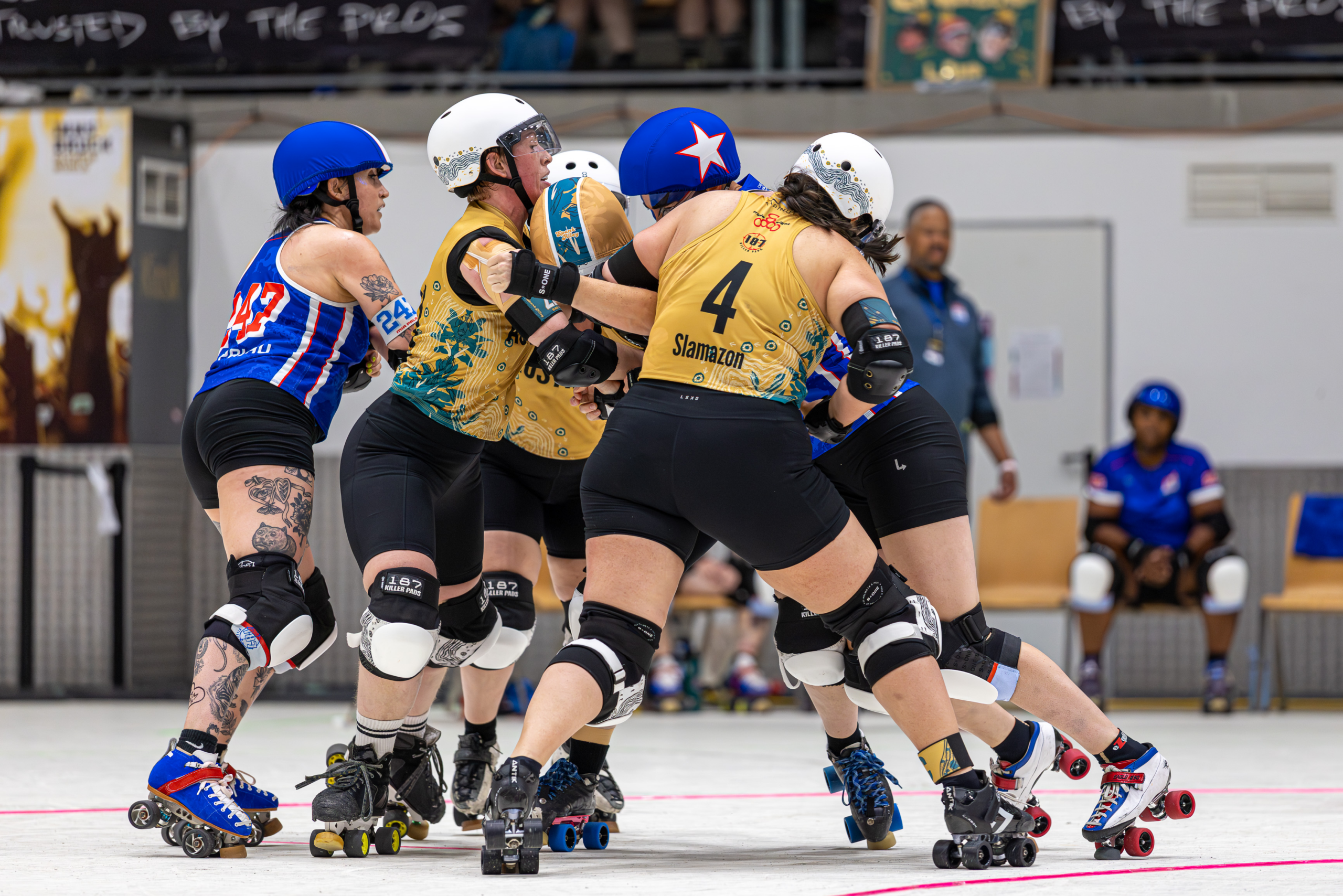
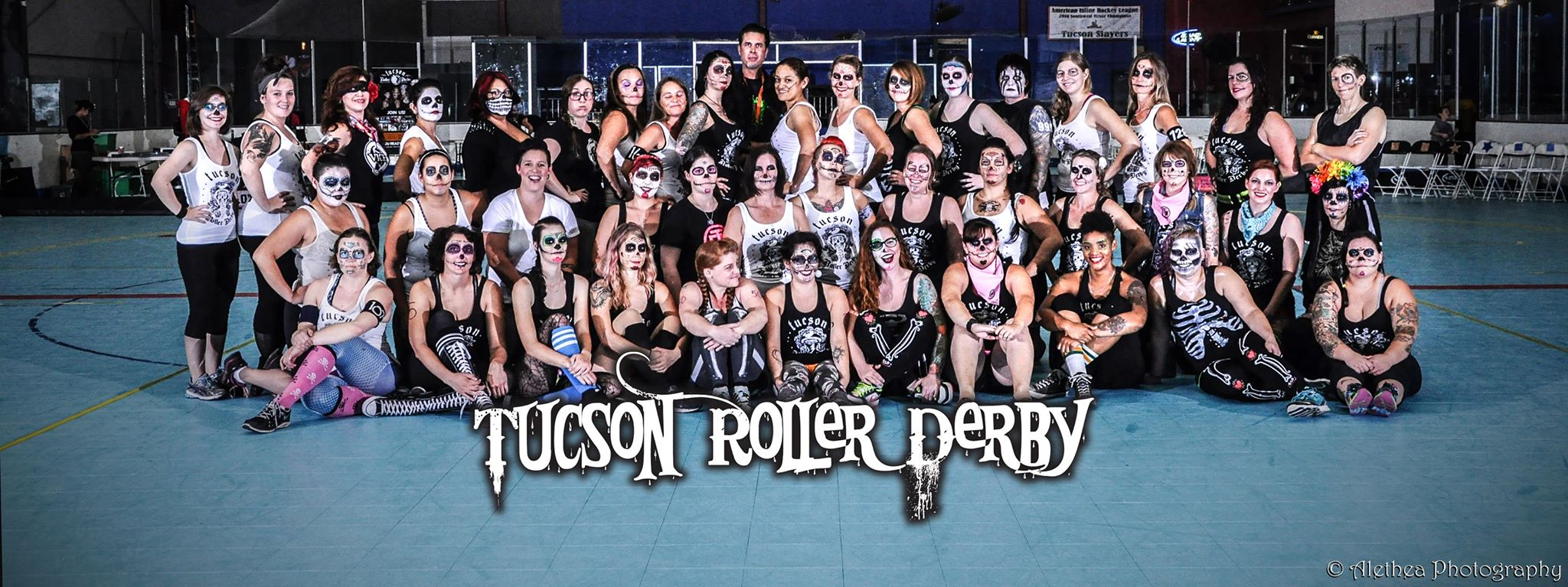
When derby returned decades later it was reconstructed deliberately against the original’s weaknesses: flat tracks requiring no construction, amateur and skater-owned leagues rather than a promoter’s touring company, a written rule set and governing structure, mandatory protective equipment, insurance, and the removal of the scripted element entirely.
The modern sport is a genuine amateur competitive sport with a strong participatory culture, and it is an unusual example of a revival that examined exactly why the original died and engineered each cause out. What it gave up is the thing the original had and nothing has recovered: a mass television audience and women who were household names.
What the Original Got Right That Nobody Credits
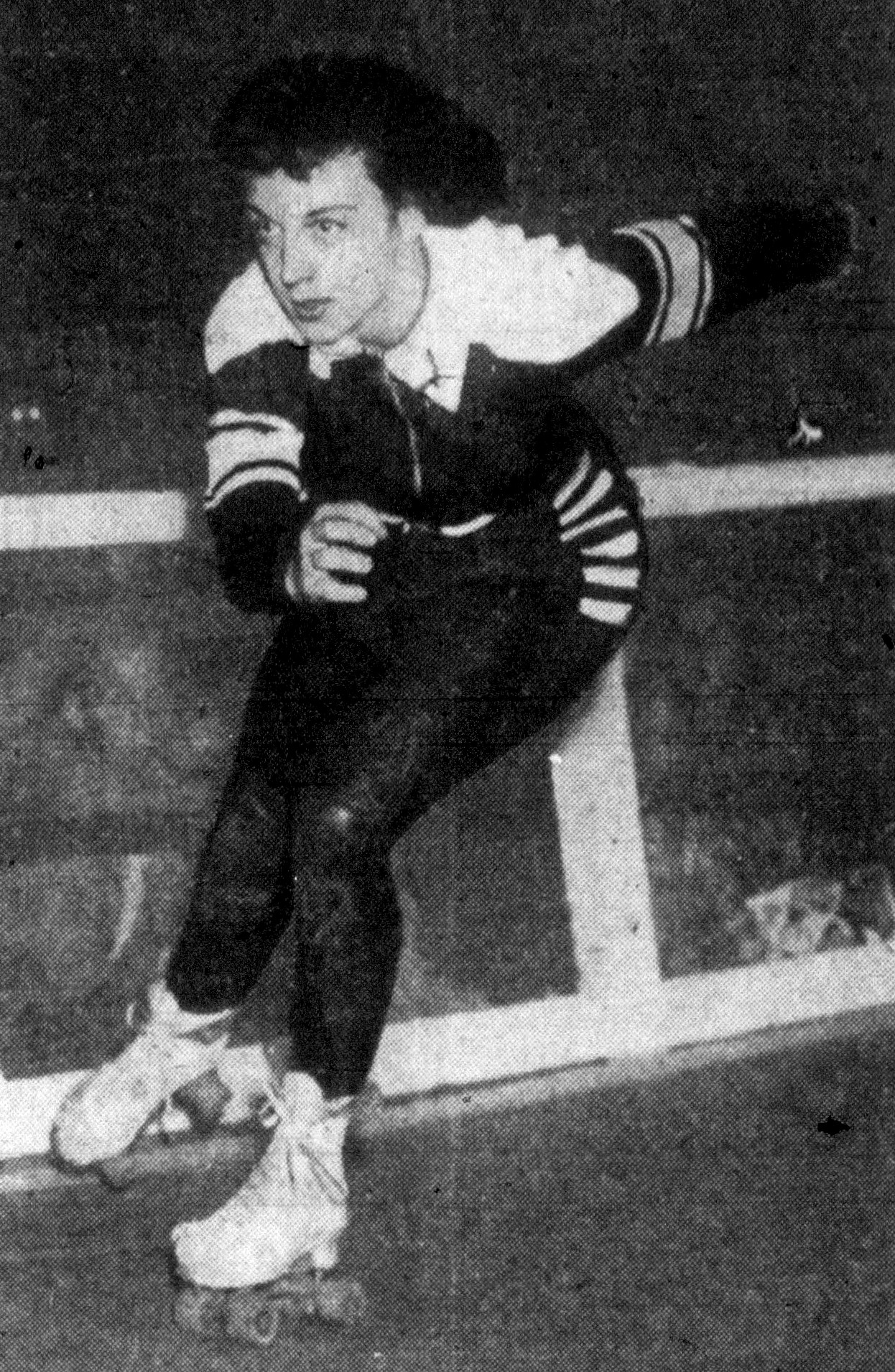
The period sport is usually remembered for the part that was fake, and that gets the balance wrong.
The scripted feuds were real enough as a criticism and the athletes have never denied them. But underneath was a genuine competitive format that the modern sport largely kept, performed at speed on a banked track by people taking real injuries with no medical provision and almost no pay.
And it did one thing that nothing else in American professional sport was doing. It put women on the same team as men, with equal billing and equal prominence, in front of mass national television audiences, for decades, and in many markets they were the main attraction. Whatever else derby was, that was not a novelty and it was not incidental – it was the structure of the sport.
What killed it was not the public losing interest. It was a touring economic model with no governing body, no financial reserve and total dependence on cheap fuel and a syndication arrangement, all of which failed at once.
The revival understood that precisely, which is why the modern sport is flat-track, skater-owned, insured and governed – every one of those a direct answer to a specific thing that went wrong.
There is a particular kind of former derby skater interview that always lands the same way. They describe the bus, the track they built themselves, the injuries nobody treated, the money that was not money, and the crowd – and then they say they would do it again.
They also tend to be asked whether it was real, and the answer is consistently that the fights were arranged and everything else hurt. The sport that people remember as a camp television curiosity was being played by women who were national celebrities in a country that offered women no other route to that, on a wooden bank, for almost nothing, with nobody to call when it went wrong.
Like our content? Follow us for more.