

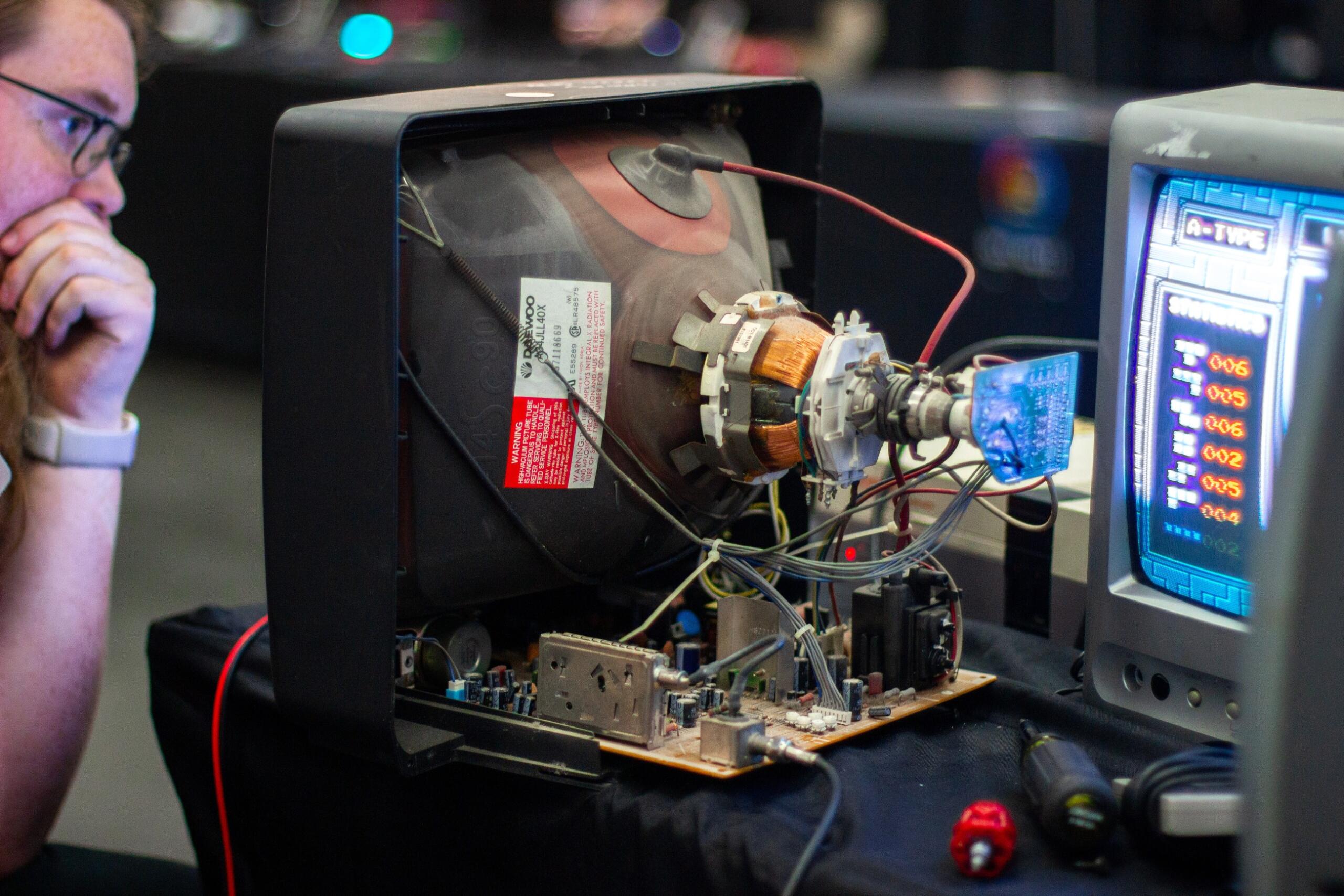
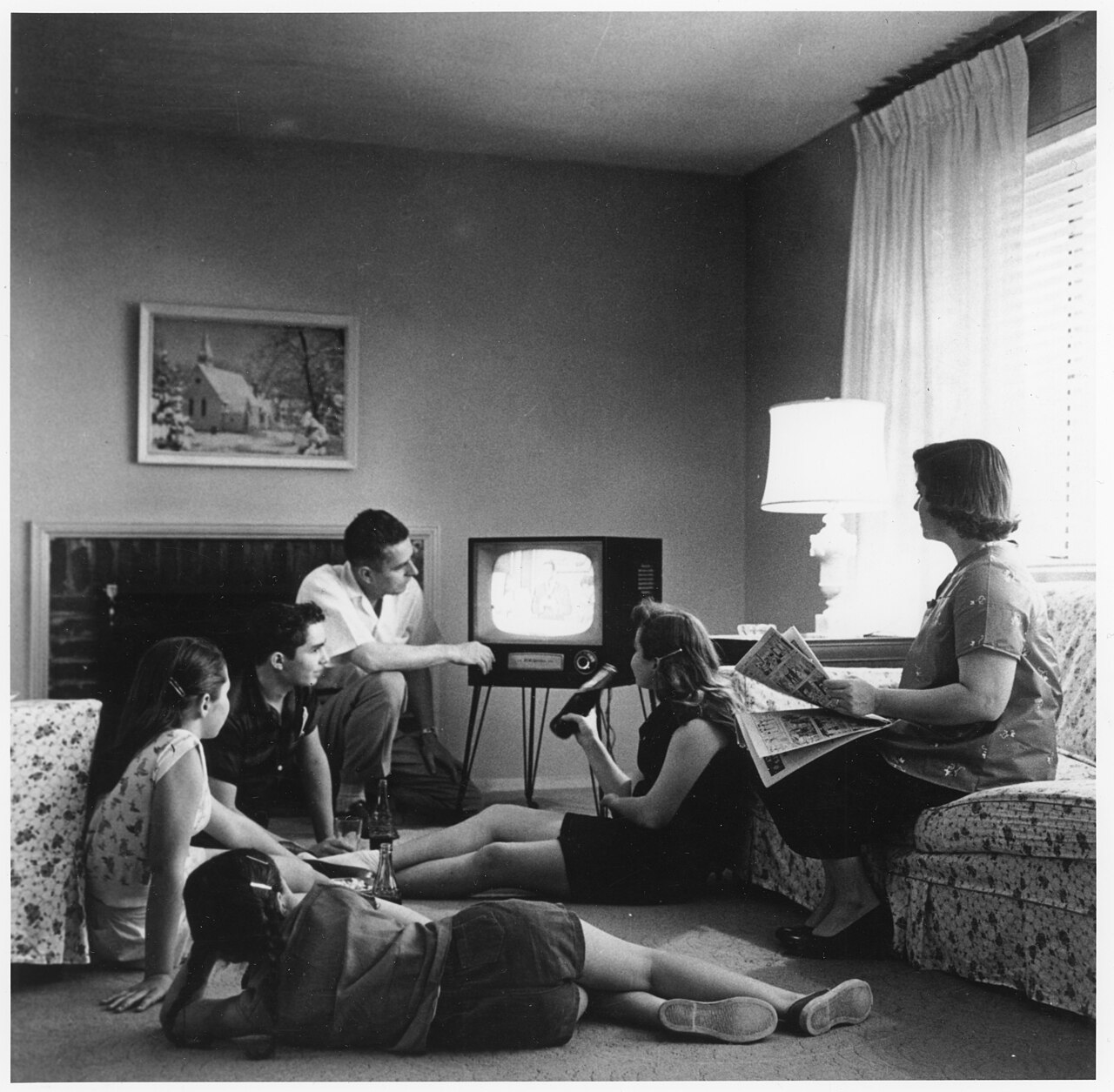
In 1960 a television was hundreds of components wired point to point by hand, by rows of women at benches, into a chassis that slid out of a veneered wooden cabinet made by joiners in the same building.
It ran on valves that were expected to fail. Every set was individually tuned by a technician before it left. Most households rented rather than bought. And the circuit diagram was pasted inside the back for whoever came to fix it.
Here are sixteen things that were ordinary in a television factory in 1960, and what became of each one.
1. Every Joint Was Soldered by Hand by a Woman at a Bench
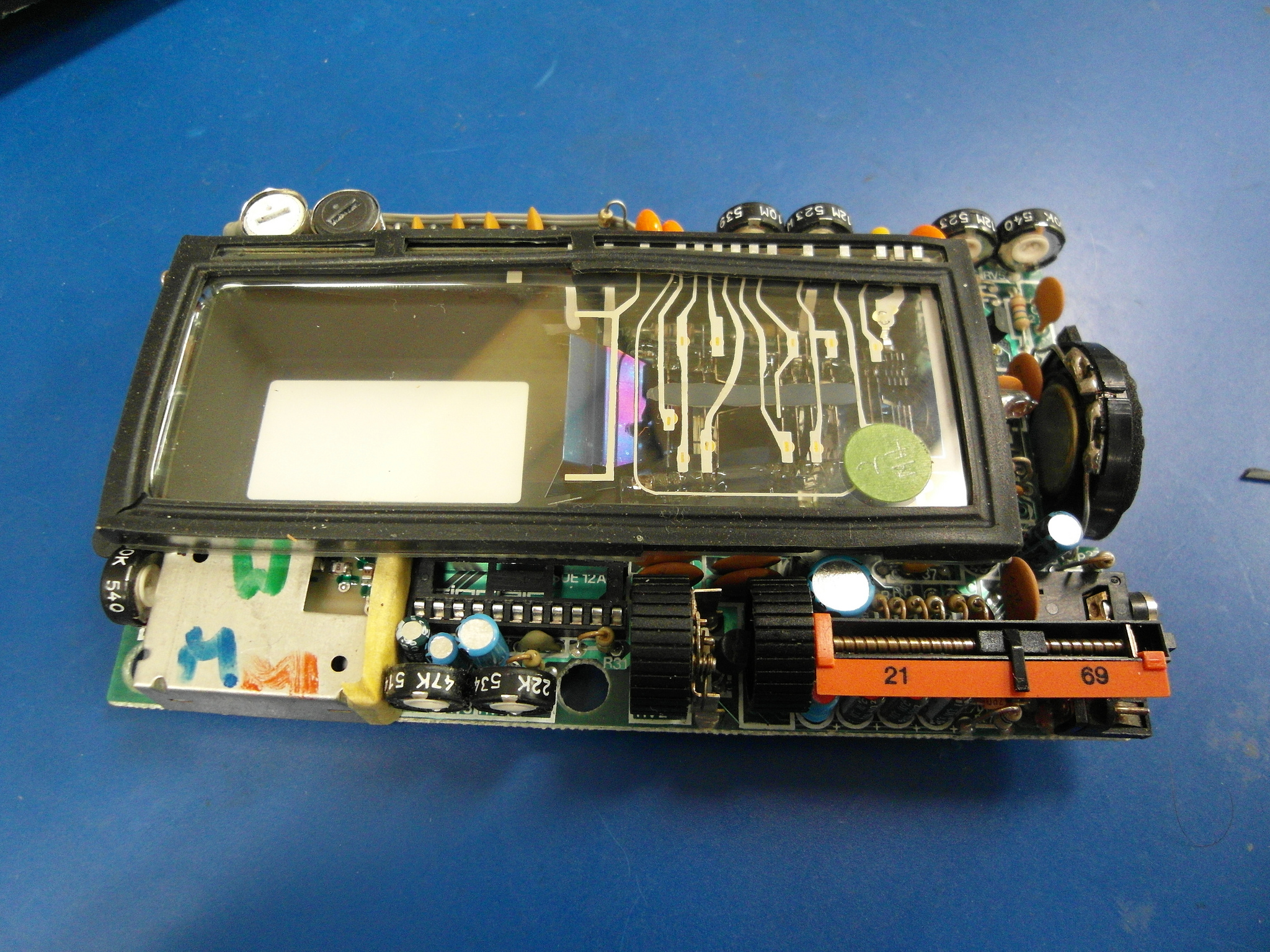
A television chassis contained hundreds of individual components wired point to point, and each connection was made by hand with an iron, by rows of women working at benches to a wiring diagram.
Printed circuit boards, wave soldering and then automated placement eliminated hand wiring for volume production. Hand soldering at speed is a real skill – a joint has to be hot enough to flow and quick enough not to cook the component – and the operators were assessed on both speed and the number of joints that failed inspection.
Like our content? Follow us for more.
2. The Set Ran on Valves and They Were Meant to Be Replaced
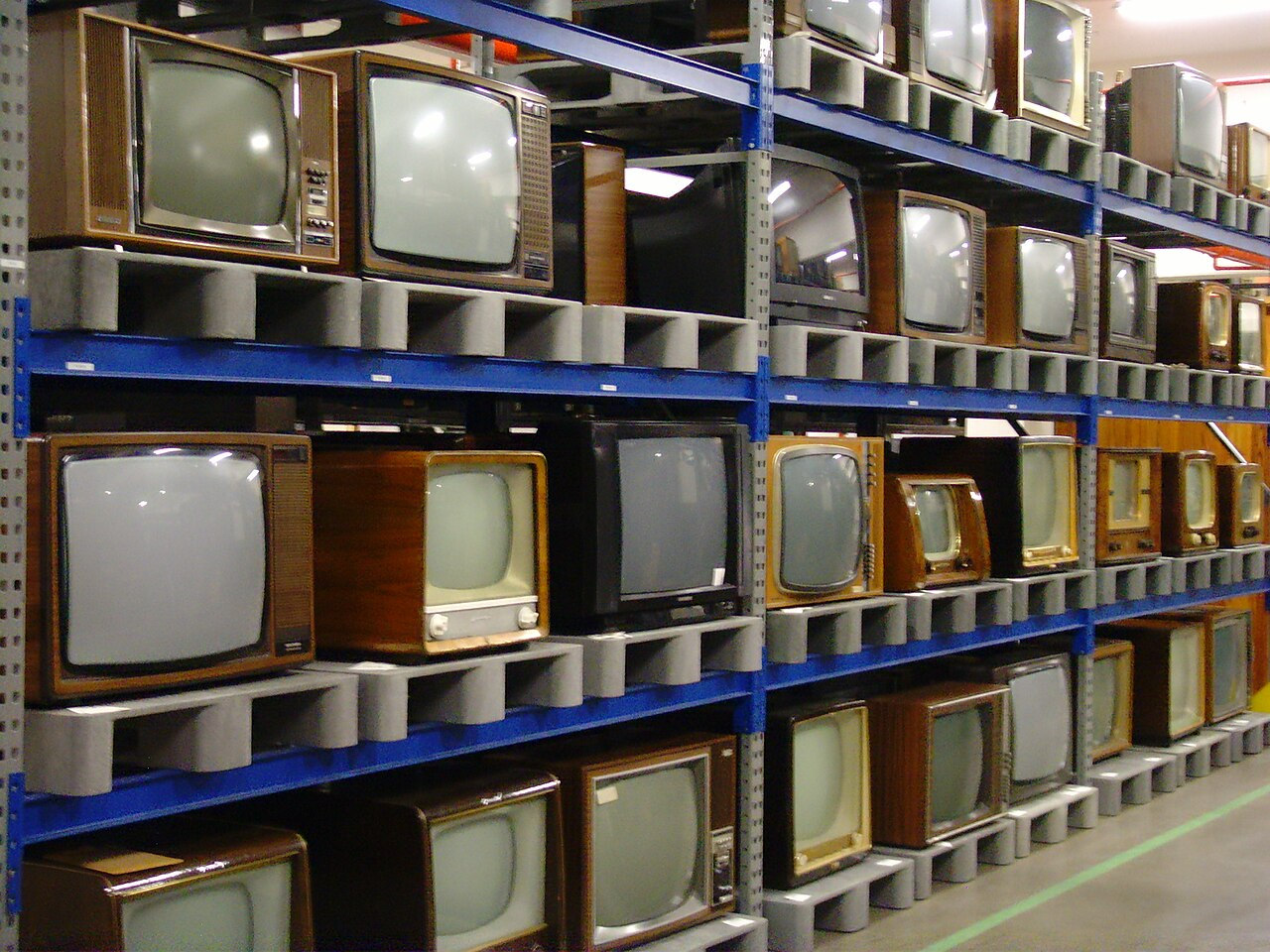
Sets were built around thermionic valves, which wear out. A television contained a dozen or more, they failed regularly, and the whole design assumed somebody would be opening the back periodically to swap them.
Transistors and then integrated circuits removed the wear-out component entirely and made sets vastly more reliable and far less repairable at the same time. The valve was the thing that made the television repair trade exist, and its disappearance eventually removed that trade.
3. There Was a Valve Tester in the Shop and You Used It Yourself
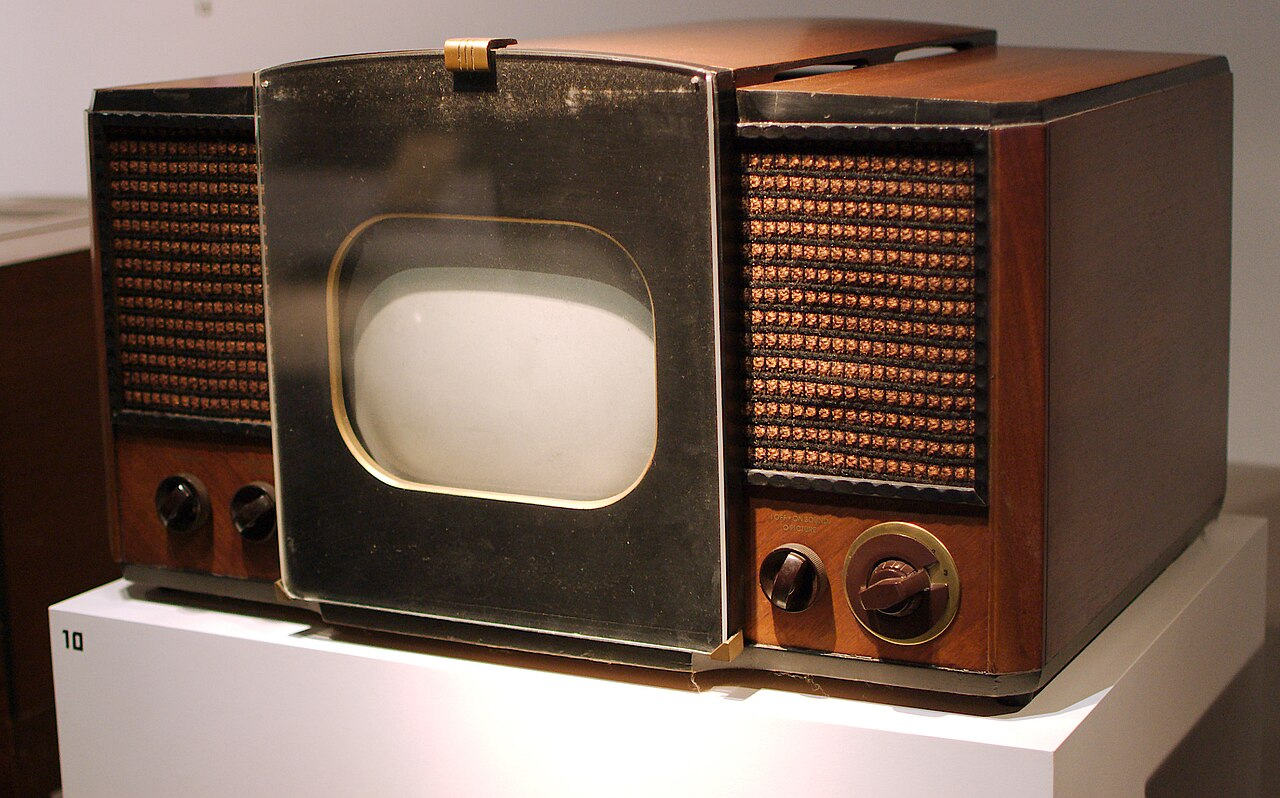
Shops kept a valve testing machine, and a customer could bring in the valves from their set, test them on the counter, and buy a replacement for whichever one failed.
Self-service component testing disappeared with the components. It is a remarkable arrangement by modern standards: a consumer diagnosing their own electronics with shop equipment and fixing the fault themselves, for the price of one part, as an entirely ordinary transaction.
4. The Cabinet Was Furniture and Was Made by Cabinet Makers
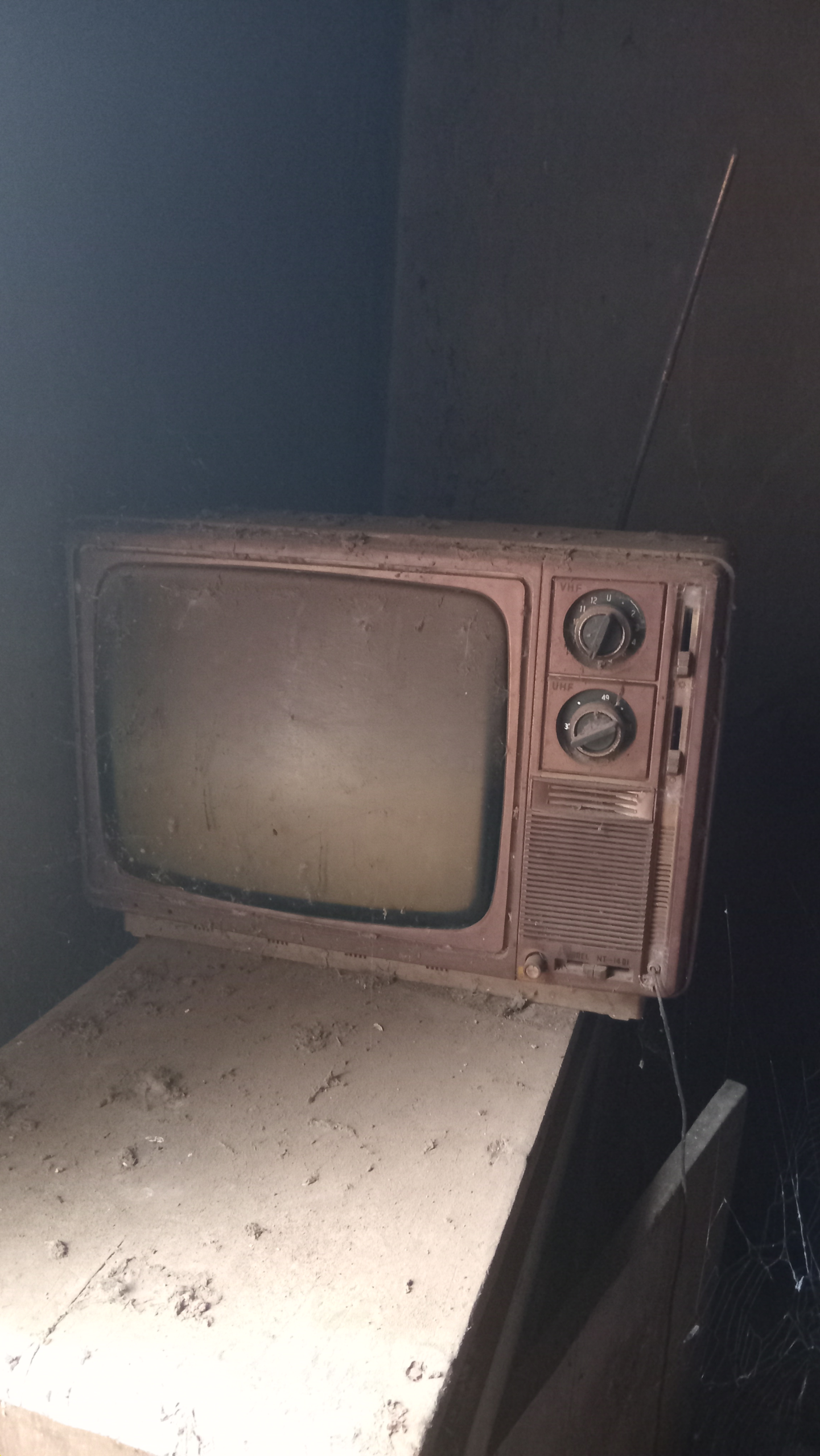
A television was sold as a piece of furniture in a veneered wooden cabinet on legs, built in a woodworking shop that was part of the same factory and staffed by joiners and polishers.
Moulded plastic housings replaced wood entirely, and the set stopped pretending to be furniture. The woodworking side of a television factory employed a completely different trade from the electronics side, in a different part of the building, and it disappeared first and fastest.
5. The Picture Tube Was Heavy, Evacuated and Genuinely Dangerous
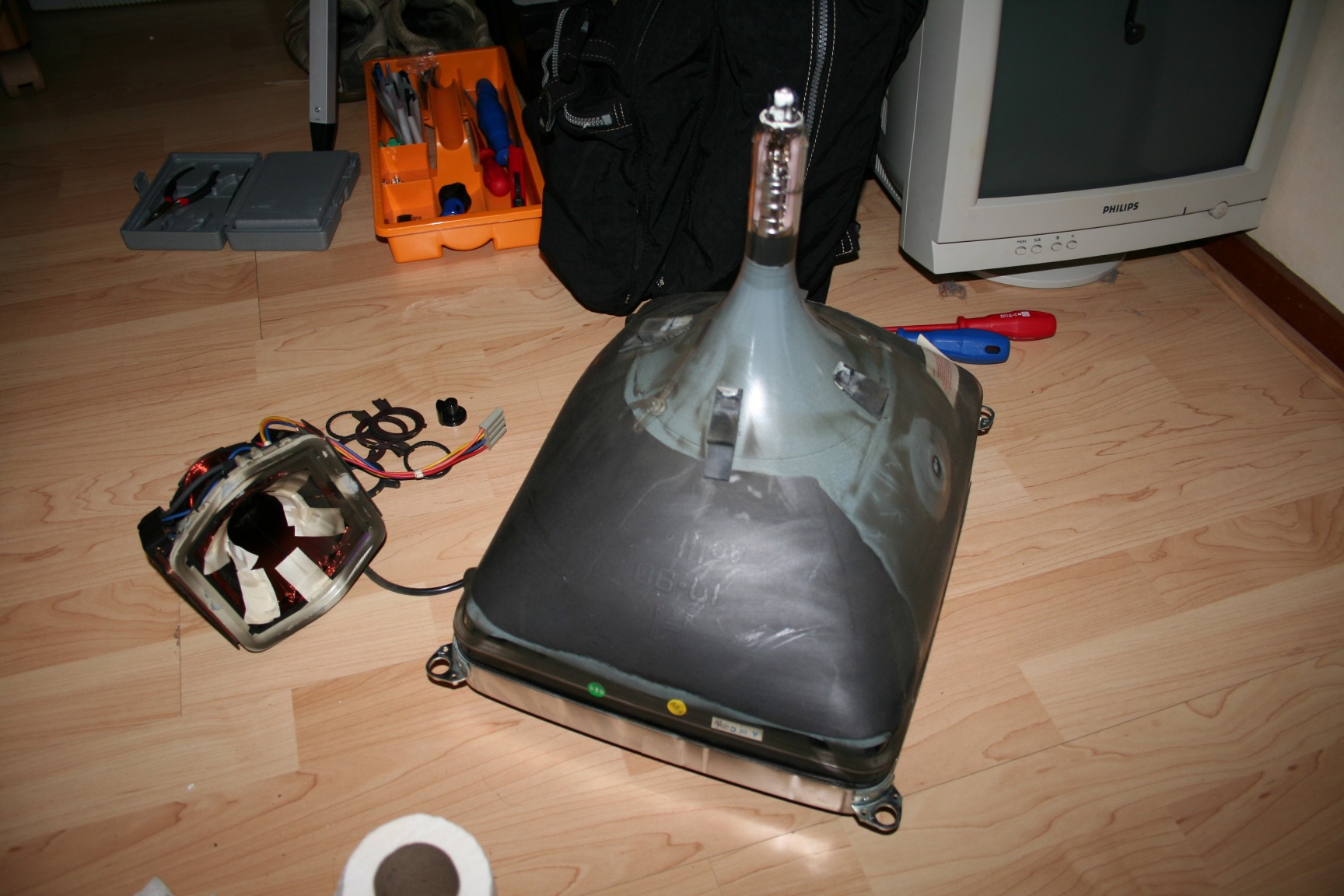
A cathode ray tube is a large evacuated glass vessel under enormous external pressure. Handling, fitting and particularly disposing of them carried a real risk of implosion, and the glass contained lead.
Flat panel displays removed the tube entirely. Handling procedures, protective equipment and controlled disposal were developed for tubes, and tube disposal remains a regulated waste stream. Stated as occupational history only; anybody with concerns about their own work history should raise them with their own doctor.
6. Every Set Was Aligned by Hand at the End of the Line
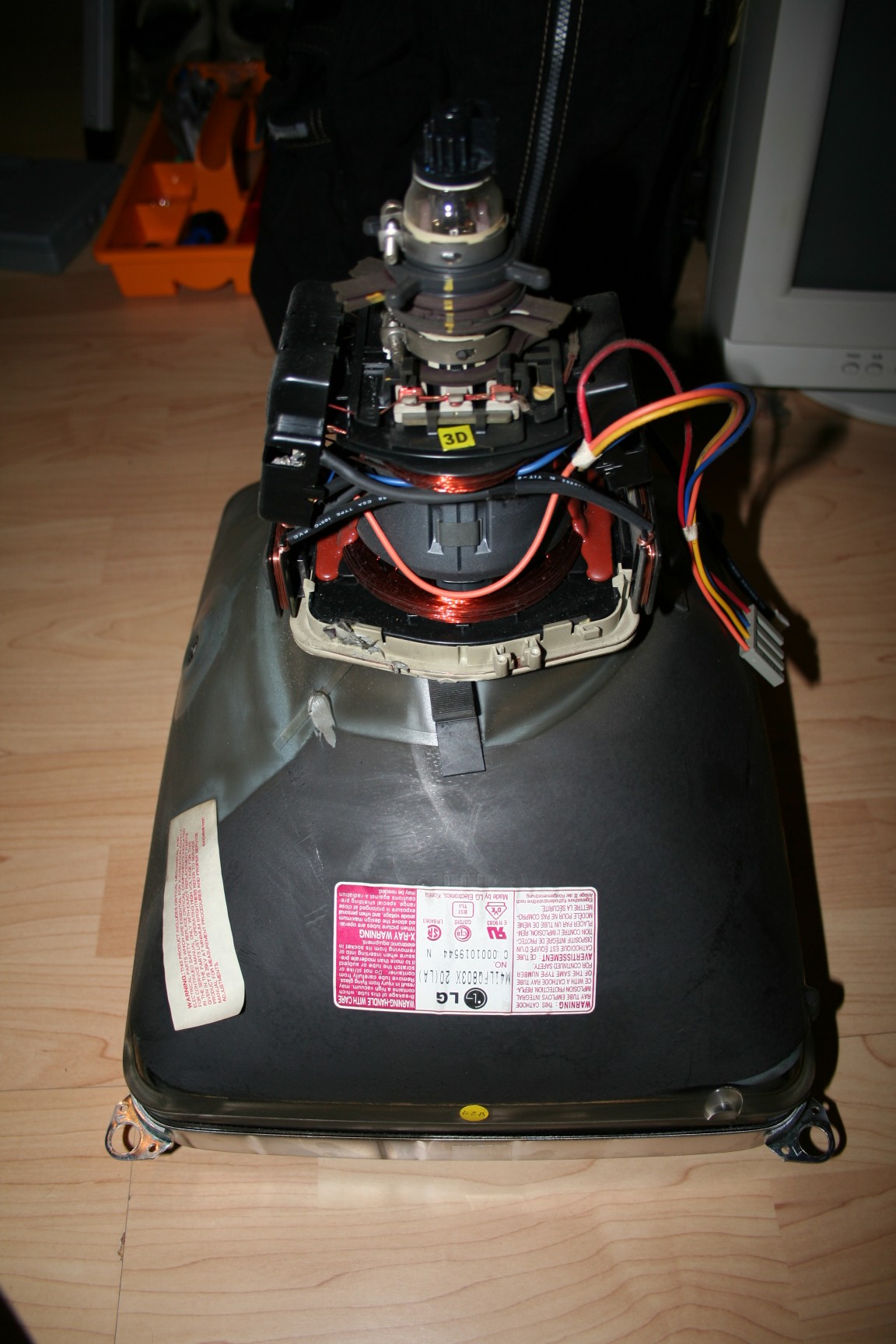
A completed set had to be tuned and adjusted – picture geometry, convergence, focus, sound – by a technician with instruments, individually, because component tolerances meant no two sets came out identical.
Tighter component tolerances, automatic adjustment and digital control removed individual alignment. It meant every television that left the factory had been personally adjusted by somebody, which is both impressive and an enormous amount of labour embedded in each unit.
7. Most People Rented Their Television Rather Than Buying It
Sets were expensive and unreliable, so rental was the dominant model: a weekly payment covering the set, all repairs, and replacement if it could not be fixed.
Falling prices and rising reliability destroyed the rental trade. It was a rational arrangement given the failure rate – the customer was buying predictability rather than the object – and it collapsed precisely because the manufacturers solved the reliability problem that made it attractive.
8. There Was a Repair Man and He Came to Your House
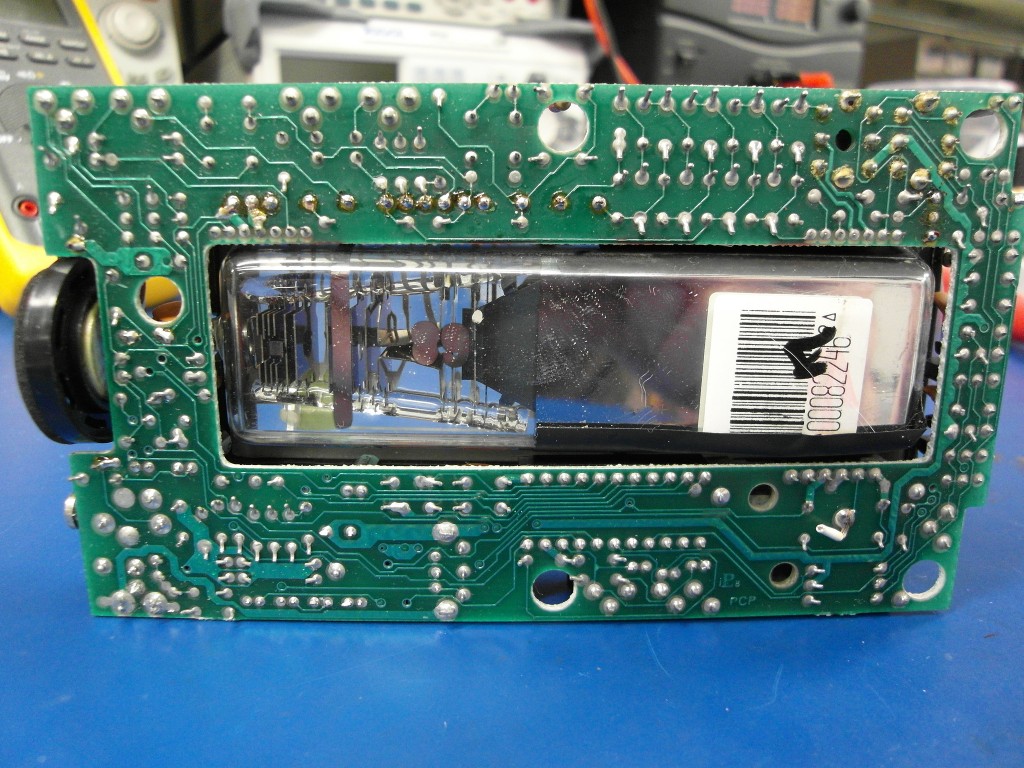
A television that failed was repaired in the home or taken to a workshop, by a trained engineer with a circuit diagram, who replaced individual components and charged for the part and the time.
Component-level repair became uneconomic as sets became cheaper and more integrated, and the trade effectively ended. The circuit diagram supplied with the set is the detail worth noting: manufacturers expected their products to be repaired by people outside the company and provided the information to do it.
9. The Factory Also Made the Radios, and the Radio Side Was Dying
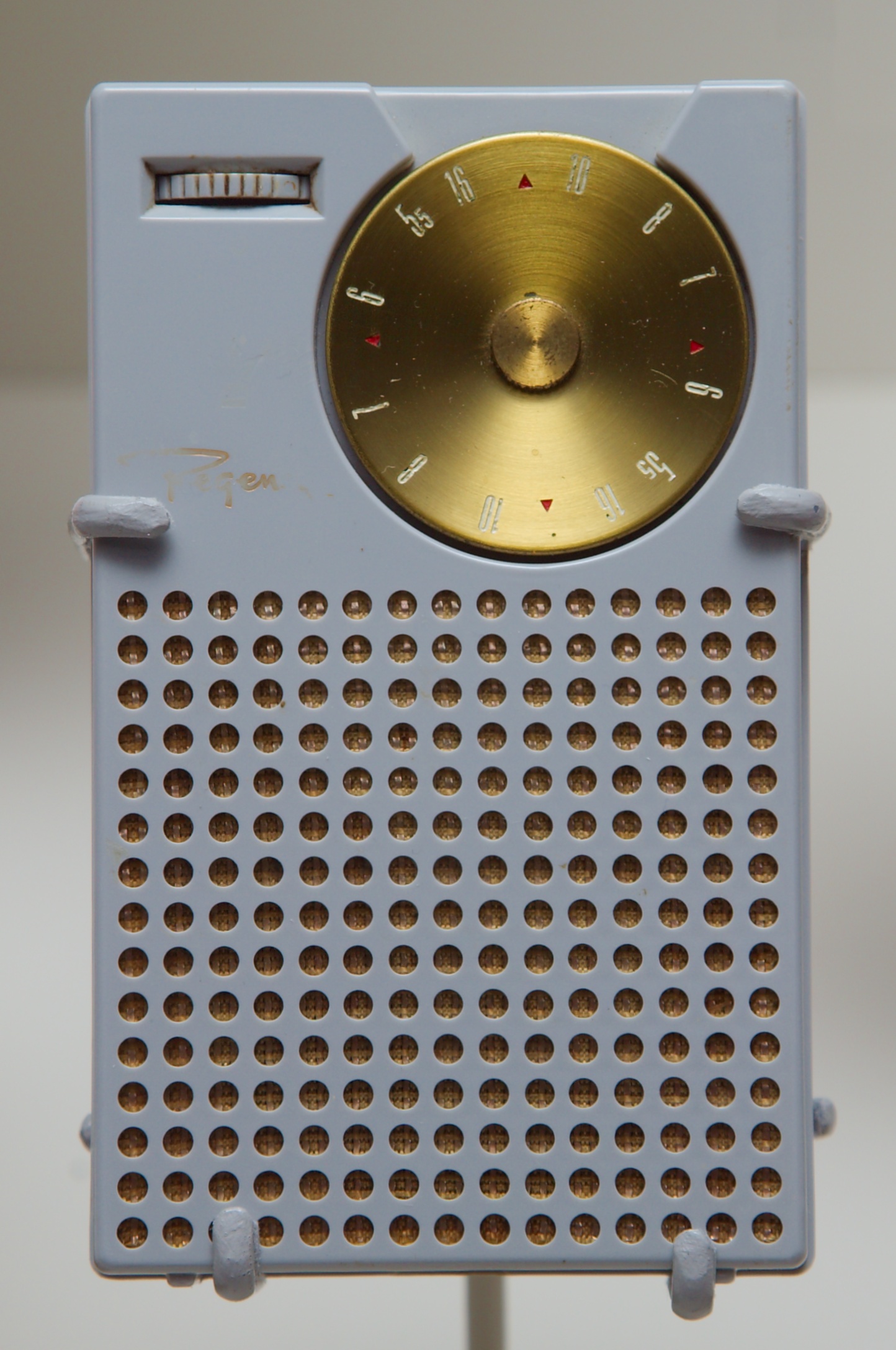
The same plants made radio receivers, and by 1960 the radio business was being hollowed out by cheap imported transistor sets while the television business was booming.
Both eventually went the same way. The radio collapse was the warning, it came first, and it was interpreted at the time as a problem specific to a low-value product rather than as a demonstration of what would happen to any product once it could be made more cheaply elsewhere.
10. The Components Were Made in the Same Building
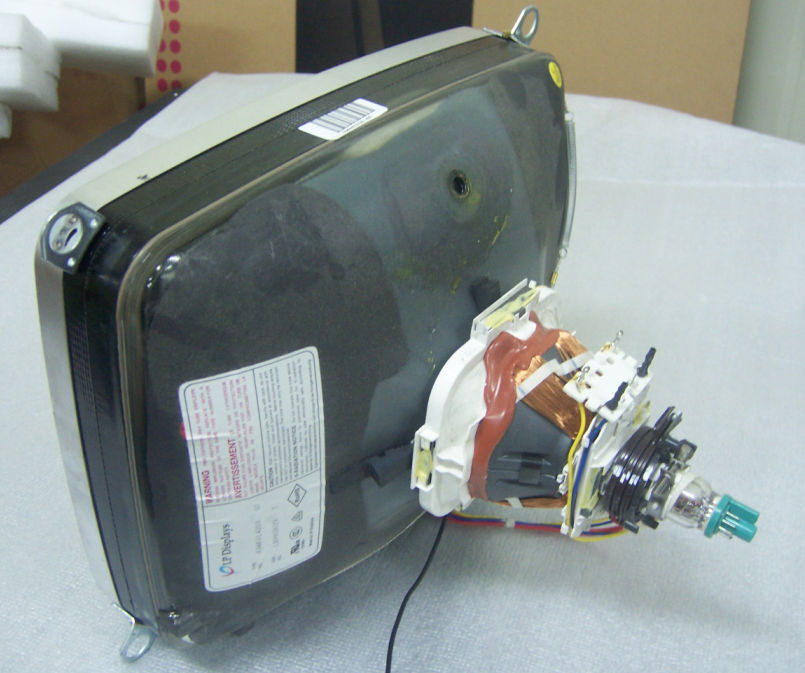
Coils were wound, transformers assembled, chassis pressed and cabinets built on site. A television factory was a collection of component manufacturing operations with an assembly line attached.
Component supply moved to specialists and then overseas, leaving assembly, which then moved too. Vertical integration made sense when components were bulky, varied and needed to be matched to the design, and it became a liability as soon as standard parts could be bought more cheaply than they could be made.
11. The Tolerances Were Loose and the Design Compensated
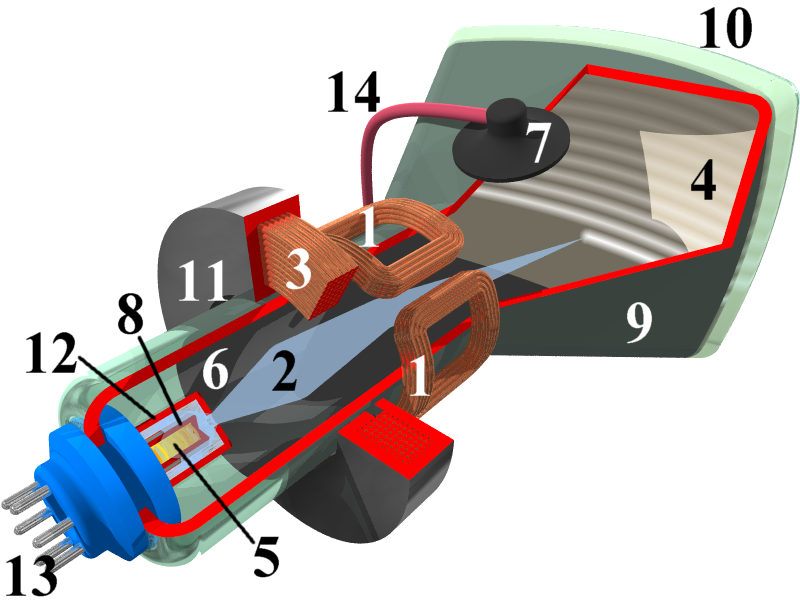
Individual components varied substantially from their nominal values, so circuits were designed to work despite that variation, with adjustable elements provided for a technician to trim.
Precision manufacture and digital design removed the need. The design philosophy of 1960 – assume your parts are approximate and build something that works anyway – is genuinely sophisticated engineering, and it disappeared because it became cheaper to make accurate parts than to design around inaccurate ones.
12. Women Did the Skilled Assembly and Were Classed as Unskilled
The hand wiring, soldering, coil winding and inspection that determined whether a set worked were overwhelmingly done by women, graded and paid as unskilled or semi-skilled work.
Equal pay legislation and job evaluation changed the grading structures over subsequent decades, by which point much of the work had gone. The grading was not an assessment of the work, which was demonstrably skilled – it was an assessment of who was doing it.
13. Nobody Expected Colour to Arrive So Fast or Cost So Much
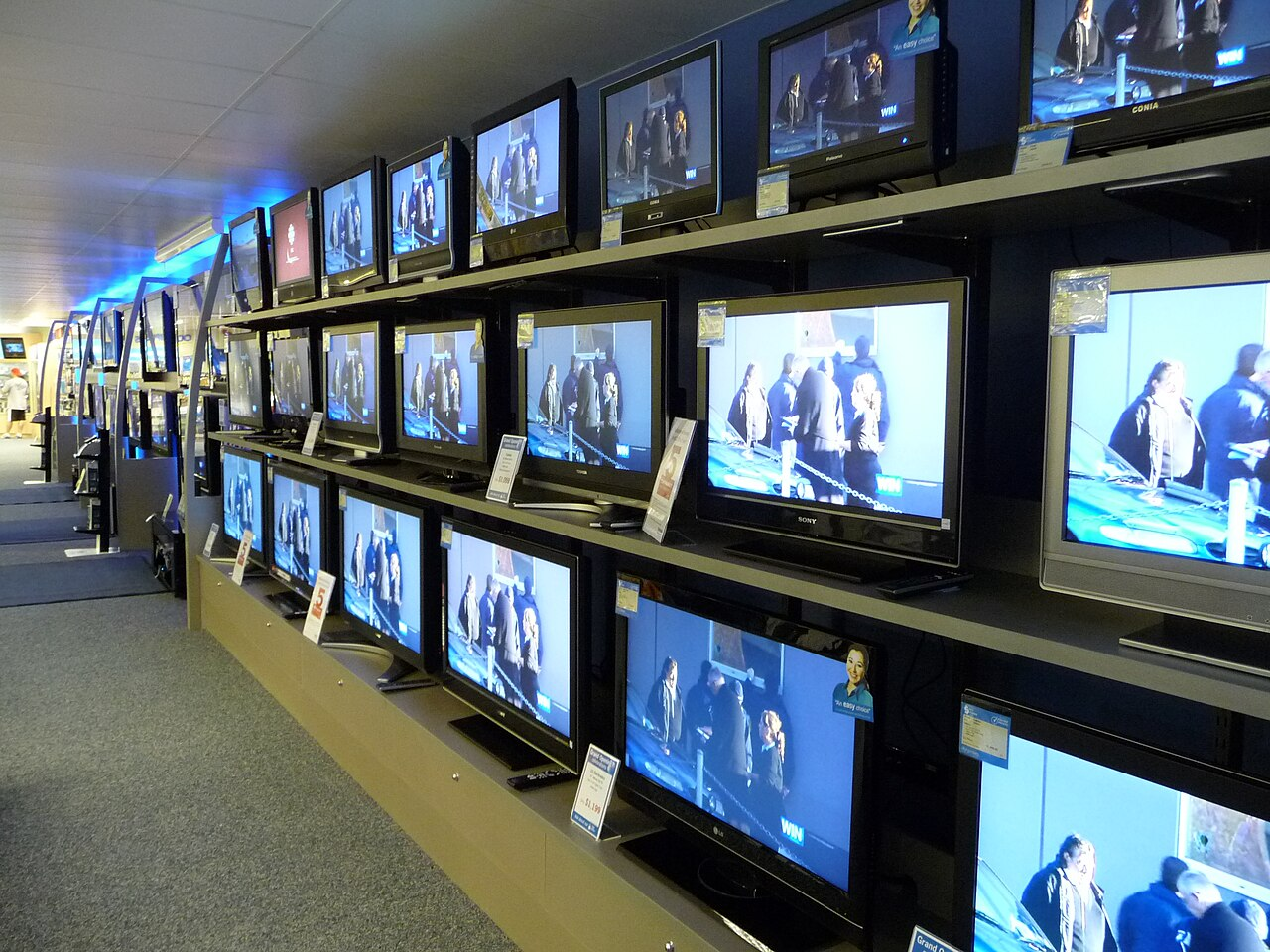
Colour sets were far more complex, needed three times the alignment work and were enormously more expensive, and the transition demanded a substantial retooling of every plant.
The changeover happened quickly once broadcasting supported it, and it was the last major expansion the domestic industry had. Several manufacturers invested heavily in colour capacity immediately before imports took the market, which is poor timing of a kind that looks obvious afterwards and was not obvious at all at the time.
14. The Sets Were Built to Be Opened
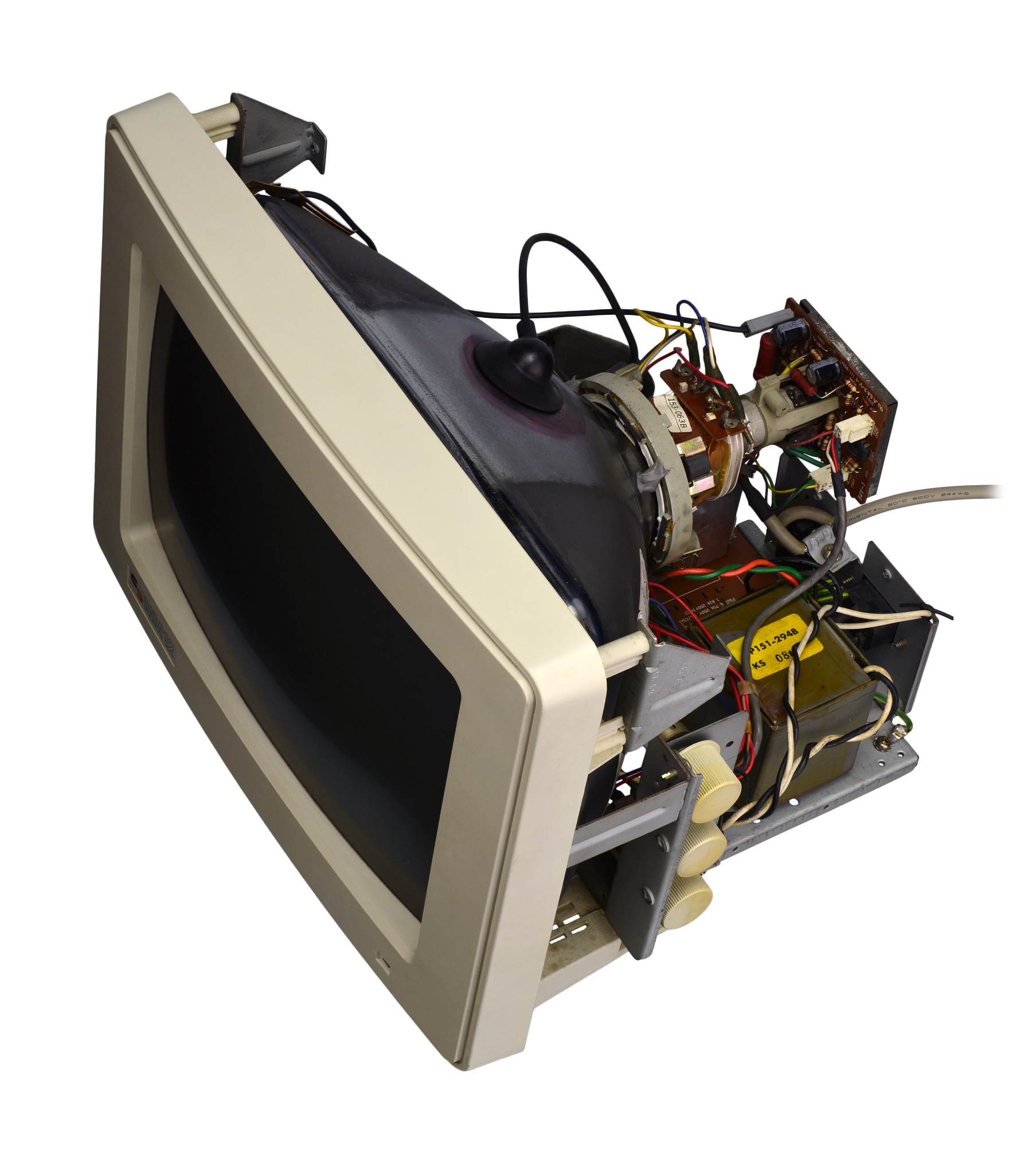
The back came off with screws, the chassis slid out, the circuit diagram was pasted inside, test points were provided, and the components were large enough to identify and replace individually.
Sealed assemblies, surface-mount components, unavailable diagrams and boards cheaper to replace than diagnose reversed every one of those decisions. The right-to-repair arguments now being made are, in substance, arguments for the design approach that this industry abandoned – and it abandoned it for the understandable reason that the sets stopped breaking.
15. Nobody Thought the Picture Could Be Flat
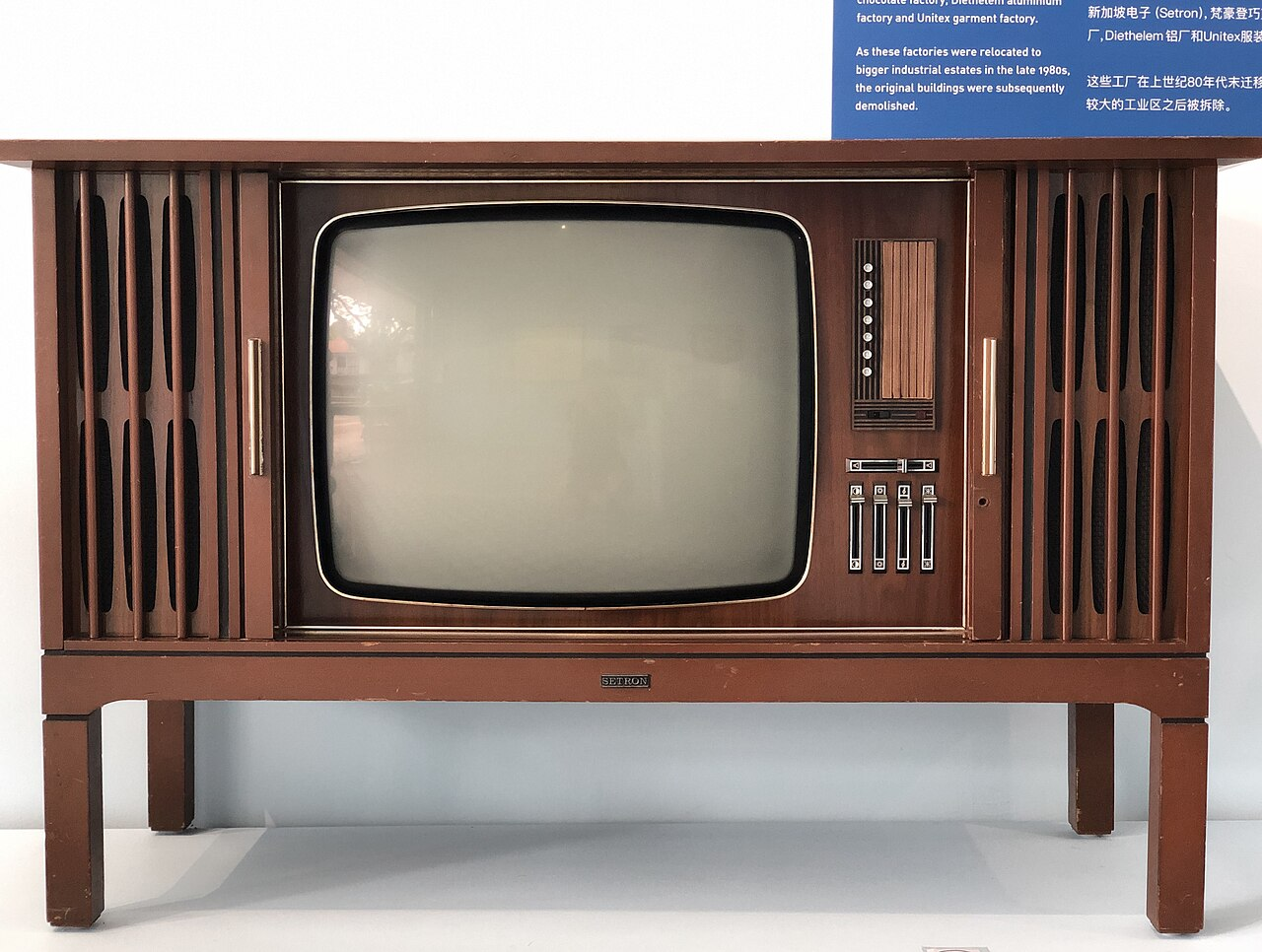
The depth of a television was set by the length of the tube, and that was simply a fact about what a television was.
Flat panels removed it, and with it the cabinet, the furniture styling, the weight, the repair trade, the alignment, the valve tester and the rental model. One change in display technology dissolved an entire industrial structure that had been built around the physical properties of a glass vacuum tube.
16. The Factories Are Gone and the Sets Still Turn Up Working

Televisions from this period appear regularly in lofts, garages and house clearances, and a surprising proportion still function or can be made to.
Which is the usual ending for this series and an unusually literal one here: the objects outlasted the industry, the trade that maintained them, and the broadcasting standards they were designed to receive. A working set from 1960 now needs a converter to show anything at all, so it survives as a functioning machine with nothing left to do.
They Stopped Breaking, and That Ended Everything Else
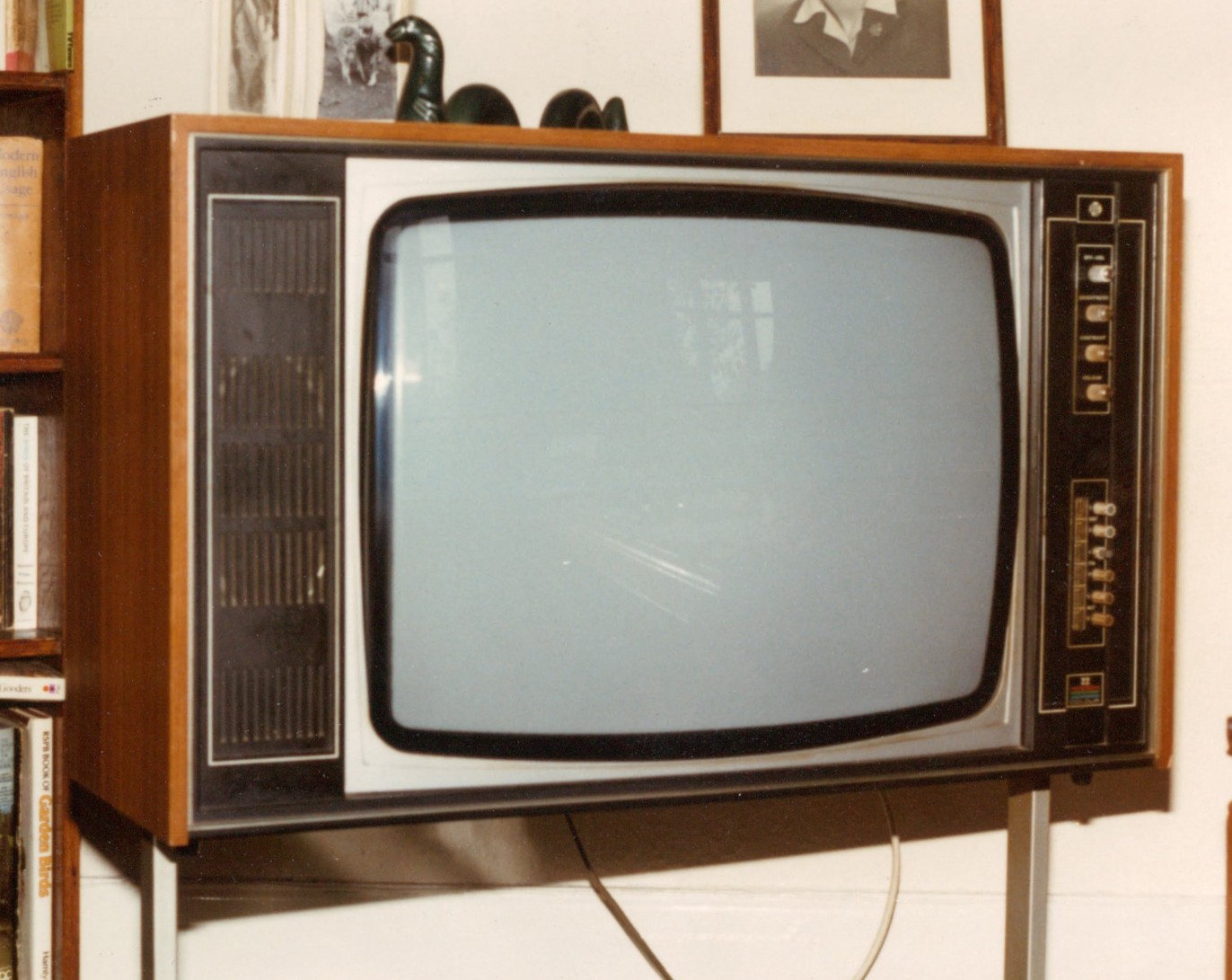
The thread running through this list is reliability, and it had consequences nobody intended.
A 1960 television failed regularly. That single fact supported an entire economic structure around it. Rental existed because customers wanted protection from the failure rate. A repair trade existed because there was continuous work. Shops stocked valves and provided testers because customers needed them. Manufacturers supplied circuit diagrams because they assumed outsiders would be doing the repairs. Sets were designed to be opened because they would be.
Then transistors replaced valves, integrated circuits replaced transistors, and the failure rate collapsed.
Rental died, because insuring against a failure that does not happen is pointless. The repair trade died, because there was not enough work and because an integrated set is diagnosed at board level rather than component level. The valve testers went in skips. The diagrams stopped being supplied, because nobody outside was fixing anything. And once nobody was opening the sets, there was no reason to design them to be opened – so sealed assemblies and unavailable parts followed, and they were a consequence rather than a conspiracy.
This is worth being precise about, because the current argument over repairability frequently assumes products were made unrepairable deliberately. In this industry the sequence ran the other way: they became reliable, so the repair ecosystem starved, and the design then adapted to a world where repair had already stopped happening.
Which does not mean the present position is fine. It means the fix is not simply reversing a decision somebody made, because the decision was made by the failure rate rather than by anybody in particular.
If you worked in a set factory, you will know whether you were on the wiring side or the cabinet side.
And if there is an old set in a garage somewhere, it very probably still works.
Like our content? Follow us for more.
