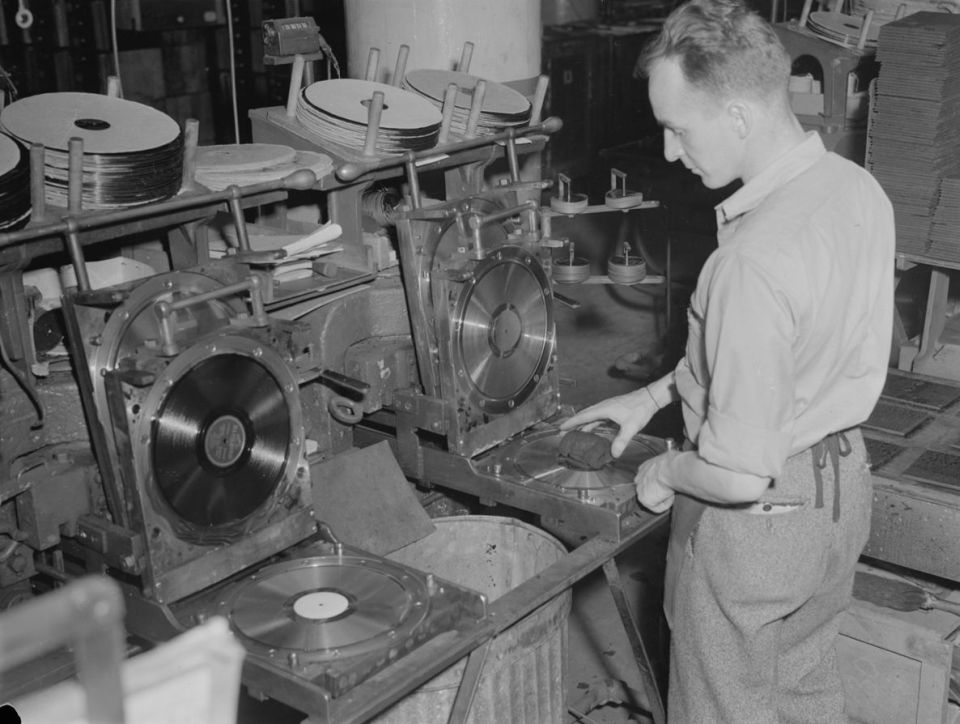
In 1965 a record began with a sapphire stylus cutting a groove into soft lacquer in real time while the music played, where a mistake meant starting the side again.
That lacquer was silvered, grown into metal in a plating bath and destroyed in the process. A lump of hot vinyl went between two stampers in a steam-heated press. The excess was trimmed off and thrown back in the mix. And somebody sat in a room playing finished records all day listening for faults.
Here are seventeen things that were ordinary in a pressing plant in 1965, and what became of each one.
1. The Master Was Cut by a Machine Carving a Groove Into a Lacquer Disc
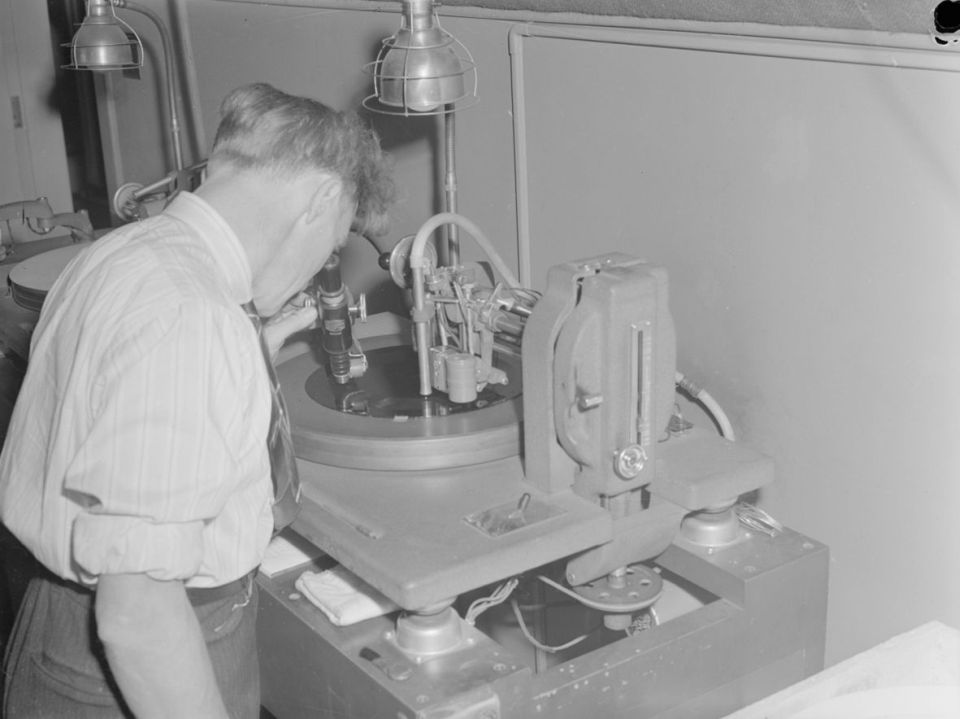
A record began as a blank aluminium disc coated in soft lacquer, mounted on a lathe, with a heated sapphire stylus cutting a continuous spiral groove whose side-to-side wiggle was the music.
Cutting lathes still exist and are still used, because there is no other way to originate a record. The cutting engineer worked in real time – the music played, the groove was cut as it played, and a mistake anywhere meant starting the whole side again from the beginning.
Like our content? Follow us for more.
2. The Cutting Engineer Decided How Loud the Record Was and It Was a Real Trade
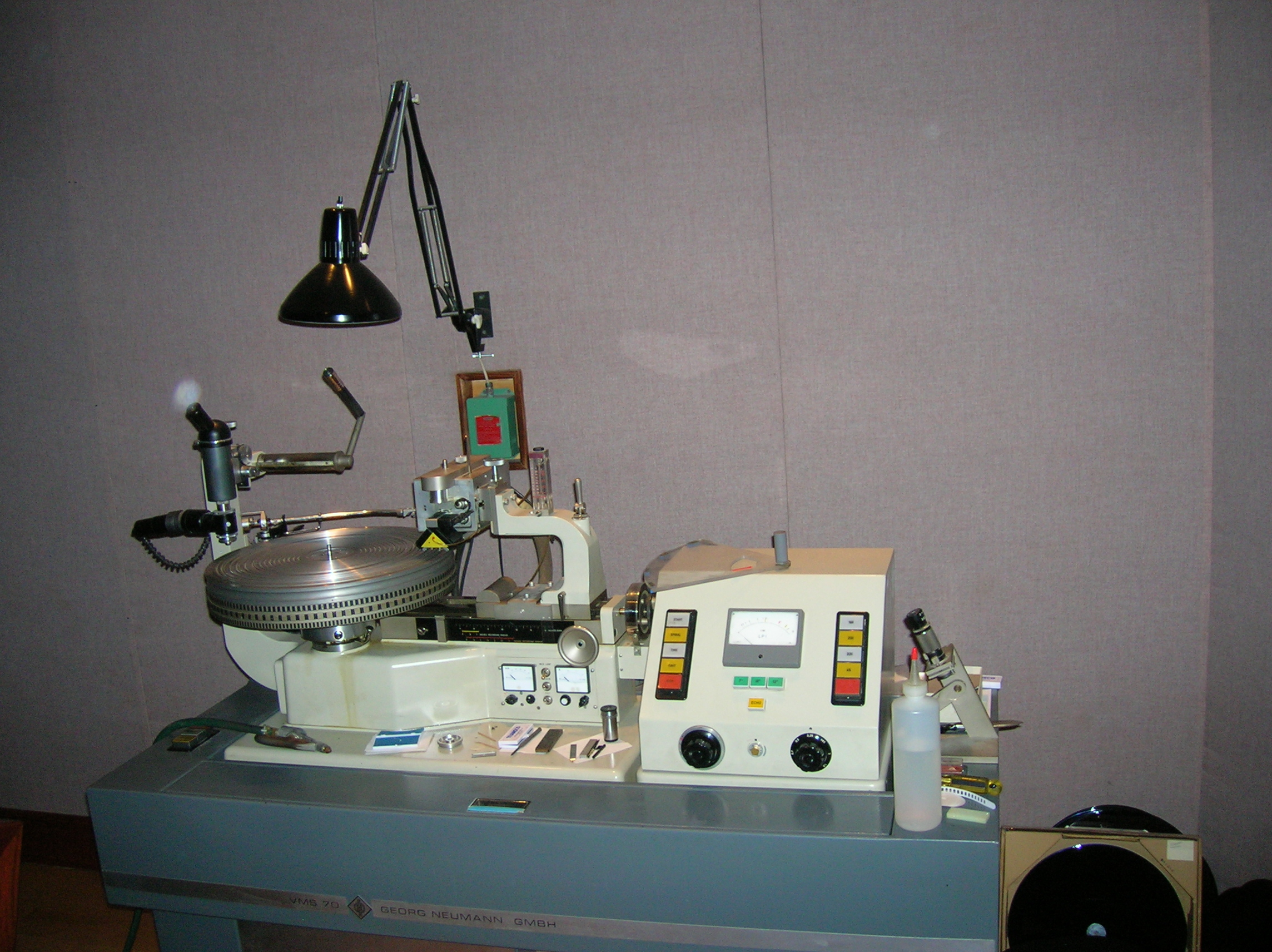
Groove width depends on volume and on bass content. Cut too wide and the groove takes up more space, so less music fits on a side; cut too narrow and the record is quiet. The engineer traded loudness against playing time, by hand, side by side.
Automated lathe control, preview systems that look ahead at the signal, and digital mastering have changed the mechanics. The trade-off has not changed at all, which is why a long album pressed on one disc is quieter than a short one, and why the same album on two discs sounds better – a fact that remains true and that very few people know.
3. The Lacquer Was Silvered and Grown Into Metal in a Plating Bath
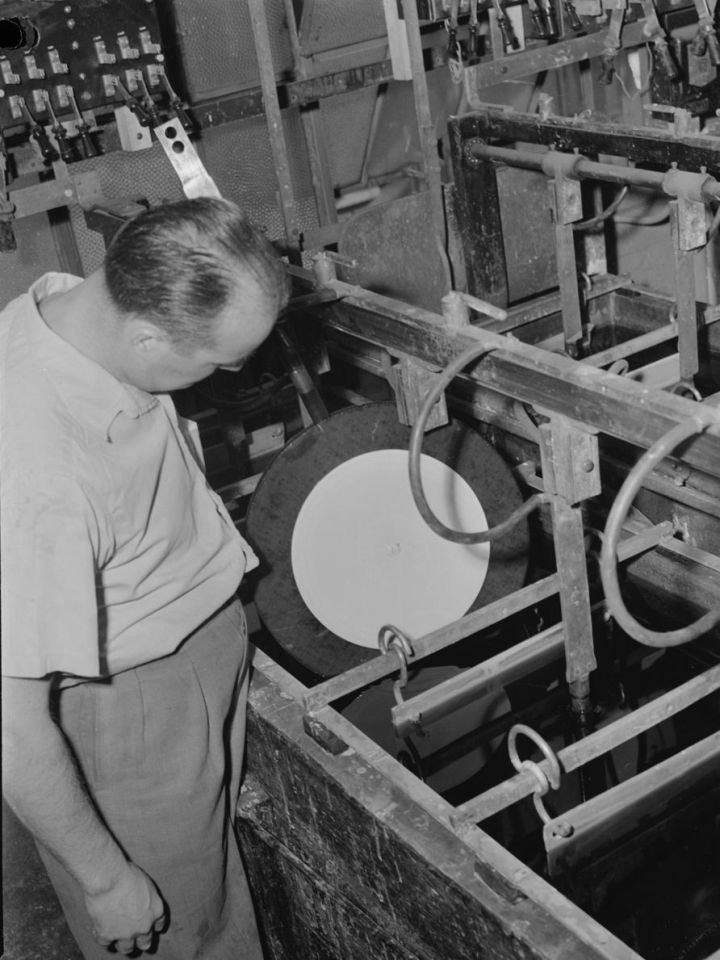
The soft lacquer cannot press anything. It was coated with silver to make it conductive, then electroplated to grow a metal negative off its surface, which was peeled away – destroying the lacquer in the process.
Still fundamentally the same process. The sequence produces a negative, then a positive, then the stampers used in the press, each generation taken from the last, which is why the chain is described in family terms – the father, the mother and the sons – a naming convention that is genuinely in use and that nobody outside the industry believes.
4. The Press Was Steam-Heated and Operated by Hand
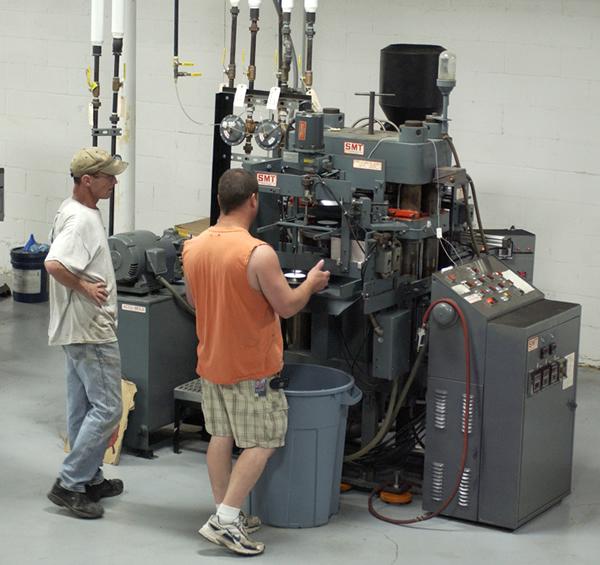
A lump of heated vinyl compound – called a biscuit – was placed between two stampers with the labels, and a hydraulic press closed with steam heating the moulds, then cold water cooling them, in a cycle of under a minute.
Automated presses with controlled cycles do the same thing faster and far more consistently. The press operator handled hot material and a closing hydraulic press hundreds of times a shift, judged the cycle by feel and by eye, and the quality of an entire run depended on somebody maintaining concentration on a repetitive task in a hot room.
5. The Edge Was Trimmed Off and Thrown Back In
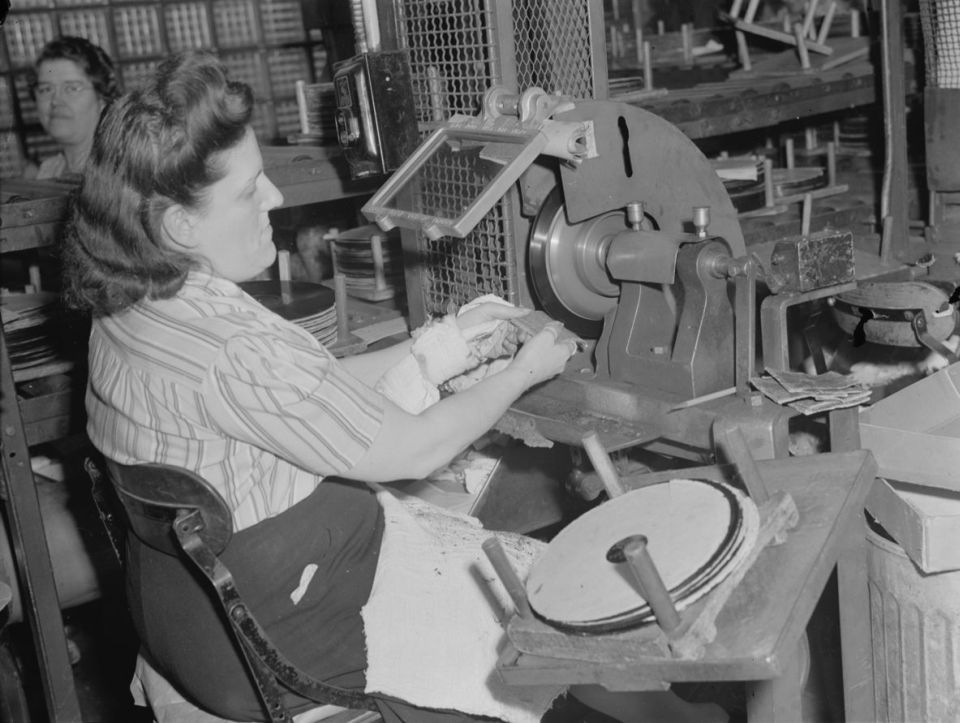
Excess compound squeezed out at the rim as flash, and it was trimmed off the still-warm record by hand or by a trimming station, then reground and returned to the mix.
Automated trimming and controlled regrind handle it now. Reusing the flash was standard and economically necessary, and it is also one source of the surface noise that early pressings have, because recycled material carries whatever contamination it picked up on the way round.
6. Quality Control Meant Somebody Listening to Records All Day
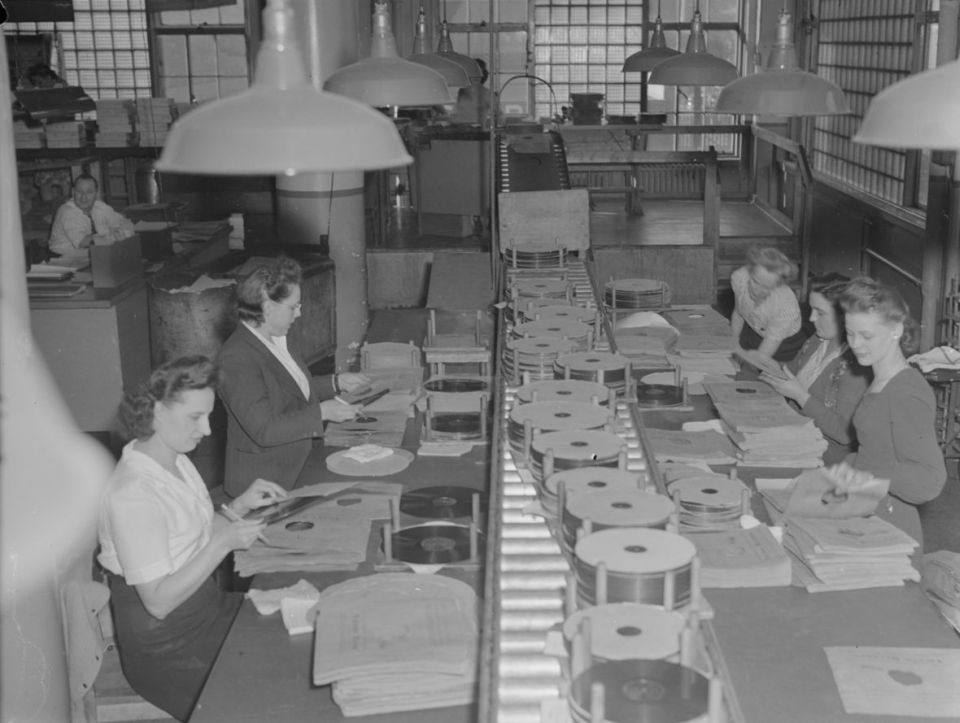
A proportion of pressings was pulled off the line and played, all the way through, by somebody whose job was to hear clicks, pops, non-fill, warps and off-centre pressings.
Automated optical and electrical inspection catches much of it, and listening checks continue because some faults are only audible. The listener was the only part of the process that assessed the actual product rather than a proxy for it, and the job is consistently described by people who did it as far less enjoyable than it sounds.
7. Records Were Pressed in the Country Where They Were Sold
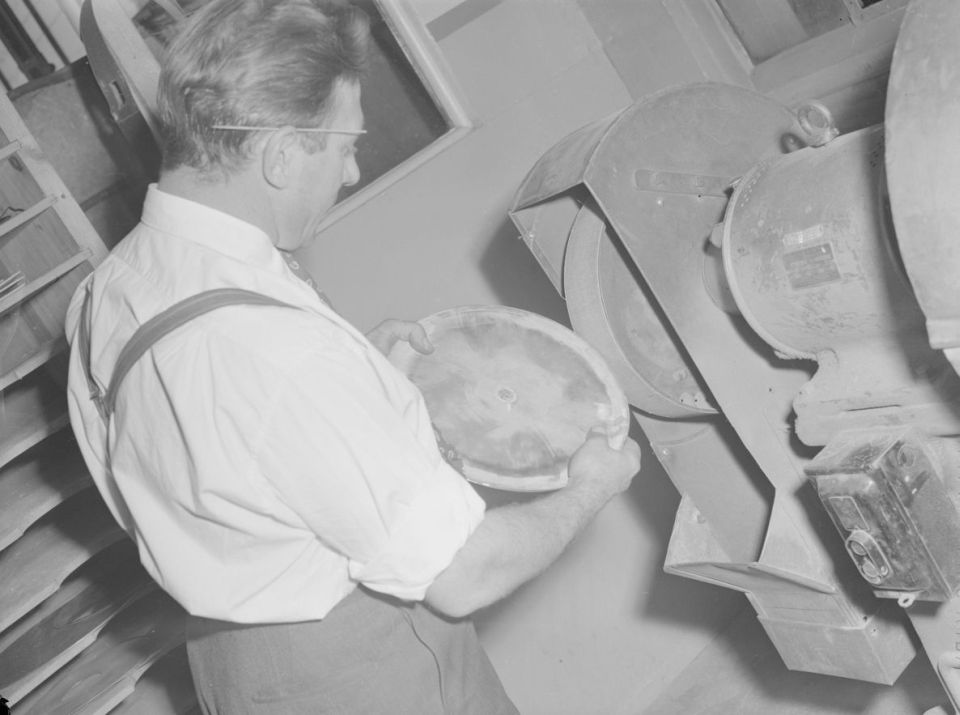
Shipping finished records is expensive and they warp, so a release was pressed locally from metal parts sent out from the originating plant – which meant the same album was manufactured in many places from different generations of stamper.
Consolidation into fewer plants serving larger regions followed better transport and falling volumes. It is also why pressings of the same record from different countries genuinely sound different and why collectors care which one they have – the differences are real and come from the metalwork generation, the compound and the plant.
8. The Compound Was Mixed on Site and the Recipe Mattered
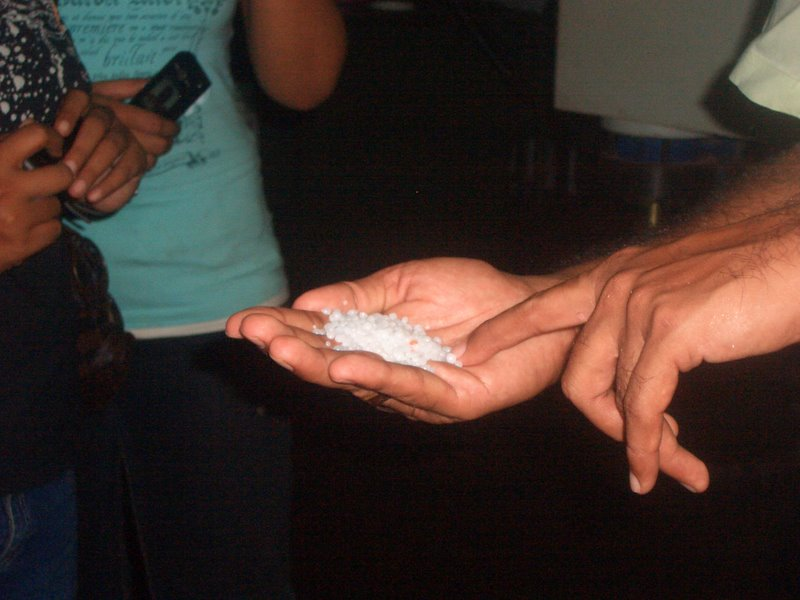
Vinyl compound was blended at the plant from resin, stabilisers, lubricants and carbon black, and the exact mix affected surface noise, durability and how well the material flowed into the groove.
Standardised compound supplied to specification replaced on-site blending at most plants. Compound quality is the single largest factor in how a pressing sounds, it varied enormously between plants and over time, and periods when raw material was scarce produced noticeably worse records – which collectors can date by ear.
9. The Labels Were Pressed In Rather Than Stuck On

Paper labels were placed on the stampers before pressing and bonded to the record by the heat and pressure of the press itself, which is why a record label cannot be peeled off.
Unchanged. It is a neat solution – the label is applied at zero additional cost during an operation that was happening anyway – and the labels had to be baked beforehand to drive out moisture, because any water in the paper turned to steam in the press and blistered.
10. Sleeves Were Printed, Folded and Filled by Hand

Covers were printed separately, assembled, and the records inserted and the whole thing shrink-wrapped by people standing at a bench, at volume, in a different part of the building.
Automated insertion and wrapping handle most of it. Sleeve assembly was largely done by women, paid less than the press operators, and a gatefold sleeve or anything with an insert dramatically increased the labour per unit – which is why elaborate packaging was a genuine commercial decision rather than a free gesture.
11. The Plant Ran Day and Night When Something Sold
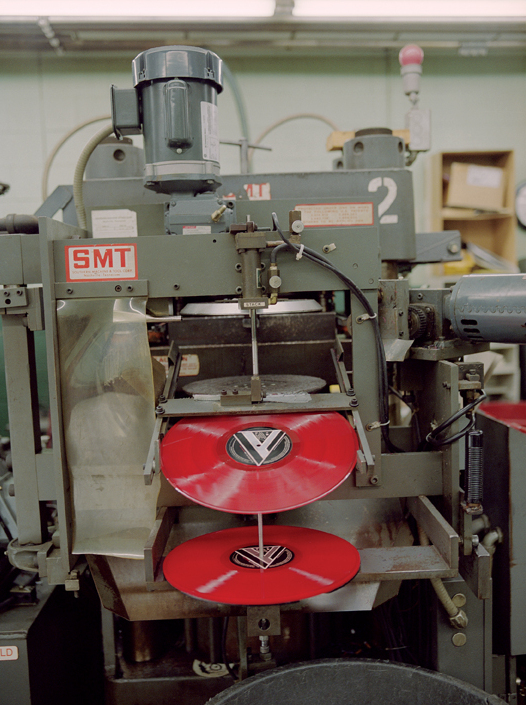
Demand was wildly unpredictable. A record that took off required enormous output immediately, and plants ran continuously through a hit, then sat underused afterwards.
The volatility is unchanged and is currently a serious problem again, because there are far fewer plants and the lead times when demand spikes are long. The industry has twice now discovered that pressing capacity is a physical constraint that cannot be conjured quickly, and it was better equipped to deal with it in 1965.
12. Nobody Thought the Format Would Be Replaced, and Then It Was Twice
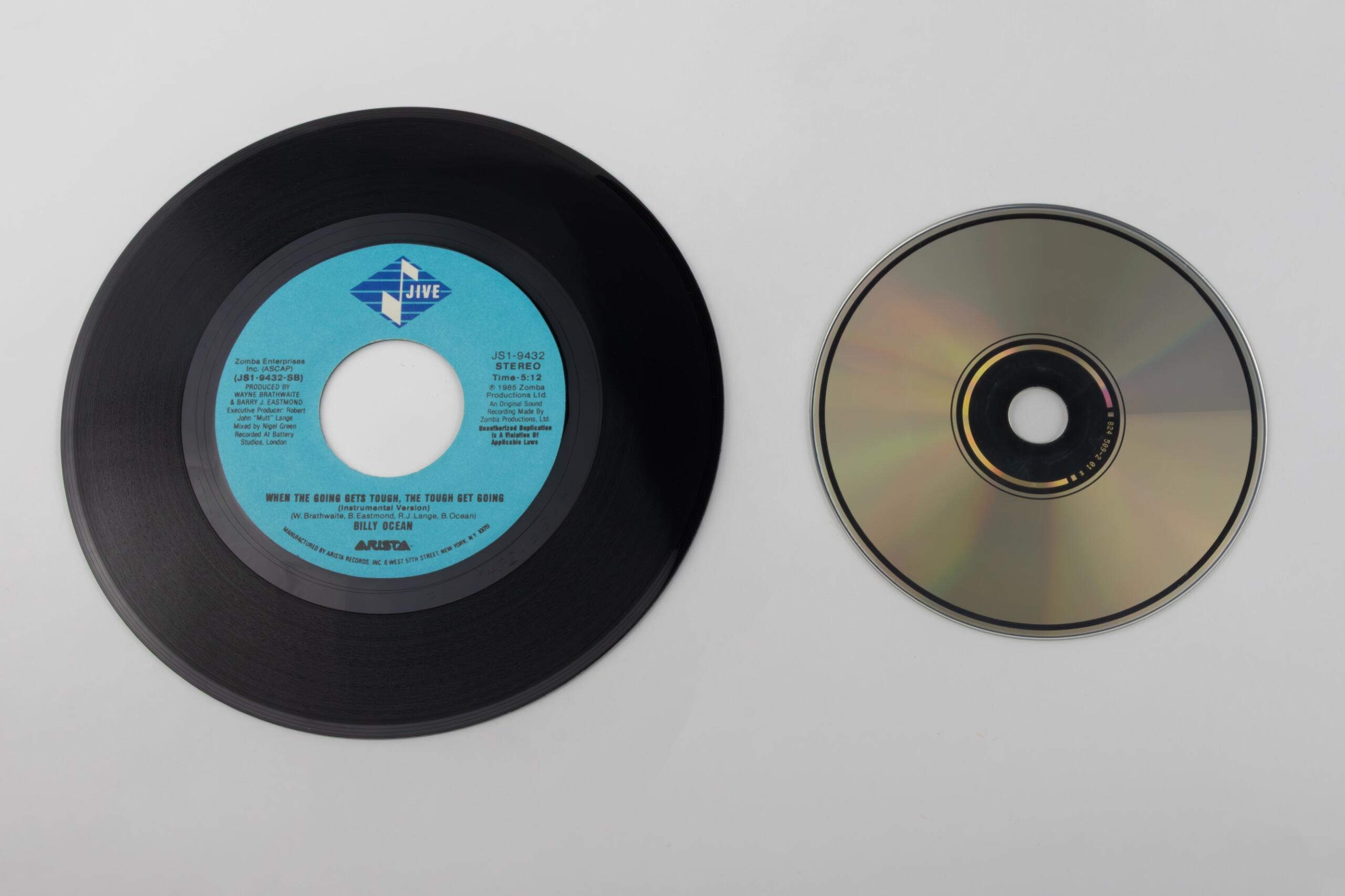
In 1965 the record was simply what recorded music was. Tape existed and was marginal.
Cassette, then compact disc, then downloads and streaming each displaced it, and the pressing industry contracted almost to nothing by the early part of this century, with plants scrapped and the machinery sold or broken up. The scrapping is the part that mattered, because it destroyed the capacity rather than merely idling it.
13. The Machines That Survived Are Now the Industry
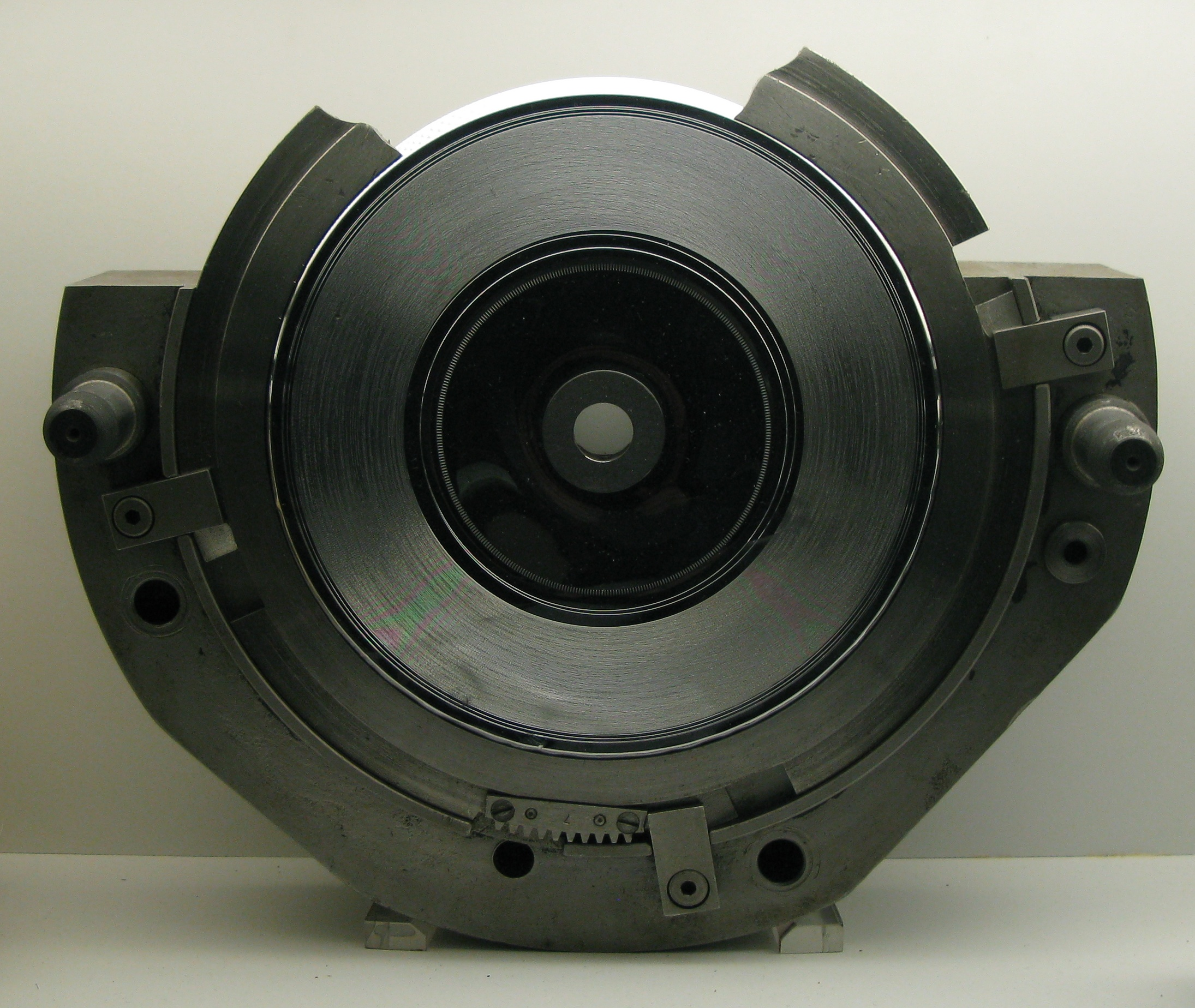
Presses built in the 1960s and 1970s are still in daily production because almost no new ones were built for several decades, and the surviving machines were maintained by people who kept them going through the lean years.
New presses are now being manufactured again after a long gap, but a substantial share of current production still runs on machinery older than most of the people operating it. An industry running on fifty-year-old equipment because the intervening generation of machines was never built is an unusual position for any manufacturer to be in.
14. The Knowledge Nearly Died With the Plants
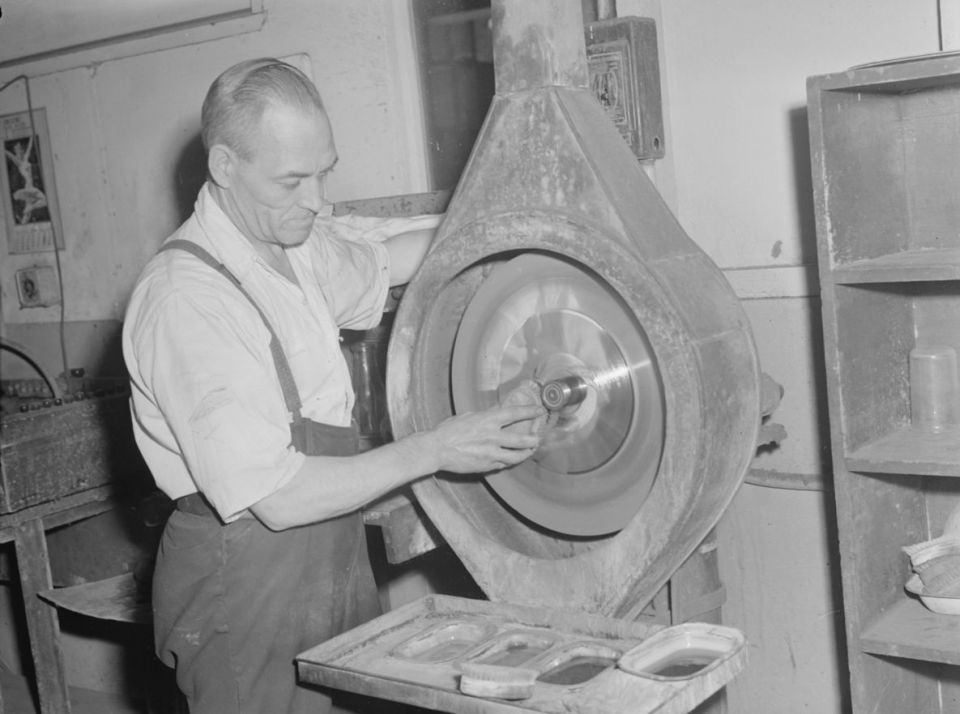
Cutting, plating, compound blending and press operation are all judgement trades learned by standing next to somebody, and when the plants closed those people left the industry entirely.
The revival had to reconstruct a good deal of it from retired workers, from documentation and from trial and error. Several current plants were set up with the direct help of people brought out of retirement, which is a narrow escape – another decade and the chain of people who had actually done it would have broken.
15. Collectors Read the Metalwork Like a Fingerprint
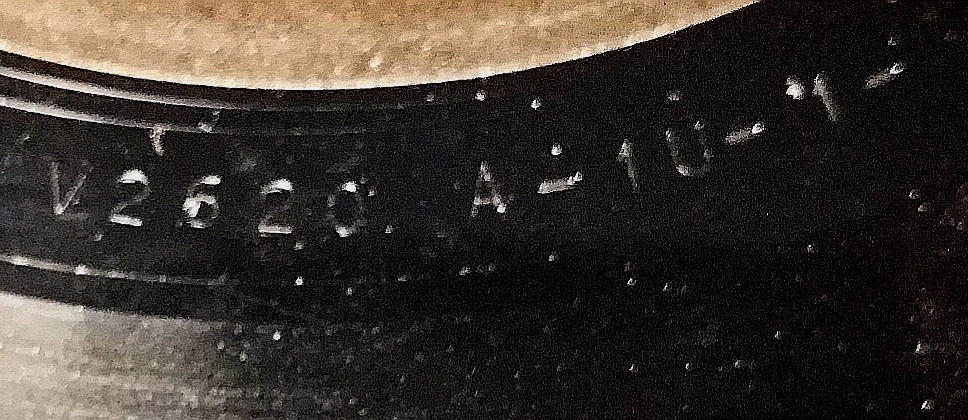
Scratched into the blank area between the last groove and the label is a matrix number identifying the lacquer, the cut, and frequently the engineer who cut it, inscribed by hand with a stylus.
Still done, and it is now a significant part of how pressings are identified and valued. Those few characters record which cut a given disc came from and therefore which chain of metalwork, which is why two copies of the same album with different matrix numbers can be worth very different amounts and genuinely sound different.
16. The Format Came Back for Reasons Nobody in 1965 Would Recognise

The record survived because it is physical, visible, large enough to look at, requires attention to play, and cannot be shuffled or skipped without getting up.
Every one of those is a disadvantage from a 1965 perspective, where the whole direction of travel was towards convenience. The format returned on precisely the attributes that the formats which displaced it were designed to eliminate, which is as clear a demonstration as exists that convenience is not the only thing people want.
17. The Pressing Plant Is the Bottleneck Again
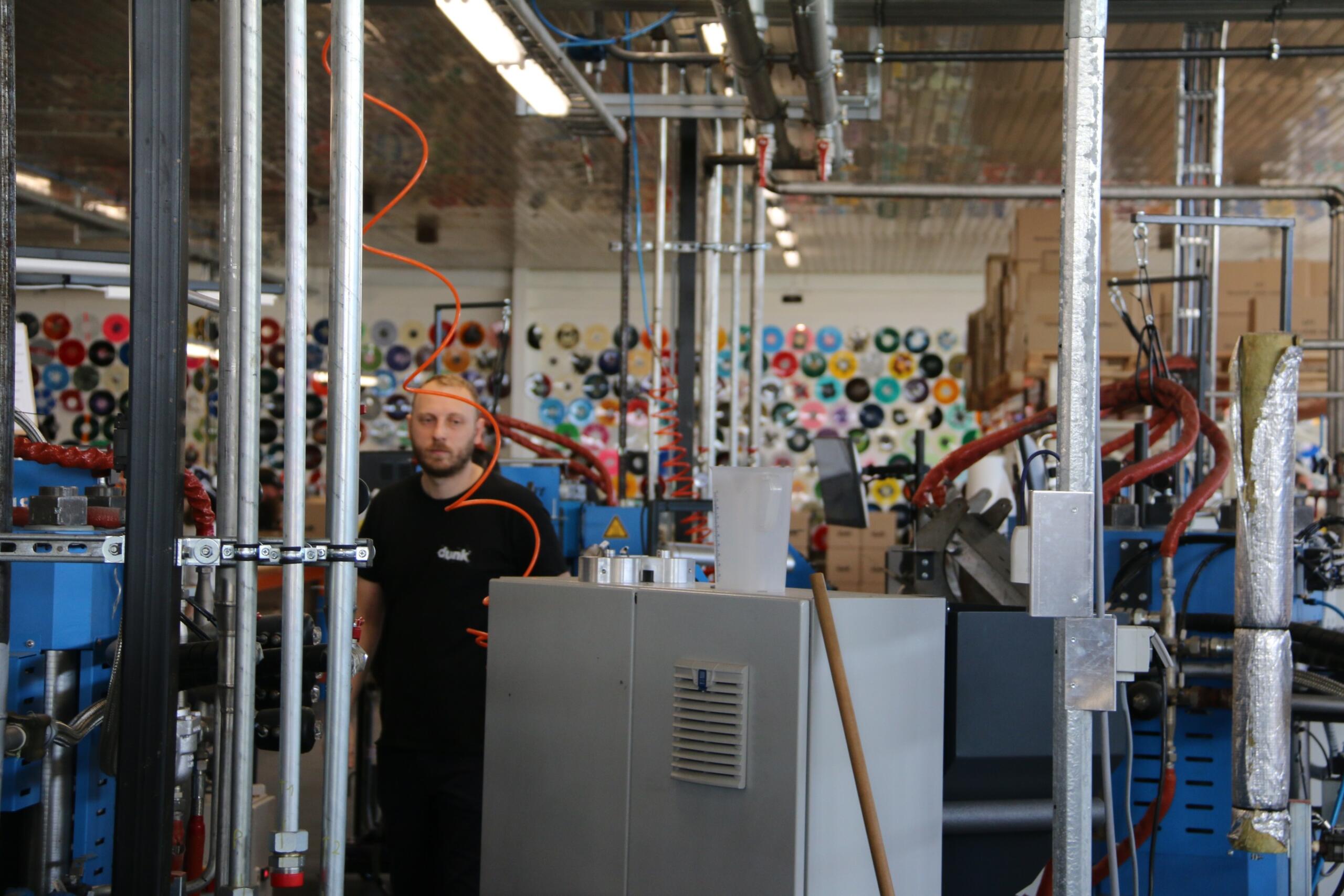
In 1965 pressing capacity was the thing that decided whether a hit could be supplied. It is again.
Lead times of several months are now normal, small artists wait behind large reissues, and the physical constraint determines release schedules. The industry spent thirty years treating manufacturing as a solved and shrinking problem, dismantled most of it, and has rediscovered that a record has to be physically made by a machine in a building by somebody who knows how.
They Scrapped the Machines, Not Just the Business
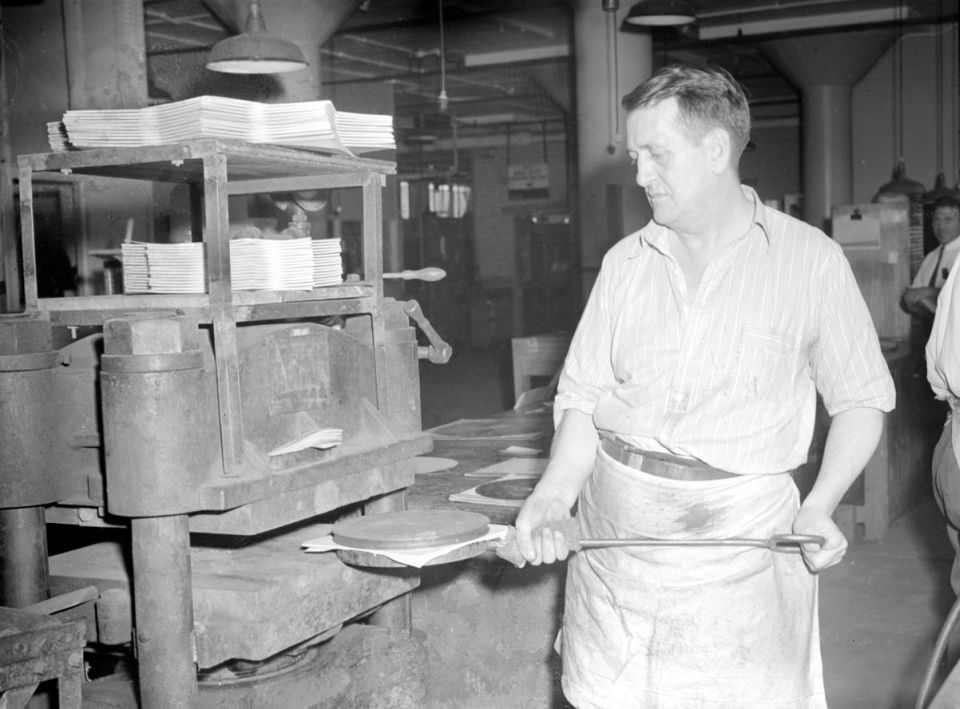
The part of this story that is genuinely instructive is what happened when the format died, because the industry did not simply stop making records. It destroyed the ability to make them.
When demand collapsed, plants closed and the presses were scrapped, sold for metal or broken up for parts. The plating shops went. The compound blending was abandoned. And the people – cutting engineers, platers, press operators, compound mixers – left for other industries, because there was nothing to stay for.
That is a different thing from a factory going quiet. A mothballed plant can restart. A scrapped one cannot, and the knowledge of how to run it walks out of the door and gets older.
So when demand returned, the industry discovered that it could not simply scale back up. There were very few presses, almost nobody had built a new one in decades, and the people who knew how to cut a lacquer or grow a stamper or blend a compound that did not hiss were mostly retired or dead.
What saved it was narrow: enough surviving machinery, maintained through the lean years by a small number of operations that never stopped, and enough retired workers still alive and willing to teach. New presses are being built again now, and much of the current output still comes off machines made before most of the operators were born.
The lesson generalises well beyond records. An industry can lose its capacity much faster than it can rebuild it, because the equipment is replaceable with money and the people are not – and the window in which somebody who actually did the job is still around to show you is shorter than anybody plans for.
If you worked in a plant, you will know which presses yours had and whether they are still running somewhere.
And if you own records, check the run-out groove near the label – somebody scratched those characters there by hand.
Like our content? Follow us for more.