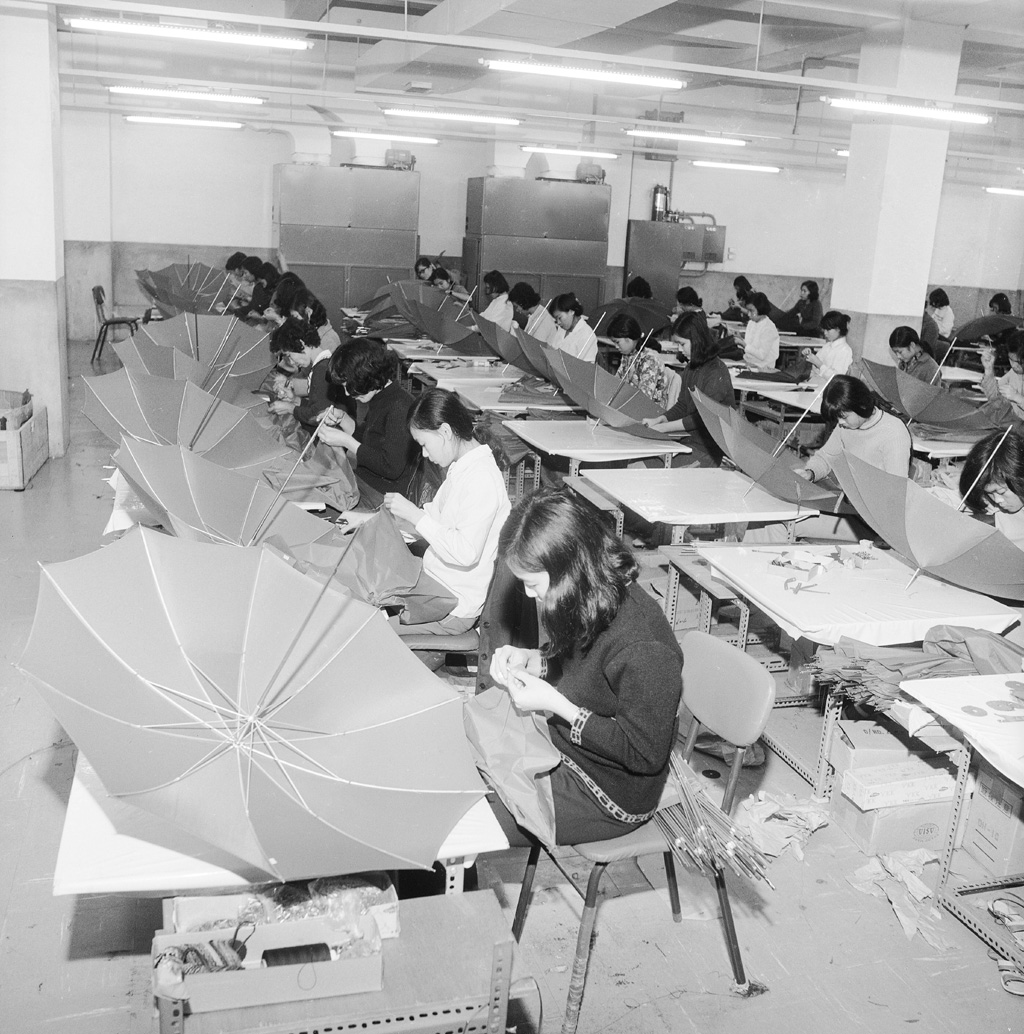
In 1960 an umbrella was a steel frame of dozens of separate components assembled by hand, carrying a cover cut on the bias and sewn panel by panel, with a handle frequently made by a different specialist entirely.
It was built on the assumption that the cover would wear out and the frame would not, which is why umbrella menders existed in every town, replacing ribs and re-covering frames for people who expected the object to last a decade.
Here are twelve things that were ordinary in an umbrella factory in 1960, and what became of each one.
1. The Frame Was Steel and Was Expected to Outlast the Cover

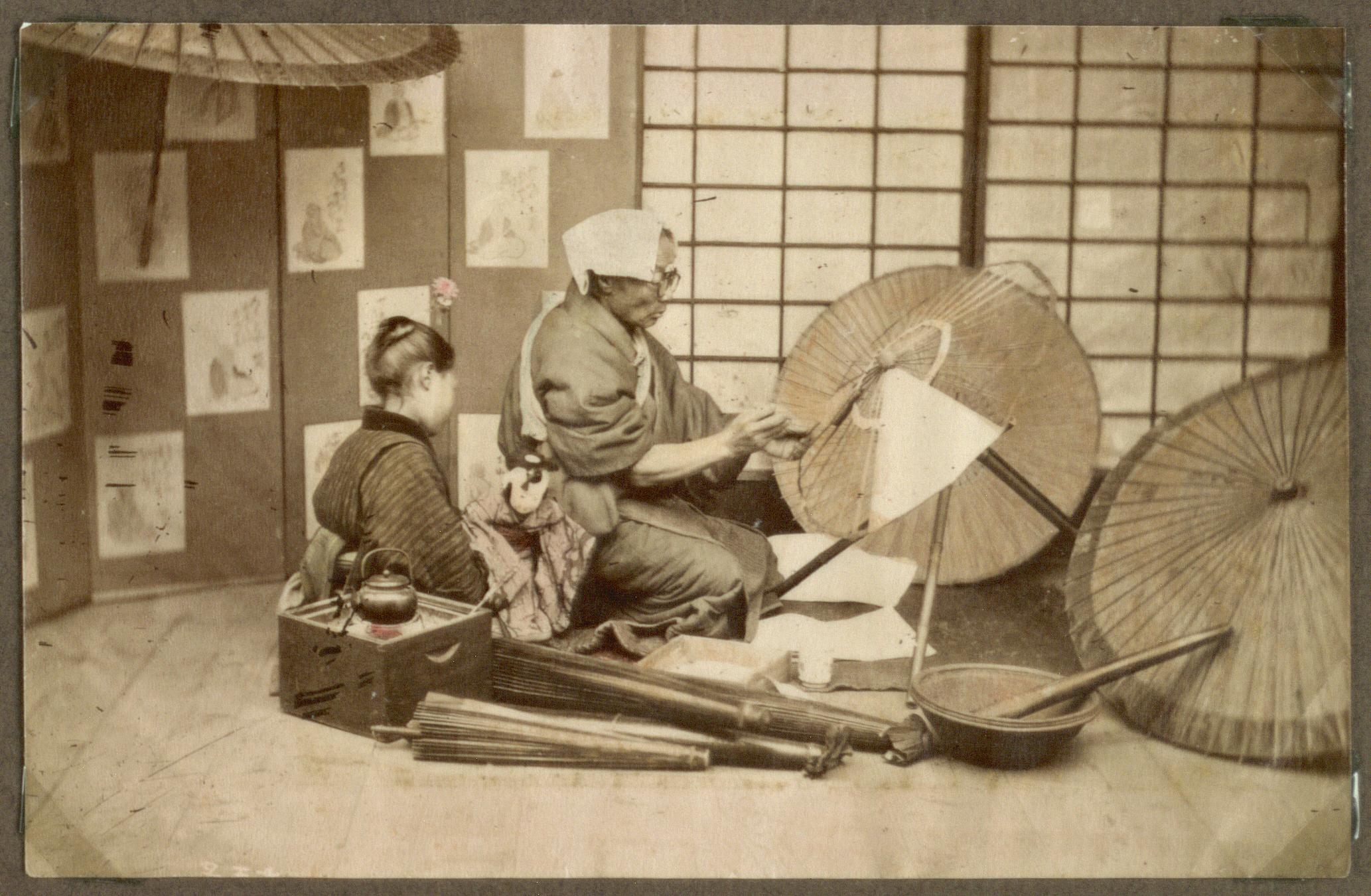
Umbrella frames were made from steel ribs and stretchers, assembled on a runner and a notch, and were built on the assumption that the fabric would wear out first and be replaced on the same frame.
Lightweight alloy and fibreglass frames, and the collapse of the price of a complete umbrella, ended recovering. The frame outlasting the cover was the entire basis of the repair trade, and an umbrella that costs less than the labour to re-cover it removed that trade completely.
Like our content? Follow us for more.
2. Every Umbrella Was Assembled by Hand From Dozens of Components
A frame is ribs, stretchers, a runner, a notch, a tube, springs, a ferrule, a cap, a tip for each rib and the rivets joining all of it – assembled by hand in a sequence, with the cover then cut, sewn and attached panel by panel.
Automated assembly and simplified construction reduced the labour enormously. The piece count is the reason umbrellas were expensive relative to income, and the reason the cheap modern one is a different kind of object rather than the same object made more efficiently.
3. The Cover Was Cut on the Bias and Sewn Panel by Panel
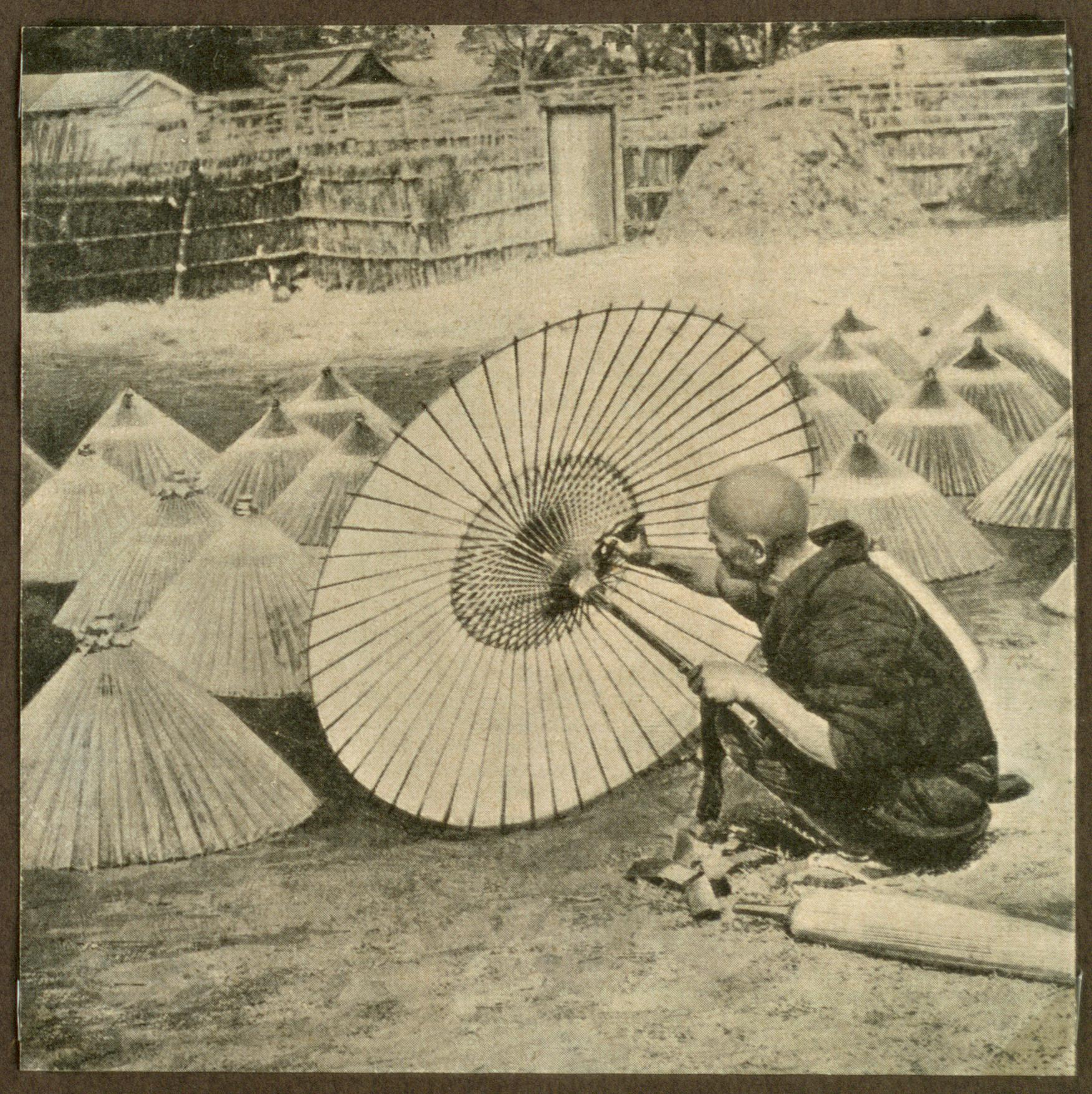
The cover is made from triangular panels cut from fabric and sewn together, cut on the diagonal of the weave so the fabric has give in the right direction and the canopy tensions evenly when opened.
Still how a quality cover is made, with heat-cut synthetics and automated sewing for volume production. The bias cut is the detail that separates a canopy which opens taut from one that bags, and it costs more fabric because diagonal pieces nest badly.
4. Waterproofing Was a Treatment That Wore Off

Cotton and silk covers were waterproofed with applied treatments which degraded with use, folding and sunlight, and an umbrella needed re-proofing as a matter of routine.
Synthetic fabrics are inherently water-resistant and the treatment question largely disappeared. Cotton also swells when wet, which closes the weave and improves the seal – so a traditional cover performed better after the first few minutes of rain, which is a behaviour nobody designed and everybody relied on.
5. The Handle Was a Separate Craft and Frequently the Expensive Part
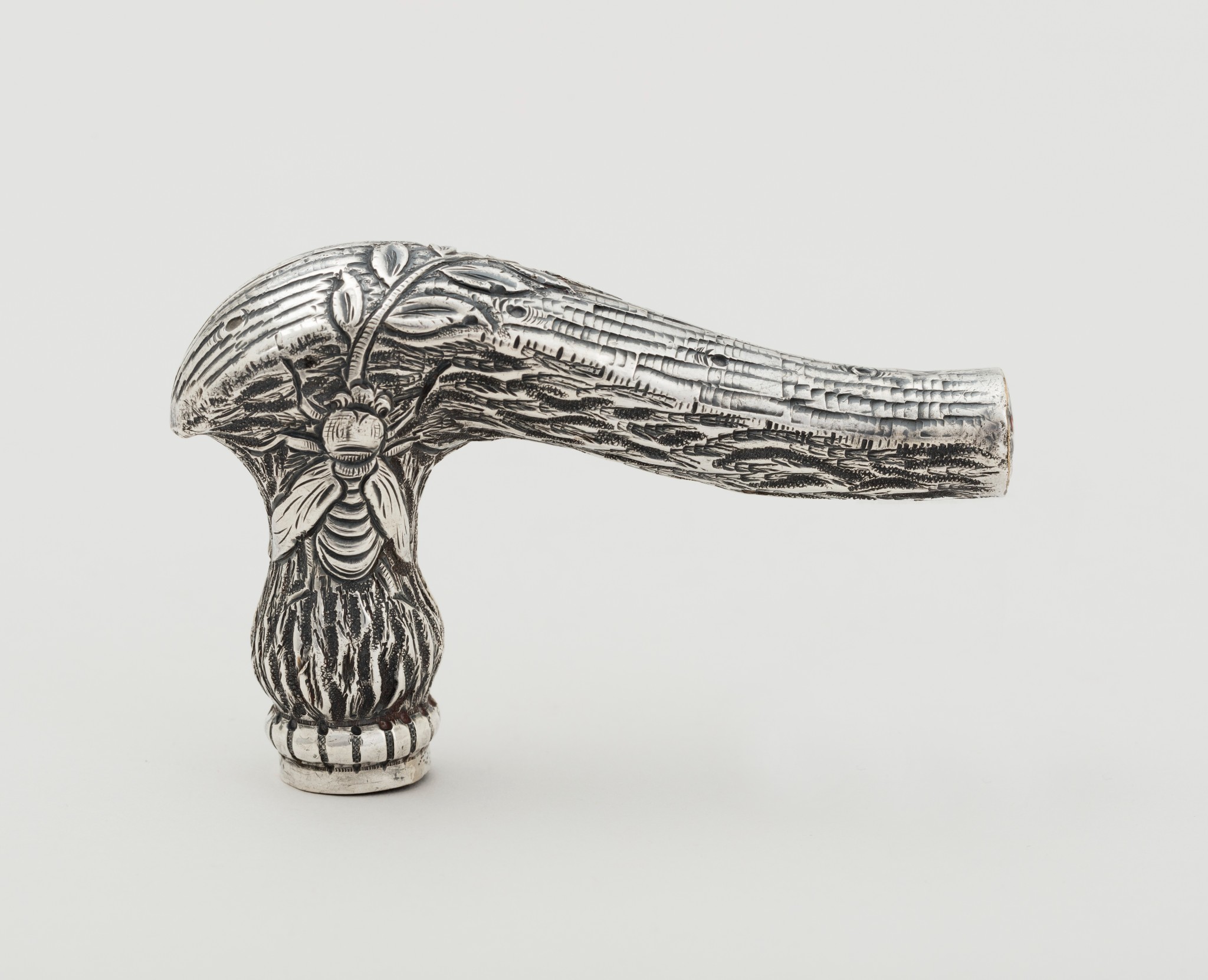
Handles were turned from hardwood, formed from horn or bone, cast in metal or moulded, and on quality umbrellas were made by specialists, with a crook steam-bent from a single piece of wood continuous with the shaft.
Moulded plastic handles and separate stick construction replaced most of it. A one-piece umbrella, where the stick and the crook are the same length of wood bent round, is still made in small numbers and is immediately identifiable because there is no join at all.
6. Repair Was a Trade and the Repairer Came to the Street
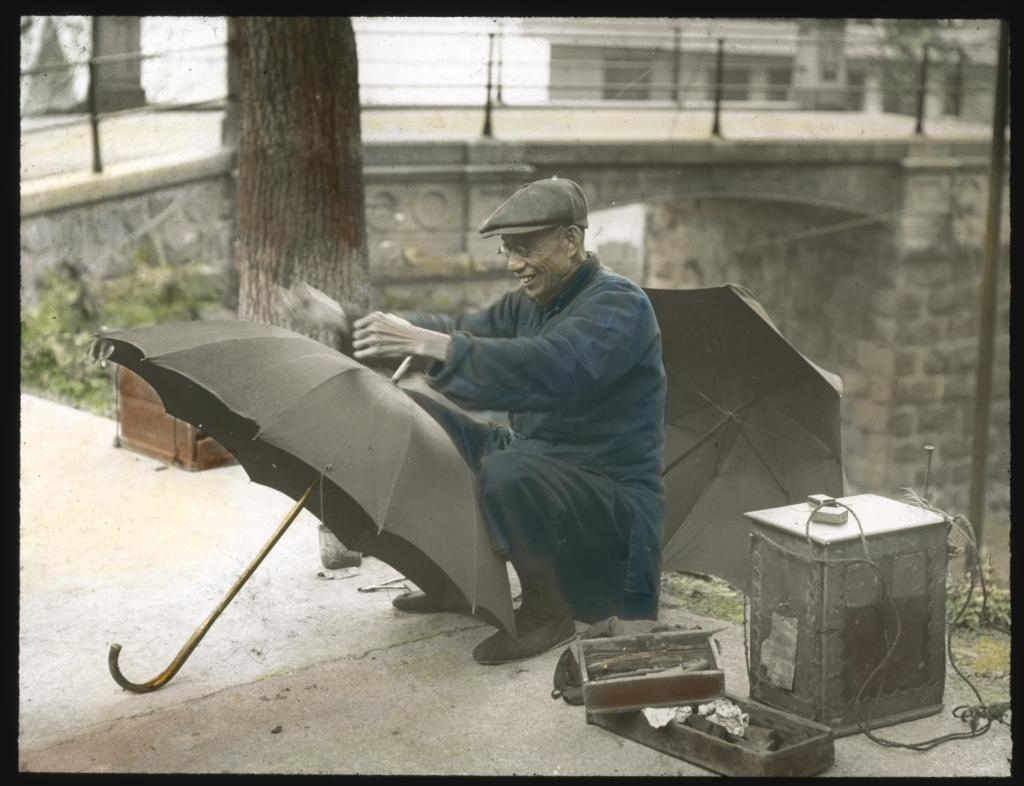
Umbrella menders operated from small shops and as itinerants, replacing ribs, re-covering frames, fitting new tips and handles, because an umbrella was worth repairing several times.
The trade disappeared entirely with the price. It is one of the most completely vanished repair occupations there is – within living memory a common street trade in every town, and now essentially nonexistent, because the labour of a single repair exceeds the cost of a replacement by a wide margin.
7. Everybody Had One and It Was Expected to Last Years
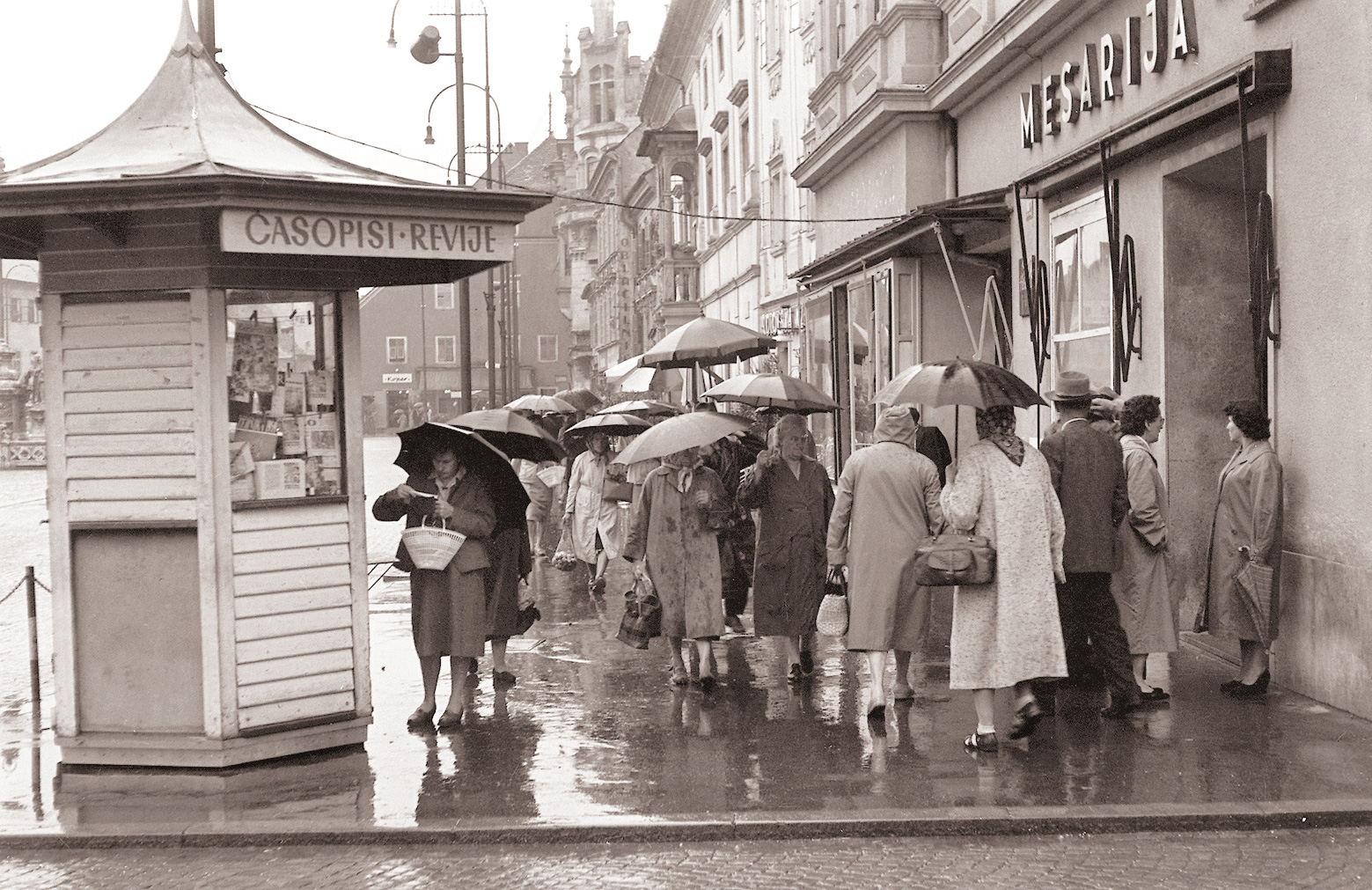
An umbrella was a purchased possession, chosen, kept, named in wills in earlier periods, and expected to last for a decade or more with maintenance.
Low-cost umbrellas turned it into a semi-disposable item bought when it rains and abandoned when it breaks. The transition from a maintained possession to a consumable happened to a long list of objects over the same period, and the umbrella is among the clearest because the function has not changed at all.
8. The Design Had Already Been Settled for Two Centuries
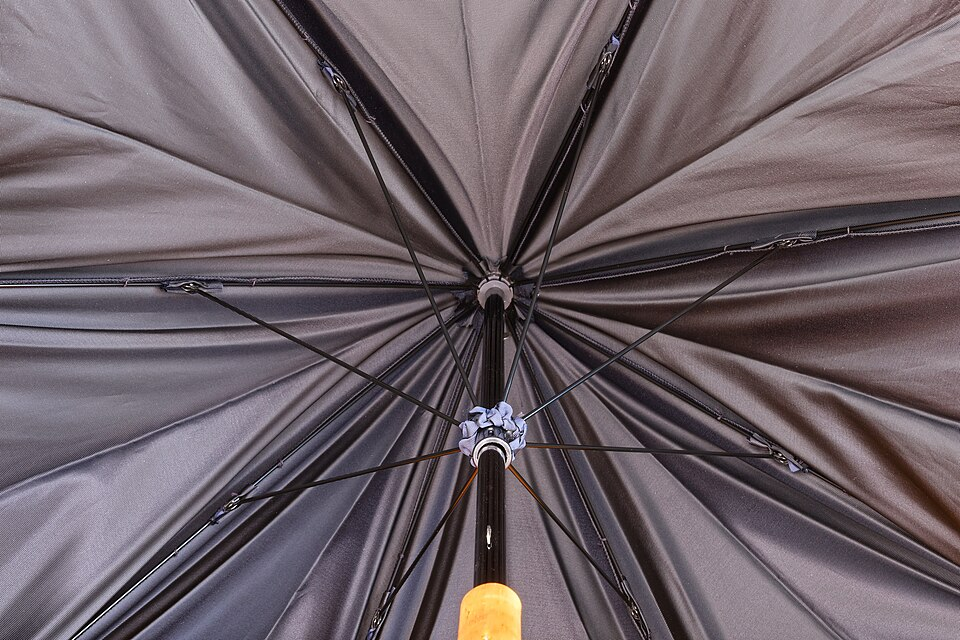
The ribs-and-stretchers mechanism, the sliding runner, the spring catch and the folding canopy were established well before 1960 and were not substantially in question.
Telescopic and folding mechanisms, automatic opening and improved materials have been added, and the underlying geometry is unchanged. The umbrella is a linkage that converts a short slide along a tube into a large angular sweep of eight or more ribs simultaneously, and it was solved so thoroughly that subsequent work has been refinement rather than redesign.
9. Nobody Had Solved the Wind and Nobody Has
An umbrella is a large surface held at one point, which makes it a sail, and a gust inverts it by pushing the ribs past their stops.
Vented canopies that let air through, ribs designed to invert and recover without damage, and flexible materials have reduced the problem considerably. It remains unsolved, because the thing that makes an umbrella work – a large area intercepting falling water – is exactly the thing that makes it catch the wind, and no design escapes that trade.
10. The Tips and the Ferrule Were Fitted Individually

Each rib end carried a tip, usually metal or horn, fitted and secured by hand, and the top of the canopy was finished with a ferrule covering the junction.
Moulded tips and integrated finishes replaced them. The tips matter more than they look – they are what the cover is tensioned against, and a missing one lets the canopy pull out of shape and tear at that panel, which is why an umbrella with one tip gone deteriorates quickly.
11. The Umbrella Was Also a Social Object With Rules
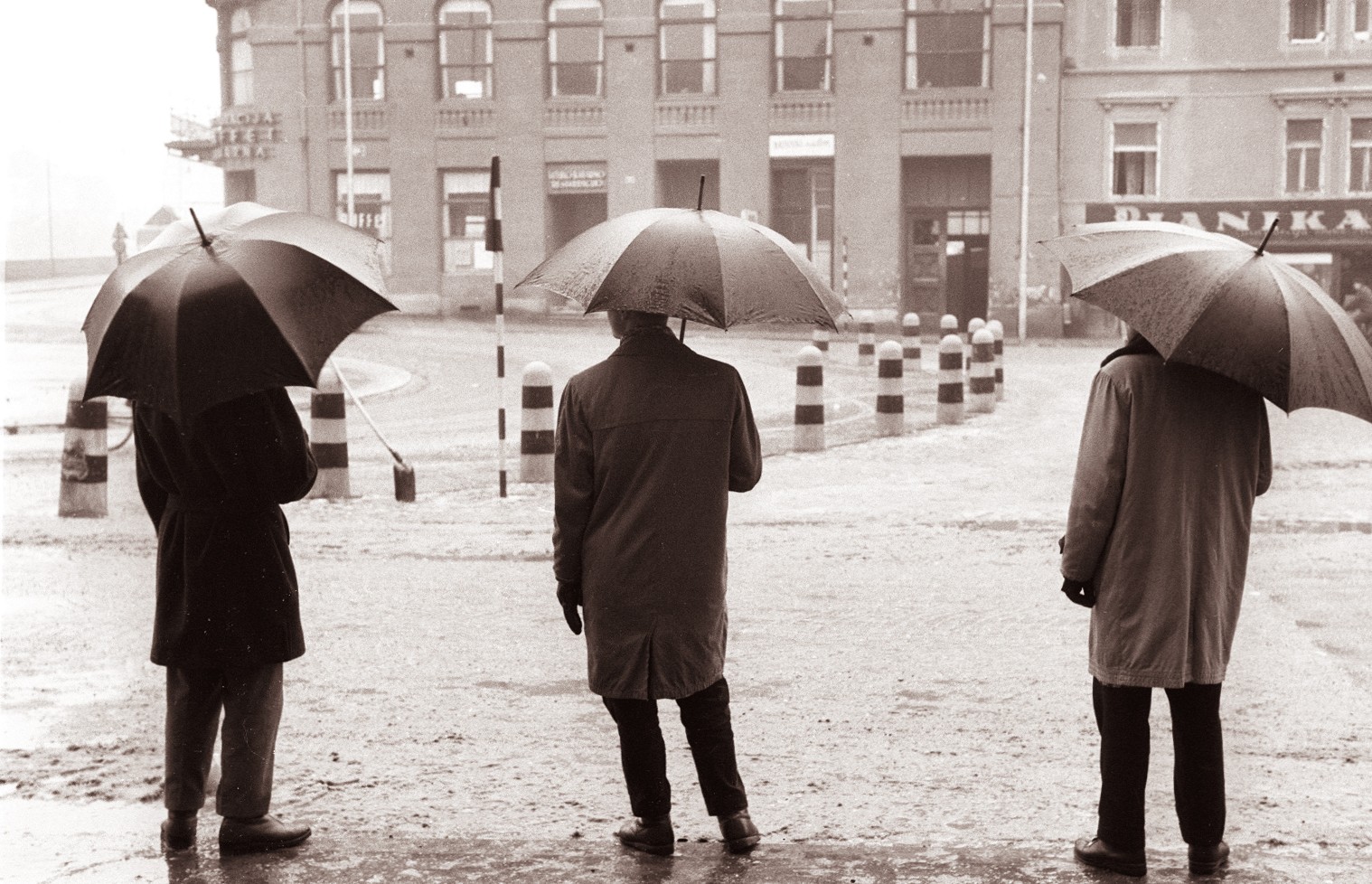
Carrying, rolling, furling and the etiquette of umbrellas in company were governed by conventions, and a tightly rolled umbrella carried unopened was a specific statement.
The conventions dissolved with the rest of formal dress culture, in the same decade as the hat and the glove, and for the same reason. The tightly furled umbrella survives as a deliberate anachronism and has essentially no practical function – a furled umbrella is slower to deploy and is carried that way to be seen.
12. Nobody Expected the Object to Be Worth Less Than Its Own Repair
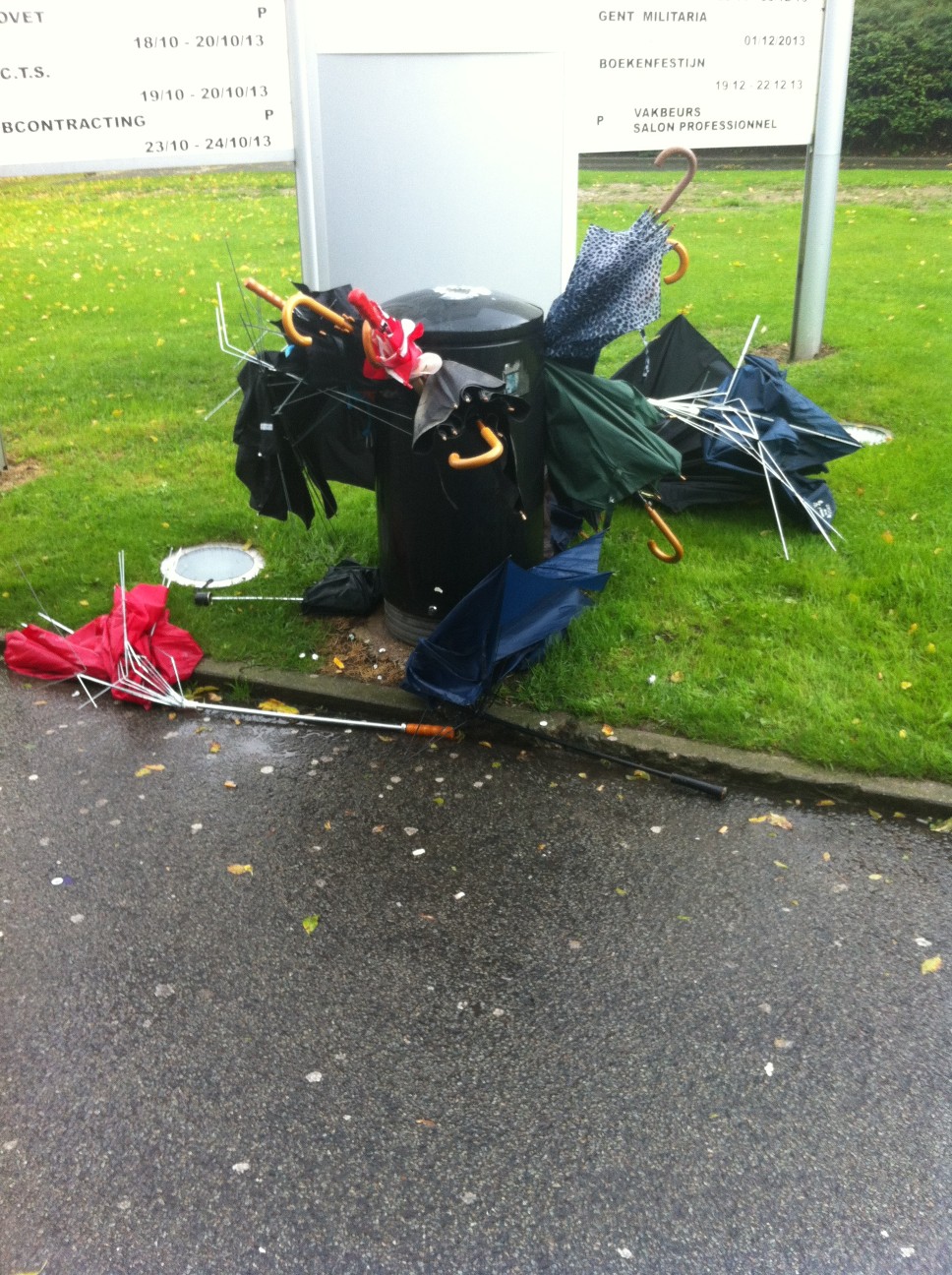
In 1960 an umbrella cost enough relative to income that repairing it was obviously correct, which supported the repairer, the component suppliers and the trade.
Price collapse inverted it completely, and with it went the repairers, the spare tips, the replacement ribs and the re-covering service. What remains at the top of the market is a small trade making exactly the 1960 object, by hand, at a price that reflects what it always actually cost to make – and those umbrellas are repaired, re-covered and kept for decades, which demonstrates that the old model was never wrong, only expensive.
The Repair Trade Died of Arithmetic
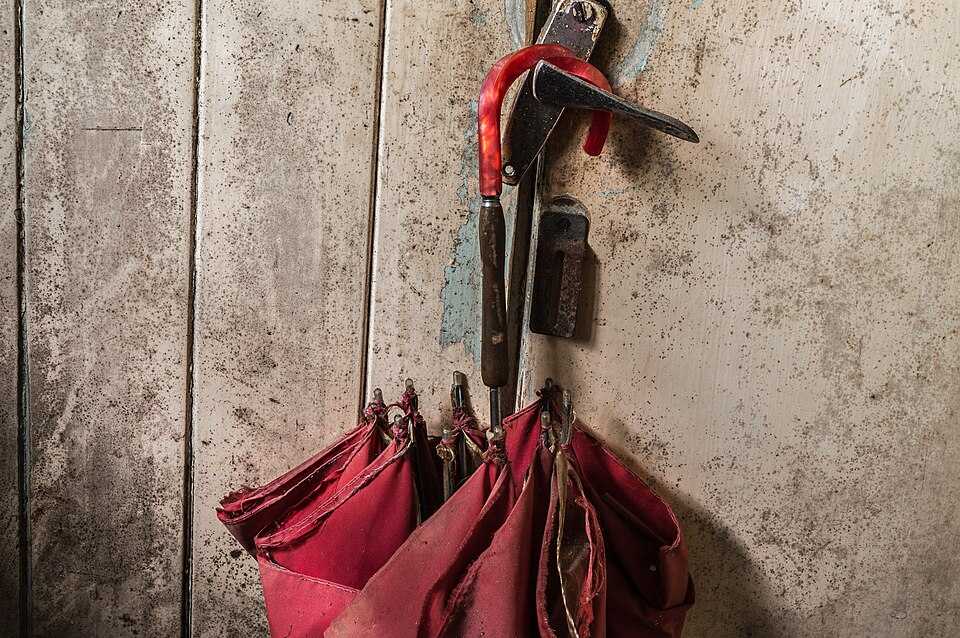
The umbrella mender is one of the most completely extinct occupations in this entire series, and the mechanism that killed it is worth setting out because it applies to a very long list of other things.
A repair has an irreducible labour cost. Somebody has to look at the object, work out what is wrong, find or make the part, do the work, and check it. On an umbrella that is perhaps half an hour for a rib and considerably more for a re-cover, and that half hour costs whatever an hour of skilled time costs, which has risen steadily for a century.
The manufactured object’s cost has gone the other way. Mechanised assembly, cheaper materials, global production and enormous volume drove the price of a complete new umbrella down by an order of magnitude in real terms.
Those two lines crossed. Once a new umbrella costs less than twenty minutes of a repairer’s time, no rational customer repairs one, and the trade has no customers regardless of how good the repairers are.
Nothing about this is a failure of the repairers, a decline in standards, or people becoming wasteful. It is two cost curves moving in opposite directions, and the same crossing has ended the repair of televisions, shoes, small appliances, clothing, toys and furniture – every one of which had a repair trade within living memory.
The thing worth noticing is what survives at the top. A hand-made umbrella costing what one genuinely costs to make is still repaired, re-covered and kept for decades, by owners for whom the arithmetic still works. The repair model was never wrong. It stopped applying to objects whose price fell below the cost of caring for them, which is most of them.
If you ever had an umbrella re-covered, that was a trade with a shop in your town.
And if you have one that has lost a tip, that panel will tear next.
Like our content? Follow us for more.