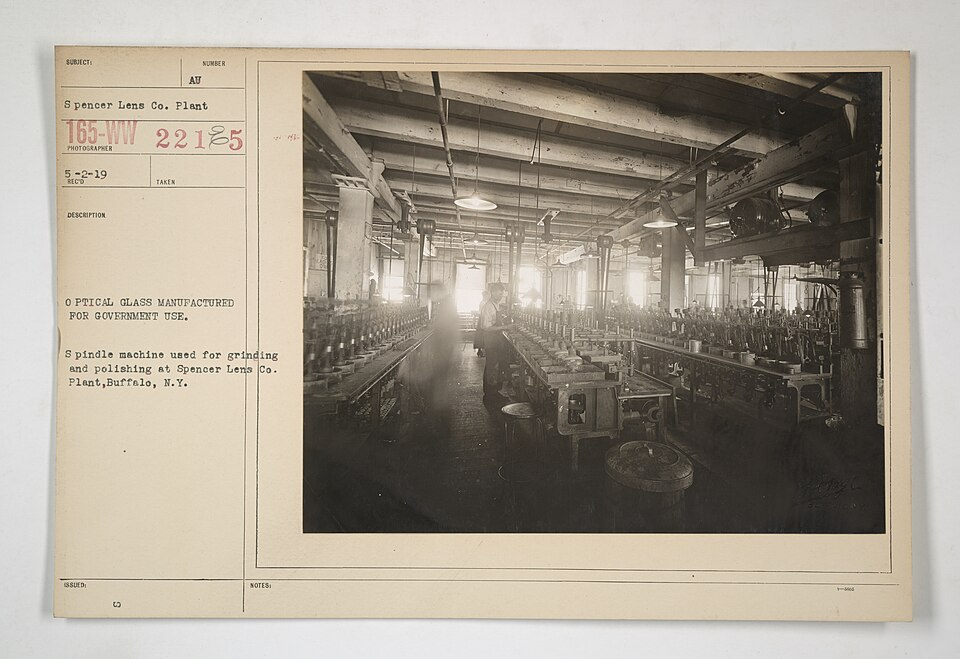
In 1960 a spectacle lens was a glass blank cemented to a holder and ground against a spinning metal tool with abrasive slurry, in successively finer grades, then polished for hours and judged by looking through it.
The edge was ground to the frame shape by hand against a wheel. The frame was heated and bent to the customer’s face in front of them. And the whole thing took two or three weeks.
Here are fifteen things that were ordinary in an optical works in 1960, and what became of each one.
1. Every Lens Was Ground From a Blank on a Spinning Tool
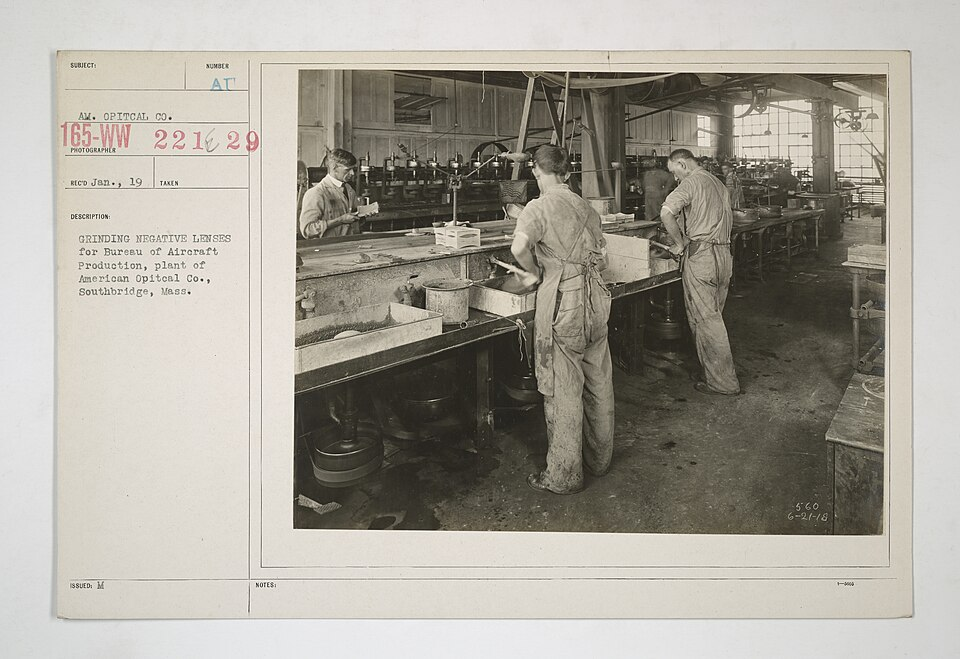
A lens began as a glass blank, cemented to a holder, and ground against a rotating metal tool of the required curvature with abrasive slurry, in successively finer grades, until the surface matched the tool.
Automated generators, computer-controlled surfacing and moulded plastic lenses replaced it for volume work. The principle is the one piece of optical manufacturing that is genuinely ancient: two surfaces rubbed together with abrasive between them tend towards being complementary, which is why a curve can be generated without ever measuring it directly.
Like our content? Follow us for more.
2. The Polishing Took Hours and Was Judged by Looking Through It
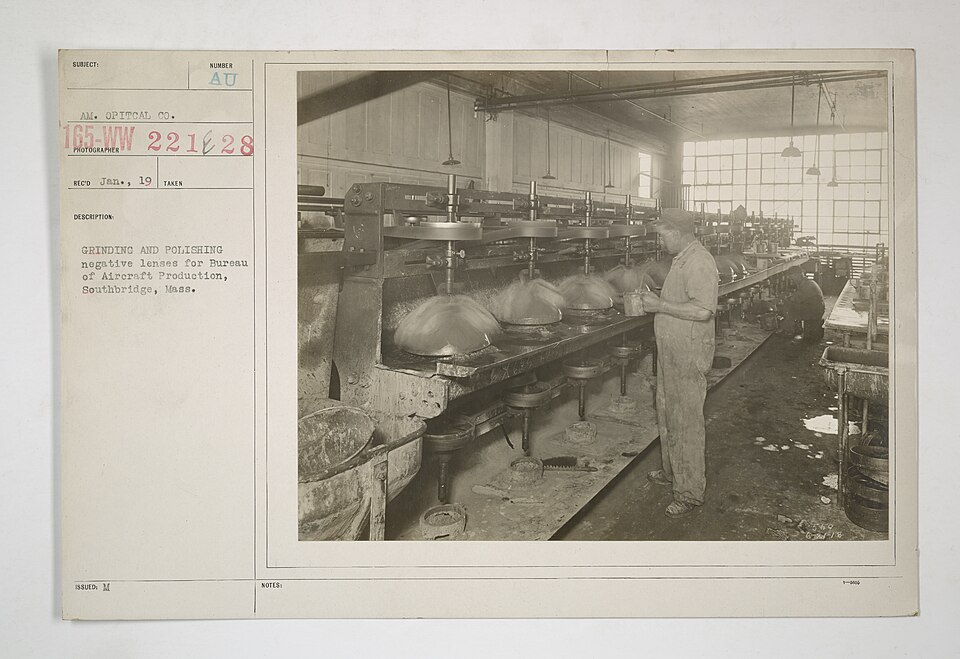
After grinding, the surface was polished with a soft tool and a fine polishing compound for a long period, and the quality was assessed by eye – looking through the lens, examining the reflection, and checking for scratches and digs under a light.
Interferometric measurement and automated inspection quantify surface accuracy to fractions of a wavelength. The old assessment was comparative and skilled rather than numerical, and an experienced polisher could see a defect that is difficult to find deliberately with instruments.
3. Glass Was the Only Material and It Was Heavy
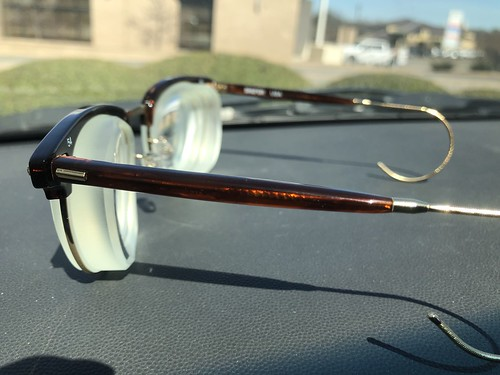
Spectacle lenses were glass, which is heavy, breaks, and in a strong prescription produces a lens of considerable thickness and weight sitting on somebody’s nose all day.
Plastic lens materials, high-index formulations and aspheric designs transformed the weight and thickness. The change in what a strong prescription physically feels like is one of the largest quality-of-life improvements in any everyday product, and it happened quietly over about two decades.
4. Breakage Was a Real Hazard and It Was Not Addressed
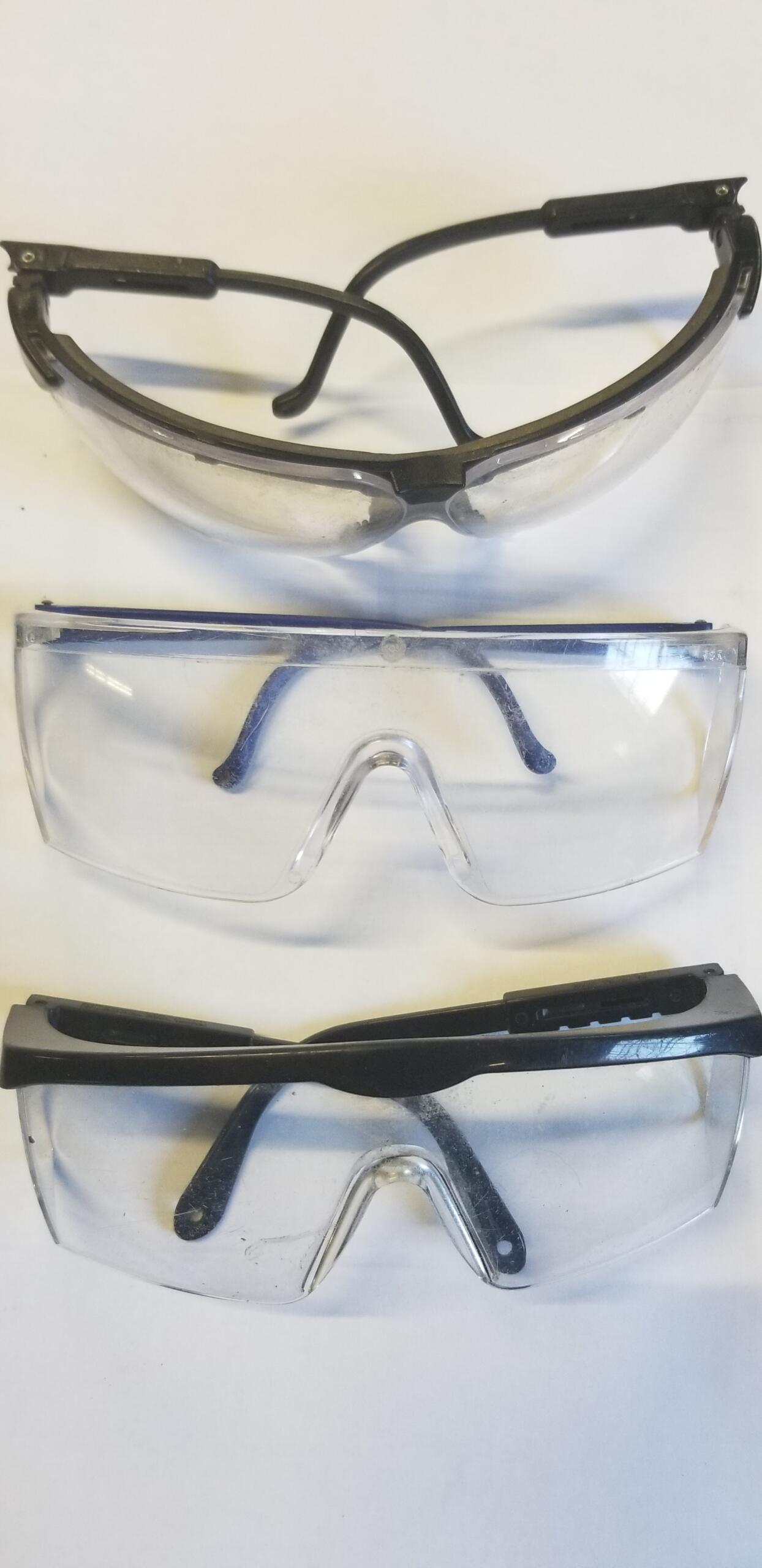
A glass lens in front of an eye breaks into fragments when struck, and in 1960 there was no general requirement for impact resistance in everyday eyewear.
Impact resistance requirements, toughening and the shift to plastic materials transformed it, and safety eyewear for occupational use is a separate regulated category. Stated as product safety history; anybody with a question about their own eyewear should raise it with their optician.
5. Frames Were Made From a Material Cut From Sheet and Heated to Shape
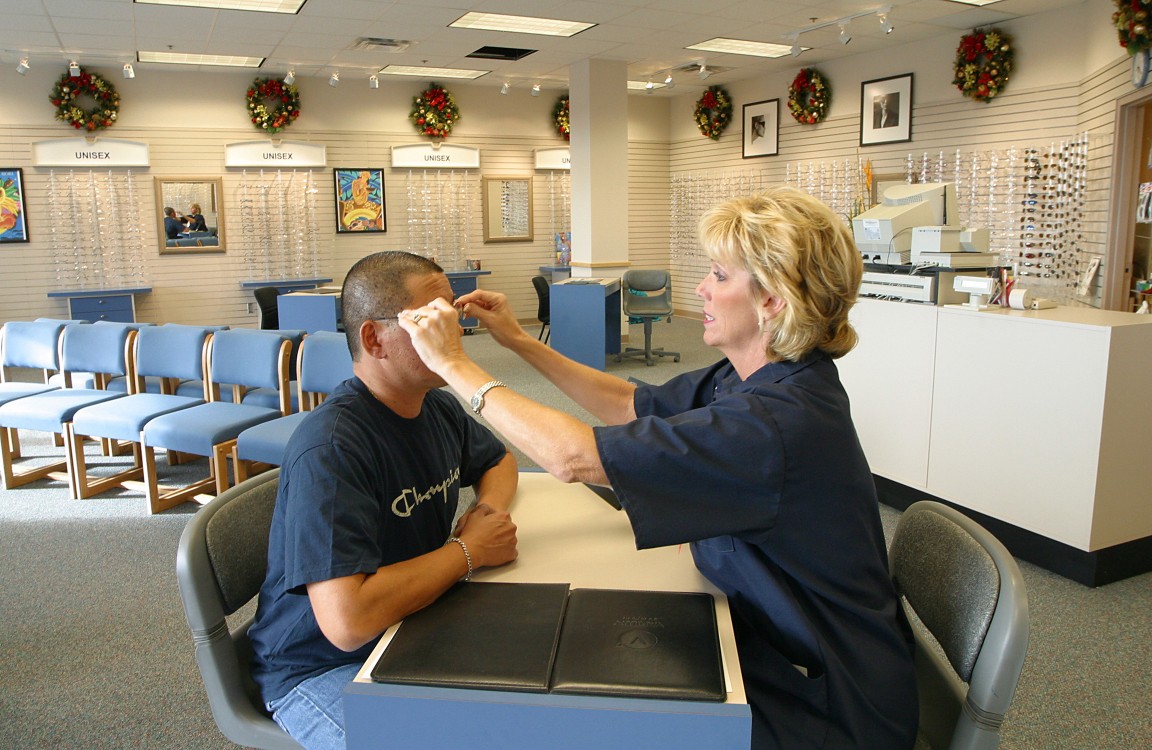
Plastic frames were cut and milled from sheet material, and fitted by heating them until pliable and bending them to the individual face – a process the dispensing optician performed in front of the customer.
Injection moulding, titanium, memory metals and rimless constructions have widened the range enormously, and heat fitting of acetate frames is still done exactly as described. It is one of the few pieces of manufacturing left that is routinely performed in a shop while the customer waits.
6. The Lenses Were Edged to Shape by Hand Against a Wheel
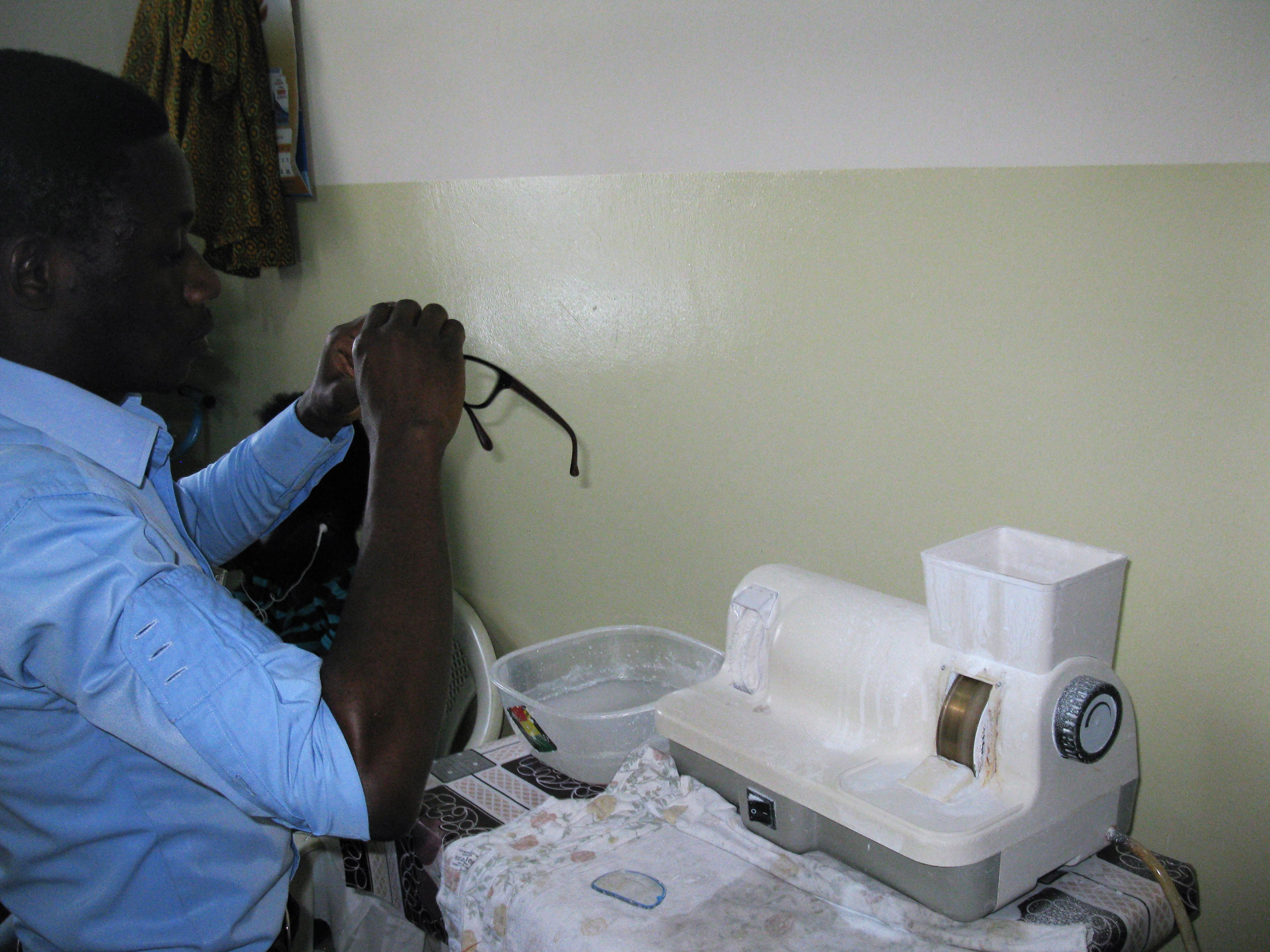
Fitting a lens to a frame meant marking it, then grinding the edge away against a wheel to match the frame shape, by hand, with the operator checking the fit repeatedly.
Automatic edgers that trace the frame and cut the lens to match in minutes replaced it. Hand edging is the stage where a pair of spectacles was physically made rather than assembled, and a lens edged slightly wrong either falls out or distorts the frame.
7. Bifocals Had a Visible Line and a Visible Jump
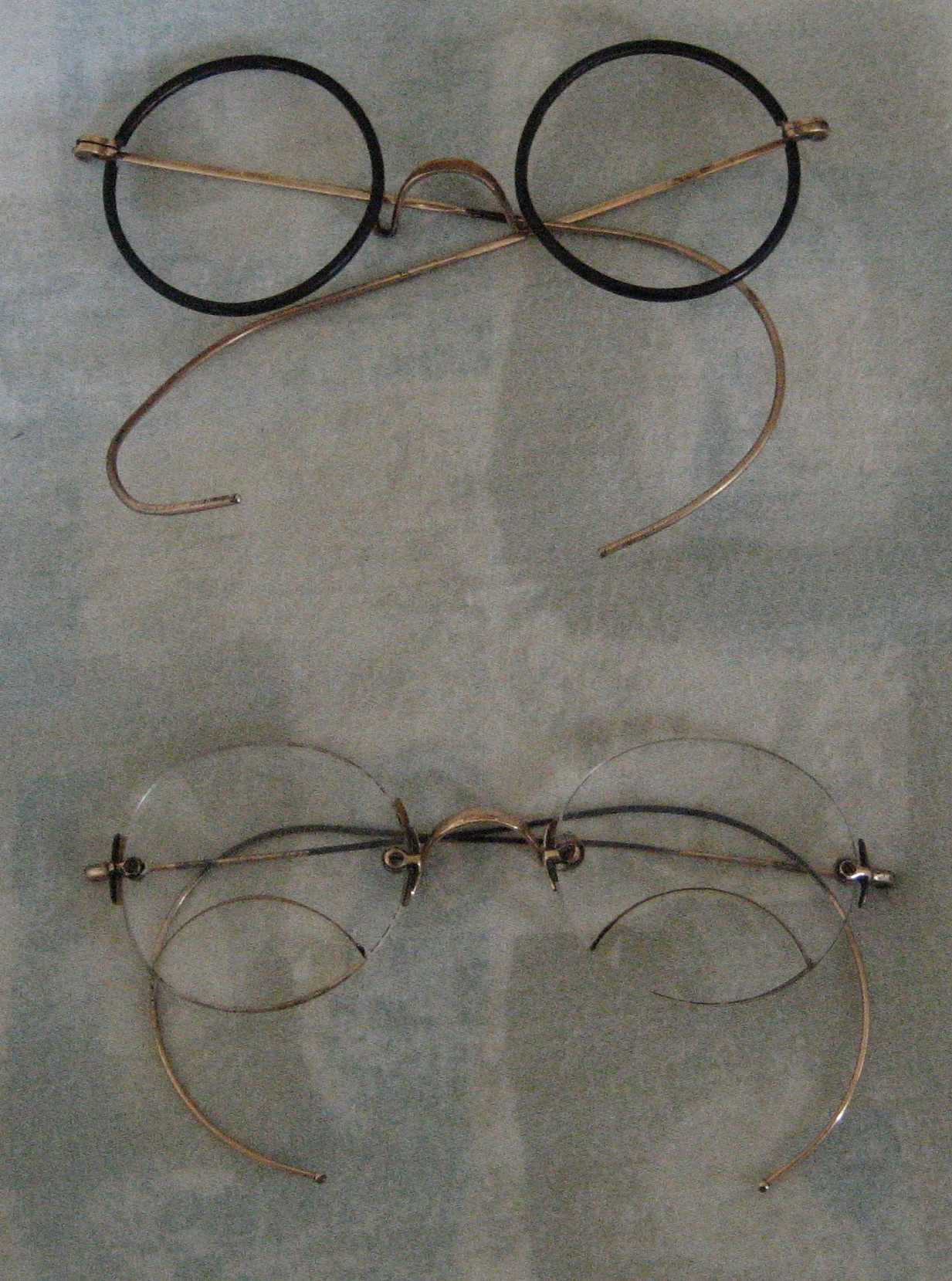
A bifocal lens combines two prescriptions with a hard boundary, which means the image jumps at the line and there is no intermediate distance at all.
Progressive lenses provide a continuous change in power with no line and no jump, at the cost of peripheral distortion that takes adaptation. Both designs are still made and the trade-off is real rather than one simply being better, which is why the choice is still a conversation rather than a default.
8. The Prescription Arrived on Paper and Was Interpreted
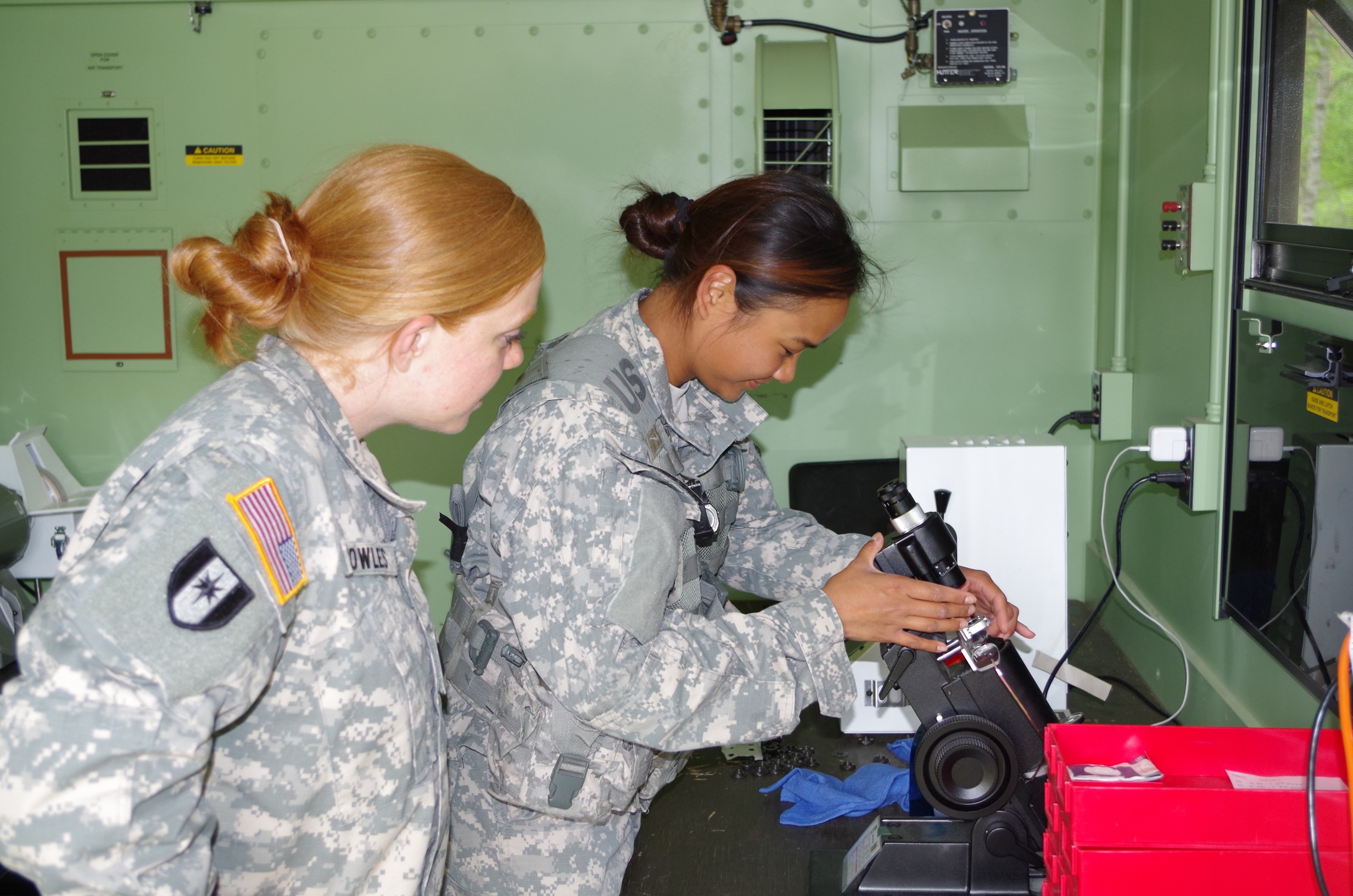
A prescription is a set of numbers describing the correction required, and turning it into a physical lens in a specific frame at a specific position in front of a specific eye involved measurements and decisions taken by the dispenser.
Digital measurement, centration imaging and lens designs computed for the individual’s frame and fitting position have made it far more precise. The measurements that matter – where the eye sits relative to the lens – were taken with a ruler and a steady hand, and getting them wrong produces a technically correct lens that does not work.
9. The Test Itself Was Done With a Trial Frame and a Box of Lenses
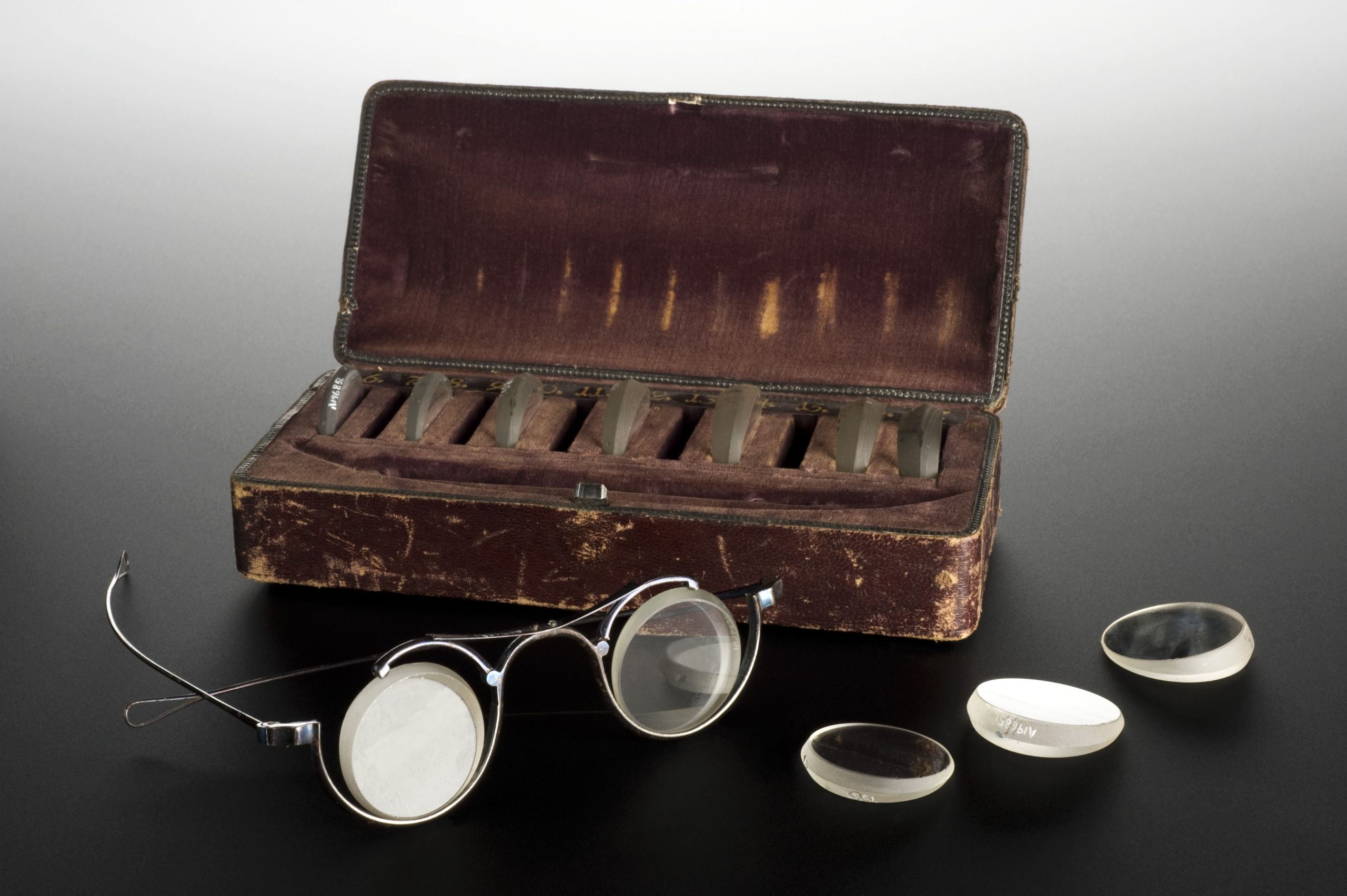
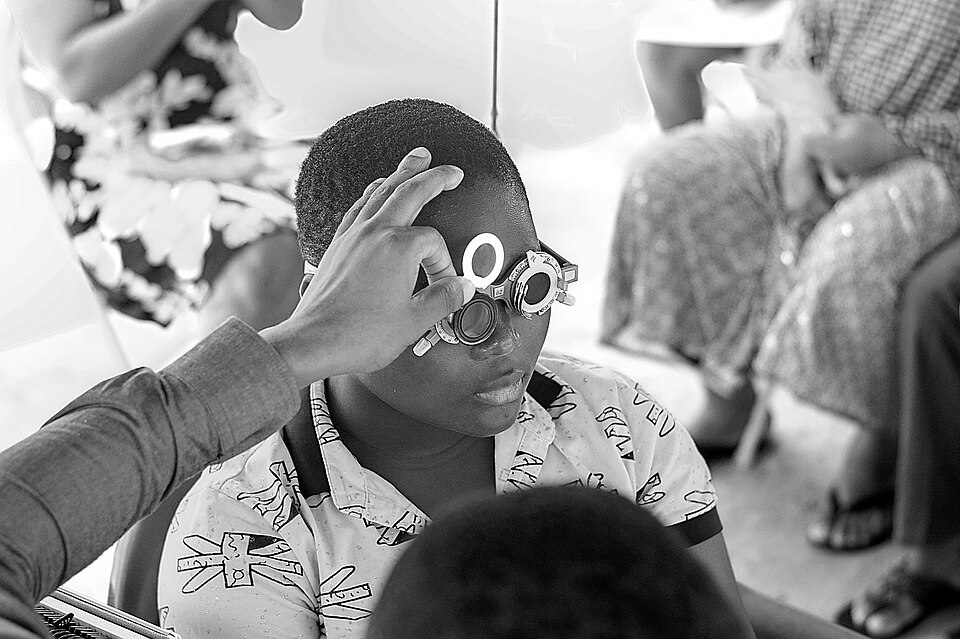
Refraction was performed by placing individual lenses into a trial frame on the patient’s face and asking which was better, working through a boxed set by hand.
Phoropters, automated refraction and digital testing have changed the mechanics while the subjective comparison remains central, because what matters is what the person can see rather than what an instrument measures. The box of trial lenses is still in use and is still the fallback when nothing else is available.
10. Nobody Was Looking at the Back of the Eye Routinely
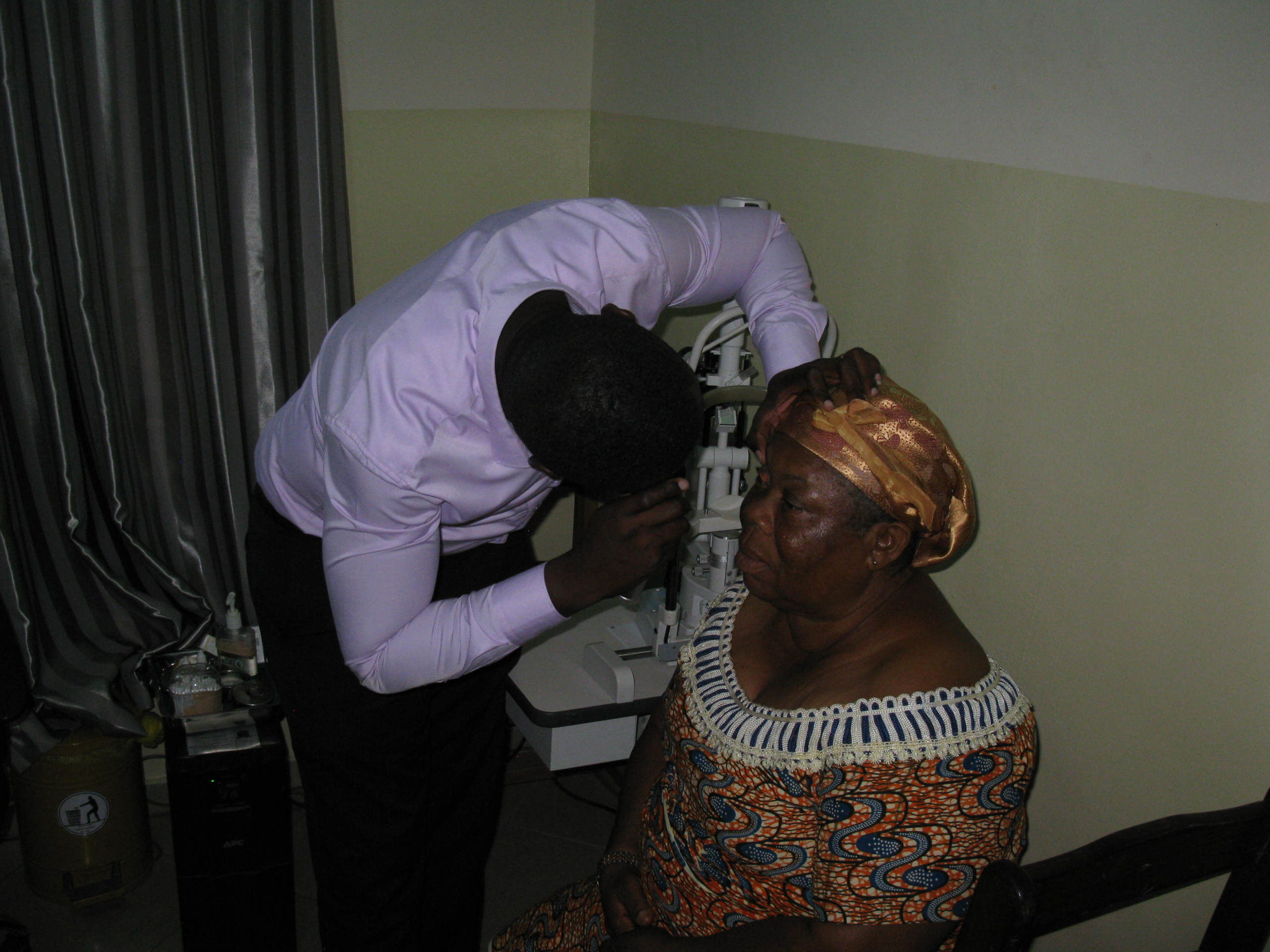
Examination focused on correcting vision, with examination of ocular health far less systematic than it later became.
Routine examination of ocular health, pressure measurement and imaging of the back of the eye are now standard parts of a sight test in many places, and eye examinations detect conditions that have nothing to do with glasses. This is stated as professional history only – anybody with a concern about their own eyes should see an optometrist rather than read about it.
11. The Whole Thing Took Weeks
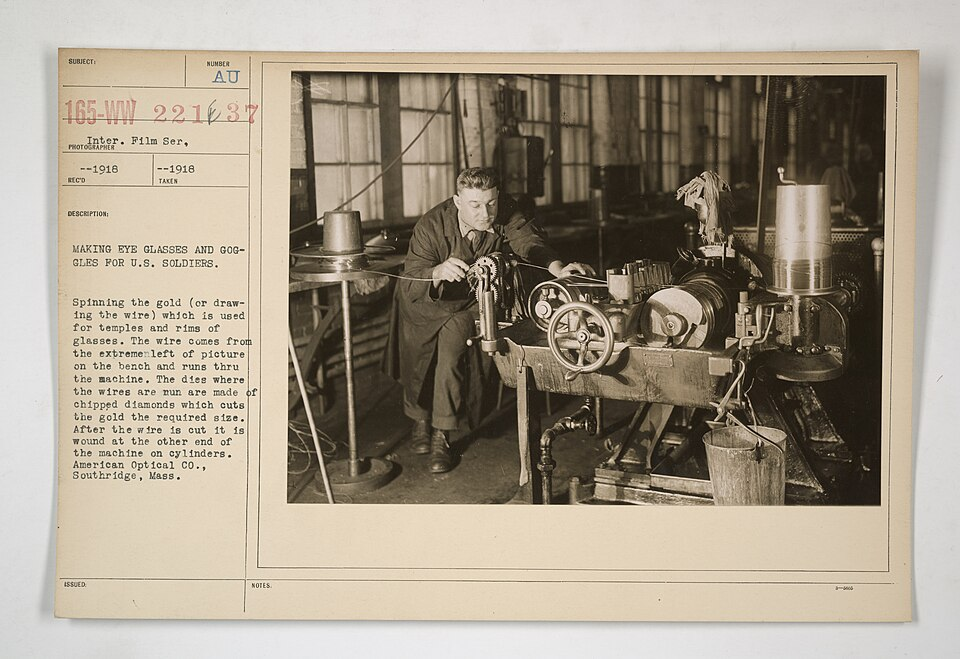
A prescription went to a laboratory, lenses were surfaced, polished, edged and fitted, and the customer waited – frequently for two or three weeks.
On-site edging and surfacing equipment mean a substantial proportion of prescriptions can be completed in a day or less, and the long wait is remembered by anybody who got glasses as a child in this period. The wait was not inefficiency: every stage genuinely took that long when performed individually by hand.
12. The Frames Were Chosen From a Very Small Selection
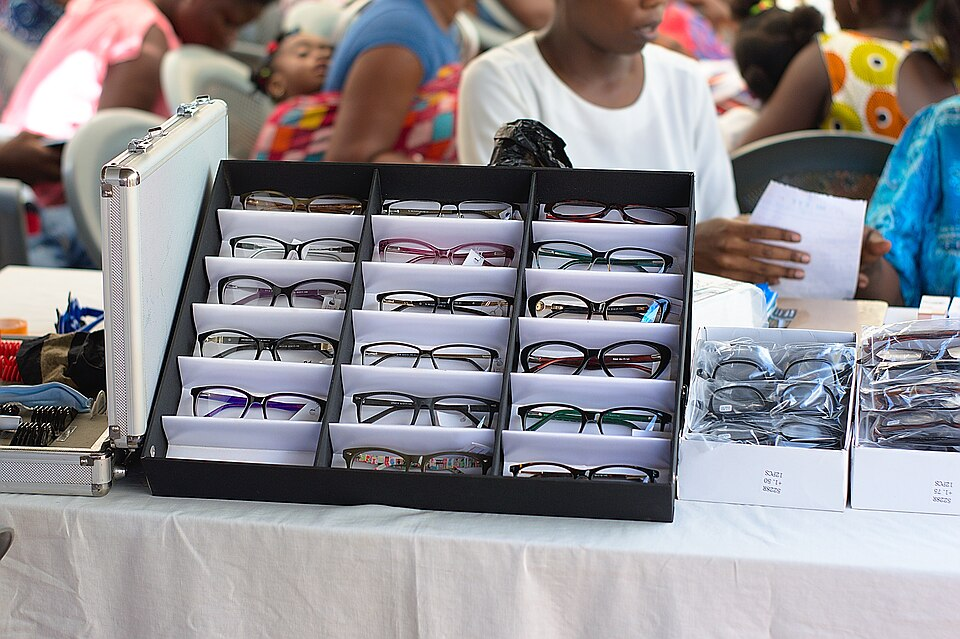
A practice held a limited stock, in a small number of shapes, materials and colours, and in many places the choice available under public provision was narrower still.
The range is now effectively unlimited. The restricted standard frames of this period are strongly remembered, frequently with some feeling, by people who had no alternative to them as children – and the same designs are now manufactured deliberately as a style.
13. The Trade Made the Instruments as Well
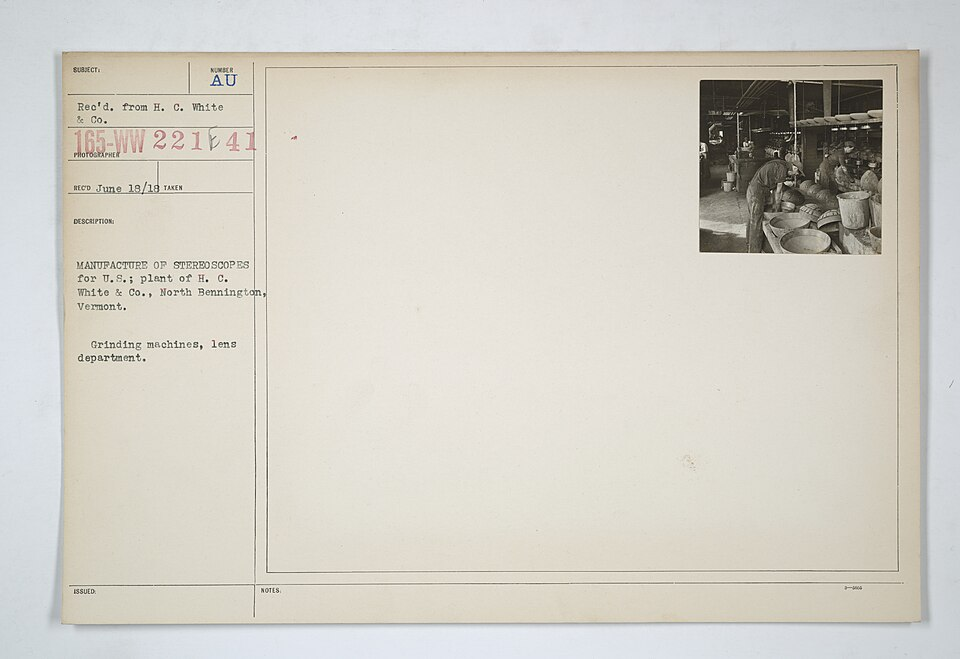
An optical works producing spectacle lenses frequently also made microscope, camera, binocular and instrument optics, because the skills and the equipment are the same.
Those sectors separated as each became more specialised and as volume optics moved to moulding. The common ancestry is the reason several familiar optical company names appear in completely unrelated product categories, and it is why a spectacle lens and a camera lens are made by the same fundamental process.
14. Nobody Expected the Lens to Be Moulded Rather Than Ground
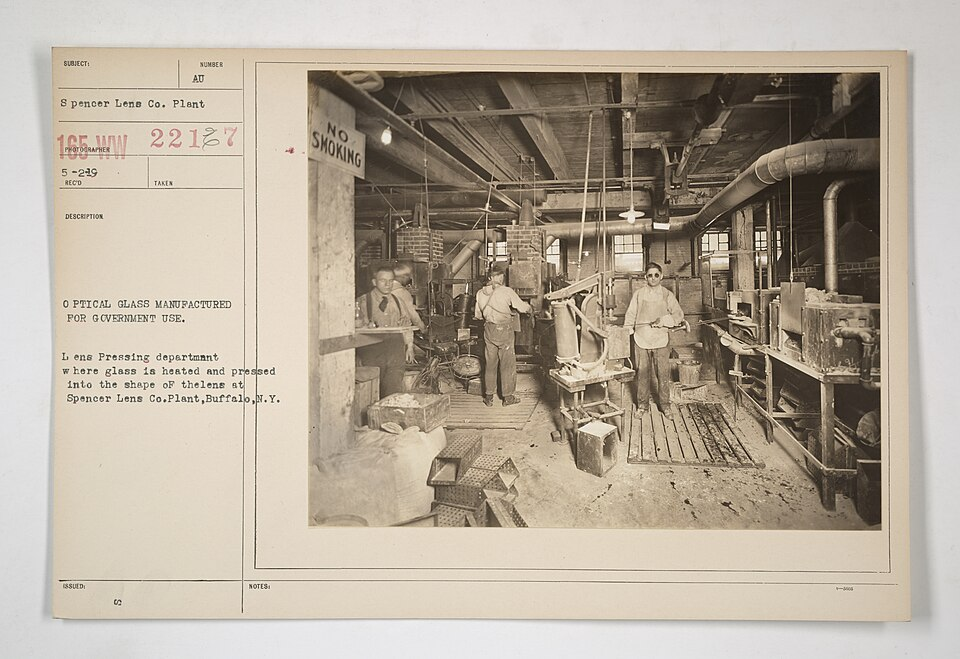
Grinding and polishing a surface to optical accuracy seemed intrinsically to require removing material gradually and checking.
Moulded plastic lenses, cast against a precision mould, produce an optically accurate surface directly with no grinding at all for standard prescriptions. It is the same transition as the boatyard and the cutlery works – the skilled generative process replaced by reproduction from a master – and it is why most lenses in the world are now made in minutes.
15. The Thing Being Corrected Has Not Changed at All
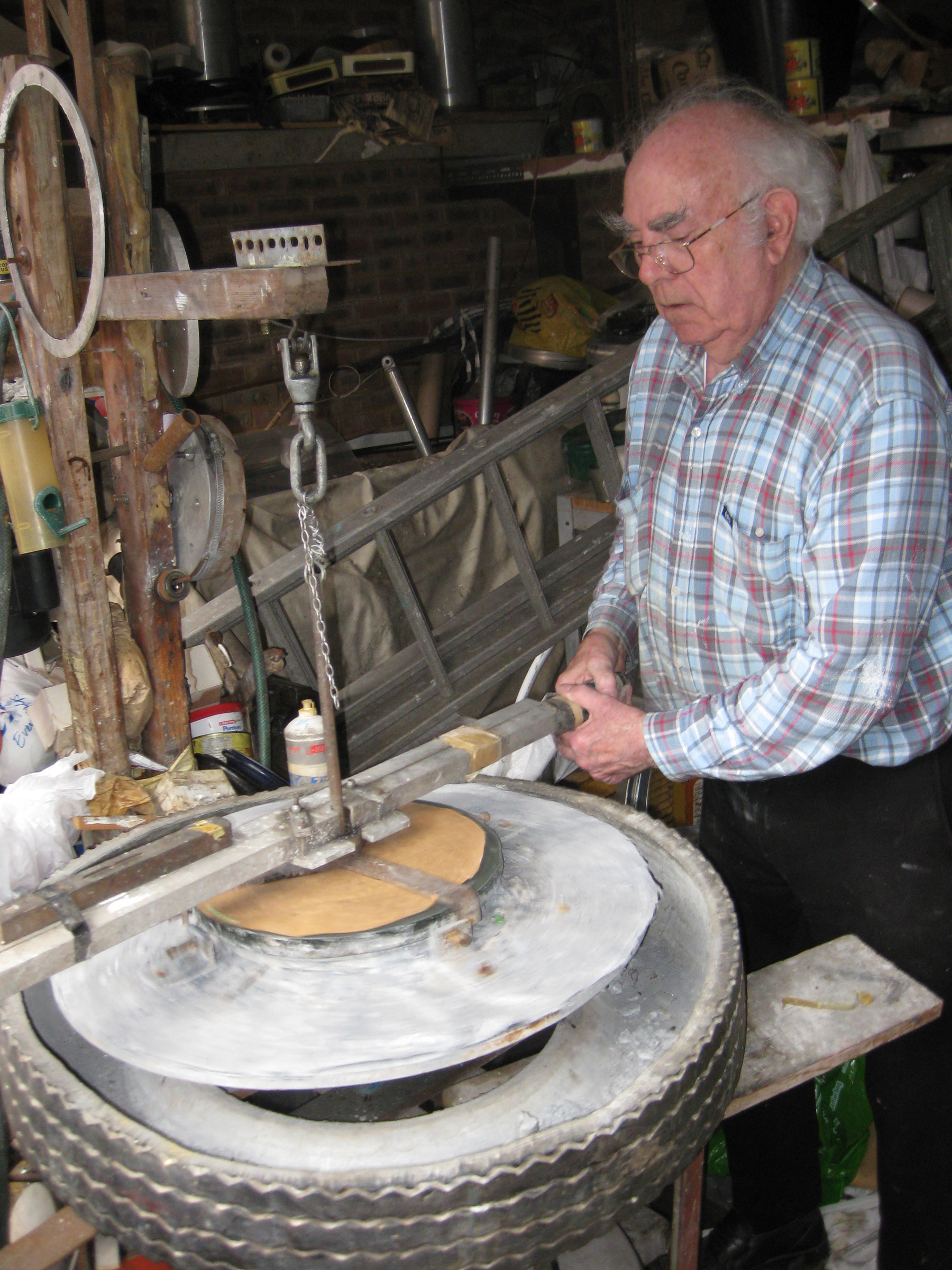
The eye’s refractive errors in 1960 and now are identical, measured the same way, described in the same units, and corrected on the same optical principles.
Which makes this one of the few trades in the series where the problem is completely static and everything around it moved. The lens is lighter, thinner, faster to make, better coated and more precisely matched to the individual, and it is doing exactly what a ground glass lens did – bending light by a specified amount before it reaches the eye.
Generating a Curve Without Measuring It
The piece of this worth taking away is the grinding principle, because it solves a problem that looks impossible.
To make a lens you need a surface of a precise spherical curvature, accurate to a tolerance far finer than anything you could mark out or measure directly with the equipment of the period.
The trick is that you do not measure it. You take a tool of the complementary curvature, put abrasive between it and the blank, and move them against each other with the contact point constantly changing. Wherever the two surfaces touch most, material is removed fastest. High spots on either surface wear away preferentially, and the two forms converge on being exact complements of each other.
The process is self-correcting. It does not need a measurement because the error is what drives its own removal, and the accuracy achievable is far beyond what the machinery itself is capable of positioning.
That same principle – rub two surfaces together with abrasive and they become complementary – is how flat reference surfaces are made, how telescope mirrors were figured by hand for centuries, and how precision was bootstrapped into existence in an era with no instruments accurate enough to verify it.
It is one of the genuinely elegant ideas in manufacturing: a way of producing an accuracy you cannot yet measure, using tools less accurate than the result.
And it is why the trade could make a correct lens in 1960 with equipment that, by modern standards, could not measure what it had made.
If you worked in the trade you will know what a polishing shop smelled like and how long a surface took.
And if you wore glasses as a child in this period, you will remember the wait and you will remember the frames.
Like our content? Follow us for more.