In 1960 a silk mill was kept deliberately damp, because silk’s strength and stretch change with the moisture in the air and dry silk will not behave.
The fibre arrived as one continuous filament that could not be rejoined if it broke. The twist was set by a worker called a throwster. The pattern came from a loop of punched cards. And the cloth was inspected against a north-facing window, because artificial light hid the faults.
Here are fourteen things that were normal in a silk mill in 1960, and what became of each one.
1. The Silk Arrived as Skeins That Had to Be Unwound Without a Single Break
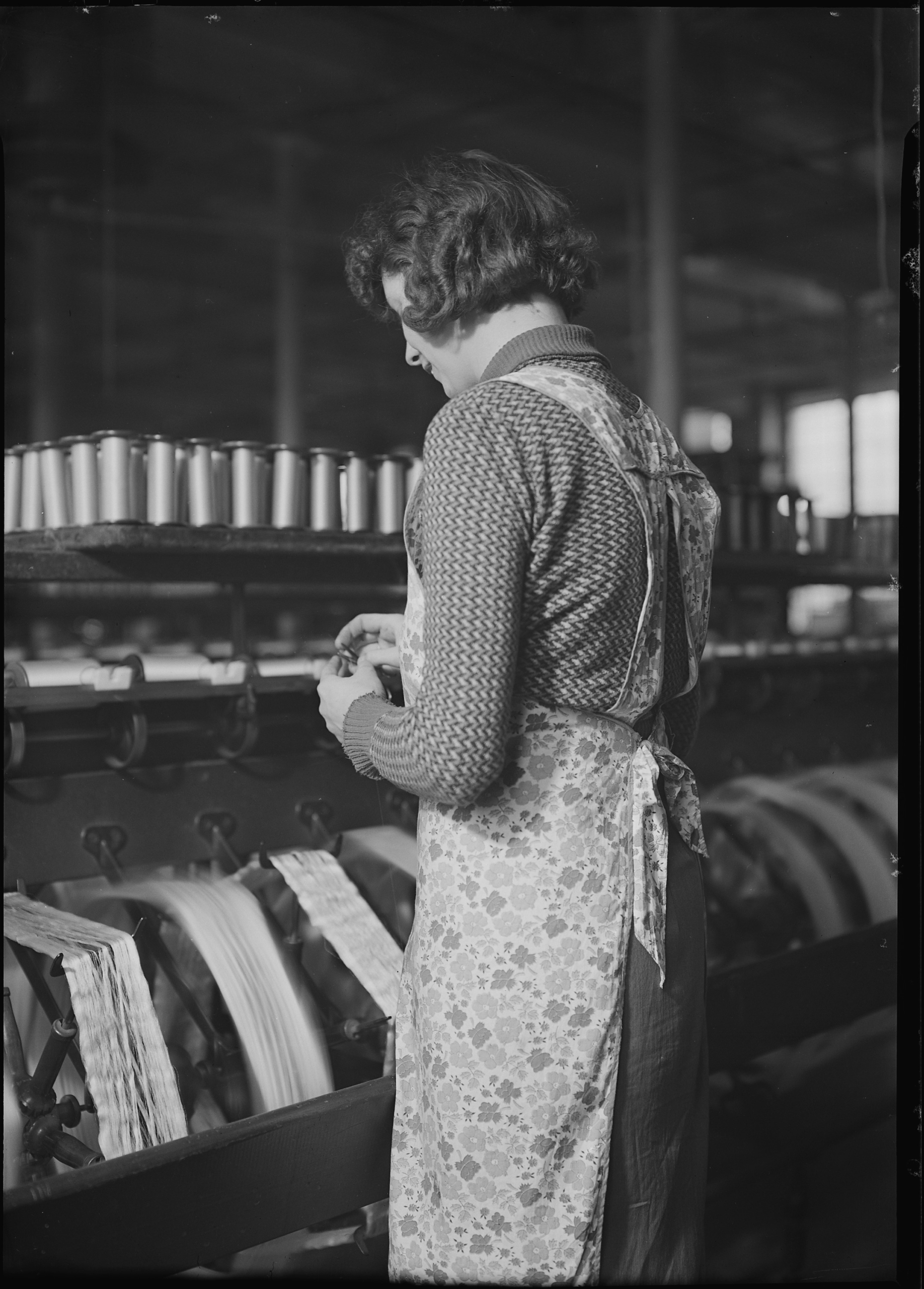
Raw silk came in loose hanks of continuous filament, and the first job in the mill was winding it onto bobbins without breaking it, because a broken filament cannot be rejoined invisibly the way a spun yarn can.
Automated winding with electronic tension control and break detection handles it now. This is the thing that makes silk different from every other textile fibre: it arrives as one enormously long continuous strand rather than as short fibres to be spun, so a break is a permanent fault rather than a nuisance.
Like our content? Follow us for more.
2. The Mill Was Kept Deliberately Humid Because Dry Silk Misbehaves
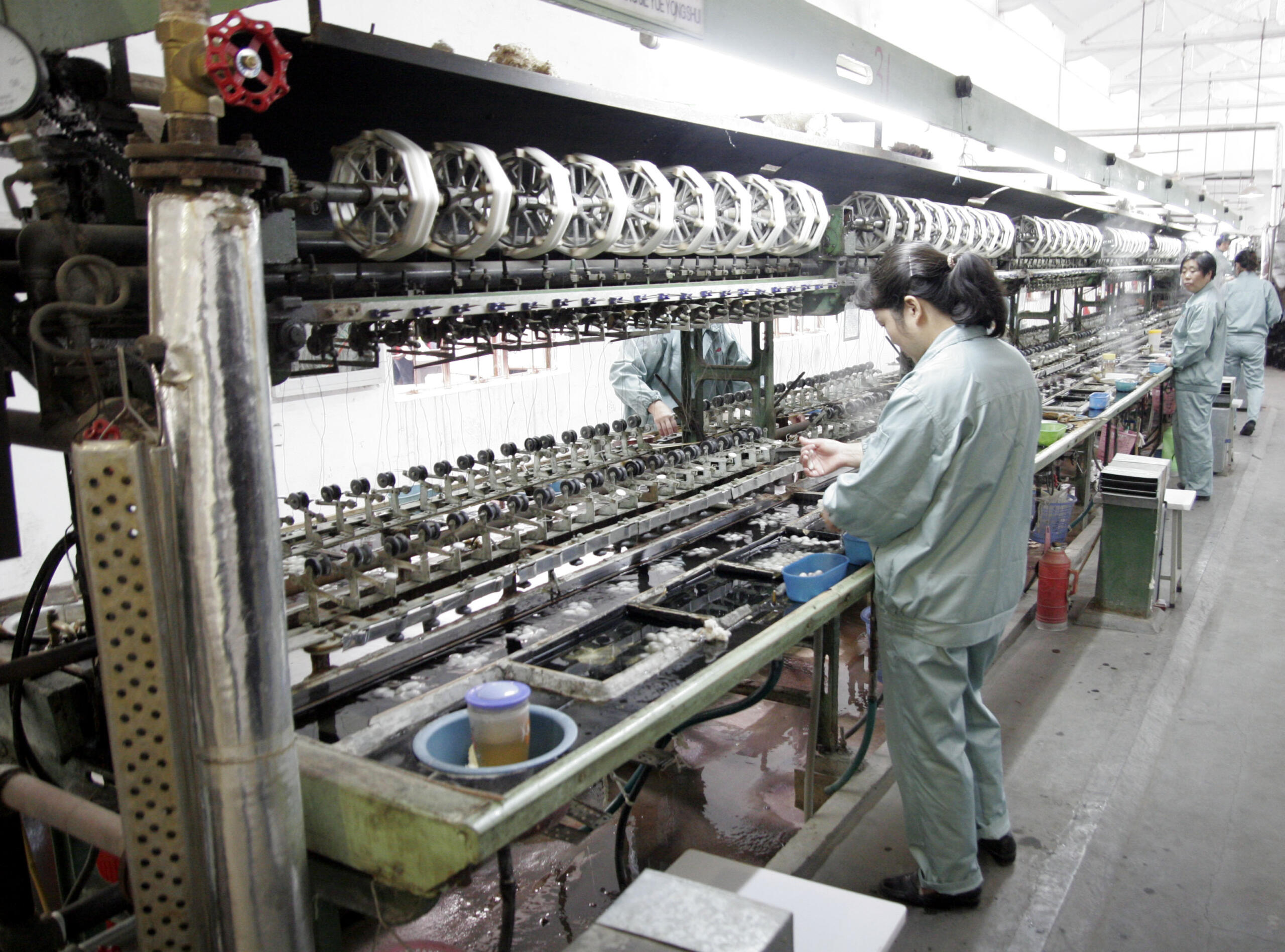
Silk absorbs moisture from the air and its strength, stretch and static behaviour change with humidity, so the working rooms were kept damp on purpose and the dampness was part of the process.
Controlled humidity in conditioned production areas, monitored continuously. The old mills achieved it with water sprays, open troughs and closed windows, which was effective for the silk and wretched for the people, and the respiratory consequences of working in permanently damp air were a recognised feature of the trade.
3. Throwing Meant Twisting the Filaments and the Amount of Twist Changed Everything
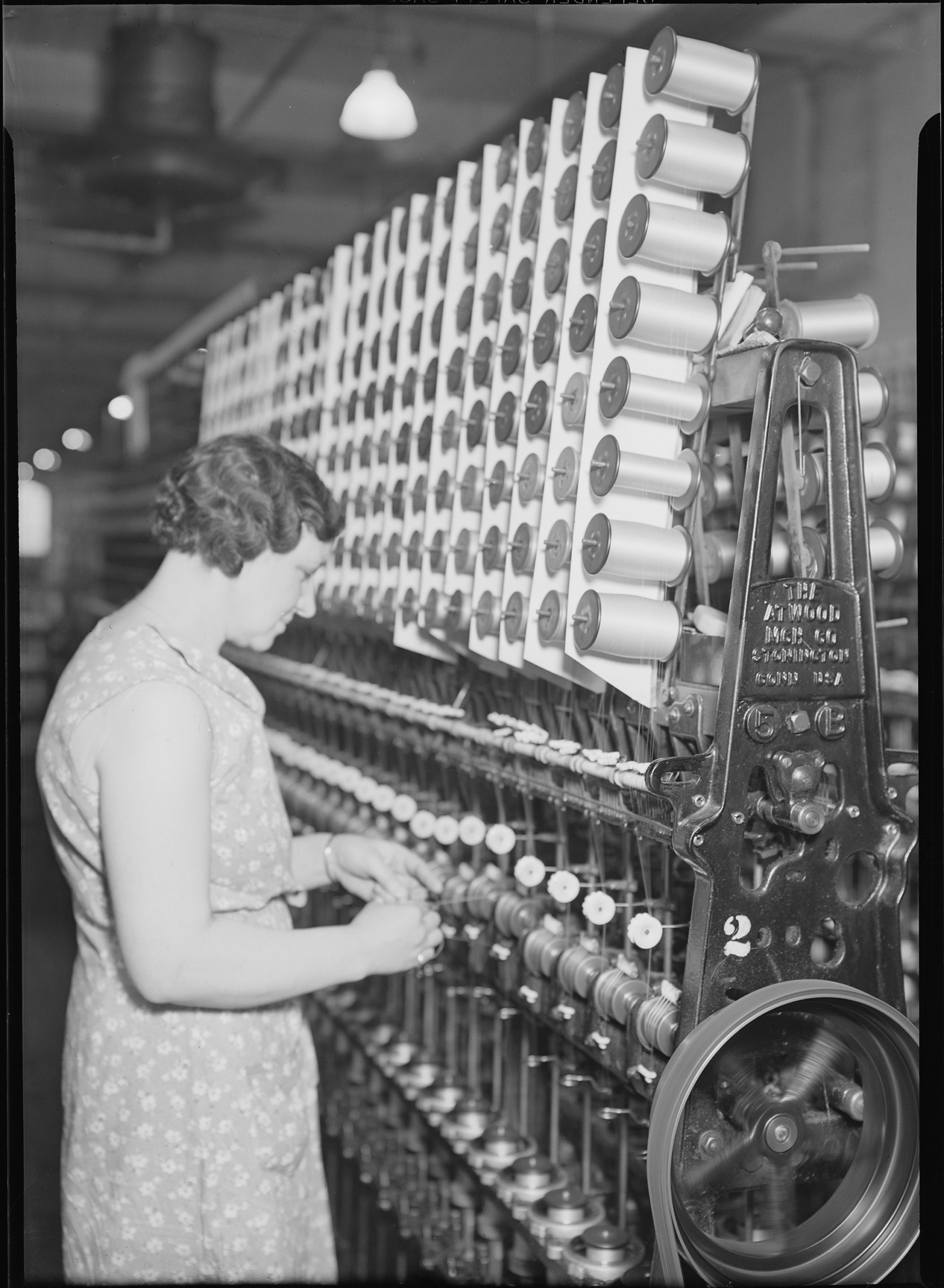
The filaments were combined and twisted – thrown – and the direction and number of turns per inch determined whether the resulting thread would make a crepe, a georgette, an organzine or a sewing silk.
Still the governing variable, now set digitally on machines that hold it precisely. The word has nothing to do with throwing: it comes from an old term for twisting, and the people who did it were throwsters, which is a job title that has effectively disappeared from the language.
4. A Broken End Was Rejoined With a Knot Tied in About a Second
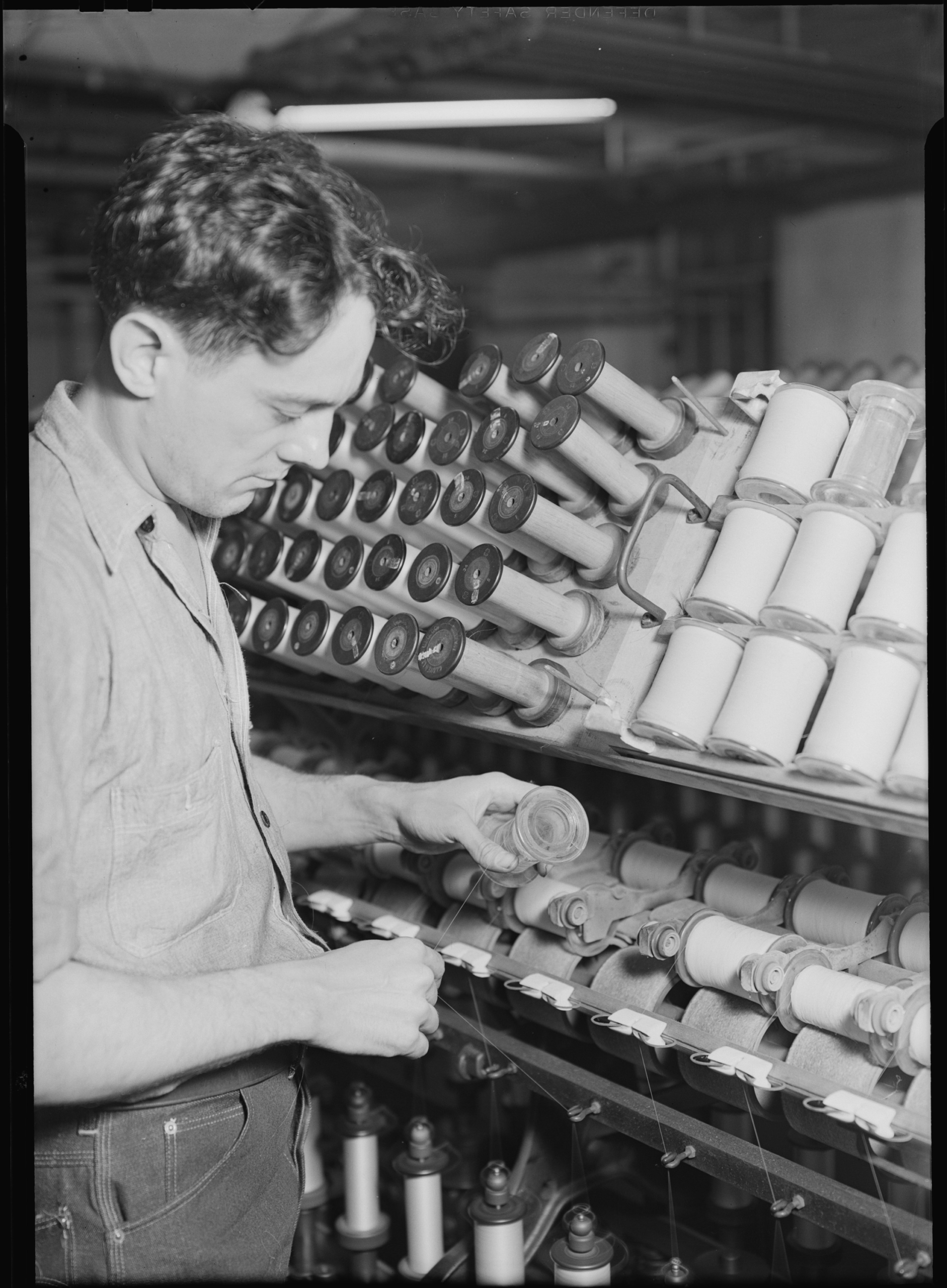
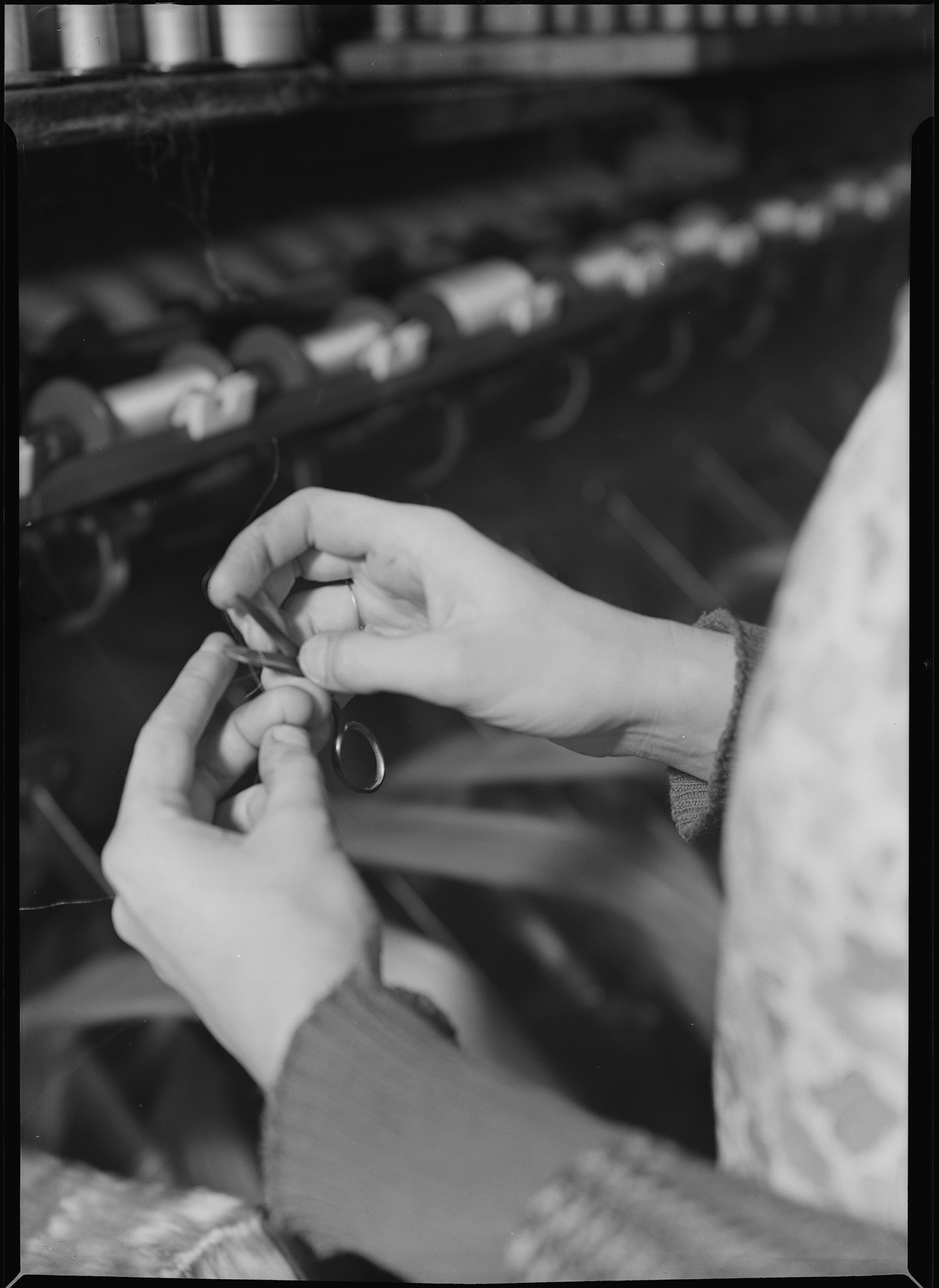
When a thread broke, the operator tied it with a specific small knot that would hold under tension and pass through the machinery without catching, done by feel, thousands of times a shift.
Automated splicers join threads by untwisting and recombining the ends with compressed air, producing a join with no knot at all. The hand knot was fast, reliable and permanent, and it was also a lump in a thread that is meant to be uniform – which is why the knotless splice was worth inventing.
5. Doubling Combined Filaments Because One Was Far Too Fine to Weave
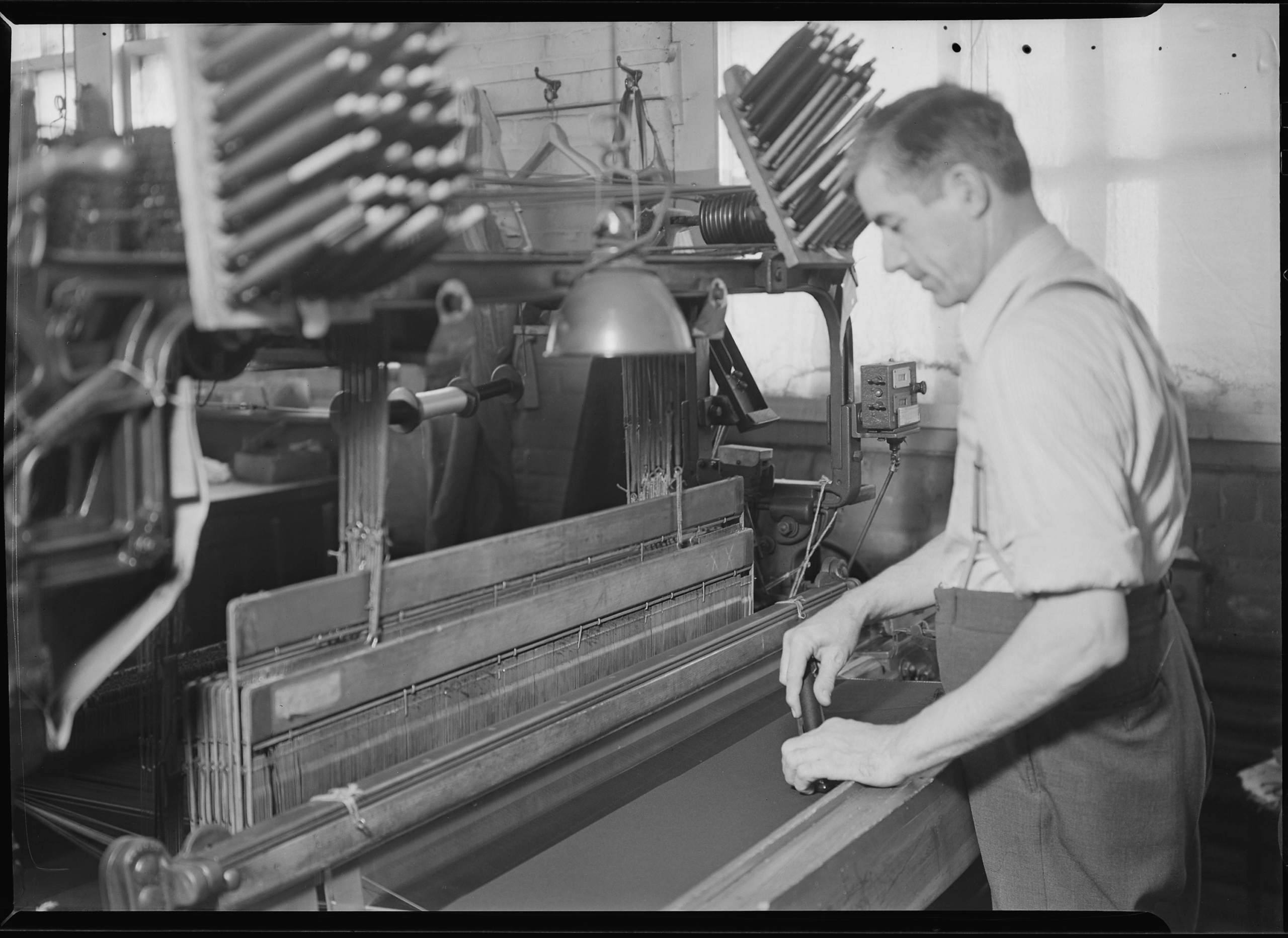
A single reeled filament is too fine to use, so several were run together and combined into one thread, with the number of filaments determining the weight of the finished cloth.
Automated doubling and assembly winding. The arithmetic went in the other direction from what people expect: a silk weaver does not start with a thread and make cloth, but starts with a count of filaments and works out what cloth that will produce.
6. The Gum Had to Be Boiled Off and Doing It Wrong Ruined the Lot
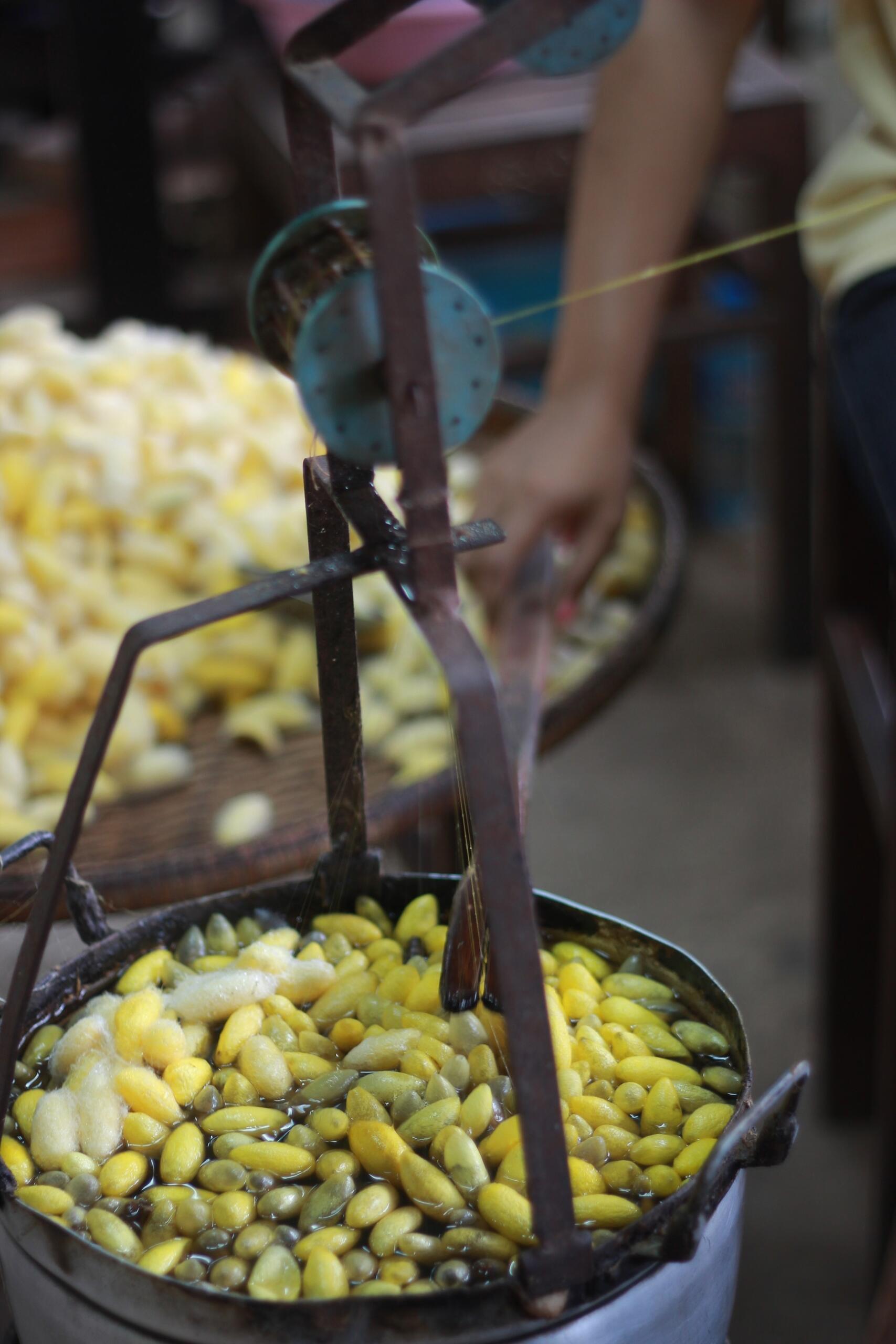
Raw silk is coated in a natural gum that makes it stiff and dull, removed by boiling off in soap solution, and the degree of removal determined whether the silk came out soft and lustrous or limp and weak.
Controlled degumming with measured chemistry and timing. Taking off too little left the cloth harsh, taking off too much attacked the fibre itself, and the judgement was made by a person feeling a sample – which meant the quality of an entire batch rested on one pair of hands.
7. Weighting the Silk With Metallic Salts Was Standard Practice and Also a Fraud
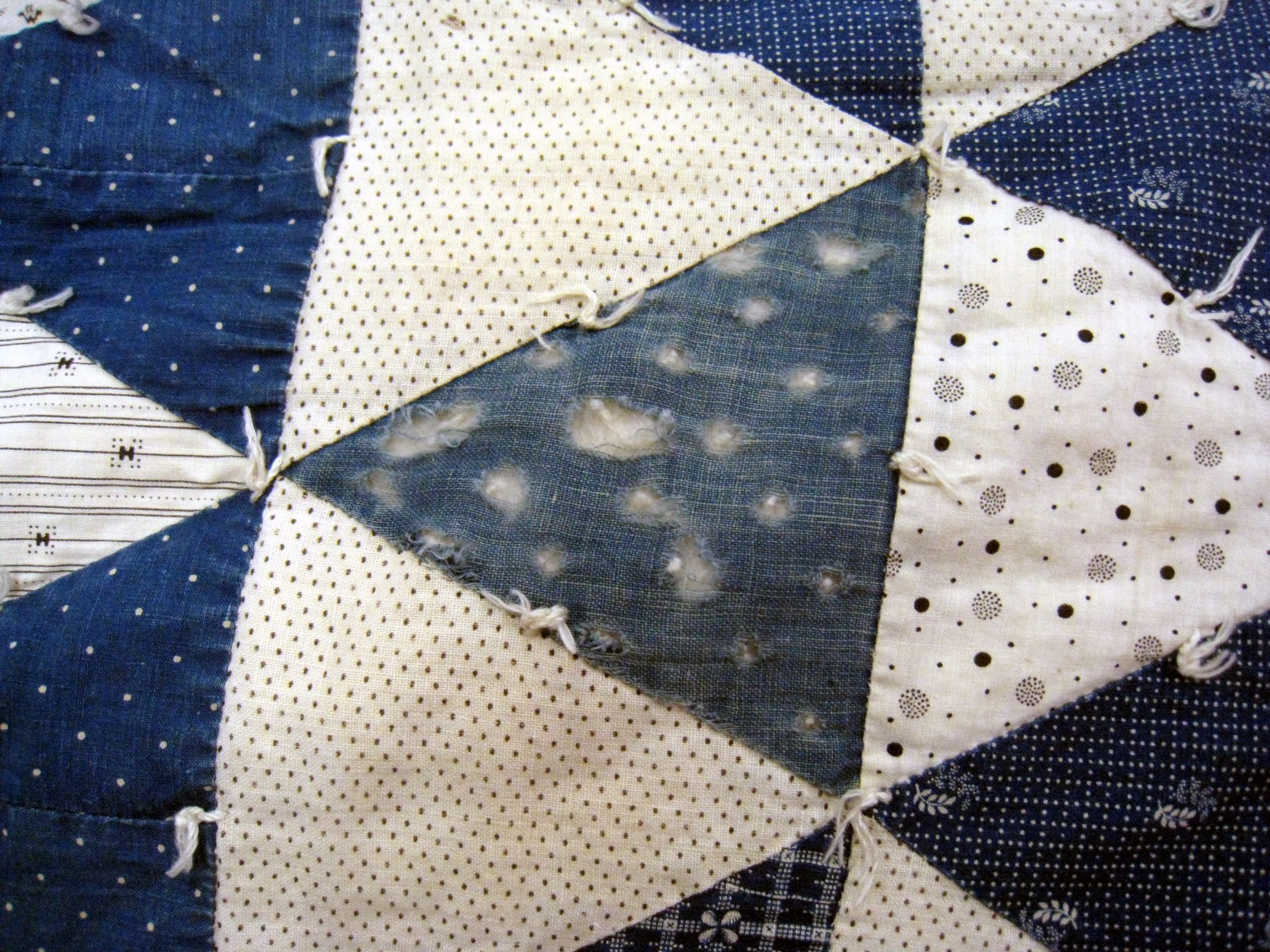
Because degumming removed up to a quarter of the weight and silk was sold by weight, the industry developed processes to load the fibre with metallic salts to restore it, which was both a legitimate finishing treatment and an obvious invitation to abuse.
Essentially gone, with weighting restricted and declared where used. Heavily weighted silk looked and felt right in the shop and then cracked and shattered along the folds within a few years, and a great deal of surviving silk from the period is in poor condition for exactly this reason.
8. Waste Silk Was Not Thrown Away but Spun Like an Ordinary Fibre
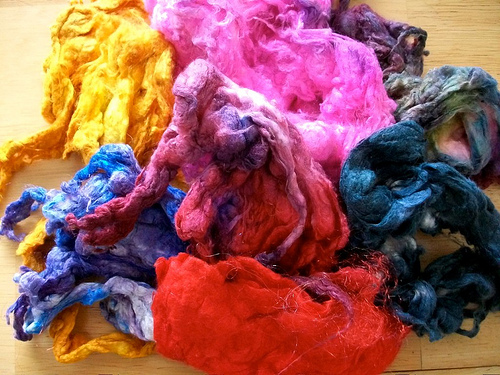
The tangled outer layers, broken filaments and damaged cocoons that could not be reeled were cut up, combed and spun into yarn in a separate process more like wool spinning than silk throwing.
Still produced and still a significant part of the market. Spun silk is a genuinely different material from filament silk – duller, warmer, less strong – and a great deal of what people buy as silk is spun silk, which is not a deception so much as a distinction almost nobody knows exists.
9. A Broken Warp End Stopped the Whole Loom Until Somebody Found It
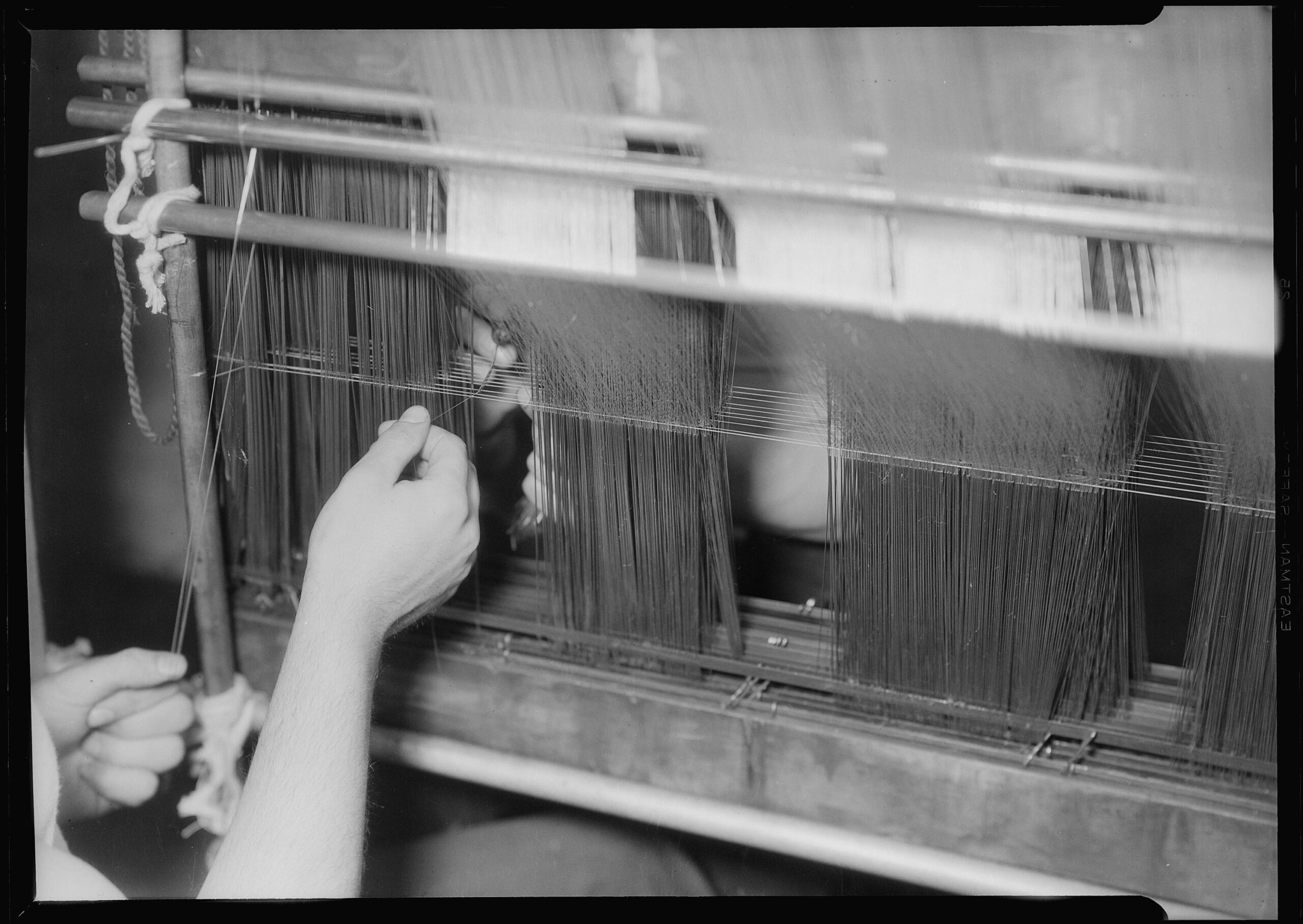
The warp held thousands of individual ends under tension, and one breaking meant the loom stopped and somebody had to locate that single end among the rest and repair it before weaving resumed.
Automated warp stop motions, electronic break detection and knotting equipment reduce the downtime sharply. Finding one broken end among several thousand threads of the same colour, under tension, by eye, is the kind of task that sounds impossible until you watch somebody do it in under a minute.
10. The Weavers Worked by Sound and Could Hear a Fault Before Seeing It
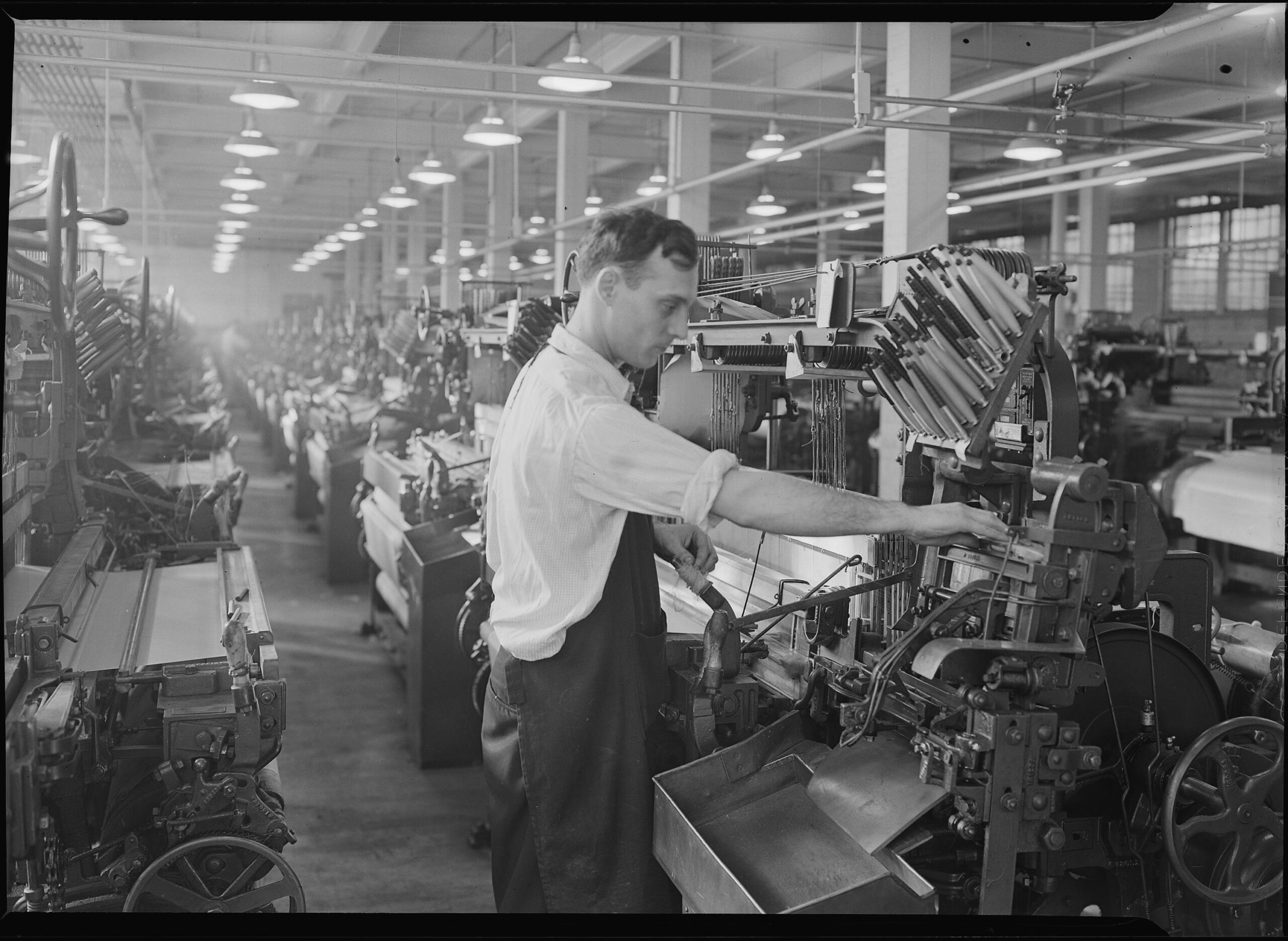
An experienced weaver minding several looms identified a problem by a change in the rhythm or pitch of the machine, often before any fault was visible in the cloth.
Sensors and automatic stop systems detect faults mechanically, and modern mills are quiet enough that the old skill would have nothing to work with. In a weaving shed the noise was so great that spoken conversation was impossible and the workforce used lip reading and a developed sign language among themselves.
11. Figured Silk Was Woven From Punched Cards Strung Together in a Loop
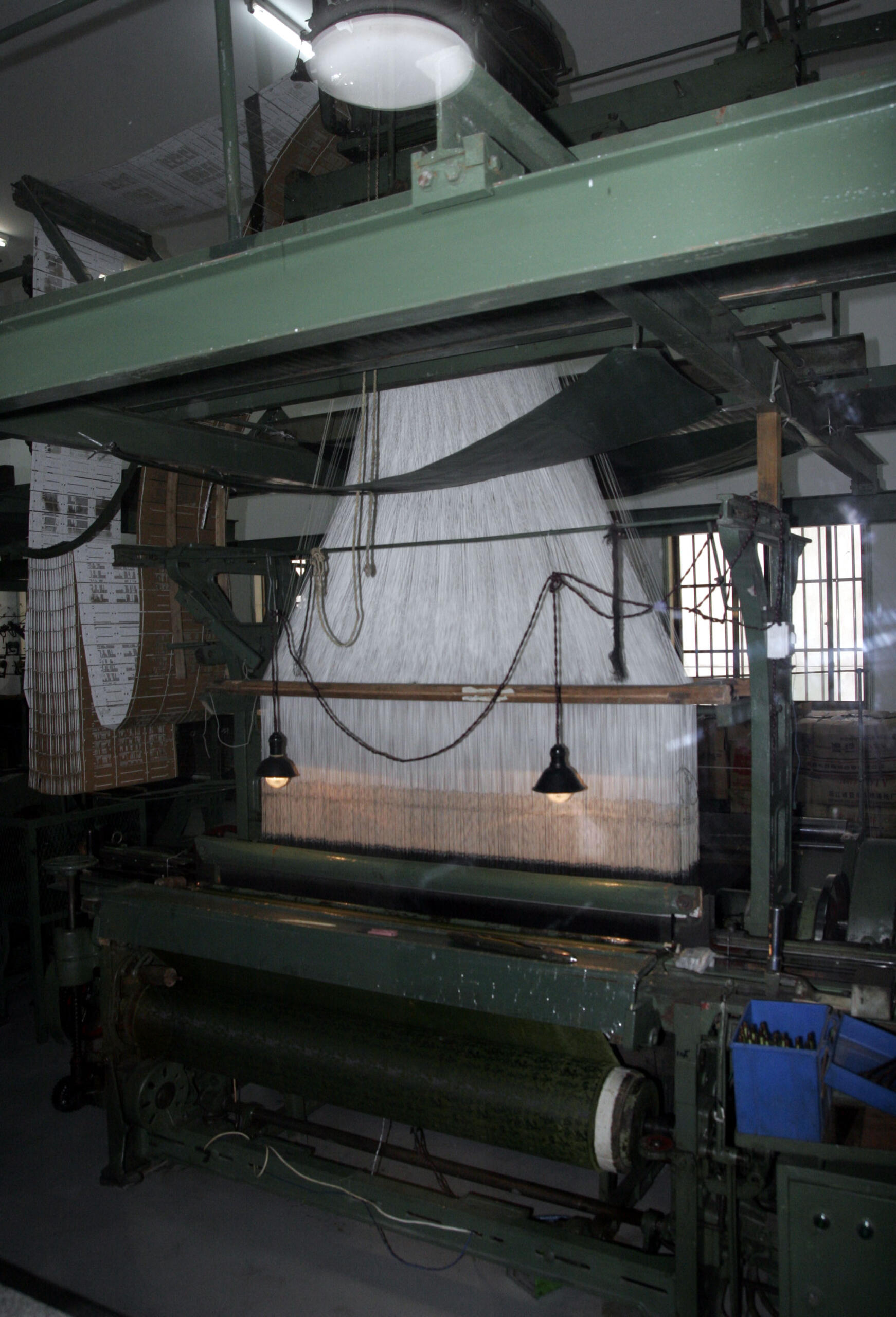
Patterned silk was woven on a loom controlled by a chain of stiff cards with holes punched in them, each card setting which warp threads lifted for one pass of the shuttle, with a complex design running to thousands of cards.
Electronic jacquard control with the design held as a digital file. The card chain is one of the direct ancestors of computing, and the physical object was formidable: a large design was a loop of cards weighing a considerable amount, which had to be stored, maintained and repaired card by card.
12. Silk Was Inspected Against Daylight and Nothing Else Would Do
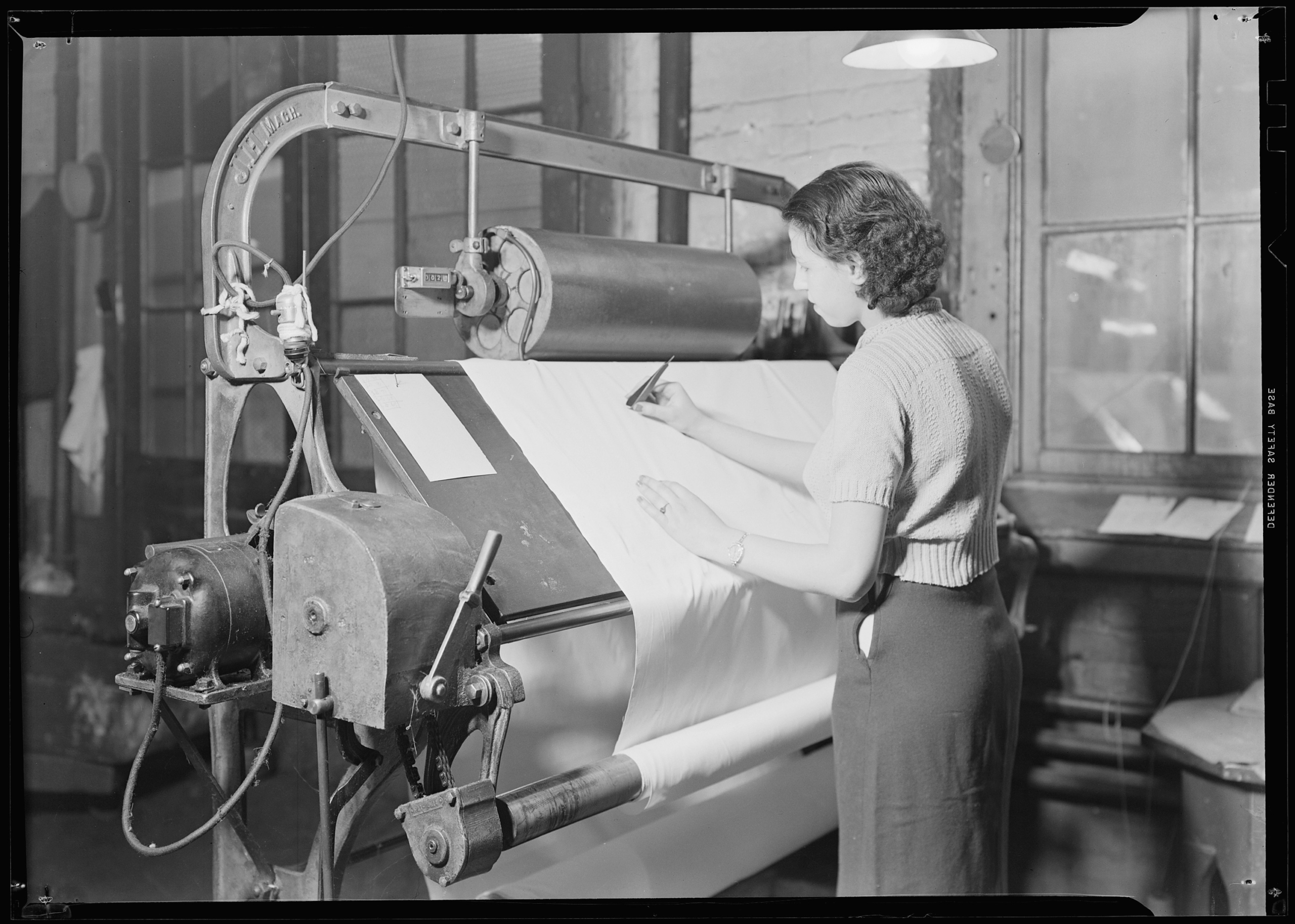
Finished cloth was examined over an inclined frame facing a north-facing window, because faults in silk show as variations in lustre that artificial light of the period flattened out.
Standardised daylight-balanced lighting in controlled inspection rooms. The north light mattered because it is consistent through the day and does not throw the directional highlight that disguises a fault – which is the same reason painters’ studios faced that way.
13. The Dye Was the Most Skilled Job in the Building and the Least Documented

Silk takes dye readily and unevenly, so dyeing it level – the same shade across a whole piece – was the highest skill in the mill and the recipes were held by the dyer rather than written down.
Measured chemistry, controlled dyeing and digital colour matching to a numerical standard. The old practice of a dyer keeping his recipes in his head was partly professional protection and partly honest, because the recipes were not reproducible: they depended on the water, the batch and conditions that changed daily.
14. Then Synthetic Fibre Arrived and the Volume Was Gone Within a Generation
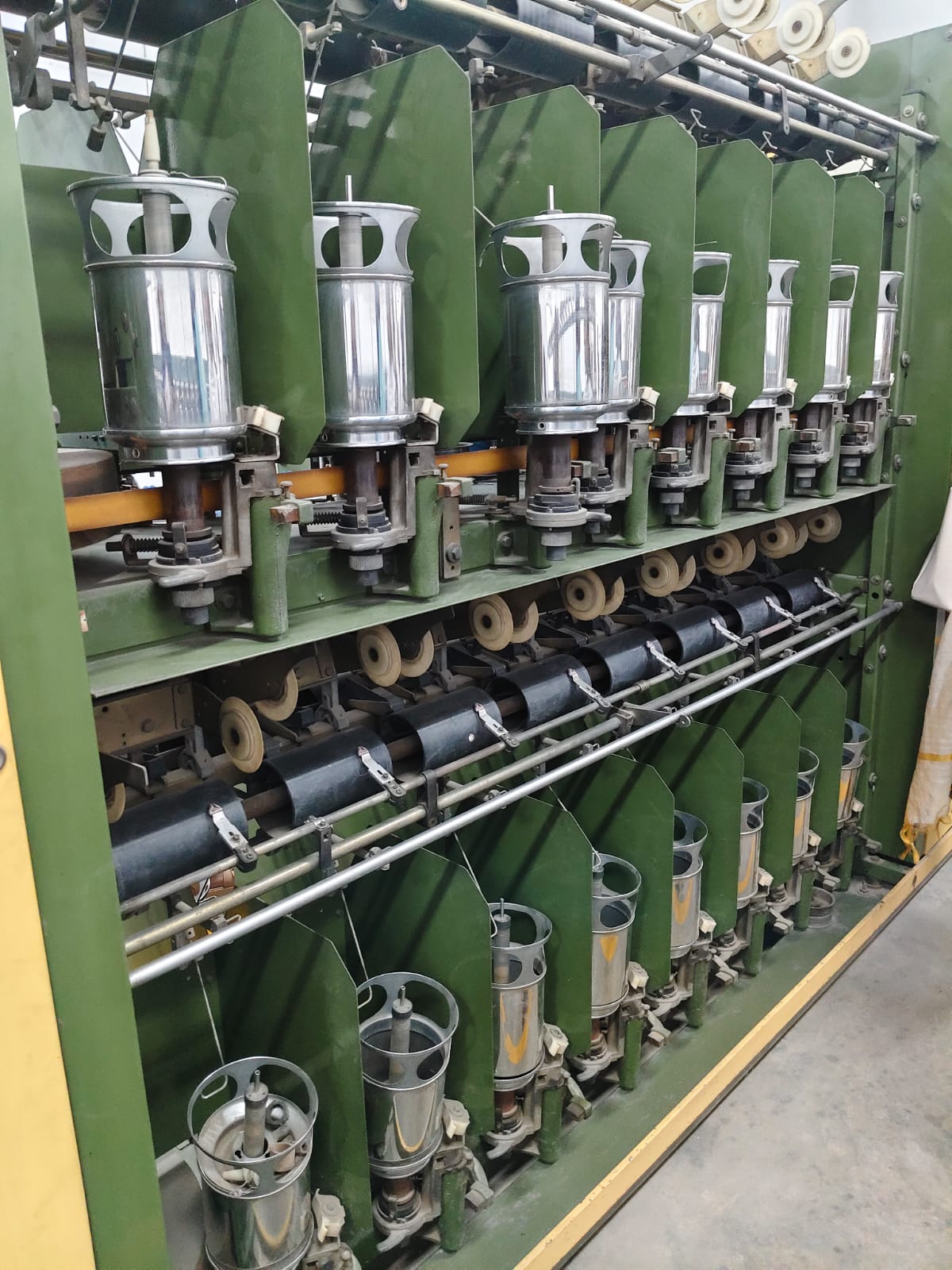
Nylon and then polyester delivered a continuous filament with silk’s drape at a fraction of the price, in unlimited quantity, with no cocoons, no reeling and no weighting.
Silk retained the premium end and lost everything else. The mills that survived did it by going upmarket rather than by competing, and the trade’s knowledge now sits in a small number of specialist operations – which means the throwster, the knotter and the daylight inspector did not retire so much as stop being recruited.
The Weighted Silk Is Still Falling Apart in Museums
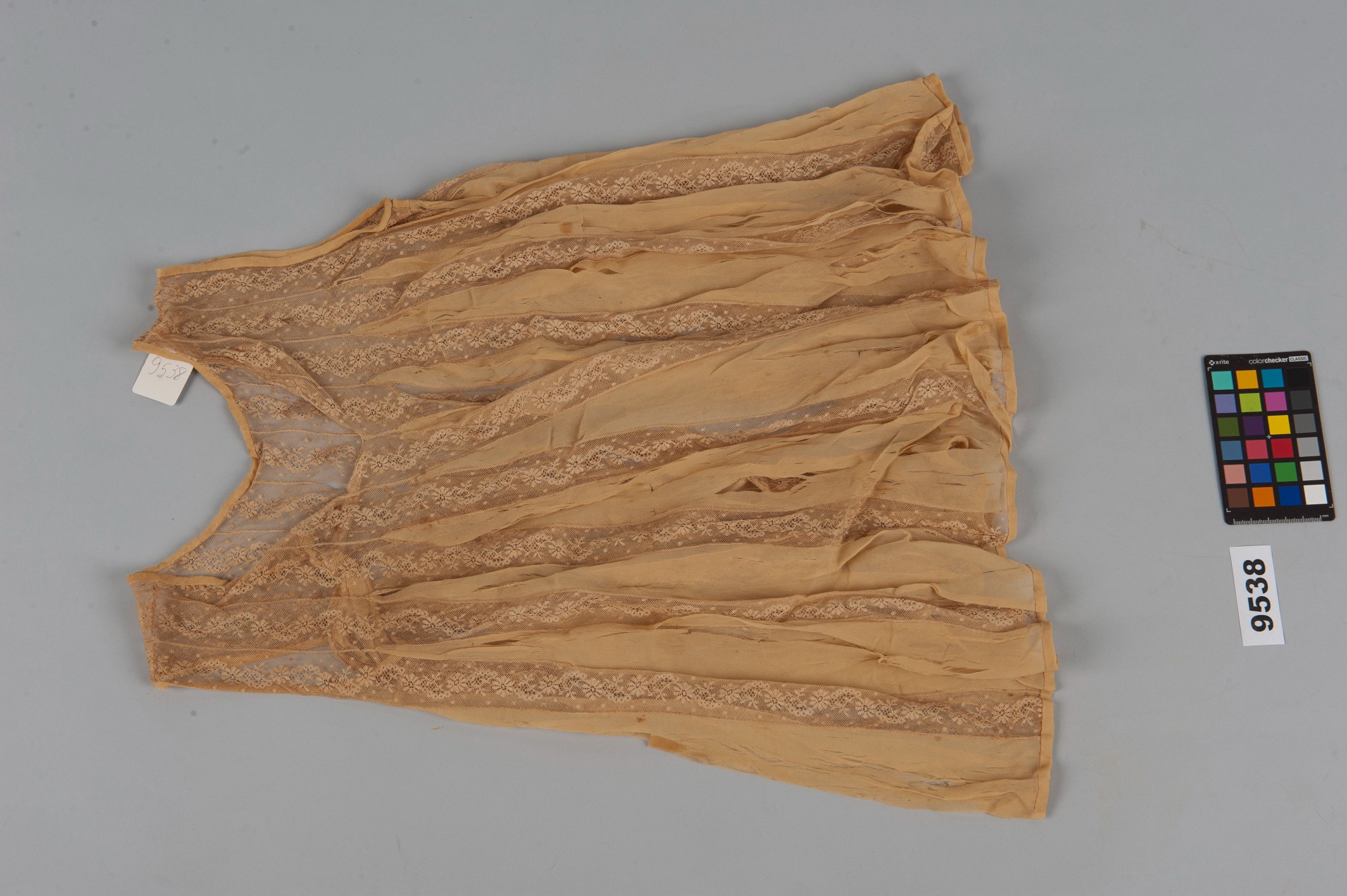
There is a reason so much mid-century silk survives in poor condition, and it is not age.
Silk was bought and sold by weight. Degumming – the necessary step of boiling off the natural coating that makes raw silk stiff and dull – removed up to a quarter of that weight. So the industry developed weighting: treating the degummed fibre with metallic salts to put the weight back.
As a finishing process it had a defensible purpose. It restored body to cloth that had been stripped of it, and in moderation it did no harm. As a commercial practice it was close to irresistible, because the weight was the price, and a treatment that added weight added revenue to cloth that looked and felt entirely correct in the shop.
The problem arrived years later, in the customer’s wardrobe. Heavily weighted silk degrades. The salts catalyse the breakdown of the fibre itself, and the cloth cracks and shatters along every fold and crease – not worn through, but disintegrated in place, often while hanging untouched.
Textile conservators now deal with the results constantly, and the pattern is unmistakable: garments from the weighting era in otherwise perfect condition that cannot be unfolded without losing fabric.
Which is a sharp example of a problem that runs through this whole series. A practice can be legal, standard, profitable, invisible to the customer and perfectly acceptable to everybody involved, and the bill still arrives – just too late for anybody to be held to account for it.
If anybody in your family worked in silk, they may have had a job title – throwster, knotter, picker – that has gone out of the language entirely.
And if you own an inherited silk garment, do not unfold it hopefully.
Like our content? Follow us for more.