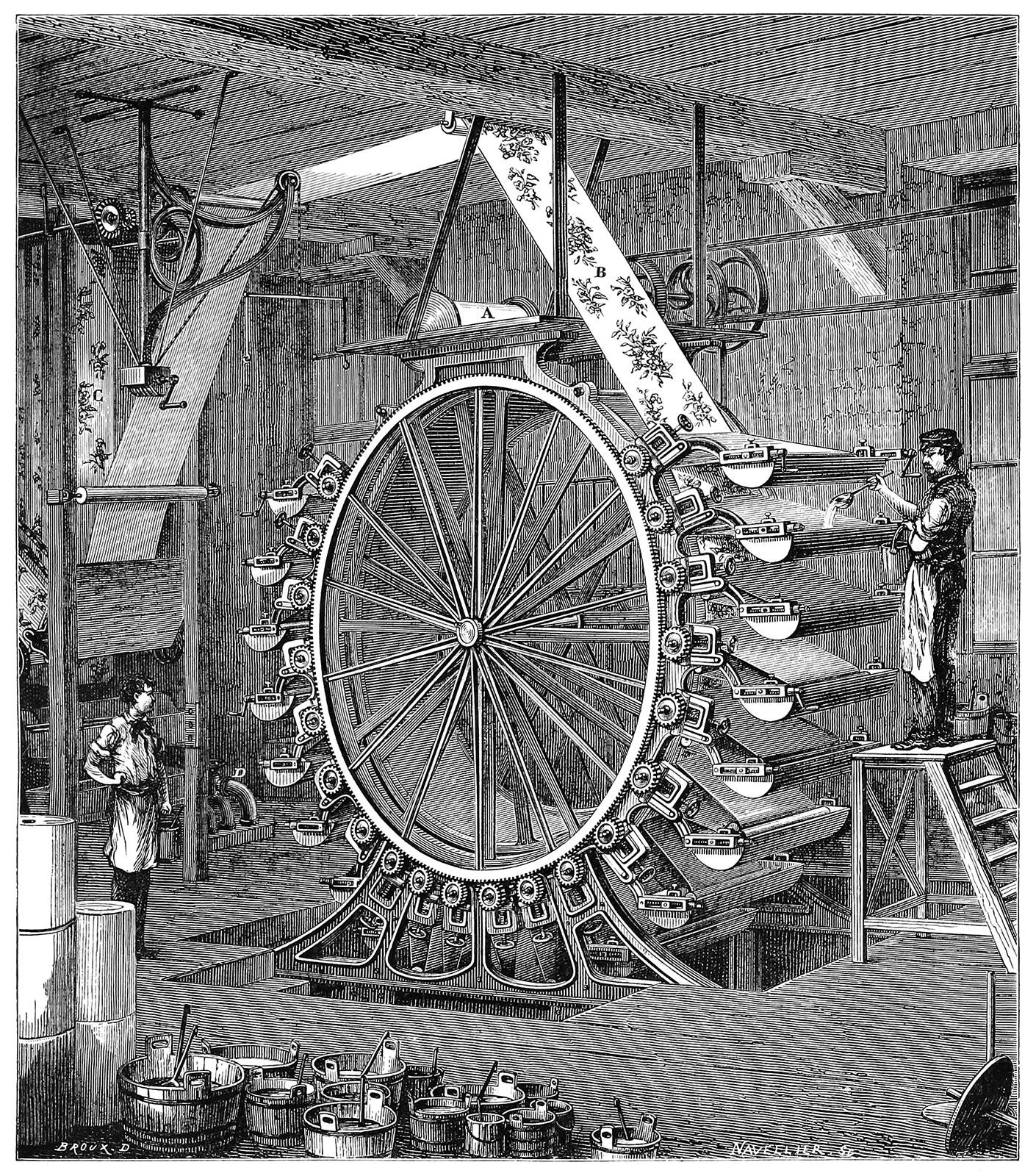
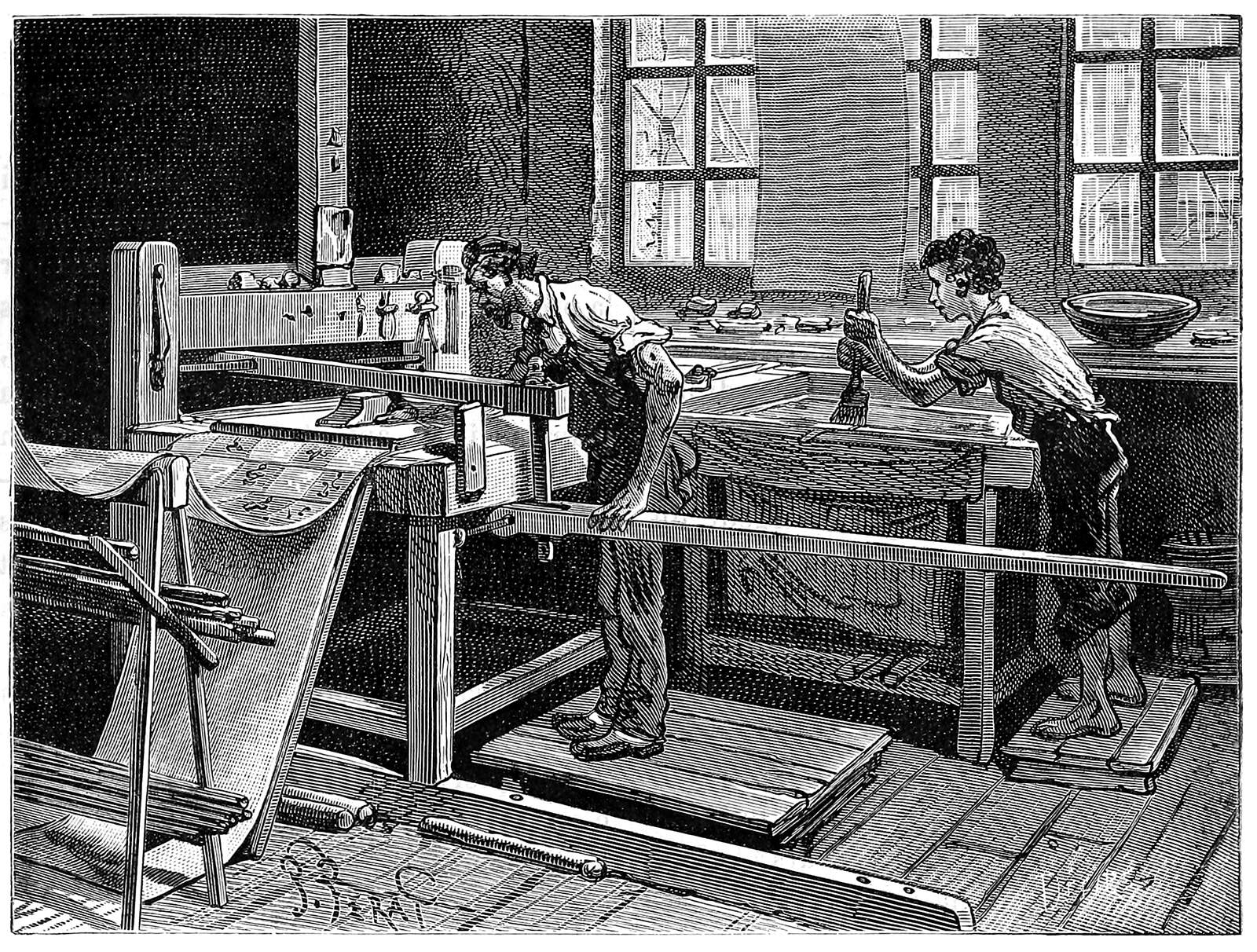
In 1960 wallpaper was printed from carved rollers, one for every colour, onto a continuous web of paper running through a machine for hours at a time.
The wet paper was carried up on sticks and hung in loops near the ceiling to dry. The pattern repeat was decided by the size of the cylinder. The inks were water-based distemper bound with animal glue. And the decorator had to trim both edges off by hand before hanging it.
Here are sixteen things that were normal in a wallpaper factory in 1960, and what became of each one.
1. The Pattern Was Printed From Rollers Carved With the Design in Relief
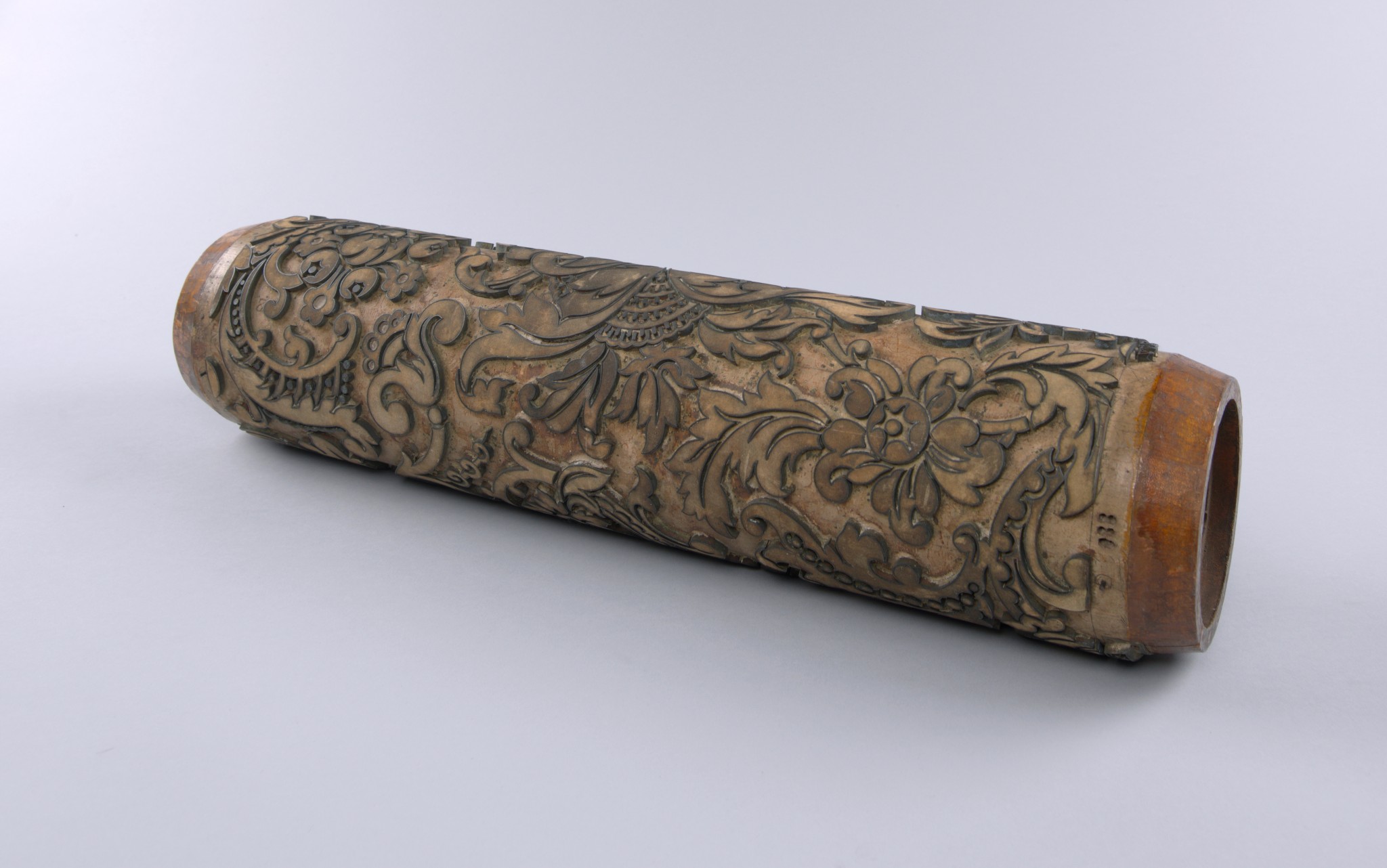
Machine-printed wallpaper was produced by surface printing: large rollers, one per colour, with the design standing proud on the surface, inked and rolled onto a continuous web of paper as it travelled through the machine.
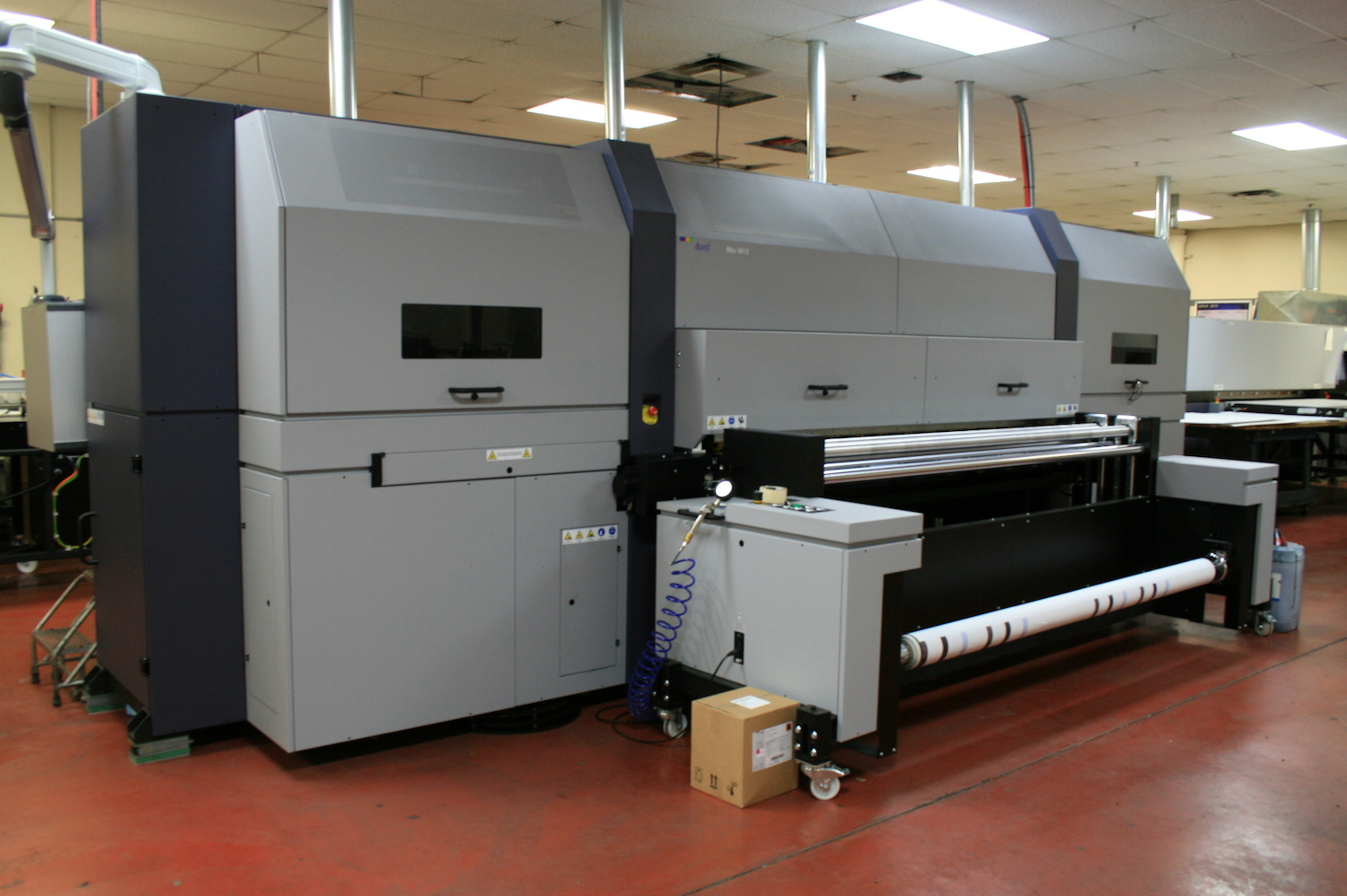
Rotary screen and digital printing, with digital taking the short runs and the one-off work entirely. The roller was the whole investment: a design existed as a set of physical carved rollers, and changing the pattern meant making new ones rather than loading a different file.
Like our content? Follow us for more.
2. One Roller Per Colour, and They Had to Line Up Perfectly
A six-colour paper needed six rollers in sequence along the machine, each laying its colour onto paper already carrying the previous ones, with every roller aligned to a fraction of a millimetre.
Electronically monitored registration with automatic correction. Misregistration was the characteristic fault of the trade: a colour landing slightly out of position produces a visible fringe along every edge of the pattern, and on a repeating design the error repeats hundreds of times down a single roll.
3. The Repeat Was Designed So the Pattern Would Join Up on the Wall
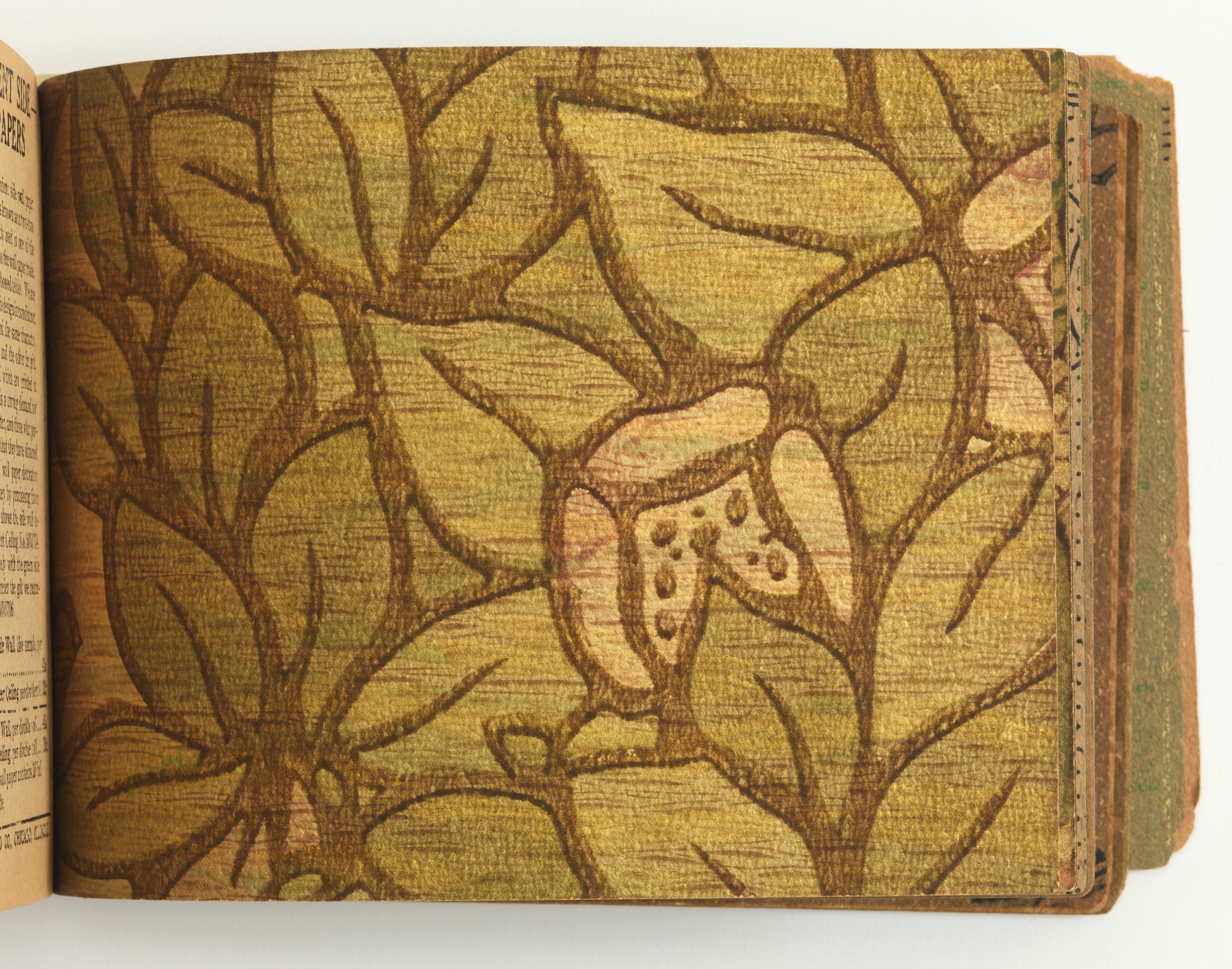
The design had to tile – matching across the width so adjacent strips joined, and matching along its length so the pattern continued down the wall – and the repeat length was set by the circumference of the roller.
Unchanged as a design constraint, with digital printing allowing far longer repeats because no physical cylinder limits them. The roller circumference ruling the repeat is why mid-century papers have the repeat lengths they do: the limit was not aesthetic but the size of the engraved cylinder the machine could carry.
4. Some Patterns Were Deliberately Offset So They Could Not Be Hung Wrong
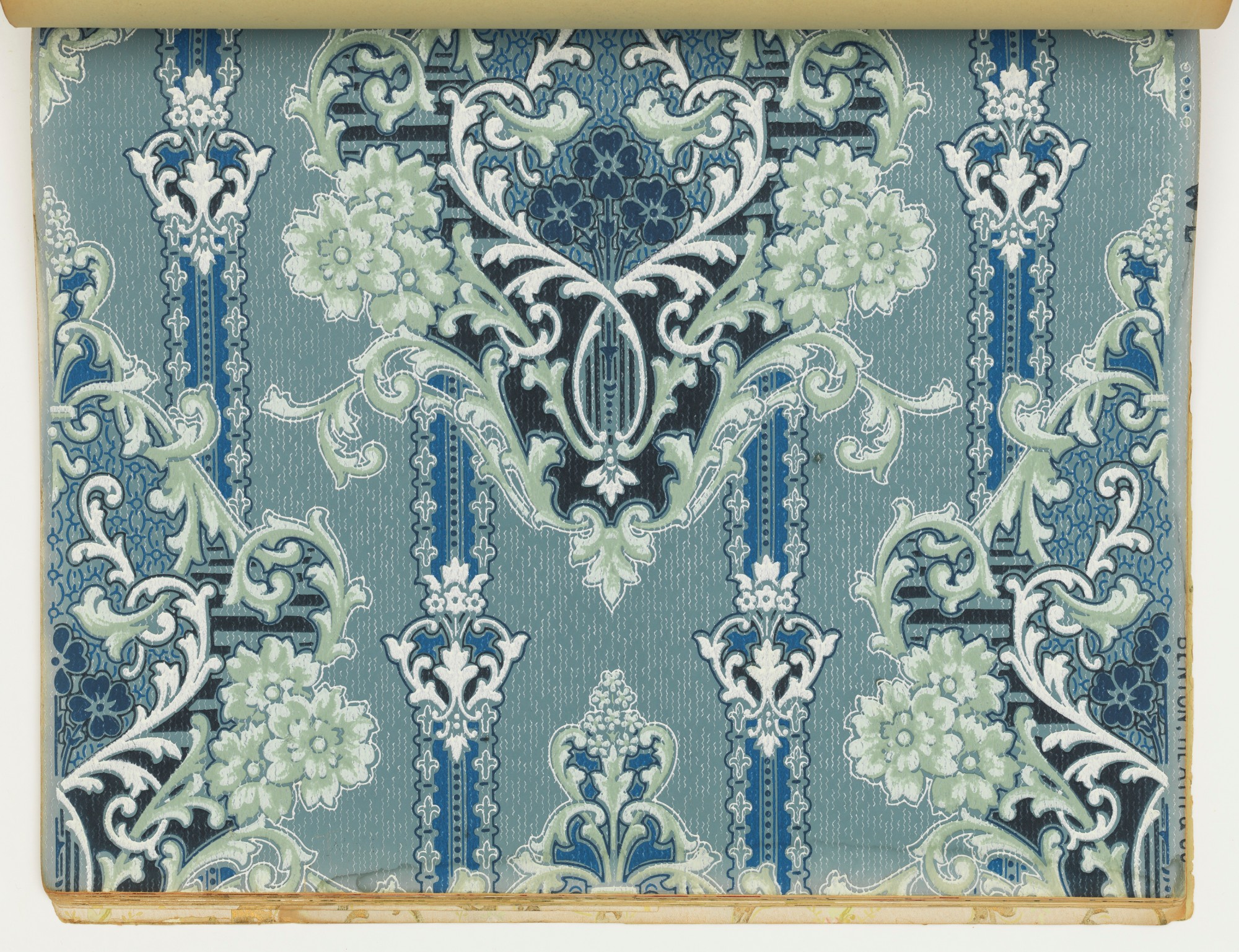
Designs were drawn either as a straight match, where the pattern meets at the same height on both edges, or a drop match, where alternate strips are hung half a repeat lower, and the choice changed how much paper was wasted.
Still exactly the same two systems, with the match type printed on the label. A drop match uses more paper because every other strip starts half a repeat down, and the offcuts cannot be used – which is the hidden reason two apparently similar papers for the same room can cost noticeably different amounts to hang.
5. The Inks Were Water-Based Distemper and They Smelled of Size
Surface-printing inks were pigment ground into a water-based medium with glue size as the binder, which dried by absorption into the paper and gave the particular matte, chalky surface of older wallpapers.
Modern formulations, latex and acrylic binders and vinyl coatings. The old distemper surface is why genuinely old wallpaper marks so easily, cannot be wiped, and disintegrates if it gets wet: the binder was animal glue and the whole coating is water-soluble more or less permanently.
6. Some Pigments Were Genuinely Dangerous and Had Already Been Abandoned
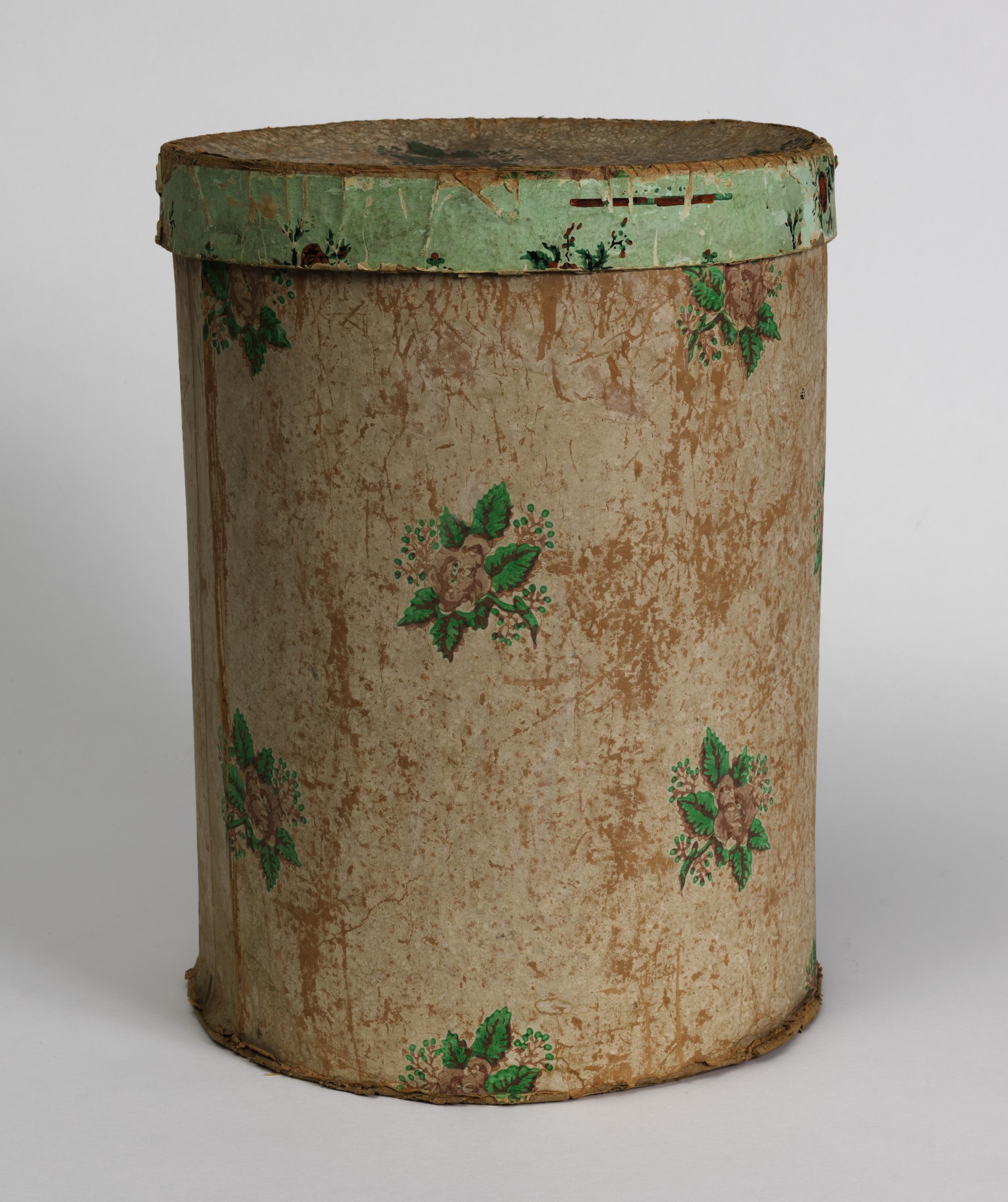
The nineteenth-century wallpaper trade used arsenic-based greens heavily, and the resulting illnesses in papered rooms were a recognised scandal that drove the pigment out of use long before 1960.
Pigments are regulated and tested, with heavy metals excluded from domestic products. By 1960 the arsenical greens were history, but lead-based pigments persisted in some decorative products into the later century, and the trade’s own memory of the arsenic affair is one reason wallpaper manufacturers were comparatively early to publicise what their products contained.
7. Embossing Was Done by Squeezing the Paper Between Heated Rollers
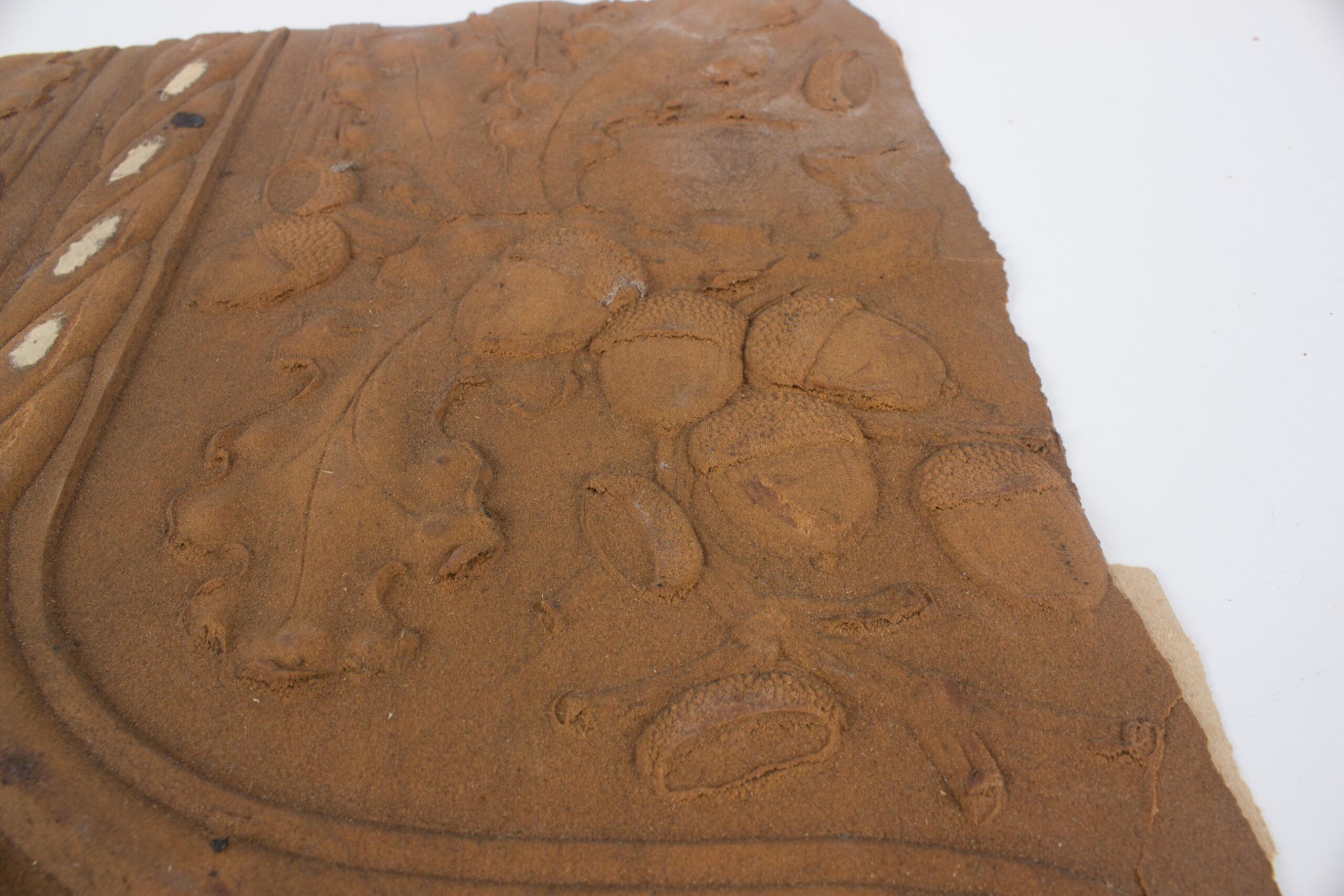
Textured and relief papers were made by passing the web between a heated engraved roller and a backing roller under pressure, which deformed the paper fibres permanently into the pattern.
Still done, with vinyl and expanded foams allowing far deeper relief than paper fibre can hold. Embossed relief paper was the budget answer to decorative plasterwork, and the deep patterns were valued precisely because they hid the state of the wall behind them.
8. Flock Paper Was Made by Blowing Wool Dust Onto Glue
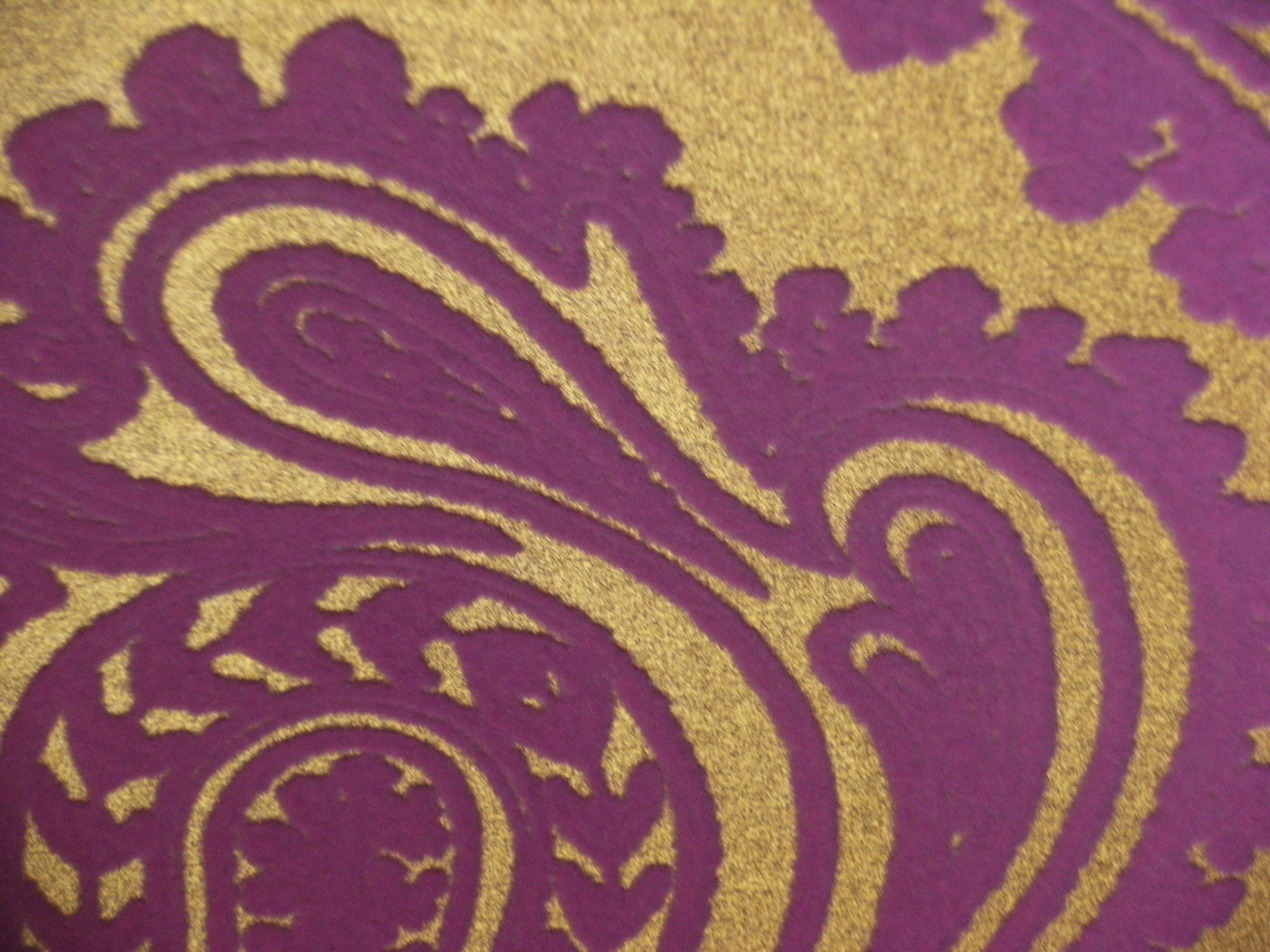
Flock was produced by printing the pattern in adhesive and then showering finely chopped wool or rayon fibre over it, so that the fibre stuck only where the adhesive was, leaving a raised velvet-textured design.
Electrostatic flocking with synthetic fibres, far more evenly and with far less loose material in the air. The old process filled the room with airborne fibre, and the flocking shop was the dustiest part of a wallpaper works by a wide margin.
9. The Paper Ran Through the Machine in One Continuous Web for Hours
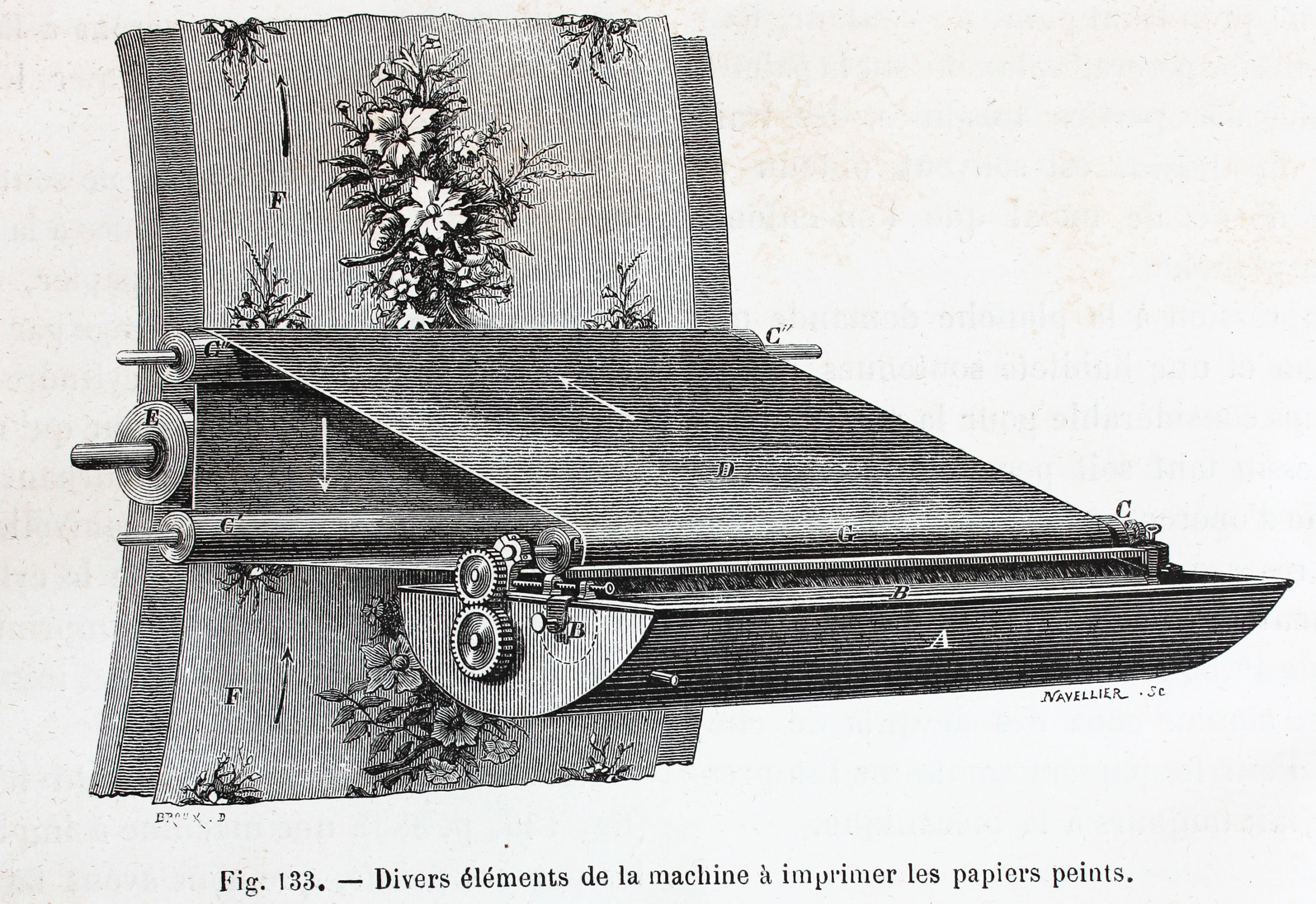
Printing was continuous: a reel of paper fed in at one end, ran through every colour station, through the drying festoons and out to be rewound, and stopping the machine mid-run wasted everything in it.
Continuous web printing with far better drying and tension control. A break in the web at speed meant paper piling into the machine, ink everywhere and a long clean-up, which is why the machine minder’s whole job was watching for the signs of a web about to go.
10. The Drying Was Done by Hanging the Wet Paper in Loops Near the Ceiling
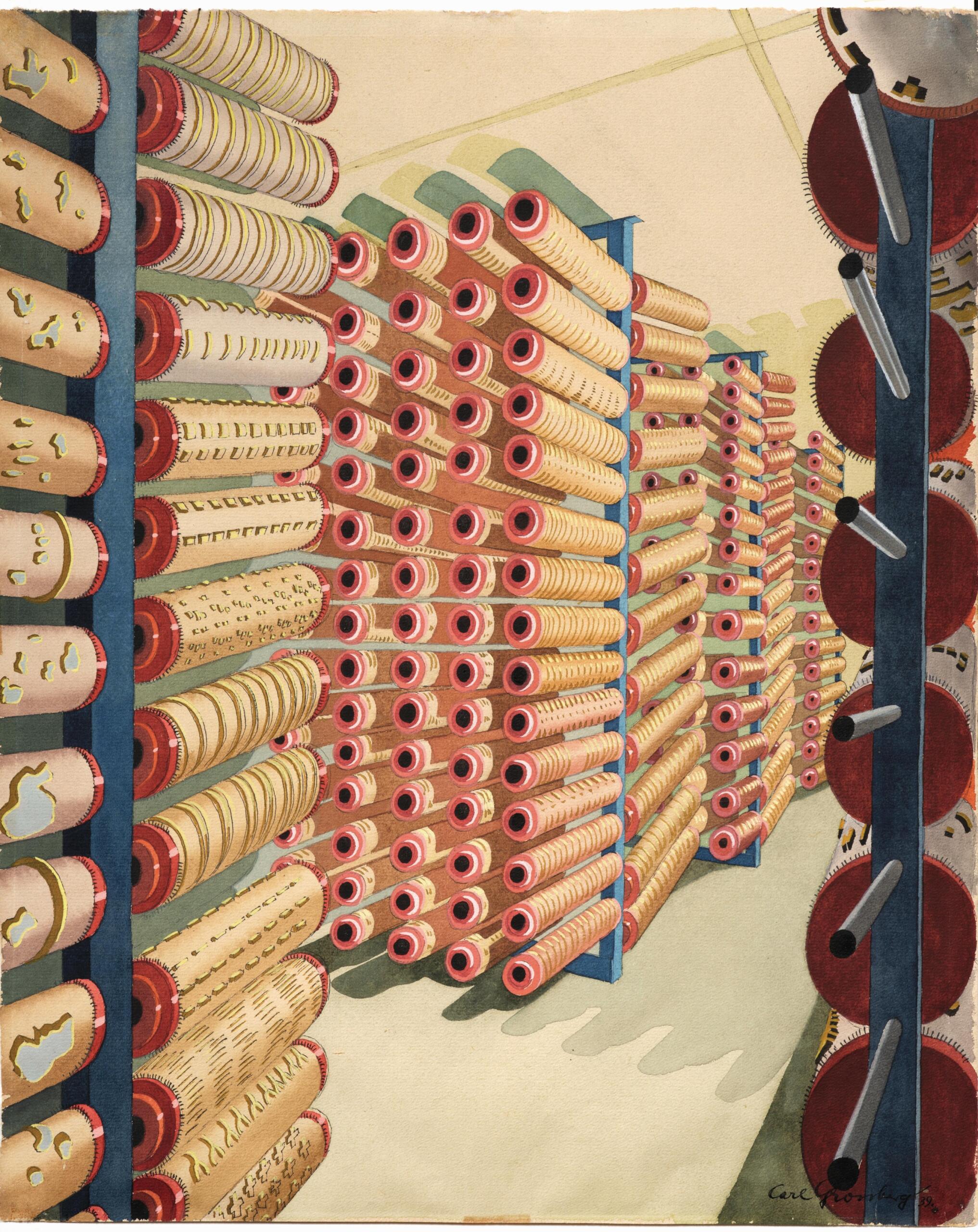
Freshly printed paper was carried up on sticks into long festoons – loops hanging high in the building – where it dried in warm air before being brought back down and rewound.
Forced-air and infrared drying tunnels within the machine. The festoon drying room was the largest space in the works and the reason wallpaper factories had the tall ceilings they did: the drying time was fixed by the ink, so the only way to go faster was to hang more paper at once.
11. Trimming the Selvedge Was the Decorator’s Job, Not the Factory’s
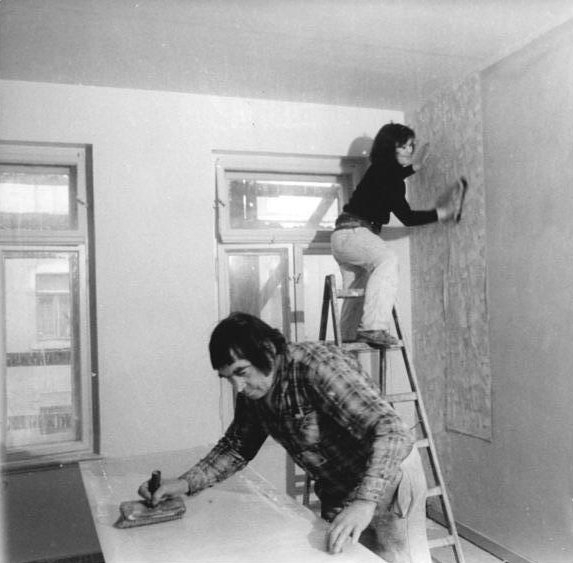
Paper was sold with an untrimmed margin along both edges, and the decorator cut it off by hand with a straight edge and knife before hanging, because the edge had to be exact for the seams to butt.
Pre-trimmed ready to hang, standard for decades. Hand trimming was slow, skilled and the commonest place for an amateur to ruin a roll, and its disappearance is the single change that did most to make wallpapering something an ordinary householder would attempt.
12. Lining Paper Was Not Optional and Everybody Knew It
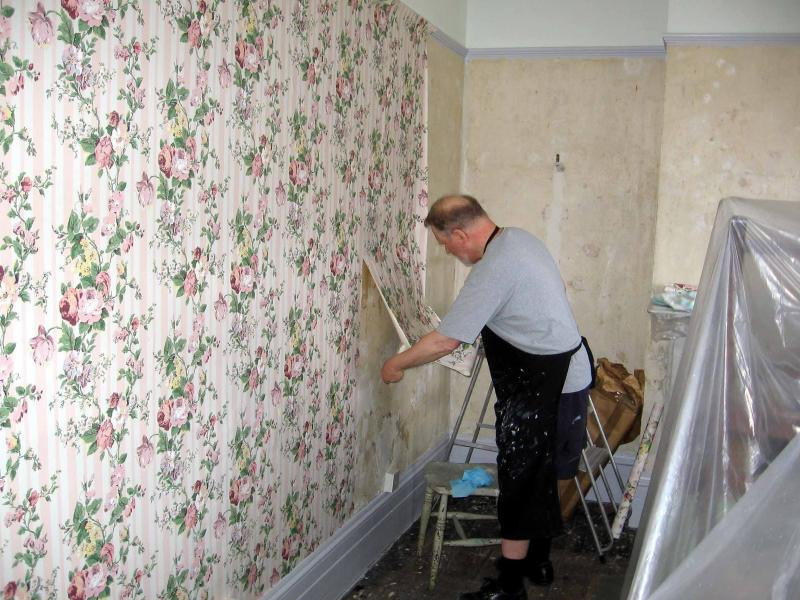
Walls were papered first with a plain lining paper, hung horizontally so its joints could not coincide with the joints of the decorative paper above, and only then with the pattern.
Still correct practice and widely skipped. Lining gives an even, absorbent surface so the finish paper does not dry at different rates across a patchy wall, which is what causes the visible seams and bubbles people blame on their own technique.
13. The Paste Was Mixed in a Bucket From Powder or Boiled From Flour
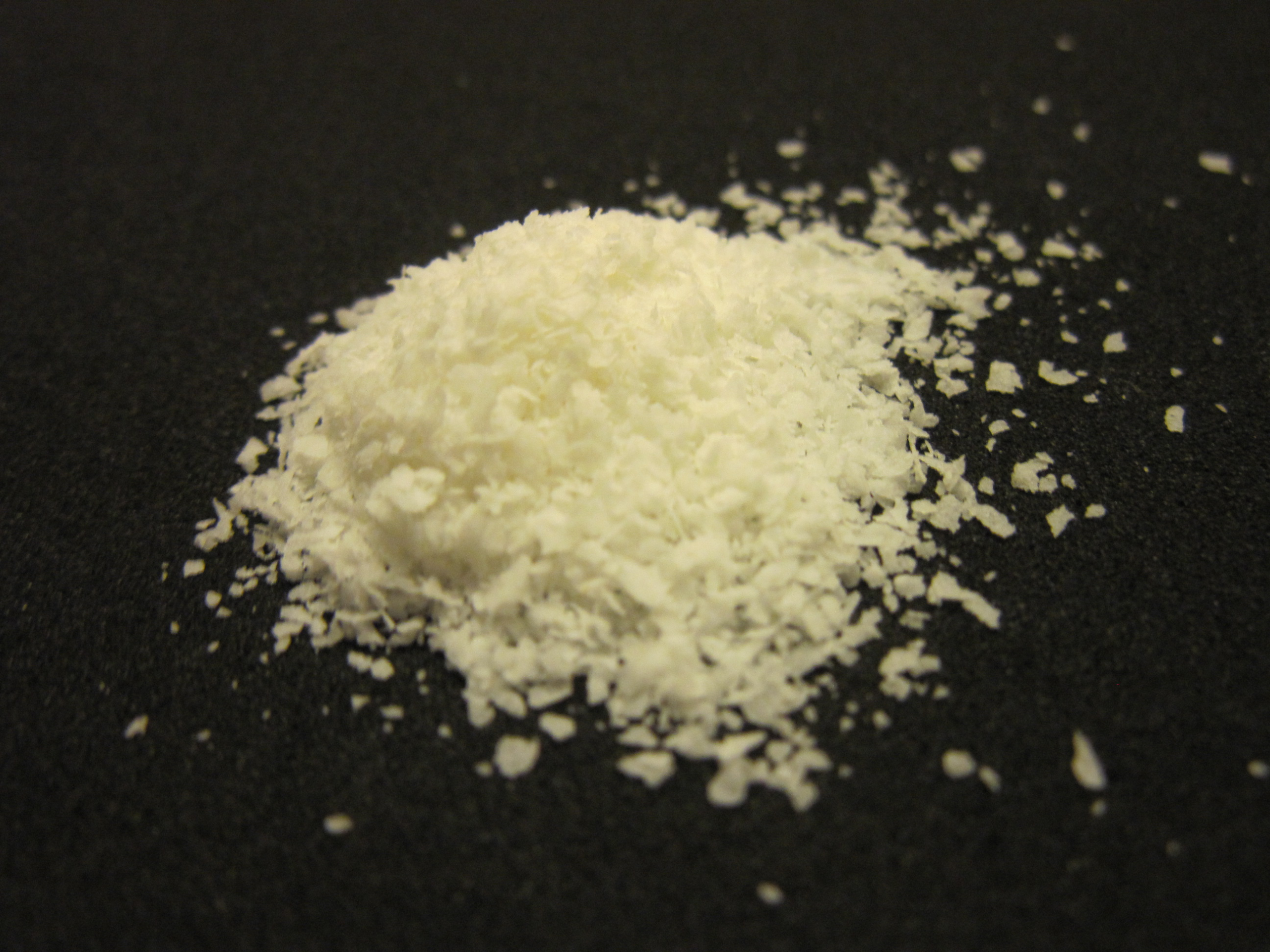
Wallpaper paste was starch-based, mixed on site from powder or in older practice boiled up from flour, and the consistency was judged by the decorator rather than measured.
Pre-mixed ready pastes, fungicide-treated powders and paste-the-wall papers with non-woven backings. Starch paste is food for mould, which is why old papered walls in damp rooms grow dark patches behind the paper, and why fungicide became standard in the formulation.
14. A Great Deal of the Design Work Was Copying
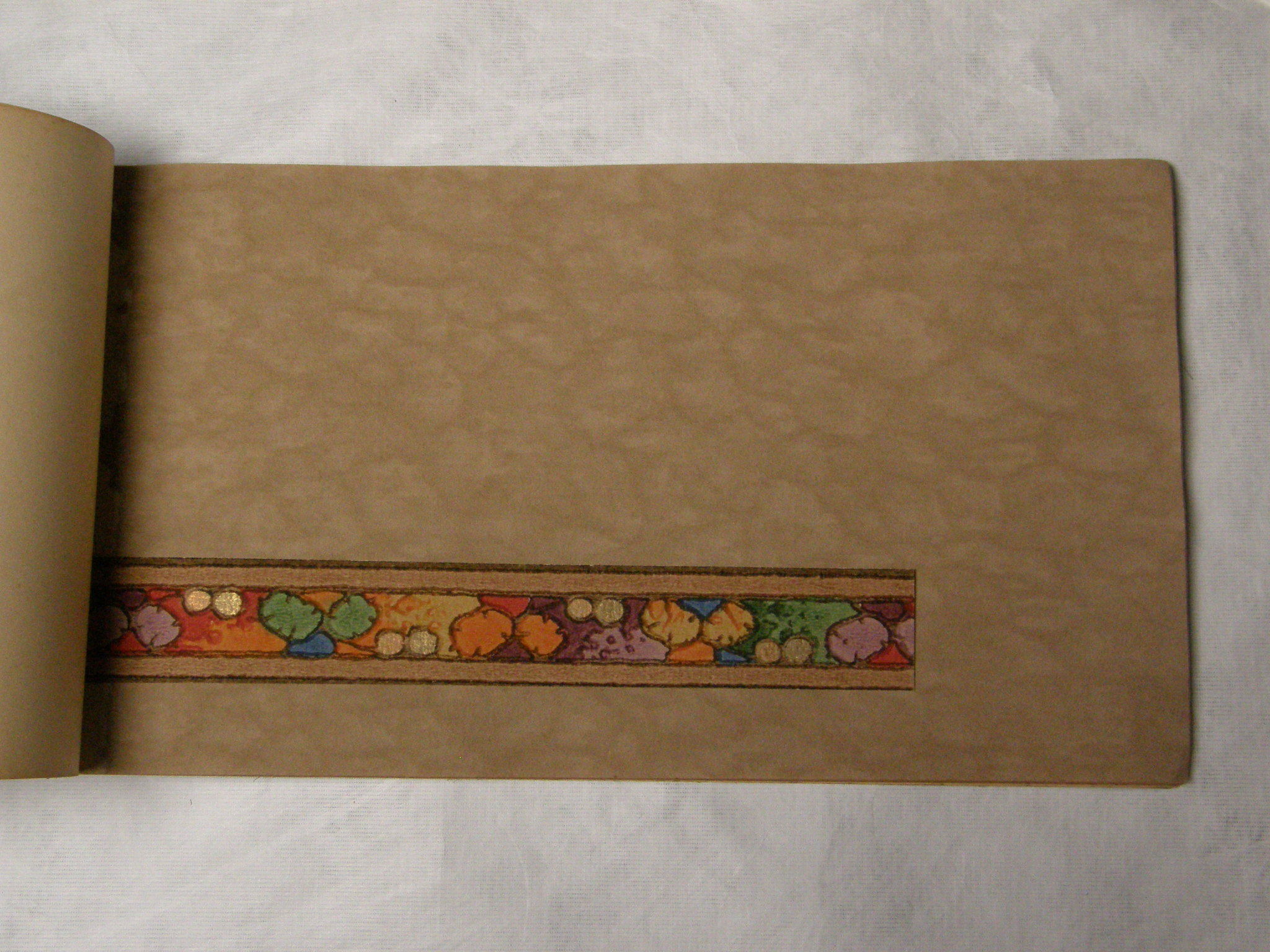
Pattern books circulated and successful designs were adapted, re-coloured and re-scaled by competitors quickly, with the protection on a wallpaper design weak and expensive to enforce.
Design registration and copyright are taken far more seriously, with archives actively licensed. The documentary record is one consequence: a successful mid-century pattern frequently exists in half a dozen near-identical versions from different makers, which makes dating a scrap of paper found under later layers genuinely difficult.
15. Nobody Expected Paint to Take the Market
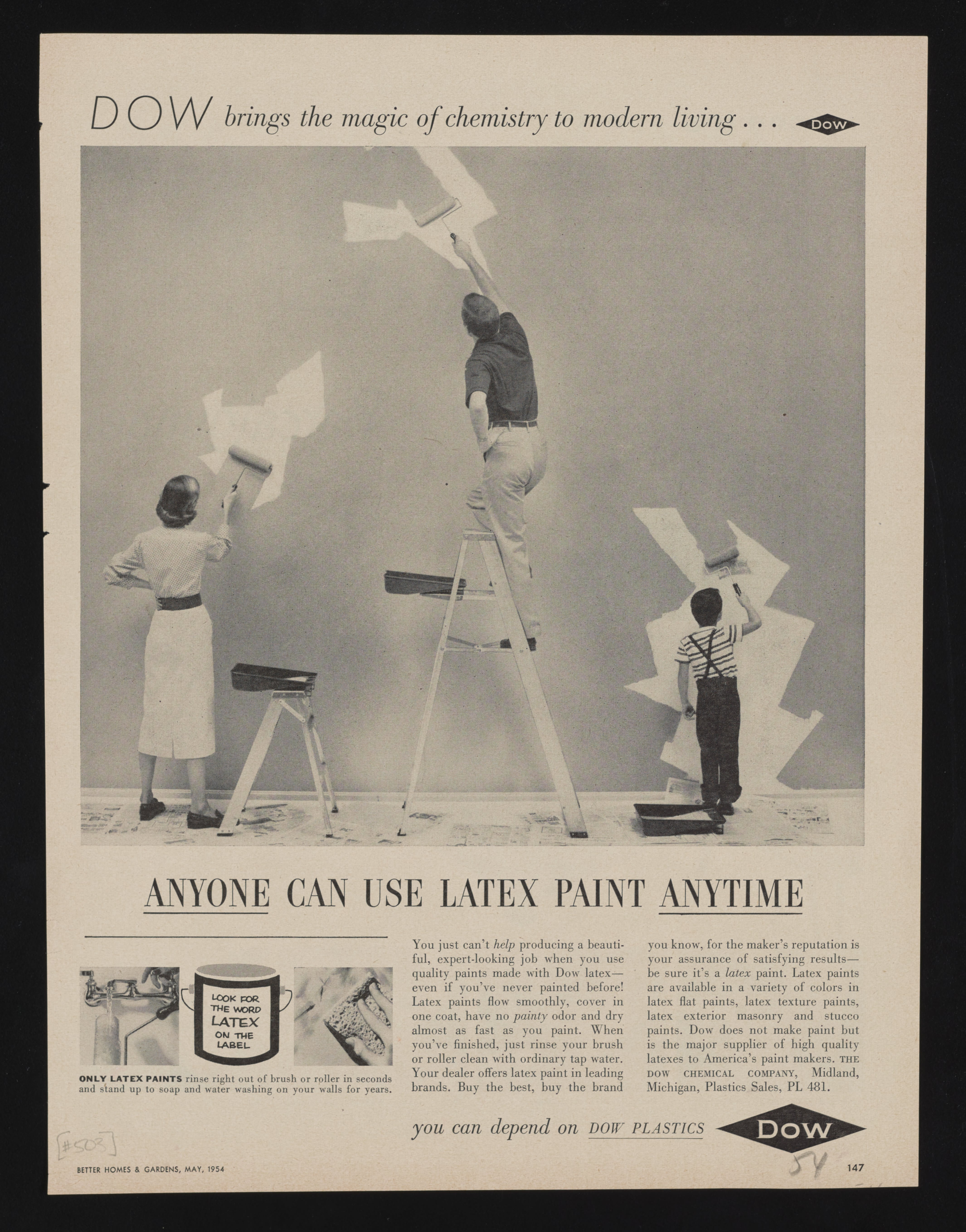
In 1960 papering was the default way to finish a domestic wall, and the trade assumed the market would keep growing as housing did.
Emulsion paint took the volume comprehensively. Roller-applied emulsion was faster, cheaper, needed no matching, no trimming, no paste and no skill, and could be changed in an afternoon – and wallpaper became a deliberate decorative choice rather than the normal way to finish a room.
16. The Patterns Are Being Reprinted From the Original Rollers
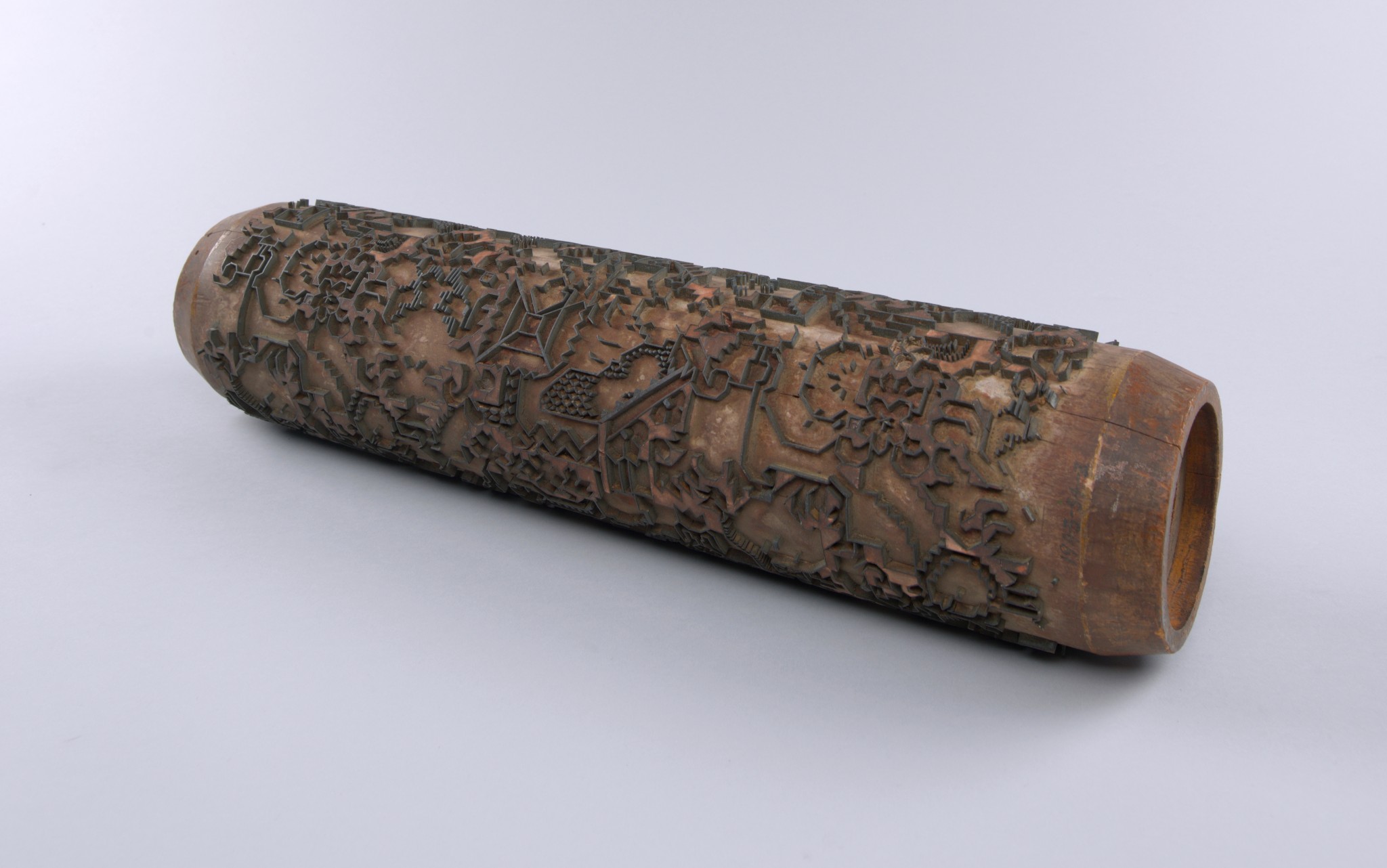
Factories kept their engraved rollers in storage, sometimes thousands of them, representing decades of designs as physical objects with no other record.
Those archives turned out to be commercially valuable. Surviving manufacturers reprint historic patterns from original rollers or from scans of them, and the archive is in several cases worth more than the plant – which means the carved cylinders that were simply the cost of doing business in 1960 are now the asset.
The Rollers Nobody Valued Turned Out to Be the Only Record
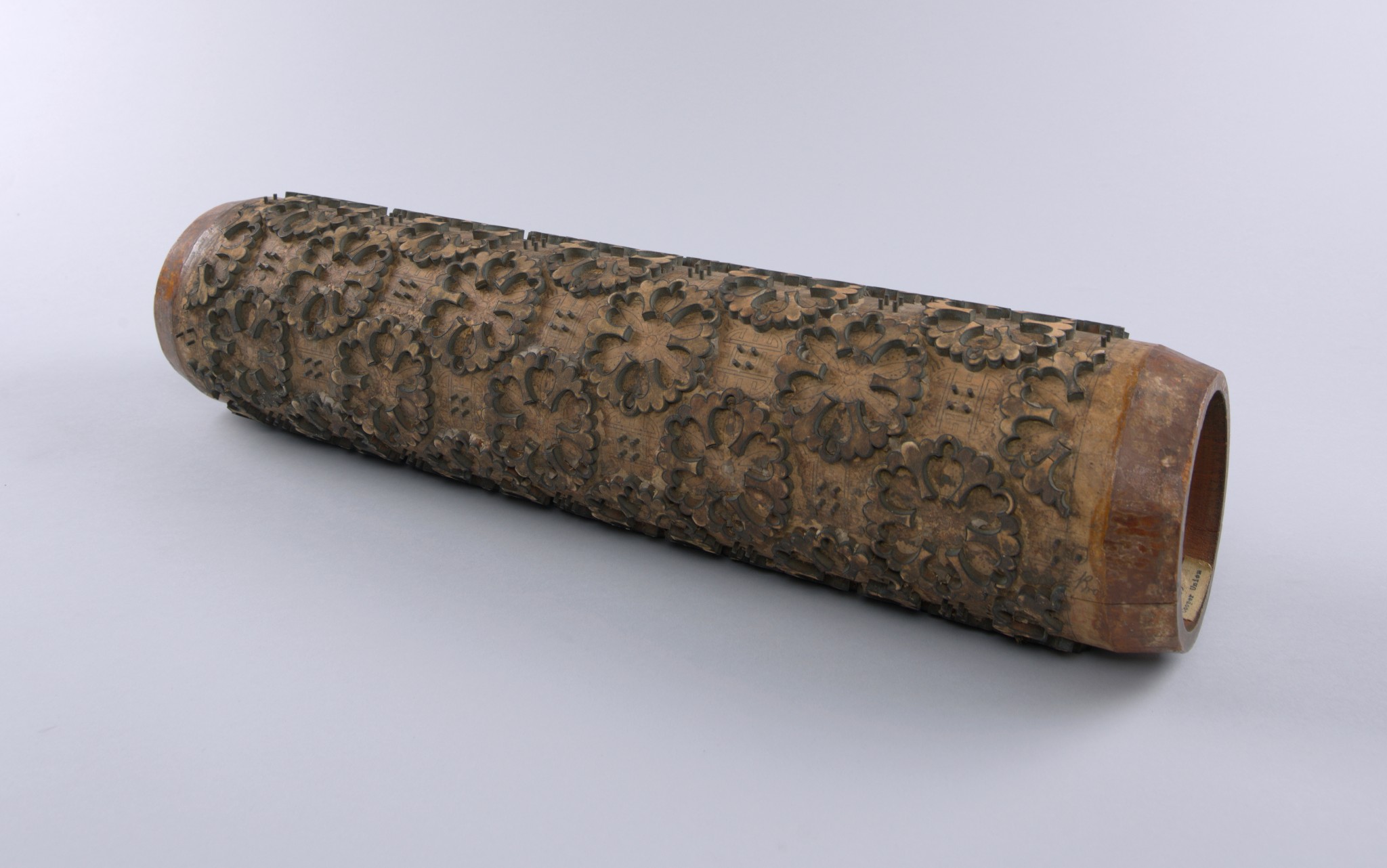
When these factories closed, the engraved printing rollers were a disposal problem. They were heavy, they were made of wood and metal, they took up enormous amounts of space, and they were useless for anything except printing the one pattern carved into them. A works might have thousands. Several were scrapped outright.
What nobody had quite registered is that those rollers were the only existing record of the designs.
Wallpaper is a consumable. It gets hung, painted over, stripped off and thrown away, and almost nobody keeps a sample. The design drawings were working documents and were discarded as a matter of routine. Pattern books went to the tip when a range was withdrawn. So for a very large number of twentieth-century patterns, the carved cylinder in the storeroom was the whole archive – the design existed as a physical object and nowhere else.
The companies that kept theirs have found that the archive is now a substantial part of the business. Historic patterns are reprinted from the original rollers or from high-resolution scans of them, licensed for interiors work, and used by conservation projects trying to restore a room to a specific decade. In more than one case the archive has outlasted the factory and is worth more than the plant ever was.
It is a recurring pattern in this series, and it is worth stating plainly: the thing that turns out to be valuable is almost never the product. It is the tooling, the records, the knowledge of how it was done – the stuff that looked like overhead at the time.
Nobody keeps the wallpaper. Somebody, luckily, kept the rollers.
If you have ever stripped a wall and found four layers of paper underneath, the bottom one is probably from a factory that no longer exists.
And its pattern may well be back in production.
Like our content? Follow us for more.