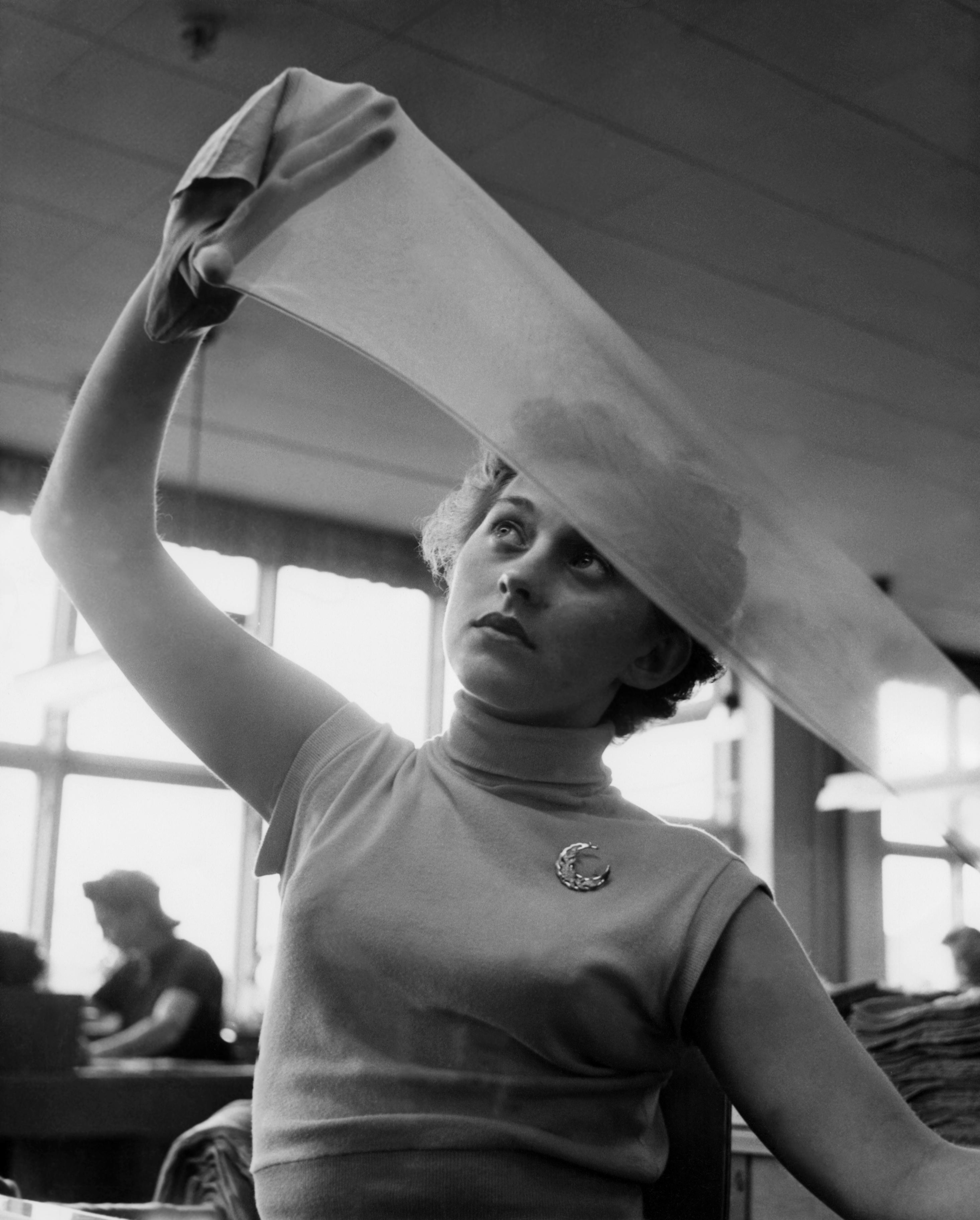
In 1960 a good stocking was knitted flat, shaped by adding and dropping stitches, then folded and seamed up the back by hand – and that seam was the selling point.
The top was knitted double so a suspender clip could grip it. A second hidden welt existed so the top would not show. The heel was a three-dimensional pocket knitted into a flat machine. And when it laddered, you took it to be mended.
Here are seventeen things that were normal in a stocking factory in 1960, and what became of each one.
1. The Stockings Were Knitted Flat and Then Sewn Up the Back
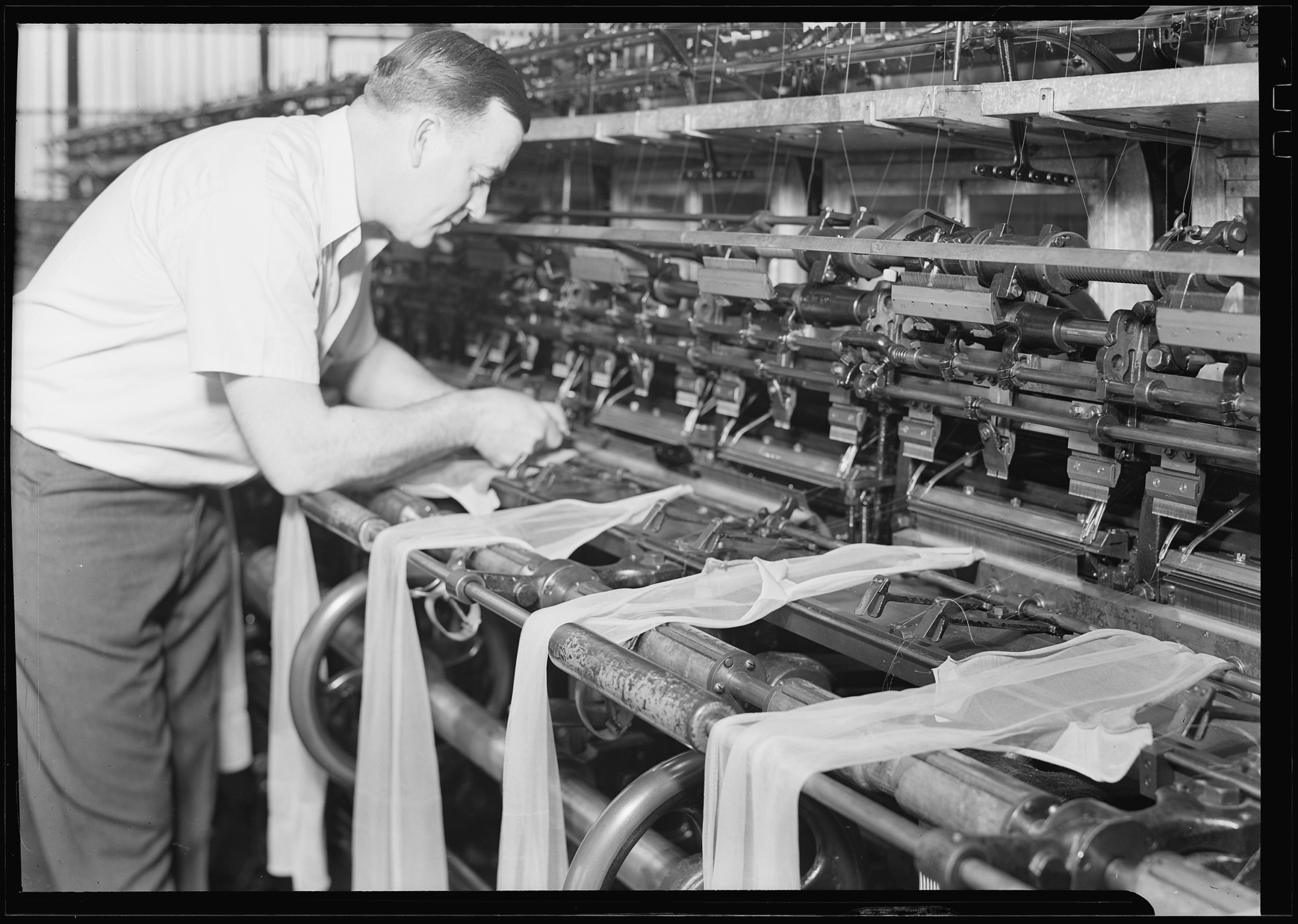
A fully-fashioned stocking was not knitted as a tube. It was knitted as a flat piece, shaped by adding and dropping stitches so that it narrowed at the ankle and widened at the calf, then folded and seamed up the back by hand on a seaming machine.
Circular knitting produces a seamless tube and the shaping is done by varying stitch tension instead. Flat knitting with fashioned shaping gave a stocking that actually fitted the shape of a leg rather than stretching to approximate it, which is why people who wore both still argue the old ones fitted better.
Like our content? Follow us for more.
2. The Seam Up the Back Was the Selling Point, Not a Compromise
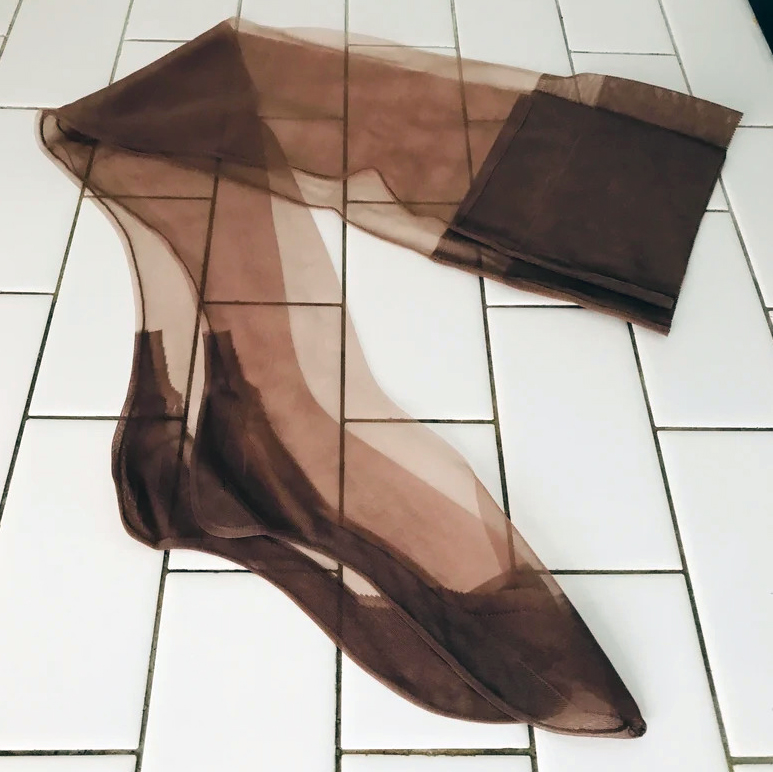
Because fully-fashioned stockings had to be seamed, the seam became the visible mark of the better product, and wearers took trouble to get it straight – checking it in shop windows and asking friends to look.
Seamless stockings and then tights removed it entirely, after which the seam came back repeatedly as a deliberate fashion feature printed or knitted in. The reversal is complete: a line that existed because the manufacturing method demanded it is now added back on purpose to products that do not need it.
3. The Knitter Was a Skilled Trade and Almost Always a Man
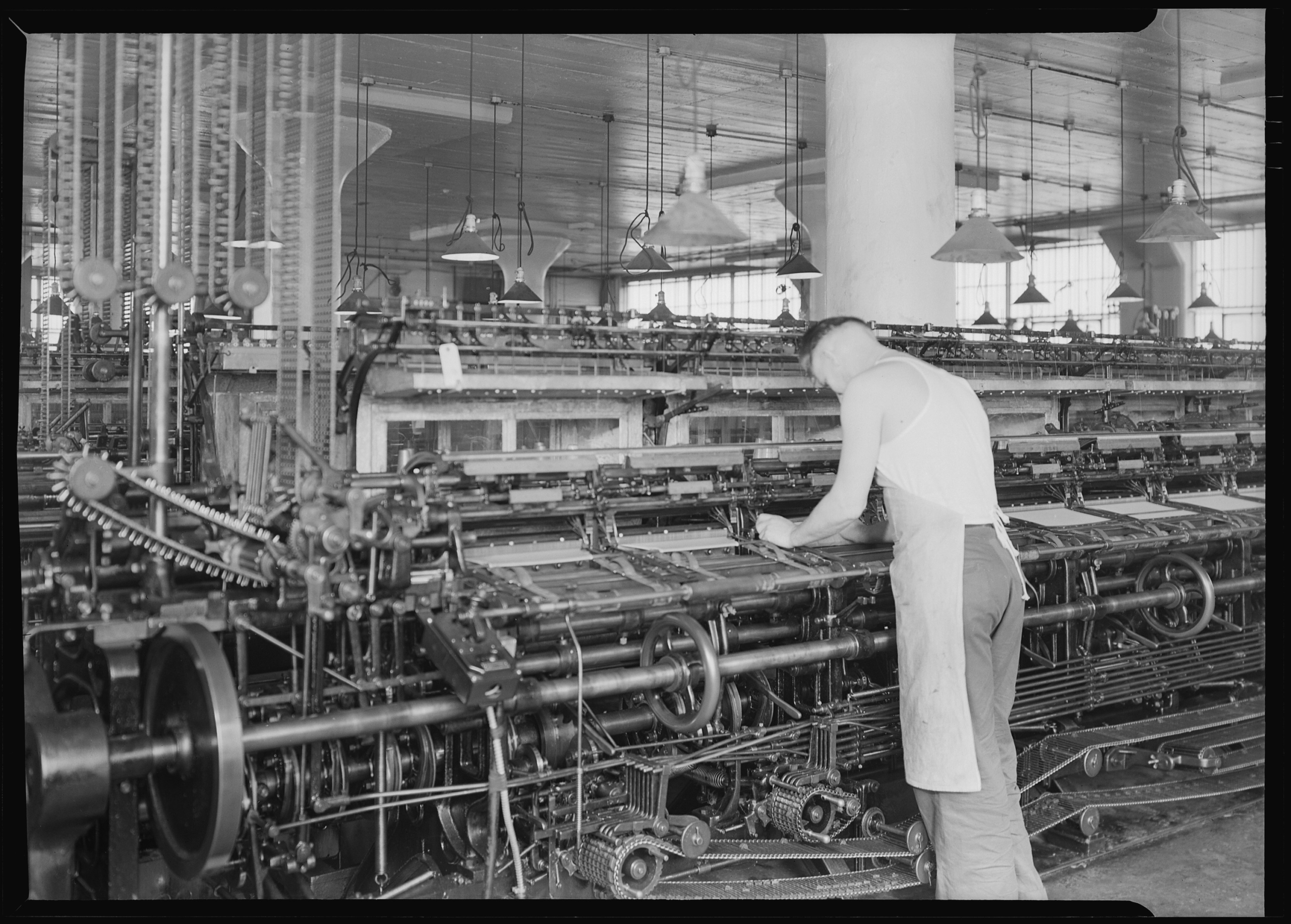
Running a fully-fashioned knitting machine was a craft job: the knitter set it up, kept the hundreds of needles in order, judged the fabric as it came off and was responsible for the shaping, and the role carried status and a male apprenticeship.
Automated machines monitored electronically, with setup by technicians and far fewer of them. The gendered split in these factories was stark and deliberate: the machines were run by men on skilled rates and the hand finishing, examining and mending was done by women on lower rates, with almost no movement between the two.
4. Gauge and Denier Were Two Different Things and Both Were on the Box
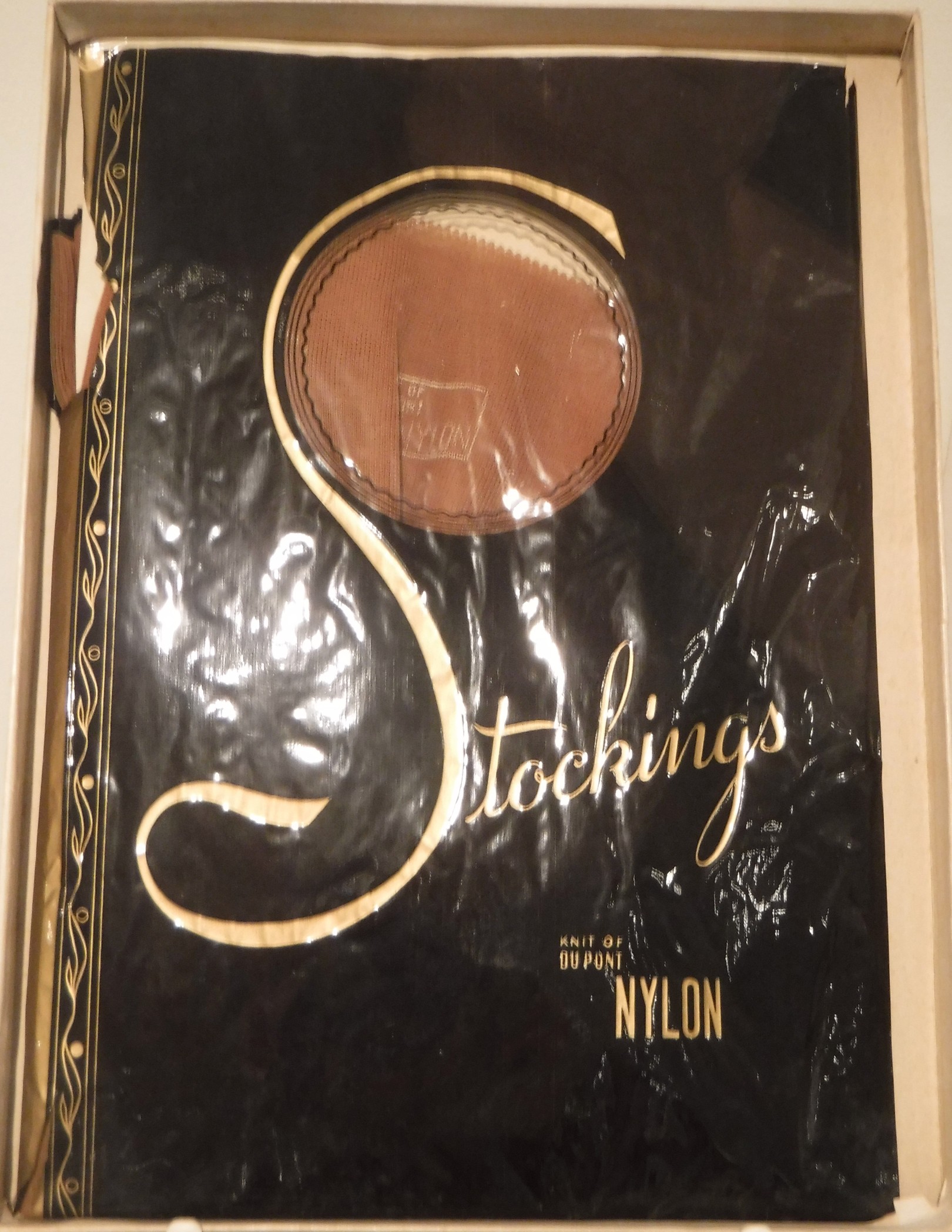
Gauge referred to the fineness of the knitting – how many needles per unit width the machine had – while denier referred to the thickness of the yarn itself, and a stocking was described by both.
Denier survives as the common measure and gauge has largely dropped out of consumer use. The two were constantly confused then and are confused now: a high gauge means a fine, dense knit, a low denier means a fine, sheer yarn, and the combination that people remembered as the best was a high gauge with a low denier.
5. The Top Was Knitted Double So It Could Take a Suspender Clip
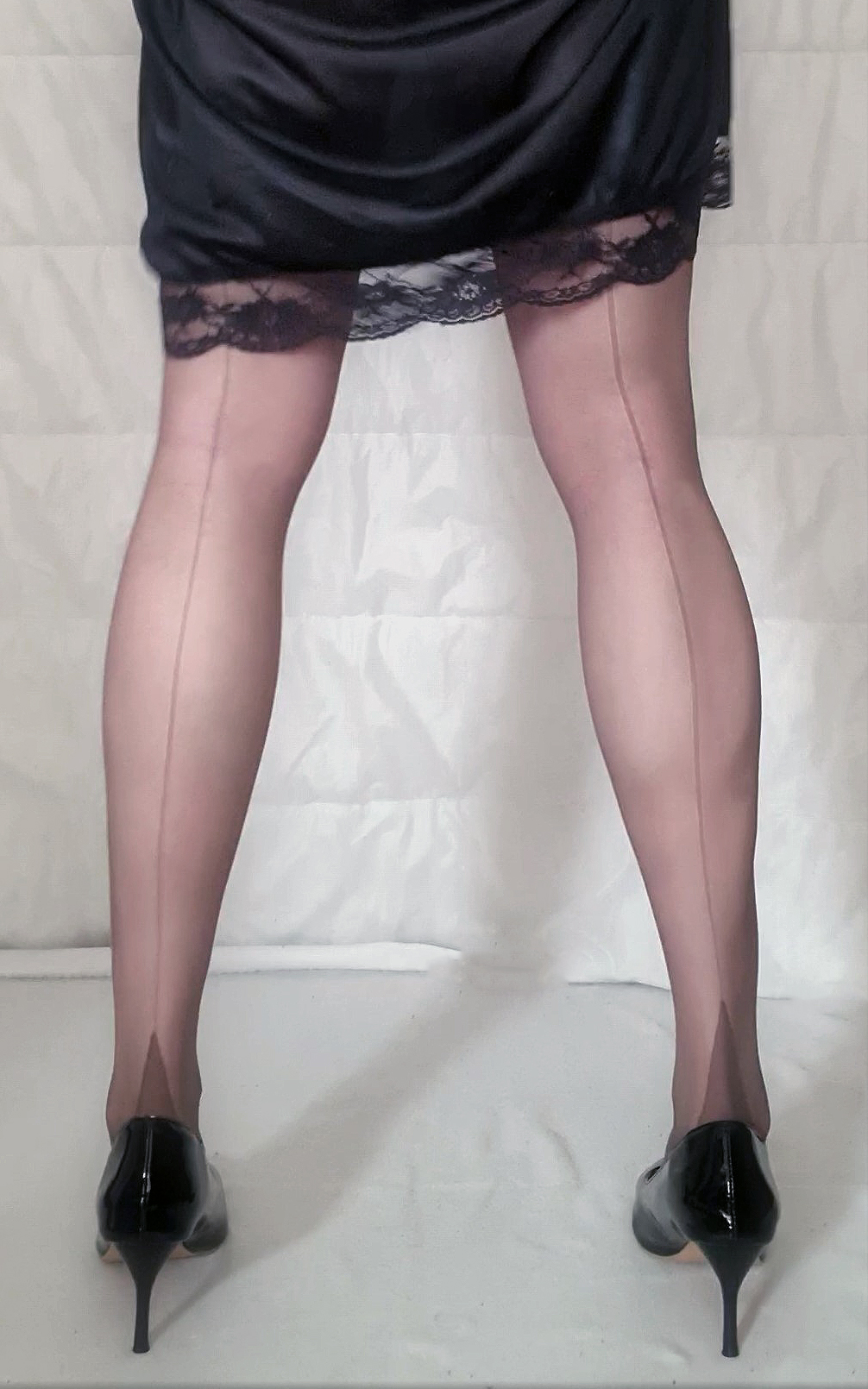
The welt at the top of a stocking was knitted as a double thickness, because that is where a suspender clip gripped and a single layer would have been pulled through within a day.
Self-supporting tops with elastic or silicone bands, and tights with a knitted brief. The welt is the part of the old construction that has no modern equivalent at all, because it existed solely to be clamped by a metal and rubber fitting attached to a separate garment.
6. There Was a Second, Hidden Welt So the Top Would Not Show
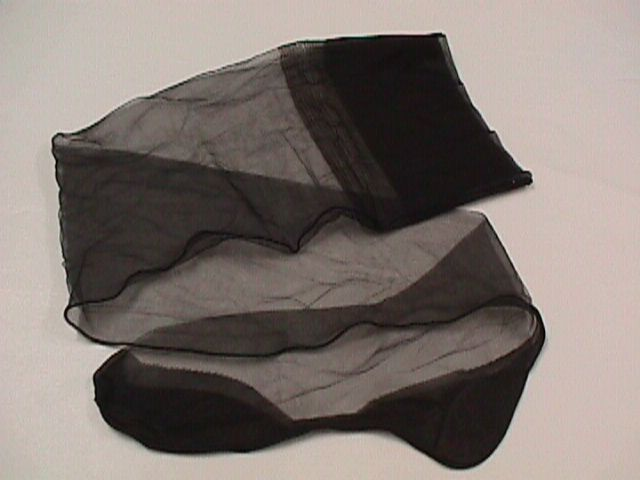
Above the main welt many stockings had a shadow welt – a band of slightly denser knitting – designed so that if a hem rode up, what showed was an unobtrusive shaded band rather than an obvious reinforced edge.
Gone with the garment. It is a good example of how much design attention went into a detail whose entire purpose was to manage an embarrassment, and of how specific the social rules were that made it worth engineering.
7. The Heel Was Shaped Into the Knitting Rather Than Sewn On
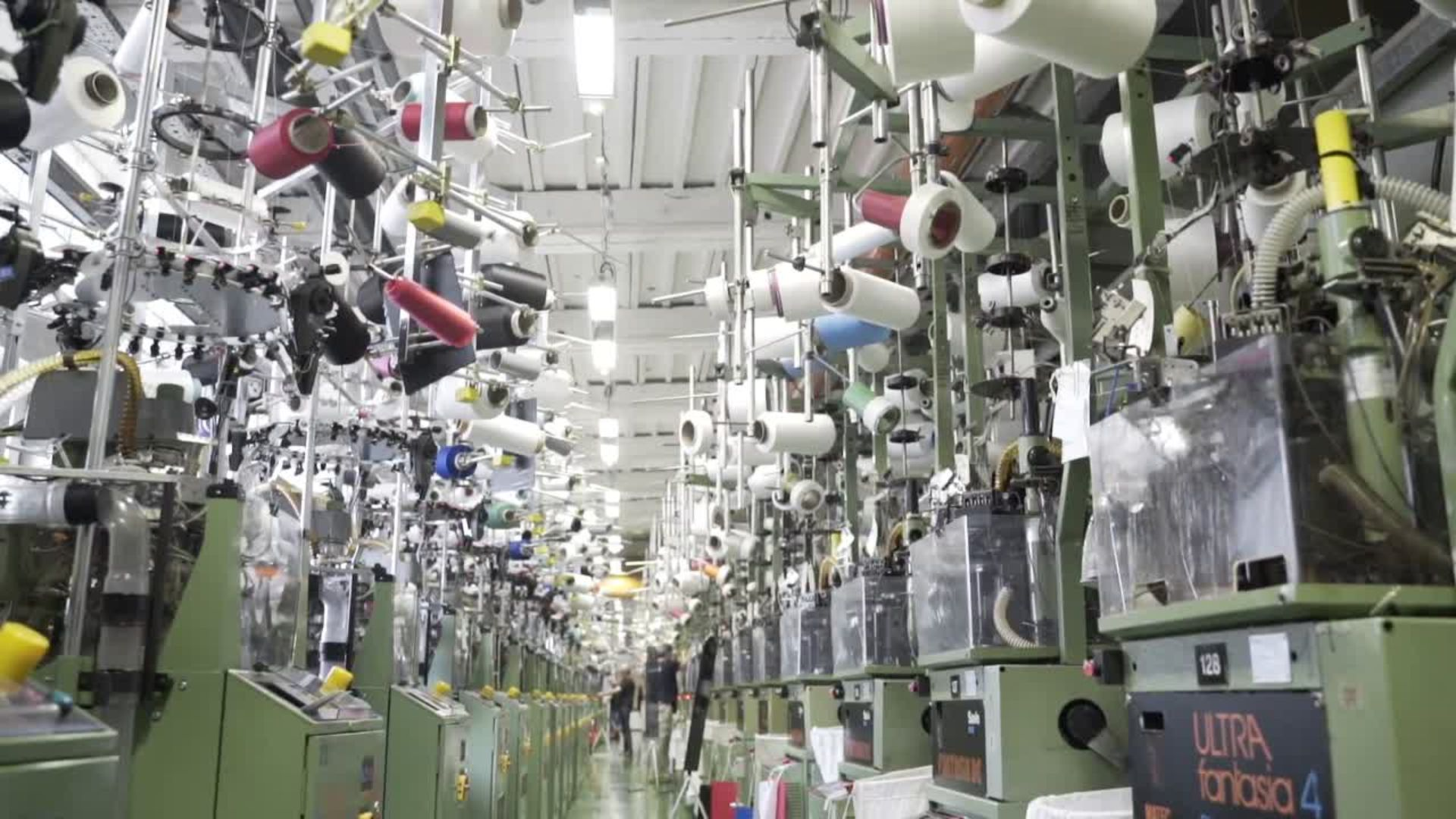
A fully-fashioned stocking had a heel pocket knitted in, formed by working back and forth over a reducing number of needles to build a three-dimensional cup, which is the same technique used in hand knitting a sock.
Circular machines form heels automatically, and tights are shaped by stretch rather than by knitted geometry. The knitted heel is the part of the old product that was genuinely difficult to make and is the reason the machines were so complicated: a flat machine producing a shaped three-dimensional pocket is doing something a tube cannot.
8. One Broken Filament Became a Ladder in Seconds
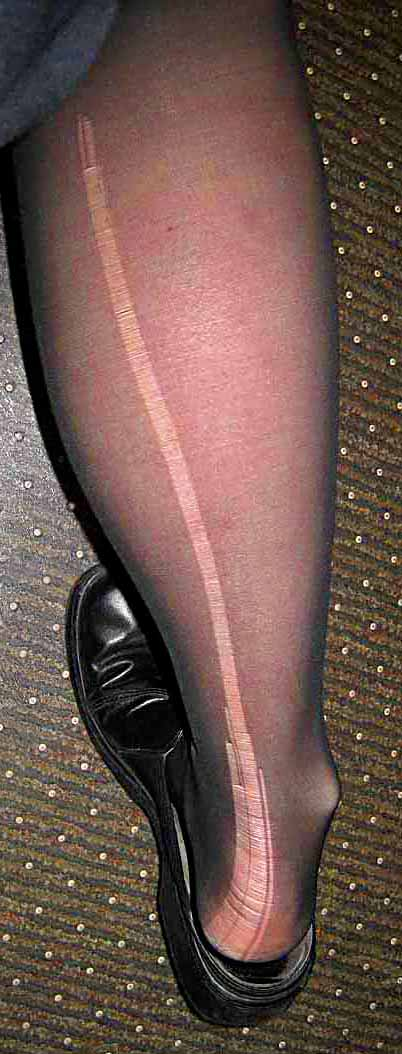
Because the fabric is a single continuous loop structure, a filament breaking under tension releases the loops either side of it and the failure runs vertically, instantly, in both directions – a ladder.
Still inherent to knitted hosiery, with ladder-resist constructions and mixed yarns reducing it rather than eliminating it. The fragility was not a quality problem but a structural property: a knitted fabric is one thread held in loops, and the strength of the whole garment is the strength of its weakest point of that thread.
9. Menders Repaired Ladders With a Hook, Stitch by Stitch
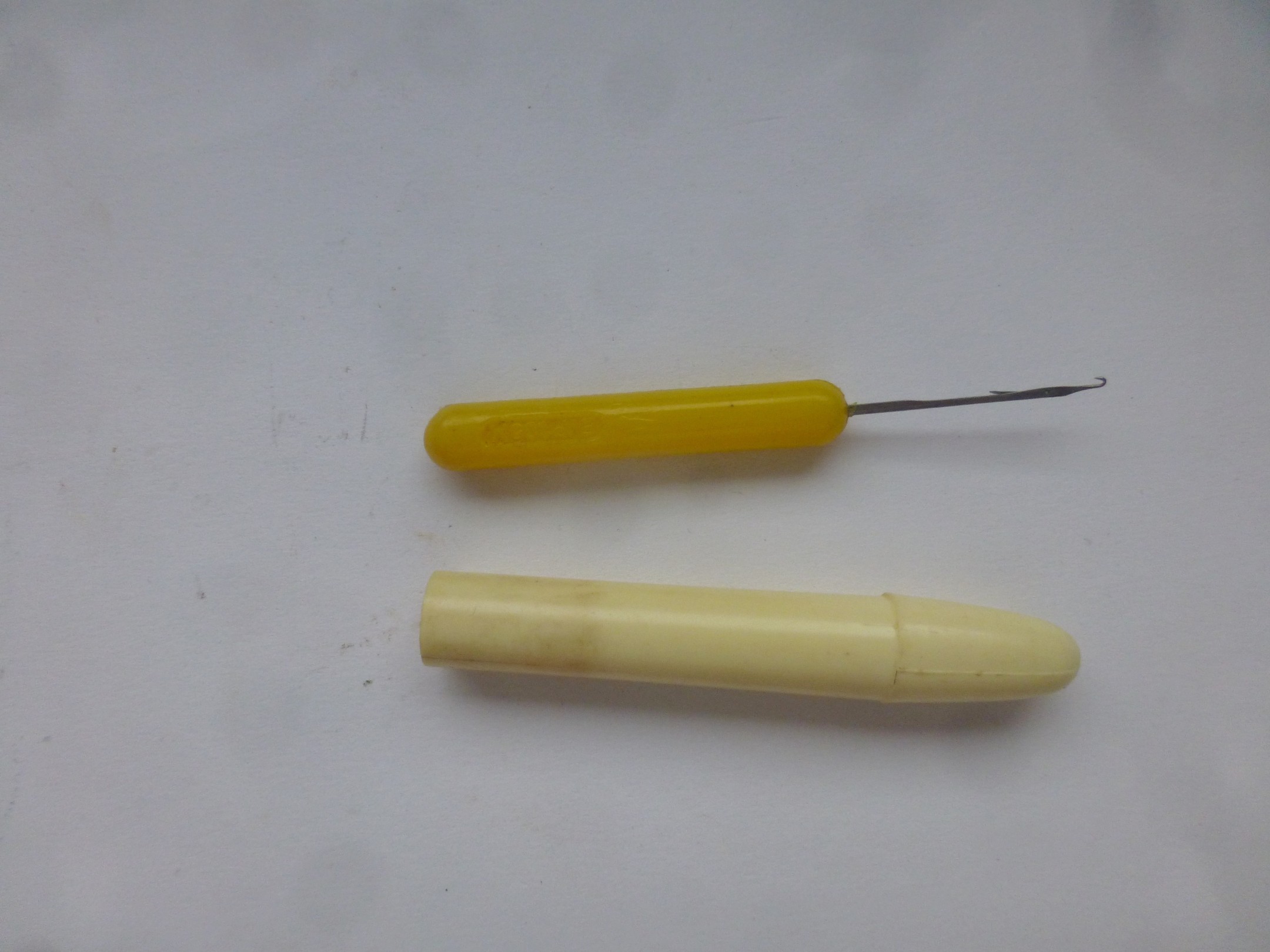
A laddered stocking was not thrown away. It went to a mender who picked up the released loops one at a time with a fine hook and rebuilt the fabric, and shops offered the service as a matter of course.
Disappeared entirely. It is the clearest cost signal in the whole piece: stockings were expensive enough relative to wages that paying somebody to rebuild a fabric loop by loop with a hook was an economically sensible thing for an ordinary household to do.
10. Every Single Stocking Was Inspected on a Glass Leg
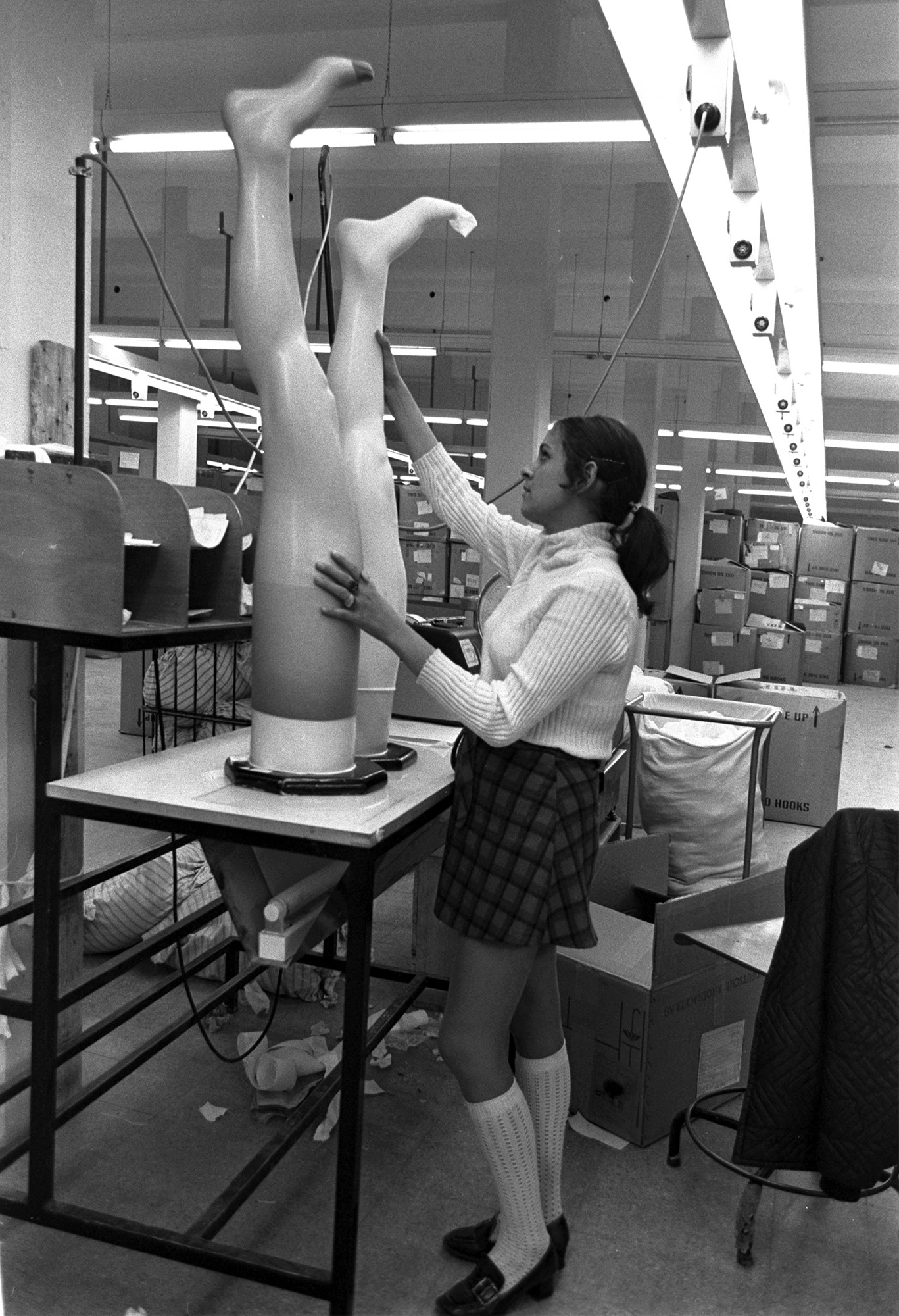
Finished stockings were pulled over leg-shaped forms of glass or polished metal, lit from behind or beside, and examined by eye for dropped stitches, runs, thick filaments, shade variation and seam alignment.
Automated optical inspection and sampling, with far less piece-by-piece human examination. The forms were made in standard leg shapes and the examiners worked at speed, finding faults that are close to invisible in flat fabric and obvious the moment the knit is stretched over a curve.
11. Boarding Set the Shape With Steam on Leg-Shaped Forms
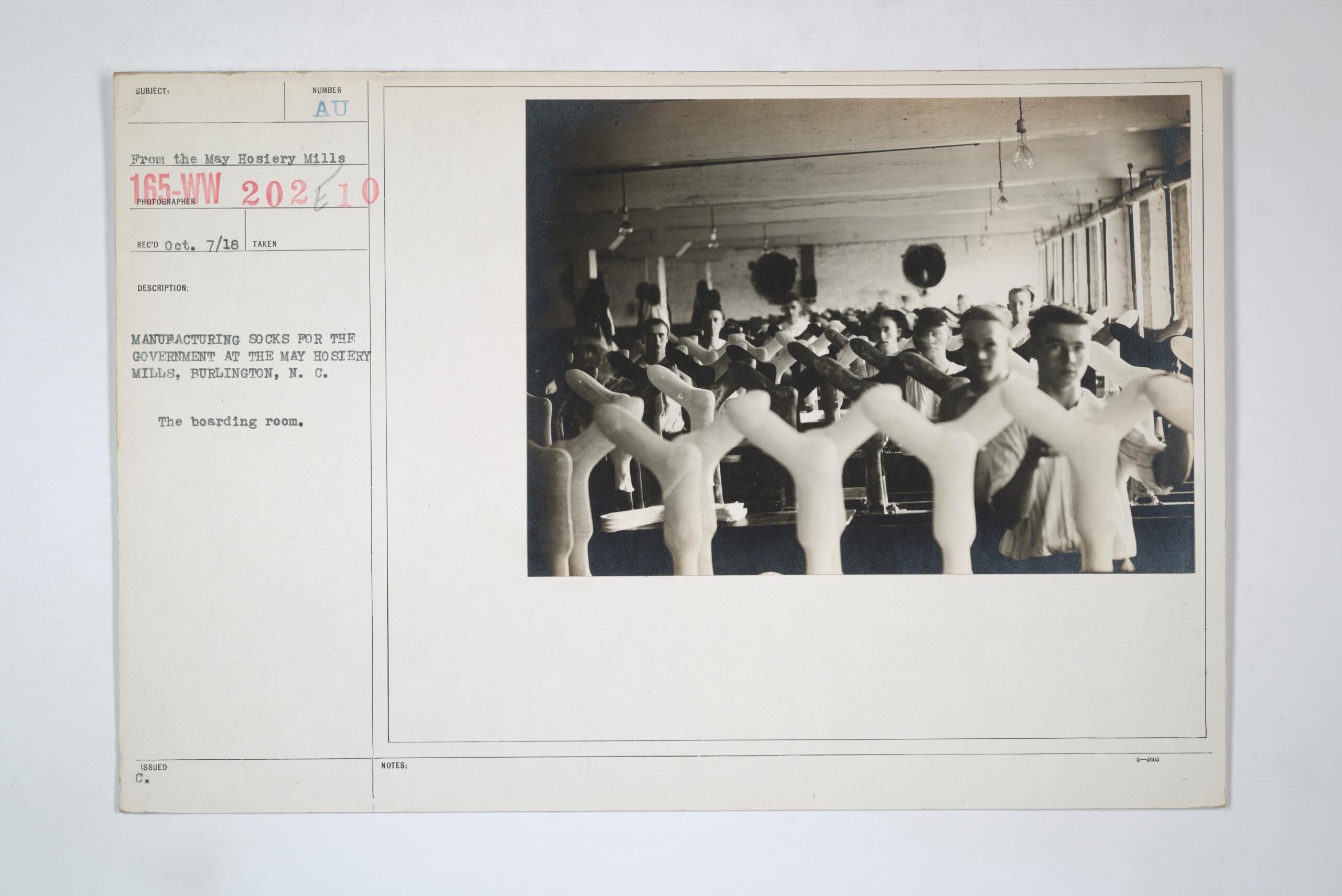
Stockings were pulled onto metal leg forms and steamed, which set the nylon permanently into the shape of a leg, after which they held that shape in the packet and on the wearer.
Still done for shaped hosiery, with controlled heat-setting. Nylon can be set thermally and will remember the shape it was set in, which is the property the whole industry was built on – and it is also why a stocking stored badly or washed too hot never looked right again.
12. Nylon Was Scarce Enough to Be Used as Currency
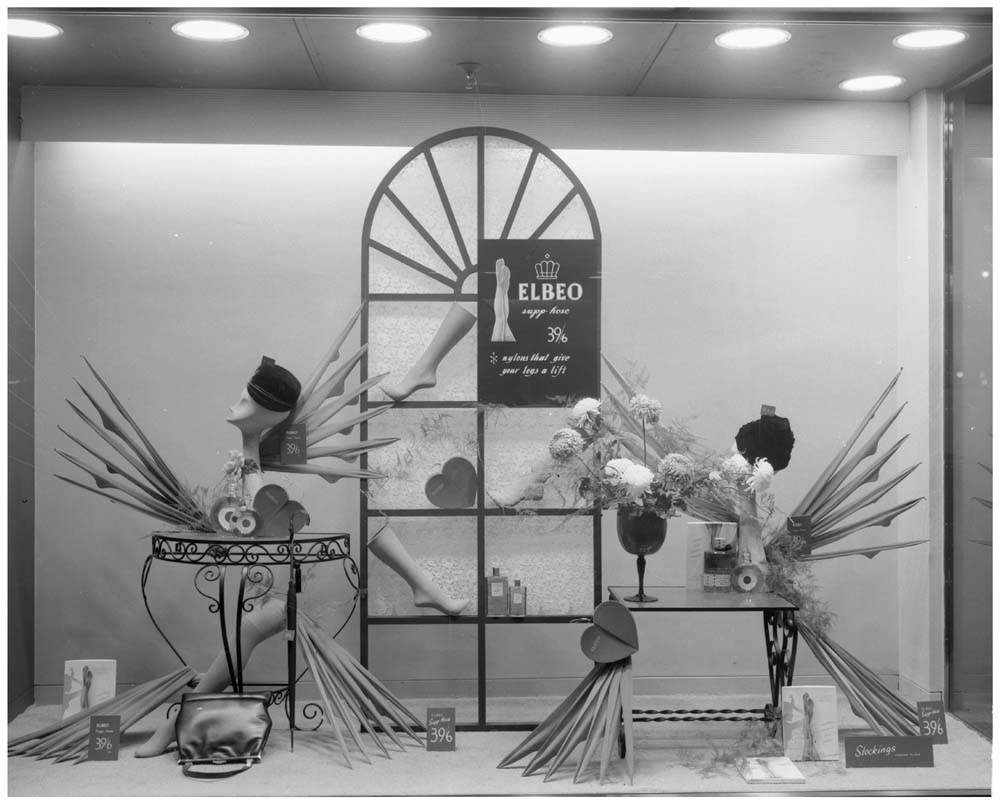
In the years after nylon’s introduction and through wartime and postwar restriction, stockings were in such short supply relative to demand that they functioned as a trading good and a form of informal payment.
Hosiery is now among the cheapest clothing items made. The shift is one of the largest in relative price of any consumer good discussed in this series: an item that was hoarded, bartered, mended loop by loop and given as a serious gift is now sold in multipacks and thrown away laddered.
13. Sizes Were by Foot Length, Which Almost Nobody Knew
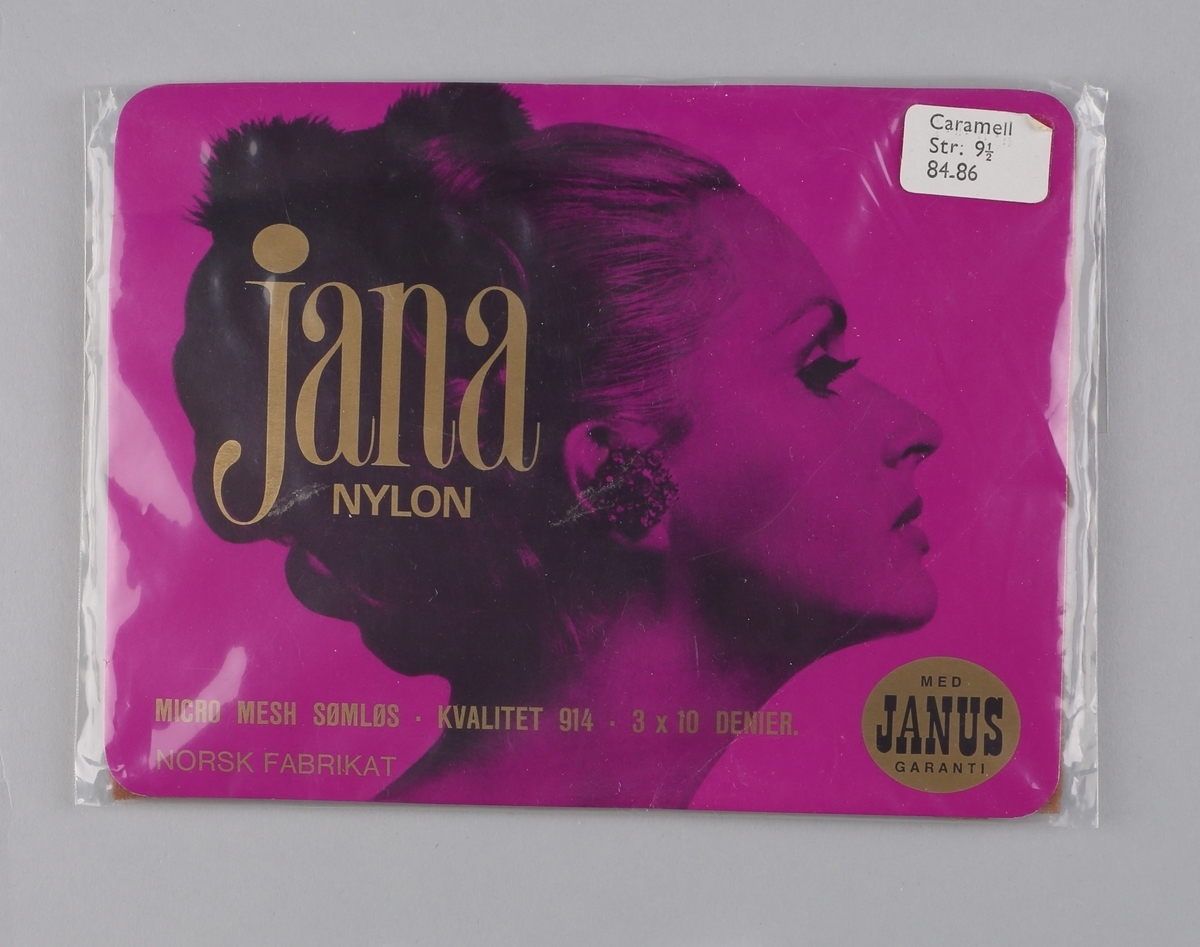
Fully-fashioned stockings were sold by foot size and leg length, because a shaped stocking has to match the leg it is going on, which meant buying them required knowing measurements most people did not have.
Stretch fabrics and tights reduced sizing to a few broad bands based on height and weight. The old system fitted better and was far more trouble, and the trade-off it illustrates – precise fit against easy buying – was settled decisively in favour of easy buying.
14. Then Seamless Knitting Arrived and the Seam Became a Flaw
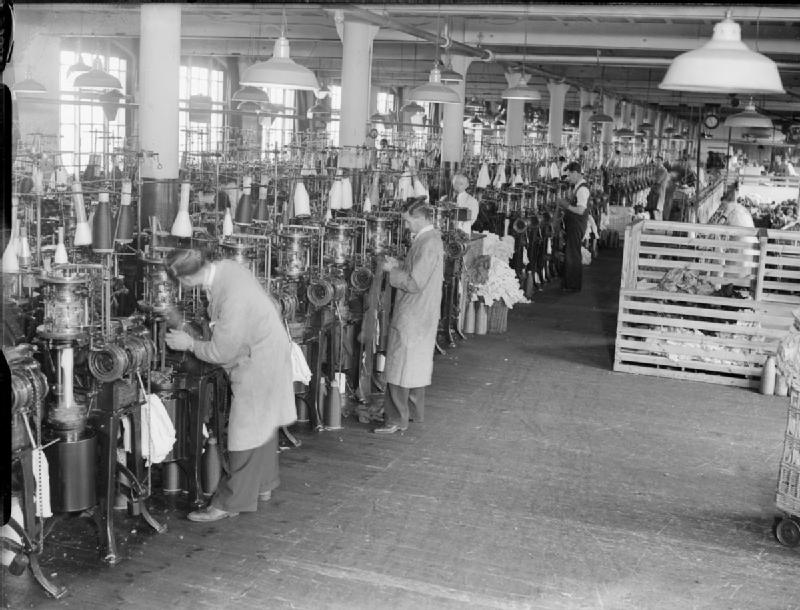
Circular knitting machines producing a seamless tube were cheaper to run, needed no seaming operation and no skilled knitter, and within a few years the seam went from a mark of quality to a mark of the old-fashioned.
Universal. The speed of the reversal is the striking part: the entire cultural meaning of the back seam inverted inside about five years, driven by nothing but a change in which machine was cheaper to operate.
15. The Machines Cost More Than the Factory Building
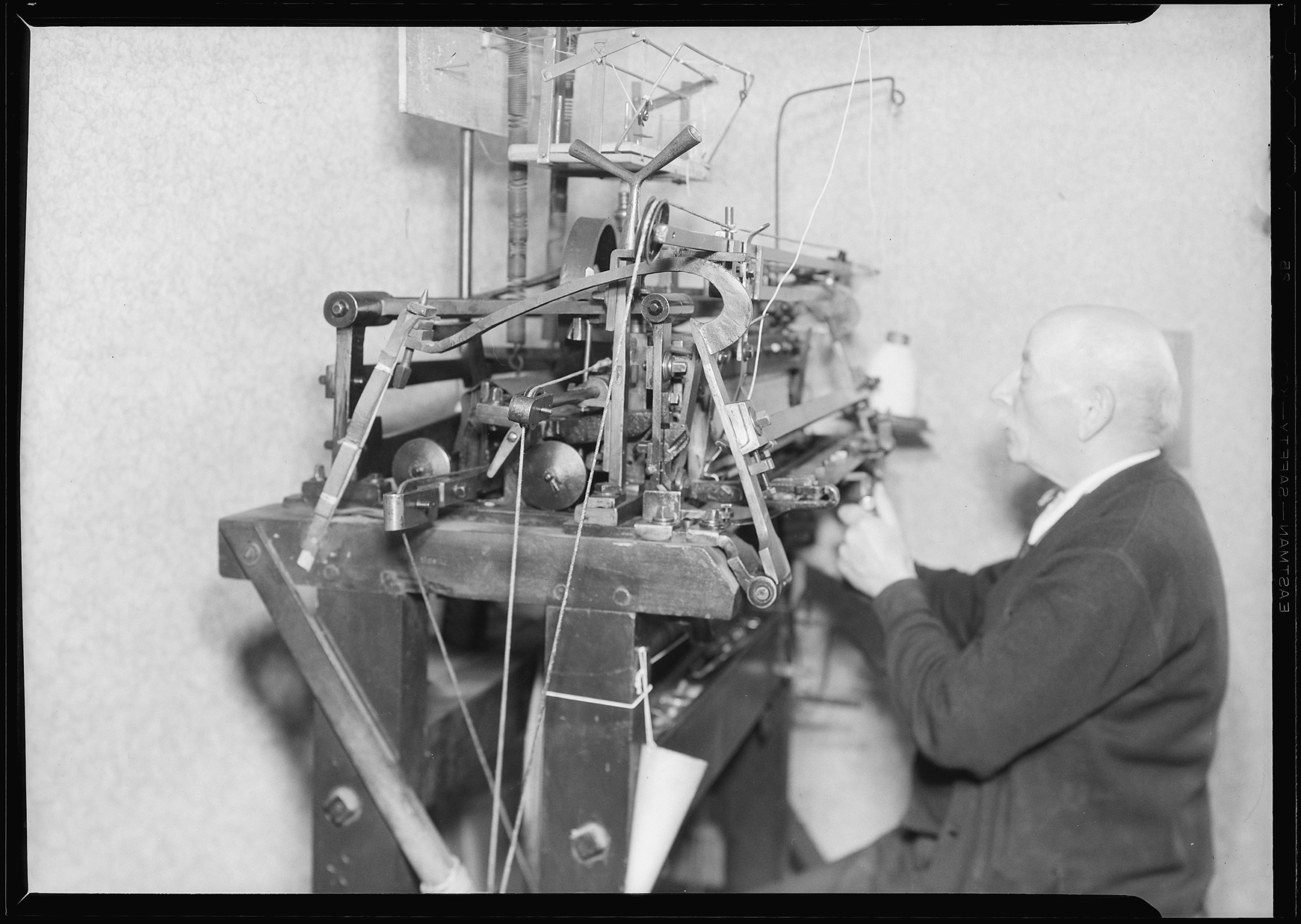
A fully-fashioned knitting machine was a large, complex and extremely expensive piece of equipment, and a factory’s capital was overwhelmingly in its machines rather than in its premises.
Modern knitting machinery is still the dominant capital cost in hosiery. It is also why the collapse was so complete when it came: a factory whose value is in single-purpose machines for a product nobody wants has no assets to redeploy, only scrap.
16. Then Tights Arrived and the Product Was Obsolete in Five Years
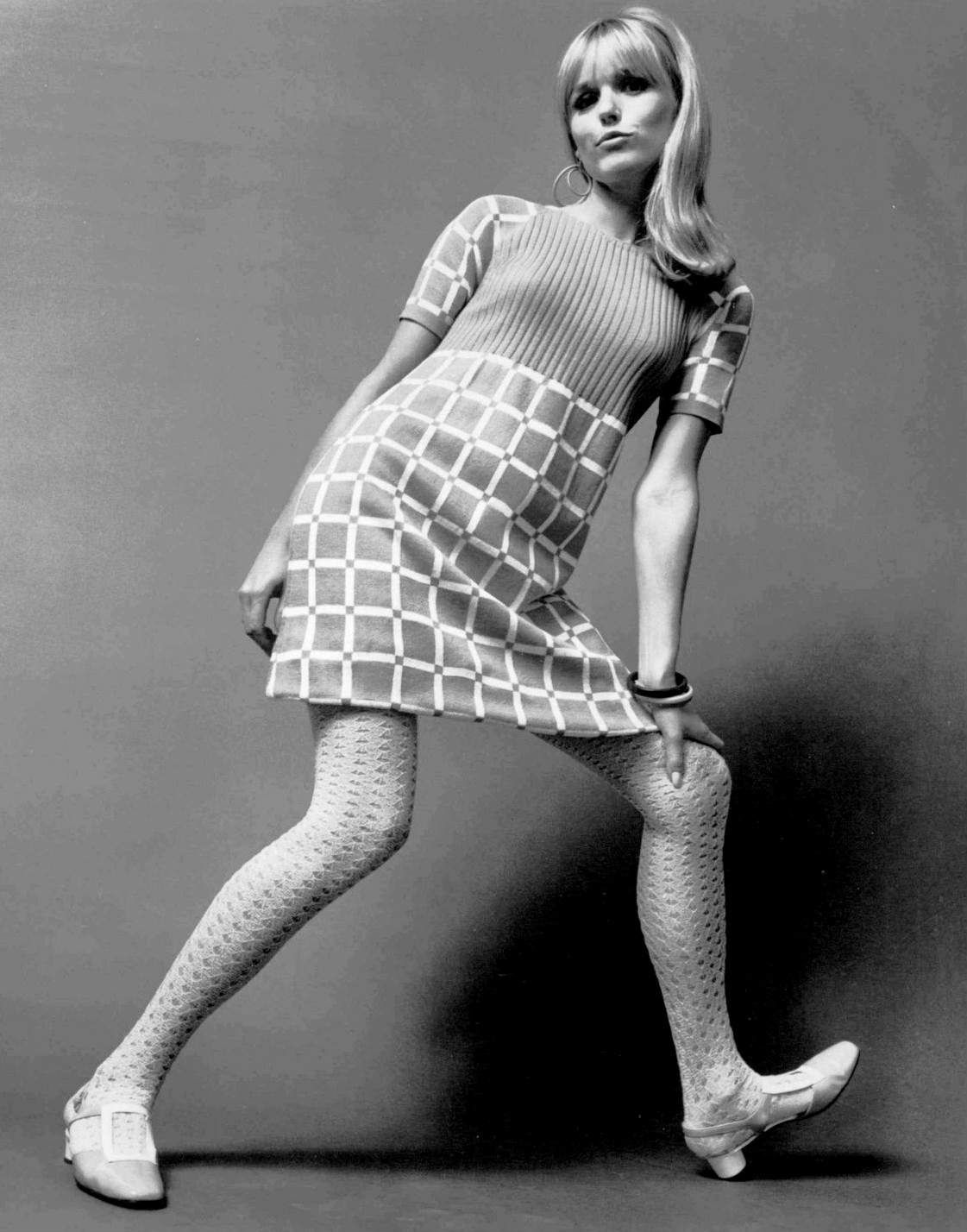
Tights – a single garment combining both legs and a brief – removed the suspender belt, the welt, the gap and the need to match a pair, and arrived alongside hemlines that made stocking tops impossible to wear.
Tights became the default almost immediately and stockings a specialist item. Two things happened at once and reinforced each other: the garment changed and the clothing worn over it changed, and either alone might have been survivable while both together were not.
17. The Skills Went and the Towns Went With Them
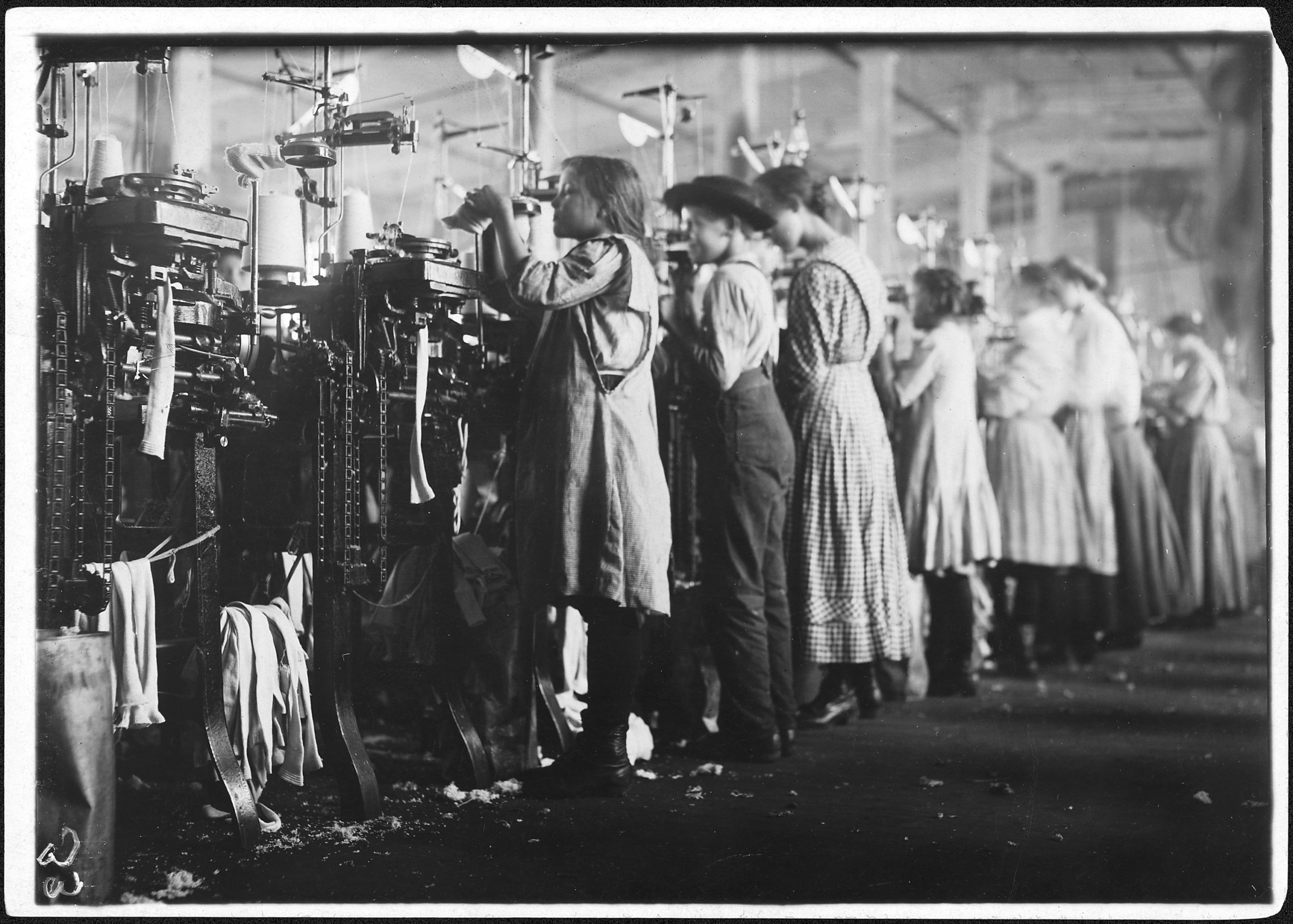
Hosiery manufacture concentrated in particular towns where the machines, the knitters, the seamers, the examiners and the menders all lived within walking distance of the works.
Production is now overwhelmingly overseas and highly automated. The mender, the legger, the boarder and the fully-fashioned knitter are all job titles that existed in large numbers within living memory and now exist essentially nowhere – not because the work got easier, but because the product they made stopped being made.
The Product Did Not Get Worse. The Clothes On Top of It Changed
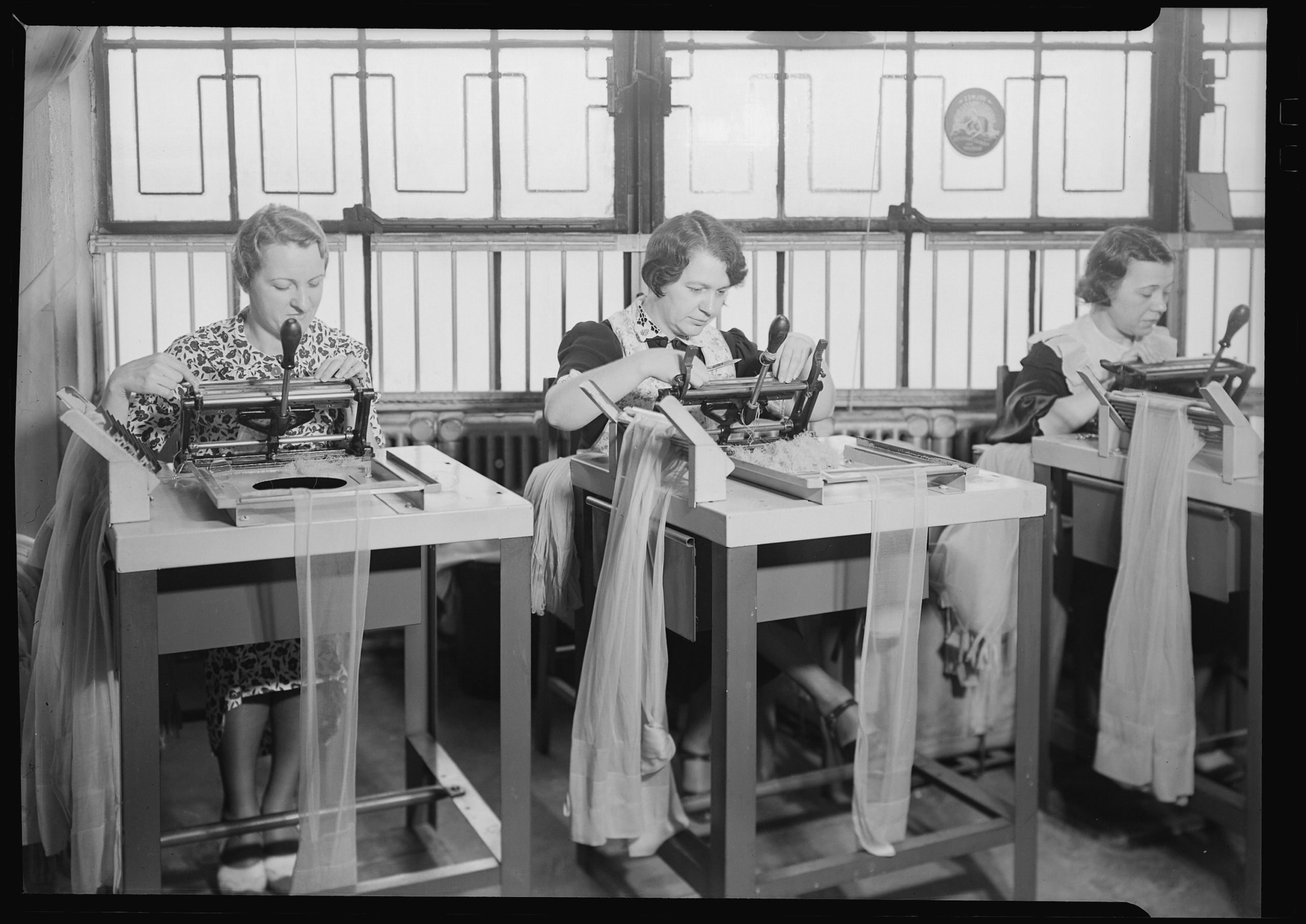
The destruction of this industry is usually explained as tights being better than stockings, and that is not really what happened.
Fully-fashioned stockings fitted better. They were shaped to an actual leg rather than stretched over one, sized by foot and leg length, heat-set on a leg form, with a knitted heel pocket and a reinforced top. People who wore both generally agree the old ones looked and felt better, and that is not only nostalgia – a garment knitted to shape will fit differently from one that relies on stretch.
What killed them was two changes arriving together.
The first was manufacturing. Circular knitting needed no seaming operation and no skilled knitter, which made seamless stockings cheaper to produce. That alone would have hurt, but a better-fitting premium product can usually survive a cheaper alternative.
The second was that hemlines rose. A stocking ends partway up the thigh and is held by a separate belt, which works perfectly well under a long skirt and does not work at all under a short one. The top shows, the suspender shows, and the gap shows. No amount of shadow welt engineering solves a hemline above the welt.
Tights answered that, and nothing else did. They were not a better stocking – they were a different garment that happened to be compatible with what people had started wearing.
So an entire skilled trade, with its knitters and seamers and boarders and menders, was ended by a change in skirt length. The factories were not outcompeted on quality or even really on price. They were making an excellent component for an outfit that had stopped existing.
If anybody in your family worked in hosiery, the job title was probably something like legger, boarder, seamer or mender – and all four are gone.
And somebody in your family once paid to have a ladder repaired by hand.
Like our content? Follow us for more.