In 1960 a gas meter counted the gas into a house by filling leather bags with it. Gas filled one chamber of known volume while the other emptied, the diaphragms tripped a flat slide valve to switch them over, and a brass dial train counted the cycles.
The diaphragms were sheepskin, dressed like fine glove leather and chosen flaw-free by eye. Every meter was calibrated against a measured volume of air from a bell floating in a water tank. And an official then stamped and sealed it, because the numbers on it were legally binding.
Here are fourteen things that were normal in a gas meter works in 1960, and what became of each one.
1. The Meter Measured Gas by Filling and Emptying Leather Bags
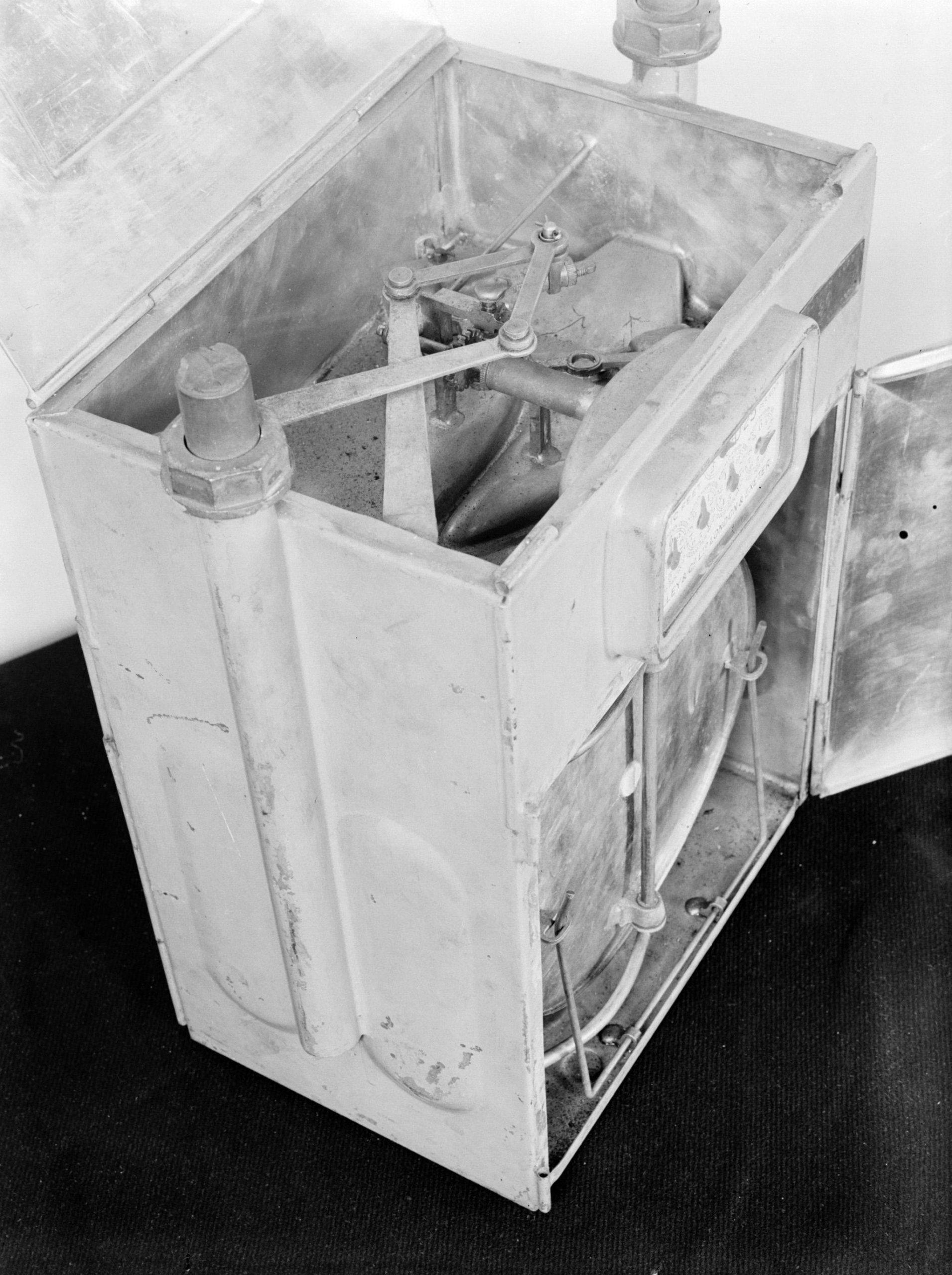
A domestic gas meter worked by positive displacement: gas filled a chamber of known volume, and when that chamber was full the flow switched to a second chamber while the first emptied, with the number of cycles counted on a dial train. The chambers were formed by flexible leather diaphragms.
Still the dominant domestic design, now with synthetic diaphragms, alongside ultrasonic and thermal-mass meters in newer installations. Positive displacement is used because it measures actual volume passed rather than inferring it from a flow rate, which means it stays accurate across the enormous range between a pilot light and a full boiler.
The elegance of it is worth appreciating. The meter has no power supply, no electronics and no sensor. It is a mechanical counter driven by the gas itself, which fills a bag, trips a linkage, switches a valve and advances a dial – and it does that millions of times over decades without attention. Almost nothing else in a house works for that long unassisted.
Like our content? Follow us for more.
2. The Diaphragms Were Sheepskin Prepared Like Fine Glove Leather
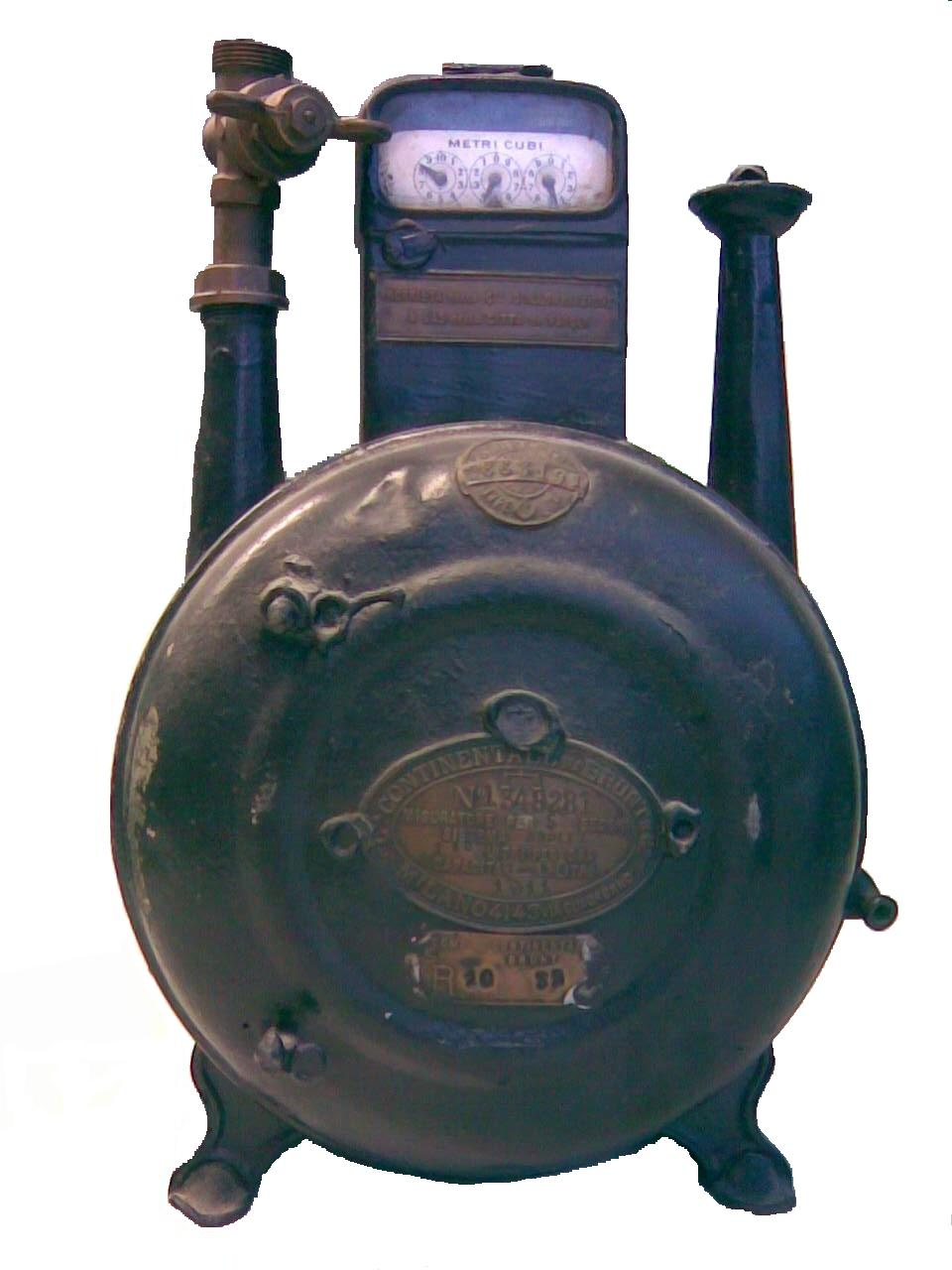
The flexible chamber walls were made from carefully selected and dressed sheep leather, cut, shaped and sewn or clamped into frames, because nothing else available combined gas-tightness with the ability to flex millions of times without cracking.
Synthetic diaphragms of coated fabric and elastomer, which outlast leather and are consistent from one to the next. Leather selection was a skilled job: the material had to be free of flaws across the whole area, uniform in thickness and correctly dressed, and a single pinhole made the meter under-read.
This is the part of the trade that surprises people. A gas meter – an instrument used for billing, sealed and stamped by an official verifier – depended for its accuracy on a piece of animal skin chosen by eye by somebody who had learned to do it, and the leather dressing recipe was a closely held part of each manufacturer’s practice.
3. The Valves Were Flat Plates Slid Across Ports by the Diaphragms
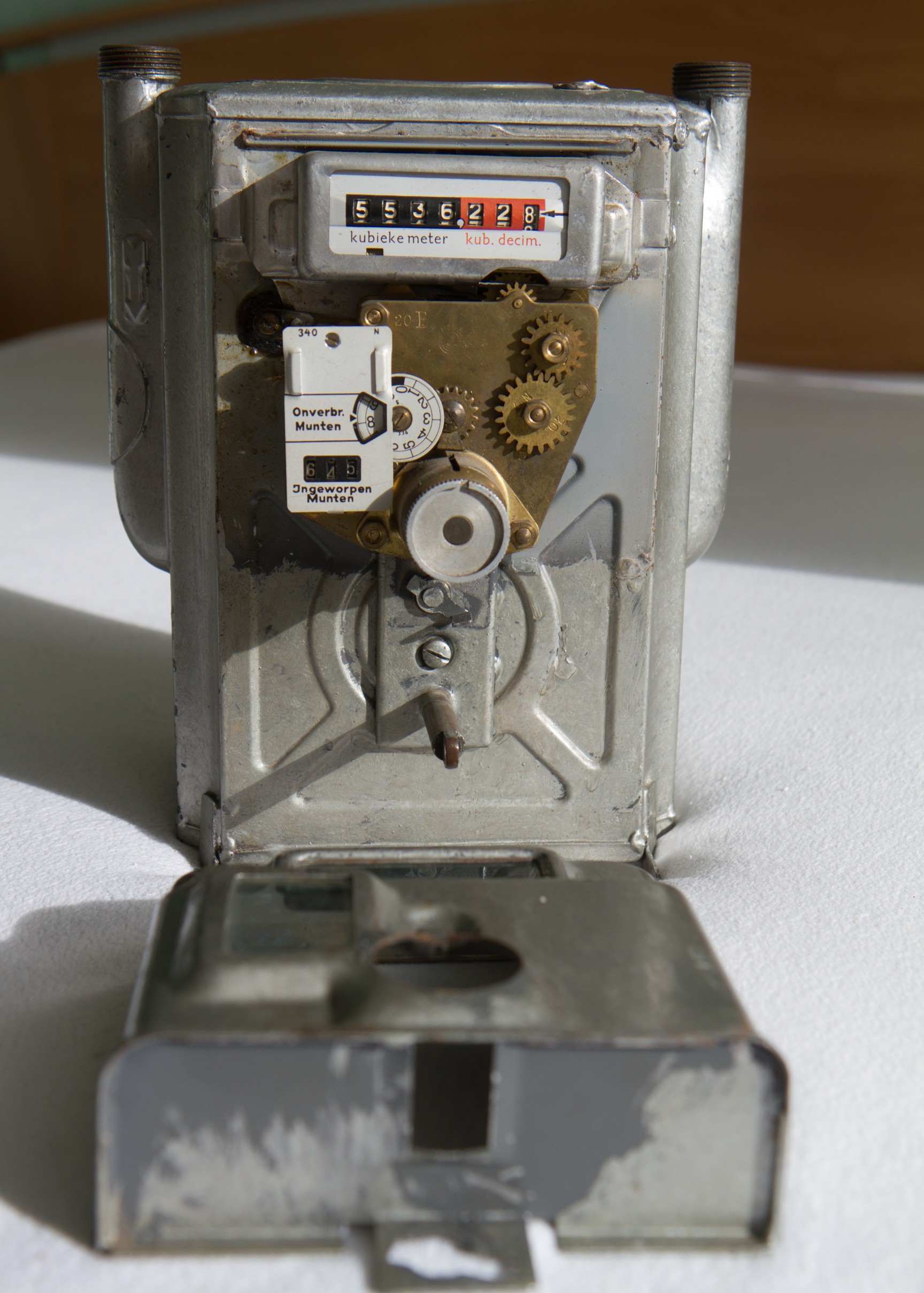
The switching between chambers was done by flat slide valves – plates moved across openings by a linkage driven by the diaphragms themselves – so the gas’s own motion operated the mechanism that directed it.
The same arrangement in modern diaphragm meters. The valves had to seal well enough not to leak between chambers, since gas passing from one side to the other without filling a chamber is gas the meter does not count, and move freely enough not to stall at very low flows.
Low flow was the difficult case and still is. A meter must register a single small pilot light, which produces barely enough pressure difference to move anything, and the valve friction and diaphragm stiffness together set the lowest flow a meter will see at all – which is why meter specifications quote a minimum as well as a maximum.
4. The Case Was Tinplate, Soldered and Then Painted
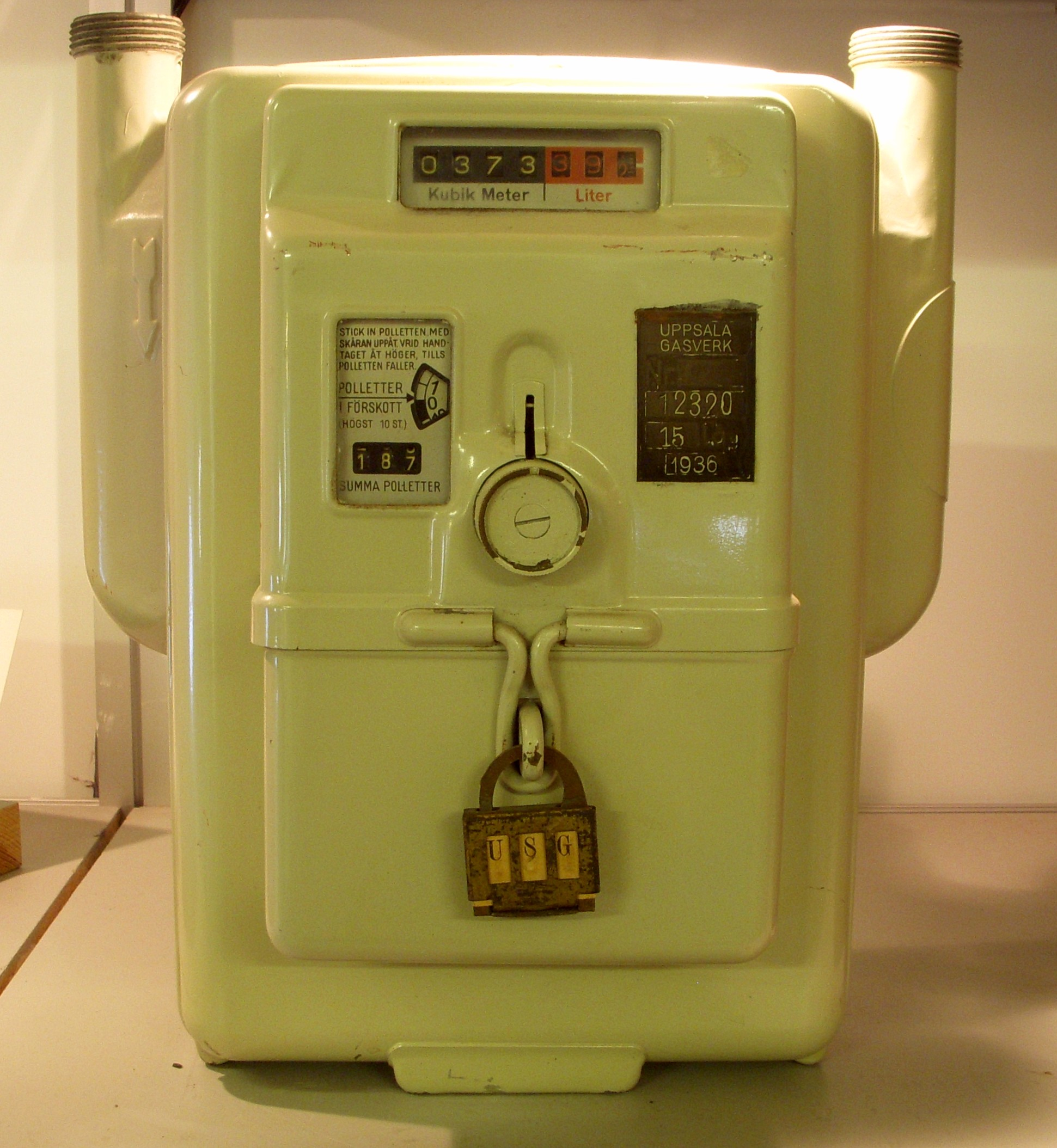
Domestic meter cases were made from tinplate, formed, soldered along the seams and at the corners, pressure tested and then painted, with the index window and the inlet and outlet connections fitted into the pressed shell.
Pressed steel and moulded composite cases, with no soldered seams. The case had to be gas-tight and strong enough to survive handling, and because the whole assembly was rented and repeatedly returned for overhaul, it also had to survive being opened and resealed many times.
Those soldered cases are the reason surviving meters look the way they do. The rounded corners, the visible seam lines and the thick paint are all consequences of tinplate construction, and the familiar dark-painted box with a brass index plate is a shape dictated by how it was made rather than by anybody’s design intent.
5. Every Single Meter Was Calibrated Against a Measured Volume of Air
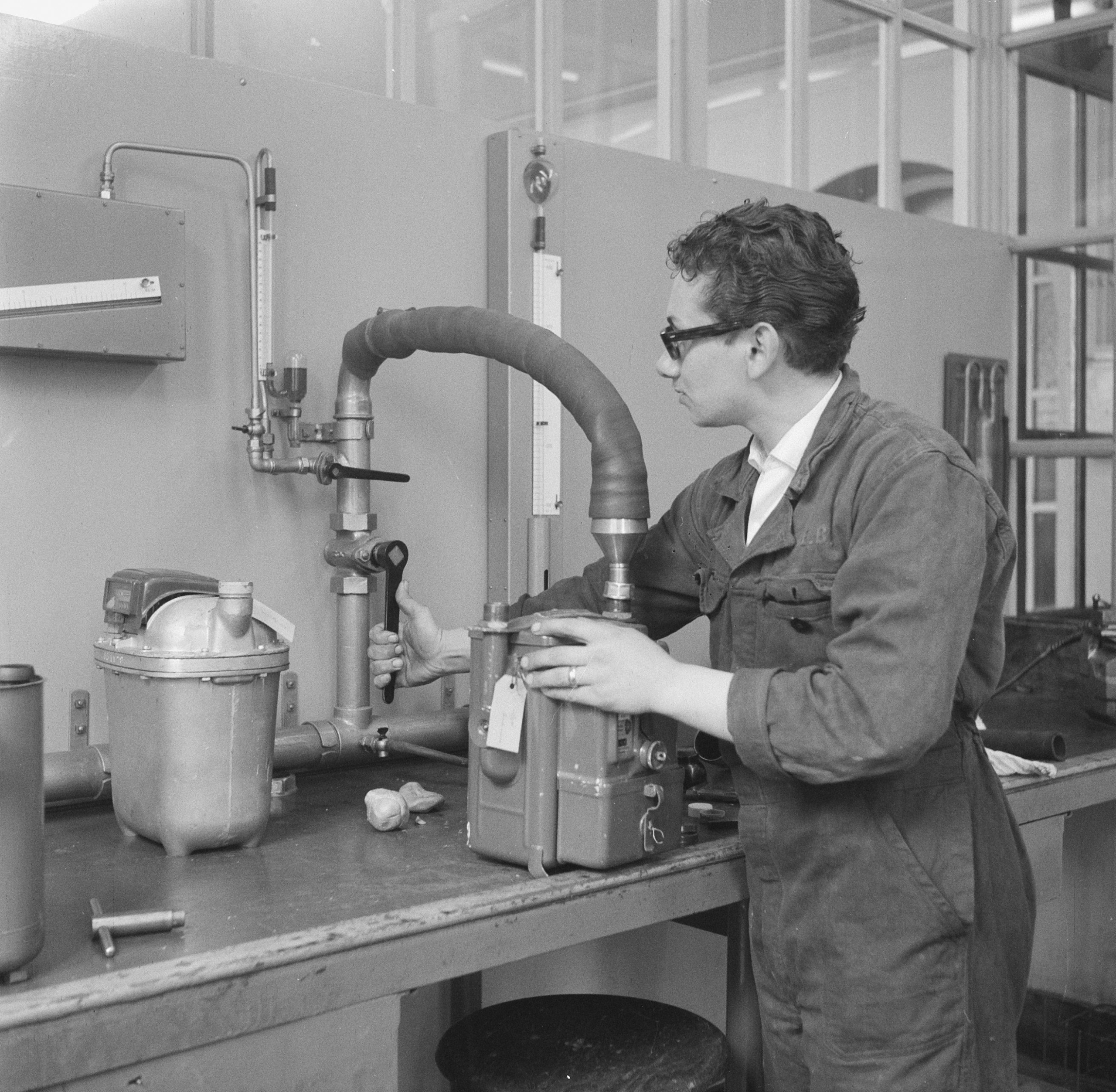
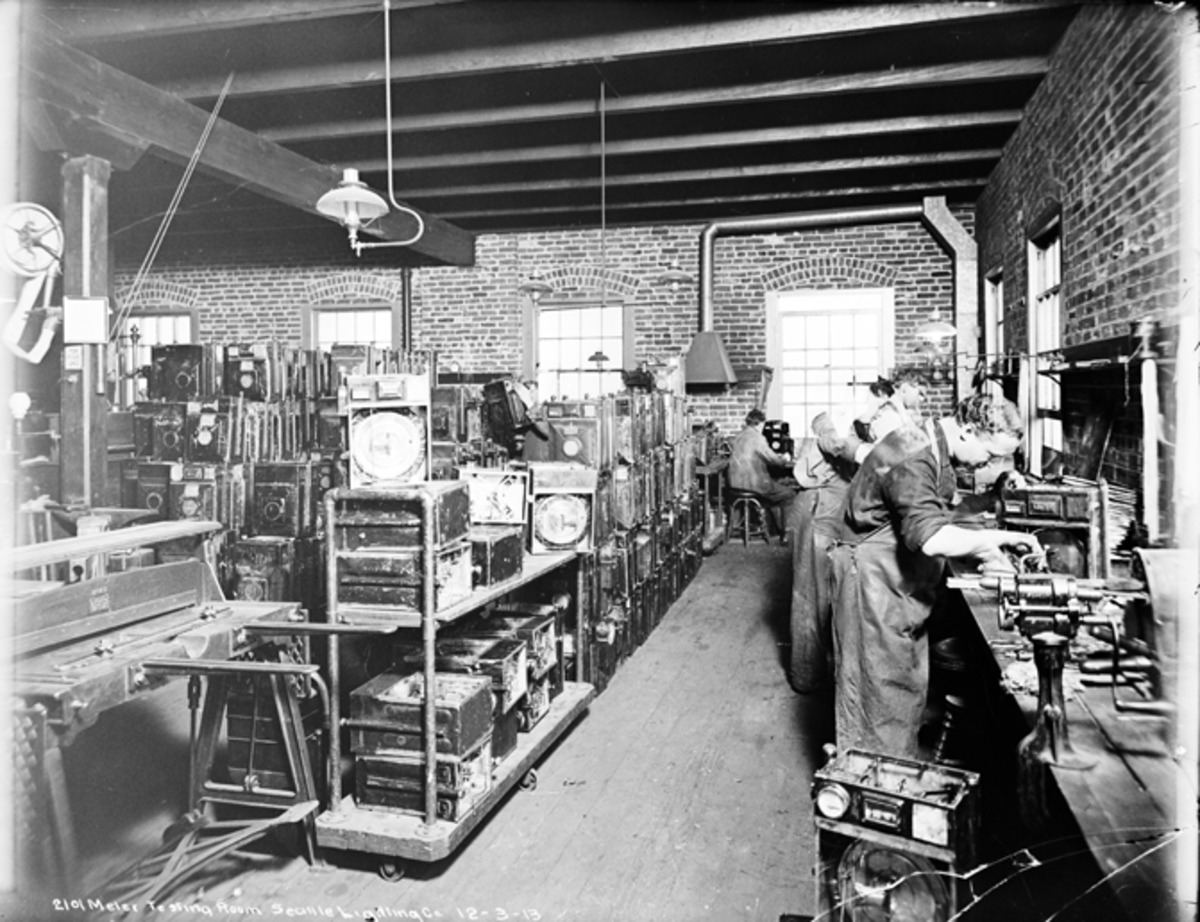
No meter left the works untested. Each one had a known volume of air passed through it and its registration compared against that volume, at several different flow rates, with adjustment made until it read within the permitted tolerance.
Automated test benches performing the same comparison with electronic reference meters. Testing every unit rather than sampling was not caution but law: a meter used for billing had to be individually proved, because an error in it is an error in every bill it generates.
The adjustment was mechanical and ingenious. A meter reading slightly fast or slow was corrected by altering the effective stroke of the diaphragm linkage by a small amount, which changed the volume registered per cycle – so calibration meant adjusting the geometry of the mechanism rather than applying a correction factor on paper.
6. The Reference Standard Was a Huge Tank Floating in Water
The works’ primary volume standard was a bell prover: a large inverted vessel suspended in a water tank, which when raised or lowered displaced a precisely known volume of air, with the water forming the seal.
Bell provers are still used as primary standards alongside sonic nozzles and gravimetric methods. The principle is simply geometry: if you know the dimensions of the bell and how far it has travelled, you know the volume moved, with water doing the sealing so there is nothing to leak past.
Temperature was the complication that made it a real science. Gas volume depends on temperature and pressure, so the water temperature, the air temperature and the barometric pressure all had to be recorded and corrected for, and a prover room was temperature-controlled and its readings logged – which is why meter testing looked more like a laboratory than a factory floor.
7. An Official Stamped and Sealed the Meter Before It Could Be Used
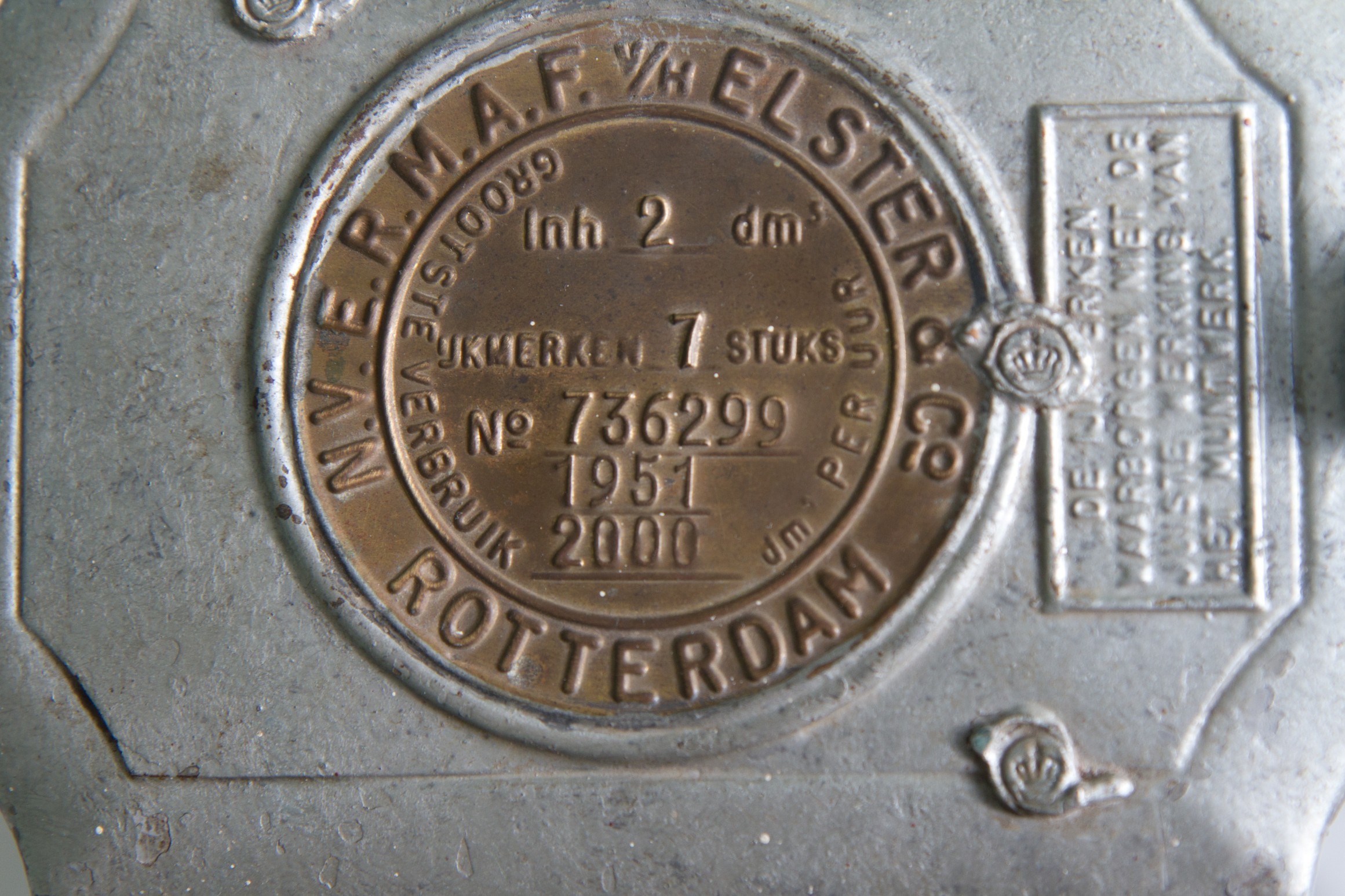
Meters used for billing were examined and stamped by a verifier working to statutory requirements, and then sealed so the mechanism could not be reached without breaking the seal.
The same regime, with modern approval, verification and sealing arrangements. The stamp was a legal act rather than a quality mark: it certified that this individual instrument had been proved to read within tolerance, and interfering with the seal was a criminal matter.
This is why gas meters feel institutional in a way that other household appliances do not. The meter is not the householder’s property, it is not theirs to open, and the numbers on it are legally significant – which makes it one of the very few objects in an ordinary house subject to its own body of law.
8. Nobody Owned Their Meter and It Came Back for Overhaul
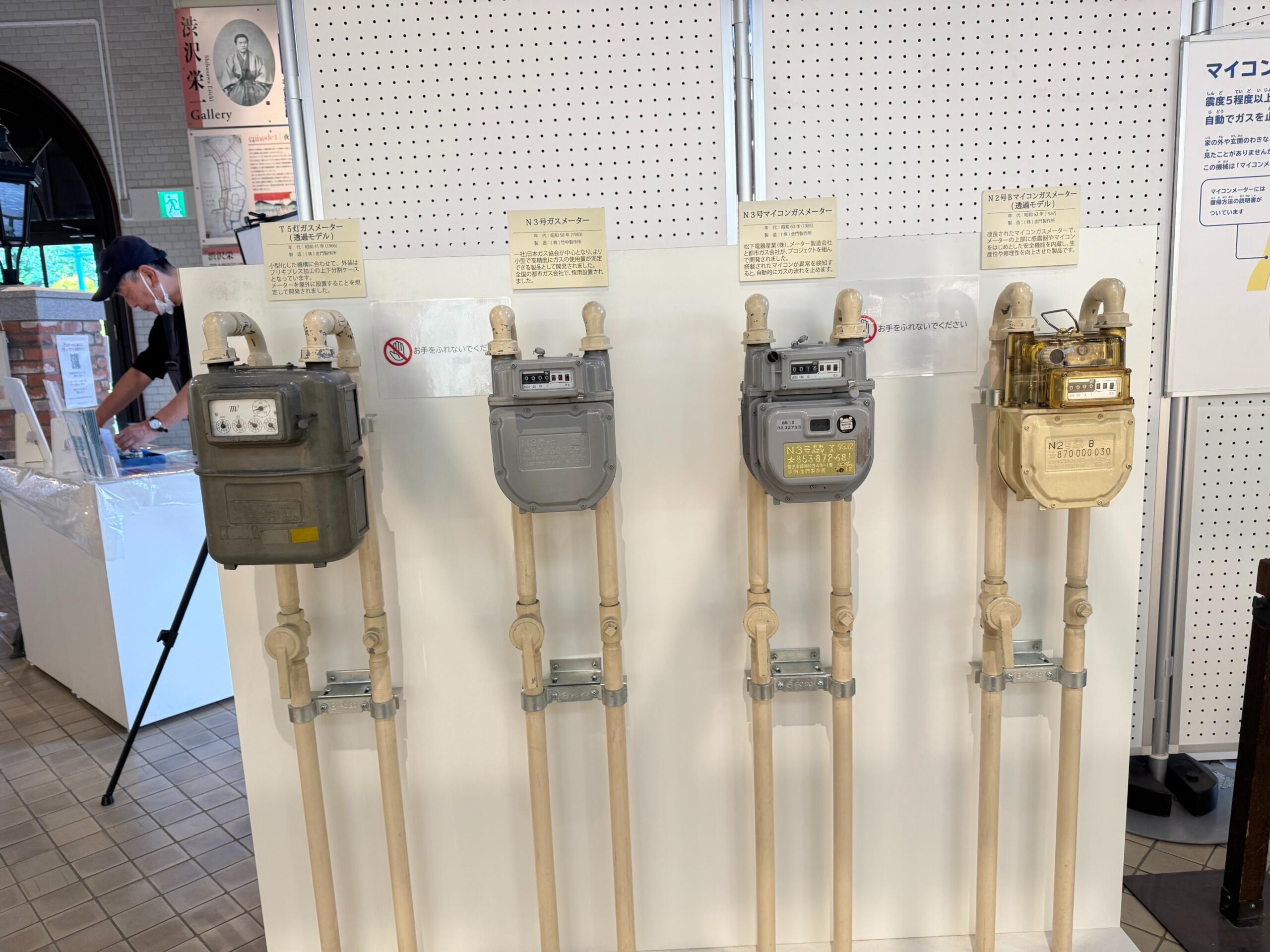
Meters were rented from the supplier, installed by the supplier, read by the supplier and periodically removed and replaced with an overhauled unit, with the removed meter returning to a works for stripping, rebuilding and recalibration.
Meters are still owned by the supplier or a meter asset company rather than by the householder. The rental model existed because the instrument was legally regulated, had to be periodically proved, and was too specialised for a customer to maintain.
The overhaul side was a substantial industry in its own right. Returned meters were stripped, cases cleaned and repainted, diaphragms replaced, mechanisms reconditioned, recalibrated, restamped and reissued – which means a meter in a house in 1960 might contain a case made decades earlier and a set of diaphragms fitted the previous month.
9. Prepayment Meters Took Coins and Were a Permanent Nuisance
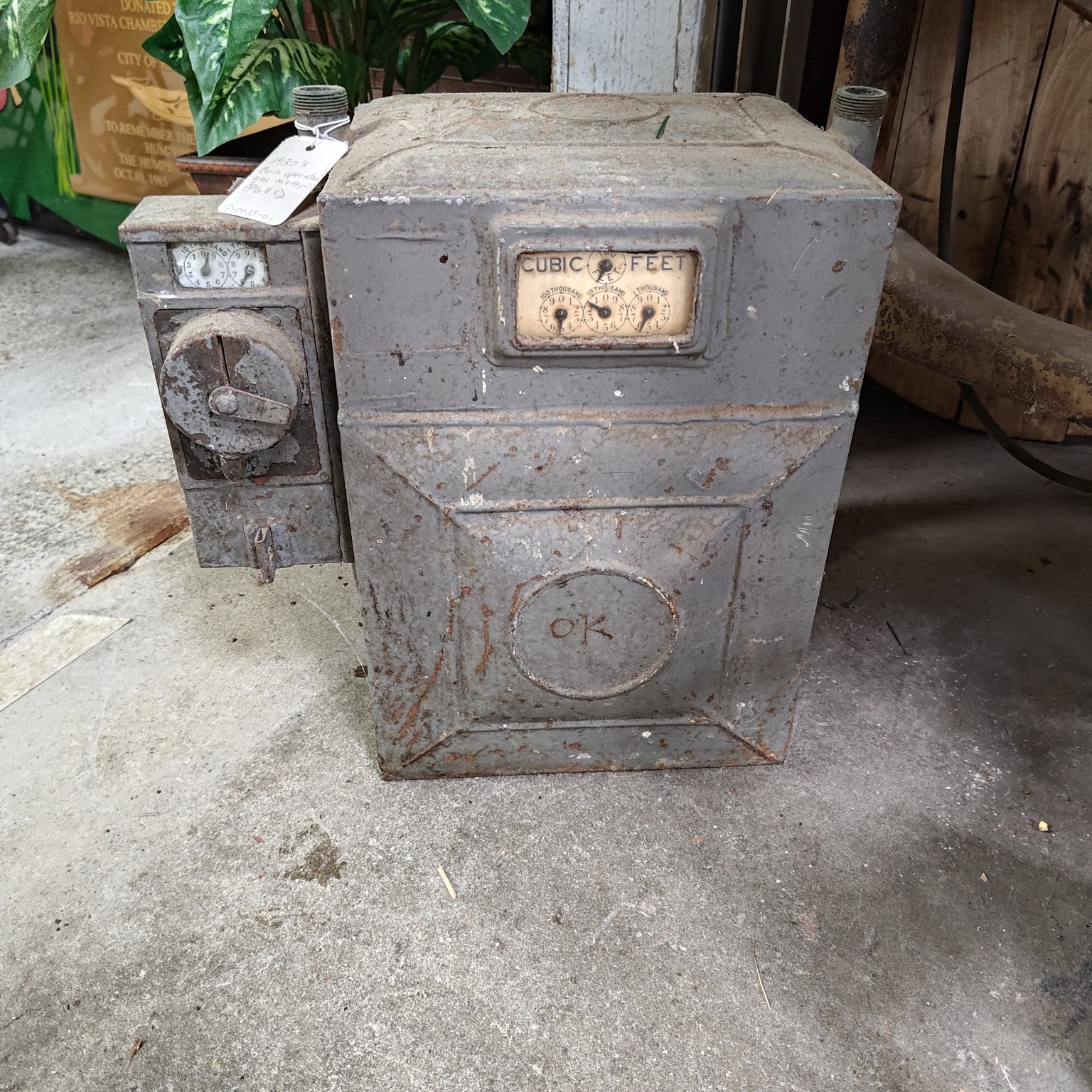
Prepayment meters accepted coins into a mechanism that released a measured quantity of gas and locked when the credit ran out, with a collector calling periodically to empty the box.
Key, card and smart prepayment systems with remote crediting. Coin mechanisms jammed, were susceptible to interference, required somebody to visit and empty them, and left cash in a box in a house – all of which were understood problems at the time.
The social dimension is the part worth noting. Prepayment was concentrated in rented and lower-income housing, cost more per unit than quarterly billing, and ran out at inconvenient moments, so the people with the least money paid the most for gas and did so in advance. That structural feature is still argued about with modern prepayment systems, which is one reason the debate has a long history.
10. A Man Came to the House and Wrote the Numbers in a Book
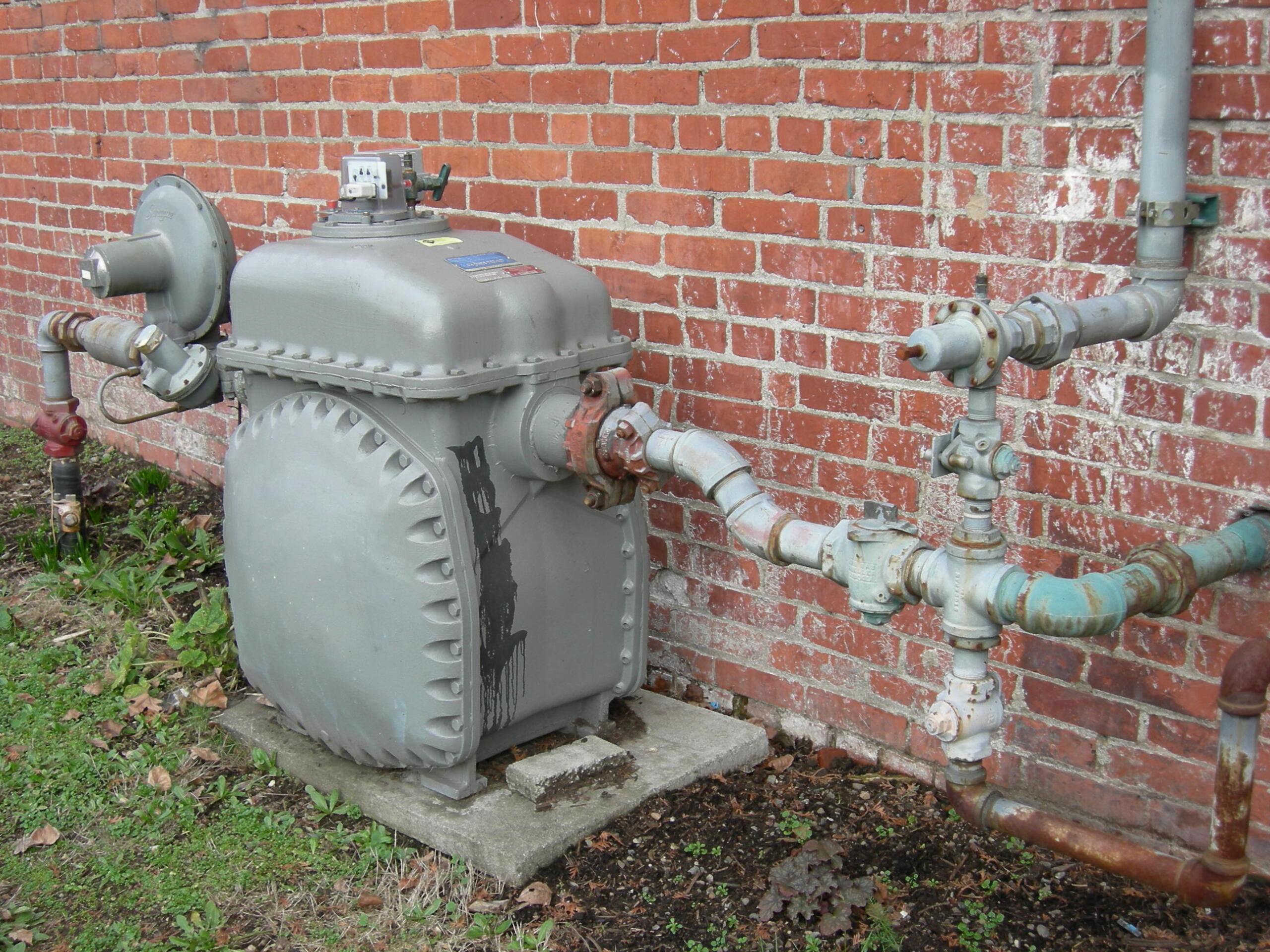
Consumption was established by a meter reader visiting every property on a route, reading the dials, recording the figures in a book or on a card, and returning them to the office for billing.
Smart meters report remotely; where they are not fitted, customers submit readings themselves or a reader still calls. The dial index of the period was a row of pointers rotating alternately clockwise and anticlockwise, which is genuinely easy to misread and was a recognised source of billing error.
Access was the whole problem with the system. A reader who could not get in left an estimate, estimates accumulated, and the correction when a real reading finally arrived could be very large – which is the origin of a complaint about gas billing that long predates any smart metering argument.
11. The Dial Train Was Clockmaking Done in Brass
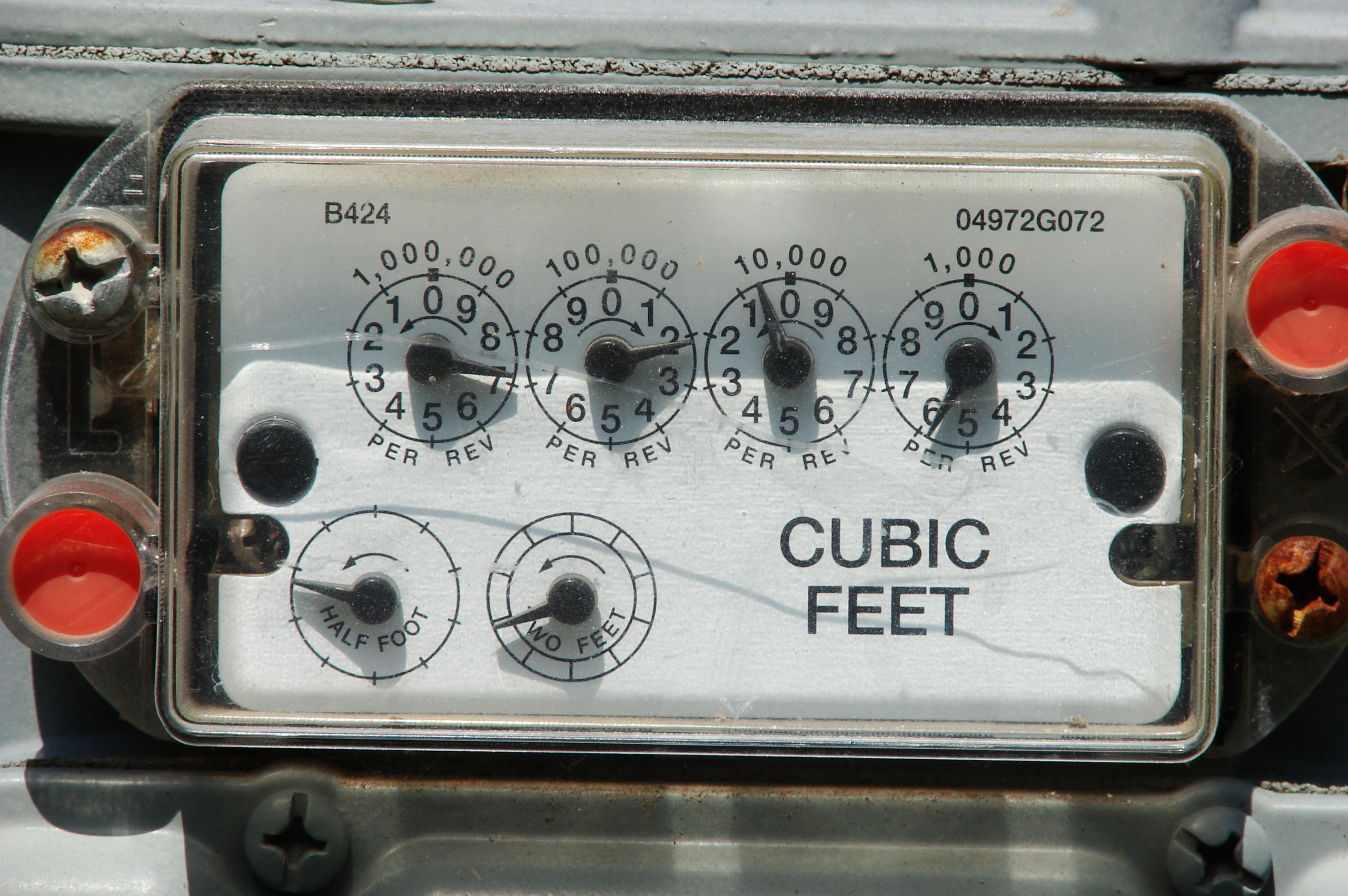
The counting mechanism was a geared train driving a set of pointers or a digit drum, made from brass and steel components to watchmaking-like tolerances, and it had to turn reliably on the tiny amount of work available from the diaphragms.
Mechanical registers remain in diaphragm meters, with electronic indices elsewhere. Friction was the enemy throughout: every bearing, every gear mesh and every pointer added load that the gas had to overcome, so the train was designed to be as free-running as possible.
That constraint explains why the index looks the way it does. Separate small dials with light pointers require far less driving effort than a single large digit counter, which is why period meters show four or five little clock faces rather than a row of numbers – and why reading them correctly requires knowing that alternate dials run backwards.
12. The Works Made Industrial and Station Meters Too
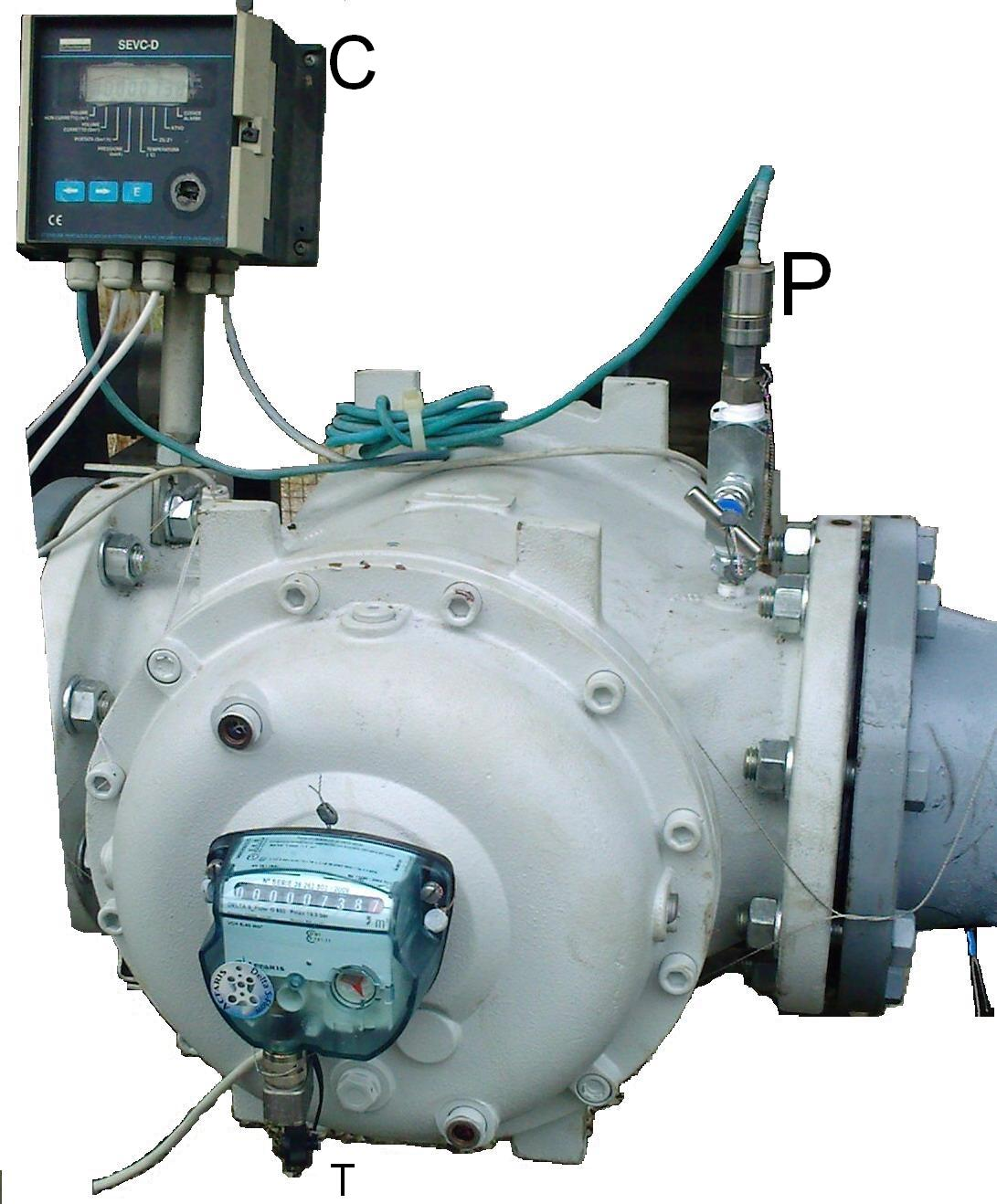
Alongside domestic units the same firms produced large industrial meters, rotary and turbine types, pressure regulators, governors and test equipment, because the measurement expertise and the approval relationships were the same.
Gas measurement remains a specialist industry spanning domestic to transmission scale. The domestic meter was the volume product and the industrial and transmission work carried the higher margins and the more demanding engineering.
That spread is why several of these firms still exist. A business whose capability is in regulated flow measurement rather than in one product could follow the industry from town gas to natural gas to transmission metering to electronic and ultrasonic instruments – and the ones that did are in some cases still supplying meters today.
13. Then the Whole Country’s Gas Changed and Every Meter Had to Be Touched
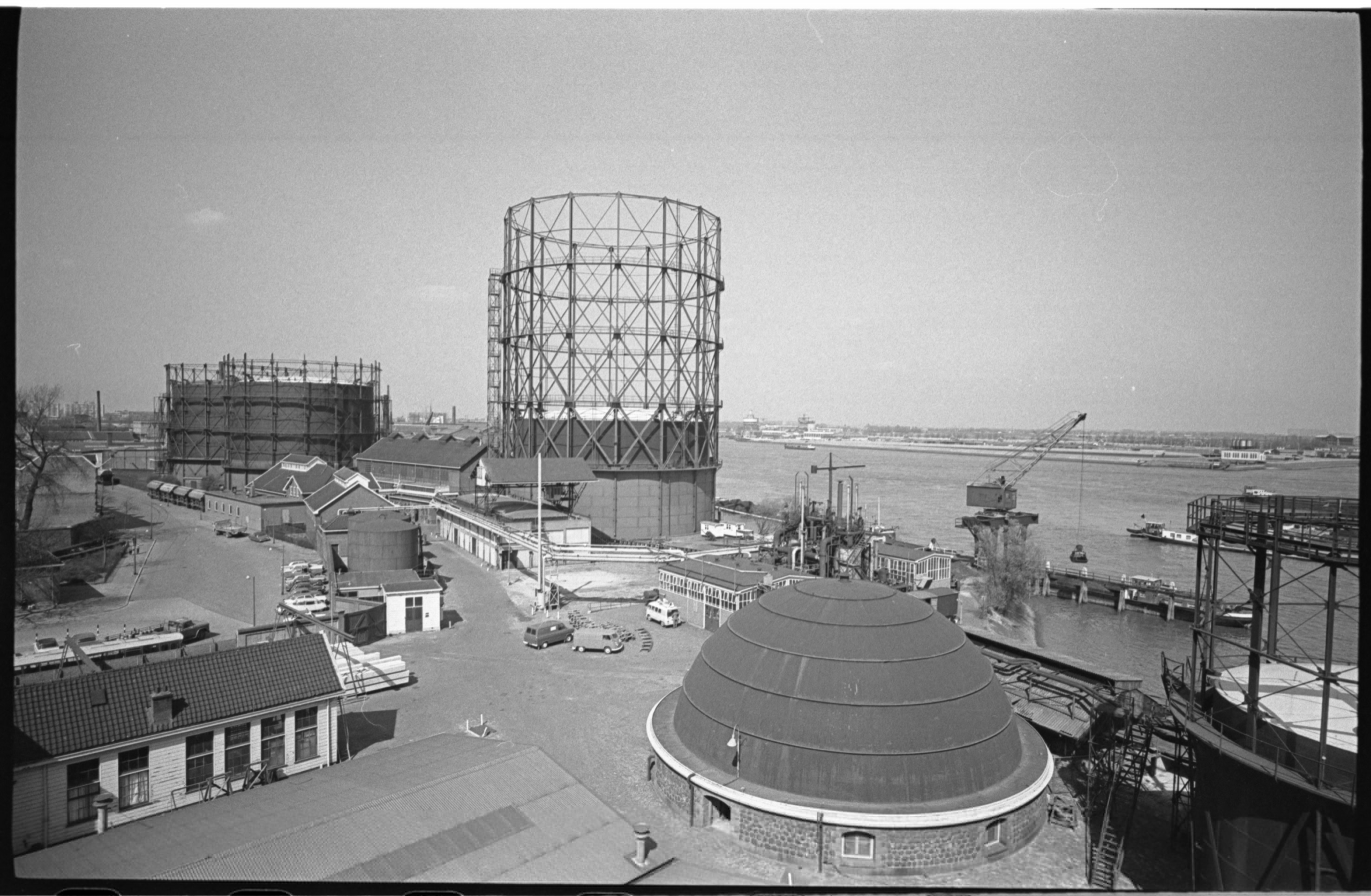
Town gas and natural gas have different compositions, different calorific values and different combustion characteristics, which means appliances and metering designed for one are not correct for the other.
The conversion to natural gas was carried out as an enormous national programme, property by property, adjusting or replacing appliances and attending to metering across the entire customer base over a period of years. It is one of the largest domestic engineering exercises ever undertaken anywhere.
For the meter trade it was a flood of work followed by a cliff. Conversion required an unprecedented volume of inspection, adjustment, replacement and overhaul in a short period, and when it was done the fleet was newly renewed, which meant the replacement cycle that had sustained the overhaul works was pushed years into the future all at once.
14. The Mechanical Meter Is Still There, Doing the Same Thing
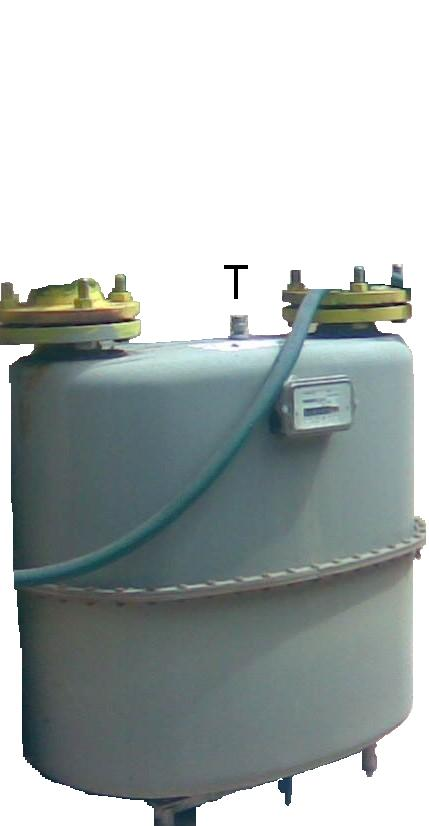
A diaphragm meter in 1960 counted the gas into a house by filling leather bags with it and counting the cycles on a brass dial train, unpowered, sealed and stamped.
A diaphragm meter today counts the gas into a house by filling synthetic diaphragms with it and counting the cycles on a register, unpowered, sealed and verified – and there are a great many of them still in service. Smart meters are replacing them steadily and the mechanical design has not been improved upon so much as superseded by one that can also communicate.
It is one of the longest unbroken runs of any design in this series. The reason is that the thing it does – measure a volume of gas, accurately, for decades, with no power, no maintenance and no attention, in a cupboard – is a requirement almost nothing else meets, and the answer arrived at in the nineteenth century has needed better materials rather than a better idea.
The Design Is Over a Century Old and Nothing Has Beaten It
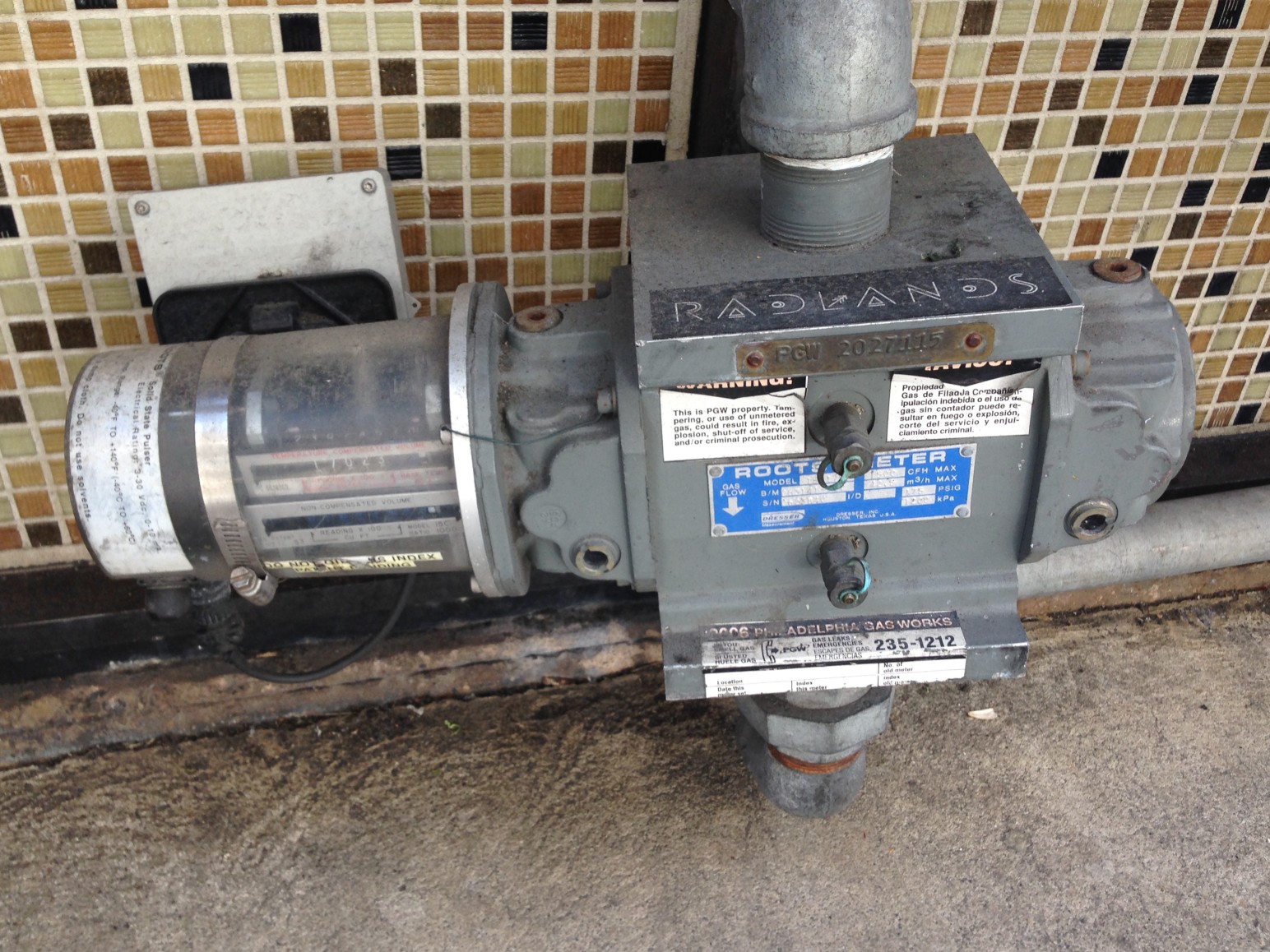
Most pieces in this series end with a trade being swept away by something better. This one ends differently, and the reason is worth setting out.
Consider what a domestic gas meter is actually required to do. It must measure a volume of gas to a tolerance tight enough to be legally defensible in a billing dispute. It must do that across an enormous range – from a single pilot light consuming almost nothing to a boiler and cooker running together. It must do it continuously for decades. It must do it in an unheated cupboard, a cellar or an outside box, through every temperature the climate offers. It must require no maintenance, no attention and no intervention from the householder. And it must do all of that with no power supply of any kind.
That last requirement is the hard one. The meter has nothing to run on except the gas going through it, and the amount of work available from a domestic gas supply at low flow is very small indeed. Every bearing, gear and pointer in the mechanism has to be free enough to turn on it.
The answer arrived at in the nineteenth century was to let the gas do the work directly: fill a flexible chamber, let that chamber’s own movement trip a valve and advance a counter, repeat. No sensing, no inference, no conversion. The gas pushes a bag and the bag counts itself.
What has changed since 1960 is the materials. Leather became synthetic. Tinplate became pressed steel and composite. The register got better. The principle has not changed at all, and a meter installed this year works the same way as one installed in 1900.
Smart meters are now replacing them, and they are a genuine advance – but note what the advance is. They are not better at measuring gas. They are better at telling somebody else what they measured. The measurement problem was solved a long time ago by somebody who realised that the most reliable way to count something is to make it fill a container.
There is a meter in your house that is not yours, that you are not allowed to open, and whose readings are legally binding.
And if it is an older one, it is counting the gas by filling bags with it.
Like our content? Follow us for more.