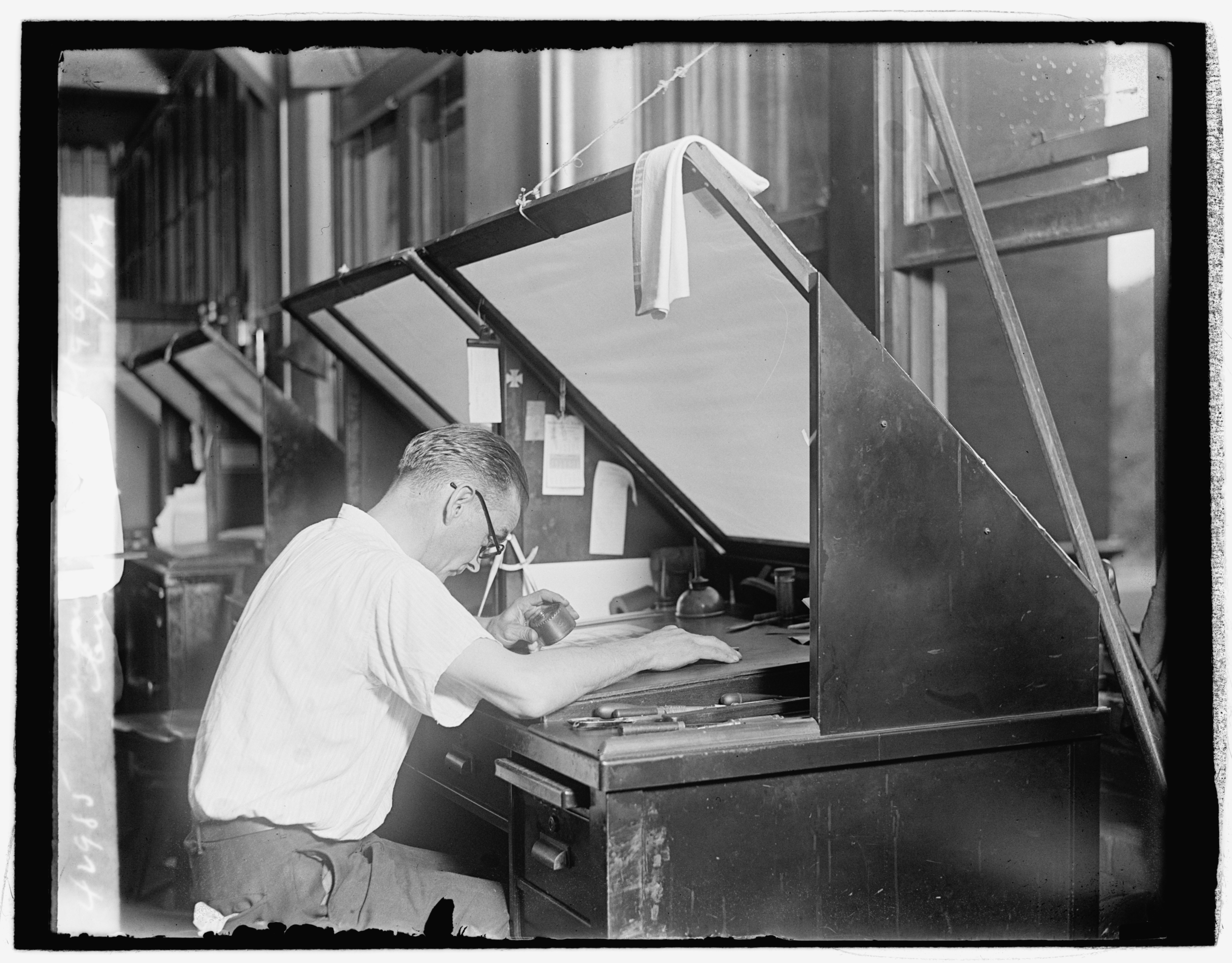
In 1960 a line-engraved stamp started with a craftsman cutting the design into soft steel by hand – mirror-reversed, at printed size, with the depth of each line controlling how dark it would print.
That one engraving was transferred to a roller and rocked onto the plate hundreds of times. The paper was dampened before printing and shrank as it dried. The ink was mixed by eye against a filed sample. And the perforations were punched by a head full of hardened pins.
Here are fifteen things that were normal in a stamp printing works in 1960, and what became of each one.
1. The Design Was Engraved Into Steel by Hand, in Reverse, at Actual Size
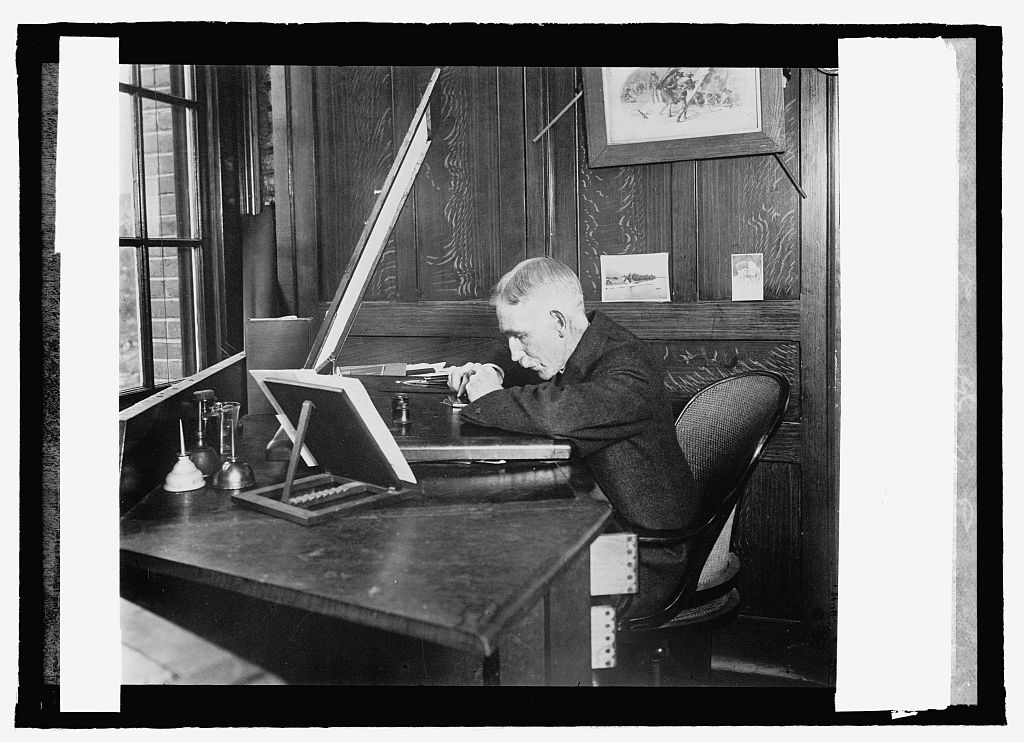
A line-engraved stamp began with a craftsman cutting the design into a block of soft steel with a graver – mirror-reversed, at the size it would be printed, with lines a fraction of a millimetre apart – working from a drawing under magnification.
Photographic and digital platemaking, with hand engraving retained for prestige issues. Working in reverse at that scale is the part that sounds impossible: the engraver had to visualise the finished image as its mirror while cutting lines whose depth controlled how much ink they would hold.
Depth was the engraver’s tonal control. A deeper line holds more ink and prints darker, so shading was produced by varying depth and spacing rather than by any screen or halftone, which is why line-engraved stamps have that particular crispness and why they cannot be reproduced convincingly by photographic means.
Like our content? Follow us for more.
2. One Engraving Was Multiplied Into a Printing Plate by Transfer
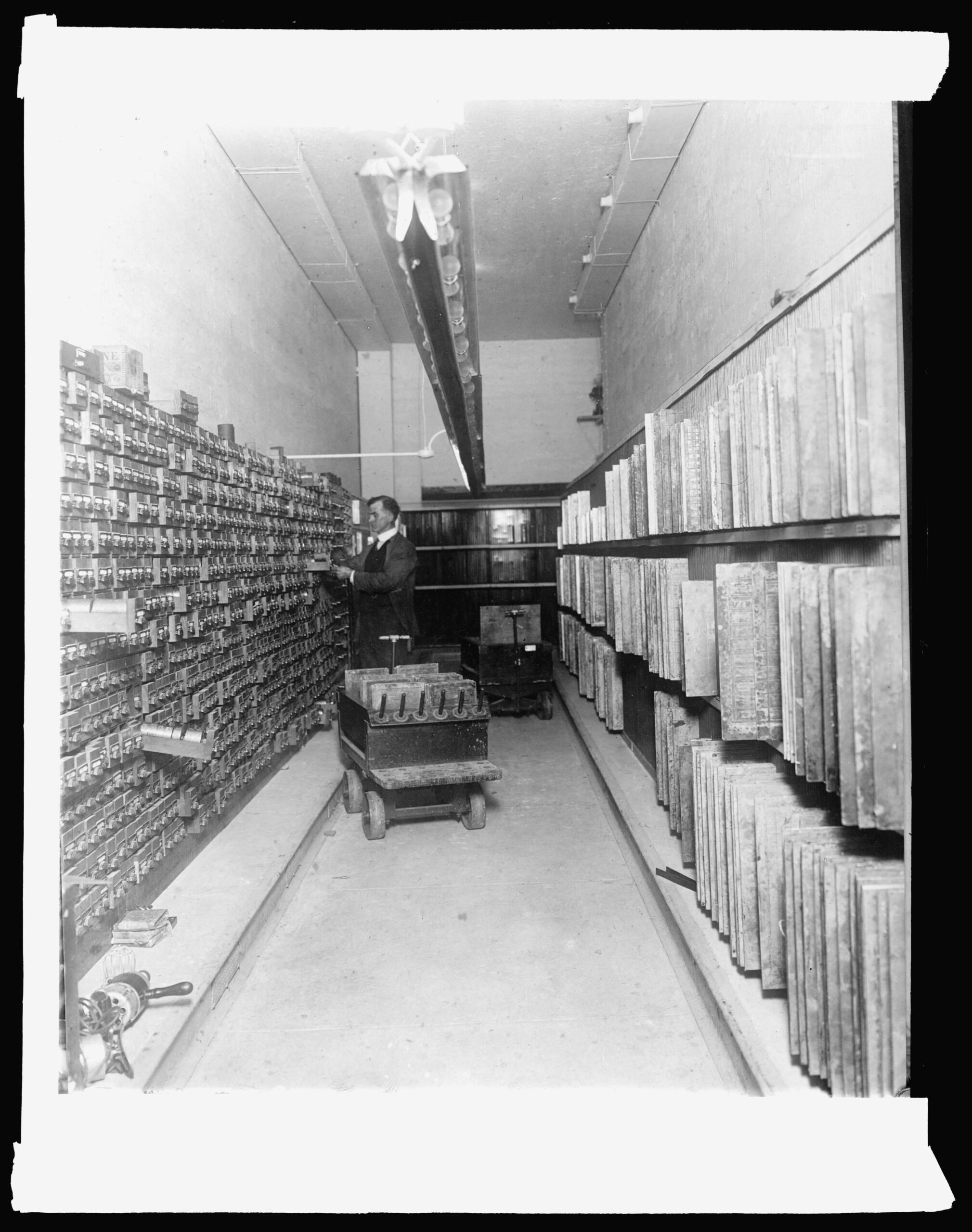
The original engraving – the die – was never used to print. It was hardened, and a soft steel roller was rolled under pressure across it to take the design in relief, and that roller was then hardened and rolled repeatedly onto the plate to lay down the design as many times as the sheet required.
Digital platemaking produces the whole plate at once. The transfer process meant one hand engraving could produce a plate carrying hundreds of impressions, all identical because all taken from the same roller.
It also produced the flaws that collectors build whole specialisms around. A roller slightly misplaced, rocked twice, or showing wear leaves a consistent tiny difference at one position on every sheet from that plate – which is how a particular stamp can be identified as coming from a specific position on a specific plate a century later.
3. The Paper Was Dampened Before Printing and Shrank Afterwards
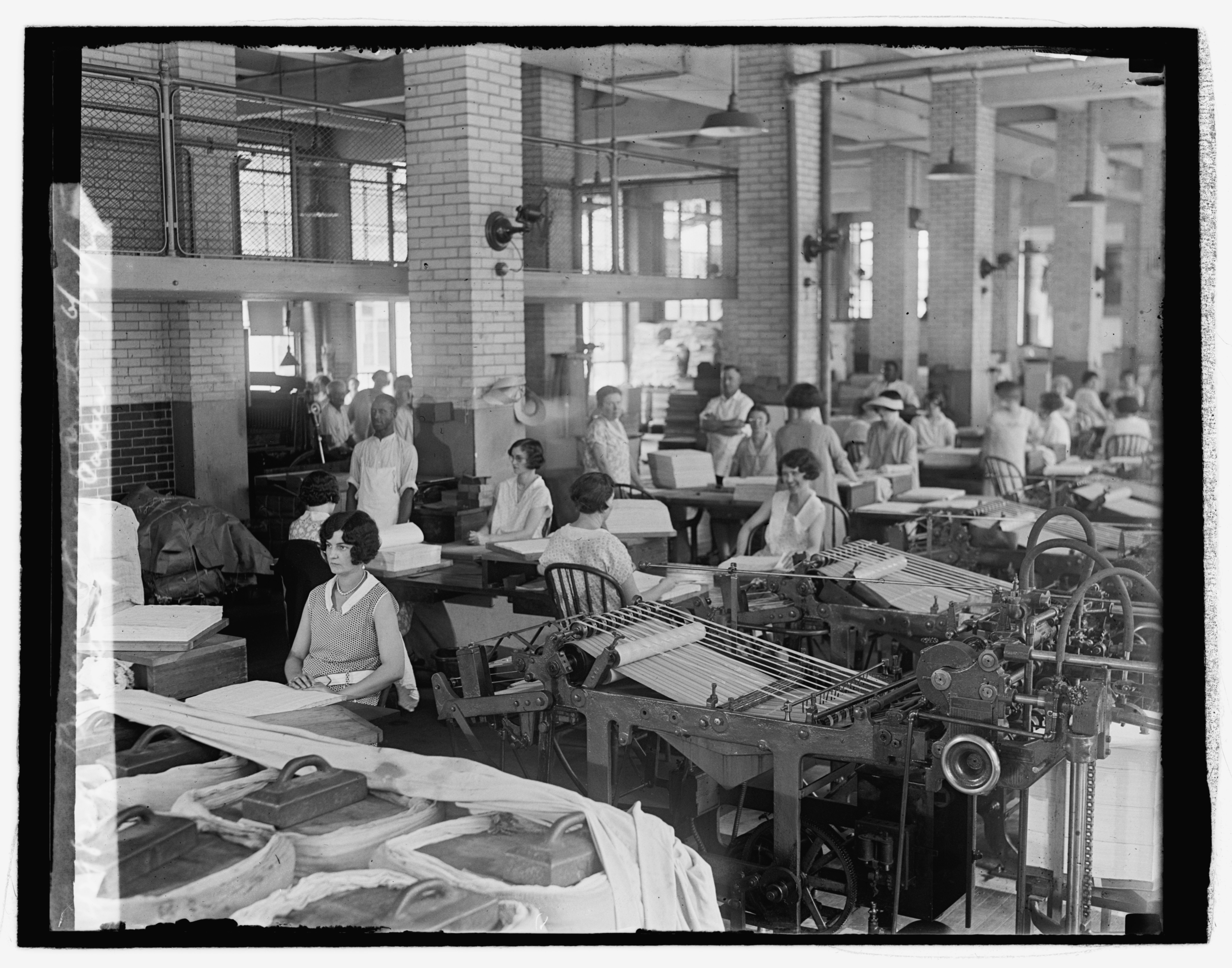
Intaglio printing from an engraved plate requires the paper to be pressed into the recessed lines to lift the ink out, and dry paper will not deform enough. So sheets were dampened before printing and dried under restraint afterwards.
Modern presses print on dry paper with coatings formulated for the job. Dampening and drying changes the dimensions of the sheet, which means a printed sheet is not quite the size of the paper that went in, and the amount of change varies with the paper batch and the humidity of the day.
That is the hidden source of a great many measurable varieties. Stamps from different printings of the same design can differ slightly in size, and since collectors measure such things, those differences became catalogued distinctions – produced not by any decision but by the weather in a pressroom decades ago.
4. The Gum Was Applied by Brush or Roller and It Curled Everything
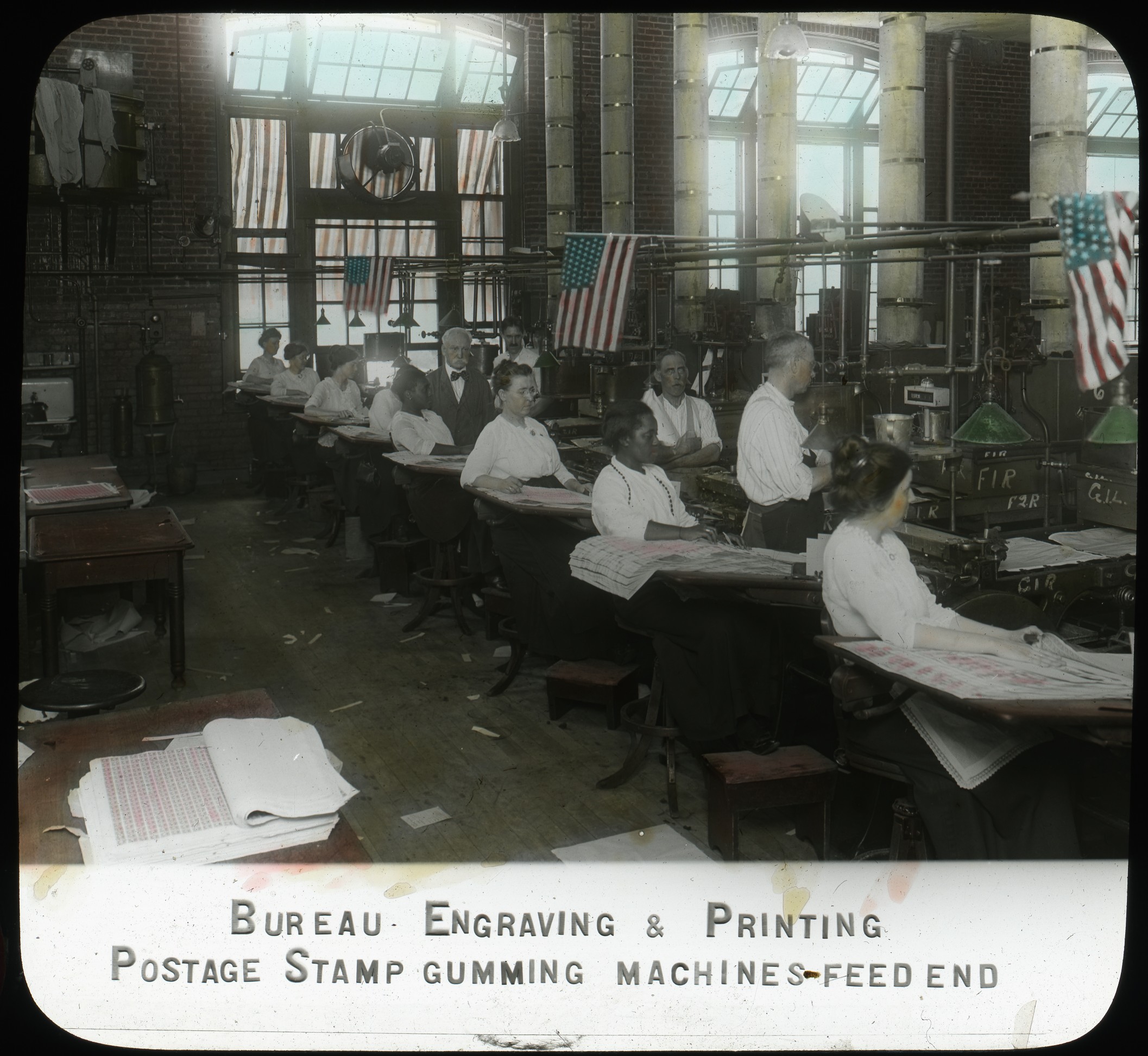
Sheets were gummed after printing, with a water-soluble adhesive applied across the back and then dried. Gum shrinks as it dries and pulls the paper with it, so gummed sheets curl and have to be flattened and conditioned.
Self-adhesive stamps on a release backing have largely replaced water-activated gum, removing the curl, the taste and the licking. Gum chemistry was a continuing problem: too little adhesion and stamps fell off, too much shrinkage and the sheet curled badly or the paper cracked along the perforations.
Gum is also why so much early material survives in poor condition. The adhesive continues to react over decades, staining the paper, cracking, and in humid storage bonding stamps to whatever they touch – which is why collectors care so much about gum condition and why a great deal of surviving stock is damaged by nothing more than its own glue.
5. The Perforations Were Punched by a Machine Full of Pins
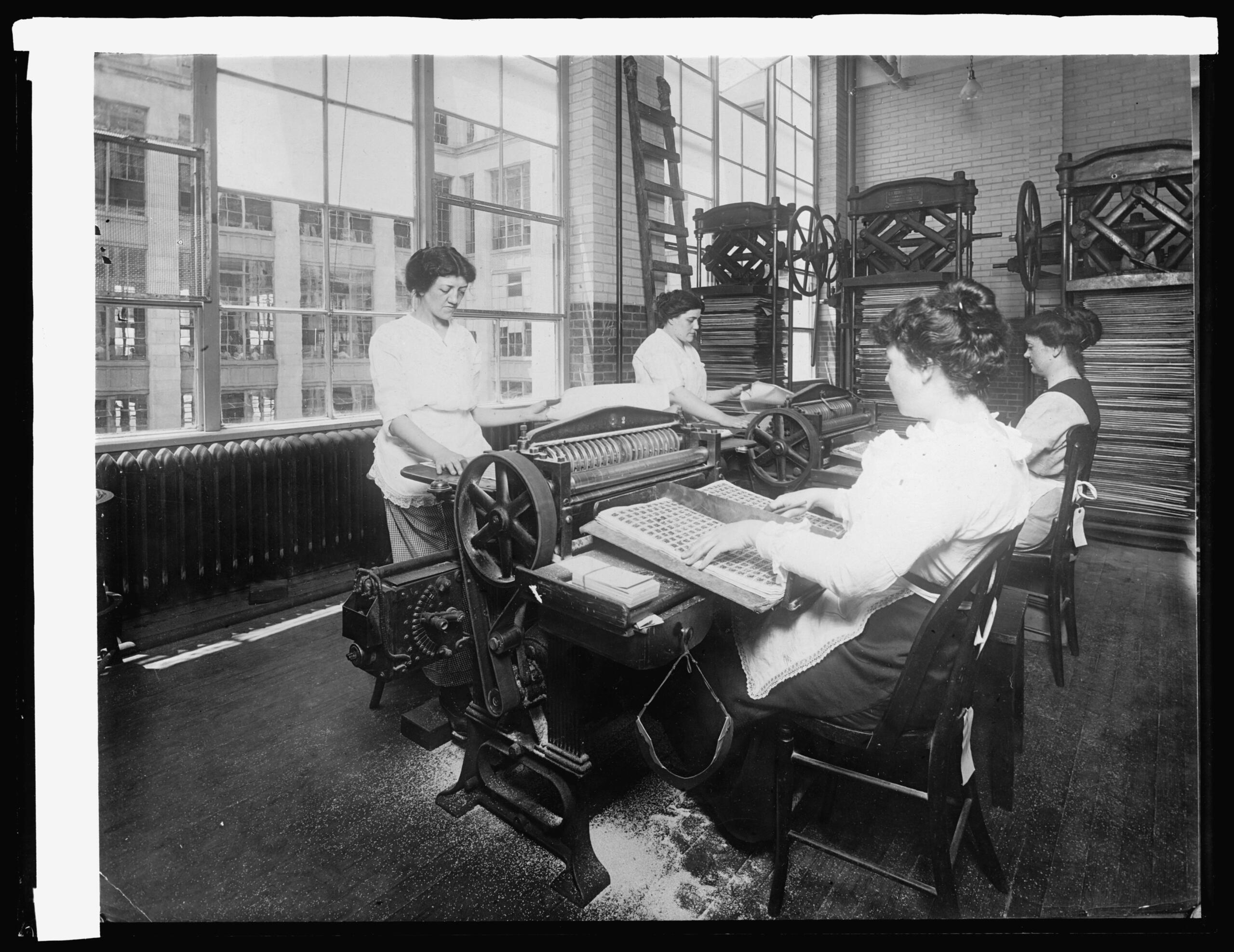
Perforating used a comb or line of hardened steel pins punching through the sheet into matching holes in a die plate, removing a tiny disc of paper at each hole, with the pin spacing specified as a gauge measured over a fixed distance.
Still punched, with die-cutting used for self-adhesive issues. Perforating is harder than it looks: the pins must align with their holes exactly, they blunt and break, and a missing or bent pin leaves a consistent fault across every sheet until somebody notices.
Perforation gauge became one of the foundations of stamp collecting precisely because it is a manufacturing variable. The same design perforated on a different machine at a different pin spacing is a different stamp to a collector, which means a decision taken by a works engineer about which perforating head to use created a catalogue distinction that is still being traded on.
6. Watermarks Were Put Into the Paper Before It Was Paper
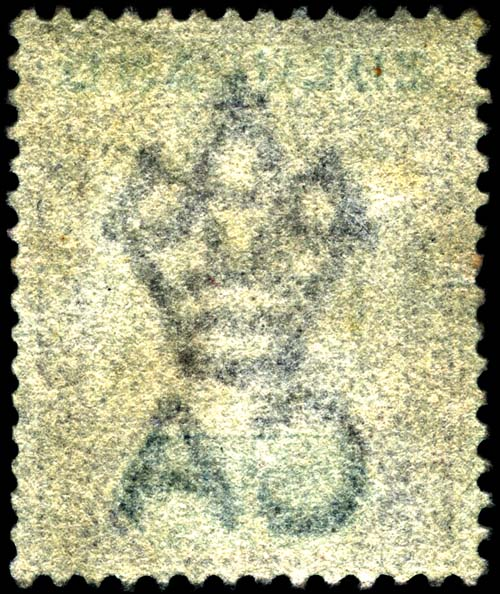
Watermarked stamp paper was made with a pattern raised on the papermaking wire, which displaced the fibres slightly as the sheet formed, leaving a thinner area visible when held to the light.
Watermarking continues alongside fluorescent fibres, security tagging and phosphor coatings. The watermark was a security feature rather than a decorative one: the paper itself had to be obtained from a specific maker, which put a barrier in front of anybody intending to counterfeit.
Because the paper was made in sheets and the pattern repeated across the wire, individual stamps carry the watermark in different positions and orientations – sideways, inverted, or partly off the stamp altogether. Those orientations are catalogued varieties too, and they exist entirely because a rectangle was cut out of a larger pattern without reference to where it fell.
7. Printing Was Done Under Security Conditions Throughout
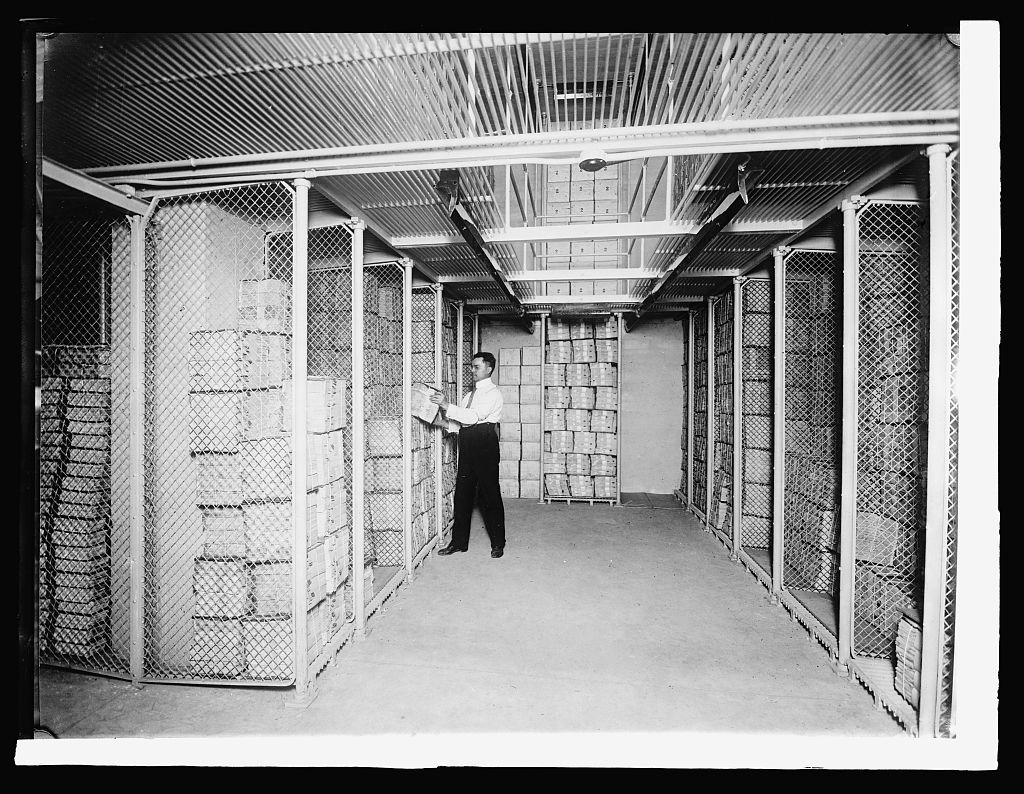
A stamp is a financial instrument, so the works operated under accounting controls: paper counted in and out, spoiled sheets recorded and destroyed under witness, plates held in secure storage, and staff movement controlled.
The same regime, with modern tracking. Every sheet of stamp paper had a value once printed, which meant the printing works was handling something closer to banknotes than to ordinary print, with the attendant procedures.
The destruction records are why certain errors are so famous and so valuable. Sheets with mistakes were supposed to be destroyed and accounted for, so an error that escaped the works did so through a failure in that process – which makes a surviving error both a rarity and a documented record of a lapse somebody was presumably answerable for.
8. Colour Was Mixed to Match a Kept Standard Sample
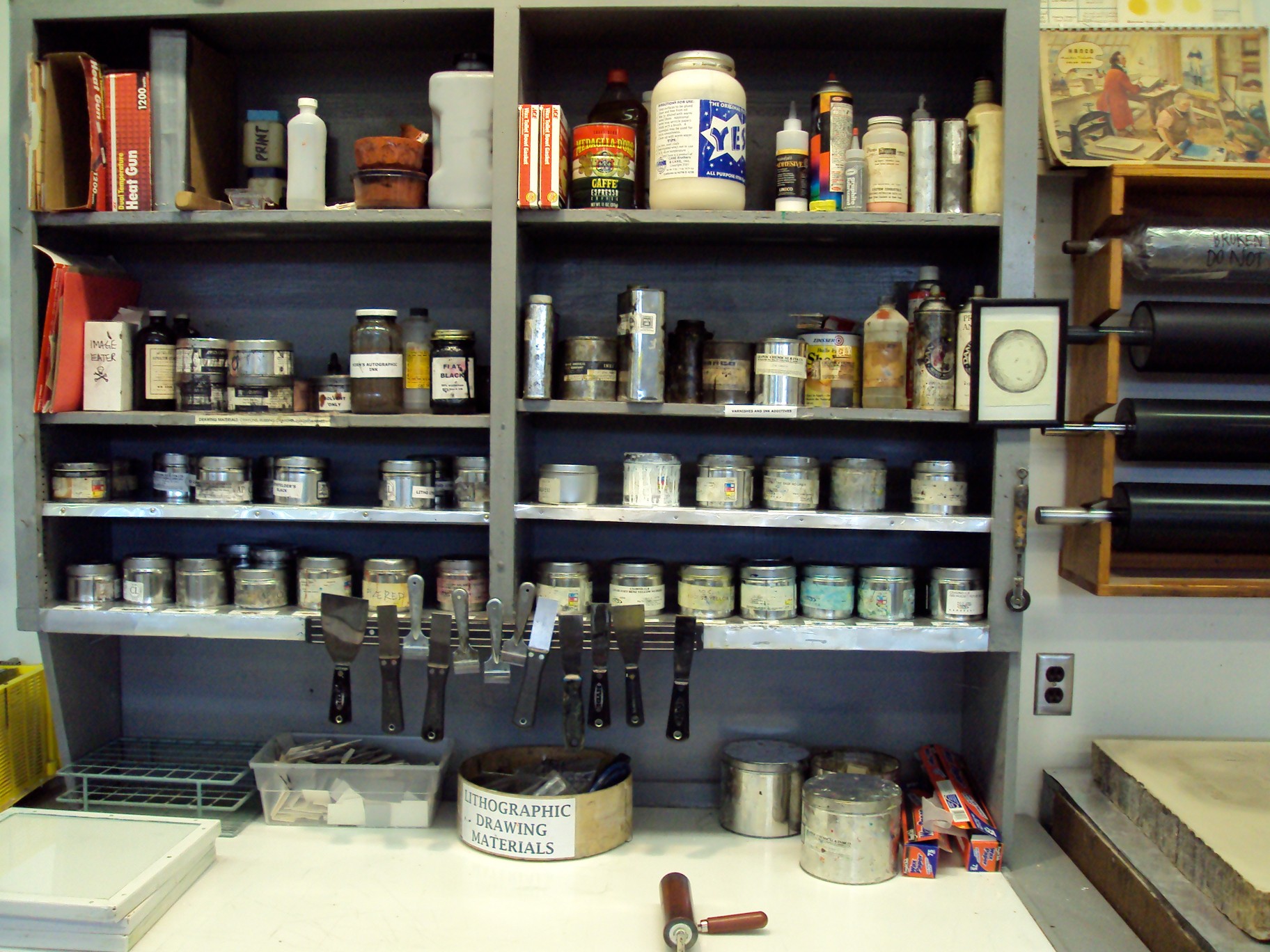
Ink was mixed by hand to match a retained reference – a filed printed sample – and matched by eye under daylight by somebody whose judgement was the standard.
Spectrophotometric measurement against numerical colour values. Eye matching across separate printings years apart, with different ink batches and different pigment supplies, produced shade differences that were obvious when two printings were laid side by side.
Those shades are the most argued-about area of the whole collecting field. A catalogue may list several named shades of a single stamp, dealers and collectors disagree about which is which, and the underlying cause is simply that a person matched ink by eye in a pressroom on different days – a human judgement that has since become a classification with prices attached.
9. The Sheets Were Checked Stamp by Stamp by Hand
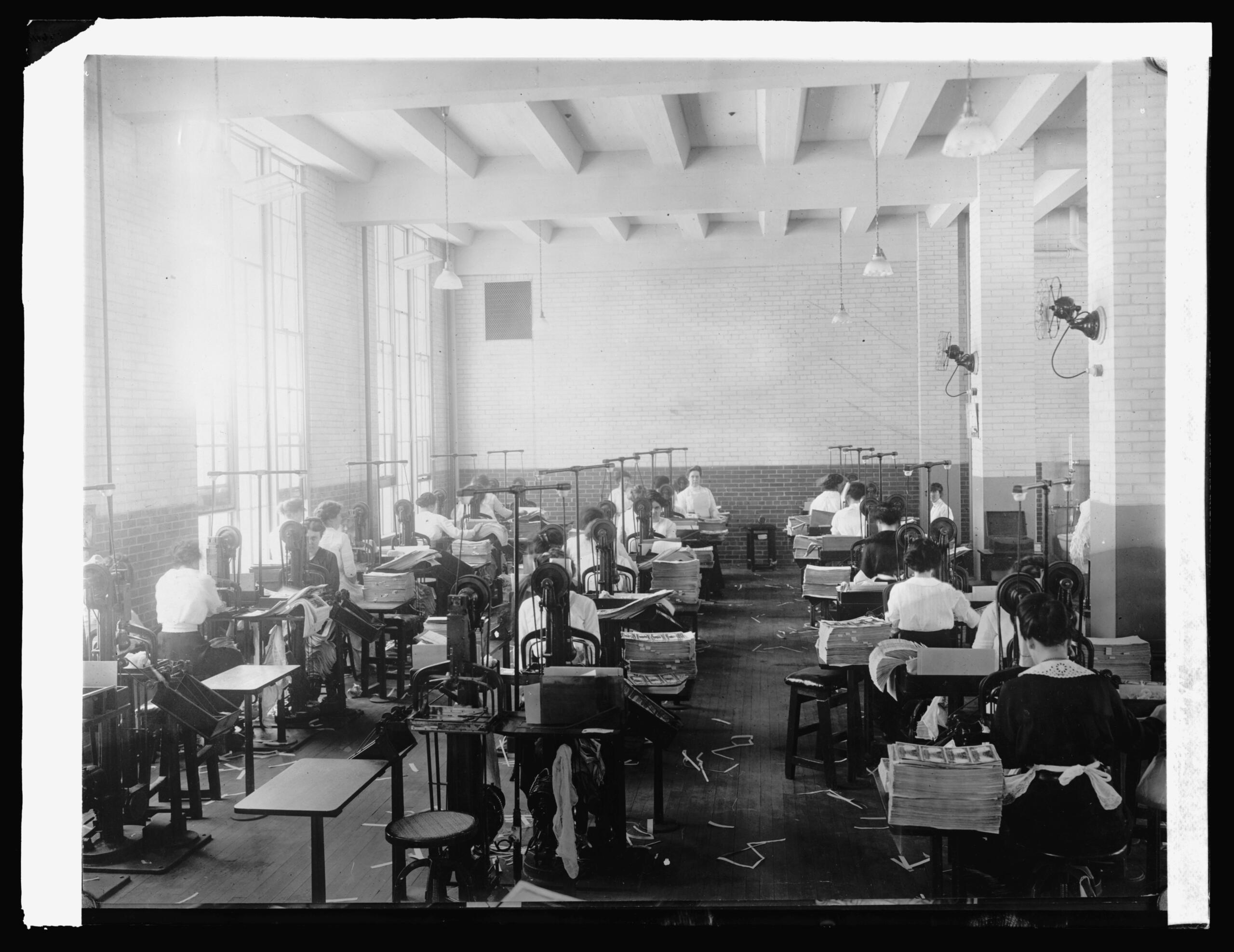
Printed, gummed and perforated sheets were examined individually by inspectors looking for missing colours, misplaced perforations, offsets, doctor blade scratches, foreign matter and anything else that would be visible to a customer.
Automated optical inspection with sampling. Hand inspection at the volumes involved was an enormous labour operation, and the inspectors’ standard was effectively what defined the product – anything they let through became what the public received.
It is also the other route by which errors reach the market. An inspector working at speed through thousands of sheets will miss things, and the famous misprints are the ones that got past both the destruction procedure and the eye at the table – which is why they come in ones and twos rather than in quantity.
10. Printing Methods Were Chosen Per Issue and Each Looks Different
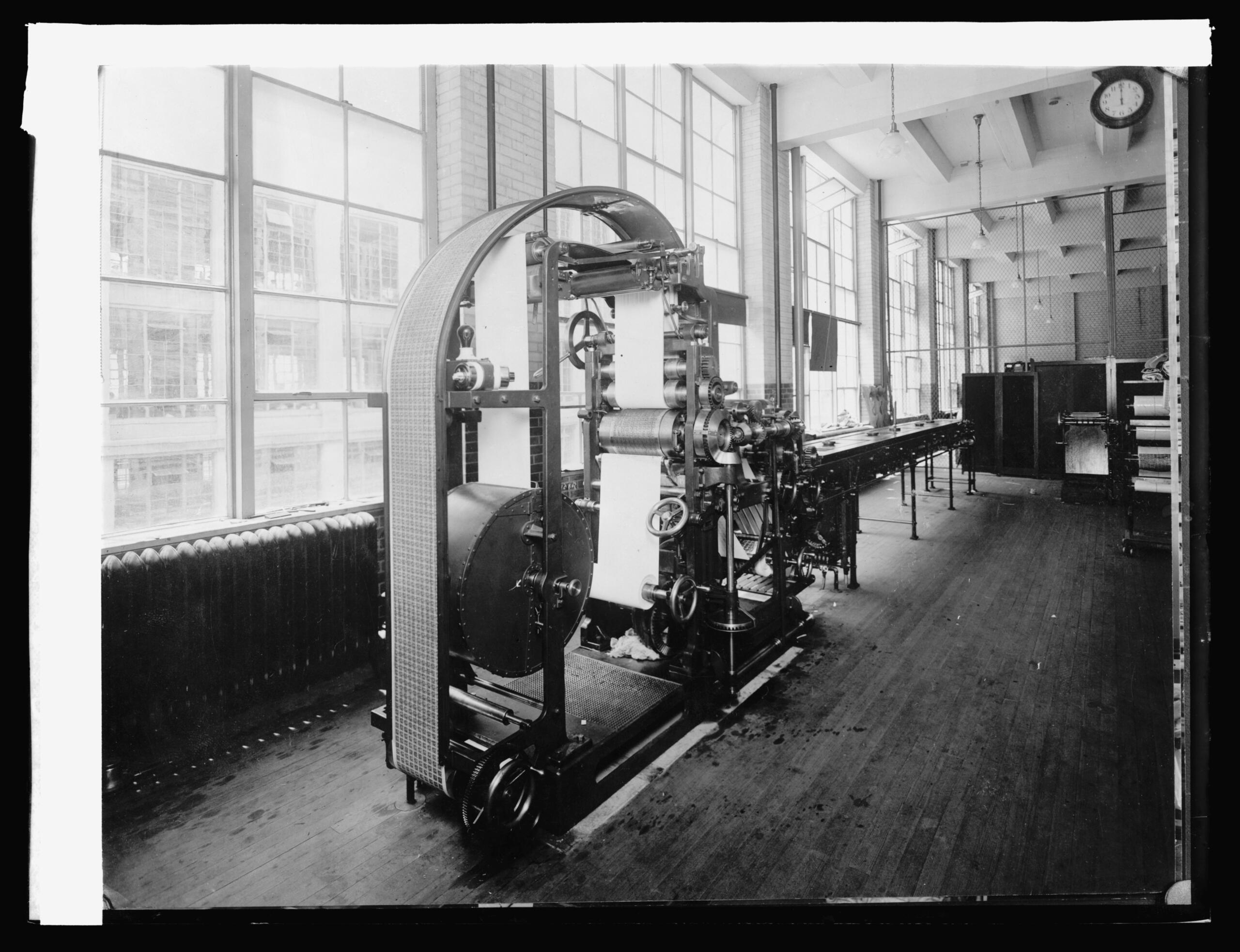
A works might use recess printing from engraved plates, typography from raised relief, lithography, or photogravure, chosen according to the design, the quantity, the cost and the security required.
Offset lithography and gravure dominate, with recess printing retained for prestige work. Each method leaves an identifiable signature: recess printing leaves ink standing proud of the paper that can be felt with a fingertip, typography leaves an impression in the back of the paper, gravure leaves a fine screen pattern.
Identifying the method is the first thing a specialist does with an unfamiliar stamp, because it narrows down when and where it was printed before anything else is considered. It is a good example of a technical manufacturing decision becoming, decades later, a piece of forensic evidence.
11. Commemorative Issues Were a Manufacturing Rush Every Time
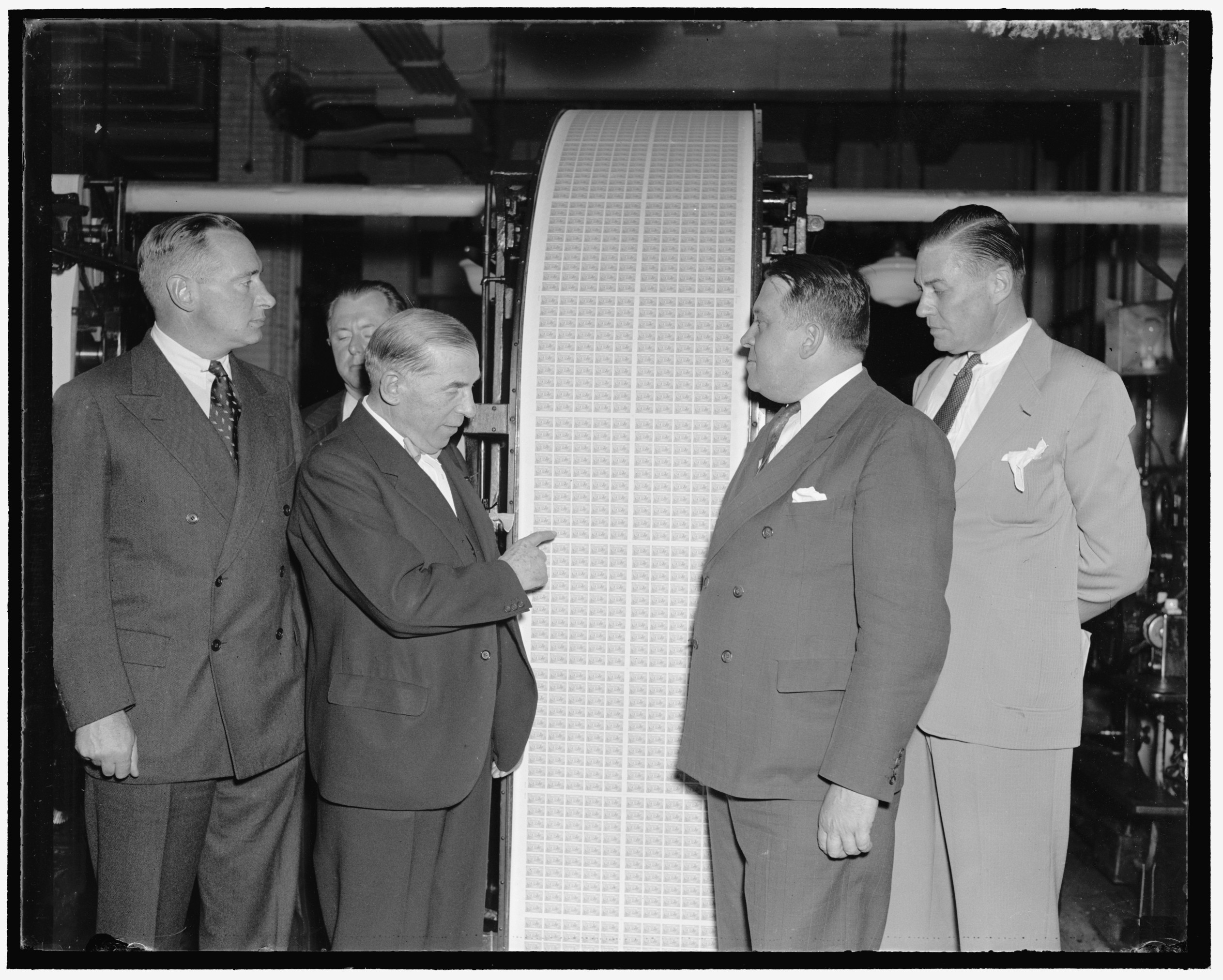
A commemorative had a fixed release date tied to an event, which meant design approval, engraving, plate making, printing, gumming, perforating, inspection and distribution all had to fit into a schedule that could not slip.
The same pressure with faster platemaking. The works had no ability to negotiate the date, because the event was the date, and the quantities were large and the quality expectations high.
The schedule pressure is visible in the output. Issues produced in a hurry show more variation, more plate wear, more colour inconsistency and more surviving errors than definitive issues printed steadily over years – which is one reason a collector can often tell a rushed issue from the stamps themselves without knowing anything about its history.
12. Definitives Were Printed for Years and the Plates Wore Out
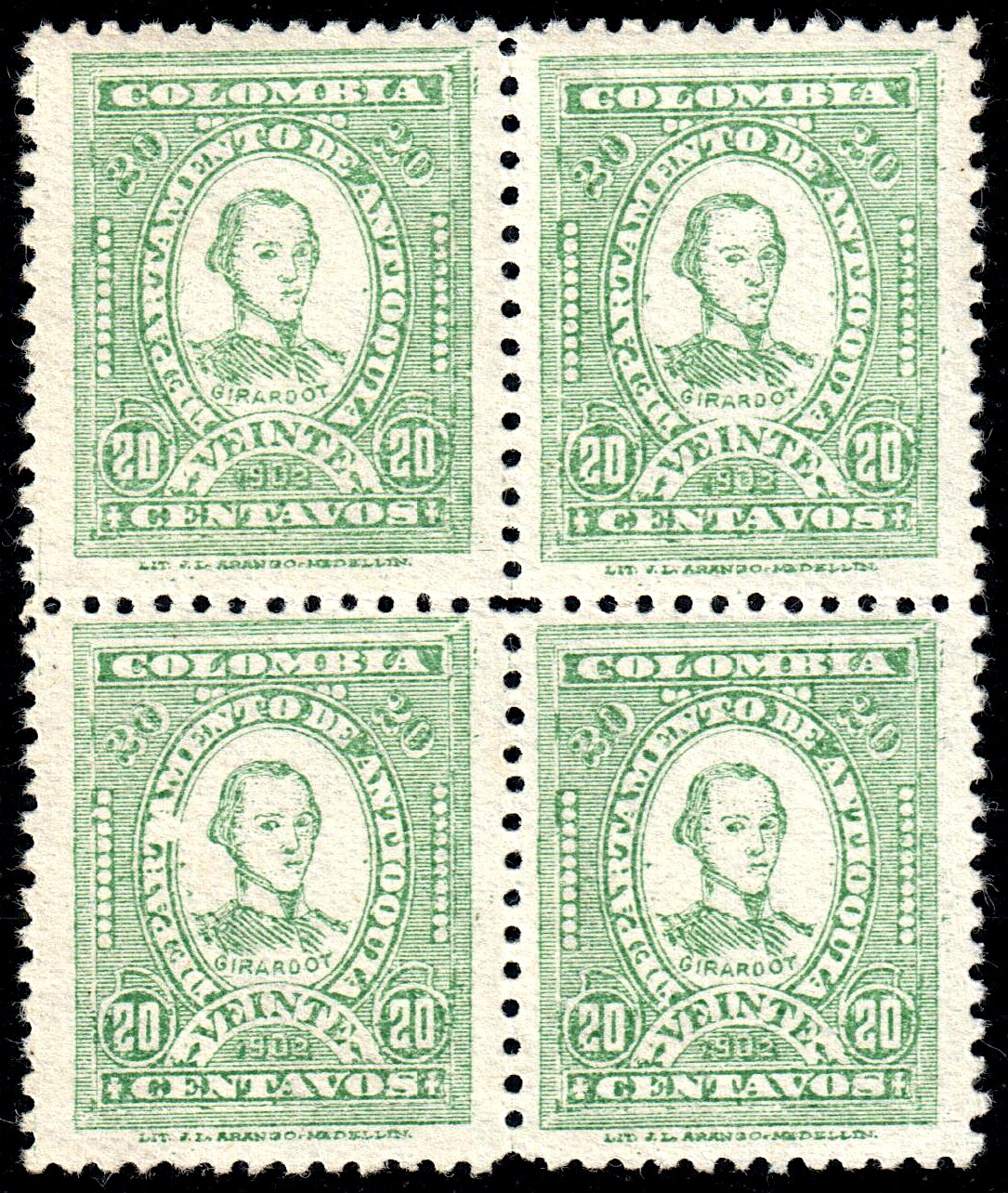
An everyday definitive design stayed in production for a long period, through many printings, with plates wearing progressively and being repaired, re-entered or replaced as they deteriorated.
Still the pattern for standard-rate stamps. Plate wear softens the finest lines first, so late printings from a worn plate look flatter and greyer than early ones, and the difference is visible when examples are compared directly.
Collectors therefore order printings by condition of the plate rather than by any date printed on them, since none is. A worn-plate example and a fresh-plate example of the same stamp can look like different designs, and working out the sequence is a piece of reasoning done entirely from the objects.
13. The Works Printed Revenue and Fiscal Material Too
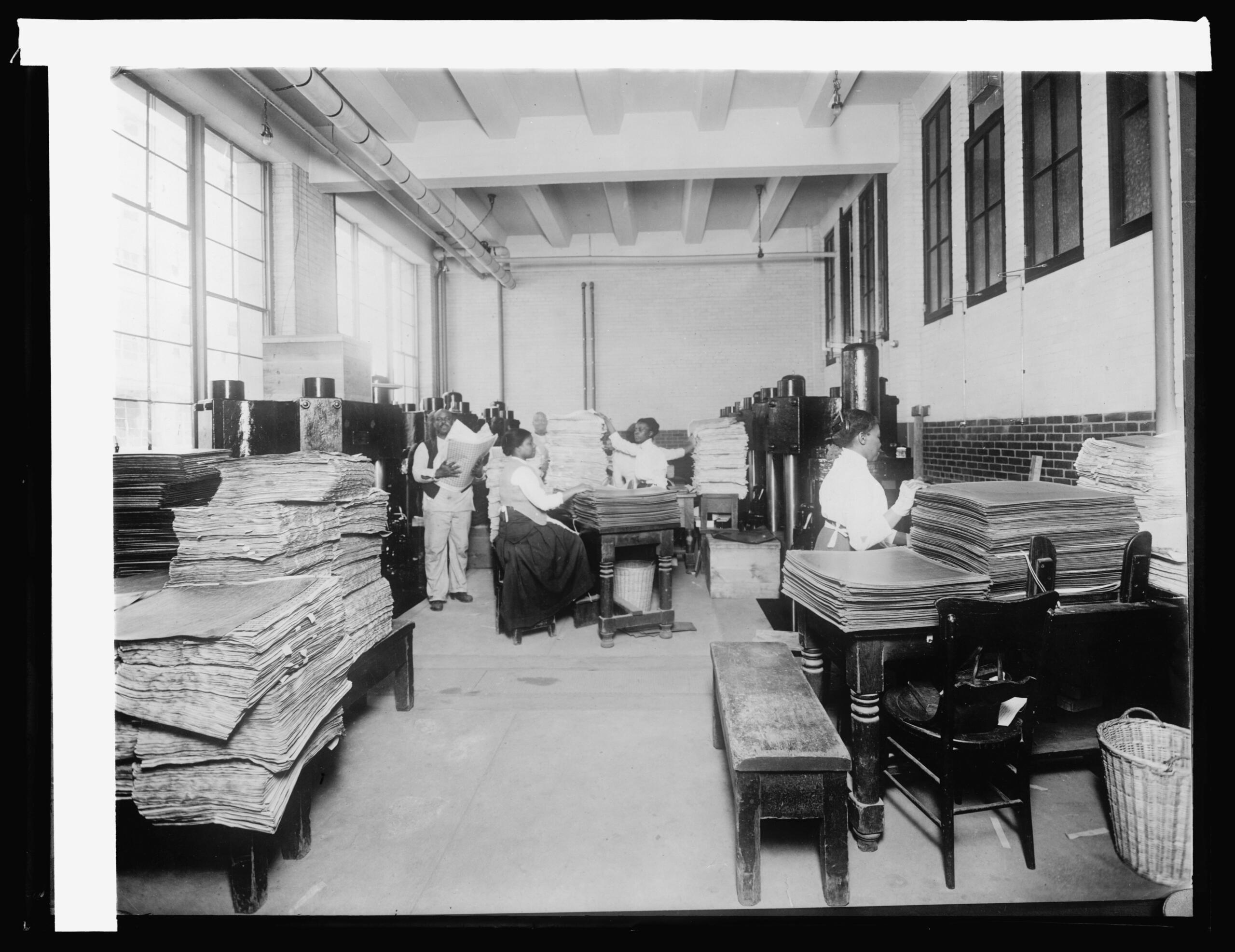
The same security presses produced duty stamps, licence stamps, revenue labels and official stationery, because the controls, the plates and the skills were already in place.
The security printing industry still covers stamps, excise and identity documents together, for the same reason. The postal work was the visible part of a broader business in printing things that represent money.
That breadth is why some of these works survived the decline in postage volumes. A security printer whose capability is in controlled printing rather than in stamps specifically could move into identity documents, excise labels, tax discs and certification – which is the familiar lesson that firms whose skill is broader than their product outlast their product.
14. Nobody Expected the Letter Itself to Decline
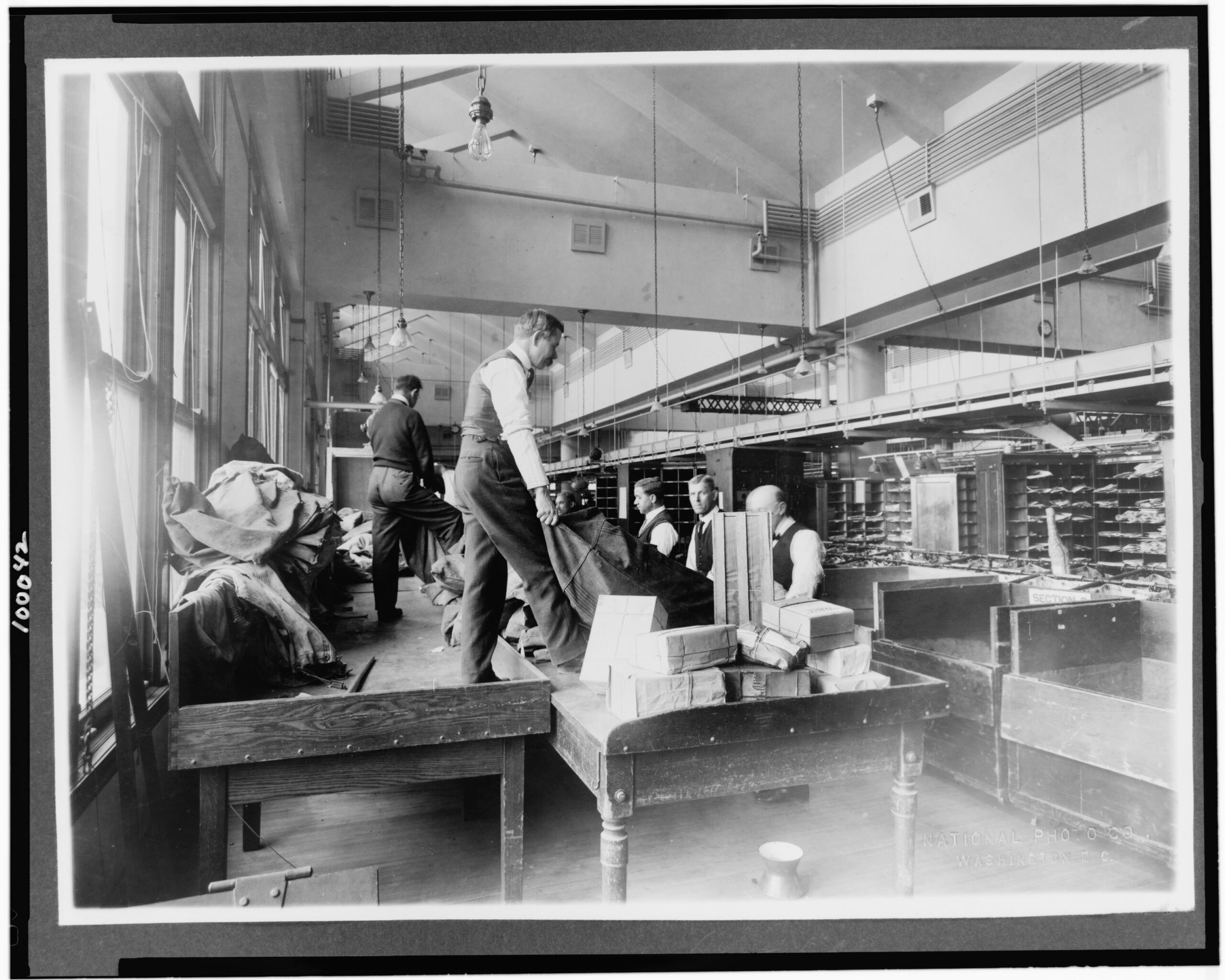
In 1960 the volume of posted mail was rising, stamps were used by everybody constantly, and the business of printing them looked as secure as any manufacturing business could.
Letter volumes have fallen very substantially as communication moved to electronic channels, and with them the demand for postage stamps. Franking, online postage, printed labels and parcel barcodes took much of what remained.
The collapse was in the ordinary stamp rather than in the special one. Definitive printing volumes fell with the mail, while commemorative and collector-oriented issues held up or grew, because that demand never depended on anybody actually posting a letter – which has quietly turned a utility business into a mostly commemorative one.
15. The Errors Are Worth More Than the Entire Print Run Was
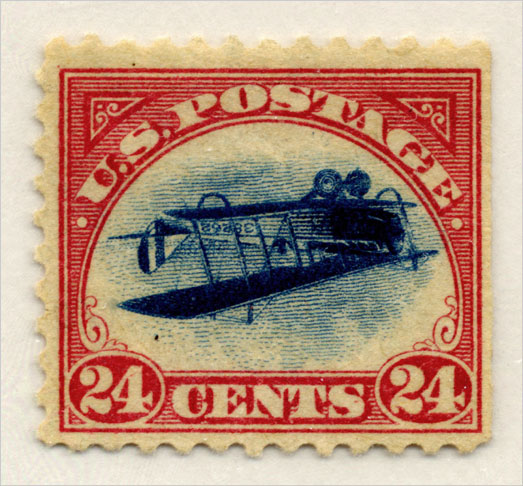
A misprinted sheet was a manufacturing defect, worth nothing, to be recorded and destroyed, and the works’ whole procedure existed to make sure none left the building.
The famous errors that escaped are among the most valuable small objects in existence, trading for sums that dwarf the value of the correct stamps printed alongside them. The inverted frame, the missing colour and the imperforate sheet are all failures of a quality system now priced as treasures.
There is a genuine irony in it worth stating plainly. Everything in this piece – the hand engraving, the transfer roller, the eye-matched ink, the pin perforation, the inspection tables – was an effort to make every stamp identical to every other. The industry’s commercial monuments are the handful of occasions when that effort failed, and the better the works was at its job, the rarer and more valuable its mistakes became.
An Entire Collecting Field Is Built on Manufacturing Variation
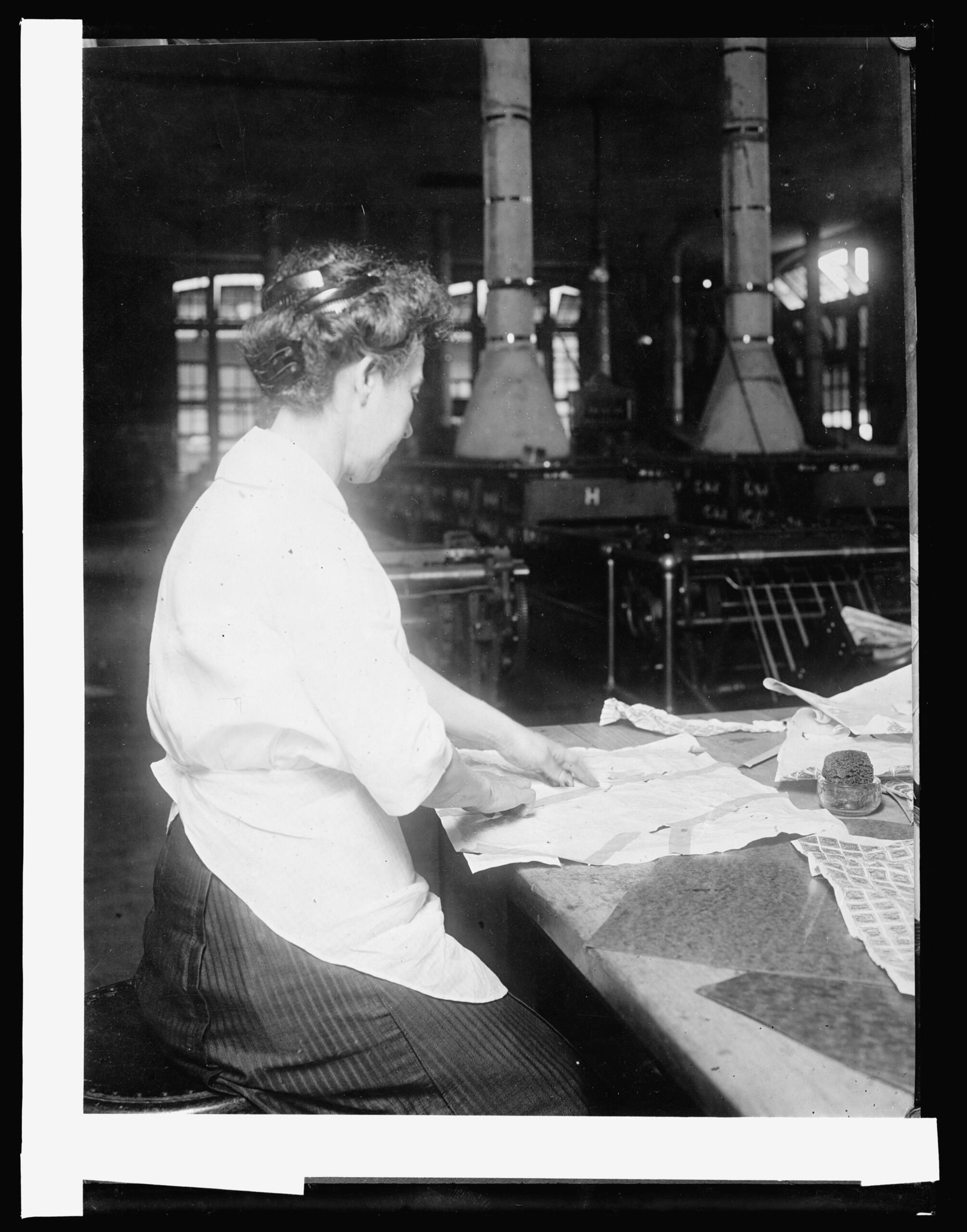
Here is the thing that makes this trade unlike any other in this series. Almost everything a stamp works tried to eliminate became, decades later, the basis of a global market.
Run through the list. The paper was dampened and shrank by an amount that varied with the batch and the humidity – so stamps from different printings differ slightly in size, and those sizes are catalogued. The ink was matched by eye against a filed sample by a person on a particular day – so shades vary, and the named shades of a single stamp are argued about by specialists and priced separately. The perforating head was chosen by a works engineer – so gauge varies, and gauge is one of the foundations of identification. The transfer roller was rocked onto the plate by hand – so each position on each plate carries a tiny consistent flaw, and those flaws let a collector say which position on which plate a stamp came from. The plates wore as they printed – so early and late impressions look different, and collectors order them by wear.
None of that was intended. Every one of those variations was a defect from the works’ point of view, something the inspectors and the ink mixers and the engineers were trying to suppress. The entire apparatus of the building existed to make each stamp indistinguishable from the next.
And at the top of the market sit the outright failures: the inverted frame, the missing colour, the imperforate sheet that escaped a destruction procedure designed specifically to stop it. Those are worth more than the entire correct print run they came from.
So the industry’s monuments are its mistakes, and the relationship is perverse in a precise way: the better the works was at its job, the rarer its errors, and the more each one is worth. A sloppy printer produces common varieties worth little. An excellent printer produces the one sheet in a million that sells for a fortune.
Nobody designs a quality system hoping it will fail beautifully. This one did.
If there is an old album in your family, the value in it is not the stamps somebody chose. It is whichever one came out wrong.
And the people who made it were trying extremely hard to stop that happening.
Like our content? Follow us for more.