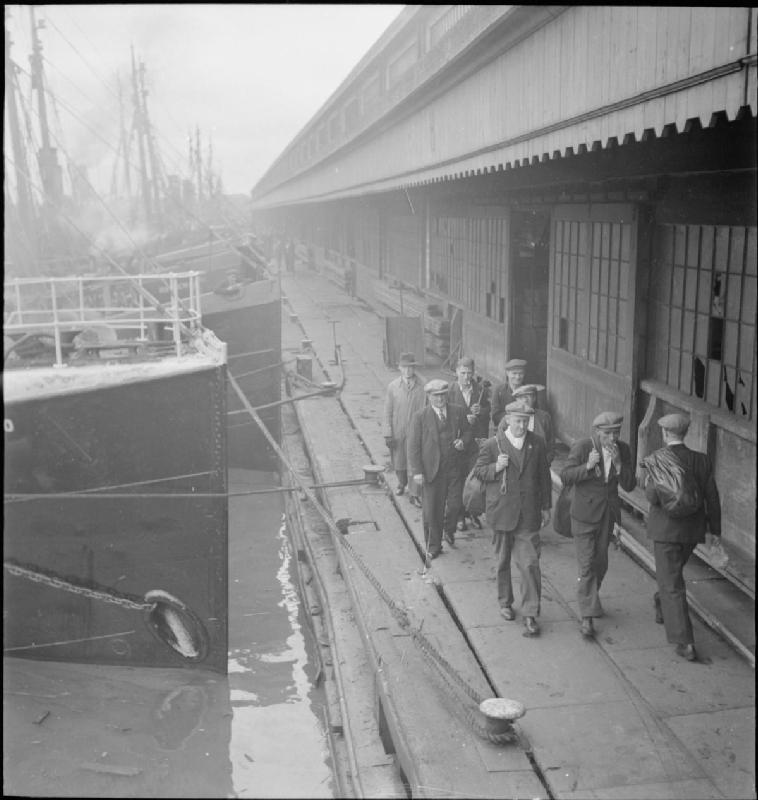
In 1960 a distant-water trawler sailed for three weeks at a time and fished continuously once the gear was down, because the vessel earned nothing on the steam out and nothing on the steam home.
The catch was gutted by hand on an open deck in freezing spray and packed in ice, and the ice was the only thing setting the length of the trip. The crew were paid a share of what the trip made rather than a wage. There were no immersion suits. And it was the most dangerous peacetime occupation there was.
Here are sixteen things that were normal on a deep sea trawler in 1960, and what became of each one.
1. The Trips Were Weeks Long and the Work Never Stopped
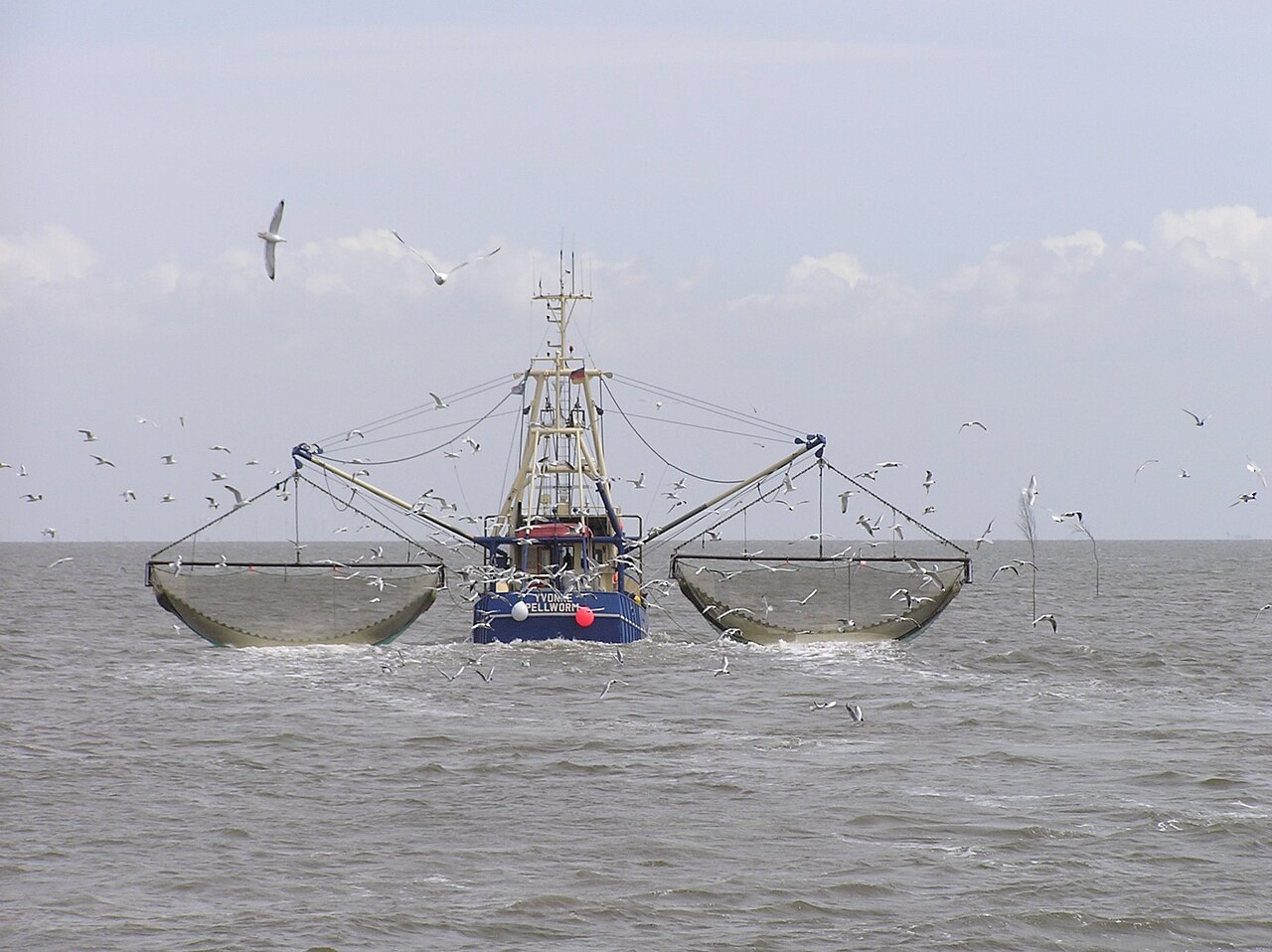
A distant-water trawler sailed for three weeks or more at a time, and once the gear was in the water the vessel fished continuously – round the clock, through weekends, in whatever weather allowed. There was no day off and no port of call in between.
Trip lengths and working hours are now regulated, with mandatory rest periods, crew rotation and recorded hours. Continuous operation was not a choice made by hard men but an economic structure: the vessel’s costs ran whether it was fishing or not, so time not fishing was money lost.
The arithmetic drove everything else. A trawler earned nothing on the steam out and nothing on the steam home, which on distant grounds could be a week in each direction, so the only part of the voyage that paid was the part with the net down. Every practice in this piece follows from the pressure to keep fishing during that window, whatever the conditions and whatever state the crew were in.
Like our content? Follow us for more.
2. The Watch System Left Almost No Time to Sleep
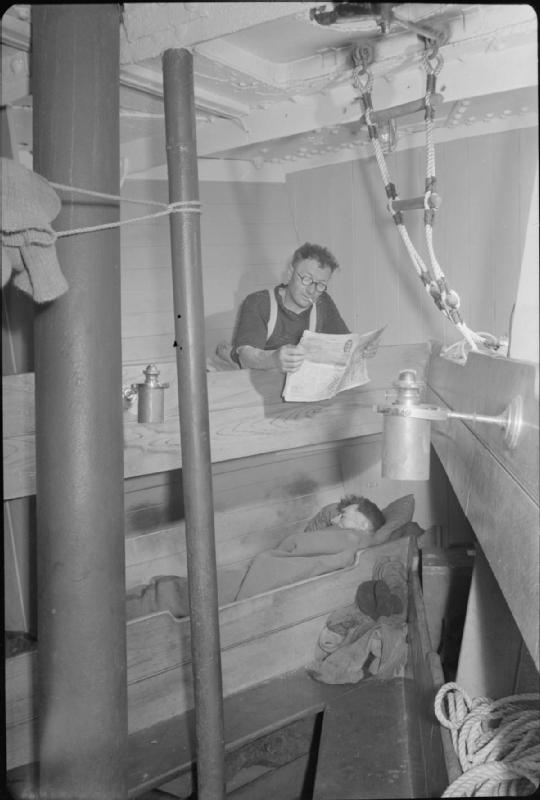
Deckhands worked a pattern that gave them a few hours off at a time, broken whenever the net came up, which on good fishing could be every few hours day and night. Eighteen-hour working days over a sustained period were ordinary rather than exceptional.
Minimum rest hours are now a legal requirement with recorded compliance, and crew numbers are set against the work rather than against the wage bill. Chronic sleep deprivation across an entire crew was the normal operating state of a trawler on good fishing, and it was understood at the time to be part of the job.
The consequence that matters is that every hazardous task on the vessel was being done by exhausted people. Heavy gear, moving machinery, a wet pitching deck and loose equipment are dangerous in any condition and considerably more so after a fortnight of broken sleep – and that interaction, rather than any single piece of equipment, is the reason the accident rate was what it was.
3. Gutting Was Done by Hand on an Open Deck in Any Weather
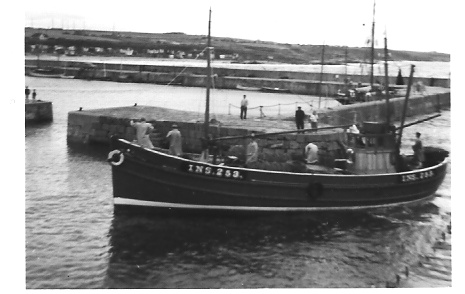
The catch was processed where it landed. Crews stood at the rail or in pounds on deck, gutting by hand with a knife, for hours at a stretch, in the dark, in freezing spray, on a deck that was moving.
Mechanical processing, enclosed factory decks and heated working spaces. Hand gutting on an open deck combined sharp tools, cold hands, poor light and an unstable footing, and the resulting injuries – cuts, crush injuries and falls – were routine enough to be treated as part of the work rather than as incidents.
Cold was the underlying problem rather than the knife. Hands working wet in near-freezing conditions lose sensation and grip, which makes a blade harder to control and a slip harder to avoid, and the long-term effects of sustained cold and wet exposure on hands and joints were widespread in the fleet and largely untreated.
4. The Whole Trip Was Limited by How Much Ice Was Aboard
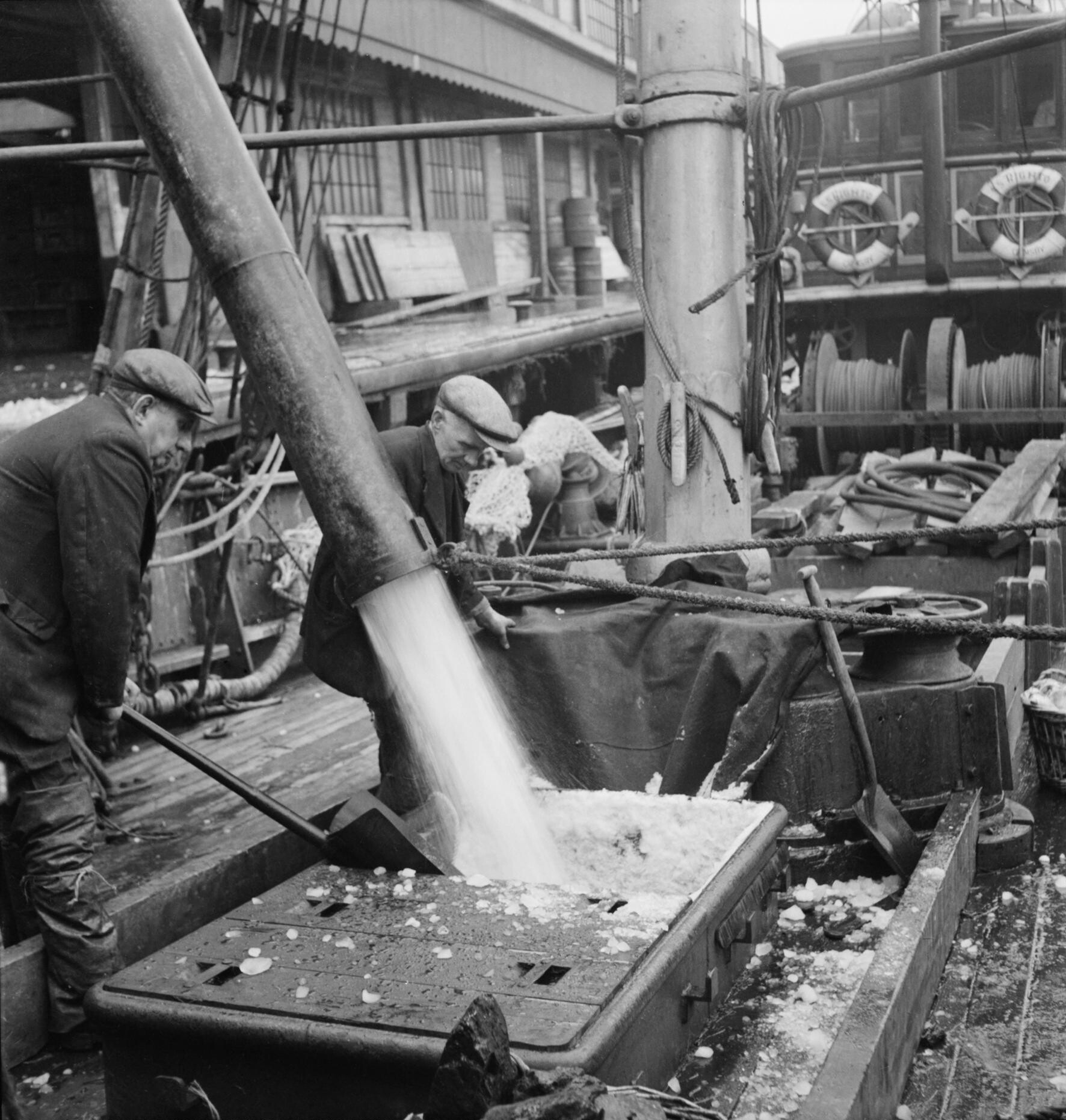
There was no refrigeration machinery. The catch was packed in crushed ice in the fish room, layer by layer, and the trip could last only as long as the ice did – which also meant the first fish caught was three weeks old by the time it was landed.
Refrigerated seawater systems, blast freezing and freezer trawlers that process and freeze at sea. Ice was the binding constraint on the entire business model: the quantity of ice loaded set the maximum trip length, which set how distant the grounds could be, which set what the vessel could catch.
It also set the quality gradient that defined the market. Fish landed from the top of the fish room was days old and fish from the bottom was weeks old, and both were sold on the same morning at prices reflecting the difference. Freezing at sea eliminated that gradient entirely, which is a larger change to the product than anything that happened to the catching.
5. Trawling Meant Dragging a Net Along the Bottom of the Sea
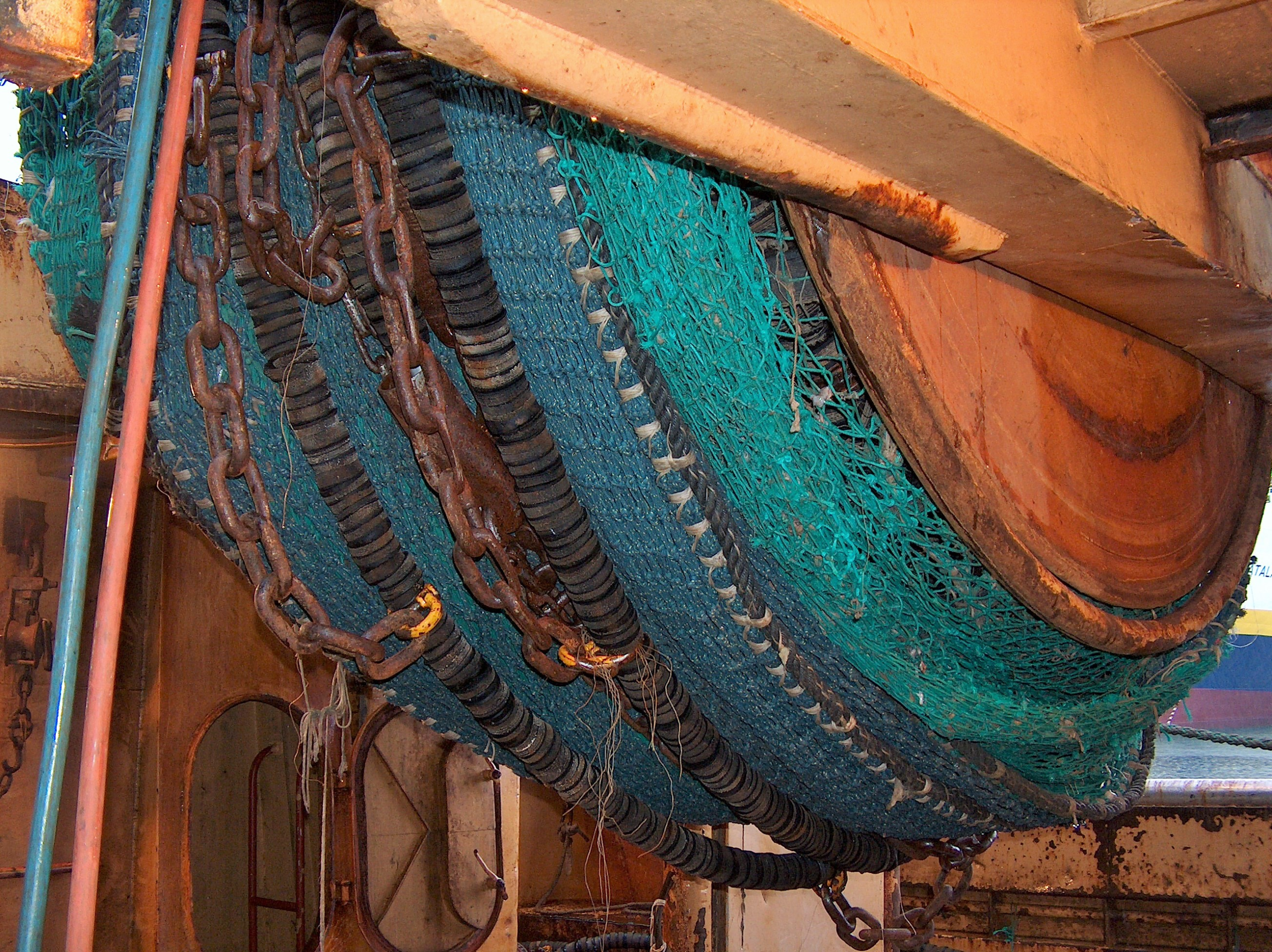
A bottom trawl is a bag net towed across the seabed, held open and kept in contact with the ground, sweeping up what lives on and just above the bottom. The vessel’s whole design – power, winches, gallows, warps – existed to tow it.
Still the dominant method for many species, with gear modified to reduce seabed contact and bycatch. The environmental effects of towing gear across the seabed are a genuine and continuing scientific and policy argument, and the modifications – lighter ground gear, raised footropes, escape panels, closed areas – are responses to it.
It is worth being accurate about where the disagreement actually sits. That towed bottom gear disturbs seabed habitat is not seriously disputed; what is disputed is how much, how fast different seabed types recover, and how that should be weighed against the food and the livelihoods the method produces. Those are questions of measurement and of policy, and they are not settled by this piece.
6. Two Heavy Boards Held the Net Mouth Open
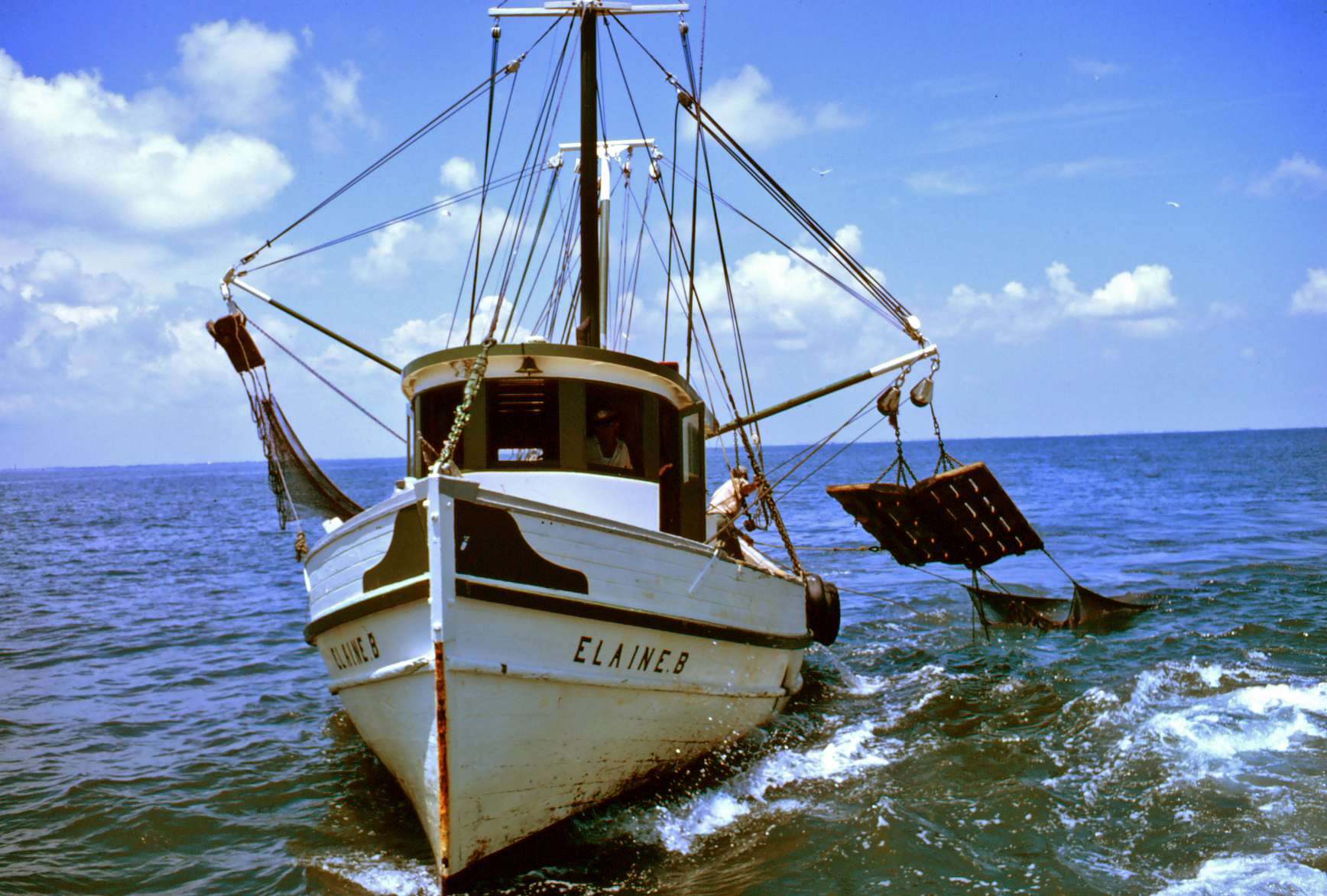
The net was kept spread by otter boards – large angled steel plates, one on each warp, which were forced outwards by water pressure as the vessel towed, pulling the net’s wings apart.
The same principle in modern trawl doors, now computer-modelled and in some fisheries fitted with sensors reporting their position. The otter board is an elegant solution: it uses the towing motion itself to generate the spreading force, so no additional machinery, structure or power is needed to hold a net open.
They were also among the most dangerous objects on the vessel. Each board weighed a great deal, swung freely when shot or hauled, and had to be handled at the ship’s side by men on an open deck in a swell. Modern vessels handle them with hydraulic systems designed so that nobody needs to be beside them while they move.
7. Hauling the Net Was the Moment Everybody Watched
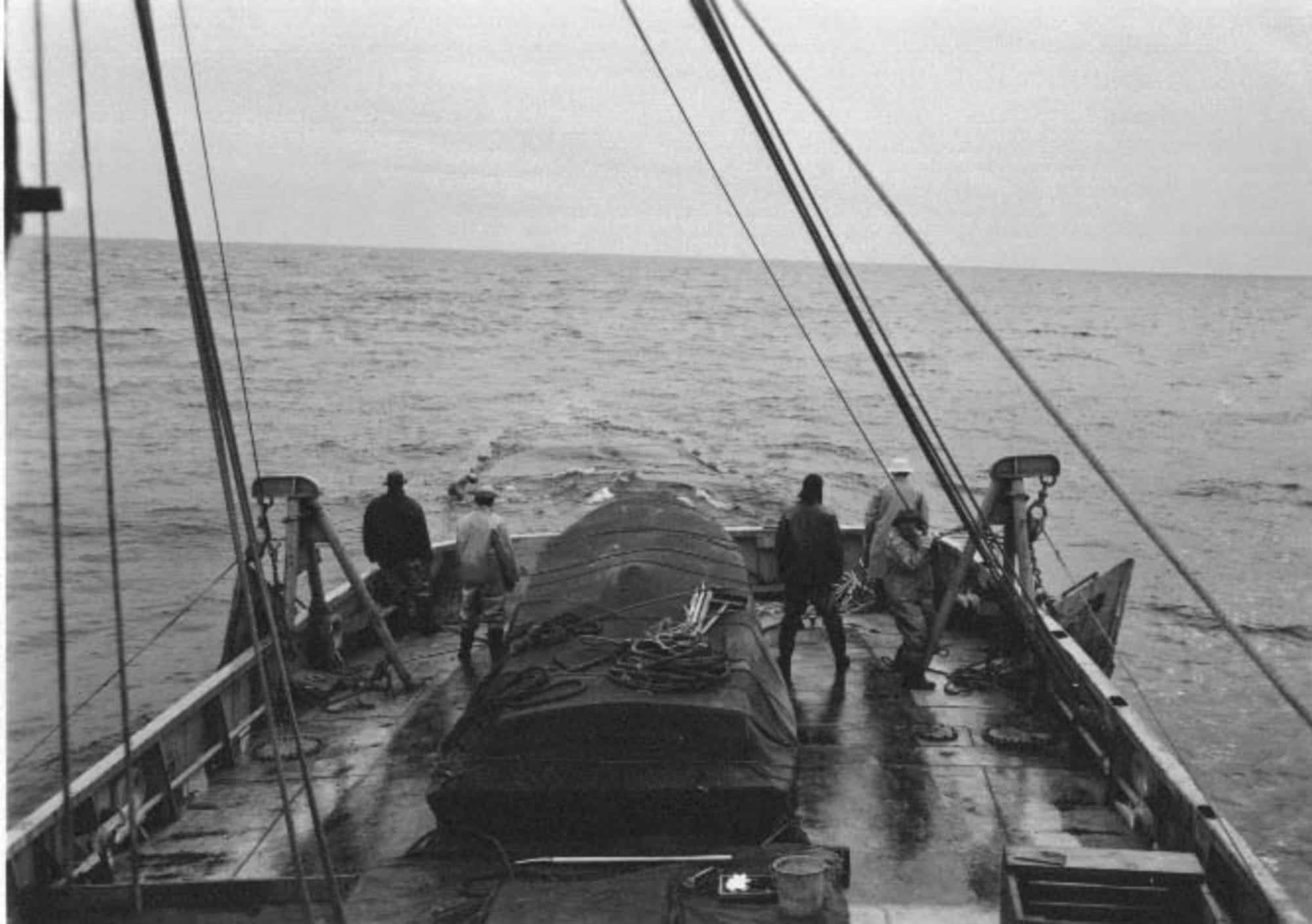
Bringing the gear in meant warps under enormous tension running over blocks, winches heaving, boards coming aboard, and a full net being lifted and emptied – all of it on a confined deck with the vessel rolling.
Powered handling systems, net drums, enclosed hauling arrangements and deck layouts designed so the crew are clear of loaded gear. A warp under tension is the hazard that defined the industry: wire rope parting under load releases an enormous amount of energy, and the deck of a trawler during hauling was a place where that could happen.
Everything about modern deck design on a trawler is a response to this one operation. The crew are positioned out of the bight of ropes, controls are sited where the operator can see the gear without standing beside it, and guards and interlocks exist specifically to stop somebody being in the wrong place at the wrong moment – all of which existed to a far lesser degree, or not at all, in 1960.
8. Finding Fish and Finding Your Position Were Two Different Arts
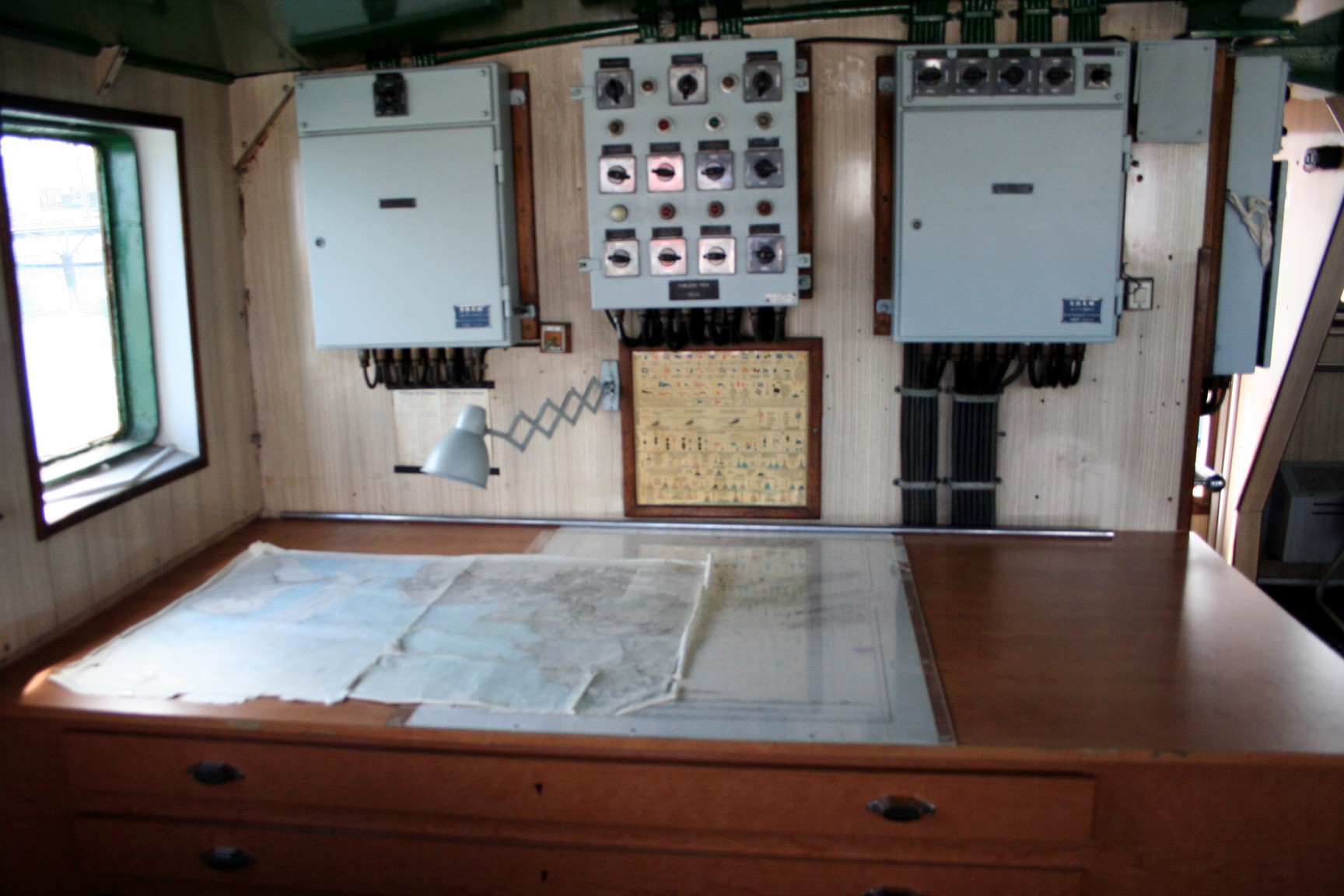
Navigation used dead reckoning, celestial observation where the sky allowed, and radio bearings. Finding fish used echo sounders, a detailed memory of the ground, logbooks of past trips, and inference from the catch itself.
Satellite positioning, plotters, high-resolution sonar, seabed charts and shared electronic data. The skipper’s knowledge of particular grounds was the vessel’s commercial asset and was not written down for anybody else – which meant a crew’s earnings depended heavily on who was in the wheelhouse.
The knowledge was genuinely detailed and genuinely private. A skipper might know a specific patch of ground a few miles across, how it fished in different months and different weather, where the gear would snag, and which marks lined up to put the vessel on it – held in his head and in private notebooks, and taken with him when he moved or retired.
9. Everybody Was Paid on What the Trip Earned
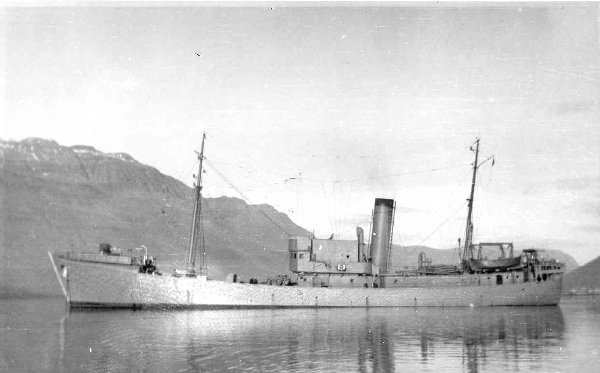
Crews were paid a share of the voyage’s gross earnings rather than a wage, so a poor trip meant very little money for three weeks of continuous work, and a good one meant a great deal.
Share systems persist widely alongside guaranteed minimums, and employment protections now apply. The share system aligned everybody’s interest in fishing hard and ignoring conditions, which was its purpose, and it transferred the commercial risk of a bad trip from the owner onto the crew.
It also shaped behaviour at the margin in ways that mattered for safety. A decision about whether to keep fishing in worsening weather, or to make one more haul before steaming home, was being taken by people whose own earnings depended on the answer – which is precisely the circumstance in which a regulated rest period or a weather limit does work that individual judgement cannot.
10. There Were No Survival Suits and Little Else
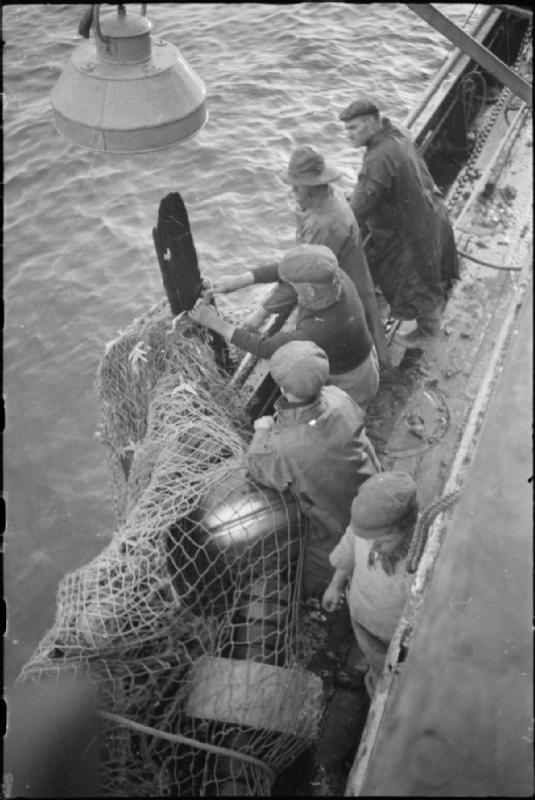
Personal protective and survival equipment was minimal. Oilskins and sea boots were the working clothing, lifejackets were not routinely worn while working, and immersion protection as it is now understood did not exist.
Immersion suits, personal flotation devices worn on deck, personal locator beacons, liferafts with hydrostatic release and mandatory drills. The change in survival equipment is one of the largest single improvements in any occupation covered in this series.
The reason it matters so much is water temperature. On northern grounds the sea is cold enough that an unprotected person’s survival time is very short, which means a man going over the side was in immediate and extreme danger regardless of whether he could swim or whether the vessel saw him go. Modern immersion protection changes that time from minutes to hours, which is the difference between a recovery and a rescue.
11. It Was the Most Dangerous Peacetime Occupation There Was
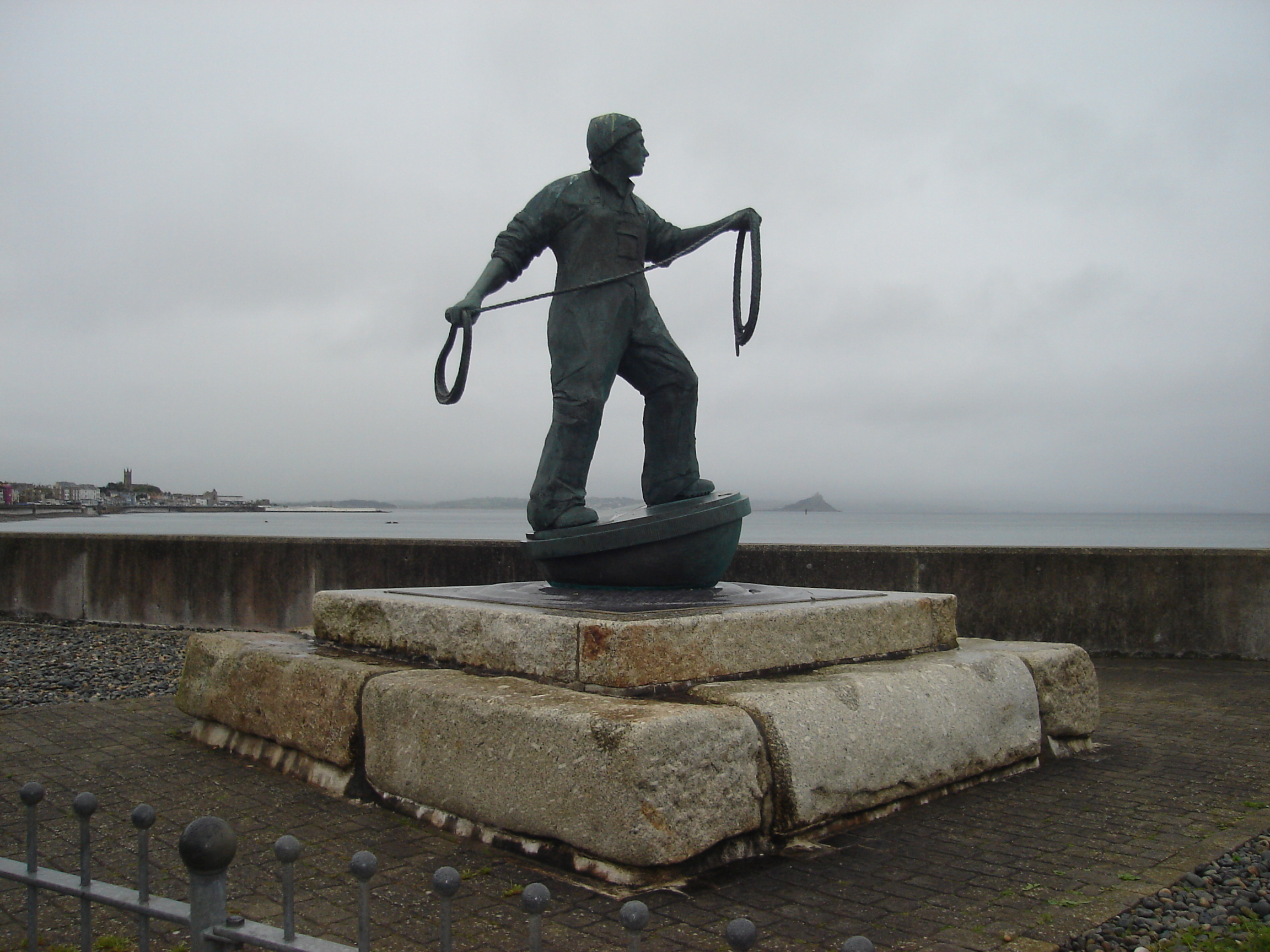
Distant-water trawling had a fatality rate far above any other civilian industry of the period, and the losses included whole vessels with all hands as well as individual deaths aboard.
Commercial fishing remains among the more hazardous occupations and the rate has fallen enormously, through stability requirements, weather routing, survival equipment, mandatory training, rest rules, equipment guarding and vessel inspection. The scale of the historical risk is not disputed and is a matter of record.
It is worth stating plainly what that meant for the towns involved, without dwelling on it: the fishing ports that supplied these crews lost men steadily, in ones and twos and occasionally in whole crews, as a continuing feature of ordinary life rather than as a series of exceptional disasters. The memorials in those towns carry a great many names, and the regulations that followed were written against them.
12. The Wireless Operator Was the Only Connection to Anywhere
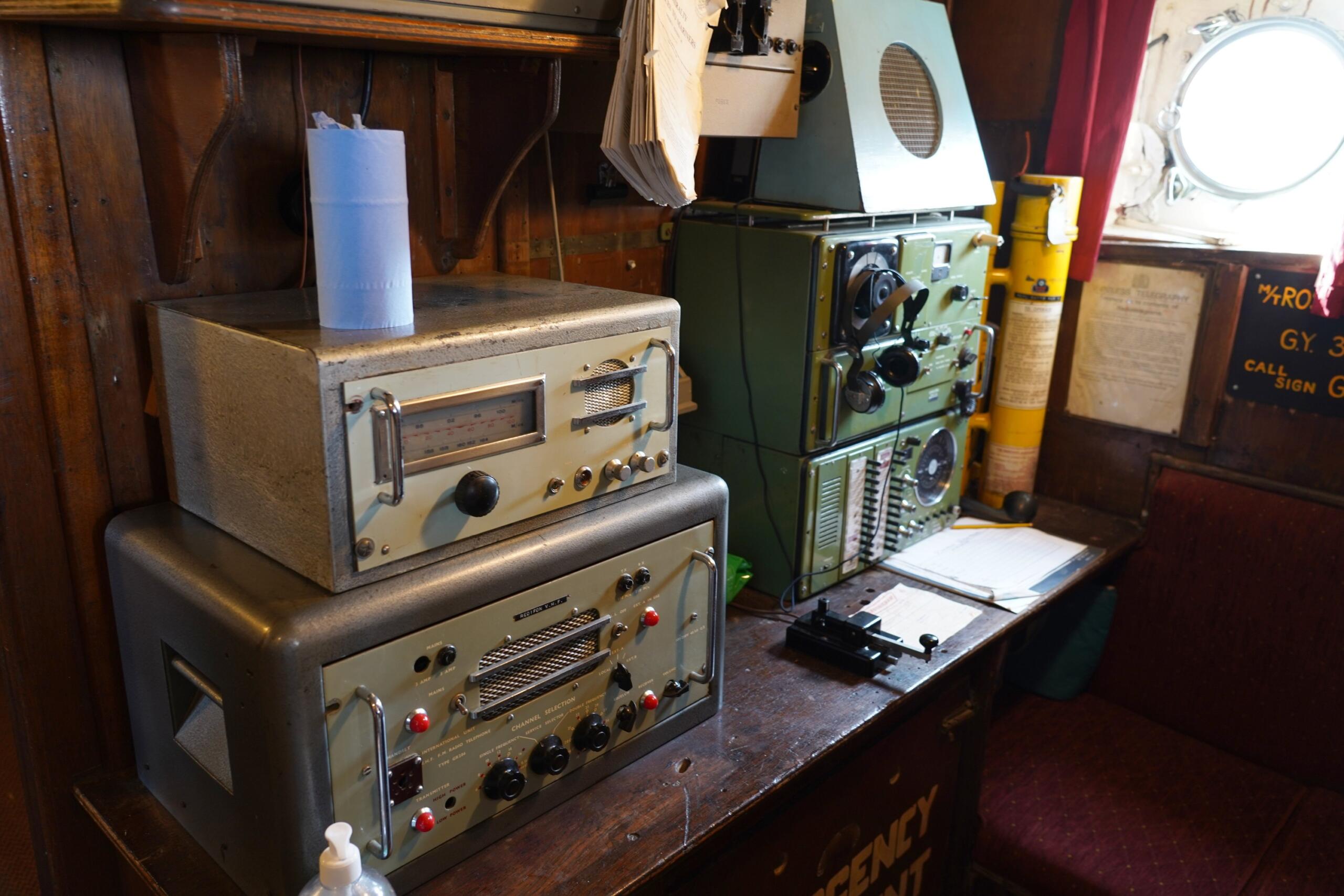
Communication was by radio, operated by a dedicated wireless operator who handled position reports, weather, fishing information passed between vessels, owners’ instructions and the crew’s personal messages.
Satellite communications, data links and position reporting available to everybody aboard. The operator was simultaneously the safety link, the commercial channel and the only route by which a man at sea could learn anything about his family for three weeks.
The information flow between vessels was its own economy. Skippers shared fishing news selectively, in code or in private arrangements with particular friends, because telling the fleet where the fish were meant sharing them – so a wireless room was also a place where commercially valuable information was traded, withheld and occasionally misrepresented.
13. Everything Was Settled on the Dock That Morning
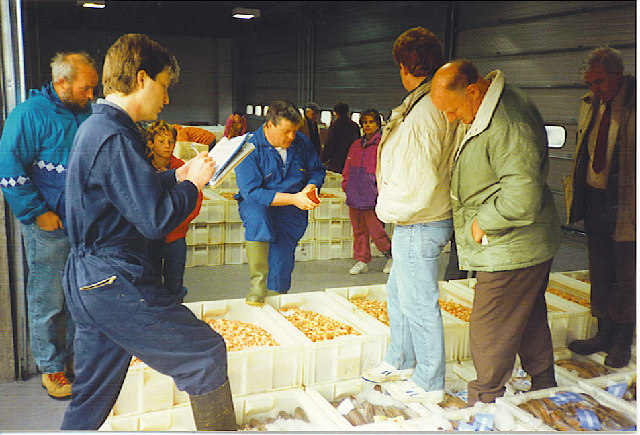
The catch was landed, laid out and auctioned on the market the same day, with prices set by what buyers would pay that morning, and the trip’s whole value determined in a couple of hours.
Contracts, futures, quota arrangements, direct supply agreements and electronic auctions. Landing into a same-day auction with no forward price meant three weeks of work was valued by the state of one morning’s market, with no hedge and no recourse.
The volatility was extreme and the crew bore it. Two vessels landing the same quantity of the same fish on consecutive days could return very different amounts to their crews because of what else happened to be on the market, which is the kind of exposure that would be regarded as unacceptable in almost any other wage arrangement.
14. The Vessel Was Loaded in a Way That Would Fail an Inspection
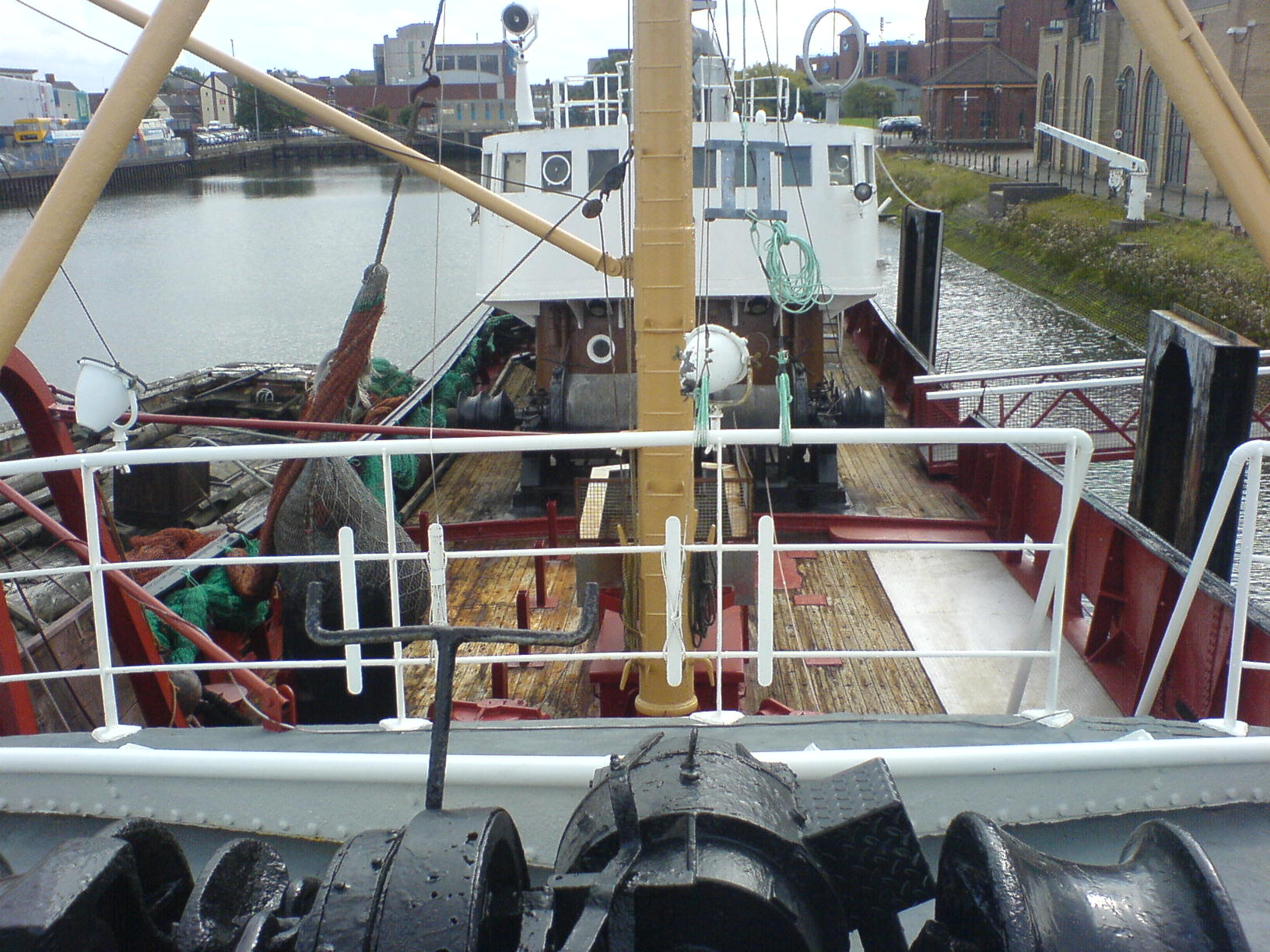
Ice, fuel, gear, stores and then a growing weight of catch all affected a trawler’s stability, and the management of that was largely a matter of the skipper’s experience rather than of calculation against a documented limit.
Stability is now calculated, documented and approved, with loading conditions specified and free-surface and ice-accretion effects explicitly accounted for. Several of the losses that drove reform were stability failures, and the subsequent requirements exist because experience alone had proved insufficient.
Ice accretion deserves particular mention because it is counterintuitive. In freezing conditions with spray, ice builds up on a vessel’s superstructure and rigging, adding weight high above the waterline where it does most harm to stability – and it accumulates fastest in exactly the conditions where a crew is least able to go out and clear it.
15. Then Limits, Quotas and Freezer Ships Ended That Whole Fishery
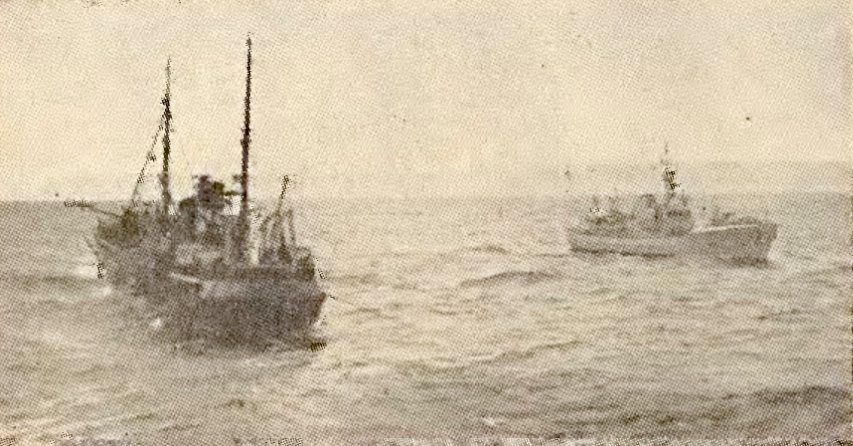
The distant-water fleet depended on free access to far-off grounds, on ice-limited trip lengths and on landing fresh into a domestic auction, and the entire structure assumed the fish would keep coming.
Extended national fishing limits closed those grounds to foreign fleets, quota management replaced open access, and freezer and factory vessels made the ice-limited fresh trip obsolete. The distant-water trawler fleets were laid up or scrapped within a very short period and the ports that depended on them lost their principal industry.
The underlying reason the limits came is the part that is sometimes left out: several of the stocks these fleets worked were being taken faster than they could reproduce, and the eventual collapse of some of them was the clearest possible demonstration that open access to a shared resource does not self-correct. The management regimes that replaced it are argued about continually, but the thing they replaced had already failed.
16. The Fish on Your Plate Is Still Caught With a Towed Net
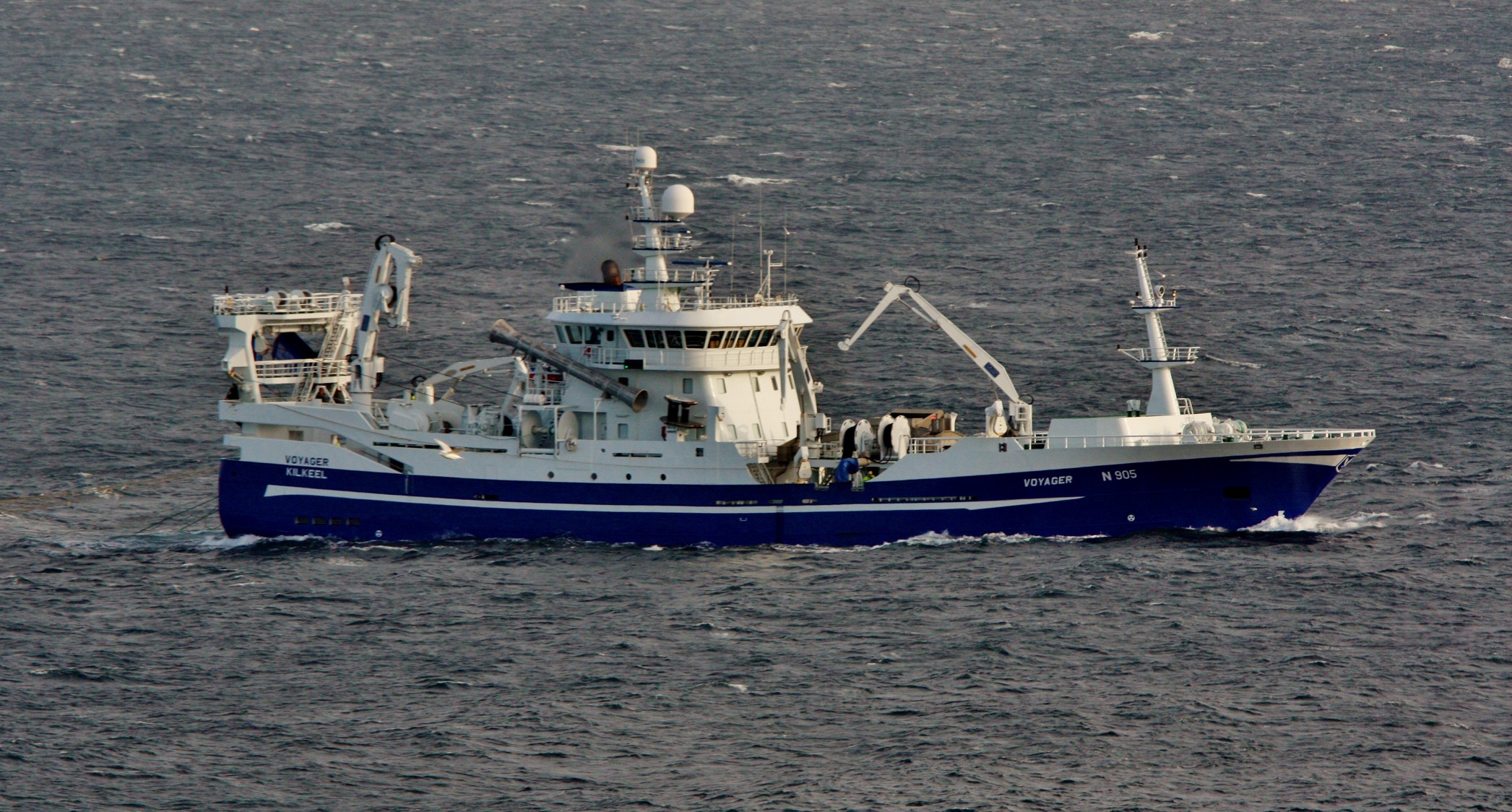
The method – a bag net towed across the ground behind a powered vessel, spread by boards, hauled by winch – was mature by 1960 and defined the industry.
Still the dominant method for a large share of the world’s whitefish catch, on vessels that are safer, better equipped, better regulated and vastly better at finding fish. The gear has been refined continuously; the principle has not changed.
Which makes this one of the few trades in this series where the core technique survived intact and almost everything around it was rebuilt. The net is recognisably the same net. What changed is that the people working it now have calculated stability, mandatory rest, immersion suits, satellite positioning, weather routing and a quota telling them when to stop – and the fatality rate fell by an order of magnitude as those arrived.
The Pay Structure Was the Safety Problem
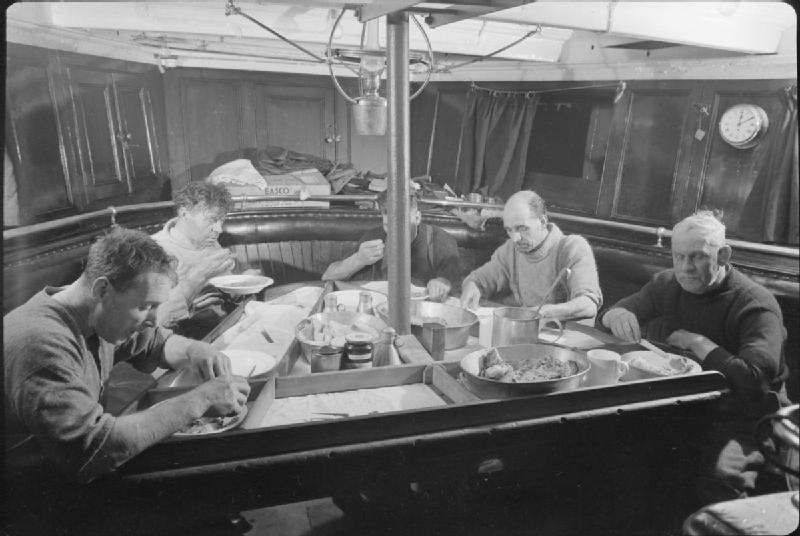
If you wanted to identify the single feature of this industry that did most damage, it would not be the equipment, the cold or the hours. It would be how people were paid.
Crews worked for a share of the voyage’s gross earnings. No catch, no money – and three weeks of continuous labour could return almost nothing. A good trip could return a great deal.
The purpose of that arrangement was to align everybody’s interest in fishing hard, and it worked exactly as intended. But it also transferred the commercial risk of the voyage from the owner, who had capital, onto the crew, who did not. And it put every marginal decision about risk into the hands of people with a direct financial stake in the answer.
Keep fishing as the weather worsens, or stop? Make one more haul before steaming home, or secure the gear now? Clear the ice off the rigging, or get the net back in the water? Each of those is a judgement, and each was being made by men whose own earnings moved with it, after a fortnight of broken sleep.
That is why the reforms that followed are rules rather than advice. A mandatory rest period, a documented stability limit, a weather criterion and a quota all have one thing in common: they take the decision away from the person with the incentive to get it wrong. Not because the skippers were reckless – most were extremely skilled and extremely careful – but because no amount of skill makes a human being a reliable judge of risk when they are tired and their income depends on the answer.
The fatality rate in commercial fishing fell by an order of magnitude over the following decades. Survival suits and satellite positioning get the credit, and they deserve a lot of it. But the less visible change was structural: the industry stopped asking exhausted men to price their own safety against their own wages.
If your family came from a fishing port, somebody in it went to sea on one of these, and the town’s memorial will tell you what that cost.
And the first fish in the ice was three weeks old when it reached the market.
Like our content? Follow us for more.