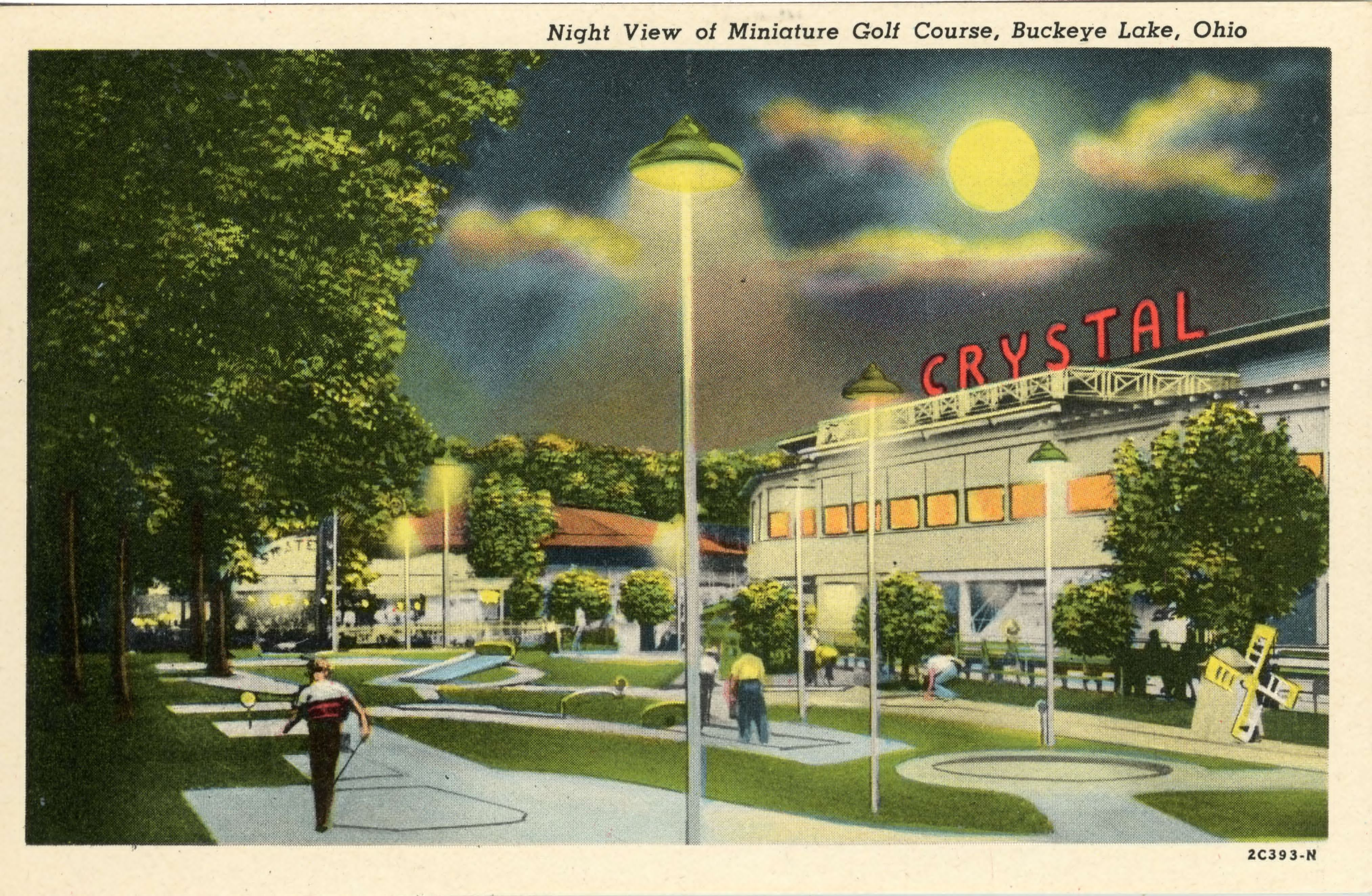
In 1975 a miniature golf course was poured concrete under coarse green outdoor carpet, with obstacles built on site out of plywood, sheet metal and paint by whoever owned the place.
The carpet was never flat, so every regular knew which hole pulled a ball left. The putters came in two sizes and fitted nobody. You chose your ball by colour and defended the choice. The last hole swallowed the ball and sometimes rang a bell for a free game. And nobody had ever read the rules board.
Here are fourteen things every family did at the miniature golf course in 1975, and what became of each one.
1. The Surface Was Concrete Under Green Outdoor Carpet
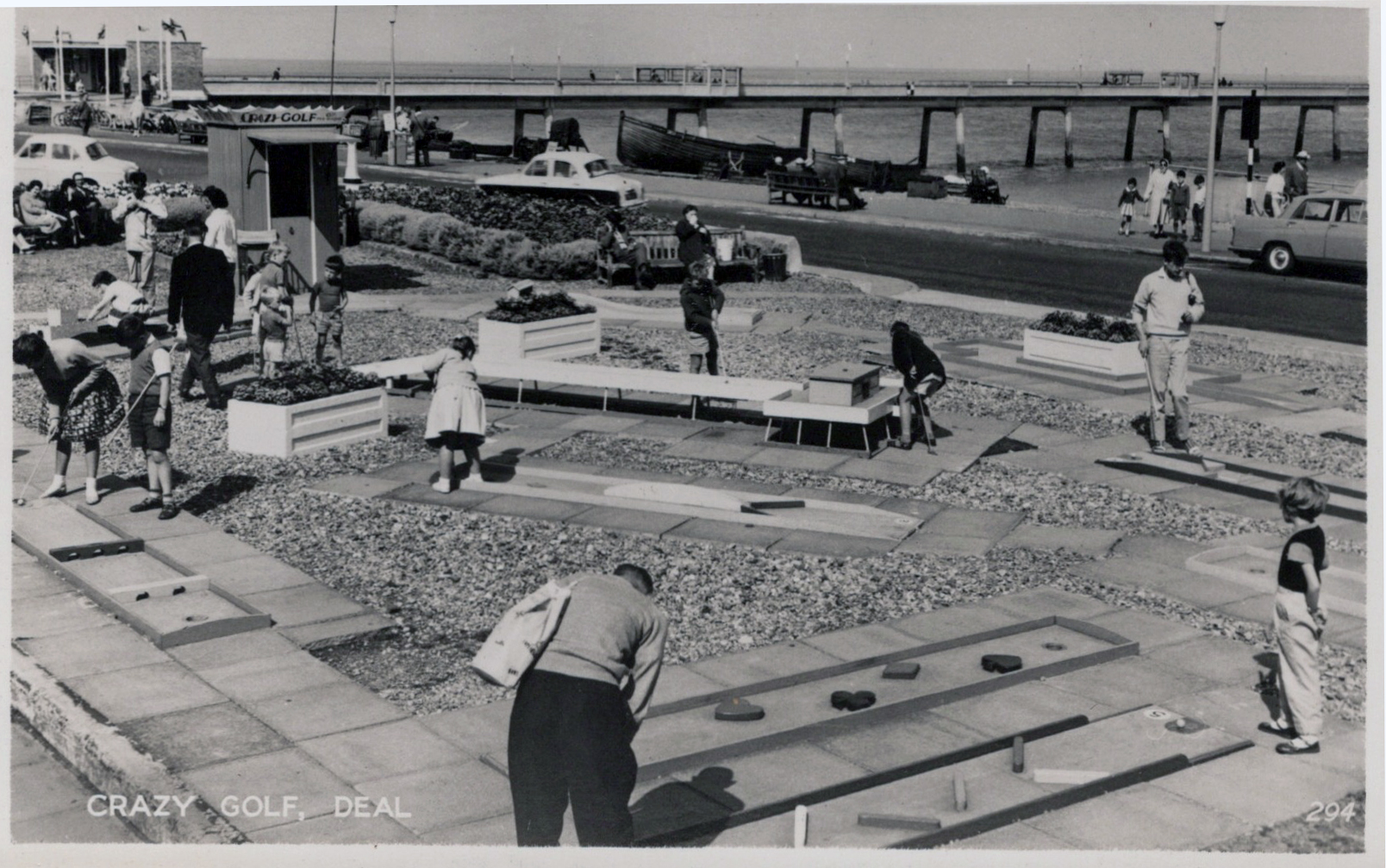
Holes were poured concrete, shaped with kerbs and banks, surfaced with a coarse green indoor-outdoor carpet glued down and seamed, with the cup set into the concrete and a flag in it.
Modern courses use engineered synthetic turf with a consistent roll, laid on prepared bases with proper drainage. The old carpet was never flat, developed waves at the seams, held water after rain and wore into bare patches on the common lines.
Those defects were the course. Every regular knew which hole had a dip that pulled a ball left, where the seam would deflect a putt and which patch had worn fast – which meant local knowledge mattered more than putting ability, and a family who played the same course all summer had a genuine advantage over visitors.
Like our content? Follow us for more.
2. Every Hole Had an Obstacle and They Were Made of Plywood and Paint
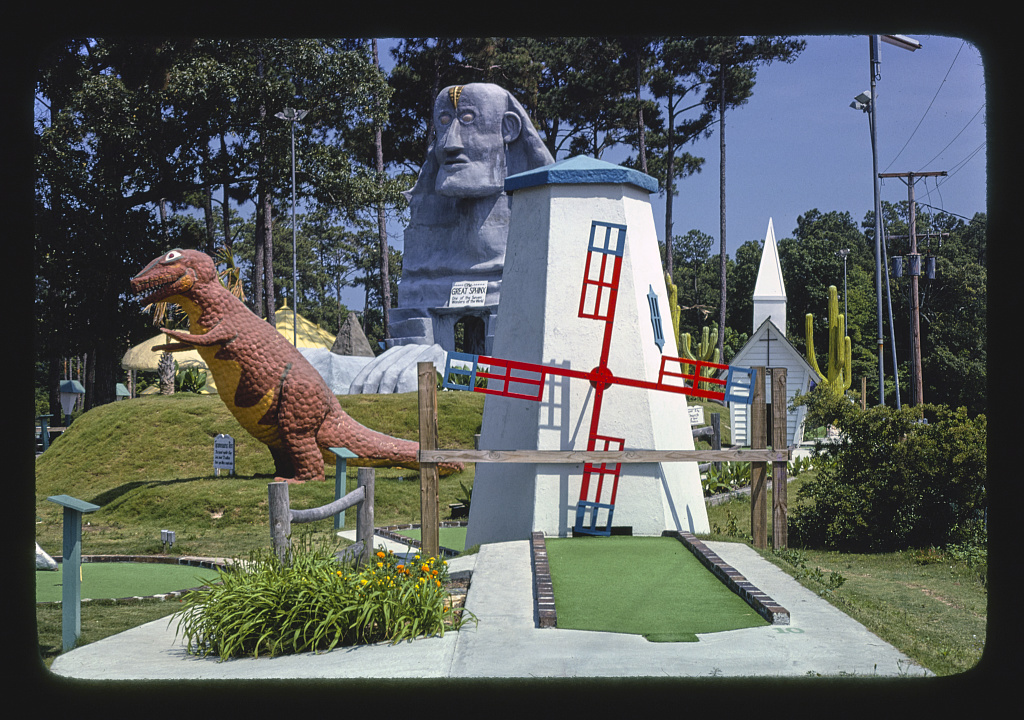
Obstacles were built by hand on site – a ramp, a loop, a tunnel, a length of pipe, a castle front, a turning vane, a bridge, a tilting board – from plywood, concrete, sheet metal and timber, painted in primary colours and repainted every spring.
Moulded fibreglass and themed sculptural features manufactured off site and installed. The home-built obstacles were idiosyncratic, varied enormously between courses, and were repaired rather than replaced for decades.
The hand-built quality is why no two courses were alike and why people remember specific holes rather than courses. An obstacle designed by whoever owned the place, built out of plywood, and modified over twenty years to stop a particular cheat or fix a particular problem is a unique object – and there are no two of them anywhere.
3. The Turning Obstacle Was Timed and You Waited For It
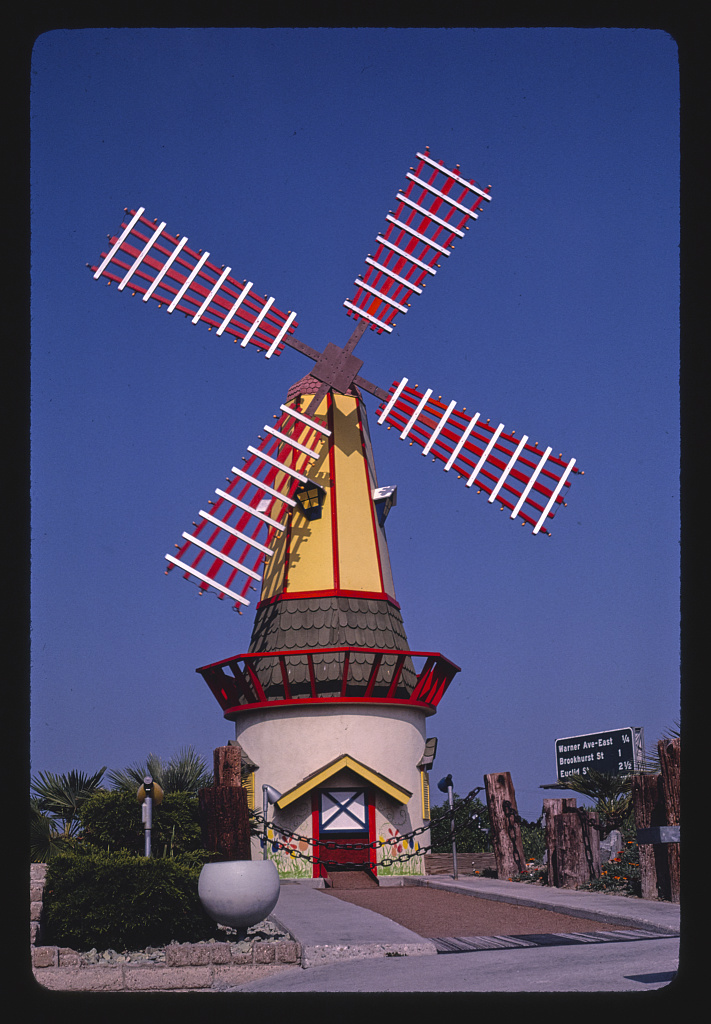
The signature feature on a great many courses was a rotating vane or paddle driven by a small electric motor, which blocked the entrance to the hole and opened it on a cycle, requiring the ball to be struck at exactly the right moment.
Still present on themed courses, now reliably engineered. The motor was the weak point: it ran all day in the weather, the mechanism jammed, the timing drifted as bearings wore, and a stopped vane meant a hole played completely differently.
Which produced the only genuine skill element on the whole course. Reading a cycle, counting the gap and committing to a stroke at the right instant is a real coordination task, and it is the one hole on any course where a child could legitimately beat an adult – which is a large part of why it was always the most crowded.
4. You Chose Your Ball by Colour and It Mattered to You
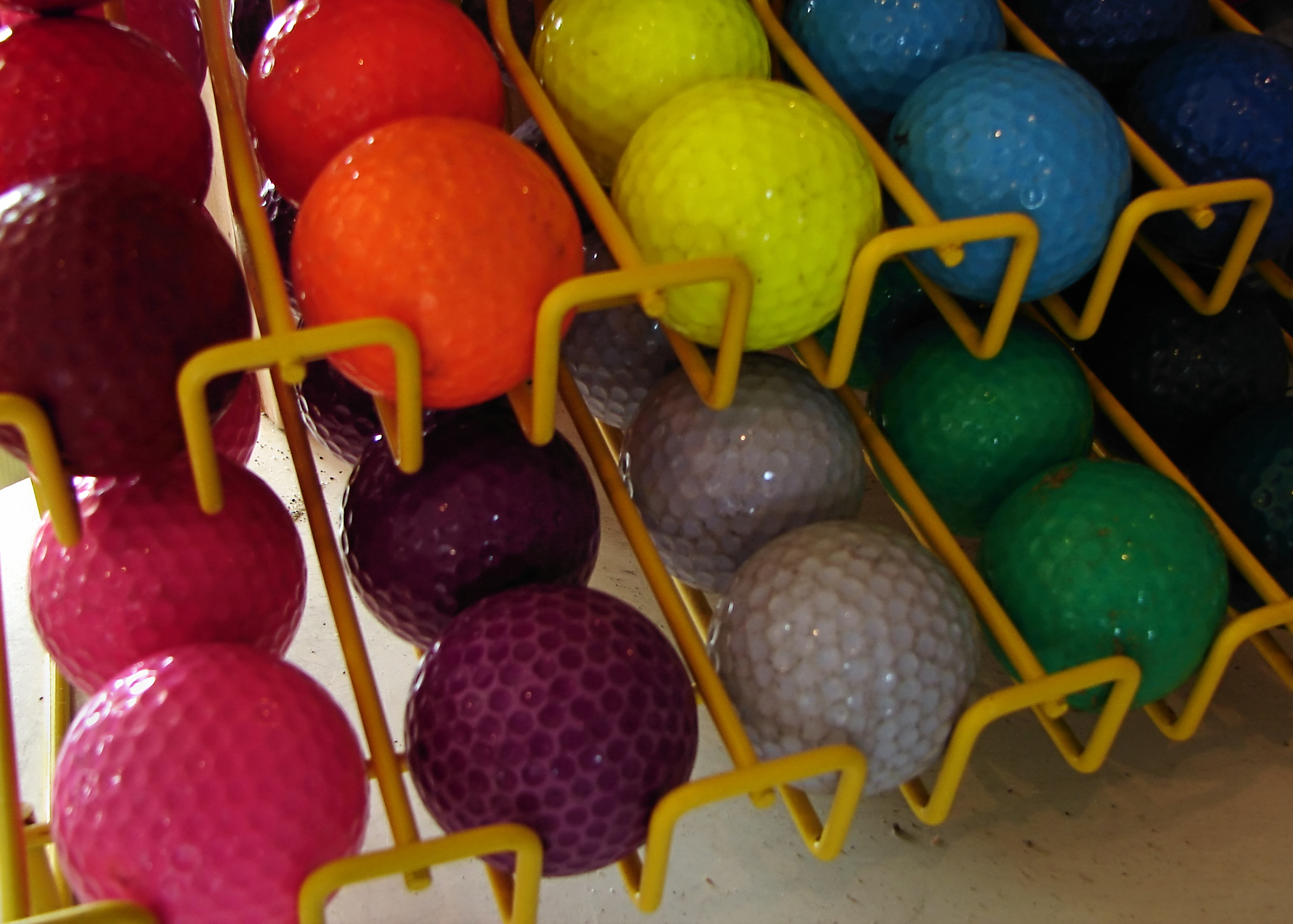
At the counter you were handed a putter and selected a ball from a tray of scuffed coloured ones, and the colour was chosen seriously, defended, and remembered from one visit to the next.
Still how it works. The balls were well used, out of round in some cases, and the differences between them were real – a heavily scuffed ball rolls differently – so choosing carefully was not entirely superstition.
The family rules around colour are the part people describe. Somebody always had to have the orange one, somebody refused the white one, and a sibling taking your colour was a legitimate grievance with the whole round to litigate it in – which is a remarkable amount of structure for a tray of rubber balls.
5. The Putters Came in Two Sizes and Neither Fitted Anybody
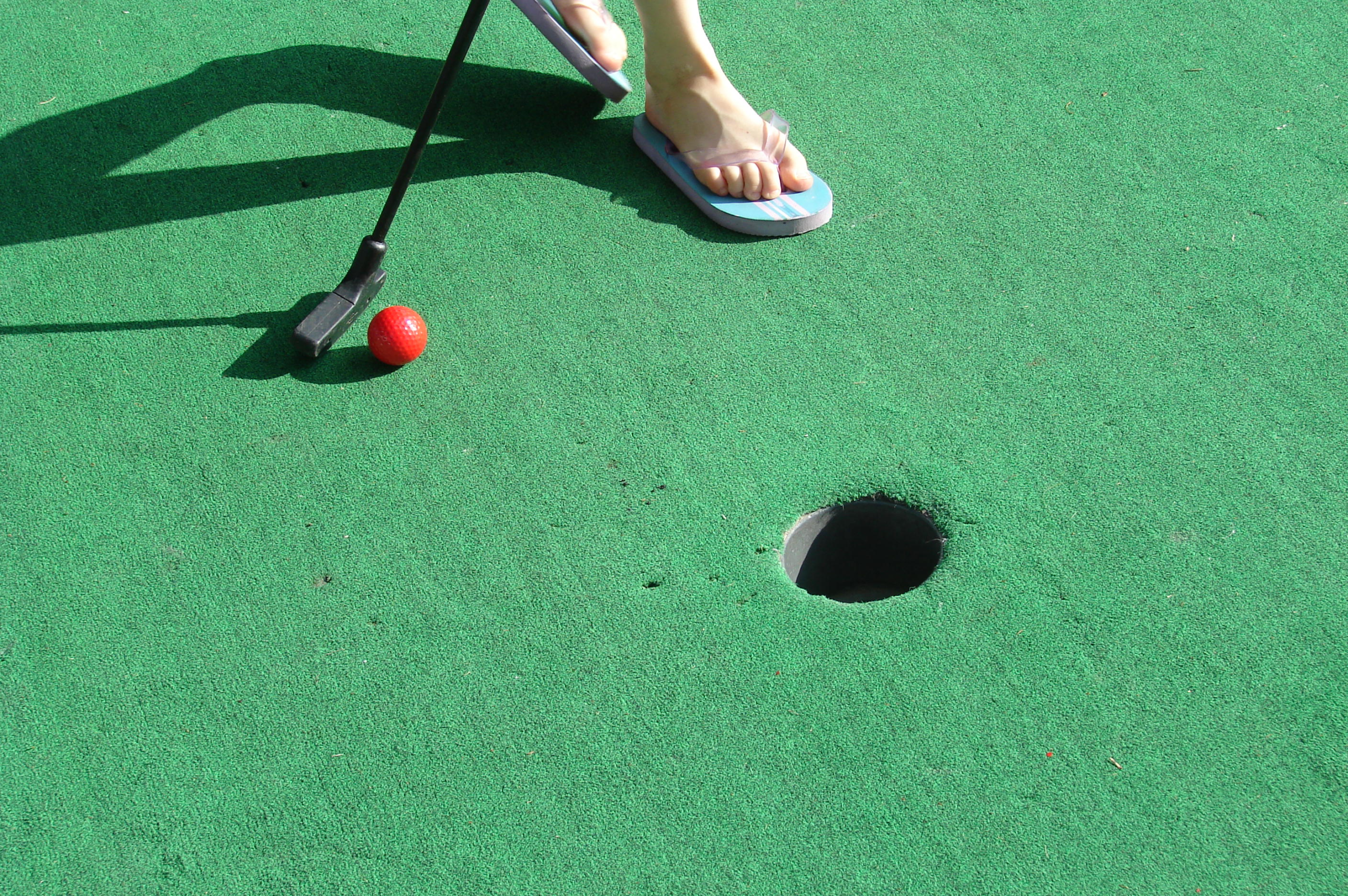
Clubs were short or long, kept in a barrel or a rack, and handed out on a rough assessment of height – which meant most players spent the round using something significantly too long or too short.
Graduated sizing including junior lengths. The putters were steel-shafted with worn grips, had been in service for years, and a bent one was in the rack along with the rest.
The adults had it worst, which everybody noticed. A full-size adult using a putter designed for a course where nobody had measured anything was crouched over it all evening, and the resulting stoop is visible in essentially every photograph ever taken on a miniature golf course.
6. The Scorecard Was Paper and the Pencil Was Two Inches Long
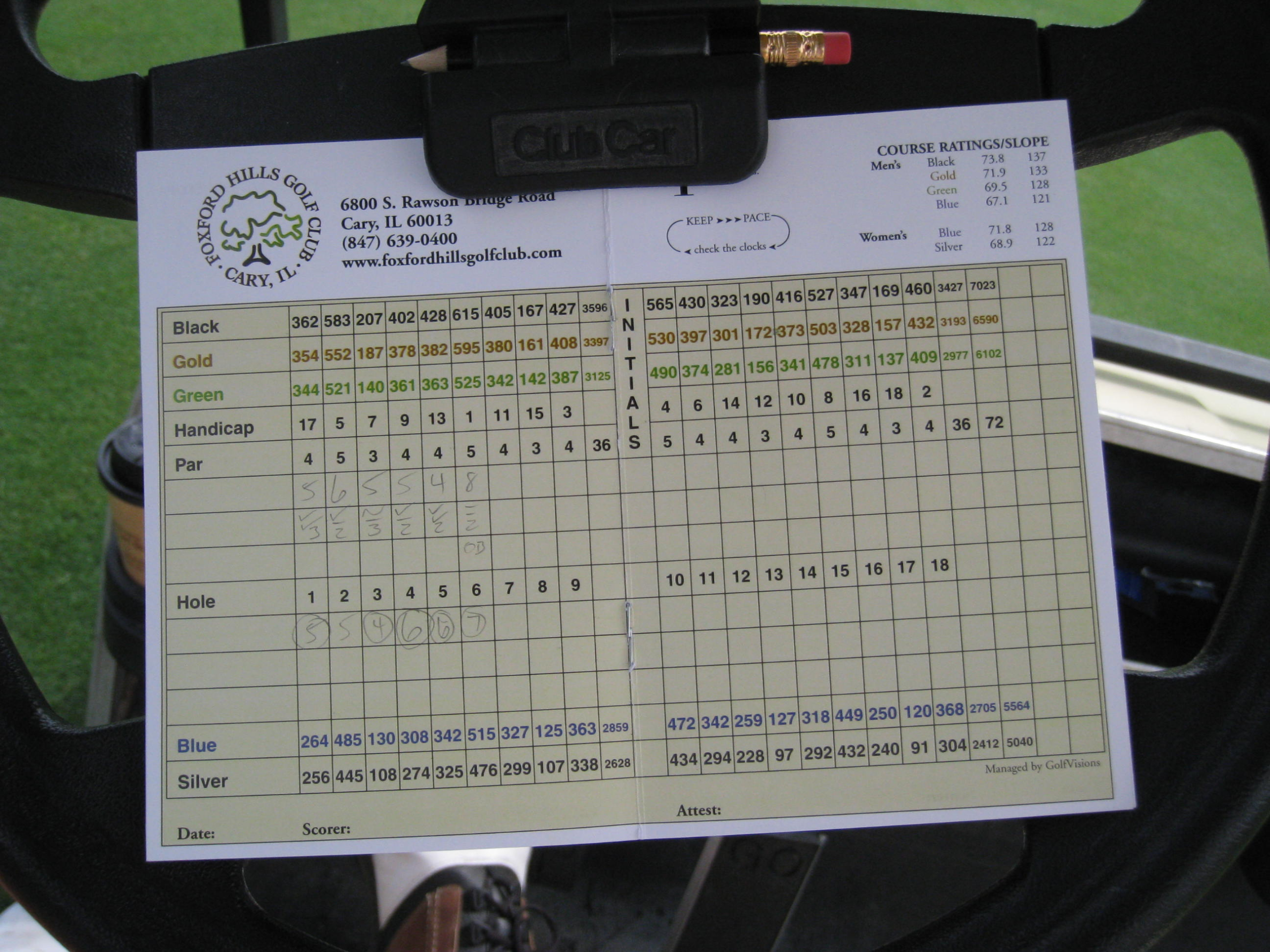
Scoring used a small printed card with the holes numbered across the top and spaces for names down the side, and a stub pencil handed over with it that was too short to hold properly.
Apps, electronic scoring on themed courses, and in most places still a card and a pencil. The card was the permanent record of the round and the source of every dispute.
The scoring itself was where the real family dynamics happened. Somebody kept the card, which gave them control of the record; somebody disputed a number; somebody’s score was quietly improved; and a six was written as a five often enough that the honour system was understood by everybody to be approximate.
7. The Last Hole Took Your Ball and Sometimes Gave a Free Game
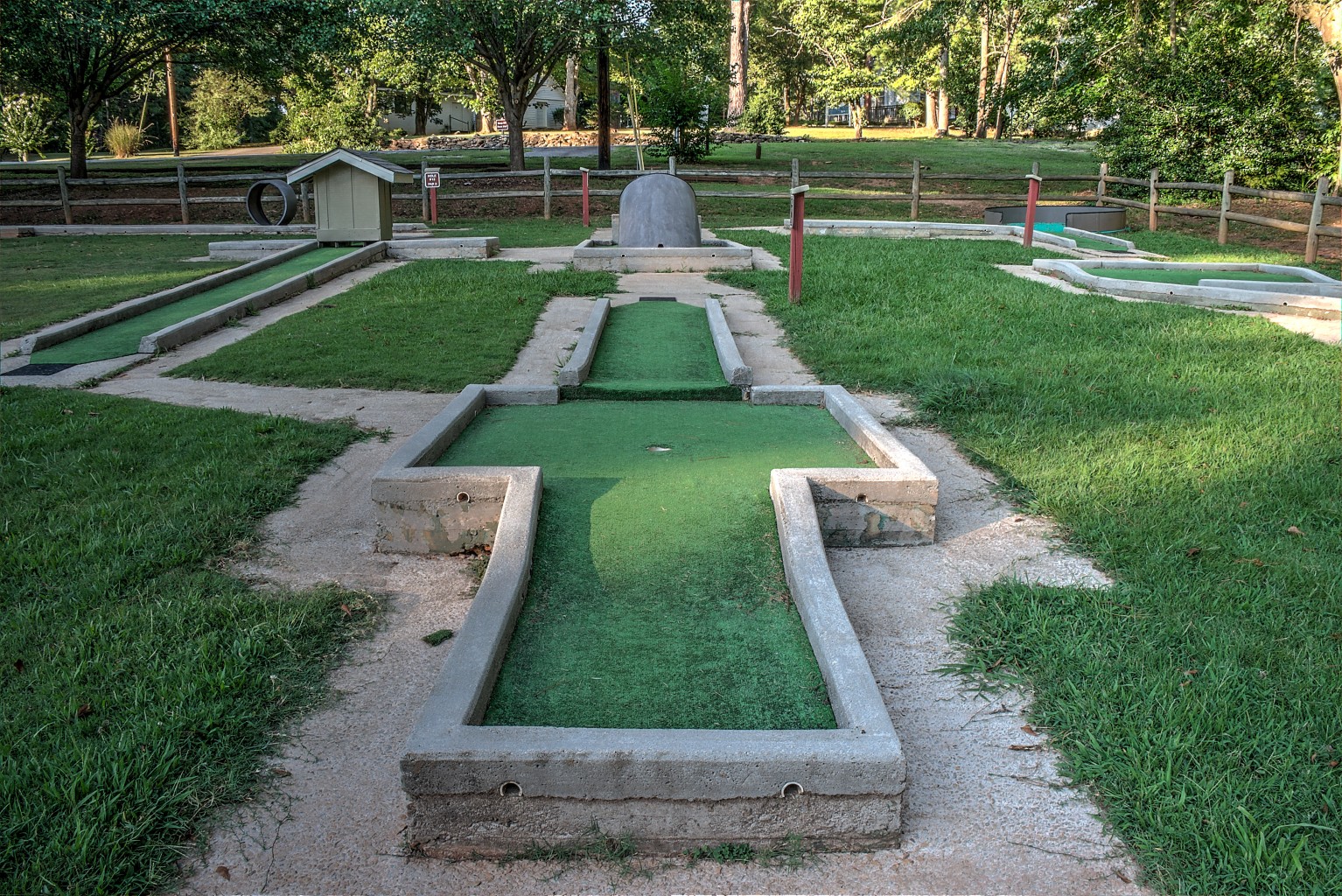
The final hole was built so that the ball disappeared into a pipe and did not come back – and on a great many courses a hole-in-one on it won a free round, announced by a bell, a buzzer or a light.
Still the standard design on traditional courses. The construction was deliberate: the course needed the balls returned, and a hole that swallows the ball collects them automatically at the counter.
The free game was a genuinely effective promotion and it was carefully calibrated. The hole was built to be just difficult enough that the prize was rarely won and plausible enough that everybody tried hard, and the sound of the bell going off somewhere on the course while you were on hole eleven is a memory an enormous number of people share.
8. Nobody Read the Rules and Every Family Had Its Own
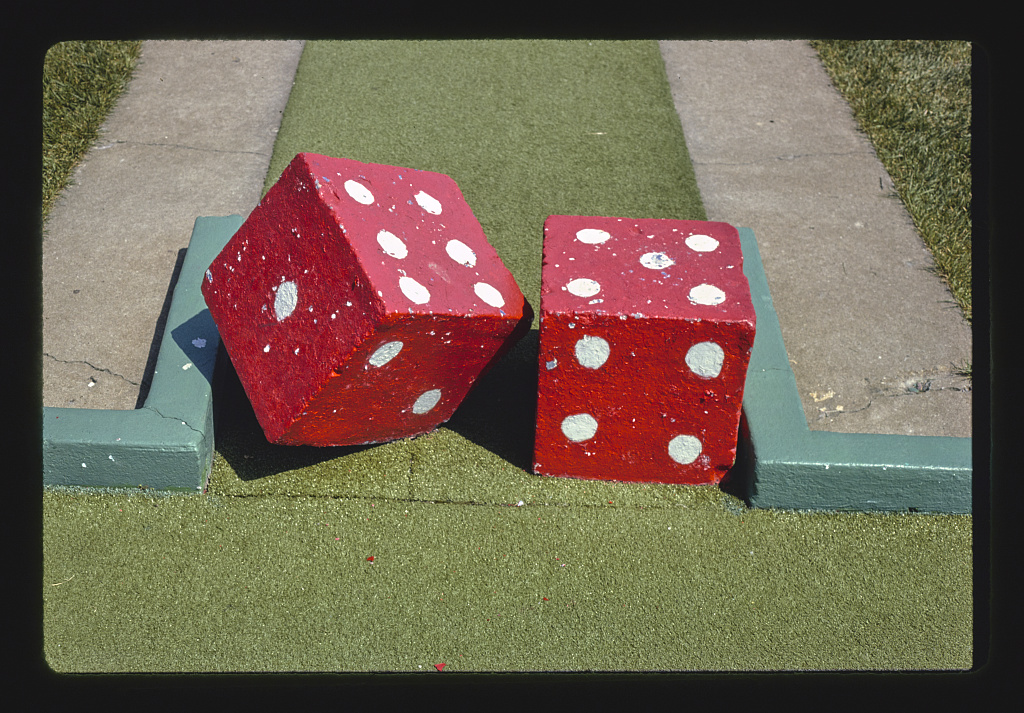
A rules board stood near the first tee – a stroke limit per hole, what happened if a ball left the course, how to play an unplayable lie – and essentially nobody read it.
Still posted and still unread. Families operated their own conventions instead, developed over years, applied inconsistently and defended vigorously, and the official stroke limit was generally invoked only when somebody was embarrassing themselves.
The house rules are the thing people have actually retained. Whether a ball off the course is replayed or placed, whether you get a free drop at the windmill, whether a six is the maximum, and whether the youngest gets a mulligan – these were specific to each family, survived into adulthood, and are still argued about by siblings in their sixties.
9. It Was Lit for Night Play and the Lighting Was the Attraction
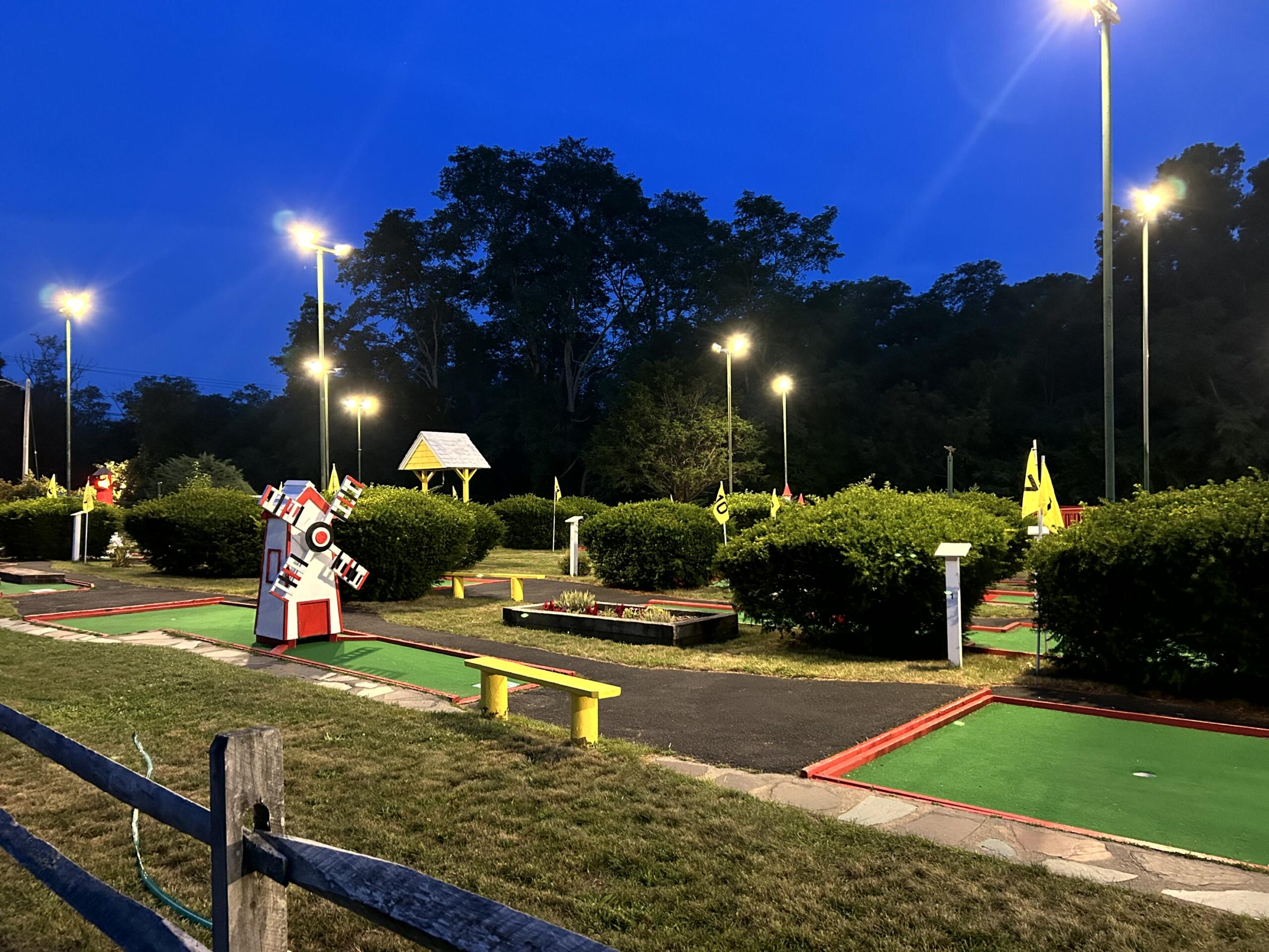
Courses operated into the evening under floodlights and strings of coloured bulbs, and in summer the night round was the busiest – cooler, more atmospheric and considerably more appealing than the same course at two in the afternoon.
Still lit, now with efficient and better-directed lighting. The old floodlights produced heavy shadows across the greens and swarms of insects, both of which were part of the experience.
Night play is also why the course sat where it did. A lit, noisy outdoor attraction operating until eleven needs to be away from houses, which put courses on commercial strips beside the highway next to the other evening businesses – and that location decision is what eventually determined their fate.
10. The Snack Window Sold Exactly Six Things
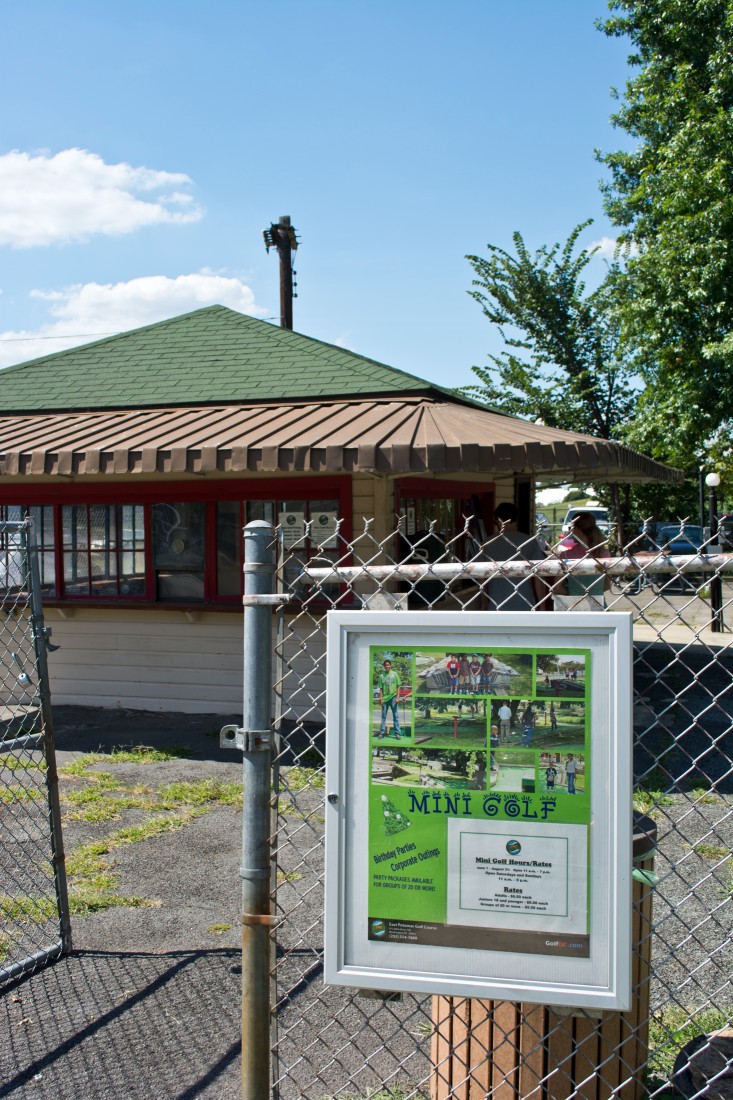
Refreshments came from a hatch at the clubhouse – soft drinks from a fountain, ice cream, popcorn, candy bars and a hot dog machine – with a short, fixed and entirely predictable menu.
Expanded food operations on larger entertainment sites. The window was a significant part of the revenue, because a family playing a round in the heat will buy drinks, and the margin on a fountain drink is considerably better than on a round of golf.
That is the actual business model and it was not hidden. The golf brought the family in at a low price and the window made the money, which is why the hatch was positioned where you passed it twice and why the queue for it was frequently longer than the queue for the first tee.
11. There Was an Arcade Beside It and It Got Your Change
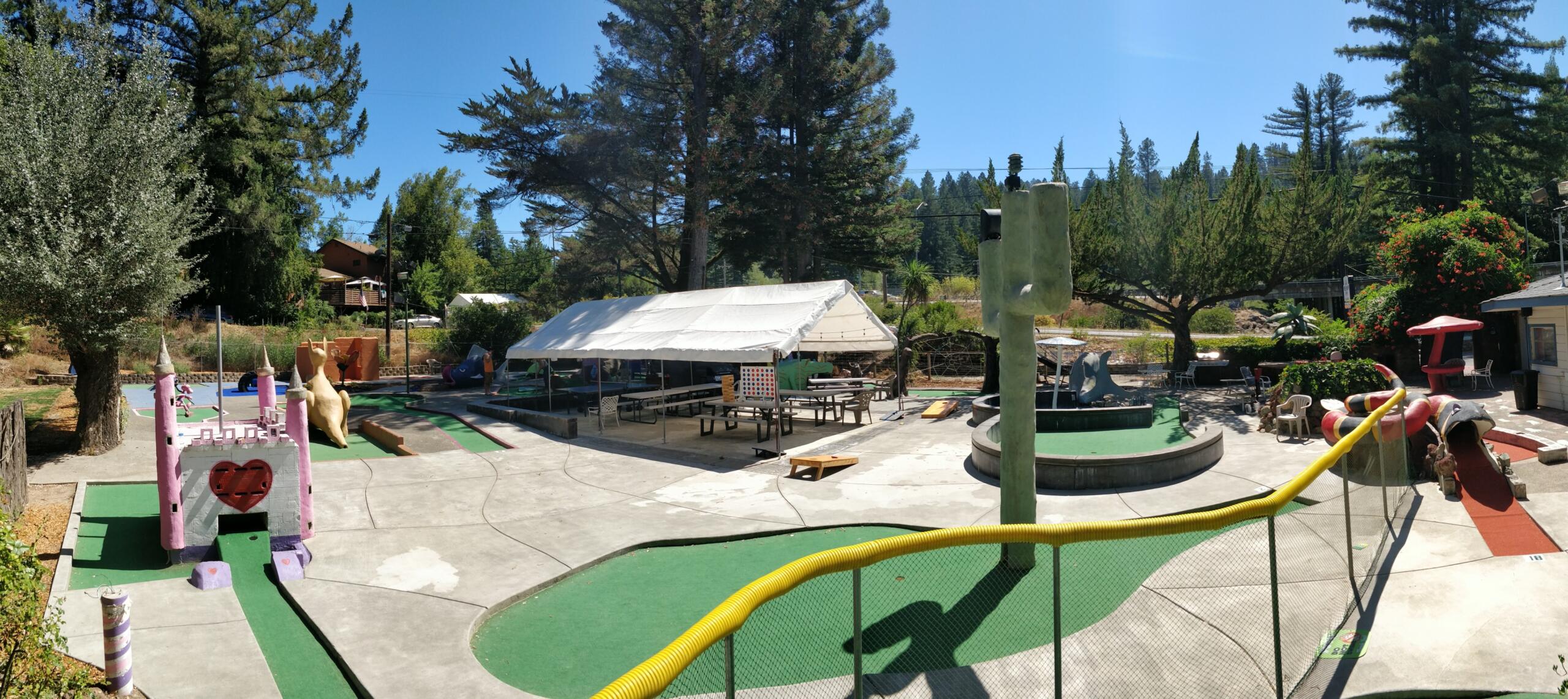
Courses operated alongside a small room or covered area of coin-operated machines, batting cages, a trampoline pit or a go-kart track, sharing a counter and a car park.
Large-format family entertainment centres with the golf as one attraction among many, frequently indoors. The adjacency was deliberate: a parent finishing a round has children who are not finished being entertained, and the machines were there to collect what remained.
The bundling is what the format eventually became. The miniature golf course did not die so much as get absorbed – the attraction that was once the whole business became one element inside a building that also contains the arcade, the food, the party rooms and the track.
12. The Family Ranking Was Established and Lasted for Years
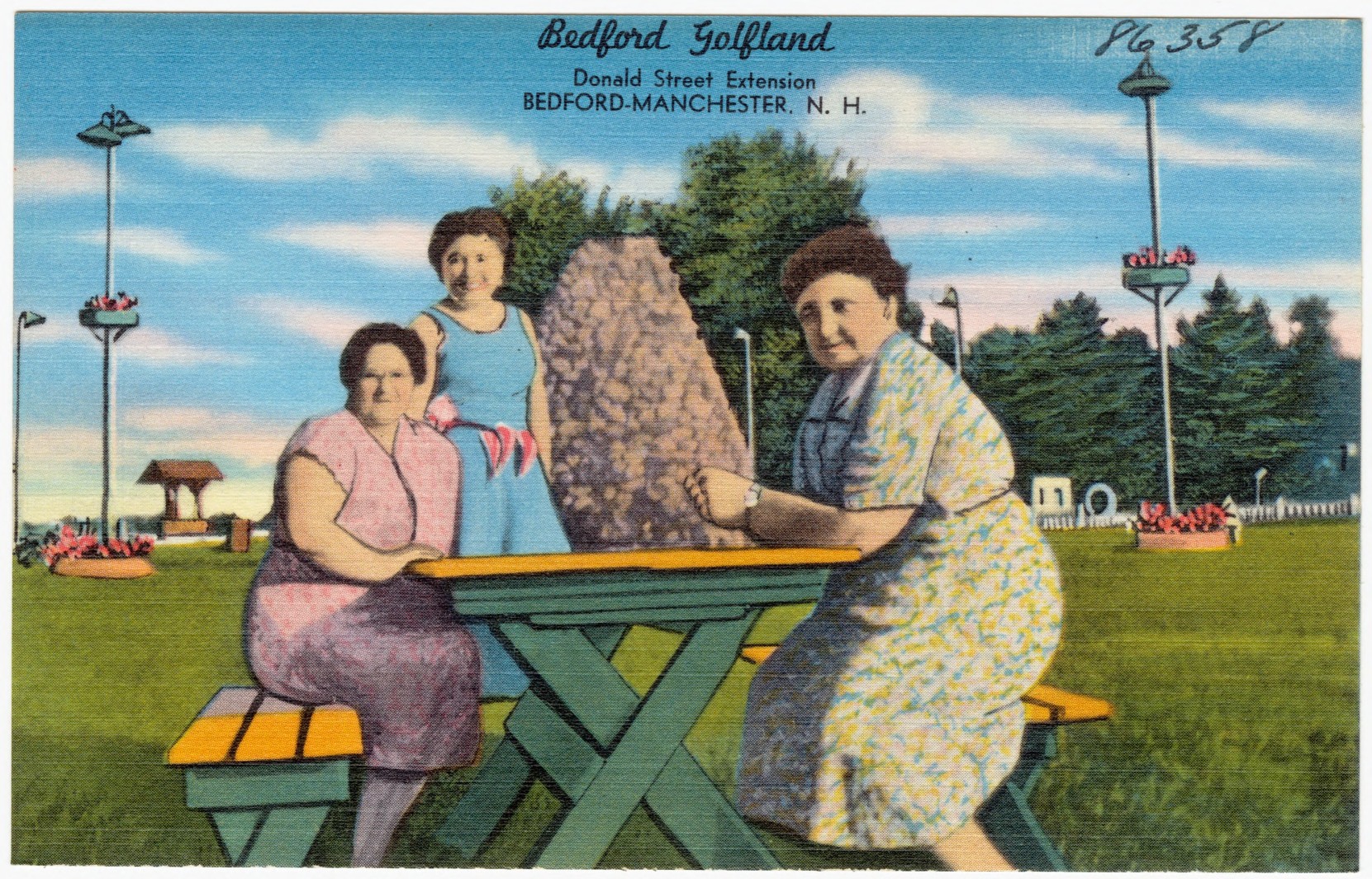
A round produced a winner, and in a family that played the same course repeatedly across summers the results accumulated into a standing that everybody knew and nobody had written down.
Unchanged wherever families still play. The ranking was durable, disproportionately important and almost entirely detached from any actual golfing ability, resting instead on local knowledge of the course and tolerance for the pressure of the last hole.
It is the reason the whole thing is remembered as warmly as it is. A low-stakes repeated competition in which a child can genuinely beat an adult, on a surface where experience counts more than strength, is one of very few activities a family can do together on equal terms – and that equality is doing all the work rather than the golf.
13. Rain Shut It and There Was No Refund Policy Worth Anything
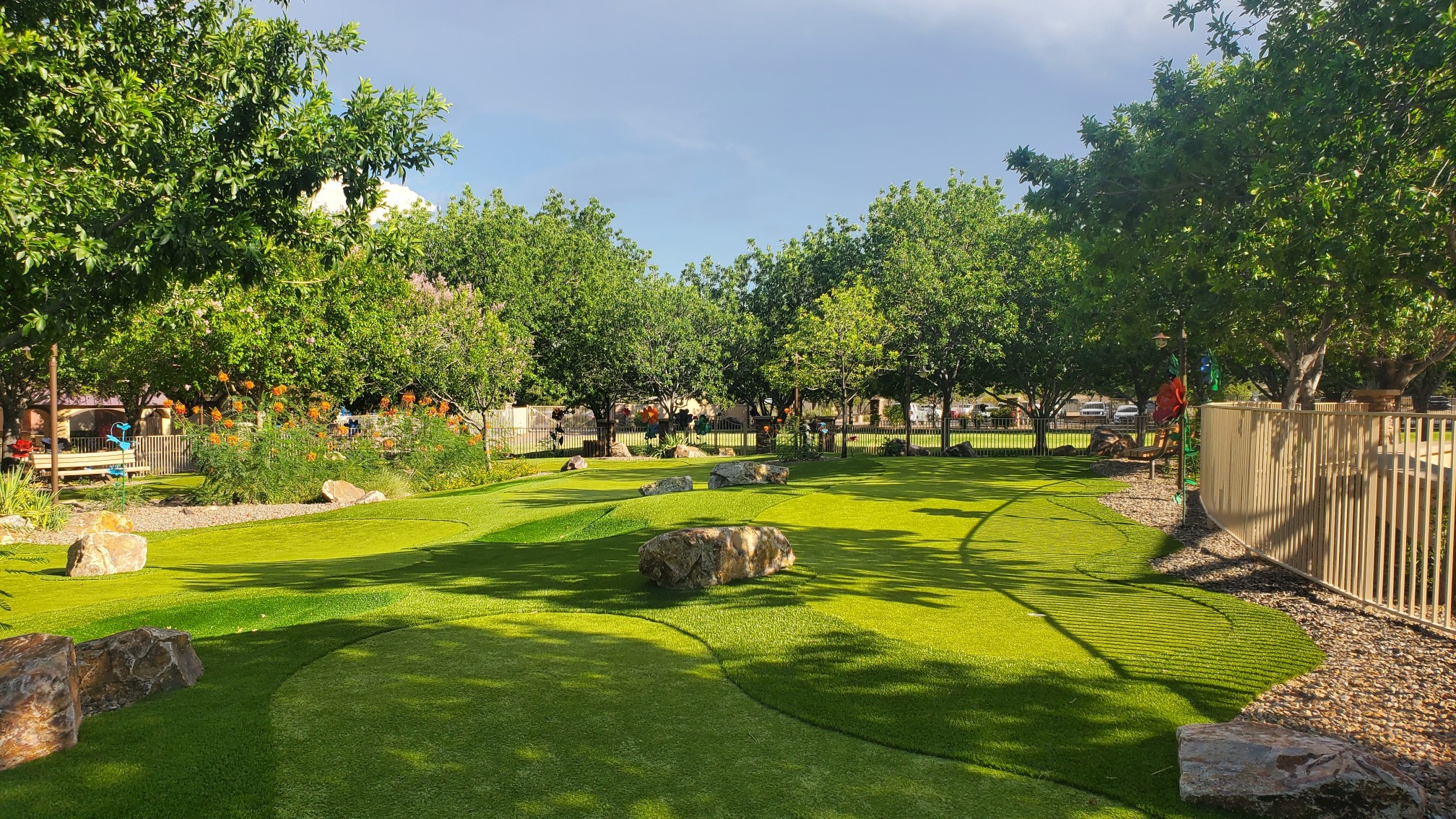
The course was outdoor, uncovered and surfaced in carpet, so rain closed it immediately – standing water on the greens made it unplayable and a round interrupted halfway was simply over.
Indoor and covered courses have removed the weather entirely, which is a substantial part of why the format moved inside. Refunds were at the owner’s discretion and the discretion was variable.
Weather dependency was the business’s fundamental weakness. A summer of poor weather could take out a season’s revenue from an operation with fixed costs and a short trading year, and a great many independently owned courses that closed did so after one bad summer rather than through any long decline.
14. Then the Land Was Worth More Than the Course
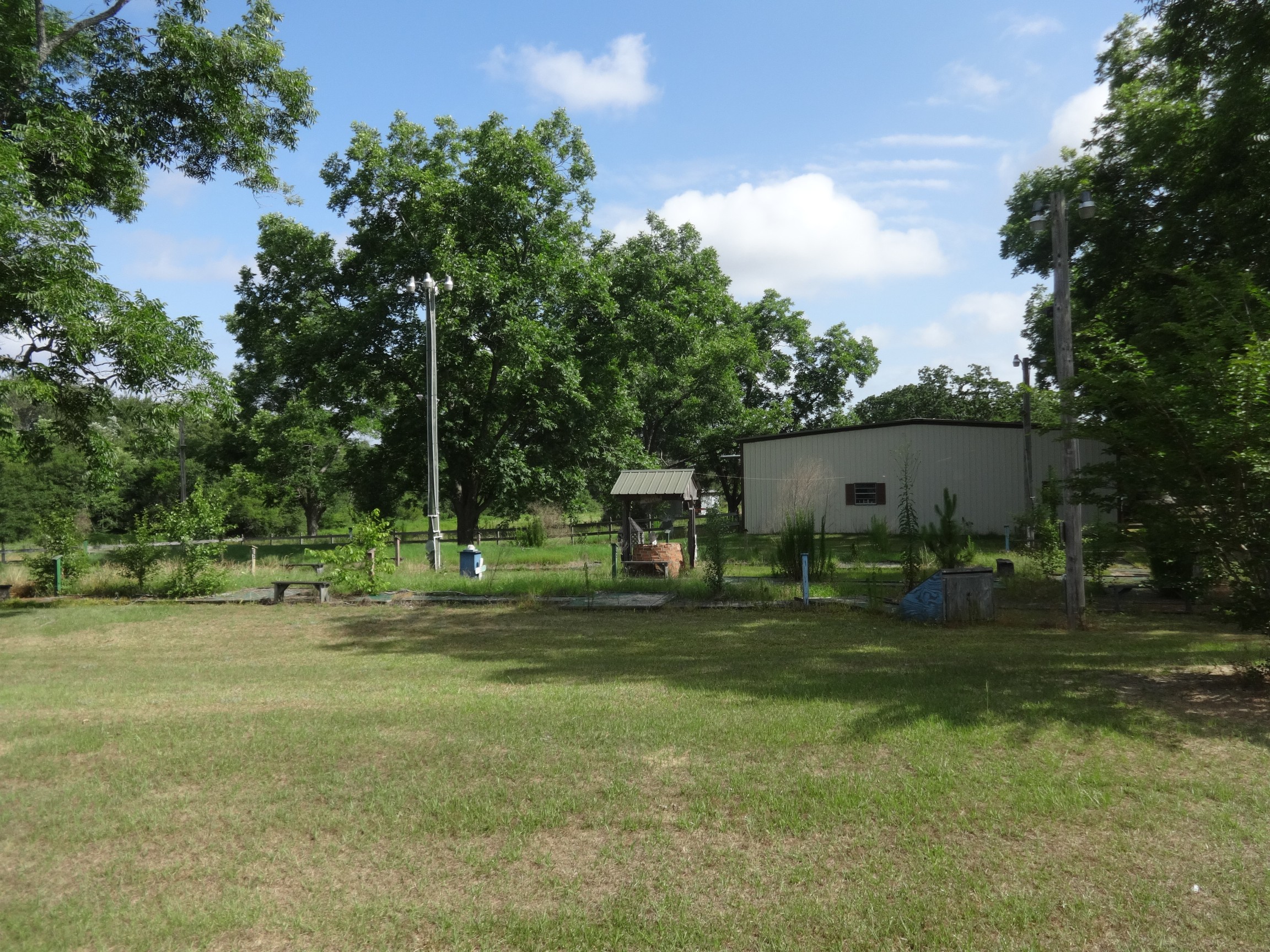
Courses occupied substantial, well-located, highly visible commercial sites on strips and highway approaches – exactly the land that became most valuable through the following decades.
Those sites are now retail, restaurants, car dealerships and apartments. The economics became impossible: a seasonal, weather-dependent, low-price outdoor attraction cannot generate the return that the land it sits on can generate under almost any other use.
Which is the same mechanism that took the vacant lots, and it is worth naming because it explains a whole category of loss. A great many of the things people remember from this period occupied cheap land, and none of them were outcompeted by better versions of themselves – they were simply standing on something that became too valuable to leave as it was.
They Did Not Lose to Anything. The Land Got Too Expensive
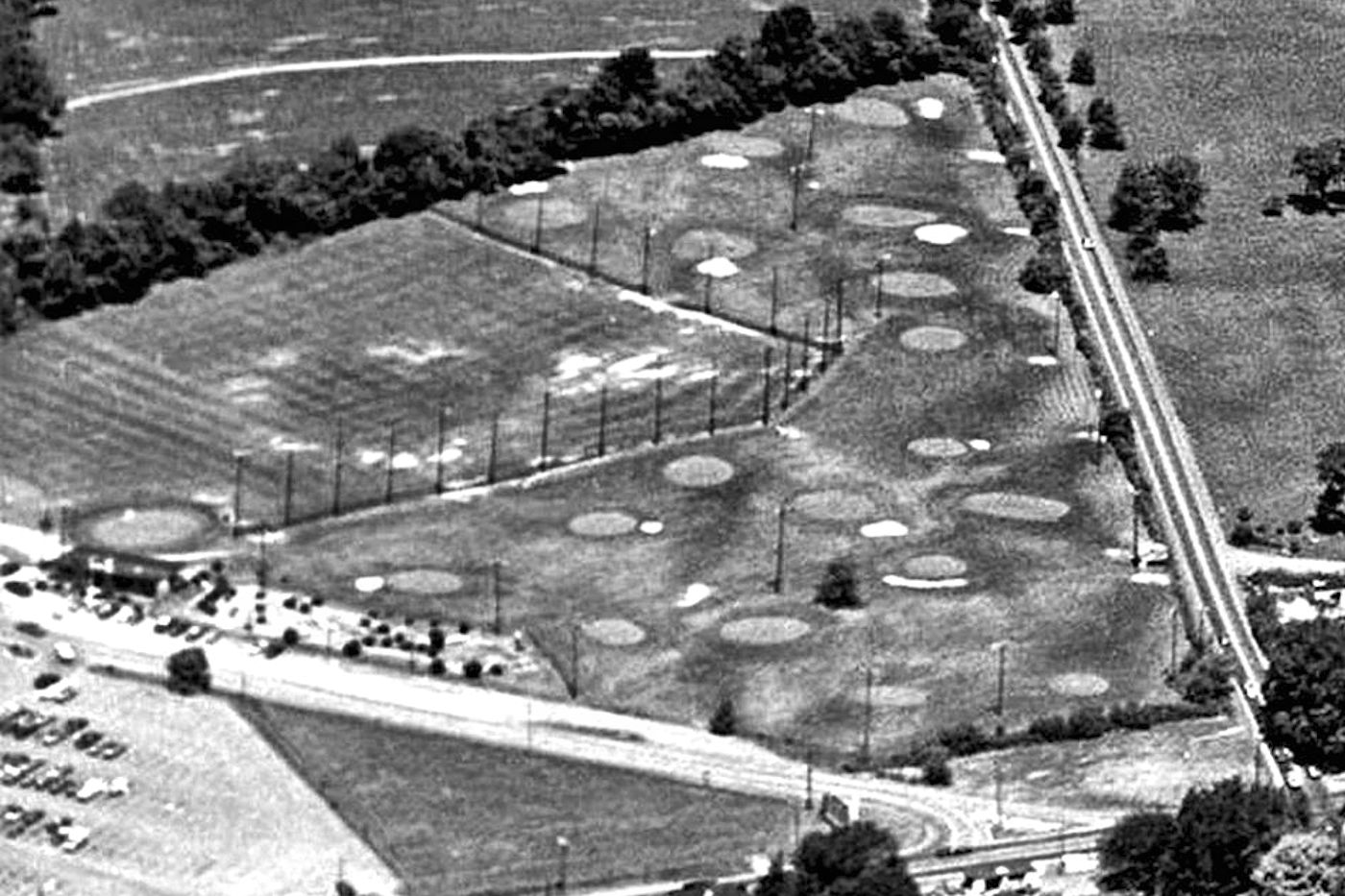
There is a tidy explanation available for the disappearance of the roadside miniature golf course – that children’s tastes changed, that video games arrived, that families stopped doing things together – and it is mostly wrong.
Look at where these courses were. On the commercial strip. Beside the highway approach into town. On a visible corner with a car park. Lit, noisy, open until eleven, and therefore sited away from houses and among the other evening businesses.
That is, in retrospect, some of the most valuable land in any American town, and in 1975 it was cheap enough to put carpet on.
Now consider the business sitting on it. A seasonal operation, closed in winter, closed when it rains, charging a few dollars a round, with its real margin coming from a hatch selling fountain drinks. Fixed costs all year, trading income for perhaps five months, and one wet summer capable of wiping out the season.
Against that, the same parcel as retail, a restaurant, a dealership or apartments generates a return every month of the year regardless of weather.
The arithmetic is not close and it got worse every decade. So the courses were sold, and the format moved indoors into family entertainment centres where the golf is one attraction among the arcade, the food, the party rooms and the track – which works commercially because the building is used year-round and the golf is no longer carrying it.
That is the same mechanism that took the vacant lots, and it is worth naming because it accounts for a whole category of things people remember from this period. The drive-in, the roadside attraction, the outdoor course, the empty parcel where children played – none of them were outcompeted by a better version of themselves. They were all standing on land that became too valuable to leave as it was.
Which means the honest answer to where it went is not that anybody stopped wanting it. It is that a plywood windmill on a quarter acre beside a highway stopped being a rational use of a quarter acre beside a highway.
If your family played, there is a hole you all remember and a rule you all still argue about.
And the course is a car dealership now.
Like our content? Follow us for more.