The Barrel Itself Was Scavenged, Not Bought
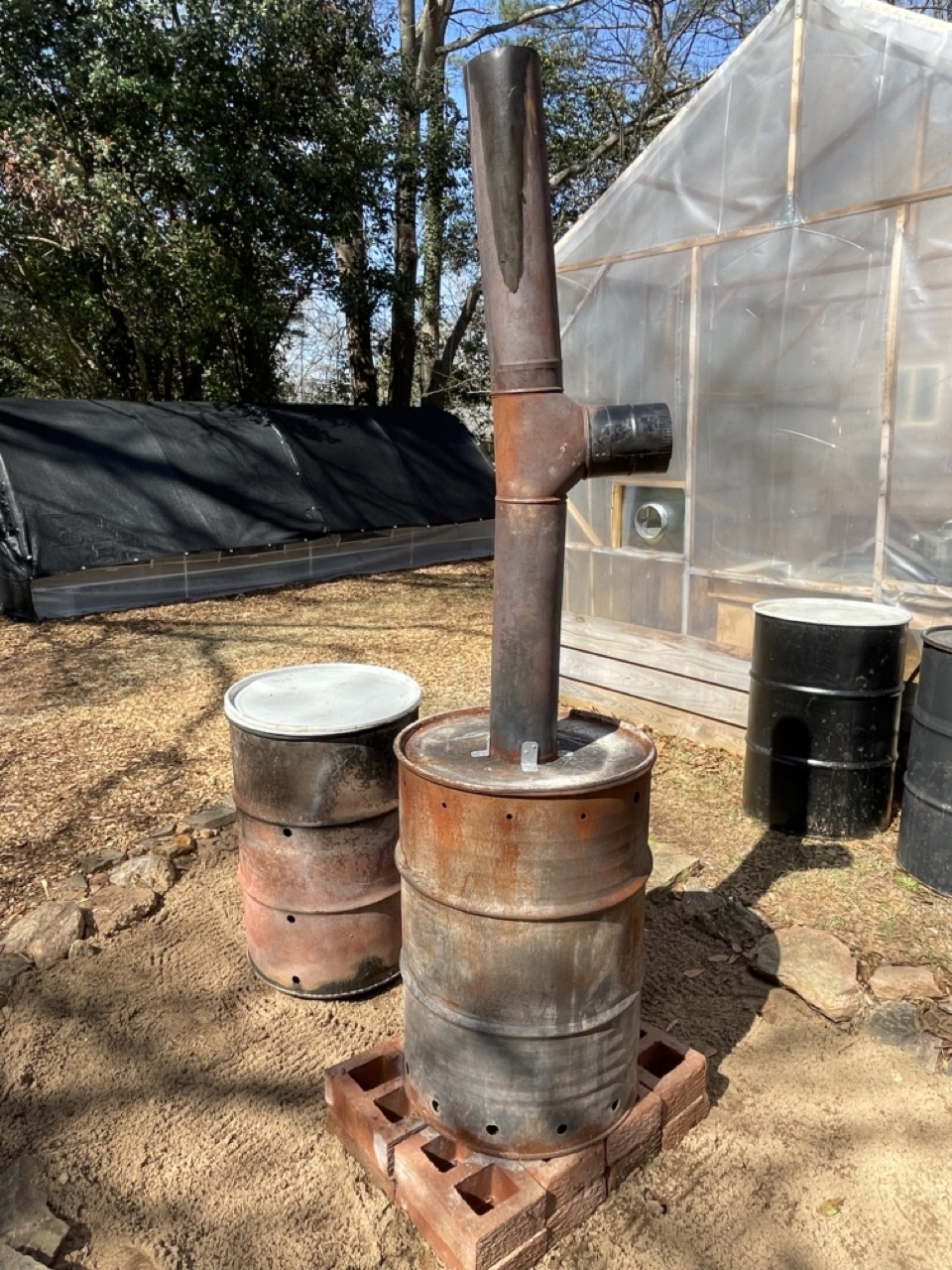
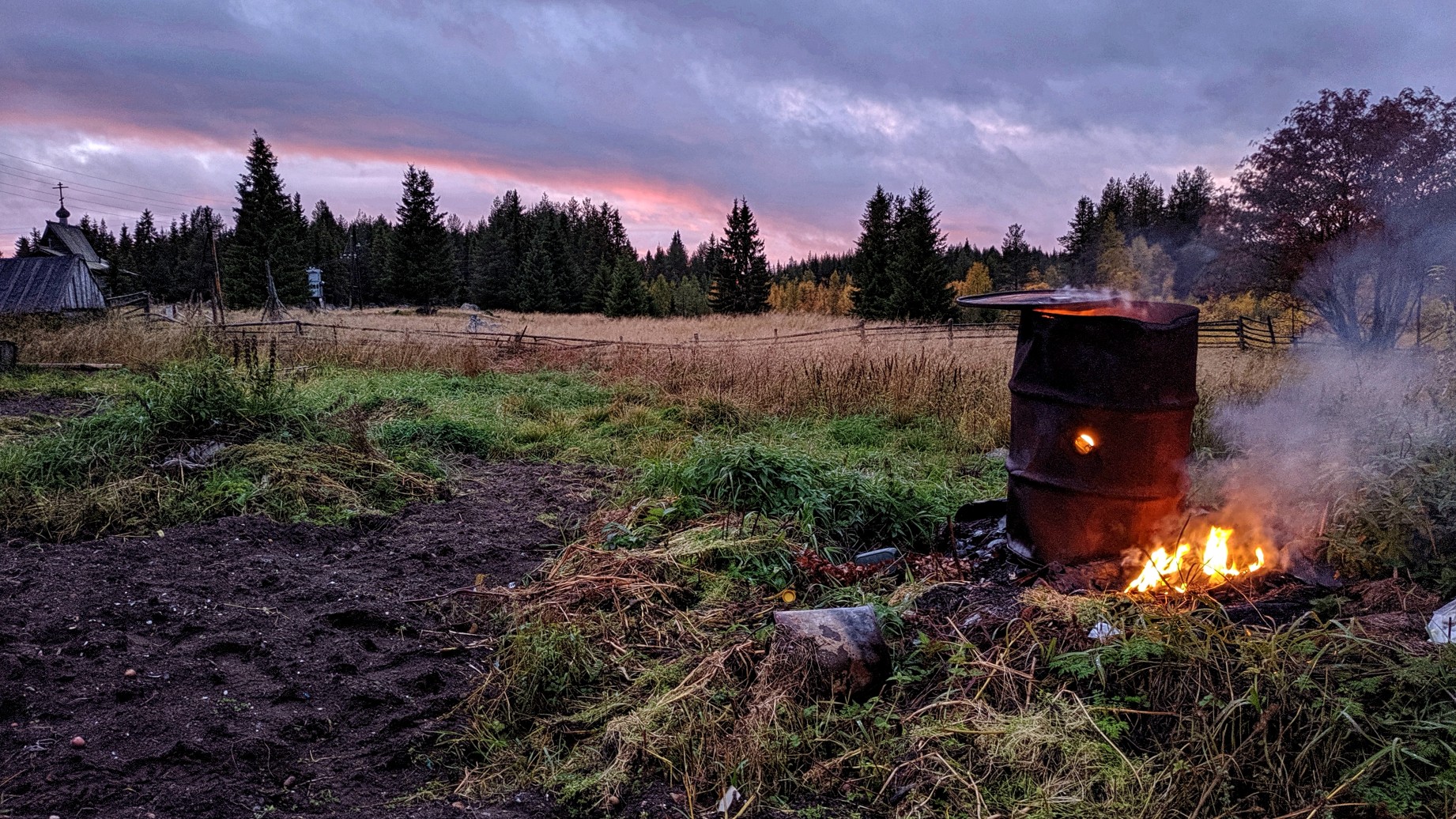
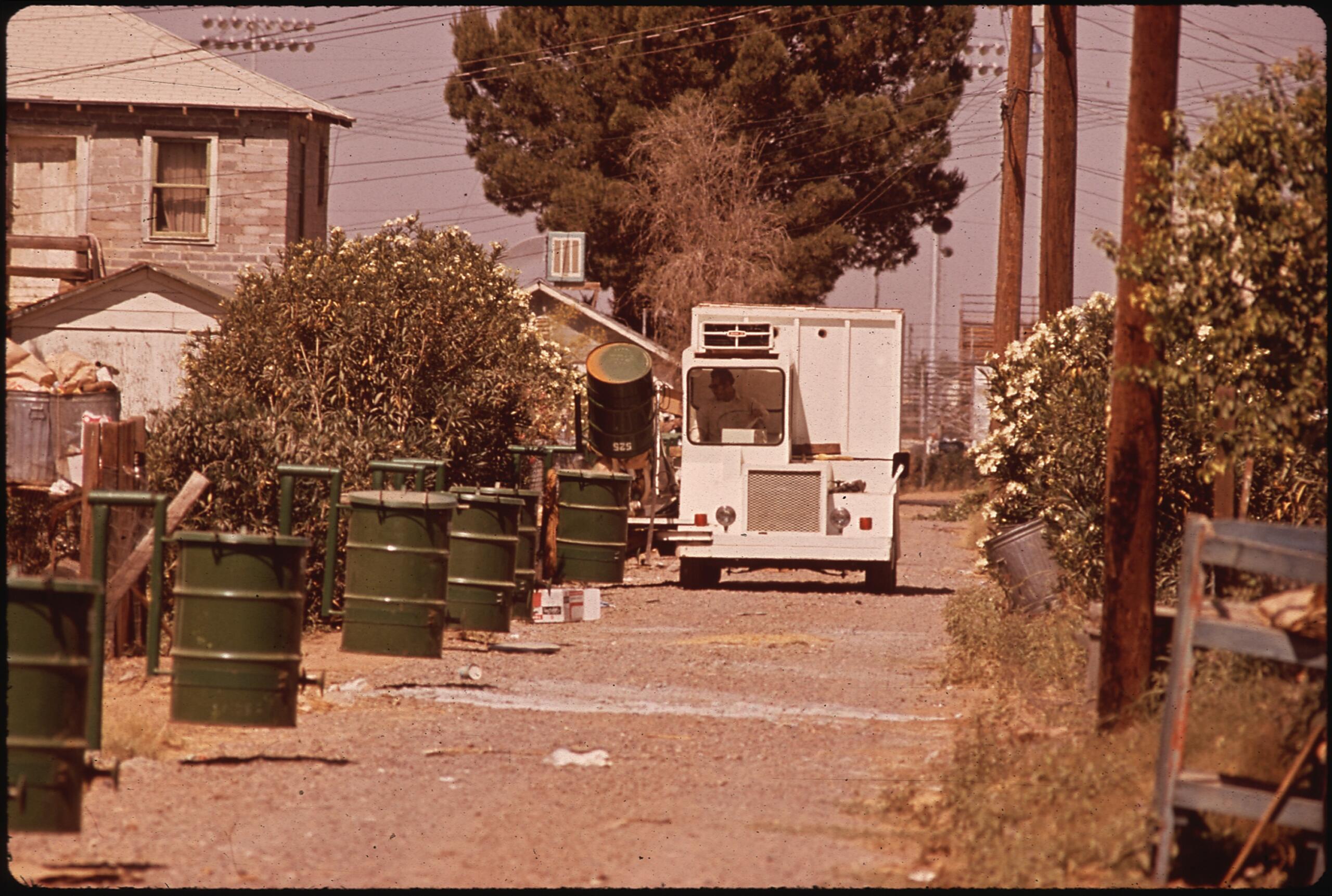
Nobody purchased a burn barrel. It was a fifty-five gallon steel drum obtained from a farm, a garage, a works, a neighbour or the side of a road, stood on bricks or blocks at the back of the property, with holes punched around the lower sides using a hammer and a screwdriver or a cold chisel.
The holes were the whole engineering. Air enters low, hot gas leaves at the top, and the resulting draught is what makes the contents burn rather than smoulder. A barrel without holes produces smoke; a barrel with holes produces flame.
Some households used a wire mesh over the top, which stopped burning paper lifting out and travelling – a real hazard and the one piece of fire precaution almost everybody took.
Beyond that there was no equipment. A length of rebar or an old rake handle for stirring, a hose or a bucket nearby in dry weather if anybody was being careful, and a position chosen by eye to be far enough from the house, the fence and the washing line.
Like our content? Follow us for more.
It Was the Normal Way to Deal With Household Waste
This is the part that needs stating plainly, because it is remembered as rural or eccentric and it was neither.
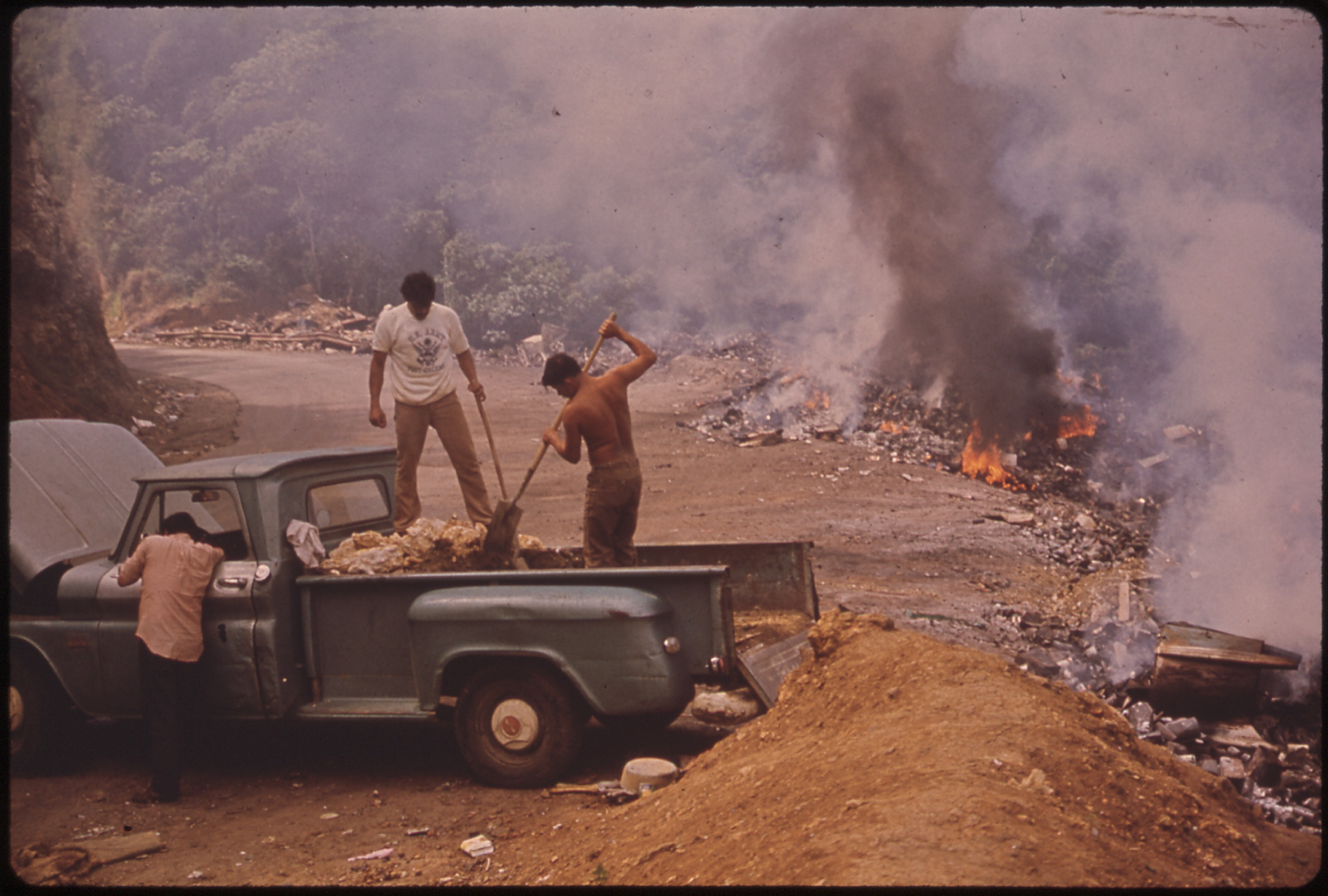
In a very large number of places there was no household collection at all, or a collection that took only what would not burn. Paper, card, packaging, food scraps that had not gone to a compost heap or an animal, and anything else combustible was the householder’s problem, and burning it was the obvious answer.
It was legal, it was expected, and in some communities there was an understood day for it – frequently a weekend morning, which meant a whole neighbourhood burning at once and a particular smell that everybody who lived through it recognises instantly.
The volume involved was also far smaller than a modern household produces. Less packaging, more reuse, glass returned for deposit, metal saved, food eaten or fed to something – which meant a week’s burnable waste for a family of five fitted easily in one drum.
Children Were Routinely Sent to Do It
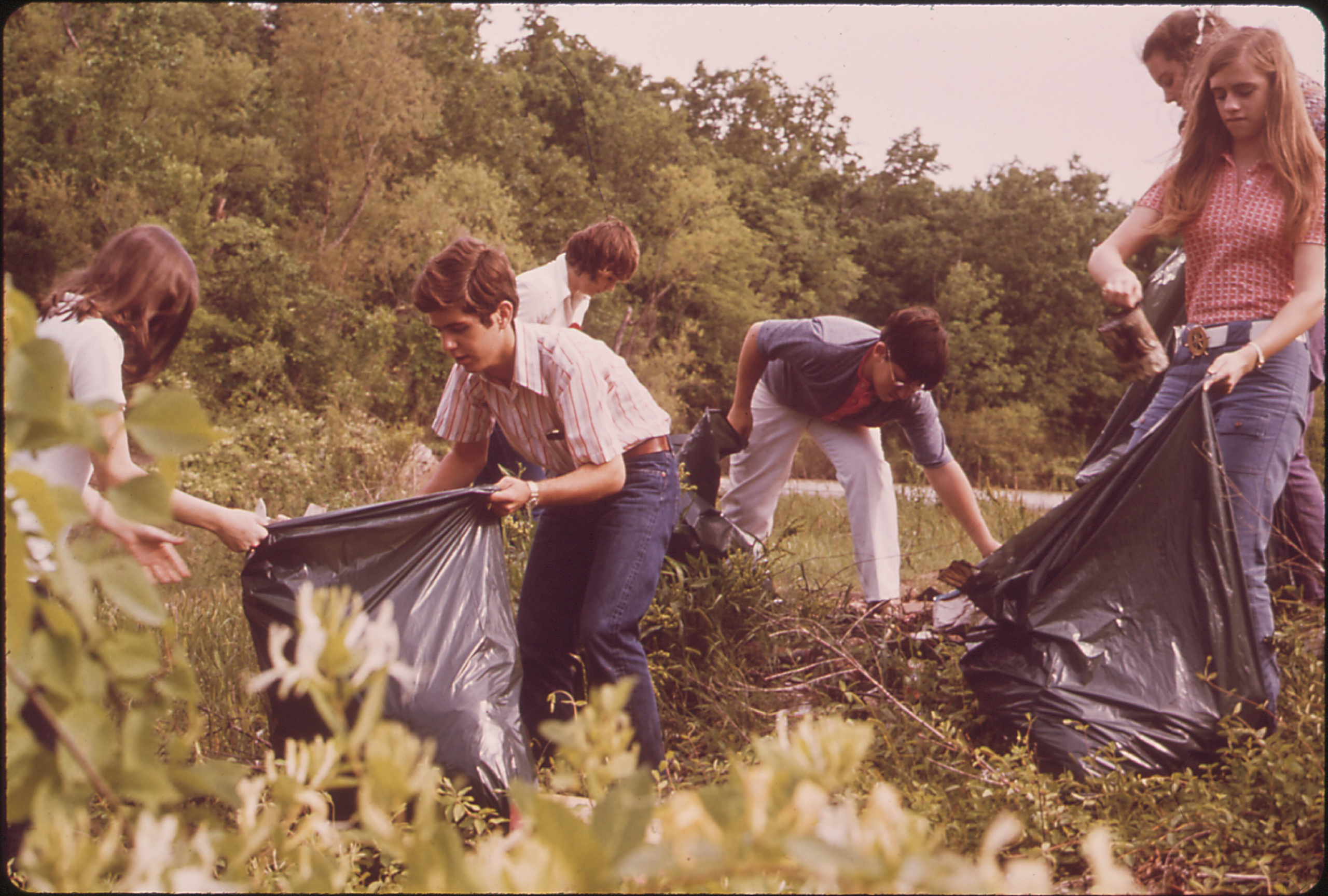
Taking the trash out to the barrel and lighting it was a standard chore given to children, frequently from an age that would now cause considerable alarm.
The job involved carrying the waste out, tipping it in, applying a match or a twist of lit newspaper, standing back, and then staying with it until it had burned down and stirring it so nothing survived unburned at the bottom.
A great many people describe being perhaps eight or nine the first time they did this alone, and describe it as a promotion. It was outdoors, it involved fire, it was unsupervised, and it produced a visible result – which is close to an ideal chore from a child’s point of view.
It is also, obviously, an unsupervised child with an open fire, a stick and a container of burning material, in a yard, next to a fence, near a house. The gap between how it was regarded then and how it would be regarded now is about as wide as anything in this whole period.
Everybody Had a Story About It Getting Away
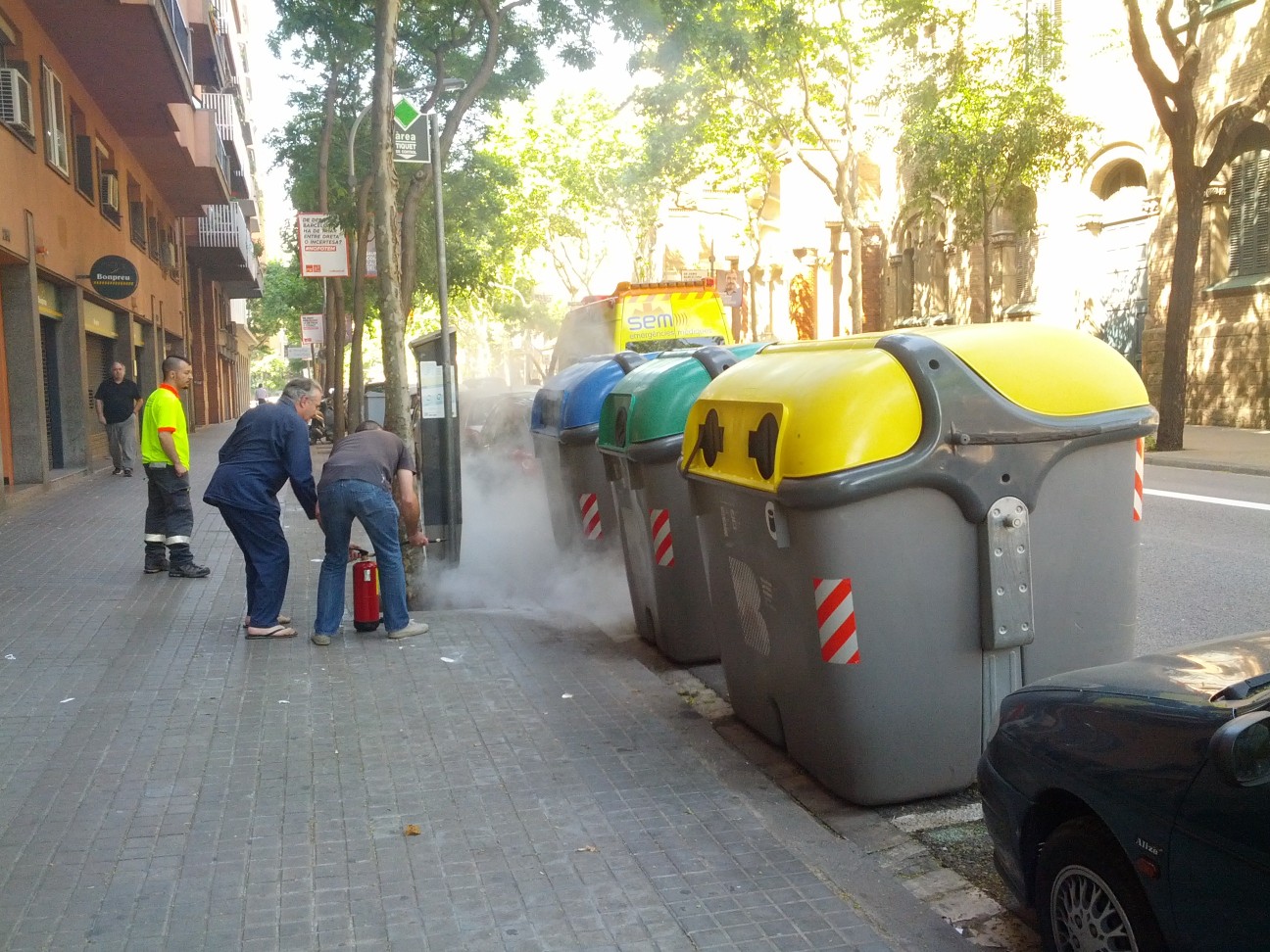
Barrel fires escaped, and they escaped often enough that the stories are near-universal.
The commonest cause was burning in dry conditions with any wind, when embers lifted out of the top and landed in grass that had not been watered since May. The second was a barrel positioned too close to a fence, a shed or a hedge, where radiant heat eventually did the work. The third was aerosol cans, which were thrown in by people who had not thought about it and which burst.
Most of these were extinguished by whoever was standing there with a hose, which is why the hose being nearby mattered. Some were not, and the local fire department attending a yard fire that had started in a burn barrel was an ordinary call rather than a remarkable one.
That accumulated record is the single biggest reason the practice was eventually restricted, and the reasoning is hard to argue with: a system of waste disposal in which a meaningful percentage of events require a fire crew is not a good system.
There Was a Hierarchy of What Got Burned and What Did Not
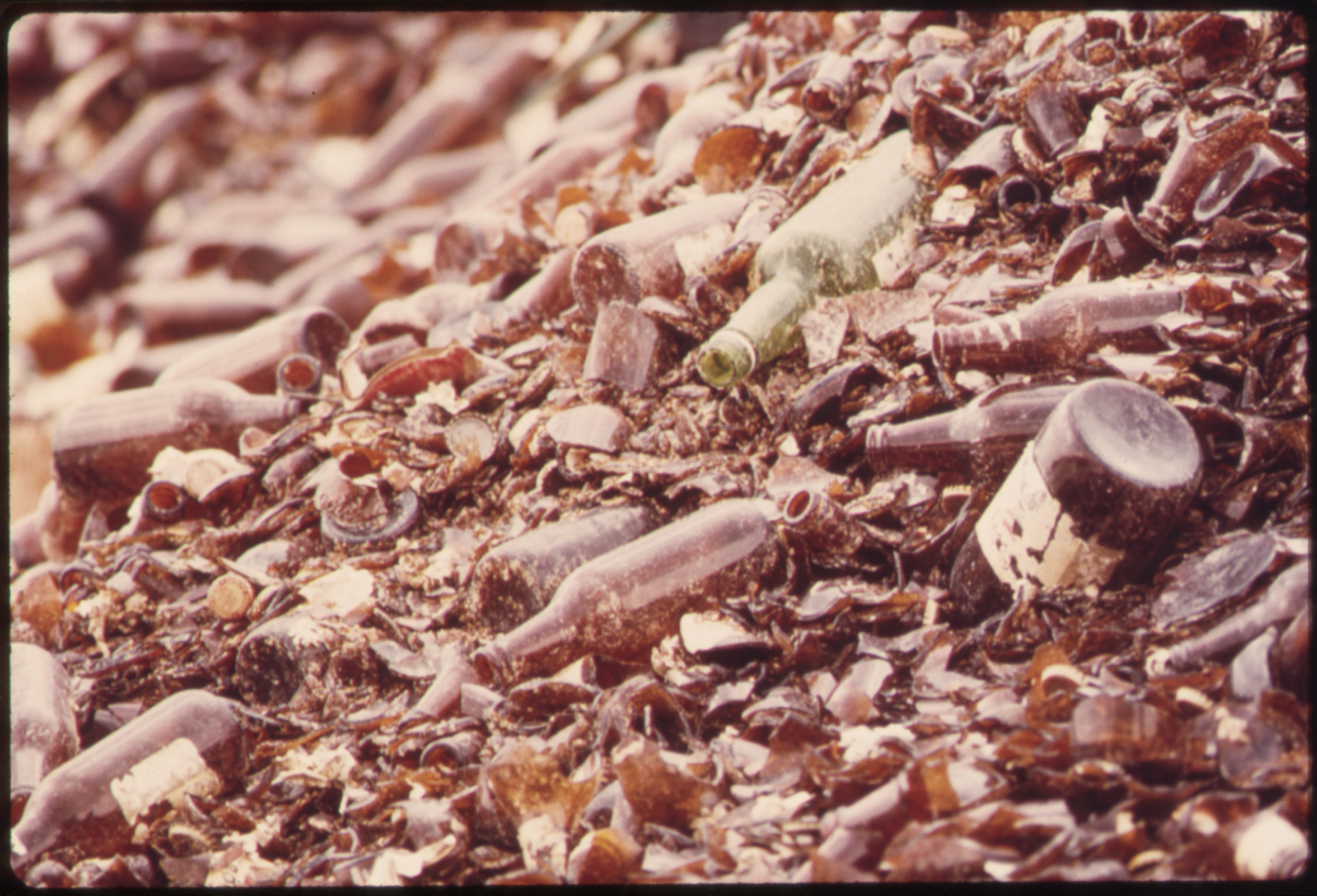
Households sorted their waste carefully, and not for any environmental reason – everything had a destination because almost nothing was simply thrown away.
Glass bottles went back to the shop for the deposit, which was real money and was frequently the child’s to keep. Metal cans were flattened and saved, because scrap had a value and somebody came round for it. Food scraps went to a compost heap, to chickens, to a dog or to a neighbour who kept pigs. Newspaper was kept for lighting fires, wrapping, lining drawers and cleaning windows. Rags became cleaning cloths. Jars were kept, and kept, and kept.
What reached the barrel was the remainder: packaging that could not be reused, wrapping, cartons, spoiled paper, garden clippings once they had dried, and whatever was genuinely finished with.
So the barrel was the last stage of a system rather than the whole of it, and the system was driven by thrift rather than by principle. A household in which money was tight does not throw away a jar.
The irony is not subtle. That arrangement diverted a far higher proportion of household waste from disposal than most modern recycling programmes achieve, and nobody involved thought of it as anything other than not being wasteful.
What Went In It Changed, and That Is What Ended It
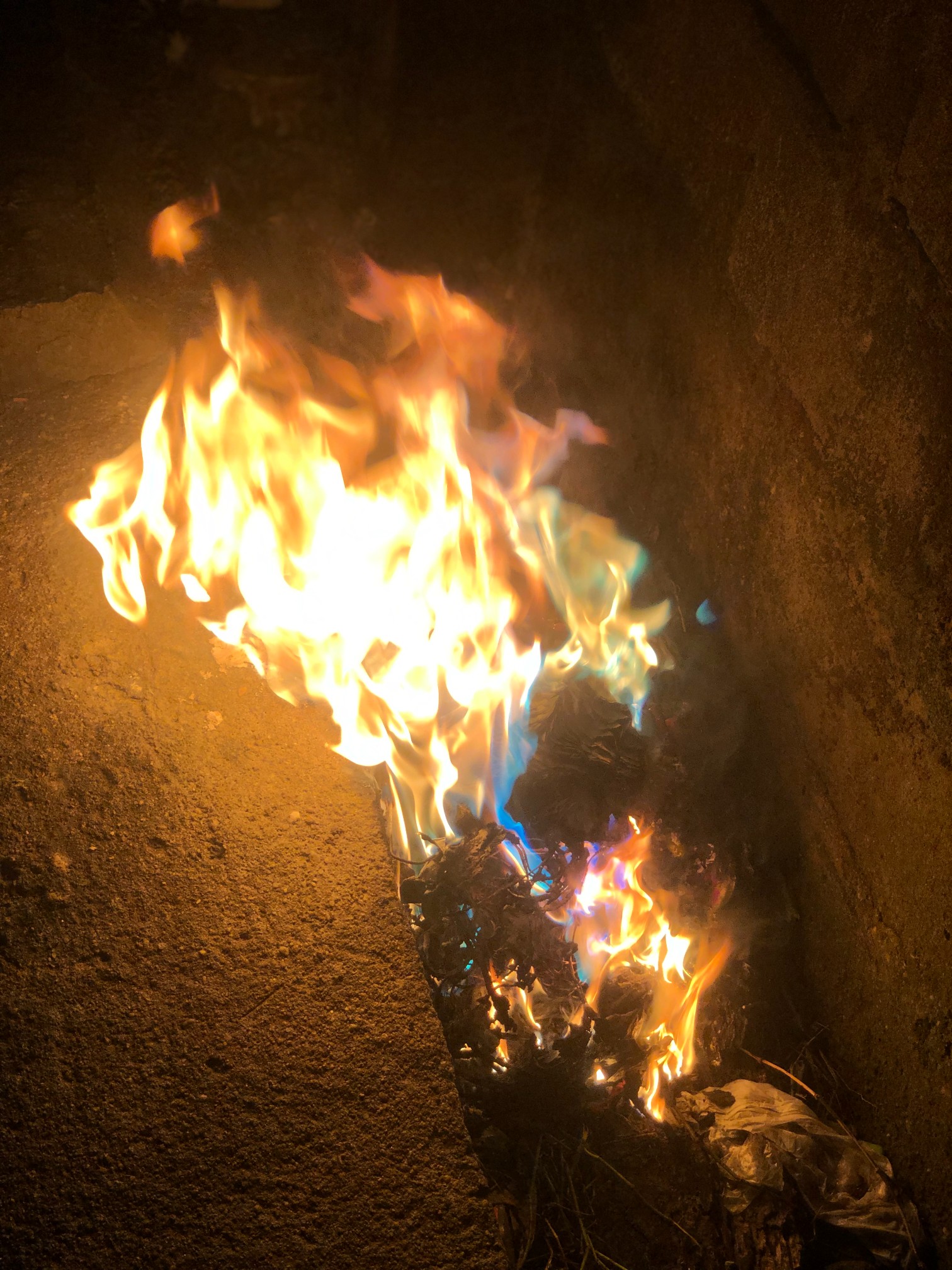
The barrel made sense when household waste was paper, card, wood and food. It stopped making sense when household waste became plastic.
Through the 1960s and 1970s the composition of what a family threw away changed fundamentally. Packaging went from paper and glass to plastic film, moulded plastic, laminates and foam. Printed material went from plain paper to coated and inked stock. Household goods contained materials that had not existed a generation earlier.
Burning those in an open drum at a few hundred degrees is a different proposition from burning newspaper. Open burning of mixed household waste at low temperature produces a range of products of incomplete combustion that a municipal incinerator operating at high temperature with gas treatment is specifically engineered to destroy.
That is the technical case, and it is not a close call. It was also not widely understood at the time by the people doing it, which is worth saying – householders were not ignoring advice, because the advice had not reached them.
The Restriction Came in Gradually and Unevenly
Burn barrels did not end on a date. They were restricted piecemeal, over decades, by different authorities for different reasons, which is why people’s recollections differ so sharply depending on where they grew up.
Fire risk came first, with burning bans during dry seasons and then permanent prohibitions in built-up areas, driven by the record of yard fires. Air quality came second, as the composition of waste changed and as open burning was identified as a significant local source. And collection expanded, which removed the need.
The result is an uneven map. Open burning of household waste is prohibited in most urban and suburban areas, permitted with conditions in some rural ones, and the rules differ by state, county, municipality and season. Anybody with a barrel still in use is in a place where it remains legal, and that is a genuinely smaller set of places than it was.
Which means the practice has not been abolished so much as pushed to the edges, and a surprising number of people reading this will have a relative who still burns.
It Is Remembered Fondly and That Is Worth Examining
The recollections are warm almost without exception – the smell, the job, the fire, the standing around it in the cold, the particular satisfaction of watching something you were finished with disappear.
Some of that warmth is just fire. Standing by a fire outdoors is pleasant in a way that does not require explanation, and giving a child that task once a week was giving them something genuinely enjoyable.
Some of it is the visible result. Household chores mostly produce nothing you can see; a burned barrel is a chore with an unmistakable outcome.
And some of it is the autonomy. A nine-year-old sent out alone with a box of trash and a match was being trusted with something consequential, and that is the thread running through almost everything people remember fondly about the period.
None of which argues for bringing it back. The fire risk was real, the fires happened, and the combustion chemistry got worse as packaging changed. It is possible to accept all of that and still understand why a person who was nine in 1972 remembers the smell of a Saturday morning with something close to affection.
Like our content? Follow us for more.